

All About Renal Physiology: How Your Kidneys Keep You Alive
Your kidneys are working right now, silently filtering your blood, controlling your blood pressure, balancing your electrolytes, and producing hormones your body desperately needs. Most of the time, you never think about them. But these two fist-sized organs are doing something extraordinary: they're processing about 180-200 litres of blood daily; that's roughly 50 gallons, enough to fill a large bathtub three or four times every single day.1 Understanding how your kidneys work, and why they matter so much, could quite literally save your life.
How Your Kidneys Work: The Filtering Machine
Think of your kidneys as your body's sophisticated waste treatment facility. They're positioned on either side of your spine, behind the abdominal muscles, each about the size of a computer mouse. Within each kidney are roughly 900,000 to 1 million microscopic filtering units called nephrons.2 You're born with a fixed number of nephrons (approximately 2 million total), and here's the crucial part: you never make new ones. Once nephrons are damaged, they're gone forever. This is why protecting your kidneys matters so much.
The Miracle of Filtration
Every 30 minutes, your entire blood supply passes through your kidneys. Of the 180-200 litres filtered daily, your body somehow reabsorbs almost all of it (about 99%), and excretes only 1-2 litres as urine.3 This extraordinary efficiency is like a recycling system that recovers 99 bottles out of every 100 and only discards 1.
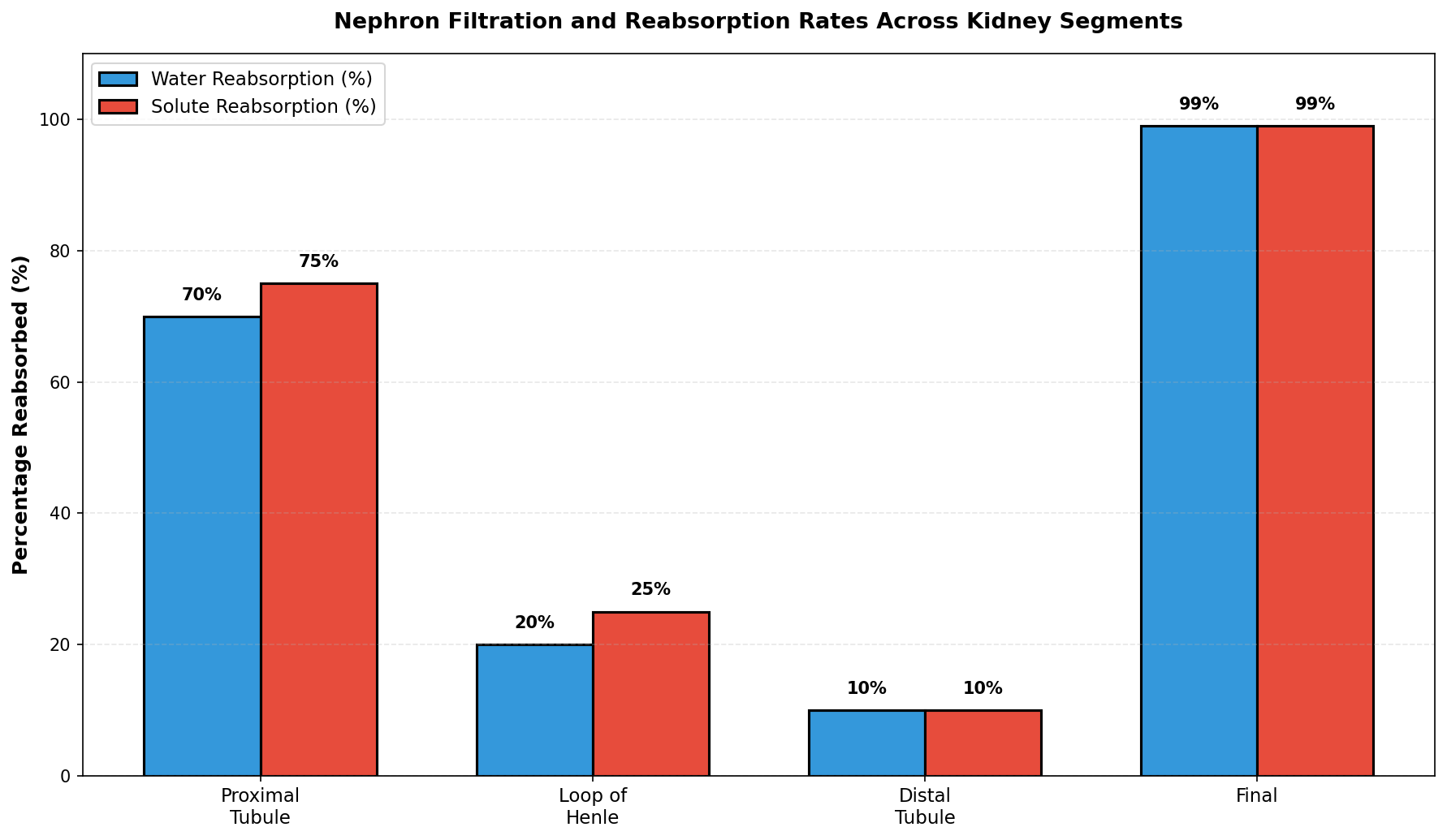 Figure 1: How your kidneys achieve remarkable efficiency by filtering massive volumes while conserving nearly all useful fluid.3
Inside the Nephron: Three Steps to Clean Blood
Each nephron works through three main stages, and understanding this process reveals why kidney failure is so serious.
Step 1: The Initial Filter (Glomerulus)
Blood enters your kidney under pressure. The glomerulus is a network of tiny blood vessels with microscopic holes in them (acting like a fine mesh strainer). As blood pushes through, about 10-20% of the blood plasma filters through these holes. The barrier is ingeniously selective: it catches large molecules like proteins and blood cells (which you need) but lets smaller waste products and water through. All of this filtered fluid gets captured by a cup-shaped structure called Bowman's capsule.2
The pressure doing all this work is your blood pressure itself: roughly 55 millimetres of mercury pushing outward against the capillary walls. This is why high blood pressure damages your kidneys over time; it's like constantly pushing water through a delicate filter too forcefully.
Step 2: Reclaiming What You Need (Proximal Tubule)
After initial filtering, the fluid moves into a coiled tubule where something remarkable happens. Your kidneys reabsorb about 70% of the water and 65% of the sodium here, along with 100% of the glucose and amino acids (nutrients you absolutely need).4 Cells lining this tubule have thousands of tiny energy-producing structures that actively pump useful substances back into your bloodstream. Waste materials stay behind in the tubule fluid.
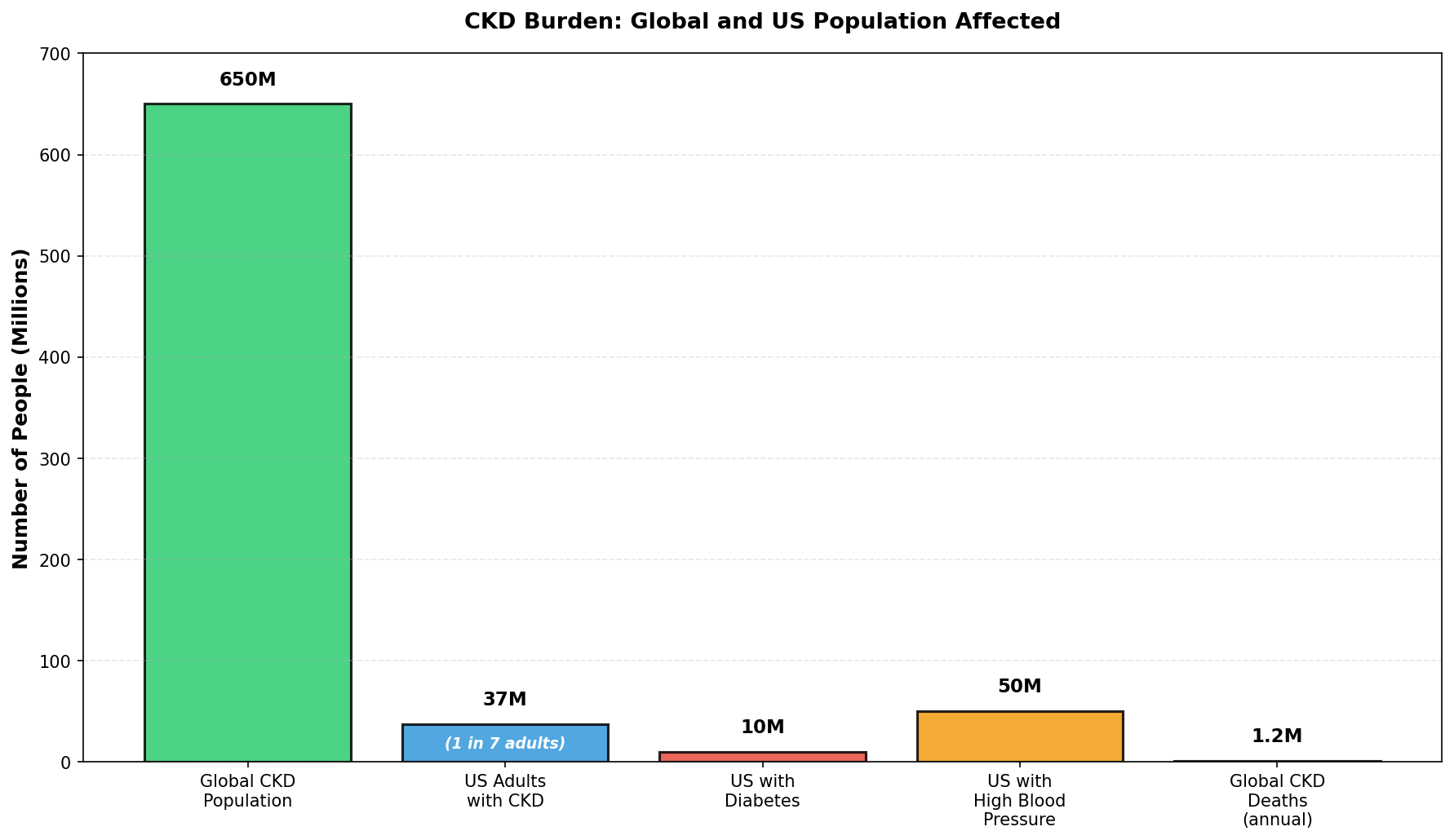 Figure 2: The proximal tubule does the heaviest lifting of recovery, reclaiming 70% of water and 75% of useful solids. 4
Step 3: Fine-Tuning (Loop of Henle and Beyond)
The fluid continues through the loop of Henle, a U-shaped section that concentrates the remaining fluid by manipulating water and salt levels. Then it enters the distal tubule and collecting duct, where hormones control final adjustments. By the time this fluid reaches your bladder, about 99% of the water has been reabsorbed, leaving behind concentrated waste: urine.4
Kidney Regulation: How Your Body Stays in Balance
Filtering waste is just the beginning of what your kidneys do. They also regulate three critical systems that keep you alive: blood pressure, electrolyte balance, and blood pH.
Blood Pressure Control: The RAAS System
Your kidneys constantly monitor your blood pressure. When blood pressure drops or sodium levels fall, your kidneys trigger a cascade called the Renin-Angiotensin-Aldosterone System (RAAS). It works like this:
- Your kidneys release renin, an enzyme, into the bloodstream
- Renin converts a protein into angiotensin II, a powerful hormone that narrows blood vessel walls
- Angiotensin II triggers your adrenal glands to release aldosterone
- Aldosterone tells your kidneys to reabsorb more sodium and water
- More sodium and water in your blood vessels raises blood volume and blood pressure5
This system is life-saving when you're dehydrated or bleeding. But when it stays "on" too long, it causes chronic high blood pressure; and that's where the real damage happens.
The Blood Pressure-Kidney Damage Cycle
Here's the problem: high blood pressure damages kidney blood vessels. Damaged kidneys can't regulate blood pressure properly. This makes blood pressure even harder to control, causing more kidney damage. The cycle perpetuates itself, which is why controlling blood pressure early is so critical.
The numbers are striking. Good blood pressure control is your best kidney protection. Patients with moderate blood pressure control (130-149 mmHg) have 3.87 times higher risk of kidney failure, while those with poor control (above 150) have 9.09 times higher risk.6 Each 10 mmHg increase in systolic blood pressure increases your chronic kidney disease risk by 37%.
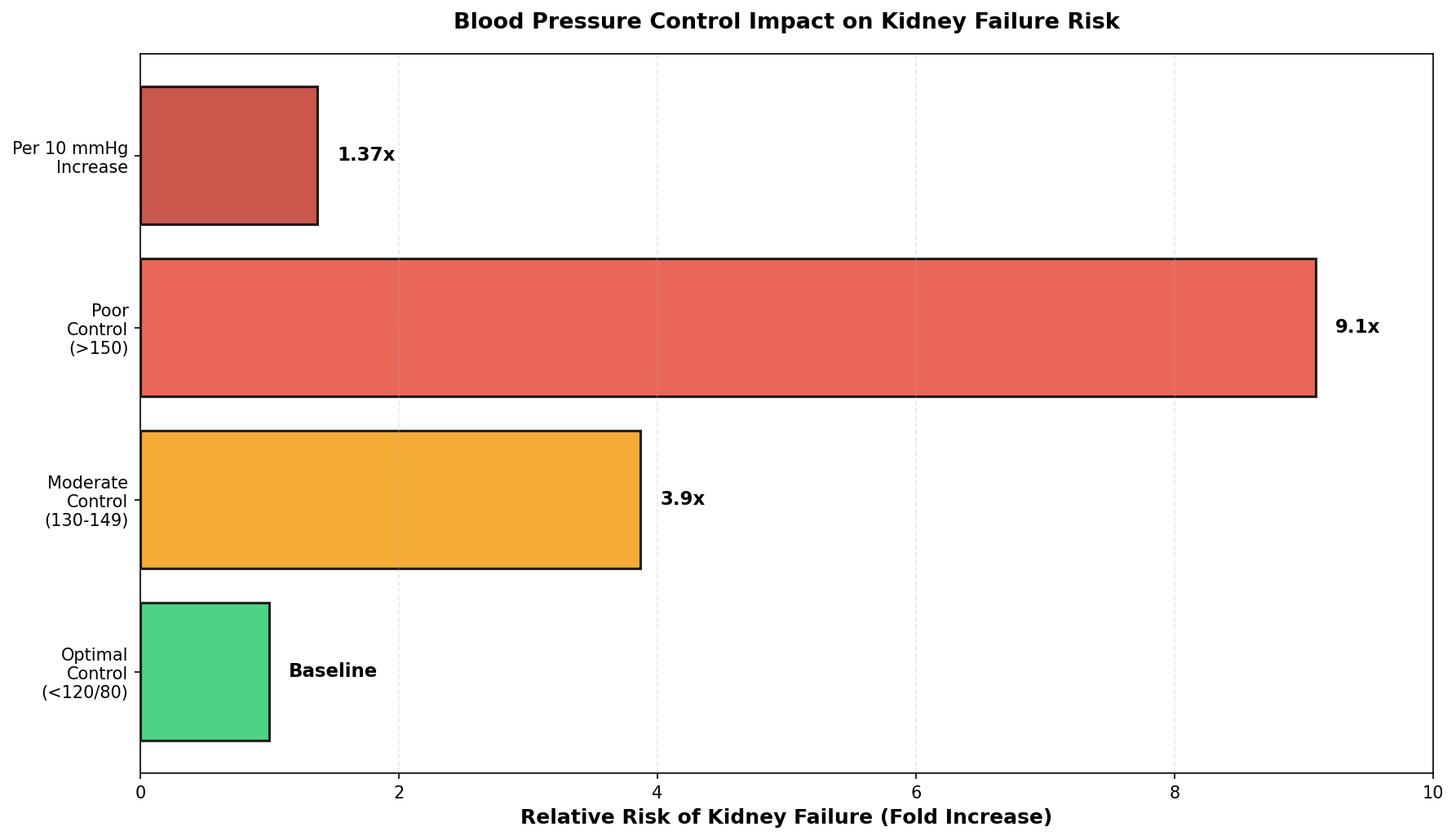 Figure 3: Blood pressure control dramatically affects kidney failure risk; poor control makes it nearly 10 times more likely.6
Electrolyte Balance: Keeping Your Heart Beating Right
Your cells need precise amounts of electrolytes (minerals like sodium, potassium, and calcium) to function. Your kidneys maintain these balances with remarkable precision.
Sodium (normal blood level: 136-148 milliequivalents per litre) controls water balance and blood pressure. When you eat more salt, aldosterone decreases, letting excess sodium exit in urine. When you eat less, aldosterone increases, keeping more sodium in your blood.5
Potassium (normal: 3.5-5.0 milliequivalents per litre) is especially critical because it controls muscle contractions, especially your heartbeat. Too much potassium can cause dangerous heart rhythms; too little can stop your heart. Your kidneys balance potassium so precisely that they match your intake with your excretion almost perfectly.5
What Happens When Electrolyte Control Fails
When kidneys deteriorate, they lose the ability to regulate electrolytes, and serious complications develop. Hyperkalemia (high potassium) is particularly dangerous. As kidney function declines across the five stages of kidney disease, hyperkalemia prevalence escalates dramatically:
- Stage 1 CKD: 7.2%
- Stage 3 CKD: 13.2-24.6%
- Stage 4 CKD: 43.7%
- Stage 5 CKD (kidney failure): 51.2%7
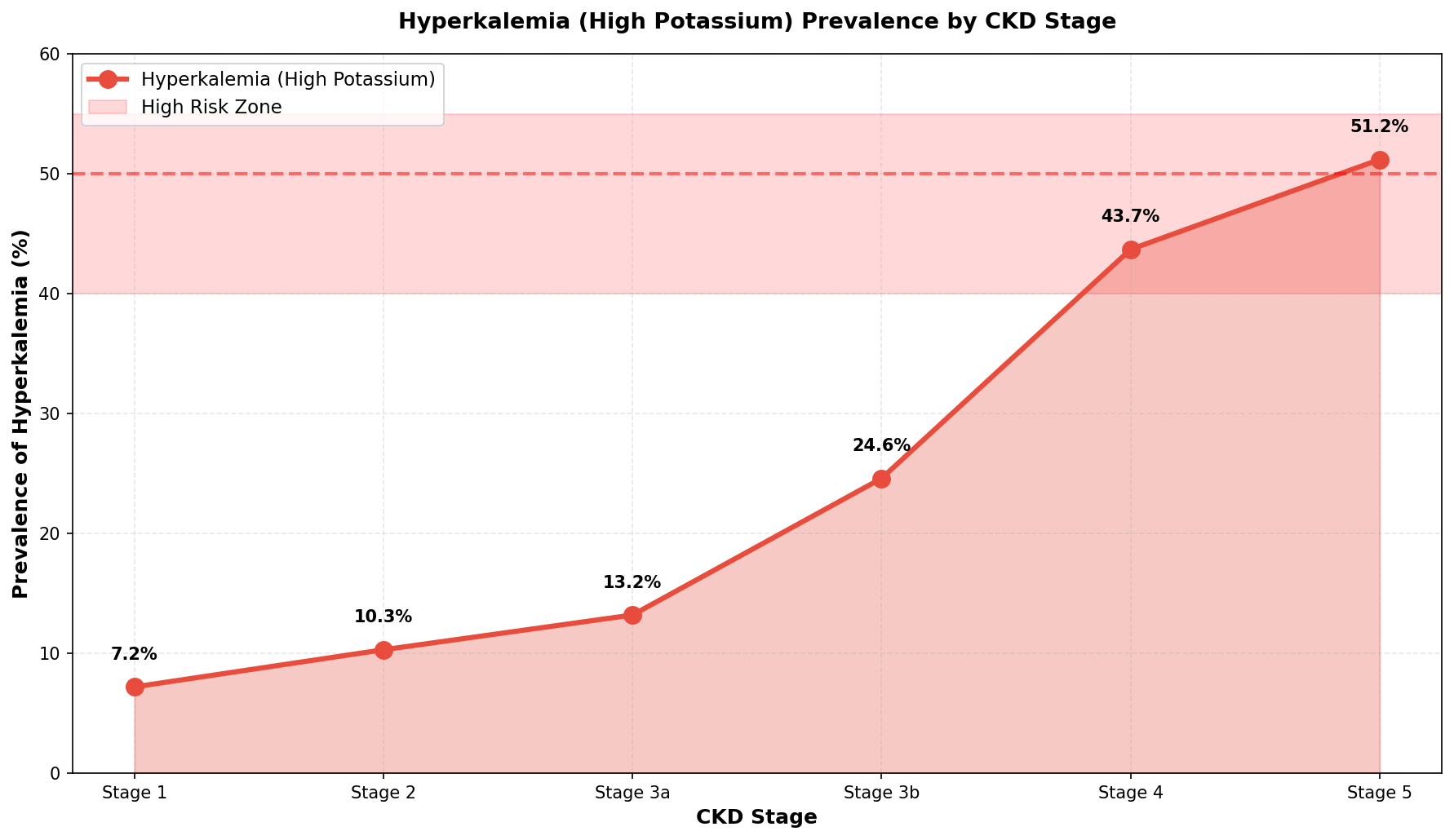 Figure 4: Hyperkalemia risk multiplies seven times from Stage 1 to Stage 5, becoming life-threatening in advanced kidney disease.7
By stage 5, more than half of kidney failure patients have dangerously high potassium. This causes life-threatening irregular heartbeats, and the mortality is immediate; 23.36% of hyperkalemia-related deaths occur within 30 days.7
Blood pH: Maintaining the Precise Balance Your Cells Need
Your blood pH must stay between 7.35-7.45 (slightly alkaline). Even small deviations damage cells and impair organ function. Your kidneys maintain this by controlling how much acid is excreted and how much bicarbonate is reabsorbed.
When kidneys fail, they can't excrete enough hydrogen ions or reabsorb enough bicarbonate, leading to metabolic acidosis. This isn't just uncomfortable; it causes muscle wasting, bone disease, cardiovascular disease, and increased mortality. In advanced kidney disease, 27.6-46.4% of patients experience metabolic acidosis.5 Those with metabolic acidosis have 5.56 times higher risk of death.
The Hormones That Control Everything
Three crucial hormones tell your kidneys exactly how much water, sodium, and electrolytes to reabsorb:
ADH (Antidiuretic Hormone), released from your pituitary gland, controls water reabsorption. When you're dehydrated, ADH levels rise, telling your kidneys to hold onto water and produce concentrated urine.
Aldosterone, from your adrenal glands, controls sodium reabsorption and potassium excretion. When blood sodium is low or potassium is high, aldosterone increases, signalling your kidneys to reabsorb sodium and excrete potassium.
Parathyroid Hormone (PTH) regulates calcium and phosphate. When blood calcium drops, PTH increases, telling your kidneys to reabsorb calcium and excrete phosphate, while also activating vitamin D for better calcium absorption.5
These hormones work in concert, fine-tuning your body's chemistry with remarkable precision. When kidneys fail, these control systems collapse.
The Numbers That Matter: Understanding Kidney Disease Burden
Kidney disease is one of the most significant health challenges facing modern populations; yet most people don't realise how common it is.
How Many People Are Affected?
Globally, 788 million people aged 20 and over have chronic kidney disease.1 That's roughly 1 in 7 adults worldwide. In the United States, 35.5 million Americans (also 1 in 7 adults) have chronic kidney disease.1 This represents a tripling of cases since 1990.
Here's the shocking part: 9 in 10 people with kidney disease don't even know they have it.1 That's approximately 32 million unaware Americans with a serious health condition.
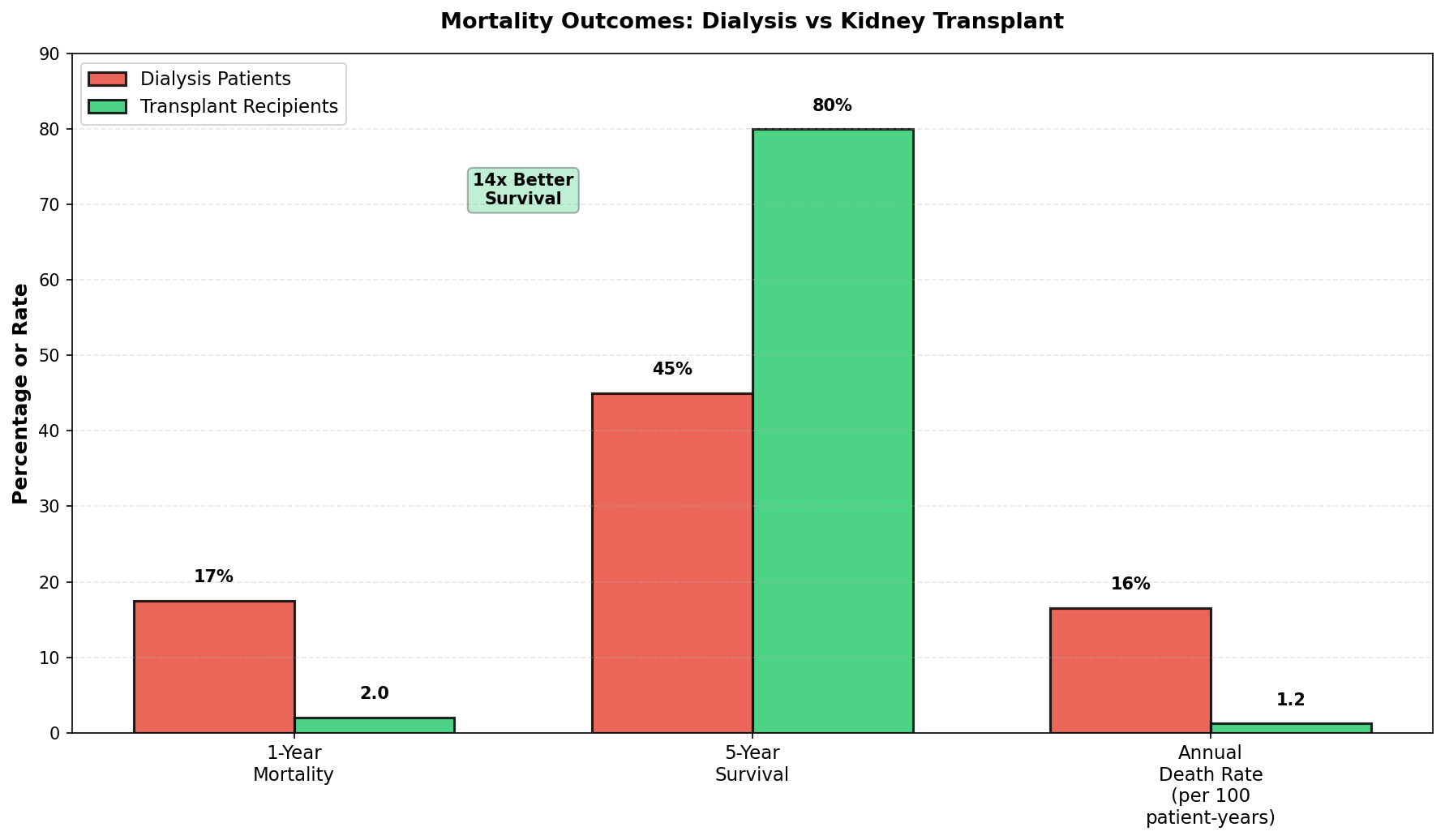 Figure 5: Chronic kidney disease affects 35.5 million Americans, making it as common as high blood pressure and more common than diabetes.1
Who's Most at Risk?
Diabetes and high blood pressure together cause 2 out of every 3 cases of chronic kidney disease.6 Diabetes alone is the number one cause. High blood pressure is the second.
- 1 in 3 people with diabetes will develop kidney disease6
- Up to 40% of people with Type 2 diabetes will eventually develop kidney failure1
- 47% of American adults (116 million people) have high blood pressure6
- Only 1 in 4 people with high blood pressure have it adequately controlled6
This means millions of people are at risk without even knowing it. Black Americans face particular disparities: they make up 14% of the US population but account for 30% of end-stage kidney disease cases.8 They are 4 times more likely to develop kidney failure.
The Relationship Between Hypertension and Kidney Disease
The numbers reveal a vicious cycle. Among people with high blood pressure, CKD prevalence is 24.4%. Among people without high blood pressure, CKD prevalence is only 7.5%.6 People with hypertension are 3.25 times more likely to have kidney disease.
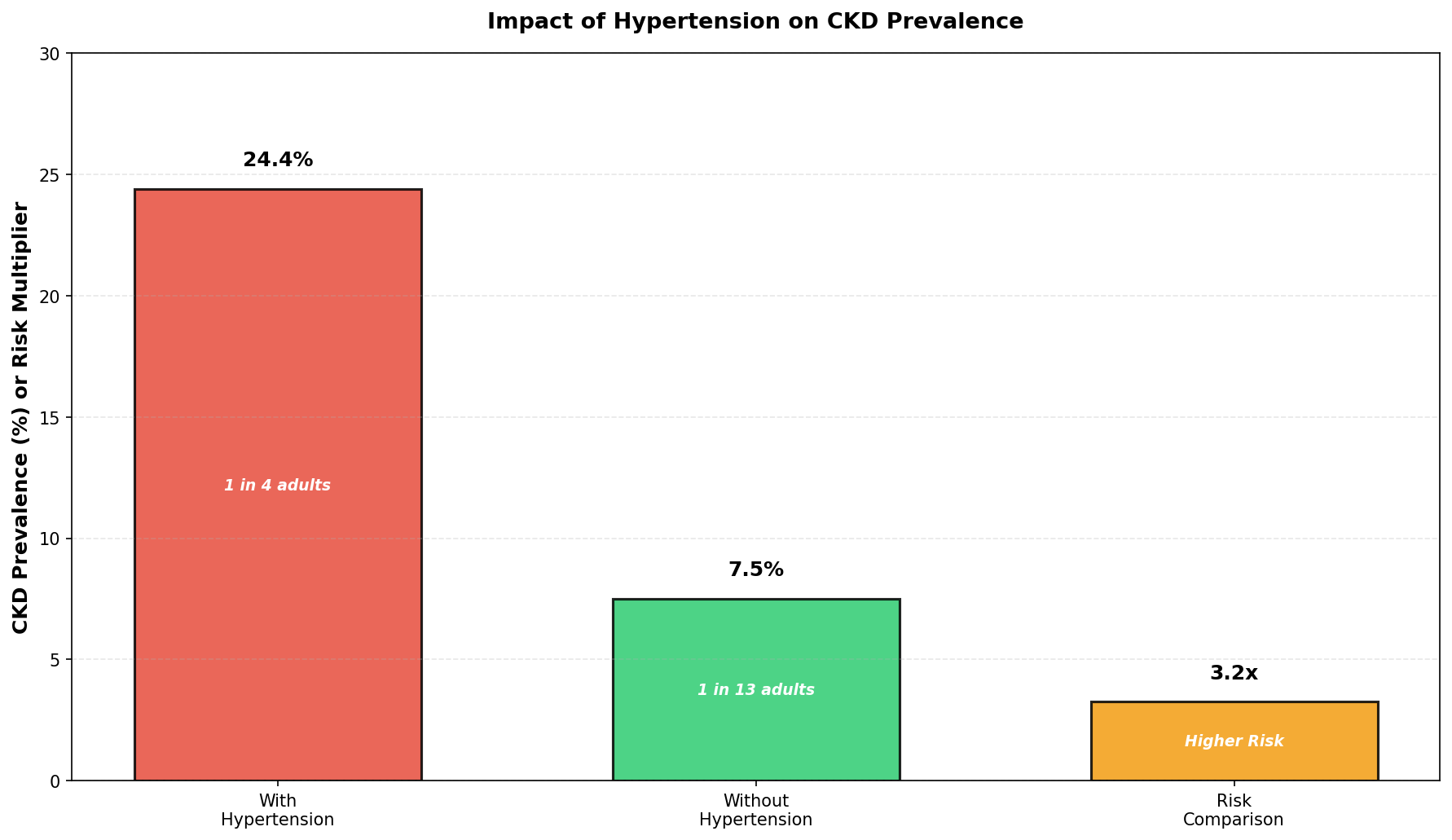 Figure 6: High blood pressure dramatically increases kidney disease risk; 1 in 4 hypertensive adults has CKD compared to 1 in 13 in the general population.6
When Things Go Wrong: Kidney Disease Explained
Kidney disease develops in five distinct stages, based on your GFR (Glomerular Filtration Rate): a number showing how effectively your kidneys filter waste.
The Five Stages
- Stages 1-2 (GFR 60 or higher): Mild kidney damage with normal or mildly reduced function. You typically have no symptoms at all. This is why testing is essential if you have risk factors
- Stage 3 (GFR 30-59): Mild to moderate kidney damage. Some people notice fatigue, swelling, or muscle cramps, but many still have no symptoms
- Stage 4 (GFR 15-29): Severe kidney damage. Symptoms become more apparent: fatigue, shortness of breath, swelling, poor sleep
- Stage 5 (GFR below 15): Kidney failure. Your kidneys cannot support life without dialysis or transplant9
The frightening reality: most people don't discover kidney disease until Stages 3 or 4 when significant damage has already occurred. Early disease is silent.
Acute Kidney Injury (AKI): When Kidneys Fail Suddenly
Unlike chronic kidney disease, acute kidney injury develops suddenly (within 48 hours). It can be triggered by severe dehydration, shock, trauma, toxic drug exposure, or infections. The good news: if caught early and you were previously healthy, most people recover normal or near-normal kidney function.1 Mild cases improve in days; severe cases take weeks or months.
Kidney Stones: Common and Often Preventable
1 in 11 Americans will develop kidney stones during their lifetime.1 While painful (the pain has been compared to childbirth), kidney stones are usually manageable. Small stones often pass naturally; larger ones may require medical intervention. The bad news: 50% of people who get one kidney stone develop another within 10 years.1
Prevention is straightforward: drink at least 2.5 litres of water daily, limit sodium and animal protein, and maintain a healthy weight.
When Things Really Go Wrong: Serious Complications
Kidney disease doesn't just affect your kidneys; it damages your entire body. In advanced stages, serious complications develop.
The Cardiovascular Crisis
Here's something that surprises many people: 35-40% of chronic kidney disease patients die from cardiovascular disease, not kidney failure itself.8 Impaired kidney function contributes to 12% of global cardiovascular deaths. This happens because chronic kidney disease triggers persistent inflammation throughout your body, leading to vascular calcification (hardening of arteries), atherosclerotic plaque buildup, heart muscle scarring, and valve calcification.8
The severity is staggering. In patients aged 25-34 with end-stage kidney disease, annual mortality is 500 to 1,000 times higher than their age group in the general population (equivalent to the death rate of an 85-year-old).8
Bone Disease and Mineral Imbalances
When kidneys can't regulate calcium and phosphate, secondary hyperparathyroidism develops. The parathyroid gland over-releases hormone trying to boost calcium, but without functioning kidneys, the system spirals out of control. This leads to bone disease, vascular calcification, and heart problems.
The Complete Picture
Without treatment, people with complete kidney failure can survive only 7-46 days, with an average of about 7-14 days.1 Toxic waste and excess fluid accumulate rapidly in the blood, poisoning the entire system.
Protecting Your Kidneys: Prevention and Management
The good news is that kidney disease, especially in early stages, can often be prevented or slowed dramatically.
Essential Prevention Strategies
Control Diabetes: Monitor blood sugar closely, take medications as prescribed, and get regular A1C testing. This is your most important defence against kidney disease.
Manage Blood Pressure: Target less than 130/80 mmHg. Take medications consistently, monitor at home regularly, and reduce sodium intake. Even modest blood pressure improvements protect your kidneys significantly.
Maintain Healthy Weight: Excess weight increases kidney disease and kidney stone risk. Even modest weight loss helps.
Exercise Regularly: Aim for 30 minutes of activity most days per week. Walking, swimming, biking, and household chores all count. Exercise lowers blood pressure, controls blood sugar, and maintains healthy weight.
Eat a Heart-Healthy Diet: Fresh fruits and vegetables, whole grains, low-fat dairy, and limited salt and added sugars protect your kidneys. Reduce animal protein, especially red meat.
Stay Hydrated: Drink 2.5 litres or more of water daily. This reduces kidney stone risk and helps your kidneys flush waste.
Avoid Excessive NSAIDs: Over-the-counter pain relievers like ibuprofen can damage the kidneys, especially with long-term use.
If You Already Have Kidney Disease
Get Regular Testing: Blood tests for creatinine and eGFR, urinalysis for protein, and blood pressure monitoring help track progression.
Take Your Medications: ACE inhibitors and ARBs protect the kidneys and lower blood pressure. Blood pressure medications, diabetes medications, and potassium binders (if needed) are essential.
Modify Your Diet: As kidney function declines, dietary restrictions become more important. Advanced kidney disease requires limiting potassium, phosphate, sodium, and sometimes fluid.
Monitor Symptoms: Report fatigue, swelling, difficulty urinating, or shortness of breath to your doctor immediately.
Dialysis vs. Transplant: Life-Changing Differences
If kidney function declines to Stage 5, two treatments are available: dialysis or a kidney transplant.
The Survival Difference
The data is striking. Kidney transplant recipients have dramatically superior survival outcomes compared to dialysis patients:
- 5-year survival: 80% for transplant vs. 45% for dialysis10
- 1-year mortality: About 2% for transplant vs. 15-20% for dialysis10
- Annual death rate: 1.2 per 100 patient-years for transplant vs. 16.5 for dialysis10
This means transplant recipients are 14 times more likely to survive 5 years compared to dialysis patients. For every 100 dialysis patients, about 17 will die within the first year. For every 100 transplant recipients, only about 2 will die in the same period.10
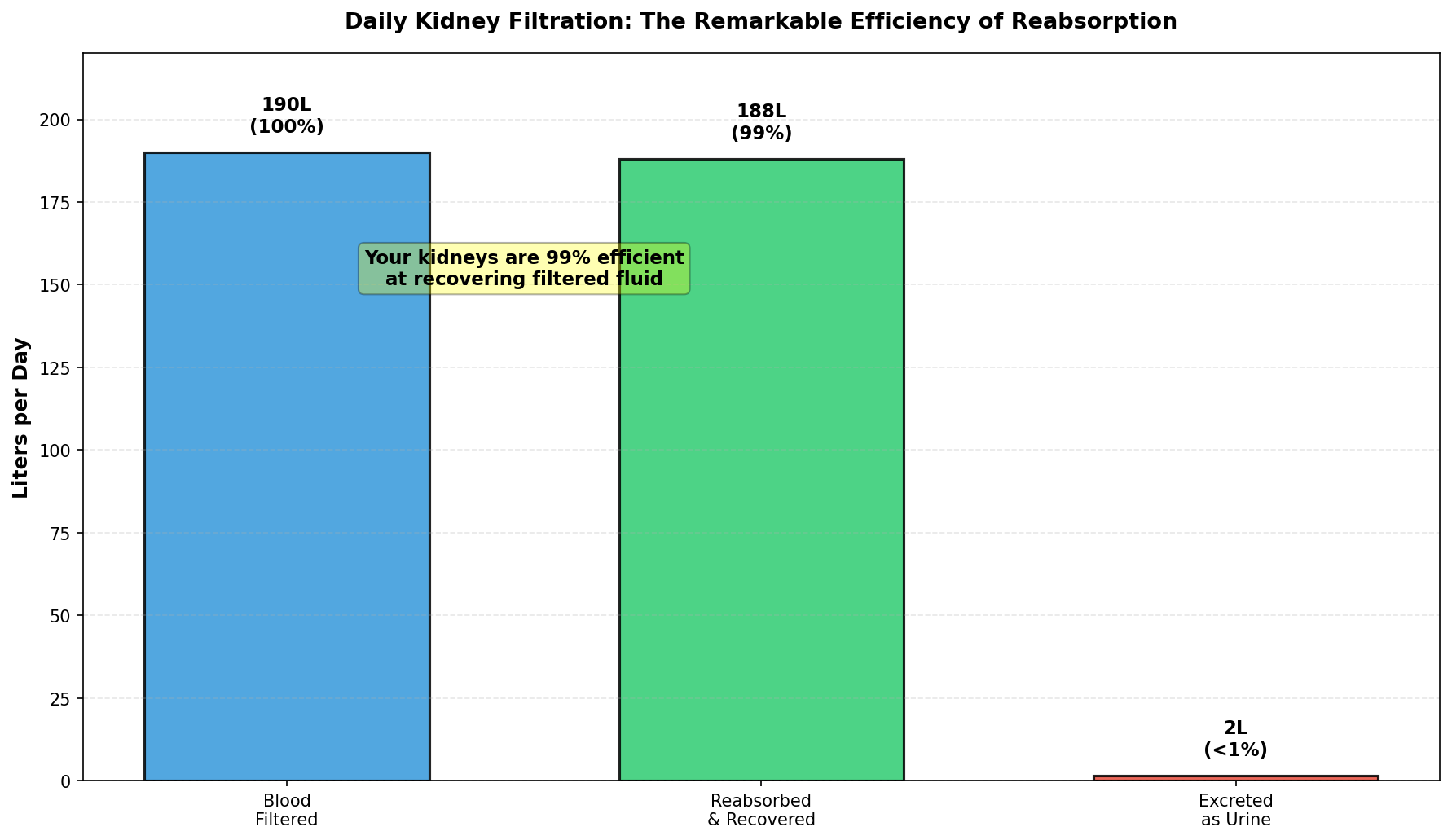 Figure 7: Kidney transplant offers dramatically superior survival outcomes; 80% of transplant recipients survive 5 years compared to just 45% of dialysis patients.10
Quality of Life
Beyond survival, transplant recipients report superior quality of life. Dialysis requires 3-4 hours per session, 3 days per week (a significant commitment). Transplant recipients generally have fewer dietary restrictions and more freedom to work and travel.10
The Critical Window
The first 8-9 months after transplant carry higher surgical risk, but patients who survive this period have much better outcomes long-term than dialysis patients.10 For younger patients especially, transplant is worth the initial risk.
Conclusion: Why Your Kidneys Matter More Than You Think
Your kidneys filter 180-200 litres of blood daily with extraordinary efficiency. They control your blood pressure, balance your electrolytes, regulate your blood pH, and produce hormones that keep you alive. When they fail, life-threatening complications develop rapidly.
Yet kidney disease remains silent and underdiagnosed. 1 in 7 adults has chronic kidney disease, but 9 in 10 don't know it. Diabetes and high blood pressure cause 2 in 3 cases (both preventable or manageable conditions).
Here's the practical takeaway: If you have diabetes or high blood pressure, ask your doctor about kidney function testing. Early detection changes everything. Stages 1-3 kidney disease can often be slowed or stopped through blood pressure control, diabetes management, weight loss, and lifestyle changes. The difference between early detection and late detection is, quite literally, the difference between a long and healthy life versus kidney failure and dialysis.
Your kidneys are working right now, keeping you alive and healthy. Understanding their importance and protecting them should be a priority for everyone. The good news is that kidney protection is often as simple as controlling blood pressure, managing diabetes, exercising regularly, and eating well. For those who reach kidney failure, transplant offers a second chance at life with dramatically better outcomes than dialysis.
Take your kidney health seriously. Get tested. Control your blood pressure. Manage your diabetes. Your kidneys (and your future health) depend on it.
Further Reading
How Kidneys Work
- Cleveland Clinic: Kidneys - Location, Anatomy, Function and Health
- NIDDK: Your Kidneys and How They Work
- Khan Academy: Anatomy of the Kidney and the Nephron
- National Kidney Foundation: How Your Kidneys Work
Understanding Chronic Kidney Disease
- National Institute of Diabetes and Digestive and Kidney Diseases: Chronic Kidney Disease
- Mayo Clinic: Chronic Kidney Disease Symptoms and Causes
- NHS: Chronic Kidney Disease
- American Kidney Fund: Stages of Kidney Disease
Blood Pressure and Kidney Health
- NIDDK: High Blood Pressure and Kidney Disease
- Cleveland Clinic: Renin-Angiotensin-Aldosterone System (RAAS)
- American Heart Association: High Blood Pressure and Your Kidneys
Kidney Disease Statistics and Risk
- NIDDK: Kidney Disease Statistics for the United States
- American Kidney Fund: Quick Kidney Disease Facts and Stats
- National Kidney Foundation: Global Facts About Kidney Disease
- Johns Hopkins Medicine: Chronic Kidney Disease Statistics
Electrolyte Balance and Complications
- Cleveland Clinic: Electrolytes - Types, Purpose and Normal Levels
- National Kidney Foundation: Metabolic Acidosis
- PubMed Central: Hyperkalemia in Chronic Kidney Disease
Treatment Options
- American Journal of Kidney Diseases: Dialysis vs. Kidney Transplant Comparison
- NIDDK USRDS: Kidney Transplant Statistics
- Mayo Clinic: Kidney Transplant Surgery
- National Kidney Foundation: Dialysis and Transplant Options
Prevention and Management
- NIDDK: Preventing Chronic Kidney Disease
- American Kidney Fund: Living with Kidney Disease - Healthy Eating and Activity
- Cleveland Clinic: How to Protect Your Kidneys
Kidney Stones
- Mayo Clinic: Kidney Stones - Symptoms, Causes and Treatment
- Cleveland Clinic: Kidney Stones - Causes, Symptoms and Prevention
- American Urological Association: Kidney Stone Information
Cardiovascular Complications
- New England Journal of Medicine: Chronic Kidney Disease and Cardiovascular Disease Risk
- Circulation: Cardiovascular Disease in Chronic Kidney Disease
- American Heart Association: Connection Between Kidney Disease and Heart Disease
References/Helpful Resources
- National Institute of Diabetes and Digestive and Kidney Diseases. Kidney Disease Statistics for the United States. 2024. Available from: https://www.niddk.nih.gov/health-information/health-statistics/kidney-disease
- Khan Academy. Anatomy of the Kidney and the Nephron. Available from: https://www.khanacademy.org/test-prep/mcat/organ-systems/the-renal-system/a/anatomy-of-the-kidney-and-the-nephron
- Cleveland Clinichttps://www.khanacademy.org/test-prep/mcat/organ-systems/the-renal-system/a/anatomy-of-the-kidney-and-the-nephron. Kidneys: Location, Anatomy, Function and Health. Available from: https://my.clevelandclinic.org/health/body/21824-kidney
- Kenhub. Kidneys: Anatomy, Function and Internal Structure. Available from: https://www.kenhub.com/en/library/anatomy/kidneys
- Cleveland Clinic. Renin-Angiotensin-Aldosterone System (RAAS): What It Does. Available from: https://my.clevelandclinic.org/health/articles/24175-renin-angiotensin-aldosterone-system-raas
- Hypertension Journal. Prevalence of Chronic Kidney Disease Among US Adults With Hypertension. 2023. Available from: https://www.ahajournals.org/doi/10.1161/HYPERTENSIONAHA.123.21482
- PubMed Central. Hyperkalemia in Chronic Kidney Disease: Links, Risks and Overview. 2024. Available from: https://pmc.ncbi.nlm.nih.gov/articles/PMC9356601/
- New England Journal of Medicine. Chronic Kidney Disease and Risks of Death, Cardiovascular Events, and Hospitalization. 2004;351(13):1296-1305.
- American Kidney Fund. Stages of Kidney Disease. Available from: https://www.kidneyfund.org/all-about-kidneys/stages-kidney-disease
- New England Journal of Medicine. A Comparison of Mortality in Patients With Chronic Renal Failure. 1999;341(23):1725-1730.
