

Your body is constantly under siege. Every moment, the normal processes that keep you alive (burning fuel, fighting infections, responding to stress) create unstable molecules called free radicals that damage your cells. Most people know antioxidants are important, but they're vague about what they actually do. Alpha-lipoic acid is different: it's one of the few antioxidants that researchers have studied rigorously, and the evidence reveals both genuine benefits and important limitations you should understand before considering supplementation.
What Is Alpha Lipoic Acid, Really?
Alpha-lipoic acid (ALA), also called thioctic acid, is an organosulfur compound your body makes naturally and you consume in small amounts from food. Here's what makes it unusual: it's one of the rare molecules that is both water-soluble and fat-soluble. Think of your cells like rooms with both water-filled areas and fatty walls. Most antioxidants can only work in one environment or the other. ALA can penetrate both. This means it can protect vulnerable cellular structures that other antioxidants cannot reach, including the brain and the energy-producing mitochondria inside your cells.
Your body produces ALA specifically for energy metabolism; it works as a coenzyme in the mitochondria helping to convert fuel into usable energy. Dietary and supplemental ALA does this job while also working as an antioxidant.
How ALA Actually Works: The Chemistry Matters
ALA has an unusual antioxidant system. It exists in two interchangeable forms: oxidised ALA and its reduced form, dihydrolipoic acid (DHLA). Think of them as a rechargeable battery. When ALA encounters a free radical and neutralises it, it converts to DHLA. Enzymes in your cells then convert DHLA back to ALA. This recycling system means a single ALA molecule can neutralise multiple free radicals, making it exceptionally efficient compared to other antioxidants that become 'used up' after one encounter with damage.
Even more impressively, ALA and DHLA can restore other antioxidants that have already been depleted. When your body's main cellular defender, glutathione, becomes exhausted from fighting free radicals, ALA can help regenerate it. The same applies to vitamins C and E and coenzyme Q10. This is why ALA is sometimes called the 'antioxidant of antioxidants.'
Additionally, the sulphur atoms in ALA's structure allow it to chelate (bind to) heavy metals like iron, copper, and lead, preventing these metals from triggering further free radical formation. This dual mechanism (both eliminating free radicals directly and disarming the metals that generate them) distinguishes ALA from most other supplements.
The Absorption Problem: What Actually Enters Your Bloodstream
Here's a critical reality most supplement marketing ignores: your body absorbs only about 30% of oral ALA. If you take a 600 mg supplement, roughly 180 mg enters your bloodstream. The rest is either not absorbed or broken down by your digestive system before it's useful.
This matters because the form you choose influences absorption significantly:
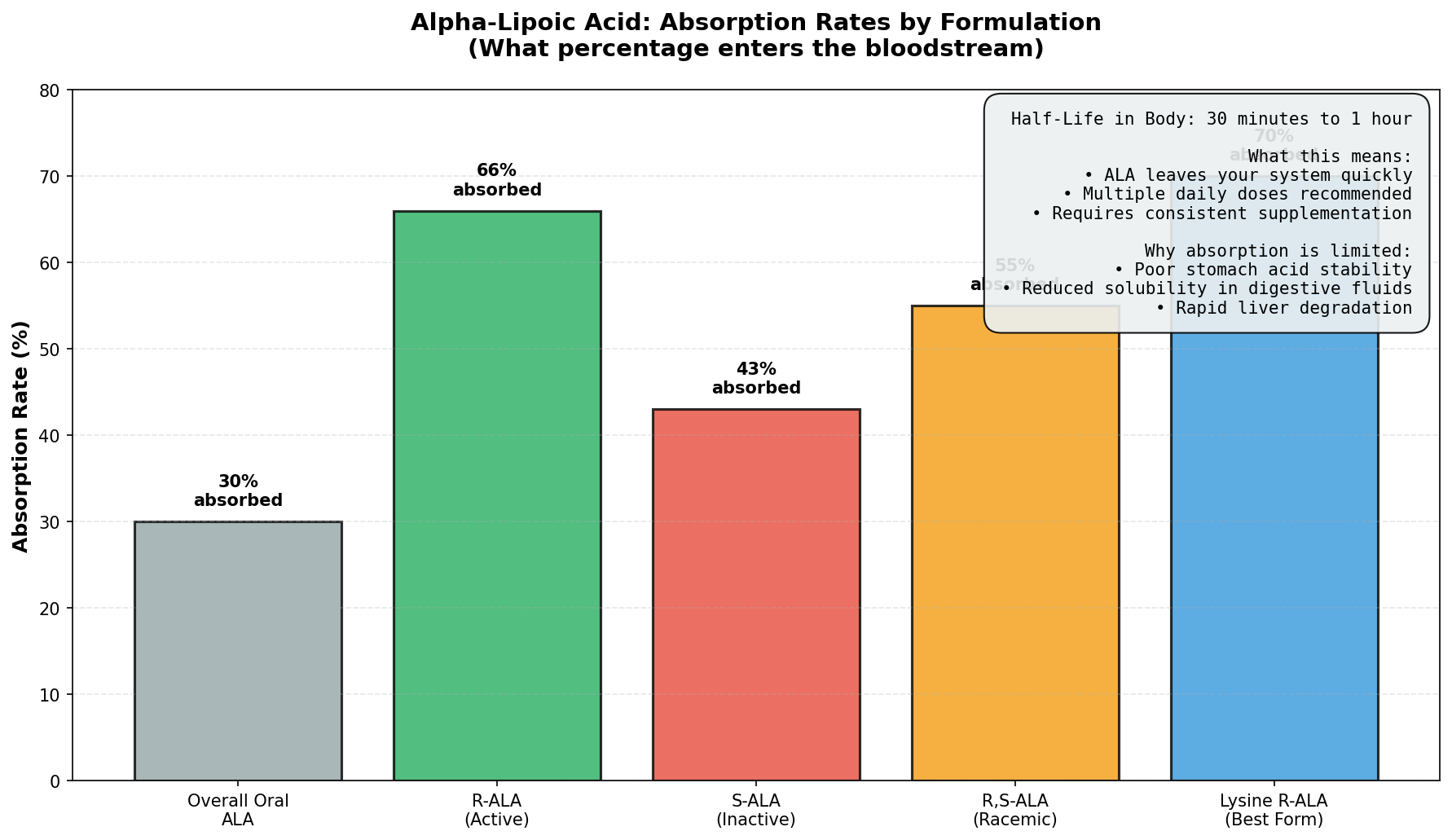 Figure 1: Absorption rates vary dramatically based on supplement form. R-ALA (the active form your body produces) absorbs at 66%, nearly double the overall average. Lysine R-ALA salt, a pharmaceutical form, achieves 70% absorption.
R-ALA versus S-ALA: Your body naturally produces only the R-form of ALA. When you buy a supplement labelled 'R-lipoic acid,' you're getting the form your cells actually use. Standard supplements contain both R and S forms (called racemic ALA). Your body uses the R-form efficiently but largely discards the S-form, meaning you're essentially paying for something half-useless.
Another critical limitation: ALA leaves your body remarkably fast. Its half-life is only 30 to 60 minutes. This is why taking a single large dose is inefficient. By the time the ALA is fully absorbed and circulating, your body is already breaking it down. This rapid clearance is actually why ALA is so safe (it doesn't accumulate), but it also explains why clinical trials typically use divided doses throughout the day or recommend consistent supplementation.
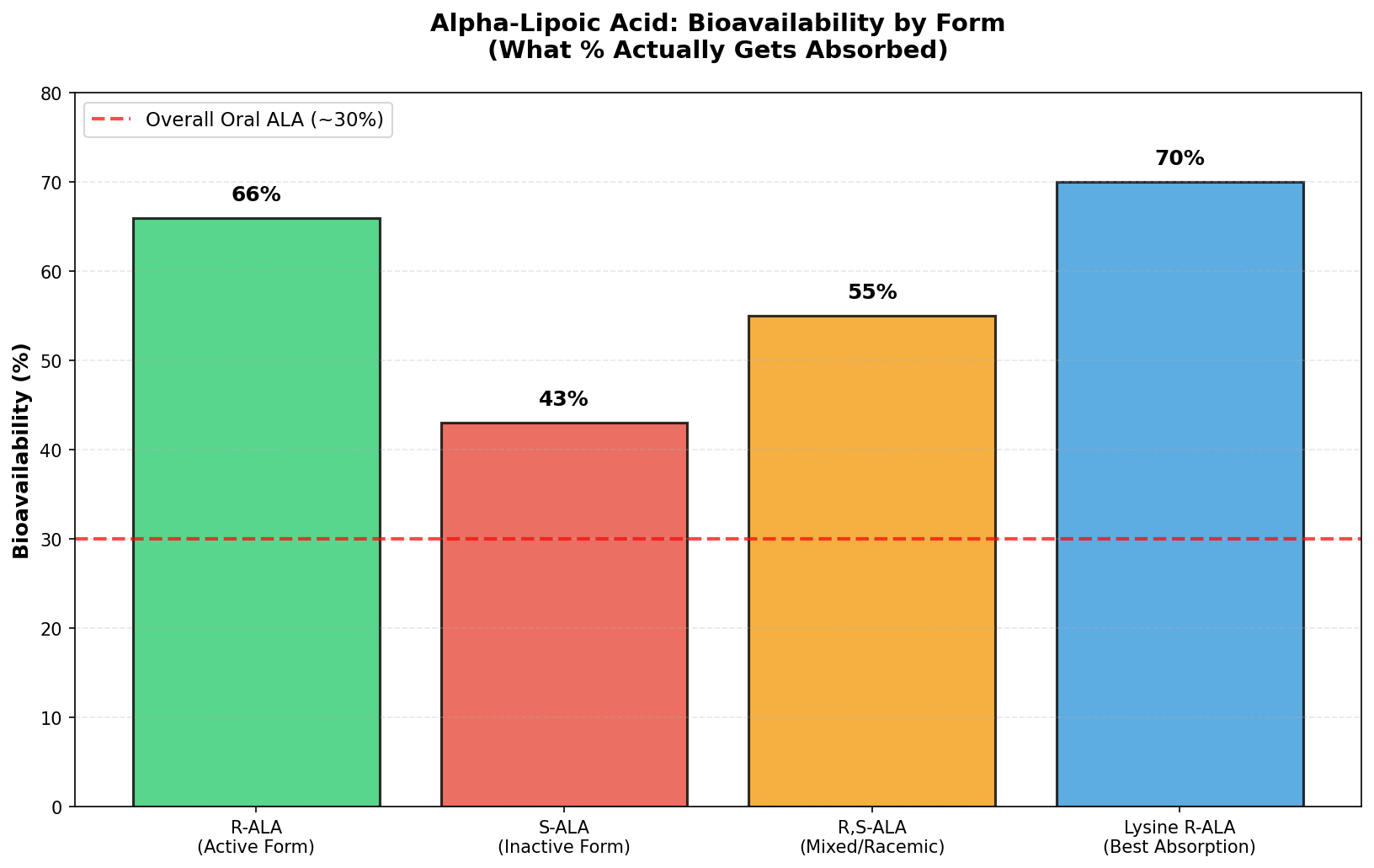 Figure 2: ALA has poor bioavailability across the board and a short half-life. Multiple daily doses maintain more consistent blood levels than single large doses.
Where ALA Actually Works: The Evidence
The research picture is clear: ALA's effectiveness depends entirely on what you're treating. Let's examine the real evidence.
Diabetic Nerve Pain (The Winner)
This is the only condition with truly strong clinical evidence. Multiple major randomised controlled trials demonstrate that intravenous ALA significantly reduces diabetic neuropathy (nerve damage from diabetes).
The ALADIN trial enrolled 328 patients with diabetic nerve pain. Those receiving 600 mg IV ALA daily for three weeks showed 82.5% improvement versus only 57.6% in the placebo group. The SYDNEY trial, with 120 patients, showed similar rapid benefits appearing within just five days. A meta-analysis of four major trials involving over 1,250 patients confirmed this benefit at the highest evidence level (Grade A).
However, there's an important caveat: this strong evidence is for intravenous administration in medical settings. Oral supplements show some promise but less compelling benefits. A recent Cochrane systematic review found that oral ALA 'probably has little or no effect on neuropathy symptoms at six months.' Essentially, if you have diabetic nerve pain, IV ALA works; oral supplements show improvement but may not deliver clinically meaningful benefit over the long term.
In Germany, ALA has been approved for diabetic neuropathy for over 30 years, but this approval applies specifically to the intravenous form, reflecting the stronger evidence for injection versus pills.
Blood Sugar Control (Modest at Best)
The evidence here is much weaker. Meta-analyses show ALA produces modest improvements:
- Fasting blood glucose reduction: 6.57 mg/dL
- HbA1c reduction: 0.35%
To put this in context: if your fasting glucose is 130 mg/dL, ALA might lower it to 123 mg/dL. Standard diabetes medications reduce HbA1c by 1-2%, making them 3 to 6 times more powerful. ALA absolutely should not replace prescribed diabetes treatment.
Weight Loss (Marginal Effect)
Meta-analyses show ALA produces small but statistically significant weight loss compared to placebo: between 1.27 and 2.29 kg (roughly 3-5 pounds) over several months. For comparison, eliminating a single sugary drink daily typically produces 5-10 pounds of weight loss annually. The effect is real but clinically modest.
Antioxidant Markers (Strong Mechanism, Unclear Outcome)
ALA unequivocally improves oxidative stress markers in blood tests. Studies show it reduces markers of free radical damage even in people with poor blood sugar control. However, here's the nuance: improving a blood test doesn't automatically prevent disease or ageing. Some research suggests ALA can act as a pro-oxidant under certain conditions or trigger stress-response pathways that activate your body's own antioxidant defences. This means the relationship between 'lower oxidative stress markers' and 'better health' is more complex than supplement marketing suggests.
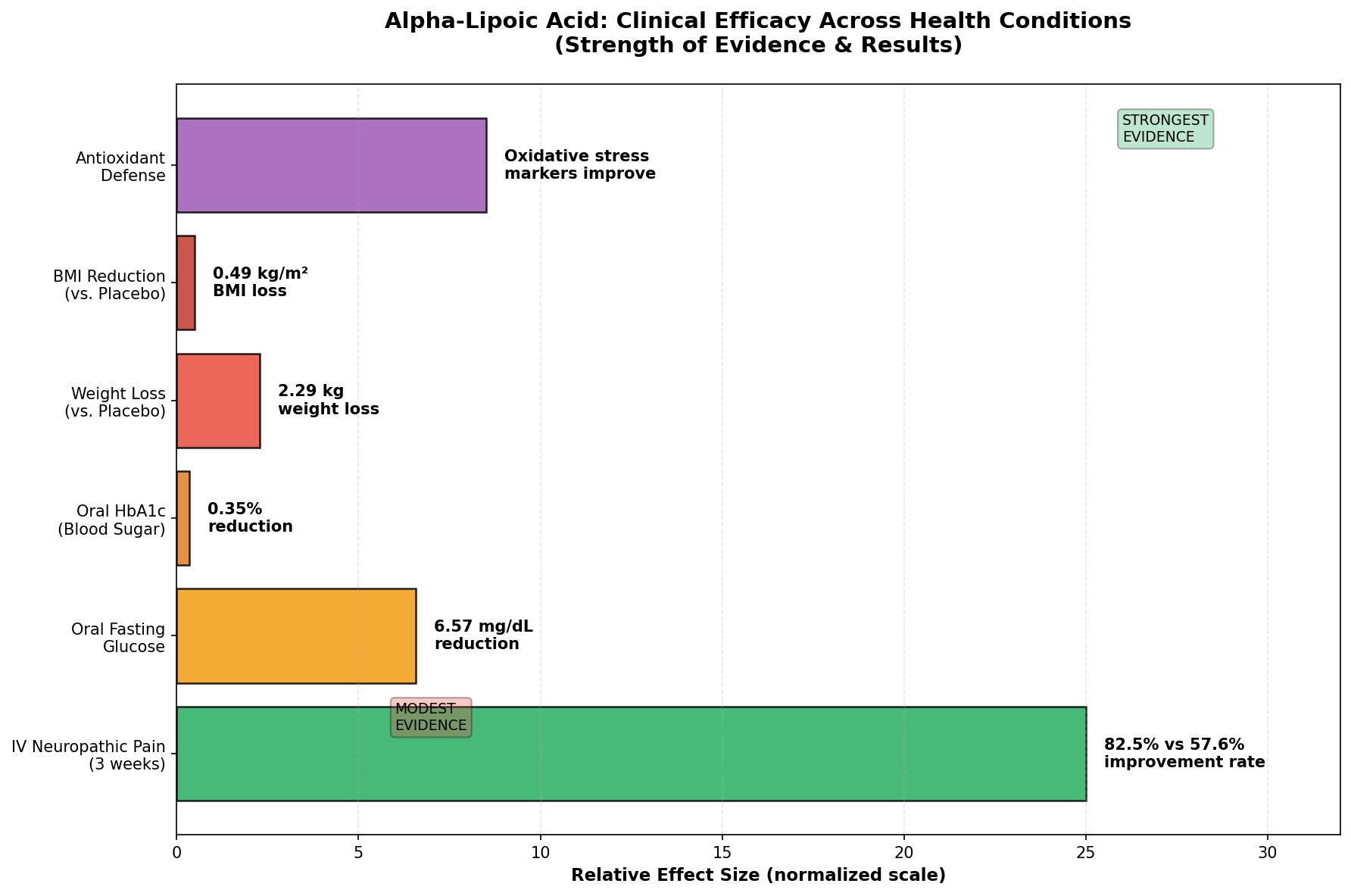 Figure 3: Evidence strength varies dramatically. IV neuropathy treatment shows strongest benefit; weight loss and blood sugar effects are modest. Oxidative stress markers improve significantly, but this doesn't always translate to disease prevention.
How Much Should You Take?
Clinical trials used specific dosing protocols based on intended use:
- Diabetic neuropathy (IV): 600 mg daily for 3 weeks
- Diabetic neuropathy (oral): 600-1200 mg daily (often divided into multiple doses)
- General antioxidant support: 100-300 mg daily
- Weight loss support: 300-600 mg daily
- Maximum documented safe dose: 2400 mg daily
Critically, studies show higher doses do not provide additional benefits. Taking 2400 mg daily is no more effective than 600 mg: it just increases the risk of gastrointestinal side effects and the cost.
Timing Matters for Absorption
For optimal absorption, take ALA on an empty stomach with a 2-4 hour gap before or after meals. If stomach upset occurs, taking it with a small snack about an hour before bed is a practical compromise. Liquid formulations show better absorption than tablets, if you have access to them.
Critical spacing rule: If you take mineral supplements (iron, zinc, copper), space ALA 2-3 hours away. ALA binds to these minerals and reduces their absorption.
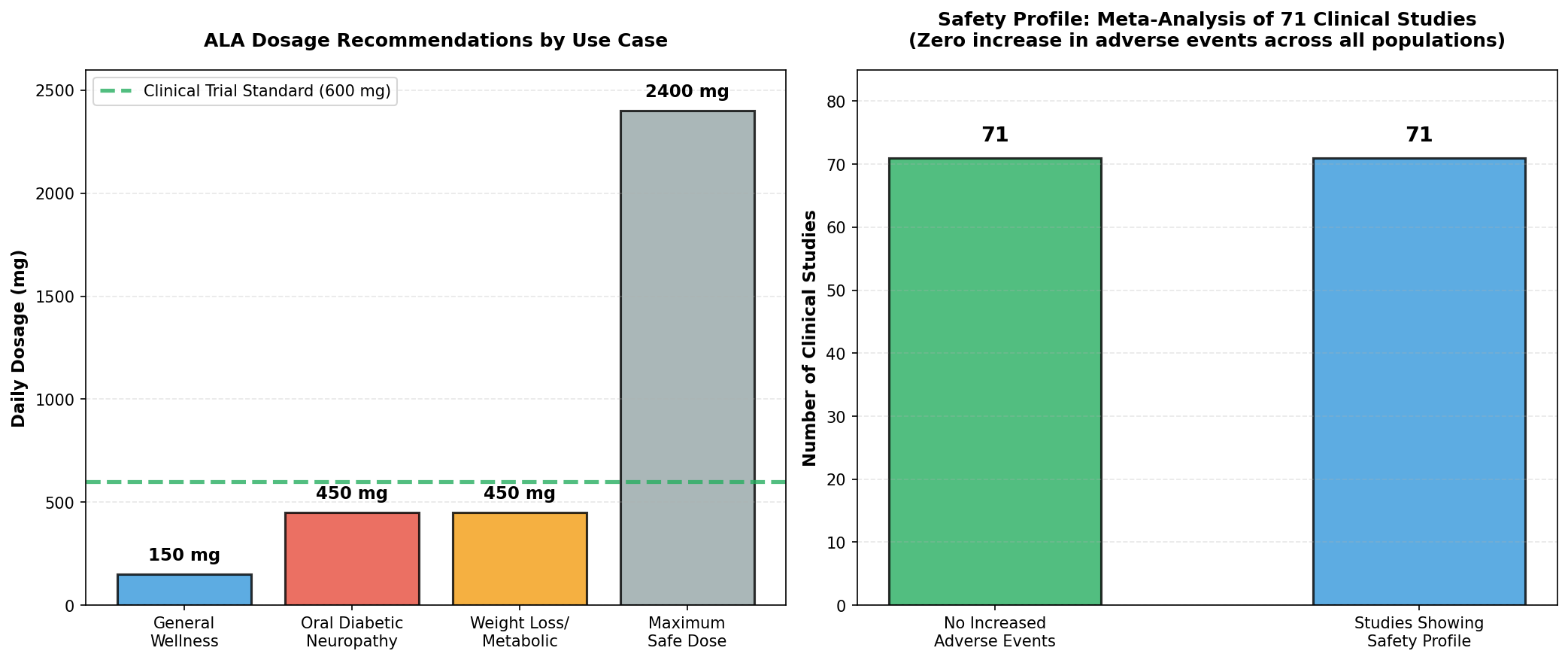 Figure 4: Clinical trial standard is 600 mg daily. Maximum safe dose reaches 2400 mg, but no additional benefits occur above 600-1200 mg. Safety profile is remarkably consistent across populations.
Safety: The Good News
Here's where ALA genuinely shines. A meta-analysis of 71 clinical studies examining ALA supplementation across diverse populations found absolutely no increased risk of adverse events. Studies tracked people for up to four years with no unexpected safety concerns. This includes people with cardiovascular disease, diabetes, neurological disorders, severe kidney disease, pregnant women, and children.
Common side effects, when they occur, are mild:
- Nausea (approximately 8%)
- Vomiting (approximately 4%)
- Dizziness (approximately 3%)
- Skin rash (approximately 2%)
These are generally mild and resolve quickly, especially when doses are divided or taken with food.
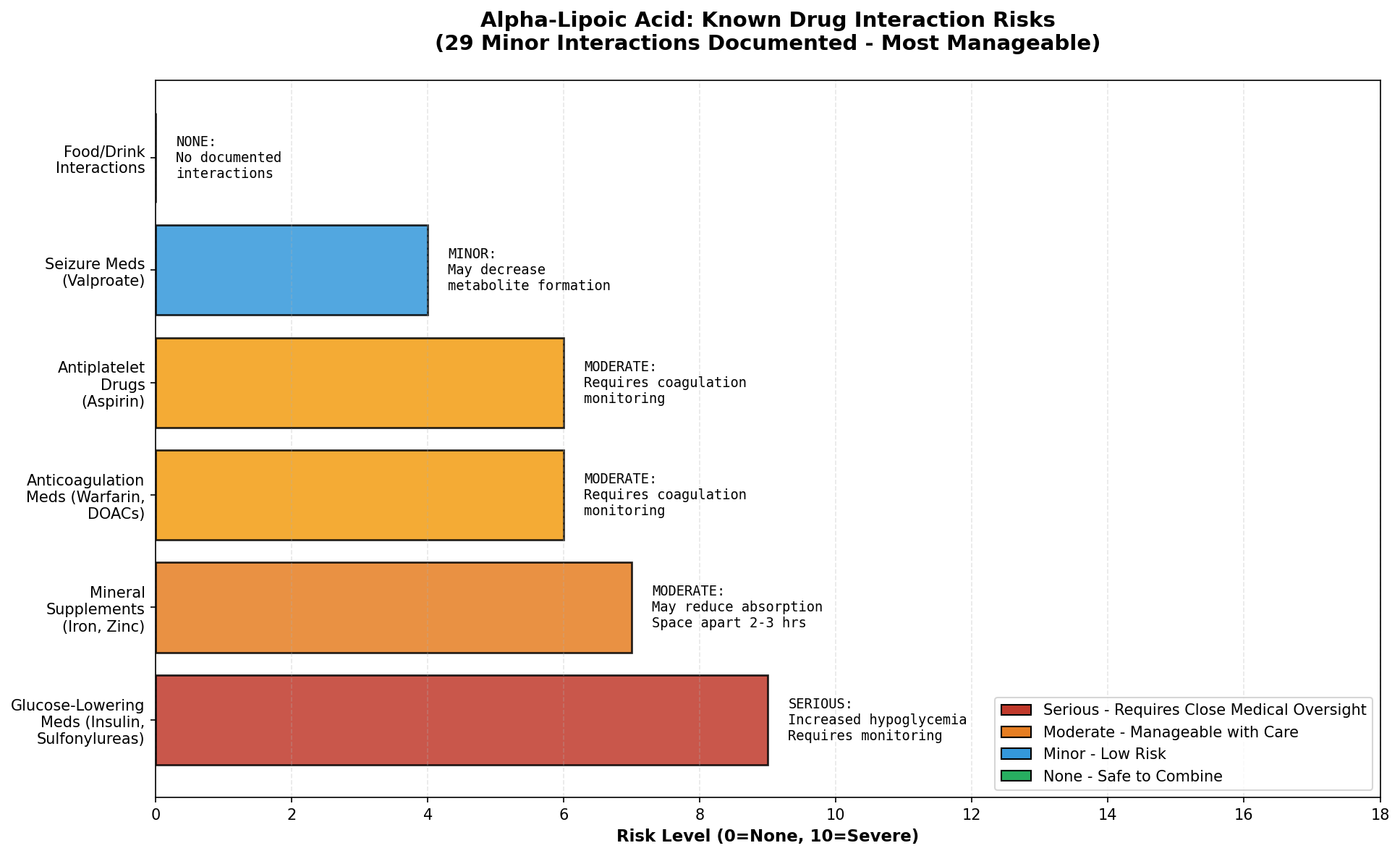 Figure 5: Meta-analysis of 71 clinical studies found zero increase in adverse events. Side effects are generally gastrointestinal and mild. The key finding: ALA is as safe as placebo.
Critical Safety Concerns You Must Know
Despite the excellent overall safety profile, three specific concerns warrant serious attention:
1. Hypoglycaemia Risk (Low Blood Sugar)
If you take insulin, sulfonylureas (glyburide, glipizide), meglitinides, or other blood sugar-lowering medications, ALA can cause dangerously low blood sugar within days of starting. This happens because ALA increases how rapidly your body uses glucose.
This is not a reason to avoid ALA, but it requires medical coordination. If you want to use ALA and take glucose-lowering medication, discuss it with your healthcare provider. They can monitor your blood glucose and adjust your medication dose as needed. Watch for symptoms of low blood sugar: shakiness, sweating, confusion, rapid heartbeat, or anxiety. Contact your doctor immediately if these occur.
2. Insulin Autoimmune Syndrome (Rare but Serious)
A rare condition increasingly recognised as ALA use expands: your immune system may produce antibodies against your own insulin, causing severe, unexplained low blood sugar episodes. Recovery typically occurs within 5 days to 8 months after stopping ALA, sometimes with corticosteroid treatment.
This is uncommon, but if you develop unexplained severe hypoglycaemia after starting ALA, stop the supplement and inform your doctor immediately.
3. Thiamine (Vitamin B1) Deficiency
This is the primary contraindication medical authorities identify. If you have thiamine deficiency and take high-dose ALA, dangerous side effects including seizures may occur. Thiamine deficiency is most common in people with severe alcohol use disorder, certain malabsorption conditions, or specific genetic mutations affecting thiamine metabolism.
If you have risk factors for thiamine deficiency, have your B1 status checked before starting high-dose ALA supplementation.
Drug Interactions: Who Needs to Be Careful
ALA has 29 documented minor interactions with medications. Most are manageable, but some warrant caution:
Major Interaction: Glucose-lowering medications As discussed above, combining ALA with insulin, sulfonylureas, or meglitinides increases hypoglycaemia risk. This requires medical coordination, not avoidance.
Moderate Interaction: Blood thinners Warfarin, direct oral anticoagulants (DOACs), aspirin, and clopidogrel may have theoretical increased bleeding risk with ALA. You can use them together, but closer coagulation monitoring is recommended when starting or stopping ALA.
Moderate Interaction: Mineral supplements As mentioned, space ALA at least 2-3 hours from iron, zinc, and copper supplements.
Minor Interaction: Seizure medication ALA may interact with valproate. Medical supervision is recommended if you take this medication.
No interactions: Foods and drinks. You can eat normally with ALA.
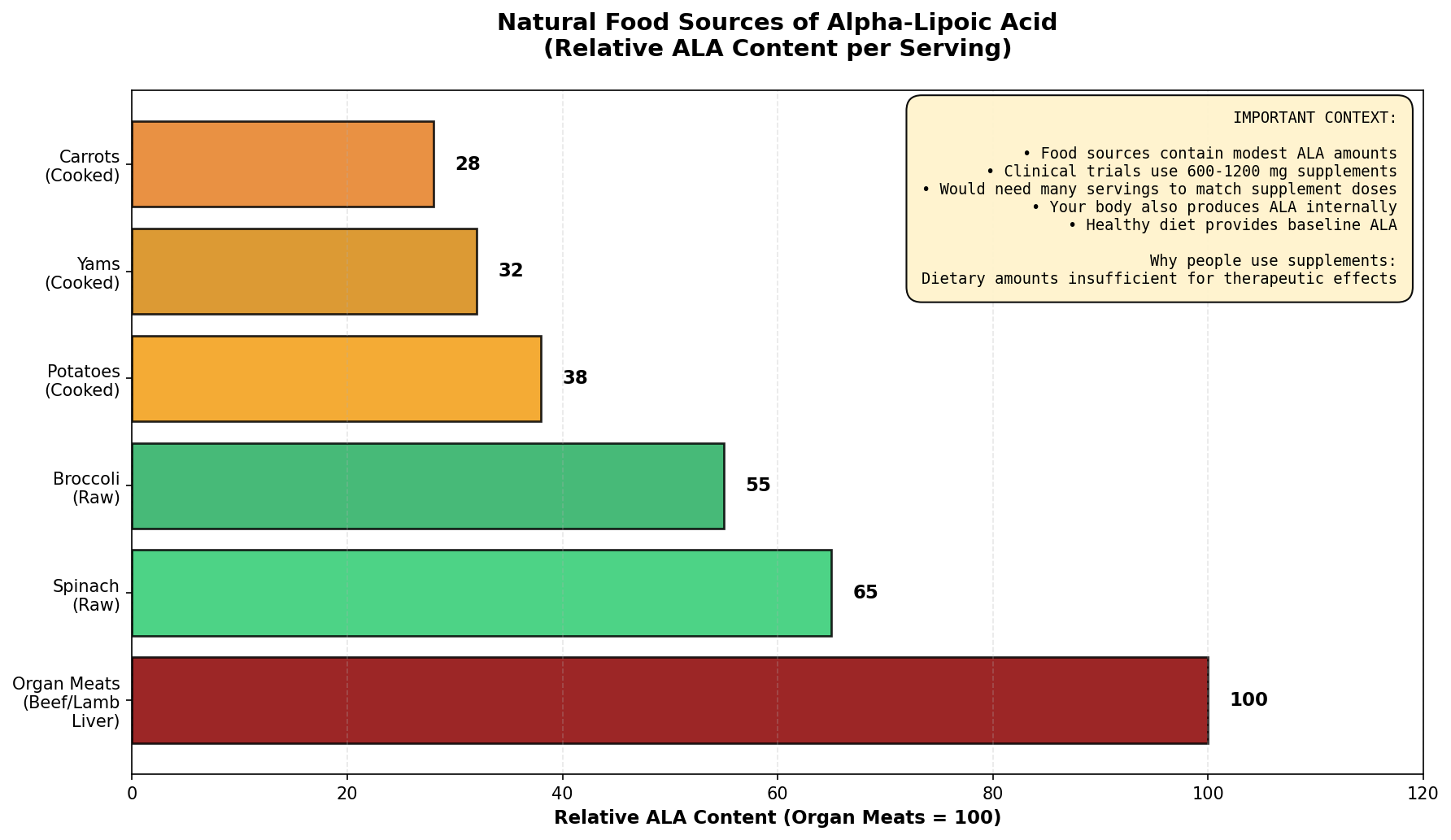 Figure 6: Documented interactions are mostly manageable. The glucose-lowering medication interaction is most serious and requires medical oversight. Most others involve simple timing adjustments.
Where ALA Comes From: Food Sources
Your body produces ALA internally where it's needed, but you also consume it from food:
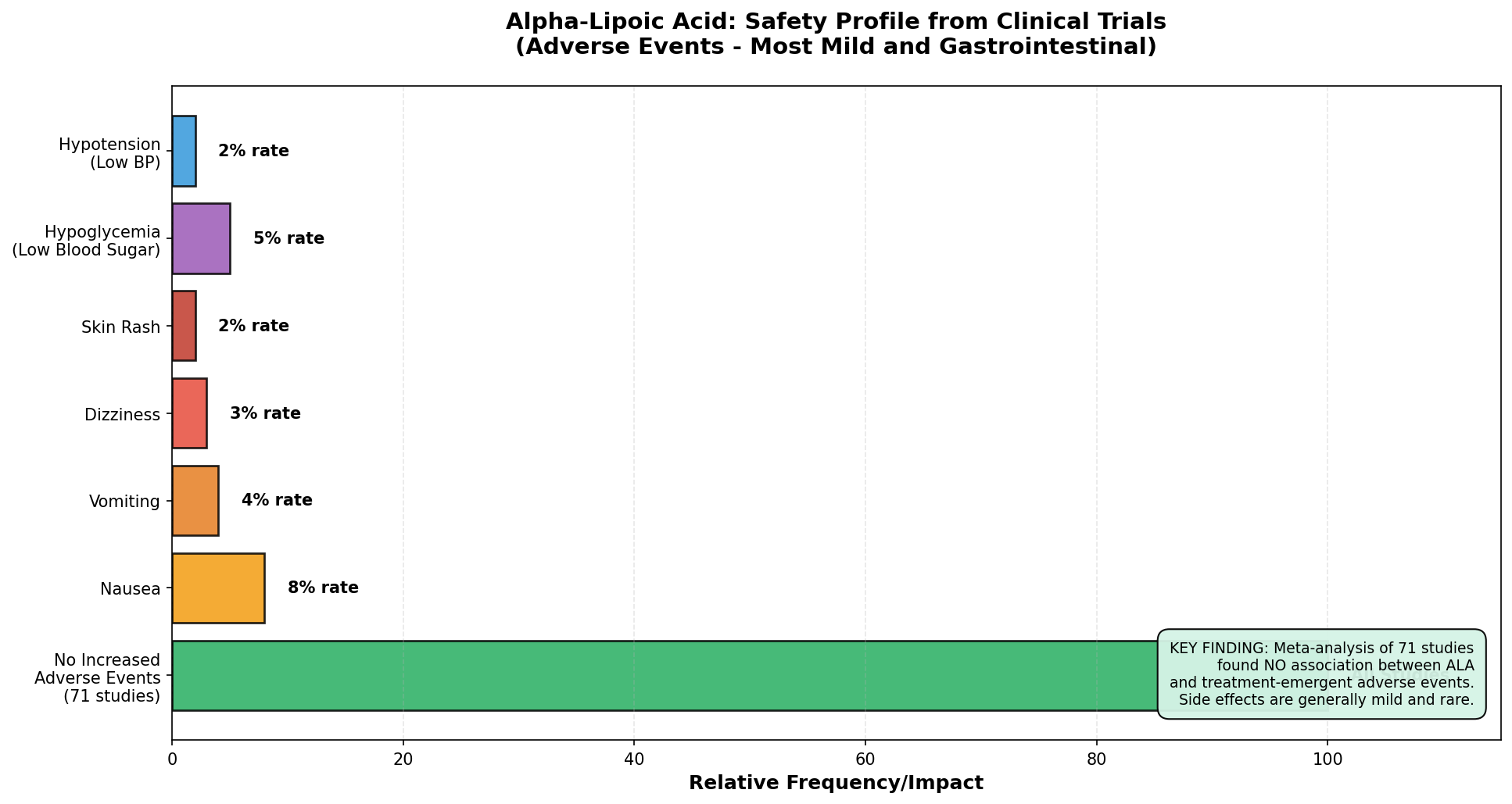 Figure 7: Organ meats contain the highest ALA content, followed by spinach and broccoli. However, food sources provide only modest amounts; clinical trial doses require supplementation.
Normal dietary sources include organ meats (beef and lamb liver), spinach, broccoli, potatoes, yams, and carrots. A healthy diet provides baseline ALA, but the amounts are far too small to achieve therapeutic doses used in clinical trials.
You don't need supplements for general health if you eat these foods regularly. You need supplements only if you want the 600-1200 mg doses studied in clinical trials.
Who Should (and Shouldn't) Consider ALA Supplements?
Good candidates:
- People with diabetic peripheral neuropathy interested in exploring IV treatment with medical supervision
- Ages 25-65 with no thiamine deficiency or contraindications
- Willing to coordinate with healthcare provider regarding medication interactions
Not good candidates:
- Thiamine deficiency (especially those with heavy alcohol use)
- Untreated diabetes on multiple glucose-lowering medications without medical coordination
- Pregnancy or breastfeeding without medical guidance (though one large study showed safety)
- History of insulin autoimmune syndrome or recurrent unexplained hypoglycaemia
- Expecting meaningful weight loss or anti-ageing benefits
Must coordinate with healthcare provider:
- Taking any medications, especially glucose-lowering drugs or blood thinners
- History of substance use
- Pregnant or breastfeeding
- Any metabolic conditions
- Frequent hypoglycaemia episodes
The Bottom Line: What the Evidence Actually Shows
Alpha-lipoic acid is a genuinely interesting compound. Its biochemistry is sophisticated, its safety profile is excellent across 71 clinical studies, and it has legitimate applications. But its real-world benefits are narrower than marketing suggests.
IV administration at 600 mg daily for three weeks produces genuine, clinically meaningful improvement in diabetic nerve pain. This is the gold standard of evidence.
Oral supplements produce small improvements in various markers but lack compelling evidence for preventing disease or providing anti-ageing benefits. The 0.35% HbA1c reduction and 3-5 pounds of weight loss are real but modest.
The safety advantage is genuine: ALA is safer than many common supplements. This is not a risky compound.
The absorption challenge is real: only 30% of oral ALA enters your bloodstream, and it leaves quickly. This fundamentally limits what oral supplements can achieve.
If you have diabetic nerve pain, discuss IV ALA with your doctor as a first option with strong evidence. If you're healthy and seeking general antioxidant support, the evidence doesn't support supplementation: a healthy diet with antioxidant-rich foods provides what you need. If you're considering ALA for any reason, inform your healthcare provider, especially if you take other medications or have blood sugar concerns.
ALA is a complement to medical treatment and lifestyle changes, never a replacement for them.
Further Reading
Neuropathic Pain and Diabetic Complications
- ALADIN Trial: Diabetic Polyneuropathy Treatment Study
- SYDNEY Trial: Sensory Symptoms Improvement with Alpha-Lipoic Acid
- Alpha-Lipoic Acid for Symptomatic Peripheral Neuropathy: Meta-Analysis
- Cochrane Review: Alpha-Lipoic Acid for Diabetic Peripheral Neuropathy
- Alpha-Lipoic Acid as Antioxidant Strategy for Neuropathic Pain
Blood Sugar Control and Metabolic Health
- Alpha-Lipoic Acid and Glucose Metabolism: Comprehensive Update
- Effect of Alpha-Lipoic Acid on Blood Glucose and Insulin Sensitivity
- Effects of Alpha-Lipoic Acid on Metabolic Syndrome
Weight Loss and Body Composition
- Alpha-Lipoic Acid Supplementation and Weight Loss: Meta-Analysis
- Effects of ALA Supplementation on Anthropometric Indices
- Alpha-Lipoic Acid for Weight Management in Obese Subjects
Antioxidant Mechanisms and Biochemistry
- Alpha-Lipoic Acid: Biological Mechanisms and Health Benefits
- Alpha-Lipoic Acid as Biological Antioxidant
- Uptake, Recycling, and Antioxidant Actions of Alpha-Lipoic Acid
- Lipoic Acid and Dihydrolipoic Acid: Comprehensive Theoretical Study of Antioxidant Activity
- Regeneration of Glutathione by Alpha-Lipoic Acid via Nrf2/ARE Signalling Pathway
Safety and Adverse Effects
- Safety Evaluation of Alpha-Lipoic Acid Supplementation: Meta-Analysis
- Safety and Efficacy During 4 Years of Observation
- Long-Term Safety of Alpha-Lipoic Acid Consumption
- Autoimmune Hypoglycaemia Due to Alpha-Lipoic Acid
- Insulin Autoimmune Syndrome Possibly Caused by Alpha-Lipoic Acid
Drug Interactions and Pharmacokinetics
- Pharmacokinetics of Alpha-Lipoic Acid in Subjects with kidney diseases
- Pharmacokinetics of Different Formulations of Tioctic Acid
- R-Alpha-Lipoic Acid Oral Liquid Formulation: Pharmacokinetic Parameters and Therapeutic Efficacy
- Age and Gender Dependent Bioavailability of R- and R,S-Alpha-Lipoic Acid
- Lipoic Acid Acutely Induces Hypoglycaemia in Glucose-Tolerant Subjects
- Investigation of Drug-Drug Interaction with Valproate
Pregnancy and Special Populations
- Safety of Oral Alpha-Lipoic Acid Treatment in Pregnant Women
- Benefits of Alpha-Lipoic Acid in High-Risk Pregnancies
- Alpha-Lipoic Acid and Its Role on Female Reproduction
- Peripheral Neuropathy in Obstetrics: ALA Supplementation
General Information and Clinical Resources
- Alpha-Lipoic Acid: StatPearls - NCBI Bookshelf
- Alpha-Lipoic Acid - LiverTox - NCBI Bookshelf
- Alpha-Lipoic Acid as a Dietary Supplement
- Diabetic Neuropathy: Can Dietary Supplements Help? - Mayo Clinic
- Alpha-Lipoic Acid Drug Interactions - Drugs.com
References/Helpful Resources
- National Institutes of Health. Alpha-Lipoic Acid: Biological mechanisms and health benefits [Internet]. [cited 2025 May 26]. Available from: https://pubmed.ncbi.nlm.nih.gov/39456481/
- National Institutes of Health. Alpha-Lipoic Acid [Internet]. StatPearls - NCBI Bookshelf. [cited 2025 May 26]. Available from: https://www.ncbi.nlm.nih.gov/books/NBK564301/
- National Institutes of Health. Safety evaluation of alpha-lipoic acid supplementation: Meta-analysis [Internet]. [cited 2025 May 26]. Available from: https://pubmed.ncbi.nlm.nih.gov/33086555/
- National Institutes of Health. Safety and efficacy during 4 years of observation [Internet]. [cited 2025 May 26]. Available from: https://pubmed.ncbi.nlm.nih.gov/33299302/
- National Institutes of Health. Treatment of symptomatic diabetic polyneuropathy with alpha-lipoic acid: meta-analysis [Internet]. [cited 2025 May 26]. Available from: https://pubmed.ncbi.nlm.nih.gov/14984445/
- National Institutes of Health. Alpha-lipoic acid supplementation significantly reduces obesity risk: meta-analysis [Internet]. [cited 2025 May 26]. Available from: https://pubmed.ncbi.nlm.nih.gov/32091656/
- National Institutes of Health. Effect of alpha-lipoic acid supplementation on lipid profile: systematic review and meta-analysis [Internet]. [cited 2025 May 26]. Available from: https://pubmed.ncbi.nlm.nih.gov/30471524/
- National Institutes of Health. Advances in α-lipoic acid for disease prevention: mechanisms and therapeutic insights [Internet]. [cited 2025 May 26]. Available from: https://pubmed.ncbi.nlm.nih.gov/40363779/
- National Institutes of Health. Pharmacokinetics of alpha-lipoic acid in subjects with kidney diseases. [Internet]. [cited 2025 May 26]. Available from: https://pubmed.ncbi.nlm.nih.gov/15703366/
- National Institutes of Health. Pharmacokinetics of different formulations of tioctic acid [Internet]. [cited 2025 May 26]. Available from: https://pubmed.ncbi.nlm.nih.gov/19021026/
- National Institutes of Health. (R)-α-lipoic acid oral liquid formulation: pharmacokinetic parameters and therapeutic efficacy [Internet]. [cited 2025 May 26]. Available from: https://pubmed.ncbi.nlm.nih.gov/25245645/
- National Institutes of Health. Age and gender dependent bioavailability of R- and R,S-α-lipoic acid [Internet]. [cited 2025 May 26]. Available from: https://pubmed.ncbi.nlm.nih.gov/22609537/
- National Institutes of Health. Lipoic acid acutely induces hypoglycaemia in glucose-tolerant subjects [Internet]. [cited 2025 May 26]. Available from: https://pubmed.ncbi.nlm.nih.gov/10206446/
- National Institutes of Health. Effect of alpha-lipoic acid on blood glucose, insulin and lipid parameters in type 2 diabetic patients [Internet]. [cited 2025 May 26]. Available from: https://pubmed.ncbi.nlm.nih.gov/21666939/
- National Institutes of Health. Alpha-lipoic acid may improve symptomatic diabetic polyneuropathy [Internet]. [cited 2025 May 26]. Available from: https://pubmed.ncbi.nlm.nih.gov/17495764/
- National Institutes of Health. Efficacy of α-lipoic acid in diabetic neuropathy [Internet]. [cited 2025 May 26]. Available from: https://pubmed.ncbi.nlm.nih.gov/25381809/
- National Institutes of Health. Alpha lipoic acid for symptomatic peripheral neuropathy: meta-analysis [Internet]. [cited 2025 May 26]. Available from: https://pubmed.ncbi.nlm.nih.gov/22331979/
- Cochrane Library. Alpha-lipoic acid for diabetic peripheral neuropathy [Internet]. [cited 2025 May 26]. Available from: https://www.cochranelibrary.com/cdsr/doi/10.1002/14651858.CD012967.pub2/full#CD012967-abs-0001
- National Institutes of Health. Uptake, recycling, and antioxidant actions of alpha-lipoic acid [Internet]. [cited 2025 May 26]. Available from: https://pubmed.ncbi.nlm.nih.gov/12086686/
- National Institutes of Health. Alpha-lipoic acid as biological antioxidant [Internet]. [cited 2025 May 26]. Available from: https://pubmed.ncbi.nlm.nih.gov/7649494/
- National Institutes of Health. Lipoic acid and dihydrolipoic acid: comprehensive theoretical study of their antioxidant activity [Internet]. [cited 2025 May 26]. Available from: https://pubmed.ncbi.nlm.nih.gov/24881907/
- National Institutes of Health. Regeneration of glutathione by α-lipoic acid via Nrf2/ARE signalling pathway [Internet]. [cited 2025 May 26]. Available from: https://pubmed.ncbi.nlm.nih.gov/28262510/
- National Institutes of Health. Safety evaluation of alpha-lipoic acid [Internet]. [cited 2025 May 26]. Available from: https://pubmed.ncbi.nlm.nih.gov/16904799/
- National Institutes of Health. Long-term safety of alpha-lipoic acid (ALA) consumption [Internet]. [cited 2025 May 26]. Available from: https://pubmed.ncbi.nlm.nih.gov/16899332/
- National Institutes of Health. Autoimmune hypoglycaemia due to alpha-lipoic acid [Internet]. [cited 2025 May 26]. Available from: https://pubmed.ncbi.nlm.nih.gov/40488315/
- National Institutes of Health. Insulin autoimmune syndrome possibly caused by alpha-lipoic acid [Internet]. [cited 2025 May 26]. Available from: https://pubmed.ncbi.nlm.nih.gov/17329919/
- National Institutes of Health. Investigation of drug-drug interaction between alpha-lipoic acid (ALA) with valproate [Internet]. [cited 2025 May 26]. Available from: https://pubmed.ncbi.nlm.nih.gov/18636319/
- National Institutes of Health. Safety of oral alpha-lipoic acid treatment in pregnant women [Internet]. [cited 2025 May 26]. Available from: https://pubmed.ncbi.nlm.nih.gov/29028075/
- Mayo Clinic. Diabetic neuropathy: can dietary supplements help? [Internet]. [cited 2025 May 26]. Available from: https://www.mayoclinic.org/diseases-conditions/diabetic-neuropathy/in-depth/diabetic-neuropathy-and-dietary-supplements/art-20095406
- Drugs.com. Alpha-lipoic acid interactions [Internet]. [cited 2025 May 26]. Available from: https://www.drugs.com/drug-interactions/alpha-lipoic-acid.html
