

Your chest feels tight. You're breathless after climbing stairs. Your jaw aches. Your back hurts. You feel exhausted for no clear reason. You mention it to your GP, and they suggest it's probably stress or anxiety.
What if it's your heart?
For millions of women, this scenario plays out in real life. Angina affects approximately 1 in 25 to 1 in 33 women aged 40-64, yet two-thirds of missed angina diagnoses occur in women. The problem isn't that women have angina less often than men; it's that women's hearts send different warning signals; signals that doctors, and sometimes the women themselves, don't recognise.
This matters because undiagnosed angina doesn't get better on its own. It's a sign that your heart isn't getting enough blood. Left untreated, it can lead to heart attacks, heart failure, or worse. But when recognised early, most angina can be managed effectively, allowing women to live fuller, longer lives.
This article explains what angina actually looks like in women, why it's so frequently missed, and what you need to know to protect your heart.
How Angina Presents Differently in Women
Angina is chest discomfort caused by reduced blood flow to the heart muscle. Men typically experience it as chest pressure, heaviness, or a squeezing sensation. It comes and goes, often triggered by exertion, and eases with rest.
Women's angina doesn't follow this script.
Women report very different symptoms than men with the same condition. While men describe "pressure" and "pain," women more often describe "heaviness," "tightness," "squeezing," or even "burning." More importantly, women frequently don't have prominent chest symptoms at all.
Instead, women notice:
- Shortness of breath or difficulty breathing: affecting 66-74% of women with unstable angina, compared to 38-60% of men
- Fatigue and weakness: a prominent feature in 74% of women versus 48% of men
- Jaw or teeth pain—often sharp or stabbing, sometimes described as dental problems
- Upper back or shoulder pain—sometimes the only symptom
- Nausea or loss of appetite—affecting 40-42% of women with angina
- Neck pain—radiating from the neck to shoulders and arms
- Indigestion or stomach discomfort—easily mistaken for digestive problems
The timing differs too. Women often describe persistent chest discomfort rather than acute episodes, and their symptoms may be triggered by emotional stress rather than physical exertion alone.
Two Types of Angina More Common in Women
Beyond these symptom differences, women are much more likely to have specific types of angina that standard diagnostic tests miss entirely.
Microvascular Angina: The Hidden Epidemic
Imagine the major coronary arteries as highways. Microvascular angina affects the tiny tributaries—the smallest blood vessels that supply the heart muscle. These vessels become stiff or inflamed, restricting blood flow, yet they're too small to show up on standard angiography (the test that looks for blockages in larger arteries).
Microvascular angina affects approximately 30-50% of women who undergo cardiac testing for chest pain, yet it's diagnosed in far fewer because it's invisible on the tests doctors routinely perform. The NHLBI WISE study (a landmark research programme) found that nearly 50% of women with chest pain and "normal" coronary arteries actually have coronary microvascular dysfunction.
This matters because microvascular angina is very real. It causes genuine ischaemia (reduced oxygen to heart tissue), produces real symptoms, and doubles cardiovascular risk. Yet because it doesn't show a visible blockage, women with this condition are often told 'your heart is fine' when, in fact, their hearts need treatment.
Microvascular angina typically emerges in post-menopausal women, most commonly in the early 50s. It produces chest discomfort or heaviness triggered by stress or exertion, may respond partially to nitrate medications (which relax blood vessels), and is often accompanied by inflammation markers in the blood.
Vasospastic (Prinzmetal) Angina: A Distinctive Pattern
This second type involves temporary spasm of the coronary arteries, causing sudden, dramatic tightening and reduced blood flow. It predominantly affects younger women.
The hallmark of vasospastic angina is its timing: attacks almost always occur at rest, typically between midnight and early morning hours. During an attack, an ECG shows characteristic ST-segment elevation (an electrical change visible on the recording). Women with vasospastic angina often also have Raynaud's phenomenon (fingers turn white or blue in cold) or migraine headaches.
The risk is that vasospastic episodes can trigger dangerous heart rhythms, especially if they affect the left ventricle (the heart's main pumping chamber).
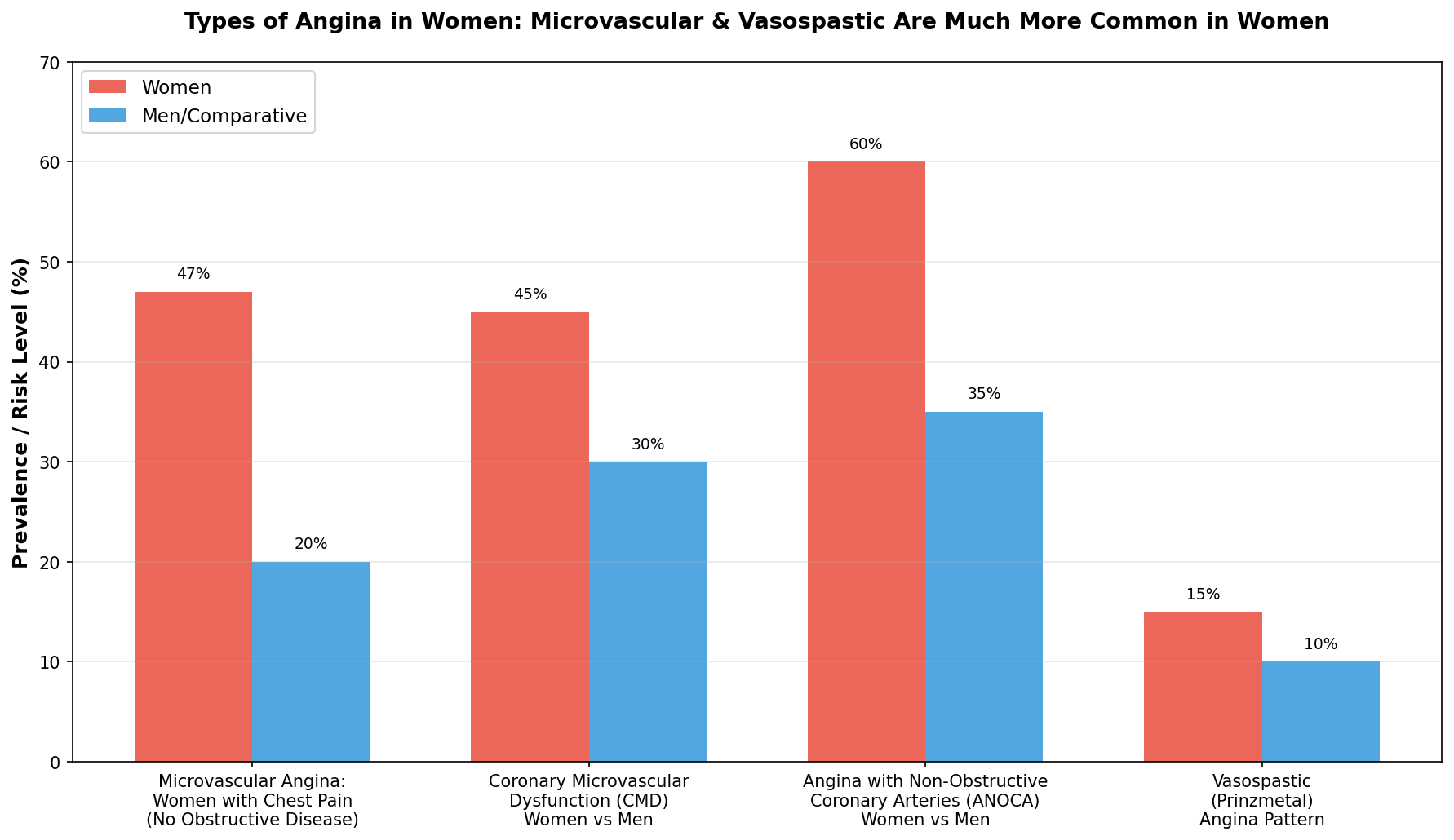 Figure 1: Coronary microvascular dysfunction affects between 34-66% of women in large studies, far more than recognised or treated. Data from multiple PubMed-indexed clinical studies.
Why Women's Angina Goes Unrecognised: The Multiple Barriers
The fact that two-thirds of missed angina diagnoses occur in women isn't random. It results from the convergence of several obstacles.
Symptom Language Creates a Diagnosis Barrier
Women describe symptoms differently than medical textbooks expect. If you say "heaviness" or "tightness," a clinician might not translate that to angina. When you mention breathlessness, fatigue, and jaw pain, those symptoms individually sound like they could come from a hundred benign sources.
84% of women with angina present with atypical symptoms, whilst only 44% of men do. Medicine has a terminology problem: symptoms common in men are classified as 'typical' angina, whilst symptoms more common in women are labelled 'atypical'. Unconsciously, this terminology bias makes clinicians underestimate women's presentations as less serious.
Additionally, women and men experience and communicate pain differently. Women's pain descriptors don't always match the language of cardiac medicine, making them harder to translate into clinical recognition.
Diagnostic Testing Has Lower Sensitivity in Women
The exercise ECG (treadmill test) has a sensitivity of only 60-70% in women, compared to approximately 80% in men. This means that women are more likely to test "normal" even when their hearts genuinely aren't getting enough blood during exertion. False-negative test results lead to false reassurance.
Standard Angiography Misses Most Women's Disease
When women undergo coronary angiography (a catheter-based test that visualises the major coronary arteries), half to two-thirds have no obstructive disease; their arteries look normal. This 'normal' result is frequently interpreted as 'no heart disease', even though these women have real symptoms and real ischaemia from microvascular or vasospastic disease.
A normal angiogram doesn't mean a normal heart in women; it means the disease is in the small vessels that angiography can't visualise.
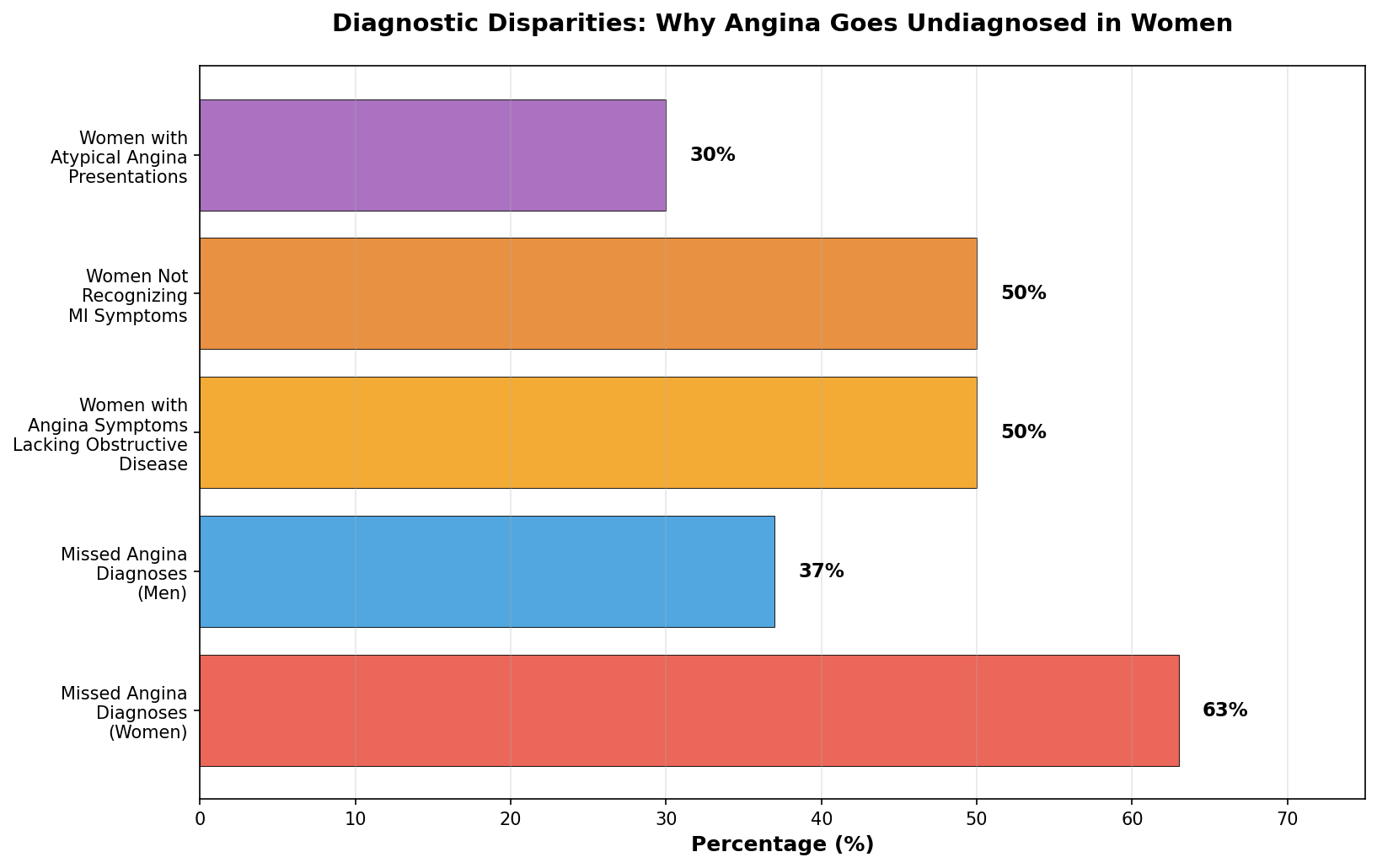 Figure 2: Women are 5 times more likely than men to receive a "normal" diagnosis on angiography despite having angina symptoms. This creates a false reassurance that contributes to missed diagnoses. Based on multiple PubMed-indexed studies.
Physician Bias Affects Referral and Investigation
Gender bias in cardiology is documented and real. Women with the same symptoms as men are less likely to be referred for exercise ECG testing. Even after abnormal stress test results, women are referred for coronary angiography less frequently than men.
Research shows that 1 in 3 physicians are unaware of their own gender bias in cardiovascular care. Some physicians judge women as less likely to benefit from cardiac rehabilitation than men with identical disease. This 'Yentl syndrome' (a concept from cardiology literature) describes how women must present with symptoms as severe as men's to receive equivalent diagnostic workup and treatment.
After adjusting for age, symptom severity, and test results, women remain less likely to be referred for invasive testing. Even in state-run health systems with free access to technology, this bias persists.
Patient Delays in Seeking Care
Women themselves sometimes delay recognising their symptoms as cardiac. Many women hold the perception that heart disease is a "male disease," leading them to interpret atypical symptoms as benign. Women wait longer than men before deciding to seek medical care for chest discomfort. This delay is multifactorial—involving both symptom non-recognition and healthcare system barriers—but it starts with the woman herself not recognising the warning signs.
The Age and Hormonal Picture
Women develop angina approximately 10 years later than men. Angina risk increases notably after age 55 in women, whilst it rises from age 45 in men.
This delay reflects the protective effects of oestrogen before menopause. Oestrogen helps prevent coronary calcification and atherosclerosis. At menopause, when oestrogen levels drop dramatically, cardiovascular risk escalates.
Women with surgical menopause (hysterectomy or ovariectomy) experience higher cardiovascular risk than those with natural menopause at the same age. Women with premature menopause (before age 40) face substantially enhanced risk for coronary artery disease.
This hormonal transition also shifts women's risk factor profile. After menopause, many women develop visceral obesity, abnormal cholesterol patterns, glucose dysregulation, and high blood pressure—conditions that compound cardiovascular risk.
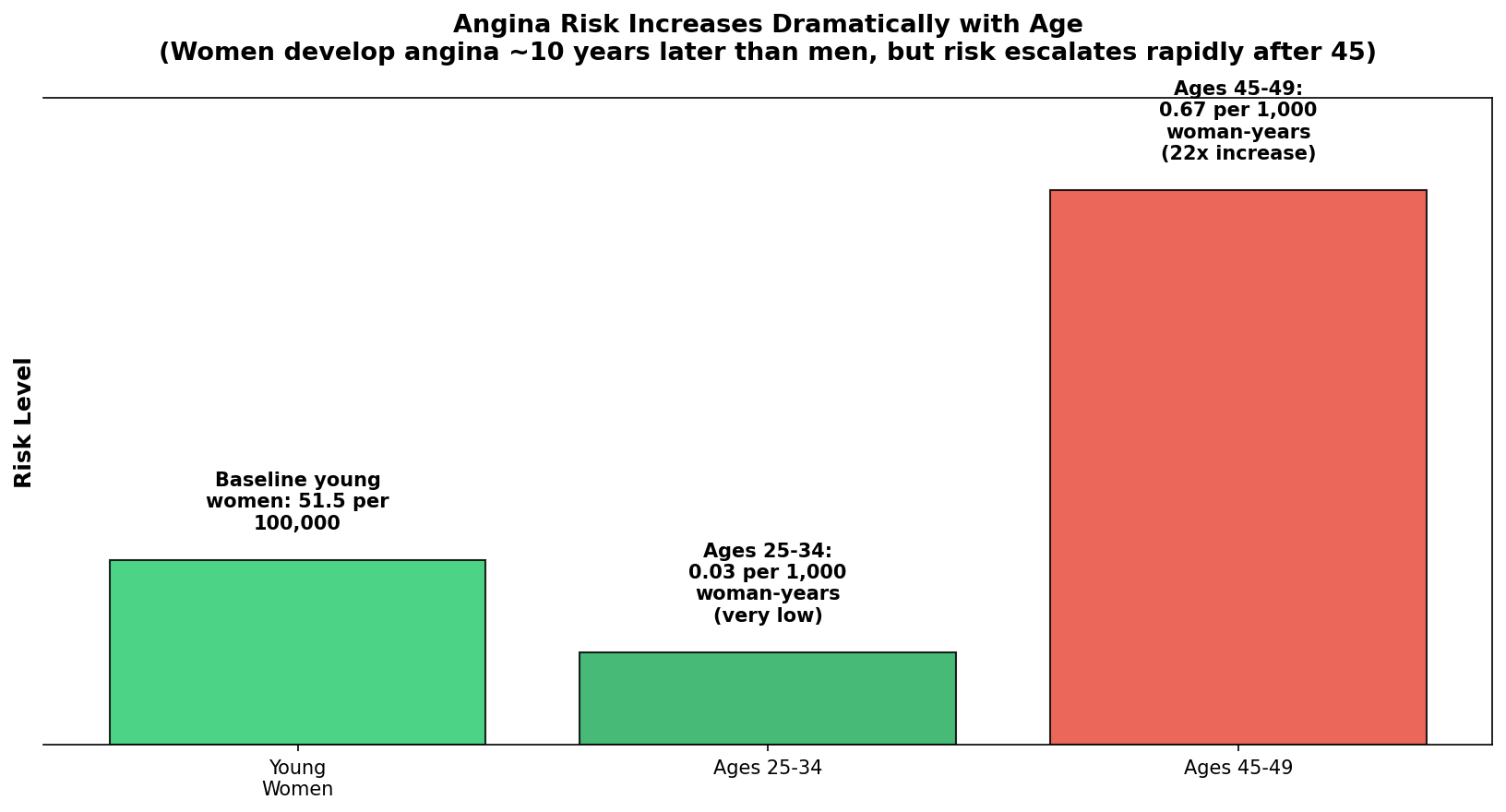 Figure 3: Cardiovascular risk in women increases dramatically after menopause, with angina onset typically 10 years later than in men. Data from longitudinal epidemiological studies.
Sex-Specific Risk: Why the Same Risk Factors Hit Women Harder
Women with traditional cardiovascular risk factors experience disproportionately higher risk than men with identical factors:
- Smoking increases women's cardiovascular disease risk by 25% more than it does in men
- Diabetes raises relative risk more in women than in men
- Hypertension carries higher relative risk in women
- Obesity confers greater relative cardiovascular risk in women
This isn't just about biology. Women smokers combined with oral contraceptive use face particularly elevated risk. Women with metabolic syndrome—a cluster of conditions including central obesity, abnormal lipids, high blood sugar, and high blood pressure—frequently develop microvascular angina.
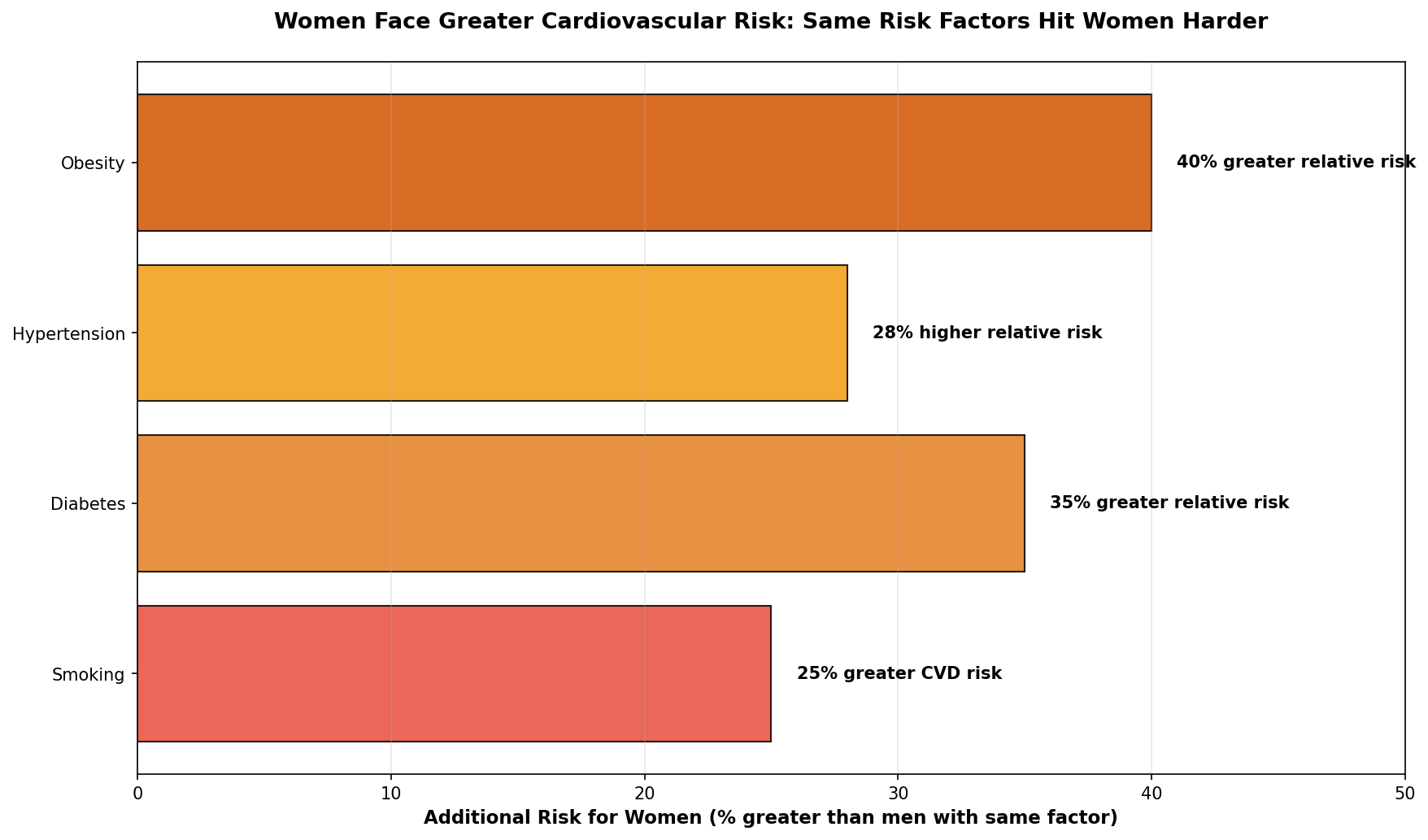 Figure 4: Traditional cardiovascular risk factors affect women more severely than men, requiring more aggressive prevention and management. Data from meta-analyses of cardiovascular epidemiology.
Why This Matters: The Mortality Picture
If you're tempted to dismiss angina as minor chest discomfort, the mortality data demands your attention.
Women's Acute Angina Outcomes
In unstable angina presentations (the most serious form), in-hospital mortality is 9.3% in women compared to 3.0% in men—approximately 3 times higher. After percutaneous coronary intervention (angioplasty), one-year all-cause mortality is 10.7% in women versus 7.5% in men.
For women with heart attacks (which can develop from uncontrolled angina), the picture is even more concerning. Within 5 years of a first heart attack, 47% of women develop heart failure, stroke, or die, compared to 36% of men. In-hospital mortality for younger women (under 60) experiencing acute coronary events is 4.5% versus 3% in younger men.
Long-Term Outcomes with Angina
Data from the Framingham Heart Study and other long-term follow-up research shows that women with documented angina face significant mortality risk. Among women with Rose angina (a standardised classification), 20-year mortality is 43.3% compared to 30.4% in women without angina—a substantial increased risk.
Importantly, women with undiagnosed angina (angina symptoms not documented by healthcare providers) show even higher mortality than diagnosed cases. This reflects the lethal consequence of missed diagnoses: without recognition, women receive no preventative treatment or medication, and their disease progresses silently toward serious events.
Interestingly, women with angina but no obstructive coronary artery disease (microvascular or vasospastic types) have better survival rates than those with obstructive disease, yet they still experience poorer quality of life, higher symptom burden, and elevated rates of readmission.
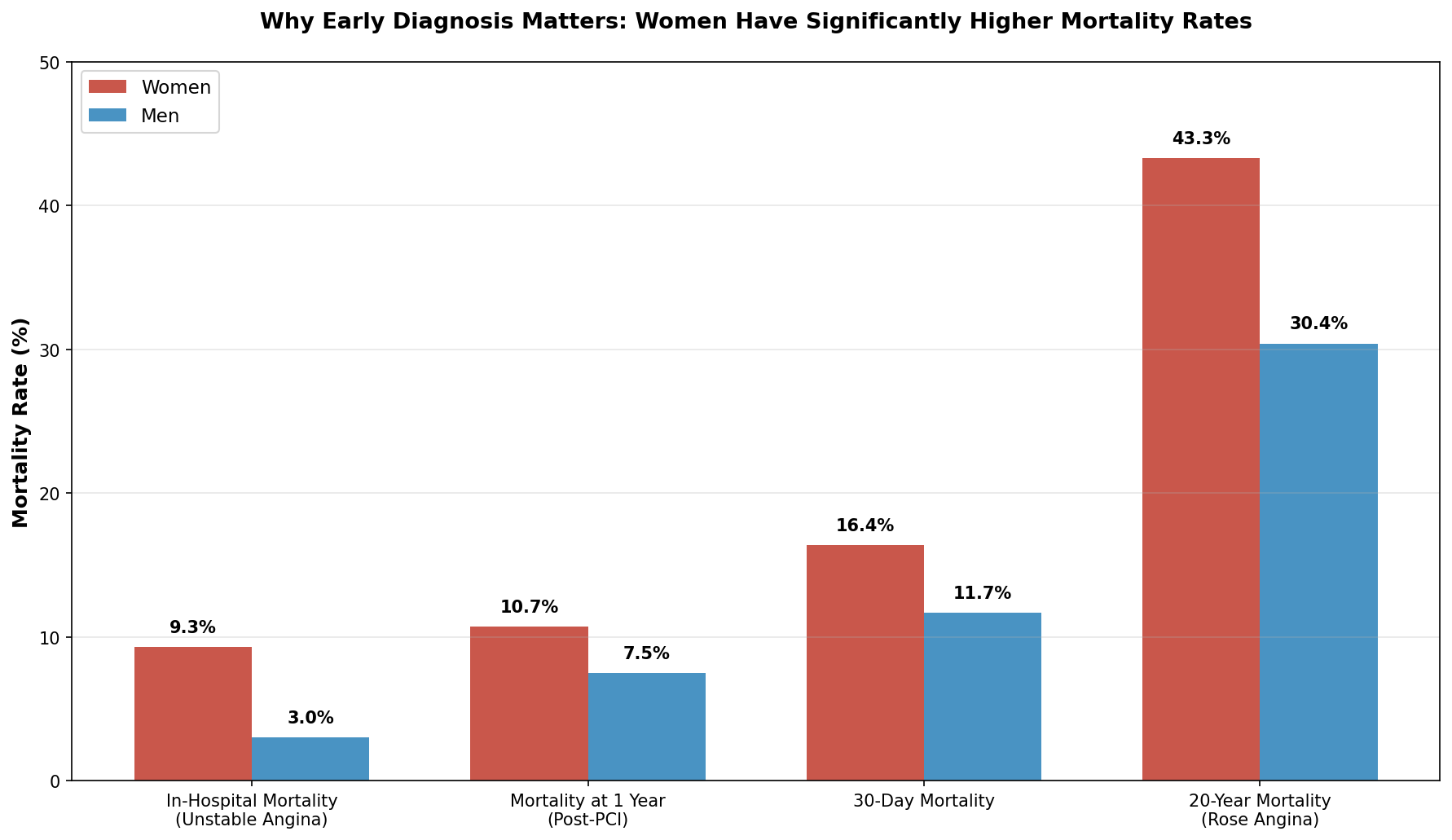 Figure 5: Women experience higher in-hospital mortality from unstable angina and acute coronary syndromes. Multiple studies show 3-fold higher mortality in women with acute presentations. Data from multicenter cardiovascular registries.
The Diagnostic Bias Cascade
Understanding why women's angina gets missed requires seeing the complete picture of how multiple biases compound:
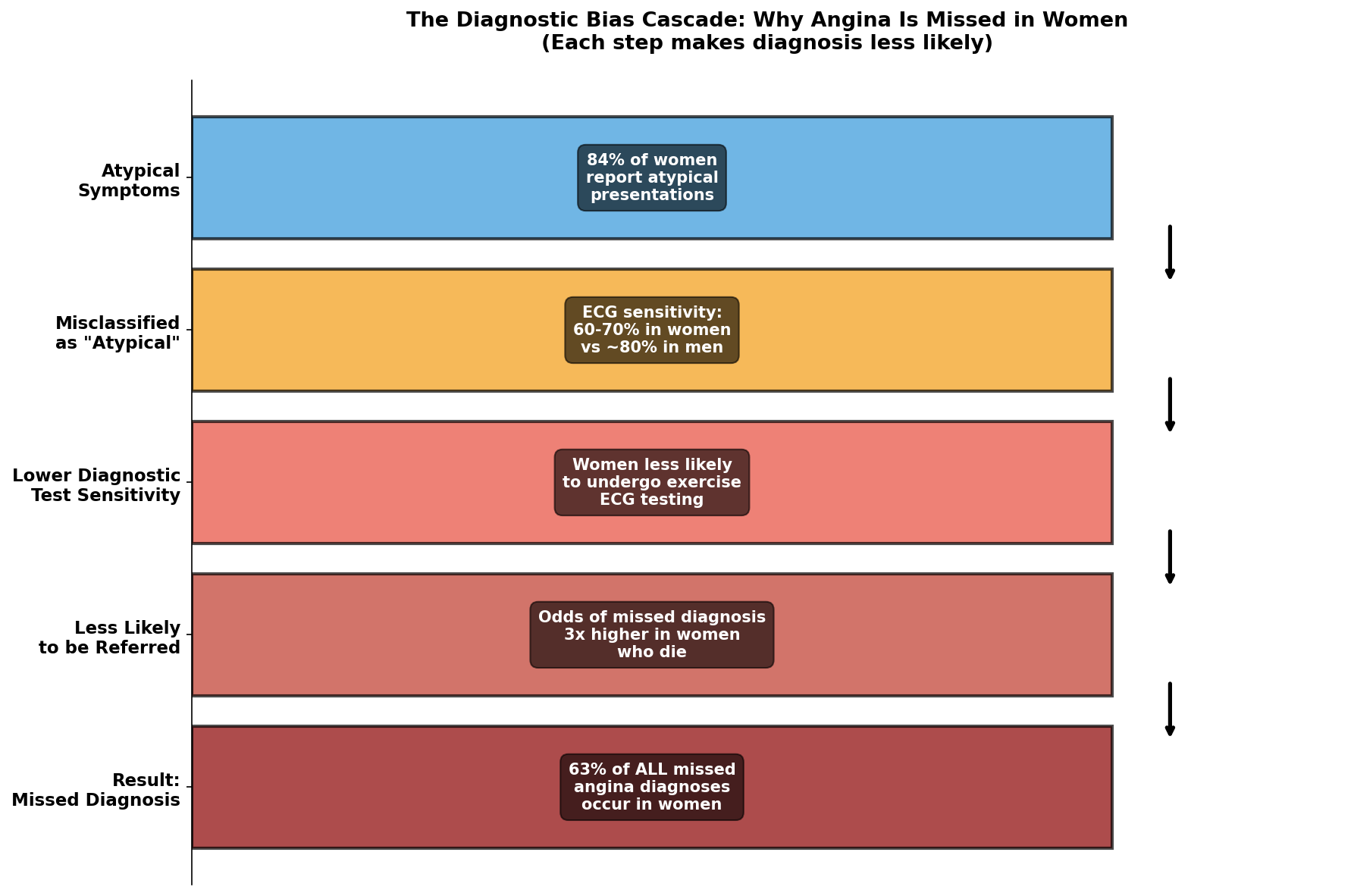 Figure 6: Atypical symptoms lead to lower diagnostic consideration, which produces lower referral rates, creating false-negative test interpretations, resulting in missed diagnosis. This cascade is specific to women and explains the 2-to-1 female predominance in missed angina cases.
The cascade works like this: Women present with atypical symptoms (breathlessness, fatigue, jaw pain). These don't immediately trigger cardiac consideration in the clinician's mind. Lower diagnostic suspicion leads to lower likelihood of referring for testing. Even when testing occurs, the lower sensitivity in women produces more false negatives. A "normal" angiogram is misinterpreted as absence of disease (rather than presence of non-obstructive disease). The woman is reassured that nothing is wrong, receives no treatment, and her disease progresses.
When doctors understand this cascade, they can interrupt it. Recognition of women's atypical presentations as cardinal angina features is the crucial first step.
Symptom Comparison: What You Actually Need to Know
Here's the bottom line for symptom recognition:
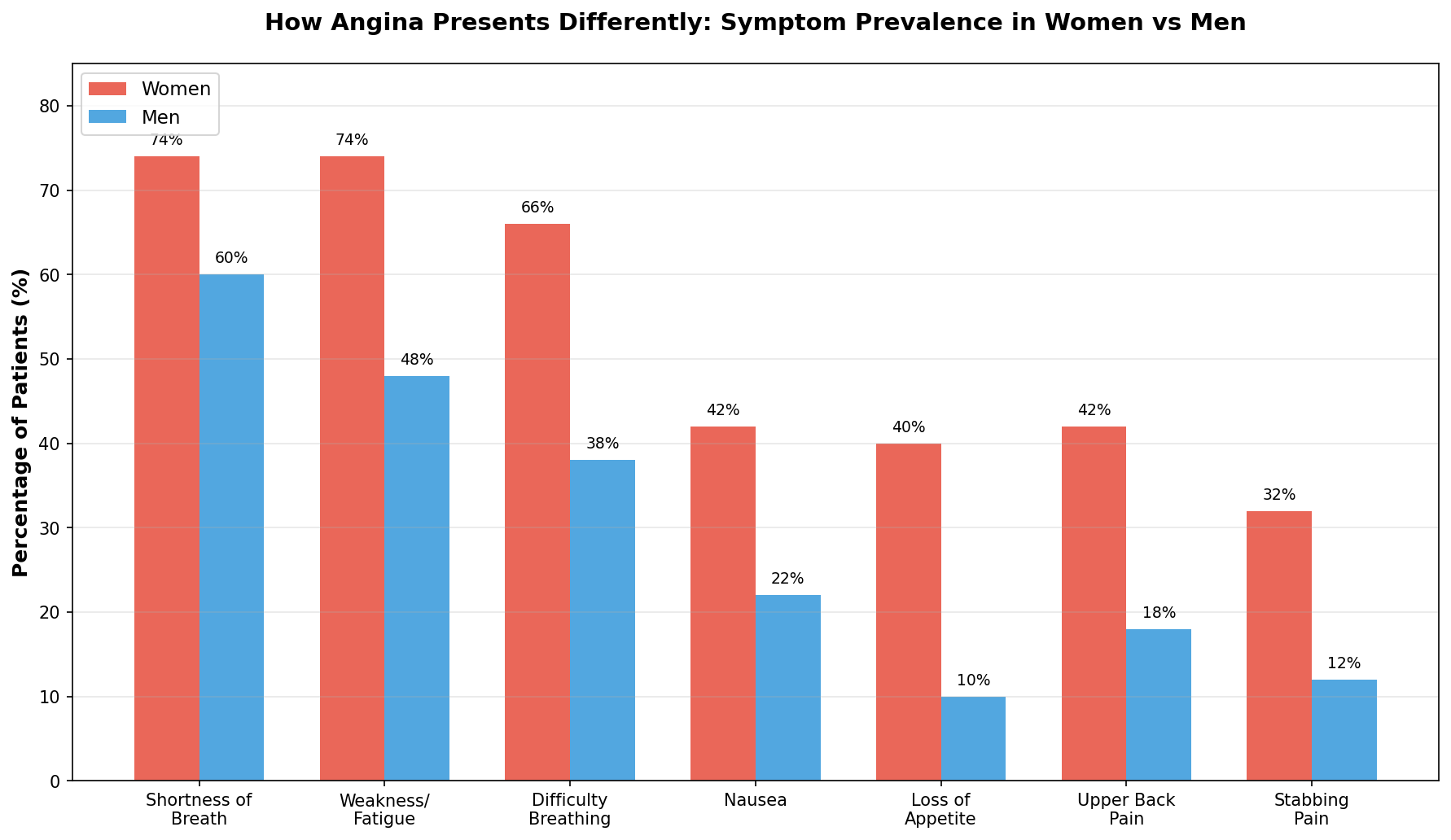 Figure 1: Women with angina report substantially higher rates of atypical symptoms across nearly every category. Note the 28% difference in difficulty breathing and 30% difference in loss of appetite.
If you're a woman and you experience any of these patterns, take them seriously:
- Chest discomfort (pressure, heaviness, tightness, or squeezing; may not be classic "pain")
- Associated with shortness of breath, fatigue, or weakness
- Triggered by physical exertion, emotional stress, or cold exposure; eases with rest
- Or jaw pain, back pain, neck pain occurring with the chest symptoms
- Accompanied by nausea, indigestion, or palpitations
- Occurring repeatedly in the same pattern
Especially if you're past age 50, have risk factors (smoking, diabetes, high blood pressure, high cholesterol, obesity, family history of early heart disease), or have experienced hormonal changes, don't wait for "classic" chest pain to see your doctor.
What to Do If You're Concerned
Seek Immediate Care If
- Chest discomfort is severe, persistent, or worsening
- You have chest discomfort with breathlessness, sweating, or arm/jaw/back pain
- Symptoms don't resolve with rest within 20-30 minutes
- You feel faint, dizzy, or have palpitations (sensation of irregular or pounding heartbeat)
Call emergency services (999 in the UK, 911 in the US) immediately. Don't wait or try to drive yourself; let paramedics assess and transport you safely.
Arrange Urgent GP Appointment If
- You have recurring chest discomfort triggered by exertion or stress that eases with rest
- New onset breathlessness, fatigue, or jaw pain
- You're experiencing symptoms that worry you, even if you're unsure they're cardiac
When you see your doctor, describe your symptoms precisely:
- When did they start?
- What triggers them (exertion, stress, time of day)?
- What relieves them (rest, medication)?
- How long do episodes last?
- Are they getting more frequent or severe?
- Do you have any risk factors?
Use your own words to describe sensations, not what you think doctors want to hear. "Heaviness," "tightness," "fatigue," and "jaw pain" are all important descriptions that warrant investigation in women.
Push for Appropriate Testing
If your GP suspects possible angina, you should be offered:
- Blood tests to check cholesterol, glucose, and inflammation markers
- Resting ECG as baseline
- Stress testing (exercise ECG or pharmacological stress test) to check if your heart shows ischaemia during exertion
- Possible coronary angiography if stress testing is abnormal
If you're older, have risk factors, or your symptoms are concerning, don't accept "normal" results without discussion. Ask:
- Do my symptoms match ischaemic patterns?
- Should I try stress testing if I haven't had it?
- Do the results explain my symptoms?
- What's the plan if this is microvascular or vasospastic angina?
If your GP seems dismissive of atypical symptoms, or if you feel unheard, consider requesting a referral to a cardiologist, particularly one with expertise in women's cardiac conditions.
Know Your Risk Factors
You should know your numbers:
- Blood pressure (ideal is less than 120/80 mmHg)
- Total cholesterol, LDL cholesterol, HDL cholesterol, triglycerides
- Fasting glucose or HbA1c (blood sugar control)
- BMI (healthy range is 18.5-24.9)
- Waist circumference (excess abdominal fat increases risk)
- Family history (has anyone had heart disease or heart attack before age 65?)
Work with your healthcare provider to control these modifiable risk factors through medication, lifestyle changes, or both.
After Diagnosis: Getting the Right Treatment
If you're diagnosed with angina, you should receive:
- Anti-anginal medications such as beta-blockers, calcium channel blockers, or nitrates to prevent or relieve symptoms
- Medications to reduce future risk such as statins (for cholesterol), ACE inhibitors (for blood pressure and heart protection), and aspirin (for clotting risk reduction)
- Lifestyle counselling on diet, exercise, smoking cessation, and stress management
- Cardiac rehabilitation referral if appropriate
- Regular follow-up to monitor symptoms and adjust treatment
Importantly, if you have microvascular or vasospastic angina (particularly common in women with "normal" angiography), ensure your treatment addresses your specific type. Microvascular dysfunction may respond well to certain medications that wouldn't help obstructive disease. Vasospastic angina requires specific treatment to prevent coronary spasm.
If you feel your symptoms aren't improving despite medical therapy, or if you believe your diagnosis was missed, seek a second opinion from another cardiologist. Women with persistent angina despite "normal" coronary arteries absolutely deserve proper investigation and treatment.
The Bottom Line
Angina in women looks different from angina in men. It sounds different, feels different, and gets missed far more often. This isn't because women's hearts work differently—it's because our healthcare system, and sometimes women themselves, doesn't recognise the warning signs.
The good news is that awareness changes outcomes. When women and their doctors recognise atypical presentations as angina, diagnostic accuracy improves. When women understand their specific risks—particularly around menopause and hormonal changes—they can prioritise cardiac screening. When clinicians appreciate that microvascular and vasospastic disease are real, treatable conditions affecting millions of women, they order appropriate tests and provide proper treatment.
If you're a woman with chest discomfort, breathlessness, fatigue, or jaw or back pain—particularly if you're past 50 or have risk factors—don't dismiss it. Don't wait for "classic" chest pain. Don't assume you're too young or too healthy to have heart disease. See your doctor, describe your symptoms clearly, and push for appropriate investigation.
Your heart sends signals. Make sure they're heard.
Further Reading
Understanding Angina and Heart Disease
- Angina symptoms and risk factors - NHS
- Angina: Symptoms and causes - Mayo Clinic
- Angina - Cleveland Clinic
- Heart disease in women - Mayo Clinic
Microvascular and Vasospastic Angina
- Microvascular Angina: Signs, Treatment and Prognosis - Cleveland Clinic
- Vasospastic (Prinzmetal) Angina: Symptoms and Treatment - Cleveland Clinic
- Coronary Microvascular Disease - American Heart Association
- Angina in Women - American Heart Association
Women's Cardiovascular Health and Risk Factors
- Heart attacks in women - Harvard Health Publishing
- Menopause and heart disease - NHS
- Cardiovascular disease prevention in women - American Heart Association
Diagnostic Testing and Evaluation
Clinical Resources and Guidelines
- NICE Guidelines on Chest Pain - National Institute for Health and Care Excellence
- PubMed Central - Peer-reviewed research on angina and women's cardiac health
Helpful Resources
- National Institutes of Health / National Heart, Lung, and Blood Institute (NHLBI). The WISE Study: Women's Ischemia Syndrome Evaluation [Internet]. [cited 2025]. Available from: https://www.nhlbi.nih.gov/
- National Health Service. Angina [Internet]. [cited 2025]. Available from: https://www.nhs.uk/conditions/angina/
- Mayo Clinic. Angina: Symptoms and causes [Internet]. [cited 2025]. Available from: https://www.mayoclinic.org/diseases-conditions/angina/symptoms-causes/syc-20369373
- Cleveland Clinic. Microvascular Angina: Signs, Treatment and Prognosis [Internet]. [cited 2025]. Available from: https://my.clevelandclinic.org/health/symptoms/microvascular-angina
- Cleveland Clinic. Vasospastic (Prinzmetal) Angina: Symptoms and Treatment [Internet]. [cited 2025]. Available from: https://my.clevelandclinic.org/health/diseases/21867-prinzmetal-angina
- American Heart Association. Angina in women: Can be different than men [Internet]. [cited 2025]. Available from: https://www.heart.org/en/health-topics/heart-attack/angina-chest-pain/angina-in-women-can-be-different-than-men
- American Heart Association. Coronary microvascular disease [Internet]. [cited 2025]. Available from: https://www.heart.org/en/health-topics/heart-attack/angina-chest-pain/coronary-microvascular-disease-mvd
- Harvard Health Publishing. Heart attacks in women [Internet]. [cited 2025]. Available from: https://www.health.harvard.edu/heart-disease/heart-attacks-in-women
- PubMed Central / National Center for Biotechnology Information. Sex differences in atherosclerotic coronary artery disease patterns. [Internet]. [cited 2025]. Available from: https://pubmed.ncbi.nlm.nih.gov/41246804/
- PubMed Central / National Center for Biotechnology Information. Gender disparities in delayed angina diagnosis: insights from 2001-2020 NHANES data. [Internet]. [cited 2025]. Available from: https://pubmed.ncbi.nlm.nih.gov/40158088/
- PubMed Central / National Center for Biotechnology Information. Coronary microvascular dysfunction is highly prevalent in women with chest pain in the absence of coronary artery disease: results from the NHLBI WISE study. [Internet]. [cited 2025]. Available from: https://pubmed.ncbi.nlm.nih.gov/11320360/
- PubMed Central / National Center for Biotechnology Information. Risk factors for coronary atherosclerotic heart disease in postmenopausal women: a meta-analysis. [Internet]. [cited 2025]. Available from: https://pmc.ncbi.nlm.nih.gov/articles/PMC11770022/
- PubMed Central / National Center for Biotechnology Information. The clinical approach to angina in women. [Internet]. [cited 2025]. Available from: https://pubmed.ncbi.nlm.nih.gov/39537281/
- PubMed Central / National Center for Biotechnology Information. Coronary Microvascular Dysfunction: Bridging the Diagnosis-Treatment Divide in Women with INOCA. [Internet]. [cited 2025]. Available from: https://pmc.ncbi.nlm.nih.gov/articles/PMC12429603/
- PubMed Central / National Center for Biotechnology Information. Evaluating Ischemic Heart Disease in Women: Focus on Angina With Nonobstructive Coronary Arteries (ANOCA). [Internet]. [cited 2025]. Available from: https://pmc.ncbi.nlm.nih.gov/articles/PMC11330936/
- National Center for Biotechnology Information Bookshelf. Angina: contemporary diagnosis and management. [Internet]. [cited 2025]. Available from: https://www.ncbi.nlm.nih.gov/pmc/articles/PMC7035719/
