

Millions of people lose hair every year, and for most of them, it's temporary, treatable, or even manageable. But there's one condition where hair loss is permanent, irreversible, and completely different from everything else. Understanding the difference between that rare condition known as atrichia and the various forms of alopecia matters enormously because it determines everything about your treatment, your prognosis, and how you'll manage your life going forward.
This article explains what separates atrichia from alopecia, how doctors tell them apart, what treatments actually work, and what you need to know to move forward with confidence.
Understanding Hair Loss
Your hair doesn't just sit on your head. It follows a careful biological cycle: growing for several years (anagen phase), then resting briefly (telogen phase), then shedding and regrowing. This cycle repeats continuously throughout your life, which is why you shed 50-100 hairs daily without noticing.
Hair loss becomes a concern when something disrupts this cycle. For some people, it's genetics. For others, it's the immune system attacking hair follicles. For others still, it's stress or illness causing more hairs than usual to enter the shedding phase simultaneously. In extremely rare cases, the hair follicles themselves never form properly to begin with.
The key distinction is this: in most forms of hair loss, the hair follicle itself remains intact and capable of producing hair. That's why treatment is often possible. In atrichia, however, the follicles are permanently destroyed or never formed, making regrowth impossible.
What Is Atrichia?
Atrichia (full medical name: congenital atrichia with papular lesions) is a rare genetic condition where someone is born without the ability to grow hair. It's caused by mutations in a single gene called the hairless gene (HR gene) located on chromosome 8.
How It Develops
Infants with atrichia are typically born with sparse hair or minimal hair that falls out between 1 and 6 months of age. Once shed, the hair never regrows. The scalp remains completely or nearly hairless throughout life. Eyebrows, eyelashes, and body hair are typically absent or extremely sparse. Many patients also develop small, keratin-filled cysts (papules) on their face, elbows, and knees during childhood.
Why It's Different
At the cellular level, atrichia involves a breakdown in the communication between different skin cells needed to build and maintain hair follicles. The hairless gene encodes a protein that regulates the hair growth cycle. When this protein is defective, hair follicles either never develop properly or degenerate after initial formation. The result is permanent destruction with no possibility of regrowth, even with treatment.
How Common Is It?
Atrichia is extraordinarily rare. It's described in medical literature primarily through case reports of individual families. You're far more likely to encounter information about it than to meet someone who has it. This rarity is actually why it's often initially misdiagnosed as alopecia universalis (a severe form of autoimmune hair loss), leading to unnecessary steroid treatments that don't work.
Atrichia follows an autosomal recessive inheritance pattern, meaning both parents must carry the gene mutation for a child to develop the condition. Over 20 different mutations in the HR gene have been documented across different populations, which explains why genetic testing is necessary for definitive diagnosis.
What Is Alopecia?
Alopecia simply means hair loss. It's an umbrella term that includes multiple distinct conditions, each with different causes, treatments, and outcomes. What unites them is that hair loss occurs through different mechanisms, but the hair follicles themselves remain intact in non-scarring forms, allowing for potential regrowth.
Type 1: Androgenetic Alopecia (Pattern Hair Loss)
This is the most common form of hair loss, accounting for 67% of all patients visiting hair loss specialists. It's caused by a combination of genetic predisposition and sensitivity to the hormone DHT (dihydrotestosterone).
Who gets it: 30% of Caucasian men show signs by age 30; 50% by age 50. Women typically experience it later, with 29-42% affected by age 70. Prevalence varies by ethnicity; Asian populations show lower rates than Caucasian populations.
What happens: Hair follicles become sensitive to DHT, which causes them to shrink. They produce thinner, shorter hairs until eventually those hairs fall out. This happens gradually over years or decades, creating the familiar pattern of a receding hairline or thinning at the crown in men, or diffuse thinning across the top of the scalp in women.
The crucial difference: The follicles are still there, miniaturized but present. This is why treatment is possible.
Type 2: Alopecia Areata (Autoimmune Hair Loss)
In this condition, the body's immune system mistakenly attacks hair follicles, causing patchy hair loss. Approximately 2% of people worldwide experience this at some point in their lives, though it's most common in young adults (ages 25-34).
What it looks like: Smooth, round patches of hair loss appear suddenly, often over days to weeks. The scalp in the affected areas looks normal; there's no redness or scarring. In severe cases, it can progress to complete scalp hair loss (alopecia totalis) or even total body hair loss (alopecia universalis).
Why it's different: The immune cells attacking the follicles are temporary. Unlike atrichia, where follicles are destroyed, alopecia areata leaves follicles intact. This means regrowth is possible if the immune attack can be controlled.
Spontaneous recovery rates: 30-50% of people with patchy alopecia areata experience spontaneous regrowth within 6-12 months. However, recurrence is common; the hair may return but the condition often flares again later.
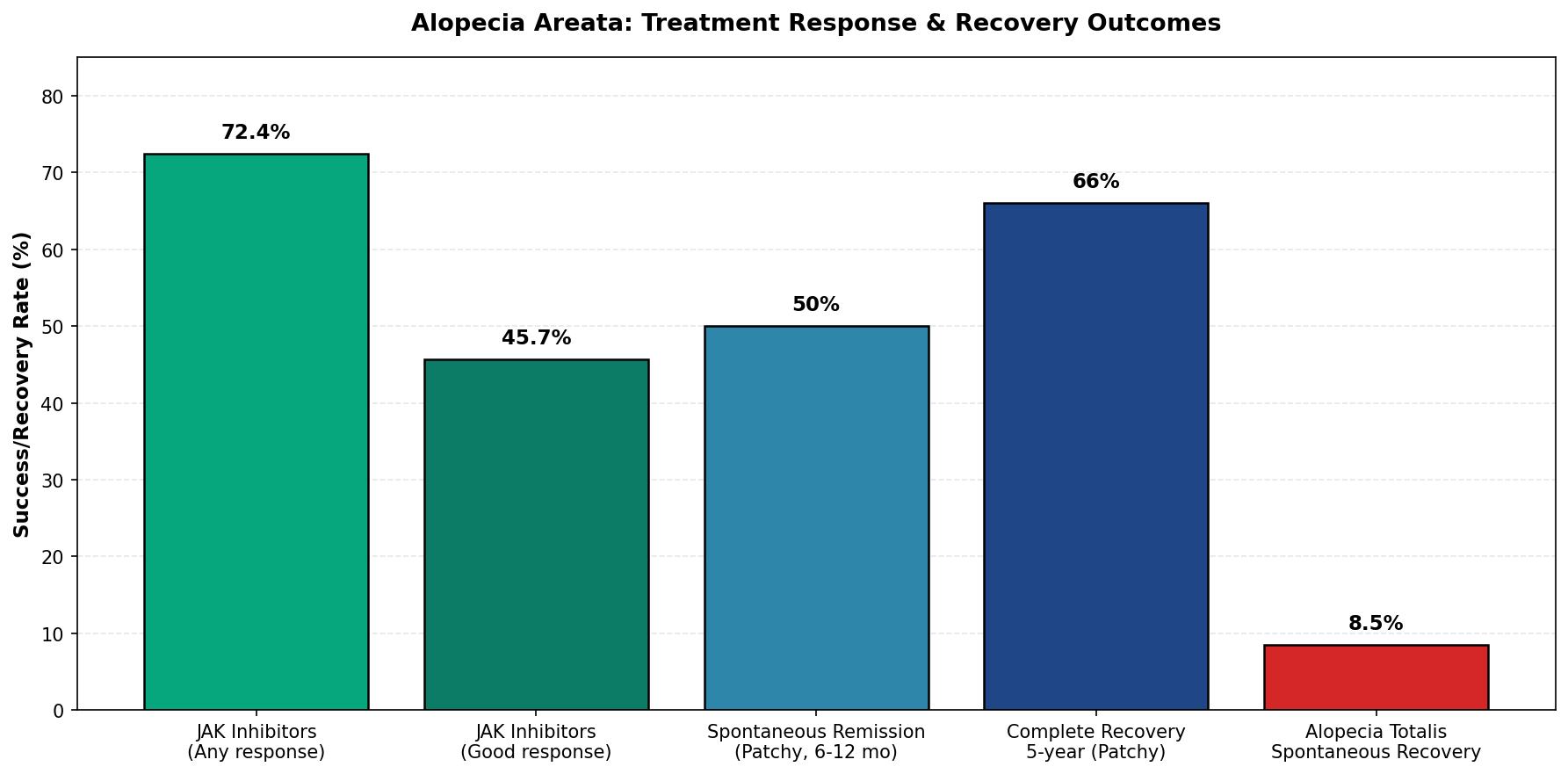 Figure 1: Among 15,211 patients at specialist hair loss clinics, androgenetic alopecia is by far the most common (67%), followed by alopecia areata and scarring alopecia (each 11%), and telogen effluvium (7%).
Type 3: Telogen Effluvium (Stress-Related Hair Loss)
This condition occurs when physical or emotional stress, illness, surgery, medication changes, or nutritional deficiency cause many hair follicles to prematurely shift from active growth into the resting phase. Two to three months later, these hairs shed synchronously, causing noticeable hair loss.
Why it's different: It's temporary and self-limiting. Once the triggering stressor resolves, follicles return to normal cycling and hair regrows naturally. This is the most reversible form of hair loss.
Recent increases: Post-COVID-19, 5.41% of the global population experienced telogen effluvium. Among hospitalised COVID patients, rates reached 48-68.8%, showing how severe illness can trigger massive temporary hair loss.
Type 4: Scarring (Cicatricial) Alopecia
In this category, chronic inflammation permanently destroys hair follicles and replaces them with scar tissue. This accounts for 11% of all alopecia cases. Forms include lichen planopilaris, frontal fibrosing alopecia, and central centrifugal cicatricial alopecia.
Why it's different: Unlike other non-scarring forms where follicles survive, scarring alopecia permanently damages follicles. Once the follicle is destroyed, hair cannot regrow in that area. This makes it more similar to atrichia in terms of permanent hair loss, though the mechanisms are completely different.
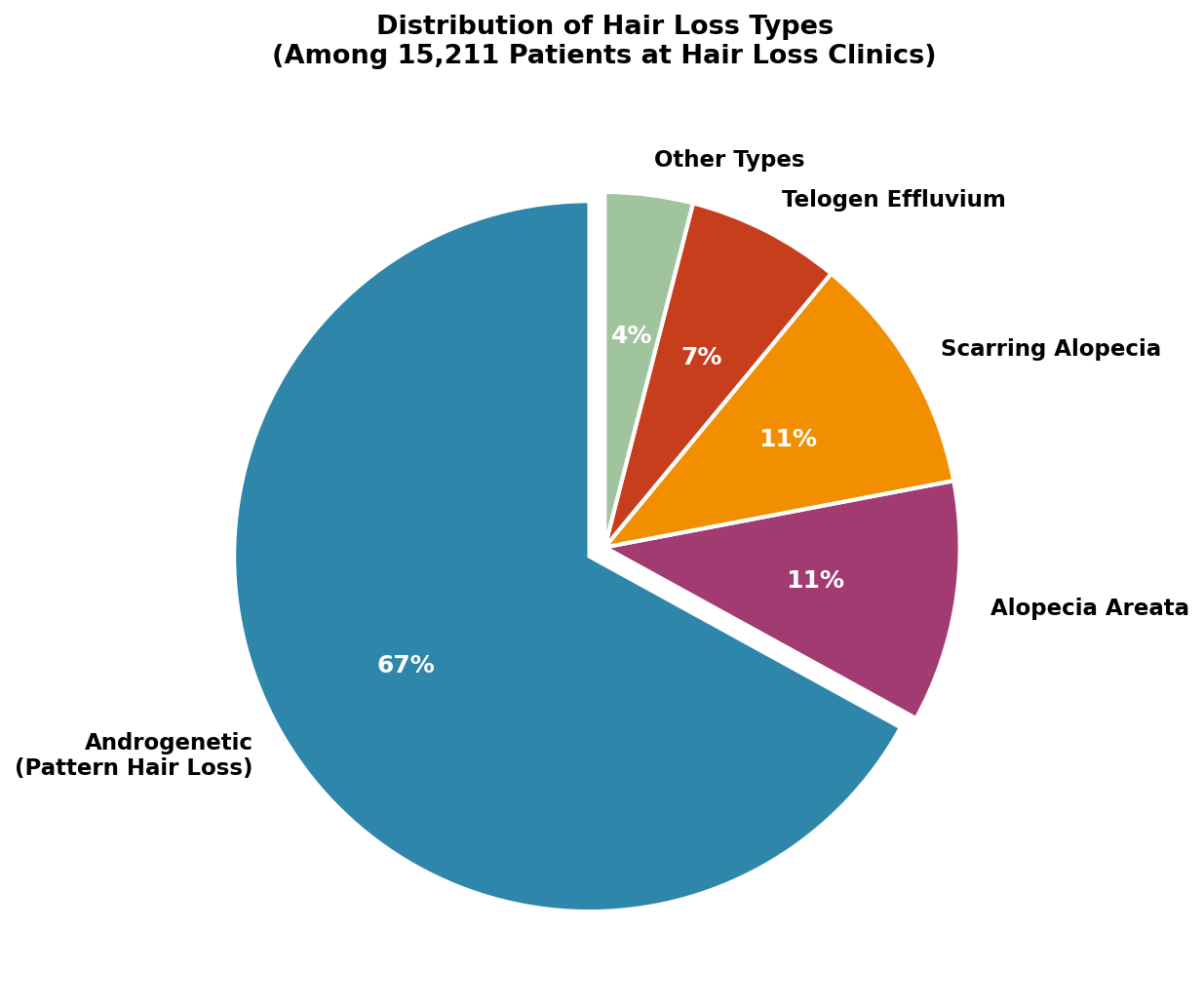 Figure 2: Hair loss prevalence varies dramatically by age, gender, and ethnicity. Androgenetic alopecia increases dramatically with age in men, while women typically develop it later in life.
How Doctors Tell the Difference
Getting the right diagnosis is crucial because it determines your treatment options and prognosis. Dermatologists use several methods to differentiate between these conditions.
Clinical Examination
Your dermatologist starts with a simple visual assessment. They look at:
- Hair loss pattern: Is it patchy with clear borders (alopecia areata), gradual thinning in a specific pattern (androgenetic alopecia), diffuse widespread shedding (telogen effluvium), or complete hairlessness (atrichia)?
- Age of onset: Did it start in infancy (atrichia), in teens/early 20s (androgenetic alopecia), or suddenly at any age (alopecia areata)?
- Speed of loss: Did it happen rapidly over days to weeks (alopecia areata), gradually over years (androgenetic alopecia), or before age one (atrichia)?
- Associated features: Are there keratotic papules on the body (atrichia), or is the scalp otherwise normal?
Hair Pull Test
This simple bedside test takes 30 seconds. Your dermatologist gently pulls 10-15 hairs and counts how many come out:
- Positive test (≥4 hairs per pull): Indicates active shedding, suggesting alopecia areata or telogen effluvium
- Negative test (0-1 hairs): Indicates stable disease, suggesting androgenetic alopecia
- Cannot pull hairs: Suggests atrichia (no hair follicles to pull)
Trichoscopy (Magnified Scalp Examination)
Using a dermoscope or video microscope with magnification of 10-1000x, your dermatologist can see distinctive patterns:
Atrichia: Shows a "cluster of stars" appearance; evenly distributed patterns of follicular openings with complete absence of terminal hair follicles.
Androgenetic alopecia: Reveals miniaturized hairs (thin hairs mixed with normal ones) and increased variation in hair density. This is the hallmark of pattern baldness.
Alopecia areata: Shows distinctive features including:
- Yellow dots (6-100% of cases): Bright yellow spots representing sebum in follicles
- Black dots (0-84%): Broken-off hairs at scalp level
- Exclamation mark hairs (12-71%): Distinctive short hairs that are wider at the tip than at the root, literally shaped like exclamation marks (!)
These findings are so specific that dermoscopy alone can often confirm the diagnosis without biopsies.
Scalp Biopsy
When clinical examination and dermoscopy don't provide a clear answer, a small 4mm skin biopsy is performed. Examined under a microscope, this achieves 95% diagnostic accuracy.
Findings:
- Atrichia: No terminal hair follicles present; only vellus (fine) follicles or keratin cysts
- Androgenetic alopecia: Progressive miniaturization of follicles; normal sebaceous glands; no inflammation
- Alopecia areata: Immune cells (lymphocytes) surrounding hair bulbs; preserved follicle architecture; premature shift to resting phase
Genetic Testing
When atrichia is suspected, genetic testing can confirm the diagnosis by identifying mutations in the HR gene. This definitively distinguishes atrichia from alopecia universalis, which looks similar clinically but has a completely different genetic basis and treatment options.
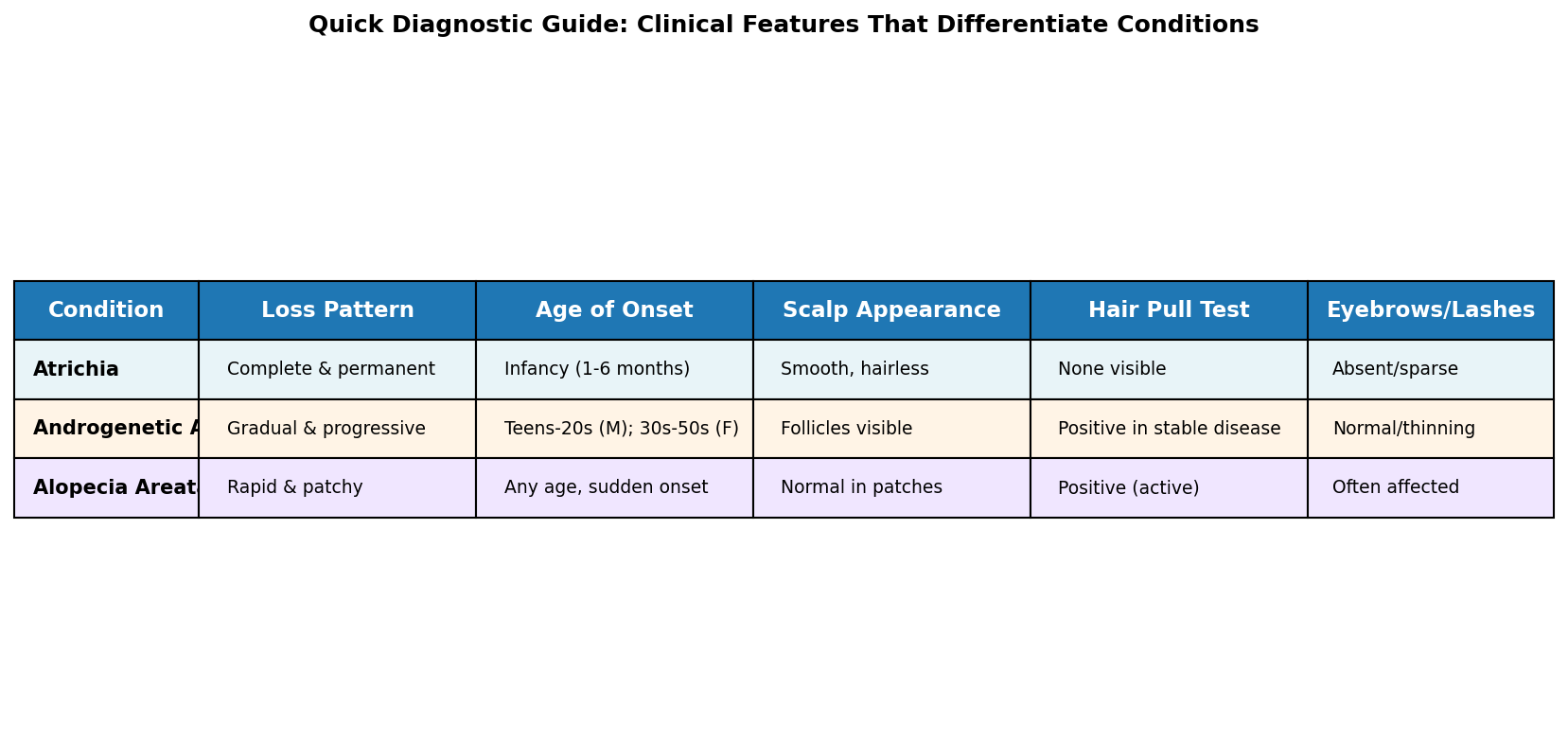 Figure 3: Clinical features and diagnostic findings differentiate the main types of hair loss. Most cases can be diagnosed through simple examination and dermoscopy without requiring biopsy.
Treatment Options
Understanding what actually works (and what doesn't) for each condition is essential for realistic expectations.
Atrichia: Limited Options, Realistic Focus
Unfortunately, there are no effective medical treatments that restore hair growth in atrichia. Steroid therapy, commonly used for other hair loss conditions, has proven completely ineffective. The cellular mechanism preventing follicle development cannot be reversed with current medicine.
Practical management strategies include:
- Wearing hats, scarves, or headwear for sun protection and cosmetic coverage
- Wigs and hairpieces (hair prostheses) as cosmetic solutions
- Eyebrow makeup or eyelash prosthetics to restore facial features
- Diligent sun protection (scalp skin is more vulnerable without hair protection)
- Psychological support and connection with others facing similar challenges
The focus shifts from attempting regrowth to acceptance, cosmetic confidence-building, and early psychological support. Many patients benefit significantly from connecting with support groups, where they meet others navigating the same lifelong condition.
Androgenetic Alopecia (Pattern Hair Loss): Multiple Proven Options
The good news is that pattern hair loss has several evidence-based treatments.
Minoxidil (Rogaine):
Available as 2% or 5% topical solution applied directly to the scalp. It stimulates hair follicles and improves blood flow to the scalp.
- Effectiveness: Produces approximately 13.13 terminal hairs/cm² regrowth in men and 10.82 in women at 24 weeks
- Timeline: Results appear after 3-4 months; maximum benefit at 6-12 months
- Important: Hair regrowth stops when treatment stops (it's maintenance therapy)
- Advantage: Over-the-counter, affordable, well-tolerated
- Side effect: Occasional scalp irritation
Finasteride (Propecia):
An oral medication that blocks DHT production by inhibiting the enzyme that converts testosterone to DHT.
- Effectiveness: Produces approximately 12.38 terminal hairs/cm² regrowth in men at 24 weeks
- Timeline: Results after 3-6 months; maximum benefit at 12 months
- Important: Only effective in men (not approved for women)
- Advantage: Convenient daily tablet; affordable; generic versions available
- Side effects: Less than 2% experience decreased sexual desire or erectile dysfunction (these reverse when treatment stops)
Combination Therapy (Minoxidil + Finasteride):
Using both medications together is more effective than either alone.
- Effectiveness: 92.4% of men achieve stable or improved outcomes; 57.4% show marked improvements
- Why: Different mechanisms of action; they complement each other
- Recommendation: Most dermatologists now recommend combination therapy as first-line treatment for optimal results
Dutasteride:
Similar to finasteride but more potent. Produces approximately 18.37 terminal hairs/cm² at 24 weeks (higher than finasteride alone), making it an option for men not responding adequately to finasteride.
Low-Level Laser Therapy (LLLT):
Non-invasive treatment using specific light wavelengths. Shows 80% clinical effectiveness in studies of over 1,000 patients. Can be used alone or combined with medications, with no systemic side effects.
Platelet-Rich Plasma (PRP):
Growth factors from your own blood are injected into the scalp. Meta-analysis shows it increases hair density from 141.9 to 177.5 hairs/cm². Activated PRP is significantly more effective than non-activated.
- Timeline: Results after 3-6 months; multiple sessions needed
- Effectiveness: About 25% density increase
- Limitation: Expensive, not covered by insurance; further research needed on optimal protocols
Hair Transplantation:
Surgical removal of hair-bearing follicles from donor areas and placement into bald areas.
- Graft survival: 84.98% to 93.11% depending on technique
- Patient satisfaction: 94% satisfied with results in study of 820 patients with advanced baldness
- Timeline: Initial recovery 2-3 weeks; full results visible 9-12 months
- Cost: $4,000-$15,000+ (not covered by insurance)
- Best for: Localized baldness with adequate donor hair
Scalp Micropigmentation:
A tattoo-like treatment creating the appearance of hair follicles or fuller hair density.
- Effectiveness: Visual density improved to 8.7/10 immediately post-treatment; 85.7% of patients report being "very satisfied"
- Timeline: Typically 3 sessions over several months
- Cost: $1,500-$3,000 (not covered by insurance)
- Important: Creates illusion of density, not actual hair; fades over time requiring touch-ups every few years
- Best for: Those wanting immediate cosmetic improvement without medication commitment
Diet influences androgenetic alopecia risk:
- Protective foods: Consuming raw vegetables at least 3 times weekly and fresh herbs regularly showed protective effects
- Foods to minimize: Reduce bacon, processed/preserved meats, trans fats, and saturated fats
- Best approach: Mediterranean diet pattern with fresh fruits and vegetables decreases alopecia risk
Lifestyle factors to avoid:
- Chronic sleep disturbances
- Smoking (increases inflammation)
- Excessive stress
- Tight hairstyles that pull hair (traction alopecia)
Protective factors:
- Regular exercise (improves circulation)
- Adequate sleep (7-9 hours nightly)
- Stress reduction practices
- Sun protection
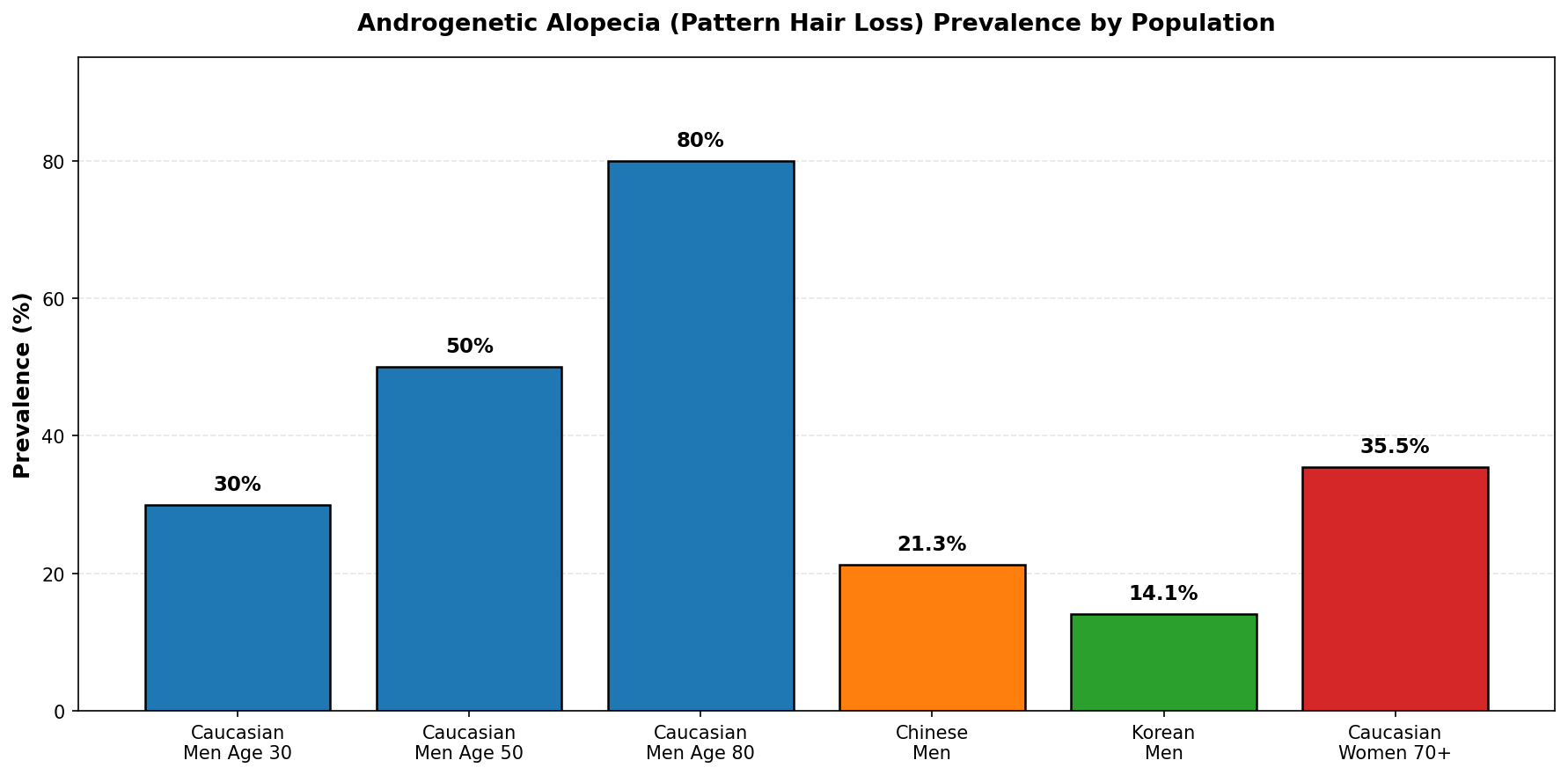 Figure 4: Treatment effectiveness varies across options. Combination therapy produces better results than either medication alone. Hair transplants show the highest patient satisfaction rates.
Alopecia Areata (Autoimmune Hair Loss): Major Breakthroughs
Until recently, treatment options for alopecia areata were limited. The situation has changed dramatically with new medications.
The FDA has recently approved three JAK inhibitors specifically for alopecia areata, representing a major advancement in treatment.
Baricitinib (Olumiant; Oral):
- Effectiveness: 72.4% show some hair regrowth; 45.7% are "good responders" with substantial regrowth
- Timeline: Hair regrowth appears gradually over 3-6 months
- Safety: Common side effects include acne and elevated lipid levels (generally mild)
- Advantage: Convenient once or twice daily dosing
- Cost: Expensive; some insurance coverage available
Ruxolitinib (Opzelura; Topical Foam):
- Effectiveness: 72.4% responder rate
- Advantage: Applied directly to scalp; minimal systemic absorption
- Best for: Patients with patchy alopecia areata or those wanting to avoid systemic medication
How they work: JAK inhibitors block inflammatory pathways that attack hair follicles, allowing suppressed follicles to re-enter the growth phase.
Intralesional Corticosteroid Injections:
Steroids injected directly into affected scalp areas. Results appear in 4-6 weeks; effectiveness is moderate and limited to individual patches. Not practical for extensive hair loss covering more than 50% of the scalp.
Immunotherapy (Contact Sensitization):
An allergen is applied to the scalp to redirect immune attack away from hair follicles. 30-50% of patients show significant regrowth. Requires regular office visits and commitment to ongoing treatment.
Topical or Systemic Corticosteroids:
Topical creams, ointments, or foams work but are often insufficient alone. Systemic (oral) steroids suppress immune response system-wide but carry significant long-term side effects (weight gain, bone loss, metabolic complications) and are now considered less desirable since JAK inhibitors became available.
Patchy alopecia areata (best prognosis):
- Spontaneous remission: 30-50% within first 6-12 months
- Five-year complete recovery: Up to 66%
- Important caveat: 100% relapse rate within 20 years (hair may return but episodes tend to recur)
Alopecia totalis (complete scalp hair loss):
- Spontaneous recovery: less than 10%
- Long-term complete recovery: approximately 8.5%
- More difficult to treat; less responsive to therapy
Alopecia universalis (complete body hair loss):
- Long-term recovery: less than 10%
- Most severe form with worst treatment outcomes
General course: Within 20 years, 100% of alopecia areata patients experience at least one relapse, though around 30% with patchy disease never progress to more extensive loss.
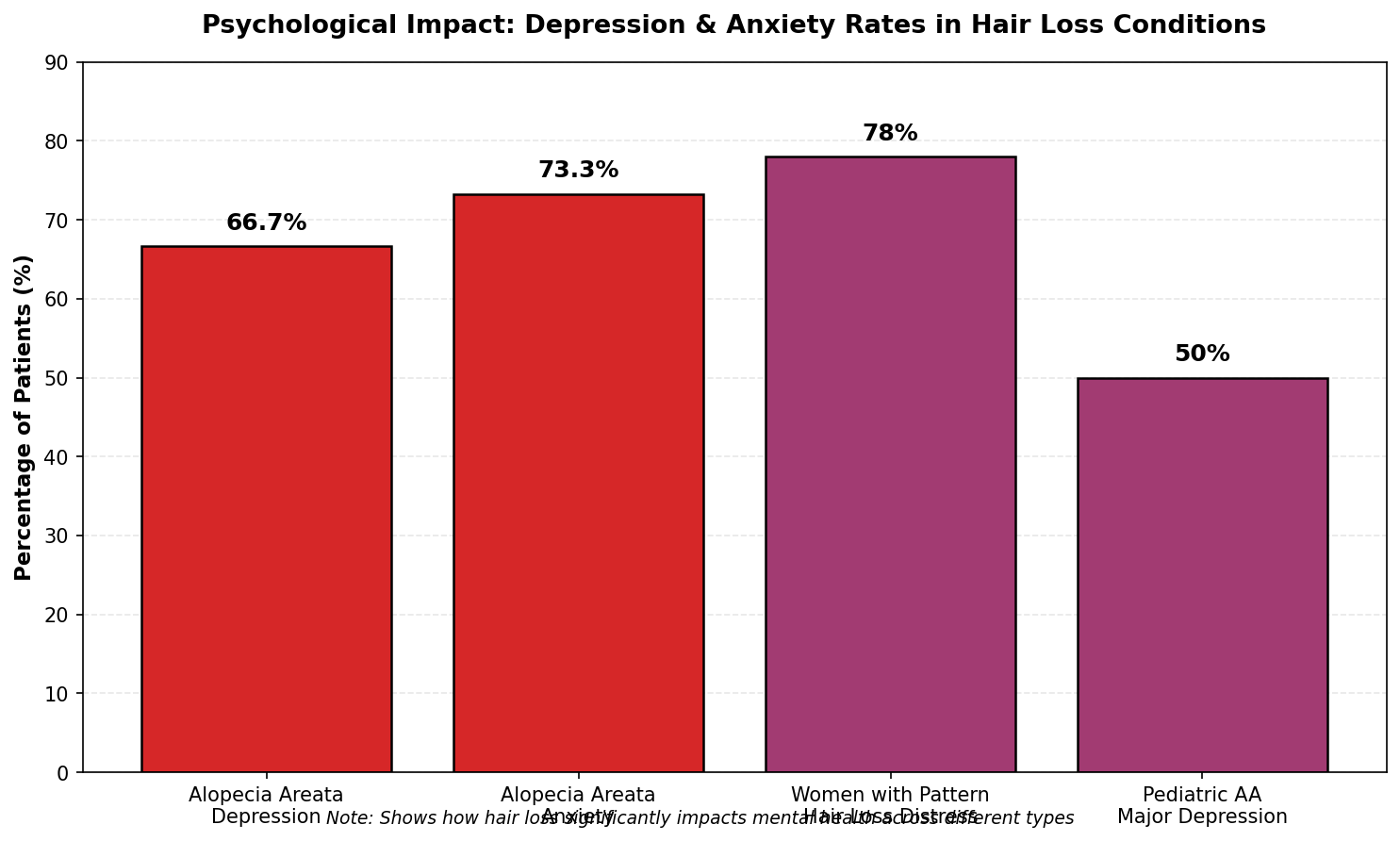 Figure 5: JAK inhibitors represent a major breakthrough for alopecia areata, with significantly higher response rates than conventional treatments. Natural recovery rates vary dramatically by disease severity.
Telogen Effluvium (Stress-Related Hair Loss): Reassuring Prognosis
The good news: this is self-limiting and most people recover on their own.
Primary treatment: Emotional support, reassurance, and explanation of the benign course. Most improvement occurs naturally over time.
- Timeline: Typically resolves in 3-6 months
- Expectations: Complete hair recovery is possible
Medical options:
- Oral minoxidil: Once daily appears to reduce shedding in chronic telogen effluvium
- 675-nm Diode Laser: 72% of patients with positive pull tests became negative at follow-up; pruritus improved in 83%; scalp pain resolved in 75%
- Nutritional support: Addressing deficiencies in iron, zinc, vitamin D, or B vitamins when identified
Psychological aspect: Reassurance is the primary treatment. Patients benefit from knowing that hair will regrow; treatment is often unnecessary, though nutritional support and stress management help.
The Psychological Impact of Hair Loss
Hair loss affects far more than just physical appearance. It significantly impacts mental health and quality of life.
Alopecia Areata's Psychological Burden
66.7% of alopecia areata patients experience depression—that's 2 in 3 people. 73.3% experience anxiety—nearly 3 in 4.
Important finding: Psychological impact is more strongly linked to patients' illness perceptions and the stigma they anticipate than to the actual severity of hair loss. This means two people with identical hair loss may experience vastly different psychological burden based on how they perceive their condition.
Children face particular challenges. Major depressive disorder prevalence reaches up to 50% in pediatric alopecia areata patients, with obsessive-compulsive disorder affecting up to 30%. Early psychological intervention is critical.
Pattern Hair Loss's Emotional Impact
78% of women with androgenetic alopecia report feelings of shame, anxiety, or depression. Women are more severely affected emotionally than men because hair loss is less socially accepted in women. Younger women and those with more extensive hair loss report the greatest psychological burden.
Effective Support Interventions
The good news: psychological support works.
- Cognitive Behavioral Therapy (CBT) and support groups: Reduced anxiety and improved coping in 68% of participants
- Cosmetic solutions: Wigs, hairpieces, and scalp micropigmentation enhanced confidence and social reintegration in 72% of patients
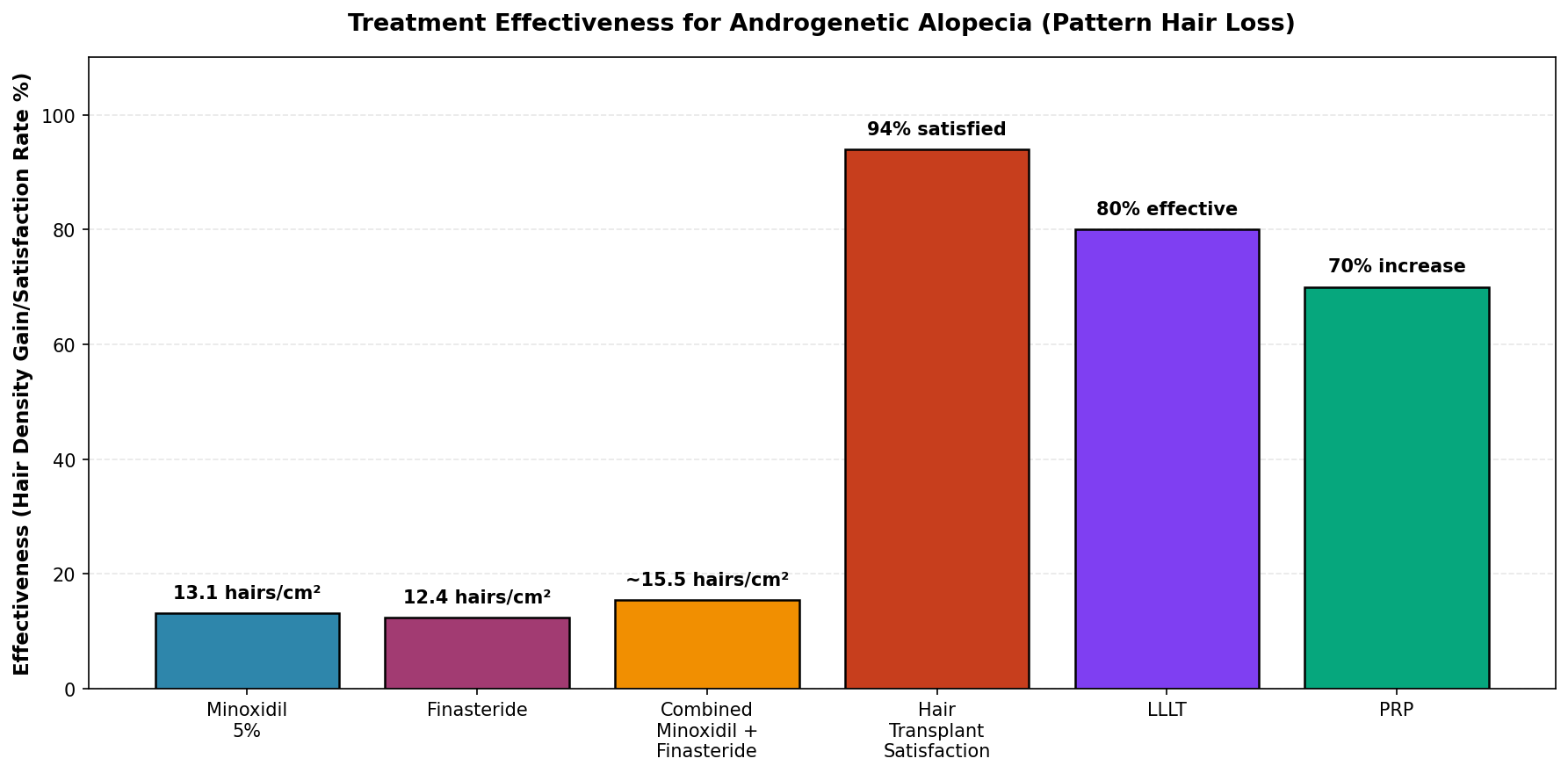 Figure 6: Depression and anxiety prevalence across hair loss types show the significant mental health burden, particularly in alopecia areata and in women with pattern hair loss.
When to See a Dermatologist
You should seek professional evaluation if you notice:
- Sudden hair loss in patches with clear borders
- Rapid, diffuse hair shedding (more than normal daily loss)
- Hair loss starting in adolescence or young adulthood without family history
- Signs since infancy or very early childhood
- Hair loss accompanied by scalp pain, redness, or other symptoms
- Complete baldness or near-complete hair loss
What to expect at your appointment:
- Clinical examination of your scalp and hair
- Hair pull test
- Discussion of your personal and family history
- Possibly trichoscopy (magnified scalp examination)
- Possibly scalp biopsy if diagnosis remains unclear
- Possibly genetic testing if atrichia is suspected
Bring photos showing your hair loss progression, information about when it started, any triggers you've noticed, and a list of any medications or supplements you're taking.
Treatment Timeline: What to Expect
Different treatments work at different speeds. Understanding realistic timelines helps set expectations:
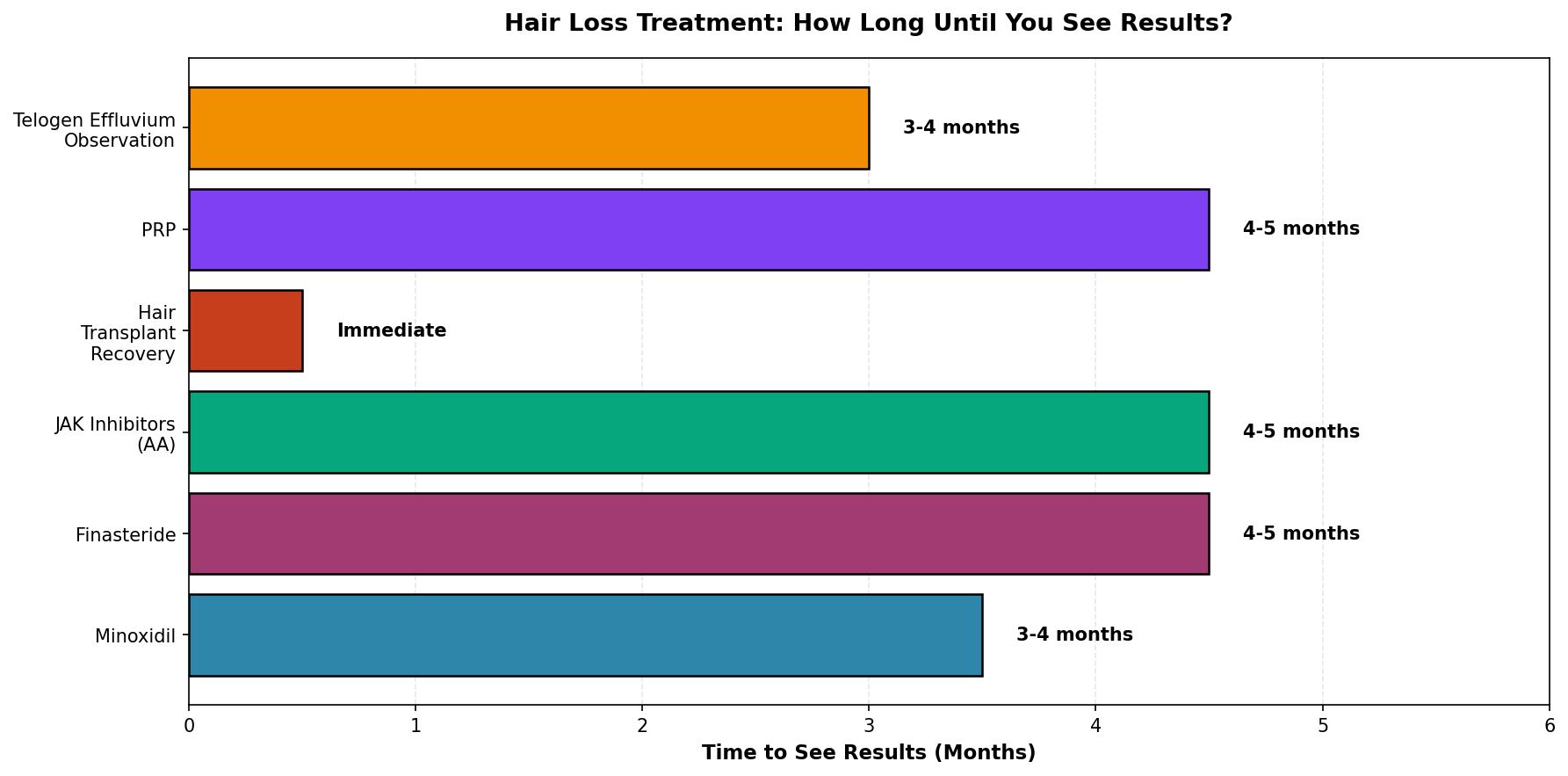 Figure 7: Most treatments require 3-6 months to show results. Hair transplants offer faster visual improvements, while medications require patience but offer maintenance options.
Androgenetic alopecia:
- Minoxidil: 3-4 months to results; 6-12 months maximum benefit
- Finasteride: 3-6 months to results; 12 months maximum benefit
- Combination therapy: 3-4 months to results; 6-12 months maximum benefit
- Hair transplant: 2-3 weeks recovery; 9-12 months for full results
- PRP: 3-6 months to results
- LLLT: 2-3 months to results; 6-12 months maximum benefit
- Scalp micropigmentation: immediate results (fades gradually)
Alopecia areata:
- JAK inhibitors: 3-6 months to regrowth
- Intralesional steroids: 4-6 weeks to results
- Contact immunotherapy: several months
Telogen effluvium:
- Observation + reassurance: 3-6 months for complete resolution
- Laser therapy: 2-3 months to stop active shedding
Key Takeaways
Atrichia and alopecia are fundamentally different conditions:
- Atrichia is extremely rare, permanent, and irreversible; hair regrowth is not medically possible
- Most forms of alopecia are treatable or manageable; hair regrowth is possible with proper diagnosis and treatment
- Proper diagnosis is essential because each condition requires completely different approaches
- Psychological support is important for all types of hair loss; mental health impacts are significant
- Many treatment options are available; finding the right one requires professional guidance
If you're experiencing hair loss:
- Seek evaluation from a dermatologist who can properly diagnose your condition
- Understand that most hair loss is treatable or temporary
- Set realistic expectations based on your specific diagnosis
- Be patient; most treatments take 3-6 months to show results
- Address the psychological impact alongside physical treatment
- Connect with others facing similar challenges through support groups
- Remember that treatment options continue to improve; JAK inhibitors and other new options offer hope for previously difficult-to-treat conditions
The right diagnosis combined with the right treatment approach can make an enormous difference in both your hair and your wellbeing.
Further Reading
Diagnostic Methods and Clinical Standards
- Hair Loss: Causes, Treatments and Prevention Options
- Alopecia Areata: Symptoms, Causes, Treatment & Regrowth
- Scarring (Cicatricial) Alopecia: What It Looks Like & Treatment
- Male and Female Pattern Hair Loss: A Guide to Clinical Presentations and Diagnosis
Treatment Options and Effectiveness
- Treating Female Pattern Hair Loss
- Hair Loss Quality of Life Resources
- Women and Hair Loss Coping Tips
Genetic Information and Medical Background
- Androgenetic Alopecia: MedlinePlus Genetics
- Alopecia - StatPearls - NIH
- Telogen Effluvium - StatPearls
Patient Support and Psychological Resources
References/Helpful Resources
- National Institutes of Health (NIH). Androgenetic Alopecia: MedlinePlus Genetics [Internet]. [cited 2026 Jul 8]. Available from: https://medlineplus.gov/genetics/condition/androgenetic-alopecia/
- Cleveland Clinic. Hair Loss: Causes, Treatments and Prevention Options [Internet]. [cited 2026 Jul 8]. Available from: https://my.clevelandclinic.org/health/diseases/21753-hair-loss
- Cleveland Clinic. Alopecia Areata: Symptoms, Causes, Treatment & Regrowth [Internet]. [cited 2026 Jul 8]. Available from: https://my.clevelandclinic.org/health/diseases/12423-alopecia-areata
- Cleveland Clinic. Scarring (Cicatricial) Alopecia: What It Looks Like & Treatment [Internet]. [cited 2026 Jul 8]. Available from: https://my.clevelandclinic.org/health/diseases/24582-scarring-alopecia
- Harvard Health Publishing. Treating Female Pattern Hair Loss [Internet]. [cited 2026 Jul 8]. Available from: https://www.health.harvard.edu/staying-healthy/treating-female-pattern-hair-loss
- Harvard Health Publishing. Hair Loss A-to-Z [Internet]. [cited 2026 Jul 8]. Available from: https://www.health.harvard.edu/a_to_z/hair-loss-a-to-z
- National Health Service (NHS). Women and Hair Loss: Coping Tips [Internet]. [cited 2026 Jul 8]. Available from: https://www.nhs.uk/symptoms/hair-loss/coping-tips-for-women/
- National Center for Biotechnology Information (NCBI). Alopecia - StatPearls [Internet]. [cited 2026 Jul 8]. Available from: https://www.ncbi.nlm.nih.gov/books/NBK538178/
- National Center for Biotechnology Information (NCBI). Telogen Effluvium - StatPearls [Internet]. [cited 2026 Jul 8]. Available from: https://www.ncbi.nlm.nih.gov/books/NBK430848/
- Cleveland Clinic. Male and Female Pattern Hair Loss: A Guide to Clinical Presentations and Diagnosis [Internet]. [cited 2026 Jul 8]. Available from: https://consultqd.clevelandclinic.org/male-and-female-pattern-hair-loss-a-guide-to-clinical-presentations-and-diagnosis
