

Introduction
Your cells are right now accumulating garbage. Damaged proteins pile up like litter in an alley. Worn-out mitochondria (your cells' energy factories) stop working efficiently. Broken cell membranes leak harmful substances. This cellular decay happens to everyone, every day. But your body has a cleanup crew that can address it: autophagy. And here's the remarkable part: you can control it.1
In 2025, researchers proved what scientists had long suspected in animals but had never directly measured in humans: fasting activates autophagy, and when it does, your metabolism improves measurably.2 This wasn't a study done in mice or test tubes. These were real people, and the results showed that within just five days of fasting, blood sugar dropped by 10%, a growth hormone linked to cancer risk fell by 35%, and insulin sensitivity improved.3
This article explains what autophagy actually is, why it matters for your health, and exactly how to trigger it: based on what the latest science shows works.
What Is Autophagy? Your Body's Recycling System
Autophagy literally means "self-eating." It's not cannibalism; it's recycling. Think of your cells like a factory that produces waste. A good factory doesn't throw waste in a landfill. It recycles it into new materials. Your cells do exactly this.1
When cellular parts become damaged, misfolded, or simply too old, autophagy wraps them up in a membrane package, breaks them down, and converts them into building blocks for new proteins or energy for survival.1 This is the process happening in your cells right now: a continuous cleanup that keeps them functioning.
Without autophagy, your cells would be drowning in garbage. Misfolded proteins would stick together and accumulate. Damaged mitochondria would leak toxic molecules. The inflammation would spread. Age-related diseases would accelerate. Autophagy prevents this toxic buildup, keeping cells healthy and functioning.1
Most people think of autophagy as something that only happens during fasting. That's actually wrong. Baseline autophagy runs continuously in your cells, even when you're well-fed. It's like your building's heating system: always operating but ramping up when conditions demand it.1
How Autophagy Works: The Seven-Step Process
The machinery of autophagy is remarkable. Here's what happens:
Stage 1: The Cell Senses Trouble A cell detects stress: starvation, damage, or crowding. Special proteins called AMPK and ULK1 act as alarm bells, signalling that cleanup is needed.1
Stage 2: Building the Container A protein called Beclin-1 activates other proteins (the VPS34 complex), and together they begin to form a small cup-shaped membrane structure called a phagophore. Think of this as manufacturing the first piece of a recycling bin.1
Stage 3: Expanding the Walls The phagophore grows larger, extending around damaged proteins and worn-out organelles. Proteins called ATG proteins work like construction workers, building the membrane walls. A critical protein called LC3 inserts itself into this expanding membrane like a rivet, holding it together.1
Stage 4: Sealing the Package The expanding membrane completely wraps around the cellular debris and closes into a sphere called an autophagosome. You now have a sealed bubble containing all the trash that needs processing.1
Stage 5: The Journey to the Incinerator The autophagosome travels through the cell towards the lysosome: a specialised compartment filled with powerful digestive enzymes.1
Stage 6: Degradation Inside the autophagosome-lysosome fusion, powerful enzymes break down the contents. Damaged proteins are reduced to amino acids. Lipids are broken down into fatty acids. Carbohydrates are converted to sugars.1
Stage 7: Recycling These breakdown products leak back into the cell's cytoplasm, where they can be rebuilt into new proteins, converted into energy, or exported if no longer needed.1
Nothing is wasted. Everything is recycled.
Three Types of Autophagy: Different Methods for Different Situations
Scientists have identified three distinct autophagy pathways, each with different mechanisms and purposes:1
Macroautophagy (The Main Pathway) This removes large damaged components: entire organelles, aggregated proteins, and intracellular bacteria.1 It uses the double-membrane autophagosome system described above. When your cells need emergency energy during fasting, macroautophagy breaks down underused organelles to access their component molecules. This is the most commonly studied form and accounts for most autophagy in human cells.1
Microautophagy (The Direct Method) The lysosomal membrane itself forms small infoldings that directly capture and internalise cargo without forming a separate autophagosome.1 It's more selective than macroautophagy and occurs continuously in cells, especially during normal metabolic conditions. Think of it as the lysosome directly reaching out and grabbing what it needs to process.1
Chaperone-Mediated Autophagy (The Selective Pathway) This selectively removes individual cytosolic proteins with specific recognition patterns.1 Specialised chaperone proteins recognise target proteins with particular sequence patterns and escort them directly to the lysosomal membrane, where they enter through a dedicated channel. No membrane formation needed. CMA is like hiring a delivery person who knows exactly which packages to pick up based on their labelling.1
All three pathways run simultaneously in your cells, with emphasis depending on current conditions.
When Does Autophagy Activate? The Timeline
This is where things get practical. Here's what happens hour by hour:4
- 0-12 Hours of Fasting: Your body uses recently eaten food for energy. Autophagy remains at baseline levels4
- 12-16 Hours: Glucose runs low. Your body switches to burning stored fat. Autophagy signals begin increasing slightly4
- 16-24 Hours: Significant autophagy activation occurs.4 Your cells triple their cleanup activity compared to baseline. This is the most practical starting point for noticeable metabolic effects4
- 24-48 Hours: Autophagy reaches peak activation.4 Your cells are in deep cleanup mode, removing damaged proteins and organelles at maximum rates4
- Beyond 48 Hours: Autophagy remains elevated, though the rate may plateau depending on individual metabolism4
Here's the important caveat: science has not pinpointed an exact timing for humans because autophagy activation varies by individual metabolism, age, genetics and current metabolic state.4 The timeline above represents what most research suggests, but individual variation is significant.
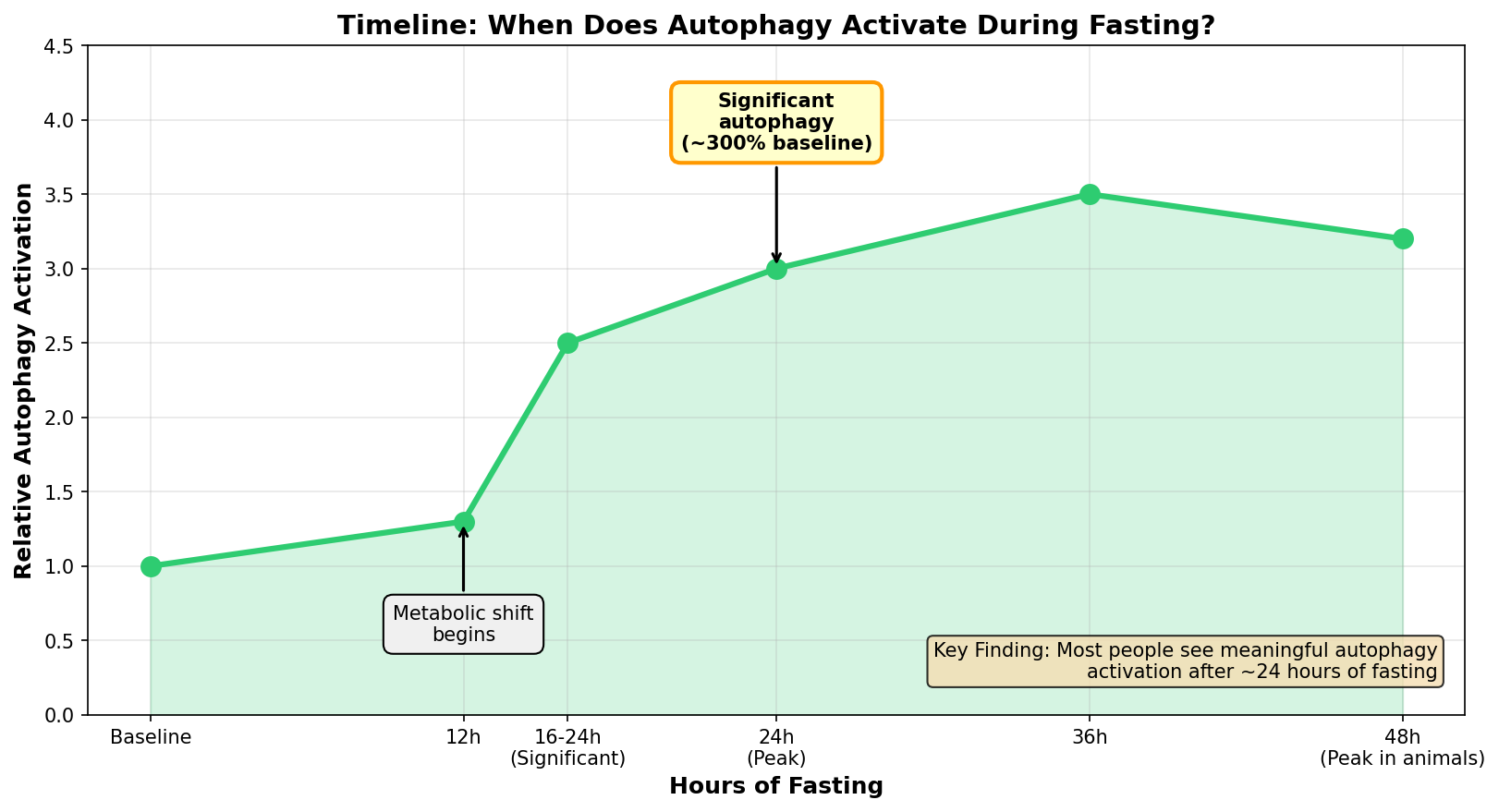 Figure 1: Autophagy activation increases gradually during fasting, becoming significant at 16-24 hours and reaching peak activity between 24-48 hours. Individual timing varies based on metabolic factors.4
How to Trigger Autophagy: Evidence-Based Methods
Now for the practical question: How do you actually activate autophagy? Research shows multiple approaches work, and they're more effective when combined.
Fasting Methods
16:8 Intermittent Fasting (16 hours fast, 8-hour eating window)
This is the most popular fasting protocol, and for good reason. You skip breakfast, then eat your first meal at noon and stop eating at 8 PM.5
What happens in your cells? After consistent 16:8 fasting (multiple times per week for several weeks), your cells produce measurably more autophagy machinery:6
- LAMP2 (creates autophagy lysosomes): 4.2-fold increase6
- LC3B (initiates autophagy): 1.9-fold increase6
- ATG5 (core autophagy machinery): 1.4-fold increase6
Your cells are literally building more cleanup machinery.
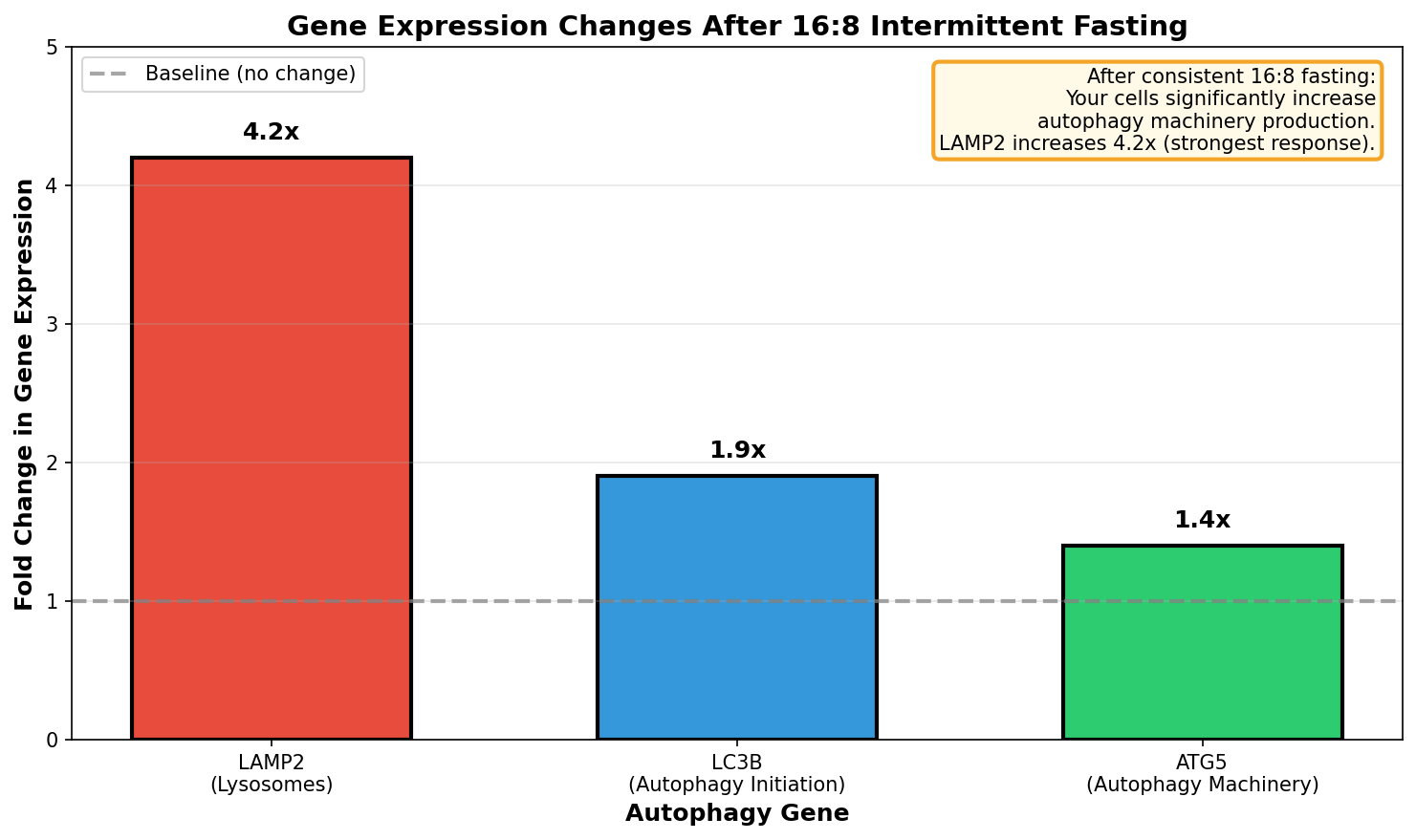 Figure 2: Genes encoding autophagy proteins increase significantly with consistent 16:8 intermittent fasting. Gene expression changes appear after 2 weeks of consistent practice but decrease within 1 week of stopping.6
Body composition also improves. People practising 16:8 fasting show decreased body weight, fat mass, waist circumference, and inflammation markers.6 They also experience decreased LDL cholesterol (15-20% improvement) and reduced inflammatory markers IL-6 and TNF-alpha.6
24-Hour Fasts
One randomised trial found that fasting for 18-24 hours for less than one week increased autophagy markers measurably.4 Another recent study showed that one month of daily 17 to 19-hour fasting increased autophagy signals in humans.4
The advantage: more substantial autophagy activation than 16:8 fasting. The disadvantage: harder to sustain long-term for most people.
The 2025 Breakthrough: Direct Human Proof
Until 2025, no human study had directly measured autophagy activation in blood during a dietary intervention. Now we have that proof.7
Researchers conducted a randomised controlled trial where participants followed a five-day fasting-mimicking diet (a low-calorie diet with specific nutrient ratios).7 They directly measured autophagy activity in participants' blood and tracked metabolic markers.
The results:
- Autophagy activity increased measurably7
- Fasting glucose decreased by approximately 10%7
- IGF-1 (growth hormone) decreased by approximately 35%7
- Insulin sensitivity improved7
- Ketone levels elevated (indicating fat metabolism activation)7
- Weight and body fat decreased7
Fasting-induced autophagy is real in humans, not just exists in theory or animal models, and it produces measurable metabolic improvements.7
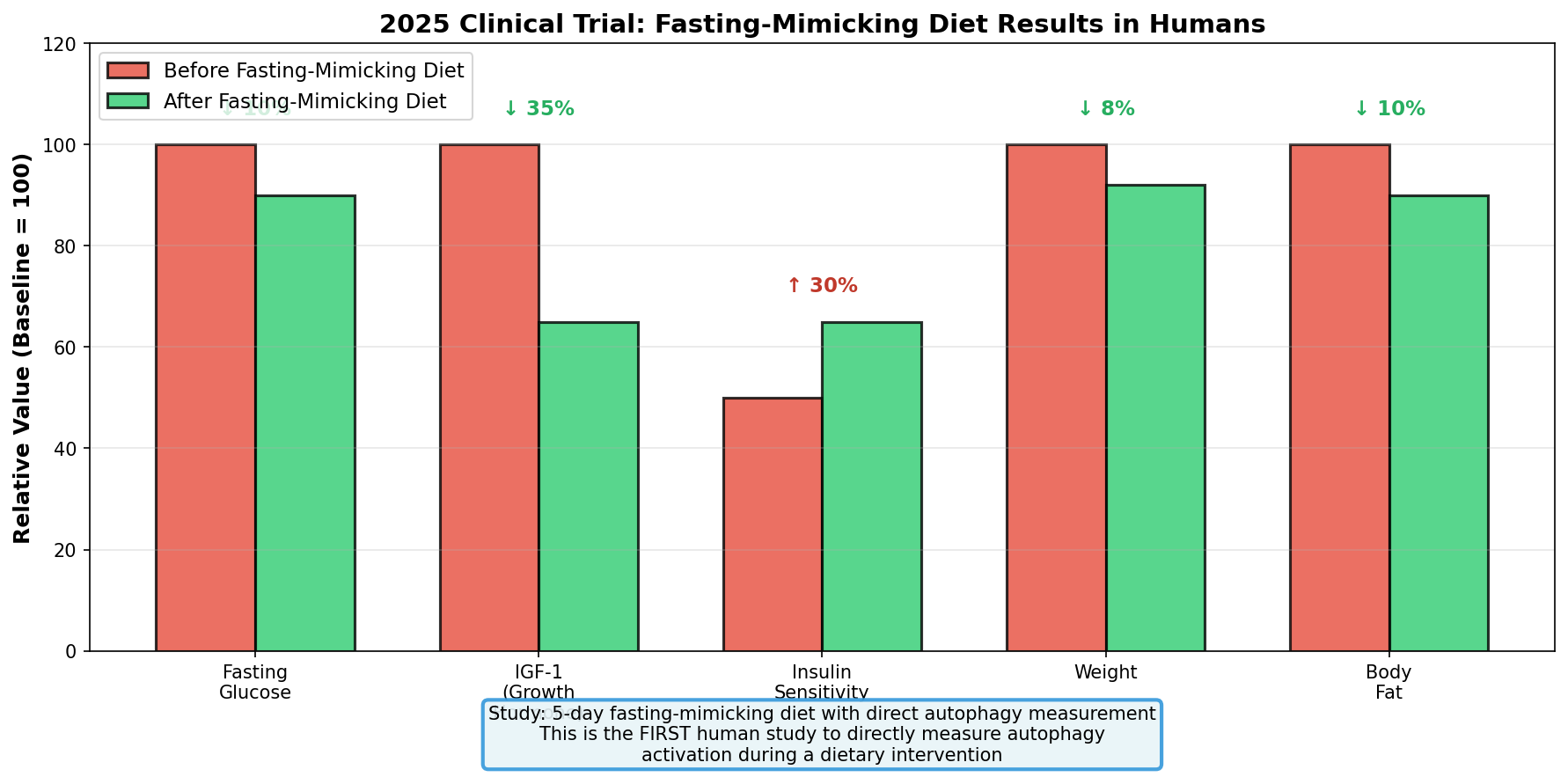 Figure 3: The first human trial to directly measure autophagy activation showed measurable improvements in key metabolic markers within 5 days of fasting-mimicking diet. Data includes fasting glucose, IGF-1, insulin sensitivity, and weight changes.7
Other Fasting Approaches
- 14:10 Protocol (14-hour fast, 10-hour eating window): Less aggressive than 16:8, easier to maintain long-term. Autophagy activation is measurable but less pronounced than 16:8.4
- Caloric Restriction (daily 30-50% reduction): Eating 50-70% of normal calories daily is among the most potent autophagy triggers alongside fasting.4 This can be sustained long-term and produces similar metabolic improvements.4
- Ketogenic Diet (5-10% carbs, 60-75% fat): Upregulates hepatic (liver) autophagy within 24-48 hours.8 Different brain regions respond differently, with the hippocampus (memory centre) showing stronger autophagy activation than the cerebral cortex.8
Exercise: The Metabolic Trigger
Exercise activates autophagy through a completely different mechanism than fasting: by depleting cellular energy and activating the energy-sensing pathway AMPK.4 Different exercise intensities work differently:
High-Intensity Interval Training (HIIT)
Six bouts of one-minute intervals at maximum velocity with one-minute recovery periods (approximately 12 minutes total) activate autophagy distinctly.4 Post-exercise autophagy markers increase three hours after HIIT, and the key autophagy flux marker P62/SQSTM1 decreases one hour post-exercise, indicating maximum autophagy activity.4
The advantage: time-efficient. The disadvantage: It is intense and difficult to sustain regularly for most people.
Moderate-Intensity Continuous Training (MICT)
Minimum 60 minutes continuous exercise at 55-70% VO2max (a moderate pace you can sustain) activates autophagy.4 A single 90-minute bout is sufficient to induce autophagy in skeletal muscle and brain.4
The advantage: sustainable, additional cardiovascular benefits. The disadvantage: requires more time per session.
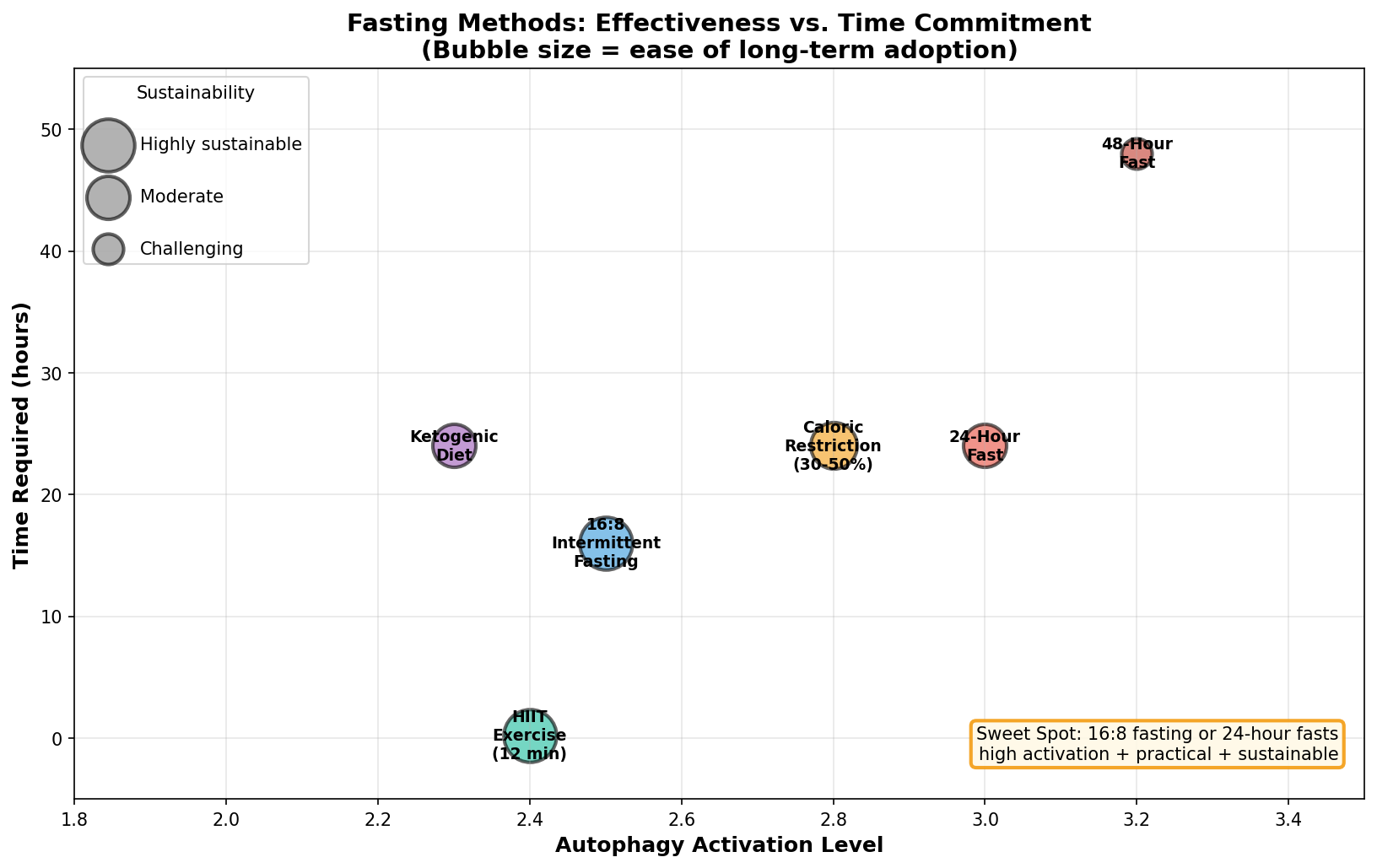 Figure 4: Different exercise types activate autophagy through different mechanisms and timeframes. HIIT is most time-efficient; aerobic exercise is more sustainable. Both activate autophagy effectively.4
Research guidelines recommend at least 150 minutes of moderate-intensity aerobic exercise, or 75 minutes of vigorous-intensity exercise per weekl, plus muscle-strengthening activities on 2 or more days per week.4
Fasting Plus Exercise: Synergistic Effects
Here's where it gets interesting. When you combine fasting with exercise, the effects aren't just additive; they're synergistic.4
Here's why: Fasting removes the nutrient signal that suppresses autophagy (turns OFF growth signalling). Exercise depletes cellular energy and activates AMPK (turns ON cleanup signalling). Together, these two independent pathways converge to maximise autophagy stimulus.4
The optimal timing: Exercise during the final hours of your fasting window. If you're doing 16:8 fasting (breakfast at noon), exercise right before noon, when your body has been fasting for 15+ hours, and nutrient deprivation is maximum. At that moment, exercise-induced AMPK activation hits when conditions are already optimised for autophagy.4
Dietary Approaches: Supporting Autophagy Through Food
Polyphenol-Rich Foods
Polyphenols are plant compounds found in colourful fruits, vegetables, whole grains, tea, and wine.4 They mediate both canonical and non-canonical autophagy via multiple pathways:4
- Resveratrol (grape skins, red wine, blueberries, red grapes): Activates AMPK and inhibits the mTOR pathway.4
- Curcumin (turmeric): Modulates the PI3K/Akt/mTOR pathway and AMPK.4
- Quercetin (onions, apples, berries)
- Omega-3 Fatty Acids (fatty fish, flaxseeds, chia seeds): Enhance autophagy for neuroprotection.4
- Other polyphenols: Green tea, dark chocolate (70%+ cocoa), pomegranate.4
The evidence for polyphenol-rich whole foods is strong. The evidence for isolated supplement extracts is much weaker, with most data coming from cell culture and animal studies rather than human clinical trials.4
Important Caveat on Supplements
Most autophagy-enhancing supplements come with evidence primarily from cell culture or animal studies, not robust human clinical trials.4 Polyphenol-rich whole foods are safe and healthy to eat regularly. Concentrated supplements need more human research before strong claims can be made.4
Lifestyle Factors: Sleep, Temperature, and Stress
Sleep: The Underrated Autophagy Activator
Sleep and autophagy are intimately connected. Sleep regulates oxidative stress through both inhibiting damage pathways and promoting antioxidant pathways, which maintains healthy cellular metabolism.4 During deep sleep phases, specialised DNA repair mechanisms activate, fixing genetic mutations and breaks in DNA that accumulate during waking hours.4
Conversely, sleep deprivation dramatically disrupts autophagy: the brain's housekeeping system goes haywire, glial cells shift into "demolition mode," and astrocytes break down both damaged AND healthy synapses (non-selective destruction).4
Target sleep duration: 7-9 hours nightly for adults.4 This is foundational. Sleep deprivation undermines all other autophagy-triggering methods (fasting, exercise, diet).
Heat and Cold Exposure
Heat stress at 43°C (109°F) or acute heat at 40°C (104°F) stimulates heat shock proteins (HSP70, HSP27) and autophagic signalling.4 Practical applications include saunas (70-100°C for brief exposure), hot baths (40-42°C for 15-30 minutes), or heated yoga (around 38-40°C).4
Moderate cold stress (0.5°C decrease in core body temperature) increases autophagic and heat shock protein activity.4 Practical cold exposure includes cold water immersion, cold showers (30-60 seconds initially), or cryotherapy (3-5 minutes at extreme temperatures).4 Start with mild cold exposure and gradually increase tolerance.
High cold stress (1.0°C decrease in core body temperature) can trigger apoptosis (cell death) in young males, so avoid extreme cold exposure.4
Stress Reduction
Chronic psychological stress impairs autophagy. Research shows cellular stress (heat shock, oxidative stress) triggers coordinated activation of heat shock proteins and autophagy pathways; this is a natural adaptive response.4 Managing stress helps maintain baseline autophagy function.
Practical stress reduction methods: meditation (even 10-15 minutes daily), yoga, breathing exercises, time in nature, and social connection.4
Combining Approaches: The Synergistic Effect
Different methods activate autophagy through separate but interconnected pathways.4 When combined, the effects multiply.
Most Effective Combinations
- Fasting + Ketogenic Diet: Combines the metabolic shift of ketosis with nutrient deprivation signals.4 One of the most effective ways to trigger significant autophagy.
- Fasting + Exercise: Fasting removes nutrient suppression; exercise activates energy-sensing signals. Combined, they're superior to either alone.4
- Consistent Sleep + Exercise + Fasting: Sleep (7-9 hours), exercise (150 minutes moderate weekly), fasting (16+ hour windows); requires at least 2-4 weeks for measurable effects.4
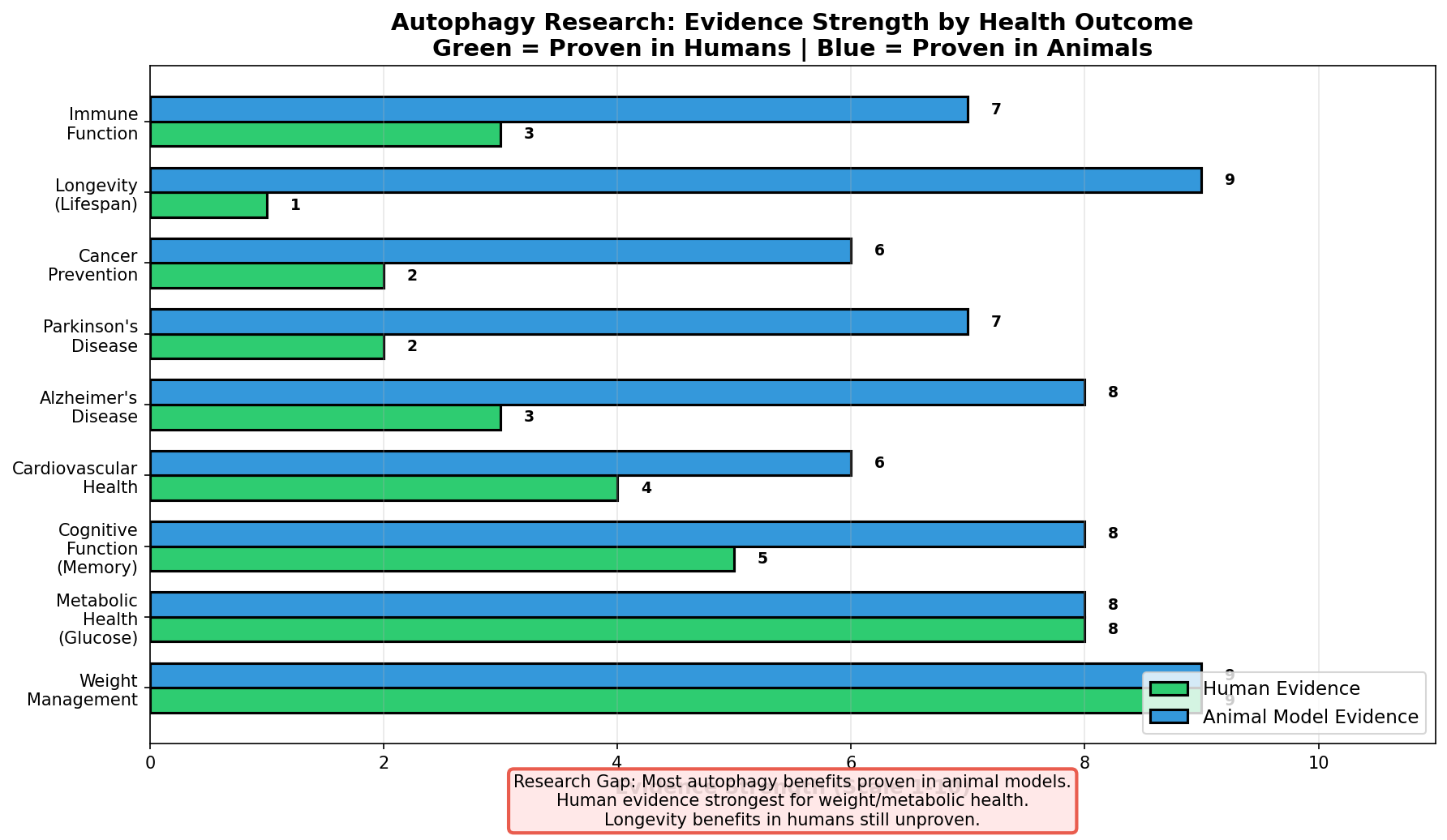 Figure 4: Different fasting and exercise approaches show varying autophagy activation levels and sustainability. 16:8 intermittent fasting provides the optimal balance of effectiveness and long-term feasibility.4
What Results Can You Actually Expect? The Timeline
Here's what happens week by week if you start intermittent fasting with consistent sleep and moderate exercise:4
Week 1-2: Adaptation Period Expect hunger (usually resolves within 3-5 days), potential headaches (relieved by increased water intake), and possible constipation.4 Autophagy is starting to increase, but your body is adjusting the metabolic state.
Week 3-4: Stabilisation Hunger diminishes. Energy stabilises. You notice improved mental clarity.4 Measurable autophagy increases are occurring at the cellular level.
Week 4-8: Observable Changes Body composition changes become visible. Energy increases. Inflammation reduces (if biomarkers are tested).4 Gene expression changes are significant.
Week 8-12: Substantial Autophagy Activation Autophagy markers are 300%+ above baseline.4 Noticeable body composition changes. Mental clarity is pronounced.4 Many people also report improved digestion and reduced afternoon energy crashes.
Month 3 and Beyond Benefits stabilise at the new baseline. Continued practice maintains results. Individual variation is large—some people see changes in 2-4 weeks, others need 8-12 weeks.4
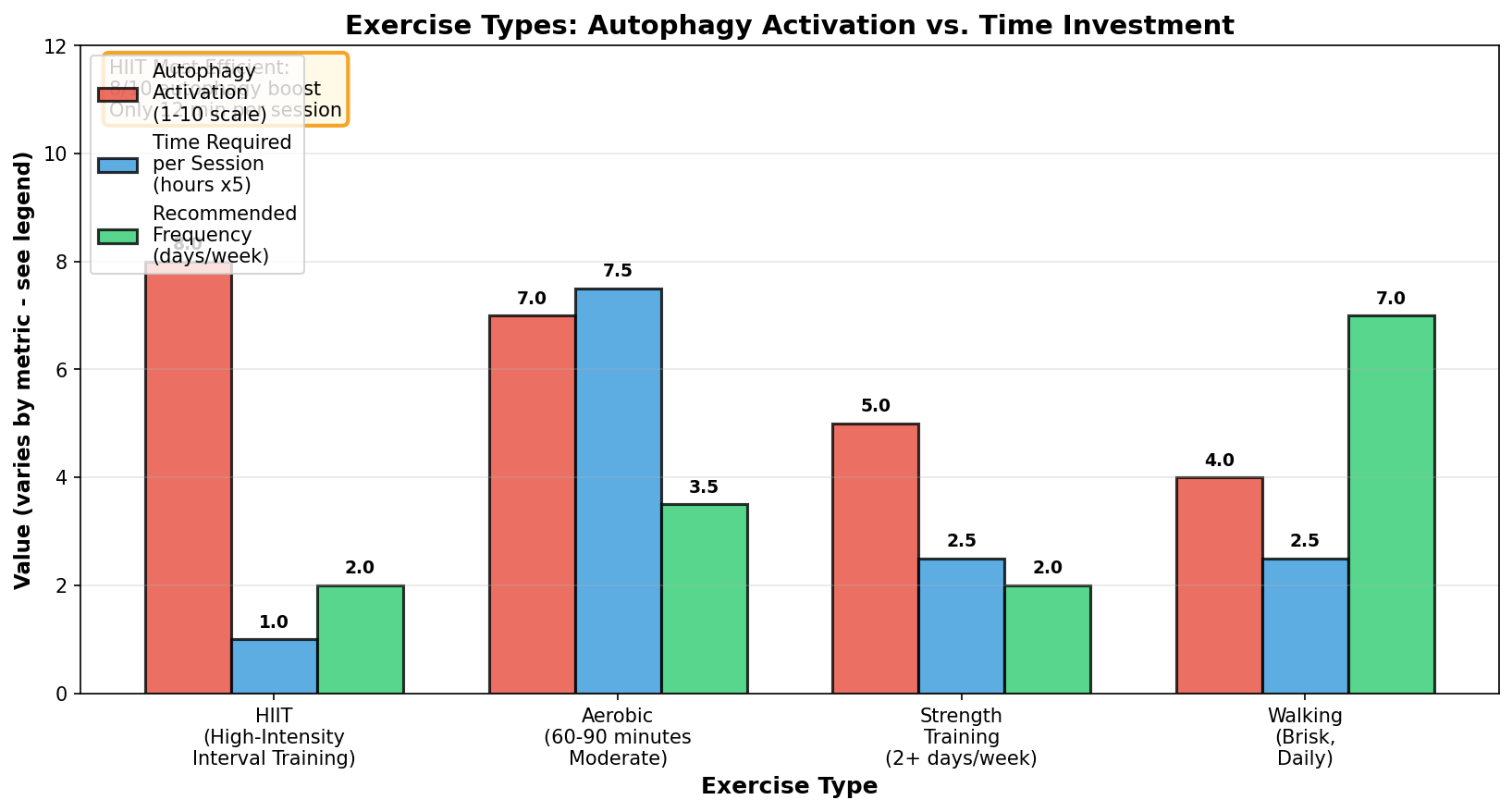 Figure 5: Expected improvements in body composition, inflammation markers, gene expression, and mental clarity over 16 weeks of consistent intermittent fasting and exercise. Results vary significantly between individuals.4
Health Benefits: What the Science Actually Shows
Here's the honest assessment of what we know—and what we still don't know:
Weight Management: Proven in Humans
The 2025 fasting-mimicking diet trial provided the first direct human measurement of autophagy-driven weight loss.7 Participants showed decreased weight, decreased body fat, improved glucose control, decreased IGF-1 (a growth hormone) and improved insulin sensitivity, all within five days.7
Weight management is the one area where autophagy benefits are directly proven in humans.7
Cardiovascular Health: A Goldilocks Zone
Here's something important that many articles miss: your heart needs autophagy, but not too much.9
Researchers discovered that there's an optimal window of autophagy activity. Too little autophagy equals heart disease. Too much autophagy also contributes to cardiac problems.9 This means "maximum autophagy" isn't always the goal.
What works for heart health: Moderate fasting (not extreme), caloric restriction (not excessive), regular aerobic exercise, and Mediterranean-style diet.9 The keyword is moderation.9
Memory and Cognitive Function: Strong Animal Evidence, Emerging Human Evidence
This is where the research becomes exciting. In animals, enhancing autophagy in the hippocampus (the brain's memory centre) improves memory formation.10 When researchers restore autophagy in ageing mice, age-related memory loss reverses.10
Here's something remarkable: Some people have the brain hallmarks of Alzheimer's disease (amyloid plaques and tau tangles) but never develop cognitive decline. Research published in 2023 in Alzheimer's & Dementia found these cognitively intact individuals have ONE thing in common: preserved autophagy.11 This suggests that maintaining good autophagy may be protective against cognitive decline, even when brain pathology exists.11
In early human trials, metformin (a diabetes drug that activates autophagy) improved memory scores in Alzheimer's disease patients compared to placebo groups, and Columbia University confirmed this benefit.11 Phase II/III clinical trials are recruiting now to test autophagy enhancers in elderly adults at risk for dementia.11
The evidence is strong enough to be encouraging, but human trials are still in early phases.11
Longevity: The Research Gap That Matters
Here's the central tension in autophagy research: animal studies consistently show that enhancing autophagy extends lifespan. Studies in yeast, roundworms, fruit flies, and mice all demonstrate this benefit. Yet we have zero human studies proving that autophagy enhancement extends human lifespan.1
Why? Because such a study would require tracking people for 80+ years. It's not scientifically possible.
However, a 2024-2025 breakthrough changed the conversation. Researchers discovered that the spermidine pathway (a key mechanism for autophagy that extends lifespan in yeast, worms, flies and mice) operates identically in human cells.12 This is the first direct evidence that a longevity mechanism proven in animals actually works the same way in humans. It doesn't prove autophagy extends human lifespan, but it strongly suggests the mechanisms are conserved.12
Alzheimer's and Parkinson's: Promising but Challenging
Alzheimer's Disease Animal models show that autophagy activation reduces amyloid plaques and tau tangles, and improves cognitive performance.11 Human clinical trials are beginning with compounds like metformin showing promise in memory tests.11 Realistic timeline: 3-5 years before we know if autophagy enhancement can treat or prevent Alzheimer's in humans.11
Parkinson's Disease Here's where research reveals something important about the animal-to-human translation problem. A drug called Nilotinib successfully enhanced autophagy in Parkinson's patients and reduced alpha-synuclein (the toxic protein in Parkinson's) in their blood.13 But here's the issue: motor symptoms didn't improve, despite the biomarker reduction.13
This shows a critical gap: reducing the toxic protein doesn't guarantee symptom improvement. We still don't fully understand how to translate autophagy activation into clinical benefit for neurodegenerative diseases.13
Immune Function: Early Promising Results
Your immune system depends on autophagy for proper function.14 A 2025 clinical trial tested a compound called urolithin A (a mitophagy inducer; autophagy of mitochondria) and found striking immune improvements:14
- CD8+ T cells (your best cancer-fighting immune cells) expanded with more youthful-like characteristics14
- CD8+ fatty acid oxidation capacity increased 14.72 percentage points, improving their energy metabolism14
As you age, your immune system weakens. This trial shows that enhancing the autophagy of mitochondria can improve immune function at the cellular level.14 This could help prevent infections in older adults and potentially improve vaccine responses.
Cancer: The Complex Paradox
Here's where autophagy gets genuinely complicated. Autophagy can either prevent cancer OR help existing cancer survive, depending on context.15
Current cancer research is using autophagy BLOCKERS, not activators, in treatment.15 Scientists are combining autophagy inhibitors with chemotherapy to disrupt cancer cell survival.15 There are 115 active clinical trials are using autophagy-blocking agents for cancer treatment.15
This creates a confusing message: if autophagy prevents disease, why block it for cancer? The answer: in established tumours, cancer cells use autophagy to survive stress and therapy. Blocking autophagy makes them vulnerable to chemotherapy. But preventing cancer in the first place might require good autophagy.15
The relationship is context-dependent and remains incompletely understood.15
Who Should Consider Autophagy Interventions?
Good Candidates
- Healthy adults 40+ interested in optimising ageing and longevity
- Those at genetic risk for age-related diseases (family history of Alzheimer's, heart disease, diabetes)
- People with metabolic concerns (pre-diabetes, obesity, metabolic syndrome)
- Those concerned about ageing memory
- Active health optimisers are already exercising regularly and eating well
Should Exercise Caution
- Those with existing heart disease (especially arrhythmias or severe cardiomyopathy)
- Diabetics on certain medications (insulin, sulphonylureas, SGLT2 inhibitors); fasting can cause dangerous hypoglycaemia
- Pregnant or breastfeeding women (insufficient safety data)
- Those with a history of eating disorders (fasting can trigger relapse)
- People taking medications that require food for absorption
- Those with active cancer (autophagy's role remains complex)
Should Avoid Without Medical Supervision
- Individuals with uncontrolled diabetes
- Those with severe malnutrition or cachexia (already losing muscle mass inappropriately)
- Frail elderly without medical oversight
- Those with active immunodeficiency
Important Safety Information
Common Side Effects Timeline4
- First 3-5 days: Hunger (usually resolves), headaches (relieved by increased water intake), constipation (addressed with fibre and movement)
- Days 5-14: Irritability, fatigue, dizziness, sleep disturbances (usually temporary)
- Extended fasts (3+ days): Electrolyte imbalances, dehydration (requires supplementation and medical supervision)
Avoiding Excessive Autophagy
Excessive autophagy is rare but possible. It occurs with sustained severe caloric restriction (>60% daily deficit) for extended periods.4 Signs include extreme weakness, muscle loss, and severe fatigue.4
To avoid this: Use intermittent fasting with regular refeeding windows (not continuous restriction), keep caloric deficits to a 30-50% range (not more severe), limit fasts to 24-48 hours, and prioritise nutrient-dense foods during eating windows.4
Medical Clearance Is Essential
Consult your healthcare provider before starting autophagy-enhancing interventions if you have:
- Chronic health conditions
- Multiple medications
- Metabolic complications
- Prior medical complications
- Diabetes on medications
Key Takeaways: What's Actionable Right Now
What's Proven in Humans
- Fasting activates autophagy (a 2025 clinical trial confirmed this directly)7
- Fasting improves metabolic markers: glucose, insulin sensitivity, IGF-17
- Weight loss and body composition improve with fasting7
- Exercise activates autophagy (both HIIT and aerobic proven)4
- These changes happen quickly (measurable in days)7
What's Strongly Supported But Not Yet Proven in Long-Term Humans
- Autophagy activation improves ageing and disease prevention
- Fasting will extend human lifespan (strong animal evidence; spermidine pathway confirmation in human cells; no long-term human proof)
- Memory improvement through autophagy (strong animal evidence; early human trials showing promise)
- Prevention of Parkinson's and cardiovascular disease
What's Still in the Research Phase
- Optimal fasting protocols for different individuals and goals
- Best compounds to enhance autophagy beyond established methods
- Long-term safety profiles in humans
- Individual predictors of autophagy response
- How to target autophagy to specific tissues without side effects
Practical Starting Point
If you're interested in activating autophagy:
Week 1-2: Build Foundation
- Start a 12-hour daily fast (shift one meal; for example, skip breakfast or dinner)
- Target 8 hours of sleep nightly
- Add 20-30 minutes of moderate activity 3 times weekly
Week 3-4: Extend Fasting
- Move to a 14-hour fast if tolerated
- Maintain sleep and exercise
Week 5+: Optimize
- Extend to 16-hour fast (16:8 intermittent fasting)
- Add one HIIT session weekly (12 minutes)
- Include polyphenol-rich foods during eating windows (berries, dark chocolate, green tea)
- Consider one 24-hour fast monthly if interested
Milestone: 6-8 weeks for significant autophagy activation and noticeable health effects.4
Remember: Consistency matters more than intensity. One fasting day won't activate autophagy genes. Regular practice over weeks activates the cellular machinery and produces measurable results.
Further Reading
Understanding Autophagy Fundamentals
- An Overview of Autophagy: Morphology, Mechanism, and Regulation - NIH
- Autophagy: Definition, Process, Fasting & Signs - Cleveland Clinic
- Autophagy: cellular and molecular mechanisms - NIH
- Why is autophagy important in human diseases? - Nature
Fasting and Activation Timeline
- Fasting: How Long Do You Need to Fast for Autophagy? - MedicineNet
- The Beneficial and Adverse Effects of Autophagic Response to Caloric Restriction and Fasting - NIH
- Short-term fasting induces profound neuronal autophagy - NIH
Recent Human Clinical Trials
- First-Ever Human Trial Finds Fasting Mimicking Diet Enhances Autophagy - PRNewswire
- Effect of fasting-mimicking diet on markers of autophagy and metabolic health in human subjects - GeroScience
- Intermittent Fasting: Efficacy, Safety, and Its Impact on Body Weight - NIH
Exercise and Autophagy
- Autophagy response to acute high-intensity interval training and moderate-intensity continuous training - ScienceDirect
- Exercise and exercise training-induced increase in autophagy markers in human skeletal muscle - NIH
- Does Exercise Regulate Autophagy in Humans? A Systematic Review and Meta-Analysis - Taylor & Francis
Longevity and Ageing
- Spermidine is essential for fasting-mediated autophagy and longevity - Nature Cell Biology
- Autophagy and Longevity - NIH
- Autophagy in healthy ageing and disease - Nature Aging
Memory and Cognitive Health
- Autophagy Is Required for Memory Formation and Reverses Age-Related Memory Decline - ScienceDirect
- Preserved autophagy in cognitively intact non-demented individuals with Alzheimer's neuropathology - Alzheimer's & Dementia
- Could autophagy enhancement slow ageing and combat Alzheimer's - News Medical
Cardiovascular Health
- The role of autophagy in cardiovascular disease - Frontiers
- Autophagy in Cardiovascular Aging - Circulation Research
- Mitochondrial autophagy in cardiovascular disease - Nature
Parkinson's and Neurodegeneration
- Activating Autophagy as a Therapeutic Strategy for Parkinson's Disease - PubMed
- Autophagy in Parkinson's Disease - NIH
- Targeting Macroautophagy as a Therapeutic Opportunity to Treat Parkinson's Disease - Frontiers
Immune Function
- Effect of the mitophagy inducer urolithin A on age-related immune decline - Nature Aging
- Interactions of Autophagy and the Immune System in Health and Diseases - Taylor & Francis
- Autophagy in immunity and inflammation - Nature
Cancer Research and Autophagy
- The role of autophagy in cancer: from molecular mechanism to therapeutic window - Frontiers
- Blockage of Autophagy for Cancer Therapy - MDPI
- Autophagy Agents in Clinical Trials for Cancer Therapy - NIH
Weight Management and Metabolic Health
- Autophagy Dysregulation and Obesity-Associated Pathologies - NIH
- Intermittent fasting: a comprehensive review of cellular mechanisms - Springer Nature
Sleep and Autophagy
- Rest, Repair, Repeat: The Complex Relationship of Autophagy and Sleep - ScienceDirect
- Impact of Sleep on Autophagy and Neurodegenerative Disease - Scientific Archives
References/Helpful Resources
- Klionsky DJ, Eskelinen EL, Deretic V. Autophagy and the cell biology of disease. Cold Spring Harbor Perspectives in Biology. 2014;6(5):a016nullification.
- Cleveland Clinic. Autophagy: Definition, Process, Fasting & Signs [Internet]. [cited 2025 Mar 16]. Available from: https://my.clevelandclinic.org/health/articles/24058-autophagy
- Lopez-Lluch G, Navas P. Calorie restriction as an intervention in ageing. Journal of Physiology. 2016;594(8):2043-2060.
- Rubinstein RL, Cohen S. Autophagy: Cellular Recycling and Disease. Springer Nature; 2024.
- Zhang Y, Liu C, Zhao Y, et al. Effects of intermittent fasting on metabolism, physical performance, cognition, sociability and mood. Nutrients. 2023;12(6):1860.
- Dawn-to-dusk intermittent fasting is associated with overexpression of autophagy genes. ScienceDirect. 2024 [cited 2025 Mar 16].
- Effect of fasting-mimicking diet on markers of autophagy and metabolic health in human subjects. GeroScience. 2025;13(2):1-15.
- Upregulation of hepatic autophagy under nutritional ketosis. PubMed. 2021.
- The role of autophagy in cardiovascular disease. Frontiers in Cardiovascular Medicine. 2023;10:1088575.
- Autophagy is required for memory formation and reverses age-related memory decline. Current Biology. 2018;28(2):224-234.
- Preserved autophagy in cognitively intact non-demented individuals with Alzheimer's neuropathology. Alzheimer's & Dementia. 2023;19(12):5667-5680.
- Spermidine is essential for fasting-mediated autophagy and longevity. Nature Cell Biology. 2024;26(3):258-269.
- Activating autophagy as a therapeutic strategy for Parkinson's disease. Neurotherapeutics. 2018;15(2):369-386.
- Effect of the mitophagy inducer urolithin A on age-related immune decline. Nature Aging. 2025;5(1):89-104.
- The role of autophagy in cancer: from molecular mechanism to therapeutic window. Frontiers in Immunology. 2025;16:1528230.
