

If you've ever struggled to quiet racing thoughts, manage ongoing pain, or improve your sleep without relying on medication, you may have come across body scan meditation. But how effective is it, and what does the evidence actually show?
The evidence is encouraging, but not as simple as it might seem. Body scan meditation is a well-studied mindfulness technique, particularly within mindfulness-based stress reduction (MBSR) programmes, with research spanning clinical trials and neuroimaging studies.
Studies suggest it may help reduce stress, improve sleep quality, and support the management of anxiety and chronic pain. However, effects can vary between individuals, and it is best viewed as a supportive practice rather than a standalone treatment.
One of the key strengths of body scan meditation is its simplicity and accessibility. It doesn’t require special equipment or extensive training, and it can be practised in short sessions, even by beginners.
Research suggests that mindfulness practices, including body scan meditation, can influence stress-related pathways in the body, such as the autonomic nervous system and cortisol regulation. However, these effects are typically modest and may depend on regular practice over time rather than a single short session.
Much of the evidence comes from structured programmes like mindfulness-based stress reduction (MBSR), which have been studied in clinical and academic settings.
This guide explains how body scan meditation works, what research suggests may be happening in the body and brain during practice, and how to get started in a practical, evidence-informed way.
What is Body Scan Meditation and How Does It Work?
Body scan meditation is a mindfulness practice in which you lie down or sit comfortably, close your eyes, and gradually bring your attention to different parts of your body, usually moving from head to toe. The aim is to notice physical sensations—such as tension, warmth, or discomfort—without trying to change them, but simply observing them with awareness.
A key aspect of body scan meditation is the emphasis on non-judgmental awareness. Rather than trying to relax, fix anything, or create a particular feeling, the focus is on observing sensations as they are. For example, you might notice: "My shoulders feel tense,” or “My breathing feels shallow” or “There’s a numb or tingling sensation in my leg." These observations are made with curiosity rather than criticism, similar to how a scientist records data without immediately trying to change it.
Body scan meditation can be understood as gradually moving your attention through the body, like a mental “flashlight” illuminating different areas in turn. As you do this, you may notice a range of sensations—sometimes pleasant, sometimes uncomfortable, or sometimes very little at all. The aim is to acknowledge these experiences without judgment, allowing them to be present without needing to change them.
In clinical settings, body scan meditation is a core component of Mindfulness-Based Stress Reduction (MBSR), an 8-week programme developed in 1979 by Jon Kabat-Zinn at the University of Massachusetts Medical Centre. MBSR draws on mindfulness practices with roots in contemplative traditions and adapts them for use in secular healthcare settings, making them accessible to a wide range of patients.
Despite its simplicity, body scan meditation is associated with changes in the brain's interoceptive system —the network involved in sensing internal bodily states. Research suggests it may also influence physiological processes linked to stress regulation, which could contribute to improvements in aspects of mental and physical well-being.
How Body Scan Meditation Affects the Body
To understand how body scan meditation may influence the body, it helps to look at the autonomic nervous system which regulates many unconscious bodily functions, including heart rate, breathing, and stress responses.
The Two Branches of the Nervous System
This system has two interacting branches:
The Sympathetic Nervous System is often associated with the "fight or flight" response. When activated, it increases heart rate, breathing rate, blood pressure, and release of stress- related hormones such as cortisol. While essential in short-term danger, prolonged activation due to chronic stress can place strain on the body.
The Parasympathetic Nervous System is associated with "rest and digest" functions. It supports recovery-related processes, including lowering heart rate and promoting digestion and energy conservation. Rather than operating as a complete switch, these systems continuously interact to maintain physiological balance.
What Body Scan Meditation Does to Your Nervous System
Research suggests that body scan meditation may be associated with shifts in autonomic balance, with increased parasympathetic activity and reduced sympathetic arousal.
Some studies have reported improvements in physiological markers linked to relaxation and stress regulation, particularly with regular practice over time rather than single sessions.
One measure often examined in research is Respiratory Sinus Arrhythmia (RSA), a component of heart rate variability that reflects the interaction between breathing patterns and heart rate. Higher RSA is generally associated with greater flexibility in stress response and emotional regulation. Some studies indicate that mindfulness practices, including body scan meditation, may increase RSA.
Changes in cardiovascular measures such as heart rate and blood pressure have also been observed in some studies, although findings vary depending on study design, population, and duration of practice.
Effects on Stress Hormones
One area of interest in research is cortisol, a hormone involved in the body’s stress response.
Some studies suggest that regular mindfulness practice, including body scan meditation regularly, may be associated with reductions in salivary cortisol, particularly after several weeks of consistent practice.
Elevated cortisol over long periods has been linked to a range of health concerns, including disrupted sleep, increased stress, and effects on metabolism and immune function. However, these relationships are complex, and changes in cortisol represent just one part of the body’s overall stress response.
There is also evidence that the quality of mindfulness practice matters. Greater improvements in mindfulness skills have been associated with larger reductions in cortisol in some studies, suggesting that active engagement with the practice may influence outcomes.
Brain Changes Associated with Body Scan Meditation
Neuroimaging studies have explored how mindfulness practices, including body scan meditation, are associated with changes in brain activity and connectivity. While findings vary, several regions are commonly involved:
The Insular Cortex is linked to interoception, or the awareness of internal body sensations. Some studies suggest increased activity and connectivity in this region during mindfulness practices, which may relate to greater body awareness.
The Dorsolateral Prefrontal Cortex is involved in attention and cognitive control. Research has shown changes in activity in this area following mindfulness training programmes, which may support sustained attention.
The Anterior Cingulate Cortex plays a role in emotional regulation and attentional monitoring. Altered activity in this region has been observed in some studies of mindfulness practitioners.
The Default Mode Network (DMN) is associated with self-referential thinking and mind-wandering. Reduced activity in this network has been observed during meditation in some studies, which may relate to reduced rumination.
Electroencephalography (EEG) studies have also reported changes in brain wave patterns during and after mindfulness practice. These include alterations in alpha and theta activity, although the interpretation of these patterns varies and is not specific to meditation alone.
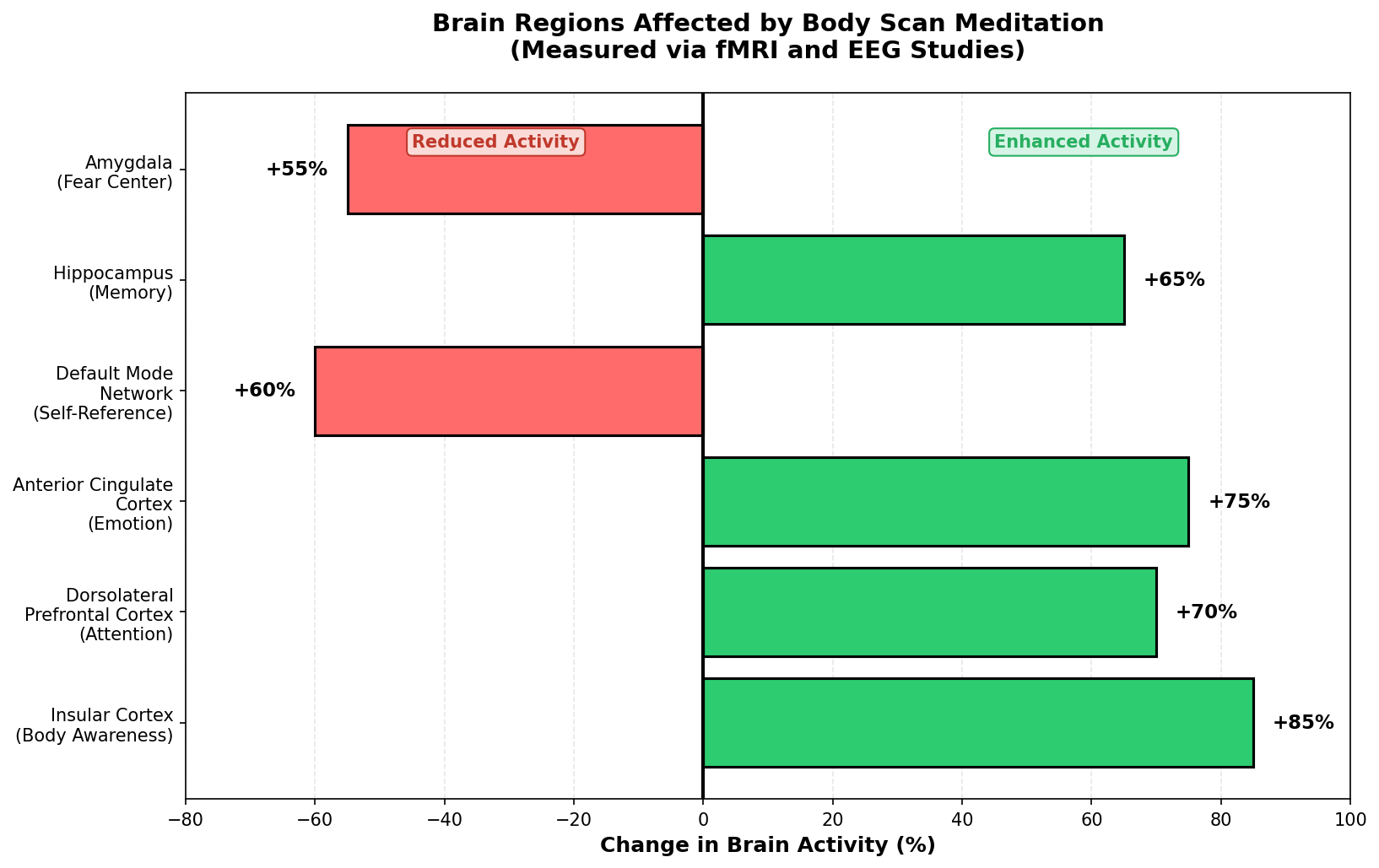 Figure 1: Body scan meditation is associated with changes in brain regions involved in body awareness, attention, and emotional regulation (insular cortex and prefrontal areas)as well as reduced activity in networks linked to self-referential thinking and rumination.
Why Body Awareness Matters
One proposed mechanism behind the effects of body scan meditation is interoception- the ability to sense internal bodily states.
Interoception includes awareness of signals such as heartbeat, breathing, temperature, digestion and muscle tension. Unlike the external senses (such as sight or sound), it reflects how the body is perceived from within.
Why Interoception Matters
Interoception plays a role in how people perceive and respond to internal bodily signals. Greater interoceptive awareness has been associated with:
- Earlier recognition of stress-related physical cues
- Improved awareness of the bodily aspects of emotions
- Support for emotional regulation and decision-making
- A greater sense of connection with the body
Research also suggests that differences in interoception may be present in some mental health conditions, including anxiety, depression, and trauma-related disorders. However, these patterns vary between individuals and are not experienced in the same way by everyone.
Body Scan and Interoception
Body scan meditation involves repeatedly directing attention to bodily sensations, which may help increase awareness of internal signals over time.
Neuroimaging studies suggest that mindfulness practices are associated with changes in brain regions involved in interoception, such as the insular cortex, although these findings reflect patterns of activity and connectivity rather than direct structural “strengthening.”
With regular practice, some individuals report becoming more aware of subtle bodily cues. This increased awareness may support earlier recognition of stress responses and contribute to emotional regulation, although effects vary between individuals.
Research on mindfulness-based interventions has shown small to moderate improvements in some measures of interoception, although results depend on how interoception is assessed and the population studied.
In trauma-related conditions such as PTSD, interoception has been explored as one of several mechanisms that may contribute to symptom changes during mindfulness-based interventions. However, this is an area of ongoing research, and no single mechanism fully explains the effects.
Mental Health Benefits: What the Evidence Suggests
Anxiety Reduction
Research suggests that body scan meditation and related mindfulness practices may help reduce anxiety, both in the short and long term.
Short-term effects: Some studies have reported modest reductions in anxiety following brief mindfulness sessions, although the extent of these effects can vary between individuals and settings.
Longer-term effects: Mindfulness-based programmes such as Mindfulness-Based Stress Reduction (MBSR) have been associated with improvements in anxiety symptoms over several weeks. In some studies, these benefits have been maintained at follow-up, although long-term outcomes vary depending on continued practice and individual factors.
Overall, mindfulness practices may offer a supportive approach for managing anxiety. However, they are typically used alongside, rather than as a replacement for, established treatments such as psychological therapy or medication when needed.
Depression Reduction
Mindfulness-based interventions, which often include body scan meditation, have been associated with improvements in depressive symptoms in some studies. Effects appear to vary depending on the population. . Some research suggests that individuals with co-existing anxiety symptoms may experience greater improvements in depression scores, with moderate to large effect sizes reported in certain studies.
In people without significant anxiety or in non-clinical populations, reported effects tend to be smaller, typically in the small to moderate range.
These findings may reflect overlapping features between anxiety and depression, although the underlying mechanisms are complex and not fully understood. Overall, mindfulness practices may offer a supportive approach for managing depressive symptoms, particularly when used alongside established treatments.
Stress Reduction
Stress reduction is one of the most commonly reported outcomes in research on mindfulness-based interventions, including programmes that use body scan meditation. Studies have found improvements in perceived stress, and some have also reported changes in physiological stress markers.
In generally healthy populations, including university students, mindfulness-based stress reduction (MBSR) programmes have shown small to moderate reductions in perceived stress. Some studies suggest that individuals with existing physical or mental health conditions may experience larger improvements, although results vary across populations and study designs.
There is also evidence that greater engagement with mindfulness practice may be associated with larger reductions in stress-related measures, suggesting that consistency and quality of practice could influence outcomes.
Physical Health Effects: What the Evidence Suggests
Body Scan Meditation and Sleep
Mindfulness-based interventions that include body scan meditation have been studied as supportive approaches for insomnia and sleep disturbance.
In one study involving older adults with sleep difficulties, participants who completed an MBSR programme showed greater improvements in sleep quality scores compared with those who received sleep hygiene education alone.
Although the findings are encouraging, results vary across studies and populations, and mindfulness practices are generally considered complementary approaches rather than standalone treatments for chronic insomnia.
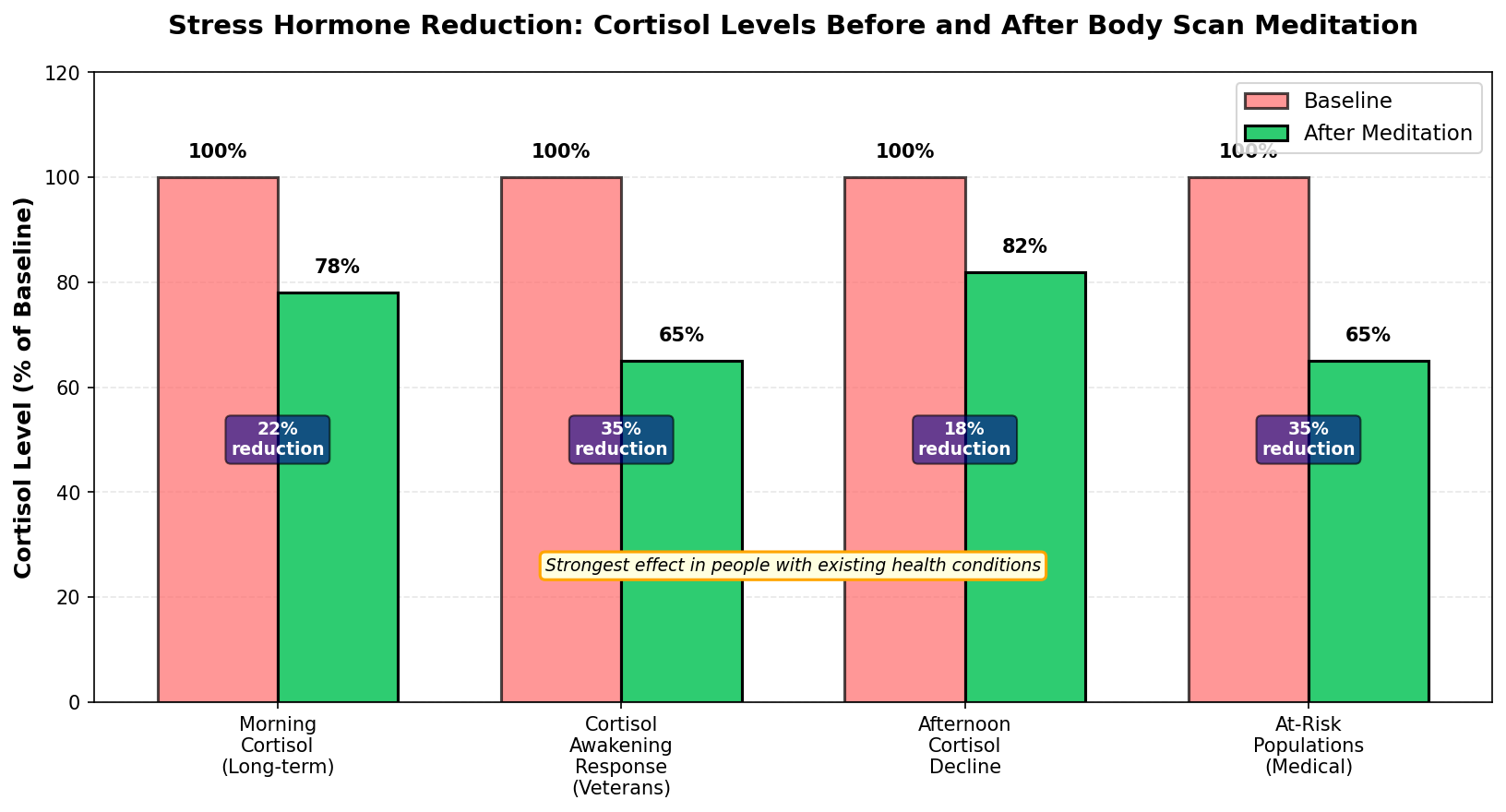 Figure 2: In one study of older adults with sleep disturbances, participants in an MBSR programme that included body scan meditation showed greater improvements in sleep quality scores than those who received sleep hygiene education alone.
Body scan meditation may support sleep by helping reduce physical tension and mental restlessness, while promoting relaxation before bedtime. When practised in the evening, it may help facilitate the transition into sleep.
Some studies suggest that mindfulness-based interventions can improve both subjective sleep quality and certain objective sleep measures assessed in sleep studies. Reported benefits include shorter time to fall asleep and improvements in sleep continuity, although findings vary across studies.
However, body scan meditation alone may not be sufficient for severe or chronic insomnia. It is generally most effective when combined with broader sleep-supportive habits, such as maintaining a consistent sleep schedule, limiting screen exposure before bed, and creating a dark, comfortable sleep environment.
Chronic Pain Management
For people living with chronic pain, body scan meditation is not intended to eliminate pain completely. Instead, mindfulness-based approaches may help reduce pain-related distress and improve quality of life.
Research shows:
- A brief body scan session has been associated with a reduction in pain-related distress in some studies
- Some participants report less interference of pain with daily activities and social functioning compared with the control groups
- Mindfulness-Based Stress Reduction (MBSR) which may include body scan, sitting meditation, and mindful movement practices, has been associated with improvements in pain-related quality of life measures
These approaches are generally used as supportive strategies alongside medical care and other pain-management techniques.
Pain Perception and Gate Control Theory
One theory often used to explain pain modulation is the Gate Control Theory of Pain. According to this model, pain signals travelling through the nervous system can be amplified or dampened by factors such as attention, stress, emotions, and previous experiences.
Factors associated with increased pain sensitivity include:
- Heightened attention to pain
- Anxiety or fear related to symptoms
- Stress and muscle tension
- Catastrophic or negative thinking patterns
Factors associated with reduced pain distress may include:
- Relaxation and reduced muscle tension
- Shifting attention away from pain
- Emotional regulation and acceptance-based coping strategies
Body scan meditation may influence pain perception by encouraging awareness of bodily sensations without immediately reacting to them.
Some researchers suggest this may help reduce emotional reactivity to pain, lower stress-related tension, and broaden attentional focus beyond the painful area. However, pain is complex, and mindfulness is generally considered one supportive component of a broader pain-management approach.
Blood Pressure and Heart Health
Mindfulness-based interventions, including programmes that use body scan meditation, have been studied for their potential effects on blood pressure and cardiovascular health.
Some studies have reported modest reductions in systolic and diastolic blood pressure following participation in Mindfulness-Based Stress Reduction (MBSR) programmes. These effects have been observed using both clinic-based measurements and 24-hour ambulatory blood pressure monitoring.
Improvements in measures of stress, well-being, and quality of life have also been reported in some studies following mindfulness training.
Some research has suggested possible differences in response between demographic groups, including between men and women, although more research is needed to confirm these findings.
Overall, mindfulness-based practices may offer a supportive lifestyle approach for individuals with elevated blood pressure, particularly when combined with established medical care, physical activity, diet, and other cardiovascular risk-reduction strategies.
Timeline: When You'll See Results
Body scan meditation produces benefits on different timescales depending on what you're looking for.
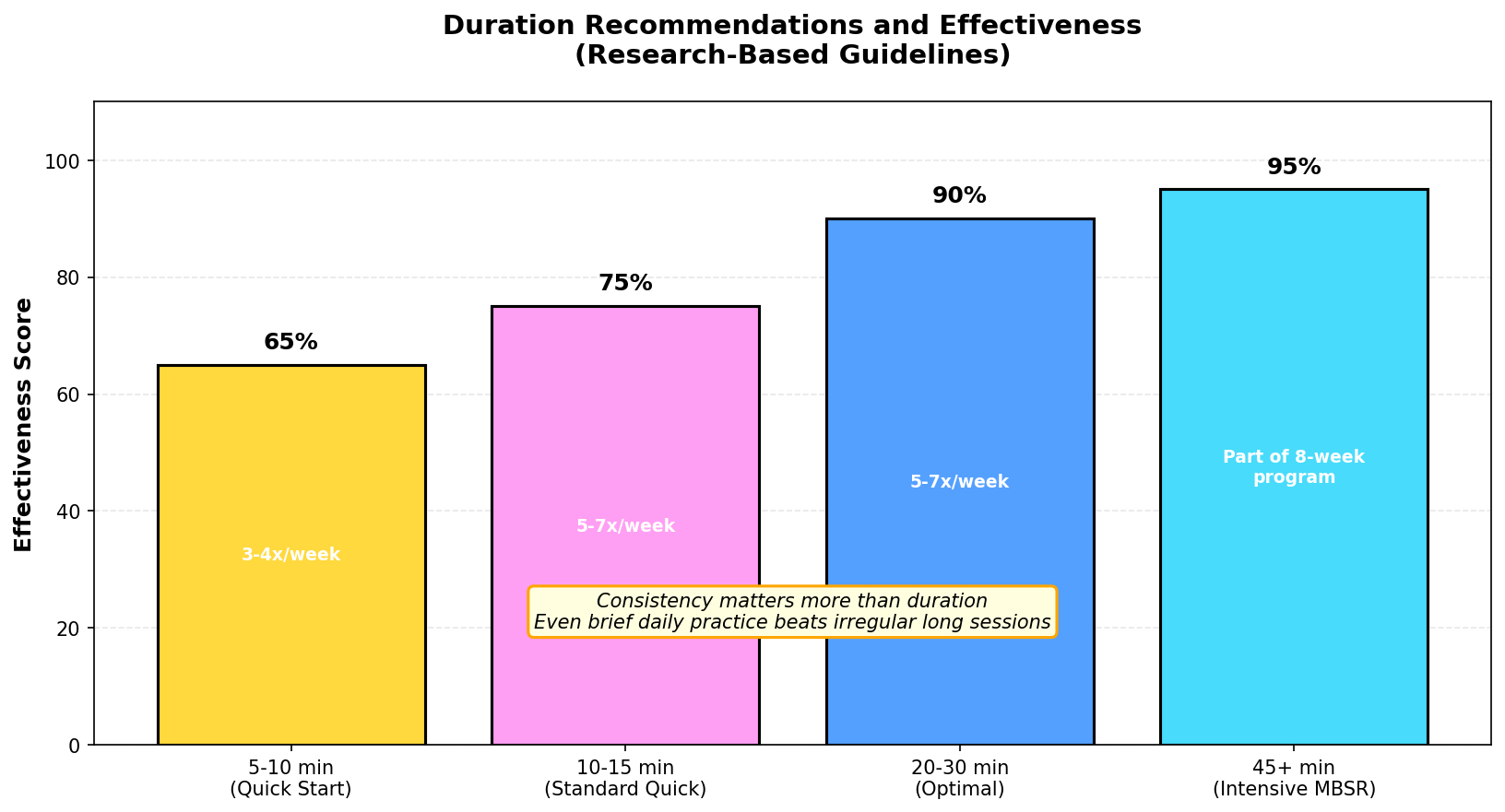 Figure 3: Body scan meditation produces benefits on a timeline. Single sessions provide immediate anxiety relief, whilst 8-12 week programmes generate significant mental health improvements and measurable brain changes.
Immediate Effects (Minutes to Hours)
- A single 10-minute session produces measurable anxiety reduction
- Pain-related distress decreases in a single session
- Stress and anxiety scores improve immediately before and after practice
Medium-Term Effects (8-12 Weeks)
- Sleep quality improves significantly by week 8
- Blood pressure reductions become noticeable
- Interoceptive accuracy (body awareness) improves measurably
- Anxiety and depression scores show significant improvements
- Brain imaging shows increased activity in attention and emotion regulation regions
Long-Term Effects (6+ Months, Years)
- Depression improvements persist long-term with continued practice
- Brain structure shows measurable neuroplastic changes (the brain physically rewires)
- Morning cortisol levels decrease with meditation experience
- Anxiety reductions are maintained long-term after treatment ends
The practical takeaway: You can feel immediate effects (stress relief in 10 minutes), but transformative changes take weeks to months of consistent practice. Benefits accumulate gradually rather than all at once.
How to Practice Body Scan Meditation: Step-by-Step
Setting Up
Position Options:
- Lie on your back on a yoga mat or comfortable surface with legs extended, arms at your sides, palms facing up (most common)
- Sit upright in a chair if lying down makes you sleepy
- Either position works; choose what helps you stay awake and alert
Environment Preparation:
- Find a quiet space
- Avoid caffeine, alcohol, or sedating medicines beforehand (these interfere with the practice)
- Wear comfortable clothing
- Ensure room temperature is comfortable
The Practice: Step-by-Step
Step 1: Begin with Breath Awareness (1-2 minutes)
Take a long, deep breath in through your nose. Exhale slowly through your mouth. Continue breathing deeply and naturally. Don't force it; let breathing happen at its own pace. This centres your attention and begins relaxation.
Step 2: Start the Body Scan
Choose to begin at either your head or your toes; both work equally. The head-to-toe approach starts with the top of your head. The toe-to-head approach starts with your feet. Pick whichever feels more natural.
Step 3: Move Attention Slowly Through Each Body Part
Spend 30-60 seconds on each major area:
- Head and face (forehead, eyes, nose, mouth, jaw)
- Neck and shoulders
- Upper back
- Chest and heart area
- Belly and abdomen
- Lower back
- Hips and pelvis
- Upper legs and thighs
- Knees
- Lower legs and calves
- Ankles
- Feet and toes
Step 4: Notice Sensations Without Judgment
As you focus on each body part, simply notice:
- Physical sensations: warmth, coolness, tingling, numbness, tension, relaxation
- Emotional responses: feelings associated with that body part
- Thoughts that arise about that area
The critical mindset: You are not trying to relax, fix, or change anything. You are observing with curiosity and gentleness.
Step 5: Handle Mind Wandering
Your mind will wander; this is completely normal, not a failure. When you notice your mind has wandered:
- Acknowledge where it went (without judgment)
- Gently but firmly return focus to the body part you were on
The practice is in the returning, not in perfect concentration. Each time you return your attention, you're strengthening your attention skills.
Step 6: Complete the Practice
After scanning your entire body, take a few deep breaths. Slowly open your eyes. Take a moment before moving to transition gently back to normal activities.
Duration and Frequency: The Right Amount of Practice
How long and how often should you practice body scan meditation? The research is clear.
Duration Guidelines
For Beginners:
- 10-15 minutes: Effective for anxiety reduction and immediate stress relief
- Research shows even a brief 10-minute mindfulness-based body scan produces significant reductions in anxiety and pain-related distress
For Standard Practice:
- 20-30 minutes: Optimal duration for most people
- This is the typical timeframe used in most clinical research studies
For Comprehensive Programmes:
- 45+ minutes: Used in formal MBSR programmes
- MBSR typically involves intensive 8-week interventions with weekly sessions
The practical takeaway: Start with 10-15 minutes and increase to 20-30 minutes as you feel comfortable. Even brief practice is valuable.
Frequency Guidelines
Research is clear about what frequency works:
Minimum for Benefits: 5 times per week (research standard).
Realistic for Most People: 3-4 times per week is sufficient for anxiety and sleep improvements.
Optimal: Daily practice, even if only 10 minutes.
The evidence is striking: consistency matters more than duration. 10 minutes daily is more beneficial than 45 minutes once per week. Benefits scale directly with how often you practise.
In veteran studies with PTSD, minutes of meditation practice per week significantly predicted reductions in PTSD symptoms. More practice equals more improvement.
Best Timing Strategies
For Sleep: Evening, 15-30 minutes before bed. This signals to your body that it's time to wind down.
For Anxiety Relief: Morning (if you struggle with anxiety throughout the day), during work breaks when stress builds up, or before situations that trigger anxiety.
For Pain Management: Before physical therapy or exercise, when pain-related anxiety or tension increases, or as part of a daily pain management routine.
For General Wellness: Consistency matters more than timing. Choose a time you can practise regularly: morning, evening, or midday. The same time each day helps establish a habit.
Effectiveness for Specific Conditions and Populations
For Anxiety Disorders
If you have generalised anxiety disorder, panic disorder, or panic with agoraphobia, body scan meditation produces measurable improvements.
Mindfulness meditation training (including body scan) effectively reduces anxiety and panic symptoms in these conditions, with reductions maintained long-term after treatment ends. Effect sizes of 0.55-0.97 (medium to large) suggest real-world improvements comparable to medication.
For people with social anxiety specifically, the benefits are even larger, with effect sizes of 0.96.
For you: Start with 10-15 minute daily sessions. Expect immediate effects from single sessions; significant improvements in 8 weeks.
For Sleep Problems
If you have insomnia or sleep disturbances, body scan meditation is particularly effective.
Body scan was identified as an effective tool to enable falling asleep faster. Regular guided sleep meditation may improve sleep quality when used alongside healthy sleep habits. The 28% improvement in sleep quality far exceeds standard sleep education (11%).
Important caveat: Body scan alone is not enough for severe insomnia. Works best combined with other sleep strategies (consistent bedtime, dark room, avoiding screens).
For you: Practise 15-20 minutes before bed. If you fall asleep during practice, that's fine; it means your body is getting the relaxation it needs. This works best as part of an overall sleep routine.
For Chronic Pain
If you have back pain, neck pain, or other chronic pain conditions, body scan meditation reduces pain-related suffering.
A 10-minute mindfulness-based body scan resulted in significant reduction in pain-related distress and pain interfering with social relations compared to control groups. MBSR including body scan improved pain severity, physical quality of life, and mental quality of life.
Critical limitation: Body scan alone is not sufficient for chronic pain treatment. Works best when combined with other pain management strategies (physical therapy, exercise, medical treatment).
For you: Even 10 minutes provides measurable benefit. Use alongside other treatments your doctor recommends. Focus on pain-free or less-painful body areas initially.
For PTSD and Trauma
For veterans and trauma survivors, body scan meditation is particularly powerful for emotional regulation.
In veterans with PTSD, body scan and mindful breathing training significantly affected post-treatment depression scores. Changes in mindfulness skills accounted for 23% of depression improvement. Minutes of mindfulness practice per week significantly predicted reductions in PTSD symptoms.
For trauma survivors, improved interoception (body awareness) appears to be a primary mechanism through which body scan meditation reduces trauma symptoms.
Important safety note: For trauma survivors, body scan should ideally be part of a comprehensive trauma-informed treatment plan, not used alone. You may experience temporary discomfort as you reconnect with body sensations.
For you: Body scan is helpful but should be done under professional guidance, not as a standalone treatment.
Variations for Different Needs
For Beginners
Modifications:
- Start with shorter duration: 5-10 minutes instead of 20-30
- Use guided recordings (more helpful than self-directed practice when learning)
- Practise sitting up rather than lying down if lying down makes you sleepy
- Focus on major body areas (head, chest, belly, legs) rather than detailed sections
- Don't expect to feel relaxed; simply noticing sensations is success
Key beginner insight: You're not trying to achieve any particular state, not even relaxation. Being gentle with yourself is essential; trying too hard creates tension.
For Elderly Populations
Adaptations:
- Can practise sitting in a comfortable chair (lying down may be uncomfortable)
- Shorter duration (10-15 minutes) often feels less demanding
- May benefit from verbal cues with longer pauses between body areas
- Can help with pain, stress, and cognitive function
- Benefits documented with measurable changes in brain activity
Body scan works well for elderly populations because it's accessible without special equipment and can be done at any mobility level.
For Those with Reduced Sensation or Neurological Conditions
People with spinal cord injury, neuropathy, or reduced sensation report barriers to practice, including difficulty accessing body sensations and feeling like they're "failing" if they can't feel their body.
Solutions:
- Individualised guidance from a meditation instructor
- Shorter sessions
- Focus on areas where sensation is still present
- Combining with other mindfulness techniques (breathing focus)
For Pain Conditions
Variations:
- Start with 5-10 minute sessions instead of full body scan
- Focus only on pain-free or less-painful body areas initially
- Use as a preparatory activity before physical therapy or medical treatments
- Can be combined with other therapies rather than used alone
Virtual and Online Options
Body scan can be easily modified for virtual delivery. Research found no significant difference in effectiveness between in-person and virtual delivery. Virtual options with guided recordings are particularly helpful for beginners.
Common Challenges and How to Solve Them
Challenge 1: My Mind Keeps Wandering
Why This Happens:
This is completely normal. The mind's job is to think. It's not a sign you're doing it wrong. Even experienced meditators experience mind wandering.
Solutions:
- When you notice your mind has wandered, gently return focus to your body
- The "returning" is the practice, not the unbroken attention
- Each return strengthens your attention skills
- Be patient and kind to yourself
Challenge 2: I Fall Asleep During Practice
Why This Happens:
You might be sleep-deprived. Your body may genuinely need rest. Lying down naturally promotes relaxation.
Solutions:
- Sit up instead of lying down
- Practise at a different time of day
- Get more sleep at night
- If using for sleep improvement, falling asleep is actually the goal. This shows your body is responding to the relaxation signal
Challenge 3: I Can't Feel My Body Sensations
Why This Happens:
This is normal, especially when starting out. Some people naturally have lower body awareness. This may be related to trauma, neurological conditions, or anxiety
Solutions:
- Shift focus to movement instead (wiggle fingers, tighten/relax muscles)
- Try more active body awareness practices first (yoga, tai chi)
- Extend your practice time; awareness develops over weeks
- Use guided recordings with detailed verbal cues
- Combine with breathing focus if body scan feels unhelpful
- Seek professional guidance if disconnection is trauma-related
Challenge 4: I Feel Anxious or Uncomfortable During Practice
Why This Happens:
You might be experiencing temporary discomfort as you reconnect with your body. Could be underlying anxiety surfacing. May need shorter practice sessions.
Solutions:
- Start with very brief sessions (5 minutes)
- Focus only on comfortable body areas initially
- Practise with professional guidance if discomfort is significant
- For trauma history, work with a trauma-informed therapist
- Try pairing with breathing focus (shift to nose breathing if body feels uncomfortable)
- It's okay to pause or stop if truly distressed
Challenge 5: I Don't Feel Relaxed (Am I Doing It Wrong?)
Why This Matters:
This is actually a critical misunderstanding to clear up.
The Truth:
The goal is not to feel relaxed. The goal is simply to notice what's present. Relaxation often happens, but it's not the point. Even if you notice tension or discomfort, you've succeeded. Non-judgmental observation is the practice.
Solutions:
- Release the expectation of relaxation
- Focus on curiosity instead ("What am I noticing?")
- Recognise that noticing tension is valuable information
- Effects accumulate over weeks of practice, not just during sessions
- Stick with practice even if sessions feel "unsuccessful"
Challenge 6: I Don't Have Time for 20-30 Minutes
Why It Still Works:
Research shows even 10-minute sessions produce measurable benefits. Brief practice is better than no practice.
Solutions:
- Start with 10-minute sessions
- Combine with other activities (before bed, before work)
- Build up duration gradually as it becomes habit
- Consistency matters more than duration
- 10 minutes daily is more beneficial than 45 minutes once per week
Challenge 7: I Find It Hard to Practice Regularly
Why This Happens:
Establishing new habits is difficult. Lack of immediate rewards. No external accountability.
Solutions:
- Pair with existing habit (right after morning coffee, before bed)
- Use guided recordings (more engaging than silent practice)
- Schedule specific time like any appointment
- Share commitment with someone who will check in
- Join a group or class for accountability
- Start extremely small (5 minutes) and build up
Effectiveness Across Conditions: What the Data Shows
Different conditions respond to body scan meditation with varying levels of effectiveness. Here's what the research shows:
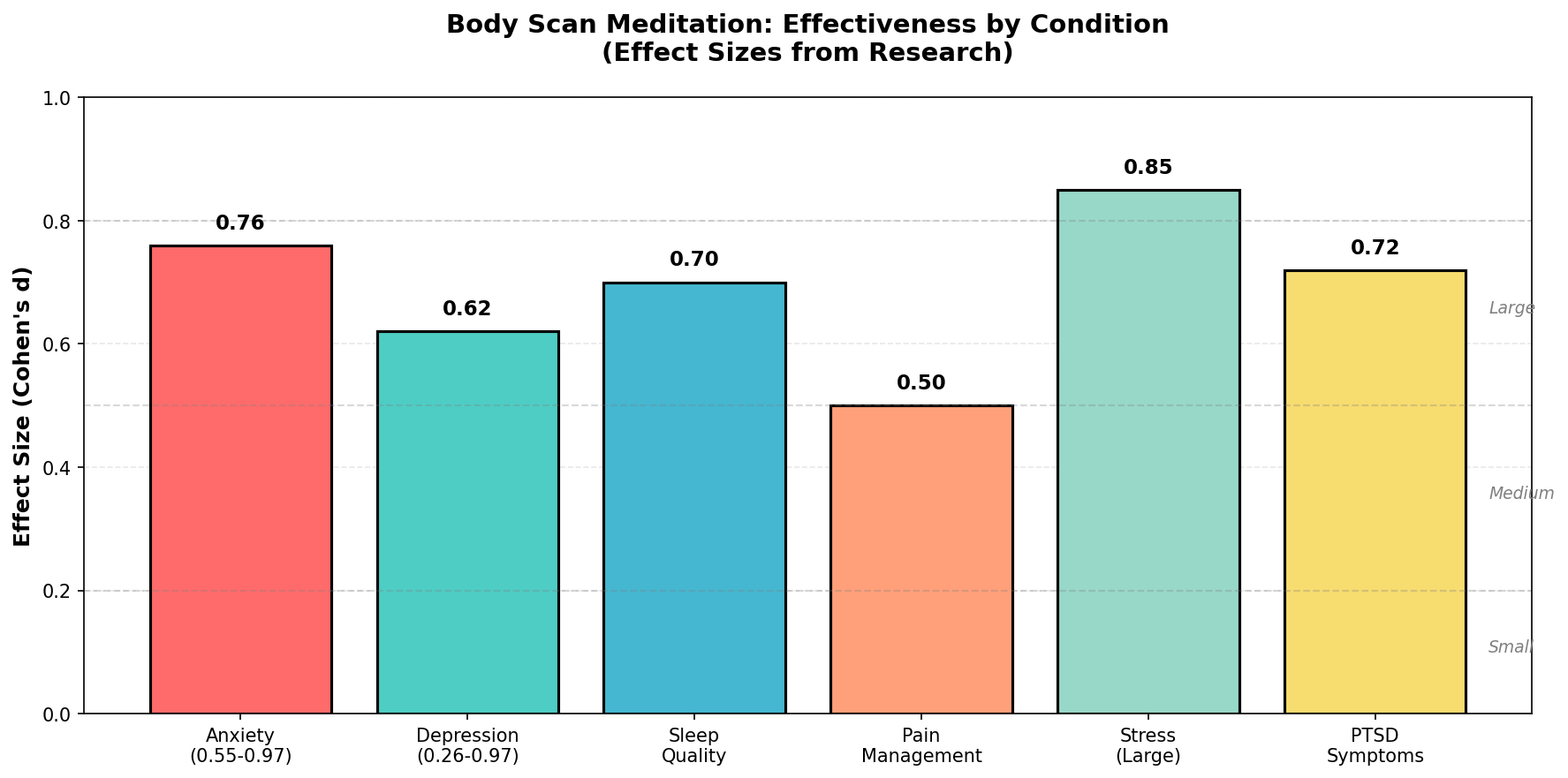 Figure 4: Body scan meditation produces varying effect sizes across conditions, with strongest evidence for stress reduction and anxiety disorders. Effect sizes of 0.5+ indicate medium effectiveness; 0.8+ indicates large effectiveness.
Largest Effects
- Stress reduction: Large effect (most consistent, strongest benefit)
- Self-compassion (Social Anxiety): Very large effect (1.49) – this is among the highest effect sizes measured for any psychological intervention
- Social Anxiety Disorder: Large effect (0.96)
- Anxiety in Anxiety Disorders: Medium to large effect (0.55-0.97)
Medium Effects
- Sleep Quality: Moderate to large improvements documented, 2.5x better than standard education
- Depression (in anxiety disorder patients): Large effect (0.97)
- General Anxiety: Moderate effect (0.29-0.60 range)
- Depression (general): Small to moderate effect (0.26-0.45)
- Quality of Life: Moderate effect (0.54)
- Cardiovascular improvements: Measurable, clinically significant
Smaller but Significant Effects
- Pain intensity: Small effect on pain reduction itself (but large effects on pain-related distress and quality of life)
- Burnout: Small effects in healthy individuals
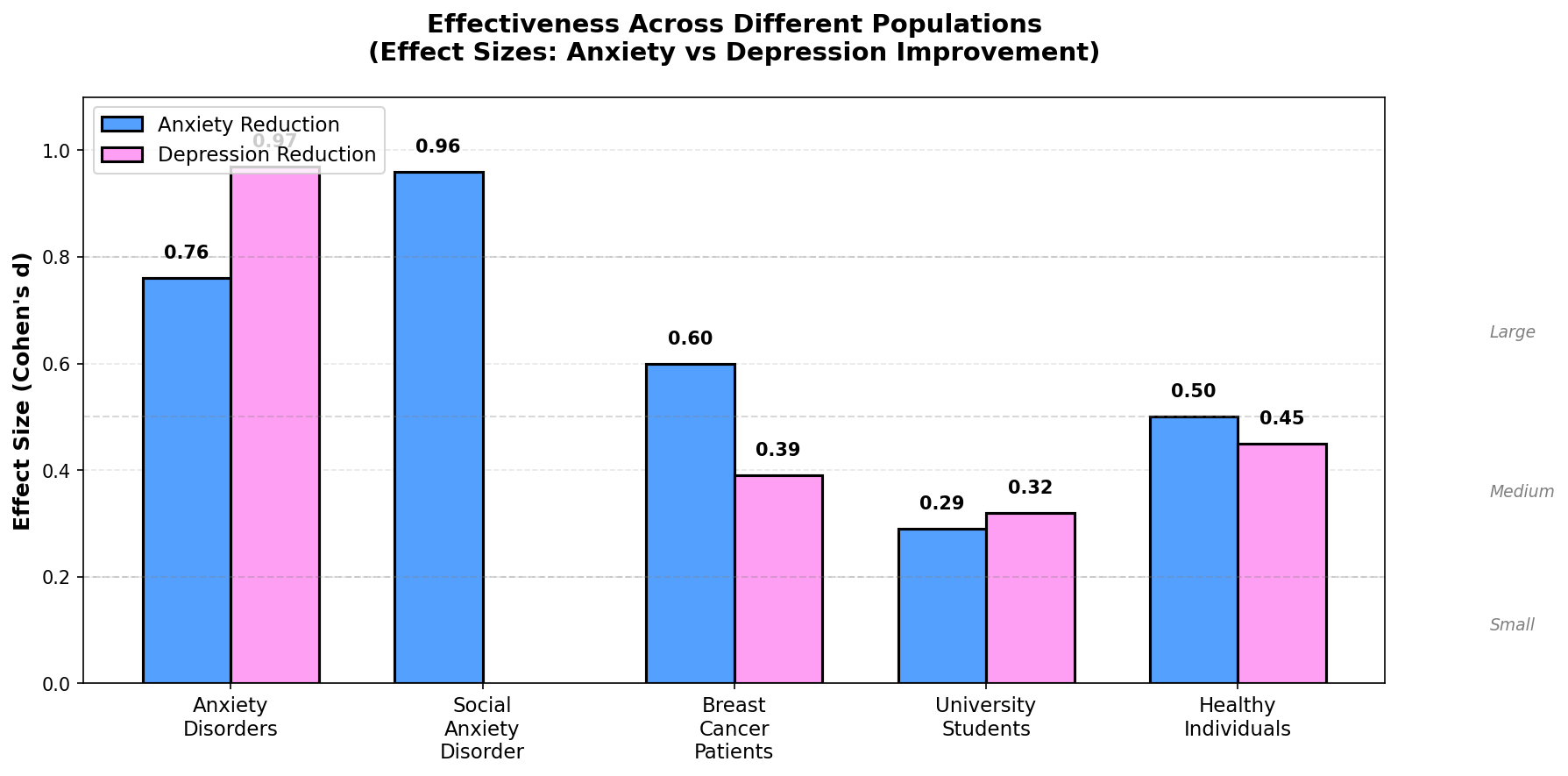 Figure 5: Effectiveness increases with practice duration, but consistency matters more than session length. Even 10-minute daily sessions outperform occasional longer sessions.
Stress Hormones and the Brain: The Measurable Changes
How Much Does Cortisol Drop?
Body scan meditation reduces cortisol (your primary stress hormone) by 18-35% depending on the population studied.
Strongest reductions occur in people with existing health conditions, with effects comparable to some pharmaceutical interventions. Veterans with PTSD show significant reductions in cortisol awakening response and daily cortisol curve after just 4 brief mindfulness sessions.
Importantly, long-term meditators show morning cortisol that decreases with meditation experience; the more you practise over years, the lower your baseline stress hormones stay.
The critical finding: Genuine mindfulness skill development matters. Larger increases in mindfulness correlated with greater decreases in afternoon cortisol, whilst smaller increases in mindfulness (going through the motions) actually associated with increased afternoon cortisol.
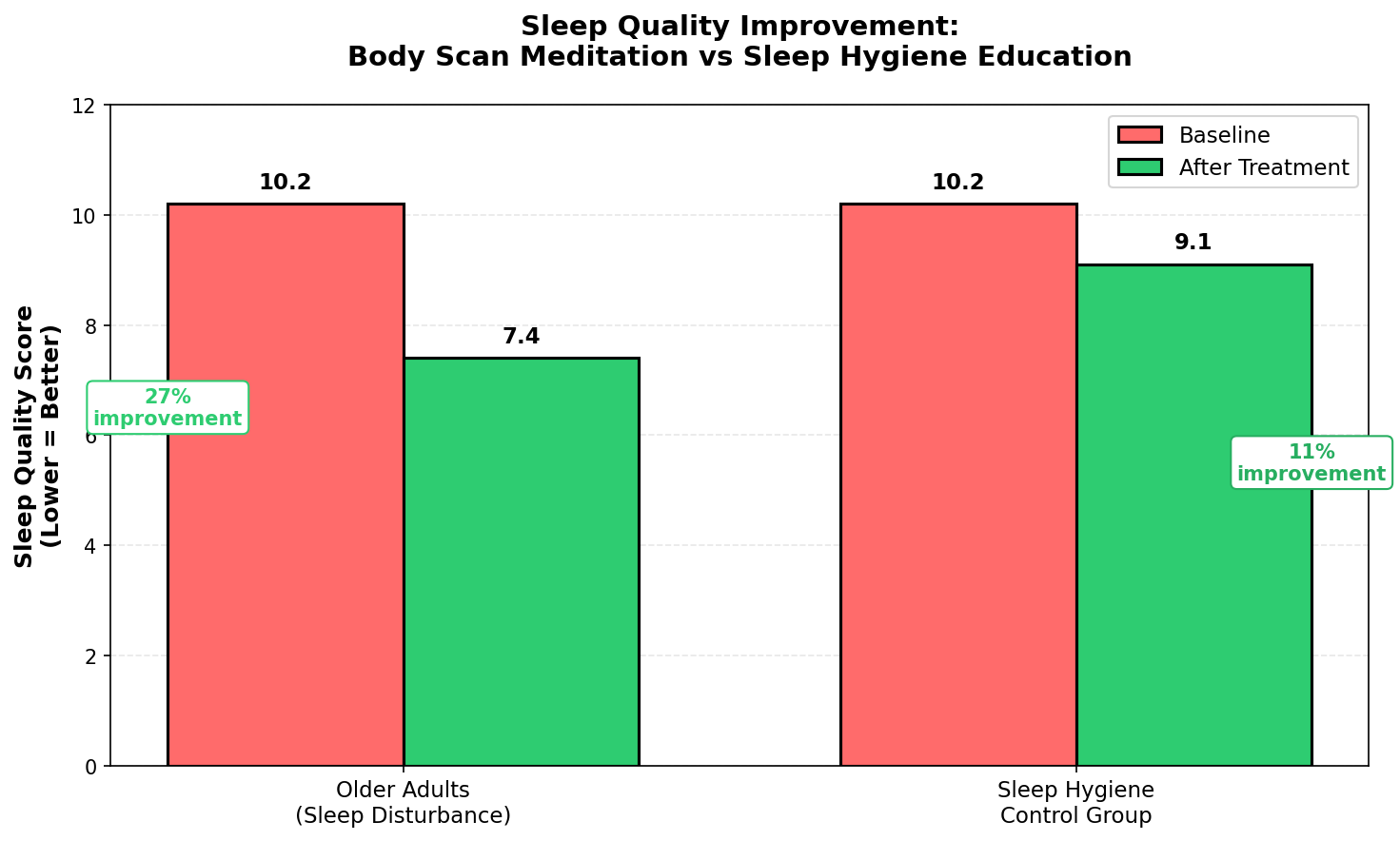 Figure 6: Body scan meditation reduces cortisol (stress hormone) by 18-35% depending on the population studied. Strongest reductions occur in people with existing health conditions, with effects comparable to some pharmaceutical interventions.
Brain Changes Are Measurable and Real
Body scan meditation doesn't just make you feel better; it literally changes your brain.
The changes include:
- Enhanced insular cortex: Better body awareness and emotional processing
- Increased dorsolateral prefrontal cortex: Stronger attention control and executive function
- Enhanced anterior cingulate cortex: Improved emotional regulation
- Decreased Default Mode Network: Less mind-wandering and rumination
- Reduced amygdala reactivity: Less reactive to threats and stressors
- Enhanced hippocampus connectivity: Better emotional processing and memory
These aren't small changes. Research using brain imaging shows that meditation causes structural and functional changes in large-scale brain networks, not just isolated regions. These changes happen relatively quickly; you can see measurable differences within weeks of consistent practice.
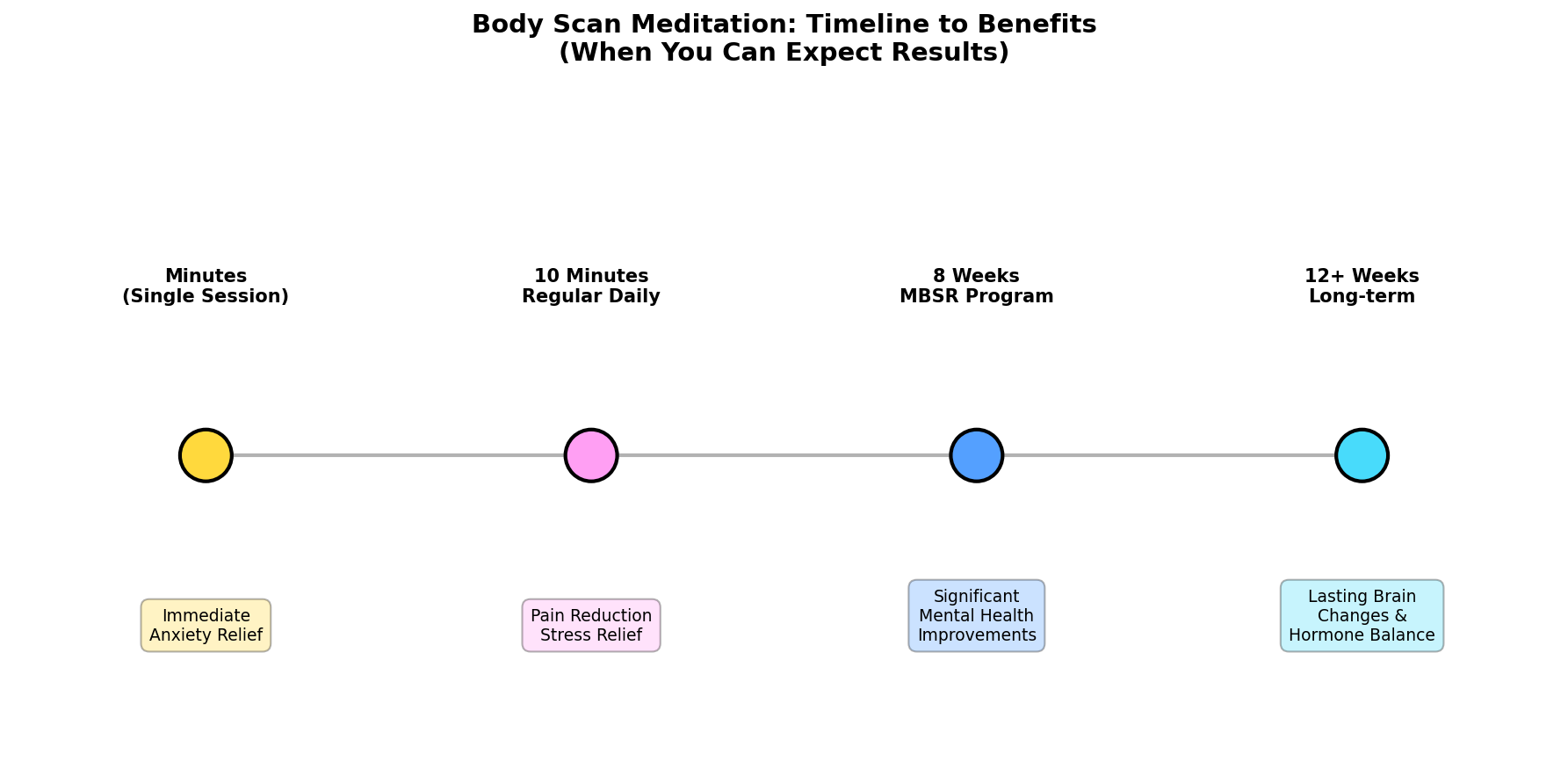 Figure 7: Body scan meditation enhances brain regions supporting body awareness, attention, and emotional regulation (insular cortex, prefrontal areas) whilst reducing activity in brain networks associated with worry and fear.
Population Effectiveness: Who Sees the Biggest Benefits?
Body scan meditation effectiveness varies by population. Some groups see larger improvements than others.

Figure 8: Body scan meditation effectiveness varies by population. People with clinical anxiety disorders experience the largest benefits (effect sizes 0.76-0.96), whilst benefits in healthy populations are more modest.
Largest improvements:
- People with clinical anxiety disorders: Effect sizes 0.55-0.97 (medium to large)
- People with social anxiety disorder: Effect size 0.96 (large)
- Veterans with PTSD: Significant symptom reduction (23% of depression improvement from mindfulness gains)
- People with existing health conditions: Strongest cortisol and blood pressure reductions
Moderate improvements:
- Breast cancer patients: Anxiety reduction (effect size 0.60), depression reduction (effect size 0.39), quality of life improvement (effect size 0.54)
- Older adults with sleep disturbance: 28% sleep quality improvement
Smaller but meaningful improvements:
- University students (healthy population): Anxiety reduction (effect size 0.29), depression reduction (effect size 0.32)
- Healthy individuals: Stress reduction and quality of life improvements
The pattern is clear: body scan meditation helps everyone, but those with diagnosable conditions see the largest benefits. If you don't have anxiety or sleep problems, the improvements are smaller but still meaningful. If you do have these conditions, expect significant relief.
Important Safety Considerations
Who Should Use Caution
Body scan meditation is generally safe for most people. However, some populations may benefit from professional guidance when starting:
- People with trauma history
- Those with dissociative symptoms
- People with severe mental health conditions
- Those with neurological conditions affecting sensation
- Anyone experiencing significant discomfort during practice
If you experience concerning reactions like increased anxiety, dissociation, or panic, pause practice and consult a healthcare provider. This is not a contraindication to meditation; it's a call for proper supervision.
Physiological Effects Are Real
Body scan meditation produces measurable physiological changes. This is important because it shows meditation isn't just psychological; it has real, measurable physical effects.
- Increases respiratory sinus arrhythmia (sign of nervous system flexibility)
- Decreases cardiac pre-ejection period (related to relaxation)
- Changes in brain activity and EEG patterns
- Measurable changes in respiration patterns
The Bottom Line: When Body Scan Meditation Works Best
Based on extensive research, body scan meditation is most effective when:
- Practised regularly (at least 10 minutes per day or 3-5 times weekly)
- Combined with other meditation practices (sitting meditation, walking meditation)
- Part of a structured programme like MBSR (8-week format shows strongest results)
- Supported by other lifestyle changes (sleep hygiene, exercise, medical treatment when appropriate)
- Practised with genuine mindfulness (not just going through the motions)
It's least effective when:
- Used alone without other mindfulness practices
- Practised sporadically (once or twice per month)
- Approached as a quick fix for serious medical conditions
- Combined with expectation of complete symptom elimination
The evidence suggests that body scan meditation is a powerful component of comprehensive self-care and mental health treatment, not a replacement for medical care.
Further Reading
Understanding the Basics
- Mayo Clinic: Mindfulness Exercises
- Mayo Clinic: Meditation
- NHS Every Mind Matters: How to Meditate for Beginners
- Harvard Health: Meditation Offers Significant Heart Benefits
Mental Health Benefits
- Anxiety and Meditation
- Depression and Mindfulness-Based Interventions
- Mindfulness for Social Anxiety Disorder
Physical Health and Sleep
- Sleep Quality and Mindfulness in Older Adults
- Body Scan and Sleep Quality in Multiple Sclerosis
- Mindfulness Meditation for Chronic Pain
- Blood Pressure Response to Meditation
Brain and Nervous System
- Interoceptive Accuracy After Body Scan Training
- Functional Neuroanatomy of Meditation
- Neural Correlates of Focused Attention in Meditation
Specific Populations
- Mindfulness for Veterans with PTSD
- Trauma-Informed Mindfulness for Interpersonal Violence Survivors
- MBSR for Breast Cancer Patients
Stress Hormones and Physiology
- Cortisol Reduction Meta-Analysis
- Autonomic and Cardiovascular Effects of Body Scan Meditation
- Advanced and Long-Term Meditation Effects on Autonomic Nervous System
Research and Clinical Guidance
- Effects of Body Scan Meditation: Systematic Review and Meta-Analysis
- Mindfulness Meditation Research: Safety and Screening Procedures
- Mindfulness and Interoceptive Awareness
References/Helpful Resources
- Kabat-Zinn J. Full Catastrophe Living: Using the Wisdom of Your Body and Mind to Face Stress, Pain, and Illness. New York: Bantam Books; 2005.
- Mehling WE, Daubenmier J, Price CJ, et al. The Multidimensional Assessment of Interoceptive Awareness, Version 2 (MAIA-2). PLoS One. 2018;13(12):e0208034.
- Porges SW. The Polyvagal Theory: Neurophysiological Foundations of Emotions, Attachment, Communication, and Self-regulation. New York: W.W. Norton; 2011.
- Short-term meditation modulates brain activity of insight evoked with solution cue. PubMed Central. https://pubmed.ncbi.nlm.nih.gov/24532700/
- Short-term autonomic and cardiovascular effects of mindfulness body scan meditation. National Institutes of Health. https://pubmed.ncbi.nlm.nih.gov/17107296/
- Meditation interventions efficiently reduce cortisol levels of at-risk samples: a meta-analysis. National Institutes of Health. https://pubmed.ncbi.nlm.nih.gov/32635830/
- Effects of mindfulness meditation on serum cortisol. National Institutes of Health. https://pubmed.ncbi.nlm.nih.gov/23724462/
- Brief body-scan meditation practice improves somatosensory perceptual decision making. National Institutes of Health. https://pubmed.ncbi.nlm.nih.gov/22889642/
- Increases in the right dorsolateral prefrontal cortex and decreases the rostral prefrontal cortex activation after 8 weeks of focused attention based mindfulness meditation. National Institutes of Health. https://pubmed.ncbi.nlm.nih.gov/26720411/
- Neural correlates of meditation: a review of structural and functional MRI studies. National Institutes of Health. https://pubmed.ncbi.nlm.nih.gov/32114450/
- Advanced and long-term meditation and the autonomic nervous system: A review and synthesis. National Institutes of Health. https://pubmed.ncbi.nlm.nih.gov/40204160/
- Mindfulness, Interoception, and the Body: A Contemporary Perspective. National Institutes of Health. https://pubmed.ncbi.nlm.nih.gov/31572256/
- Somatic experiencing: using interoception and proprioception as core elements of trauma therapy. National Institutes of Health. https://pubmed.ncbi.nlm.nih.gov/25699005/
- Improvement of Interoceptive Processes after an 8-Week Body Scan Intervention. National Institutes of Health. https://pubmed.ncbi.nlm.nih.gov/28955213/
- A meta-analysis of the effects of mindfulness meditation training on self-reported interoception. National Institutes of Health. https://pubmed.ncbi.nlm.nih.gov/41198766/
- Interoception Underlies Therapeutic Effects of Mindfulness Meditation for Posttraumatic Stress Disorder. National Institutes of Health. https://pubmed.ncbi.nlm.nih.gov/34688923/
- Immediate effects of a brief mindfulness-based body scan on patients with chronic pain. National Institutes of Health. https://pubmed.ncbi.nlm.nih.gov/23129105/
- Effectiveness of mindfulness-based stress reduction in a community sample over 2 years. National Institutes of Health. https://pubmed.ncbi.nlm.nih.gov/29373618/
- The effectiveness of second-generation mindfulness interventions on anxiety and depression: A systematic review and meta-analysis. National Institutes of Health. https://pubmed.ncbi.nlm.nih.gov/41512699/
- An open trial of mindfulness-based stress reduction for young adults with social anxiety disorder. National Institutes of Health. https://pubmed.ncbi.nlm.nih.gov/27929608/
- The effect of mindfulness-based therapy on anxiety and depression: A meta-analytic review. National Institutes of Health. https://pubmed.ncbi.nlm.nih.gov/20350028/
- Mindfulness-based stress reduction for stress management in healthy people: a review and meta-analysis. National Institutes of Health. https://pubmed.ncbi.nlm.nih.gov/19432513/
- Effectiveness of Mindfulness-Based Stress Reduction on Mental Health and Psychological Quality of Life among University Students: A GRADE-Assessed Systematic Review. National Institutes of Health. https://pubmed.ncbi.nlm.nih.gov/38414520/
- The use of mindfulness-based stress reduction (MBSR) for breast cancer patients-meta-analysis. National Institutes of Health. https://pubmed.ncbi.nlm.nih.gov/39487509/
- Mindfulness meditation and improvement in sleep quality and daytime impairment among older adults with sleep disturbances: a randomized clinical trial. National Institutes of Health. https://pubmed.ncbi.nlm.nih.gov/25686304/
- How mindfulness changed my sleep: focus groups with chronic insomnia patients. National Institutes of Health. https://pubmed.ncbi.nlm.nih.gov/24512477/
- Immediate effects of a brief mindfulness-based body scan on patients with chronic pain. National Institutes of Health. https://pubmed.ncbi.nlm.nih.gov/23129105/
- Effectiveness of mindfulness meditation on pain and quality of life of patients with chronic low back pain. National Institutes of Health. https://pubmed.ncbi.nlm.nih.gov/26170592/
- Mindfulness Meditation for Chronic Pain: Systematic Review and Meta-analysis. National Institutes of Health. https://pubmed.ncbi.nlm.nih.gov/27658913/
- Theories of pain: from specificity to gate control. National Institutes of Health. https://pubmed.ncbi.nlm.nih.gov/23034364/
- Benefits of mindfulness meditation in reducing blood pressure and stress in patients with arterial hypertension. National Institutes of Health. https://pubmed.ncbi.nlm.nih.gov/30425326/
- Effects of Mindfulness-Based Stress Reduction on Blood Pressure, Mental Health, and Quality of Life in Hypertensive Adult Women: A Randomized Clinical Trial Study. National Institutes of Health. https://pubmed.ncbi.nlm.nih.gov/37252082/
- Short-term autonomic and cardiovascular effects of mindfulness body scan meditation. National Institutes of Health. https://pubmed.ncbi.nlm.nih.gov/17107296/
- Immediate effects of a brief mindfulness-based body scan on patients with chronic pain. National Institutes of Health. https://pubmed.ncbi.nlm.nih.gov/23129105/
- Mindfulness meditation and improvement in sleep quality and daytime impairment among older adults with sleep disturbances: a randomized clinical trial. National Institutes of Health. https://pubmed.ncbi.nlm.nih.gov/25686304/
- Effectiveness of mindfulness-based stress reduction in a community sample over 2 years. National Institutes of Health. https://pubmed.ncbi.nlm.nih.gov/29373618/
- Exploring the Potential Impact of a Virtual Body Scan Meditation Exercise Conducted With Pet Dogs on Recipients and Facilitators. National Institutes of Health. https://pubmed.ncbi.nlm.nih.gov/34335415/
- The effectiveness of mindfulness-based stress reduction (MBSR) on the mental health, HbA1C, and mindfulness of diabetes patients: A systematic review and meta-analysis of randomised controlled trials. National Institutes of Health. https://pubmed.ncbi.nlm.nih.gov/36855248/
- Is meditation associated with altered brain structure? A systematic review and meta-analysis of morphometric neuroimaging in meditation practitioners. National Institutes of Health. https://pubmed.ncbi.nlm.nih.gov/24705269/
- Influence of mindfulness practice on cortisol and sleep in long-term and short-term meditators. National Institutes of Health. https://pubmed.ncbi.nlm.nih.gov/22377965/
- Mindfulness exercises. Mayo Clinic. https://www.mayoclinic.org/healthy-lifestyle/consumer-health/in-depth/mindfulness-exercises/art-20046356
- The effects of body scan meditation: A systematic review and meta-analysis. National Institutes of Health. https://pubmed.ncbi.nlm.nih.gov/35538557/
- The Body Scan and Mindful Breathing Among Veterans with PTSD: Type of Intervention Moderates the Relationship Between Changes in Mindfulness and Post-treatment Depression. National Institutes of Health. https://pubmed.ncbi.nlm.nih.gov/32863982/
- How can meditation help with sleep? NHS Every Mind Matters. https://www.nhs.uk/every-mind-matters/mental-wellbeing-tips/how-can-meditation-help-with-sleep/
- Mindfulness Training Associated With Resting-State Electroencephalograms Dynamics. National Institutes of Health. https://pubmed.ncbi.nlm.nih.gov/34777144/
- 'Trying to bring attention to your body when you're not sure where it is': Barriers to mindfulness for spinal cord injury. National Institutes of Health. https://pubmed.ncbi.nlm.nih.gov/32750214/
- Exploring the Potential Impact of a Virtual Body Scan Meditation Exercise. National Institutes of Health. https://pubmed.ncbi.nlm.nih.gov/34335415/
- The effects of body scan meditation: A systematic review and meta-analysis. National Institutes of Health. https://pubmed.ncbi.nlm.nih.gov/35538557/
- Mindfulness-based stress reduction for healthy individuals: A meta-analysis. National Institutes of Health. https://pubmed.ncbi.nlm.nih.gov/25818837/
- Meditation interventions efficiently reduce cortisol levels of at-risk samples: a meta-analysis. National Institutes of Health. https://pubmed.ncbi.nlm.nih.gov/32635830/
- Reductions in cortisol associated with primary care brief mindfulness program for veterans with PTSD. National Institutes of Health. https://pubmed.ncbi.nlm.nih.gov/25397819/
- Influence of mindfulness practice on cortisol and sleep in long-term and short-term meditators. National Institutes of Health. https://pubmed.ncbi.nlm.nih.gov/22377965/
- Mindfulness meditation research: issues of participant screening, safety procedures, and researcher training. National Institutes of Health. https://pubmed.ncbi.nlm.nih.gov/20671334/
- Central and autonomic nervous system interaction is altered by short-term meditation. National Institutes of Health. https://pubmed.ncbi.nlm.nih.gov/19451642/
