

Most people have never given boron a second thought. It does not appear on nutrition labels. Doctors rarely mention it. Yet this trace mineral, found abundantly in nuts, dried fruit, and legumes, turns out to do something quietly remarkable: it helps your body hold on to the hormones and minerals that keep your bones strong and your hormonal health on an even keel.
This article covers what boron is, what the research says about its effects on bones and hormones, which foods provide the most of it, and what you should know about safety before considering a supplement.
What Is Boron, and Why Haven't You Heard of It?
Boron is a naturally occurring element found in soil and, therefore, in plant-based foods. Your body contains only about 3–4 mg of it at any given time, mostly concentrated in bone, teeth, and the parathyroid glands. It has no established Recommended Daily Allowance in the UK or US, which partly explains why it rarely comes up in nutrition conversations.
That absence of a formal recommendation does not mean boron is unimportant. It means the evidence base is still maturing. Regulatory bodies like the US National Academies and the European Food Safety Authority (EFSA) have both concluded that boron performs important physiological functions, even as they have stopped short of setting a specific daily target. What researchers have established is a tolerable upper intake level of 20 mg/day for adults in the US and Canada, with EFSA recommending no more than approximately 11.2 mg/day for a 70 kg adult. These limits exist to provide a safety ceiling, not because boron is harmful at normal intakes.
The average adult in the US consumes roughly 0.83–1.17 mg/day from food alone, which is below the 3 mg/day threshold used in most research studies showing a physiological benefit. In other words, many people may be getting less boron than researchers have found useful.
What Boron Does for Your Bones
Bone is a living tissue. Throughout your life, old bone is broken down and new bone is laid down in its place. This process, called remodelling, is regulated by hormones, minerals, and signals from specialised cells. Boron appears to influence several steps in this process.
How Boron Tells Your Body to Build More Bone
Boron activates a biological signaling pathway called Wnt/beta-catenin, which acts as a switch instructing bone-forming cells (osteoblasts) to multiply and produce new bone tissue. Laboratory studies show this effect within days of boron exposure. Crucially, boron appears to act primarily on the building side of bone turnover, without significantly affecting the cells that break bone down.
In bone marrow stem cell studies, boron triggered earlier deposition of calcium into the bone matrix and raised levels of alkaline phosphatase, an enzyme essential for hardening new bone. It also increased expression of osteocalcin and collagen type I, two structural proteins that form the physical scaffold of bone tissue.
Boron Reduces Calcium Loss Through Urine
One of the most consistent findings across multiple human studies is that adequate boron significantly reduces the amount of calcium and magnesium lost through urine. When these minerals are being excreted rather than retained, less is available to maintain bone density. In a landmark 1987 study by the US Department of Agriculture, postmenopausal women who moved from a very low-boron diet (0.25 mg/day) to an adequate one (3.25 mg/day) showed significant reductions in urinary calcium excretion within just eight days.
The practical implication: if you are taking calcium supplements but your boron intake is low, you may be excreting more of that calcium than you realise.
The Bone Mineral Density Connection
In a 2024 pilot study of 66 postmenopausal Jordanian women with osteoporosis, researchers found a strong positive correlation between dietary boron intake and bone mineral density (BMD). Women who consumed more boron had better bone density scores. While this was a small observational study and cannot prove that boron caused the improved density, it aligns with the mechanistic evidence and earlier clinical data.
Geographic data adds an intriguing layer to this picture. In regions where boron levels in soil and water are low (under 1 part per million), estimated arthritis prevalence runs at 20–70%. In higher-boron regions, the rate drops to 0–10%. This pattern has been observed across multiple countries and has prompted researchers to investigate boron's role in joint health specifically.
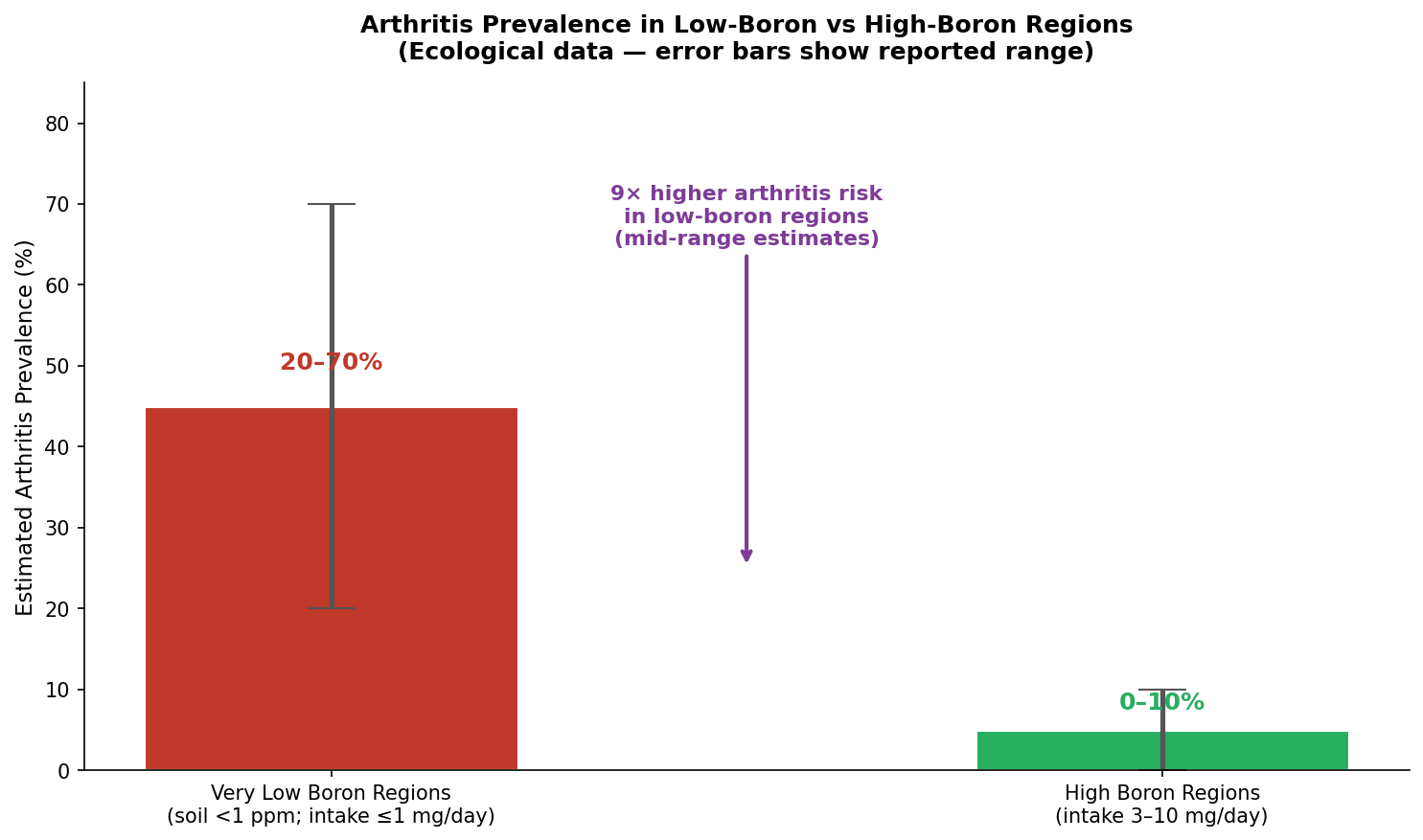 Figure 1: Arthritis prevalence rates compared across regions with different estimated boron intake levels. Data from PubMed-indexed epidemiological research (PMC4712861).
How Boron Influences Your Hormones
Boron's effects on bone do not operate in isolation. A significant part of the story runs through the hormonal system, and this is where things become particularly interesting for women approaching or past menopause, as well as for men concerned about hormonal health.
Boron and Oestrogen in Women
Oestrogen is one of the most important protectors of bone density in women. After menopause, when oestrogen levels fall sharply, the rate of bone loss accelerates. Boron appears to influence oestrogen metabolism in a way that helps preserve what remains.
In the same 1987 USDA study mentioned above, switching postmenopausal women from low to adequate boron intake doubled their serum 17-beta-oestradiol levels within eight days. Testosterone levels also rose markedly. These are the same hormones that protect bone, and the effect was most pronounced when dietary magnesium was also low, suggesting boron steps in as a kind of metabolic safety net.
The mechanism appears to involve boron's ability to inhibit enzymes that normally break down oestrogen and testosterone, effectively allowing these hormones to remain active in the body for longer. Boron may also regulate the conversion of inactive vitamin D into its active hormone form, calcitriol, which itself promotes calcium absorption.
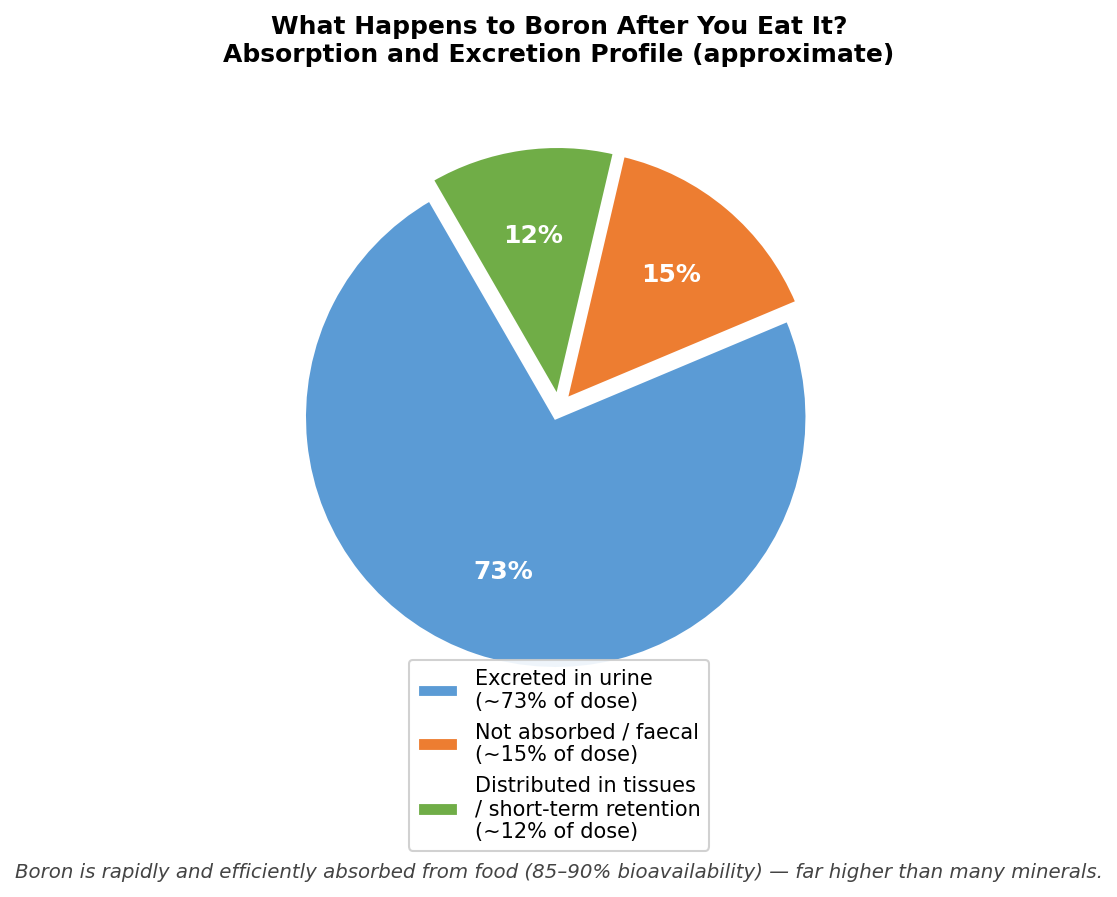 Figure 2: Changes in oestradiol and testosterone levels before and after boron supplementation in postmenopausal women and healthy men. Based on data from Nielsen et al. (1987) and Naghii et al. (2011), both PubMed-indexed.
Boron and Testosterone in Men
Approximately 98% of testosterone circulating in the blood is bound to proteins, primarily Sex Hormone Binding Globulin (SHBG), and is therefore inactive. Only the remaining free testosterone can enter cells and have a physiological effect. Boron appears to reduce SHBG's grip on testosterone, releasing more of it into active, usable form.
In a study of eight healthy men taking 6 mg boron per day for seven days, mean free testosterone rose from 11.83 pg/mL to 15.18 pg/mL, an increase of approximately 28.3%. SHBG levels dropped. An inflammatory marker called hsCRP fell by roughly 50% in just seven days, one of the fastest anti-inflammatory responses documented for any micronutrient supplement.
It is worth noting that a study of male bodybuilders taking a lower dose of 2.5 mg/day for seven weeks found no significant change in testosterone. This suggests dose matters: lower doses may not produce the same effect, particularly in younger men with already higher baseline testosterone levels.
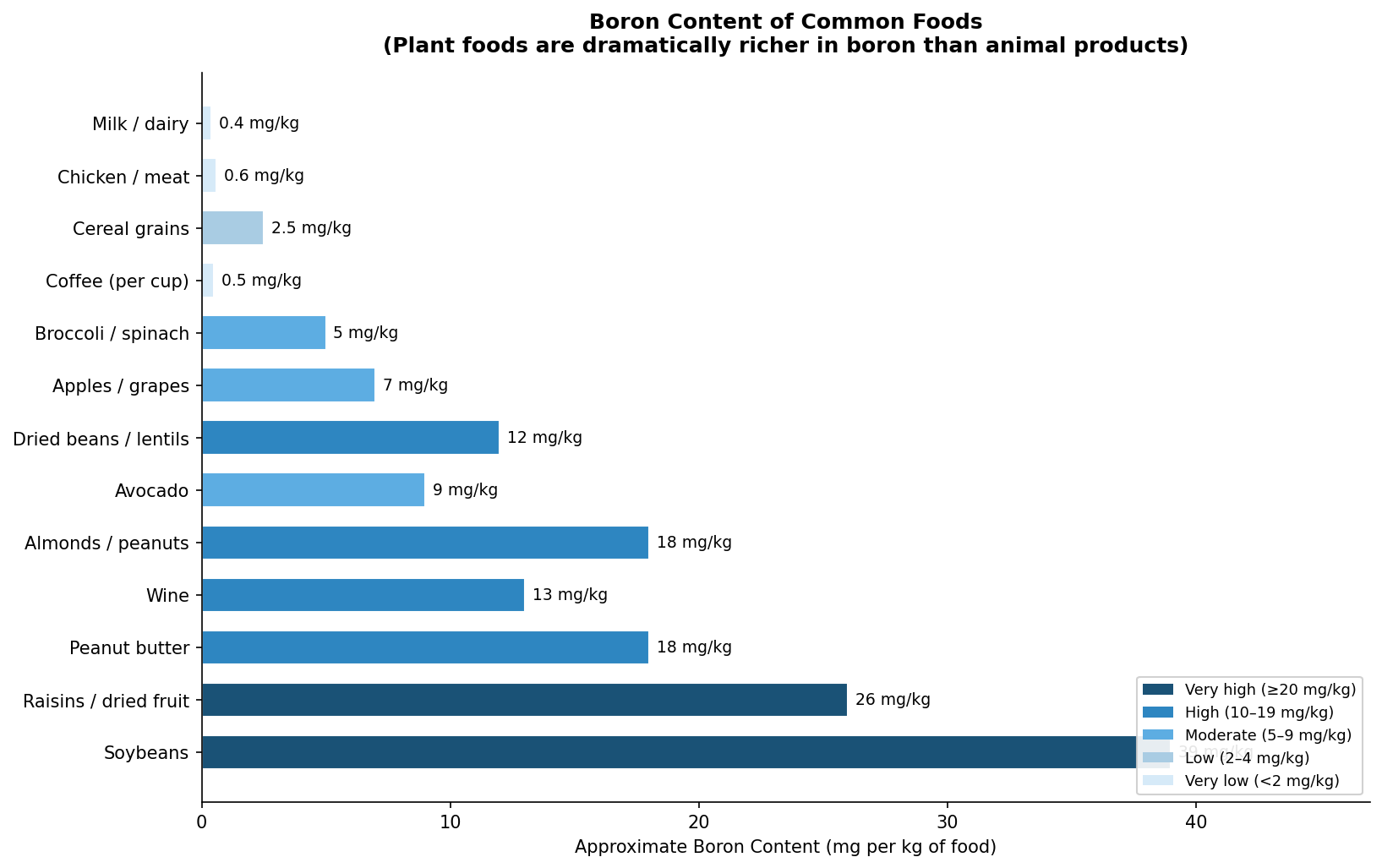 Figure 3: Testosterone response across different boron doses and populations. Data drawn from PubMed-indexed studies including Naghii et al. and Green et al.
Boron and Vitamin D: A Critical Partnership
Low boron intakes are consistently associated with reduced plasma levels of 25-hydroxyvitamin D, the active storage form of vitamin D. Animal studies have shown that boron can partially compensate for vitamin D deficiency, improving mineral balance even when vitamin D is low. This interaction matters because vitamin D itself is essential for calcium absorption from the gut.
The upshot: calcium, vitamin D, and boron appear to work as a trio. Ensuring adequate intake of all three is likely more effective than focusing on any one of them in isolation.
Where to Get Boron from Food
Boron is not found in animal products to any significant degree. Meat, fish, and dairy are very low sources. Plant foods are where the mineral concentrates, and a diverse, plant-rich diet will naturally push your intake toward the 1.5–3 mg/day range associated with physiological benefits.
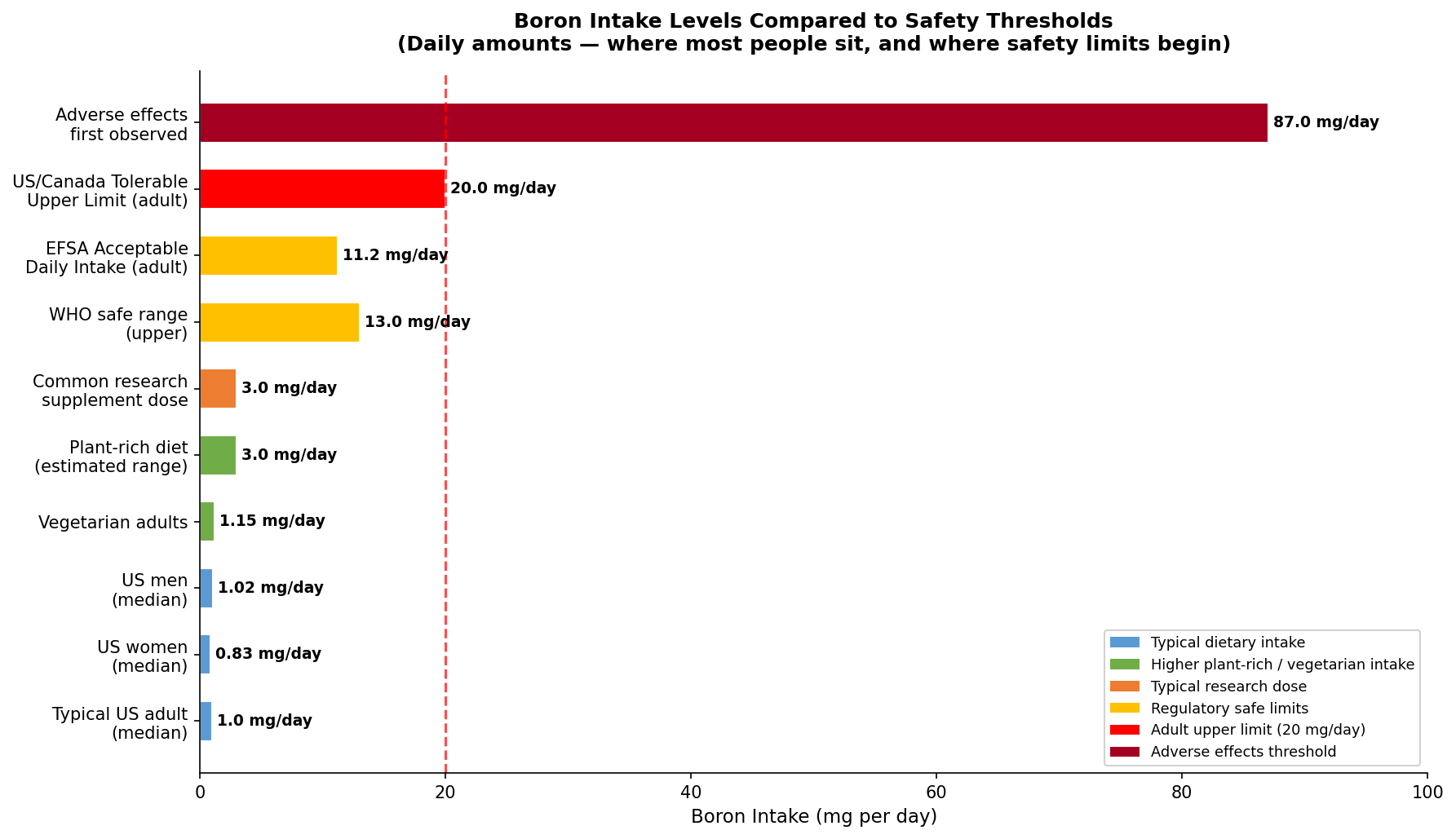 Figure 4: Boron content across common food categories. Data from the NIH Office of Dietary Supplements and PubMed-indexed dietary surveys.
The richest sources include:
- Dried fruits: raisins, prunes, dried apricots (among the highest per serving)
- Nuts: almonds, peanuts, pecans, walnuts
- Legumes: chickpeas, lentils, kidney beans, soybeans
- Fresh fruit: avocado, grapes, apples, pears
- Leafy vegetables: broccoli, spinach
- Fermented drinks: wine, cider, beer (derived from boron-rich plant fermentation)
Animal products, refined cereals, and highly processed foods contribute very little. This means that someone eating a typical Western diet heavy in meat and processed food may regularly fall below 1 mg/day, while a person eating a Mediterranean or plant-forward diet naturally sits in the 2–3 mg/day range.
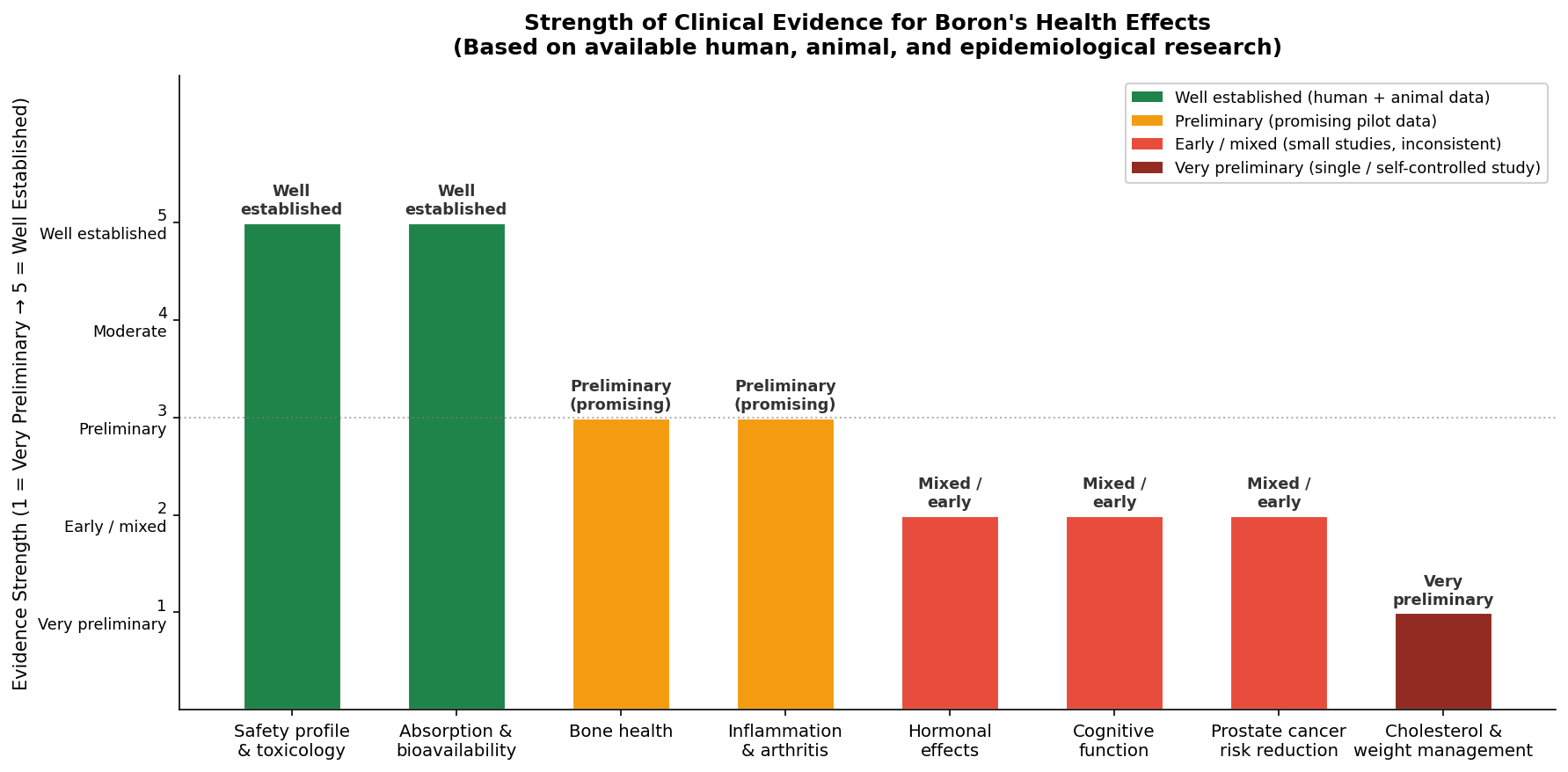 Figure 5: Boron absorption rates across food sources and supplement forms. Boron from food and water is absorbed at approximately 85–90% efficiency in the small intestine. Data from PubMed-indexed bioavailability studies.
What About Supplements?
Most human research showing positive effects used supplemental doses of 3–6 mg/day, typically as calcium fructoborate, which is the form that most closely mirrors the natural borate complexes found in plants. This form has shown superior anti-inflammatory activity in at least one head-to-head comparison with sodium tetraborate (borax).
A typical plant-rich diet can approach 3 mg/day without supplementation. For people whose diets are lower in plant foods, a supplement at or around 3 mg/day is within the range studied and well below the safety ceiling.
Is Boron Safe? Understanding the Limits
Boron has a very low order of toxicity at dietary and supplemental doses. Adverse effects in human volunteers have only been observed at extremely high intakes of 87 mg of elemental boron per day (equivalent to 500 mg of boric acid), which is around 29 times the established upper limit and completely unachievable through diet alone.
The adult tolerable upper intake level in the US and Canada is 20 mg/day, with EFSA setting a slightly more conservative limit of around 11.2 mg/day. Research doses of 3–6 mg/day sit far below either threshold.
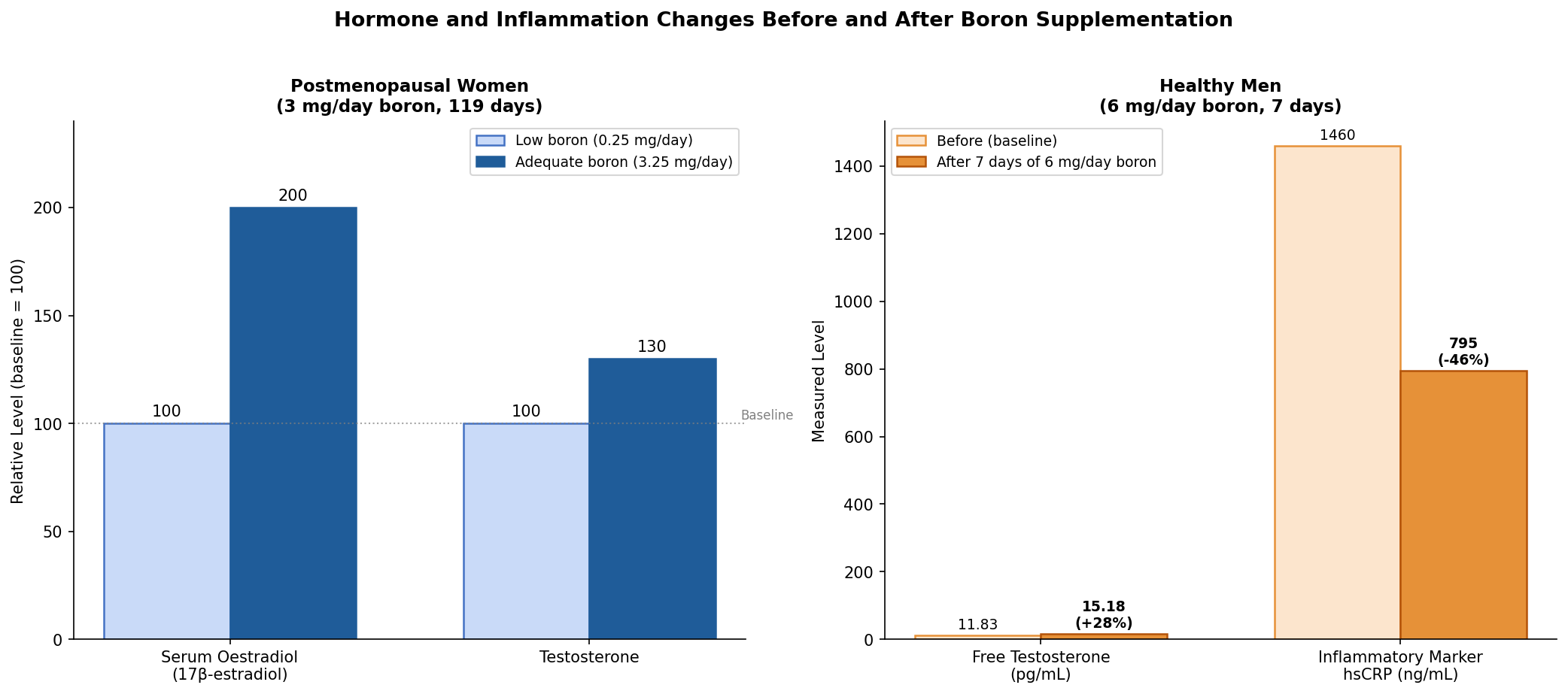 Figure 6: Boron intake levels across dietary exposure, research doses, and established safety thresholds (US UL and EFSA ADI). Data from NIH Office of Dietary Supplements and National Academies Dietary Reference Intakes.
There are two specific situations that warrant extra caution:
- Thyroid conditions: At very high environmental or supplemental doses (well above 10 mg/day), boron may suppress thyroid hormone production. At normal dietary intakes, this effect appears negligible, but anyone taking thyroid medication or with a known thyroid condition should consult their doctor before supplementing
- Oestrogen-sensitive cancers: Because boron can elevate oestradiol levels, women with oestrogen-receptor-positive breast cancer or a high genetic risk of it should discuss boron supplementation with their oncologist before proceeding
At typical dietary intakes, neither concern applies.
What the Research Can and Cannot Yet Tell Us
Boron research is genuinely promising, but it is also genuinely early-stage. It is important to be honest about what the evidence does and does not support.
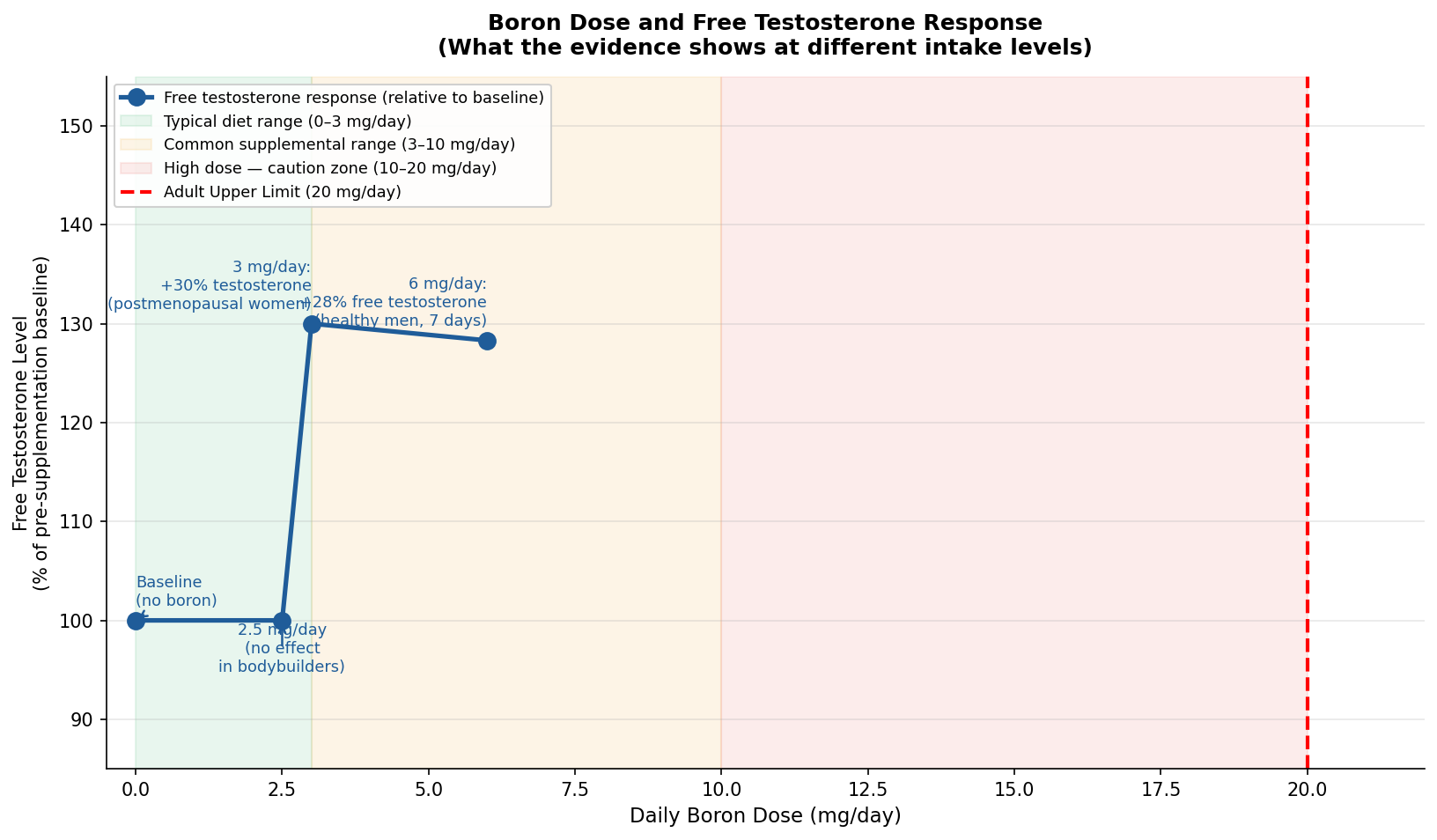 Figure 7: Evidence quality across boron research domains, rated from preliminary to well-established. Based on assessment by researchers in PMC4712861 and the NIH Office of Dietary Supplements.
The strongest areas of evidence are:
- Absorption and safety: Boron is absorbed with roughly 85–90% efficiency from food and water, turns over quickly via urine, and has a well-characterised safety profile across multiple human and animal studies. This is well-established
- Hormonal effects in postmenopausal women: The oestradiol and urinary calcium findings have been replicated in multiple studies, with the most consistent effects seen in postmenopausal women transitioning from low-boron to adequate-boron diets
The more promising but still-emerging areas include:
- Bone mineral density in humans: The 2024 pilot study showed a strong correlation, but it involved only 66 women and cannot establish cause and effect. Large, long-term randomised controlled trials are still needed
- Free testosterone in men: The 28% increase in free testosterone in one small study (n=8) is intriguing, but the evidence base is thin and results have not been consistent across all doses and populations
- Inflammation and arthritis: The epidemiological data linking low-boron regions to high arthritis rates is striking, and one pilot clinical trial in rheumatoid arthritis patients showed meaningful reductions in inflammatory markers. But a single small trial is not enough to form a firm clinical recommendation
The absence of a formal Recommended Daily Allowance does not mean boron is unimportant. It means the research has not yet crossed the threshold needed for regulators to set a specific target. Given the consistency of the mechanistic and observational evidence, and the low risk of harm at dietary intakes, ensuring adequate boron through a plant-rich diet is a reasonable, evidence-informed choice for most people.
The Practical Bottom Line
You do not need to overhaul your diet or stock up on supplements. The changes that bring most people toward adequate boron are simple:
- Eat a handful of nuts most days (almonds, peanuts, or walnuts are particularly good choices)
- Include legumes several times a week (lentil soup, hummus, bean-based dishes)
- Eat fresh and dried fruit regularly (raisins, avocado, apples, and grapes are all useful sources)
- If your diet is predominantly meat and processed food, consider whether a supplement at 3 mg/day might be sensible, particularly if you are postmenopausal or concerned about bone health
If you are considering supplementation beyond 3 mg/day, or if you have a thyroid condition, hormone-sensitive cancer, or are pregnant, speak to your GP or a registered dietitian first.
Further Reading
Bone Health and Osteoporosis
- NIH ODS: Boron Consumer Fact Sheet
- NIH ODS: Calcium Fact Sheet for Consumers
- NIH ODS: Vitamin D Fact Sheet for Consumers
- MedlinePlus: Osteoporosis Overview
- NHS: Osteoporosis
Hormonal Health in Menopause
- NHS: Menopause
- ACOG: Menopause Resource Overview
- Endocrine Society: Menopause and Bone Health
- Cleveland Clinic: Hormone Replacement Therapy
Dietary Sources and Trace Minerals
- NIH ODS: Boron Health Professional Fact Sheet
- NIH ODS: Magnesium Fact Sheet for Consumers
- Harvard Health Publishing: Minerals and Your Health
Joint Health and Arthritis
Safety and Supplementation
- NIH ODS: Dietary Supplements: What You Need to Know
- Dietary Reference Intakes for Boron (National Academies / NCBI Bookshelf)
References/Helpful Resources
- National Institutes of Health Office of Dietary Supplements. Boron: Fact Sheet for Health Professionals [Internet]. [cited 2026 May 27]. Available from: https://ods.od.nih.gov/factsheets/Boron-HealthProfessional/
- National Institutes of Health Office of Dietary Supplements. Boron: Fact Sheet for Consumers [Internet]. [cited 2026 May 27]. Available from: https://ods.od.nih.gov/factsheets/Boron-Consumer/
- Nielsen FH, Hunt CD, Mullen LM, Hunt JR. Effect of dietary boron on mineral, estrogen, and testosterone metabolism in postmenopausal women. FASEB J. 1987;1(5):394–7. Available from: https://pubmed.ncbi.nlm.nih.gov/3678698/
- Pizzorno L. Nothing boring about boron. Integr Med (Encinitas). 2015;14(4):35–48. Available from: https://pmc.ncbi.nlm.nih.gov/articles/PMC4712861/
- Khaliq H, Juming Z, Ke-Mei P. The physiological role of boron on health. Biol Trace Elem Res. 2018;186(1):31–51. Available from: https://pubmed.ncbi.nlm.nih.gov/29546541/
- Rababah T, Aludatt M, Gammoh S, Salameh FB, Magableh G, Almajwal A, Yücel S, Al-Rayyan Y, Al-Rayyan N. A pilot study investigating the influence of dietary boron levels on osteoporosis in postmenopausal women. Food Sci Nutr. 2024;12(8):5708-21. Available from: https://pmc.ncbi.nlm.nih.gov/articles/PMC11317700/
- Nielsen FH. Biochemical and physiologic consequences of boron deprivation in humans. Environ Health Perspect. 1994;102(Suppl 7):59–63. Available from: https://pubmed.ncbi.nlm.nih.gov/7889883/
- Naghii MR, Mofid M, Asgari AR, Hedayati M, Daneshpour MS. Comparative effects of daily and weekly boron supplementation on plasma steroid hormones and proinflammatory cytokines. J Trace Elem Med Biol. 2011;25(1):54–8. Available from: https://pubmed.ncbi.nlm.nih.gov/21129941/
- Meacham SL, Taper LJ, Volpe SL. Effects of boron supplementation on bone mineral density and dietary, blood, and urinary calcium, phosphorus, magnesium, and boron in female athletes. Environ Health Perspect. 1994;102(Suppl 7):79–82. Available from: https://pmc.ncbi.nlm.nih.gov/articles/PMC1566644/
- Nzietchueng RM, Dousset B, Franck P, Benderdour M, Nabet P, Hess K. Mechanisms implicated in the effects of boron on wound healing. J Trace Elem Med Biol. 2002;16(4):239–44. Available from: https://pubmed.ncbi.nlm.nih.gov/12530582/
- Gorustovich AA, Steimetz T, Nielsen FH, Guglielmotti MB. Dietary boron supplementation enhanced the action of estrogen, but not of parathyroid hormone, to improve trabecular bone quality in ovariectomized rats. Biol Trace Elem Res. 2002;85(2):153–66. Available from: https://pubmed.ncbi.nlm.nih.gov/11697760/
- National Academies of Sciences, Engineering and Medicine. Dietary Reference Intakes for Vitamin A, Vitamin K, Arsenic, Boron, Chromium, Copper, Iodine, Iron, Manganese, Molybdenum, Nickel, Silicon, Vanadium, and Zinc. Washington DC: National Academies Press; 2001. Available from: https://www.ncbi.nlm.nih.gov/books/NBK222322/
- Barranco WT, Hudak PF, Eckhert CD. Evaluation of ecological and in vitro effects of boron on prostate cancer risk. Cancer Causes Control. 2007;18(1):71–7. Available from: https://pubmed.ncbi.nlm.nih.gov/17186423/
- Cui Y, Winton MI, Zhang ZF, Rainey C, Marshall J, De Kernion JB, et al. Dietary boron intake and prostate cancer risk. Oncol Rep. 2004;11(4):887–92. Available from: https://pubmed.ncbi.nlm.nih.gov/15010890/
- Scorei RI, Rotaru P. Calcium fructoborate: potential anti-inflammatory agent. Biol Trace Elem Res. 2011;143(3):1223–38. Available from: https://pubmed.ncbi.nlm.nih.gov/21274653/
- Reyes-Izquierdo T, Nemzer B, Gonzalez AE, Zhou Q, Argumedo R, Shu C, et al. Short-term intake of calcium fructoborate improves WOMAC and McGill scores and beneficially modulates biomarkers associated with knee osteoarthritis. Am J Biomed Sci. 2014;6(1):43–52. Available from: https://nwpii.com/ajbms/papers/AJBMS_2012_2_02.pdf
- Scorei R, Cimpoiasu VM, Iordachescu D. In vitro evaluation of the antioxidant activity of calcium fructoborate. Biol Trace Elem Res. 2005;107(2):127–34. Available from: https://pubmed.ncbi.nlm.nih.gov/16217137/
- Newnham RE. Essentiality of boron for healthy bones and joints. Environ Health Perspect. 1994;102(Suppl 7):83–5. Available from: https://pubmed.ncbi.nlm.nih.gov/7889887/
- Agency for Toxic Substances and Disease Registry. Toxicological Profile for Boron [Internet]. Atlanta: ATSDR; 2010. Available from: https://www.ncbi.nlm.nih.gov/books/NBK599075/
- Nielsen FH. Update on human health effects of boron. J Trace Elem Med Biol. 2014;28(4):383–7. Available from: https://pubmed.ncbi.nlm.nih.gov/25063690/
