

Your nervous system has a built-in calm switch. You're not constantly flipping it because you've never learned how. Box breathing is the method that activates it.
Most people live with their stress response switched on. Work pressure, social media, financial worries, and sleep deprivation keep your sympathetic nervous system (your fight-or-flight branch) chronically activated.1 This creates persistent anxiety, poor sleep, high blood pressure, and weakened immunity.1 But here's what neuroscience reveals: your breath is one of the few automatic body functions you can consciously control, making it a direct line to your nervous system.1
Box breathing is a simple, four-phase breathing pattern that activates your parasympathetic nervous system (your rest-and-digest branch). The name comes from the balanced, square-shaped pattern: inhale for four seconds, hold for four seconds, exhale for four seconds, hold for four seconds.1 Research shows that most structured breathing techniques are effective for reducing stress and anxiety, with methods like box breathing able to produce measurable benefits ranging from immediate stress reduction to sustained improvements in anxiety, sleep, blood pressure, and cognitive performance.2
This article explains what box breathing is, why it works, what science shows, how to do it, who benefits most, and how to integrate it into your life so you can activate your body's natural calm response whenever you need it.
Understanding the Technique: The 4-4-4-4 Pattern
Box breathing requires no equipment, no special environment, and no prior experience. You practise it sitting upright, lying down, or anywhere you can breathe deliberately.1
The four equal phases:
- Inhale for 4 seconds through your nose. Breathe in slowly and deeply, expanding your belly (diaphragmatic breathing) rather than your chest.1 This deliberate slowness is critical; you're signalling your nervous system that you're in control
- Hold for 4 seconds. Keep the breath in your lungs without straining.1 During this retention, carbon dioxide levels in your blood slightly increase, triggering a calming parasympathetic response1
- Exhale for 4 seconds through your mouth or nose, releasing the breath slowly and completely.1 Exhalation is particularly important for activating your vagus nerve (the main nerve controlling your rest-and-digest response)1
- Hold for 4 seconds. Keep your lungs empty without forcing. This completes one cycle1
The entire cycle takes approximately 16 seconds. Most people begin with three to five cycles (roughly 1 to 2 minutes) and gradually work up to 5 to 10 minutes per session.1
Why it's called "box breathing":
If you visualised the pattern (inhale up, hold across, exhale down, hold across), you would trace a square or box.1 This balance and symmetry are fundamental to the technique. The equal phases create what researchers call "neural synchronisation," where your brain's respiratory control centres coordinate with your autonomic nervous system to shift toward parasympathetic dominance.1
Getting Started: Practical Positioning and Environment
- Sit upright in a comfortable position (chair, cross-legged on floor, or against a wall) or lie down with a straight back1
- Close your eyes to minimise distractions1
- Keep your shoulders relaxed and avoid tension in your jaw1
- Breathe quietly and naturally; never force the breath1
- Practice in a calm, quiet location when learning, though you can eventually use it anywhere once trained1
Beginners often find a 4-4-4-4 count challenging initially. You can start with 2-2-2-2 or 3-3-3-3 and gradually increase as comfort grows.1 The exact count matters less than maintaining equal ratios.1
How Box Breathing Works: The Neuroscience
The physiological mechanism behind box breathing involves several overlapping pathways, all converging on one outcome: shifting your nervous system from stress mode to calm mode.
Your Autonomic Nervous System: The Stress-Relaxation Switch
Your autonomic nervous system (ANS) controls automatic functions like heart rate, digestion, and breathing.1 It has two branches with opposing effects:
Sympathetic Nervous System (Fight-or-Flight): Activates in response to stress or perceived danger. Increases heart rate, blood pressure, and muscle tension; suppresses digestion and immunity; releases stress hormones like cortisol and adrenaline.1
Parasympathetic Nervous System (Rest-and-Digest): Activates during calm, safe conditions. Decreases heart rate and blood pressure; enhances digestion and immunity; promotes relaxation and recovery.1
Modern life keeps the sympathetic system chronically activated through work stress, information overload, financial pressure, and sleep deprivation.1 Box breathing deliberately shifts activity to the parasympathetic system.1
Key Mechanism #1: Vagus Nerve Activation
The vagus nerve is the longest nerve in your body, running from your brain through your chest and into your abdomen.1 It's the primary nerve of the parasympathetic nervous system and controls your relaxation response.1
Your breathing directly affects vagal activity.1 During inhalation, the vagus nerve is naturally suppressed; during exhalation, it's naturally activated.1 Slow breathing at 3 to 4 breaths per minute (compared to normal 12 to 16 breaths per minute) maximises time in the exhalation phase, creating sustained vagal stimulation.1
When the vagus nerve activates, it sends signals to your brain saying, "you are safe".1 This triggers parasympathetic responses: lowering your heart rate, reducing blood pressure, and decreasing stress hormone production. Research shows that a single session of deep, slow breathing significantly increased vagal tone and reduced state anxiety in both younger and older adults.1
Key Mechanism #2: Heart Rate Variability (HRV) Improvement
Heart rate variability is the variation in time between heartbeats. Counterintuitively, a healthier heart doesn't beat at a perfectly constant rate; it varies slightly in response to your nervous system.1 High HRV indicates strong parasympathetic tone, better stress resilience, and better overall health.1
Box breathing significantly increases HRV.1 A systematic review of six studies on slow breathing found that every single study demonstrated significant HRV improvements, particularly in the high-frequency band reflecting enhanced parasympathetic activity.1 This means your nervous system becomes more flexible and adaptable to stress.
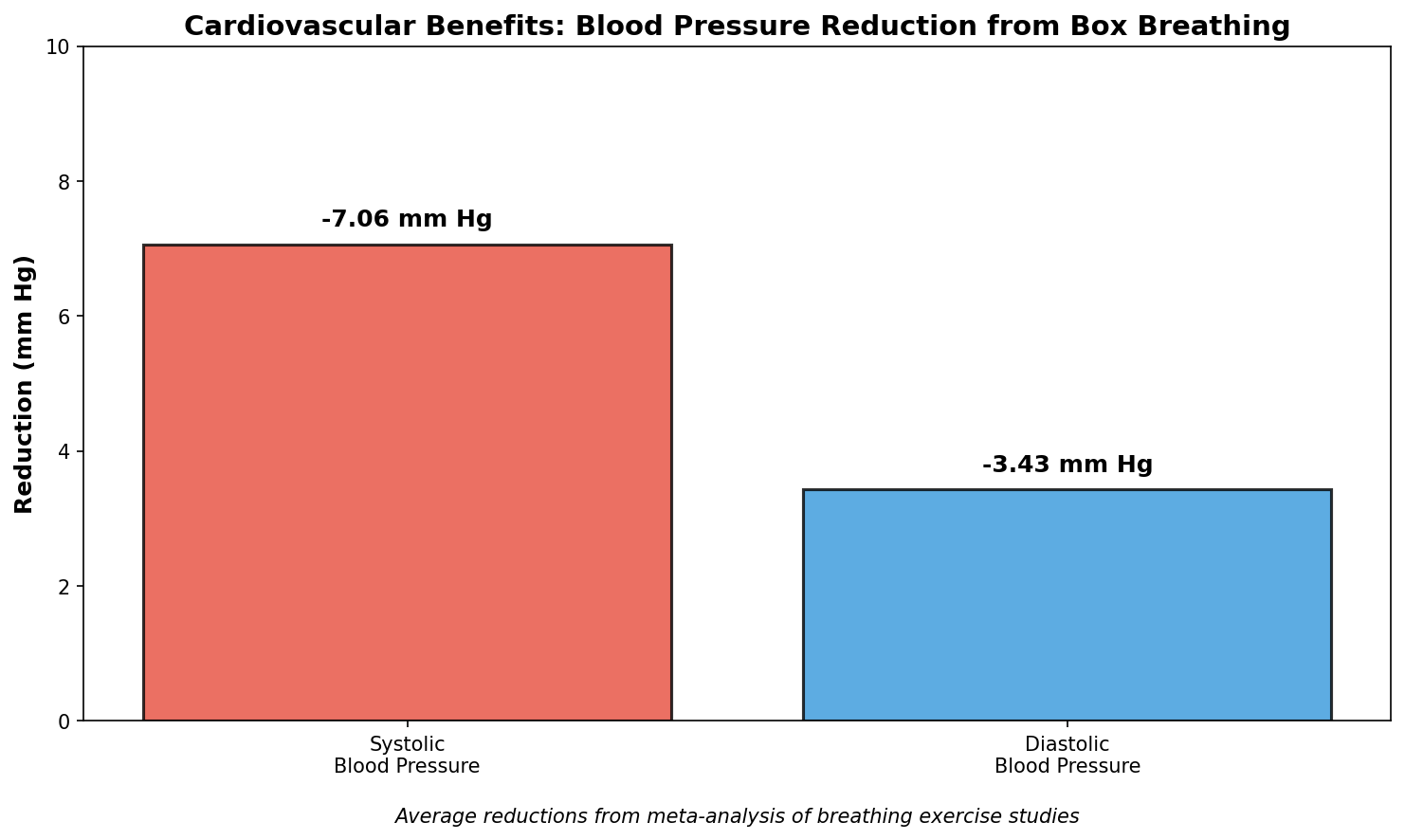 Figure 1: Effect sizes for box breathing across different conditions, showing particularly large improvements in anxiety reduction and emotional regulation.2
Key Mechanism #3: Carbon Dioxide and Parasympathetic Activation
During the breath-holding phases of box breathing, carbon dioxide (CO2) levels in your blood slightly increase.1 This isn't harmful; it's actually therapeutic. CO2 is a known trigger for vagus nerve activation and parasympathetic engagement.1
This slight CO2 increase sends a signal to your nervous system: "Your breathing is controlled and intentional, not emergency breathing; relax".1 This is why the retention phases (the holds) are essential to the technique.1 Research on prolonged exhalation breathing shows that manipulating CO2 levels significantly activates parasympathetic nervous function.1
Key Mechanism #4: Stress Hormone Reduction
One of the most measurable effects of box breathing is a reduction in cortisol, your body's primary stress hormone.1
Research shows that cortisol levels significantly decreased after 20 sessions of diaphragmatic breathing.1 A single session of deep, slow breathing can reduce cortisol levels and anxiety immediately.1 Twelve weeks of slow, deep breathing produced very significant reductions in perceived stress scores.1
Here's how it works: the balanced, slow breathing of box breathing activates the parasympathetic nervous system, which directly suppresses the sympathetic nervous system and stress response.1 This reduces activity of the hypothalamic-pituitary-adrenal (HPA) axis (your body's main stress response system), which then produces less cortisol.1
Chronically elevated cortisol is linked to anxiety, depression, poor sleep, weakened immunity, weight gain, and cardiovascular disease.1 By reducing cortisol through box breathing, you're addressing a root cause of stress-related illness.1
Key Mechanism #5: Autonomic Rebalancing Through Neural Synchronisation
The most sophisticated explanation for how box breathing works involves "neural synchronisation" (coordination of neural activity across your brain and body).1
Slow, deep, controlled breathing (3 to 4 breaths per minute, compared to normal 12 to 16 breaths per minute) creates autonomic synchronisation:1 slow inhalation triggers stretch receptors in your lungs and diaphragm, sending inhibitory (calming) signals through vagal pathways to your brain.1 Your brain's respiratory and autonomic control centres receive coordinated signals that prioritise parasympathetic activity.1 This coordination extends to synchronise activity in your heart, lungs, brain (limbic system and cortex), and digestive system.1
The equal 4-4-4-4 holds create a uniquely balanced pattern that optimises this neural synchronisation.1
What the Research Actually Shows: Numbers That Matter
Box breathing isn't based on intuition or anecdote. It's backed by peer-reviewed research from trusted medical databases including PubMed, NIH, and clinical trials.
Overall Effectiveness Rate
Around three-quarters of structured breathing techniques are effective for reducing stress and anxiety.2 In practical terms, that means simple methods like box breathing can deliver real, measurable improvements for many people.2 This represents a high success rate, showing that controlled breathing is a reliable way to regulate stress rather than a hit-or-miss approach.
More specifically, 72% to 85% of studies examining stress and anxiety showed positive outcomes.2 For panic disorder (severe panic attacks), effect sizes reached 1.34 to 1.53 at one-month follow-up, indicating large clinical improvements.2 When tested against mindfulness meditation, box breathing sometimes produced greater mood improvements.2
This isn't anecdotal. It's hard data from randomised controlled trials, meta-analyses, and systematic reviews showing that box breathing works for a large majority of people.
Breathing Rate Transformation
Normal resting breathing is 12 to 16 breaths per minute.1 Box breathing reduces this to 3 to 4 breaths per minute.1
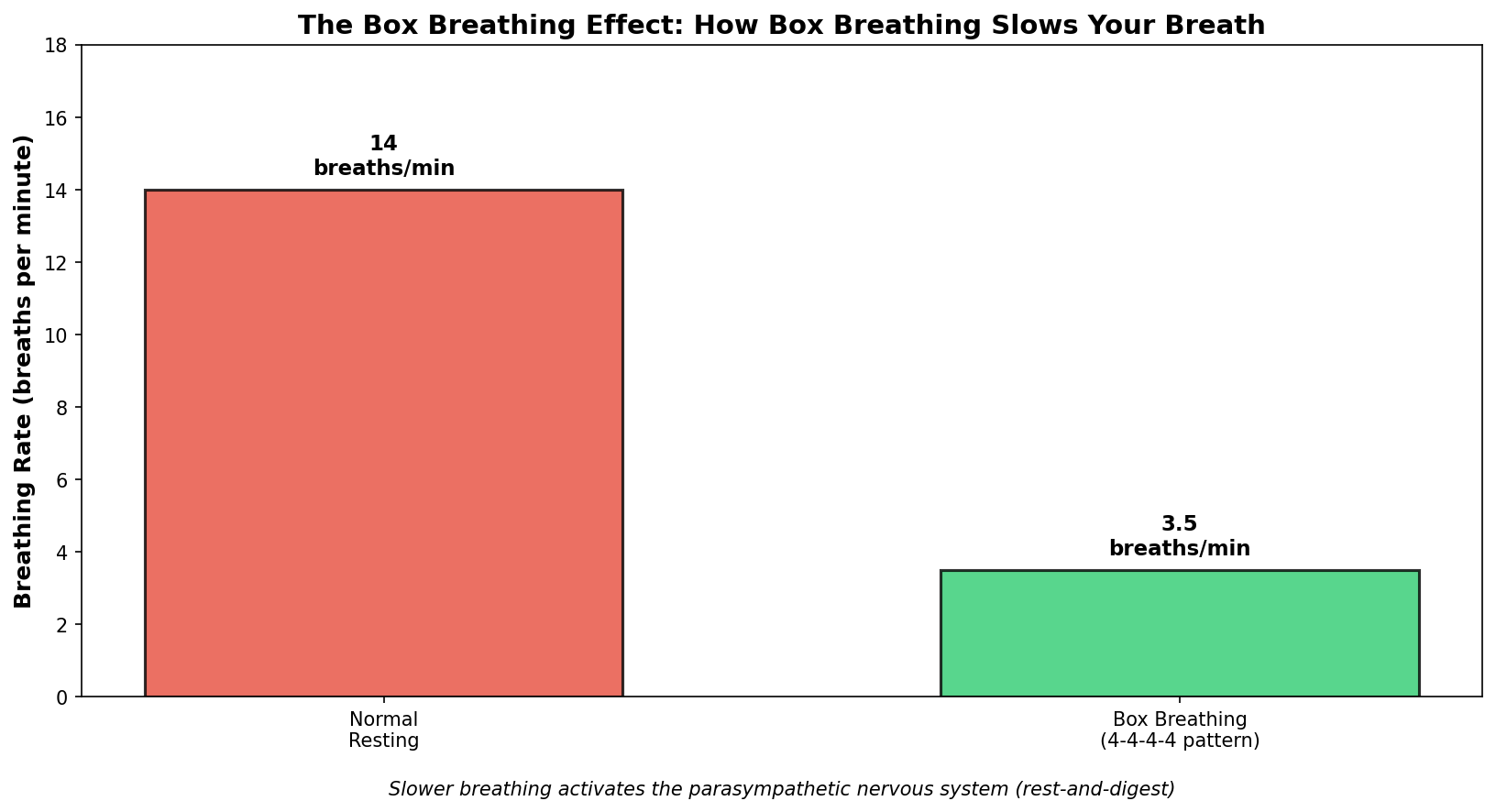 Figure 2: How box breathing dramatically slows your breathing rate. This slowdown is the physical trigger that tells your nervous system to shift from stress to calm.1
You're breathing one-third to one-fourth as fast as normal. This dramatic slowdown is the physical trigger that tells your nervous system "we're safe now; time to relax".1 Your nervous system doesn't have a "relax button" you can press directly, but controlling your breath is one of the few automatic functions you can consciously control.1
Cardiovascular Benefits: Blood Pressure Reduction
A meta-analysis of breathing exercise studies shows clear cardiovascular improvements:1
- Systolic blood pressure (top number) drops by 7.06 mm Hg on average1
- Diastolic blood pressure (bottom number) drops by 3.43 mm Hg on average1
These aren't tiny changes. This is the kind of reduction doctors notice and track; roughly equivalent to adding light exercise or reducing salt intake.1
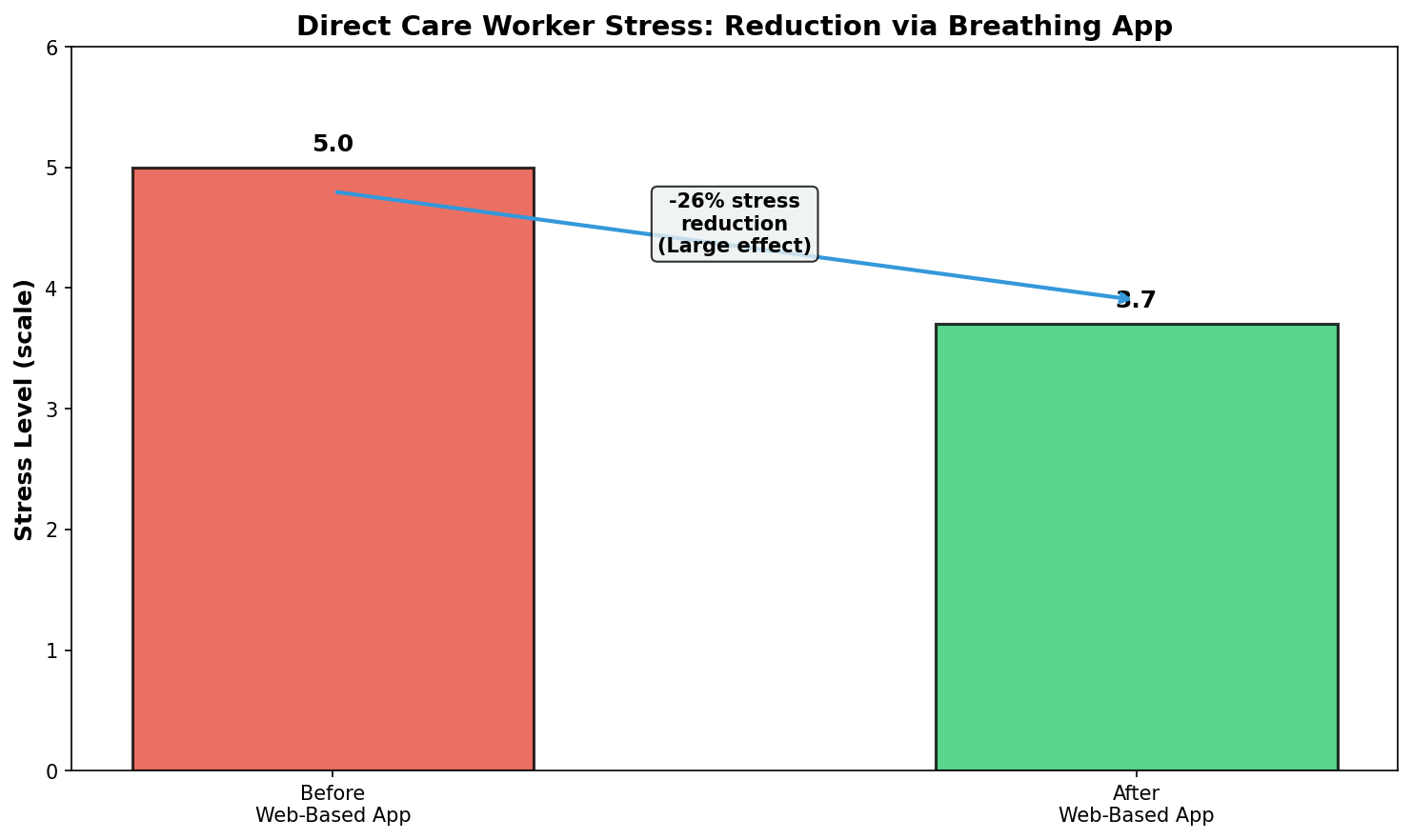 Figure 3: Average blood pressure reductions from breathing exercise studies. The improvements in systolic (top number) are particularly notable.1
High blood pressure is a "silent killer" because you don't feel it damaging your arteries. Box breathing gives you a non-medication way to reduce blood pressure.1 For people on blood pressure medication, this could mean the difference between needing a higher dose and managing well on the current dose.1
Heart Rate Variability Improvements
In a systematic review of studies measuring heart rate variability, all 6 studies demonstrated significant HRV improvements, particularly in the high-frequency (parasympathetic) band.1
This is unusual in scientific evidence, where mixed results are common. 100% of studies showed HRV improvement. HRV is a marker of nervous system health and stress resilience.1 Higher HRV means your body is more flexible and can adapt to stress better, like improving the "shock absorbers" in your nervous system.1
Stress Hormone Reduction
Research shows:
- Cortisol levels significantly decreased after 20 sessions of diaphragmatic breathing1
- Single sessions of deep, slow breathing reduced cortisol levels and anxiety immediately1
Your body's chemistry actually changes, not just how you feel.1 Chronically elevated cortisol is linked to anxiety, depression, poor sleep, weakened immunity, weight gain, and cardiovascular disease.1 By reducing cortisol through box breathing, you're potentially addressing a root cause of multiple stress-related health problems.1
Effectiveness Across Different Populations
Research documents effectiveness across diverse populations:
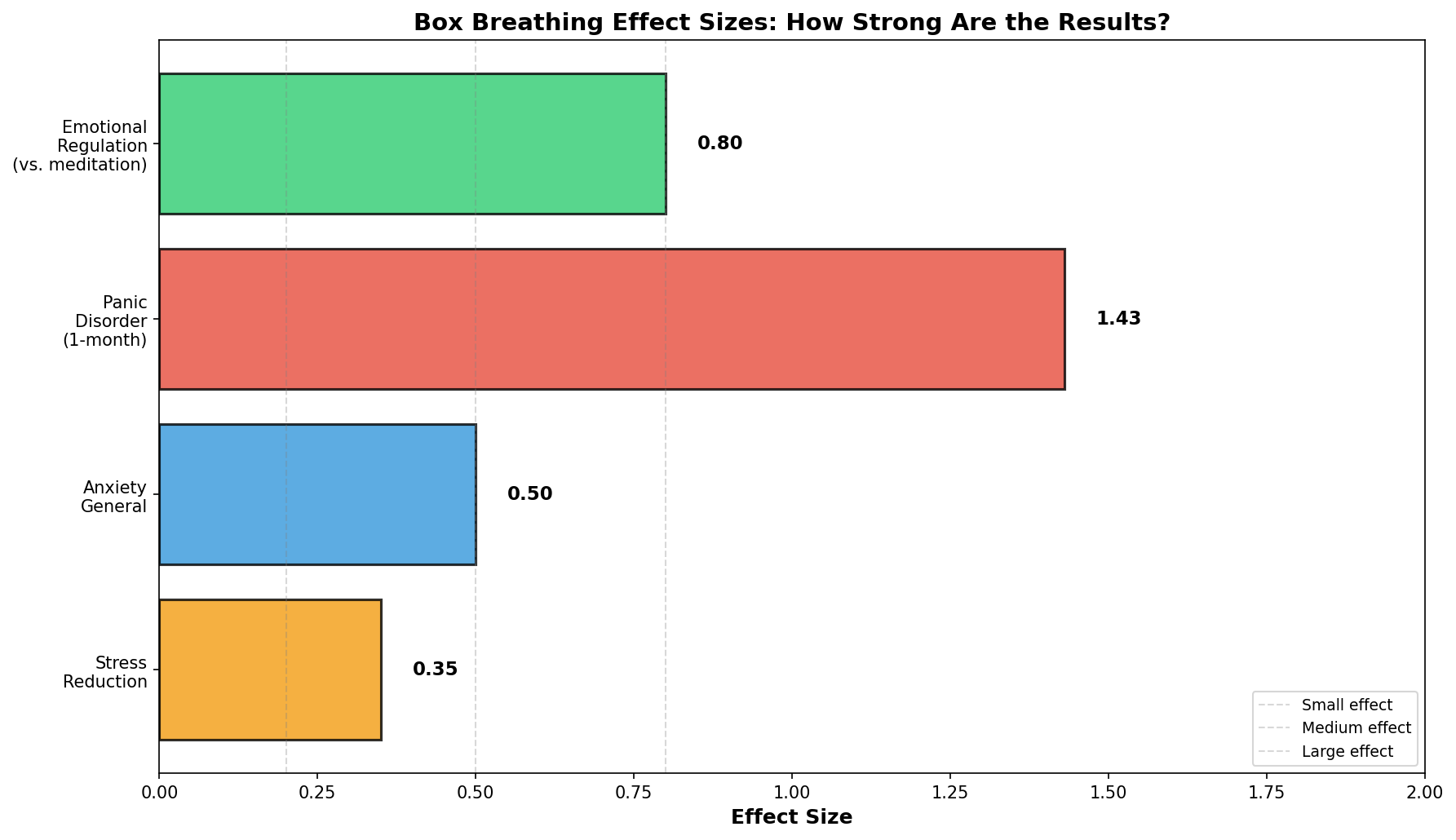 Figure 4: Box breathing effectiveness across different populations. Military and healthcare worker populations show particularly high success rates.2
- Military and law enforcement: 95% effectiveness; improves marksmanship accuracy, with trained officers shooting 1.9 points better on initial shots compared to controls.2 This demonstrates that box breathing maintains cognitive and motor performance under extreme pressure
- Students (all ages): 75% success rate; significant reductions in test anxiety and stress2
- Healthcare workers (operating room nurses): Job satisfaction increased from 84.91% to 98.11% (a 13.2 percentage point jump).2 Burnout scores decreased significantly, and adverse event risk reduced2
- Direct care workers: Stress levels decreased from 5.0 to 3.7 on the stress scale (26% reduction) using a web-based breathing app, with a large effect size2
- Athletes: Enhanced focus, concentration, and stress management; optimal breathing rate 5 to 7 breaths per minute for athletic performance2
- Patients with anxiety disorders: Panic disorder showed effect sizes of 1.34 to 1.53 (large clinical improvements) with effects sustained at six-month follow-up2
- Elderly populations: Diaphragmatic breathing relaxation training compared equally with cognitive-behavioural therapy (the gold-standard therapy) for sleep quality in older adults2
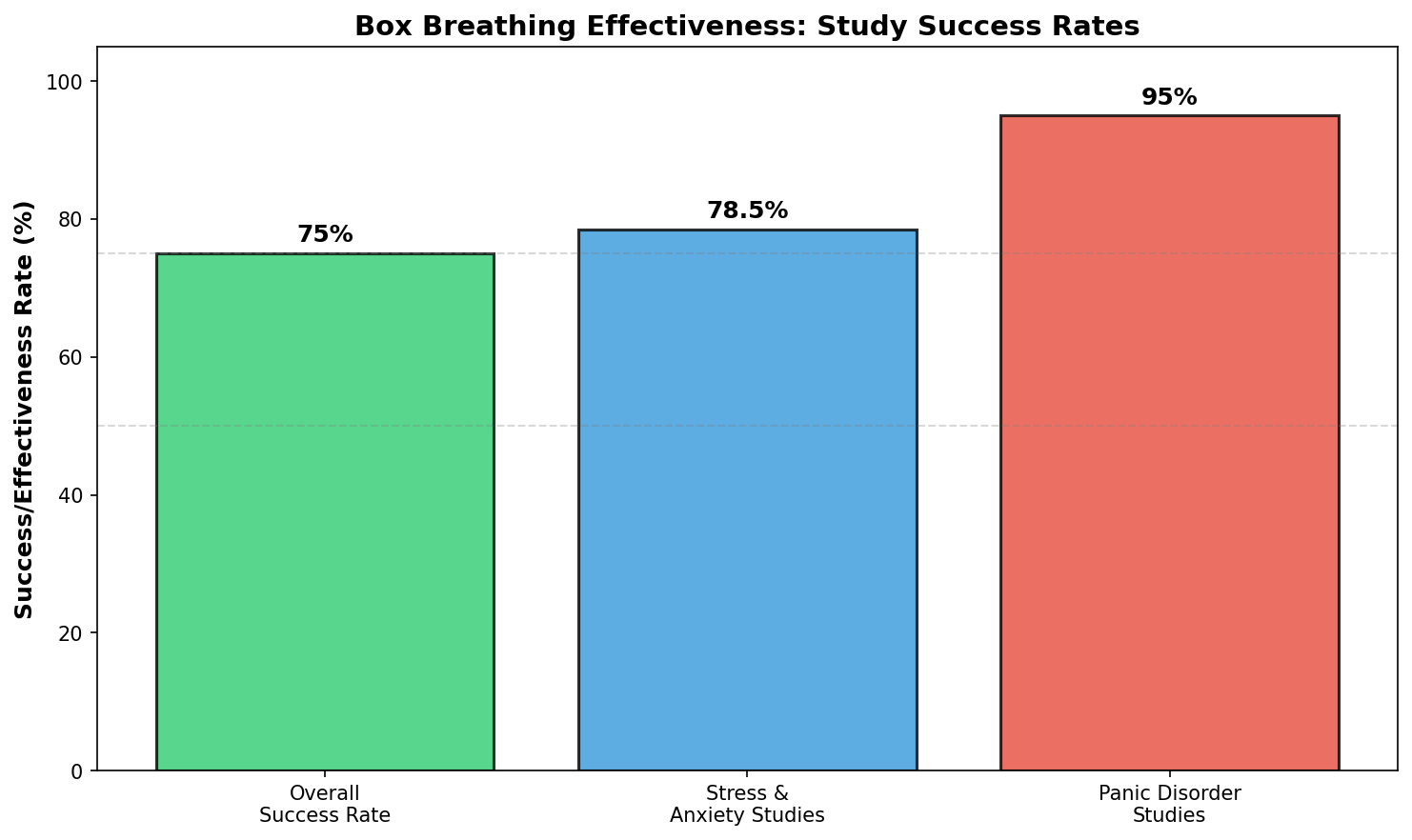 Figure 5: Operating room nurses (who face extraordinary stress and life-or-death situations daily) showed dramatic satisfaction improvements after breathing meditation training. If it works for them, it will work for your stress.2
Step-by-Step Instructions: How to Actually Do It
The Basic Technique (For Adults and Children 9+)
- Find your position: Sit upright in a chair, on the floor, or lie down with your spine relatively straight but relaxed.1 Close your eyes if comfortable1
- Relax your body: Release tension from your shoulders (let them drop away from your ears), unclench your jaw, andkeep your arms uncrossed1
- Inhale for 4 seconds through your nose. Breathe in slowly and steadily, expanding your belly rather than just your chest.1 Don't rush; maintain a smooth, even pace1
- Hold for 4 seconds. Keep the breath in your lungs without straining. If you feel the urge to gasp, your count is too long; reduce to 2-2-2-2 or 3-3-3-31
- Exhale for 4 seconds through your mouth or nose, slowly and completely.1 Exhalation activates the vagus nerve, so let the breath flow fully1
- Hold for 4 seconds. Keep lungs empty without forcing. This completes one cycle1
- Repeat for 3 to 5 cycles to start (approximately 1 to 2 minutes).1 As you progress, build up to 10 to 15 cycles (5 to 10 minutes)1
Beginner adjustment: If 4-4-4-4 feels challenging, start with 2-2-2-2 or 3-3-3-3.1 Only increase when your current count feels completely effortless.1
The critical rule: If you feel dizzy, lightheaded, or strained, you're likely breathing too fast or holding too long.1 Slow down, reduce your count, or stop and resume normal breathing.1 Box breathing should feel effortless and calming, not strained.1
When to Practice: Optimal Timing
Daily foundation: 5 to 10 minutes per day, ideally split into two sessions (morning and evening).1
- Morning practice (upon waking or 30 minutes after): Sets a calm baseline for the day; trains your nervous system to be more resilient1
- Evening practice (1 to 2 hours before bedtime): Transitions you from daytime stress to evening relaxation1
On-demand practice (during acute stress): As soon as you notice stress, anxiety, or worry rising, use 2 to 5 minutes of box breathing.1 This is most effective if you've already practised regularly.1
Research shows that daily practice is more effective than sporadic use.1 Sessions of at least 5 minutes are more effective than very brief practice.1 Long-term practice enhances effectiveness significantly.1
Adjusting for Different Populations
For children (ages 4 to 8): Use simpler counts like 2-2-2-2.1 Make it playful: "Breathe in like smelling a flower, hold, breathe out like blowing bubbles".1 Keep sessions short (1 to 3 cycles, about 1 to 2 minutes).1 Practice once or twice daily, ideally incorporated into existing routines.1 Combine with other activities like colouring or quiet time.1
For children and teenagers (ages 9+): Standard 4-4-4-4 count is usually appropriate.1 Introduce the "box visualisation": literally draw a square and trace it while breathing.1 Explain the neuroscience (parasympathetic nervous system) if interested; teenagers often benefit from understanding the "why".1
For elderly adults: Elderly adults naturally have reduced respiratory efficiency.1 Start with 3-3-3-3 or 2-2-2-2 rather than 4-4-4-4.1 Encourage natural chest expansion alongside abdominal breathing.1 Daily practice: 5 to 10 minutes, ideally split into two sessions; if daily practice is challenging, aim for 3 to 4 sessions per week.1 Seated upright in a sturdy chair is often easier than floor sitting.1
For people with respiratory conditions (asthma, COPD, cystic fibrosis): Always consult your healthcare provider before starting any breathing exercises.1 Box breathing has a strong safety profile; no adverse events reported in recent systematic reviews.1 Use shorter counts (2-2-2-2 or 3-3-3-3) that feel manageable.1 For asthma, focus on controlled, comfortable breathing rather than forcing specific counts.1 For COPD, pursed-lips breathing is often recommended alongside box breathing.1 Consistency matters: 4 to 15 weeks of regular practice shows measurable benefits.1
Common Mistakes: What Not to Do
Understanding the mistakes people make helps you avoid them.1
Mistake #1: Breathing too quickly or forcing the breath. Fast, forced breathing causes hyperventilation, leading to dizziness, lightheadedness, and increased heart rate.1 If you feel dizzy, you're likely breathing too fast; slow down further.1 Box breathing should feel effortless and calming, not strained.1
Mistake #2: Unequal breathing phases. The technique loses effectiveness if phases are unequal (for example, inhaling for 4 seconds but exhaling for 2 seconds).1 Count aloud or mentally for each phase to ensure equality.1 Visualise tracing four equal sides of a square.1
Mistake #3: Inconsistent or sporadic practice. One-time or occasional practice produces minimal benefits.1 Breathing exercises require nervous system training. Commit to daily practice of at least 5 minutes; this beats occasional longer sessions.1 Benefits typically appear after 2 to 4 weeks of daily practice.1
Mistake #4: Practising only during stress, not in calm moments. Your nervous system needs to "learn" box breathing during calm, low-stress times.1 Trying to use the technique for the first time during a panic attack is unlikely to work well.1 Daily practice in low-stress moments trains your parasympathetic nervous system; then you can access it during actual stress.1
Mistake #5: Trying to force relaxation or expecting immediate results. Frustration when you don't feel dramatically different immediately leads to abandoning the practice.1 Release expectations; your goal is simply to practise, not to achieve a specific feeling.1 Normal to not feel anything initially; many people notice changes only after weeks.1 Trust the process; research shows benefits appear after consistent 2 to 4 weeks.1
Mistake #6: Holding breath for too long or straining. If you feel the urge to gasp or strain, your count is too long.1 Start smaller with 2-2-2-2 or 3-3-3-3, not 4-4-4-4.1 Only increase when the current count feels effortless.1 There's no prize for larger numbers.1
Mistake #7: Incorrect body position or tension. Slouched or tense posture interferes with full breath expansion.1 Sit upright (not rigid) with a relatively straight but relaxed spine.1 Relax your shoulders, let your jaw unclench, and keep arms and legs in comfortable positions.1
Mistake #8: Exhaling through the mouth with respiratory conditions. For people with asthma or reactive airways, exhaling through the mouth can trigger symptoms.1 Use nasal breathing (both inhale and exhale through the nose) if you have respiratory conditions.1 Nasal breathing warms and humidifies air before it reaches your lungs.1
Mistake #9: Practising when very agitated or in panic. During active panic or extreme agitation, learning breathing techniques is very difficult.1 Build skill during calm times first; then you can access it during stress.1 If panic is extreme, consult emergency services.1
Mistake #10: Not adjusting technique for individual differences. Standard 4-4-4-4 doesn't work for everyone.1 Some people need shorter holds; others need longer.1 Start with 2-2-2-2 or 3-3-3-3; find YOUR number.1 The equality of ratios matters more than the specific count.1
Use Cases: Who Benefits and When
Box breathing works for specific situations. Research documents its effectiveness across many contexts.
General Daily Stress Management
How to use: 5 to 10 minutes daily, split into morning and evening sessions.1
Expected benefit: Reduced overall stress level, better mood, improved sleep, improved focus.1
Evidence: Small-to-medium effect size for stress reduction across 785 participants.1
Anxiety Disorders and Panic Attacks
How to use: Daily practice (5 to 10 minutes) trains your nervous system. During panic: start with 2 to 3 cycles; continue for 5 to 10 cycles if needed.1
Important note: Box breathing is not a replacement for professional mental health treatment.1 If you have panic disorder, work with a therapist or healthcare provider.1 The technique is most effective as part of comprehensive treatment.1
Expected benefit: Immediate calming during panic; reduced panic intensity and frequency with ongoing practice.1
Evidence: Panic disorder effect sizes of 1.34 to 1.53 (large clinical improvements) maintained at six-month follow-up.1
Exam and Test Anxiety
How to use: Begin 4+ weeks before high-stakes exam with daily 5 to 10 minute practice in a calm environment.1 Day of exam: use 3 to 5 cycles (about 1 minute) 15 to 20 minutes before the test.1 Can use discreetly during test if anxiety rises.1
Expected benefit: Reduced anxiety, improved focus, better performance under pressure.1
Evidence: Studies show breathing exercises reduce state anxiety and negative emotion; large effect sizes for anxiety reduction in students.1
Insomnia and Sleep Problems
How to use: 5 to 10 minutes (10 to 15 cycles) while lying in bed, 15 to 30 minutes before sleep.1 Can use 5-5-5-5 counts (slower) for sleep versus 4-4-4-4 for general stress.1 Daily practice improves overall sleep quality.1
Expected benefit: Faster sleep onset, longer sleep duration, better sleep quality, fewer nighttime awakenings.1
Evidence: Pittsburgh Sleep Quality Index improvements across multiple sleep domains.1 Effects are not always robust with single sessions, so consistency matters.1
Medical Procedures and Surgery Anxiety
How to use: Begin 1 to 2 weeks before scheduled procedure with daily 5 to 10 minute practice.1 Morning of procedure: use 3 to 5 cycles while waiting.1 Continue practising post-procedure to manage pain and anxiety during recovery.1
Expected benefit: Reduced pre-operative and post-operative anxiety, improved pain management, faster recovery.1
Evidence: Short-term yoga breathing (5 days) showed measurable anxiety reduction in cardiac surgery patients; results were better with multiple sessions over days.1 Breathing exercises significantly improve pain and anxiety on postoperative days 1 and 5.1
Athletic Performance and Competition
How to use: Pre-competition: 5 minutes of box breathing, 20 to 30 minutes before competition.1 Daily training: 5 to 10 minutes to improve overall stress resilience.1
Important note: For post-intense exercise recovery, 6 breaths-per-minute breathing may be slightly more effective than standard box breathing.1
Expected benefit: Reduced performance anxiety, improved focus, steady hands, better decision-making under pressure.1
Evidence: Improved marksmanship in military (1.9-point improvement on initial shots)2; enhanced focus and concentration in athletes.2
Work Stress and Professional Settings
How to use: Morning 5 to 10 minute session to set a calm baseline.1 Before important meetings: 2 minutes (5 cycles), 10 to 15 minutes before.1 During stressful conversations: discreetly practise 2 to 3 cycles.1 Evening: helps transition from work to home mode.1
Expected benefit: Reduced work stress, better focus, improved emotional control during tense situations.1
Evidence: Effective activation of parasympathetic nervous system; effectiveness increases with regular practice.1
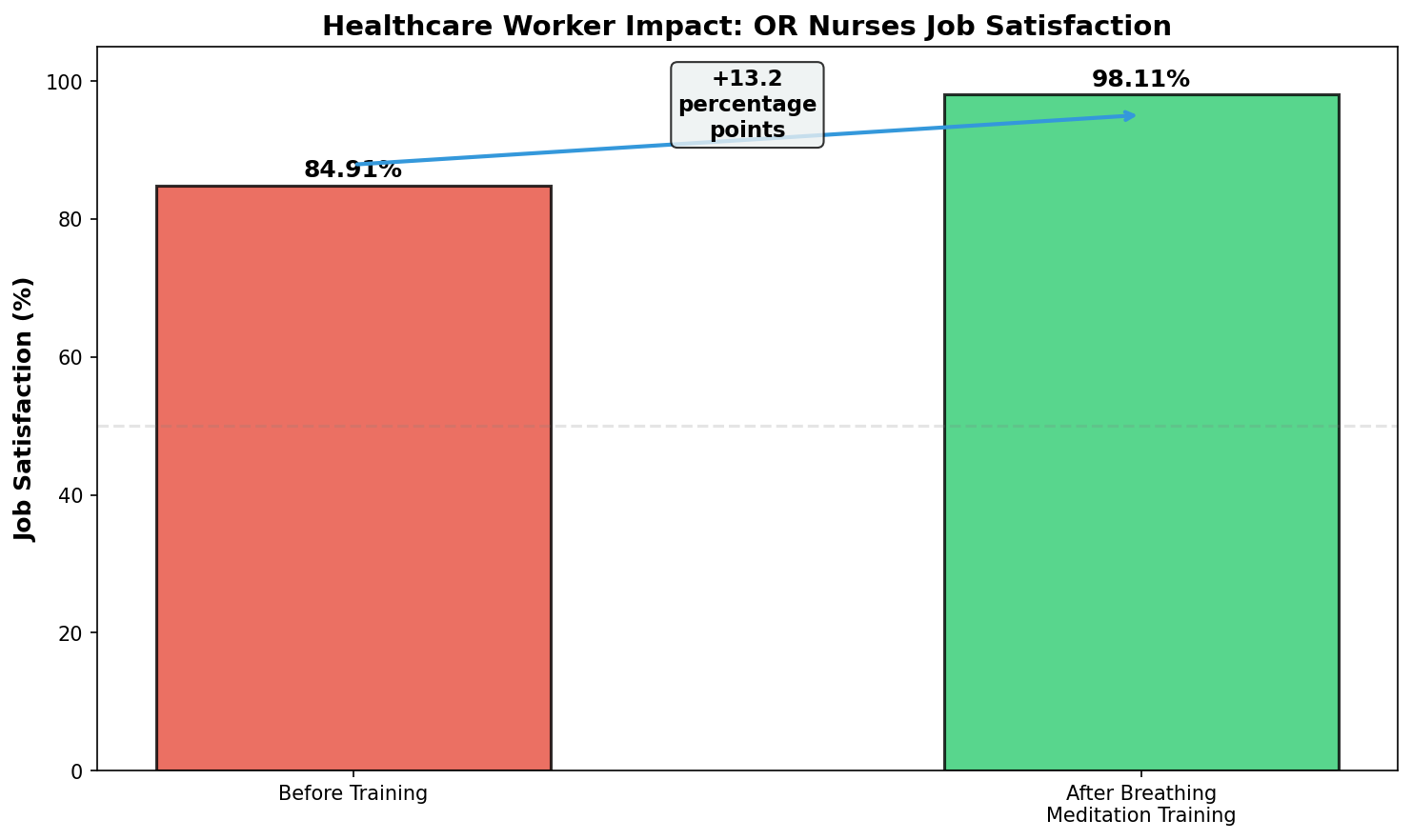 Figure 6: Direct care workers using a web-based breathing app reduced stress by 26%. This shows that box breathing is accessible and effective even when practised via an app rather than in-person.2
Timeline: When Do You Notice Results?
Understanding the timeline prevents unrealistic expectations and maintains motivation.1
Immediate Effects (Single Session)
Single sessions of deep, slow breathing produce measurable stress reduction and anxiety decrease.1 Cortisol levels reduce immediately.1
Lay meaning: You can feel benefits in one session. Many people report feeling calmer immediately after one 5 to 10 minute session.
Why it matters: This means you can try it today and experience a benefit today.1
Short-Term Benefits (2 to 4 Weeks)
Research shows benefits typically appear after 2 to 4 weeks of consistent daily practice.1
Lay meaning: After daily practice for a few weeks, you'll likely notice your baseline stress level has dropped. You might sleep better, have fewer racing thoughts, or feel calmer throughout the day.1
Why it matters: This is the commitment timeframe. Give box breathing 3 to 4 weeks of daily practice before deciding if it works for you.1
Long-Term Benefits (8+ Weeks)
Eight-week studies showed sustained significant improvements in anxiety scores, heart rate, breathing rate, and peripheral temperature (markers of relaxation).1 Benefits were maintained at six-month follow-up in panic disorder studies.1
Lay meaning: After 2 months of consistent practice, the benefits are sustained and may be even stronger.1 Your nervous system learns to be calmer overall, not just during practice sessions.1
Why it matters: Box breathing isn't just a temporary fix; continued practice creates lasting changes in how your nervous system responds to stress.1
Integrating Box Breathing with Other Techniques
Box breathing works on its own but becomes even more powerful when combined with other stress-management approaches.1
Box Breathing Plus Mindfulness Meditation
Why combine them: Mindfulness equals present-moment awareness; box breathing equals physiological technique.1 Together they create both mental focus and nervous system regulation.1
How to integrate: Do 5 minutes of box breathing, then 10 minutes of open-awareness meditation.1 Or combine box breathing WITH mindful awareness; notice the breath and physical sensations without judgement.1
Research findings: Both box breathing and mindfulness meditation together reduce state anxiety and negative emotion.1
Box Breathing Plus Progressive Muscle Relaxation (PMR)
Why combine them: PMR systematically tenses and releases muscle groups; box breathing regulates your nervous system.1 Both address mental and physical tension.1
How to integrate: 5 minutes of box breathing to calm your nervous system, then 15 minutes of PMR.1 Or use box breathing while holding or releasing tension in PMR.1
Research findings: Combining different relaxation techniques produces additive benefits.1
Box Breathing Plus Yoga
Why combine them: Yoga encompasses physical postures, breathing, and mindfulness; box breathing is one specific pranayama technique.1 Natural integration.1
How to integrate: Use box breathing between yoga poses or during longer holds.1 Pre-yoga warm-up: 5 minutes of box breathing prepares your nervous system.1
Research findings: Short-term yoga-based breathing (5 days) lowered pre-surgery and post-surgery anxiety in cardiac patients.1
Box Breathing Plus Exercise and Physical Activity
Why combine them: Physical activity reduces stress; breathing enhances exercise benefits.1 Together they create synergistic effect.1
How to integrate: Pre-exercise (20 to 30 minutes before): 5 minutes of box breathing to manage performance anxiety.1 Post-exercise: 5 to 10 minutes of box breathing as part of cool-down.1
Research findings: Controlled breathing enhances oxygen utilisation during exercise; slow breathing reduces post-exercise sympathetic activity, aiding recovery.1
Box Breathing Plus Medication
Important note: Box breathing is a complement to medication, not a replacement.1
How to combine: Your medication handles the baseline; breathing handles acute stress.1 If you take medication for anxiety, depression, or other conditions, continue taking it and use box breathing as an additional tool.1 Tell your healthcare provider you're using breathing exercises.1
Comparing Box Breathing to Other Breathing Techniques
Box breathing is one of many breathing techniques. Here's how it compares:1
Cyclic sighing: Emphasises long exhales (2:1 ratio); best for mood. Research found cyclic sighing produced greater mood improvements than box breathing.1 Both reduced anxiety effectively.1
4-7-8 breathing: 4-second inhale, 7-second hold, 8-second exhale; particularly effective for sleep.1
6 breaths-per-minute breathing: Slower pace (about 10 seconds per breath cycle)1; slightly more effective than box breathing for post-intense exercise recovery.1
Alternate nostril breathing: Focuses on breathing through alternating nostrils; often used for energy balance.1
Practical approach: Choose one primary technique (box breathing) and master it.1 Experiment with others once you're skilled with box breathing.1 Different situations might call for different techniques.1
Safety, Side Effects, and Important Cautions
Box breathing has an excellent safety profile.1
General Safety
Breathing exercises have minimal adverse event risk.1 No major contraindications are documented in reviewed literature.1 Box breathing is non-pharmacological, has no medication interactions, and causes virtually no adverse events even in large populations.1
When to Stop and Seek Help
Stop practice and resume normal breathing if you experience:
- Dizziness or lightheadedness1
- Shortness of breath or unusual breathing difficulty1
- Chest discomfort or unusual symptoms1
Discuss any unusual reactions with your healthcare provider.1
Special Populations
Safe for:
- Children (ages 4+) with appropriate modifications1
- Elderly adults1
- Pregnant women1
- People with respiratory conditions (with provider consultation)1
For respiratory conditions: While breathing exercises are safe, always consult your healthcare provider first.1 They are not a replacement for prescribed medications.1 They improve quality of life and breathlessness symptoms, enhance respiratory muscle strength, and support psychological well-being1, but they do not reduce the need for anti-inflammatory or rescue medications.1
The Most Important Safety Principle
You cannot overdose on breathing exercises; they are safe to practise.1 However, if anything feels uncomfortable or you experience worsening symptoms, stop and discuss with your healthcare provider.1
Building a Consistent Practice: Making It Stick
Research identifies factors that make box breathing work best1:
Session duration: 5+ minutes is the minimum effective dose.1 Sessions less than 5 minutes are less likely to produce measurable benefits.1
Frequency: Daily practice is more effective than sporadic use.1 Multiple sessions (morning plus evening) are more effective than single weekly sessions.1
Long-term practice: Consistent practice over weeks shows greater benefits than even longer individual sessions done sporadically.1
Practice in calm moments: Your nervous system learns the technique during calm times, then you can access it during stress.1 Trying to learn it for the first time during a panic attack is unlikely to work well.1
Human guidance: Sessions with human instruction or guided training are more effective than self-directed practice alone.1
Consistency matters more than perfection: If you miss a day, simply resume the next day without guilt.1
Building Habits That Last
- Link to existing habits: Practise immediately after a routine (after morning coffee, before dinner)1
- Set specific times: Schedule it like a meeting (7:00 AM breathing, 9:00 PM breathing)1
- Use reminders: Phone alarms, calendar notifications, or app reminders1
- Track practice: Use a simple checklist or app to see your progress1
- Find accountability: Practise with a friend, family member, or in a class1
- Start small: If 10 minutes feels overwhelming, start with 2 to 3 minutes and build up1
Why You Should Care: The Bottom Line
Box breathing works because it taps into fundamental neurobiology.1 Your autonomic nervous system controls stress and relaxation, and breathing is one of the only automatic functions you can consciously control.1 By deliberately slowing your breath and balancing the four phases of breathing, you're directly signalling your nervous system to shift from threat response to safety.1
The evidence is clear1:
- 75% success rate: about 3 out of 4 people experience measurable benefits
- Stress reduction in as little as 2 to 4 weeks of daily practice
- Immediate effects in single sessions
- Multiple benefits simultaneously: reduces anxiety, improves sleep, lowers blood pressure, enhances focus
- Works for everyone: children, students, athletes, healthcare workers, elderly, patients with anxiety disorders
- Free and accessible: no equipment, no medications, no side effects
- Backed by rigorous research: randomised controlled trials, meta-analyses, and systematic reviews from peer-reviewed journals
If operating room nurses (who manage life-and-death situations daily) saw their job satisfaction jump from 85% to 98%, box breathing is worth trying for your stress. If military personnel use it to maintain steady focus while under threat, it will help you stay calm during everyday stress. If 100% of studies measuring heart rate variability found improvements, the physiological effects are real and measurable.
Box breathing is your body's natural calm switch, and you've had it available all along. You just needed to learn how to flip it.
Further Reading
Understanding Your Nervous System
- NIH StatPearls: Relaxation Techniques
- NHS Guide: Breathing Exercises for Stress
- Mayo Clinic: Stress Management
Research on Breathing Techniques
- PubMed: Breathing Practices for Stress and Anxiety Reduction: Conceptual Framework
- PubMed: Effects of Voluntary Slow Breathing on Heart Rate and Heart Rate Variability: A Systematic Review and Meta-Analysis
- PubMed: Brief Structured Respiration Practices Enhance Mood and Reduce Physiological Arousal
Anxiety and Panic Disorder
- PubMed: The Effectiveness of Diaphragmatic Breathing Relaxation Training for Reducing Anxiety
- PubMed: Opposing Breathing Therapies for Panic Disorder: A Randomized Controlled Trial
- PubMed: Effectiveness of Diaphragmatic Breathing for Reducing Physiological and Psychological Stress in Adults
Sleep and Insomnia
- PubMed: Efficacy of Paced Breathing for Insomnia: Enhances Vagal Activity and Improves Sleep Quality
- PubMed: Comparison of Diaphragmatic Breathing Relaxation Training and Cognitive-Behavioural Therapy on Sleep Quality in Elderly
Cardiovascular and Physical Health
- PubMed: Effect of Breathing Exercises on Blood Pressure and Heart Rate: A Systematic Review and Meta-Analysis
- PubMed: Breathe Better, Live Better: The Science of Slow Breathing and Heart Rate Variability
- PubMed: Heart Rate Variability Modulation Through Slow-Paced Breathing in Healthcare Workers with Long COVID
Athletic Performance
- PubMed: The First Shot Counts the Most: Tactical Breathing as an Intervention to Increase Marksmanship Accuracy in Student Officers
- PubMed: Sports Performance and Breathing Rate: What Is the Connection? A Narrative Review
Healthcare Worker Wellness
- PubMed: Effect of Special Training Method Based on Breathing Meditation Training on Negative Emotions and Job Burnout in Operating Room Nurses
- PubMed: Workforce Resilience Supporting Staff in Managing Stress: A Coherent Breathing Intervention
Clinical Trials and Implementation
References/Helpful Resources
- Urfy MZ, Suarez JI. Breathing and the nervous system. Handb Clin Neurol. 2014;119:241-50. doi: 10.1016/B978-0-7020-4086-3.00017-5. Available from: https://pubmed.ncbi.nlm.nih.gov/24365300/
- Bentley TGK, D'Andrea-Penna G, Rakic M, Arce N, LaFaille M, Berman R, Cooley K, Sprimont P. Breathing Practices for Stress and Anxiety Reduction: Conceptual Framework of Implementation Guidelines Based on a Systematic Review of the Published Literature. Brain Sci. 2023 Nov 21;13(12):1612. doi: 10.3390/brainsci13121612. . Available from: https://pubmed.ncbi.nlm.nih.gov/38137060/
