

Why Employers Hold More Power Than They Think
Every October, workplaces across the UK light up with pink ribbons, charity cake sales, and social media posts. The goodwill is genuine. But for the thousands of working women who will be diagnosed with breast cancer this year, goodwill alone is not enough.
Breast cancer is the most common cancer in the UK. Around 55,000 women are diagnosed every year, and roughly half of those diagnoses fall in the core working-age population of 35 to 64. That means breast cancer is not just a health issue: it is a workplace issue, an HR issue, and a leadership issue.
The good news is that employers have real, evidence-backed tools at their disposal. From paid time off for screening appointments, to breast awareness education that reaches women below NHS screening age, to structured return-to-work support, the actions are clear and the evidence behind them is solid.
This article sets out what those actions are, why they matter, and how any organisation, regardless of size or sector, can start taking them this October.
The Business Case: Why Breast Cancer Is an Employer Priority
The Numbers You Need to Know
The scale of the problem justifies sustained employer attention, not just a once-a-year awareness push.
According to data published in NHS England's breast screening statistics and studies indexed on PubMed, approximately 55,000 women are diagnosed with breast cancer in the UK each year, and around 11,500 die from the disease annually. Breast cancer is the fourth leading cause of cancer death in the country.
What makes this especially relevant to employers is the age profile of those diagnoses. Around half of all breast cancer cases are diagnosed in women aged 35 to 64, the years when most people are in full-time or part-time employment. Studies published in peer-reviewed journals confirm that employment rates fall sharply after diagnosis: in one UK cohort of 606 people, employment rate was 76% at diagnosis but dropped to 40% during treatment and recovery. Full-time employment fell from 53% pre-diagnosis to 33% post-diagnosis; average working hours fell from 38 to 32 hours per week.
That reduction in working capacity has a direct cost to organisations, through sickness absence, productivity loss, and in some cases permanent workforce exit. Research published in PMC on worksite health promotion programmes suggests that well-implemented workplace health programmes deliver a return on investment of up to 6:1, with cost savings ranging from $2.50 to $10.10 per dollar invested. The benefits split roughly equally between reduced healthcare costs and employee productivity gains.
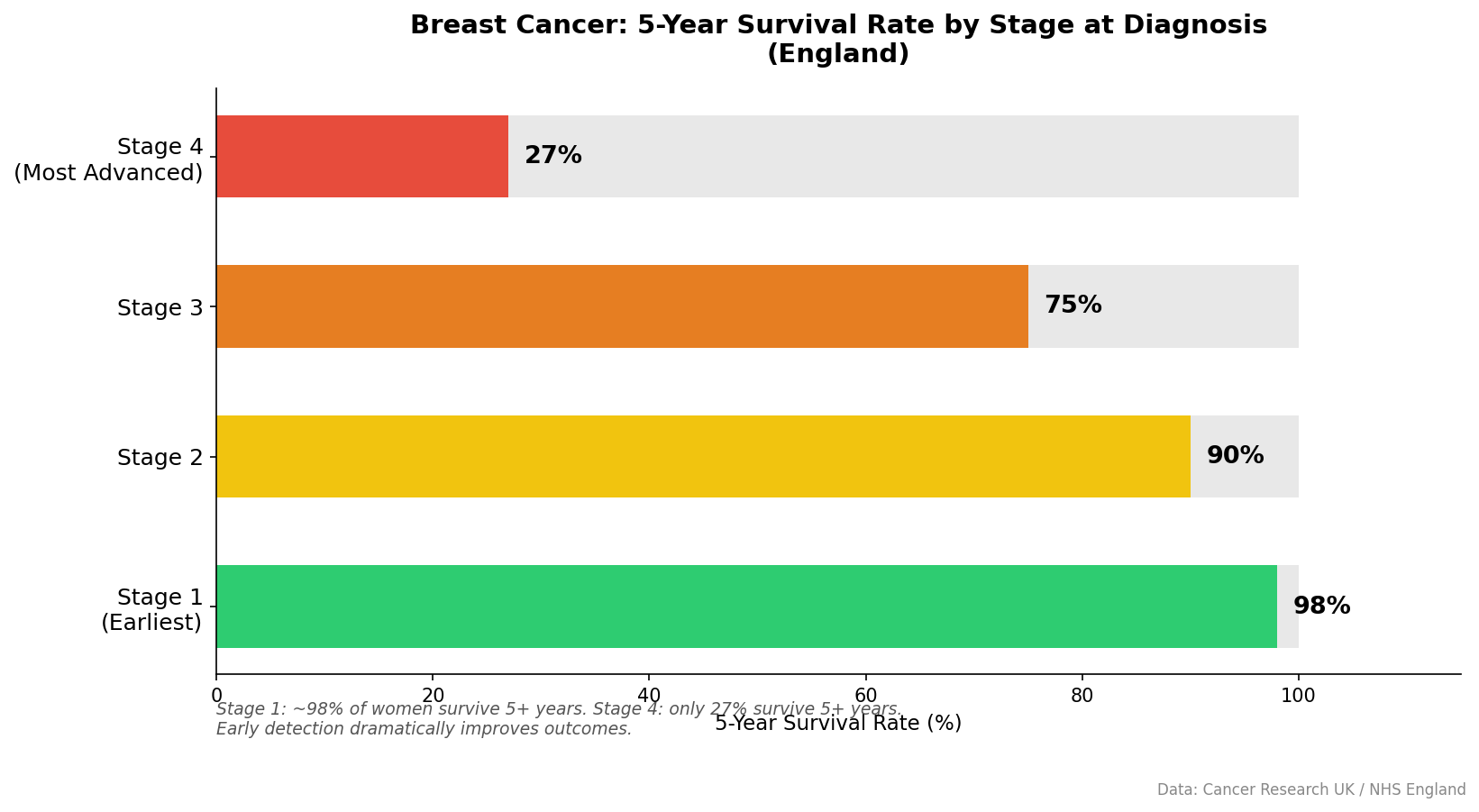 Figure 1: Five-year survival rates by stage at diagnosis, illustrating the dramatic difference early detection makes. Stage 1 carries a five-year survival rate approaching 98%; Stage 4 falls to around 27%. Data drawn from NHS England and PubMed-indexed studies.
Why Early Detection Is the Lever That Changes Everything
The survival data makes an overwhelming case for early detection. Stage 1 breast cancer carries a five-year survival rate of approximately 98%. Stage 4 breast cancer carries a five-year survival rate of around 27%. That is not a marginal difference; it is the difference between a curable condition and a life-limiting one.
Yet NHS data shows that only around 53% of breast cancers in the UK are currently diagnosed at stages I or II. That means nearly half of patients are diagnosed later than optimal, when treatment is harder, outcomes are worse, and time away from work is longer.
Employers sit in a uniquely powerful position to change this. The workplace is one of the few settings where large numbers of working-age women, including those below NHS screening age, can be reliably reached with health information, supported to attend appointments, and encouraged to act on symptoms without delay.
Section 1: Screening Access and the Gap That Employers Can Fill
What the NHS Programme Does and Does Not Cover
The NHS Breast Screening Programme invites women aged 50 to 71 for a mammogram every three years. It is one of the most successful public health programmes in the UK: in 2024 to 2025, 2.15 million women attended screening, and 19,291 cancers were detected, at a rate of 9.0 per 1,000 women screened.
Uptake has improved markedly in recent years. NHS England Digital data shows that 70.6% of eligible women attended screening in 2024 to 2025, up from 64.6% in 2022 to 2023. First-invite uptake hit 63.6% in 2024 to 2025, its highest level in a decade.
Those are encouraging numbers. But they also mean that almost 1 in 3 invited women did not attend in the most recent reporting period. Some of those non-attenders are working women who cannot easily leave work for a daytime appointment. NHS England has begun offering early morning and weekend slots to address this; employers can reinforce that shift by making it explicitly easy for employees to take time off.
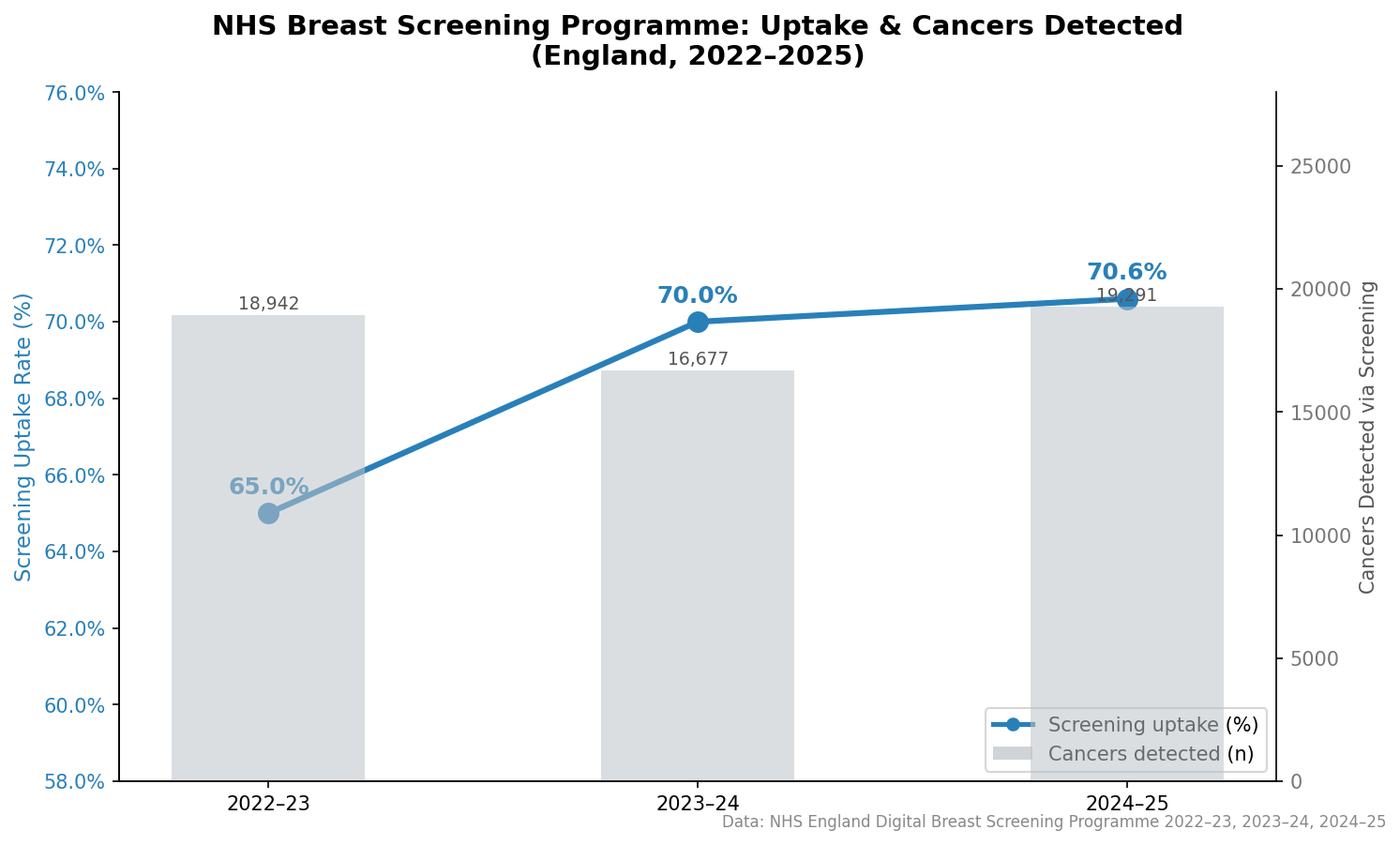 Figure 2: NHS breast screening uptake trend, showing recovery post-pandemic and progress towards national targets. Data from NHS England Digital, 2024 to 2025.
The Under-50 Blind Spot
Here is the part of the picture that receives less attention: the NHS programme does not routinely invite women under 50 for mammograms. Yet approximately 1 in 5 UK breast cancer diagnoses is in a woman under 50, representing roughly 11,000 cases per year. Incidence data published in PMC (PMC11330450) shows that incidence rates in women aged 40 to 49 stand at 143.7 per 100,000 person-years, a substantial burden in the most productive working years.
Tumours in younger women also tend to be more biologically aggressive: higher histological grade, more likely to be lymph node-positive, lower oestrogen receptor positivity, higher HER2 overexpression. These characteristics are associated with poorer prognosis, making early detection even more critical for this age group.
For women under 50, the NHS does not provide routine mammographic screening unless they have been referred via the familial breast cancer pathway (NICE CG164), which covers women at high risk due to family history or BRCA1/BRCA2 mutations. Women under 50 with an unexplained breast lump who see their GP receive an urgent suspected-cancer referral under NICE NG12, with a target of diagnosis or ruling-out within 28 days.
For everyone else under 50, breast awareness is the primary detection tool. And the workplace is where employers can make that education happen.
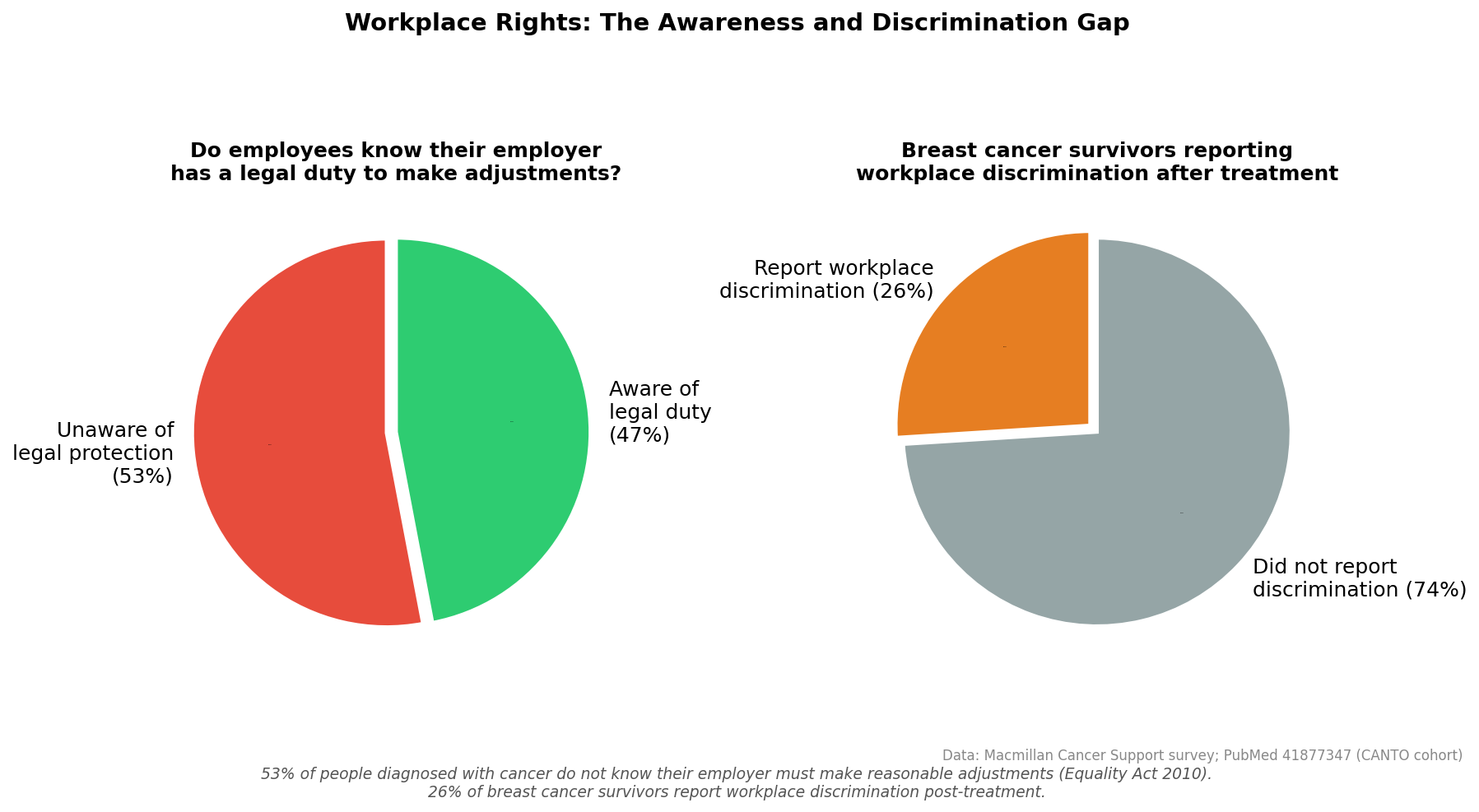 Figure 3: The awareness gap for women under 50, showing the proportion who fall outside the NHS screening programme and the role workplace education can play in filling it.
What Workplace Screening Programmes Can Achieve
The evidence on what employers can achieve when they go beyond awareness posters is striking.
A 2023 cluster-randomised controlled trial (PubMed 36823700, PMC9950350), conducted in a Japanese supermarket chain, compared two groups of female employees who had not attended breast screening in the previous year. The intervention group was offered a leaflet plus on-site mammography at their workplace. The control group received the same leaflet but had to arrange screening independently.
The on-site mammography group achieved a screening rate of 53%. The control group achieved 7%. A single structural change, bringing screening to the workplace, produced a sevenfold increase in uptake.
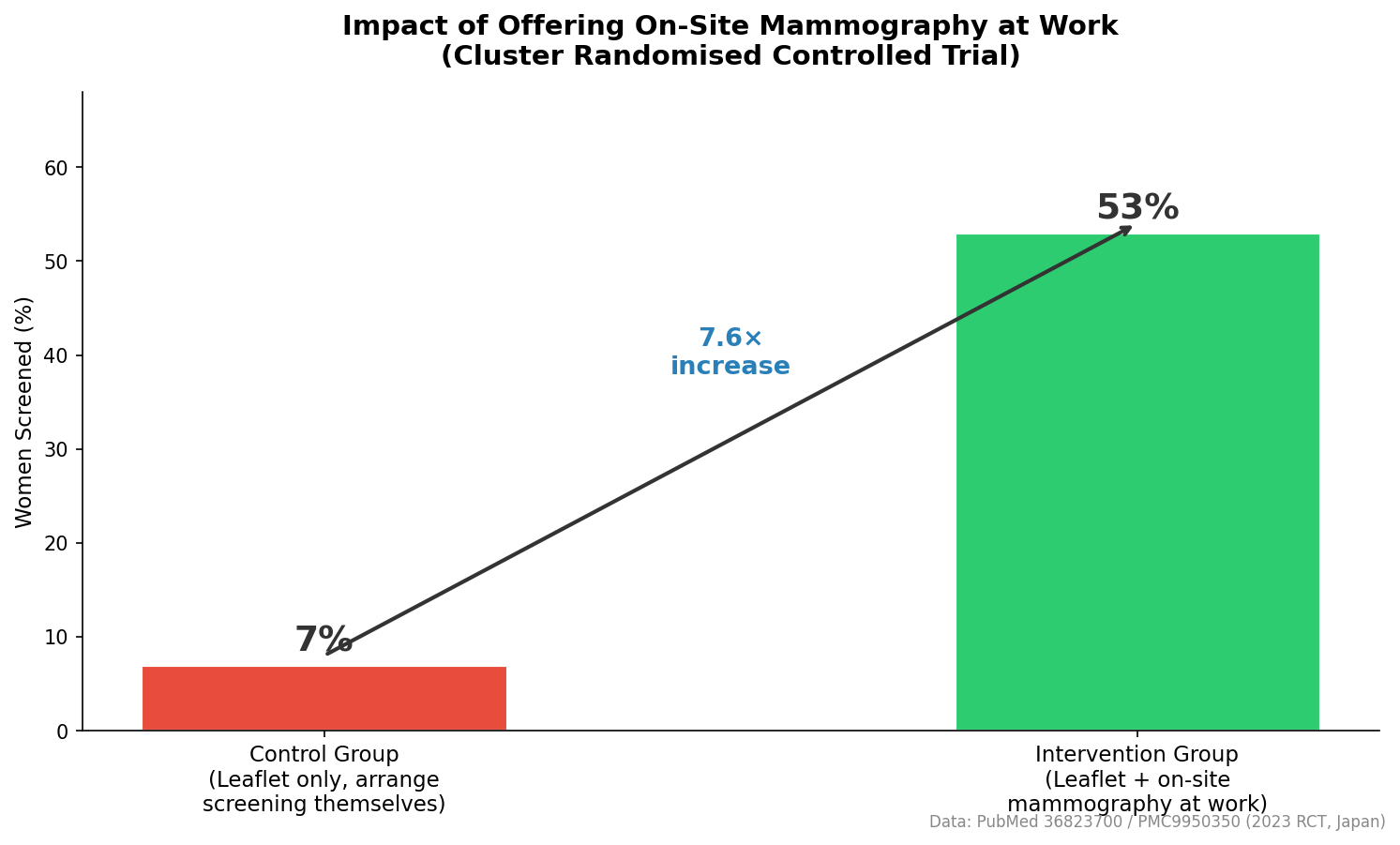 Figure 4: Results of the 2023 cluster-randomised controlled trial comparing on-site workplace mammography versus leaflet-only. The on-site group achieved 53% screening uptake versus 7% in the control arm. Data from PubMed (PMID 36823700).
A 2024 systematic review (PMC11321184) covering all types of workplace cancer screening interventions found a positive effect direction across every single type of intervention studied, including educational sessions, reminder calls, navigation support, free paid time off for screening, financial coverage of costs, and on-site or near-site screening services. For breast cancer specifically, more than 30% improvement in knowledge or screening uptake was observed in four out of seven breast cancer screening workplace interventions.
Multi-component approaches work best. Studies show that combining digital reminders, phone-call navigation, and logistical support produces odds ratios of 2.04 to 3.57 for screening completion, compared with 1.55 for single-component reminders alone.
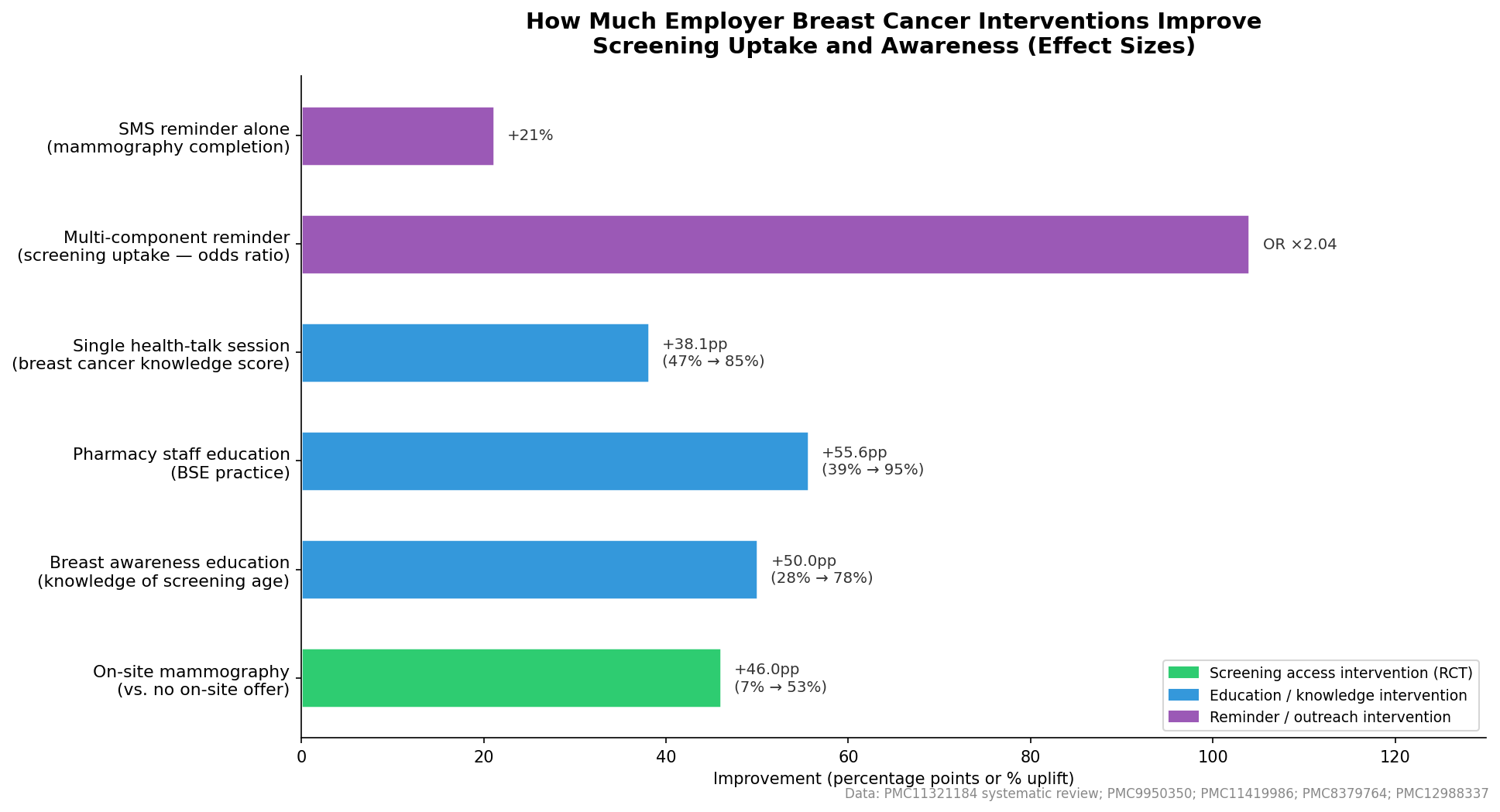 Figure 5: Comparative effectiveness of different workplace interventions on breast cancer screening uptake, showing that multi-component approaches achieve the greatest results. Drawn from PMC11321184 systematic review data.
Section 2: Supporting Employees During and After Diagnosis
What Happens When Someone Is Diagnosed at Work
A breast cancer diagnosis transforms a colleague's world overnight. The practical and emotional demands that follow are substantial, and they play out almost entirely during working hours.
Understanding what employees go through is the starting point for building meaningful support. The research picture is clear: the impacts of breast cancer extend far beyond the initial diagnosis and surgery, and they persist for years.
Mental health burden is immediate and significant. Studies published on PubMed show that nearly 50% of women with early breast cancer experienced depression, anxiety, or both in the first year after diagnosis. Even by year 5, around 15% still had clinically significant symptoms. Women with breast cancer face a 37% increased risk of anxiety and a 36% increased risk of depression compared with women without the diagnosis.
The first year is the highest-risk period, and it is also the period when the employee is most likely to still be in contact with their employer, navigating diagnosis, treatment decisions, and sickness absence simultaneously.
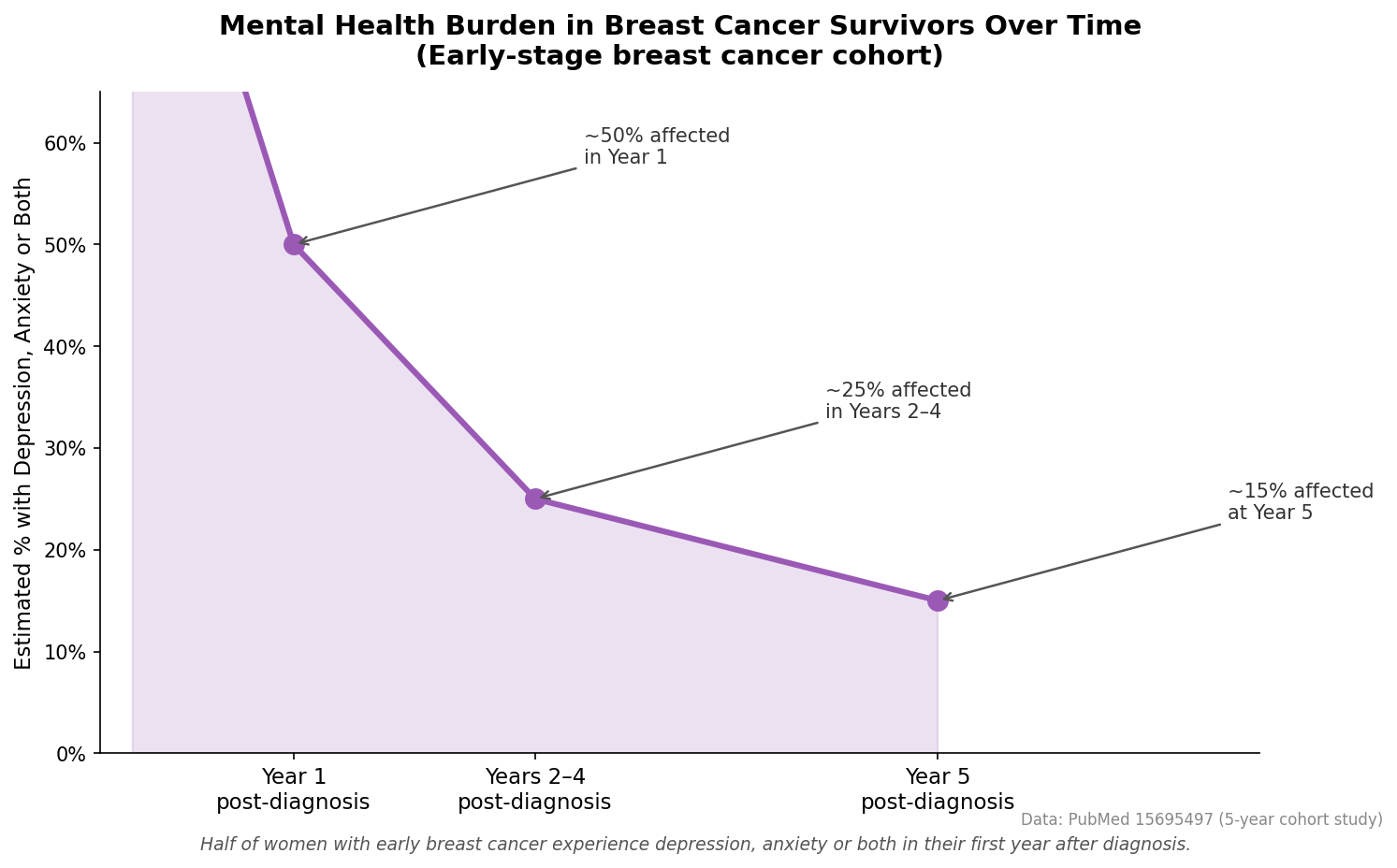 Figure 6: Proportion of breast cancer patients experiencing depression, anxiety or both over five years post-diagnosis. The burden is highest in year 1 and gradually reduces. Data from PubMed (PMID 15695497).
Physical Side Effects That Affect Work
The physical side effects of breast cancer treatment are often underestimated by employers who assume that once active treatment ends, the employee can return fully to their previous role.
The reality is more nuanced. Fatigue is the most consistently reported barrier to return to work and sustained employment. Chemotherapy-related fatigue typically improves 6 to 12 months after treatment ends. Hormonal therapy (tamoxifen or aromatase inhibitors, which may continue for 5 to 10 years) causes ongoing fatigue, hot flushes, joint pain, mood changes, and cognitive effects throughout the entire treatment period.
Cognitive impairment, often called "chemo brain", affects memory, attention, executive function, and processing speed. Research published in PubMed has demonstrated stable patterns of cognitive impairment as far as 10 years after chemotherapy in some patients. Hormonal therapies independently increase perceived attentional problems at work beyond the symptom burden alone.
Lymphoedema, a chronic swelling of the arm caused by damage to lymph nodes during surgery or radiotherapy, affects up to 30% of breast cancer patients post-treatment. Among long-term survivors (10 or more years post-treatment), the prevalence remains at 18.7%. Among those with severely impaired arm movement, lymphoedema has been reported to affect the careers of 52.2% of patients.
These are not short-term disruptions. They are long-term conditions that require ongoing reasonable adjustments.
Your Legal Obligations as an Employer
Under the Equality Act 2010, anyone with a cancer diagnosis is automatically deemed disabled from the point of diagnosis, regardless of the cancer's stage or their current physical capacity. This is not conditional on treatment or symptoms; it applies from day one.
This means employers have a legal duty to make reasonable adjustments to enable the employee to continue working. The NICE guideline NG146, covering workplace health and long-term sickness absence, provides the clinical framework for how employers should support employees through serious illness.
Despite these clear legal obligations, research shows that 53% of people with cancer in employment do not know their employer has this duty. Around 20,000 people diagnosed with cancer each year in the UK face workplace discrimination; 1 in 5 people who return to work after cancer report experiencing it.
The types of reasonable adjustments most commonly needed include:
- Flexible hours: adjusted start and finish times, reduced hours
- A phased return: gradual increase in hours and responsibilities over several weeks
- Time off for appointments, including chemotherapy, radiotherapy, and oncology follow-ups
- Remote working to reduce commute burden during treatment
- Role modification: removal of physically demanding tasks, adjusted performance targets
- Quiet rest facilities and amended performance management during sick leave
Staying in Work Protects Wellbeing
One of the most important findings from the research is that working after treatment is associated with better psychological wellbeing and quality of life. Stopping work entirely after a breast cancer diagnosis has measurable negative impacts on health outcomes.
Studies show that 77% of women with breast cancer believe working supports their recovery; 92% of healthcare providers agree. Yet nearly 50% of women who left jobs after a cancer diagnosis did not do so by choice. Many were pushed out by inflexible employers, inadequate adjustments, or a culture that made them feel unwelcome to return.
The objective, therefore, is not only to help employees survive breast cancer. It is to help them thrive in work throughout and after it.
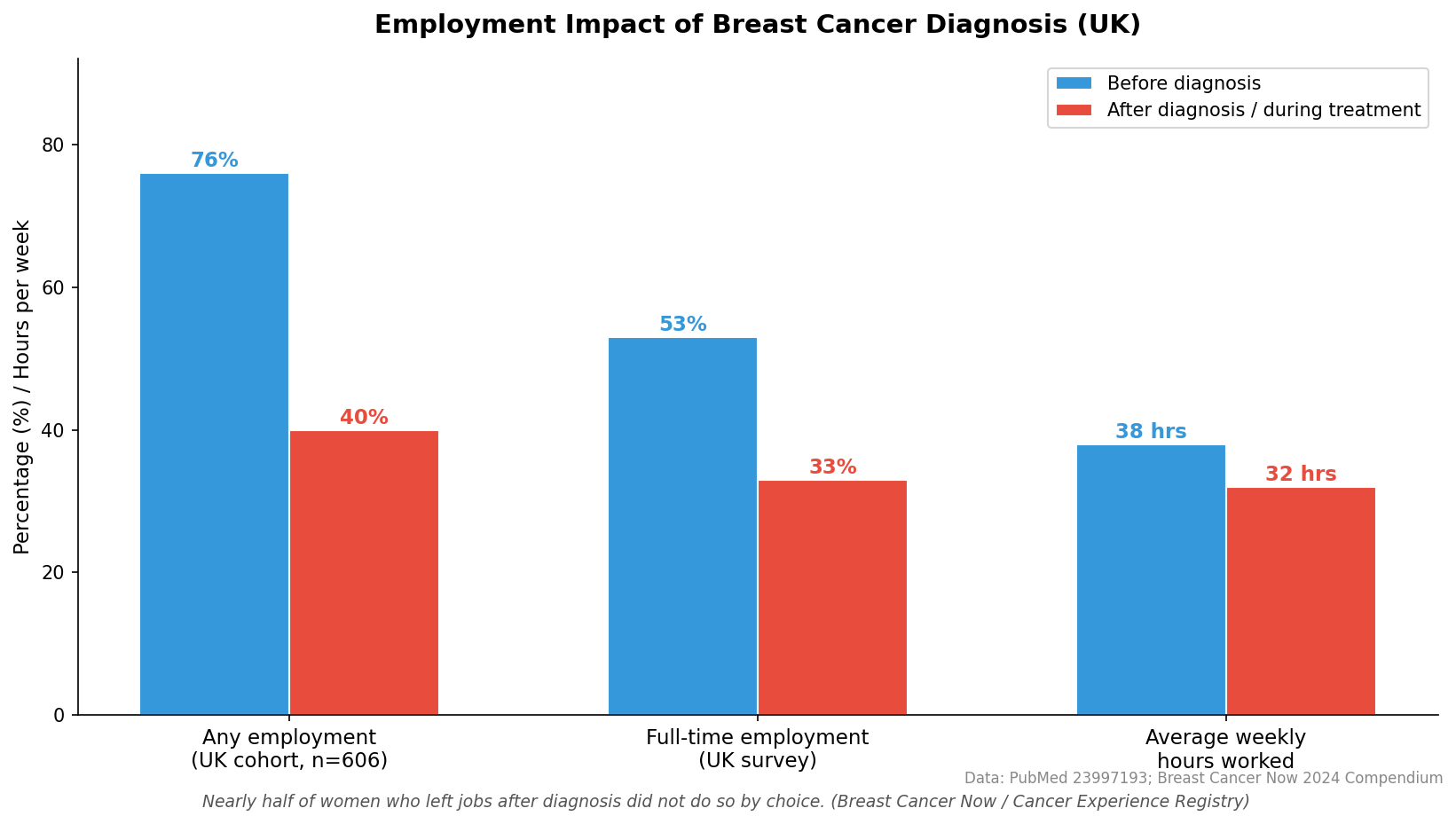 Figure 7: Employment rate before, during, and after breast cancer diagnosis in a UK cohort. The fall from 76% at diagnosis to 40% during treatment illustrates the scale of the challenge, and the opportunity for supportive employers to make a difference. Data from peer-reviewed studies including PubMed (PMID 23997193).
Section 3: Five Practical Steps for Employers This October
The research evidence points clearly towards five employer actions that deliver the greatest impact. These are not aspirational: they are grounded in randomised controlled trial data, systematic reviews, and real-world programme outcomes.
Step 1: Run Breast Awareness Education, Not Just a Pink Campaign
A pink ribbon on a desk or a cake sale in the break room raises funds and builds camaraderie. But it does not teach anyone how to check their breasts, which symptoms to act on, or when to see a GP.
Single educational sessions in the workplace can produce dramatic knowledge gains. Studies show that awareness of screening age recommendations increased from 28% to 78% after one session. Self-examination practice rose from under 3% to over 93% in pre-post studies. Knowledge of breast cancer overall moved from around 47% to 85% in a single health awareness programme.
The NHS recommends the Five Point Code for breast awareness:
- Know what is normal for you
- Know what changes to look and feel for
- Look and feel regularly
- Report any changes to your GP without delay
- Attend routine breast screening if you are over 50 (and encourage this as an employer)
Critically, this education should be relevant to all staff, not just those aged 50 and over. Because the NHS programme does not reach women under 50, workplace education is the primary breast awareness tool for a significant portion of the workforce.
Research published in PubMed in 2025 (PMID 42436446) established that hands-on breast self-examination training, rather than theory alone, is the critical ingredient for reducing perceived barriers, enhancing self-efficacy, and promoting regular self-examination practice. Bringing in a trained nurse or occupational health professional to run a practical session delivers measurably better outcomes than distributing a leaflet.
Step 2: Introduce a Paid Screening Time-Off Policy
The single most modifiable barrier to breast screening attendance is appointment timing. Non-attender surveys consistently identify inconvenient appointment times and inability to leave work as the primary reason women skip their screening.
There is currently no general statutory right for employees in the UK to take paid time off for routine medical or screening appointments. This means the decision sits entirely with the employer.
Many NHS trusts and public sector employers have already adopted formal policies granting paid time off specifically for NHS health screening, including breast screening. Private sector employers should do the same.
A well-designed policy should:
- Explicitly name NHS breast screening appointments as covered
- Extend to women under 50 who have a GP referral for earlier mammography via the NICE CG164 high-risk pathway
- Be communicated actively to all staff at least once per year, with a reminder in October
- Require no additional proof or justification beyond the appointment letter
This policy costs very little to implement and addresses the most consistently reported practical barrier to uptake.
Step 3: Train Line Managers in Empathetic Disclosure Conversations
When an employee receives a breast cancer diagnosis, one of their first questions is often: "Do I have to tell my manager?" Many employees fear discrimination, changed relationships, and loss of career opportunities if they disclose.
Disclosure is a deeply personal decision. Research published in PubMed (PMID 30882867) identifies breach of medical confidentiality, fear of changed relationships, and uncertainty about employer reactions as key barriers.
Line managers are often the first person an employee tells. If that conversation goes badly, it can delay the employee accessing support, undermine their trust in the organisation, and increase the likelihood they will exit entirely.
Training managers does not require a full-day workshop. A focused session covering three core principles achieves significant improvement:
- Listen first: receive the disclosure with empathy, ask what support the employee needs rather than assuming
- Maintain confidentiality: never share health information with colleagues, HR, or other managers without explicit permission
- Know what resources exist: be able to signpost to EAP, occupational health, HR, and the organisation's cancer support policy
Studies show that higher levels of perceived social support are negatively correlated with both anxiety and depression in breast cancer patients. A manager who responds well to disclosure is not merely being kind; they are actively reducing the employee's mental health burden.
Step 4: Establish a Structured Return-to-Work Protocol
Unstructured returns to work after breast cancer often fail. Employees return too early, to unchanged roles, without the phased adjustment they need, and then re-enter sickness absence within weeks.
A systematic review and meta-analysis published in PubMed (PMID 34353286) confirmed that rehabilitation interventions significantly improve return-to-work rates for breast cancer survivors. The most effective interventions are multidisciplinary: combining physical rehabilitation, psychological support, and occupational counselling.
A structured employer return-to-work protocol should include:
- An occupational health assessment before the return date, mapping job demands against current capacity
- A written phased return plan, agreed between the employee, line manager, HR, and occupational health
- Clear timelines and milestones, with flexibility to extend if needed
- Adjusted performance targets during the phased period
- A named point of contact the employee can raise concerns with at any point
Research shows that flexible scheduling, gradual workload increase, and a supportive line manager are the three most consistently cited facilitators of successful return. The protocol does not need to be complex, but it does need to be consistently applied.
Step 5: Build Peer Support and Reduce Isolation
Breast cancer is isolating. Many employees go through diagnosis, treatment, and recovery without ever connecting with a colleague who has had a similar experience. The research consistently identifies social isolation, reduced professional connections, and loss of professional identity as root causes of poor workplace reintegration outcomes.
Work-based peer support programmes show strong evidence of rebuilding confidence, fostering resilience, and improving workplace reintegration for cancer survivors. A qualitative study published in PubMed (PMID 41995272) found that peer support specifically enabled survivors to rebuild confidence and navigate workplace expectations during reintegration. A participatory design study (PMID 42433675) identified peer intervention as the priority solution to address isolation and disconnection among employed cancer survivors.
Practically, peer support does not require a formal programme. It can begin with:
- A "buddy" system pairing returning employees with trained volunteer colleagues
- An opt-in internal network for employees who have had cancer (with strict privacy controls)
- Signposting to external peer support resources such as those available through NHS secondary care
- Including lived-experience voices in October awareness events, where employees have volunteered to share their story
The effect of colleague support extends in both directions. Studies show that employees lacking colleague support are significantly more likely to report workplace discrimination after treatment. Building a supportive team culture is therefore both a legal risk mitigation and a genuine wellbeing intervention.
What Good Looks Like: Pulling It Together
The organisations making the most meaningful difference in their employees' breast cancer outcomes are not necessarily those with the largest wellbeing budgets. They are the ones that have built a coherent, consistent approach across four dimensions:
Prevention and awareness: An annual October education programme using evidence-based materials, accessible to all staff regardless of age, covering both self-examination and the signs to act on.
Screening access: A formal paid-time-off policy for screening appointments, actively communicated to all staff, covering both NHS-invited women and those attending under a GP referral.
Diagnosis and treatment support: A cancer support policy grounded in NICE NG146 principles, with trained line managers, accessible EAP provision including counselling, and financial guidance available from day one of diagnosis.
Return to work: A structured, occupational health-led phased return protocol, with peer support available throughout and performance targets adjusted for the reintegration period.
None of these steps require specialist clinical expertise to implement. They require leadership commitment, clear HR policy, and a willingness to treat breast cancer as the serious, common, and highly survivable condition the evidence shows it to be.
A Note on Inclusion
Breast cancer is primarily, but not exclusively, a condition affecting women. Men can and do develop breast cancer, accounting for around 1% of UK cases. Trans, non-binary, and gender-diverse employees may have additional considerations around both screening eligibility and workplace disclosure.
An inclusive workplace cancer policy acknowledges that breast cancer affects people of all genders, that experiences of diagnosis and treatment vary, and that the same compassionate, flexible response applies regardless of an employee's gender identity, age, ethnicity, or role within the organisation.
Health inequalities in breast cancer screening uptake are documented and significant. NHS England Digital data shows uptake ranging from 73.3% in the South East to substantially lower rates in urban areas with diverse populations. Employers in areas of lower uptake can make a particular difference by actively normalising screening attendance and removing logistical barriers.
Start This October
Breast Cancer Awareness Month is a prompt, not a programme. The organisations that genuinely improve their employees' breast cancer outcomes are those that use October to launch something sustained, rather than something seasonal.
This year, consider what one concrete action your organisation can take before 31 October:
- Draft a paid screening time-off policy and share it with all staff
- Book a breast awareness education session for your workforce
- Audit your EAP provision for cancer-specific counselling pathways
- Commit to developing a phased return-to-work protocol before January
The evidence is clear that early detection saves lives, that workplace support improves outcomes, and that employers have more power than they realise to change what happens to their people when breast cancer arrives.
Pink ribbons matter as a symbol of solidarity. What saves lives is the policy that comes after them.
Further Reading
Breast Cancer and Early Detection
- NHS: Who breast screening is for
- NHS: How to check your breasts or chest
- National Cancer Institute: Breast Cancer Screening
- NHS England: Women attending first NHS mammogram hits 10-year high
Screening Guidelines and Clinical Pathways
- NICE NG12: Suspected cancer - recognition and referral
- NICE CG164: Familial breast cancer - classification, care and managing risks
- USPSTF: Breast cancer screening recommendations
Workplace Health and Supporting Employees
- NICE NG146: Workplace health - long-term sickness absence and capability to work
- NHS: Your rights at work when affected by cancer
- Macmillan Cancer Support: Managing cancer in the workplace
- Macmillan Cancer Support: Reasonable adjustments in the workplace
Mental Health and Psychosocial Support
Research and Evidence Base
- PubMed: Effectiveness of workplace cancer screening interventions (systematic review, 2024)
- PMC: On-site mammography cluster RCT (2023)
- PMC: Trends in breast cancer incidence and survival in the UK 2000-2021
- NHS England Digital: Breast Screening Programme England 2024-25
Helpful Resources
- NHS England Digital. Breast Screening Programme England 2023-24 [Internet]. NHS Digital; 2024 [cited 2026 Oct 30]. Available from: https://digital.nhs.uk/data-and-information/publications/statistical/breast-screening-programme/england---2023-24/mainreport2324
- NHS England Digital. Breast Screening Programme England 2024-25 [Internet]. NHS Digital; 2025 [cited 2026 Oct 30]. Available from: https://digital.nhs.uk/data-and-information/publications/statistical/breast-screening-programme/england-2024-2025
- NHS England. Women attending first NHS mammogram hits 10-year high as thousands more cancers found [Internet]. NHS England; 2026 [cited 2026 Oct 30]. Available from: https://www.england.nhs.uk/2026/02/women-attending-first-nhs-mammogram-hits-10-year-high-as-thousands-more-cancers-found/
- NHS England. Renewed call for millions to take up NHS breast screening invites [Internet]. NHS England; 2024 [cited 2026 Oct 30]. Available from: https://www.england.nhs.uk/2024/10/renewed-call-for-millions-to-take-up-nhs-breast-screening-invites/
- NHS. Who breast screening is for [Internet]. NHS; [cited 2026 Oct 30]. Available from: https://www.nhs.uk/tests-and-treatments/breast-screening-mammogram/who-breast-screening-is-for/
- NHS. How to check your breasts or chest [Internet]. NHS; [cited 2026 Oct 30]. Available from: https://www.nhs.uk/tests-and-treatments/how-to-check-your-breasts-or-chest/
- NICE. Suspected cancer: recognition and referral (NG12) [Internet]. National Institute for Health and Care Excellence; 2015 updated 2023 [cited 2026 Oct 30]. Available from: https://www.nice.org.uk/guidance/ng12
- NICE. Familial breast cancer: classification, care and managing breast cancer and related risks (CG164) [Internet]. National Institute for Health and Care Excellence; 2013 updated 2019 [cited 2026 Oct 30]. Available from: https://www.nice.org.uk/guidance/cg164
- NICE. Workplace health: long-term sickness absence and capability to work (NG146) [Internet]. National Institute for Health and Care Excellence; 2019 [cited 2026 Oct 30]. Available from: https://www.nice.org.uk/guidance/ng146
- Ohta R, Ryu Y, Sano C. On-site breast cancer screening promotion in workplaces: a cluster randomised controlled trial. BMJ Open. 2023;13(3):e069557. Available from: https://pubmed.ncbi.nlm.nih.gov/36823700/
- Wright L, Whitaker KL, Sheringham J. Effectiveness of workplace cancer screening interventions: a systematic review. J Occup Health. 2024;66(1):uiae044. Available from: https://pubmed.ncbi.nlm.nih.gov/39134945/
- Takahashi M, Tanaka K, Kyougoku S, Kametaka M, Ozaki A, Tanimoto T. Impact of breast cancer awareness campaigns on knowledge and practices of female employees. Int J Environ Res Public Health. 2025. Available from: https://pubmed.ncbi.nlm.nih.gov/40911590
- Al Maqbali M, Al Sinani M, Al-Lenjawi B. Hands-on training improves breast self-examination practice: a randomised controlled trial. Breast J. 2025. Available from: https://pubmed.ncbi.nlm.nih.gov/42436446/
- Amir Z, Neary D, Luker K. Cancer survivors' views of work 3 years post diagnosis: a UK perspective. Eur J Oncol Nurs. 2008;12(3):190-197. Available from: https://pubmed.ncbi.nlm.nih.gov/18296106/
- Spelten ER, Verbeek JH, Uitterhoeve AL, Ansink AC, van der Lelie J, de Reijke TM, et al. Cancer, fatigue and the return of patients to work: a prospective cohort study. Eur J Cancer. 2003;39(11):1562-1567.
- Burgess C, Cornelius V, Love S, Graham J, Richards M, Ramirez A. Depression and anxiety in women with early breast cancer: five year observational cohort study. BMJ. 2005;330(7493):702. Available from: https://pubmed.ncbi.nlm.nih.gov/15695497/
- Bhattacharya K, Ray S, Raman V, Gupta A, Kuila K. Prevalence of anxiety, depression and stress among breast cancer patients: systematic review and meta-analysis. Support Care Cancer. 2025. Available from: https://pubmed.ncbi.nlm.nih.gov/42023446/
- Gao M, Zhu M, Liu Z, Ren W, Zhang Q. Global prevalence of anxiety, depression and stress and their associations in patients with breast cancer. Front Psychiatry. 2025. Available from: https://pubmed.ncbi.nlm.nih.gov/41802573/
- Servaes P, Verhagen C, Bleijenberg G. Fatigue in cancer patients during and after treatment: prevalence, correlates and interventions. Eur J Cancer. 2002;38(1):27-43. Available from: https://pubmed.ncbi.nlm.nih.gov/11750837/
- Koppelmans V, Breteler MM, Boogerd W, Seynaeve C, Gundy C, Schagen SB. Neuropsychological performance in survivors of breast cancer more than 20 years after adjuvant chemotherapy. J Clin Oncol. 2012;30(10):1080-6. Available from: https://pubmed.ncbi.nlm.nih.gov/20669165/
- Hermelink K, Voigt V, Kaste J, Neufeld F, Wuerstlein R, Buhner M, et al. Elucidating pretreatment cognitive impairment in breast cancer patients: the impact of cancer-related post-traumatic stress. J Natl Cancer Inst. 2015;107(7):djv099.
- Ingram JC, Bhimani SP, Chen J. Lymphedema and peripheral neuropathy in long-term breast cancer survivors: a population-based study. J Cancer Surviv. 2024. Available from: https://pubmed.ncbi.nlm.nih.gov/39550629/
- Testa A, Giannetti O, Mattioli D, Fettucciari L, Di Filippo P, Moretti A, et al. Impact of breast cancer-related lymphedema on working women. Eur J Phys Rehabil Med. 2019;55(2):191-199. Available from: https://pubmed.ncbi.nlm.nih.gov/30982096/
- Islam T, Dahlui M, Majid HA, Nahar AM, Taib NA, Su TT. Factors associated with return to work of breast cancer survivors: a systematic review. BMC Public Health. 2014;14 Suppl 3:S8.
- de Boer AG, Taskila T, Tamminga SJ, Frings-Dresen MH, Feuerstein M, Verbeek JH. Interventions to enhance return-to-work for cancer patients. Cochrane Database Syst Rev. 2011;(2):CD007569.
- Caverley DC, Robertson MN, Russ LM, Cutter GR, Muss HB. Return to work after a breast cancer diagnosis. Breast Cancer Res Treat. 2009;113(1):3-9. Available from: https://pubmed.ncbi.nlm.nih.gov/18670868/
- Petersson LM, Wennman-Larsen A, Nilsson M, Olsson M, Alexanderson K. Work situation and sickness absence in the initial period after breast cancer surgery. Acta Oncol. 2011;50(2):282-288. Available from: https://pubmed.ncbi.nlm.nih.gov/23997193/
- Di Meglio A, Havas J, Gbenou AS, Martin E, El-Mouhebb M, Michiels S, et al. Perceived discrimination at work in breast cancer survivors: the CANTO cohort study. ESMO Open. 2025. Available from: https://pubmed.ncbi.nlm.nih.gov/41877347/
- Hoving JL, Broekhuizen ML, Frings-Dresen MH. Return to work of breast cancer survivors: a systematic review of intervention studies. BMC Cancer. 2009;9:117.
- Tamminga SJ, de Boer AG, Verbeek JH, Frings-Dresen MH. Return-to-work interventions integrated into cancer care: a systematic review. Occup Environ Med. 2010;67(9):639-48.
- Wells M, Williams B, Treweek S, Coyle J, Taylor J. Intervention description is not enough: evidence from an in-depth multiple case study on the untold role and impact of context in randomised controlled trials of seven complex interventions. Trials. 2012;13:95.
- Li J, Kendall G, Henderson S, Downie J, Lancastle N, Hauck Y. Randomised controlled trial of an educational intervention for breast cancer awareness in younger women at a workplace setting. J Clin Nurs. 2019;28(3-4):505-515. Available from: https://pubmed.ncbi.nlm.nih.gov/36846467/
- PMC. Are workplace health promotion programmes effective for all socioeconomic groups? A systematic review of evidence. Occup Environ Med. 2020. Available from: https://pmc.ncbi.nlm.nih.gov/articles/PMC7547856/
- Fouad MN, Perry MM, Lemkau JL. The role of worksite interventions in breast cancer early detection: a review of current evidence. Cancer J. 2002;8(1):18-31. Available from: https://pubmed.ncbi.nlm.nih.gov/9923205/
- Nature Scientific Reports. Trends in breast cancer incidence, prevalence and survival in the UK 2000-2021. Sci Rep. 2024;14:18965. Available from: https://pmc.ncbi.nlm.nih.gov/articles/PMC11330450/
- Smits RM, Thomson G, Tamminga SJ, de Boer AGEM. Work-based cancer survivorship peer support programme: a qualitative study. Eur J Cancer Care. 2025. Available from: https://pubmed.ncbi.nlm.nih.gov/41995272/
- Lancet Oncology. Effect of mammographic screening from age 40 years on breast cancer mortality (UK Age trial): final results of a randomised, controlled trial. Lancet Oncol. 2020;21(9):1165-1172. Available from: https://www.thelancet.com/article/S1470-2045(20)30398-3/fulltext
- PMC. Understanding barriers and facilitators to breast screening attendance in England. Public Health Pract. 2025. Available from: https://www.ncbi.nlm.nih.gov/pmc/articles/PMC12275263/
