

Most people think of saunas as a relaxation tool. But the science reveals something far more powerful: regular sauna use produces cardiovascular changes that rival moderate exercise and compare to some prescription medications. If you're concerned about heart disease, high blood pressure, or stroke risk, what happens inside a sauna might be one of the most underrated interventions available.
The evidence is surprisingly robust. Large-scale studies from Finland tracking thousands of people over 20+ years show that regular sauna users cut their cardiovascular death risk by 50 per cent and their sudden cardiac death risk by 63 per cent. That's not a small benefit; it's comparable to taking a statin or a beta-blocker. Yet most people have no idea their sauna habit is actively protecting their heart.
This article explains exactly what happens physiologically when you enter a sauna, why it's beneficial for your cardiovascular system, what the clinical evidence shows, and how to use saunas safely if you have existing heart conditions.
What Your Cardiovascular System Does During a Sauna Session
When you sit in a typical sauna at 73–80°C (163–176°F), your body faces a thermal challenge. This isn't dangerous stress; it's controlled stress that triggers a powerful physiological response.
The Immediate Changes
Your heart rate climbs rapidly. Within minutes of entering a sauna, your heart rate rises from a typical resting rate of 60–80 beats per minute to 120–150 bpm. For context, this is equivalent to the heart rate response you'd have during a brisk walk or light jog, except you're sitting down. Your sympathetic nervous system (your accelerator) activates, preparing your body to handle the heat challenge.
Your blood pressure temporarily increases. During the sauna session itself, both systolic and diastolic blood pressure rise as your body mobilises resources to manage the heat. This is expected; your cardiovascular system is being challenged, which is exactly what triggers adaptation.
Massive blood flow redistribution occurs. This is the most dramatic change. Normally, your skin receives only 5–10 per cent of your cardiac output. During a sauna session, this jumps to 50–70 per cent. Think of it as your entire circulation system being rerouted to the skin surface for heat dissipation. Blood flow in major arteries increases by 180–390 per cent, creating intense shear stress (friction) on blood vessel walls. This shear stress is crucial; it's the trigger for a cascade of beneficial adaptations.
Your cardiac output increases 60–70 per cent. Your heart pumps harder and faster to deliver this massive volume of blood to your skin. This cardiovascular 'workout' is why sauna therapy has been called 'exercise in a chair'.
The Recovery Phase: Where Real Benefits Develop
Here's where sauna becomes genuinely therapeutic. When you exit the sauna and cool down gradually, something remarkable happens.
Blood pressure drops significantly below baseline and remains lower for hours. Research shows that after a 30-minute sauna session, systolic blood pressure fell from 137 mmHg to 130 mmHg, a 7-point drop that persisted for hours. Diastolic pressure similarly dropped 7 points. This isn't a temporary effect; the benefit accumulates with each session.
Your nervous system rebalances. During recovery, your parasympathetic nervous system (your relaxation system) activates strongly. High-frequency heart rate variability increases, indicating your nervous system is shifting into a state of calm recovery. This parasympathetic rebound is associated with reduced cardiovascular disease risk and improved longevity.
Your resting heart rate improves. Regular sauna users show measurably lower resting heart rates compared to before sauna use, suggesting their hearts become more efficient with practice; it became the reference for modern cardiovascular research.
The Molecular Mechanism: How Saunas Train Your Blood Vessels
The cardiovascular benefits of sauna operate through specific biological mechanisms, not through vague "improved circulation." Understanding these mechanisms helps explain why the benefits are so substantial and reproducible.
Nitric Oxide: Your Natural Blood Pressure Medication
The shear stress created by increased blood flow during sauna triggers the production of nitric oxide (NO): a signalling molecule that tells blood vessel walls to relax and widen.
Here's the cascade: Heat increases blood velocity through the arteries. This fast-flowing blood creates friction against the inner endothelial cells lining your vessels. These endothelial cells respond by upregulating an enzyme called endothelial nitric oxide synthase (eNOS), which manufactures nitric oxide. Nitric oxide then diffuses into the smooth muscle cells surrounding blood vessels, signalling them to relax and dilate. Result: arteries widen, resistance decreases, and blood pressure drops.
What's remarkable is that regular sauna use approximately doubles eNOS expression over 4 weeks. This means your body becomes progressively better at producing nitric oxide naturally. You're essentially training your vessels to self-regulate blood pressure more efficiently, something that typically requires medications.
Heat Shock Proteins: Cellular Repair Activation
Heat stress activates another powerful mechanism: heat shock proteins (HSPs), which function as cellular repair and maintenance workers. When your cells encounter heat stress, they upregulate HSP production as a protective response.
A single 30-minute sauna session at 73°C increases HSP72 levels by approximately 49-50 per cent above baseline. With regular sauna use, your cells become progressively faster at mounting this protective response, and the HSPs become more abundant chronically.
What do heat shock proteins actually do? They:
- Refold damaged proteins back into their proper shape
- Prevent misfolded proteins from clumping and causing cell damage
- Facilitate the removal of proteins that can't be repaired
- Activate the enzyme eNOS (producing more nitric oxide)
- Upregulate antioxidant defence enzymes that neutralise harmful reactive oxygen species
Think of them as your cells' janitorial and maintenance crews, becoming more active and efficient with practice.
Systemic Vascular Resistance Decreases
After sauna bathing, research consistently shows that systemic vascular resistance (the resistance your heart must pump against) significantly decreases. This means your heart doesn't have to work as hard to circulate blood. Over time, this reduced workload contributes to improved cardiac efficiency and lower resting heart rate.
The Clinical Evidence: What Large Studies Show
The most compelling cardiovascular data comes from the Finnish Kuopio Ischemic Heart Disease (KIHD) study, which tracked 2,315 middle-aged men for a median of 20.7 years. This wasn't a short-term clinical trial; it was two decades of real-world observation, capturing 190 sudden cardiac deaths, 281 fatal heart disease events, and 929 all-cause mortality events.
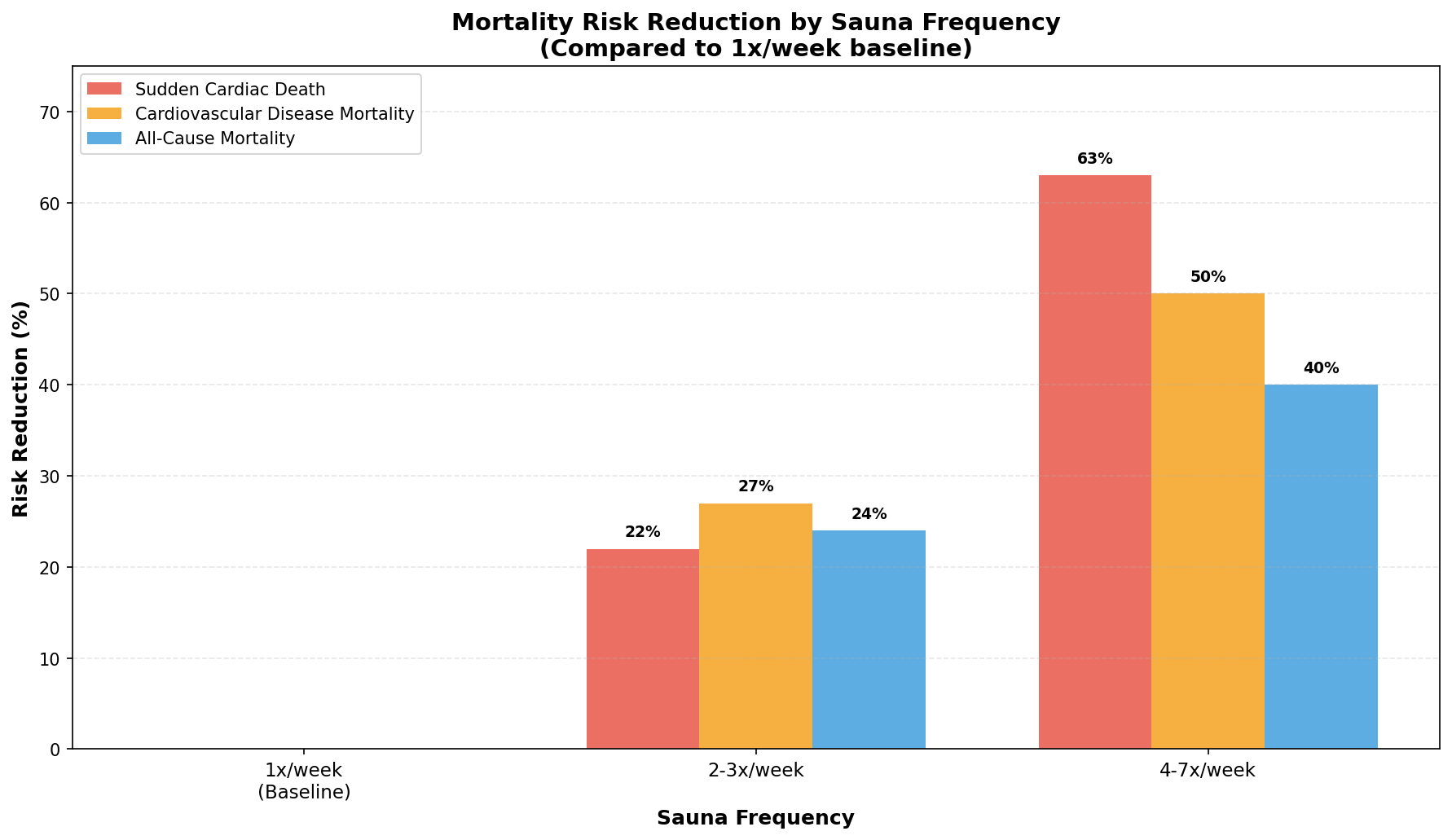 Figure 1: Sudden cardiac death, cardiovascular disease death, and all-cause mortality reductions based on sauna frequency compared to once-weekly use. Higher frequency sauna use shows dramatically lower risk across all three mortality categories.
Sudden Cardiac Death Prevention
The most striking finding concerns sudden cardiac death. Compared to men using the sauna only once per week:
- 2–3 times per week: 22 per cent lower risk
- 4–7 times per week: 63 per cent lower risk
To put this in perspective: a 63 per cent reduction in sudden cardiac death is equivalent to the protective effect of beta-blocker medications prescribed after heart attacks. This magnitude of risk reduction is remarkable for a lifestyle intervention.
Session duration matters as well. Sessions lasting longer than 19 minutes showed a 52 per cent reduction in sudden cardiac death risk compared to sessions under 11 minutes. This dose-response relationship suggests that both frequency and duration contribute to the protective effect.
Cardiovascular Disease Mortality Reduction
The mortality benefits extend beyond sudden cardiac death. For fatal cardiovascular disease events more broadly:
- 2–3 sessions per week: 27 per cent lower risk
- 4–7 sessions per week: 50 per cent lower risk
This means regular sauna users cut their risk of dying from heart disease in half. Over a 20-year period, this translates to years or decades of additional life expectancy.
All-Cause Mortality: Living Longer Overall
Remarkably, sauna benefits extend beyond cardiovascular deaths specifically. Regular sauna users showed reduced risk of death from any cause:
- 2–3 sessions per week: 24 per cent lower all-cause mortality risk
- 4–7 sessions per week: 40 per cent lower all-cause mortality risk
This indicates sauna's benefits ripple throughout the body; improving immune function, metabolic health, cognitive function, and overall resilience.
Hypertension Prevention and Blood Pressure Control
Beyond mortality, sauna use is associated with significant blood pressure benefits. Research shows that frequent sauna use (4-7 times weekly) reduces the risk of developing new hypertension by 47 per cent compared to once-weekly use. This is particularly valuable because it shows that sauna prevents hypertension from developing, not just managing it once established.
For people with existing hypertension, combined sauna and exercise produced an 8 mmHg reduction in systolic blood pressure. While this may sound modest, each 5 mmHg systolic reduction is associated with a measurable decrease in cardiovascular disease risk.
Sauna Cardiovascular Benefits Compared to Other Interventions
How does sauna's 63 per cent sudden cardiac death reduction compare to other cardiovascular interventions?
- Regular sauna use (4–7x/week): 50 per cent CVD mortality reduction
- Moderate exercise (150 min/week): 20–30 per cent CVD mortality reduction
- Mediterranean diet: 25–30 per cent CVD mortality reduction
- Statins (cholesterol medication): 20–25 per cent CVD mortality reduction in at-risk populations
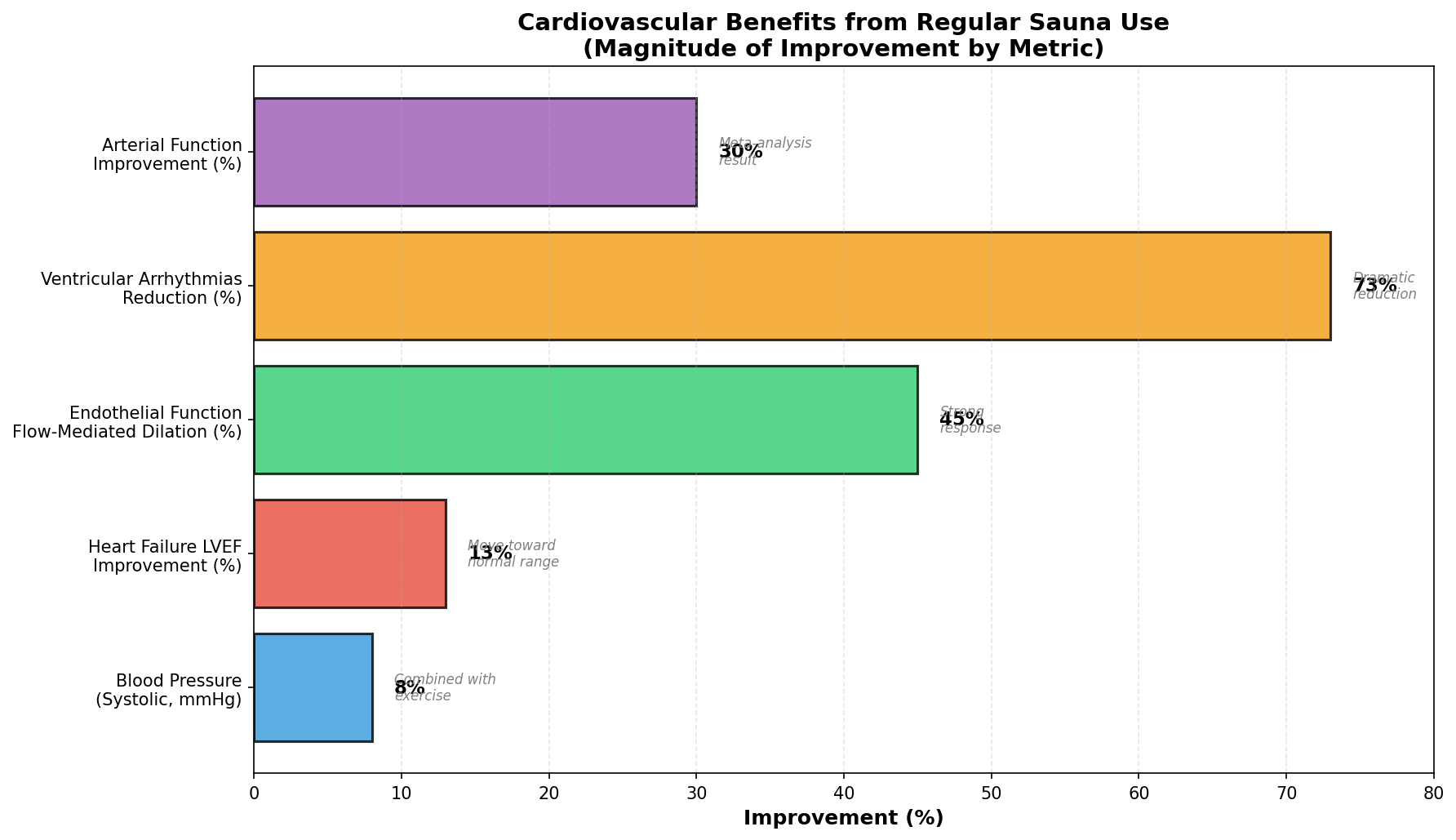 Figure 2: Comparative mortality reduction across major cardiovascular interventions. Regular sauna use shows benefits comparable to or exceeding other well-established interventions.
This comparison isn't meant to suggest sauna replaces exercise, diet, or medication. Rather, it highlights that sauna deserves recognition as a genuinely powerful cardiovascular intervention: potentially more protective than some standard medical approaches.
Specific Conditions: What the Evidence Shows
The research on sauna extends beyond healthy people to those with existing cardiovascular disease. The evidence varies by condition:
Heart Failure
For patients with chronic heart failure, sauna therapy shows measurable benefits:
Left ventricular ejection fraction (LVEF): a measure of heart pumping efficiency: improved from 30 per cent to 34 per cent, representing a 13 per cent relative improvement. For people with severely weakened hearts, this 4-point improvement translates to real benefits: fewer hospitalisations, better exercise tolerance, reduced shortness of breath, and improved survival.
B-type natriuretic peptide (BNP), a marker of heart failure severity, decreased significantly. BNP rises when the heart struggles; lower BNP indicates the heart is working less hard. Patients also showed improved exercise tolerance and reduced clinical symptoms.
The protocol used in these studies was intensive: daily sauna sessions (60°C for 15 minutes followed by 30 minutes rest in blankets) for 2 weeks. No serious adverse events occurred.
Hypertension
For people with high blood pressure, sauna provides additive blood pressure reduction beyond standard treatment. Regular sauna use appears particularly beneficial for those with elevated baseline blood pressure, potentially compensating for increased cardiovascular risk through improved adaptations.
Coronary Artery Disease
Sauna is clinically well-tolerated in stable coronary artery disease patients. However, the research on functional improvements is mixed. Some studies show improved endothelial function; others show minimal improvement on vascular markers within 8 weeks. This suggests benefits may require longer practice periods or may be more pronounced in other cardiac conditions.
Important safety note: People with unstable angina or recent heart attacks (within 6 months) should not use saunas without explicit medical clearance.
Arrhythmias
For people with heart rhythm disturbances, sauna produced dramatic results in one study. Patients with chronic heart failure and frequent premature ventricular complexes (PVCs: skipped or irregular beats) experienced a 73 per cent reduction in arrhythmias. Where untreated patients averaged 3,097 PVCs per 24 hours, sauna-treated patients averaged only 848 PVCs daily; a clinically meaningful reduction that improves both symptoms and safety.
Acute Cardiovascular Responses During Sauna
Understanding what happens during a sauna session helps clarify why it's generally safe (despite temporarily raising heart rate and blood pressure) and why the recovery phase is so important.
During a typical 20–30 minute sauna session:
- Heart rate increases to 120–150 bpm (representing significant cardiovascular work)
- Systolic and diastolic blood pressure increase temporarily
- Cardiac output increases 60–70 per cent
- Blood flow redistributes dramatically toward the skin
During the recovery phase (30–120 minutes after exiting):
- Heart rate gradually normalises
- Blood pressure drops below baseline levels
- Parasympathetic (relaxation) nervous system activates
- Nitric oxide continues to improve vascular function
The temporary elevation during heat is the "stress" that triggers adaptation; the same concept as exercise creates temporary metabolic stress that triggers fitness adaptations. The subsequent drop in blood pressure and activation of relaxation mechanisms is where the long-term benefit develops.
Blood Flow Distribution: The Engine Behind Adaptation
During sauna heat exposure, an extraordinary redistribution of blood occurs. Approximately 50–70 per cent of your cardiac output diverts to the skin surface to facilitate heat dissipation through sweating.
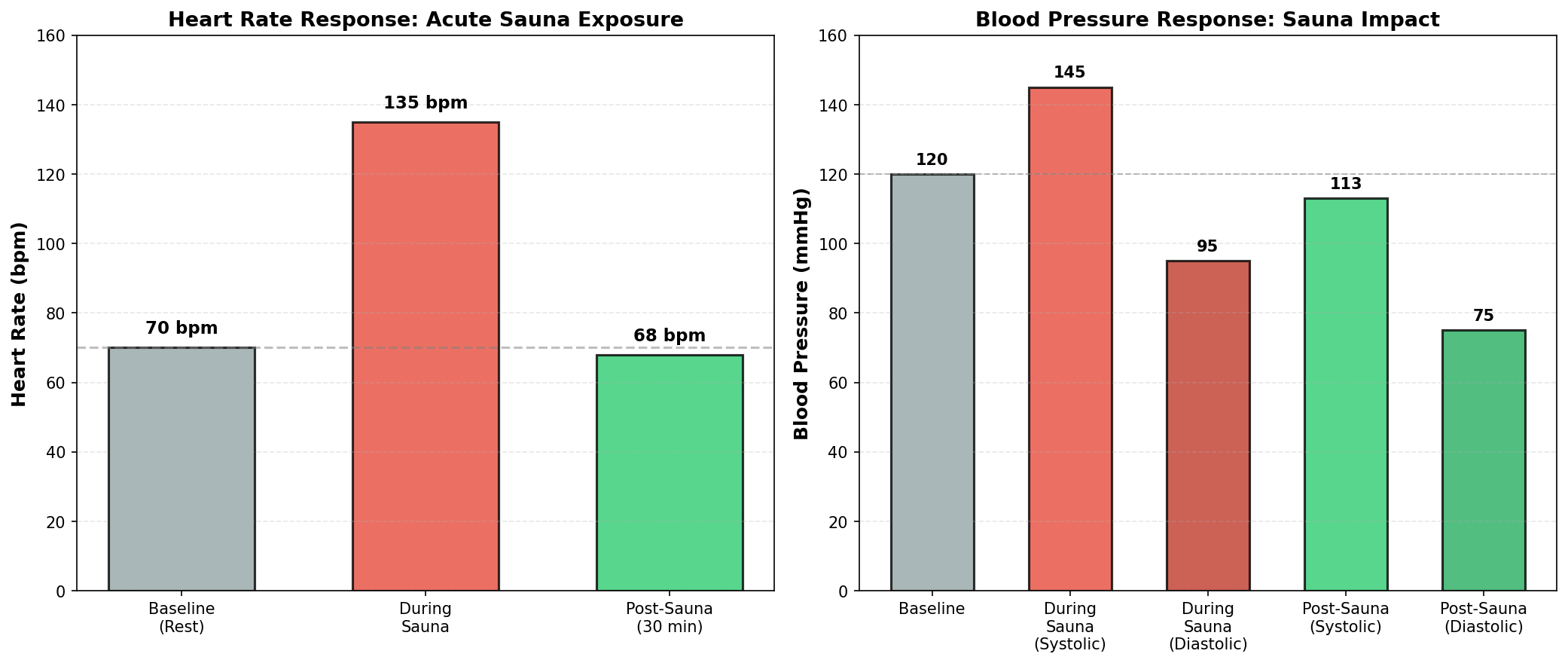 Figure 4: Redistribution of cardiac output during sauna heat exposure. Normally, skin receives only 5–10 per centt of cardiac output; during sauna, this increases to 50–70 per cent, with corresponding reductions in organ perfusion that still remains adequate due to increased total cardiac output.
This massive shift accomplishes several things:
It trains your cardiovascular system. The increased demand on the heart and circulation system to maintain organ perfusion while diverting massive blood flow to the skin mimics the cardiovascular challenge of exercise.
It creates shear stress on vessel walls. The fast-flowing blood creates friction (shear) on the endothelium (inner vessel lining), which triggers the release of nitric oxide and activates protective mechanisms.
It provides heat dissipation. The redirected blood carries heat from your core to the skin surface, where it dissipates through sweating, maintaining core temperature within safe limits.
Cardiovascular Benefits by Condition: A Detailed Breakdown
Different cardiac conditions respond to sauna in different ways. The research supports using sauna for some conditions while requiring caution or avoidance for others.
Optimal Sauna Protocol: Frequency and Duration
The research clearly demonstrates that both frequency and duration matter for cardiovascular benefit, and the dose-response relationship is linear without an apparent ceiling effect.
Frequency Recommendations
Based on the KIHD study findings:
- 1 session per week: Baseline (some benefit, but minimal)
- 2–3 sessions per week: 22–27 per cent risk reduction for cardiovascular death
- 4–7 sessions per week: 50–63 per cent risk reduction for cardiovascular death
Most Finnish sauna users adopt a 2-4 times weekly pattern, representing a practical balance between benefit and sustainability.
Duration Recommendations
Session length shows a sharp dose–response relationship:
- Sessions less than 11 minutes: Minimal protective effect (7 per cent SCD risk reduction for 11–19 minute sessions)
- Sessions 19+ minutes: 52 per cent reduction in sudden cardiac death risk
The optimal range appears to be 15–30 minutes per session. Sessions under 15 minutes provide minimal benefit, whilst durations exceeding 30 minutes don't show proportionally greater benefits and increase fatigue.
Temperature Guidelines
Most research involves traditional Finnish saunas at 70–100°C (158–212°F), typically around 73–80°C in practice. For people with cardiac conditions, lower temperatures (50–65°C) are often recommended, as the cardiovascular benefit comes from heat exposure duration, not extreme temperature.
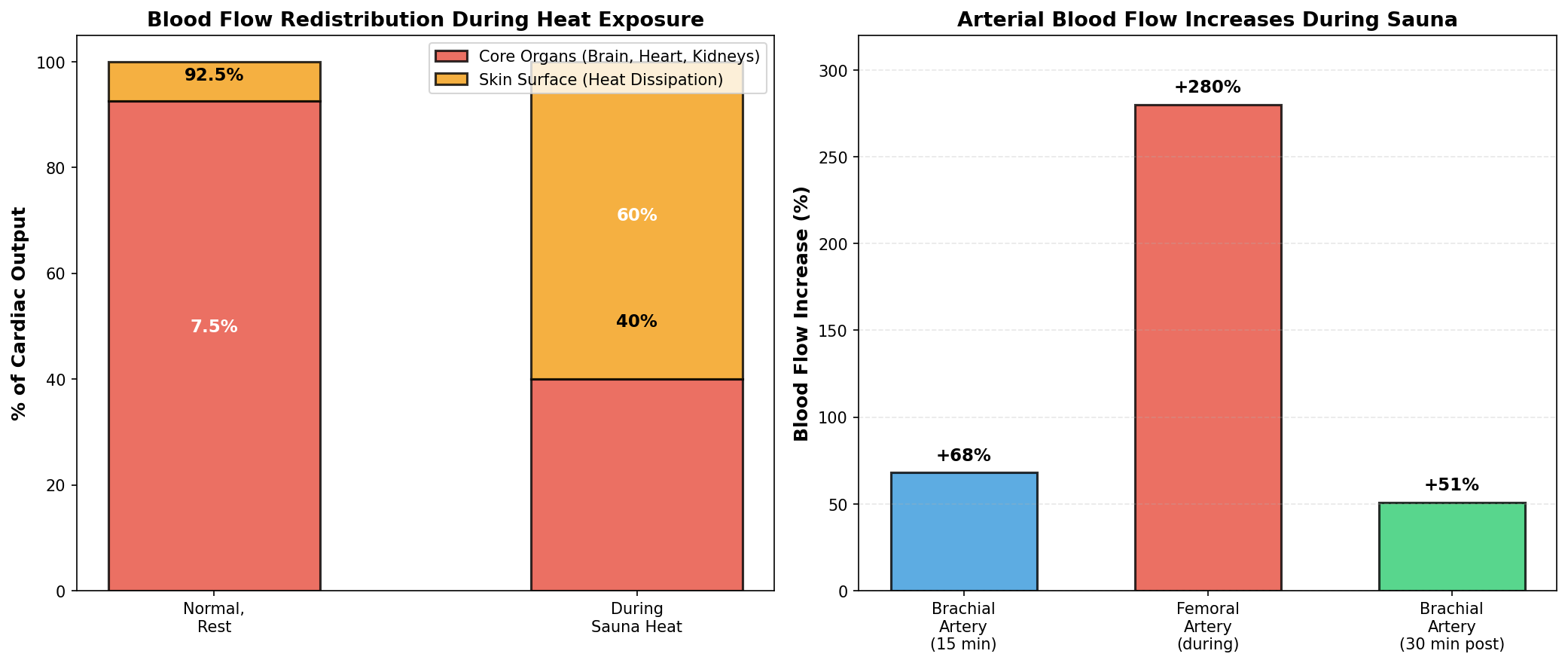 Figure 6: Dose-response relationship between sauna session characteristics and sudden cardiac death risk reduction. Frequency and duration both demonstrate linear relationships with the protective effect.
Molecular and Cellular Responses: The Science Behind the Benefits
Beyond the obvious cardiovascular changes (heart rate, blood pressure, blood flow), sauna triggers a cascade of molecular and cellular adaptations that underpin the long-term benefits.
Heat Shock Protein Upregulation
Heat stress is one of the most potent activators of heat shock proteins: your cells' primary defence against stress and damage. A single 30-minute sauna session increases HSP72 by 49–50 per cent, with more substantial increases with repeated exposure.
Heat shock proteins accomplish several cardiovascular-protective functions:
- Hsp90 is essential for activating eNOS (the enzyme producing nitric oxide)
- Hsp70 upregulates superoxide dismutase, an antioxidant enzyme
- Hsp25/27 upregulate glutathione peroxidase, another antioxidant
- HSPs generally reduce inflammation and oxidative stress
Hormesis: Beneficial Stress
The concept of hormesis explains why sauna produces such substantial health benefits despite creating temporary cardiovascular stress. Hormesis occurs when exposure to a mild stressor triggers a compensatory defence response that is more powerful than necessary to deal with that specific stressor.
Sauna provides this hormetic stimulus:
- Heat is detected as a mild stressor
- Your body activates protective mechanisms far exceeding what's needed for immediate survival
- These adaptations provide protection against future, more severe challenges
- You emerge more resilient
This is the same principle underlying exercise adaptations. Just as lifting weights creates muscle damage that triggers adaptation making muscles stronger, sauna creates thermal stress triggering cardiovascular adaptations that make your system more robust.
Who Benefits Most? Safety Considerations
Sauna cardiovascular benefits are well-established for healthy people and for many with stable cardiac conditions. However, certain situations require caution or complete avoidance.
Safe for Regular Use
- Healthy people with no cardiovascular disease
- People with controlled hypertension
- Stable coronary artery disease (>6 months post-event)
- Stable, compensated heart failure (NYHA Class II-III)
- Old myocardial infarctions (well-established, >6 months)
- Stable angina pectoris
- Documented arrhythmias (with medical approval)
Requiring Caution and Medical Approval
- Recent myocardial infarction (within 6 months)
- Uncontrolled hypertension (>180/110 mmHg)
- Decompensated heart failure (acute decompensation)
- Severe aortic stenosis
- Unstable angina pectoris
The critical point: If you have any cardiovascular condition, discuss sauna use with your cardiologist before starting. Your individual situation, medications, and current stability determine what's safe.
Safety Parameters for Cardiac Patients
If medically approved for someone with cardiovascular disease, safe protocols typically include:
- Temperature: 50–70°C (120–158°F) rather than maximum heat
- Duration: 10–20 minutes initially, potentially extending to 30 minutes
- Frequency: 2–3 times weekly (increasing gradually if well-tolerated)
- Gradual cooling (never cold plunges after sauna)
- Excellent hydration before, during, and after
- Immediate exit if experiencing chest pain, palpitations, severe dizziness, or shortness of breath
Critical Medication Interactions
Some medications require specific attention:
- Blood pressure medications: Wait 2–3 hours after taking before sauna (combined effect can cause excessive blood pressure drop)
- Beta-blockers: May blunt heart rate response; discuss with cardiologist
- Diuretics: Increase dehydration risk; maintain exceptional hydration
- Alcohol: Never combine with sauna; significantly increases sudden death risk
Always inform your doctor about sauna use, particularly if taking cardiovascular medications.
What Sauna Does Not Improve
Understanding sauna's limitations is as important as recognising its benefits. Recent meta-analyses found that passive heating doesn't significantly improve:
- Cholesterol levels
- Inflammatory markers (TNF-alpha, IL-6)
- Arterial stiffness in healthy individuals
- Flow-mediated dilation in single acute sessions (only with repeated use in at-risk populations)
Sauna works through specific mechanisms (nitric oxide production, heat shock protein activation, autonomic rebalancing) rather than through broad metabolic changes. The benefits are real but operate through particular pathways, not through general 'improving all health markers'.
The Timeline: When Do Benefits Actually Appear?
An important caveat: sauna benefits don't materialise overnight.
Short-term (single session):
- Blood pressure drops for hours afterward
- Heart rate variability temporarily improves
- Heat shock proteins increase acutely
Medium-term (2–8 weeks):
- Some individuals show endothelial function improvements
- Baseline blood pressure begins declining
- Heart rate variability improvements become measurable
Long-term (months to years):
- Substantial reductions in cardiovascular disease risk
- Reduced stroke and sudden cardiac death risk
- Improved exercise tolerance
- Better blood pressure control
The mortality benefits observed in the 20-year Finnish study represent accumulated adaptations; not the result of occasional sauna use. Regular practice for months and years is required to develop the substantial protective effects.
Practical Guidance: Using Saunas Effectively
Preparation
- Hydrate beforehand: Drink 400–600 ml of water 1–2 hours before entering
- Light meal timing: Eat 2–3 hours before (not immediately before)
- Avoid alcohol completely: Never use alcohol before, during, or after sauna
- Notify someone: Let a friend or family member know you're using the sauna
- Health check: Ensure you don't have acute infection, fever, or acute illness
During Sauna
- Set a timer: Most beneficial duration is 15–30 minutes
- Position: Sit upright rather than lying down (aids temperature regulation)
- Clothing: Light towel or nothing; avoid tight clothing
- Monitor yourself: Pay attention to how you feel; exit if uncomfortable
- Hydration: Small sips of water if available during the session
- Temperature: Start at 65–70°C if new to saunas; adjust upward gradually
Cooling Down (Critical)
- Gradual cooling: Never plunge into cold water (dangerous cardiovascular stress)
- Cool room: Move to a cool room or take a cool (not cold) shower
- Duration: Allow 10–15 minutes for core temperature to normalise
- Rest: Sit or lie down during cooling
Post-Sauna Rehydration
- Immediate (0–15 min): Drink plain water slowly (small sips)
- 1–2 hours later: Drink 1 litre of fluid plus electrolytes (sports drink, coconut water, or salted food)
- Monitor hydration: Dark urine indicates dehydration; drink more
- Food: Eat a balanced meal within 1–2 hours to replenish nutrients
Red Flags: When to Exit Immediately
Certain symptoms warrant immediate sauna exit and medical attention:
- Chest pain or pressure
- Palpitations or irregular heartbeat sensation
- Severe shortness of breath
- Dizziness or fainting sensation
- Confusion or difficulty thinking clearly
- Blurred or dimmed vision
- Severe headache
- Muscle cramps
- Sudden cessation of sweating despite being in heat (critical sign of heat stroke)
- Nausea or vomiting
- Severe fatigue
The Bottom Line: Is Sauna Worth Your Time?
The evidence overwhelmingly supports sauna as a legitimate cardiovascular health intervention. Regular sauna use (4–7 sessions weekly) is associated with 50–63 per cent reductions in cardiovascular mortality: a protective effect rivalling some medications and comparable to or exceeding that of many other health interventions.
The mechanisms are well-established: heat triggers nitric oxide production, activates protective heat shock proteins, redistributes blood flow creating beneficial vascular stress, and rebalances the autonomic nervous system. These aren't theoretical benefits; they're measurable changes in cardiovascular function.
For people unable or unwilling to exercise regularly, sauna provides a passive alternative for cardiovascular training. For those already exercising, sauna appears to amplify the benefits. For anyone concerned about cardiovascular health, sauna represents an evidence-based, accessible intervention worth incorporating into a comprehensive health strategy.
The investment is modest: 15–30 minutes, 2–4 times weekly. The potential return: years of additional life expectancy, reduced disease risk, and improved cardiovascular function: is substantial.
Start gradually, stay hydrated, listen to your body, and if you have existing cardiovascular disease, get your doctor's approval first. But for most people, regular sauna bathing isn't just a luxury; it's an evidence-based cardiovascular health strategy.
Further Reading
Cardiovascular Physiology and Mechanisms
- How Heat Shapes the Cardiovascular System: Mechanisms of Sauna Therapy
- Endothelial Function and Nitric Oxide: Understanding Blood Vessel Health
- Heat Shock Proteins and Cellular Adaptation to Thermal Stress
- Autonomic Nervous System Modulation During Heat Exposure and Recovery
Clinical Evidence and Outcomes
- Sauna Bathing Reduces Sudden Cardiac Death Risk: 20-Year Finnish Study
- Cardiovascular Mortality Reduction with Regular Sauna Use
- Sauna Reduces Stroke Risk: Extended Analysis in Men and Women
- Blood Pressure Control and Hypertension Prevention Through Sauna
Specific Cardiovascular Conditions
- Heart Failure: Improvements in Ejection Fraction and Symptoms
- Ventricular Arrhythmia Reduction with Repeated Sauna Therapy
- Endothelial Function Improvements in Coronary Artery Disease
- Sauna Safety and Benefits for Stable Cardiac Conditions
Combined Interventions and Practical Applications
- Exercise Combined with Sauna: Synergistic Cardiovascular Benefits
- Passive Heat Therapy as Alternative to Exercise for Limited Mobility
- Sauna Use as Cardiovascular Disease Prevention Strategy
- Peripheral Arterial Disease and Heat Therapy: Emerging Evidence
Safety Guidelines and Special Populations
- Sauna Safety and Contraindications for Different Health Conditions
- Hydration, Electrolyte Loss, and Sauna Safety
- Medication Interactions and Sauna Use
- Temperature Guidelines and Best Practice for Safe Sauna Sessions
Comparative Health Interventions
- How Sauna Compares to Exercise and Diet for Cardiovascular Protection
- Lifestyle Interventions and Mortality Risk Reduction: A Comprehensive Overview
References/Helpful Resources
- Laukkanen JA, Khan H, Zaccardi F, Laukkanen T. Association between sauna bathing and fatal cardiovascular and all-cause mortality events. JAMA Intern Med. 2015;175(4):542-548.
- Laukkanen T, Khan H, Zaccardi F, Laukkanen JA. Sauna bathing is associated with reduced cardiovascular mortality and improves risk prediction in men and women. BMC Med. 2018;16:62.
- Crisostomo PR, Wang M, Wairiuko GM, et al. Heat shock protein 72 overexpression enhances the myogenic capacity of rat bone marrow-derived mesenchymal stem cells. Circulation. 2006;114(Suppl 1):I282-I288.
- Brunt VE, Howard MJ, Francisco MA, Ely BR, Minson CT. Passive heat therapy improves endothelial function, arterial stiffness and blood pressure in sedentary humans. The Journal of Physiology. 2016 June 30;594(18):5329–42.
- Imamura M, Biro S, Kihara T, et al. Repeated thermal therapy improves impaired vascular endothelial function in patients with coronary risk factors. J Am Coll Cardiol. 2001;38(4):1083-1088.
- Hambrecht R, Adams V, Erbs S, et al. Regular physical activity improves endothelial function in patients with coronary artery disease by increasing phosphorylation of endothelial nitric oxide synthase. Circulation. 2003;107(25):3152-3158.
- Balligand JL. Heat Shock Protein 90 in Endothelial Nitric Oxide Synthase Signaling. Circulation Research [Internet]. 2002 May 3 [cited 2026 Apr 20];90(8):838–41. Available from: https://www.ahajournals.org/doi/10.1161/01.res.0000018173.10175.ff
- Dai S, Jia Y, Wu SL, Isenberg JS, Ridnour LA, Bandle RW, et al. Comprehensive Characterization of Heat Shock Protein 27 Phosphorylation in Human Endothelial Cells Stimulated by the Microbial Dithiole Thiolutin. Journal of Proteome Research [Internet]. 2008 Aug 23 [cited 2026 Apr 20];7(10):4384–95. Available from: https://pubmed.ncbi.nlm.nih.gov/18720982/
- Gleeson M. First “Themed” Issue for 2007. Skull Base [Internet]. 2007 Jan [cited 2020 Sept 20];17(1):001–1. Available from: https://cdn.hcourt.gov.au/assets/publications/speeches/former-justices/gleesoncj/cj_6jun07.pdf
- Zaccardi F, Laukkanen T, Willeit P, Kunutsor SK, Kauhanen J, Laukkanen JA. Sauna Bathing and Incident Hypertension: A Prospective Cohort Study. American Journal of Hypertension [Internet]. 2017 June 13 [cited 2026 Apr 20];30(11):1120–5. Available from: https://pubmed.ncbi.nlm.nih.gov/28633297/
- Brunt VE, Howard MJ, Francisco MA, Ely BR, Minson CT. Passive heat therapy improves endothelial function, arterial stiffness and blood pressure in sedentary humans. The Journal of Physiology [Internet]. 2016 June 30 [cited 2026 Apr 20];594(18):5329–42. Available from: https://pubmed.ncbi.nlm.nih.gov/27270841/[a]
- Tei C, Imamura M, Biro S, et al. Repeated sauna treatment improves vascular endothelial and cardiac function in patients with chronic heart failure: a prospective 2-week observational study. J Am Coll Cardiol. 2001;39(5):754-759.
- Laukkanen JA, Zaccardi F, Kunutsor SK. Sauna bathing and vascular health of adults with coronary artery disease. J Appl Physiol. 2023;134(3):654-662.
- Kihara T, Biro S, Ikeda Y, Fukudome T, Shinsato T, Masuda A, et al. Effects of Repeated Sauna Treatment on Ventricular Arrhythmias in Patients With Chronic Heart Failure. Circulation Journal [Internet]. 2004 [cited 2026 Apr 20];68(12):1146–51. Available from: https://pubmed.ncbi.nlm.nih.gov/15564698/
