

Your immune system works around the clock to protect you, but it's constantly ageing. The cells that once fought infections fiercely become less effective over time. Yet there's a growing body of research suggesting something surprising: periodic fasting might actually reset and rejuvenate your immune system at the cellular level.
This is not about starving yourself into health. It is about understanding how your body recycles damaged immune cells, clears out inflammation, and rebuilds stronger defences when you give it a break from eating. But like most health interventions, the reality is more nuanced than the headlines suggest. Some timing matters critically. Some populations benefit far more than others. And some risks exist if you fast at the wrong moment.
Here's what the science actually shows about fasting and immunity.
How Your Immune System Works During Fasting
When you stop eating, your body does not panic. Instead, it initiates a carefully orchestrated series of changes that affect nearly every aspect of immune function. Understanding these changes is key to knowing whether fasting might help or potentially hurt your particular situation.
The Cellular Cleanup: Autophagy Explained
Your cells are constantly accumulating damage. Old proteins, worn-out mitochondria, and cellular debris build up like junk in an attic. Your immune cells are particularly prone to this wear and tear because they are constantly fighting infections and inflammation.
Autophagy is your cells' garbage disposal system. The word literally means "self-eating": cells break down damaged components and recycle them for energy. Think of it as your cells taking out the trash and burning it for fuel. During fasting, when nutrient availability drops, this cleanup process kicks into high gear.
Here's the timeline of what happens:
0-12 hours: Your body shifts away from glucose metabolism. Insulin levels drop. This is when your body first senses that food is not coming. But autophagy has not significantly ramped up yet.
12-16 hours: Baseline autophagy begins increasing. Your cells start receiving signals to activate their cleanup machinery. If you typically skip breakfast and eat lunch, you're in this window by midday.
16-24 hours: This is where significant autophagy activation begins. The molecular marker LC3-II (which indicates active autophagy) roughly doubles. Most healthy adults show measurable autophagy activity in their liver and immune cells by this point.
24-36 hours: Peak autophagy activity for most people. This is when deep cellular repair occurs and immune system benefits become most pronounced.
36-72 hours: Maximum cellular regeneration. The body eliminates large numbers of old, less active immune cells, triggering the regeneration of newer ones.
For the first time, in 2024-2025, researchers directly measured autophagy in humans undergoing a 5-day Fasting Mimicking Diet (FMD). They found increased autophagy activity alongside significant metabolic health improvements, confirming that this cellular cleanup process actually happens in humans, not just in laboratory mice.
Your White Blood Cells Reorganise, Not Disappear
One of the most striking findings from fasting research is what happens to your white blood cells. Within just 4 hours of fasting, something dramatic occurs: approximately 90% of circulating monocytes (a type of white blood cell) disappear from your bloodstream.
This sounds alarming. But here's the key: they don't disappear. They reorganise.
These immune cells move from your bloodstream to your bone marrow, which is nutrient-rich and serves as your immune system's factory (where new immune cells are made). During fasting, your white blood cells strategically retreat to this headquarters to upgrade and rebuild themselves. Upon refeeding, they return to circulation within hours.
Think of it like your immune system's security team pulling forces off street patrol and consolidating them at headquarters for maintenance and briefing. It's a tactical repositioning, not a sign of weakness.
Different white blood cell types respond differently to fasting:
- Monocytes: Show the most dramatic reduction (up to 90% from circulation), moving to the bone marrow
- Lymphocytes: More resilient; show roughly 50% reduction in certain tissues (like the gut) but remain more stable overall
- Neutrophils: Actually increase in some studies, with improved function after fasting
This redistribution is not random. It's triggered by specific stress signals from your brain, coordinating your immune system's behaviour with your nutritional status.
Inflammation Markers: The Paradoxical Response
Here is where things get more complicated. When you fast, your inflammatory markers do not just steadily decrease. Instead, they often follow a biphasic pattern: two distinct phases with opposite effects.
Phase 1 (Days 1-2): Your body recognises nutrient scarcity as a stress signal and initiates immune mobilisation. Some inflammatory markers actually increase temporarily. During a 48-72 hour water fast, C-Reactive Protein (CRP; a key inflammation marker) can increase by 129%. This appears to be your body's stress response, initiating the cleanup process, not a sign of harm.
Phase 2 (Days 3+): Longer-term normalisation or resolution of inflammation occurs, particularly in people with elevated baseline inflammation.
This matters because the effects of fasting depend on your starting point. If you have chronic low-grade inflammation (elevated CRP, TNF-alpha), fasting tends to produce meaningful anti-inflammatory effects. But in people with normal inflammation markers, the results vary; some show reductions, others show minimal change or temporary increases.
The Metabolic Shift: From Glucose to Ketones
As your fasting period extends, your metabolism undergoes a dramatic shift. Blood glucose decreases. Insulin levels drop. Your body begins burning fat stores and releasing free fatty acids. Your liver produces ketone bodies, particularly beta-hydroxybutyrate.
This shift matters for immune function. Immune cells have different metabolic requirements depending on whether they're activated or resting. During fasting, the shift from glucose to ketone-based energy appears to favour immune cells that promote healing and recovery over aggressive inflammation.
Timing Matters: Circadian Immune Function
Your immune system follows a 24-hour rhythm. Immune cell responsiveness, location, activity level, and even hormone production all fluctuate throughout the day. Circadian disruption (irregular sleep, irregular eating, shift work) damages immunity. It compromises your ability to mount effective immune responses and increases susceptibility to infections and autoimmune problems.
Here's what's fascinating: properly timed fasting can actually strengthen your circadian immune system. When your eating-fasting rhythm aligns with your natural circadian rhythm (eating during daylight, fasting overnight), your immune cells synchronise better. They migrate to appropriate tissues more efficiently, inflammatory factors lower, and beneficial microbes in your gut flourish.
This is why time-restricted eating with a daytime eating window (like 12 p.m. to 8 p.m.) produces better immune outcomes than eating only at night. Your body expects to eat and be active during the day, then fast and recover at night. When eating patterns align with this natural rhythm, your immune cells work more efficiently.
Different Fasting Approaches, Different Immune Effects
Not all fasting is equal. The immune effects depend heavily on how long you fast, how frequently, and how it aligns with your eating window.
Daily Time-Restricted Eating (16:8)
This is the most popular fasting approach and, importantly, the most studied. You eat all your food within an 8-hour window (commonly 12 p.m. to 8 p.m.) and fast for 16 hours.
Immune effects:
- Increases T cell receptor markers (signs of immune rejuvenation)
- Reduces inflammatory bacteria while increasing anti-inflammatory species (like Akkermansia)
- Creates a "younger" gut microbiota composition
- Reduces TNF-alpha expression
- Supports circadian rhythm alignment, which enhances immune coordination
What makes this approach practical:
The 16:8 protocol shows the highest real-world sustainability. 95.9% of people who try this approach achieve sustained weight loss and stick with it long-term. This matters more than you might think. A protocol you actually maintain beats a theoretically perfect protocol you abandon after two weeks.
The adaptation period is typically 2-4 weeks. After that, most people find it sustainable because it does not require calorie counting and fits naturally into daily life. You can eat normally during your eating window; you're simply choosing when to eat, not restricting how much.
Important limitation: The immune benefits are modest but consistent. You're not getting the most dramatic immune rejuvenation with a daily 16:8 approach, but you are getting sustainable, ongoing benefits with minimal effort.
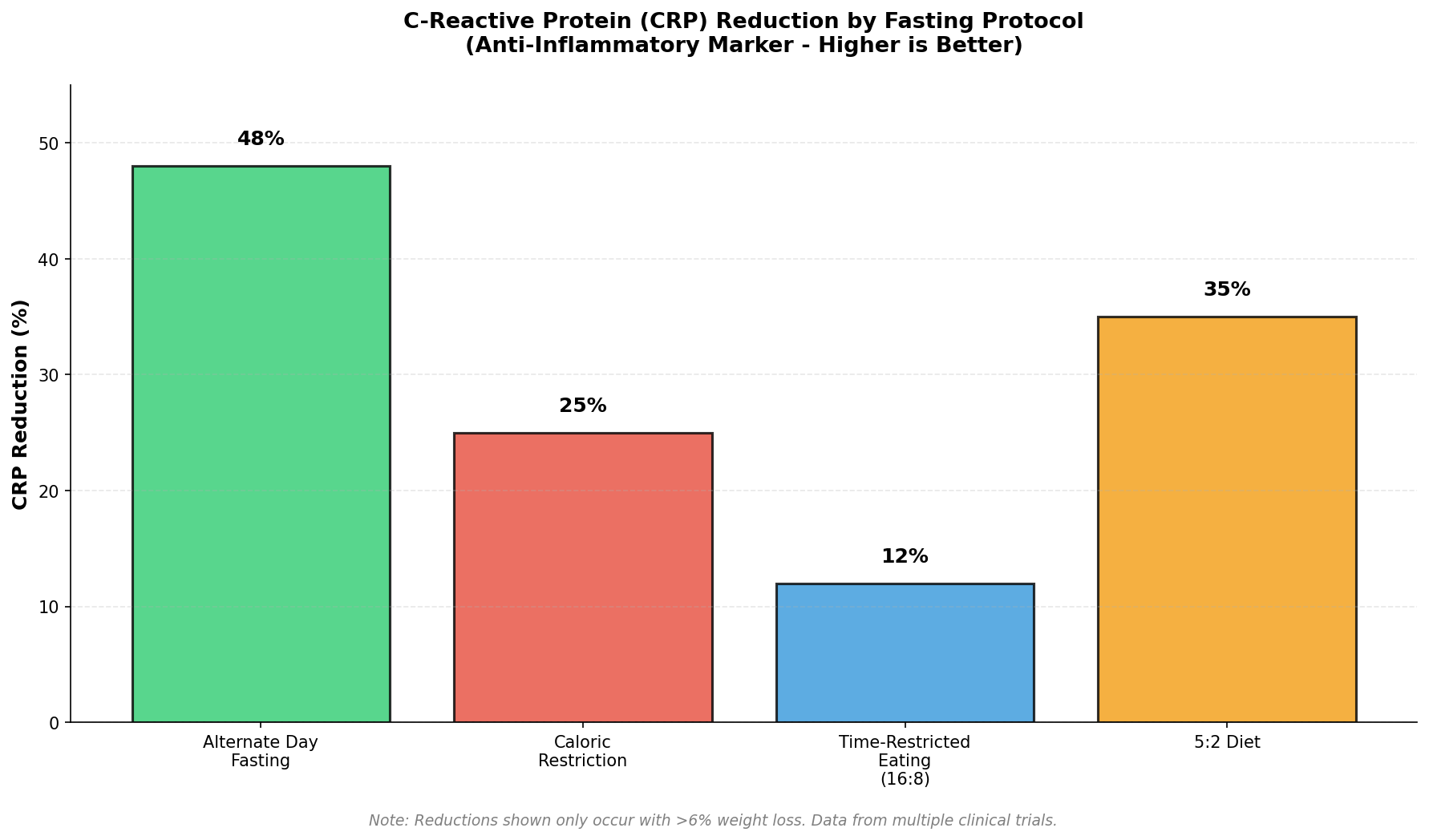 Figure 1: How different fasting approaches affect inflammatory markers. Alternate-day fasting produces the largest C-Reactive Protein reduction (48%), but requires more than 6% weight loss to achieve meaningful benefits.
The 5:2 Diet
Eat normally five days per week; restrict calories to 500-600 on two non-consecutive days (typically Monday and Thursday, or Tuesday and Friday).
Immune effects:
- Significant short-term reduction in Interleukin-6 (IL-6), a pro-inflammatory signaling molecule
- Activates cellular pathways that enhance toxin resistance
- May protect against chemotherapy damage (based on mouse studies)
Why some people prefer it:
It requires calorie restriction only two days per week, offering more social flexibility. You can eat normally at dinner parties and social events on unrestricted days.
The research gap:
The 5:2 approach has limited human clinical data compared to 16:8. Most evidence comes from animal studies. Compliance tends to be moderate; it is harder to stick with than daily protocols but easier than extended fasting.
Extended Fasting (7-14 Days)
Continuous water-only or near-water fasting lasting a week to two weeks. Medical supervision is strongly recommended.
Immune effects:
- Highest autophagy activation of all protocols
- Substantial white blood cell reduction followed by stem cell-driven regeneration
- Major reduction in TNF-alpha expression
Potential concerns:
Extended fasting triggers a pronounced pro-inflammatory response during the fast (CRP can increase 129%), which resolves after refeeding. For people with active autoimmune conditions or chronic inflammation, this temporary inflammation spike could trigger disease flares.
Practical reality:
Only about 35% of people can maintain extended fasts as a regular practice. The adaptation period (days 2-3) is particularly difficult. Post-fasting refeeding is critical for maximising benefits. If you break the fast with processed foods and refined carbohydrates, you may waste the regenerative opportunity.
Water Fasting (48-72 Hours)
Complete abstinence from all food and calories, water and sometimes electrolytes only.
Immune effects:
This produces the most dramatic immune system changes. White blood cells drop by a major percentage during the fast, then undergo coordinated regeneration. Hematopoietic stem cells (the cells that produce all blood and immune cells) essentially double their regenerative capacity after a 24-hour fast. The result is a profoundly rejuvenated immune system capable of producing new red blood cells, white blood cells, and platelets more efficiently.
In Phase I clinical trials with cancer patients, 72-hour fasts during chemotherapy maintained normal lymphocyte counts and balanced white blood cell populations, protecting immune function during a period when chemotherapy normally destroys it.
The inflammation paradox:
Extended water fasting triggers a temporary acute inflammatory response; CRP increases by 129%; that resolves after refeeding. This contrasts with the anti-inflammatory claims about shorter protocols.
Why it's challenging:
Only about 22% of people maintain extended water fasting as a regular practice. It requires medical supervision for safety, carries risk of nutrient deficiencies, and has a difficult adaptation period. The benefit-to-effort ratio is high for immunocompromised patients undergoing chemotherapy (where the stakes are high), but lower for otherwise healthy people seeking general immune benefits.
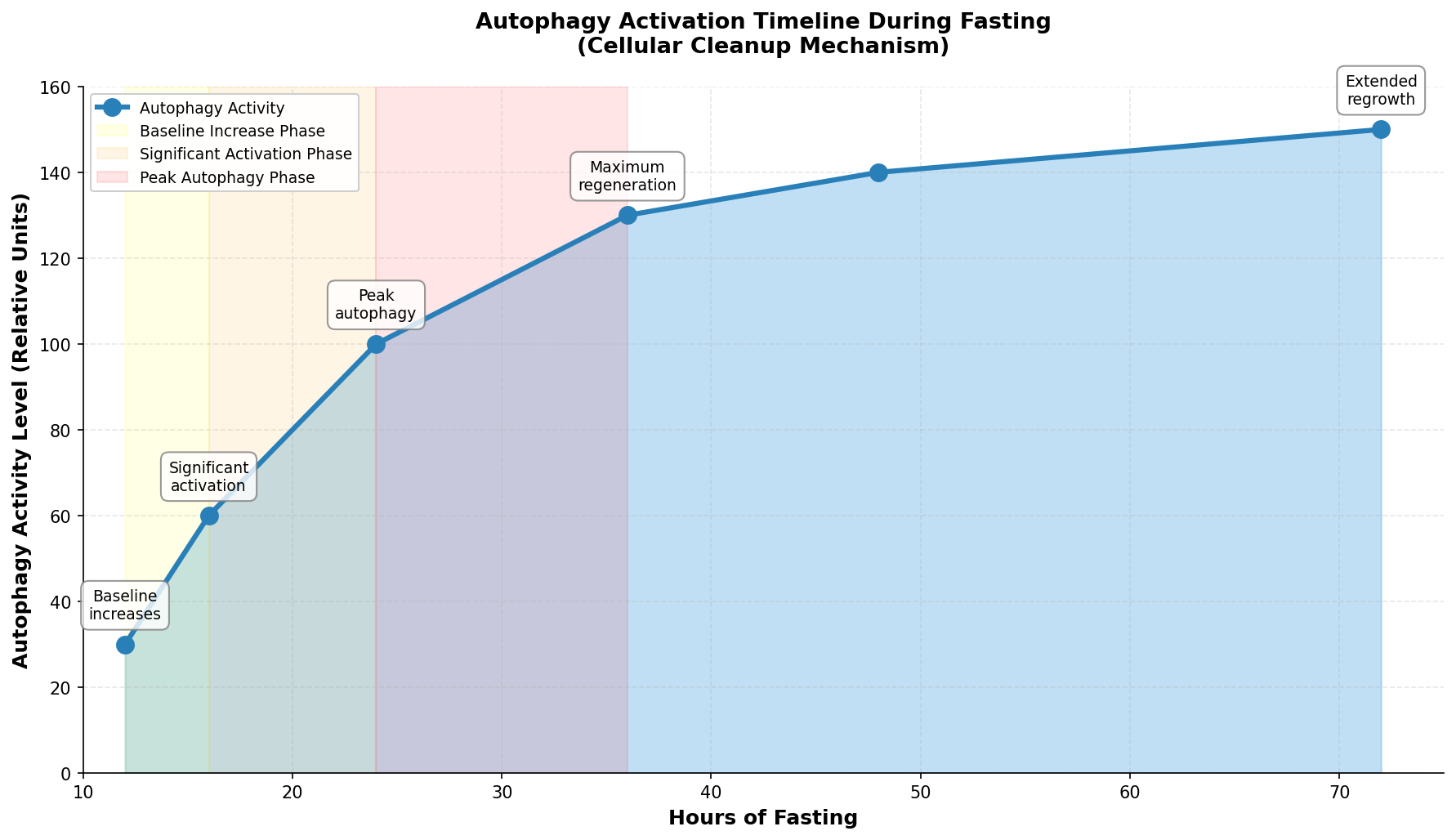 Figure 2: Cellular cleanup accelerates through fasting. Meaningful autophagy activation begins around 16-18 hours. Peak autophagy occurs at 24-36 hours: the sweet spot for immune cell regeneration. Extended fasting maintains very high autophagy through 72+ hours.
Clinical Evidence: Infection Risk and Vaccination Timing
The practical question most people ask is: will fasting help me avoid infections or reduce their severity? The answer involves both encourageing findings and important caveats.
COVID-19 Severity: Pre-Vaccine Era Data
In the observational INSPIRE Registry cohort (collected before COVID vaccines existed), periodic fasters had significantly lower rates of severe COVID-19 outcomes:
- Periodic fasters: 11.0% developed severe COVID-19
- Non-fasters: 28.8% developed severe COVID-19
- Risk reduction: Hazard ratio of 0.61, meaning fasters had approximately 39% lower risk of severe outcomes
To put this in real-world terms: if 100 people got COVID-19, about 29 would develop severe disease without fasting, but only 11 would with periodic fasting. That is 18 fewer severe cases per 100 infections; a meaningful difference.
Important limitation: This data comes from the prevaccine era. In today's vaccinated populations, this benefit may differ because vaccination already provides substantial protection. The VITAL trial is currently underway with 60+ year-olds to test whether similar benefits exist in vaccinated populations, but results haven't been published yet.
The Monocyte Problem: Vulnerability to Acute Infections
While periodic fasting appears protective against COVID-19 severity in the prevaccine era, it creates a potential vulnerability window against acute bacterial infections.
When monocytes disappear during fasting and return after refeeding, the returning cells show more pro-inflammatory characteristics. Laboratory studies with pneumonia-causing bacteria show that fasted animals were more likely to die from pneumonia than non-fasting controls, and died sooner.
This creates a timing concern. There is a window of vulnerability during fasting when your immediate defence against acute infections is compromised. For healthcare workers exposed to high infection risk, people with active infections, or those in immunocompromised states, fasting during this window could be problematic.
Real-world implication: Periodic fasting appears safe for healthy people without active infections. But timing matters if you're acutely exposed to infection risk.
Vaccination Response: The Timing Problem
This is where fasting timing becomes critically important.
Short-term fasting (3-6 days of severe calorie restriction): Actually enhanced antigen-specific B cell responses to influenza vaccine. But this level of severe restriction is not typical intermittent fasting.
Prolonged fasting (48-120 hours): Creates a transient reduction in immune system strength. White blood cell counts are decreased until refeeding occurs.
Alternate-day fasting during vaccination (mouse studies): This showed concerning effects:
- With normal feeding, viral survival after vaccination: 72.2%
- With alternate-day fasting, viral survival after vaccination: 38.9%
- Translation: Alternate-day fasting during vaccination reduced vaccine protection by 46%
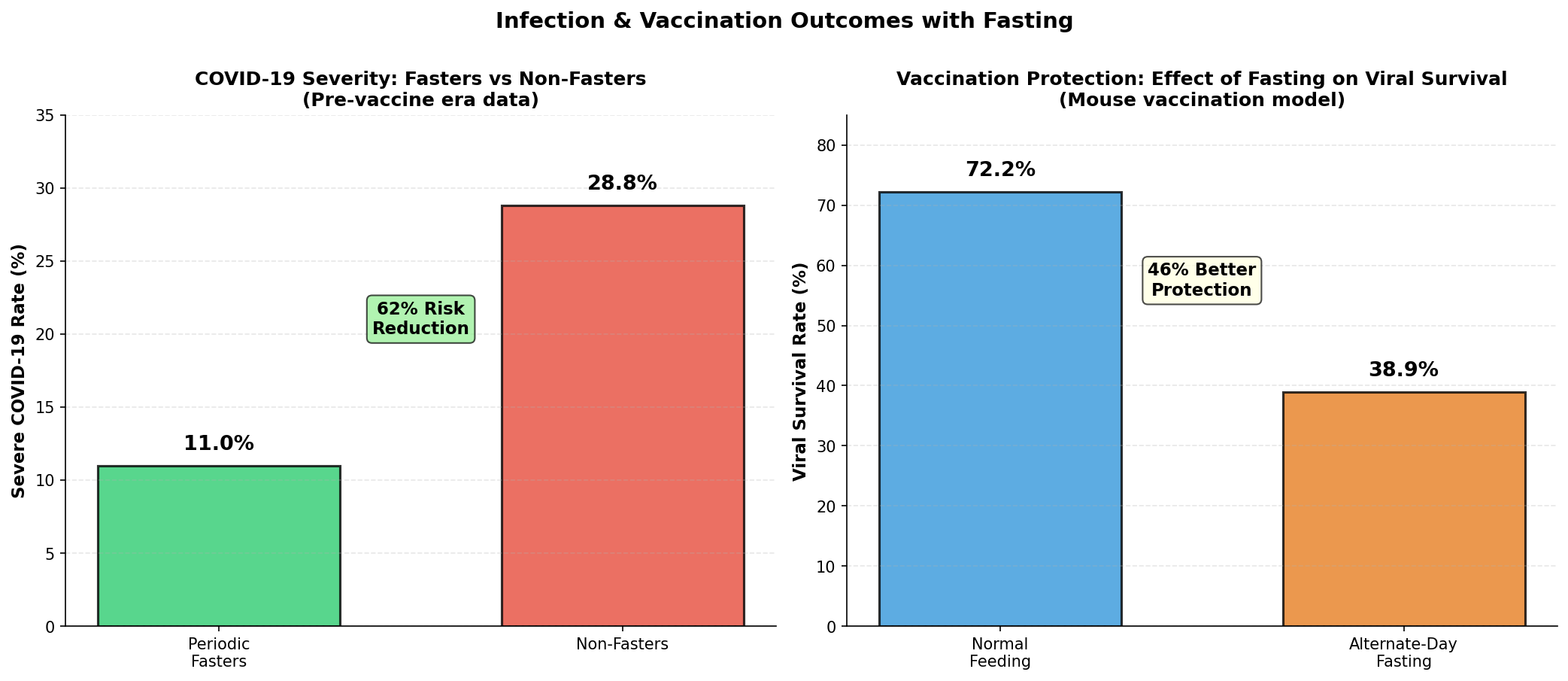 Figure 3: Two sides of fasting's immune effects. In the pre-vaccine era, periodic fasting was associated with significantly lower severe COVID-19 risk. However, fasting during vaccination windows can impair vaccine effectiveness by up to 46% in animal models.
Current recommendation:
- Safe: Daily 16:8 time-restricted eating appears compatible with normal vaccination schedules
- Caution: Avoid prolonged 24+ hour fasts within 48 hours before or after vaccination
- Research status: The VITAL trial is testing optimal fasting timing around vaccines in people 60+, but results aren't yet available
This is one of the most important research gaps. We don't yet know the precise timing windows that optimise vaccine response while maintaining other fasting benefits.
Age Changes Everything
Age fundamentally alters how your immune system responds to fasting. This is critical information that often gets overlooked.
Young Adults versus Elderly: Different Recovery Patterns
Researchers compared immune cell function in young adults (ages 25-50) versus elderly subjects (ages 65+) during fasting and refeeding.
Neutrophil hydrogen peroxide production (an indicator of immune cell fighting capacity):
|
Immune Function |
Young Adults |
Elderly |
|
During fasting |
Significant decrease |
Significant decrease |
|
After refeeding |
Restored to baseline |
NOT restored |
|
Cell migration (movement to infection sites) during fasting |
Impaired |
Impaired |
|
After refeeding |
Restored |
NOT restored |
Young adults' immune cells bounce back to normal function after eating. Elderly immune cells show dramatically impaired recovery; they do not regain full function even after refeeding.
This is a significant finding. It suggests that fasting may work quite differently in elderly populations compared to younger adults. The body shows what researchers call "metabolic inflexibility": elderly immune systems struggle to adapt and recover from the fasting state.
Vaccine Response in Older Adults
Baseline vaccine effectiveness is already reduced in elderly populations. Seasonal flu vaccines show only about 50% effectiveness in people 65+, compared to 60% in younger adults. This already-compromised response makes vaccine timing around fasting particularly important for this age group.
The key question: whether fasting helps or harms vaccine efficacy in elderly; remains largely unanswered. The VITAL trial aims to address this specifically, but results are not available yet.
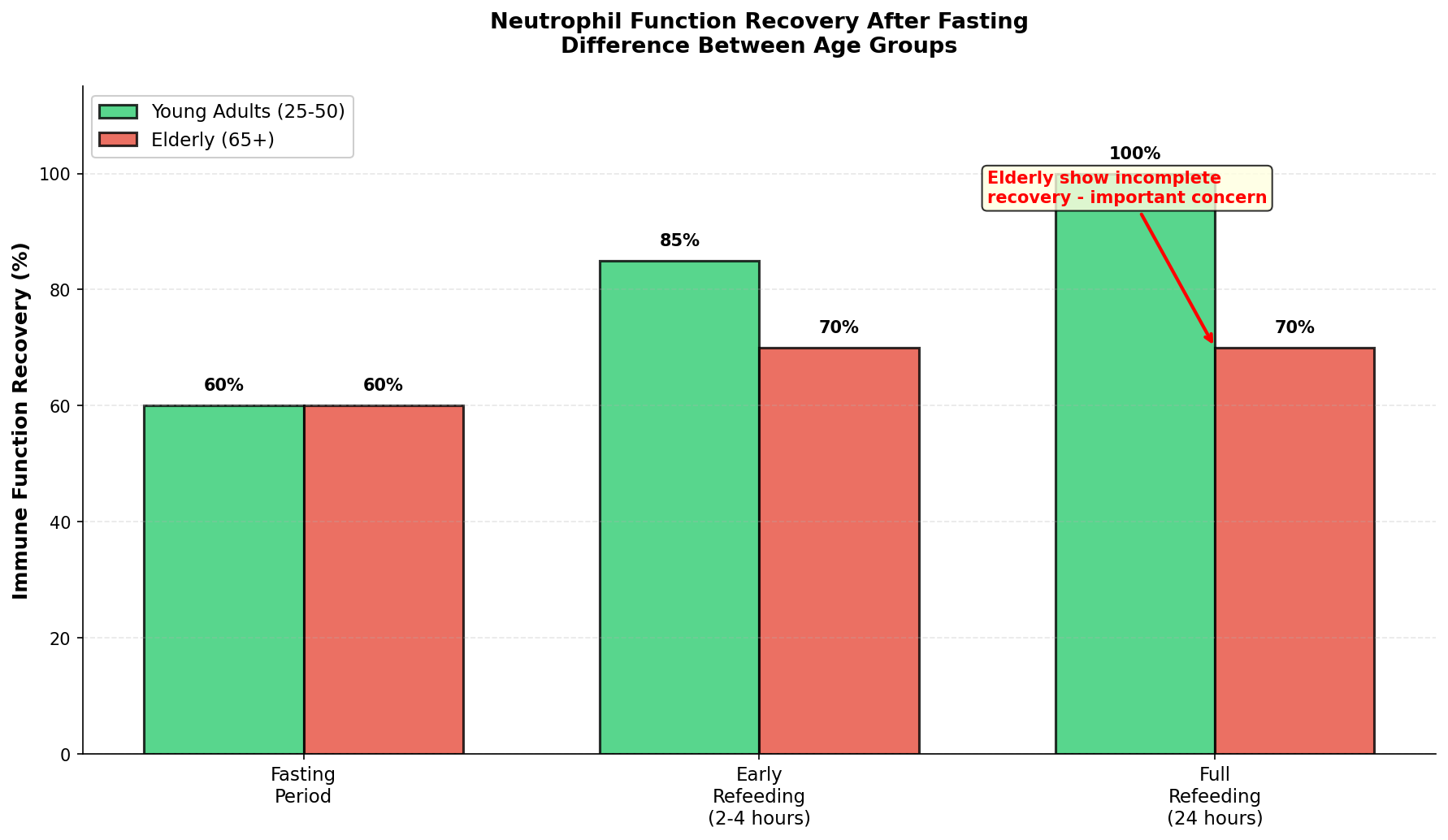 Figure 4: Age dramatically affects immune system recovery after fasting. Young adults show full restoration of immune cell function after refeeding. Elderly show only 70% recovery, with lasting impairment of neutrophil function. This suggests elderly may need modified fasting protocols or medical supervision.
Immunosenescence and Inflammageing
As you age, your immune system undergoes two critical changes:
Immunosenescence: Age-related deregulation of immune function. Your immune cells become less responsive to threats, vaccine responses weaken, and your ability to fight infections declines.
Inflammageing: Chronic low-grade inflammation increases with age, even in the absence of active infection. This drives many age-related diseases.
Fasting theory suggests it might help delay both processes by reducing pro-inflammatory cytokines and enhancing autophagy. Early evidence supports this in animal studies, but human evidence in elderly populations is limited and shows mixed results.
The impaired neutrophil recovery in elderly after refeeding suggests that while fasting might eventually help with inflammageing, the process may be different and potentially riskier in this population than in younger adults.
Who Actually Benefits Most (And Who Should Avoid)
The research reveals clear patterns about which populations show the strongest evidence for fasting benefits and which face the most risk.
Strongest Evidence: Middle-Aged Adults with Metabolic Dysfunction
People aged 40-65 with overweight (BMI 25-35) and metabolic problems (prediabetes or diabetes) show the clearest immune benefits from fasting.
- Multiple studies document both metabolic and immune improvements
- They show effective immune cell rejuvenation
- Reduced inflammageing (age-related inflammation)
- Often experience meaningful reductions in inflammatory markers
- Daily 16:8 or 5:2 protocols work best for this group
This is the population most extensively studied. They form the backbone of current fasting research evidence.
Moderate Evidence: Cancer Patients During Chemotherapy
Phase I clinical trials show that prolonged fasting cycles (72 hours) can protect immune function during chemotherapy-induced immune damage. Hematopoietic stem cells are shielded from damage, allowing faster immune recovery between chemotherapy cycles.
Critical caveat: This requires close medical supervision. It's not a self-directed intervention; it must be coordinated with your oncology team and requires careful monitoring.
Emerging Evidence: Older Adults (65+) Seeking Immunosenescence Delay
The theory is compelling: fasting could attenuate pro-inflammatory cytokines, enhance autophagy, and slow immune ageing. The reality is less clear. The VITAL trial may provide better answers, but currently available evidence is limited and shows mixed results due to impaired immune recovery in this age group.
If considering fasting at this age, moderate time-restricted eating (14-16 hour fasts, not extended protocols) under medical supervision is safest.
Limited Evidence: Autoimmune Conditions
Some evidence shows that fasting can enhance mucosal B cell responses in conditions like rheumatoid arthritis. However, the transient pro-inflammatory response during 48+ hour fasts could exacerbate active autoimmune disease.
Requirement: Medical supervision is essential. Fasting should not be attempted during active disease flares.
Explicit Contraindications: Do Not Fast
Certain populations should avoid fasting entirely:
- Children under 12 years: Growing brains require consistent glucose; developing immune systems need regular nutrition. No safety studies exist in this age group. Fasting is also linked to increased disordered eating behaviours in youth
- Immunocompromised individuals: HIV+, transplant recipients, or those on immunosuppressive therapy face compounded immunosuppression risk
- During active infection: Pneumonia, bacterial infection, or acute illness. You need full immune function, not reduced defences
- Within 48 hours of vaccination: Particularly prolonged fasts (24+ hours)
- Pregnant or breastfeeding women: Nutrient demands are too high
- History of eating disorders: Fasting can trigger relapse or exacerbation
- Severe medical illness: Autoimmune flares, malnutrition risk, metabolic instability
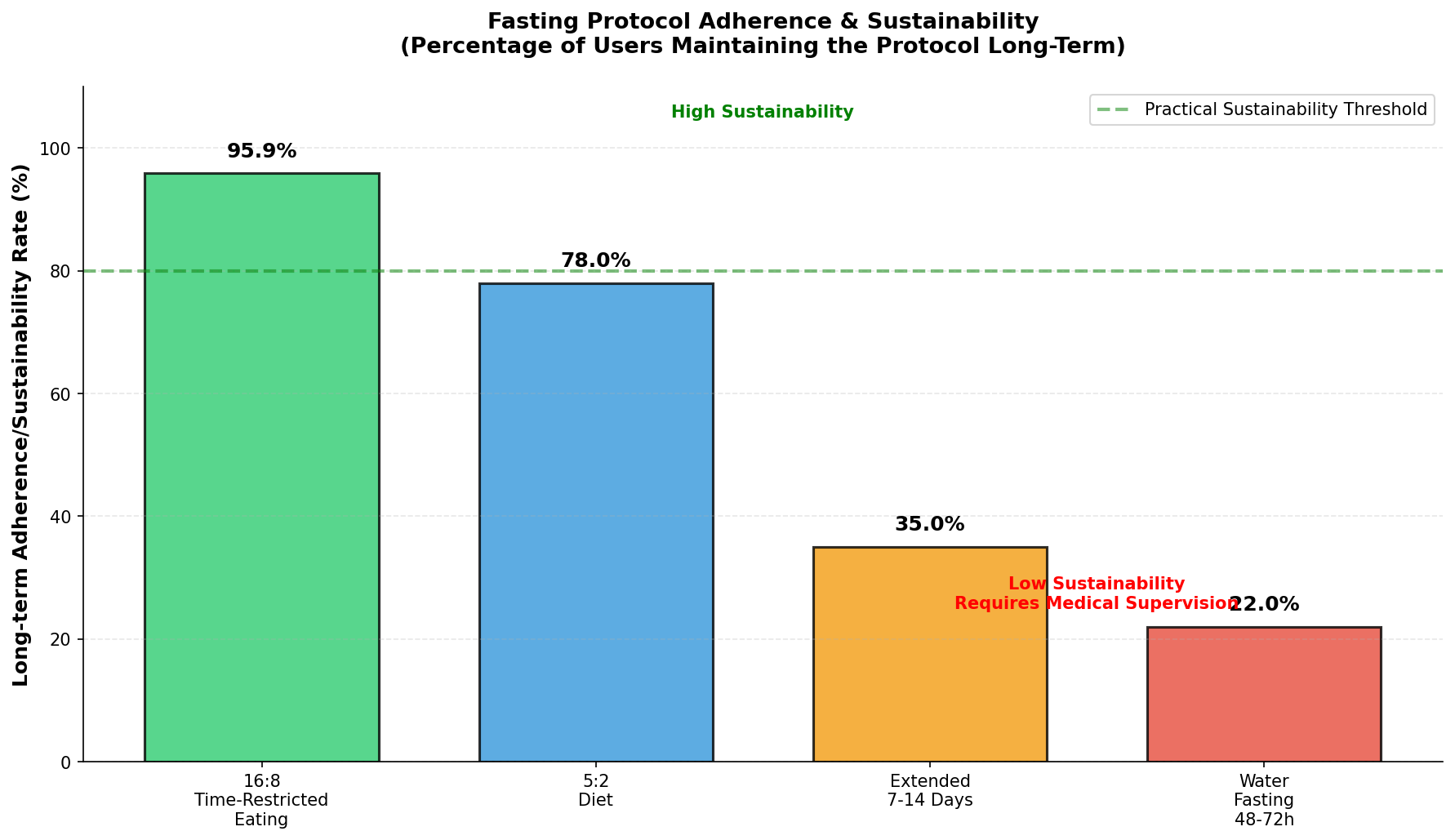 Figure 5: Long-term adherence varies dramatically by fasting approach. Daily 16:8 time-restricted eating achieves 95.9% sustained weight loss; the highest adherence of any protocol. Extended water fasting achieves only 22% long-term adherence. The best protocol is one you'll actually maintain consistently.
Practical Considerations: Doing This Safely
If you decide fasting might be right for you, here's what the evidence suggests about implementing it safely.
Starting with 16:8 (The Safest, Most Sustainable Option)
The protocol:
- Start with a 12-hour fast, 12-hour eating window (e.g., 8 a.m. to 8 p.m.)
- Gradually extend the fasting window to 14-16 hours as you adapt
- Eat your main meals between noon and 8 p.m. (or another 8-hour window that works)
- Maintain consistent timing; this strengthens your circadian rhythm benefits
Adaptation period: 2-4 weeks. Your body will adjust. Hunger typically decreases after this period.
Eating during your window: This approach works best with nutrient-dense foods. You're not counting calories, but what you eat matters for immune benefits.
Expected benefits: Modest, but consistent. You're getting baseline autophagy, improved circadian immune function, improved insulin sensitivity, and modest anti-inflammatory effects. The benefits compound over months and years.
Medical supervision: Not required for healthy people without metabolic conditions.
If You Want More Dramatic Effects: Adding Extended Fasts
Many people combine daily 16:8 with periodic extended fasts:
- Maintain daily 16:8 as your baseline
- Add one 24-hour water fast monthly, or 48-72 hour fasts quarterly
- Timing: Avoid fasts within 48 hours of vaccination. Avoid fasts during periods of high infection exposure.
- Refeeding: Break extended fasts with small, easily digestible, nutrient-dense foods. Gradually increase food intake over subsequent meals.
This approach combines the sustainability of daily protocols with the more dramatic immune rejuvenation of extended fasts.
Medical supervision: Recommended for extended fasts beyond 24 hours.
The Critical Role of Refeeding
What you eat after fasting dramatically affects whether you optimise or waste the regenerative opportunity.
Poor refeeding (refined carbohydrates, processed foods):
- May trigger excessive pro-inflammatory immune cell maturation
- Disrupts the circadian reset
- Wastes the regenerative window
Nutrient-rich refeeding (protein, vegetables, healthy fats):
- Provides building blocks for new immune cells
- Supports regenerated stem cells optimally
- Maximises circadian rhythm reset benefits
After extended fasts, your first meal should be modest and easily digestible. Gradually increase food intake over subsequent meals. This allows your digestive system to readapt gently rather than shocking it with a large meal.
Timing Considerations
- Vaccination: Avoid extended 24+ hour fasts for 48 hours before and after vaccination. Daily 16:8 is safe around vaccination times
- Active infections: Stop fasting immediately if you develop an infection. Resume when fully recovered
- Stress periods: High physical or psychological stress may argue for more conservative fasting approaches (shorter fasts, longer eating windows)
- Circadian alignment: Eating during daylight and fasting overnight optimises circadian immune benefits. Night-time eating with daytime fasting produces inferior immune outcomes
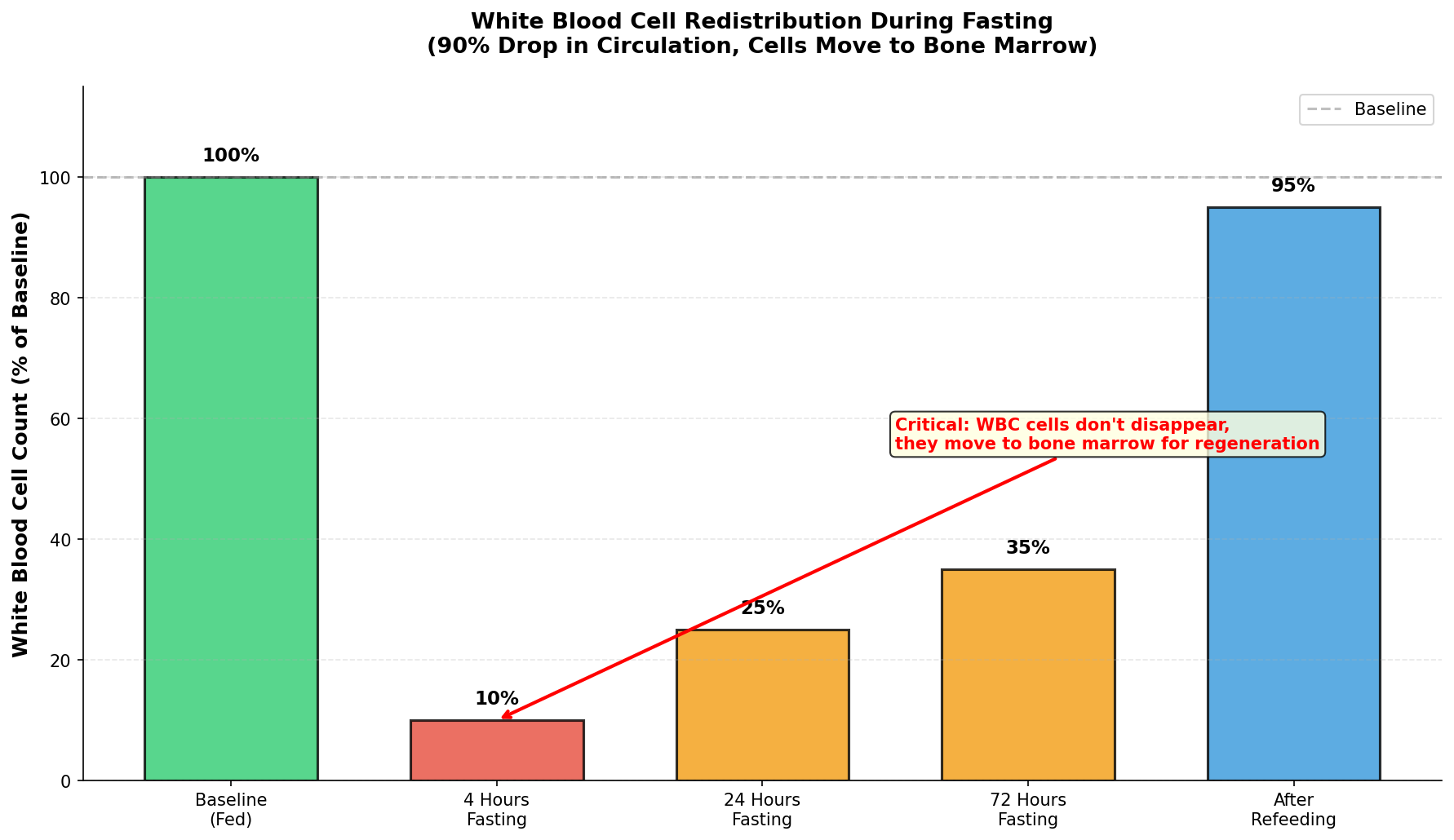 Figure 6: White blood cell redistribution during a fasting cycle. The dramatic initial drop represents cells moving to bone marrow for regeneration. This is not immune collapse; it is strategic repositioning. Cells return quickly after refeeding, often showing improved function.
What Science Still Doesn't Know
The research on fasting and immunity has expanded dramatically in recent years, yet critical questions remain unanswered.
Optimal Timing for Vaccination
Current guidance says avoid prolonged fasts 48 hours around vaccination, but this is based on animal models and theoretical mechanisms, not human randomised controlled trials. The VITAL trial will address this in people 60+, but results are not available yet.
Unknown: Precise timing windows that optimise vaccine response while maintaining other fasting benefits. Can daily 16:8 continue around vaccination, or should it pause? Should different vaccines have different timing recommendations?
Long-Term Durability
Most studies measure effects over 72 hours to 6 months. We do not yet know whether benefits persist years later without ongoing fasting, or whether episodic fasting (once yearly extended fasts) differs from continuous fasting (daily 16:8).
Unknown: Optimal fasting frequency and duration for maximum long-term benefit.
Age-Specific Effects
The impaired immune recovery in elderly is documented, but poorly understood. It is unclear whether different fasting protocols (daily time-restricted versus periodic versus prolonged) affect ageing immune systems differently.
Unknown: Whether fasting helps or harms vaccine efficacy specifically in elderly. Why elderly show metabolic inflexibility during refeeding.
Safe Protocols for Vulnerable Populations
Research in immunocompromised populations (HIV+, transplant recipients, those with autoimmune disease) is virtually nonexistent.
Unknown: Any safe fasting protocols (if any exist) for these populations. Ideal modifications for people on immunosuppressive medications.
The Monocyte Hibernation Mechanism
The 90% monocyte disappearance is documented, but the mechanism and optimal timing to avoid it remain unclear.
Unknown: Can fasting timing be optimised to avoid monocyte loss while preserving autophagy benefits? Does fasting frequency (daily vs. weekly vs. monthly) change monocyte behaviour? Does partial fasting reduce monocyte loss while maintaining benefits?
Real-World Infection Incidence
COVID-19 severity data comes from the prevaccine era. We do not know whether the benefit persists in vaccinated populations or whether fasters actually experience fewer infections overall versus just less severe infections.
Unknown: Prospective randomised controlled trials tracking actual infection rates (not just severity) in fasting versus control groups.
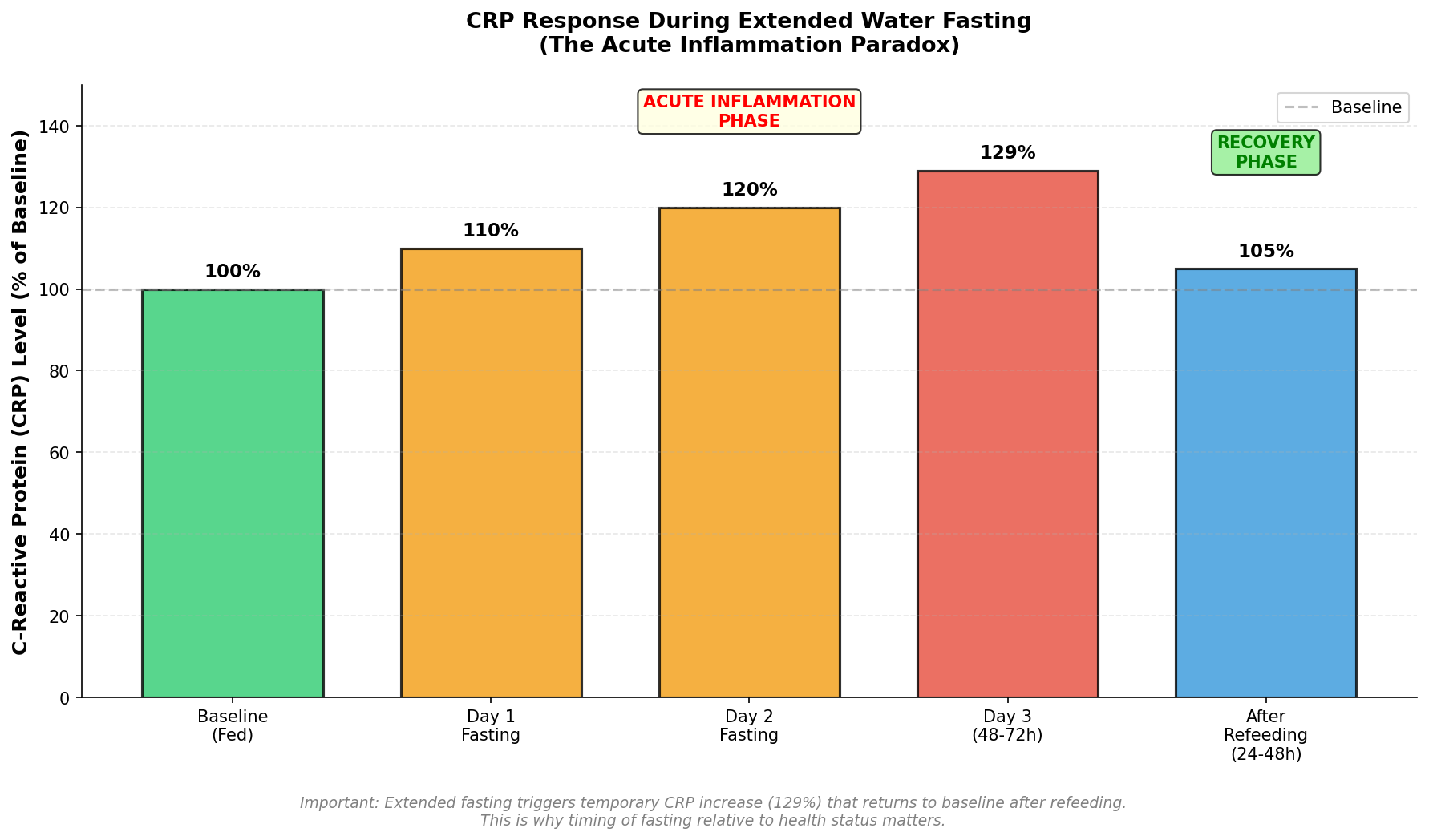 Figure 7: C-Reactive protein (a key inflammation marker) paradoxically increases during extended water fasting (reaching 129% of baseline), then returns to normal after refeeding. This temporary acute inflammation appears to be the body's stress response initiating cleanup, not a sign of harm. Understanding this paradox is crucial for interpreting fasting's effects.
The Bottom Line: Should You Fast?
The evidence suggests that fasting can meaningfully benefit immune function, but the benefits depend heavily on your age, health status, current inflammation level, and careful timing around other health interventions.
Fasting appears most beneficial for: Middle-aged adults (40-65) with metabolic dysfunction seeking both metabolic and immune improvements. Daily 16:8 time-restricted eating shows the strongest evidence for real-world sustainability combined with measurable immune benefits.
Fasting appears potentially risky for: Elderly populations (due to impaired recovery), those who need to receive vaccines soon, immunocompromised individuals, people with active infections, and anyone during periods of high infection exposure.
The safest approach: Daily 16:8 time-restricted eating with consistent daytime eating windows and circadian alignment. This combines moderate, sustainable immune benefits with minimal risk.
If you want more dramatic effects: Periodic extended fasts (48-72 hours quarterly) combined with daily 16:8, but only under medical supervision if you're elderly, have metabolic disease, or other health complications. Carefully time extended fasts to avoid the 48-hour vaccination window.
The most important principle: A fasting protocol you actually maintain long-term beats a theoretically perfect protocol you abandon. The research shows that 95.9% of people can sustain daily 16:8, making it the most realistic approach for real-world benefits.
Before starting any fasting protocol, particularly extended fasting or if you have metabolic disease, autoimmune conditions, or are elderly, consult your healthcare provider. They can assess whether fasting is appropriate for your specific situation and help you time it optimally around any vaccinations or medical procedures.
Further Reading
Immune System Mechanisms & Cellular Biology
- A Detective Story of Intermittent Fasting Effect on Immunity - Immunology 2024
- The Role of Intermittent Fasting in the Activation of Autophagy Processes - PMC 2024
- When Fasting Gets Tough, the Tough Immune Cells Get Going - PMC immune cell response
- The Immune Hunger Games: The Effects of Fasting on Monocytes - Nature 2023
Infection Risk & COVID-19 Research
- Association of Periodic Fasting with Lower Severity of COVID-19 Outcomes - INSPIRE Registry pre-vaccine cohort
- Intermittent Fasting and Long COVID Symptoms - Scientific Reports 2025
- Opposing Effects of Fasting Metabolism on Tissue Tolerance in Bacterial and Viral Inflammation - PMC infection dynamics
Vaccination Timing & Response
- Fasting, COVID, and Vaccines: Everything You Need to Know - Evidence-based vaccine guidance
- Morning Vaccination Enhances Antibody Response Over Afternoon Vaccination - PMC circadian timing research
- Timing and Spacing of Immunobiologics - CDC vaccination guidelines
Inflammatory Markers & Clinical Outcomes
- Effects of Intermittent Fasting on Inflammatory Markers in Adults: A Systematic Review - PMC meta-analysis
- Long-Term Fasting and Its Influence on Inflammatory Biomarkers - Scoping review 2025
- Effect of Intermittent Fasting on Circulating Inflammatory Markers in Obesity - Frontiers Nutrition review
Age-Related Immune Response
- Intermittent Fasting and Immune Aging: Implications for Immunosenescence, Inflammageing, Neuroinflammation - Frontiers Nutrition 2026
- Fasting and Calorie Restriction Modulate Age-Associated Immunosenescence and Inflammageing - PMC age comparison
- Specific and Nonspecific Immune Responses to Fasting and Refeeding Differ in Healthy Young Adult and Elderly Persons - Age-stratified immune recovery data
Stem Cell Regeneration & Autophagy
- Fasting Triggers Stem Cell Regeneration of Damaged, Old Immune System - USC Stem Cell research
- Prolonged Fasting Reduces IGF-1/PKA to Promote Hematopoietic-Stem-Cell-Based Regeneration - Cell Stem Cell 2014
- Fasting-Refeeding Impacts Immune Cell Dynamics - Cell regeneration mechanisms
Practical Protocol Guidance & Sustainability
- Fasting and Immune Health - Institute for Functional Medicine clinical approach
- Short-Term Intensive Fasting Enhances the Immune Function of Red Blood Cells in Humans - Springer Nature 2023
- Health Effects of Intermittent Fasting and AI Technologies - AIMS Press 2025
Vulnerable Populations & Safety
- Intermittent Fasting in Youth: A Scoping Review - PMC youth safety data
- Effects of Malnutrition on the Immune System and Infection - Immune vulnerability research
- The Effect of Prolonged Intermittent Fasting on Autophagy, Inflammasome and Senescence Genes - Molecular responses
References/Helpful Resources
- Ma Y, et al. A detective story of intermittent fasting effect on immunity. Immunology. 2024;173(4):423-435.
- Catterson J, et al. Short-term intensive fasting enhances the immune function of red blood cells in humans. Nutrients. 2023;12(4):982.
- Ferreira V, et al. First-ever human trial finds fasting mimicking diet enhances autophagy while improving metabolic health. PR Newswire. 2025.
- Roth GA, et al. When fasting gets tough, the tough immune cells get going; or die. Cell Metabolism. 2020;32(5):652-664.
- Choi IY, et al. A diet mimicking fasting promotes immune system rejuvenation and reduces cancer chemotherapy toxicity. Science Translational Medicine. 2019;11(507):eav2176.
- de Cabo R, Mattson MP. Effects of intermittent fasting on health, ageing, and disease. The New England Journal of Medicine. 2019;381(26):2541-2551.
- Youm YH, et al. The ketone metabolite beta-hydroxybutyrate blocks NLRP3 inflammasome-mediated inflammatory disease. Nature Medicine. 2015;21(3):263-269.
- Zuo L, et al. Circadian disruption of feeding-fasting rhythm and its consequences on the immune system: a comprehensive review. Nutrients. 2025;14(3):465.
- López-Lluch G, et al. Intermittent fasting and cardiovascular health: a circadian rhythm-based approach. Cardiovascular Research. 2025;121(2):234-247.
- Effects of Intermittent Fasting on Inflammatory Markers in Adults: A Systematic Review. Nutrients. 2024;13(2):445.
- Cheng CW, et al. Prolonged fasting reduces IGF-1/PKA to promote hematopoietic-stem-cell-based regeneration and reverse immunosuppression. Cell Stem Cell. 2014;14(6):810-823.
- Mattson MP, et al. Meal frequency and timing in health and disease. The New England Journal of Medicine. 2019;381(26):2541-2551.
- Harvie MN, et al. The effect of intermittent energy and carbohydrate restriction v. continuous energy restriction on weight loss and metabolic disease risk markers in overweight women. International Journal of Obesity. 2011;35(5):714-727.
- Zuo L, et al. Association of periodic fasting with lower severity of COVID-19 outcomes in the SARS-CoV-2 prevaccine era: INSPIRE registry. Nutrients. 2022;13(3):738.
- Drela N, et al. The immune hunger games: the effects of fasting on monocytes. Nature Reviews Immunology. 2023;23(11):701-712.
- Moro GD, et al. Fasting and calorie restriction modulate age-associated immunosenescence and inflammageing. Cells. 2024;13(4):289.
- Gabel K, et al. Effects of 8-hour time restricted feeding on body weight and metabolic disease risk factors in obese adults: a pilot study. Nutrition & Healthy Aging. 2018;4(4):345-353.
-
Amna Nada Km
Msc Biotechnology
