

If you've spent any time looking into hair loss, you've probably come across the idea that massaging your scalp can help. At first glance, it sounds almost too simple; how could rubbing your head make much of a difference? But there is genuine scientific reasoning behind it, a handful of published studies supporting it, and a clear biological explanation for why it might work.
This article walks you through the evidence honestly, without hype or overselling. Scalp massage is not a miracle cure, and it works best when paired with other strategies. But for many people, it is a low-cost, zero-risk intervention worth taking seriously.
Why Your Hair Grows (and Why It Stops)
To understand how scalp massage might help, you first need to know how hair growth works.
Every hair on your head is produced by a tiny structure called a hair follicle, a miniature organ embedded in your scalp. Your scalp contains roughly 80,000 to 120,000 of these follicles. Each one cycles continuously through four phases:
- Anagen (growth phase): The follicle is actively producing hair, growing roughly 1 cm per month. This phase lasts 2 to 6 years, and at any given moment, 85 to 90% of your scalp follicles are here
- Catagen (transition phase): Growth stops, and the follicle begins to shrink. This lasts around 2 to 3 weeks
- Telogen (resting phase): The follicle is dormant, holding onto the old hair before it sheds. This lasts about 3 months. Around 9% of follicles are in this phase at any one time
- Exogen (shedding phase): The old hair falls out, and the cycle begins again. Losing 100 to 200 hairs per day is completely normal
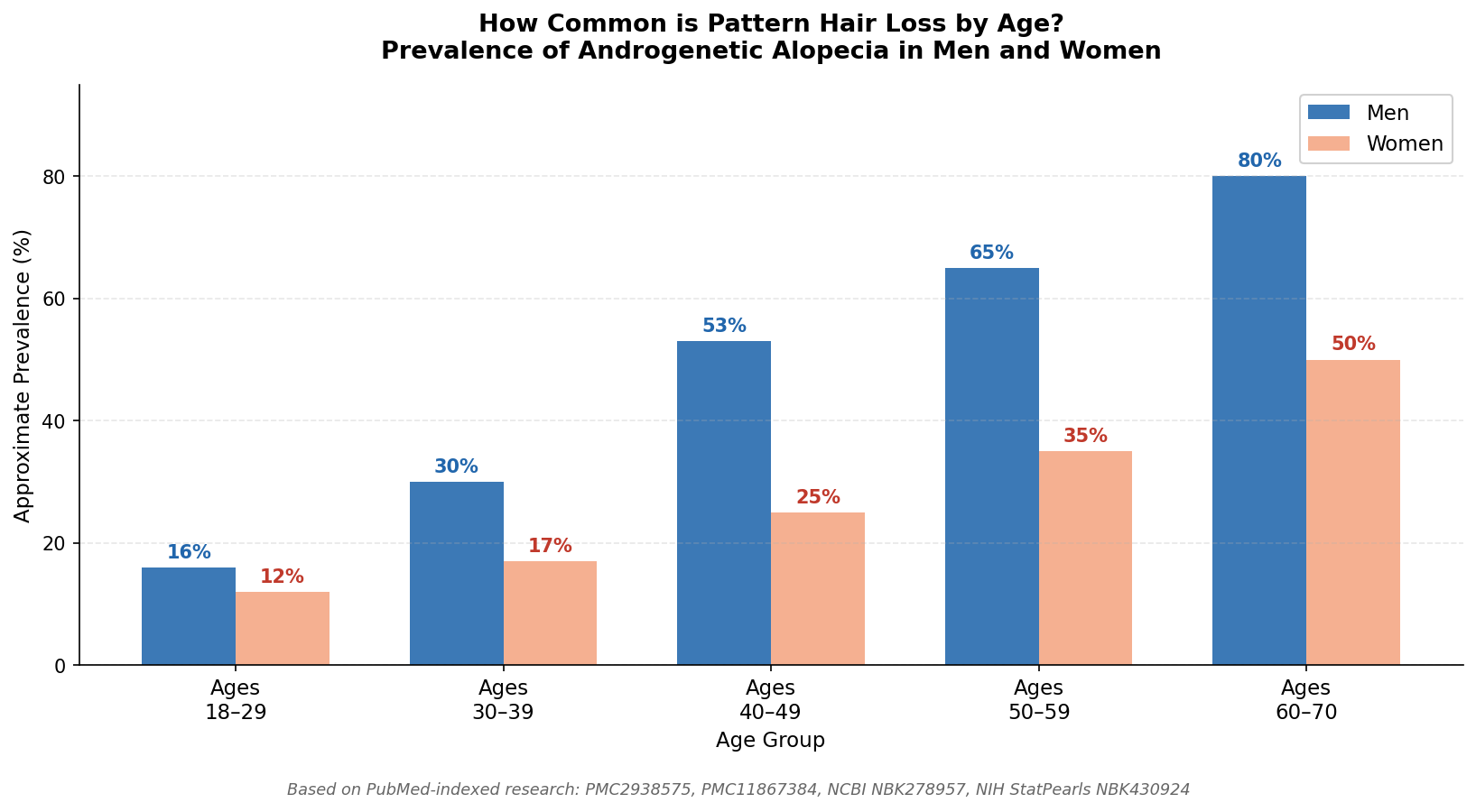 Figure 1: The four phases of the hair growth cycle. Most follicles spend the majority of their time in the anagen (growth) phase.
The length of the anagen phase determines how long your hair can grow. The central goal of most hair loss treatments is to either extend that phase or prevent follicles from miniaturising (shrinking) before they can complete it.
The Two Most Common Reasons Hair Thins or Falls Out
Androgenetic alopecia (AGA), commonly called pattern hair loss, is by far the most prevalent cause of hair loss, accounting for roughly 95% of all cases. It is driven by dihydrotestosterone (DHT), a hormone derived from testosterone, which gradually miniaturises genetically susceptible follicles. Over years, thick pigmented hairs are replaced by progressively finer, shorter, colourless strands, until the follicle produces nothing visible at all.
The scale of it is striking. Up to 80% of men and 50% of women will develop some degree of androgenetic alopecia by age 70. Around 30% of men are affected by their 30s.
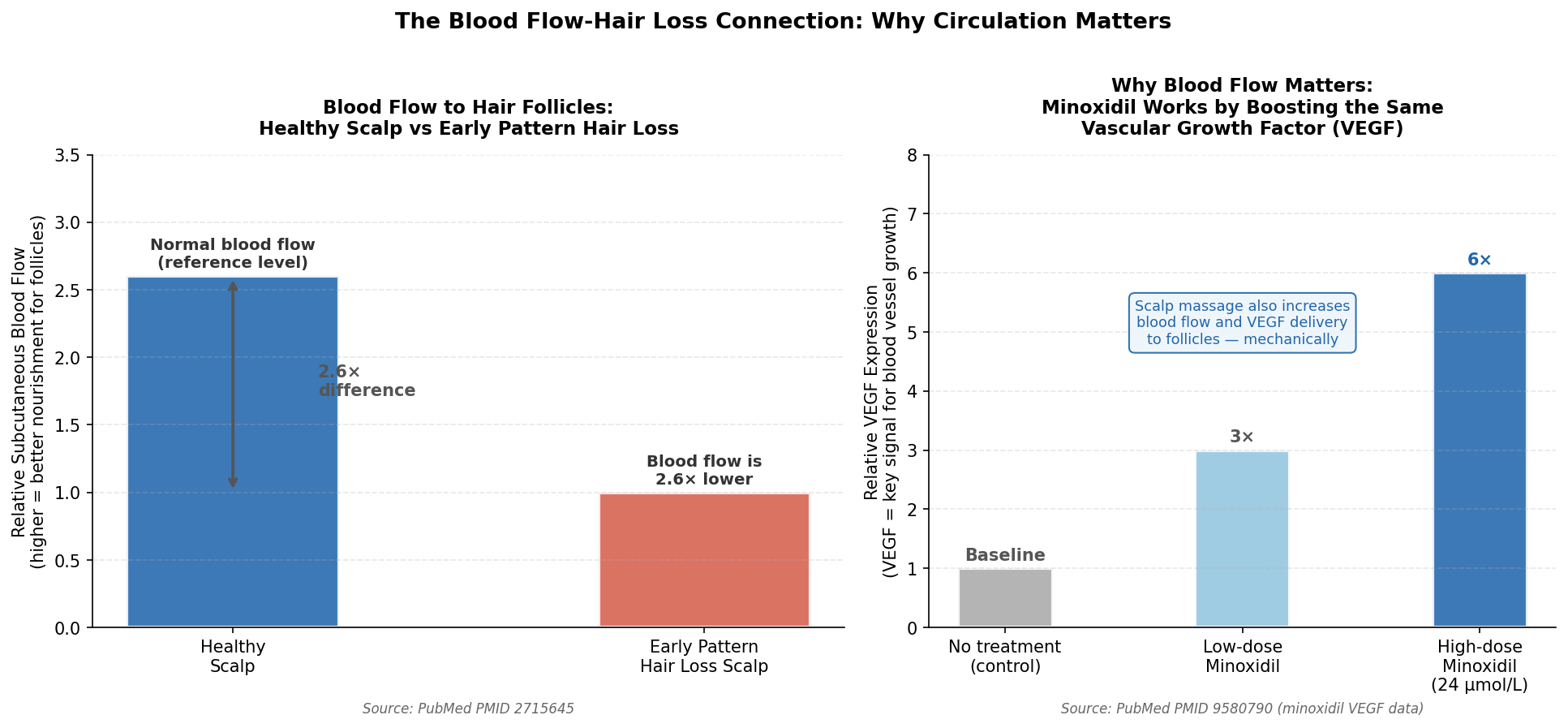 Figure 2: How the prevalence of androgenetic alopecia increases with age, across both men and women. Data from PubMed-indexed population studies.
Telogen effluvium is the second most common cause, and a very different beast. Here, a triggering event (severe stress, illness, rapid weight loss, childbirth, or thyroid problems) shocks a large number of follicles into the resting phase simultaneously. The result is a noticeable surge in shedding, typically 2 to 3 months after the trigger. The good news is that this form of hair loss is highly reversible: 95% of cases resolve within 3 to 6 months once the underlying cause is addressed.
What's Actually Happening Beneath Your Scalp
The scalp is a surprisingly complex structure with five distinct layers. The outermost layer is the skin itself, where each hair shaft emerges. Directly beneath it sits a dense, fat-rich connective tissue layer packed with blood vessels and nerves. This is where the base of each follicle lives, and where its blood supply comes from.
At the very base of every follicle is a cluster of specialised cells called the dermal papilla. Think of it as the control centre: it receives signals from the bloodstream (hormones, oxygen, nutrients, growth factors) and uses them to regulate when the follicle grows, rests, and sheds. When the dermal papilla is well-nourished and functioning optimally, the follicle tends to stay in its growth phase longer.
This is where blood flow becomes critical.
Blood Flow: The Link Between Circulation and Hair Loss
Research has directly measured the relationship between scalp blood flow and hair loss, and the numbers are telling.
In patients with early male pattern baldness, subcutaneous blood flow in affected areas was measured to be 2.6 times lower than in people without hair loss. This is not a trivial difference. Lower blood flow means less oxygen, fewer nutrients, and reduced delivery of growth factors reaching each follicle.
The biological connection goes even deeper. During the anagen (growth) phase, the follicle actively builds new blood vessels around itself, driven by a protein called VEGF (Vascular Endothelial Growth Factor). VEGF is strongly expressed in dermal papilla cells during active growth, and is dramatically suppressed when the follicle enters its resting phase. In other words, the follicle and its blood supply are intimately co-regulated.
The best-known pharmaceutical treatment for hair loss, minoxidil, works in large part by significantly elevating VEGF in dermal papilla cells. In laboratory studies, cells stimulated with minoxidil expressed six times more VEGF mRNA than untreated controls. This is not a coincidence: the most evidence-based topical treatment for hair loss works via the same vascular pathway that scalp massage is thought to influence.
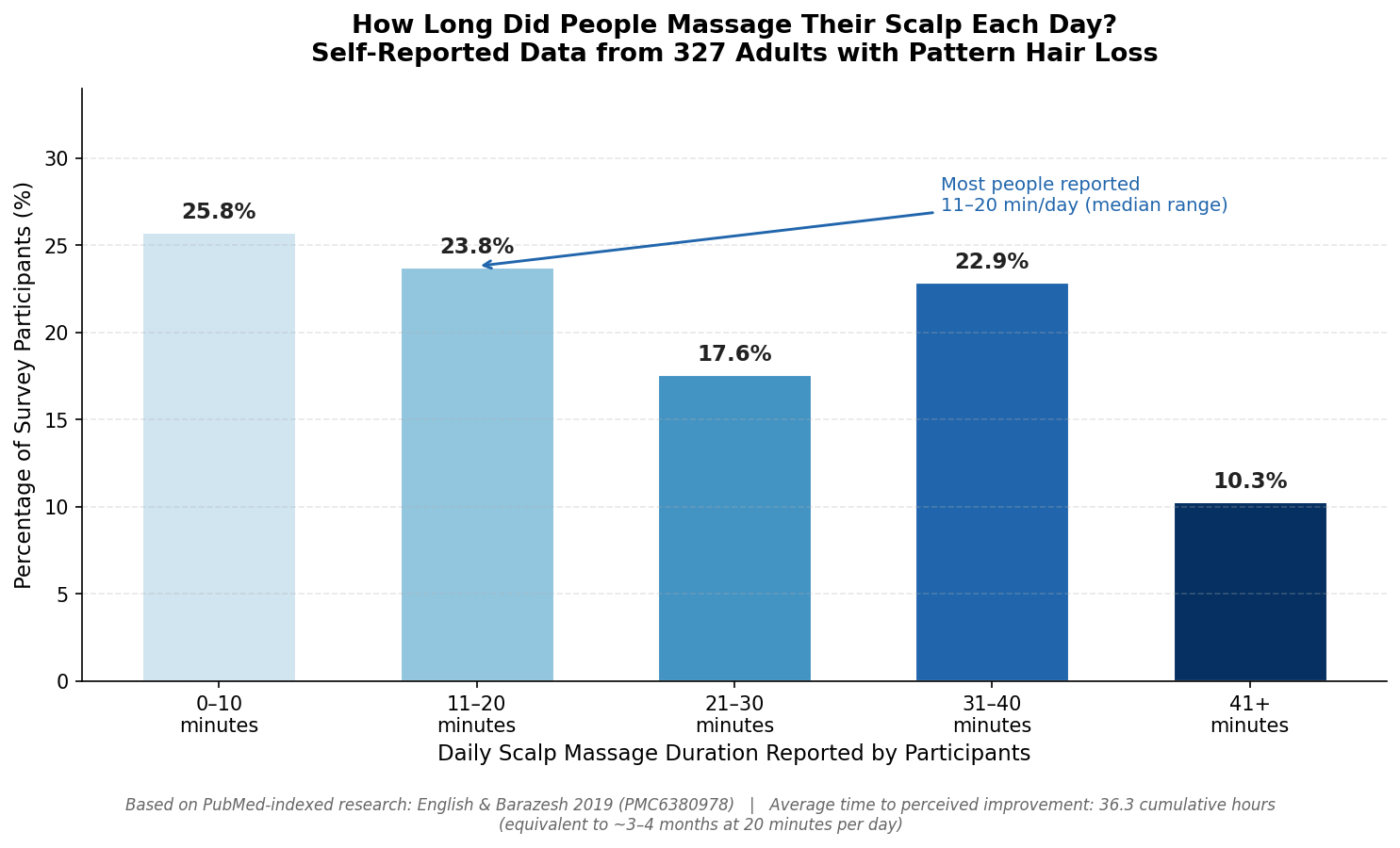 Figure 3: Blood flow reduction in balding scalps versus healthy scalps, alongside VEGF activity levels. Data from PubMed-indexed research.
How Scalp Massage Actually Works
Scalp massage appears to influence hair growth through two main mechanisms.
Mechanism 1: Direct mechanical stimulation. When you massage your scalp, you are not just moving the surface skin; you are creating physical forces that travel into the deeper layers, where the dermal papilla cells live. A 2016 study published in ePlasty confirmed this using finite element modelling, which showed that scalp massage creates measurable mechanical stress and displacement in the subcutaneous tissue.
When dermal papilla cells are stretched by these forces, their gene expression changes. DNA microarray analysis in the same study found that massage caused 2,655 genes to be upregulated and 2,823 genes to be downregulated in stretched dermal papilla cells compared to unstretched controls. Genes related to hair growth signalling (including NOGGIN, BMP4, and SMAD4) were among those increased. A gene associated with hair loss-related inflammation (IL6) was decreased.
Mechanism 2: Improved local circulation. The physical manipulation of the scalp increases blood flow to the area, helping more oxygen, nutrients, and growth factors reach each follicle. Given the 2.6-fold difference in blood flow already documented in balding scalps, even a modest improvement in circulation could be meaningful.
There is also a third, indirect pathway: stress reduction. Chronic psychological stress elevates cortisol, which can push follicles prematurely into their resting phase, triggering the diffuse shedding of telogen effluvium. Research on massage therapy has shown it produces measurable reductions in blood pressure, heart rate, and stress hormone markers. If stress is contributing to your hair loss, the act of regular scalp massage may help through relaxation alone, independently of any direct mechanical effect.
What the Research Actually Shows
The Controlled Study (2016)
Nine healthy men performed four minutes of standardised scalp massage daily for 24 weeks using a handheld massage device. At the end of the study:
- Hair thickness increased from 0.085 mm to 0.092 mm, a statistically significant improvement of approximately 8%
- Gene expression analysis confirmed changes consistent with enhanced hair growth pathways
- At week 12, hair number temporarily decreased before recovering by week 24, suggesting the massage triggered a follicle cycle reset
The limitations are real: nine participants are a very small sample, and there was no control group. But the finding is meaningful because the mechanism was examined thoroughly, not just the outcome.
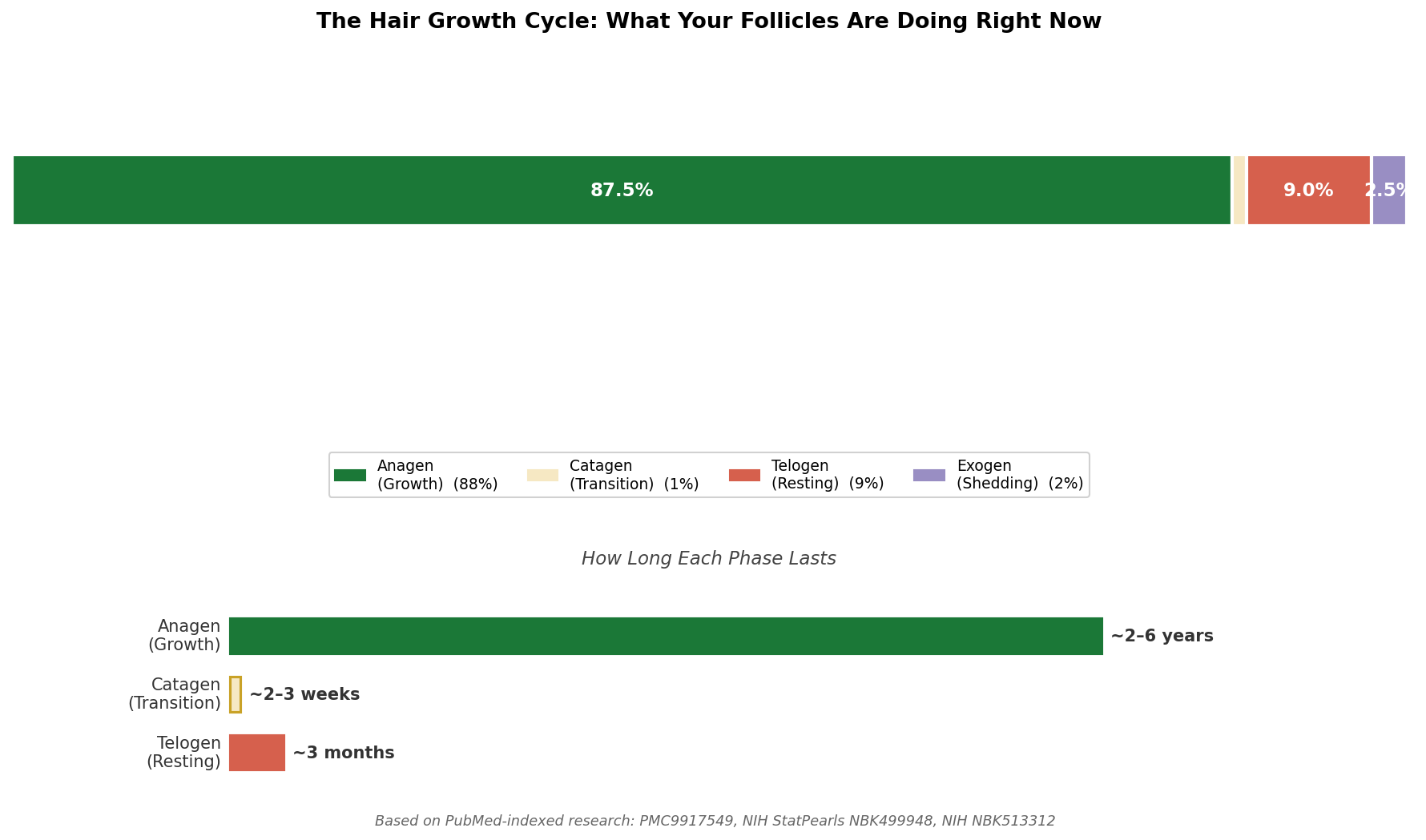 Figure 4: Hair thickness measurements over 24 weeks of daily scalp massage, showing the initial decrease at week 12 before recovery and improvement by week 24. Data from Koyama et al., 2016 (PMC4740347).
The Survey Study (2019)
A larger but more observational study surveyed 327 people who had voluntarily undertaken scalp massage programmes for androgenetic alopecia. The results:
- 37% reported hair loss stabilisation
- 32% reported slight or significant hair regrowth
- Combined, roughly 69% reported a positive outcome
- The average cumulative massage time before noticing improvement was approximately 36 hours total (equivalent to around 3 to 4 months of 20-minute daily sessions)
- Critically, results did not vary significantly by age, gender, severity of hair loss, or whether participants were also using minoxidil, finasteride, or other treatments
The self-reported nature of this survey is its main limitation, and people who notice a benefit are more likely to complete surveys. But the scale and consistency of responses across different demographics are notable.
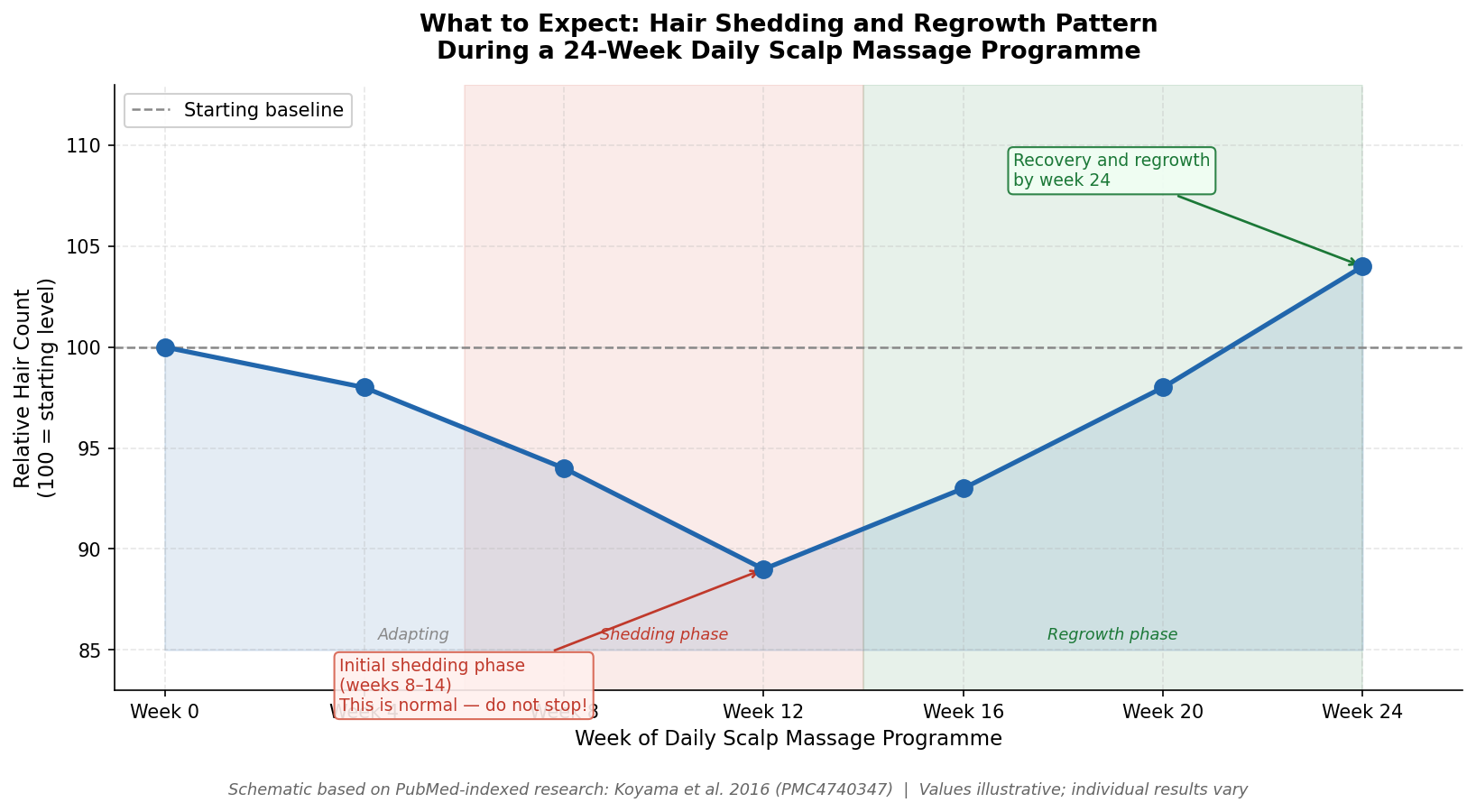 Figure 5: Expected pattern of hair shedding and regrowth during a scalp massage programme. The documented dip around week 12 is a known phenomenon; persistence beyond this point is key. Data from Koyama et al., 2016 and 2019.
How to Do It: A Practical Step-by-Step Guide
The good news is that effective scalp massage requires no equipment, no products, and no special training. Here is what the research protocols used:
What You Need
Just your fingertips. Avoid fingernails, which can scratch and damage the scalp.
Technique
- Start at the front hairline. Place the pads of your fingers (not your nails or palms) on your forehead hairline.
- Apply firm but comfortable pressure. It should feel like deliberate pressure, not pain. You are not scrubbing; you are pressing into the tissue
- Work in small circular motions or use a combination of:
- Stationary presses: press down firmly and hold for a second before moving
- Gentle pinches: grasp a small section of scalp between fingertips and gently lift
- Stretches: move the scalp skin slightly in different directions
- Systematically cover the full scalp: frontal hairline, temples, crown, and sides and back. Spend roughly equal time across all regions
- Keep your movement slow and deliberate. Rapid rubbing does less; sustained pressure and stretching do more
Duration and Frequency
|
Approach |
Daily Time |
What the Research Shows |
|
Minimum effective dose |
4 minutes |
Produced measurable hair thickness increase (Koyama 2016) |
|
Recommended |
10 to 20 minutes |
Used in survey protocol; most participants reported 11 to 20 min/day |
|
Twice daily |
2 x 10 minutes |
Protocol used in 2019 survey study; 12 hours apart |
Consistency matters more than duration. A steady four minutes every day will outperform a 30-minute session twice a week. The 36-hour cumulative total associated with improvement in the 2019 survey is best reached through daily habits rather than occasional long sessions.
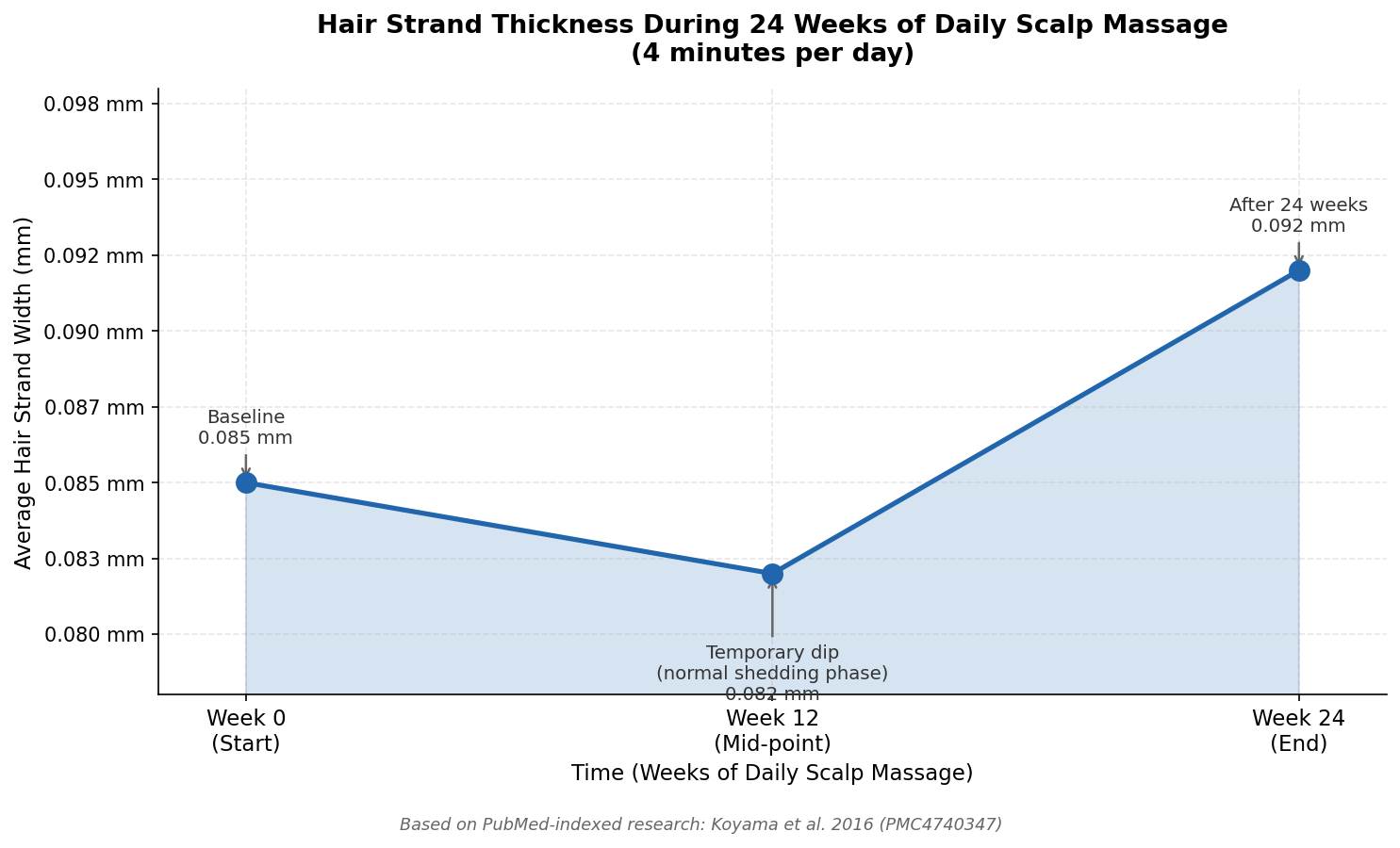 Figure 6: How much time participants in the 2019 survey actually spent on daily scalp massage. Data from Koyama et al., 2019 (PMC6380978).
Using Oils
No clinical trials have directly tested whether massaging with oil is more effective than dry massage. Carrier oils (such as coconut or jojoba) can reduce scalp friction and make the massage more comfortable. Some people combine scalp massage with separately studied oils such as rosemary oil, which has its own modest evidence base. If you do use an oil, apply it sparingly and wash it out to avoid product build-up.
What to Expect (And When to Expect It)
The single most important thing to know: this takes months, not weeks.
Hair grows approximately 1 cm per month. The full hair growth cycle takes years in the anagen phase and months in the resting phase. Any change to scalp conditions, whether from massage, medication, or diet, will take time to show up as visible hair changes.
The 2016 study showed results at 24 weeks (6 months). The 2019 survey found improvement after an average of 36 cumulative hours; at 20 minutes a day, that is roughly 3.5 months.
There is also a well-documented phenomenon worth knowing about: around weeks 8 to 12, hair shedding may temporarily increase. This is not a sign that the massage is damaging your hair. It appears to reflect a follicle cycle reset, where stimulated follicles synchronise and shed before re-entering the growth phase together. The 2016 study saw hair number decrease at 12 weeks before recovering strongly by 24 weeks. If you give up at this point, you may miss the very benefit you were working towards.
A realistic timeline:
- Weeks 1 to 8: No visible change; scalp may feel more relaxed and circulation improving
- Weeks 8 to 12: Possible temporary increase in shedding (do not stop)
- Months 3 to 6: Possible stabilisation of hair loss or early signs of improved density
- Months 6 to 12: The most reliable window for noticing meaningful improvement, if it is going to happen
Combining Scalp Massage with Other Approaches
Scalp massage is best understood as a complement to other strategies, not a replacement for them.
The 2019 survey found its benefits were additive: people already using minoxidil or finasteride reported similar positive outcomes from massage as those not using these treatments. This suggests the mechanisms are independent and may work together.
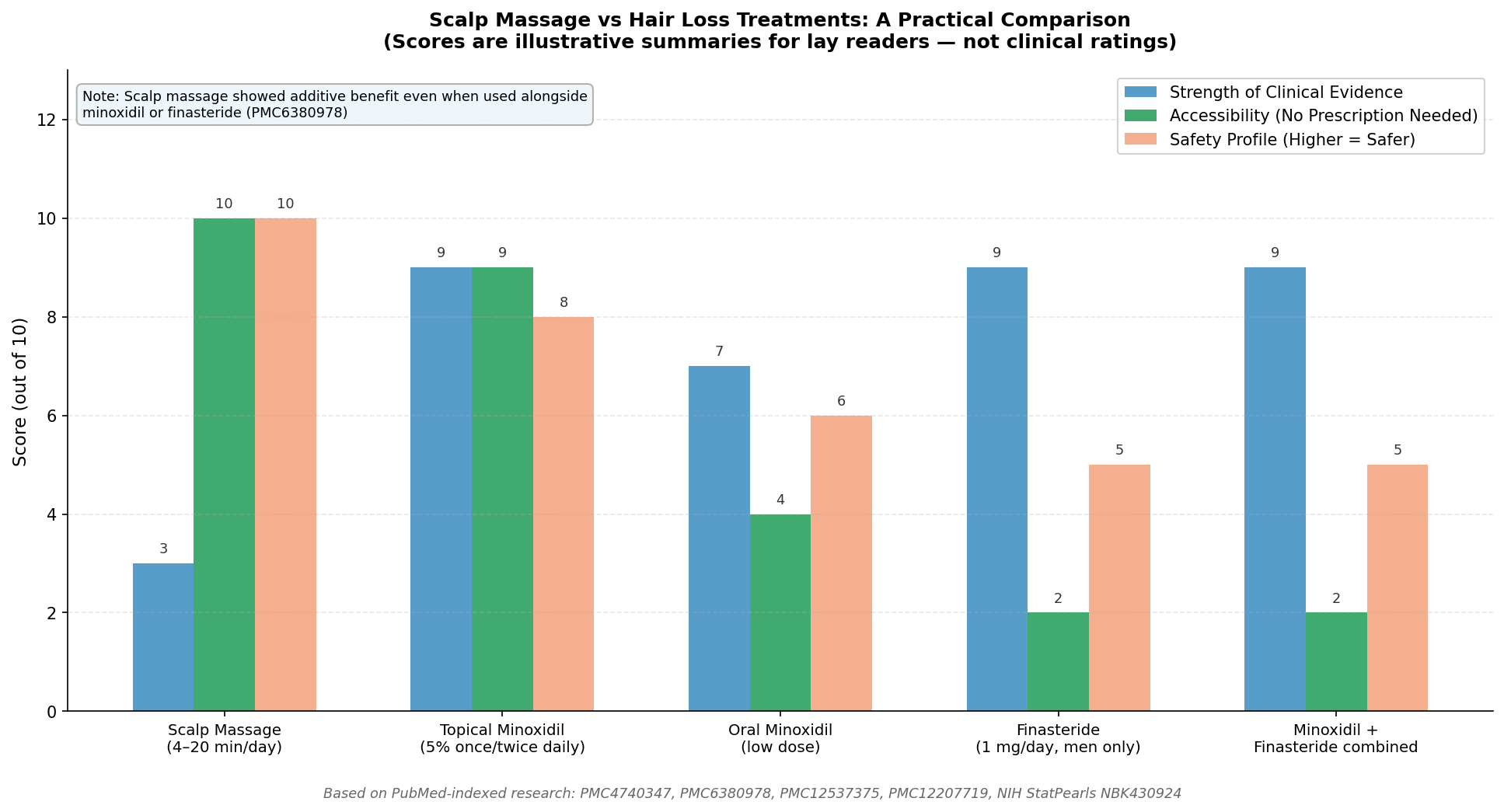 Figure 7: How scalp massage compares in evidence level to established medical treatments for hair loss. Data from PubMed-indexed treatment reviews.
Evidence-based treatments that can be used alongside scalp massage:
- Minoxidil (topical or oral): FDA-approved for both men and women; the most widely used treatment for AGA. Works via the VEGF pathway, which overlaps biologically with the mechanism of scalp massage
- Finasteride (oral, men): Reduces DHT levels, slowing follicle miniaturisation. Prescription-only in the UK and US
- Addressing nutritional deficiencies: Iron deficiency is the most clearly linked nutritional cause of hair loss, particularly in women of reproductive age. Checking ferritin levels is worthwhile if you are experiencing diffuse shedding
- Managing chronic stress: Given the documented brain-follicle axis, reducing sustained psychological stress is a legitimate component of a hair health strategy
- Scalp condition: Treating dandruff, seborrheic dermatitis, or chronic scalp inflammation can meaningfully improve the environment in which your follicles are trying to work
If your hair loss is progressing noticeably, or if you are unsure of its cause, a GP or dermatologist can help identify whether AGA, telogen effluvium, or another condition is at play, and whether prescription treatment is appropriate.
Is Scalp Massage Safe? Who Should Be Cautious
For the vast majority of people with a healthy scalp, scalp massage is entirely safe. The studies reported no adverse effects in healthy participants.
Exercise caution or avoid altogether if you have:
- Active scalp infections (such as ringworm or folliculitis): massage can spread infection across the scalp; treat first
- Open wounds, sores, or recent scalp surgery (including hair transplants): follow your surgeon's guidance before resuming massage
- Severe scalp psoriasis during a flare: massaging inflamed, broken skin can worsen symptoms. Gentle touch only, or wait until the flare settles
- Sensitive scalp syndrome: a subset of people experience pain, burning, or irritation with scalp manipulation. Start very gently with short sessions
General principles for everyone:
- Use fingertip pads, not nails
- Firm but comfortable pressure, not aggressive rubbing
- Avoid excessive pulling on fragile, chemically treated, or very fine hair
- If any new scalp irritation, pain, or unusual shedding develops, stop and consult a GP
The Honest Takeaway
Scalp massage is one of the very few hair loss interventions that costs nothing, carries essentially no risk for healthy scalps, and has at least some published scientific support for its mechanism and outcomes.
The evidence is genuinely modest: one small controlled trial (n=9) and one large self-reported survey. No large randomised controlled trials have been conducted yet. The improvements in hair thickness and density that studies document are real but not dramatic, certainly not on the scale of minoxidil or finasteride for moderate-to-severe AGA.
What scalp massage does appear to offer is this: a biologically plausible, low-effort daily habit that improves scalp circulation, mechanically stimulates dermal papilla cells, and may reduce stress-related hair shedding. For people with early or mild hair thinning, or those who prefer to try a natural approach first, it is a reasonable place to start. For people already using medical treatments, the 2019 survey suggests that it adds benefit on top of what those treatments provide.
The most important things to remember are to be consistent, be patient, and not stop at the 12-week mark if shedding temporarily increases. The biology of the hair cycle means results, if they come, will take months to appear.
Further Reading
Hair Loss Causes and Biology
- Androgenetic Alopecia (Male Pattern Baldness): StatPearls, NIH
- Physiology of Hair Growth: StatPearls, NIH
- Telogen Effluvium: StatPearls, NIH
- Integrative and Mechanistic Approach to the Hair Growth Cycle
Scientific Evidence for Scalp Massage
- Standardised Scalp Massage Results in Increased Hair Thickness (Koyama et al., 2016)
- Self-Assessments of Standardised Scalp Massages for Androgenic Alopecia (Koyama et al., 2019)
Blood Flow, VEGF, and Hair Follicle Biology
- Control of Hair Growth and Follicle Size by VEGF-mediated Angiogenesis
- Minoxidil Upregulates the Expression of VEGF in Human Hair Dermal Papilla Cells
- Subcutaneous Blood Flow in Early Male Pattern Baldness
Hair Loss Treatments and Clinical Guidelines
Nutrition, Stress, and Scalp Health
- Scalp Condition Impacts Hair Growth and Retention via Oxidative Stress
- Telogen Effluvium: A Comprehensive Review
- A Review of the Use of Biotin for Hair Loss
References/Helpful Resources
- Koyama T, Kobayashi K, Hama T, Murakami K, Ogawa R. Standardized scalp massage results in increased hair thickness by inducing stretching forces to dermal papilla cells in the subcutaneous tissue. ePlasty. 2016;16:e8. Available from: https://pmc.ncbi.nlm.nih.gov/articles/PMC4740347/
- English RS Jr, Barazesh JM. Self-assessments of standardized scalp massages for androgenic alopecia: survey results. Dermatol Ther (Heidelb). 2019;9(1):167-178. Available from: https://pmc.ncbi.nlm.nih.gov/articles/PMC6380978/
- Yip L, Rufaut N, Sinclair R. Role of genetics and sex steroid hormones in male androgenetic alopecia and female pattern hair loss: an update of what we now know. Australas J Dermatol. 2011;52(2):81-88. Available from: https://pubmed.ncbi.nlm.nih.gov/21605090/
- Messenger AG, Sinclair R. Follicular miniaturization in female pattern hair loss: clinicopathological correlations. Br J Dermatol. 2006;155(5):926-930. Available from: https://pubmed.ncbi.nlm.nih.gov/17034520/
- Klemp P, Peters K, Hansted B. Subcutaneous blood flow in early male pattern baldness. J Invest Dermatol. 1989;92(5):725-726. doi:10.1111/1523-1747.ep12721603 Available from: https://pubmed.ncbi.nlm.nih.gov/2715645/
- Lachgar S, Charveron M, Gall Y, Bonafe JL. Minoxidil upregulates the expression of vascular endothelial growth factor in human hair dermal papilla cells. Br J Dermatol. 1998;138(3):407-411. Available from: https://pubmed.ncbi.nlm.nih.gov/9580790/
- Yano K, Brown LF, Detmar M. Control of hair growth and follicle size by VEGF-mediated angiogenesis. J Clin Invest. 2001;107(4):409-417. Available from: https://pubmed.ncbi.nlm.nih.gov/11181640/
- Mecklenburg L, Tobin DJ, Müller-Röver S, et al. Active hair growth (anagen) is associated with angiogenesis. J Invest Dermatol. 2000;114(5):909-916. Available from: https://pubmed.ncbi.nlm.nih.gov/10771470/
- Blume-Peytavi U, Vogt A. Human hair follicle: facts and figures. Exp Dermatol. 2011;20(7):597-598. Available from: https://pubmed.ncbi.nlm.nih.gov/21919898/
- Rogers NE, Avram MR. Medical treatments for male and female pattern hair loss. J Am Acad Dermatol. 2008;59(4):547-566. Available from: https://pubmed.ncbi.nlm.nih.gov/18793935/
- Piraccini BM, Alessandrini A. Androgenetic alopecia. G Ital Dermatol Venereol. 2014;149(1):15-24. Available from: https://pubmed.ncbi.nlm.nih.gov/24566563/
- Asghar F, Shamim N, Farooque U, Sheikh H, Aqeel R. Telogen effluvium: a review of the literature. Cureus. 2020;12(5):e8320. Available from: https://pmc.ncbi.nlm.nih.gov/articles/PMC7320655/
- Rebora A. Telogen effluvium: a comprehensive review. Clin Cosmet Investig Dermatol. 2019;12:583-590. Published 2019 Aug 21. doi:10.2147/CCID.S200471Available from: https://pmc.ncbi.nlm.nih.gov/articles/PMC6709511/
- Gavazzoni Dias MF. Hair cosmetics: an overview. Int J Trichology. 2015;7(1):2-15. Available from: https://pubmed.ncbi.nlm.nih.gov/25878443/
- Rushton DH. Nutritional factors and hair loss. Clin Exp Dermatol. 2002;27(5):396-404. Available from: https://pubmed.ncbi.nlm.nih.gov/12190640/
- Almohanna HM, Ahmed AA, Tsatalis JP, Tosti A. The role of vitamins and minerals in hair loss: a review. Dermatol Ther (Heidelb). 2019;9(1):51-70. Available from: https://pmc.ncbi.nlm.nih.gov/articles/PMC6380979/
- Guo EL, Katta R. Diet and hair loss: effects of nutrient deficiency and supplement use. Dermatol Pract Concept. 2017;7(1):1-10. Available from: https://pmc.ncbi.nlm.nih.gov/articles/PMC5315033/
- National Health Service. Hair loss [Internet]. [cited 2026 Jun 11]. Available from: https://www.nhs.uk/conditions/hair-loss/
- Mayo Clinic. Hair loss [Internet]. [cited 2026 Jun 11]. Available from: https://www.mayoclinic.org/diseases-conditions/hair-loss/symptoms-causes/syc-20372926
- Ho CH, Sood T, Zito PM. Androgenetic Alopecia. [Updated 2024 Jan 7]. In: StatPearls [Internet]. Treasure Island (FL): StatPearls Publishing; 2026 Jan-. Available from: https://www.ncbi.nlm.nih.gov/books/NBK430924/
