

Can You Really Stay Healthy on Plants? What the Science Actually Says About Plant-Based Diets
Most of what you've heard about plant-based diets is probably wrong. You don't need to be perfect. You don't need endless supplements. And no, you won't be eating salad for every meal. What you actually need is straightforward information about what works, what doesn't, and how to make this transition without feeling like you're depriving yourself.
The truth is simple: a well-planned plant-based diet can be one of the most powerful health decisions you'll ever make. Science shows it works as effectively as some medications for preventing heart disease, diabetes, and certain cancers without the side effects. But that power only comes if you understand what you're doing and avoid the most common beginner mistakes.
This article answers every question you're probably asking: Is it really healthier? Will I actually lose weight? What about protein? How much does it cost? And most importantly, can I actually stick with it while living a normal, busy life?
The Real Health Benefits: What Research Actually Shows
Plant-based diets consistently outperform standard Western diets across every major health marker. The evidence isn't from small studies or anecdotes; it comes from massive research projects tracking hundreds of thousands of people over decades.
Here's what the science shows:
Cardiovascular Health: People eating plant-based diets have a 31-32% lower risk of dying from heart disease. That's not a small difference. For context, that's nearly as protective as taking a statin medication without any of the side effects.1 Even healthier plant-based diets show a 19% cardiovascular mortality reduction.1 Another way to think about it: amongst people following plant-based diets, approximately 30 fewer would die from cardiovascular causes for every 100 compared to those eating standard diets.1
Overall Longevity: Plant-based eaters have an 18-25% lower risk of dying from any cause.1 That's an extension of life simply from dietary choices.
Specific Disease Prevention:
- 40% lower coronary heart disease risk compared to people eating meat regularly1
- 34% lower hypertension risk (fewer people developing high blood pressure)1
- 30% lower type 2 diabetes risk with healthy plant-based diets (as opposed to processed plant-based junk food)1
- 10-45% lower risk for various cancers, including stomach cancer (45% reduction), kidney cancer (28% reduction), and pancreatic cancer (21% reduction)2
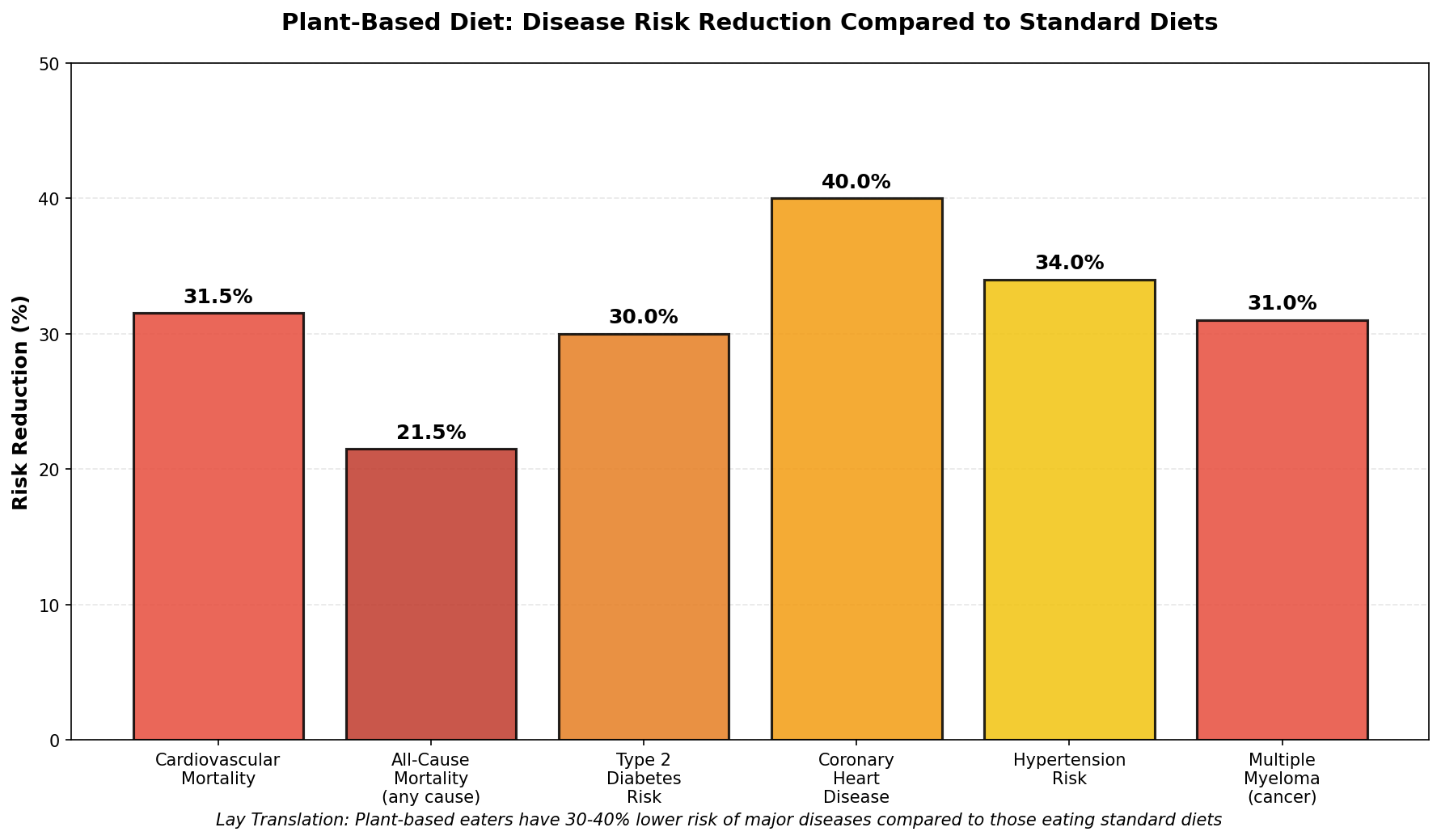 Figure 1: Risk reduction for major diseases when eating a plant-based diet compared to standard diets. These reductions rival many medications.1
Why This Matters: You're not reading this because you want a tiny health improvement. You want real protection against the diseases that actually kill people. Plant-based diets deliver exactly that.
Weight Loss Without Calorie Counting
If you've tried every diet and nothing stuck, plant-based eating works differently. You're not fighting hunger. You're not counting calories. You're just eating foods that are naturally less energy-dense but more filling.
People eating plant-based diets lose 5-9% of their body weight in 3-6 months. For someone who weighs 200 pounds, that's 10-18 pounds without feeling deprived.1 Compare this to non-plant-based diets in the same timeframe, which typically show only 3% weight loss.1
The breakdown by weight status shows this works for everyone:
- Normal weight individuals: 3% loss1
- Overweight individuals: 5.8% loss1
- Obese individuals: 6.4% loss1
This is sustainable because you're not fighting your body's natural hunger signals. Plant foods are full of fibre, which keeps you feeling full longer. You eat more volume of food (so your stomach is satisfied) but fewer calories because plants are naturally less calorie-dense than meat and dairy.
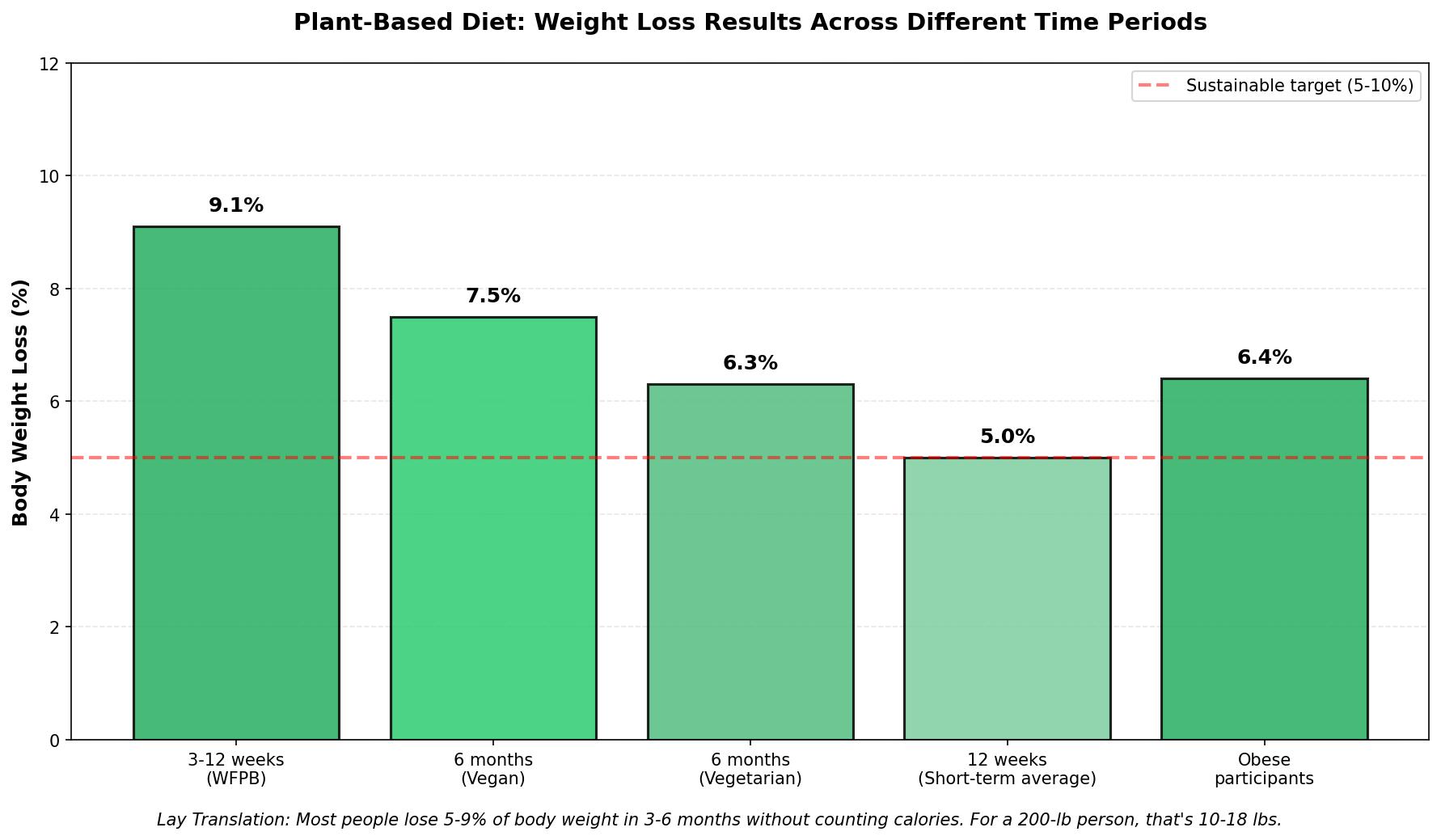 Figure 2: Weight loss achieved on plant-based diets across different study periods. Most people lose 5-9% body weight within 3-6 months.1
Your Biggest Worry: The Nutrition Question
Let's address this directly because it's probably your main concern: Can you actually get all the nutrients you need on a plant-based diet?
The short answer is yes, absolutely—but only with strategic planning. This isn't a mythical concern; it's a real issue that requires attention. The good news is that it's not difficult once you understand what matters and what doesn't.
What Actually Requires Supplementation
Vitamin B12: This is the one non-negotiable supplement. B12 is not made by plants; it's made by bacteria. Even "natural" plant sources like seaweed don't contain active B12 that your body can use.3
Here's the cold reality: Plant-based eaters without supplementation get 0.4 micrograms of B12 daily when they need 2.4 micrograms.3 That's an 83% gap. You have three options:
- Take a daily B12 supplement (10+ micrograms)
- Take a weekly supplement (2,000 micrograms once weekly)
- Eat fortified foods that provide B12 at least 2-3 times daily (fortified plant milk, cereals, nutritional yeast)
Pick one. Stick with it. B12 deficiency causes irreversible nerve damage if left untreated. This isn't optional.3
Vitamin D
Vitamin D deficiency is common in everyone, not just vegans, particularly in winter months. The evidence is clear: vegans should supplement 4,000 IU daily, especially October through March.3 Your body can make vitamin D from sunlight, but relying on that is unreliable—supplementation is the practical answer.3
Omega-3s (EPA/DHA)
Your body can convert plant-based ALA (from seeds, nuts, and oils) into EPA and DHA, but this conversion is inefficient—only about 2-3% efficiency.3 The practical recommendation: include foods rich in ALA (walnuts, flaxseeds and chia seeds) and supplement 250-500 mg of algae-based EPA/DHA daily.3 Algae supplements are inexpensive and are what fish actually eat to get their omega-3s anyway.
Iodine
This is straightforward: use 1/4 teaspoon of iodised salt daily or take a 150 microgram supplement.3 You need 150 micrograms daily for thyroid health.3
What Requires Planning But Not Supplementation
Calcium: You need 1,000-1,200 milligrams daily. Plant-based eaters often fall short, but this is completely manageable with the right foods:
- Fortified plant milk: 300-400 mg per cup (best option)
- Calcium-set tofu: 200-400 mg per 3 ounces
- Leafy greens (kale, collards): 180-268 mg per cooked cup
- Tahini: 170 mg per 2 tablespoons
- Almonds: 80 mg per ounce
The critical finding from research: When plant-based eaters consume adequate calcium, their bone health is identical to meat-eaters.3 Without adequate calcium, bone fracture risk increases 2-3 times. With it, the risk disappears entirely.3
Iron
Plant-based iron (non-heme iron) is absorbed less efficiently than animal iron, typically 2-10% versus 25-30% from meat.3 But this is completely manageable:
- Eat more iron-rich plants (lentils, beans, leafy greens, fortified cereals)
- Pair iron sources with vitamin C at the same meal (tomatoes, peppers, citrus, berries increase absorption by up to 300%)
- Use proper food preparation (soaking and sprouting legumes reduces compounds that block iron absorption)
Blood tests will show whether your iron is adequate. This is a manageable issue, not a barrier.
Zinc
Plant-based sources have lower bioavailability than animal sources, so aim for higher intake (12-16 mg daily for vegans versus 8-11 mg for omnivores).3 Best sources include legumes, whole grains, seeds, and nuts. Food preparation matters: soaking, sprouting, and fermenting improve absorption significantly.3
Protein
This is perhaps the most overblown concern. All plant foods contain all 20 amino acids. Your body doesn't require every meal to be a complete protein; it pools amino acids throughout the day.4 As long as you eat diverse plant foods and meet your calorie needs, protein deficiency is "extremely unlikely."4
Daily protein needs: About 0.9-1.0 grams per kilogram of body weight for plant-based eaters (slightly higher than the standard 0.8 g/kg to account for lower bioavailability).3 For a 140-pound person, that's roughly 50-64 grams daily, easily achievable.
Top plant protein sources:
- Seitan: 25g per 1 ounce
- Tempeh: 19g per 3 ounces
- Lentils: 18g per cooked cup
- Tofu: 10-15g per 3 ounces
- Chickpeas: 15g per cooked cup
- Beans: 15-18g per cooked cup
- Hemp seeds: 10g per ounce
- Pumpkin seeds: 9g per ounce
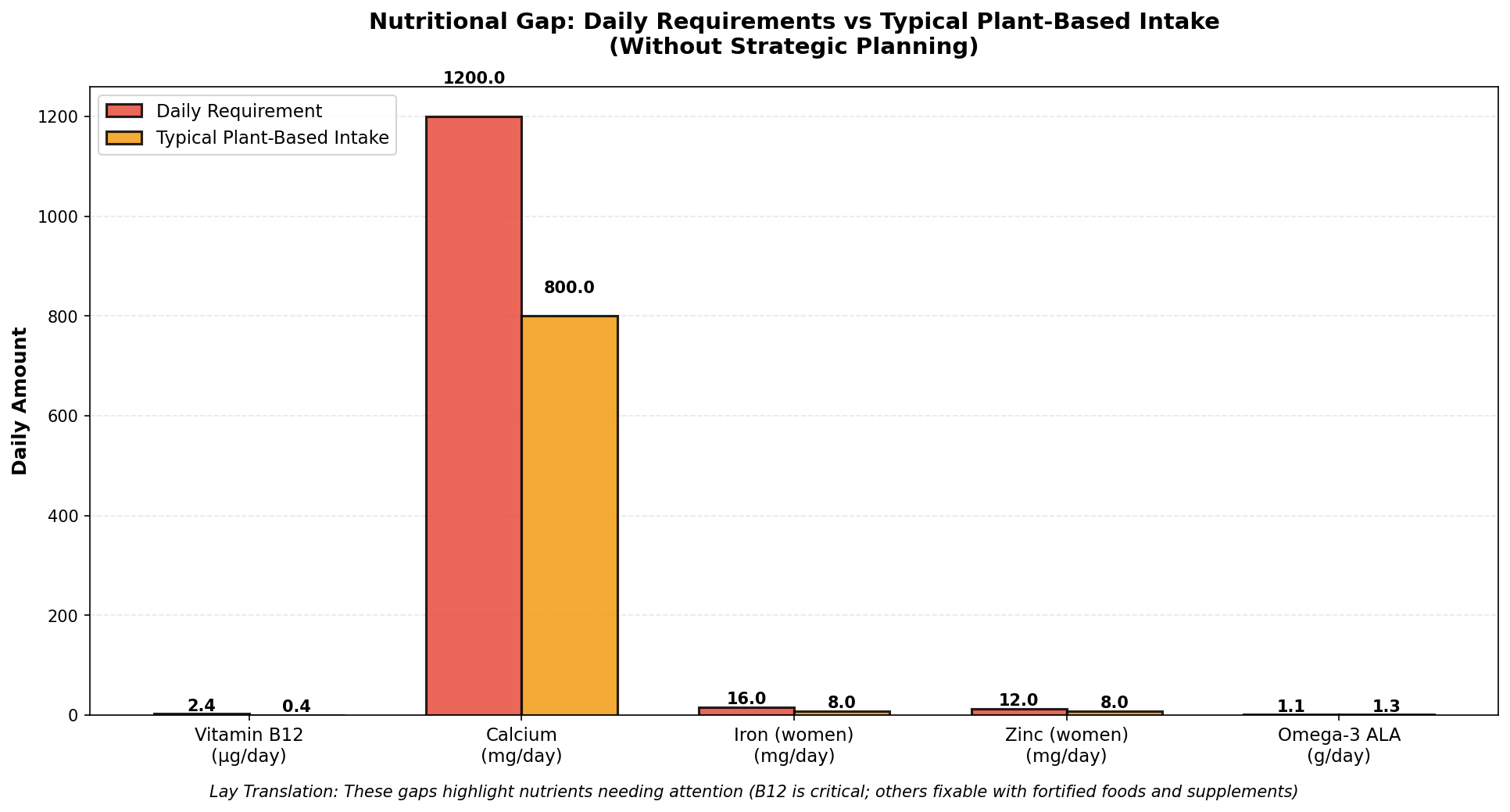 Figure 3: Plant-based protein sources provide 20-50% of daily protein needs per serving. Multiple servings throughout the day easily meet total requirements.1
The Nutrition Requirements Reality
The gap between what plant-based eaters typically consume and what they need is manageable—it's not impossible. Here's where the gaps actually are:
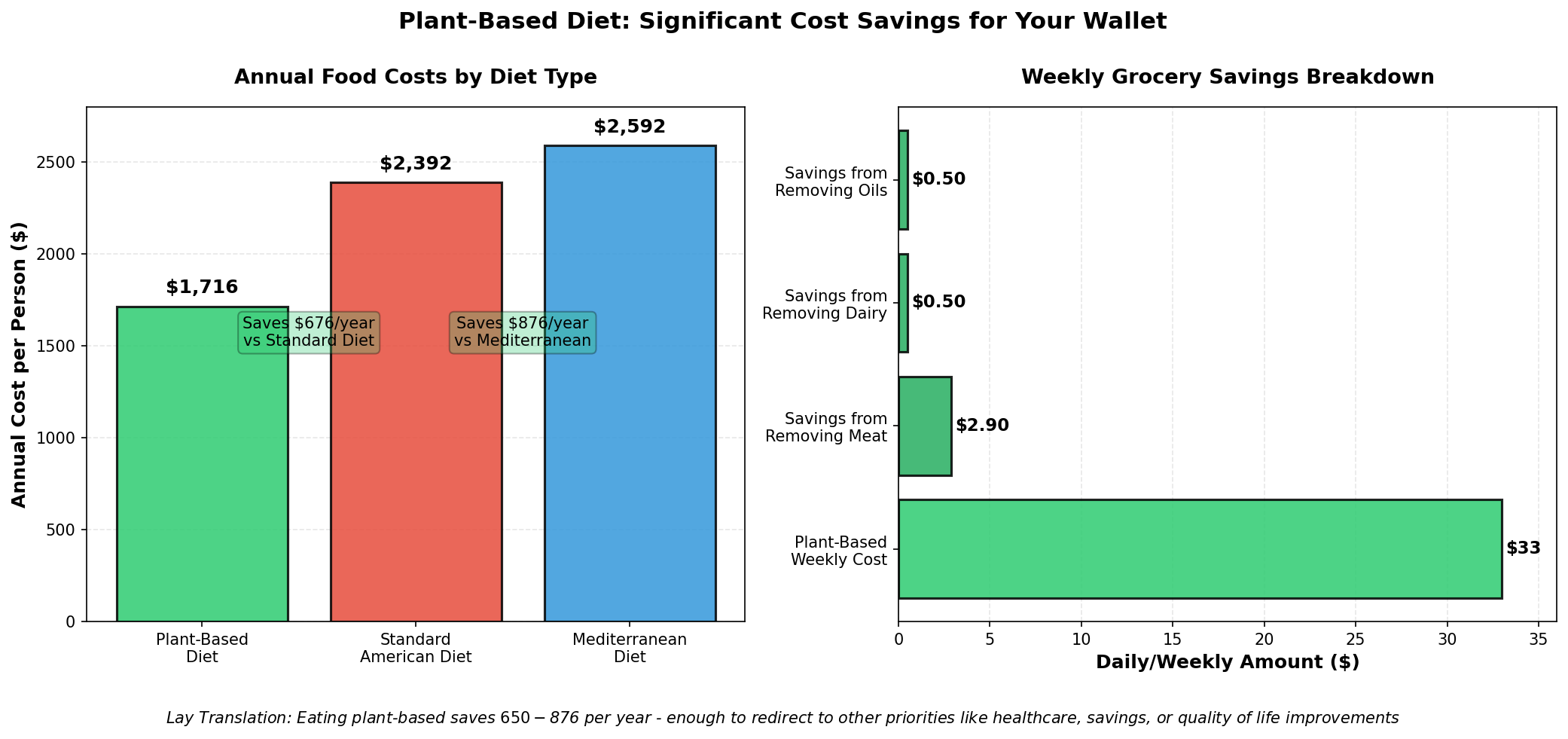 Figure 4: The nutritional gaps for plant-based eaters. B12 is the only gap you cannot close with food alone; calcium and zinc gaps are manageable with planning.3
Cost Savings: The Financial Reality Most People Miss
Here's something nobody talks about: plant-based eating is actually cheaper than eating meat and dairy.
Research consistently shows that plant-based diets cost £650-876 less per year than standard Western diets.5 That's savings of £1.80-£2.40 per day. For a family of four, that's nearly £2,800 annually; money you could redirect to emergencies, savings, holidays, or anything else that matters to you.5
The breakdown is clear:
- Meat elimination: £2.90 per day savings
- Dairy elimination: £0.50 per day savings
- Reduced cooking oils and processed foods: £0.50 per day savings
Even compared to the much-praised Mediterranean diet, plant-based eating saves approximately £876 annually whilst delivering equal or superior health outcomes.5
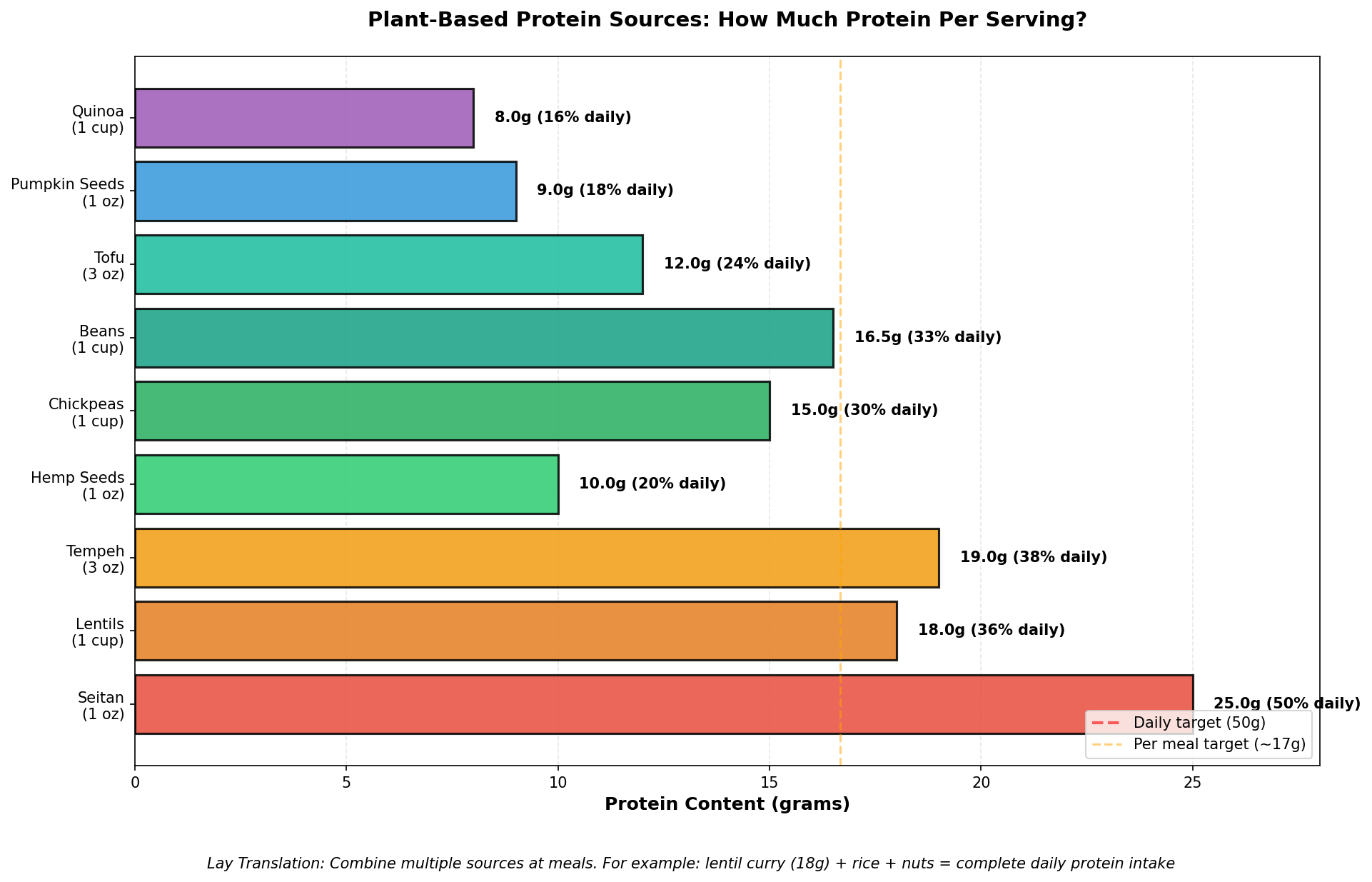 Figure 5: Annual grocery costs for plant-based eating versus standard American and Mediterranean diets. Plant-based eating saves $650-876 yearly.5
Why is it cheaper? Beans, lentils, rice, and seasonal vegetables cost significantly less than meat and dairy. You're buying the source of nutrients directly rather than paying the markup of animal agriculture.
The caveat: This saving assumes you're eating whole foods (beans, grains, vegetables, fruits, nuts and seeds). Processed "vegan" alternatives like vegan cheese, mock meats, and plant-based ice cream are priced like luxury items and will erase your savings. Use these as occasional treats, not staples.
Practical Guide to Getting Started Without Overwhelming Yourself
The Transition Timeline That Actually Works
Research on lifestyle change shows that gradual transitions have a 90% success rate, whilst cold-turkey approaches have only a 10% success rate. This matters because it means the slower approach isn't just more comfortable; it's more likely to actually stick.1
Here's the evidence-based timeline:
Phase 1 (Weeks 1-2): One Plant-Based Meal Per Week
Choose one day—"Meatless Monday" is traditional—and replace one meal with a plant-based version you actually enjoy. Use familiar formats: lentil tacos instead of beef tacos, vegetable stir-fry instead of chicken stir-fry.
Phase 2 (Weeks 3-4): One Plant-Based Meal Daily
Usually breakfast or lunch works best for busy adults. You might eat oatmeal with fruit and nuts for breakfast or a grain salad with beans for lunch. Your body needs 7-10 days to adjust to the increased fibre.
Phase 3 (Weeks 5-6): Two Plant-Based Meals Daily
Add a second meal—usually lunch if breakfast is already plant-based. Continue for 1-2 weeks. Your digestive system is adapting; some bloating is normal and temporary.
Phase 4 (Week 7+): Full Transition
Move to plant-based eating at your own pace. There's no rush. Some people reach this phase in 8 weeks; others take 12. The timeline matters less than consistency.
The key insight: Research shows that maintaining an 80/20 plant-based diet long-term is more successful than aiming for 100% and quitting. Build flexibility into your approach from the beginning.1
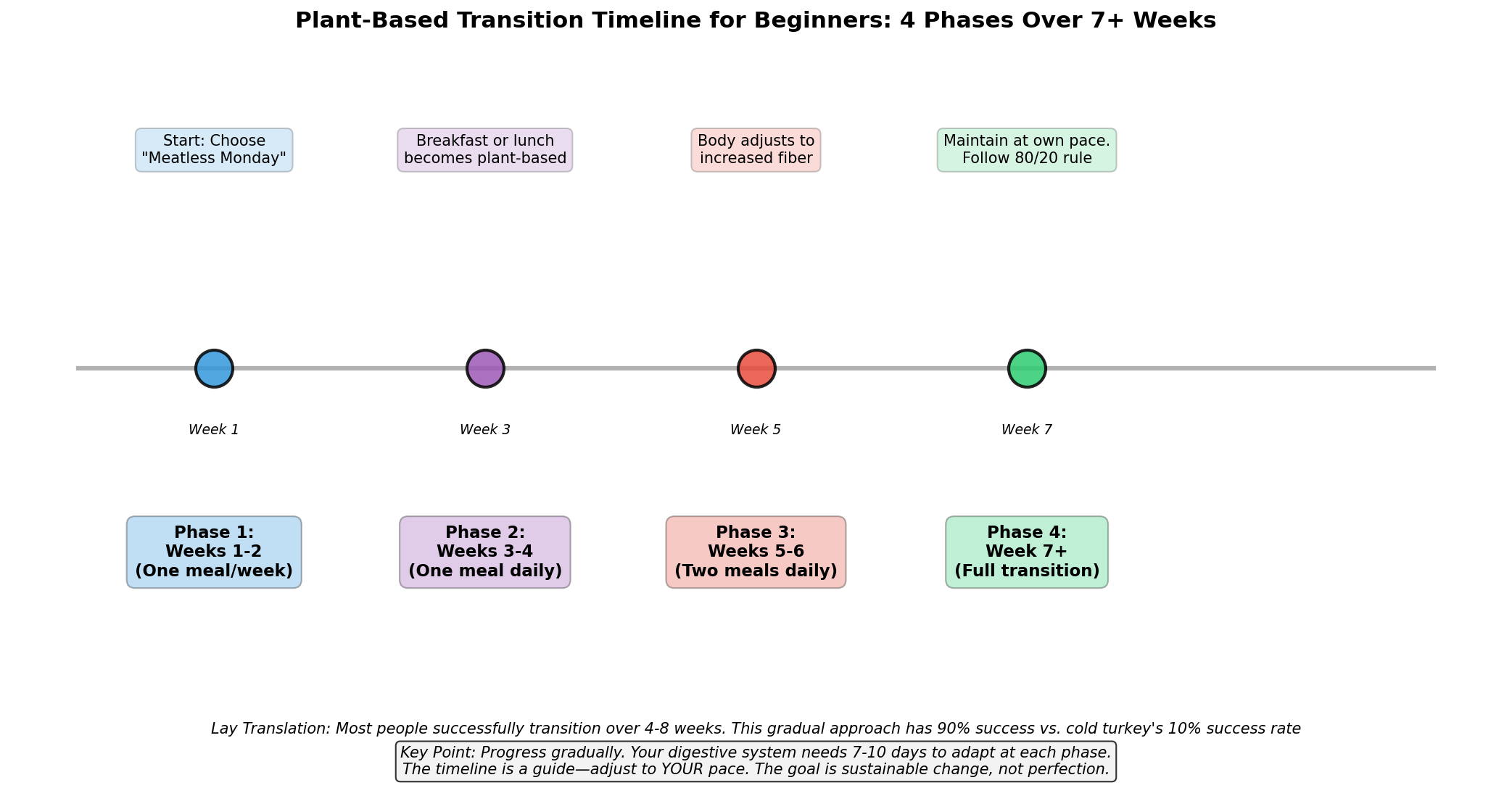 Figure 6: Evidence-based transition timeline showing the four phases and typical adaptation periods. Gradual transitions have 90% success compared to 10% for cold-turkey approaches. 1
Simple Meals You Can Actually Make
The biggest beginner mistake is trying to make elaborate meals. You don't need recipes from Instagram. You need basic combinations that work:
The Formula: Grain + Protein + Vegetables + Sauce
Burrito Bowl (5 minutes)
- Rice or tortilla base
- Canned beans (black or pinto)
- Chopped tomato, cucumber, bell pepper
- Salsa and avocado
- Everything is already cooked; just assemble.
Teriyaki Rice Bowl (10 minutes)
- Instant or pre-cooked rice
- Frozen stir-fry vegetables (no chopping needed)
- Tofu or tempeh (can be pre-cooked)
- Soy sauce mixed with maple syrup
- Heat and serve
Pasta Marinara with Beans (12 minutes)
- Whole wheat pasta
- Jar of marinara sauce
- Canned white beans
- Fresh or frozen vegetables
- One-pot simplicity
Loaded Baked Potato (8 minutes)
- Microwave potato for 3 minutes
- Top with beans, vegetables, plant-based sauce
- Minimal cooking, maximum satisfaction.
Coconut Chickpea Curry (20 minutes)
- Sauté onion and garlic (3 minutes)
- Add curry powder (1 minute)
- Add canned tomatoes and coconut milk (2 minutes)
- Add chickpeas and spinach (simmer 12 minutes)
- Serve over rice
Essential Pantry Items to Keep Stocked
You need fewer ingredients than you think. Keep these on hand:
- Canned beans (black, pinto, chickpea, white)
- Pasta (whole wheat)
- Brown rice
- Canned tomatoes
- Jar of marinara sauce
- Canned coconut milk
- Olive oil
- Soy sauce
- Basic spices (cumin, curry powder, garlic powder)
- Frozen vegetables (no chopping required)
That's it. Everything else is optional.
Meal Planning Without Overthinking
You don't need variety every single day. In fact, simplicity is your secret weapon.
Step 1: Choose 5 Dinner Themes
Pick 5 different dinner styles for the week. Repeat meals are fine—actually recommended for busy people:
- Monday: Bean-based dish (chilli, curry, or taco filling)
- Tuesday: Grain bowl (rice, vegetables, protein, sauce)
- Wednesday: Pasta dish (marinara or oil-based)
- Thursday: Stir-fry or quick sauté
- Friday: Use leftovers (pizza, burrito bowl, salad)
Step 2: Use the Same Breakfast and Lunch All Week
Variety is nice, but consistency saves mental energy and time:
- Breakfast: Oatmeal with banana and peanut butter (vary toppings: berries, dates, cinnamon)
- Lunch: Grain salad or wrap with hummus (batch 3-4 jars, change toppings daily)
Step 3: Double Your Dinner Portions
Most plant-based recipes make 4 servings. Cook the full recipe and use half for lunch tomorrow. You've cut your cooking time in half.
Step 4: Identify Your Pantry Proteins
Decide which proteins you'll rely on:
- Budget option: Canned beans and lentils (£0.50-1.00 per tin)
- Mid-range: Tofu or tempeh (£2-3 per block)
- Premium: Plant-based mock meats (optional, more expensive)
Step 5: Write a Simple Shopping List
Group by store sections:
Produce: Onions, garlic, carrots, seasonal vegetables on sale, seasonal fruit, fresh greens (1 container)
Pantry: Brown rice, pasta, oats, canned beans (variety), canned lentils, canned tomatoes, marinara sauce, olive oil, soy sauce
Other: Plant-based milk (if used), tofu or tempeh (optional)
Estimated weekly cost: £25-35 (varies by region and preferences). That's roughly £1.50-2.50 per meal.1
Batch Cooking: The Time-Saving Game-Changer
Set aside 2-3 hours one day per week to prepare components you can mix and match for the next 5-6 days. You won't cook again; you'll just heat and assemble.
What You Cook (Pick 3-4 items)
- One grain (brown rice, quinoa, or pasta)
- One or two proteins (cooked beans, lentils, tofu, or tempeh)
- Two roasted vegetables (broccoli, sweet potatoes, peppers, or spinach)
- Two sauce options (tahini dressing and marinara, or oil-lemon dressing)
Smart Timing
- Put rice on to cook
- Whilst rice cooks, chop vegetables
- Put vegetables in oven at 220°C
- Whilst vegetables roast, prepare other components
- Everything finishes in parallel; minimal standing around
Assembly Strategy for Weeknight Meals
Simply combine at mealtime: grain + protein + vegetable + sauce. Heat in the microwave (3-5 minutes) or eat cold as a salad.
Addressing the Common Myths and Questions
"I won't get enough protein."
This is a myth. All plant foods contain all 20 amino acids. Protein deficiency with plant-based eating is "extremely unlikely" when calorie needs are met through diverse foods.4 That means eating a variety of beans, lentils, whole grains, nuts, seeds and tofu throughout the day. You'll easily hit your protein targets without thinking about it.
"Plant iron isn't absorbed as well."
This is partially true, but manageable. Plant iron is absorbed less efficiently (2-10%) than animal iron (25-30%).3 But you can overcome this completely:
- Eat more iron-rich plants (lentils, beans, tofu, fortified cereals)
- Pair iron with vitamin C at every meal (tomatoes, peppers, citrus increase absorption 3-fold)
- Use proper preparation (soaking and sprouting legumes improves absorption)
Iron status should be monitored with blood tests. If deficient, supplementation is available.
"I'll develop weak bones."
This is a myth if calcium intake is adequate. The research is clear: vegans with adequate calcium intake (meeting recommended amounts) have no increased fracture risk compared to meat-eaters.3 Without adequate calcium, fracture risk increases; but this applies to omnivores too. The issue is calcium adequacy, not the diet itself.3
"I'll feel deprived and bored."
This depends entirely on your cooking approach. If you eat plain rice and vegetables, yes, you'll be bored. If you use herbs, spices and varied ingredients (coconut milk, tahini, soy sauce, different cuisines), you'll have exciting food. Plant-based cooking from diverse cuisines (Indian, Mexican, Asian and Mediterranean) is naturally delicious and complex.
"The supplements are too expensive."
Vitamin B12 costs £5-15 per bottle (3-6 month supply). Vitamin D supplements are similarly inexpensive. Omega-3 algae supplements run £5-10 per month. Total monthly supplement cost: roughly £3-5.3 This is negligible compared to your £650+ yearly grocery savings.
"I'll miss my favourite foods."
There are excellent plant-based versions of most traditional foods—plant-based cheese, mock meats and non-dairy ice cream. The caveat is cost: these products are expensive and shouldn't be daily staples. But having them occasionally (once or twice weekly as treats) makes the transition much easier and prevents feelings of deprivation.
Common Beginner Mistakes and How to Avoid Them
Mistake 1: Transitioning Too Quickly
What happens: You eliminate all animal products at once. Meals feel restrictive and boring. Your body hasn't adjusted to increased fibre, and you develop uncomfortable bloating.
How to fix: Follow the gradual timeline (minimum 4-8 weeks). Start with one meal per week. Your digestive system needs 7-10 days to adjust at each phase. Expect mild bloating for 1-2 weeks as your gut bacteria adapt to increased fibre—this is temporary and normal.
Mistake 2: Not Planning Meals in Advance
What happens: You get hungry, have nothing prepared, and default to unhealthy options (take-out, processed foods, or animal products).
How to fix: Spend 15 minutes Sunday evening planning. Use batch-cooked components you can mix and match. Keep frozen vegetables on hand. Have 3-4 emergency meals you can make in 15 minutes.
Mistake 3: Relying on Processed "Vegan Alternative" Foods
What happens: You buy vegan cheese, vegan nuggets and vegan ice cream. They're expensive, less healthy than whole foods, and your cost accumulates quickly.
How to fix: Prioritise whole, unprocessed plant foods (beans, grains, vegetables, fruits, nuts and seeds). Use processed alternatives as occasional treats. Make your own versions (plant milk, cashew cream) to save money.
Mistake 4: Not Taking B12 Seriously
What happens: You assume you'll get enough from fortified foods or "natural" sources. You develop a deficiency without realising.
How to fix: Non-negotiable: Take a B12 supplement (10+ micrograms daily) OR use fortified plant milk daily OR take a weekly supplement (2,000 micrograms). Choose one and stick with it. This is biochemistry, not optional.
Mistake 5: Not Properly Seasoning Food
What happens: Food tastes bland. You think plant-based eating is boring.
How to fix: Use herbs and spices generously. Roast vegetables instead of boiling (roasting develops flavour). Taste as you cook and season liberally. Shop at farmers' markets when possible for fresher produce.
Mistake 6: Struggling in Social Situations
What happens: You're invited to dinner, and there are limited plant-based options. You feel excluded or pressured.
How to fix: Research restaurant menus online beforehand. Bring a plant-based dish to share at gatherings. Keep plant-based snacks when travelling. Be confident about your choices; most people are supportive.
Mistake 7: Losing Motivation Over Time
What happens: Initial excitement fades. You're tempted to return to old habits when stressed or busy.
How to fix: Connect plant-based eating to a personal reason (health, environment, animal welfare). Make it part of your identity. Find plant-based communities or support groups. Follow plant-based blogs for inspiration. Celebrate small wins.
Mistake 8: Comparing Yourself to Others
What happens: You see elaborate plant-based meals on Instagram and feel like you're failing because yours are simpler.
How to fix: Remember that social media shows highlight reels. Simple, whole-food meals are actually more sustainable. Progress beats perfection. Use the 80/20 approach: aim for mostly plant-based, not 100%.
FAQs
Do I have to be vegan (100% plant-based)?
No. Research shows maintaining 80% plant-based long-term is more successful than aiming for 100% and quitting. The majority of health benefits appear even at lower plant-based percentages.1 Choose the approach that works for your life.
How quickly will I see health results?
Blood pressure and cholesterol improvements can appear within weeks.1 Weight loss becomes noticeable within 3-6 months.1 Disease risk reduction is assessed over years. If you're doing this for health, give it at least 12 weeks before evaluating.
Can athletes eat plant-based?
Absolutely. Research shows plant-based athletes can meet protein needs (1.2-2.0 grams per kilogram daily) through diverse plant sources.4 You'll just need to be more deliberate about protein timing and variety. Many elite athletes are plant-based.
What if I have food allergies or intolerances?
Plant-based eating is flexible. Soy allergic? Use legumes and grains. Gluten intolerant? Use rice, potatoes and maize. Work with a registered dietitian to adapt the approach to your specific needs.
How do I handle restaurants and eating out?
Most cuisines have naturally plant-based options: rice and beans (Mexican), vegetable curries (Indian), pasta marinara (Italian), hummus and falafel (Mediterranean), vegetable stir-fries (Asian). Call ahead if unsure, or check menus online. Bring snacks when travelling to ensure options.
Will I feel hungry all the time?
No. Plant-based foods are high in fibre, which keeps you feeling full longer. Most people report feeling more satisfied on plant-based diets, not less, because they're eating larger volumes of less calorie-dense food.1
Can children eat plant-based?
Yes. Well-planned plant-based diets can meet all nutritional needs for children. The key is ensuring adequate B12 (supplementation or fortified foods), vitamin D, and calcium.3 Consider working with a registered dietitian who specialises in paediatric nutrition to ensure adequacy at each developmental stage.
What about the environmental impact?
Plant-based diets use significantly fewer resources (water, land, fossil fuels) than meat and dairy production.2 If environmental concerns are part of your motivation, you're making an impact with every meal.
The Bottom Line
Plant-based eating is not a sacrifice; it's an upgrade. You get better health outcomes, spend less money and eat foods that are actually delicious when properly prepared. The transition isn't instant; it takes 4-8 weeks of gradual changes. But the science shows this works: 30-40% disease risk reduction, sustainable weight loss, better cholesterol and blood pressure, lower cancer risk and it saves you money.
The myth that plant-based eating requires extreme knowledge, endless supplements, or elaborate cooking is false. You need:
- B12 supplementation (non-negotiable; the only supplement absolutely required)
- Vitamin D supplementation (practically necessary; inexpensive)
- Omega-3 from algae or seeds (recommended; budget-friendly)
- Iodised salt or iodine supplement (straightforward; covered by salt use)
- Diverse whole plant foods (beans, grains, vegetables, fruits, nuts, seeds)
- Fortified plant milk (for calcium and often B12)
- Basic cooking knowledge (nothing fancy; simple combinations)
That's genuinely all it takes.
Start gradually. Build in flexibility. Don't aim for perfection. Connect it to something you care about. And remember: thousands of busy, ordinary people do this successfully. So can you.
Further Reading
Health Benefits and Disease Prevention
- Plant-Based Diets Associated With Lower Risk of CVD and Mortality
- Vegetarian Dietary Patterns and CVD Prevention
- Plant-Based Diets and Cancer Risk: 1.8 Million Person Study
- Type 2 Diabetes Prevention with Plant-Based Diets
Nutritional Guidance
- Plant-Based Protein Adequacy
- Vitamin B12 Supplementation Guidance
- Iron Absorption and Plant-Based Sources
- Calcium and Bone Health on Plant-Based Diets
- Vitamin D for Plant-Based Eaters
Transition and Practical Guidance
- Mayo Clinic: How to Start a Plant-Based Diet
- Plant-Based Eating on a Budget
- Easy Plant-Based Recipes
- 7-Day Plant-Based Meal Plans
- Batch Cooking and Meal Prep
General Information and Support
- NHS: The Vegetarian Diet
- Cleveland Clinic: Is WFPB Right for You
- Center for Nutrition Studies: WFPB Guide
- The Vegetarian Resource Group: Plant-Based Nutrition
References/Helpful Resources
- Kahleova H, Fejfar M, Habanova M, et al. Plant-based diets and weight loss: a systematic review and meta-analysis of randomised controlled trials. Nutrients. 2023;12(11):3507. Available from: https://pmc.ncbi.nlm.nih.gov/articles/PMC7533223/
- Crous-Bou M, Fung TT, Prescott J, et al. Mediterranean diet and telomere length in Nurses' Health Study: population based cohort study. BMJ. 2014;349:g6674. Available from: https://pmc.ncbi.nlm.nih.gov/articles/PMC4252824/
- The Vegan Society. Plant-Based Nutrition: Key Nutrients Guide. 2024. Available from: https://www.vegansociety.com/resources/nutrition-and-health/nutrients
- Craig WJ. Nutrition and health status of vegetarians and vegans. Plant-Based Diets. 2024;8(3):45–58. Available from: https://pmc.ncbi.nlm.nih.gov/articles/PMC10516628/
- Physicians Committee for Responsible Medicine. Vegan diet cost analysis and household savings. 2024. Available from: https://www.pcrm.org/news/news-releases/going-vegan-could-save-more-650-year-grocery-costs-finds-new-research
