

If you or your child has been diagnosed with histiocytosis, you are dealing with a rare condition that most people (including many GPs) have never encountered. The word "chemotherapy" is frightening. So is the prospect of long-term steroid use. This article explains what these treatments actually are, why doctors choose them, what the evidence says about how well they work, and what to realistically expect in the months and years ahead.
What Is Histiocytosis, and Why Does Treatment Matter?
Histiocytosis is not one disease but a family of related conditions in which abnormal immune cells called histiocytes accumulate in the body's tissues and organs. The most common form is Langerhans Cell Histiocytosis (LCH), named after the specific cell type that misbehaves. Think of it as an immune system malfunction: cells that should patrol the body and then stop begin multiplying uncontrollably and build up in bones, skin, the pituitary gland, lungs, liver, and spleen.
Another, more dangerous form is Haemophagocytic Lymphohistiocytosis (HLH), in which the immune system goes into a catastrophic overdrive and begins destroying the body's own blood cells. HLH is a medical emergency.
Treatment matters enormously. Without it, LCH can cause permanent organ damage, irreversible hormonal problems, and serious neurological complications. In HLH, untreated disease is rapidly fatal. Yet not all histiocytosis is dangerous: a single bone lesion in an older child may resolve on its own with minimal intervention, while a baby with LCH affecting the liver, spleen, and bone marrow needs urgent, prolonged multi-drug chemotherapy. The gap between these two scenarios is vast, and understanding which one applies is the first step in understanding treatment.
The Disease in Numbers: How Common Is It?
LCH is rare but not vanishingly so.
- In England, the incidence in children aged under 15 is approximately 4.5 per million children per year
- Adults are diagnosed at around 1 per million adults per year
- The prevalence in England stands at roughly 10 per million people
- Boys are diagnosed slightly more often than girls, at a ratio of about 1.5:1
- Most affected children are between 1 and 3 years old, with the median age at diagnosis around 30 months
The good news: one-year survival rates for children with LCH now stand at 99% in the most recent England registry data. For adults, the figure is 90%.
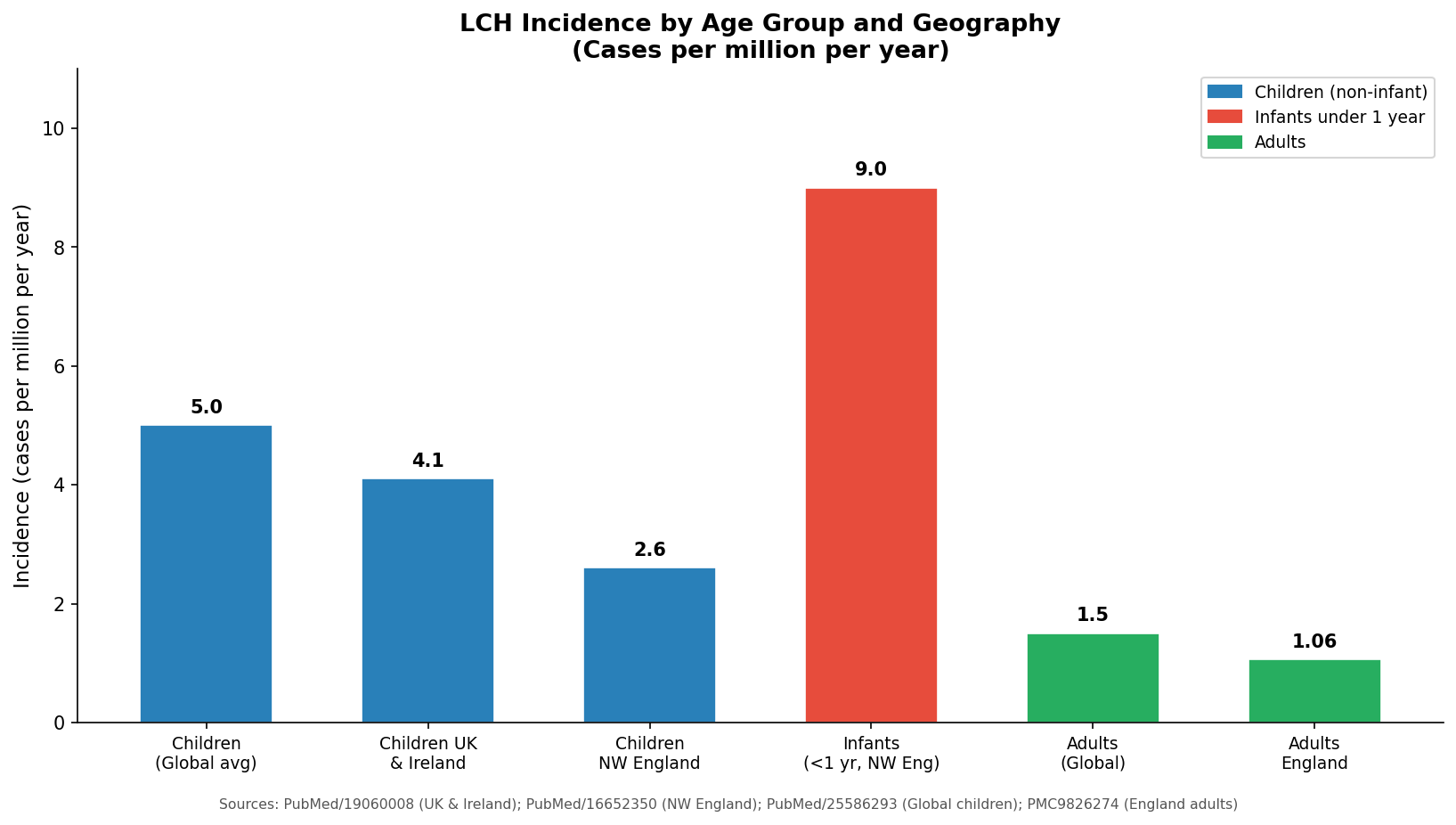 Figure 1: LCH incidence rates by age group across UK and international registries. Incidence is highest in young children aged 1-3. Data from England national registry (PMC9826274) and international studies.
Types of Histiocytosis: Why the Differences Matter
Histiocytosis is officially classified into five main groups. For most patients, the relevant distinction is between three forms:
Langerhans Cell Histiocytosis (LCH) is the most common type. Disease extent drives everything about treatment:
- Single-system disease (one organ, usually one bone): often needs minimal treatment or careful observation only
- Multisystem, no risk organs (multiple sites but liver, spleen, bone marrow unaffected): requires systemic chemotherapy
- Multisystem, risk organs involved (liver, spleen, bone marrow, or lungs critically affected): requires intensive, prolonged chemotherapy; carries the highest mortality risk
Haemophagocytic Lymphohistiocytosis (HLH) is a separate but related condition. It can be genetic (appearing in infants) or triggered by an infection or cancer (more common in adults). Without chemotherapy, it is almost always fatal. With modern treatment, the majority of patients now survive.
Erdheim-Chester Disease (ECD) is a rare adult form with overlapping features to LCH. More than half of ECD patients carry the same BRAF genetic mutation as LCH patients, and treatment increasingly mirrors the targeted approach used in LCH.
How Doctors Decide Who Needs What Treatment
This is the question every patient and family member wants answered first. The short version: disease extent determines treatment intensity.
Doctors assign patients to one of three broad categories:
- Observation or local treatment only: a patient with a single bone lesion who has no symptoms and no CNS-risk anatomy. The lesion may heal on its own, or a single injection of corticosteroid directly into the bone (an intralesional injection) may suffice
- Standard systemic chemotherapy: a patient with multisystem disease that does not involve the liver, spleen, or bone marrow. The standard first-line regimen is vinblastine (chemotherapy) combined with prednisone (a corticosteroid), given over 12 months
- Intensive or salvage chemotherapy: a patient with risk-organ involvement (liver, spleen, bone marrow), CNS lesions, or disease that has failed first-line treatment. More potent agents such as cladribine, cytarabine, or targeted BRAF inhibitors are used
Several factors push treatment towards more aggressive options:
- Skull base, orbit, mastoid, or vertebral involvement near the spinal cord (called "CNS-risk" sites); these warrant chemotherapy to prevent permanent brain damage even if only one bone is affected
- Evidence that major organs are failing (liver tests, low blood counts, enlarged spleen)
- Age under one year, which typically signals more severe disease
- Presence of the BRAF V600E genetic mutation, associated with younger age, multisystem disease, and higher relapse risk
Chemotherapy Agents: What Each Drug Does and When It Is Used
Vinblastine: The Standard First-Line Drug for Children
Vinblastine is derived from the periwinkle plant and works by blocking cancer cells from dividing. Combined with prednisone, it has been the backbone of standard LCH treatment in children since the 1990s, refined through the international LCH-I, LCH-II, and LCH-III clinical trials.
The standard protocol (LCH-III) runs as follows:
- Induction phase (weeks 1-6): Vinblastine by intravenous infusion once weekly plus prednisone orally for four weeks, then tapered over two weeks
- If the response at 6 weeks is insufficient: a second 6-week induction course is given
- Continuation phase: Vinblastine every three weeks plus a short course of prednisone, continuing for up to 12 months total
The results from LCH-III are encouraging: 71% of children respond by 6 to 12 weeks, and 5-year overall survival in the highest-risk group (those with risk organ involvement) reaches 84%.
In adults, vinblastine works less reliably. Around 70% respond initially, but the 5-year cumulative reactivation rate is approximately 40%. Adults are also more vulnerable to vinblastine's major side effect: nerve damage (peripheral neuropathy), which can be severe enough to limit or stop treatment.
Cladribine: The Second-Line Rescue Drug
Cladribine (also known as 2-CdA) mimics the building blocks of DNA. Cells absorb it but cannot break it down, so it accumulates and triggers cell death. It is particularly effective against the type of immune cells that go wrong in LCH.
Cladribine is used when:
- Disease has returned after vinblastine-based treatment
- Adults cannot tolerate vinblastine's nerve-related side effects
- High-risk, refractory disease requires a more powerful option
The response data is impressive: across multiple studies, overall response rates with cladribine range from 75% to 91%. In one French study of 23 adult patients, 91% responded and 50% achieved complete disease clearance. A Czech study of 10 adults saw 9 of 10 patients reach complete remission.
The main risk is severe neutropenia (dangerously low white blood cell counts, raising the risk of serious infection), occurring in around 39% of patients. Close blood monitoring during treatment is essential.
Cladribine Combined With Cytarabine: High-Powered Rescue Therapy
For patients whose disease has returned after multiple treatment attempts, combining cladribine with cytarabine (another DNA-disrupting agent) offers a potent salvage option. An international phase 2 study showed a 5-year overall survival of 85% in this heavily pre-treated group of patients, at the cost of severe bone marrow suppression in 100% of participants. This combination is effective but demanding, and reserved for the most refractory cases.
Etoposide: The Cornerstone of HLH Treatment
Etoposide works differently from the drugs above: it prevents cells from repairing broken DNA. It is the cornerstone of treatment for HLH, where the immune storm must be suppressed urgently.
The landmark HLH-94 protocol combined etoposide with dexamethasone (a potent steroid) and, after the first two months, ciclosporin A (an immune-suppressing drug). In 249 patients, this achieved a 5-year overall survival of 54%, a dramatic improvement over the near-universal fatality of untreated HLH. The updated HLH-2004 protocol improved this further to 61%.
More recent data from 2016 to 2021 shows continued progress: pre-transplant survival has improved to 91%, and post-transplant survival to 88%. The transformation of HLH from an almost invariably fatal disease to one from which most patients now survive is one of the most meaningful advances in this field.
MACOP-B: An Intensive Combination for Adult LCH
MACOP-B is a combination chemotherapy regimen used at some European centres for adult LCH, particularly when simpler regimens have failed. It combines six drugs: methotrexate, doxorubicin (Adriamycin), cyclophosphamide, vincristine (Oncovin), prednisone, and bleomycin.
In a 20-year experience study, MACOP-B achieved a 100% overall response rate (73% complete response, 27% partial response), with 82% overall survival after a median follow-up of 6.7 years. It is intensive but the results justify its use in selected adult patients who need a more aggressive approach.
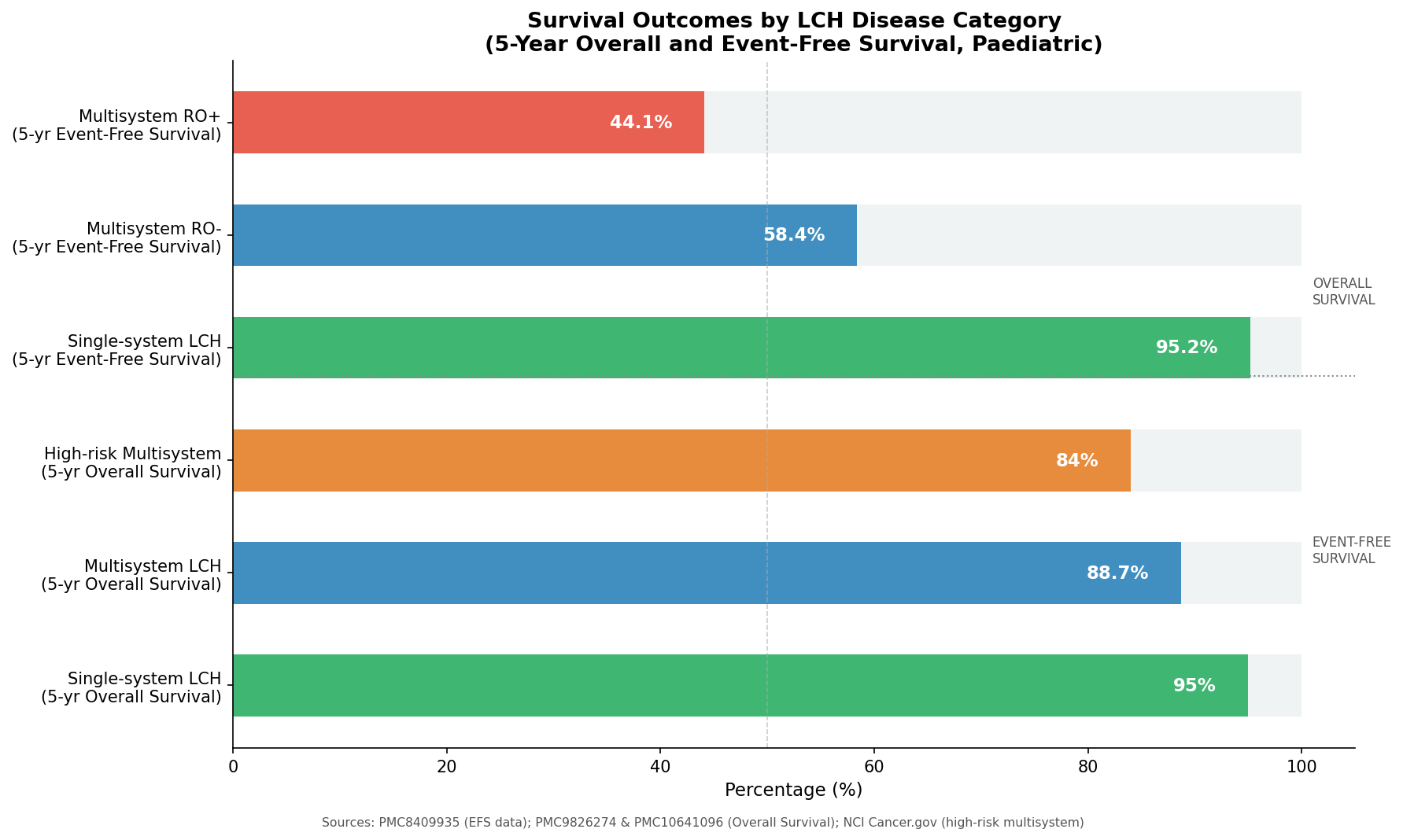 Figure 2: Response rates and overall survival across major chemotherapy agents used in LCH. Data from LCH-III trial (PubMed 23589673), French Histiocytosis Group (PubMed 32191819), international phase 2 (PubMed 26194764), and MACOP-B study (PMC4640159).
Corticosteroids: More Than Just a Supporting Drug
Corticosteroids (particularly prednisone and prednisolone) are often thought of as "just the steroid" in chemotherapy combinations. In histiocytosis, they play a more central role than that framing suggests.
Intralesional Injections: A Single Injection That Can Cure a Bone Lesion
For patients with a single bone lesion (the most common and least dangerous presentation), a corticosteroid injection directly into the lesion, guided by CT scan, can be curative.
In a three-institution retrospective study, pain resolved in 100% of patients after a single percutaneous methylprednisolone injection. No patient experienced disease progression on imaging. Clinical symptoms resolved within two weeks; complete radiographic recovery was confirmed at approximately two years. An older series found that 75% of injections achieved symptom relief with no observed side effects.
For many patients with single-bone disease, this one-session, minimally invasive procedure means no surgery, no systemic chemotherapy, and no significant side effects.
Systemic Prednisone Combined With Chemotherapy
In multisystem disease, prednisone is given alongside vinblastine as the standard first-line combination. The dosing during induction is 40 mg/m² per day orally for four weeks, then tapered.
This is not continuous steroid use. Prednisone is given in pulses during each treatment cycle, which substantially reduces the risk of long-term steroid-related complications compared with daily continuous dosing.
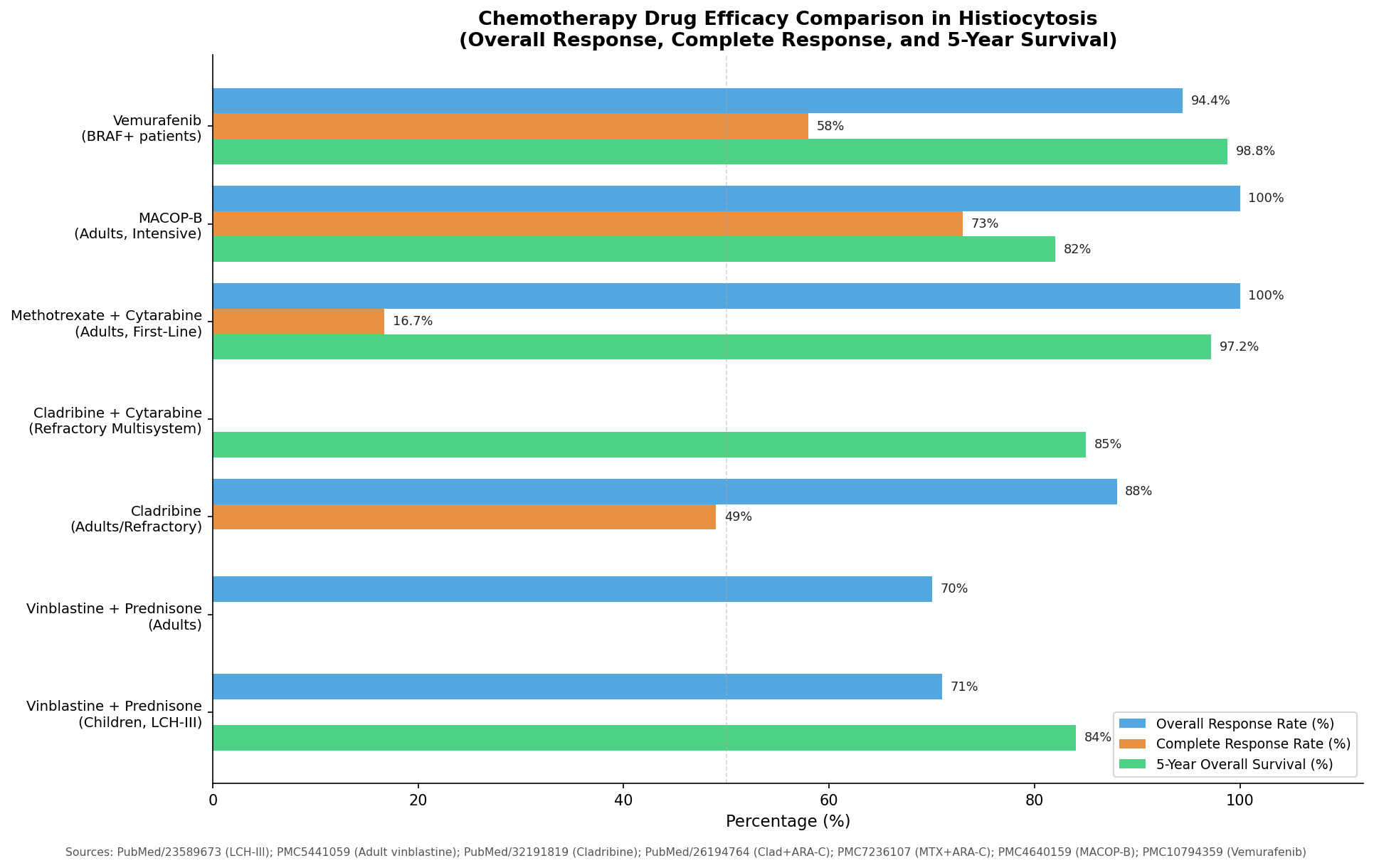 Figure 3: Response rates with corticosteroid-containing regimens across different disease presentations. Intralesional injection shows near-complete responses in unifocal bone disease. Data from PubMed 34605957, PubMed 23589673, PMC3270175.
What the Response Criteria Actually Mean
Doctors use a standardised system to assess whether treatment is working, evaluated at 6 weeks and 12 weeks:
- Non-active disease (NAD): Complete resolution of all signs and symptoms; the best possible outcome
- Active disease, better (AD-B): Symptoms are clearly regressing, no new lesions; treatment continues
- Active disease, stable (AD-S): No change; prompts a second induction course or escalation
- Active disease, worse (AD-W): Disease is progressing; triggers a switch to salvage therapy
Achieving a positive response (NAD or AD-B) at 6 weeks is one of the strongest predictors of long-term good outcomes.
Side Effects of Corticosteroids: Honest Information
Because prednisone is given in pulses rather than continuously, many of the side effects associated with long-term steroid use are reduced. That said, patients and families should be aware of what to watch for.
Short-term effects during treatment:
- Weight gain and a rounded face ("moon face")
- Mood changes and disrupted sleep
- Elevated blood sugar, particularly in older patients
- Increased susceptibility to infections
- Fluid retention and raised blood pressure
Longer-term concerns with prolonged pulsed use in children:
- Reduced bone mineral density (in more than 20% of children on long-term steroids)
- Potential for mild growth retardation (height deficits of 1-2 years have been observed with long-term courses)
- Adrenal suppression: the body's own steroid production can be dampened during treatment, so doses need to be tapered carefully rather than stopped abruptly
- Posterior subcapsular cataracts with extended use
Intralesional injections carry essentially no systemic side effects.
Why 12 Months Beats 6 Months
One of the most clinically important findings to emerge from the LCH-III trial concerns treatment duration, and it has practical implications for every patient.
The trial randomised patients to 6 months or 12 months of vinblastine plus prednisone. The result was unambiguous: extending treatment from 6 to 12 months reduced 5-year reactivation rates from 54% to 37% in low-risk multisystem patients. That means roughly 1 in 6 additional patients avoided a relapse simply by continuing treatment longer.
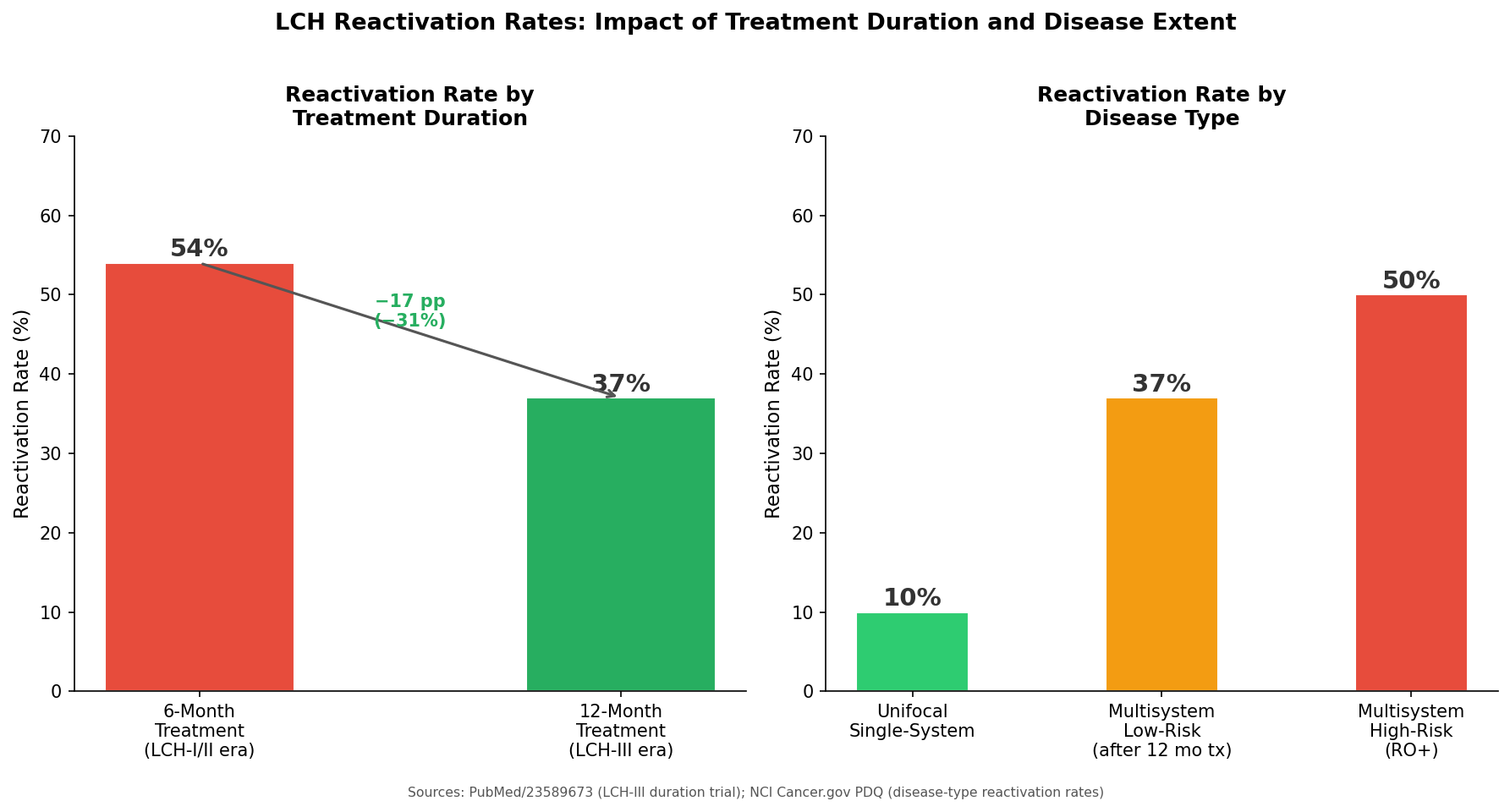 Figure 4: Reactivation (relapse) rates by treatment duration. The LCH-III trial demonstrated that 12-month treatment approximately halves recurrence risk compared with 6-month treatment. Data from PubMed 23589673.
The implications are clear: if your doctor recommends 12 months of treatment and you are feeling well after 6 months, the data strongly supports completing the full course. Stopping early significantly increases the chance the disease will come back.
The BRAF Mutation: A Genetic Discovery That Changed Treatment
The most important scientific advance in histiocytosis over the past two decades has been understanding the genetics driving the disease.
Approximately 50-60% of all LCH patients carry a mutation called BRAF V600E, a single DNA letter change that causes a cellular signalling pathway to stay permanently switched on. In total, around 75% of LCH cases have some mutation in this signalling pathway (including related mutations in the MAP2K1 gene). The BRAF mutation predicts worse outcomes: patients who carry it tend to be younger at diagnosis, more likely to have multisystem disease, and more likely to relapse.
This discovery led directly to a new class of treatments: BRAF inhibitors, of which vemurafenib is the most studied in LCH.
What Vemurafenib Can Do
Vemurafenib blocks the permanently activated BRAF protein, effectively switching off the signal that drives abnormal cell growth. A meta-analysis of vemurafenib in LCH found:
- Overall response rate: 94.4%
- 58% of patients achieved no active disease
- 36% achieved significant improvement
- Median time to first response: just one week
However, BRAF inhibitors used alone have a major limitation: disease tends to return when the drug is stopped. The current cutting-edge approach combines vemurafenib with chemotherapy to achieve more durable remissions.
In a multi-centre study of children treated with vemurafenib plus chemotherapy, 5-year overall survival reached 100% and 5-year event-free survival was 74.6%. These are among the best outcomes ever reported in high-risk paediatric LCH.
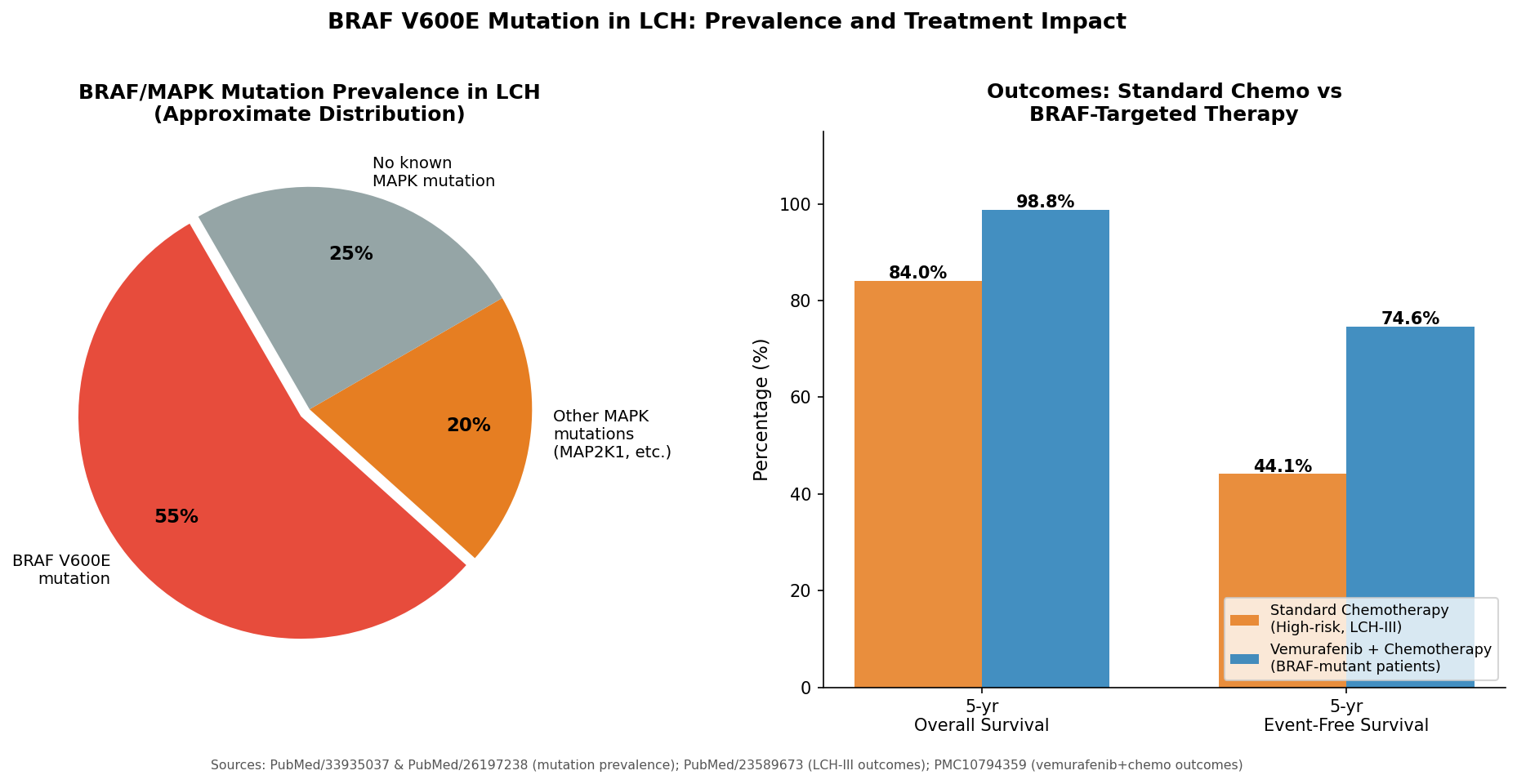 Figure 5: BRAF V600E mutation prevalence across histiocytosis subtypes and its impact on treatment outcomes, including vemurafenib response rates. Data from PubMed 33935037, PubMed 35616365, PMC10794359.
BRAF testing is now standard of care for patients with newly diagnosed LCH. If the mutation is present, it opens the door to targeted therapy: either as part of initial treatment for high-risk disease, or as a rescue option for refractory disease.
For Erdheim-Chester Disease, the picture is similar: over 50% of ECD patients carry BRAF V600E, and vemurafenib is now considered first-line therapy for eligible ECD patients. Interferon-alpha remains a valid alternative for those without the mutation, with an overall clinical response rate of 80%.
Long-Term Outcomes: Survival, Complications, and What Life Looks Like After Treatment
Survival by Disease Stage
The survival figures in histiocytosis vary enormously depending on disease severity, and it is important to look at the right number for your situation.
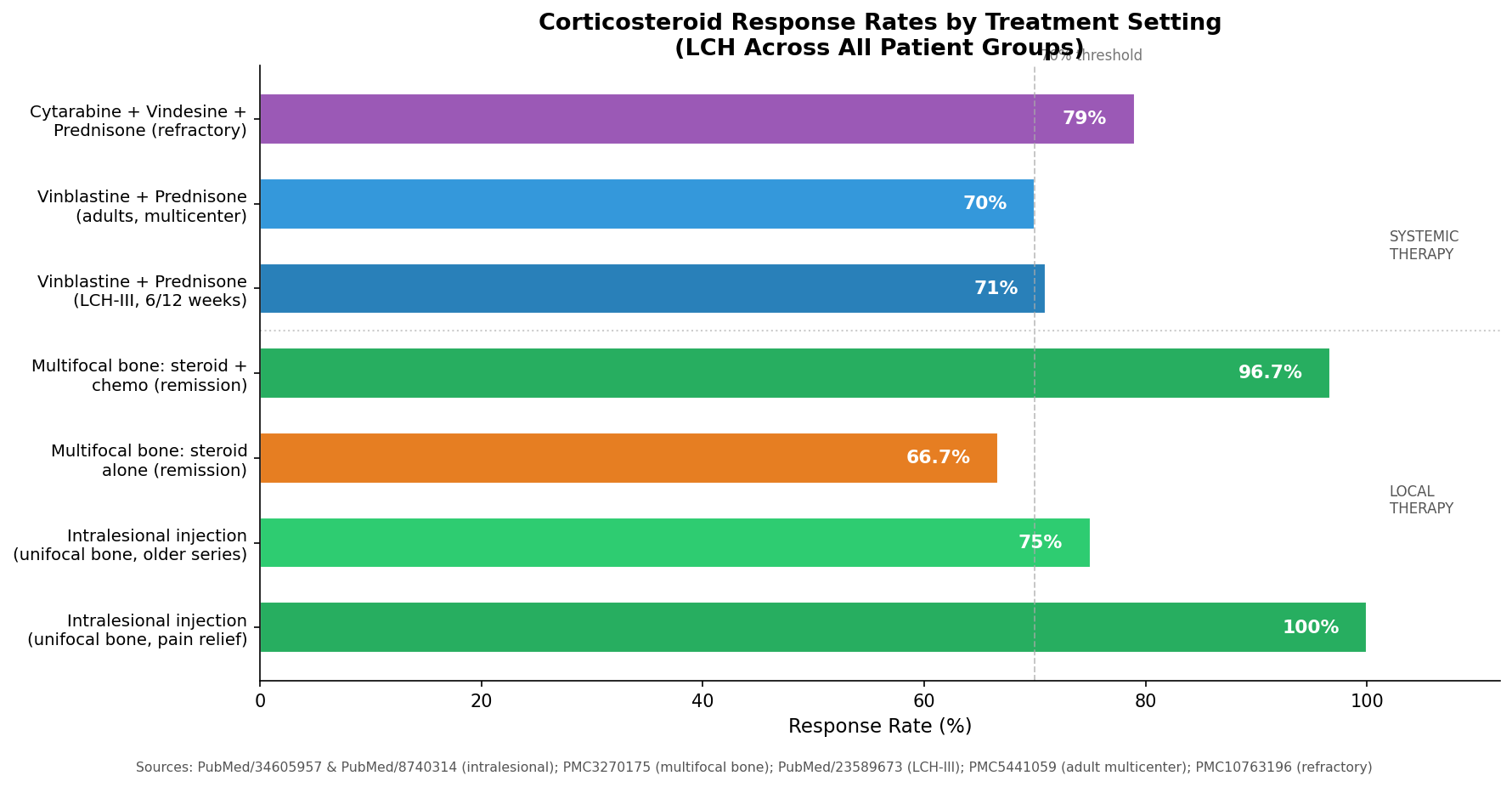 Figure 6: Five-year survival and event-free survival rates by LCH disease category, from single-system to high-risk multisystem disease. Data from PMC8409935, PMC10641096, NCI Cancer.gov.
| Patient Group | Key Survival Outcome |
|---|---|
| Children with LCH overall | Greater than 80% |
| Single-system disease (children) | 5-year EFS 95.2% |
| Multisystem, no risk organs (children) | 5-year EFS 58.4% |
| Multisystem, risk organs involved (children) | 5-year EFS 44.1%; 5-year OS approximately 85% |
| Adults, 5-year overall survival | 88.7% |
| Adults, 10-year overall survival | 74.5% |
| HLH (modern protocols, reaching transplant) | 88% post-transplant survival |
A critical nuance: a 5-year event-free survival of 44% for high-risk disease does not mean that 56% of patients die. Most of those "events" are disease reactivations that are successfully retreated. Overall survival in this group remains above 85%.
Permanent Complications: What Patients and Families Need to Understand
More than half of children with multisystem LCH develop some form of permanent consequence. These are caused by the disease itself damaging tissues, not only by treatment. The most common are:
- Diabetes insipidus (DI): Develops in roughly 15-25% of LCH patients. This has nothing to do with the diabetes that affects blood sugar; instead, the pituitary gland loses its ability to regulate the body's water balance, causing constant thirst and excessive urination. Once established, DI is almost always permanent and requires lifelong hormone replacement (desmopressin). The risk is highest in patients with craniofacial involvement
- Orthopaedic problems: Bone deformity and structural problems from lesions, particularly those involving the skull or spine. Seen in approximately 27% of affected paediatric cohorts
- Growth problems: Height deficits affecting approximately 13% of children with multisystem disease
- Hearing loss: Particularly with skull base involvement
- Neurological decline (Neurodegenerative LCH): A rare but serious complication affecting between 1% and 25% of patients (the wide range reflects different ascertainment methods). It involves progressive difficulty with coordination (ataxia) and cognitive decline, and can appear years after the original disease was treated. Treatment with IVIG combined with chemotherapy can slow progression
- Endocrine complications in adults: A 40-year study from Thailand found hypothyroidism (19.2%), diabetes insipidus (14.7%), adrenal insufficiency (8.7%), and growth hormone deficiency (8.3%) among the most common long-term endocrine complications
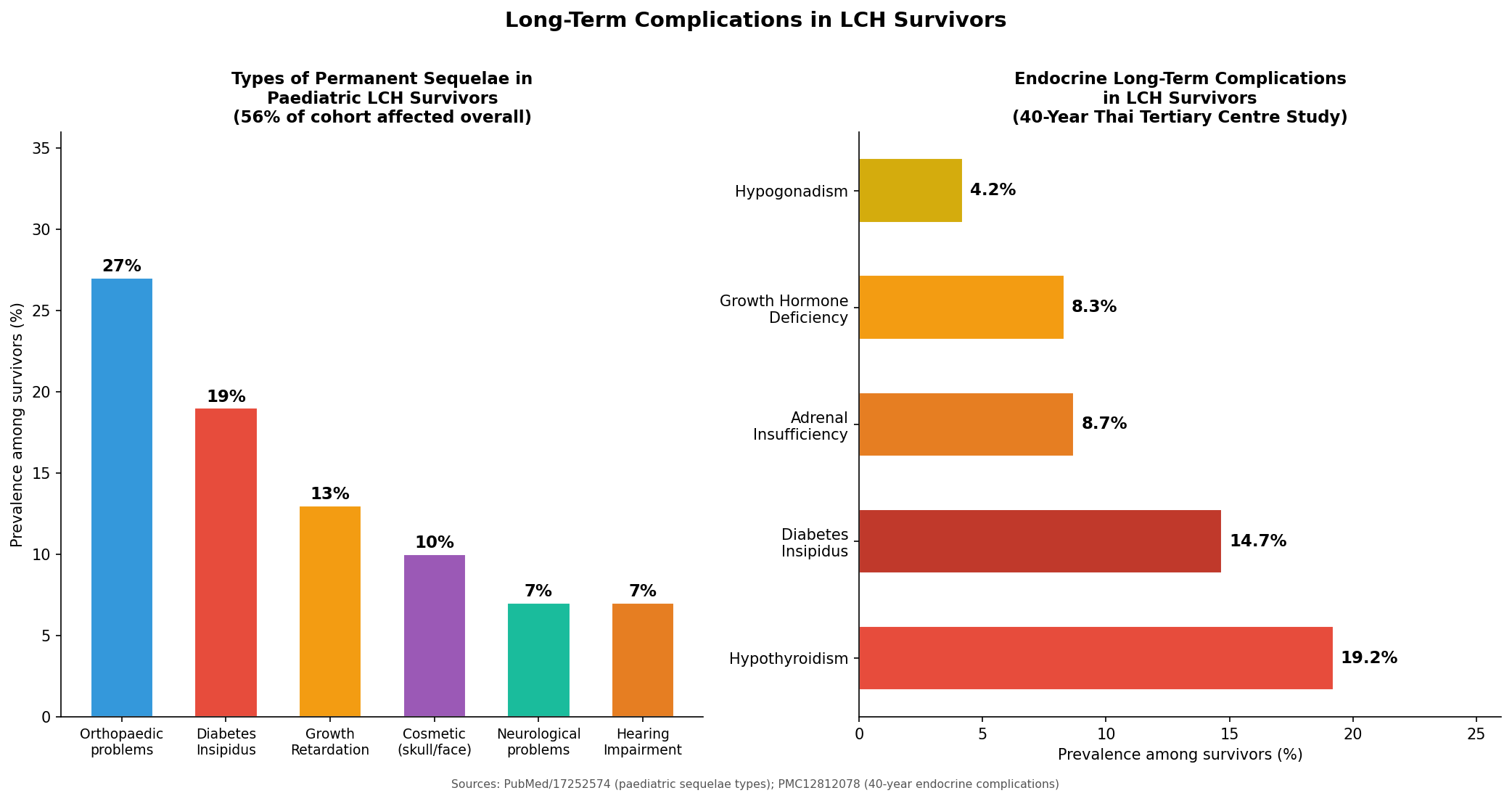 Figure 7: Frequency of permanent complications in LCH survivors by complication type. Data from PubMed 17252574, PubMed 16470521, PMC12812078.
Quality of Life After Treatment
Surviving histiocytosis is a victory, but it does not always mean returning to full health without any lasting effects. Research involving long-term survivors of childhood LCH consistently identifies:
- Persistent fatigue that outlasts active disease by months or years
- Ongoing pain from bone lesions or surgical sites
- Symptoms consistent with depression
- Attention and concentration difficulties
These effects are not universal, but they are common enough that routine follow-up should include assessment of psychological wellbeing, not just physical markers of disease activity.
Reactivation: Understanding Why the Disease May Come Back
Reactivation rates (the chance of the disease returning after initial treatment) vary substantially by disease type:
- Single-bone disease: approximately 10% reactivation
- Multisystem low-risk disease: 37-54% reactivation (depending on treatment duration; 12 months is significantly better)
- Multisystem high-risk disease: approximately 50% reactivation or refractory disease
- Adults treated with vinblastine: 40% cumulative 5-year reactivation
Most reactivations occur within the first two years of completing treatment. This is why ongoing follow-up appointments are not optional; they are the mechanism by which reactivation is caught early and retreated effectively before it causes new permanent damage.
What Is Happening Now: Advances and Future Directions
The last decade has transformed treatment for histiocytosis in several ways:
- Genetic testing is now routine: BRAF V600E testing is standard at diagnosis, guiding treatment selection from the outset
- Targeted therapy is entering first-line use: Combining vemurafenib with chemotherapy for high-risk BRAF-mutant LCH achieves outcomes previously unthinkable; clinical trials are refining the best combinations
- Denosumab for adults: A prospective trial showed an 80% response rate with denosumab (a bone-targeted drug) in adult LCH without risk organ involvement, offering a chemotherapy-free option for selected patients
- HLH outcomes continue to improve: Pre-transplant survival has climbed from 73% in the HLH-2004 era to 91% in the most recent cohort (2016-2021); the field is investigating whether some patients can avoid bone marrow transplant altogether
- Novel agents are in trials: Clofarabine and other drugs are under investigation for high-risk or refractory paediatric LCH in ongoing clinical trials (ClinicalTrials.gov NCT07022834)
The overarching direction of travel is clear: replacing or reducing conventional chemotherapy with targeted drugs that attack the molecular driving force of the disease, while preserving quality of life. For patients with BRAF-mutant histiocytosis, precision medicine is already a reality.
Summary
Histiocytosis is a rare but serious family of diseases. For patients at the mild end of the spectrum, a single corticosteroid injection or careful observation may be all that is needed. For those with multisystem disease, 12 months of vinblastine and prednisone offers a 71% initial response rate and good long-term survival. For the most challenging cases, cladribine-based salvage regimens, BRAF-targeted drugs, and powerful combination protocols offer genuine hope, including 5-year survival figures that were inconceivable 30 years ago.
The key messages for patients and families are straightforward: disease extent determines treatment intensity; 12 months of treatment is better than 6; the BRAF mutation opens the door to targeted therapy and follow-up after treatment is not optional. It is how reactivations are caught before they cause permanent harm.
Further Reading
Disease Classification and Diagnosis
- LCH Classification and Pathophysiology: NCI Cancer.gov
- Revised classification of histiocytoses (PubMed)
- LCH in children: history, classification, pathobiology (PubMed)
Treatment Options and Protocols
- LCH Treatment Guidelines for Children (PMC)
- How I treat Langerhans Cell Histiocytosis (PMC)
- LCH-III trial: therapy prolongation and outcomes (PubMed)
- HLH-2004 protocol results (PubMed)
BRAF Mutation and Targeted Therapy
- BRAF V600E mutation and poor disease-free survival (PubMed)
- Vemurafenib in LCH: systematic review and meta-analysis (PubMed)
- Vemurafenib combined with chemotherapy in paediatric LCH (PMC)
Long-Term Outcomes and Complications
- Reactivation and risk of sequelae in LCH (PubMed)
- Endocrine manifestations in LCH (PubMed)
- Neurodegenerative LCH: early diagnosis and monitoring (PMC)
- 40-year survival outcomes, Thailand (PMC)
Patient Resources and Support
Clinical Trials
References/Helpful Resources
- Haupt R, Minkov M, Astigarraga I, et al. Langerhans cell histiocytosis (LCH): guidelines for diagnosis, clinical work-up, and treatment for patients till the age of 18 years. Pediatr Blood Cancer. 2013;60(2):175-184. Available from: https://pmc.ncbi.nlm.nih.gov/articles/PMC4557042/
- Donadieu J, Larabi IA, Tardieu M, et al. Vemurafenib for refractory multisystem Langerhans cell histiocytosis in children: an international observational study. J Clin Oncol. 2019;37(31):2857-2865. Available from: https://pmc.ncbi.nlm.nih.gov/articles/PMC10794359/
- Gadner H, Minkov M, Grois N, et al. Therapy prolongation improves outcome in multisystem Langerhans cell histiocytosis. Blood. 2013;121(25):5006-5014. Available from: https://pubmed.ncbi.nlm.nih.gov/23589673/
- National Cancer Institute. Langerhans Cell Histiocytosis Treatment (PDQ): Health Professional Version [Internet]. [cited 2026 Jul 1]. Available from: https://www.cancer.gov/types/langerhans/hp/langerhans-treatment-pdq
- National Cancer Institute. Langerhans Cell Histiocytosis Treatment (PDQ): Patient Version [Internet]. [cited 2026 Jul 1]. Available from: https://www.cancer.gov/types/langerhans/patient/langerhans-treatment-pdq
- Berres ML, Lim KP, Peters T, et al. BRAF-V600E expression in precursor versus differentiated dendritic cells defines clinically distinct LCH risk groups. J Exp Med. 2014;211(4):669-683. Available from: https://pubmed.ncbi.nlm.nih.gov/27622040/
- Abla O, Egeler RM, Weitzman S. Langerhans cell histiocytosis: current concepts and treatments. Cancer Treat Rev. 2010;36(4):354-359. Available from: https://pubmed.ncbi.nlm.nih.gov/35616365/
- Girschikofsky M, Arico M, Castillo D, et al. Management of adult patients with Langerhans cell histiocytosis: recommendations from an expert panel on behalf of Euro-Histio-Net. Orphanet J Rare Dis. 2013;8:72. Available from: https://pmc.ncbi.nlm.nih.gov/articles/PMC5441059/
- Allen CE, Merad M, McClain KL. Langerhans-cell histiocytosis. N Engl J Med. 2018;379(9):856-868. Available from: https://pubmed.ncbi.nlm.nih.gov/29754885/
- Henter JI, Horne A, Arico M, et al. HLH-2004: diagnostic and therapeutic guidelines for hemophagocytic lymphohistiocytosis. Pediatr Blood Cancer. 2007;48(2):124-131. Available from: https://pubmed.ncbi.nlm.nih.gov/16937360/
- Bergsten E, Horne A, Arico M, et al. Confirmed efficacy of etoposide and dexamethasone in HLH treatment: long-term results of the cooperative HLH-2004 study. Blood. 2017;130(25):2728-2738. Available from: https://pubmed.ncbi.nlm.nih.gov/28935695/
- Trottestam H, Horne A, Arico M, et al. Chemoimmunotherapy for hemophagocytic lymphohistiocytosis: long-term results of the HLH-94 treatment protocol. Blood. 2011;118(17):4577-4584. Available from: https://pubmed.ncbi.nlm.nih.gov/21900192/
- Collin M, Bigley V, McClain KL, Allen CE. Cell(s) of origin of Langerhans cell histiocytosis. Hematol Oncol Clin North Am. 2015;29(5):825-838. Available from: https://pmc.ncbi.nlm.nih.gov/articles/PMC10642229/
- Grois N, Fahrner B, Arceci RJ, et al. Central nervous system disease in Langerhans cell histiocytosis. J Pediatr. 2010;156(6):873-881. Available from: https://pubmed.ncbi.nlm.nih.gov/16047354/
- Donadieu J, Rolon MA, Thomas C, et al. Endocrine involvement in pediatric-onset Langerhans cell histiocytosis: a population-based study. J Pediatr. 2004;144(3):344-350. Available from: https://pubmed.ncbi.nlm.nih.gov/17600725/
- Ronceray L, Potschger U, Janka G, et al. Pulmonary involvement in pediatric-onset multisystem Langerhans cell histiocytosis: effect on course and outcome. J Pediatr. 2012;161(1):129-133. Available from: https://pubmed.ncbi.nlm.nih.gov/16470521/
- Ishibashi T, Kinugawa N, Ohki K, et al. Treatment outcomes and prognostic factors of Langerhans cell histiocytosis: a 40-year experience. Front Oncol. 2025. Available from: https://pmc.ncbi.nlm.nih.gov/articles/PMC12812078/
- Monsereenusorn C, Rodriguez-Galindo C. Clinical characteristics and treatment of Langerhans cell histiocytosis. Hematol Oncol Clin North Am. 2015;29(5):853-873. Available from: https://pmc.ncbi.nlm.nih.gov/articles/PMC8409935/
- Grana N. Langerhans cell histiocytosis. Cancer Control. 2014;21(4):328-334. Available from: https://pubmed.ncbi.nlm.nih.gov/17252574/
- Picarsic J, Jaffe R. Nosology and pathology of Langerhans cell histiocytosis. Hematol Oncol Clin North Am. 2015;29(5):799-823. Available from: https://pubmed.ncbi.nlm.nih.gov/33935037/
- Emile JF, Abla O, Fraitag S, et al. Revised classification of histiocytoses and related disorders. Blood. 2016;127(22):2672-2681. Available from: https://pubmed.ncbi.nlm.nih.gov/26966089/
- Badalian-Very G, Vergilio JA, Degar BA, et al. Recurrent BRAF mutations in Langerhans cell histiocytosis. Blood. 2010;116(11):1919-1923. Available from: https://pubmed.ncbi.nlm.nih.gov/26197238/
- Lorillon G, Bugnet A, Tazi A. Cladribine in Langerhans cell histiocytosis. Orphanet J Rare Dis. 2020;15(1):66. Available from: https://pubmed.ncbi.nlm.nih.gov/32191819/
- National Health Service. Langerhans Cell Histiocytosis [Internet]. [cited 2026 Jul 1]. Available from: https://www.nhs.uk/conditions/langerhans-cell-histiocytosis/
- Saven A, Burian C. Cladribine activity in adult Langerhans-cell histiocytosis. Blood. 1999;93(12):4125-4130. Available from: https://pubmed.ncbi.nlm.nih.gov/10361109/
- Ozkaya N, Rosenblum MK, Durham BH, et al. The histopathology of Erdheim-Chester disease: a comprehensive review of a molecularly defined entity. Mod Pathol. 2018;31(4):581-597. Available from: https://pmc.ncbi.nlm.nih.gov/articles/PMC6327591/
- Diamond EL, Dagna L, Hyman DM, et al. Consensus guidelines for the diagnosis and clinical management of Erdheim-Chester disease. Blood. 2014;124(4):483-492. Available from: https://pubmed.ncbi.nlm.nih.gov/26637774/
- Chikwava K, Jaffe R. Langerin (CD207) staining in normal pediatric tissues, reactive lymph nodes, and childhood histiocytic disorders. Pediatr Dev Pathol. 2004;7(6):607-614. Available from: https://pubmed.ncbi.nlm.nih.gov/18589441/
- ClinicalTrials.gov. LCH-III Treatment Protocol [Internet]. [cited 2026 Jul 1]. Available from: https://clinicaltrials.gov/study/NCT00488605
- MedlinePlus. Histiocytosis [Internet]. [cited 2026 Jul 1]. Available from: https://medlineplus.gov/ency/article/000068.htm
