

What Is This Article About?
If you've recently received a thymoma diagnosis or suspect you might have one, understanding what symptoms to expect can transform confusion into clarity. Thymoma is a rare tumour that develops in the thymus gland, an immune system organ nestled behind your breastbone. What makes it particularly important to understand is that thymoma often presents with surprising symptoms: weakness in your eye muscles, persistent chest pain, swelling in your face and neck, or even recurrent infections. Sometimes, it causes no symptoms at all and is discovered completely by accident on a routine chest scan.
This article walks you through exactly what to expect with thymoma: which symptoms are most common, how they develop over time, what happens during a physical examination, and especially what those associated autoimmune conditions mean for your health. By the end, you'll understand the difference between localised chest symptoms and systemic complications, and why early recognition matters so much.
Understanding the Thymus and Thymoma
The thymus gland is located in your chest, just behind the breastbone, and plays a vital role in building your immune system. During childhood and adolescence, the thymus produces and trains special white blood cells called T-cells. After puberty, the thymus naturally shrinks and becomes mostly fat tissue, though it remains present throughout your life.
A thymoma develops when cells in the thymus gland begin to grow abnormally. Unlike most cancers that are "invisible" to the immune system, thymoma is unusual because it actively disrupts your body's immune regulation. This means the tumour itself can trigger your immune system to attack your own tissues, creating a cascade of autoimmune complications.
Thymoma is genuinely rare: it accounts for only about 0.2 to 1.5% of all cancers worldwide. In the United States, roughly 0.13 new cases occur per 100,000 people annually. However, when looking at tumours specifically in the front of the chest (anterior mediastinal masses), thymoma represents about 35% of all cases, making it the single most common primary tumour in that location.
The typical patient is middle-aged to older: thymoma peaks in adults aged 70 to 74 years and typically develops between ages 40 and 75. It's exceedingly rare in people under age 30. Though thymoma affects men and women roughly equally, data show that Asian and Pacific Islander populations in the United States experience higher incidence rates than other racial groups, suggesting possible genetic or environmental factors at play.
Clinical Presentation: Symptomatic Thymomas
Symptoms from thymoma fall into two categories: those caused by the tumour pressing on nearby structures in the chest (local mass effects), and systemic symptoms from immune-related conditions.
Local Chest Symptoms from the Growing Tumour
When a thymoma grows, it can compress or irritate surrounding structures like the lungs, heart, major blood vessels, and nerves. This creates recognisable symptoms:
Chest pain or pressure occurs in 30-40% of symptomatic patients. People describe it as a dull ache or pressure sensation that may worsen with deep breathing or lying down. It's often one of the first signs that brings patients to their doctor.
Shortness of breath affects 40-66% of symptomatic patients. You might notice this when climbing stairs, exercising, or even at rest as the tumour grows larger. The growing tumour physically takes up space in your chest, reducing room for your lungs to expand fully.
Cough develops in 40-50% of symptomatic patients. This is typically a dry, persistent cough that doesn't respond to normal cold remedies and lasts for weeks or months. It results from the tumour irritating the lung tissue or airways.
Hoarseness of voice occurs because the tumour can compress the recurrent laryngeal nerve, which controls the vocal cords. People notice their voice becomes raspy, quieter, or tires more easily when they speak. For those in professions requiring voice use (teachers, customer service representatives, public speakers), this symptom can be particularly limiting.
Difficulty swallowing (dysphagia) happens when the tumour presses on the esophagus. Patients report that solid foods feel like they're getting stuck, though liquids usually go down more easily.
Diaphragmatic paralysis can result from tumour compression of the phrenic nerve, which controls the main breathing muscle beneath your lungs. When this occurs, patients experience unusual shortness of breath and may notice asymmetric movement on chest examination.
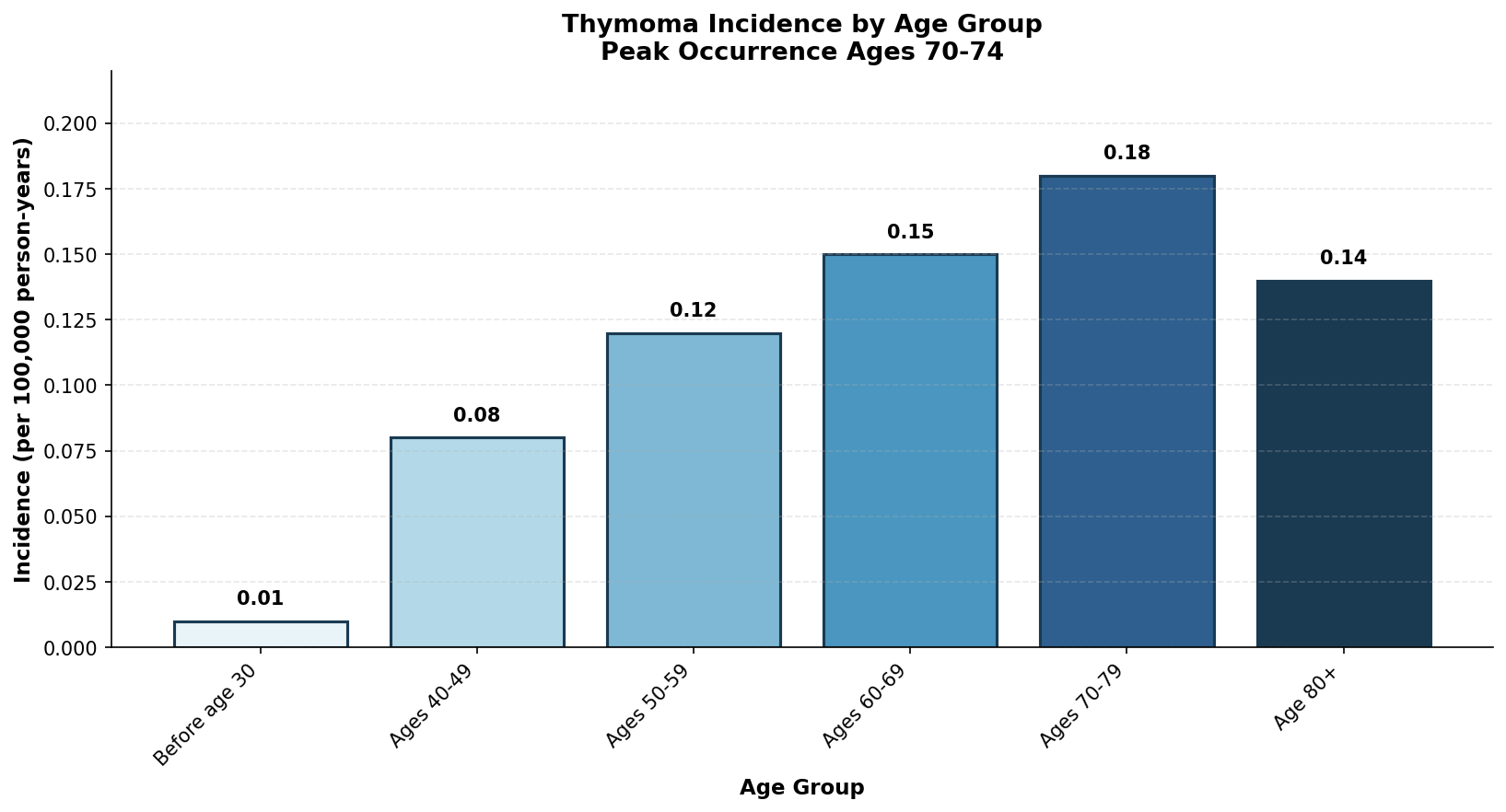 Figure 1: Most common symptoms when thymoma first presents. Data from clinical case series and patient cohort studies.
Superior Vena Cava Syndrome: A Serious Chest Emergency
When a thymoma grows directly into or compresses the superior vena cava (a major vein returning blood from your upper body to the heart), it creates a distinctive constellation of symptoms called Superior Vena Cava (SVC) syndrome. This syndrome represents advanced local disease and typically develops over 3 to 6 months.
In SVC syndrome, blood backs up because it can't flow normally through the compressed vein, causing:
- Facial and neck swelling affects 82% of SVC syndrome patients. The swelling is often most noticeable in the face, eyelids, and neck and may be accompanied by redness or flushing from increased blood vessel engorgement
- Arm and upper extremity swelling occurs in 68% of cases. Both arms often swell symmetrically, and the hands may feel heavy and uncomfortable
- Shortness of breath affects 66% of SVC syndrome patients. This is more severe than simple mass effect shortness of breath because it reflects impaired blood flow
- Dilated, prominent veins become visible across the chest wall and neck in 38% of cases, as blood vessels enlarge to compensate for the blocked major vein
- Facial bloating and puffiness are common, and some patients develop proptosis (bulging of the eyes) and periorbital swelling (puffiness around the eyes)
- Cough occurs in about 50% of SVC syndrome cases
- Cyanosis (a bluish discolouration of skin and lips) may develop in severe cases as blood oxygen levels drop
SVC syndrome demands urgent evaluation and often requires prompt treatment because it indicates locally advanced disease and carries risks of respiratory compromise.
Clinical Presentation: Asymptomatic Thymomas
One of the most surprising features of thymoma is that 30-50% of patients have no symptoms whatsoever when their tumour is first diagnosed. These "incidental" thymomas are often discovered during chest imaging performed for completely unrelated reasons, such as evaluating pneumonia, checking for heart problems, or following up on other medical conditions.
An asymptomatic thymoma appears on a CT scan or chest X-ray as an unexplained mass in the mediastinum (middle of the chest). Because the tumour is found before it grows large enough to compress surrounding structures, these patients typically have better outcomes and more treatment flexibility. The irony is that these incidental discoveries (often viewed as bad news when the diagnosis is made) actually represent a fortunate timing in the disease's natural history.
For patients diagnosed this way, the key psychological challenge is adjusting to a cancer diagnosis when you feel perfectly fine. Many find it helpful to understand that early discovery generally means the tumour can be treated before serious complications develop.
Paraneoplastic Syndromes: When the Tumour Triggers Autoimmune Disease
The most distinctive feature of thymoma is its tendency to generate systemic autoimmune and immunodeficiency conditions, collectively called paraneoplastic syndromes. These occur when the tumour actively disrupts immune regulation, causing your body's defences to malfunction.
Approximately 40% of thymoma patients develop one or more paraneoplastic syndromes. These complications often develop alongside the tumour or even before the tumour is detected, sometimes leading doctors to diagnose the autoimmune condition years before discovering the underlying thymoma.
Myasthenia Gravis: The Most Common Paraneoplastic Syndrome
Myasthenia gravis (MG) is by far the most frequent paraneoplastic syndrome associated with thymoma, affecting about 30-40% of thymoma patients overall. Conversely, 10-20% of all patients with myasthenia gravis have a thymoma.
What happens in myasthenia gravis is straightforward but disabling: your immune system produces antibodies that attack acetylcholine receptors at the junction where nerves meet muscles. These receptors are the "locks" that allow electrical signals from nerves to trigger muscle contraction. When antibodies block them, the signals don't get through properly, causing muscle weakness.
Symptoms of MG include:
- Progressive muscle weakness that worsens with activity and improves with rest. After activity, muscles feel exhausted and need time to recover
- Ptosis (drooping eyelids) is often the first symptom patients notice. The eyelids droop more by evening after they've been used all day
- Diplopia (double vision), particularly in the evening or after eye movement
- Difficulty chewing, swallowing, or speaking; food may feel stuck or take unusual effort to swallow
- Proximal muscle weakness affects the upper arms and thighs more than the hands and feet
- Facial weakness causes a characteristic smile that looks more like a grimace
- In severe cases, respiratory muscle weakness requires mechanical ventilation (myasthenic crisis)
The key distinguishing feature is that symptoms fluctuate daily and worsen with activity: a patient might have strong grip strength in the morning but struggle to hold objects in the afternoon.
In thymoma patients with MG, 71.8% achieve complete or significant improvement in MG symptoms after surgery removing the thymoma, and 85.3% achieve therapeutic improvement. This is one of the most rewarding outcomes in medicine: removing the tumour often dramatically improves or resolves the autoimmune condition.
Pure Red Cell Aplasia: Selective Blood Cell Failure
Pure red cell aplasia (PRCA) is a rare condition where the bone marrow stops producing red blood cells while continuing to make white blood cells and platelets normally. This association with thymoma occurs in approximately 2-5% of thymoma patients, though about 10-15% of all PRCA patients have an underlying thymoma, making thymoma screening important for newly diagnosed PRCA cases.
Symptoms reflect severe anaemia and include:
- Fatigue and weakness from reduced oxygen-carrying capacity
- Dyspnea (shortness of breath) even with minimal exertion
- Pale skin and conjunctival pallor
- Dizziness, syncope (fainting), or presyncope (near-fainting)
- Reduced exercise tolerance
- In severe cases, chest pain or heart palpitations
The mechanism involves immune cells attacking red blood cell precursors in the bone marrow, selectively destroying them. Patients require transfusions to maintain adequate haemoglobin levels while treatment is being initiated.
Thymectomy (surgical removal of the thymoma) results in initial remission of PRCA in approximately 30% of patients, though sustained long-term remission often requires additional immunosuppressive therapy with medications like corticosteroids or cyclosporine. The parallel treatment of both the thymoma and the autoimmune complication is essential.
Good's Syndrome: Immune System Collapse
Good's syndrome (also called acquired hypogammaglobulinemia with thymoma) occurs when a thymoma causes a deficiency of immunoglobulins (antibodies), resulting in immunodeficiency. This affects approximately 3-6% of thymoma patients. In one research cohort, 22% of thymoma patients had panhypogammaglobulinemia (deficiency of multiple immunoglobulin classes), and 50% of examined thymoma patients showed B-lymphopenia (low B-cell counts), suggesting this complication is more common than previously appreciated.
Good's syndrome represents a paradox: a tumour of the immune system causes immune collapse. The thymoma disrupts both B-cell development (reducing antibody production) and T-cell function (impairing cellular immunity).
Symptoms result from recurrent infections:
- Recurrent sinusitis and otitis media (ear infections) from encapsulated bacteria like Streptococcus pneumoniae
- Recurrent pneumonia
- Chronic bronchitis progressing to bronchiectasis (permanent airway damage)
- Opportunistic infections from organisms that normally don't cause disease in healthy people, such as Pneumocystis jirovecii
- Chronic gastrointestinal infections
- Frequent urinary tract infections
Patients with Good's syndrome often experience atypical infection presentations. Instead of fever and obvious inflammation, infections may smoulder without typical symptoms, making them harder to recognise and treat.
Management requires
- Immunoglobulin replacement therapy (IV or subcutaneous infusions)
- Prophylactic antibiotics for certain organisms
- Careful monitoring for infection complications
- Thymectomy to address the underlying tumour
Even after thymoma removal, many Good's syndrome patients require lifelong immunoglobulin replacement.
Other Paraneoplastic Syndromes Associated with Thymoma
Beyond the three most common syndromes, thymoma can trigger numerous other autoimmune conditions. Systematic reviews have identified 123 different paraneoplastic syndromes associated with thymoma, though most are rare individually.
These include:
- Limbic encephalitis: Autoimmune inflammation of the brain's memory centres, causing confusion, memory loss, seizures, and behavioural changes
- Cerebellar degeneration: Immune attack on the cerebellum, causing ataxia (loss of coordination), slurred speech, and imbalance
- Lambert-Eaton myasthenic syndrome: Antibodies against nerve terminals, similar to MG but with different mechanisms and symptoms
- Stiff-Person syndrome: Progressive rigidity and spasms from antibodies against neurotransmitter systems
- Sensory neuropathy: Progressive nerve damage causing pain, numbness, or tingling in extremities
- Opsoclonus-myoclonus: Chaotic eye movements and muscle jerking
- Autoimmune thyroiditis (Hashimoto's thyroiditis): Immune attack on the thyroid gland, causing hypothyroidism
- Systemic lupus erythematosus (SLE): Full-blown systemic autoimmune disease
- Pemphigus and lichen planus: Autoimmune skin diseases causing blistering and severe inflammation
- Polymyositis: Muscle inflammation and weakness similar to myasthenia gravis but affecting all muscles equally
- Sjögren's syndrome: Autoimmune destruction of salivary and lacrimal glands, causing dry mouth and dry eyes
The important clinical point: if you develop any unusual autoimmune condition, your doctor should screen for occult thymoma, particularly if you're over age 40.
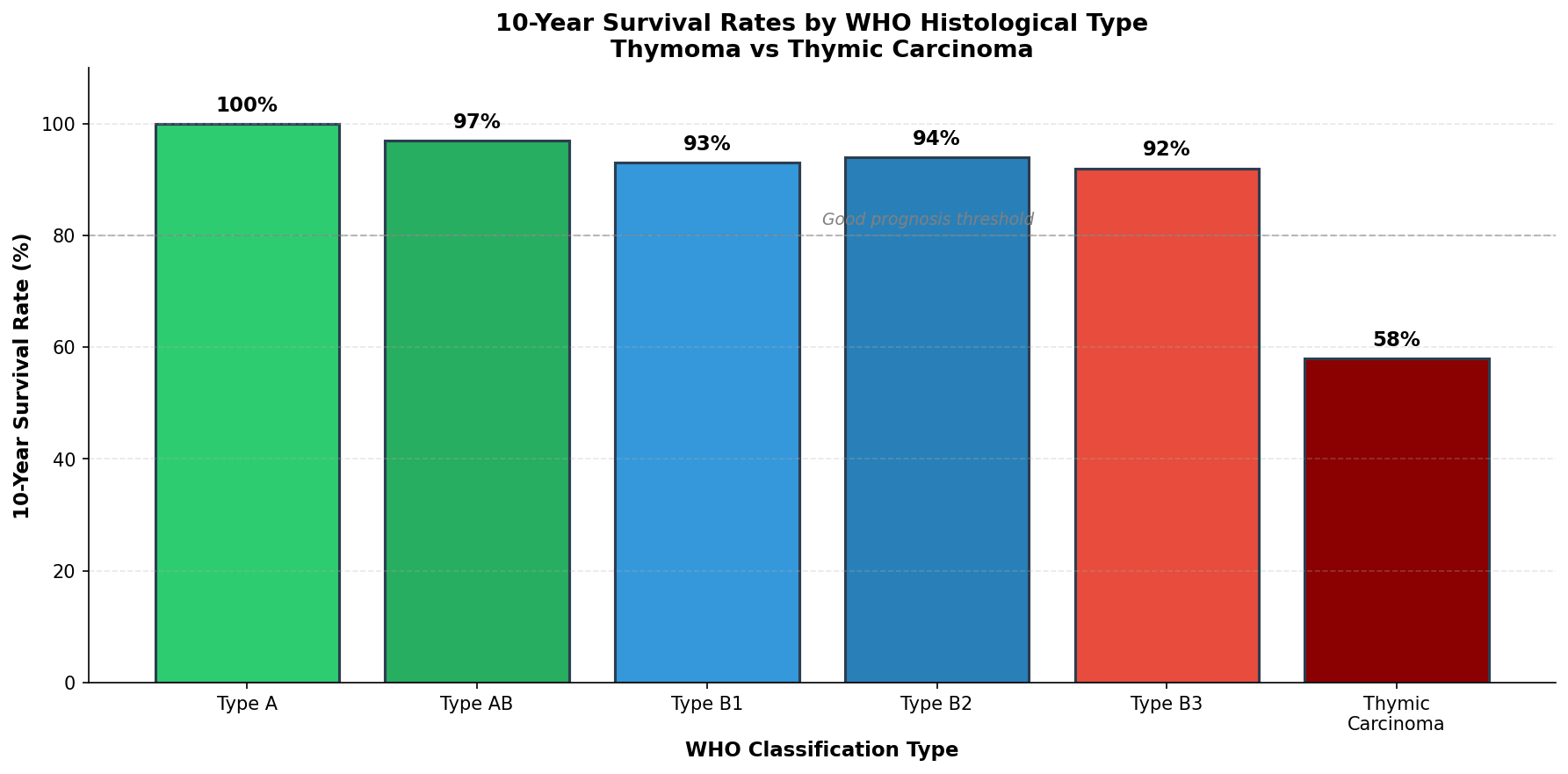 Figure 2: Relative prevalence of major paraneoplastic syndromes. Data from the International Thymic Malignancy Interest Group database analysis of 6,670 patients.
How Symptoms Develop Over Time
Understanding the timeline of thymoma symptom development helps patients contextualise their experience and understand why early recognition matters.
In pediatric thymomas (exceedingly rare but important for context), symptoms develop rapidly: the median time from symptom onset to diagnosis is just 1 month, reflecting how aggressively children's diseases often progress.
In adults with localised chest symptoms, the progression is typically gradual. Patients report symptoms developing over months before seeking medical attention. Hoarseness might start subtly, shortness of breath gradually worsens, or chest pain becomes more persistent over time.
In Superior Vena Cava syndrome, symptoms develop over approximately 3 to 6 months as the growing tumour progressively compresses the major vein. Patients notice a gradual onset of facial swelling and arm oedema that worsens over weeks.
In paraneoplastic syndromes, the timeline varies dramatically:
- Some patients experience autoimmune symptoms years before the thymoma is detected. They might be diagnosed with myasthenia gravis, start treatment, and only discover the underlying thymoma years later during imaging
- Others develop paraneoplastic symptoms after thymoma diagnosis, suggesting the tumour's growth triggered immune dysregulation
- Still others have the tumour and autoimmune condition develop simultaneously
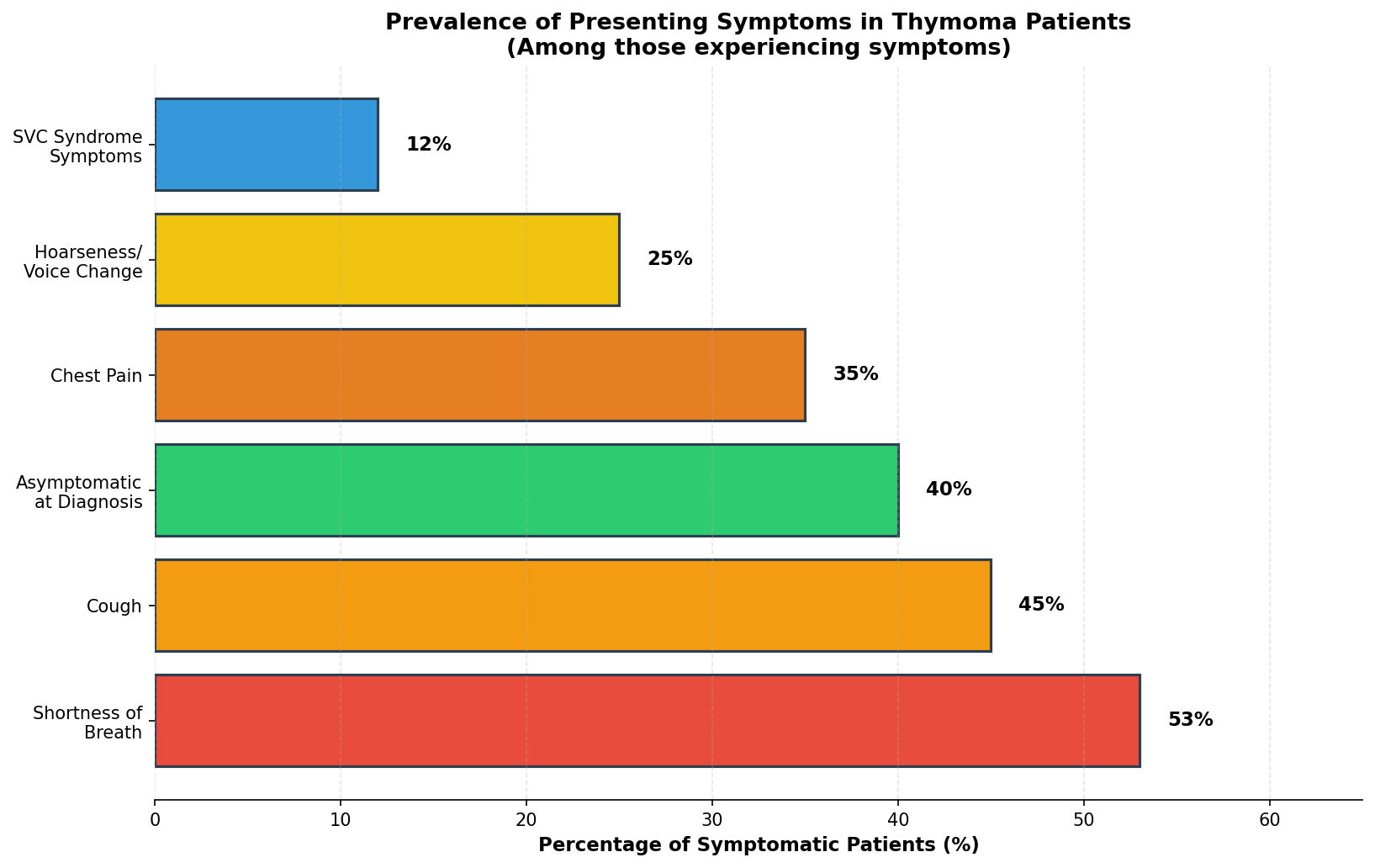 Figure 3: Typical timeline for symptom development and diagnosis across different thymoma presentations.
Impact on Daily Life and Functional Limitations
Beyond the physical symptoms, thymoma significantly affects quality of life and daily functioning. Understanding these functional impacts helps you prepare for managing the disease.
Chest Symptoms' Impact on Activities
Dyspnea (shortness of breath) fundamentally limits physical exertion. Climbing stairs becomes difficult, exercising becomes impossible, and even walking long distances may require frequent rest breaks. For working-age adults, this can mean difficulty maintaining employment in jobs requiring physical activity or standing all day.
Chest pain restricts movement and may make work uncomfortable, especially if your job involves physical labour or repetitive motion.
Persistent cough disrupts sleep, makes it embarrassing to be in meetings or social situations, and can cause throat soreness and hoarseness from frequent coughing.
Voice Changes' Professional and Social Impact
Hoarseness and voice fatigue significantly affect quality of life. For teachers, customer service representatives, and anyone in public-facing roles, a compromised voice is professionally devastating. Socially, communication becomes effortful, and some patients report reduced confidence in social settings.
SVC Syndrome's Dramatic Functional Limitations
Facial and neck swelling causes physical discomfort and psychological distress from visible changes in appearance. Some patients report self-consciousness about going out in public.
Arm and hand swelling limit the ability to work with hands, type, or exercise arms. Fine motor tasks become difficult, and the persistent heaviness of swollen arms is exhausting.
Sleep position requirements: SVC syndrome often requires an elevated head position at night, making normal sleep impossible without special pillows or bed adjustments. Lying flat becomes uncomfortable or impossible.
Shortness of breath: The combination of chest symptoms and blood flow impairment creates profound activity limitation. Patients often become significantly deconditioned as they reduce activity to avoid worsening symptoms.
Myasthenia Gravis' Pervasive Impact
Muscle weakness and fatigue fundamentally change how patients approach daily life. Tasks that require sustained muscle contraction, such as holding items, maintaining posture, or climbing stairs, become progressively impossible as muscles tire.
Eating difficulties may require dietary modifications: soft foods, liquids, or smaller frequent meals rather than normal meals. Some patients can't maintain adequate nutrition due to swallowing difficulties.
Eye symptoms (drooping eyelids and double vision) affect vision-dependent work and create safety concerns with driving.
Fluctuating symptoms mean good days and bad days. Patients often need flexibility in work schedules because they can't predict their daily functioning.
Immunodeficiency's Burden of Recurrent Illness
Good's syndrome creates a constant medical burden. Patients require frequent doctor visits, prophylactic antibiotics, and regular immunoglobulin infusions. Hospitalisation for serious infections is common.
Chronic fatigue from recurrent infections, even minor ones, accumulates over time. Patients with Good's syndrome report significantly reduced quality of life from the constant cycle of infection, recovery, and reinfection.
Social isolation: During illness or while immunosuppressed, patients often need to avoid contact with others, reducing work and social participation.
Overall Functional Decline
Research using standardised assessment tools like the MG-ADL (Myasthenia Gravis Activity of Daily Living) scale quantifies these functional impacts. Patients with untreated thymoma-associated myasthenia gravis show significant impairment in activities of daily living, and functional improvement following thymectomy is dramatic, with scores improving significantly post-operatively.
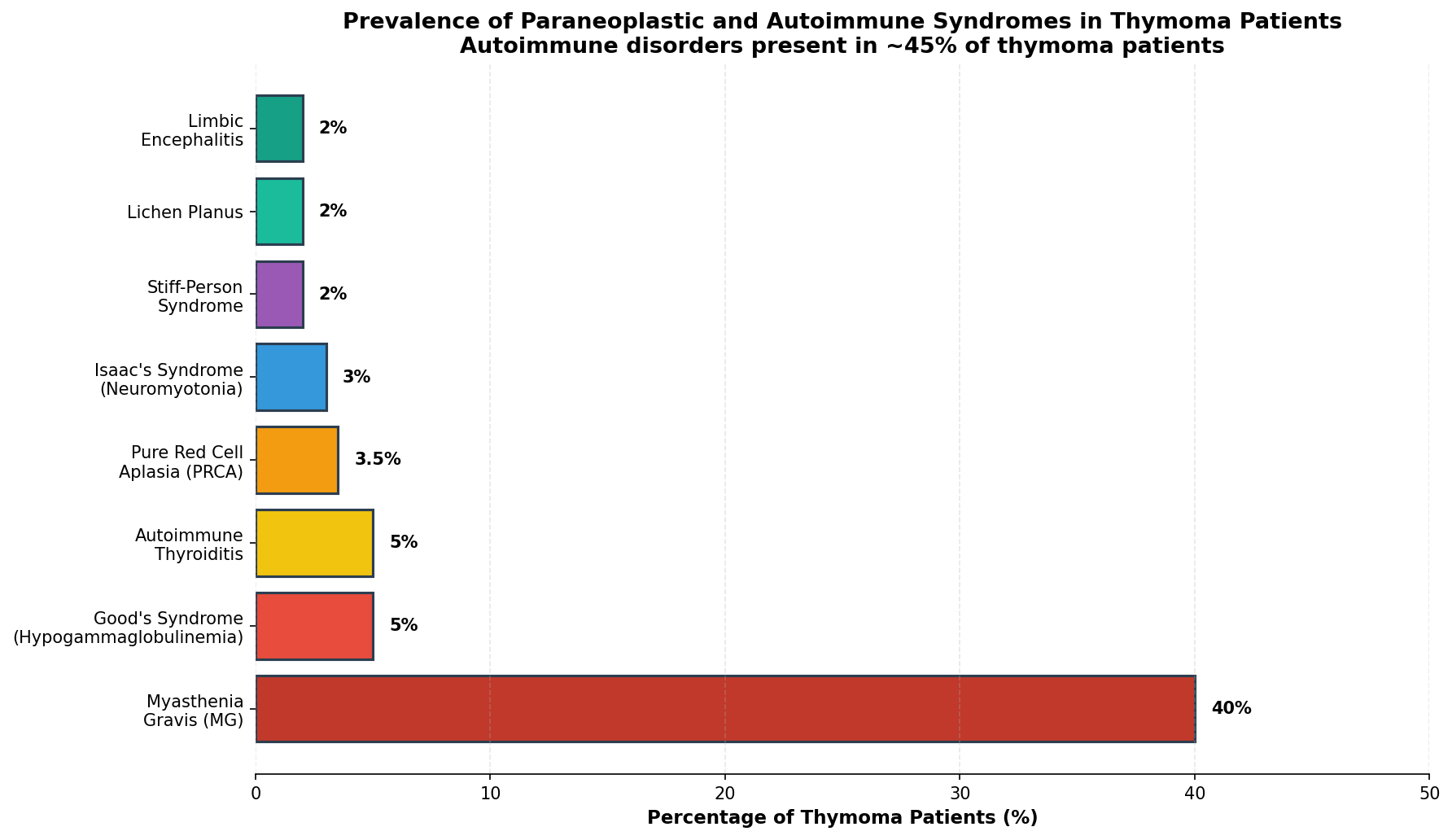 Figure 4: Age-specific incidence rates show thymoma is predominantly a disease of middle-aged and older adults, with peak occurrence at ages 70-74.
Clinical Examination Findings
When your doctor examines you, they're looking for specific signs that might indicate thymoma or its complications. Understanding what these signs mean helps you interpret your examination findings.
General Thoracic Examination Findings
- Excessive jugular vein swelling: Veins in the neck appear visibly distended and don't collapse normally when lying flat
- Cardiac murmurs: Abnormal heart sounds detected by a stethoscope, suggesting heart strain or pericardial involvement
- Pulmonary rales: Crackling sounds heard on lung examination, suggesting fluid accumulation or lung compression
- Bilateral lower limb oedema: Swelling in both legs from venous obstruction or fluid retention
- Dilated subcutaneous chest veins: Prominent veins visible on the chest wall, indicating venous obstruction
Signs Specific to SVC Syndrome
- Facial plethora: Redness and flushed appearance of the face from dilated blood vessels
- Eyelid oedema: Puffiness around the eyes, often symmetric
- Conjunctival suffusion: Engorgement and injection (redness) of the small blood vessels in the whites of the eyes
- Elevated intraocular pressure: Measured during eye examination, reflecting blood flow problems to the eyes
- Cyanosis: Bluish discolouration of the skin and lips indicating poor oxygen saturation
Neurological Signs from Paraneoplastic Syndromes
- Ptosis: Drooping of eyelids, worse at day's end or after eye use
- Asymmetric facial movement: Weakness of facial muscles on one side
- Proximal muscle weakness: Difficulty raising arms overhead or rising from a seated position
- Positive Tensilon test or repetitive nerve stimulation findings: If myasthenia gravis is suspected, specialised testing shows a decremental muscle response
Laboratory and Imaging Findings
- Elevated acetylcholine receptor (AChR) antibodies: Present in about 80-85% of MG patients
- Muscle-specific kinase (MsK) antibodies: Present in seronegative MG
- Chest CT findings: Mass in the anterior mediastinum, possibly with invasion into adjacent structures
- Blood count abnormalities: Low red blood cells (in PRCA), low B-cells (in Good's syndrome), or cytopenias
Diagnosis and Next Steps: A Brief Overview for Context
When thymoma is suspected based on symptoms or imaging findings, diagnosis is confirmed through:
Imaging: CT chest with contrast provides detailed visualisation of the mediastinal mass, its size, and whether it invades adjacent structures. MRI may be used for further characterisation.
Pathological diagnosis: A tissue sample (biopsy) obtained through surgery or needle biopsy confirms thymoma and determines WHO histologic type, which carries prognostic significance.
Staging: Imaging determines Masaoka-Koga stage, which is the single most important prognostic factor. Stage I (confined to the thymus) has an excellent prognosis; Stage IV (disseminated disease) requires more aggressive treatment.
Screening for paraneoplastic syndromes: Patients are tested for antibodies (AChR, anti-muscle-specific kinase, antinuclear antibodies, etc.) and immunologic function to identify associated autoimmune conditions.
The goal of a comprehensive initial evaluation is to fully characterise the tumour and identify complications, allowing your medical team to create an optimal treatment plan.
Further Reading
Understanding Thymoma and the Thymus Gland
- Thymoma: StatPearls Educational Resource - NCBI Bookshelf
- Thymoma and Thymic Carcinoma Treatment Guide - National Cancer Institute
- Anterior Mediastinal Mass Differential Diagnosis - StatPearls
Recognising Symptoms and When to Seek Care
- When to Suspect a Thymoma: Clinical Presentation Guide - PubMed
- Superior Vena Cava Syndrome: Clinical Characteristics and Presentation - PubMed
- Hoarseness as an Initial Symptom of Thymic Malignancy - PubMed
Myasthenia Gravis and Thymoma Connection
- Myasthenia Gravis: StatPearls Clinical Reference - NCBI Bookshelf
- Thymoma and Myasthenia Gravis: Paraneoplastic Manifestations - PMC/NIH
- Pathophysiology of Thymoma-Associated Myasthenia Gravis - PubMed
Immunodeficiency and Blood Cell Disorders with Thymoma
- Pure Red Cell Aplasia Associated with Thymoma - PubMed
- Good's Syndrome: Understanding Thymoma-Associated Immunodeficiency - PMC/NIH
- Immunodeficiency in Thymoma: Mechanisms and Management - PubMed
Broader Autoimmune Complications
- Autoimmune and Paraneoplastic Syndromes in Thymoma - PMC/NIH
- Systematic Review of Paraneoplastic Syndromes in Thymoma - PubMed
- Thymoma-Associated Autoimmune Multiorgan Syndrome - PubMed
Living with Thymoma: Quality of Life and Long-Term Outcomes
- Quality of Life in Myasthenia Gravis: Assessment Tools and Outcomes - PMC/NIH
- Fatigue and Functional Limitations in Myasthenia Gravis - PMC/NIH
- Long-Term Results After Thymoma Treatment - PubMed
References/Helpful Resources
- Thymoma and Thymic Carcinoma - NCI [cgvArticle] [Internet]. 2026 [cited 2026 Jul 14]. Available from: https://www.cancer.gov/types/thymus-cancer/thymoma-thymic-carcinoma
- Robinson SP, Akhondi H. Thymoma. In: StatPearls [Internet]. Treasure Island (FL): StatPearls Publishing; 2026 [cited 2026 Jul 14]. Available from: http://www.ncbi.nlm.nih.gov/books/NBK559291/ PubMed PMID: 32644717. Available from: https://www.ncbi.nlm.nih.gov/books/NBK559291/
- Cleveland Clinic [Internet]. [cited 2026 Jul 14]. Thymoma (Thymic Carcinoma): Symptoms, Causes & Treatment. Available from: https://my.clevelandclinic.org/health/diseases/6196-thymoma-and-thymic-carcinoma
- Minervini F, Kocher GJ. When to suspect a thymoma: clinical point of view. J Thorac Dis. 2020 Dec;12(12):7613–8. doi:10.21037/jtd-2019-thym-05 PubMed PMID: 33447452; PubMed Central PMCID: PMC7797873. Available from: https://pubmed.ncbi.nlm.nih.gov/33447452/
- Sperling B, Marschall J, Kennedy R, Pahwa P, Chibbar R. Thymoma: a review of the clinical and pathological findings in 65 cases. Can J Surg. 2003 Feb;46(1):37–42. PubMed PMID: 12585792; PubMed Central PMCID: PMC3211673. Available from: https://pubmed.ncbi.nlm.nih.gov/12585792/
- Ansari AZ, Koi T, Lief S, Patibandla S, Bhatt N, Gulraiz A, et al. Thymoma-Related Chest Pain and Dyspnea in a Middle-Aged Caucasian Female With Myasthenia Gravis and Good’s Syndrome: A Case Report. Cureus. 16(8):e68027. doi:10.7759/cureus.68027 PubMed PMID: 39347290; PubMed Central PMCID: PMC11431129. Available from: https://www.ncbi.nlm.nih.gov/pmc/articles/PMC11431129/
- Rosa GRS da, Takizawa N, Schmidt D, Sugita M. Surgical treatment of superior vena cava syndrome caused by invasive thymoma. Rev Bras Cir Cardiovasc. 2010;25(2):257–60. doi:10.1590/s0102-76382010000200022 PubMed PMID: 20802922. Available from: https://pubmed.ncbi.nlm.nih.gov/20802922/
- Rice TW, Rodriguez RM, Light RW. The superior vena cava syndrome: clinical characteristics and evolving aetiology. Medicine (Baltimore). 2006 Jan;85(1):37–42. doi:10.1097/01.md.0000198474.99876.f0 PubMed PMID: 16523051. Available from: https://pubmed.ncbi.nlm.nih.gov/16523051/
- Marx A, Willcox N, Leite MI, Chuang WY, Schalke B, Nix W, et al. Thymoma and paraneoplastic myasthenia gravis. Autoimmunity. 2010 Aug;43(5–6):413–27. doi:10.3109/08916930903555935 PubMed PMID: 20380583. Available from: https://pubmed.ncbi.nlm.nih.gov/20380583/
- Zhao J, Bhatnagar V, Ding L, Atay SM, David EA, McFadden PM, et al. A systematic review of paraneoplastic syndromes associated with thymoma: Treatment modalities, recurrence, and outcomes in resected cases. J Thorac Cardiovasc Surg. 2020 Jul;160(1):306-314.e14. doi:10.1016/j.jtcvs.2019.11.052 PubMed PMID: 31982129. Available from: https://pubmed.ncbi.nlm.nih.gov/31982129/
- Itani M, Goldman Gollan Y, Ezell K, Mohanna M, Sabbagh S, Mears C, et al. Thymoma and Myasthenia Gravis: An Examination of a Paraneoplastic Manifestation. Cureus. 15(2):e34828. doi:10.7759/cureus.34828 PubMed PMID: 36919063; PubMed Central PMCID: PMC10008435. Available from: https://www.ncbi.nlm.nih.gov/pmc/articles/PMC10008435/
- Takeuchi S, Yoshino N, Usuda J. Hoarseness as an Initial Symptom of Thymic Carcinoma: A Case Report. J Nippon Med Sch. 2019;86(6):357–9. doi:10.1272/jnms.JNMS.2019_86-605 PubMed PMID: 31932545. Available from: https://pubmed.ncbi.nlm.nih.gov/31932545/
- Hamdi S, Mercier O, Fadel E, Mussot S, Fabre D, Ghigna MR, et al. Is sacrificing the phrenic nerve during thymoma resection worthwhile? Eur J Cardiothorac Surg. 2014 May;45(5):e151-155. doi:10.1093/ejcts/ezu025 PubMed PMID: 24566850. Available from: https://pubmed.ncbi.nlm.nih.gov/24566850/
- Yano M, Sasaki H, Moriyama S, Kawano O, Hikosaka Y, Masaoka A, et al. Preservation of the phrenic nerve involved by stage III thymoma. Ann Thorac Surg. 2010 May;89(5):1612–9. doi:10.1016/j.athoracsur.2010.01.057 PubMed PMID: 20417788. Available from: https://pubmed.ncbi.nlm.nih.gov/20417788/
- Yen CC, Huang WL, Li SS, Chen YP, Tseng YL, Yen YT, et al. Pure Red Cell Aplasia and Other Haematological Diseases Associated With Thymoma: A Case Series and Systematic Review. Front Med (Lausanne). 2021;8:759914. doi:10.3389/fmed.2021.759914 PubMed PMID: 34966753; PubMed Central PMCID: PMC8710742. Available from: https://pubmed.ncbi.nlm.nih.gov/34966753/
- Hishida T, Asamura H, Yoshida K, Tsuboi M, Yokoi K, Toyooka S, et al. Clinical features and prognostic impact of coexisting autoimmune disease other than myasthenia gravis in resected thymomas: analysis of a Japanese multi-institutional retrospective database. Eur J Cardiothorac Surg. 2021 Apr 13;59(3):641–9. doi:10.1093/ejcts/ezaa362 PubMed PMID: 33188679. Available from: https://pubmed.ncbi.nlm.nih.gov/33188679/
- 21例胸腺瘤相关纯红细胞再生障碍患者的临床特征及预后. Zhonghua Xue Ye Xue Za Zhi. 2023 Dec;44(12):1031–4. doi:10.3760/cma.j.issn.0253-2727.2023.12.011 PubMed PMID: 38503528; PubMed Central PMCID: PMC10834874. Available from: https://www.ncbi.nlm.nih.gov/pmc/articles/PMC10834874/
- Shi Y, Wang C. When the Good Syndrome Goes Bad: A Systematic Literature Review. Front Immunol. 2021 May 25;12:679556. doi:10.3389/fimmu.2021.679556 PubMed PMID: 34113351; PubMed Central PMCID: PMC8185358. Available from: https://www.ncbi.nlm.nih.gov/pmc/articles/PMC8185358/
- Montella L, Masci AM, Merkabaoui G, Perna F, Vitiello L, Racioppi L, et al. B-cell lymphopenia and hypogammaglobulinemia in thymoma patients. Ann Hematol. 2003 Jun;82(6):343–7. doi:10.1007/s00277-003-0635-z PubMed PMID: 12715206. Available from: https://pubmed.ncbi.nlm.nih.gov/12715206/
- Guevara-Hoyer K, Fuentes-Antrás J, Calatayud Gastardi J, Sánchez-Ramón S. Immunodeficiency and thymoma in Good syndrome: Two sides of the same coin. Immunol Lett. 2021 Mar;231:11–7. doi:10.1016/j.imlet.2020.12.010 PubMed PMID: 33418010. Available from: https://pubmed.ncbi.nlm.nih.gov/33418010/
- Gadalla SM, Rajan A, Pfeiffer R, Kristinsson SY, Björkholm M, Landgren O, et al. A population-based assessment of mortality and morbidity patterns among patients with thymoma. Int J Cancer. 2011 Jun 1;128(11):2688–94. doi:10.1002/ijc.25583 PubMed PMID: 20669226; PubMed Central PMCID: PMC2992797. Available from: https://pubmed.ncbi.nlm.nih.gov/20669226/
- Sandri A, Cusumano G, Lococo F, Alifano M, Granone P, Margaritora S, et al. Long-term results after treatment for recurrent thymoma: a multicenter analysis. J Thorac Oncol. 2014 Dec;9(12):1796–804. doi:10.1097/JTO.0000000000000370 PubMed PMID: 25393792.Available from: https://pubmed.ncbi.nlm.nih.gov/25393792/
- Tseng YC, Tseng YH, Kao HL, Hsieh CC, Chou TY, Goan YG, et al. Long term oncological outcome of thymoma and thymic carcinoma – an analysis of 235 cases from a single institution. PLoS One. 2017 Jun 20;12(6):e0179527. doi:10.1371/journal.pone.0179527 PubMed PMID: 28632791; PubMed Central PMCID: PMC5478134. Available from: https://www.ncbi.nlm.nih.gov/pmc/articles/PMC5478134/
- Jung-Plath W, Skrzypek-Czerko M, Zdun-Ryżewska A, Bilińska M, Mędrzycka-Dąbrowska W. Perceived Fatigue and Associated Psychological Factors in Patients with Myasthenia Gravis. Healthcare (Basel). 2026 Jan 29;14(3):342. doi:10.3390/healthcare14030342 PubMed PMID: 41682192; PubMed Central PMCID: PMC12897320. Available from: https://www.ncbi.nlm.nih.gov/pmc/articles/PMC12897320/
- Rich AL. Epidemiology of thymoma. J Thorac Dis. 2020 Dec;12(12):7531–5. doi:10.21037/jtd-2019-thym-02 PubMed PMID: 33447443; PubMed Central PMCID: PMC7797839. Available from: https://pmc.ncbi.nlm.nih.gov/articles/PMC7797839/
- Gerber TS, Strobl S, Marx A, Roth W, Porubsky S. Epidemiology of thymomas and thymic carcinomas in the United States and Germany, 1999-2019. Front Oncol. 2024 Jan 9;13:1308989. doi:10.3389/fonc.2023.1308989 PubMed PMID: 38264756; PubMed Central PMCID: PMC10805269. Available from: https://pmc.ncbi.nlm.nih.gov/articles/PMC10805269/
- Jiang B, Gu Z, Kan CS, Mao T, Fang W. Global Patterns and Trends in Thymic Epithelial Tumour Incidence: Worldwide Health Care Disparity on Detection. JCO Glob Oncol. 2026 Mar;12(3):e2500542. doi:10.1200/GO-25-00542 PubMed PMID: 41886722. Available from: https://pubmed.ncbi.nlm.nih.gov/41886722/
- Wu J, Fang W, Chen G. The enlightenments from ITMIG Consensus on WHO histological classification of thymoma and thymic carcinoma: refined definitions, histological criteria, and reporting. J Thorac Dis. 2016 Apr;8(4):738–43. doi:10.21037/jtd.2016.01.84 PubMed PMID: 27114842; PubMed Central PMCID: PMC4824730. Available from: https://pubmed.ncbi.nlm.nih.gov/27114842/
- Detterbeck FC, Nicholson AG, Kondo K, Van Schil P, Moran C. 胸腺恶性肿瘤Masaoka-Koga分期相关术语的说明与定义. Zhongguo Fei Ai Za Zhi. 2014 Feb 20;17(2):75–81. doi:10.3779/j.issn.1009-3419.2014.02.03 PubMed PMID: 24581156; PubMed Central PMCID: PMC6131234. Available from: https://www.ncbi.nlm.nih.gov/pmc/articles/PMC6131234/
- Chiappetta M, Lococo F, Pogliani L, Sperduti I, Tabacco D, Bria E, et al. Masaoka-Koga and TNM Staging System in Thymic Epithelial Tumours: Prognostic Comparison and the Role of the Number of Involved Structures. Cancers (Basel). 2021 Oct 20;13(21):5254. doi:10.3390/cancers13215254 PubMed PMID: 34771417; PubMed Central PMCID: PMC8582470. Available from: https://pubmed.ncbi.nlm.nih.gov/34771417/
- Blum TG, Misch D, Kollmeier J, Thiel S, Bauer TT. Autoimmune disorders and paraneoplastic syndromes in thymoma. J Thorac Dis. 2020 Dec;12(12):7571–90. doi:10.21037/jtd-2019-thym-10 PubMed PMID: 33447448; PubMed Central PMCID: PMC7797875. Available from: https://pmc.ncbi.nlm.nih.gov/articles/PMC7797875/
- Padda SK, Yao X, Antonicelli A, Riess JW, Shang Y, Shrager JB, et al. Paraneoplastic Syndromes and Thymic Malignancies: An Examination of the International Thymic Malignancy Interest Group Retrospective Database. J Thorac Oncol. 2018 Mar;13(3):436–46. doi:10.1016/j.jtho.2017.11.118 PubMed PMID: 29191778; PubMed Central PMCID: PMC5983900. Available from: https://pubmed.ncbi.nlm.nih.gov/29191778/
- Almeida PT, Heller D. Anterior Mediastinal Mass. In: StatPearls [Internet]. Treasure Island (FL): StatPearls Publishing; 2026 [cited 2026 Jul 14]. Available from: http://www.ncbi.nlm.nih.gov/books/NBK546608/ PubMed PMID: 31536215. Available from: https://www.ncbi.nlm.nih.gov/books/NBK546608/
- Beloor Suresh A, Asuncion RMD. Myasthenia Gravis. In: StatPearls [Internet]. Treasure Island (FL): StatPearls Publishing; 2026 [cited 2026 Jul 14]. Available from: http://www.ncbi.nlm.nih.gov/books/NBK559331/ PubMed PMID: 32644757. Available from: https://www.ncbi.nlm.nih.gov/books/NBK559331/
- Boldingh MI, Dekker L, Maniaol AH, Brunborg C, Lipka AF, Niks EH, et al. An update on health-related quality of life in myasthenia gravis -results from population-based cohorts. Health Qual Life Outcomes. 2015 Aug 1;13:115. doi:10.1186/s12955-015-0298-1 PubMed PMID: 26232146; PubMed Central PMCID: PMC4522107. Available from: https://www.ncbi.nlm.nih.gov/pmc/articles/PMC4522107/
