

What Actually Happens When You Step Into Cold Water
Diving into a cold shower triggers a survival response that's been hardwired into human biology for millennia. Within seconds, your body activates systems designed to protect you from freezing. What researchers are discovering is that this ancient stress response, experienced regularly, may unlock some surprising health benefits. However, the science also reveals important limitations. There are a few things that won't happen no matter how many cold showers you take.
The research shows that cold exposure creates immediate, measurable changes in your physiology. Your sympathetic nervous system (the "fight or flight" branch) activates almost instantaneously. Heart rate increases by 5 to 10 beats per minute, blood pressure rises by 15 to 20 millimetres of mercury, and stress hormones flood your bloodstream. But what happens next, how your body adapts, is where the real benefits and limitations emerge.
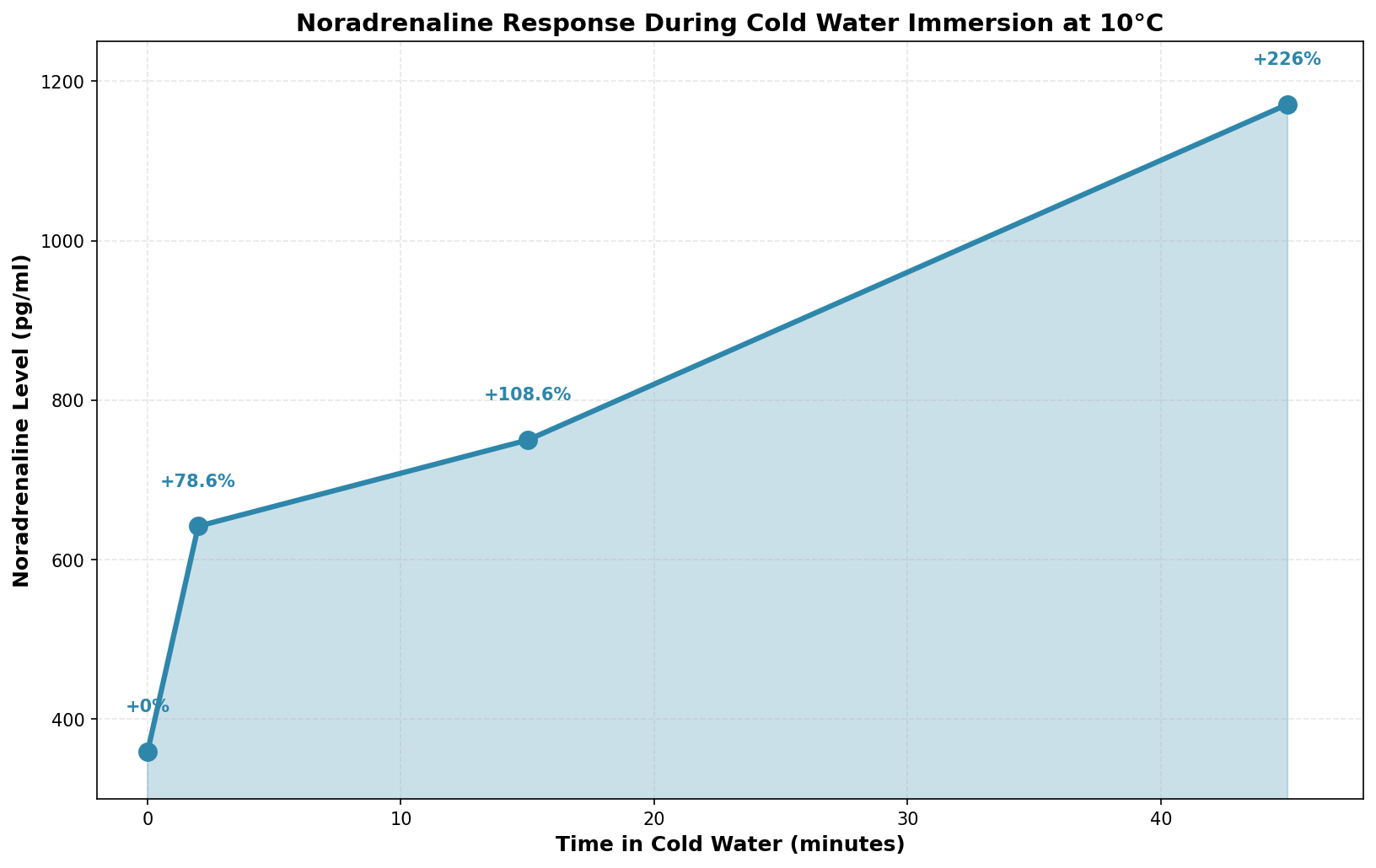 Figure 1: Cold water immersion triggers a dramatic surge in noradrenaline (also called norepinephrine), a neurotransmitter that affects alertness, focus, and mood. A 10-minute cold immersion at 10°C increased noradrenaline levels from a baseline of 359 pg/ml to peak levels exceeding 1,170 pg/ml, representing a more than three-fold increase that sustained throughout the immersion period.
Physiological Benefits: What the Research Actually Shows
The Immediate Cardiovascular Stress Response
When you immerse yourself in cold water, several things happen simultaneously. Noradrenaline (your brain's natural "focus and mood" chemical) surges up to 226% above baseline. This catecholamine activates your sympathetic nervous system and increases peripheral blood flow initially before inducing vasoconstriction (narrowing of blood vessels).
The cardiovascular stress is genuine and intentional. Your heart has to work harder; oxygen demand increases. This is why cold exposure isn't recommended for people with coronary artery disease or uncontrolled hypertension—the added stress on the heart can be dangerous for vulnerable populations.
But here's what makes regular cold exposure different from a single exposure: your body learns to adapt.
Metabolism and Metabolic Heat Generation
When your body cools down, it mobilises two distinct heat-production systems. The first, shivering thermogenesis, is what you feel (your muscles contracting rapidly to generate warmth). The second, non-shivering thermogenesis, is quieter but powerful: activation of brown adipose tissue (brown fat), which burns calories to produce heat without any visible muscle contractions.
During steady-state cold exposure, your metabolism breaks down fuels in this ratio:
- Lipid oxidation: 52% of energy used
- Carbohydrate oxidation: 35% of energy
- Protein oxidation: 13% of energy
This metabolic activation is real and documented in controlled lab settings. Whether this translates to meaningful weight loss in real-world conditions remains an open question—the energy expenditure is modest compared with exercise, and people often eat more afterwards to compensate.
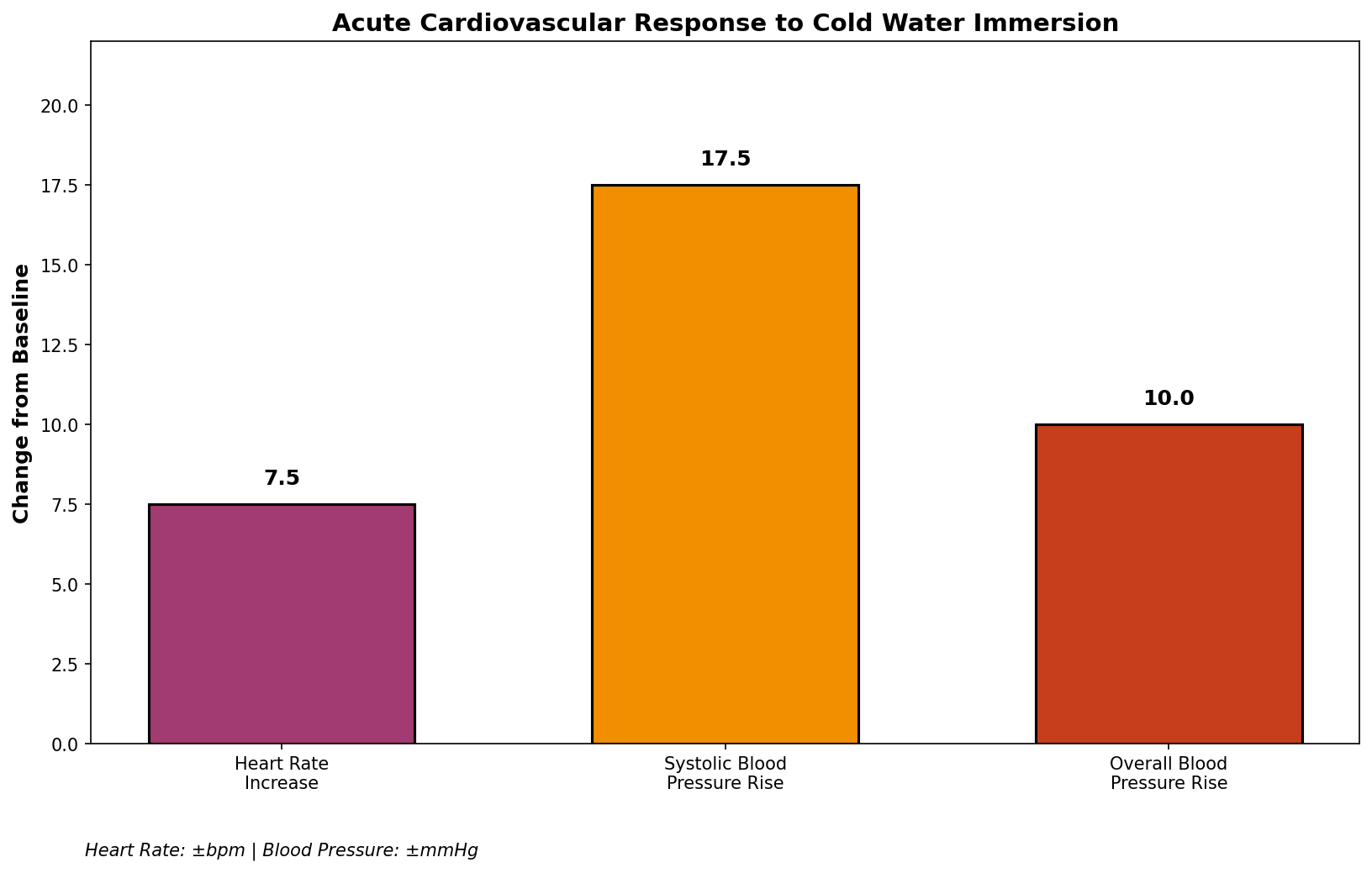 Figure 2: Heart rate and blood pressure responses show the immediate stress imposed by cold immersion. Systolic blood pressure increased by approximately 15-20 mmHg and heart rate by 5-10 bpm in healthy adults during cold-water immersion at 14°C. These increases represent the sympathetic nervous system mobilising resources to maintain core temperature.
The Immune System: A Cautionary Tale
One of the most popular claims about cold showers is that they boost immune function. The research here is sobering.
Large meta-analyses found essentially no significant effects on overall immune function from regular cold-water exposure. Yes, specific immune markers change. Total T lymphocytes and activated T cells did increase after six weeks of regular immersion in one study, but these cell count changes don't translate to fewer infections or demonstrable immunity improvements.
What does happen is more nuanced. White blood cell counts peak between 1 and 2 hours after cold immersion. Proinflammatory cytokines (interleukin-6 and interleukin-1β) increase temporarily. Your immune system activates in response to the stress, then normalises. Over six weeks, some adaptive changes occur, but the practical impact on real-world illness remains unclear.
The takeaway: cold showers don't boost immunity in any clinically meaningful way. If you take them hoping to prevent colds and flu, the evidence doesn't support that expectation.
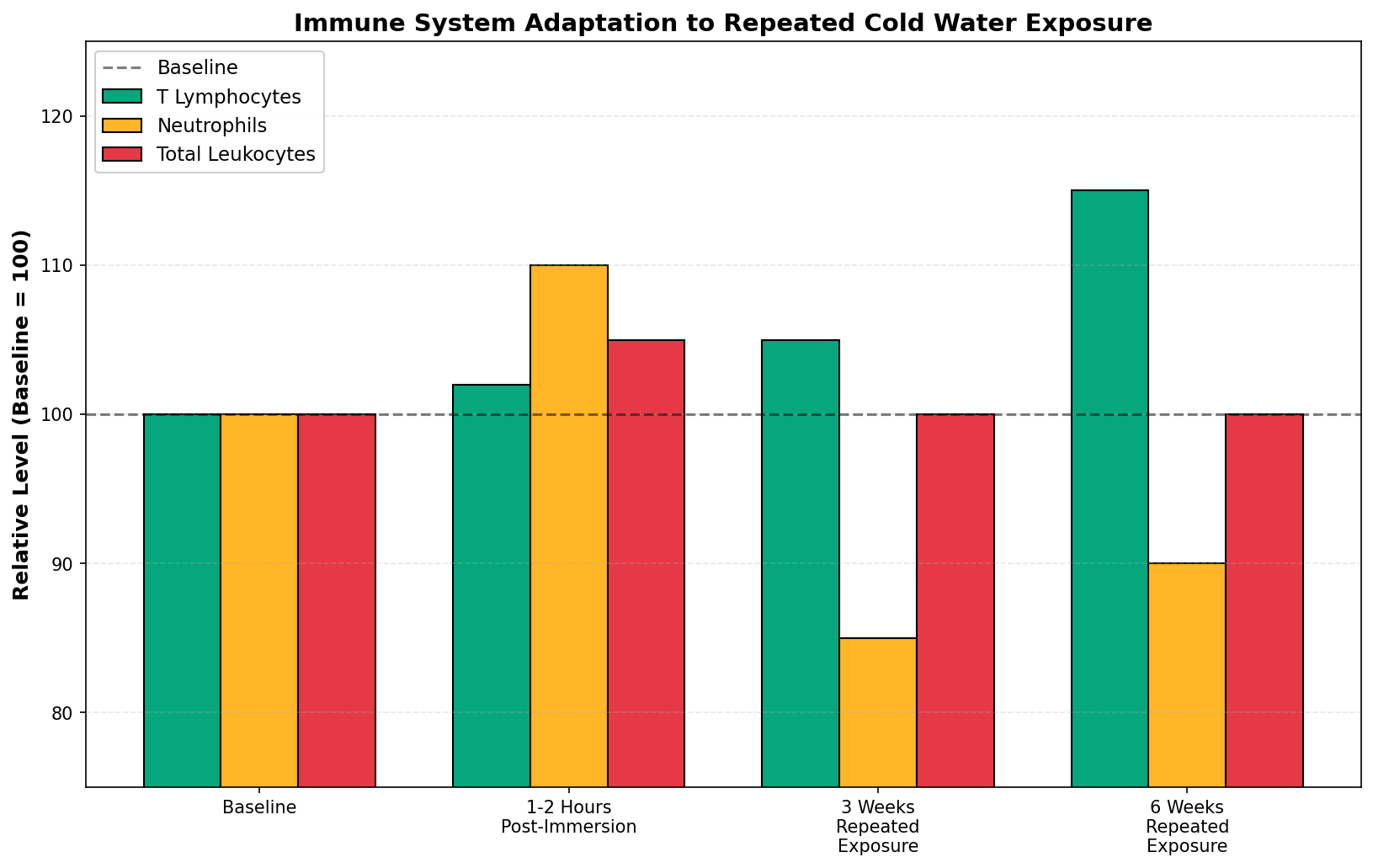 Figure 3: Immune markers show complex responses to repeated cold exposure. T lymphocyte counts (CD3, CD4, CD8) showed trends toward increases after six weeks of regular cold-water immersion, but other markers (immunoglobulins, total white blood cells) remained unchanged. These cell count variations don't correlate with actual disease resistance in clinical trials.
Mental Health Benefits: The Mood and Cognition Connection
Noradrenaline and Alertness
The same noradrenaline surge that makes you gasp during a cold shower affects your brain in measurable ways. Within five minutes of cold-water exposure, participants in studies reported significantly improved alertness and attention.
This improvement is real and rapid. One study of 33 adults found measurable increases in feelings of alertness and attentiveness after just a five-minute cold exposure, along with decreased perceived anxiety and distress. Another study examining selective attention (the ability to focus on specific information) found improvements after 15 minutes of hand immersion in 10°C water.
The mechanism is straightforward: noradrenaline is involved in attention, arousal, and mood regulation. Cold exposure is a reliable trigger for noradrenaline release. This is why some researchers propose cold water as a potential treatment for depression—it activates the same neurochemical systems that antidepressant medications target, but through a completely different mechanism.
Mood Elevation and Emotional Effects
Studies examining mood changes after cold immersion found consistent positive emotional shifts. Participants reported feeling more active, alert, attentive, proud, and inspired. Importantly, they also reported reduced negative emotions—less distress, nervousness, and anxiety.
One research group studying winter swimmers found that regular cold-water swimming abolished general tiredness, boosted self-esteem, and improved overall mood and wellbeing. These weren't dramatic transformations, but measurable improvements in subjective well-being.
The neurobiological explanation involves more than just noradrenaline. Cold immersion also triggers release of beta-endorphin (endogenous opioids), which contribute to pain relief and mood elevation. It also creates measurable changes in brain connectivity between regions involved in attention control, emotion regulation, and self-awareness.
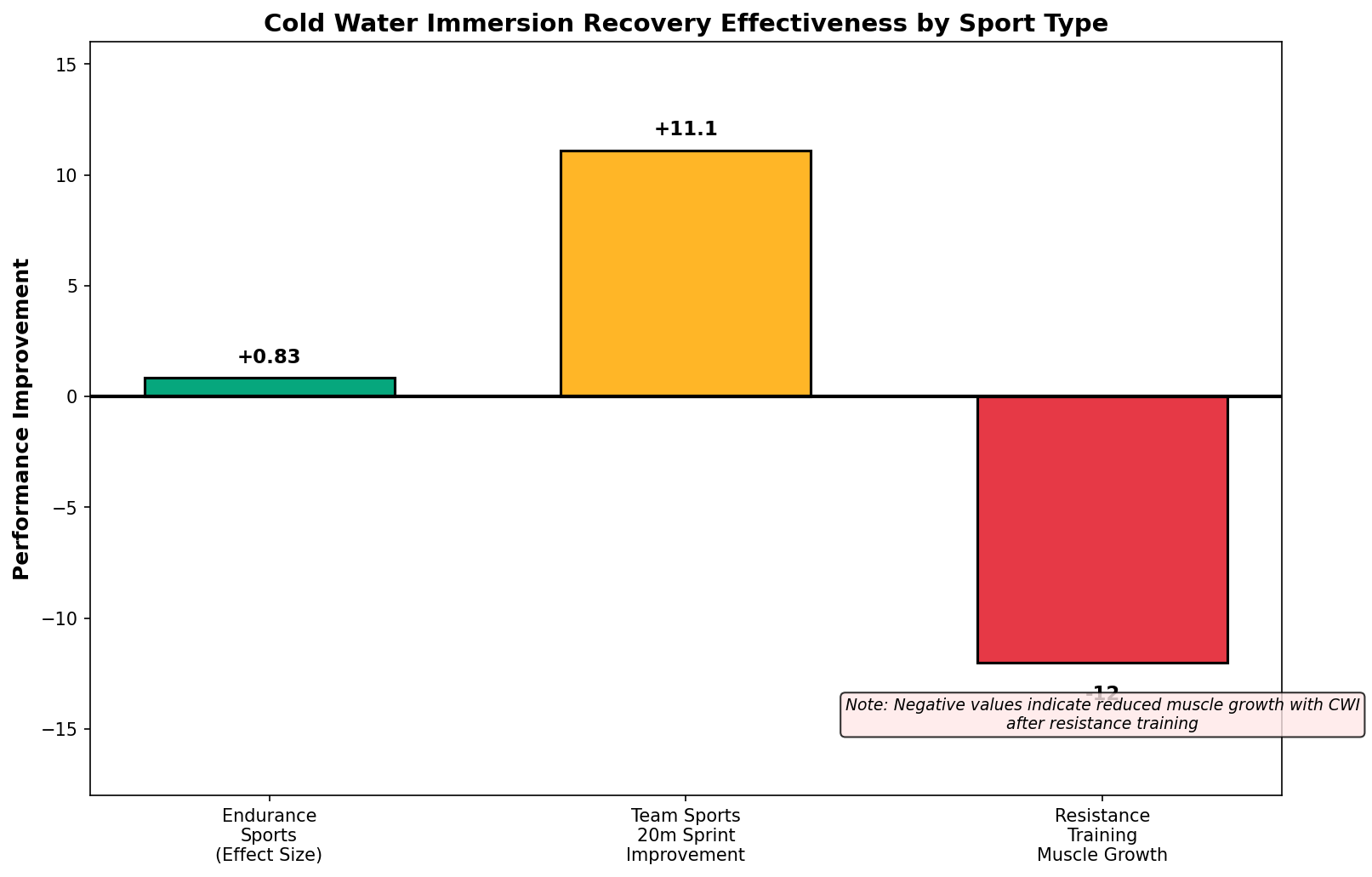 Figure 4: Cognitive processing speed measured by P-300 latencies (a measure of how quickly the brain processes information) decreased by 4.8% after cold exposure in elderly adults, suggesting faster cognitive processing. However, attention can be impaired during the recovery phase when the body is rewarming, highlighting the importance of timing.
Stress Resilience and Adaptation
Here's where regular exposure creates something different from a single cold shower. With repeated cold exposure, your sympathetic nervous system becomes less hyperresponsive. You still get the initial activation, but it's less intense. Simultaneously, your parasympathetic nervous system (the "rest and digest" branch) enhances—this is your body's "brake" system.
Over weeks of regular exposure, this creates a nervous system that's more balanced and potentially more resilient to stress. Some research suggests regular cold exposure linked to reduced chronic stress levels, though the evidence base here is still developing. The fundamental mechanism—nervous system adaptation—is well-established in cold-exposure research.
Importantly, this adaptation takes time. If you have high baseline anxiety, your initial response to cold may be exaggerated. Habituation requires repeated exposure; it doesn't happen overnight.
Athletic Performance and Recovery: Where Cold Water Actually Works
When Cold Water Helps Most
Cold-water immersion (CWI) is a popular recovery tool in professional sports, and the science explains why it works for specific sports but not others.
For endurance and intermittent team sports (soccer, rugby, basketball, distance running), the evidence is strong. Cold water immersion showed an effect size of 0.83 for improved sprint speed recovery measured 24 hours after exercise. In practical terms, this translates to an 11% improvement in 20-metre sprint performance. Recovery of both central fatigue (nervous system fatigue) and peripheral fatigue (muscle fatigue) improved faster with cold exposure than with passive recovery.
For delayed-onset muscle soreness (DOMS) (that intense soreness you feel 24 to 48 hours after hard exercise), cold water immersion significantly reduces soreness, particularly when combined with optimal temperature and duration parameters. The research shows the best results come from immersing your torso and limbs in 11 to 15°C (50-59°F) water for 10 to 15 minutes, applied immediately after intense exercise.
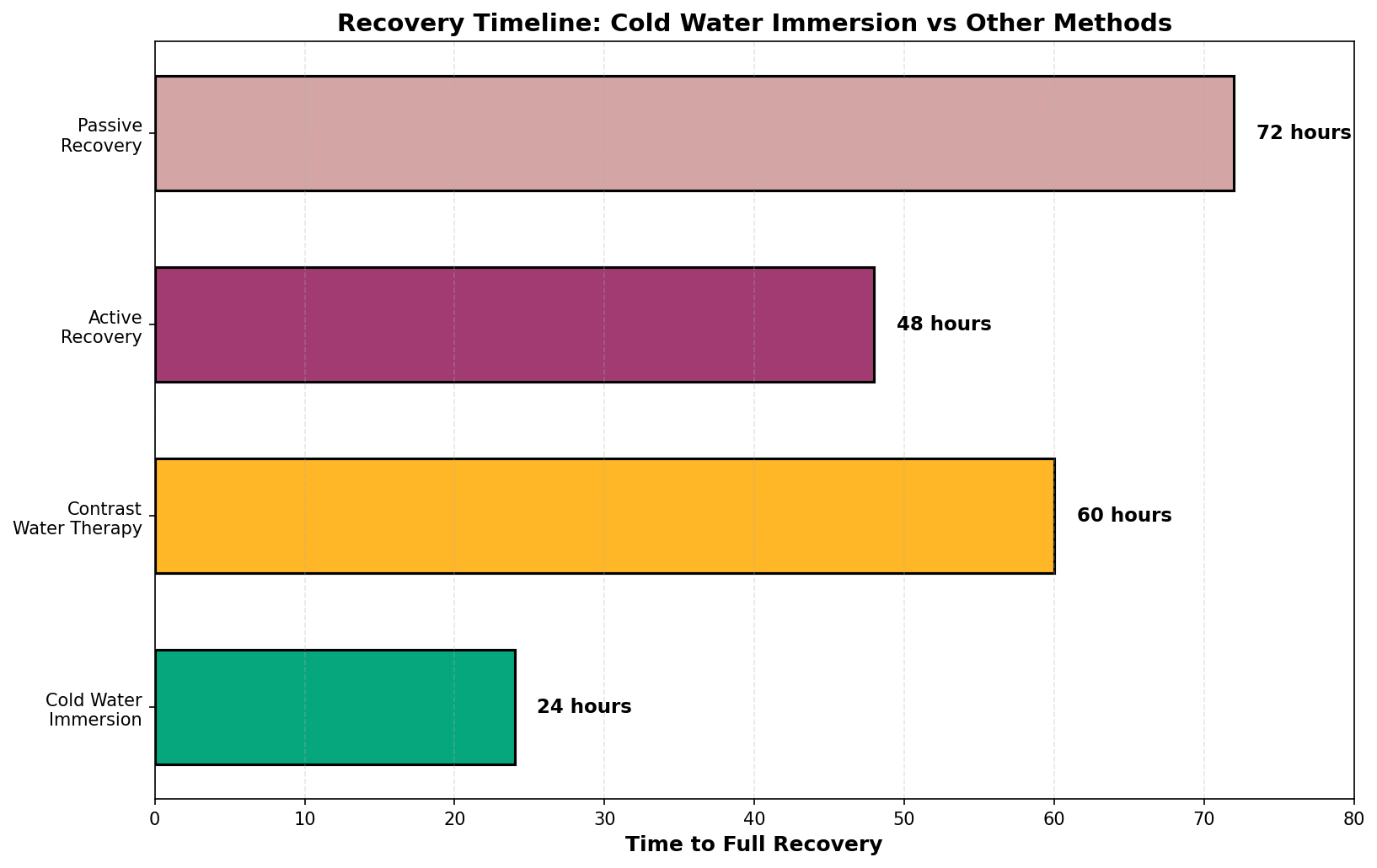 Figure 4: Cold water immersion improved sprint recovery and reduced delayed-onset muscle soreness. The 11.1% improvement in 20-metre sprint performance and significant DOMS reduction demonstrate effectiveness for team sport recovery within 24-72 hours post-exercise.
The Muscle Growth Problem
Here's where it gets complicated for strength athletes. Regular cold-water immersion after resistance training actually reduces muscle growth. Multiple studies document this consistently: athletes using CWI after strength training showed reduced type II muscle fibre cross-sectional area (muscle fibre diameter) compared to active recovery groups. This relates to reduced myonuclei per fibre (the nuclei that direct protein synthesis and muscle growth).
The mechanism appears to involve dampening of anabolic signalling pathways and increased protein breakdown (catabolism) in the hours after strength training. Cold water suppresses the inflammatory response that, paradoxically, is part of the normal muscle-building process.
This creates a practical dilemma for athletes: if your goal is building muscle, CWI immediately after weightlifting may sabotage your training. If your goal is recovering from a soccer match to play again tomorrow, CWI enhances recovery.
The research is clear on what works: strength athletes should prioritise active recovery, stretching, adequate protein, and sleep instead of ice baths.
Recovery Timeline and Optimal Protocols
Research on recovery mechanics shows that cold water works through several pathways:
- Immediate phase (0-30 minutes): Tissue temperature drops, blood vessels narrow (vasoconstriction), and acute inflammation localises to damaged areas
- Short-term phase (1-24 hours): As blood vessels dilate during rewarming, nutrient-rich blood returns to damaged tissue, facilitating metabolic recovery and metabolite clearance
- Performance recovery (24-72 hours): Central nervous system fatigue resolves faster with CWI than without it
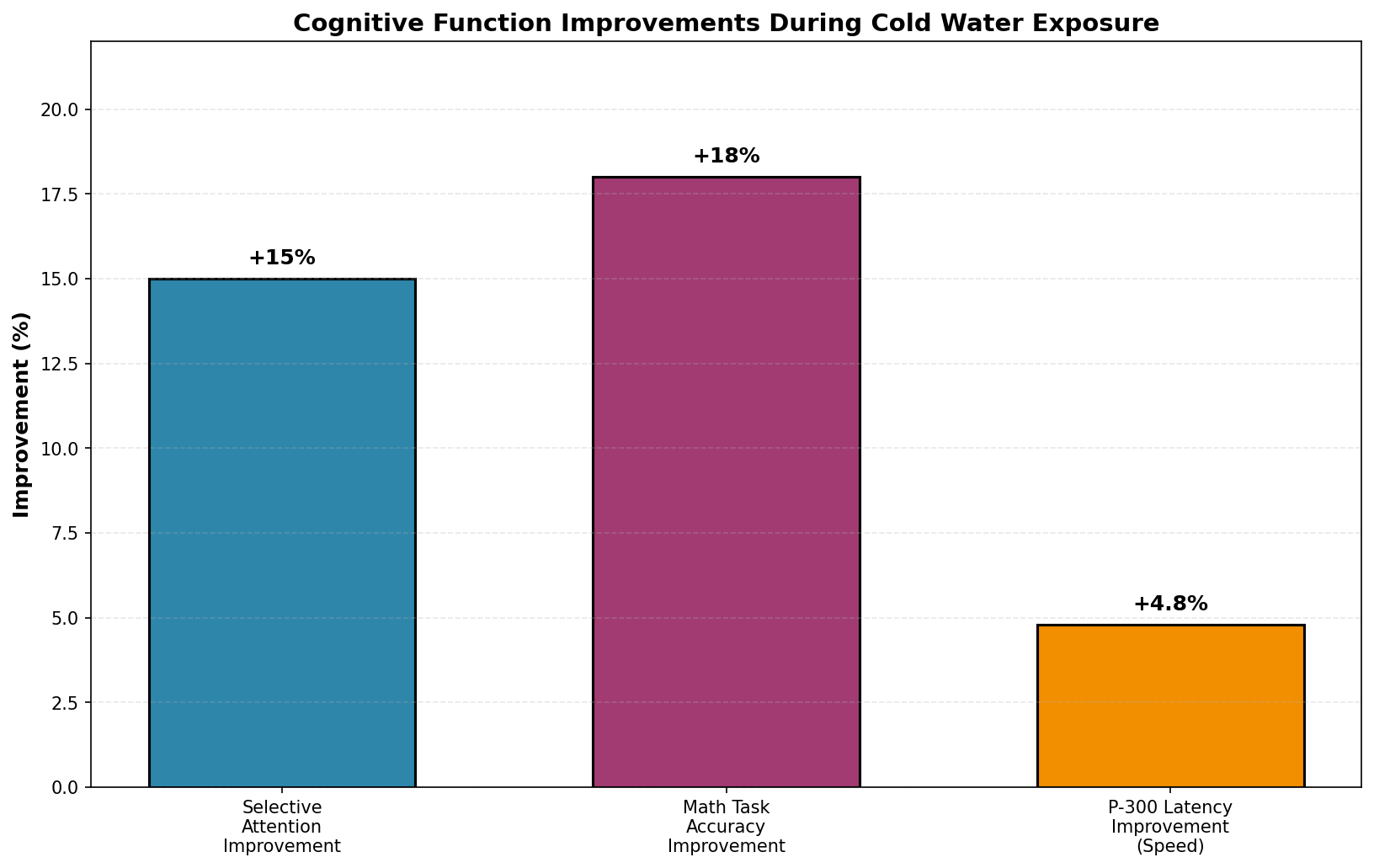 Figure 5: Tissue temperature response during cold-water immersion and recovery. Temperature drops rapidly during immersion and gradually rebounds during rewarming. This temperature cycling facilitates blood flow changes that enhance nutrient delivery to recovering muscle tissue, particularly in endurance sports contexts.
What Not to Expect
Large meta-analyses examining systemic inflammatory markers found that CWI is no more effective than active recovery for reducing whole-body inflammation. This is an important distinction: cold water reduces local inflammation at the site of muscle damage, but doesn't produce superior systemic (whole-body) anti-inflammatory effects compared to active recovery.
This surprises many athletes—the intuitive sense is that reducing inflammation should improve recovery. But the research suggests that some inflammation is necessary for adaptation and training response.
The Safety Considerations You Need to Know
Temperature and Duration Guidelines
Cold-water immersion activates real physiological stress. Your body's response depends on water temperature, exposure duration, and individual factors. Research establishes some clear safety parameters:
Finger temperature safety: During prolonged exposures, finger temperature shouldn't drop below 24°C. For occasional exposures, 15°C is the threshold before performance declines significantly. Below 15°C, manual dexterity drops by 20%; below 5°C, it declines by 50%.
Recommended immersion parameters from research literature:
- Temperature: 11-15°C (50-59°F) for post-exercise recovery
- Duration: 10-15 minutes for optimal soreness reduction
- Body immersion: Torso and limbs submerged together
- Timing: Immediately after intense exercise
For managing exercise-induced hyperthermia (dangerous overheating), shorter immersion at slightly colder temperatures (≤10°C) is more effective.
Who Should Avoid Cold Water Immersion
The cardiovascular stress of cold immersion isn't suitable for everyone. People with coronary artery disease face increased risk because cold exposure increases myocardial oxygen demand at a time when blood flow to the heart may be restricted. Similarly, those with uncontrolled hypertension or heart arrhythmias should avoid cold water exposure—the sympathetic activation can trigger irregular heartbeats and further elevate blood pressure.
Very cold water (below 10°C) carries frostbite risk with prolonged exposure. Your extremities—fingers, toes, ears, nose—are most vulnerable.
Importantly, high baseline anxiety magnifies the cold shock response. If you experience panic attacks or severe anxiety, the acute stress of cold immersion may be excessive, at least initially. Habituation occurs with repeated exposure, but it takes time.
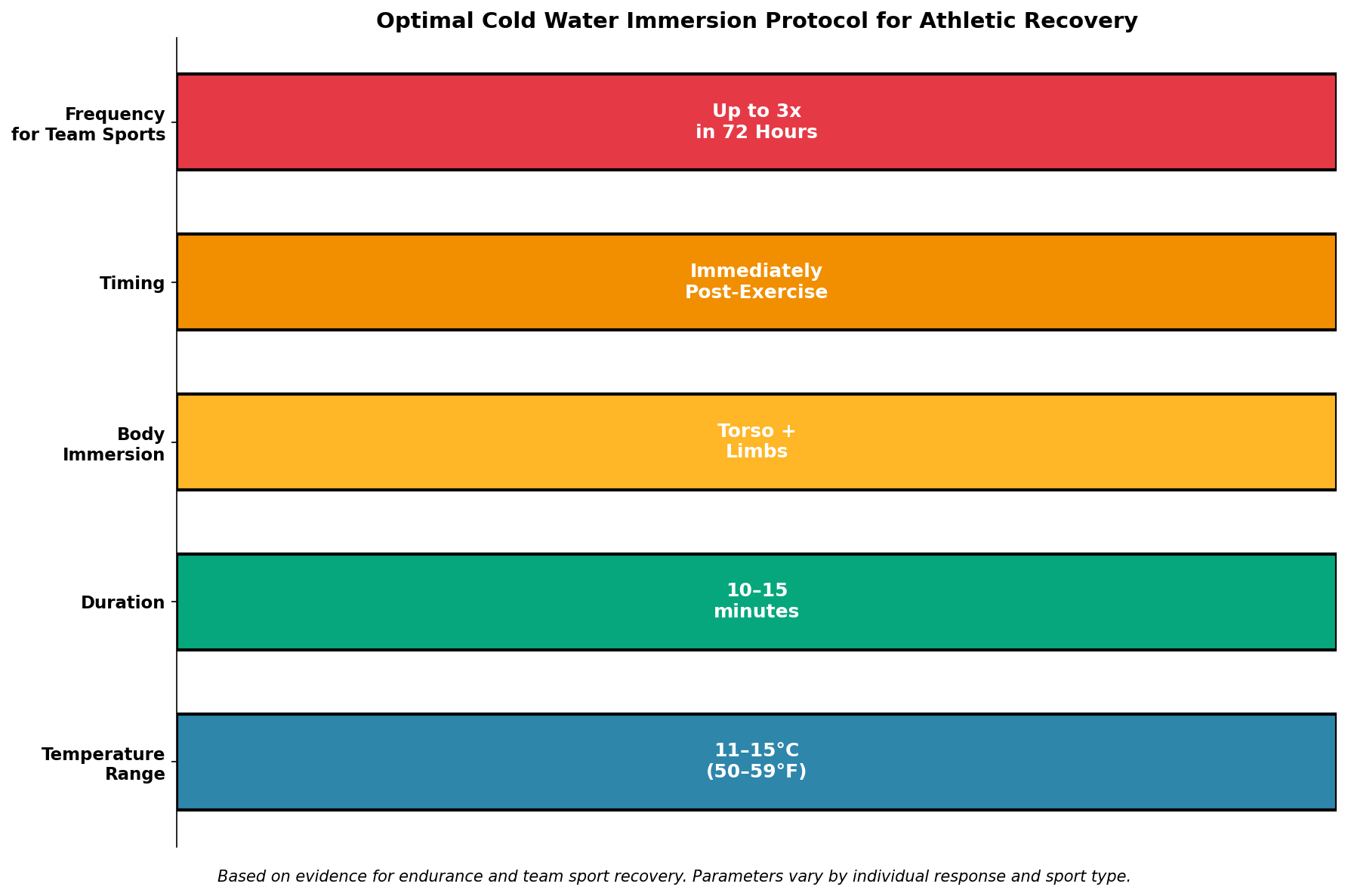 Figure 7: Evidence-based cold-water immersion protocol parameters. The optimal combination of 11-15°C temperature and 10-15 minutes duration with torso-plus-limbs immersion produced the strongest effects on muscle soreness and recovery metrics across randomised controlled trials. Individual variation is substantial; these parameters represent the evidence-based starting point.
The Bottom Line: What Actually Works
Regular cold showers produce measurable benefits in three specific areas: reduced sick days from work, improved alertness and mood, and faster recovery from endurance and team sports.
A large randomised controlled trial of 3,018 people found that hot-to-cold showers for 30 to 90 seconds for 30 consecutive days reduced sick days by 29% compared to control. When combined with regular physical activity, the expected reduction in sickness absence rose to 54%. This is one of the strongest findings in the research and appears to relate to nervous system adaptation rather than immune function directly.
For mental health, the evidence shows real but modest benefits: improved alertness within minutes, better mood and reduced anxiety, better sleep quality, and potential applications for depression (though research is still in the feasibility-trial stage). The mechanism—noradrenaline activation and nervous system adaptation—is well-established.
For athletic recovery, cold water works best for endurance and team sport athletes prioritising quick recovery between competitions. For strength athletes aiming to build muscle, it's counterproductive.
What doesn't work: immune-system boosting, inflammation reduction beyond what active recovery achieves, or replacement for proper nutrition, hydration, and sleep.
The research emphasises that one size doesn't fit all. Your individual fitness level, exercise type, anxiety baseline, and specific recovery goals all determine whether cold-water immersion is right for you. Some athletes experience substantial benefits; others see minimal difference. The mechanism works consistently; the practical outcome varies considerably.
Start with evidence-based parameters if you decide to try it: 11 to 15°C water, 10 to 15 minutes, immediately after intense exercise, for recovery from endurance or intermittent sports. Monitor your own response for at least 2 to 3 weeks. If you're a strength athlete prioritising muscle growth, skip it and invest in active recovery instead.
The science is clear: cold showers aren't a magic treatment, but for the right person doing the right activity, the benefits are real.
Further Reading
Athletic Recovery and Exercise Physiology
- Cold Water Immersion for Athletic Recovery: Evidence and Practical Applications
- Effects of Cold Water Immersion on Recovery from Team Sports
- Cold Water Immersion and Muscle Growth: Understanding the Anabolic Response
- Optimising Cold Water Immersion Parameters for Exercise Recovery
Cardiovascular and Physiological Responses
- Cardiovascular Responses to Cold Water Immersion in Healthy and Coronary Artery Disease Populations
- Heart Rate Variability and Parasympathetic Recovery After Cold Water Immersion
- Metabolic Thermogenesis and Energy Expenditure During Cold Exposure
- Brown Adipose Tissue Activation Through Cold Exposure
Mental Health and Cognitive Function
- Cold Water Exposure and Noradrenaline Response: Implications for Mood and Alertness
- Cognitive Performance and Attention Changes Following Cold Water Immersion
- Cold Water Immersion as Feasibility Treatment for Depression
- Whole-Body Cold Immersion and Brain Network Connectivity Changes
Immune Function and Systemic Adaptations
- Immune System Response to Repeated Cold Water Immersion
- Meta-Analysis of Cold Water Exposure on Immune Function
- T Lymphocyte Adaptations Following Six Weeks of Cold Immersion
Practical Health and Work Productivity
- Cold Showers and Sickness Absence: Large Randomised Controlled Trial Results
- Sleep Quality Improvements from Regular Cold Water Exposure
- Safety Parameters and Temperature Guidelines for Cold Water Exposure
Recent Systematic Reviews and Evidence Synthesis
- Systematic Review Protocol on Cold Water Exposure and Mental Health
- The Untapped Potential of Cold Water Therapy in Lifestyle Interventions
References/Helpful Resources
- National Institutes of Health. Cardiovascular and mood responses to an acute bout of cold water immersion. PubMed Central. [cited 2025 May 27]. Available from: https://pmc.ncbi.nlm.nih.gov/articles/PMC10842018/
- European Journal of Applied Physiology. Effects of 3-week repeated cold water immersion on leukocyte counts and cardiovascular factors. PubMed. [cited 2025 May 27]. Available from: https://pubmed.ncbi.nlm.nih.gov/37711459/
- American Journal of Physiology. Change in sympathetic activity, cardiovascular functions and plasma hormone concentrations due to cold water immersion in men. PubMed. [cited 2025 May 27]. Available from: https://pubmed.ncbi.nlm.nih.gov/8891513/
- International Journal of Sports Medicine. Effects of cold water immersion with different dosages on heart rate variability post-exercise recovery. PubMed. [cited 2025 May 27]. Available from: https://pubmed.ncbi.nlm.nih.gov/26614422/
- American Journal of Physiology—Regulatory, Integrative and Comparative Physiology. Maintaining thermogenesis in cold exposed humans: relying on multiple metabolic pathways. PubMed. [cited 2025 May 27]. Available from: https://pubmed.ncbi.nlm.nih.gov/25428848/
- PubMed Central. Brown Adipose Tissue and Skeletal Muscle 18F-FDG Activity After Personalised Cold Exposure. [cited 2025 May 27]. Available from: https://www.ncbi.nlm.nih.gov/pmc/articles/PMC6250802/
- International Journal of Circumpolar Health. Regular cold water swimming during winter time affects resting haematological parameters and serum erythropoietin. PubMed. [cited 2025 May 27]. Available from: https://pubmed.ncbi.nlm.nih.gov/32009627/
- Clinical Immunology. Immune system of cold-exposed and cold-adapted humans. PubMed. [cited 2025 May 27]. Available from: https://pubmed.ncbi.nlm.nih.gov/8925815/
- PubMed Central. Two Strategies for Response to 14°C Cold-Water Immersion: Differences in Motor, Cognitive, Immune and Stress Markers. [cited 2025 May 27]. Available from: https://www.ncbi.nlm.nih.gov/pmc/articles/PMC4183517
- Stress. Recovering body temperature from acute cold stress is associated with delayed proinflammatory cytokine production. PubMed. [cited 2025 May 27]. Available from: https://pubmed.ncbi.nlm.nih.gov/33820701/
- PubMed Central. Modulation of corticosterone and changes of signal molecules in the HPA axis after cold water swimming stress. [cited 2025 May 27]. Available from: https://pmc.ncbi.nlm.nih.gov/articles/PMC7935129/
- PubMed Central. Prolonged Extreme Cold Water Diving and the Acute Stress Response During Military Dive Training. [cited 2025 May 27]. Available from: https://pmc.ncbi.nlm.nih.gov/articles/PMC9304957/
- PubMed Central. The untapped potential of cold water therapy as part of a lifestyle intervention for promoting healthy aging. [cited 2025 May 27]. Available from: https://pmc.ncbi.nlm.nih.gov/articles/PMC11872954/
- Aviation, Space, and Environmental Medicine. Blood pressure and heart rate responses in men exposed to arm and leg cold pressor tests. PubMed. [cited 2025 May 27]. Available from: https://pubmed.ncbi.nlm.nih.gov/16711469/
- American Journal of Physiology. Cardiovascular and norepinephrine responses of men and women to two cold pressor tests. PubMed. [cited 2025 May 27]. Available from: https://pubmed.ncbi.nlm.nih.gov/1581853/
- PubMed Central. The Effects of Cold and Lower Body Negative Pressure on Cardiovascular Homeostasis. [cited 2025 May 27]. Available from: https://www.ncbi.nlm.nih.gov/pmc/articles/PMC4383401/
- Circulation. A review of heart rate and blood pressure responses in the cold in healthy subjects and coronary artery disease patients. PubMed. [cited 2025 May 27]. Available from: https://pubmed.ncbi.nlm.nih.gov/8529083/
- Sports Medicine. The effects of cold water immersion and active recovery on inflammation and cell stress responses. PubMed. [cited 2025 May 27]. Available from: https://pubmed.ncbi.nlm.nih.gov/27704555/
- Frontiers in Physiology. Multiple Cold-Water Immersions Attenuate Muscle Damage but not Alter Systemic Inflammation. PubMed. [cited 2025 May 27]. Available from: https://pubmed.ncbi.nlm.nih.gov/30026562/
- British Journal of Sports Medicine. Post-exercise recovery regimes: blowing hot and cold. PubMed. [cited 2025 May 27]. Available from: https://pubmed.ncbi.nlm.nih.gov/28145006/
- Journal of Athletic Training. The Effect of Water Temperature during Cold-Water Immersion on Recovery from Exercise-Induced Muscle Damage. PubMed. [cited 2025 May 27]. Available from: https://pubmed.ncbi.nlm.nih.gov/27557407/
- Antioxidants. Cold water immersion regulates NLRP3 inflammasome pathway after eccentric exercise. PubMed. [cited 2025 May 27]. Available from: https://pubmed.ncbi.nlm.nih.gov/39467485/
- Scandinavian Journal of Medicine & Science in Sports. The effect of various cold-water immersion protocols on exercise-induced inflammatory response. PubMed. [cited 2025 May 27]. Available from: https://pubmed.ncbi.nlm.nih.gov/25074283/
- Sports Medicine. Cold-Water Immersion for Athletic Recovery: One Size Does Not Fit All. PubMed. [cited 2025 May 27]. Available from: https://pubmed.ncbi.nlm.nih.gov/27294485/
- PubMed Central. The Effect of Cold Showering on Health and Work: A Randomised Controlled Trial. [cited 2025 May 27]. Available from: https://pmc.ncbi.nlm.nih.gov/articles/PMC5025014/
- Nutrients. Regular cold shower exposure modulates humoral and cell immunity. PubMed. [cited 2025 May 27]. Available from: https://pubmed.ncbi.nlm.nih.gov/39299098/
- PubMed Central. Effects of cold-water immersion on health and wellbeing: A systematic review and meta-analysis. [cited 2025 May 27]. Available from: https://www.ncbi.nlm.nih.gov/pmc/articles/PMC11778651/
- PubMed Central. Short-Term Head-Out Whole-Body Cold-Water Immersion Facilitates Positive Affect. [cited 2025 May 27]. Available from: https://pmc.ncbi.nlm.nih.gov/articles/PMC9953392/
- PubMed Central. Health effects of voluntary exposure to cold water: A continuing subject of debate. [cited 2025 May 27]. Available from: https://pmc.ncbi.nlm.nih.gov/articles/PMC9518606/
- Medicine & Science in Sports & Exercise. Influence of cold water face immersion on post-exercise parasympathetic reactivation. PubMed. [cited 2025 May 27]. Available from: https://pubmed.ncbi.nlm.nih.gov/19882167/
- Journal of Applied Physiology. Effect of cold or thermoneutral water immersion on post-exercise heart rate recovery and heart rate variability. PubMed. [cited 2025 May 27]. Available from: https://pubmed.ncbi.nlm.nih.gov/20403733/
- Journal of Sports Sciences. Effect of cold water immersion on postexercise parasympathetic reactivation. PubMed. [cited 2025 May 27]. Available from: https://pubmed.ncbi.nlm.nih.gov/19074671/
- PubMed Central. The effect of cold water intake on heart rate variability in young women. [cited 2025 May 27]. Available from: https://www.ncbi.nlm.nih.gov/pmc/articles/PMC12488612/
- Sports Medicine. The effects of cold exposure on cardiovascular and cardiac autonomic control responses: A systematic review and meta-analysis. PubMed. [cited 2025 May 27]. Available from: https://pubmed.ncbi.nlm.nih.gov/38663342/
- American Industrial Hygiene Association Journal. Evaluation of cold workplaces: an overview of standards for assessment of cold stress. PubMed. [cited 2025 May 27]. Available from: https://pubmed.ncbi.nlm.nih.gov/19531908/
- PubMed Central. Development of interactive guidance for cold exposure using a thermoregulatory model. [cited 2025 May 27]. Available from: https://pmc.ncbi.nlm.nih.gov/articles/PMC10026739/
- PubMed Central. Duration limits for exposure for the whole body and extremities. [cited 2025 May 27]. Available from: https://pmc.ncbi.nlm.nih.gov/articles/PMC9467527/
- PubMed. Adapted cold shower as a potential treatment for depression. [cited 2025 May 27]. Available from: https://pubmed.ncbi.nlm.nih.gov/17993252/
- PubMed. Health effects of voluntary exposure to cold water. [cited 2025 May 27]. Available from: https://pubmed.ncbi.nlm.nih.gov/36137565/
- PubMed. Effects of cold water exposure on stress, cardiovascular, and psychological variables. [cited 2025 May 27]. Available from: https://pubmed.ncbi.nlm.nih.gov/37840386/
- PubMed. The Effects of Whole-body Cold-water Immersion on Brain Connectivity Related to the Affective State in Adults Using fMRI. [cited 2025 May 27]. Available from: https://pubmed.ncbi.nlm.nih.gov/37719079/
- PubMed. Plasma norepinephrine responses of man in cold water. [cited 2025 May 27]. Available from: https://pubmed.ncbi.nlm.nih.gov/911386/
- PubMed. Noradrenaline release in rats during prolonged cold-stress and repeated swim-stress. [cited 2025 May 27]. Available from: https://pubmed.ncbi.nlm.nih.gov/465891/
- PubMed Central. Possible use of repeated cold stress for reducing fatigue in chronic fatigue syndrome: a hypothesis. [cited 2025 May 27]. Available from: https://www.ncbi.nlm.nih.gov/pmc/articles/PMC2164952/
- PubMed. Evaluation of cognitive performance and neurophysiological function during repeated immersion in cold water. [cited 2025 May 27]. Available from: https://pubmed.ncbi.nlm.nih.gov/31047884/
- PubMed Central. Investigating Effects of Cold Water Hand Immersion on Selective Attention in Normobaric Hypoxia. [cited 2025 May 27]. Available from: https://www.ncbi.nlm.nih.gov/pmc/articles/PMC6720274/
- PubMed. Cognitive function during lower body water immersion and post-immersion afterdrop. [cited 2025 May 27]. Available from: https://pubmed.ncbi.nlm.nih.gov/24024303/
- PubMed. The Effect of Cold Exposure on Cognitive Performance in Healthy Adults: A Systematic Review. [cited 2025 May 27]. Available from: https://pubmed.ncbi.nlm.nih.gov/34574649/
- PubMed Central. Cold water swimming as an add-on treatment for depression: a feasibility study. [cited 2025 May 27]. Available from: https://www.ncbi.nlm.nih.gov/pmc/articles/PMC11862711/
- Medicina. Efficacy of the Whole-Body Cryotherapy as Add-on Therapy to Pharmacological Treatment of Depression. [cited 2025 May 27]. Available from: https://www.ncbi.nlm.nih.gov/pmc/articles/PMC7296110/
- PubMed Central. Acute Anxiety Predicts Components of the Cold Shock Response on Cold Water Immersion. [cited 2025 May 27]. Available from: https://www.ncbi.nlm.nih.gov/pmc/articles/PMC5904285/
- Health Research Authority. Splashing cold water on the face to reduce effects of trauma. NHS. [cited 2025 May 27]. Available from: https://www.hra.nhs.uk/planning-and-improving-research/application-summaries/research-summaries/splashing-cold-water-on-the-face-to-reduce-effects-of-trauma/
- PubMed Central. Brain blood flow and hyperventilation on cold water immersion. [cited 2025 May 27]. Available from: https://pmc.ncbi.nlm.nih.gov/articles/PMC4580862/
- PubMed. Prolonged whole body immersion in cold water: hormonal and metabolic changes. [cited 2025 May 27]. Available from: https://pubmed.ncbi.nlm.nih.gov/2321318/
- PubMed. Human physiological responses to immersion into water of different temperatures. [cited 2025 May 27]. Available from: https://pubmed.ncbi.nlm.nih.gov/10751106/
- PubMed. Cortisol levels after cold exposure are independent of adrenocorticotropic hormone stimulation. [cited 2025 May 27]. Available from: https://pmc.ncbi.nlm.nih.gov/articles/PMC7028257/
- PubMed. Thermoregulatory, metabolic and sympathoadrenal responses to repeated brief exposure to cold. [cited 2025 May 27]. Available from: https://pubmed.ncbi.nlm.nih.gov/9890336/
- PubMed. Exposure to Cold Unmasks Potential Biomarkers of Fibromyalgia Syndrome. [cited 2025 May 27]. Available from: https://pubmed.ncbi.nlm.nih.gov/30768436/
- PubMed. Physiological effects of cold exposure. [cited 2025 May 27]. Available from: https://pubmed.ncbi.nlm.nih.gov/328438/
- PubMed Central. Photoplethysmography for Quantitative Assessment of Sympathetic Nerve Activity During Cold Stress. [cited 2025 May 27]. Available from: https://www.ncbi.nlm.nih.gov/pmc/articles/PMC6338034/
- PubMed. Effect of skin sympathetic response to local or systemic cold exposure on thermoregulatory functions. [cited 2025 May 27]. Available from: https://pubmed.ncbi.nlm.nih.gov/11476289/
- PubMed Central. Head Exposure to Cold during Whole-Body Cryostimulation. [cited 2025 May 27]. Available from: https://pmc.ncbi.nlm.nih.gov/articles/PMC4411165/
- PubMed. Autonomic nervous function during whole-body cold exposure before and after cold acclimation. [cited 2025 May 27]. Available from: https://pubmed.ncbi.nlm.nih.gov/18785356/
- PubMed. Human physiology under cold exposure. [cited 2025 May 27]. Available from: https://pubmed.ncbi.nlm.nih.gov/1811574/
- PubMed. Changes of laboratory markers of cognitive brain function by thermostimuli in the elderly. [cited 2025 May 27]. Available from: https://pubmed.ncbi.nlm.nih.gov/10378499/
- Mayo Clinic Press. Cold Plunge Benefits. [cited 2025 May 27]. Available from: https://mcpress.mayoclinic.org/healthy-aging/the-science-behind-ice-baths-for-recovery/
- Cleveland Clinic. Health Benefits of Cold Plunges. [cited 2025 May 27]. Available from: https://health.clevelandclinic.org/what-to-know-about-cold-plunges
- Cleveland Clinic. 7 Cold Shower Benefits. [cited 2025 May 27]. Available from: https://health.clevelandclinic.org/are-cold-showers-good-for-you
- PubMed Central. Mindfulness training combined with cold water immersion effects on mood. [cited 2025 May 27]. Available from: https://www.ncbi.nlm.nih.gov/pmc/articles/PMC12634357/
- PubMed. The Effect of Cold Showering on Health and Work. [cited 2025 May 27]. Available from: https://pubmed.ncbi.nlm.nih.gov/27631616/
- Sports Medicine. Effects of Cold-Water Immersion Compared with Other Recovery Modalities on Athletic Performance Following Acute Strenuous Exercise: Systematic Review, Meta-Analysis, and Meta-Regression. [cited 2025 May 27]. Available from: https://pubmed.ncbi.nlm.nih.gov/36527593/
- Journal of Sports Sciences. Cold water immersion improves recovery of sprint speed following a simulated tournament. [cited 2025 May 27]. Available from: https://pubmed.ncbi.nlm.nih.gov/30957673/
- Medicine & Science in Sports & Exercise. Effects of cold water immersion after exercise on fatigue recovery and exercise performance: meta analysis. [cited 2025 May 27]. Available from: https://pubmed.ncbi.nlm.nih.gov/36744038/
- Sports Medicine. Water immersion recovery for athletes: effect on exercise performance and practical recommendations. [cited 2025 May 27]. Available from: https://pubmed.ncbi.nlm.nih.gov/23743793/
- Journal of Sports Sciences. Faster physical performance recovery with cold water immersion is not related to lower muscle damage level in professional soccer players. [cited 2025 May 27]. Available from: https://pubmed.ncbi.nlm.nih.gov/30509634/
- European Journal of Applied Physiology. What are the Physiological Mechanisms for Post-Exercise Cold Water Immersion in the Recovery from Prolonged Endurance and Intermittent Exercise? [cited 2025 May 27]. Available from: https://pubmed.ncbi.nlm.nih.gov/26888646/
- Physical Therapy in Sport. Cold-water immersion versus passive therapy to decrease delayed onset muscular soreness. [cited 2025 May 27]. Available from: https://pubmed.ncbi.nlm.nih.gov/25375114/
- British Journal of Sports Medicine. Cold water immersion in the management of delayed-onset muscle soreness: is dose important? A randomised controlled trial. [cited 2025 May 27]. Available from: https://pubmed.ncbi.nlm.nih.gov/24768476/
- Cochrane Database of Systematic Reviews. Cold water immersion (cryotherapy) for preventing muscle soreness after exercise. [cited 2025 May 27]. Available from: https://pubmed.ncbi.nlm.nih.gov/23620473/
- Frontiers in Physiology. Can Water Temperature and Immersion Time Influence the Effect of Cold Water Immersion on Muscle Soreness? A Systematic Review and Meta-Analysis. [cited 2025 May 27]. Available from: https://pubmed.ncbi.nlm.nih.gov/26581833/
- Sports Medicine. Impact of different doses of cold water immersion (duration and temperature variations) on recovery from acute exercise-induced muscle damage: a network meta-analysis. [cited 2025 May 27]. Available from: https://pubmed.ncbi.nlm.nih.gov/40078372/
- PubMed Central. Cold-Water Immersion and Sports Massage Can Improve Pain Sensation but Not Functionality in Athletes with Delayed Onset Muscle Soreness. [cited 2025 May 27]. Available from: https://www.ncbi.nlm.nih.gov/pmc/articles/PMC9778006/
- PubMed Central. The Effect of Submaximal Exercise Followed by Short-Term Cold-Water Immersion on the Inflammatory State in Healthy Recreational Athletes: A Cross-Over Study. [cited 2025 May 27]. Available from: https://ncbi.nlm.nih.gov/pmc/articles/PMC8468461
- PubMed Central. Multiple Cold-Water Immersions Attenuate Muscle Damage but not Alter Systemic Inflammation and Muscle Function Recovery: A Parallel Randomised Controlled Trial. [cited 2025 May 27]. Available from: https://www.ncbi.nlm.nih.gov/pmc/articles/PMC6053395/
- PubMed Central. The effects of cold water immersion and active recovery on inflammation and cell stress responses in human skeletal muscle after resistance exercise. [cited 2025 May 27]. Available from: https://pmc.ncbi.nlm.nih.gov/articles/PMC5285720/
- International Journal of Environmental Research and Public Health. The Acute and Longer-Term Effects of Cold Water Immersion in Highly-Trained Volleyball Athletes During an Intense Training Block. [cited 2025 May 27]. Available from: https://www.ncbi.nlm.nih.gov/pmc/articles/PMC7739613/
- PubMed Central. Effect of repeated post-resistance exercise cold or hot water immersion on in-season inflammatory responses in academy rugby players: a randomised controlled cross-over design. [cited 2025 May 27]. Available from: https://www.ncbi.nlm.nih.gov/pmc/articles/PMC11365841/
- Applied Physiology, Nutrition, and Metabolism. Cold-water immersion and other forms of cryotherapy: physiological changes potentially affecting recovery from high-intensity exercise. [cited 2025 May 27]. Available from: https://pubmed.ncbi.nlm.nih.gov/24004719/
- Journal of Clinical Medicine. Cryotherapy: biochemical alterations involved in reduction of damage induced by exhaustive exercise. [cited 2025 May 27]. Available from: https://pubmed.ncbi.nlm.nih.gov/30304134/
- Sports Medicine. Cryotherapy: Are we freezing the benefits of exercise? [cited 2025 May 27]. Available from: https://pubmed.ncbi.nlm.nih.gov/28944266/
- Journal of Science and Medicine in Sport. Recovery From Exercise-Induced Muscle Damage: Cold-Water Immersion Versus Whole-Body Cryotherapy. [cited 2025 May 27]. Available from: https://pubmed.ncbi.nlm.nih.gov/27396361/
- Physical Medicine and Rehabilitation Research. Cold-water immersion (cryotherapy) for preventing and treating muscle soreness after exercise. [cited 2025 May 27]. Available from: https://pubmed.ncbi.nlm.nih.gov/22336838/
- PubMed. Whole body cryotherapy, cold water immersion, or a placebo following resistance exercise: a case of mind over matter? [cited 2025 May 27]. Available from: https://pubmed.ncbi.nlm.nih.gov/30310979/
- Applied Physiology, Nutrition, and Metabolism. Post-exercise cold water immersion attenuates acute anabolic signalling and long-term adaptations in muscle to strength training. [cited 2025 May 27]. Available from: https://pubmed.ncbi.nlm.nih.gov/26174323/
- Frontiers in Physiology. Does Cold-Water Immersion After Strength Training Attenuate Training Adaptation? [cited 2025 May 27]. Available from: https://pubmed.ncbi.nlm.nih.gov/33217726/
- Journal of Strength and Conditioning Research. Strength training adaptations after cold-water immersion. [cited 2025 May 27]. Available from: https://pubmed.ncbi.nlm.nih.gov/24552795/
- Journal of Science and Medicine in Sport. Skeletal Muscle Microvascular Adaptations Following Regular Cold Water Immersion. [cited 2025 May 27]. Available from: https://pubmed.ncbi.nlm.nih.gov/31842246/
- International Journal of Environmental Research and Public Health. Post-exercise Cold Water Immersion Effects on Physiological Adaptations to Resistance Training and the Underlying Mechanisms in Skeletal Muscle: A Narrative Review. [cited 2025 May 27]. Available from: https://pubmed.ncbi.nlm.nih.gov/33898988/
- Applied Physiology, Nutrition, and Metabolism. Cold water immersion enhances recovery of submaximal muscle function after resistance exercise. [cited 2025 May 27]. Available from: https://pubmed.ncbi.nlm.nih.gov/25121612/
- Journal of Strength and Conditioning Research. Muscle Strength and Power: Primary Outcome Measures to Assess Cold Water Immersion Efficacy After Exercise With a Strong Strength or Power Component. [cited 2025 May 27]. Available from: https://pubmed.ncbi.nlm.nih.gov/34195611/
- Journal of Applied Physiology. Cold water immersion attenuates anabolic signaling and skeletal muscle fibre hypertrophy, but not strength gain, following whole-body resistance training. [cited 2025 May 27]. Available from: https://pubmed.ncbi.nlm.nih.gov/31513450/
- PubMed Central. Cold Water Immersion Improves the Recovery of Both Central and Peripheral Fatigue Following Simulated Soccer Match-Play. [cited 2025 May 27]. Available from: https://www.ncbi.nlm.nih.gov/pmc/articles/PMC9420968/
- Sports Medicine. Effects of Cold Water Immersion and Contrast Water Therapy for Recovery From Team Sport: A Systematic Review and Meta-analysis. [cited 2025 May 27]. Available from: https://pubmed.ncbi.nlm.nih.gov/27398915/
- Journal of Science and Medicine in Sport. Cold-Water Immersion and Contrast Water Therapy: No Improvement of Short-Term Recovery After Resistance Training. [cited 2025 May 27]. Available from: https://pubmed.ncbi.nlm.nih.gov/27918654/
- Journal of Sports Sciences. Effects of cold water immersion and active recovery on post-exercise heart rate variability. [cited 2025 May 27]. Available from: https://pubmed.ncbi.nlm.nih.gov/22722961/
- International Journal of Hyperthermia. Cold water immersion settings for reducing muscle tissue temperature: a linear dose-response relationship. [cited 2025 May 27]. Available from: https://pubmed.ncbi.nlm.nih.gov/31203599/
- Sports Medicine, Surgery, Rehabilitation and Outcomes. Optimising Cold-Water Immersion for Exercise-Induced Hyperthermia: An Evidence-Based Paper. [cited 2025 May 27]. Available from: https://pubmed.ncbi.nlm.nih.gov/27441949/
- Medicine & Science in Sports & Exercise. Optimising Cold Water Immersion for Exercise-Induced Hyperthermia: A Meta-analysis. [cited 2025 May 27]. Available from: https://pubmed.ncbi.nlm.nih.gov/25910052/
- Journal of Applied Physiology. Core Temperature Responses to Cold-Water Immersion Recovery: A Pooled-Data Analysis. [cited 2025 May 27]. Available from: https://pubmed.ncbi.nlm.nih.gov/29283744/
- American Journal of Emergency Medicine. Ice-Water Immersion and Cold-Water Immersion Provide Similar Cooling Rates in Runners With Exercise-Induced Hyperthermia. [cited 2025 May 27]. Available from: https://pubmed.ncbi.nlm.nih.gov/12937427/
- Medicine & Science in Sports & Exercise. Effects of cold water immersion on the symptoms of exercise-induced muscle damage. [cited 2025 May 27]. Available from: https://pubmed.ncbi.nlm.nih.gov/10362390/
- Sports Medicine. Effects of cold water immersion on circulating inflammatory markers at the Kona Ironman World Championship. [cited 2025 May 27]. Available from: https://pubmed.ncbi.nlm.nih.gov/33507839/
- Medicine & Science in Sports & Exercise. Effects of cold water immersion on the recovery of physical performance and muscle damage following a one-off soccer match. [cited 2025 May 27]. Available from: https://pubmed.ncbi.nlm.nih.gov/21170794/
- PubMed Central. Effects of Whole-Body and Lower-Body Cold-Water Immersion on Exercise-Induced Pain Score, Muscle Damage Indices, and Maximal Voluntary Isometric Contractions. [cited 2025 May 27]. Available from: https://www.ncbi.nlm.nih.gov/pmc/articles/PMC12112253/
