

Contrast Therapy: Alternating Hot and Cold for Better Recovery
You've probably heard about contrast therapy, whether it's cold plunges trending on social media, professional athletes swearing by sauna and ice bath routines, or your local gym installing expensive cryotherapy chambers. But does dunking yourself in ice water after sitting in a sauna actually work? The honest answer from the research is more nuanced than the marketing suggests: it works, but not quite in the way many people think.
This guide tells you what the evidence really shows, who benefits most, when it's worth your time and money, and the safety considerations you need to know before you start.
What Actually Happens When You Alternate Hot and Cold
Contrast therapy sounds simple: spend a few minutes in hot water, then a minute in cold water, then repeat. The magic (or at least the claimed magic) is that the temperature swing creates what researchers call a "vascular pump" effect.
Here's the physiology without the jargon: Your blood vessels are essentially flexible tubes with muscular walls. When heat hits them, those muscles relax, and the vessels dilate (vasodilation), allowing significantly more blood to flow through. Think of it like opening a garden hose wider. When cold hits, the opposite happens: the vessels contract and narrow (vasoconstriction), squeezing blood and fluid out of the tissues like wringing a cloth.
By alternating these states, you're not just passively relaxing. You're creating a rhythmic pumping action that exercises your entire cardiovascular system. This alternation is crucial because neither heat nor cold alone produces the same effect. You're training your blood vessels to be more responsive and adaptive.
The Immediate Physical Changes
During a single 30-minute contrast therapy session, physiological studies suggest that alternating hot and cold exposure can influence blood flow and tissue responses:
- During the hot phase (approximately 35.5–45°C), Intramuscular blood flow is thought to increase due to vasodilation, enhancing circulation within the muscle tissue. This may contribute to increased delivery of oxygen and nutrients to the muscles1
During the cold phase (approximately 8–15°C), Blood flow is reduced through vasoconstriction, which may limit oedema formation and influence inflammatory processes within the tissue.1
What makes this different from passive recovery (just sitting) is that you're not just allowing circulation to happen naturally. You're actively pumping fluid and waste products. This is why it matters for recovery.
Why This Matters: What Gets Better
The research shows contrast therapy delivers measurable improvements in three main areas: muscle recovery after exercise, blood flow and waste clearance, and nervous system adaptation. Let's look at the actual data.
Muscle Recovery: The Numbers
If you exercise intensely, you create two problems: your muscles get sore (delayed onset muscle soreness or DOMS), and your strength temporarily drops. Both interfere with your ability to train again soon.
A 2025 network meta-analysis reviewed 55 randomised controlled trials involving 1,139 participants. The findings on optimal contrast therapy protocols are clear: 10 to 15 minutes is most effective, not the 30-minute sessions many facilities promote.2 This is important because it means you don't need to spend half your day recovering.
For strength specifically, the data is compelling. After intense exercise:
- With passive recovery alone, muscle strength can remain substantially reduced for up to 48–72 hours following exercise-induced muscle damage
- With contrast therapy, studies show improved recovery of strength and dynamic power compared to passive recovery3
This represents a meaningful preservation of muscle function; this can translate to improved training capacity in the days following hard workouts.
For muscle soreness, the effect is consistent and measurable at every time point researchers tested (immediately, 24 hours, 48 hours, 72 hours, and 96 hours post-exercise). The biggest benefits emerge 48-72 hours after intense work, which is exactly when DOMS typically peaks.4
In practical terms, if you normally can't lift for three days because of soreness, contrast therapy might get you back to training on day two without excessive pain.
Lactate Clearance: The Fatigue Chemical
You know that burning sensation in your muscles during intense exercise? That's partly lactate, a byproduct of anaerobic metabolism. During recovery, your body needs to clear lactate from your blood. The faster this happens, the faster you feel less fatigued.
A study of collegiate swimmers found that contrast water therapy reduced post-exercise blood lactate by approximately 1.8 mmol/L compared to passive recovery at 30 minutes post-exercise.5 Swimmers also reported noticeably lower subjective fatigue after contrast therapy compared to controls.4
For swimmers, this translated to measurable improvements in mood and perceived fatigue. Interestingly, actual swimming performance in a subsequent session wasn't significantly different. The recovery sensation improved, which matters for motivation and training consistency.
Inflammation and Cellular Protection
Heat exposure triggers your cells to produce heat shock proteins, protective molecules that shield cells from oxidative stress. In studies of regular sauna use (a thermal stress similar to contrast therapy):
- Heat shock proteins increased by 48 per cent
- C-reactive protein (an inflammation marker) decreased by 30 per cent6
This suggests contrast therapy does more than just mechanically pump blood. It appears to trigger an adaptive stress response that leads to better inflammation management.
The cortisol response is similarly interesting. A study on thermal stress found that baseline cortisol dropped from 13.61 to 9.67 µg/ml (a 28.9% reduction) after repeated thermal therapy.6 Elevated cortisol is linked to poor recovery, immune suppression, and metabolic dysfunction, so a measurable reduction is meaningful.
The Nervous System Component: Training for Stress Resilience
One of the most interesting aspects of contrast therapy rarely discussed in marketing materials is its effect on your nervous system. Unlike exercise, which is active and demanding, contrast therapy is passive yet creates significant nervous system stimulation.
Cold water exposure is thought to influence the autonomic and vascular responses of the body, which:
- May alter sympathetic nerve activity and reduce peripheral blood flow through vasoconstriction
- Can contribute to reduced oedema and inflammatory responses in the affected tissues1
Heat exposure produces the opposite vascular effects, which:
- Promotes vasodilation and increased blood flow to the muscles
- May enhance circulation and facilitate recovery processes within the tissue1
By alternating these states repeatedly, you're not just cooling down and heating up. The repeated cycles of vasodilation and vasoconstriction create a “pumping action,” which has been proposed to: increase blood flow and fluid movement, reduce oedema and potentially assist recovery following exercise-induced muscle damage.1
Research specifically examining mood effects after even a single cold water immersion found significant reductions in tension, anger, depression, fatigue, and confusion.4 This isn't a placebo; norepinephrine and endorphin release are measurable physiological changes.
For people managing stress or struggling with emotional regulation, this nervous system training offers something beyond the physical recovery benefits.
What the Evidence Actually Shows (And What It Doesn't)
Before you invest in an expensive cold plunge or daily contrast baths, you need to understand what contrast therapy is actually better at than alternatives.
Contrast therapy is definitely better than doing nothing. The data on this is consistent and clear across multiple studies. If you're comparing contrast therapy to passive recovery (just resting), contrast therapy wins for muscle soreness, strength preservation, and lactate clearance.
But is contrast therapy better than other proven recovery methods? Here, the picture becomes murkier. When researchers compare contrast therapy directly to:
- Cold water immersion alone
- Heat water immersion alone
- Compression therapy
- Active recovery (light movement)
- Stretching
They find little evidence that contrast therapy is superior.4 All of these methods produce similar benefits, somewhere between passive recovery and the best outcomes.
This is a critical finding because it means the value of contrast therapy isn't some unique physiological advantage of the temperature alternation. Rather, active recovery of any type beats passive recovery. Whether you choose contrast therapy, cold-only immersion, compression, or gentle movement depends more on your preference and access than on research proving one is markedly superior.
Why Evidence Quality Matters
It's important to understand that the research supporting contrast therapy, whilst genuine, has limitations. A 2024 scoping review analysing seven randomised controlled trials found that all major studies examining contrast therapy for muscle damage had "high risk of bias".2 The issues include:
- Heterogeneous protocols (different temperatures, durations, and frequencies across studies)
- Small sample sizes in many trials
- Lack of long-term follow-up (most studies track only hours to days, not weeks or months)
- No standardisation on optimal temperature ranges, session duration, or frequency2
The benefits are real, but the mechanism and optimal approach aren't fully understood. Use contrast therapy based on personal preference and access, not expectations of unique magical benefits.
The Optimal Protocol: What Actually Works Best
If you decide contrast therapy is right for you, the research shows surprisingly clear guidance on how to do it effectively.
Temperature Ranges
The data is consistent across multiple studies:
- Cold water: 8 to 15°C (46 to 59°F), with an average of 11.1°C across studies
- Hot water: 38 to 40°C (100 to 104°F), with an average of 39.3°C
- Temperature differential: approximately 28°C (50°F swing)2
The size of the temperature swing matters more than the absolute temperatures. A 30°C difference between hot and cold creates a more dramatic vascular response than smaller swings. However, if you're sensitive to cold, you can use slightly warmer cold water (11-15°C) and still get benefits.
Duration and Frequency: The Surprising Finding
Here's where the research contradicts common practice. The 2025 network meta-analysis of 1,139 participants found that 10 to 15 minutes is optimal, not the 30-minute sessions many facilities use.2
Sessions shorter than 10 minutes still provide benefits but fall below the optimal zone. Sessions longer than 15 minutes don't produce proportionally better results; the additional time shows diminishing returns.2
The standard cycling protocol during that 10-15 minute window:
- Initial hot phase: 10 minutes at 38-40°C
- Cold phase: 1 minute at 8-10°C
- Repeat cycles: 4 minutes hot plus 1 minute cold, repeated 3-4 times
- Always finish with cold exposure to maximise anti-inflammatory benefit1
Or the shorter evidence-backed alternative:
- Start with 10 minutes of hot
- Alternate: 4 minutes hot, 1 minute cold (repeat 2-3 times)
- Total: 10-15 minutes
- This is just as effective as the longer protocol2
For frequency, the recommendations vary by population:
- General population: 2-4 sessions per week for optimal recovery benefits
- Athletes or high-frequency exercisers: 3-5 sessions per week
- Post-injury (first 48-72 hours): 2-3 times daily
- Maintenance or wellness: 2 sessions per week is sufficient4
Consistency matters far more than intensity. A regular 2-times-per-week protocol will likely outperform sporadic intense sessions.
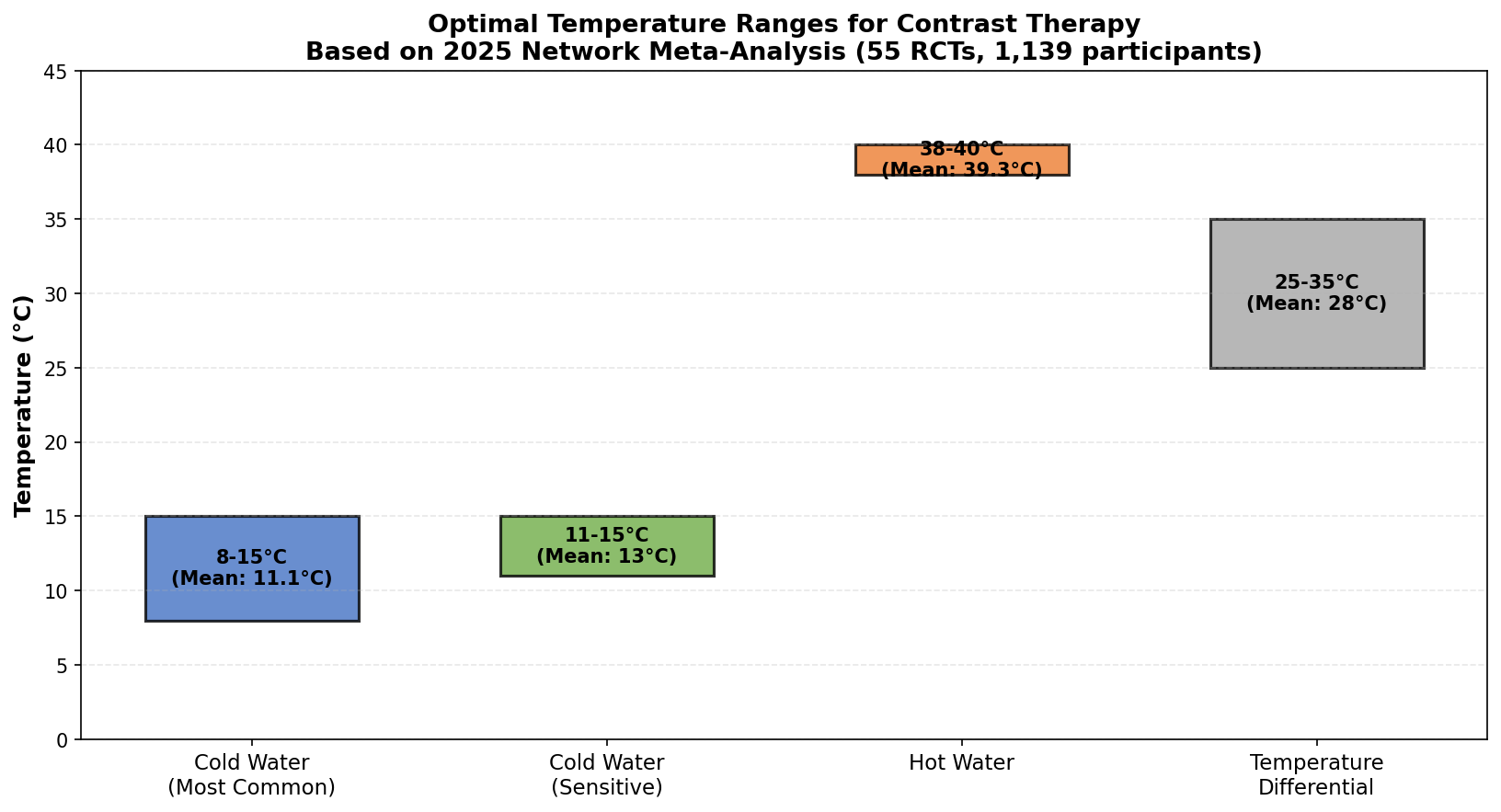 Figure 5: Optimal session duration and frequency recommendations showing 10-15 minutes as the most effective duration and varying frequency by population.2
Safety and Who Should Avoid It
Contrast therapy is safe for most healthy people, but certain conditions make it risky. Understanding these is critical.
Absolute Contraindications: Do Not Use
You should absolutely avoid contrast therapy if you have:
- Active cardiac conditions: Heart disease, ischaemic heart disease, myocardial hypertrophy, or long QT syndrome. The "cold shock response" (sudden activation of the nervous system upon cold water entry) can trigger dangerous heart arrhythmias in vulnerable individuals7
- Uncontrolled hypertension: The rapid blood pressure changes from temperature alternation strain the cardiovascular system7
- Peripheral vascular disease: Impaired circulation makes you unable to safely manage the vascular stress7
- Active acute inflammation or acute injury: During the first 48-72 hours after injury, when you have visible swelling, redness, and heat, contrast baths can actually increase inflammation. Wait until this acute phase passes7
- Open wounds, infections, or compromised skin: Risk of infection and thermal damage7
- Pregnancy and breastfeeding: Insufficient safety data; medical consensus advises caution7
- Active bleeding or bleeding disorders: Contrast therapy increases circulation to tissues, risking complications7
Relative Contraindications: Requires Medical Clearance
These conditions don't absolutely prohibit contrast therapy but require doctor approval and potentially modified protocols:
- Diabetes with neuropathy (reduced sensation in feet or hands): You can't safely detect dangerous temperature extremes. If you proceed, use slightly warmer cold water, a shorter duration, and professional supervision7
- Raynaud's syndrome or circulatory disorders: Medical clearance needed with possible temperature restrictions7
- Recent stroke or TIA: Cardiovascular monitoring required7
- Severe anxiety or panic disorders: Cold shock response may trigger adverse psychological events7
The Cardiac Risk in Detail
This deserves explanation because it's the most serious potential complication. When you plunge into cold water, your body experiences two competing nervous system responses simultaneously:
- The "cold shock response" activates your sympathetic system (heart rate and blood pressure spike)
- The "diving response" (from water immersion) activates your parasympathetic system (heart rate falls)
These conflicting signals create what's called "autonomic conflict." In people with pre-existing cardiac conditions, particularly those with long QT syndrome or ischaemic heart disease, this conflict can trigger dangerous arrhythmias and, rarely, sudden cardiac death.7
However, there's a silver lining: A long-term study (the Kuopio Ischaemic Heart Disease Risk Factor Study) followed 2,300+ men for 20 years and found that those who used saunas 4-7 times per week had significantly reduced sudden cardiac death risk compared to non-users.7 This suggests cardiovascular adaptation is possible with gradual, progressive exposure and proper supervision.
The key distinction: rapid, unacclimatised cold exposure in people with cardiac conditions is risky. Gradual, supervised adaptation may actually improve outcomes.
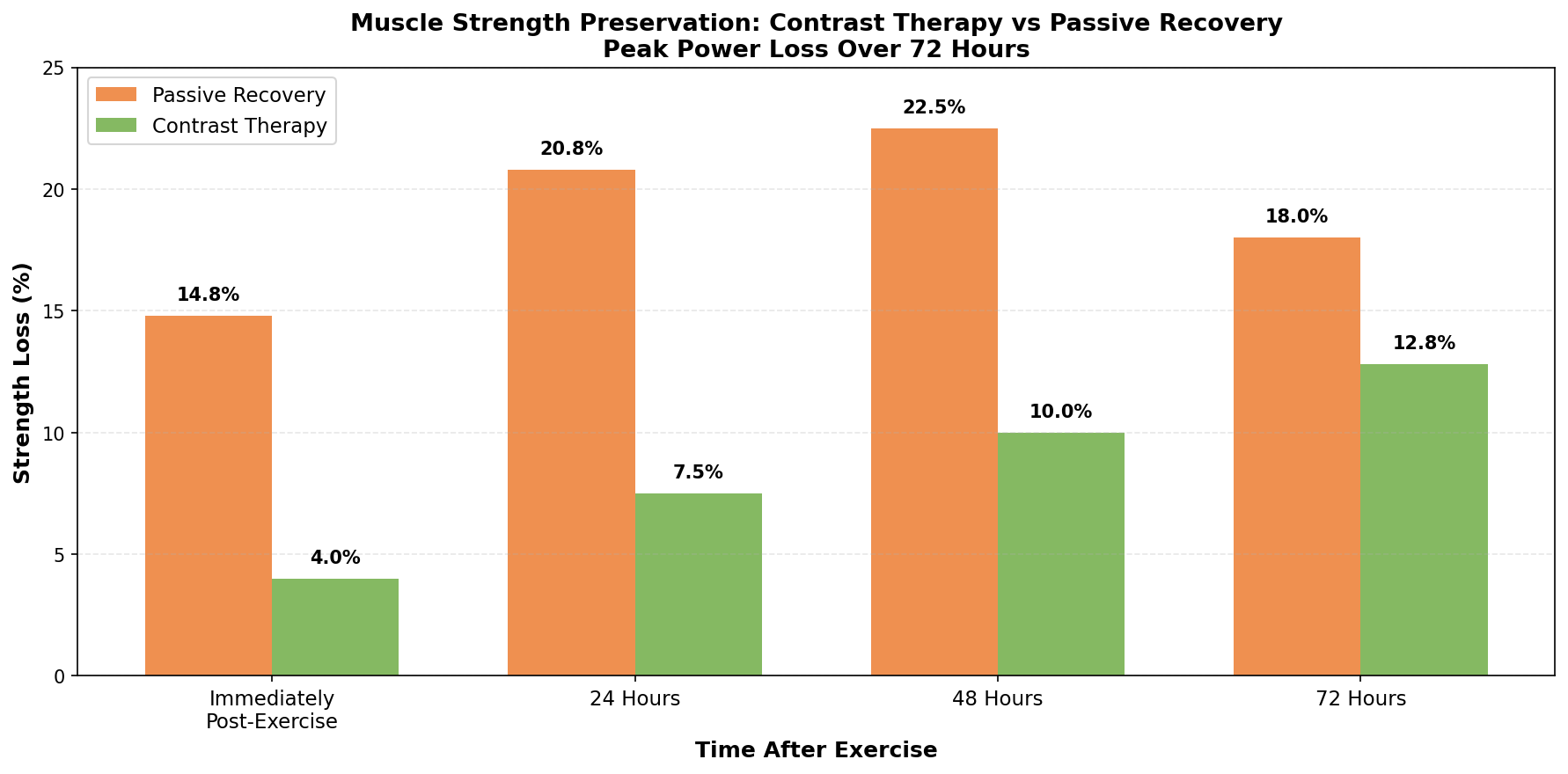 Figure 6: Medical contraindications showing 8 absolute contraindications (red: cardiac disease, hypertension, PVD, malignancy, open wounds, pregnancy, active bleeding, acute inflammation) and relative contraindications requiring medical clearance (orange: diabetes with neuropathy, Raynaud's, recent stroke).7
Other Thermal and Neurological Risks
Beyond cardiac concerns, contrast therapy can cause:
- Frostbite: From excessively prolonged cold exposure (>5-8 minutes in very cold water)7
- Thermal burns: From water temperatures exceeding 37°C (98.6°F)7
- Hypothermia: From extended cold immersion beyond safe duration7
- Nerve damage: Particularly risky for people with diabetes or reduced sensation7
- Arrhythmias: Abnormal heart rhythms in susceptible individuals7
- Dizziness and disorientation: From rapid temperature changes7
The good news: these risks decrease dramatically with proper temperature monitoring (always use a thermometer, never guess by feel), appropriate duration (10-15 minutes total, 1 minute per cold phase maximum), and gradual adaptation.
Who Benefits Most
Contrast therapy works best for specific populations. If you fall into one of these categories, the evidence supports its use.
High-Frequency Exercisers (Training 3+ Times Weekly)
If you're training hard 3 or more times per week, the 8-per-cent strength preservation advantage matters. DOMS that interfere with performance on day 2 or 3 become a real problem when you're in a demanding training phase. Contrast therapy can reduce soreness enough to enable another training session sooner without excessive discomfort.4
Recommended frequency: 3-5 sessions per week, ideally timed within 1-2 hours of intense exercise.
Post-Injury and Rehabilitation
For acute injuries (after the first 48-72 hours) and post-surgical recovery, contrast therapy offers something passive rest doesn't: active circulation enhancement without mechanical stress. It reduces swelling, delivers oxygen and nutrients for tissue repair, and restores range of motion.4
Clinical evidence supports its use for ankle sprains, shoulder injuries, and post-operative orthopaedic recovery.4
Recommended approach: Professional supervision for post-surgical cases; medical clearance before starting after injury.
Chronic Joint Pain and Arthritis
Contrast therapy can provide short-term pain relief and improved mobility for people with osteoarthritis. The mechanism combines improved circulation (delivering nutrients to joint tissue) with reduced inflammation (cold phase) and muscle relaxation (heat phase).4
Important caveat: Evidence shows symptomatic relief (less pain, better movement) but NOT long-term improvements in joint structure or underlying arthritis. Use as a complementary tool alongside other treatments, not as a replacement.4
Recommended frequency: 2-3 sessions per week.
Stress Management and Nervous System Regulation
For people seeking nervous system training and stress resilience, the repeated alternation between sympathetic and parasympathetic activation offers measurable benefits. Regular use improves Heart Rate Variability (a marker of nervous system flexibility) and provides documented mood improvements.4
This isn't primarily a physical recovery benefit; it's neurobiological training.
Recommended frequency: Regular sessions (2-3 times per week) for cumulative effect.
The Practical Reality: Cost and Access
The discussion about contrast therapy must include what it actually costs and who can realistically access it.
Budget-Friendly Options
At home, in your bathtub: Free to £10 per session. You can alternate hot and cold water from your taps. This is how many people start, and the evidence shows it's effective.4 The only equipment required is a thermometer to verify water temperature.
Gym and Wellness Facility Options
- Basic gym membership with cold/hot facilities: £30-100 per month (roughly £1-3 per session if you go frequently)
- Dedicated wellness centres with sauna and cold plunge: £20-50 per session
- Cryotherapy chambers (faster alternative to water): £60-150 per session
These options are accessible for people with gym memberships or discretionary income, but represent a meaningful cost for others.
Premium Options
Home installation of sauna plus cold plunge: £5,000-20,000+ upfront plus maintenance. This makes sense only for people using it daily, and it takes 2-3 years of regular use to break even on the investment.
The Accessibility Problem
The evidence's benefits are primarily available to people with gym access or financial resources. This is a genuine equity issue. If you can't afford £30-50 per month for wellness centre memberships or £5,000+ for home equipment, contrast therapy access is limited to free bathtub options.
That said, the bathtub option shouldn't be dismissed. It's free, it's accessible to most people with running hot and cold water, and the evidence shows it works.
How to Start Safely: A Practical Guide
If contrast therapy is appropriate for you (no contraindications and ideally medical clearance if you have any health conditions), here's how to begin.
Pre-Treatment Assessment
Before starting, honestly answer these questions:
- Do you have any history of heart disease, high blood pressure, or circulatory problems?
- Do you have diabetes or reduced sensation in your feet or hands?
- Are you pregnant or breastfeeding?
- Do you have open wounds or active skin infections?
- Is this an acute injury (swollen, red, hot to the touch)?
If you answered yes to any of these, consult your doctor before proceeding.
Temperature Verification
Always use a thermometer. Never guess temperature by feel:
- Cold water: Start at 12-15°C (52-59°F) if you're new or sensitive to cold. Progress to 10-11°C (50-52°F) over weeks7
- Hot water: 38-40°C (100-104°F)1
- Check temperature at multiple water depths; the bottom may be cooler than the surface7
Beginner Protocol
Week 1-2:
- 10-minute hot water immersion at 38-40°C
- 60-90 second cold water immersion at 12-15°C (or warmer if sensitive)
- Rest 30-60 minutes before intense activity4
- Frequency: 1-2 times per week
Week 3+:
- Gradually extend duration to the full protocol (10-15 minutes total)
- Decrease cold water temperature to 10-11°C if comfortable
- Increase frequency to 2-4 times per week, depending on your goals4
Essential Safety Points
- Always finish with cold exposure to maximise anti-inflammatory benefit1
- Keep your head above water; do not submerge your head7
- Breathe normally; never hold your breath7
- Have grab bars or edge support accessible in case of dizziness7
- Do not use immediately after eating; wait 1-2 hours7
- Do not use whilst under the influence of alcohol or drugs7
- Stop immediately if you experience chest pain, severe shortness of breath, dizziness, or palpitations7
When Contrast Therapy Might Not Be Your Best Choice
Even if contrast therapy is safe for you, it might not be the best use of your time or money, depending on your situation.
You might skip contrast therapy if:
- You can't consistently access facilities (cost or proximity)
- You dislike cold water exposure (compliance matters more than the specific modality)
- You already have an established recovery routine that works (sleep, nutrition, gentle movement, stretching)
- Your primary goal is long-term joint health (evidence for this is weak)
- You're looking for a replacement for adequate sleep or nutrition (contrast therapy complements but doesn't replace these)
You should prioritise contrast therapy if:
- You train 3+ times weekly and struggle with soreness interfering with subsequent sessions
- You're recovering from injury or surgery (post-acute phase) and want enhanced circulation
- You have access to low-cost facilities (gym membership) or can use your bathtub at home
- You're interested in nervous system training for stress resilience
The Big Picture: Is It Worth Your Time and Money
Here's the honest summary of what the evidence actually shows:
Contrast therapy works, but not quite in the way popular media suggests. It's genuinely better than passive recovery for muscle soreness, strength preservation, and lactate clearance. If you train intensely and frequently, these benefits have practical value.
However, it's not clearly superior to other proven recovery methods like cold-only immersion, heat-only immersion, compression, or active recovery. The research suggests that the advantage comes from active recovery rather than passive rest, not from the temperature alternation itself being special.
The evidence quality is modest, protocols aren't standardised across research, and long-term effects beyond a few days remain understudied. Use contrast therapy based on preference, access, and consistency; not on expectations of unique advantages.
For cost-benefit analysis:
- Free option (bathtub at home): Definitely worth trying if you have access
- Gym membership (£30-100/month): Good value if you'll use it 2-3 times per week
- Dedicated wellness centre (£20-50 per session): Only justified if it becomes part of regular practice
- Home installation (£5,000+): Only for people using it daily who will maintain it for years
The Real Value: Nervous System Adaptation
Where contrast therapy might provide unique value beyond simple physical recovery is in nervous system training. Regular exposure to controlled thermal stress, followed by recovery, teaches your nervous system to transition between activation and relaxation more efficiently. This might have benefits for stress resilience and emotional regulation that extend beyond muscle recovery.
This isn't magic; it's measurable neurobiology. But it requires consistency (regular sessions over weeks), and ideally, you need to genuinely enjoy the experience rather than force it.
If contrast therapy becomes something you look forward to (a 15-minute practice that leaves you feeling energised or calm, depending on timing), it's worth doing for that reason alone.
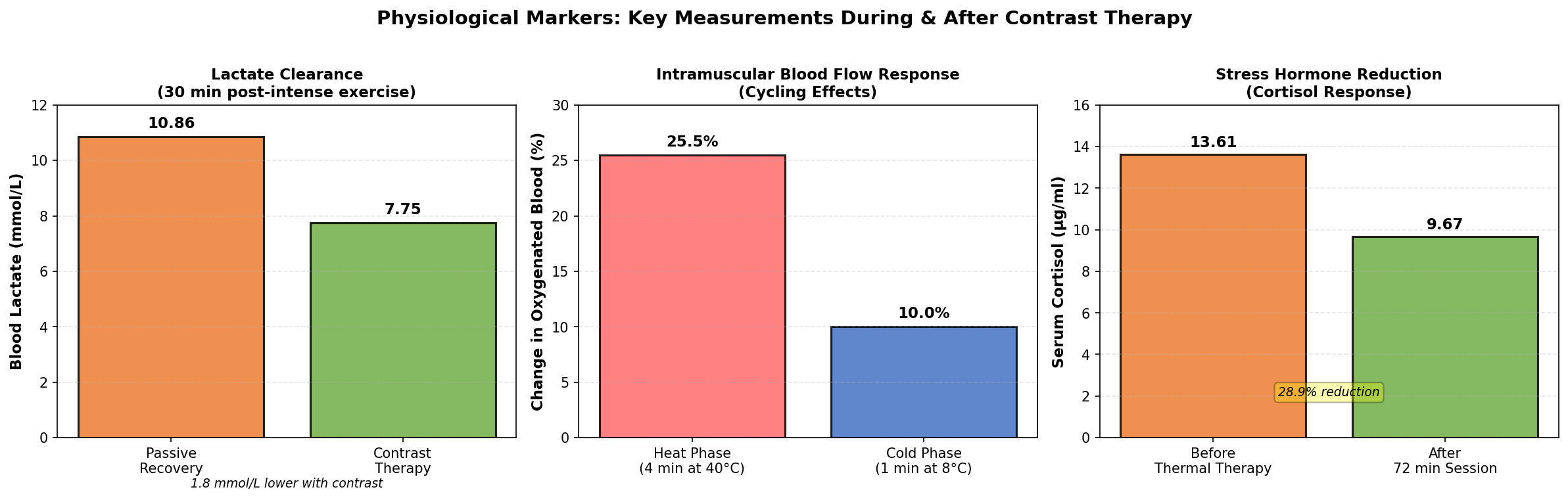 Figure 7: Google search trend data showing contrast therapy searches increased 4x since 2020, and cold plunge searches increased 10.5x since early 2022, indicating rapidly growing mainstream interest and accessibility.4
Final Thoughts
Contrast therapy is not a recovery shortcut or a replacement for sleep, nutrition, and training intelligence. But it's also not a waste of time if you have access and it fits your routine. The evidence supports its benefits: modest, real, and comparable to other recovery methods.
What matters most is that you choose a recovery approach you'll actually use consistently. Whether that's contrast therapy, cold water immersion alone, active recovery, or traditional rest is less important than consistency and recovery priority.
If you have a bathtub and a thermometer, you can start for free and discover whether it helps your recovery. If you have gym access, a 2-3 times weekly contrast bath routine is a reasonable investment in faster recovery from intense training.
Just go in with realistic expectations: it helps, but it's not magical. If you have any health conditions, particularly cardiovascular ones, get medical clearance first. The risks, whilst manageable, are real for certain populations.
Further Reading
Protocols and Implementation
- Contrast Therapy Timing: Research-Based Guidelines
- The Ultimate Guide to Contrast Therapy in 2025
- Contrast Baths: Benefits and How-To Guide
- How to Build a Contrast Therapy Routine: Beginner's Protocol
Safety and Medical Considerations
- Contrast Bathing for the Hand and Wrist: NHS Guidance
- Cold Plunge Contraindications and Safety
- Safety Considerations in Thermal Contrast Therapy
- Cold Water Immersion Risks: American Heart Association
- Heart and Stroke Foundation: Surprising Truths About Hot and Cold Therapies
Research Evidence and Clinical Applications
- Mechanisms and Efficacy of Contrast Therapy for Musculoskeletal Pain: 2024 Scoping Review
- Impact of Different Doses of Cold Water Immersion: 2025 Network Meta-Analysis
- Contrast Water Therapy and Exercise-Induced Muscle Damage: Meta-Analysis
- Contrast Baths, Intramuscular Hemodynamics, and Oxygenation
- Contrast Water Immersion and Plasma Lactate Clearance After Intense Exercise
Nervous System and Mood Effects
- Endocrine Effects of Repeated Hot Thermal Stress and Cold Water Immersion
- Single Cold-Water Immersion Effects on Mood and Psychological State
- Cold Water Immersion and Cardiovascular Adaptation
References/Helpful Resources
- Bieuzen F, Bleakley CM, Costello JT. Contrast Water Therapy and Exercise-Induced Muscle Damage: A Systematic Review and Meta-Analysis. Hug F, editor. PLoS ONE [Internet]. 2013 Apr 23 [cited 2026 Apr 18];8(4):e62356. Available from: https://journals.plos.org/plosone/article?id=10.1371/journal.pone.0062356
- Mechanisms and Efficacy of Contrast Therapy for Musculoskeletal Painful Disease: A Scoping Review. Healthcare (Basel). 2024;12(1):76. Available from: https://pmc.ncbi.nlm.nih.gov/articles/PMC11900007/.
- Halson SL. Does the Time Frame Between Exercises Influence the Effectiveness of Hydrotherapy for Recovery? International Journal of Sports Physiology and Performance. 2011 June;6(2):147–59.
- Contrast Water Therapy and Exercise-Induced Muscle Damage: A Systematic Review and Meta-Analysis. PLOS ONE. 2013;8(4):e62356. Available from: https://journals.plos.org/plosone/article?id=10.1371/journal.pone.0062356.
- Pointon M, Duffield R. Cold water immersion recovery after simulated collision sport exercise. Medicine and Science in Sports and Exercise. 2012;44(2):206-216.
- Endocrine Effects of Repeated Hot Thermal Stress and Cold Water Immersion in Young Adult Men. SAGE Open Nursing. 2021;7:2377960821001008. Available from: https://journals.sagepub.com/doi/10.1177/15579883211008339.
- INTERNATIONAL GUIDELINES AND GOOD PRACTICE STANDARDS FOR AQUATIC PHYSIOTHERAPY INTERVENTION [Internet]. 2025. Available from: https://world.physio/sites/default/files/2025-04/International%20Guidelines%20and%20Good%20Practice%20Standards%20for%20Aquatic%20Physiotherapy%20Intervention%20-%20IOAPT.pdf
