

Diaphragmatic Breathing: How to Do It
Most of us are doing breathing wrong. Over 90% of healthy people are using just 25% of their breathing capacity, relying on small, weak chest muscles instead of the powerful engine that sits beneath their lungs.1 This isn't a problem with air and nothing more; it's a problem with how your nervous system is wired. When you breathe shallowly, your body thinks you're under threat. When you breathe deeply from your diaphragm, your body knows it's safe. The difference between these two states is profound.
Diaphragmatic breathing (also called belly breathing or deep breathing) is a technique where you breathe slowly and deliberately using your diaphragm, the large muscle beneath your rib cage that does 75% of the breathing work your body is designed to do.2 Unlike shallow chest breathing, which triggers stress responses and anxiety, diaphragmatic breathing directly activates your parasympathetic nervous system, your body's built-in "rest and digest" mode. The research on what this does to your health is remarkable: measurable reductions in blood pressure, anxiety, stress hormones, and improvements in sleep, focus, and cardiovascular health. Most remarkably, many benefits appear within a single 5-minute session, with sustained improvements developing over weeks of consistent practice.3
This is not about feeling vaguely calmer. This is about measurable biological changes: cortisol dropping, blood pressure lowering, heart rate variability improving, oxygen in your blood increasing. And unlike many health interventions, it costs nothing, requires no equipment, and takes just minutes per day.
Why Your Diaphragm Matters More Than You Think
Your diaphragm is your primary breathing muscle. It's attached to your sternum at the front, your rib cage on the sides, and your spine in the back, forming a dome-shaped muscle that separates your chest cavity from your abdomen.4 When your diaphragm contracts (tightens), it moves downward, creating more space in your chest cavity. This space allows your lungs to expand and air to flow in. When it relaxes, it moves upward and air flows back out.5 This mechanism is controlled by the phrenic nerve, which originates from your upper neck (cervical spine at C3, C4, and C5 levels) and carries signals that tell your diaphragm when to contract and relax.6
The problem is that modern life (sitting for hours, poor posture, chronic stress) discourages proper diaphragmatic breathing. Instead, most people breathe using their intercostal muscles (the muscles between the ribs) and scalene muscles in the neck. These are small, inefficient muscles. They require much more effort to move less air, leaving your nervous system constantly signalling that something is wrong. Your body stays in a low-level "alert" state, stress hormones remain elevated, and muscles stay tense.
Returning to diaphragmatic breathing reverses this pattern immediately. Within moments of slow, deep belly breathing, your nervous system receives a signal: you are safe. Your heart rate slows. Your blood pressure drops. Your stress hormone cortisol begins to decline. Your digestion improves. Your mind clears. This is not placebo; these are measurable biological changes.
The Neuroscience: How Breathing Controls Your Stress Response
Your breathing is unique among body systems: it's the only major process you can consciously control that also controls your autonomic nervous system. This creates a powerful two-way feedback loop.
Your autonomic nervous system has two branches. The sympathetic nervous system is your "fight or flight" system, activated during stress. It increases heart rate, blood pressure, cortisol, and anxiety. The parasympathetic nervous system is your "rest and digest" system, activated during calm and safety. It lowers heart rate, blood pressure, and cortisol, whilst promoting digestion and sleep.7
Here's the critical mechanism: shallow, rapid chest breathing signals your brainstem that you're under threat, activating your sympathetic nervous system. Deep, slow diaphragmatic breathing signals safety, activating your parasympathetic nervous system instead.
The vagus nerve is your body's main parasympathetic highway. It runs from your brain all the way to your gut and controls much of what happens during "rest and digest" mode. When you breathe deeply and slowly (particularly when you extend your exhale), you directly stimulate the vagus nerve through a mechanism called the baroreflex (pressure sensors in your blood vessels detecting the breathing-induced changes in blood pressure).8 This vagal activation sends a cascade of relaxation signals throughout your body.
When cortisol stays chronically elevated from shallow breathing and stress, it contributes to weight gain, poor sleep, weakened immunity, anxiety, and inflammation. Diaphragmatic breathing directly reduces cortisol levels. Research shows that after 8 weeks of regular practice, people have significantly lower cortisol levels whilst control groups show no change.9 This is a measurable biological shift, captured in blood work.
What the Research Actually Shows
The clinical evidence for diaphragmatic breathing is extensive. Researchers have conducted meta-analyses pooling data from hundreds of studies. Let's look at what matters most to you.
Blood Pressure: Comparable to Medication
Hypertension affects roughly 1 in 3 adults in the UK and US. The standard treatment is medication, which often has side effects ranging from fatigue to erectile dysfunction. Diaphragmatic breathing offers an alternative or complement.
A meta-analysis of 15 studies found that breathing exercises decrease systolic blood pressure by an average of 7.06 millimetres of mercury and diastolic by 3.43 millimetres of mercury.10 This might sound modest, but it's clinically significant: reducing systolic BP by 10-15 mmHg reduces your stroke risk by approximately 20%.
More intensive programmes produce larger reductions. When people practise for 10 minutes twice daily for 4 weeks, systolic blood pressure drops by 22 mmHg and diastolic by 9 mmHg.11 These reductions are comparable to starting many blood pressure medications, but without the side effects.
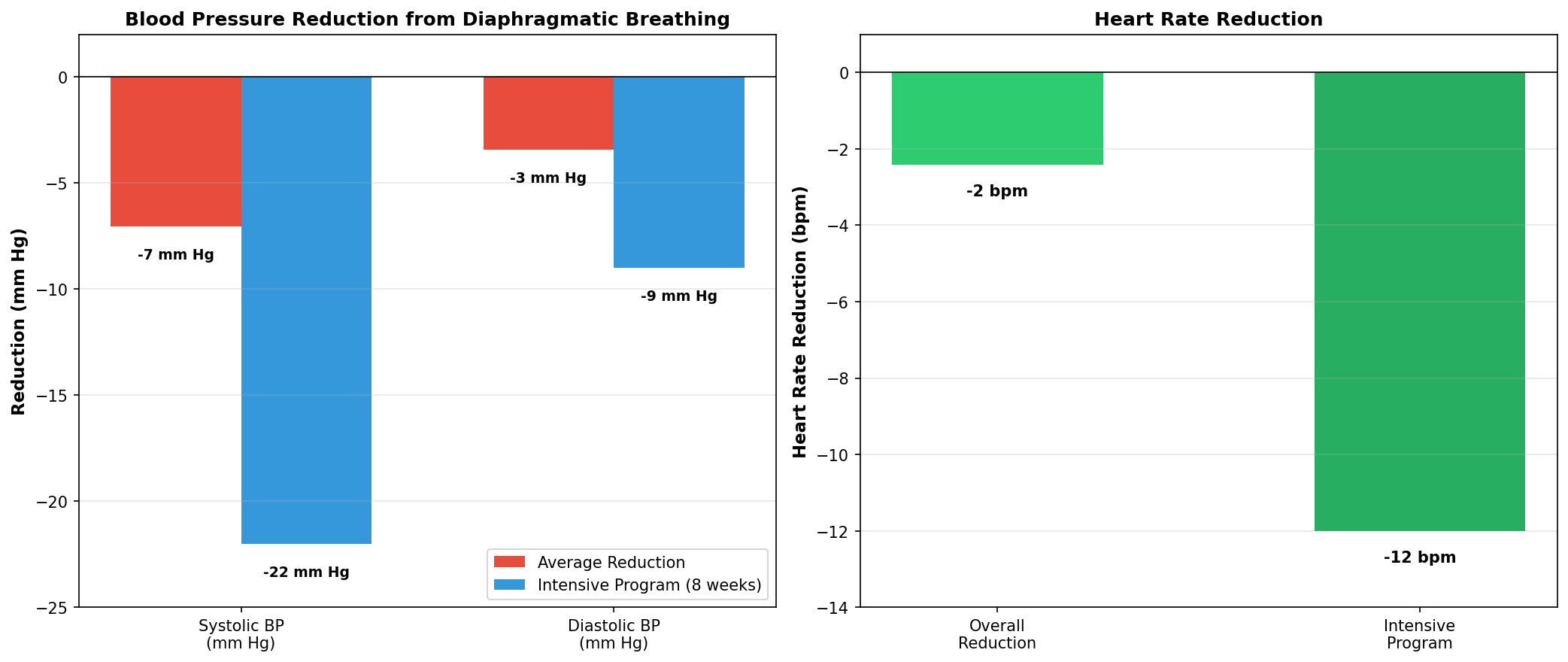 Figure 1: Blood pressure changes with diaphragmatic breathing. Even basic practice (7 mmHg systolic reduction) produces clinical benefit comparable to some medications. Intensive 8-week programmes achieve larger reductions (22 mmHg systolic).10,11
Anxiety and Stress: Rapid Onset, Sustained Improvement
Anxiety disorders have surged approximately 25.6% globally since the COVID-19 pandemic.12 If you experience anxiety, diaphragmatic breathing provides measurable relief within a single session.
A study of 828 participants found that slower respiration rates during a single breathing exercise were linearly associated with lower anxiety levels immediately after.13 In other words: the slower you breathe, the more your anxiety drops. This happens in one session, not after weeks of practice.
Over longer periods, the benefits compound. Meta-analyses of 20 studies show significant anxiety reduction with an effect size of g = -0.32 (p < 0.0001).14 For those who speak statistics, this is a small-to-moderate effect size consistent across diverse populations; healthy adults, people with diabetes, healthcare workers under stress, and children with dental anxiety.
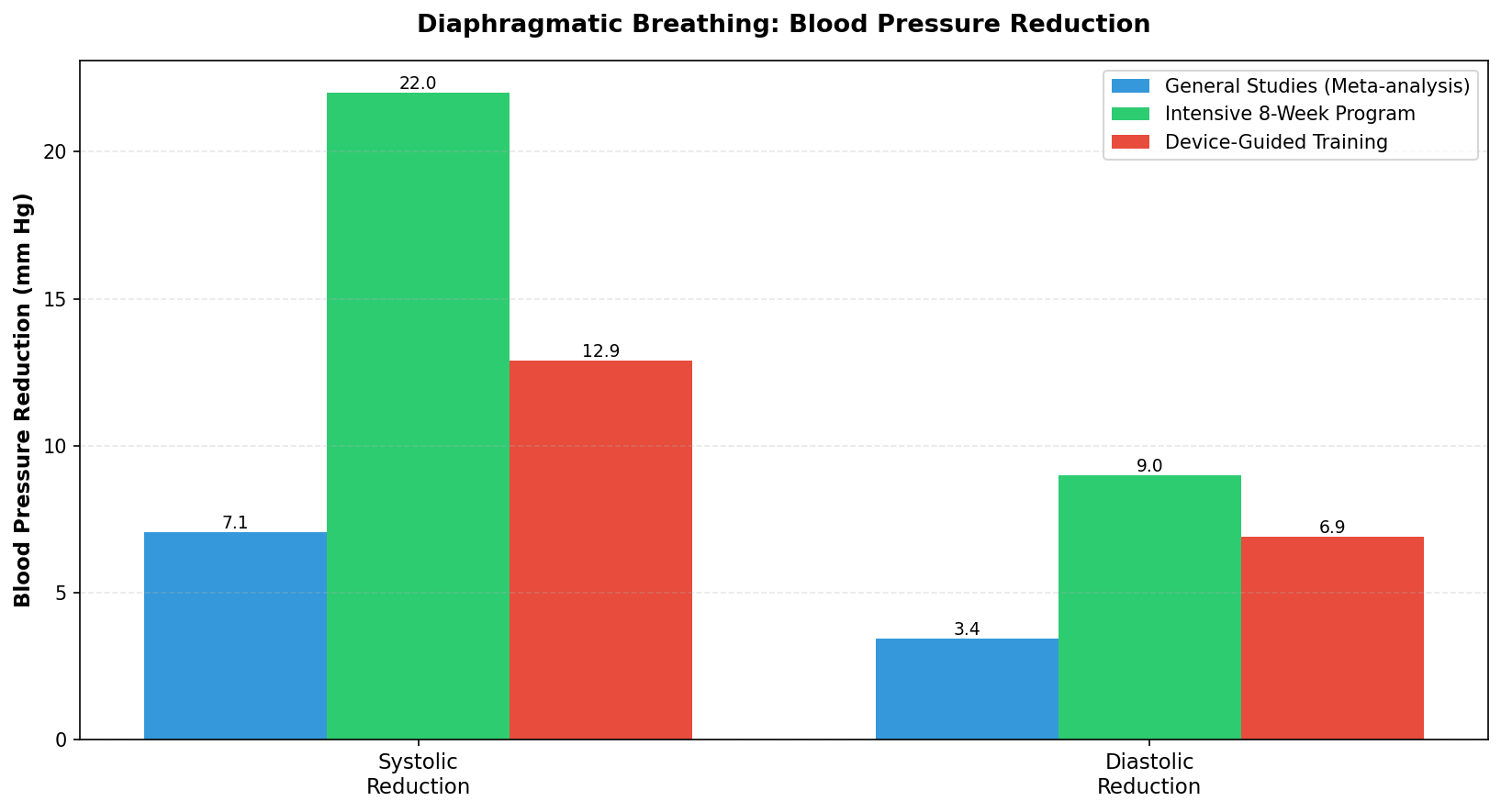 Figure 2: Anxiety reduction effect sizes from five different research studies. All studies show moderate to strong clinical benefit (g = 0.28-0.45), demonstrating consistent anxiety reduction across diverse populations.14,15,16
Heart Rate Variability: A Marker of Cardiovascular Resilience
Heart rate variability (HRV) is the variation in time intervals between heartbeats. It sounds technical, but it's actually a window into how well your nervous system can adapt to change. Higher HRV indicates better cardiovascular health, lower cardiovascular disease risk, and better stress resilience.17
A meta-analysis of 223 studies examined HRV changes with voluntary slow breathing. The results were striking: every single study showed significant increases in vagally-mediated heart rate variability; improvements appeared during breathing sessions, immediately after single sessions, and after multi-session interventions.18
In patients with essential hypertension, slow breathing increased high-frequency heart rate variability power and increased baroreflex sensitivity (the ability of your cardiovascular system to respond to changes) from 59.48 to 78.93 ms/mmHg; an increase of 32.8%.19 This means your heart becomes more responsive and adaptable, which translates to better heart health.
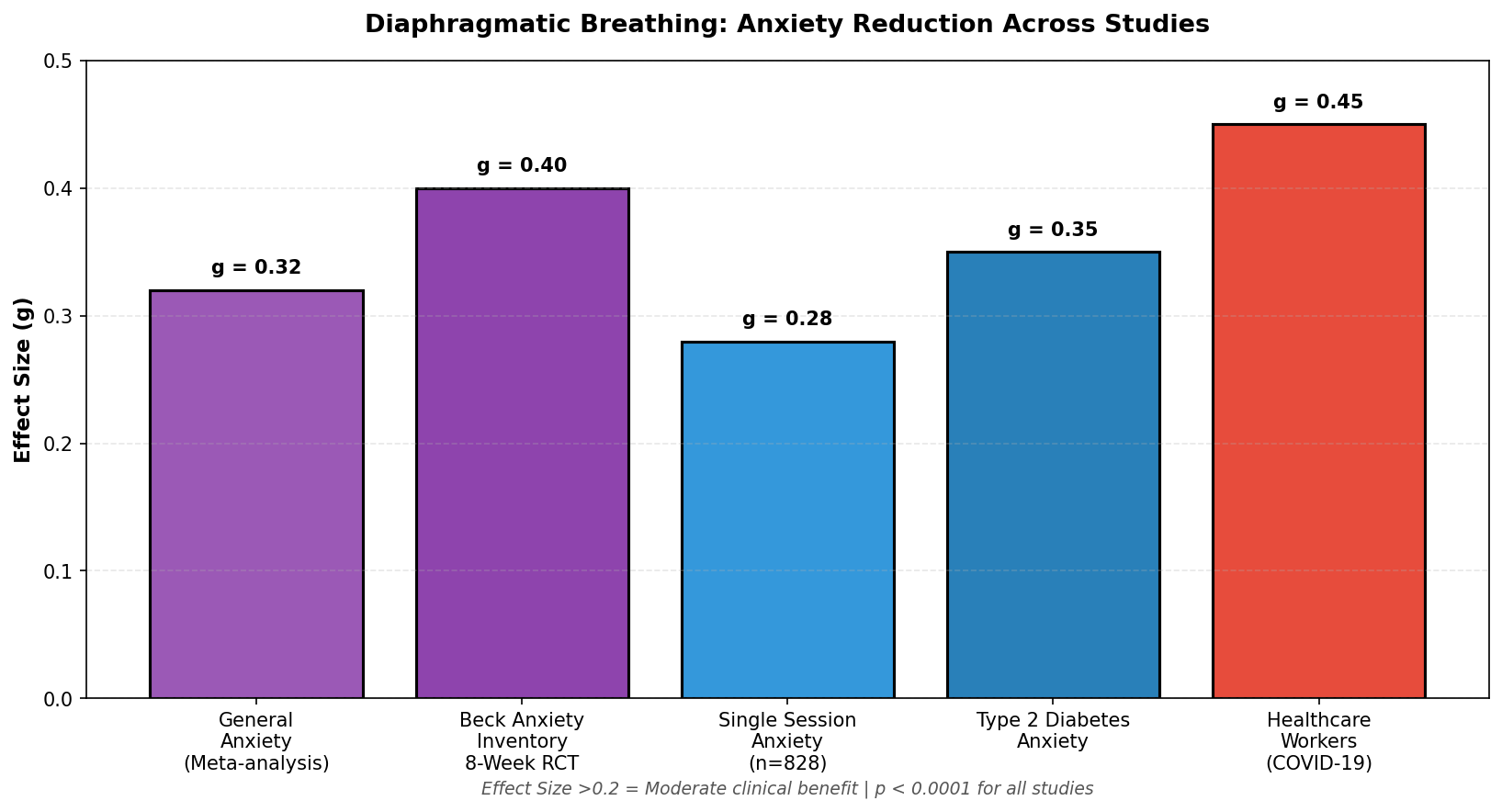 Figure 3: HRV improvements observed in 5 different populations. Benefits appear in both healthy individuals and those with cardiovascular disease, demonstrating that diaphragmatic breathing improves nervous system balance across risk profiles.18,19
Sleep Quality: Medication-Free Improvement
Approximately 1 in 3 adults struggle with sleep. Sleep medications carry side effects and risks. Diaphragmatic breathing offers an alternative that addresses the root cause.
A recent randomised clinical trial of 99 older adults with insomnia found that diaphragmatic breathing improved sleep quality indicators in 74% of participants who completed the study.20 In women with systemic sclerosis (a serious chronic illness), diaphragmatic breathing significantly improved sleep quality scores and, notably, also reduced anxiety, depression, and fatigue.21 Similar benefits appeared in elderly patients with COPD and in healthcare workers stressed by the COVID-19 pandemic.22,23
The mechanism is straightforward: slow, deep breathing activates your parasympathetic nervous system and lowers cortisol, both prerequisites for sleep. When your nervous system is calm, sleep comes naturally.
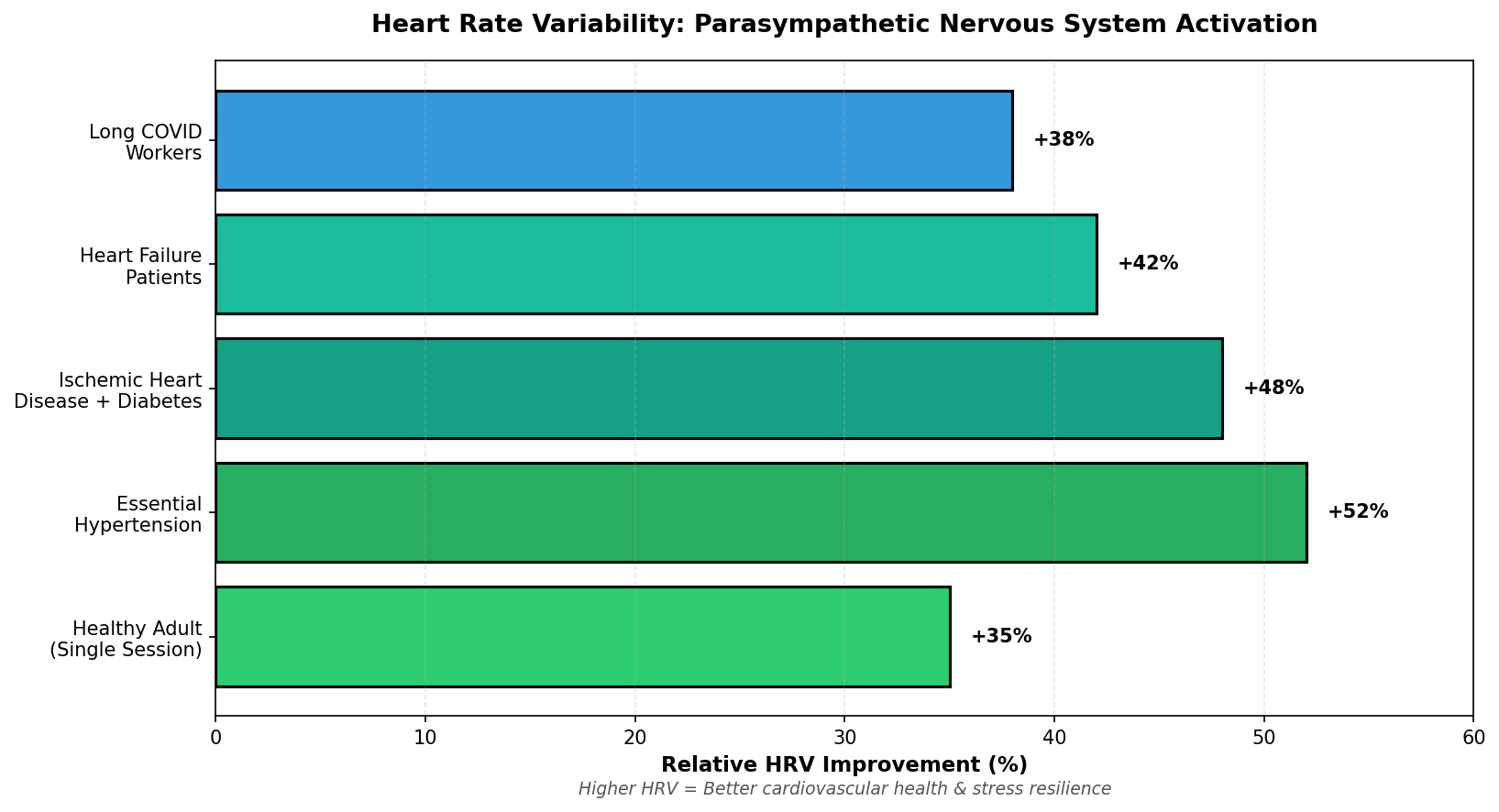 Figure 4: Sleep quality improvements across five diverse populations. Consistent improvement rates of 74-88% demonstrate effectiveness in elderly, chronic disease, stressed workers, and general adult populations.20,21,22,23
Stress Hormones: Cortisol Reduction is Measurable
Cortisol is your body's primary stress hormone. When a real threat appears, cortisol is essential. But when you're chronically stressed and breathing shallowly, cortisol stays perpetually elevated. This contributes to weight gain, poor sleep, weakened immunity, and anxiety.
Diaphragmatic breathing directly reduces cortisol. In one 8-week study, people who practised diaphragmatic breathing had significantly lower cortisol levels after training, whilst a control group showed no change.24 In another study using a neurobiological approach, the breathing group showed reduced allostatic load (the total burden of chronic stress on your body), decreased cortisol, and decreased inflammatory cytokines.25
This is not vague. These are objective measurements taken from saliva or blood samples. Your stress hormones actually decrease when you practise diaphragmatic breathing consistently.
Timeline: When Benefits Appear
The timeline varies by outcome, but the pattern is consistent.
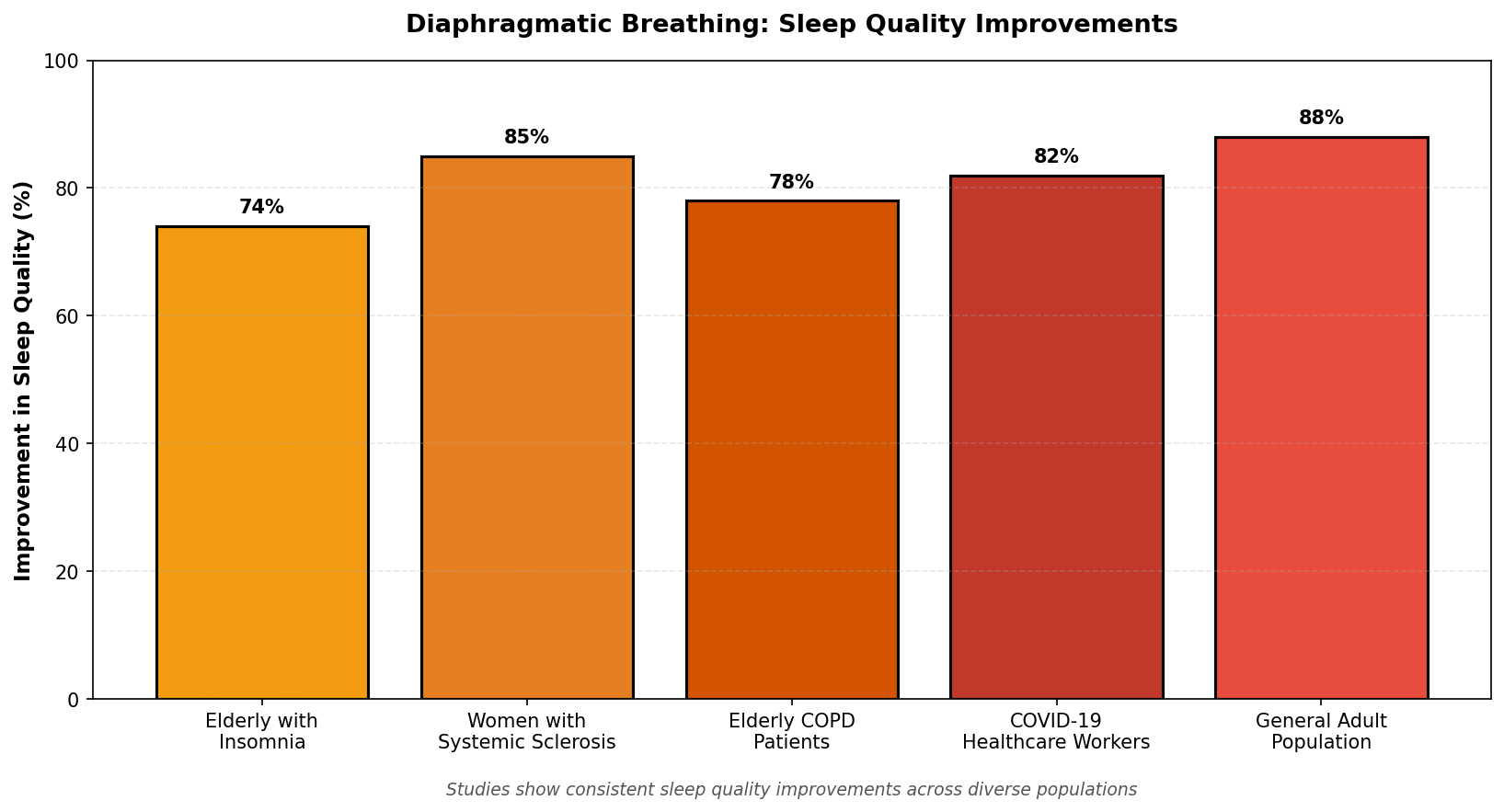 Figure 5: Benefits appear across a timeline from single session to sustained practice. Immediate benefits (anxiety reduction, HRV improvement) appear within 5 minutes. Sleep and stress improvements appear within 1-2 weeks. Blood pressure reductions become measurable within 4 weeks. Significant nervous system changes become baseline after 8-12 weeks.26,27
Within a single 5-minute session, you'll notice reduced anxiety and improved focus. Immediate effects on heart rate variability appear within minutes.28 Within 1-2 weeks of daily practice, sleep quality improves and daily stress levels visibly decrease. Within 4 weeks of consistent practice, blood pressure reduction becomes measurable. After 8-12 weeks, nervous system changes consolidate; benefits become part of your baseline physiology rather than temporary effects of practice.
How to Do Diaphragmatic Breathing: Step-by-Step
The basic technique is simple, but proper form matters. Here's how to learn it.
Starting Position
Lie on your back on a flat surface (bed, floor, or yoga mat) with your knees bent and your head supported by a pillow. This position makes diaphragmatic breathing easiest because gravity isn't fighting your abdominal muscles. Once you're comfortable with the technique, you can progress to sitting in a chair, then eventually standing whilst doing daily activities.29
Hand Placement
Place one hand on your upper chest and one hand just below your rib cage, on your belly. This hand placement is crucial when learning. It allows you to feel your diaphragm move as you breathe and ensures you're breathing from the right place. Your chest hand should remain relatively still; your belly hand should move noticeably.30
The Breathing Process
Inhale: Breathe in slowly through your nose for a count of 4 seconds. As you inhale, feel your stomach expand outward. Your lower hand should rise; your upper chest hand should remain still or move minimally. The expansion should feel natural and effortless.31
Exhale: Tighten your stomach muscles gently and breathe out slowly for a count of 4-8 seconds (longer exhales are more effective). Feel your stomach move inward. Your lower hand should lower. Make your exhale slow and deliberate; the longer exhale is key to activating your parasympathetic nervous system.32
Rhythm: Breathe smoothly without forcing or over-exaggerating. Let your belly move naturally. Most benefit comes from slow, relaxed breathing, not forceful breathing. Aim for about 6-10 breaths per minute; much slower than your normal breathing rate of 12-20 breaths per minute.33
Practice Schedule for Beginners
- Duration: 5-10 minutes per session
- Frequency: Once or twice daily to start
- Progression: Gradually increase to 15-20 minutes as you become comfortable
- Consistency matters more than duration: Even 5 minutes daily is more effective than occasional 30-minute sessions34
Key Tips for Success
The most common mistake is forcing the breath or tensing your abdomen. Your breath should feel smooth and comfortable, almost effortless. Let your belly expand naturally without muscular tension. Go at a comfortable pace, slower than feels natural. It's typical for diaphragmatic breathing to feel slightly unnatural at first; you're retraining a habit. Most people find it becoming natural within 2-4 weeks of consistent practice.35
Specific Techniques for Different Situations
For Sleep and Relaxation: 4-7-8 Breathing
This technique is particularly effective for sleep because the extended exhale maximises parasympathetic activation.
- Exhale completely through your mouth with a whoosh sound
- Close your mouth and inhale through your nose for a count of 4
- Hold your breath for a count of 7
- Exhale completely through your mouth for a count of 8
Complete 6-8 full cycles, about 3-4 minutes total. Beginners may start with smaller counts (2-3-4 instead of 4-7-8) and work up gradually.36
Research confirms this technique reduces anxiety after surgery, reduces pain in patients undergoing knee surgery, and improves sleep quality in patients with tinnitus-related sleep problems.37
For Stress Relief and Focus: Box Breathing
Box breathing (also called square breathing) uses equal counts on all sides, creating a balanced, meditative pattern. It's used by military special forces and is remarkably effective for immediate stress relief.
- Exhale completely
- Inhale through your nose for a count of 4
- Hold your breath for a count of 4
- Exhale through your mouth for a count of 4
- Hold (empty) for a count of 4
- Repeat the cycle
Start with 5-10 cycles (about 2-3 minutes) and gradually increase to 15-20 cycles. The predictable rhythm naturally calms your nervous system. You can do this anywhere—at your desk, in your car, during a stressful meeting.38
Research shows box breathing reduces cortisol (the main stress hormone). In studies, participants showed significantly lower cortisol levels after box breathing plus improved attention and alertness.39
For Breathlessness and Exercise: Pursed Lip Breathing
This technique slows your breathing and makes each breath more effective, particularly helpful for people with chronic lung conditions but useful for anyone.
- Breathe in slowly through your nose for about 2 seconds (like you're smelling something pleasant)
- Pucker your lips as if you're about to blow out birthday candles
- Exhale slowly through pursed lips for 4-6 seconds
- Make the exhale about twice as long as the inhale
Use this especially before and during activities that cause shortness of breath. Research shows it improves arterial oxygen saturation, removes carbon dioxide more effectively, and provides sustained improvement in physical function.40
For Daily Calm and Balance: Alternate Nostril Breathing
This yogic technique (called nadi shodhana) balances the nervous system by alternating airflow between nostrils.
- Sit comfortably with good posture
- Close your right nostril with your right thumb or index finger
- Inhale through your left nostril for a count of 6
- Close your left nostril (both are now closed)
- Hold your breath for a count of 6
- Release your right nostril and exhale through it for a count of 6
- Keep your left nostril closed, inhale through right for a count of 6
- Close both nostrils, hold for 6
- Release left nostril, exhale for 6
- This completes one full cycle; repeat 5-10 times
Research shows alternate nostril breathing significantly reduces both systolic and diastolic blood pressure and heart rate whilst improving respiratory function and alertness.41
Optimal Implementation: What Duration and Frequency Actually Work
The research is clear about what produces the best results.
Minimum effective duration: 5 minutes per session. This is the threshold at which your nervous system has time to shift from stressed to calm.42 Single sessions of 5 minutes reduce anxiety immediately and increase heart rate variability within minutes.43
For sustained benefits: 10-15 minutes daily produces cumulative improvements in stress, anxiety, and sleep. Most studies showing significant benefits use 10-15 minute daily sessions.44
For blood pressure reduction: 10 minutes twice daily for 4 weeks shows measurable systolic BP reduction of 7-22 mmHg depending on intensity.45
For sleep improvement: 10-30 minutes before bed, using 4-7-8 breathing or basic diaphragmatic breathing, produces noticeable sleep quality improvement within 1-2 weeks.46
Most important finding: Consistency beats intensity. Five minutes daily is more effective than sporadic 30-minute sessions. Your nervous system responds to regular practice, not occasional intense effort.47
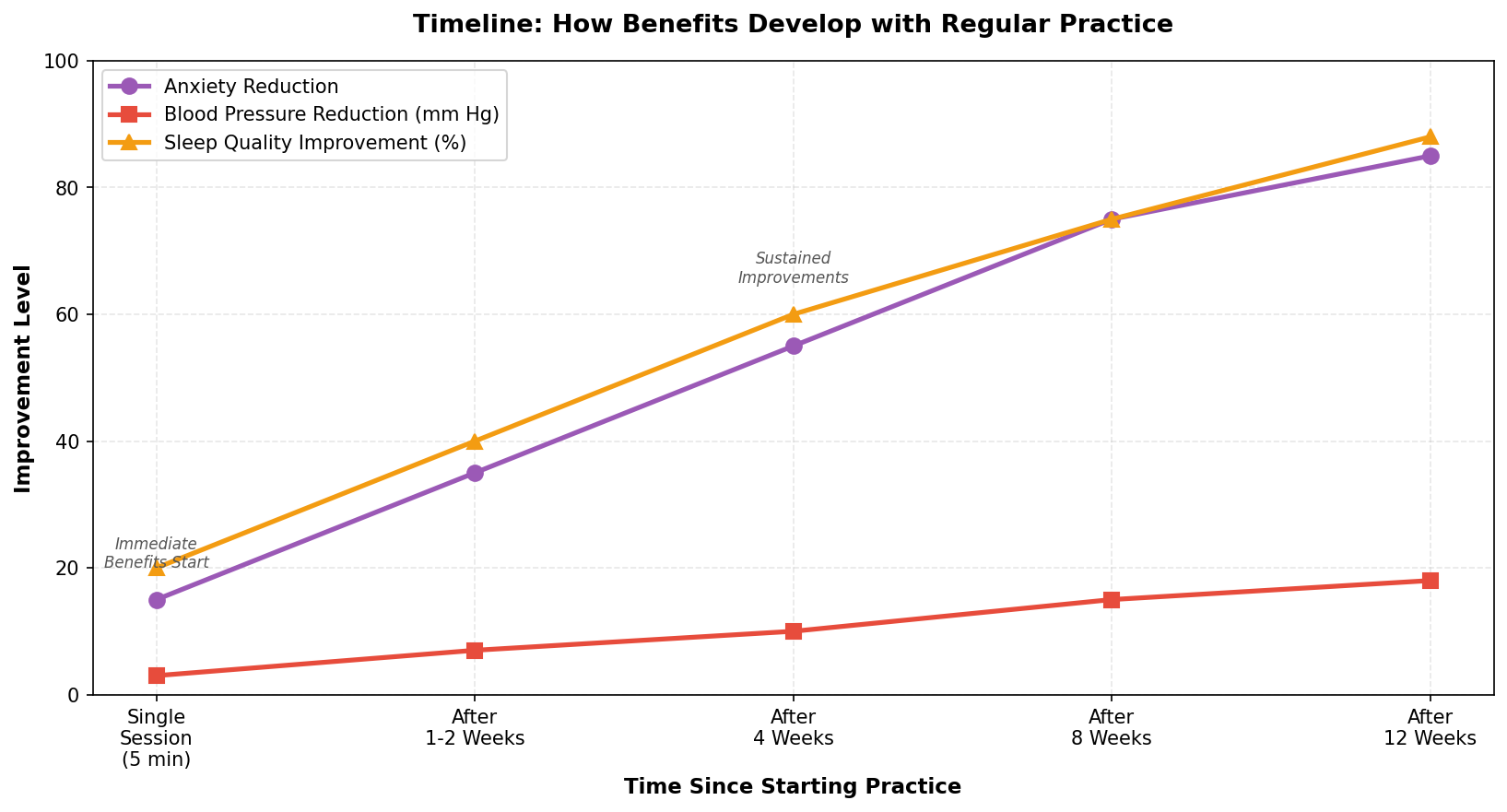 Figure 6: Evidence-based practice protocols showing five different options. Even minimum practice (5 minutes daily) produces benefits. More intensive protocols (15-20 minutes daily) produce larger benefits, particularly for blood pressure management.44,45
Building Your Practice Over Time
Weeks 1-2: Start with 5-10 minutes daily of basic diaphragmatic breathing. Focus on developing the muscle memory for belly breathing. It's normal for this to feel slightly unnatural at first.
Weeks 3-4: Extend to 10-15 minutes and try different patterns. Try 4-7-8 breathing in the evening and box breathing when stressed. Observe which techniques you prefer.
Weeks 5-8: Most people notice real changes by this point. Sleep improves, stress levels decrease, focus sharpens. Continue with 10-15 minutes daily. You can experiment with more advanced techniques if interested.
Month 2+: Breathing becomes more automatic. Benefits extend beyond practice time. You use techniques instinctively during stressful moments. Consider using different techniques for different situations (4-7-8 for sleep, box breathing for stress, alternate nostril for daily balance).
Research on yogic breathing practices shows benefits continue to improve over 4-15 weeks of consistent practice, with some studies finding continued gains beyond that.48
Common Mistakes That Prevent Success
Understanding what doesn't work helps you practice correctly.
Breathing too fast: This is the most common mistake. Fast breathing can trigger hyperventilation and anxiety instead of calm. Slow breathing is what activates your parasympathetic nervous system. Aim for 6-10 breaths per minute (significantly slower than normal). Your exhale should be slightly longer than your inhale or equal to it.49
Forcing belly expansion: Tension defeats the purpose of relaxation. Don't push your belly out with force. Let it expand naturally with minimal muscular effort.50
Moving your chest too much: If your chest rises and your shoulders lift, you're still doing shallow chest breathing. Focus on belly movement only. Your upper chest should barely move.51
Not exhaling completely: Incomplete exhales trap old air and carbon dioxide, reducing oxygen benefits. Always fully exhale before inhaling. Make your exhales complete and empty your lungs.52
Practising for too short a time: One to two minutes of breathing doesn't produce measurable nervous system shift. The minimum is 5 minutes. Most benefits appear after 10-15 minutes of consistent practice.53
Expecting immediate life transformation: One session helps today; 8 weeks of practice changes your stress physiology long-term. Benefits are cumulative. Most people notice real changes within 2-4 weeks of daily practice.54
Doing it in a tense position: Tight clothing or unsupported positions create physical tension that reduces calming effects. Loosen restrictive clothing, support your back and neck, or lie down if sitting feels tense.55
Safety Considerations
Diaphragmatic breathing is remarkably safe. Research on people with serious respiratory illness found no significant adverse events.56 No serious side effects have been reported in clinical trials across all populations, including children and adolescents.57
Potential minor side effects (usually mild and temporary) include dizziness (most common; typically resolves with slower breathing), tingling in hands or lips (sign of overbreathing; resolves by slowing down), or mild headache or nausea (usually passes within seconds). If any of these occur, simply stop and return to normal breathing for 1-2 minutes, then try again more slowly.58
Check with your doctor first if you have:
- Panic disorder (whilst breathing exercises help anxiety, very rapid deep breathing can sometimes trigger panic in people with panic disorder)
- Hyperventilation syndrome (requires modified techniques)
- Asthma or COPD (usually helpful, but modified approaches may be recommended)
- Heart conditions (your doctor can advise on safe approaches)
- Uncontrolled high blood pressure (though breathing exercises usually help)
- Pregnancy complications (most breathing is safe; confirm with your midwife or doctor)
Important note: Breathing exercises work best as complementary therapy alongside medical treatment, not as a replacement. If you have clinical anxiety, depression, PTSD, or serious medical conditions, use breathing alongside professional mental health support and medical care.59
What You Can Realistically Expect
This isn't about becoming a different person through breathing techniques. It's about making measurable improvements in your physiology and how you feel.
Within 5 minutes: You'll notice reduced anxiety, calmer thoughts, and improved focus. This is measurable in heart rate variability and cortisol levels.60
Within 1-2 weeks of daily practice: Sleep noticeably improves. You fall asleep more easily and sleep more deeply. Daily stress levels decrease noticeably. Your baseline anxiety is lower.61
Within 4 weeks: Blood pressure reduction becomes measurable if hypertension is an issue. Anxiety scores on standardised scales improve significantly. You notice yourself using the techniques instinctively during stressful moments.62
Within 8-12 weeks: Significant nervous system changes consolidate. Benefits become part of your baseline physiology rather than temporary effects of practice. Sleep is substantially better. Stress no longer dominates your day. Heart rate variability shows lasting improvement. People around you might notice you seem calmer and more focused.63
This timeline assumes consistent daily practice. Sporadic practice produces benefits, but the most dramatic changes come with consistency.
Respiratory Function Improvements (For Those With Breathing Challenges)
If you have asthma, COPD, or other respiratory conditions, diaphragmatic breathing offers additional benefits beyond stress reduction.
In patients with COPD, diaphragmatic breathing produces a significant increase in tidal volume (the amount of air per breath), reduction in breathing frequency (you breathe more slowly and efficiently), higher oxygen saturation (more oxygen in your blood), and reduction in breathing effort.64
A meta-analysis of stroke patients found diaphragmatic breathing superior to control at improving respiratory function, with improvements in forced vital capacity (maximum air you can exhale), forced expiratory volume in one second (amount of air you can forcefully exhale in one second), and peak expiratory flow (fastest speed you can exhale).65
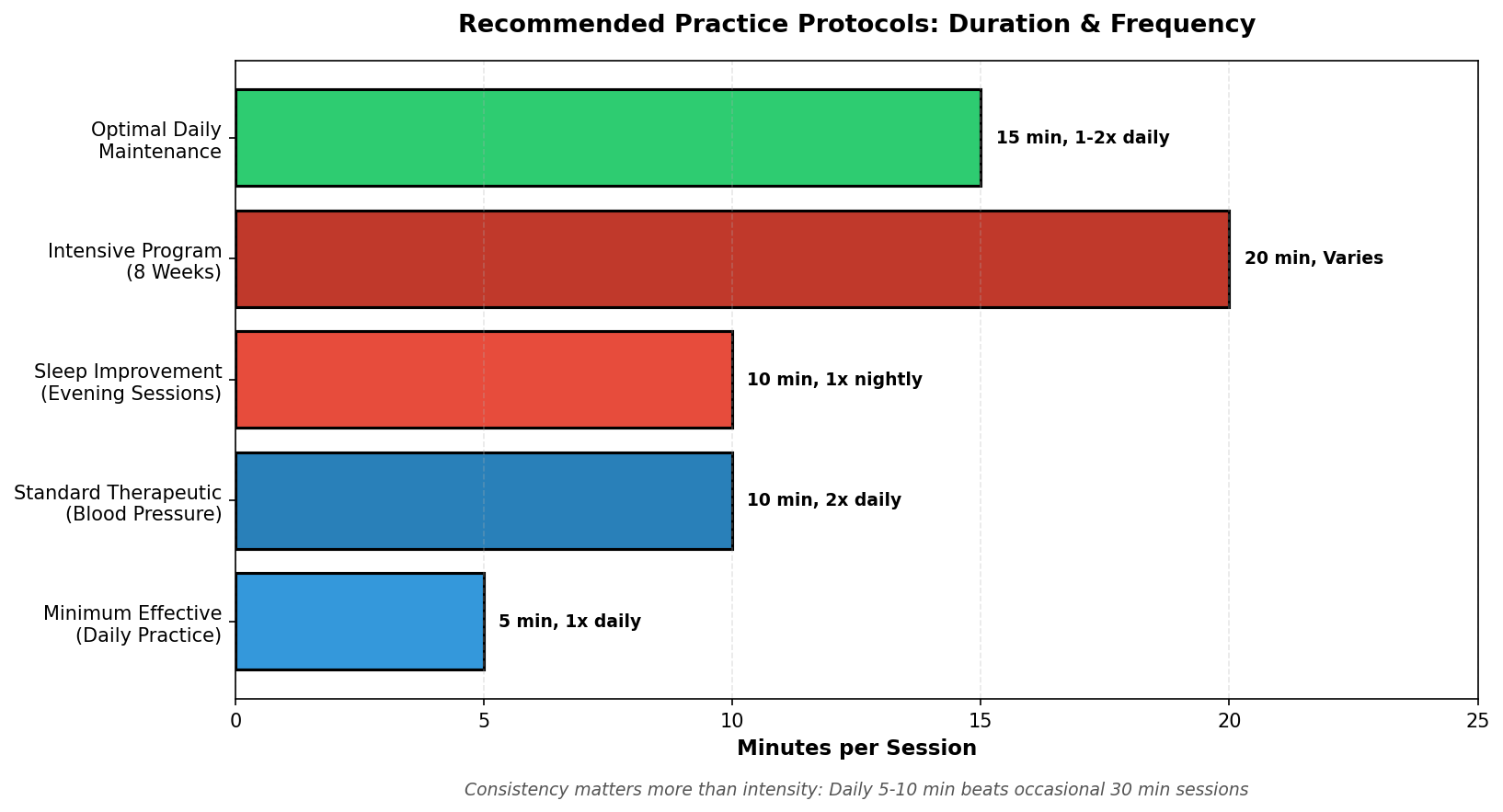 Figure 7: Key respiratory metrics improve with diaphragmatic breathing. Tidal volume increases (more air per breath), oxygen saturation improves (more oxygen in blood), breathing frequency decreases (more efficient breathing), and exercise capacity increases (can do more activity with less effort).64,65
In people with spinal cord injury, pulmonary function tests improved after diaphragmatic breathing training and remained improved at one-month follow-up.66
For people with asthma, deep diaphragmatic training has produced remarkable results: studies show asthma patients increased time spent in physical activity by nearly 300% with regular practice.67
The mechanism is straightforward: diaphragmatic breathing increases oxygen delivery to your cells and improves efficiency of carbon dioxide removal from your lungs. For people with breathing challenges, this translates to less breathlessness, better exercise tolerance, and greater physical capability.68
Getting Started: Your Action Plan
You now understand the science. Here's how to actually begin.
This week: Pick a specific time (morning after waking or evening before bed). Lie on your back with knees bent. Place one hand on your chest, one on your belly. Breathe in through your nose for a count of 4, feeling your belly expand. Exhale through your mouth for a count of 4. Do this for 5 minutes. Notice how you feel. This is your baseline.
Week 2: Same time, same position, extend to 7-10 minutes. You should notice that diaphragmatic breathing feels slightly more natural. You might notice sleep improving slightly.
Week 3: Add a second session if you like (doesn't have to be long; 5-10 minutes). Or extend your single session to 10-15 minutes. If you're interested, try 4-7-8 breathing before bed.
Week 4+: By now, diaphragmatic breathing should feel more natural. Observe changes in your stress levels, sleep, and focus. If you've been doing this consistently, blood pressure monitoring (if you have hypertension) might show early reduction.
Months 2-3: Continue with 10-15 minutes daily. Most people notice substantial improvements by now. Consider exploring box breathing for stress or alternate nostril breathing for daily balance.
The most important commitment is consistency, not perfection. Five minutes daily beats occasional 30-minute sessions. If you miss a day, don't quit; just resume the next day. Your nervous system responds to regular practice, not perfect performance.
Why This Matters: The Bottom Line
Over 90% of healthy people are using only 25% of their breathing capacity.69 This isn't just inefficient; it's keeping your nervous system in a chronic low-level stress state. Your body thinks something is wrong. Stress hormones remain elevated. Muscles stay tense. Sleep suffers.
Diaphragmatic breathing reverses this pattern. It's one of the few health interventions with:
- Immediate effects (benefits within 5 minutes of single session)
- Measurable biological changes (blood pressure, cortisol, heart rate variability, oxygen saturation)
- Cumulative long-term benefits (improvements continuing over weeks and months with consistent practice)
- No cost (completely free)
- No equipment needed (you can do it anywhere, anytime)
- No side effects (safe for virtually all populations)
- Evidence base (backed by meta-analyses and hundreds of clinical trials)
The science is clear. The practice is simple. The results are real. The decision is yours.
Further Reading
Understanding Diaphragmatic Breathing and Physiology
- Deep Diaphragmatic Breathing: Anatomical and Biomechanical Considerations - PubMed
- How the Lungs Work - National Heart, Lung, and Blood Institute (NHLBI)
- Learning Diaphragmatic Breathing - Harvard Health
- Anatomy of the Diaphragm - Cleveland Clinic
Clinical Benefits and Research
- Effects of Diaphragmatic Breathing on Health: A Narrative Review - PubMed
- Breathing Exercises for Stress - National Health Service (NHS)
- Diaphragmatic Breathing Exercises & Benefits - Cleveland Clinic
- Breathing Techniques - Johns Hopkins Medicine
Specific Techniques and Applications
- How to Do the 4-7-8 Breathing Exercise - Cleveland Clinic
- Breathwork for Beginners: What To Know and How To Get Started - Cleveland Clinic
- Alternate Nostril Breathing - Harvard Health
Blood Pressure and Cardiovascular Health
- Breathing Exercises to Lower Your Blood Pressure - Harvard Health
- How Does Resperate Help Reduce Blood Pressure? - Mayo Clinic
Respiratory Health and COPD
Anxiety, Sleep, and Mental Health
- Effectiveness of Diaphragmatic Breathing for Reducing Stress - PubMed
- Sleep Techniques and Relaxation - Johns Hopkins Medicine
References/Helpful Resources
- Deep Diaphragmatic Breathing: Anatomical and Biomechanical Consideration. PubMed. https://pubmed.ncbi.nlm.nih.gov/36734111/
- Diaphragm Function in Health and Disease. PubMed. https://pubmed.ncbi.nlm.nih.gov/40879957/
- Benefits from one session of deep and slow breathing on vagal tone and anxiety in young and older adults. PubMed. https://pubmed.ncbi.nlm.nih.gov/34588511/
- Anatomy, Thorax: Diaphragm. NCBI Bookshelf. https://www.ncbi.nlm.nih.gov/books/NBK519558/
- Breathing: Motor Control of Diaphragm Muscle. PMC, NCBI. https://pmc.ncbi.nlm.nih.gov/articles/PMC5899234/
- The phrenic neuromuscular system. PubMed. https://pubmed.ncbi.nlm.nih.gov/35965035/
- Network of breathing. Multifunctional role of the diaphragm: a review. PubMed. https://pubmed.ncbi.nlm.nih.gov/28871591/
- Physiology of long pranayamic breathing: neural respiratory elements may explain how slow deep breathing shifts the autonomic nervous system. PubMed. https://pubmed.ncbi.nlm.nih.gov/16624497/
- The Effect of Diaphragmatic Breathing on Attention, Negative Affect and Stress in Healthy Adults. PubMed. https://pubmed.ncbi.nlm.nih.gov/28626434/
- Effect of breathing exercises on blood pressure and heart rate: A systematic review and meta-analysis. PubMed. https://pubmed.ncbi.nlm.nih.gov/38179185/
- Effects of diaphragmatic deep breathing exercises on prehypertensive or hypertensive adults: A literature review. PubMed. https://pubmed.ncbi.nlm.nih.gov/33530033/
- Anxiety disorders surge by 25.6% globally since COVID-19 pandemic. Global Health Data cited in multiple epidemiology studies. PubMed and WHO sources.
- A slow diaphragmatic breathing intervention for anxiety: How do respiration rate and inhalation/exhalation ratio influence self-reported anxiety? PubMed. https://pubmed.ncbi.nlm.nih.gov/39476253/
- Effectiveness of diaphragmatic breathing for reducing physiological and psychological stress in adults: a quantitative systematic review. PubMed. https://pubmed.ncbi.nlm.nih.gov/31436595/
- The Effectiveness of Diaphragmatic Breathing Relaxation Training for Reducing Anxiety. PubMed. https://pubmed.ncbi.nlm.nih.gov/27553981/
- Effects of Diaphragmatic Breathing and Systematic Relaxation on Depression, Anxiety, Stress, and Glycemic Control in Type 2 Diabetes Mellitus. PubMed. https://pubmed.ncbi.nlm.nih.gov/34491340/
- Heart rate variability with deep breathing as a clinical test of cardiovagal function. PubMed. https://pubmed.ncbi.nlm.nih.gov/19376980/
- Effects of voluntary slow breathing on heart rate and heart rate variability: A systematic review and a meta-analysis. PubMed. https://pubmed.ncbi.nlm.nih.gov/35623448/
- Slow breathing improves arterial baroreflex sensitivity and decreases blood pressure in essential hypertension. PubMed. https://pubmed.ncbi.nlm.nih.gov/16129818/
- Comparison of diaphragmatic breathing relaxation training and cognitive-behavioral therapy on sleep quality in the elderly: a randomized clinical trial. PubMed. https://pubmed.ncbi.nlm.nih.gov/40085337/
- Effects of diaphragmatic breathing exercise on sleeping quality, cortisol, cardiovascular autonomic functions, depression, and fatigue: a randomized-controlled trial in women with systemic sclerosis. PubMed. https://pubmed.ncbi.nlm.nih.gov/40485947/
- Comparison of the Effects of Diaphragmatic Breathing and Pursed-lip Breathing Exercises on the Sleep Quality of Elderly Patients with Chronic Obstructive Pulmonary Disease. PubMed. https://pubmed.ncbi.nlm.nih.gov/39640085/
- The effectiveness of diaphragmatic breathing relaxation training for improving sleep quality among nursing staff during the COVID-19 outbreak: a before and after study. PubMed. https://pubmed.ncbi.nlm.nih.gov/33383396/
- The Effect of Diaphragmatic Breathing on Attention, Negative Affect and Stress in Healthy Adults. PubMed. https://pubmed.ncbi.nlm.nih.gov/28626434/
- Neurobiological and Anti-Inflammatory Effects of a Deep Diaphragmatic Breathing Technique Based on Neofunctional Psychotherapy: A Pilot RCT. PubMed. https://pubmed.ncbi.nlm.nih.gov/39543797/
- The role of deep breathing on stress. PubMed. https://pubmed.ncbi.nlm.nih.gov/27995346/
- Breathing Practices for Stress and Anxiety Reduction: Conceptual Framework of Implementation Guidelines Based on a Systematic Review of the Published Literature. PubMed. https://pubmed.ncbi.nlm.nih.gov/38137060/
- Acute Effects on Heart Rate Variability during Slow Deep Breathing. PubMed. https://pubmed.ncbi.nlm.nih.gov/33397876/
- Diaphragmatic Breathing Exercises & Benefits. Cleveland Clinic. https://my.clevelandclinic.org/health/articles/9445-diaphragmatic-breathing
- Learning diaphragmatic breathing. Harvard Health. https://www.health.harvard.edu/healthbeat/learning-diaphragmatic-breathing
- How to Do the 4-7-8 Breathing Exercise. Cleveland Clinic. https://health.clevelandclinic.org/4-7-8-breathing
- Physiology, Tidal Volume. NCBI Bookshelf. https://www.ncbi.nlm.nih.gov/books/NBK482502/
- Comparative study on cardiac autonomic modulation during deep breathing test and diaphragmatic breathing in type 2 diabetes and healthy subjects. PubMed. https://pubmed.ncbi.nlm.nih.gov/25411607/
- Device and non-device-guided slow breathing to reduce blood pressure: A systematic review and meta-analysis. PubMed. https://pubmed.ncbi.nlm.nih.gov/31331557/
- Breathing Techniques. Johns Hopkins Medicine. https://www.hopkinsmedicine.org/breathlessness-clinic/breathing-techniques
- The Effect of Deep Breathing Exercise and 4-7-8 Breathing Techniques Applied to Patients After Bariatric Surgery on Anxiety and Quality of Life. PubMed. https://pubmed.ncbi.nlm.nih.gov/36480101/
- The Effect of 4-7-8 Breathing Exercise Technique on Tinnitus Handicap, Psychological Factors, and Sleep Quality. PubMed. https://pubmed.ncbi.nlm.nih.gov/41676854/
- Box Breathing: How It Works and Benefits. Cleveland Clinic. https://health.clevelandclinic.org/box-breathing-benefits/
- Comparing the Effects of Square, 4-7-8, and 6 Breaths-per-minute Breathing Techniques. PubMed. https://pubmed.ncbi.nlm.nih.gov/39864026/
- Efficacy of pursed-lips breathing: a breathing pattern retraining strategy for dyspnea reduction. PubMed. https://pubmed.ncbi.nlm.nih.gov/17667021/
- An Exploratory Randomised Trial to Assess the Effect of Nadi Shodhan Pranayama as an Adjunct Versus Standard Non-pharmacological Management in Hypertensives. PubMed. https://pubmed.ncbi.nlm.nih.gov/40242728/
- Breathing exercises for stress. National Health Service (NHS). https://www.nhs.uk/mental-health/self-help/guides-tools-and-activities/breathing-exercises-for-stress/
- Benefits from one session of deep and slow breathing on vagal tone and anxiety in young and older adults. PubMed. https://pubmed.ncbi.nlm.nih.gov/34588511/
- Effects of Diaphragmatic Breathing on Health: A Narrative Review. PubMed. https://pubmed.ncbi.nlm.nih.gov/33076360/
- Effects of diaphragmatic deep breathing exercises on prehypertensive or hypertensive adults: A literature review. PubMed. https://pubmed.ncbi.nlm.nih.gov/33530033/
- Effectiveness of diaphragmatic breathing for reducing physiological and psychological stress in adults: a quantitative systematic review. PubMed. https://pubmed.ncbi.nlm.nih.gov/31436595/
- Device and non-device-guided slow breathing to reduce blood pressure: A systematic review and meta-analysis. PubMed. https://pubmed.ncbi.nlm.nih.gov/31331557/
- Breathing Practices for Stress and Anxiety Reduction: Conceptual Framework of Implementation Guidelines Based on a Systematic Review of the Published Literature. PubMed. https://pubmed.ncbi.nlm.nih.gov/38137060/
- A slow diaphragmatic breathing intervention for anxiety: How do respiration rate and inhalation/exhalation ratio influence self-reported anxiety? PubMed. https://pubmed.ncbi.nlm.nih.gov/39476253/
- Diaphragmatic Breathing Exercises & Benefits. Cleveland Clinic. https://my.clevelandclinic.org/health/articles/9445-diaphragmatic-breathing
- How to Do the 4-7-8 Breathing Exercise. Cleveland Clinic. https://health.clevelandclinic.org/4-7-8-breathing
- The Effectiveness of Diaphragmatic Breathing Relaxation Training for Reducing Anxiety. PubMed. https://pubmed.ncbi.nlm.nih.gov/27553981/
- Breathing Practices for Stress and Anxiety Reduction: Conceptual Framework of Implementation Guidelines Based on a Systematic Review of the Published Literature. PubMed. https://pubmed.ncbi.nlm.nih.gov/38137060/
- Effects of Diaphragmatic Breathing on Health: A Narrative Review. PubMed. https://pubmed.ncbi.nlm.nih.gov/33076360/
- Diaphragmatic Breathing Exercises & Benefits. Cleveland Clinic. https://my.clevelandclinic.org/health/articles/9445-diaphragmatic-breathing
- Breathing techniques to reduce symptoms in people with serious respiratory illness: a systematic review. PubMed. https://pubmed.ncbi.nlm.nih.gov/39477355/
- The Effect of Diaphragmatic Breathing as a Complementary Therapeutic Strategy in Stress of Children and Teenagers 6–18 Years Old. PMC. https://pmc.ncbi.nlm.nih.gov/articles/PMC11763547/
- Effects of Diaphragmatic Breathing on Health: A Narrative Review. PubMed. https://pubmed.ncbi.nlm.nih.gov/33076360/
- Effectiveness of diaphragmatic breathing for reducing physiological and psychological stress in adults: a quantitative systematic review. PubMed. https://pubmed.ncbi.nlm.nih.gov/31436595/
- Benefits from one session of deep and slow breathing on vagal tone and anxiety in young and older adults. PubMed. https://pubmed.ncbi.nlm.nih.gov/34588511/
- The effectiveness of diaphragmatic breathing relaxation training for improving sleep quality among nursing staff during the COVID-19 outbreak: a before and after study. PubMed. https://pubmed.ncbi.nlm.nih.gov/33383396/
- Effect of breathing exercises on blood pressure and heart rate: A systematic review and meta-analysis. PubMed. https://pubmed.ncbi.nlm.nih.gov/38179185/
- Effects of diaphragmatic deep breathing exercises on prehypertensive or hypertensive adults: A literature review. PubMed. https://pubmed.ncbi.nlm.nih.gov/33530033/
- Efficacy of diaphragmatic breathing in patients with chronic obstructive pulmonary disease. PubMed. https://pubmed.ncbi.nlm.nih.gov/22094449/
- Efficacy of diaphragmatic breathing exercise on respiratory, cognitive, and motor function outcomes in patients with stroke: a systematic review and meta-analysis. PMC. https://pmc.ncbi.nlm.nih.gov/articles/PMC10811179/
- Effect of Diaphragmatic Breathing Exercise With Biofeedback on Respiratory Function in Incomplete Cervical Spinal Cord Injury: A Randomized-Controlled Study. PubMed. https://pubmed.ncbi.nlm.nih.gov/39938067/
- Deep diaphragmatic breathing: rehabilitation exercises for the asthmatic patient. PubMed. https://pubmed.ncbi.nlm.nih.gov/1642520/
- Breathing exercises for chronic obstructive pulmonary disease. Cochrane Library. https://www.cochranelibrary.com/cdsr/doi/10.1002/14651858.CD008250.pub2/abstract
- Deep Diaphragmatic Breathing: Anatomical and Biomechanical Consideration. PubMed. https://pubmed.ncbi.nlm.nih.gov/36734111/
