

What Is Zollinger-Ellison Syndrome and Why It Matters
Zollinger-Ellison Syndrome (ZES) is a rare condition where a small tumour in your pancreas or small intestine produces too much gastrin: a hormone that tells your stomach to make acid. The result: your stomach becomes an acid factory running at full capacity, creating severe ulcers and chronic diarrhoea that can dominate your daily life.
If you've been diagnosed with ZES, you may feel like you've been through a medical odyssey. Most people with ZES aren't diagnosed for 5 years after symptoms begin. That's nearly five years of treating the wrong condition, suffering unnecessarily, and wondering why standard treatments aren't working. You're not alone in this frustrating experience.
The good news is straightforward: modern medication combined with smart dietary and lifestyle choices makes ZES manageable. This article covers what you need to know to take back control of your life.
Understanding Your Diagnosis: The Facts About ZES
How Rare Is It?
ZES affects only 1 in every million people annually. This rarity explains why many doctors have never seen a case in their entire careers and why diagnosis often takes years.
The condition typically appears between ages 20 and 50, during your most productive working years. Most ZES patients are diagnosed between these ages, when managing a chronic illness can feel especially challenging.
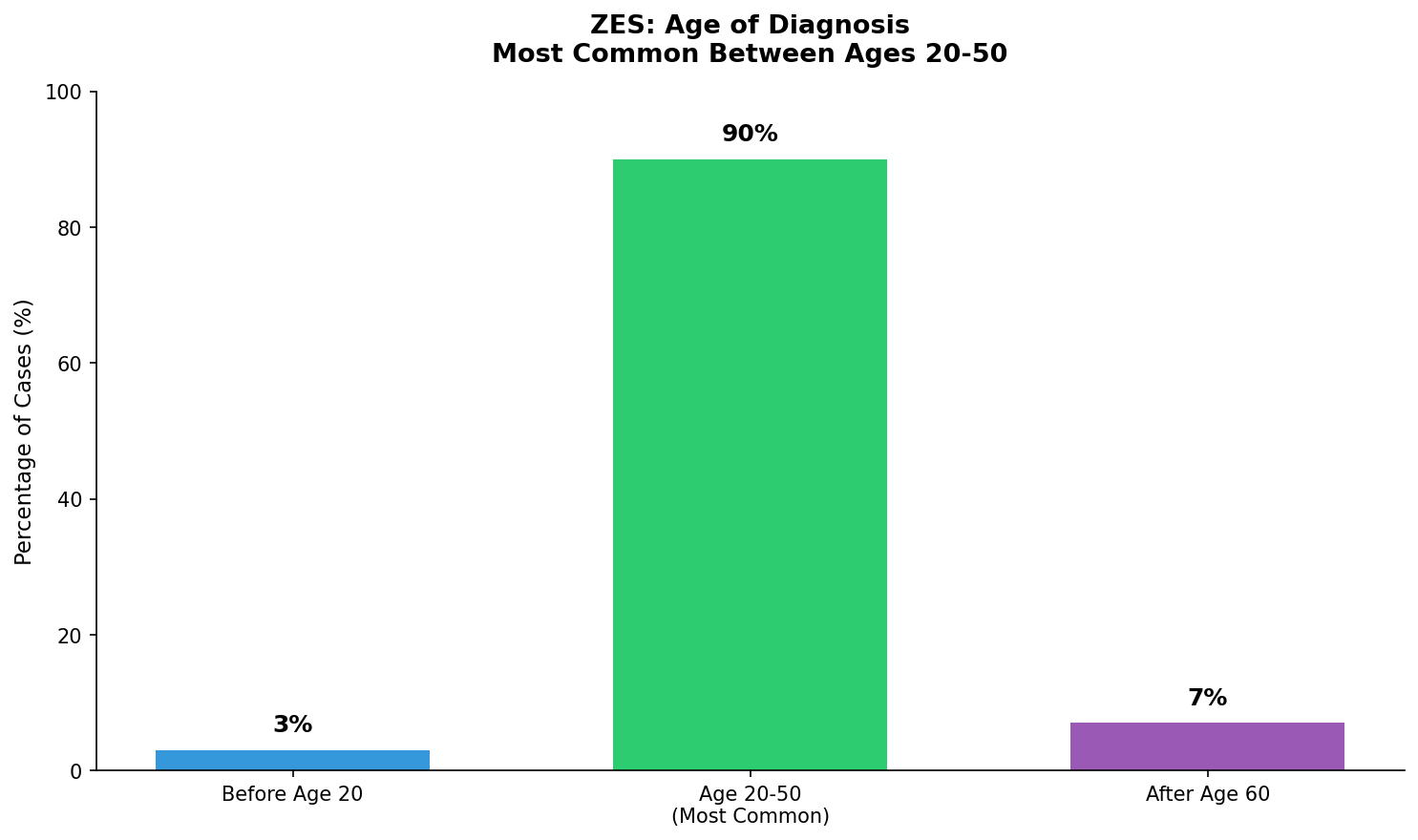
Figure 1: Most ZES cases appear during working and family years (ages 20-50), not in childhood or old age.
Is Your ZES Genetic?
About 1 in 5 ZES cases are genetic, linked to a syndrome called Multiple Endocrine Neoplasia Type 1 (MEN-1). The other 4 in 5 cases happen randomly with no family history. If MEN-1 runs in your family, genetic screening could catch ZES much earlier, before complications develop.
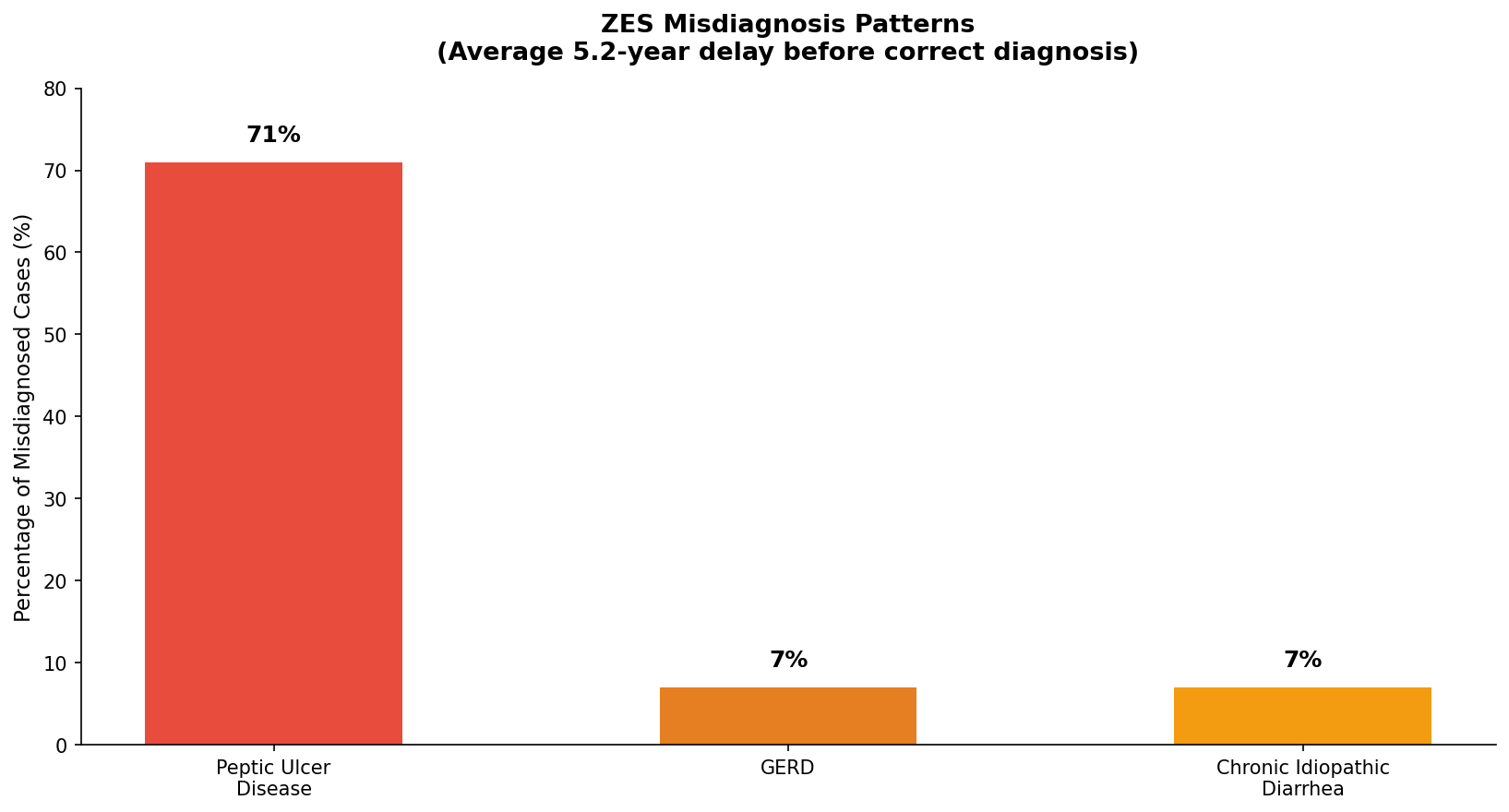 Figure 2: Most ZES cases (80%) occur randomly. About 1 in 5 are linked to the genetic syndrome MEN-1.
Why You've Probably Been Misdiagnosed
The 5-year diagnostic delay isn't because doctors are careless. It's because ZES mimics common conditions so well that even thorough investigations often miss it. Here's what typically happens: 71% of eventually-diagnosed ZES patients were initially told they had peptic ulcer disease. Another 7% were told they had GERD (acid reflux), and another 7% were told they had chronic diarrhoea from an unknown cause.
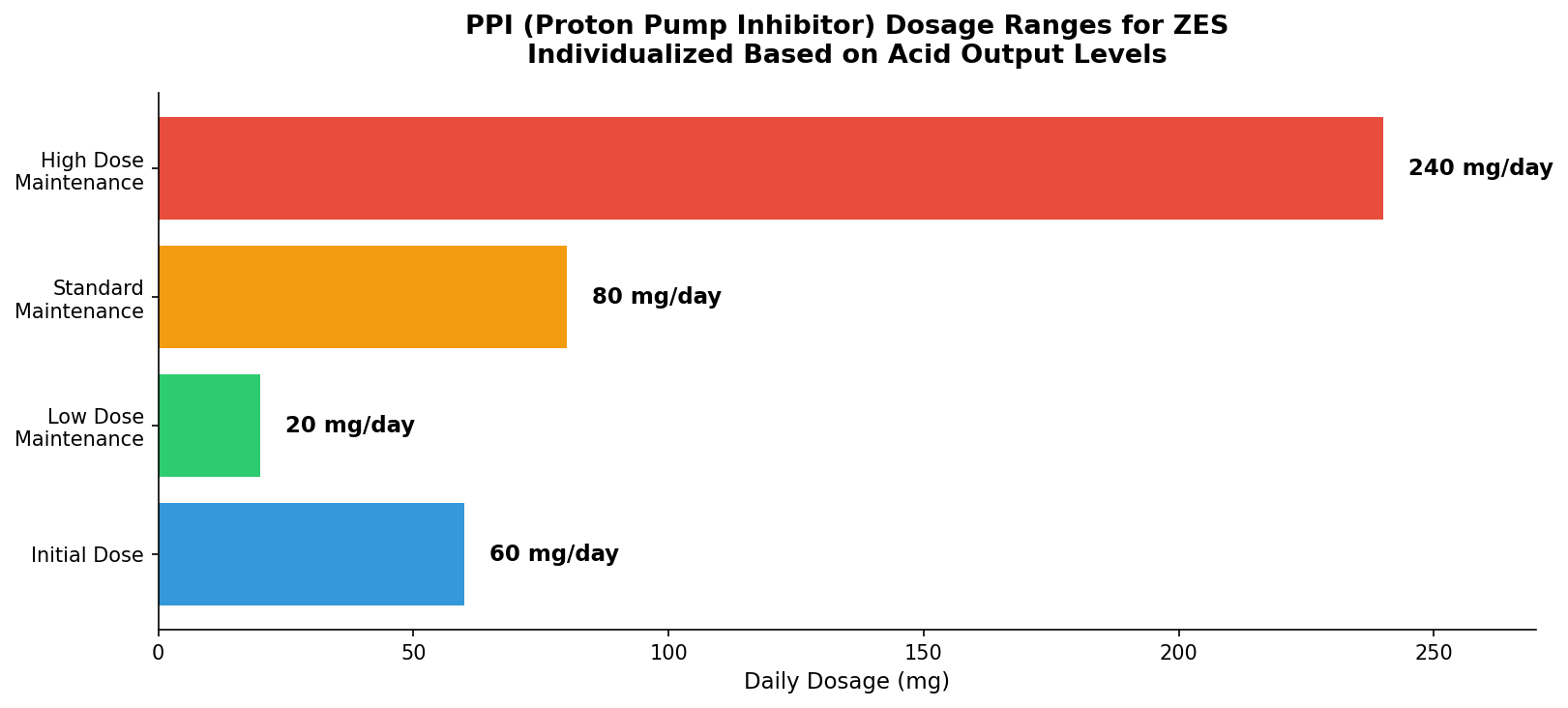 Figure 3: Peptic ulcer disease (71%) is the most common initial misdiagnosis. ZES mimics common conditions, which delays correct diagnosis.
Why Medication Is Your Foundation
Before 1989, there was no effective medicine for ZES. Doctors had to remove the entire stomach to stop the acid overproduction. It was drastic, life-changing surgery with serious long-term consequences.
Then proton pump inhibitors (PPIs) arrived, and everything changed. Today, 70-90% of ZES patients manage the condition with medication instead of surgery. This is one of the most dramatic transformations in gastrointestinal medicine.
How PPIs Work (In Plain English)
Your stomach lining contains millions of tiny acid-producing factories called parietal cells. Gastrin is the "turn on" signal for these factories. In ZES, your gastrinoma ( cells that secrete gastrin) keeps sending that signal relentlessly, even when you're sleeping, even when your stomach is empty.
PPIs work by blocking the final step where these cells actually make acid. Think of it as putting a brake on the acid production, regardless of how many "turn on" signals the gastrin is sending. This is why PPIs are so effective: they work at the cellular level, not just at the symptom level.
Why You Can't Skip Your Medication
This is critical and worth emphasising: stopping PPI medication even for 48 hours can cause life-threatening complications. Patients who have accidentally stopped their PPIs have developed severe oesophageal strictures (dangerous narrowing), intestinal perforations (holes), and severe bleeding within two days.
This isn't an exaggeration or a typical medication warning. This is a genuine medical emergency risk specific to ZES. Your medication is literally keeping your digestive tract from falling apart. This is why:
- Set daily reminders on your phone
- Use a pill organiser to track doses
- Arrange automatic prescription refills
- Never interrupt medication without explicit instructions from your doctor
- If you're struggling to take medication consistently, talk to your healthcare team immediately
Typical PPI Dosing
Most people start on a high dose to get acid under control quickly: 60 mg daily of omeprazole or lansoprazole. Once acid suppression is established, maintenance doses often drop significantly. About 2 out of 3 patients can eventually take just 20 mg once or twice daily, a much more manageable long-term load.
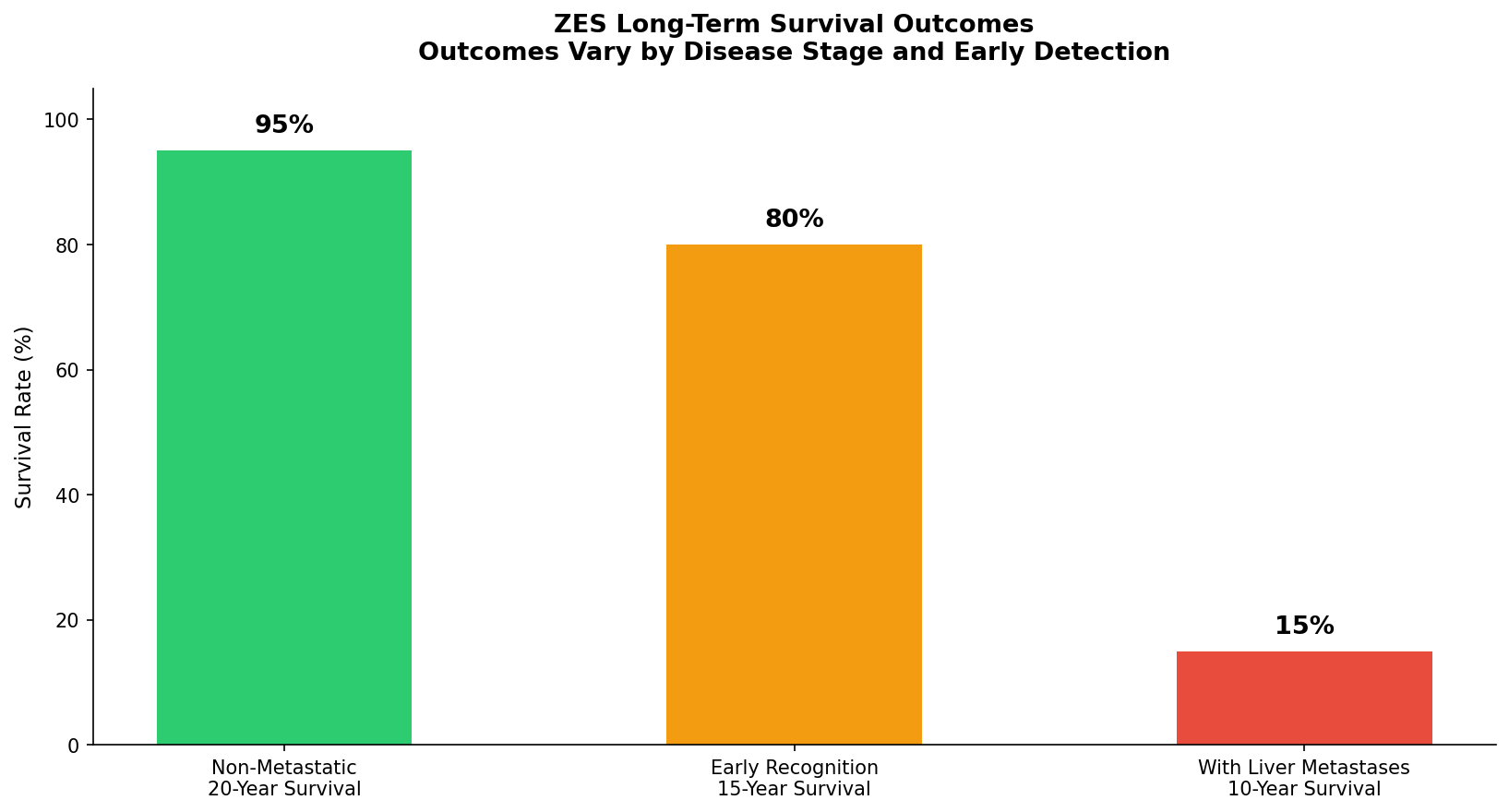
Figure 4: PPI doses are individualised and typically start high (60 mg daily) then decrease to maintenance levels (20-80 mg daily) once acid control is achieved.
Your specific dose depends on your acid output levels; your doctor will measure these to determine what dose works for you. Doses aren't one-size-fits-all; they're tailored to your body's specific needs.
Food Choices: Creating Your Personal Plan
Here's an important context before we dive into specific foods: dietary restrictions are significantly less stringent than they were before PPI medication existed. Modern medication allows your stomach lining to heal, which usually means your food tolerance improves over weeks and months.
This means the dietary guidelines below are not permanent restrictions. Think of them as a temporary framework during the initial treatment phase. As your gastrointestinal tract heals, many of these restrictions can be gradually eased.
Foods That Typically Trigger Symptoms
These foods either stimulate extra stomach acid production or irritate already-ulcerated tissue:
- Spicy foods: Chilli peppers, hot sauces, and heavily spiced dishes irritate your stomach lining
- Caffeinated beverages: Coffee, black tea, and caffeinated soft drinks stimulate acid production
- Fried and fatty foods: These slow gastric emptying, keeping food (and acid) in your stomach longer
- Chocolate and caffeine-containing products: Caffeine is a direct acid stimulator
- Alcohol: Stimulates acid production and irritates the mucosa
- Tobacco: Worsens ulcers and should be avoided completely
- Carbonated beverages: May increase gastric distension and discomfort
The key insight: think of these like pressing on an open wound. They either make your stomach work harder (increasing acid) or directly irritate the already-damaged tissue.
Foods Generally Well-Tolerated
Focus on these during the acute phase:
- Low-acid fruits: Bananas, apples, pears, melon (avoid citrus)
- Vegetables: Green vegetables, root vegetables, most cooked vegetables
- Lean proteins: Chicken, turkey, fish, tofu without heavy sauces
- Whole grains: Oats, brown rice, whole wheat bread
- Low-fat dairy: Milk, yoghurt, mild cheeses in moderation
- Herbs and mild seasonings: Instead of hot spices, use mild herbs
Preparation Methods That Help
- Grilling, baking, steaming, or boiling (avoid frying)
- Minimal added fats or oils
- Bland seasonings focused on flavour without irritation
- Soft, easily digestible preparations
The Practical Meal Pattern That Works
Eat 4-6 small meals daily instead of 2-3 large ones. This is one of the most important dietary modifications. Here's why: large meals distend your stomach, which triggers your gastrin to release more acid and tells your stomach cells to produce more acid. Small, frequent meals keep your stomach from becoming overfull, which naturally reduces the stimulus for excess acid production.
Think of it this way: you're trying to avoid triggering the acid-production response. Large meals are like pulling a fire alarm. Small meals let you eat without sounding alarms throughout your gastrointestinal tract.
- Aim for approximately 6-8 ounces of solid food per meal
- Space meals 2-3 hours apart
- Avoid eating 2-3 hours before bedtime (this is critical for sleep quality)
- This gives your stomach time to empty before you lie down
Hydration and Beverages
Despite diarrhoea being a common ZES symptom, your intestines actually reabsorb about 96% of water that passes through them. This might sound counterintuitive, but it means adequate fluid intake is essential. When you have diarrhoea, you're losing more fluid, so you need to drink more to compensate.
- Water is your best choice: Aim for 8-10 glasses daily, more if diarrhoea is present
- Herbal tea (non-caffeinated): Acceptable and soothing
- Milk-based drinks: Provide calcium and protein
- Avoid: Caffeinated drinks (all forms), carbonated beverages, acidic juices, alcohol
Managing Diarrhoea Through Diet and Medication
Diarrhoea affects about 73% of ZES patients which is roughly 3 out of 4 people. It's caused by excess acid damaging your intestinal lining and interfering with nutrient absorption. The good news: proper acid suppression usually controls this symptom dramatically.
During Active Diarrhoea Episodes
While waiting for medication to fully stabilise:
- Reduce dietary fat: Lower-fat meals (10-20 grams fat per meal) are better tolerated
- Add soluble fibre: Oatmeal, applesauce, bananas, and white rice help firm stools
- Maintain hydration: Replace fluid losses with water and electrolyte-containing beverages if diarrhoea is severe
- Eat smaller, frequent meals: This reduces the stimulus for additional acid secretion
- Avoid known trigger foods: Particularly spicy, fatty, and caffeinated items
Important: If diarrhoea persists despite proper PPI therapy and dietary modifications, this may indicate inadequate acid suppression. Tell your doctor that your medication dose may need adjustment.
Nutritional Issues: What to Monitor
Vitamin B12 Deficiency (The Main Concern)
This is the most important nutritional issue with long-term PPI therapy. After a mean of 10.2 years of acid-suppressing treatment, 21% of ZES patients develop vitamin B12 deficiency.
B12 is normally absorbed by stomach cells, but stomach acid is needed to release B12 from food proteins first. When PPIs reduce acid, this release process becomes less efficient. Over the years, B12 stores gradually deplete.
This matters because B12 deficiency causes:
- Fatigue and low energy
- Nerve damage (neuropathy)
- Cognitive problems
- Mood changes
- Increased infection risk
Prevention and management:
- Have B12 levels checked every 1-2 years if you're on long-term PPIs
- If deficiency develops, your doctor may recommend oral B12 supplements or intramuscular B12 injections
- Intramuscular injections bypass the absorption problem entirely and are often preferred long-term
- This is preventable and highly treatable; regular monitoring catches it early.
Iron and Calcium
Despite expectations, iron deficiency is surprisingly uncommon with long-term PPI use. Studies show that even after 6-10+ years of continuous PPI therapy, most patients don't develop iron deficiency. Iron supplementation is generally not needed.
Calcium and vitamin D warrant monitoring, but iron can be crossed off your worry list.
Fat-Soluble Vitamins
Vitamins A, D, E, and K are absorbed alongside dietary fat. If you have documented fat malabsorption (steatorrhoea: fatty stools), your doctor may monitor these vitamins.
Sleep, Stress, and Long-Term Wellness
Sleep and ZES
Nighttime acid reflux and heartburn commonly disrupt sleep in ZES patients. Poor sleep worsens stress management, increases symptom perception, and creates a vicious cycle.
Sleep-improving strategies:
- Elevate the head of your bed by 30-40 degrees (use a wedge pillow or bed risers)
- Avoid eating 2-3 hours before bedtime
- Sleep on your left side (reduces acid reflux compared to right-side sleeping)
- Keep your bedroom cool, dark, and quiet
- Maintain consistent sleep and wake times
- Wear loose-fitting sleepwear (tight clothing increases abdominal pressure)
- Keep antacids within arm's reach
- Discuss evening PPI dosing with your doctor if nighttime symptoms are severe
Stress and Symptom Control
Here's a direct biological link: laboratory studies show that psychological stress dramatically increases serum gastrin levels in ZES patients. Stress isn't just affecting how you feel; it's actually worsening your body's acid production.
This means stress management isn't optional self-care. It's legitimate medical management.
Evidence-based stress reduction:
- Relaxation techniques: Progressive muscle relaxation, deep breathing, mindfulness meditation
- Cognitive behavioural approaches: Identify stress triggers, develop coping strategies, challenge negative thinking patterns
- Physical activity: Gentle exercise like walking, swimming, or yoga
- Social support: Talk with family, friends, or support groups about your condition
- Professional support: Consider counselling or therapy if stress becomes overwhelming
With proper medication, most ZES patients maintain mental health scores similar to the general population. Mental wellbeing is typically preserved when symptoms are controlled.
Exercise
While specific exercise protocols for ZES aren't extensively researched, regular physical activity provides important benefits:
- Reduces stress and anxiety (which directly helps acid control)
- Improves sleep quality
- Aids overall digestive function
- Supports cardiovascular health
- Helps maintain a healthy weight (obesity worsens reflux symptoms)
Safe exercise approaches:
- Walking, swimming, cycling, or gentle yoga
- Avoid high-intensity exercise immediately after meals
- Wait 1-2 hours after eating before vigorous activity
- Avoid exercises that increase abdominal pressure
- Start gradually and build intensity over weeks
Exercise tolerance varies widely among ZES patients depending on symptom severity. Work with your healthcare team to develop an activity plan that doesn't trigger symptoms.
Practical Life Management: Work, Relationships, and Daily Routines
Managing Work Life
ZES can affect work through frequent bathroom needs (from diarrhoea), nighttime symptoms affecting sleep quality before work, and stress at work exacerbating symptoms.
Workplace accommodations to discuss with your employer:
- Flexible break schedules for bathroom access
- Permission to keep medications at your desk
- Quiet space for stress management or brief relaxation
- Accessibility to refrigeration for meal storage if needed
- Permission to work from home on high-symptom days
Most people with well-controlled ZES maintain full work productivity. The key is planning and communication.
Social Life and Relationships
Be honest about your condition with close friends and family. They'll support you better when they understand what you're dealing with.
Social strategies:
- Choose restaurants carefully (call ahead to discuss menu options)
- Eat before or after social events if meal timing triggers symptoms
- Carry antacids or medication in your bag
- Arrange activities that don't centre on food
- Explain limitations without letting ZES isolate you
- For romantic partners, communicate how symptoms might affect intimacy and plan accordingly
When to Seek Medical Attention
Symptoms to Monitor Daily
Keep a symptom diary tracking:
- Abdominal pain (occurs in 75% of ZES patients)
- Diarrhoea (occurs in 73%)
- Heartburn or reflux (occurs in 44%)
- Weight loss or gain
- Nausea or vomiting
- Impact on sleep and daily activities
- Medication adherence
Emergency Warning Signs (Seek Urgent Care Immediately)
- Severe abdominal pain, especially sudden onset
- Vomiting blood or material resembling coffee grounds
- Black, tarry stools (sign of GI bleeding)
- Persistent vomiting despite medication
- Sudden severe abdominal pain with rigidity (possible perforation)
- Inability to keep down food or liquids
- Severe chest pain
- Unexplained weight loss of more than 10 pounds in one month
Regular Medical Appointments
- Schedule check-ups every 6-12 months with your gastroenterologist
- Have blood tests annually to check micronutrient levels (especially B12)
- Undergo upper endoscopy as recommended to assess ulcer healing
- More frequent visits if symptoms worsen or new symptoms develop
Long-Term Prognosis: What Your Future Looks Like
Here is the most important news: if your ZES has not spread to the liver, you have excellent long-term survival prospects. About 95% of patients with non-metastatic gastrinomas achieve 20-year survival. This means life expectancy with ZES can be substantially normal.
Even with early recognition of ZES, survival generally exceeds 80% at 15 years.
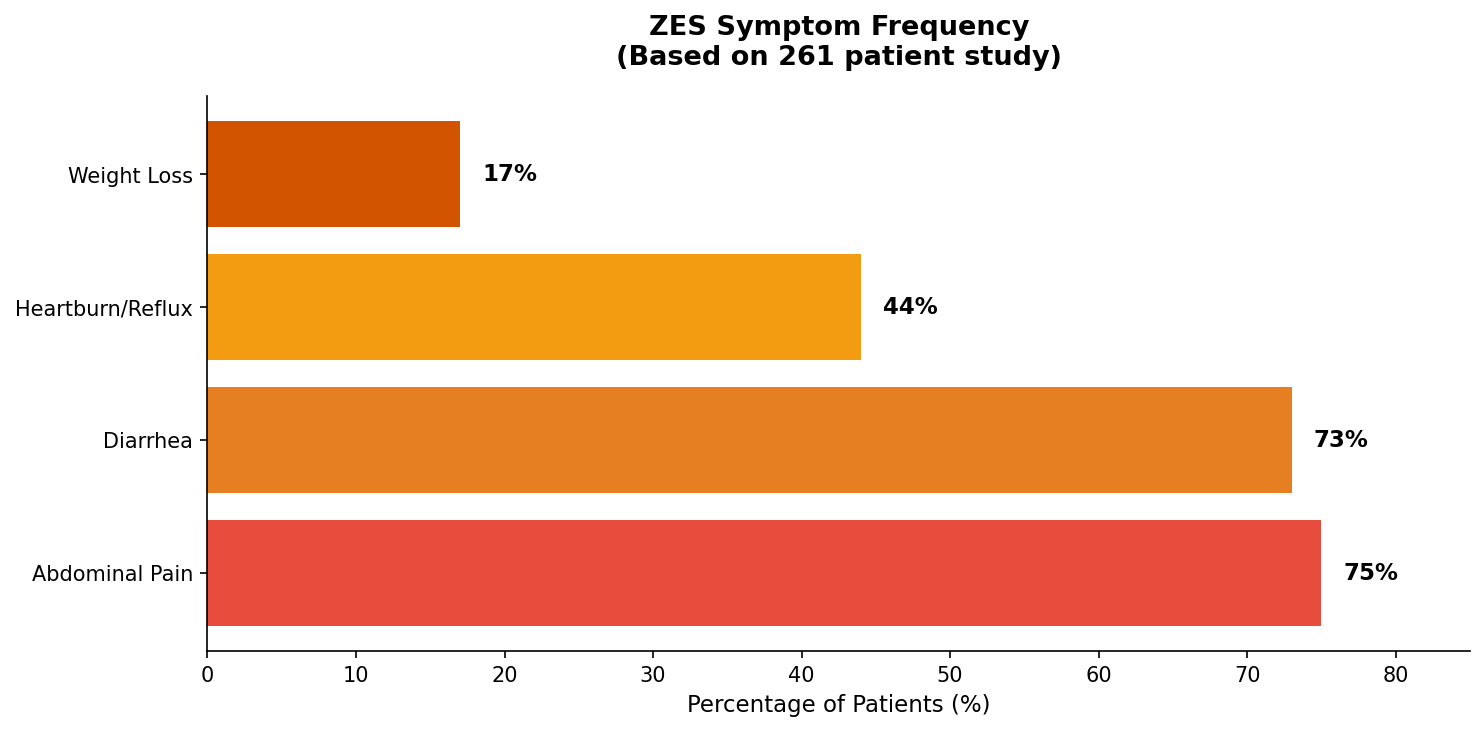 Figure 5: Survival outcomes depend primarily on whether the tumour has spread. Non-metastatic disease has excellent long-term prognosis (95% 20-year survival).
The critical insight: modern PPIs have essentially solved the acid control problem. The main determinant of long-term survival now is tumour behaviour, not acid levels. This is fundamentally different from the pre-PPI era, when acid-related complications were the primary threat.
What About Surgical Options?
Surgical cure is possible for some people. About 50% of patients with sporadic (non-genetic) gastrinomas can be surgically cured, usually through a procedure called Whipple pancreaticoduodenectomy. However, the majority of ZES patients cannot achieve surgical cure and require lifelong medical therapy.
Even without cure, lifelong medical therapy with PPIs is highly effective. Importantly, no patients in long-term studies died from acid-related complications while taking continuous PPI therapy. Modern medication is that effective.
Quality of Life Expectations
With proper PPI therapy and lifestyle management:
- Most ZES patients maintain good mental health and psychological wellbeing
- Physical limitations vary widely but are manageable
- Many ZES patients work, travel, and maintain active social lives
- Regular monitoring and medication adherence are essential
- Activity restrictions depend on individual severity
Support Resources and Communities
Specialist Organisations
National Resources (USA):
- National Institutes of Health (NIH) Patient Recruitment: provides information about clinical trials and research
- Genetic and Rare Diseases Information Center (GARD): comprehensive resources for patients and families
- National Pancreas Foundation: specialises in pancreatic conditions including gastrinoma
International Resources:
- Neuroendocrine Cancer Australia (NECA): dedicated support for ZES patients with educational resources, nurse helplines, and support groups
- Patient advocacy groups related to neuroendocrine tumours
- Online communities and forums for chronic GI disease management
Types of Support Available
- Patient education and disease management information
- Support groups connecting you with others facing similar challenges
- Counselling services for coping with chronic illness
- Clinical trial information and access to research
- Nurse helplines for direct questions
When to Seek Mental Health Support
Consider professional counselling if:
- Depression or anxiety develops
- Symptoms feel overwhelming
- Your condition significantly impacts work or relationships
- You feel isolated or unsupported
Key Takeaways for Daily Living
The Non-Negotiables
- Never skip your PPI medication – interruption risks life-threatening complications
- Attend regular medical appointments – monitoring is essential for safety
- Get annual blood tests – watch for vitamin B12 and other nutrient deficiencies
- Keep a symptom diary – helps your doctor optimise treatment
- Manage stress actively – stress directly increases gastrin and symptoms
The Lifestyle Priorities
- Sleep hygiene – elevate bed head, avoid late meals, maintain consistent schedule
- Dietary awareness – track trigger foods, eat smaller meals, time meals carefully
- Regular gentle activity – exercise without overdoing
- Communication – be honest with doctors, family, and employers about your needs
- Support networks – connect with others and professional resources when needed
Further Reading
Understanding ZES and Getting Diagnosed
- Zollinger-Ellison Syndrome Overview and Symptoms - NIDDK
- What is Zollinger-Ellison Syndrome - Cleveland Clinic
- Zollinger-Ellison Syndrome: Diagnosis and Treatment - Mayo Clinic
- Zollinger-Ellison Syndrome - Patient.info
- Zollinger-Ellison Syndrome-NHS.UK
Dietary Management for ZES
Medication and Long-Term Management
Support and Clinical Trials
References/Helpful Resources
- Klimko A, Plotogea O, Constantinescu A, Constantinescu G. Delayed Management of Zollinger-Ellison Syndrome in a Noncompliant Patient. Cureus [Internet]. 2020 [cited 2026 Aug 6]. Available from: https://www.cureus.com/articles/33902-delayed-management-of-zollinger-ellison-syndrome-in-a-noncompliant-patient.
- Rossi RE, Elvevi A, Citterio D, Coppa J, Invernizzi P, Mazzaferro V, et al. Gastrinoma and Zollinger Ellison syndrome: A roadmap for the management between new and old therapies. World J Gastroenterol [Internet]. 2021 [cited 2026 Aug 6]; 27(35):5890–907. Available from: https://pmc.ncbi.nlm.nih.gov/articles/PMC8475006/.
- Ito T, Igarashi H, Jensen RT. Zollinger-Ellison syndrome: Recent advances and controversies. Curr Opin Gastroenterol [Internet]. 2013 [cited 2026 Aug 6]; 29(6):650–61. Available from: https://pmc.ncbi.nlm.nih.gov/articles/PMC5555311/.
- Roy PK, Venzon DJ, Shojamanesh H, Abou-Saif A, Peghini P, Doppman JL, et al. Zollinger-Ellison syndrome. Clinical presentation in 261 patients. Medicine (Baltimore). 2000; 79(6):379–411. Available from:https://pubmed.ncbi.nlm.nih.gov/11144036/
- Ito T, Igarashi H, Uehara H, Jensen RT. Pharmacotherapy of Zollinger-Ellison syndrome. Expert Opin Pharmacother [Internet]. 2013 [cited 2026 Aug 6]; 14(3):307–21. Available from: https://pmc.ncbi.nlm.nih.gov/articles/PMC3580316/.
- Poitras P, Gingras M, Rehfeld JF. The Zollinger–Ellison Syndrome: Dangers and Consequences of Interrupting Antisecretory Treatment. Clinical Gastroenterology and Hepatology [Internet]. 2012 [cited 2026 Aug 6]; 10(2):199–202. Available from: https://linkinghub.elsevier.com/retrieve/pii/S1542356511008895.
- Metz DC, Soffer E, Forsmark CE, Cryer B, Chey W, Bochenek W, et al. Maintenance oral pantoprazole therapy is effective for patients with Zollinger-Ellison syndrome and idiopathic hypersecretion. Am J Gastroenterol. 2003; 98(2):301–7. Available from: https://pubmed.ncbi.nlm.nih.gov/12591045/
- Ito T, Ramos-Alvarez I, Jensen RT. Long-Term Proton Pump Inhibitor–Acid Suppressive Treatment Can Cause Vitamin B12 Deficiency in Zollinger–Ellison Syndrome (ZES) Patients. IJMS [Internet]. 2024 [cited 2026 Aug 6]; 25(13):7286. Available from: https://www.mdpi.com/1422-0067/25/13/7286.
- Norton JA, Fraker DL, Alexander HR, Gibril F, Liewehr DJ, Venzon DJ, et al. Surgery Increases Survival in Patients With Gastrinoma. Ann Surg [Internet]. 2006 [cited 2026 Aug 7]; 244(3):410–9. Available from: https://pmc.ncbi.nlm.nih.gov/articles/PMC1856542/.
- Jensen RT. Gastrinoma. In: Surgical Treatment: Evidence-Based and Problem-Oriented [Internet]. Zuckschwerdt; 2001 [cited 2026 Aug 7]. Available from: https://www.ncbi.nlm.nih.gov/books/NBK6964/.
- Ito T, Ramos-Alvarez I, Jensen RT. Successful Lifetime/Long-Term Medical Treatment of Acid Hypersecretion in Zollinger-Ellison Syndrome (ZES): Myth or Fact? Insights from an Analysis of Results of NIH Long-Term Prospective Studies of ZES. Cancers (Basel) [Internet]. 2023 [cited 2026 Aug 7]; 15(5):1377. Available from: https://pmc.ncbi.nlm.nih.gov/articles/PMC10000208/.
