

Folliculitis is more common than most people realise. Whether it is caused by a flare-up after shaving, a rash from a hot tub or persistent itchy bumps that do not look like typical acne, folliculitis affects millions globally. Many cases go untreated because people do not seek medical care, so understanding what type of folliculitis, what causes it and how it affects the skin is the first step toward effective treatment and prevention.
This article breaks down the main types of folliculitis, explains how each one affects the skin differently and outlines its treatment and prevention.
What Is Folliculitis
Folliculitis is the inflammation of hair follicles which are infected or irritated, they swell, fill with pus, and create red, painful bumps. It affects approximately 8 in 1,000 people annually, but this figure underestimates actual cases since most people manage mild folliculitis at home without seeing a doctor. This means the real prevalence is several times higher.
In competitive swimmers, for example, 2.7 % reported folliculitis—a surprisingly high rate that reflects the specific environments where folliculitis thrives.
Folliculitis can range from small bumps that disappear in days to serious infections that leave permanent scarring and hair loss. Different types of folliculitis require different treatments and using the wrong one is not only ineffective but can also contribute to antibiotic resistance.
How Your Skin Becomes Vulnerable to Folliculitis
The skin acts as a barrier against bacteria and fungi. When this barrier breaks, the hair follicles become exposed to infection leading to folliculitis. It can be caused by:
- Shaving or hair removal procedures
- Friction from tight clothing or equipment
- Scratching or picking at skin
- Prolonged moisture exposure (occlusion)
- Heat combined with humidity
Once damaged, warm, moist skin creates an ideal breeding ground for pathogens. Normal skin bacteria lose their competitive advantage, allowing harmful organisms to multiply leading to inflammation where there is redness, swelling and pus-filled pustules can develop. The inflammation can be triggered by bacteria, fungi, viruses or even mites, which is why different types of folliculitis require different treatments.
Types of Folliculitis and Treatment
Identifying the type of folliculitis is important in providing the correct treatment.
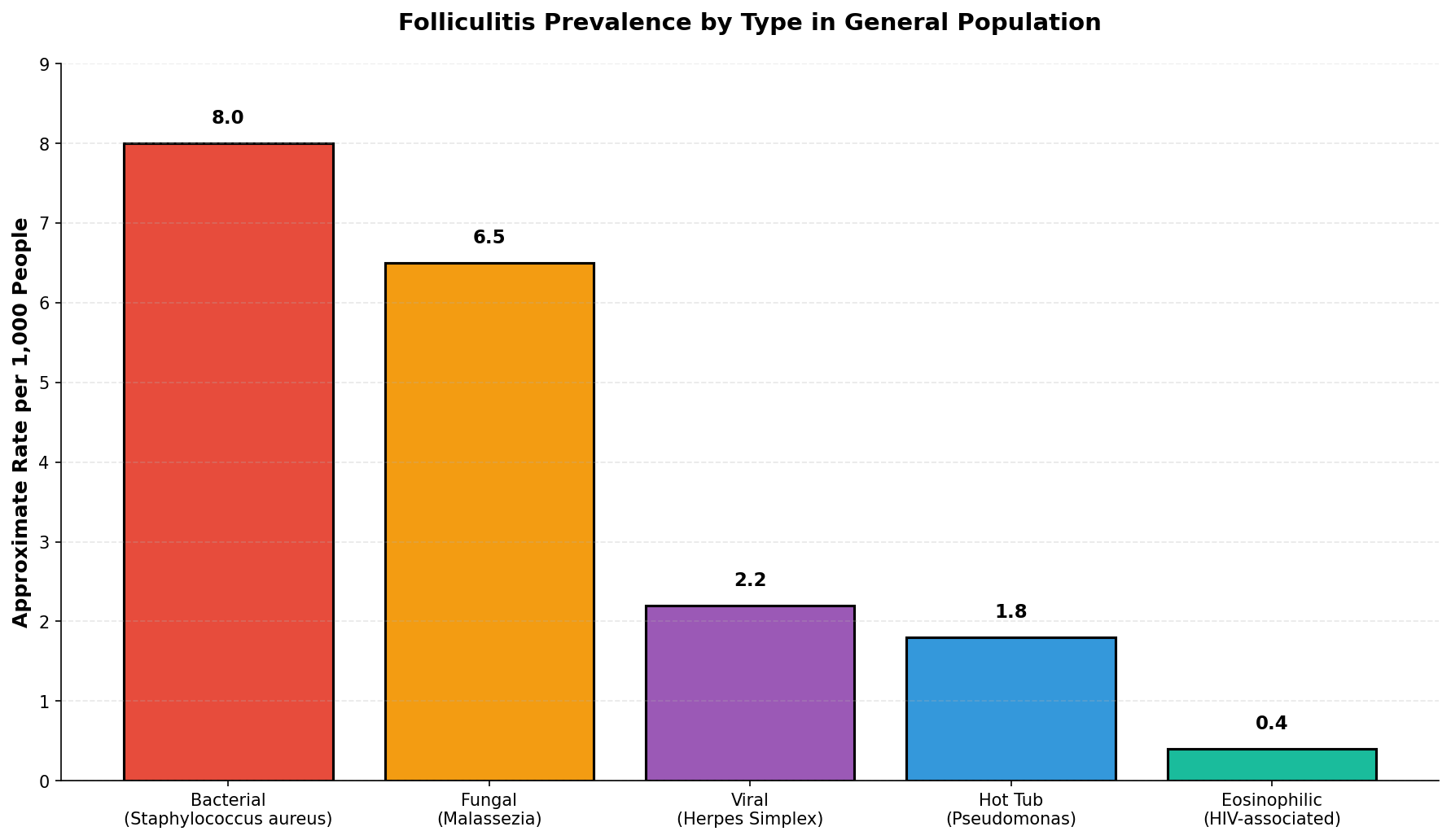
Figure 1: Folliculitis varies significantly by type, with bacterial forms being most common, followed by fungal and rarer viral forms.
Bacterial Folliculitis
Bacterial folliculitis is the most common type which is mostly caused by Staphylococcus aureus.
Staphylococcus is present on everyone's skin. When the hair follicles get damaged, typically from shaving, friction, tight clothing or minor trauma, the bacteria invades the tissue and multiplies, triggering an inflammatory response that fills follicles with white blood cells and pus.
Nearly 1 in 3 Staphylococcus strains identified are antibiotic resistant strains that require different treatments. However, community-associated MRSA (CA-MRSA), which typically affects younger, otherwise healthy people, tends to be more treatable than hospital-acquired strains.
Bacterial folliculitis creates visible, red, pus-filled bumps centred around individual hairs. These usually appear on areas prone to friction or shaving, like legs, underarms, neck or the beard area. Most bacterial folliculitis is superficial, affecting only the upper portion of hair follicles. However, a scarring type called folliculitis decalvans can spread deeper, causing permanent hair loss if untreated.
In folliculitis decalvans, bacteria colonise not just the lesion areas but also non-lesional skin in 80% of cases, creating persistent, abnormal microbiota that makes recurrence common. This is why some people experience repeated episodes even with treatment.
Mild bacterial folliculitis often resolves within days with good home care such as warm, moist compresses, antibacterial cleansers, and anti-itch creams.. Moderate to severe cases require antibiotics, which achieves 50-60% effectiveness but often lead to recurrence within 5-7 months. Scarring folliculitis requires longer treatment (typically 3+ months) and sometimes needs combination therapies. Oral minocycline or doxycycline (100 mg twice daily) is first-line for scarring types, often combined with topical antibiotics or rifampicin for 3+ months. For resistant cases, options include oral isotretinoin, intralesional steroids, topical tacrolimus, photodynamic therapy or laser hair removal. The steroid-sparing alternative tacrolimus is preferred for long-term use to avoid skin atrophy and other side effects from prolonged steroid exposure.
Fungal Folliculitis
Fungal folliculitis, caused primarily by Malassezia species, is commonly misdiagnosed as acne.
Prevalence ranges from 1-2% to as high as 16% depending on geographic location and gender. Malassezia thrives on oily skin and in warm, humid environments. It is particularly common in adolescents and young adults whose sebaceous glands are most active and more common in men than women.
More importantly, approximately 25% of patients presenting with acne-like bumps actually have Malassezia folliculitis, which means roughly 1 in 4 people who think they have acne have a fungal infection requiring completely different treatment. Therefore, treatment using antibiotics for a fungal infection is not only ineffective but can actually worsen it.
The rash looks remarkably similar to acne vulgaris. Malassezia folliculitis produces uniform-sized, itchy red bumps and pustules, however, it is intensely pruritic (itchy) and does not respond to antibiotics or acne medications. Most people only discover they have fungal folliculitis when acne treatments fail and dermatologists recommend an antifungal instead.
Fungal folliculitis typically affects the trunk and proximal extremities (upper arms and inner thighs) rather than the face. The bumps are monomorphic (uniformly sized), often in clusters and accompanied by itching. Unlike bacterial folliculitis, scarring is minimal.
Oral antifungals (particularly itraconazole or fluconazole) achieve 92% success rates which is substantially better than bacterial folliculitis antibiotics. Topical antifungals like ketoconazole shampoo work for many, with a 81.6% success rate, though oral treatment is typically faster and more reliable. Most people start with oral treatment for faster results.
However, Malassezia relapses frequently. 75-100 % of people experience recurrence within 3-4 months after treatment ends. This is because Malassezia spores persist in the skin even after successful treatment. Long-term management often requires periodic antifungal courses or maintenance therapy.
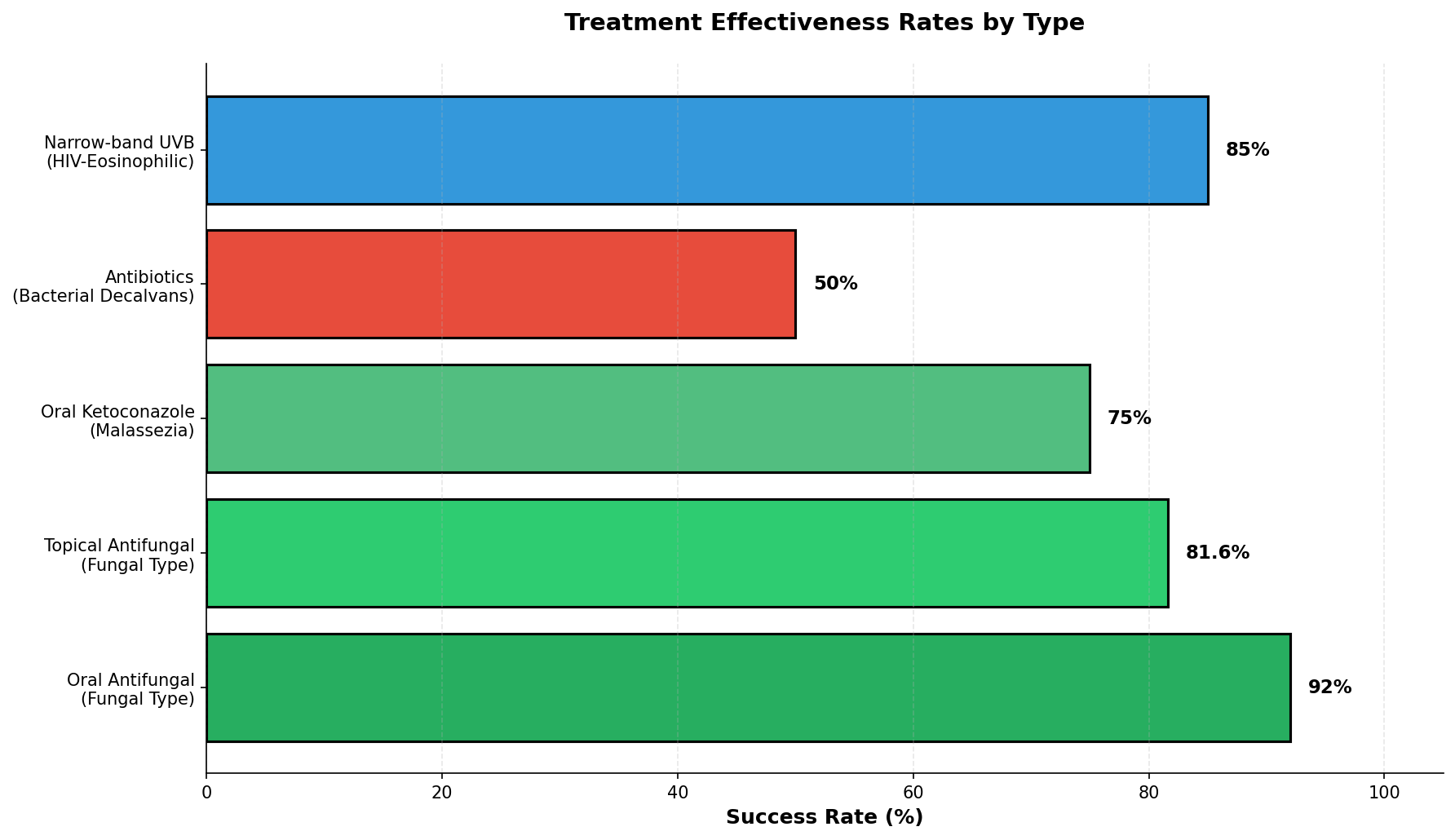 Figure 2: Fungal folliculitis responds far better to antifungal treatment (92% oral success) than bacterial folliculitis responds to antibiotics (50-60% success).
Viral Folliculitis
Viral folliculitis is caused by herpes simplex virus (HSV) or herpes zoster. It occurs in those who are immunocompromised so it is rare in people with healthy immune systems.
Whilst billions globally carry herpes simplex virus (66.6 % of people have HSV-1, and 13.2 % have HSV-2), viral folliculitis typically only develops when immune function is severely impaired:
- CD4 counts below 200 cells per cubic millimetre in advanced HIV
- Organ transplant recipients on immunosuppressive therapy
- Patients on systemic corticosteroids
- Severe immunosuppression from other causes
The virus invades follicular epithelium, forming fluid-filled blisters centered around the hair follicle that are very painful and occur in clusters on the skin. In severely immunocompromised patients, lesions may spread widely.
Treatment is usually through oral or topical antivirals. Viral folliculitis in HIV-positive patients has become relatively rare, showing how effective treatment of the underlying immune deficiency can prevent this complication.
Hot Tub Folliculitis: Pseudomonas aeruginosa
Folliculitis that has developed within days of using a hot tub or whirlpool, is likely to have been caused by Pseudomonas aeruginosa bacteria.
This type is preventable if hot tubs and pools are properly maintained. 67% of hot tubs and 63% of swimming pools contain Pseudomonas bacteria. Testing shows concentrations as high as 2,400 colony-forming units per millilitre in some facilities. Approximately 72% develop folliculitis within 1-5 days of exposure. Children are particularly vulnerable, affecting 90% in children versus 50% in adults from identical exposure.
Pseudomonas thrives in warm water above 37°C. When using hot tubs or pools with contaminated water, bacteria can penetrate the hair follicles through microscopic trauma from friction (swimsuit rubbing, shaving)and multiply rapidly in the warm environment.
Lesions typically appear on areas covered by swimwear (trunk, underarms and groin. Red papules form that may progress to pustules. Most cases cause mild discomfort, but more severe infections can develop nodular lesions on palms and soles (hot hand-foot syndrome).
Hot tub folliculitis usually resolves within 7-14 days without any treatment. Treatment with antibiotics can interfere with the body's natural resolution. If treatment is needed, erythromycin 250 mg twice daily for 10 days or intravenous antibiotics is used, but many specialists recommend avoiding antibiotics when possible to prevent resistance development.
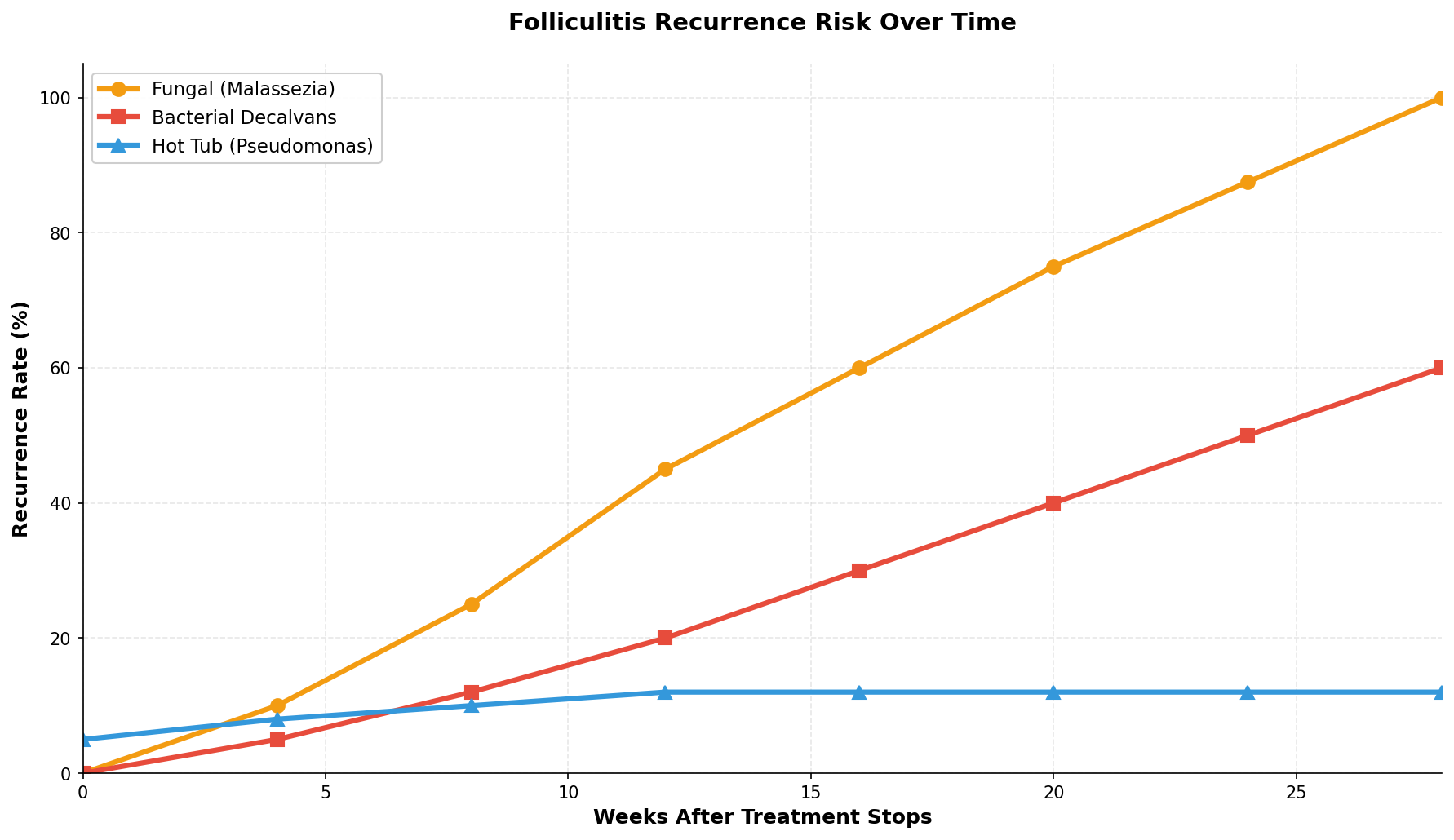
Figure 3: The prevalence of Pseudomonas in hot tubs and pools is remarkably high, with 67% of hot tubs harbouring the bacteria.
Eosinophilic Folliculitis: HIV-Associated
This type is rare and almost entirely limited to people with severely compromised immune systems, particularly those with advanced HIV disease.
Eosinophilic folliculitis occurs when CD4 counts fall below 250-300 cells per cubic millimetre. Prevalence varies geographically: 18.6% in Seoul, 4% in Florida; 4.2% in Singapore and 2.6% in India among HIV dermatology clinic patients. Modern prevalence is much lower due to highly active antiretroviral therapy (HAART).
This form signals advanced immunosuppression and increased risk of opportunistic infections. Unlike bacterial folliculitis, antibiotics provide no benefit. Treatment topical corticosteroids or tacrolimus to provide symptom relief. When topical treatments fail, narrow-band UVB phototherapy is considered the gold standard and is often curative. The most effective treatment is improving immune function and CD4 count through antiretroviral therapy.
Demodex Mite Folliculitis
A less common cause is overproliferation of Demodex mites which are microscopic mites normally present on skin. This typically occurs with underlying rosacea or immunosuppression. Demodex folliculitis responds to topical permethrin or oral ivermectin, sometimes in combination and even responds to tea tree oil in some cases.
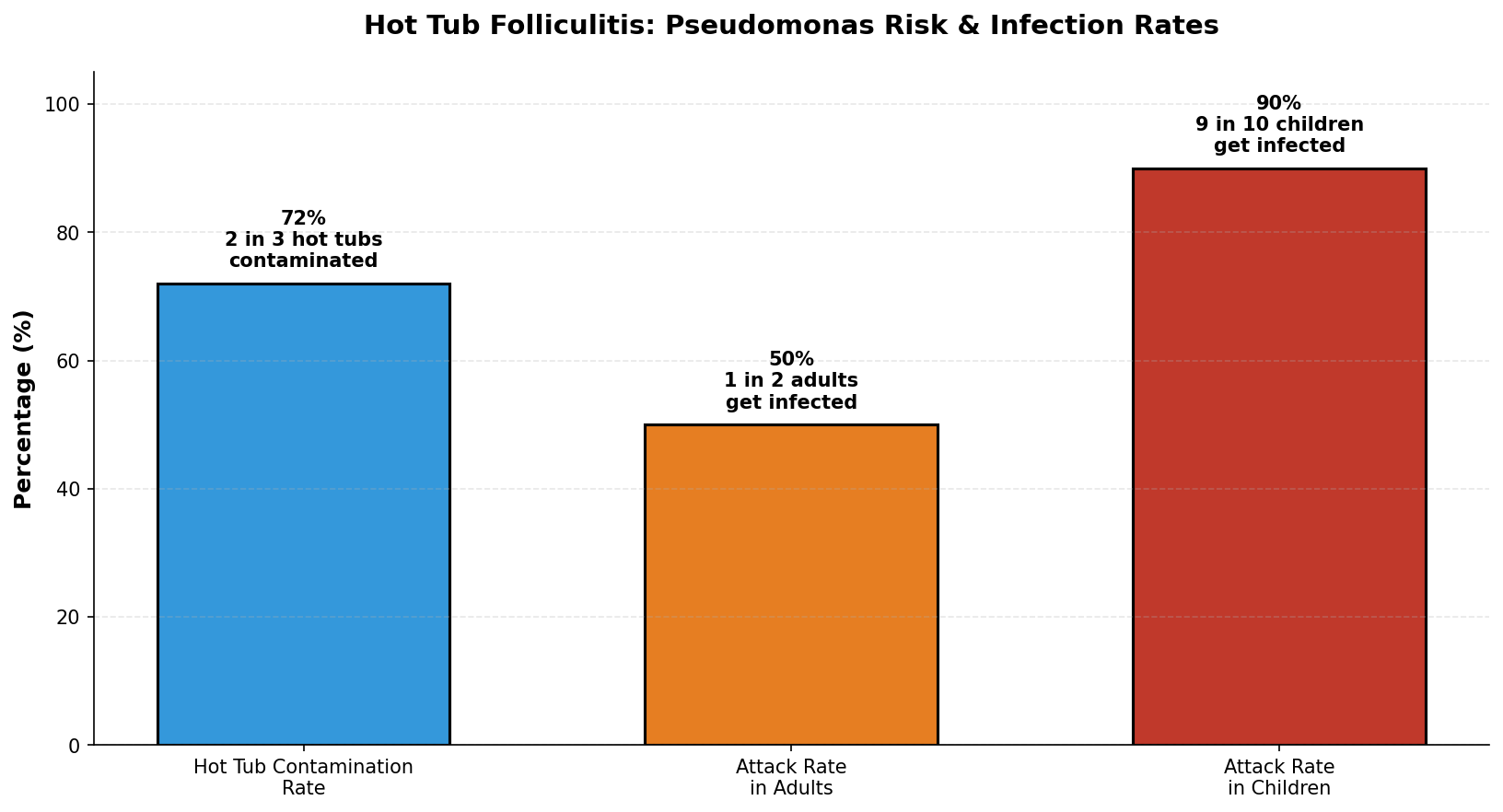
Figure 4: Antibiotic-resistant strains represent a growing proportion of bacterial folliculitis cases, highlighting the importance of accurate diagnosis.
Recurrence
Recurrence is extremely common because the underlying causes often are not addressed. The recurrence rates are as follows:
- Fungal folliculitis - 75-100% within 3-4 months of stopping medication
- Bacterial folliculitis - average relapse within 5-7 months of stopping antibiotics
- Hot tub folliculitis - low recurrence if exposure is avoided
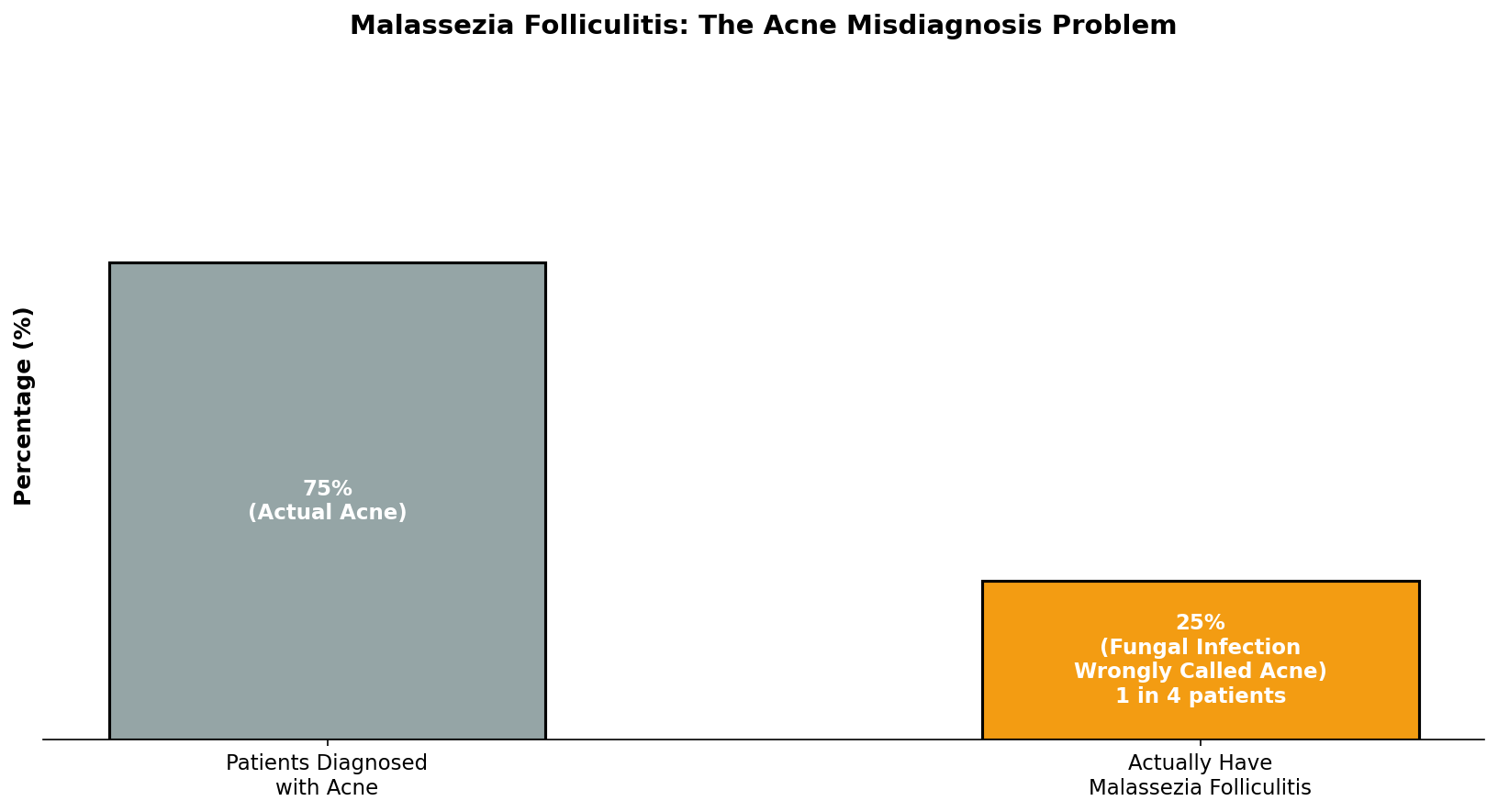
Figure 5: Folliculitis recurrence patterns differ significantly by type, with fungal forms showing consistently high relapse rates.
Malassezia spores and bacterial colonies persist in skin even after successful treatment. Antibiotics kill active bacteria but do not permanently change the environment the infection initially occured in.
Prevention
For bacterial folliculitis:
- Be gentle when shaving, consider growing a beard if repeated cases occur
- Avoid tight clothing that creates friction
- Maintain excellent hygiene with frequent washing
- Change out of sweaty clothes immediately
For fungal folliculitis:
- Avoid greasy skincare products and sunscreens
- Wear breathable, moisture-wicking clothing
- Shower and change clothes immediately after sweating
- Wash skin thoroughly once daily, preferably after activity
For hot tub-related:
- Use only properly maintained hot tubs (chlorine -osed, pH balanced)
- Shower immediately after exposure
- Wash and fully dry bathing suits between uses
General measures:
- Manage obesity and diabetes, which increase risk
- Do not smoke (it impairs immune function)
- Reduce occlusion and moisture on skin
- Address venous insufficiency if present
When to Seek Medical Care
Mild folliculitis usually presents with a few localised bumps with no systemic symptomsand typically needs only home care. However, seek professional care if:
- Symptoms persist beyond 1-2 weeks despite self-care
- Folliculitis spreads to new areas
- Lesions are firm, painful or draining fluid
- You develop fever, chills or fatigue
- Bumps appear on your face or near your eyes
- You think you have acne but standard acne treatments are not working
Recovery Timeline and Complications
Most mild folliculitis improves within days with proper care.

Figure 6: Recovery timelines vary dramatically by type, with superficial bacterial forms resolving fastest and fungal forms requiring longer management.
However, without treatment, folliculitis can progress to more serious infections such as:
- Furunculosis - perifollicular nodules become firm, painful pustules
- Carbuncles - multiple coalescing lesions form deep-seated plaques, often with fever
- Sycosis barbae - untreated beard folliculitis progresses to deeper infection
- Scarring alopecia - folliculitis decalvans can cause permanent hair loss if inadequately managed
Scarring forms can impact the quality of life, causing psychological distress alongside physical symptoms.
The Diagnostic Challenge: Malassezia Mimicry
Approximately 25% of patients presenting with acne-like lesions actually have Malassezia folliculitis. Most are treated with antibiotics or acne medications that fail to help because they are treating the wrong condition.
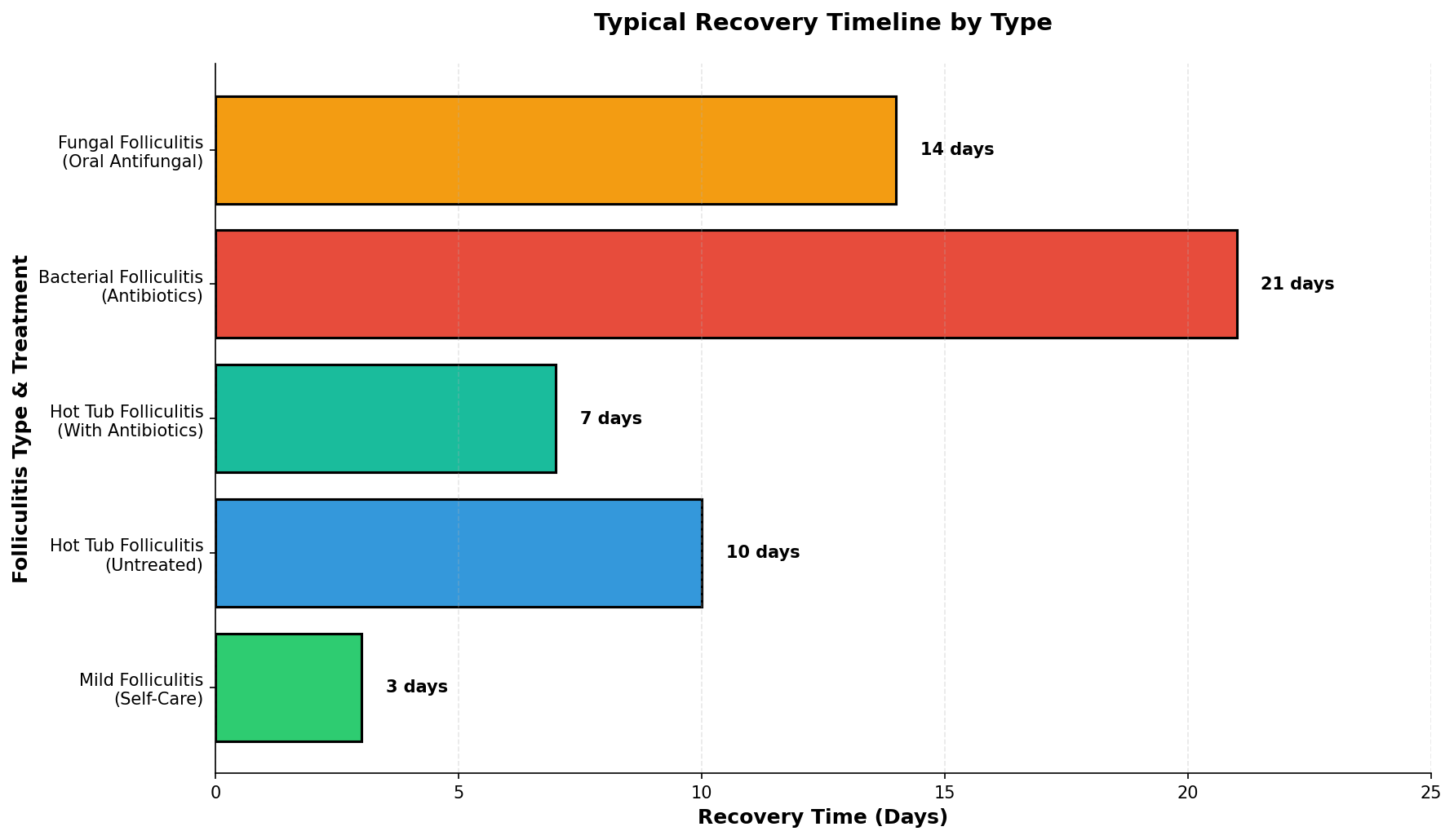
Figure 7: The frequent misdiagnosis of fungal folliculitis as acne creates unnecessary treatment delays and contributes to antibiotic resistance.
If you have acne-like bumps that are particularly itchy and do not respond to standard acne treatments, or appear in clusters on your trunk, ask your dermatologist about fungal folliculitis. A simple cytology or culture can confirm the diagnosis and the correct treatment can be provided.
Key Takeaways
Folliculitis is far more common than official statistics suggest because most cases are managed at home. Different types require entirely different treatments and misdiagnosis leads to ineffective therapy. When diagnosed correctly, most types respond well to appropriate treatment.
The most important steps you can take are preventing folliculitis through barrier protection (gentle shaving, loose clothing, moisture management) and seeking diagnosis promptly if self-care does not help within 1-2 weeks. If you suspect acne but standard treatments fail, ask about fungal folliculitis specifically, it is more common than most people realise and responds well to antifungal treatment.
Further Reading
Types and Diagnosis
- Folliculitis Recognition and Management
- Malassezia Folliculitis: Pathogenesis and Diagnostic Challenges
- Distinguishing Folliculitis Types Through Clinical Cytology
- Facial Bacterial Infections: Folliculitis
Fungal Folliculitis and Malassezia
- Malassezia Folliculitis as an Underdiagnosed Mimicker of Acne
- Clinical Characteristics and Treatment Outcomes of Pityrosporum Folliculitis
- Epidemiological Characteristics of Malassezia Folliculitis
- Steroid Acne versus Pityrosporum Folliculitis: Incidence
Bacterial Folliculitis and Scarring Forms
- Folliculitis Decalvans: Effectiveness of Therapies and Prognostic Factors
- Effective Treatment of Folliculitis Decalvans Using Selected Antimicrobial Agents
- Interventions for Bacterial Folliculitis and Boils
- Diagnostic Delay and Bacterial Culture in Folliculitis Decalvans
- Persistent Abnormal Microbiota in Folliculitis Decalvans
Hot Tub and Pseudomonas Folliculitis
- Hot Tub Folliculitis: Case Report and Review of Prevention
- Prevalence and Antimicrobial Resistance of Pseudomonas aeruginosa in Swimming Pools and Hot Tubs
- Pseudomonas Infection Outbreak Associated with a Hotel Swimming Pool
- Whirlpool Folliculitis: Causes, Treatment, and Prevention
Viral and Immunocompromised Forms
- Eosinophilic Pustular Folliculitis: Comprehensive Review of Treatment Options
- HIV-Associated Eosinophilic Folliculitis
- Clinicopathological Study of Itchy Folliculitis in HIV-Infected Patients
- Treatment of HIV-Associated Eosinophilic Pustular Folliculitis with Narrow-Band UVB
Treatment and Management
- Oral Isotretinoin as Most Effective Treatment in Folliculitis
- Successful Treatment of Eosinophilic Pustular Folliculitis with Topical Tacrolimus
- Effective Treatment of Folliculitis Decalvans With Oral Isotretinoin and Rifampicin
- Chronic Nonscarring Scalp Folliculitis Responding to Topical Phosphodiesterase-4 Inhibitor
Prevention and Lifestyle
- Pseudomonas aeruginosa Folliculitis After Shower and Bath Exposure
- Common Superficial Bacterial Skin Infections Self-Reported by Competitive Swimmers
- Risk Factors and Characterisation of Folliculitis After Hair Transplantation
- Skin Barrier Disruption and Etiopathogenesis of Atopic Dermatitis
Systemic and Immunological Aspects
- Herpes Simplex Virus: Global Infection Prevalence and Incidence Estimates
- Prevalence of Herpes Simplex Virus Types 1 and 2 in Persons Aged 14-49
- Methicillin-Resistant Staphylococcus aureus in Dermatology Settings
- Staphylococcus aureus Associated Skin and Soft Tissue Infections
Clinical Guidelines and Overviews
- Folliculitis: Appearance, Causes, Symptoms and Treatment
- Folliculitis Treatment and Prevention
- Folliculitis Symptoms and Causes
- Folliculitis Diagnosis and Treatment
References/Helpful Resources
- National Institutes of Health (NIH) / NCBI Bookshelf. Folliculitis. StatPearls. Available from: https://www.ncbi.nlm.nih.gov/sites/books/NBK547754/
- National Institutes of Health (NIH) / NCBI Bookshelf. Eosinophilic Pustular Folliculitis. StatPearls. Available from: https://www.ncbi.nlm.nih.gov/books/NBK597380/
- National Institutes of Health (NIH) / NCBI Bookshelf. Malassezia Furfur. StatPearls. Available from: https://www.ncbi.nlm.nih.gov/books/NBK553091/
- National Institutes of Health (NIH) / NCBI Bookshelf. Evidence and recommendations on eosinophilic folliculitis. Available from: https://www.ncbi.nlm.nih.gov/books/NBK305422/
- NLM National Center for Biotechnology Information. Malassezia Folliculitis: Pathogenesis and Diagnostic Challenges. PMC. Available from: https://pmc.ncbi.nlm.nih.gov/articles/PMC11633069/
- NLM National Center for Biotechnology Information. Common Superficial Bacterial Skin Infections Self-Reported by Competitive Swimmers. PMC. Available from: https://www.ncbi.nlm.nih.gov/pmc/articles/PMC12564129/
- NLM National Center for Biotechnology Information. Herpes simplex virus: global infection prevalence and incidence estimates, 2016. PMC. Available from: https://www.ncbi.nlm.nih.gov/pmc/articles/PMC7265941/
- NLM National Center for Biotechnology Information. Hot Tub-Associated Pseudomonas Folliculitis: Case Report and Review. PMC. Available from: https://www.ncbi.nlm.nih.gov/pmc/articles/PMC7584313/
- NLM National Center for Biotechnology Information. Prevalence and Antimicrobial-Resistance of Pseudomonas aeruginosa in Swimming Pools and Hot Tubs. PMC. Available from: https://www.ncbi.nlm.nih.gov/pmc/articles/PMC3084478/
- NLM National Center for Biotechnology Information. Prevalence of methicillin-resistant Staphylococcus aureus in dermatology. PMC. Available from: https://www.ncbi.nlm.nih.gov/pmc/articles/PMC10043400/
- NLM National Center for Biotechnology Information. Scalp Bacterial Profile and Antibiotics Susceptibility in Cicatricial Alopecia. PubMed. Available from: https://pubmed.ncbi.nlm.nih.gov/40736524/
- NLM National Center for Biotechnology Information. Folliculitis decalvans has a heterogeneous microbiological signature. PubMed. Available from: https://pubmed.ncbi.nlm.nih.gov/36716709/
- NLM National Center for Biotechnology Information. Diagnostic delay and bacterial culture in folliculitis decalvans. PubMed. Available from: https://pubmed.ncbi.nlm.nih.gov/37875786/
- NLM National Center for Biotechnology Information. Folliculitis decalvans is characterised by persistent abnormal microbiota. PubMed. Available from: https://pubmed.ncbi.nlm.nih.gov/30907453/
- Harvard Health Publishing. Folliculitis treatment and prevention [Internet]. [cited 2026 Jul 10]. Available from: https://www.health.harvard.edu/diseases-and-conditions/folliculitis-treatment-and-prevention
- NLM National Center for Biotechnology Information. The etiopathogenesis of atopic dermatitis: barrier disruption. PMC. Available from: https://www.ncbi.nlm.nih.gov/pmc/articles/PMC5725646/
- NLM National Center for Biotechnology Information. Potential Therapeutic Skin Microbiomes Supporting Skin Barrier Function. PMC. Available from: https://www.ncbi.nlm.nih.gov/pmc/articles/PMC9455615/
- NLM National Center for Biotechnology Information. Human immunodeficiency virus-associated eosinophilic folliculitis. PubMed. Available from: https://pubmed.ncbi.nlm.nih.gov/1671328/
- NLM National Center for Biotechnology Information. Pruritic papular eruption and eosinophilic folliculitis in HIV. PubMed. Available from: https://pubmed.ncbi.nlm.nih.gov/22521200/
- NLM National Center for Biotechnology Information. Clinicopathological study of itchy folliculitis in HIV-infected patients. PubMed. Available from: https://pubmed.ncbi.nlm.nih.gov/20445296/
- NLM National Center for Biotechnology Information. Eosinophilic pustular folliculitis: comprehensive review of treatment. PubMed. Available from: https://pubmed.ncbi.nlm.nih.gov/15186198/
- NLM National Center for Biotechnology Information. Effective treatment of folliculitis decalvans using selected antimicrobial agents. PubMed. Available from: https://pubmed.ncbi.nlm.nih.gov/21188019/
- NLM National Center for Biotechnology Information. Interventions for bacterial folliculitis and boils (furuncles and carbuncles). PubMed. Available from: https://pubmed.ncbi.nlm.nih.gov/33634465/
- NLM National Center for Biotechnology Information. Treatment Outcomes for Malassezia Folliculitis. PubMed. Available from: https://pubmed.ncbi.nlm.nih.gov/27581777/
- NLM National Center for Biotechnology Information. Clinical characteristics and treatment outcomes of Pityrosporum folliculitis in immunocompetent patients. PubMed. Available from: https://pubmed.ncbi.nlm.nih.gov/36517586/
- NLM National Center for Biotechnology Information. Effective Treatment of Folliculitis Decalvans With a Combination of Oral Isotretinoin and Rifampicin. PMC. Available from: https://www.ncbi.nlm.nih.gov/pmc/articles/PMC11187474/
- NLM National Center for Biotechnology Information. Chronic nonscarring scalp folliculitis responding to topical phosphodiesterase-4 inhibitor roflumilast. PMC. Available from: https://pmc.ncbi.nlm.nih.gov/articles/PMC11730259/
- NLM National Center for Biotechnology Information. Treatment Survival and Reasons for Discontinuation in Patients with Recalcitrant Folliculitis Decalvans. PubMed. Available from: https://pubmed.ncbi.nlm.nih.gov/41211948/
- NLM National Center for Biotechnology Information. Taming the Rash: A Dermatological Case Report on Effective Treatments for Refractory Folliculitis. PMC. Available from: https://pmc.ncbi.nlm.nih.gov/articles/PMC12453617/
- NLM National Center for Biotechnology Information. Malassezia (pityrosporum) folliculitis. PubMed. Available from: https://pubmed.ncbi.nlm.nih.gov/24688625/
- NLM National Center for Biotechnology Information. Malassezia Folliculitis: An Underdiagnosed Mimicker of Acneiform Eruptions. PubMed. Available from: https://pubmed.ncbi.nlm.nih.gov/41003208/
- NLM National Center for Biotechnology Information. Short term treatment of pityrosporum folliculitis with. PubMed. Available from: https://pubmed.ncbi.nlm.nih.gov/20921630/
- NLM National Center for Biotechnology Information. Pityrosporum folliculitis: A retrospective review of 110 cases. PubMed. Available from: https://pubmed.ncbi.nlm.nih.gov/29138059/
- NLM National Center for Biotechnology Information. Pityrosporum (Malassezia) Folliculitis in Saudi Arabia. PubMed. Available from: https://pubmed.ncbi.nlm.nih.gov/8593718/
- NLM National Center for Biotechnology Information. Oral isotretinoin as the most effective treatment in folliculitis. PubMed. Available from: https://pubmed.ncbi.nlm.nih.gov/25712452/
- NLM National Center for Biotechnology Information. Steroid acne vs. Pityrosporum folliculitis: the incidence of. PubMed. Available from: https://pubmed.ncbi.nlm.nih.gov/9802688/
- NLM National Center for Biotechnology Information. Malassezia (Pityrosporum) Folliculitis Incognito. PubMed. Available from: https://pubmed.ncbi.nlm.nih.gov/32038889/
- NLM National Center for Biotechnology Information. Successful treatment of eosinophilic pustular folliculitis with topical tacrolimus 0.1 percent ointment. PubMed. Available from: https://pubmed.ncbi.nlm.nih.gov/22398231/
- NLM National Center for Biotechnology Information. Whirlpool folliculitis: a review of its cause, treatment, and prevention. PubMed. Available from: https://pubmed.ncbi.nlm.nih.gov/2107063/
- NLM National Center for Biotechnology Information. Hot tub (Pseudomonas) folliculitis. PubMed. Available from: https://pubmed.ncbi.nlm.nih.gov/2307901/
- NLM National Center for Biotechnology Information. Hot tub folliculitis. Test the waters and the patient for Pseudomonas. PubMed. Available from: https://pubmed.ncbi.nlm.nih.gov/10533506/
- NLM National Center for Biotechnology Information. Hot Tub-Associated Pseudomonas Folliculitis: A Case Report and Review of Host Risk Factors. PubMed. Available from: https://pubmed.ncbi.nlm.nih.gov/33123436/
- NLM National Center for Biotechnology Information. Hot tub folliculitis or hot hand-foot syndrome caused by Pseudomonas aeruginosa. PubMed. Available from: https://pubmed.ncbi.nlm.nih.gov/17658195/
- NLM National Center for Biotechnology Information. Recurrent Pseudomonas folliculitis. PubMed. Available from: https://pubmed.ncbi.nlm.nih.gov/8170847/
- NLM National Center for Biotechnology Information. Pseudomonas folliculitis. PubMed. Available from: https://pubmed.ncbi.nlm.nih.gov/9159968/
- NLM National Center for Biotechnology Information. Whirlpool-associated folliculitis caused by Pseudomonas aeruginosa: report of an outbreak and review. PubMed. Available from: https://pubmed.ncbi.nlm.nih.gov/3082930/
- Centers for Disease Control and Prevention (CDC). Pseudomonas Infection Outbreak Associated with a Hotel Swimming Pool — Maine, 2023. MMWR Morb Mortal Wkly Rep. 2024;73:51-55. Available from: https://www.cdc.gov/mmwr/volumes/73/wr/mm7302a2.htm
- Cleveland Clinic. Folliculitis: Appearance, Causes, Symptoms & Treatment [Internet]. [cited 2026 Jul 10]. Available from: https://my.clevelandclinic.org/health/diseases/17692-folliculitis
- Cleveland Clinic. Pityrosporum (Malassezia) Folliculitis: Causes & Treatment [Internet]. [cited 2026 Jul 10]. Available from: https://my.clevelandclinic.org/health/diseases/22833-pityrosporum-folliculitis
- Cleveland Clinic. Hot Tub Folliculitis: Rash, Symptoms, Causes & Treatment [Internet]. [cited 2026 Jul 10]. Available from: https://my.clevelandclinic.org/health/diseases/23358-hot-tub-folliculitis
- Mayo Clinic. Folliculitis: Symptoms & causes [Internet]. [cited 2026 Jul 10]. Available from: https://www.mayoclinic.org/diseases-conditions/folliculitis/symptoms-causes/syc-20361634
- Mayo Clinic. Folliculitis: Diagnosis & treatment [Internet]. [cited 2026 Jul 10]. Available from: https://www.mayoclinic.org/diseases-conditions/folliculitis/diagnosis-treatment/drc-20361662
- NLM National Center for Biotechnology Information. Folliculitis: recognition and management. PubMed. Available from: https://pubmed.ncbi.nlm.nih.gov/15554731/
- NLM National Center for Biotechnology Information. Pseudomonas aeruginosa folliculitis after shower/bath. PubMed. Available from: https://pubmed.ncbi.nlm.nih.gov/10809975/
- NLM National Center for Biotechnology Information. Prevalence of Herpes Simplex Virus Types 1 and 2 in Persons Aged 14-49. PubMed. Available from: https://pubmed.ncbi.nlm.nih.gov/29442994/
- NLM National Center for Biotechnology Information. Herpes simplex virus: global infection prevalence. PubMed. Available from: https://pubmed.ncbi.nlm.nih.gov/32514197/
- NLM National Center for Biotechnology Information. Staphylococcus aureus-Associated Skin and Soft Tissue Infections. PubMed. Available from: https://pubmed.ncbi.nlm.nih.gov/27744506/
- NLM National Center for Biotechnology Information. Clinical Features and Antibiotic Susceptibility of Staphylococcus aureus-Infected Dermatoses. PMC. Available from: https://www.ncbi.nlm.nih.gov/pmc/articles/PMC11856689/
- NLM National Center for Biotechnology Information. Retrospective Review of Folliculitis Decalvans in 23 Patients with Course and Treatment Analysis. PubMed. Available from: https://pubmed.ncbi.nlm.nih.gov/25775663/
- NLM National Center for Biotechnology Information. Characterisation and Risk Factors of Folliculitis after Hair Transplantation. PubMed. Available from: https://pubmed.ncbi.nlm.nih.gov/37904273/
- NLM National Center for Biotechnology Information. Folliculitis decalvans: Effectiveness of therapies and prognostic factors. PubMed. Available from: https://pubmed.ncbi.nlm.nih.gov/29864465/
- NLM National Center for Biotechnology Information. Dissecting cellulitis of the scalp: impact on quality of life. PMC. Available from: https://www.ncbi.nlm.nih.gov/pmc/articles/PMC11745290/
- NLM National Center for Biotechnology Information. First step in the differential diagnosis of folliculitis: cytology. PubMed. Available from: https://pubmed.ncbi.nlm.nih.gov/22639852/
- NLM National Center for Biotechnology Information. Cutaneous Manifestations of Infectious Diseases. PMC. Available from: https://pmc.ncbi.nlm.nih.gov/articles/PMC7178861/
- NLM National Center for Biotechnology Information. Special types of folliculitis which should be differentiated from acne. PMC. Available from: https://pmc.ncbi.nlm.nih.gov/articles/PMC5821164/
- NLM National Center for Biotechnology Information. Treatment of HIV-associated eosinophilic pustular folliculitis with narrow-band UVB. PubMed. Available from: https://pubmed.ncbi.nlm.nih.gov/17040467/
- NLM National Center for Biotechnology Information. HIV-related eosinophilic folliculitis: a panel discussion. PubMed. Available from: https://pubmed.ncbi.nlm.nih.gov/9300633/
- NLM National Center for Biotechnology Information. HIV-Associated eosinophilic folliculitis and follicular mucinosis. PubMed. Available from: https://pubmed.ncbi.nlm.nih.gov/9732171/
- NLM National Center for Biotechnology Information. HIV associated eosinophilic folliculitis differential diagnosis and management. PubMed. Available from: https://pubmed.ncbi.nlm.nih.gov/10616350/
- NLM National Center for Biotechnology Information. Eosinophilic pustular folliculitis (EPF) in a patient with HIV infection. PubMed. Available from: https://pubmed.ncbi.nlm.nih.gov/33237446/
- NLM National Center for Biotechnology Information. HIV-associated eosinophilic pustular folliculitis: successful treatment of a Japanese patient with UVB phototherapy. PubMed. Available from: https://pubmed.ncbi.nlm.nih.gov/9575681/
- NLM National Center for Biotechnology Information. HIV-associated eosinophilic folliculitis in a Chinese woman: a case report and a survey in Hong Kong. PubMed. Available from: https://pubmed.ncbi.nlm.nih.gov/9702601/
- NLM National Center for Biotechnology Information. Clinical treatment of ocular Demodex folliculorum by systemic ivermectin. PubMed. Available from: https://pubmed.ncbi.nlm.nih.gov/21334593/
- NLM National Center for Biotechnology Information. Permethrin Cream for the Treatment of Demodex Blepharitis. PubMed. Available from: https://pubmed.ncbi.nlm.nih.gov/31169611/
- NLM National Center for Biotechnology Information. Successful treatment of ivermectin refractory demodicosis with isotretinoin and permethrin cream. PMC. Available from: https://www.ncbi.nlm.nih.gov/pmc/articles/PMC9350859/
- NLM National Center for Biotechnology Information. Demodex folliculitis. PubMed. Available from: https://pubmed.ncbi.nlm.nih.gov/28652482/
- NLM National Center for Biotechnology Information. Efficacy of topical Ivermectin in controlling human Demodex infestation. PMC. Available from: https://www.ncbi.nlm.nih.gov/pmc/articles/PMC12523798/
- NLM National Center for Biotechnology Information. Demodex abscesses: clinical and therapeutic challenges. PubMed. Available from: https://pubmed.ncbi.nlm.nih.gov/14576651/
- NLM National Center for Biotechnology Information. Comparison of the efficacy of tea tree (Melaleuca alternifolia) oil with other current pharmacological management in human demodicosis. PubMed. Available from: https://pubmed.ncbi.nlm.nih.gov/32772960/
- NLM National Center for Biotechnology Information. Recalcitrant papulopustular rosacea responding to combination therapy with oral ivermectin and topical permethrin. PubMed. Available from: https://pubmed.ncbi.nlm.nih.gov/17944176/
