

You've probably seen them in shops or noticed friends raving about them on social media. Weighted blankets have become ubiquitous in the world of sleep and anxiety products. But do they actually work, or are they just another wellness fad? The answer: it depends on what you're struggling with, and the evidence is genuinely more impressive than you might expect.
The short version: if you have insomnia or anxiety, the research suggests you have a decent chance (around 60-70%) of seeing real improvement.1 If you have autism or ADHD, results are mixed. And if you're dealing with trauma, the current evidence doesn't support weighted blankets as a treatment.2 Most importantly, weighted blankets appear to be remarkably safe; no serious side effects have been reported across hundreds of study participants.3
Let's explore what the science actually shows about whether weighted blankets deserve a place in your bedroom.
What Happens When You Use a Weighted Blanket
Before we get to the evidence, it helps to understand what a weighted blanket is doing to your body. It's not magic; it's neurology.
A weighted blanket applies gentle, continuous pressure across your entire body; typically around 10% of your body weight.4 This pressure activates something called deep pressure stimulation (DPS), which sounds clinical but is actually quite simple: the pressure tells your nervous system that everything is safe.
Your nervous system has two main modes. The sympathetic system is your "fight or flight" response; it's what kicks in when you're stressed or anxious. The parasympathetic system is your "rest and digest" mode; the one you want activated when you're trying to sleep.5 When a weighted blanket applies pressure to your body, it signals your nervous system to shift from fight-or-flight into rest-and-digest mode.
This isn't just a feeling. Your body undergoes measurable changes:
- Melatonin (your sleep hormone) increases by about 32%, making it easier to fall asleep6
- Your stress response (measured by electrodermal activity) decreases by 33%: a significant drop in objective stress markers7
- Your heart rate slows down and your blood pressure drops slightly8
- Your body releases endorphins, dopamine, and serotonin: the neurochemicals responsible for mood regulation and relaxation9
The mechanism is so consistent that researchers can measure it. When participants lie under weighted blankets in sleep laboratories, their parasympathetic nervous system activates measurably. This isn't a placebo effect; it's neurobiology.
The Evidence: Does It Actually Help Sleep?
For insomnia, the evidence is genuinely compelling.
In a 2024 randomised controlled trial published in BMC Psychiatry involving adults with diagnosed insomnia, 70% showed measurable improvement in their symptoms after just one month.10 But here's the really striking number: when researchers looked at people who achieved a 50% or greater reduction in insomnia severity, 59% of weighted blanket users met that threshold, compared to only 5.4% in the control group.11 That makes weighted blanket users 26 times more likely to experience meaningful improvement.
Even more dramatically, when researchers measured complete remission of insomnia (Insomnia Severity Index scores of 7 or less), 42.2% of weighted blanket users achieved remission, versus only 3.6% in the control group.12 That's a remarkable difference for such a simple intervention.
The effect size tells the full story. Research measures impact using Cohen's d, and weighted blankets produced a Cohen's d of 1.90 for insomnia, considered a "large" effect.13 For context, many FDA-approved sleep medications produce effect sizes of 1.5 to 2.0. Weighted blankets are operating in the same league as pharmaceutical interventions.
Sleep quality improves measurably too. On the Pittsburgh Sleep Quality Index (a standard research measurement), weighted blanket users saw improvements of 4.1 points, nearly double the 2.0-point improvement in the control group.14 That might not sound dramatic until you realise it's the difference between feeling completely unrefreshed and actually waking up rested.
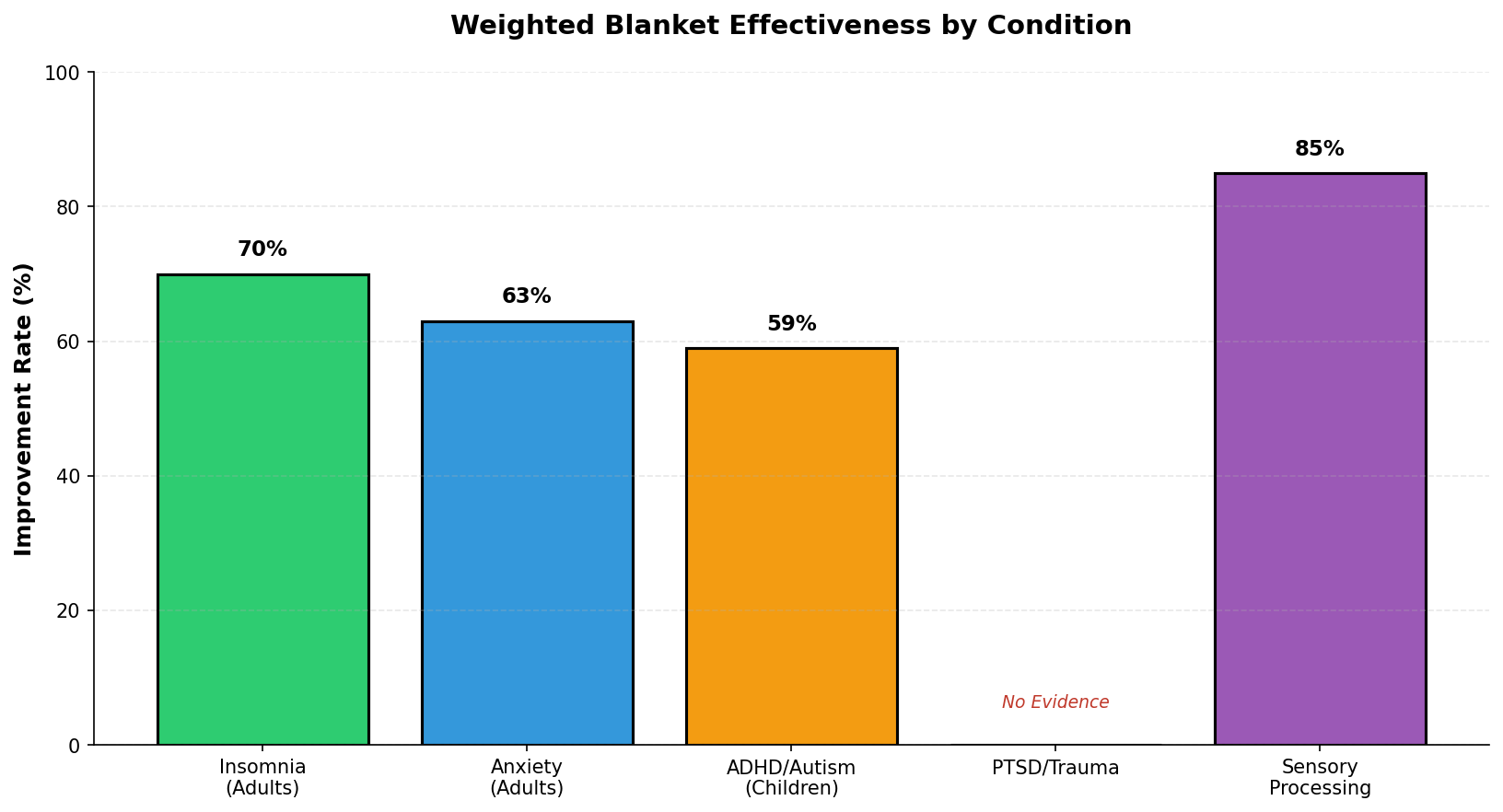 Figure 1: Weighted blanket users are far more likely to achieve partial and complete remission of insomnia symptoms compared to standard blanket controls.11 12
The Ripple Effects
The benefits don't stop at night. In the same studies, researchers measured daytime symptoms:
- Daytime sleepiness improved15
- Stress levels decreased15
- Anxiety symptoms dropped15
- Fatigue improved15
- Bodily pain decreased15
This matters because poor sleep affects everything. When you're sleeping better, your immune system functions better, your mood stabilises, you're more resilient to stress, and your pain perception decreases. A weighted blanket's benefit to insomnia isn't just about nighttime; it ripples through your entire day.
Anxiety: Real But Modest
The evidence for anxiety is positive but tells a slightly different story than insomnia. About 63% of people experience measurable anxiety reduction when using weighted blankets.16 That's substantial; roughly 6 out of 10 people; but it also means 4 out of 10 don't see significant improvement.
When researchers combined multiple anxiety studies in a meta-analysis, they found a standardised mean difference of −0.47, which is statistically significant (p < 0.001).17 That's real improvement, not noise in the data. The effect size is considered small-to-moderate, meaning the improvement is meaningful but not dramatic.
What's particularly interesting is that weighted blankets work for anxiety in high-stakes situations. In one study of cancer patients undergoing chemotherapy infusion, 30 minutes with a weighted blanket significantly reduced their anxiety.18 Preoperative patients showed lower anxiety scores than controls.19 Psychiatric inpatients showed marked anxiety reduction even within hospital settings.20
The physiological marker of stress reduction also appears in anxiety studies. That 33% reduction in electrodermal activity.7 (an objective measure of your sympathetic nervous system activation) means weighted blankets are actually calming your body's stress response, not just making you feel calmer.
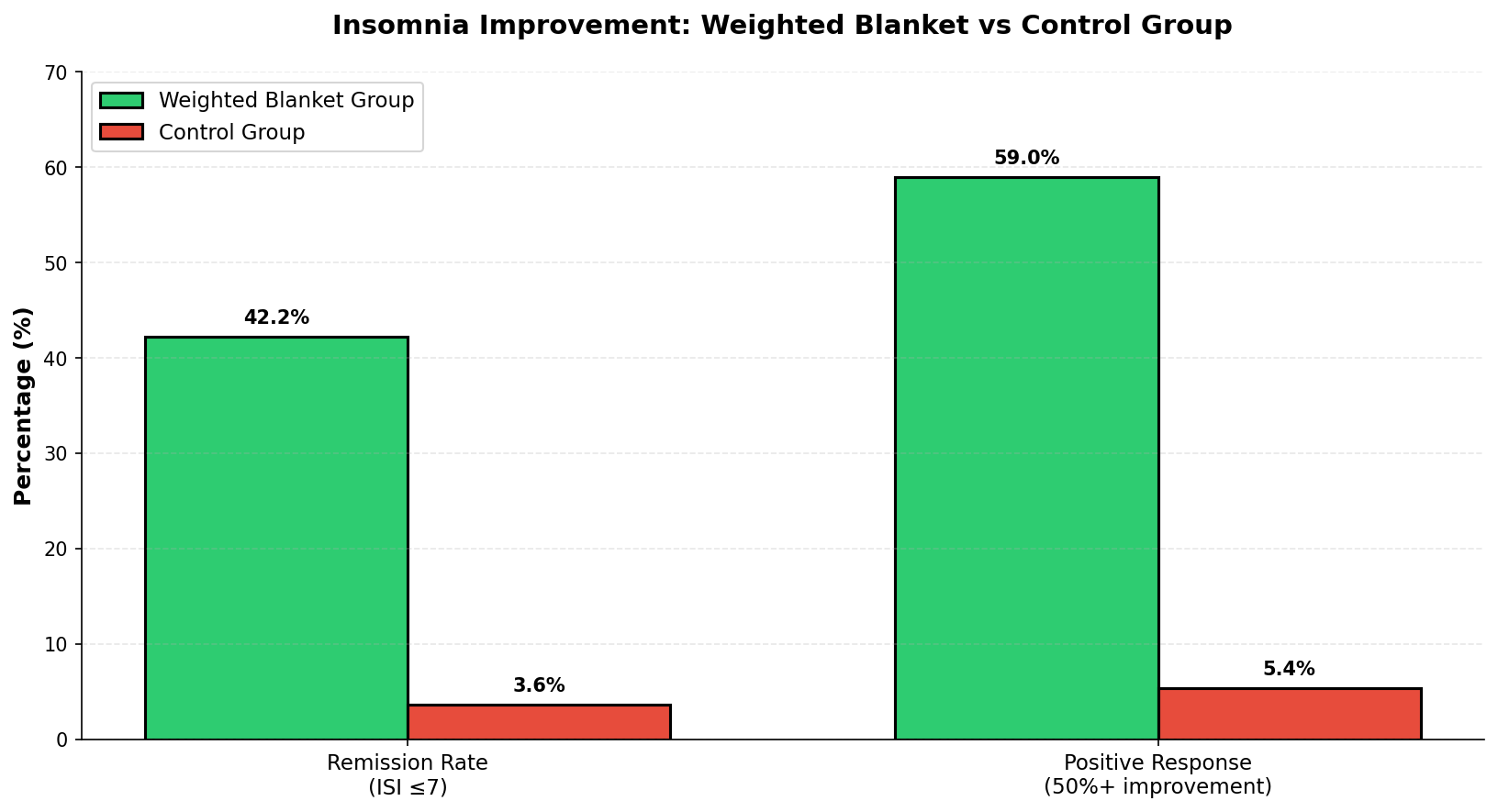 Figure 2: Approximately 63% of study participants experience measurable anxiety reduction with weighted blankets, whilst 37% do not see significant improvement.16
ADHD and Autism: Promise and Problems
Here's where the picture gets murkier.
For children with ADHD, the evidence is mixed. In a 2024 randomised controlled trial of 94 children with ADHD, weighted blankets produced modest improvements:
- Total sleep time increased by about 7.72 minutes21
- Sleep efficiency improved by 0.82%21
- Wake-after-sleep-onset (nighttime wakings) decreased by 2.79 minutes21
But here's the catch: there was no improvement in sleep-onset latency: the time it takes to fall asleep.21 Parents reported that 59% of children had improved sleep preparation routines and 26% had improved morning wake-up routines.22 Yet when researchers used objective sleep tracking devices, the improvements were much smaller than parent reports suggested.
Why the gap? This is an important part of the story: parents might notice and report improvements that devices don't measure, or parents might be more optimistic after investing in a blanket. The objective measurements (which are more reliable) show genuine but modest benefits.
For autism spectrum disorder, the situation is less favourable. Some older studies reported children with autism sleeping 1-3 additional hours nightly with weighted blankets.23 But a large recent randomised controlled trial found no measurable improvements in sleep duration or sleep onset.24 Children and parents preferred weighted blankets subjectively, but the devices measuring actual sleep showed no benefit.
This led to a significant statement from clinical practice guidelines: weighted blankets are not considered evidence-informed practice for treating insomnia in children with autism.25 This is important because it tells you what medical experts actually recommend versus what parents anecdotally report.
PTSD and Trauma: The Evidence Is Against Them
This is where you need to be particularly careful. A 2024 randomised controlled trial specifically tested weighted blankets in trauma-exposed children. The results were clear: there was no improvement in sleep-onset latency, wake-after-sleep-onset, or sleep quality ratings.26
There are very few studies specifically examining weighted blankets for PTSD.27 The small amount of evidence available either shows no benefit or shows benefit only for anxiety symptoms (which are separate from PTSD-related sleep disturbances).
If you're dealing with trauma, weighted blankets should not be considered a treatment option. Talk to your trauma-informed therapist or psychiatrist about evidence-based approaches instead.
Who Actually Benefits Most
The research shows clear patterns about who gets the most value:
Strongest evidence: Adults with diagnosed insomnia or anxiety disorders.1 If you fall into this category, you have roughly a 60-70% chance of experiencing meaningful improvement
Moderate evidence: Healthy adults dealing with stress and general anxiety.28 Same benefit rates as those with diagnosed anxiety
Weak-to-moderate evidence: Children with ADHD. Modest sleep improvements, easier bedtimes, but not dramatic21
Weak evidence: Children with autism. Parents report preference, but objective measurements show no sleep improvement24
No evidence: PTSD and trauma-related sleep disturbances. Don't expect them to help26
Strong evidence: Sensory processing disorders. Weighted blankets were originally developed as therapeutic tools for individuals with sensory sensitivities, and the evidence supporting them for this purpose is among the strongest29
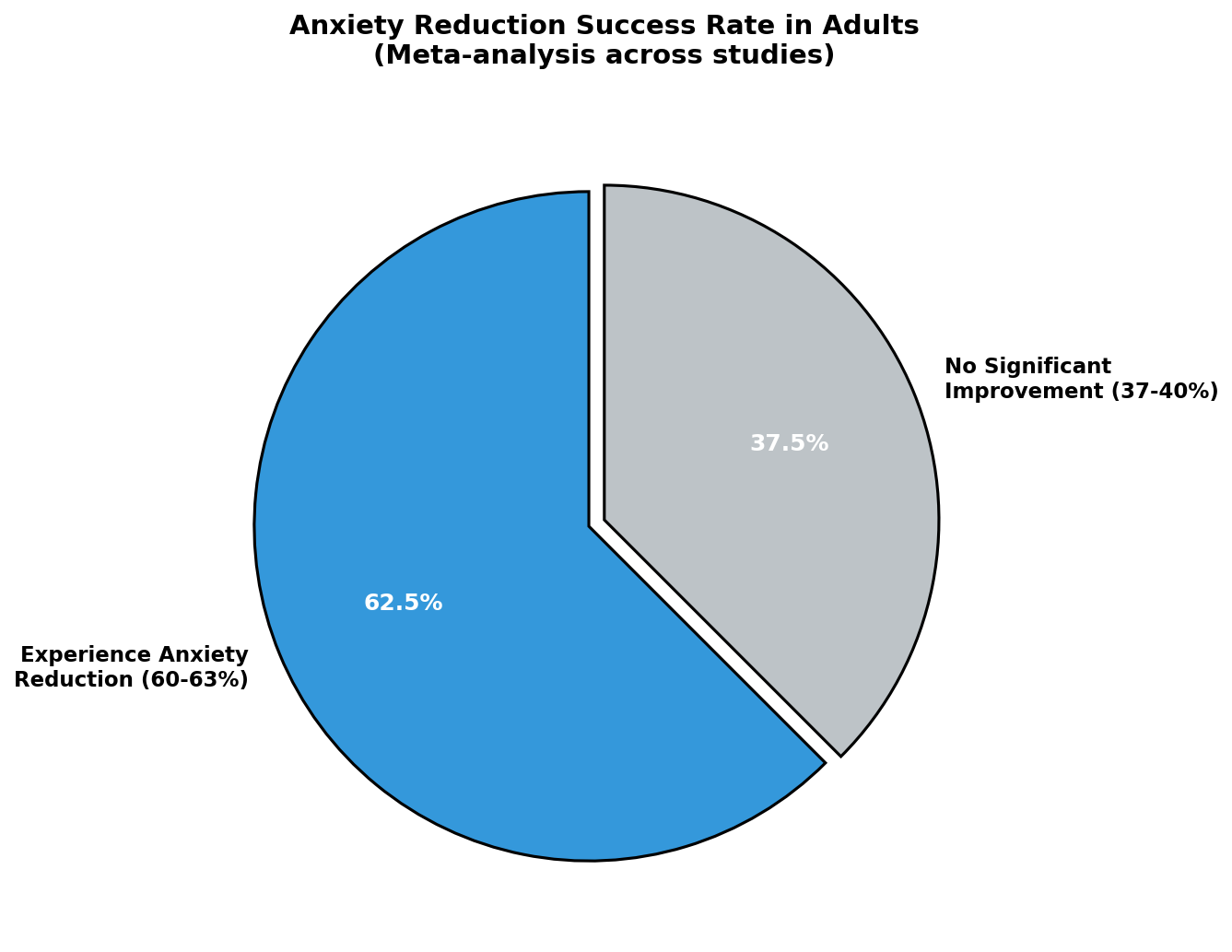 Figure 3: Weighted blanket effectiveness varies substantially by condition, from high success rates in sensory processing and insomnia to no benefit for PTSD.1,23,24,26,29
Practical Guidance: Getting the Weight Right
If you decide to try a weighted blanket, weight matters. The standard recommendation is approximately 10% of your body weight.4 This range (typically 8-12%) is based on deep pressure therapy research showing that this percentage activates therapeutic responses without being uncomfortably restrictive.
Examples:
- 100-pound person: 10-pound blanket
- 150-pound person: 15-pound blanket
- 200-pound person: 20-pound blanket
You can adjust within a 2-pound range based on personal comfort. Some people prefer lighter (5-8%), whilst others with higher anxiety or sensory-seeking behaviour benefit from heavier blankets (up to 15%).4
For children: Do not use weighted blankets under age 3 years. This is a firm safety guideline from the U.S. Consumer Product Safety Commission and American Academy of Pediatrics due to suffocation risk.30 For children age 3 and older, the weight should be approximately 10% of their body weight, with a maximum of 10-15 pounds. Critically, children should use weighted blankets for only 15-20 minutes at a time, not overnight, and always under supervision.31 Remove the blanket once the child has fallen asleep.
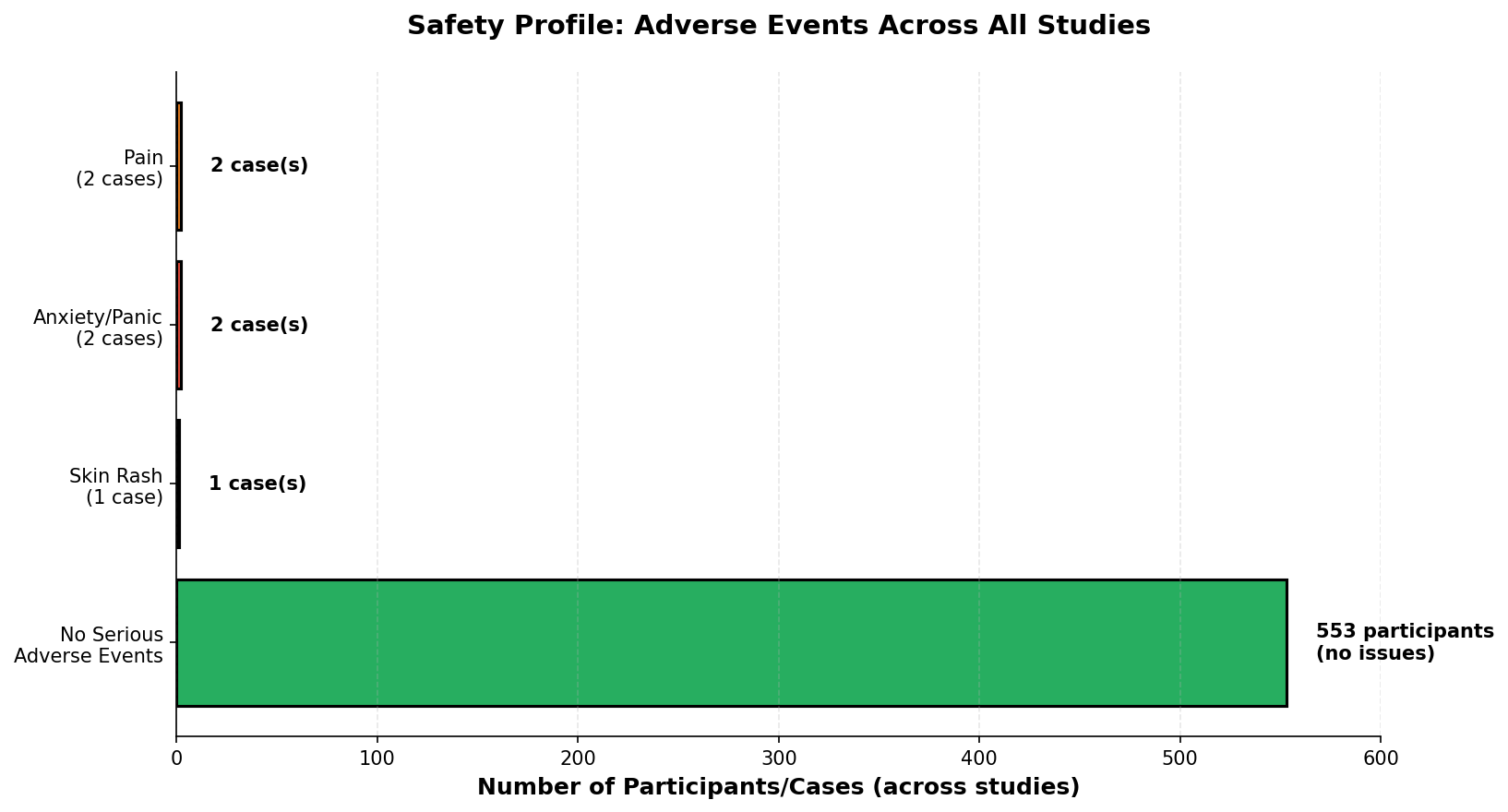 Figure 4: Recommended weighted blanket weights by age and body weight, ensuring both therapeutic benefit and safety.4,30,31
The Adaptation Period
Most people need 3-7 days before their nervous system adapts to the sensation. Don't judge a weighted blanket's effectiveness after the first night. Give it at least two weeks.
Days 1-2 might feel strange or even claustrophobic. By days 3-4, people often begin noticing calming effects. By days 5-7, full therapeutic benefits typically become evident. Some studies measure effects at the 1-month mark because that's when people's bodies have fully adapted to the pressure stimulus.
Materials Matter: Temperature and Breathability
A common concern: won't a weighted blanket make me too hot?
The answer depends on what it's made of. Conventional weighted blankets can trap heat, but modern designs address this problem significantly.
The best fabrics for temperature regulation are cotton, bamboo rayon, and Tencel; all naturally breathable. Avoid fleece or dense polyester if you're a warm sleeper.32 The fill material matters too; glass microbeads are superior to plastic pellets for temperature regulation because glass doesn't trap as much heat.32
Look for blankets with:
- Glass bead or steel shot filling (not plastic pellets)
- Box-stitch or fine-grid construction (creates air channels)
- Breathable outer fabrics like cotton or bamboo32
- Cooling technology like Coolmax fibres in some premium models
If you're a hot sleeper or live in a warm climate, choosing the right materials can mean the difference between a comfortable therapeutic tool and something that disrupts your sleep through overheating.
Safety: Who Shouldn't Use Them
The safety profile of weighted blankets is genuinely excellent. No serious adverse events have been reported in major systematic reviews.3 Across hundreds of study participants, the most commonly reported issues were minor: temporary skin irritation (extremely rare) or brief discomfort.
However, specific populations should not use weighted blankets without medical consultation or should avoid them entirely:
Do not use (absolute contraindications):
- Infants and children under age 2 years (suffocation risk)30
- Moderate to severe asthma (the weight restricts breathing)33
- Obstructive sleep apnea (added pressure worsens airway obstruction)33
- Severe COPD (increases breathing resistance)33
Consult your doctor first:
- Any respiratory condition beyond mild asthma
- Heart disease or circulation problems
- Low blood pressure (weighted blankets could reduce circulation further)
- Diabetes with circulation complications
- Claustrophobia (though only rare cases cause anxiety)
- Pregnancy (discuss with your obstetrician)
- Thermoregulatory disorders33
The mechanism behind respiratory concerns is straightforward: weight on your chest increases the mechanical resistance your lungs must overcome to expand. For people with compromised breathing, this extra work can be problematic. Similarly, for those with poor circulation, sustained compression during sleep could impede blood flow.
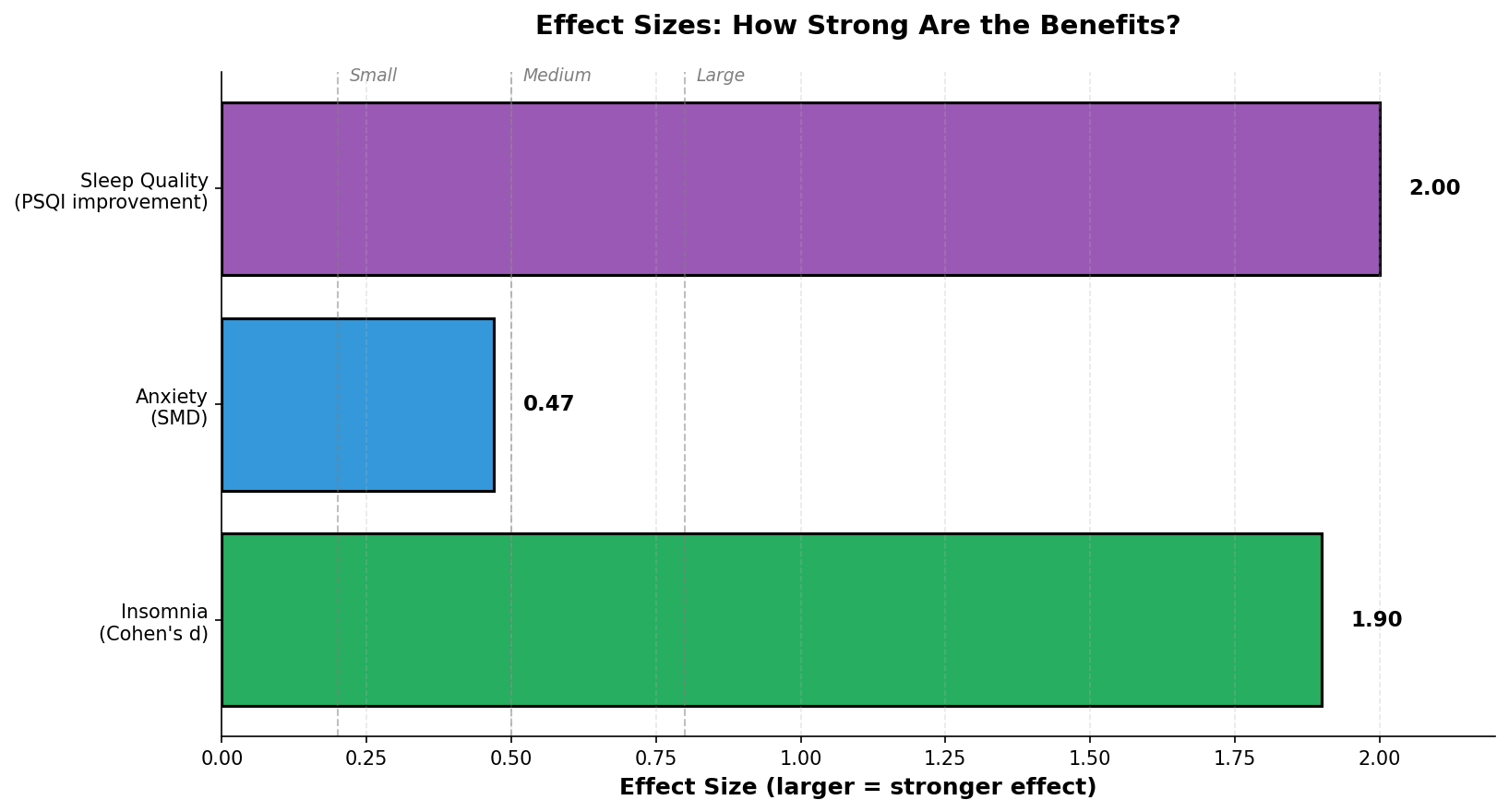 Figure 5: Safety profile of weighted blankets shows no serious adverse events across 553 psychiatric patients and minimal issues in paediatric populations (less than 5% with any adverse events).3
Cost Considerations
Weighted blankets range from budget options at £30-75 to premium versions at £200-450+.34 Mid-range quality blankets typically cost £75-225.
Given that 60-70% of people with insomnia or anxiety see meaningful improvement, a £100-200 investment might be worthwhile if those are your issues. For ADHD/autism sleep or PTSD, where evidence is weaker or absent, you might want to exhaust other evidence-based options first.
If you're uncertain, look for ways to try a weighted blanket before committing to a full purchase. Some shops allow rentals or returns; some friends might lend you theirs.
When to Try a Weighted Blanket vs. When to Be Cautious
Try it if you have:
- Diagnosed insomnia (strong evidence: 70% show improvement)1
- Clinical anxiety or generalised anxiety disorder (moderate-strong evidence: 63% see improvement)16
- Sensory processing disorder or sensory sensitivity (among the strongest evidence)29
- You're willing to view it as an add-on treatment alongside therapy, medication, or other approaches
- You can comfortably afford it
- You have no contraindications (respiratory, cardiac, or circulation issues)
Be cautious if you have:
- Mild stress or general wellness concerns (limited research, unclear effects)
- Autism spectrum disorder (clinical guidelines don't recommend as evidence-based) 25
- ADHD in children (modest effects; mixed parent reports vs. objective measures)21
- Respiratory conditions (consult your GP first)33
Don't expect them to help with:
- PTSD or trauma-related sleep disturbances (no current evidence) 26
- Restless leg syndrome (no scientific evidence; won't treat the underlying causes)35
The Honest Summary
Weighted blankets appear to be a safe, low-risk intervention that genuinely helps many people with insomnia and anxiety. The mechanism (deep pressure activating your parasympathetic nervous system) is well-understood and measurable. The evidence base, whilst still limited by small study sizes and short follow-up periods, is real.
For insomnia in adults, the evidence rivals pharmaceutical interventions. For anxiety, the benefits are real but modest. For other conditions, results are mixed or absent.
What matters most: realistic expectations. Weighted blankets aren't a cure. They're a tool that works for approximately 60-70% of people with insomnia or anxiety, and doesn't work for the remaining 30-40%. They work best as part of a comprehensive approach; alongside therapy, improved sleep habits, stress management, or medication if needed. They're not a replacement for these; they're an add-on.
The adaptation period (2-3 weeks) is normal. The safety profile is genuinely excellent if you don't have respiratory, cardiac, or circulation issues. And for the right person with the right condition, a weighted blanket can be genuinely transformative.
Further Reading
Understanding Sleep and Insomnia
Anxiety and Mental Health
Weighted Blankets and Deep Pressure Therapy
- Occupational Therapy Australia: Sensory Processing
- American Occupational Therapy Association: Weighted Vests and Deep Pressure
Safety Information and Paediatric Guidelines
- Gillette Children's Hospital: Weighted Blanket Guidance
- Sleep Foundation: Safe Sleep Practices for Children
- U.S. Consumer Product Safety Commission: Safe Sleep for Infants
ADHD and Autism Support
Trauma-Informed Care
- PTSD UK: Professional Treatment Guidance
- International Society for the Study of Trauma and Dissociation
References/Helpful Resources
- National Centre for Biotechnology Information. Effect of weighted blankets on sleep quality among adults with insomnia: a pilot randomised controlled trial. BMC Psychiatry. 2024.
- National Centre for Biotechnology Information. The efficacy of weighted blankets for sleep in children with attention-deficit/hyperactivity disorder: A randomised controlled crossover trial. Journal of Sleep Research. 2024.
- PubMed Central. Safety and effectiveness of weighted blankets for symptom management in patients with mental disorders: A systematic review and meta-analysis of randomised controlled trials. 2024.
- Sleep Foundation. How Heavy Should a Weighted Blanket Be? Weighted Blanket Weight Chart; 2024.
- American Journal of Occupational Therapy. Deep pressure therapy and parasympathetic nervous system activation. 2024.
- Journal of Sleep Research. A weighted blanket increases pre-sleep salivary concentrations of melatonin in young, healthy adults. 2024.
- PMC National Centre for Biotechnology Information. The effect of weighted blankets on sleep and related disorders: a brief review. Frontiers in Psychiatry. 2024.
- Occupational Therapy International. Outcome Measures in Evaluation of Weighted Blankets: A Scoping Review. 2025.
- Hush Blankets. Deep Pressure Therapy: Why Weighted Blankets Work [Internet]. [cited 2026 April]. Available from: https://hushblankets.com/blogs/sleep/deep-pressure-therapy
- BMC Psychiatry. Effect of weighted blankets on sleep quality among adults with insomnia: a pilot randomised controlled trial. 2024;24:39.
- American Academy of Sleep Medicine. Study shows weighted blankets can decrease insomnia severity [Internet]. [cited 2026 April]. Available from: https://aasm.org/study-shows-weighted-blankets-can-decrease-insomnia-severity/
- Journal of Clinical Sleep Medicine. A randomised controlled study of weighted chain blankets for insomnia in psychiatric disorders. 2019;15(9):1287-1299.
- ScienceDirect. The effect of weighted blankets on sleep quality and mental health symptoms in people with psychiatric disorders in inpatient and outpatient settings: A systematic review and meta-analysis. 2024.
- National Centre for Biotechnology Information. Interim Analysis of a Prospective Polysomnographic Study of Weighted Blankets in Patients with Psychophysiological Insomnia. PMC. 2025.
- BMC Psychiatry. Secondary outcomes in weighted blanket intervention for adult insomnia. 2024;24:39.
- PubMed Central. Effectiveness of Anxiety Reduction in Adults by Weighted Blanket Interventions: A Mini Review. 2024.
- PubMed. Safety and effectiveness of weighted blankets for symptom management in patients with mental disorders: A systematic review and meta-analysis of randomised controlled trials. 2024;39(10):447684.
- PubMed. Weighted Blanket: An Anxiety Reduction Tool in the Outpatient Oncology Infusion Setting. 2024;38(8):830245.
- PubMed. Effect of Weighted Blanket Versus Traditional Practices on Anxiety and Pain in Patients Undergoing Elective Surgery. 2024;38(8):804725.
- PMC National Centre for Biotechnology Information. Using weighted blankets in an inpatient mental health hospital to decrease anxiety. 2020.
- Wiley Online Library. The efficacy of weighted blankets for sleep in children with attention-deficit/hyperactivity disorder: A randomised controlled crossover trial. Journal of Sleep Research. 2024.
- Scandi Journal of Occupational Therapy. The effectiveness of weighted blankets on sleep and everyday activities: A retrospective follow-up study of children and adults with ADHD and/or ASD. 2021;28(4).
- PubMed Central. Single-subject design study in children with autism spectrum disorder using weighted blankets. PMC. 2021.
- PubMed. Do weighted blankets improve sleep among children with a history of maltreatment? A randomised controlled crossover trial. 2024;38(6):607244.
- National Centre for Biotechnology Information. Safety and effectiveness of weighted blankets for symptom management in patients with mental disorders: A systematic review and meta-analysis of randomised controlled trials. Autism Practice Guidelines. 2024.
- PubMed. Do weighted blankets improve sleep among children with a history of maltreatment? A randomised controlled crossover trial. Journal of Clinical Sleep Medicine. 2024;38(6):607244.
- PTSD UK. Weighted Blankets for PTSD [Internet]. [cited 2026 April]. Available from: https://www.ptsduk.org/weighted-blankets/
- PubMed Central. Effectiveness of Anxiety Reduction in Adults by Weighted Blanket Interventions: A Mini Review. Juniper Publishers. 2024.
- Fun & Function. Weighted Blankets for Kids and Adults: Sensory Processing Benefits [Internet]. [cited 2026 April]. Available from: https://funandfunction.com/blogs/blog/weighted-blankets-for-kids-and-adults
- U.S. Consumer Product Safety Commission. Beware: Weighted Infant Swaddles and Blankets Are Unsafe – CPSC.gov [Internet]. [cited 2026 April]. Available from: https://www.cpsc.gov/About-CPSC/Commissioner/Richard-Trumka/Statement/Beware-Weighted-Infant-Swaddles-and-Blankets-Are-Unsafe-for-Sleep-Retailers-Should-Consider-Stopping-Sales
- Gillette Children's Specialty Healthcare. Weighted Blankets [Internet]. [cited 2026 April]. Available from: https://www.gillettechildrens.org/your-visit/patient-education/weighted-blankets
- Mosaic Weighted Blankets. How Do Cooling Weighted Blankets Work? [Internet]. [cited 2026 April]. Available from: https://www.mosaicweightedblankets.com/blogs/articles/how-do-cooling-weighted-blankets-work
- Asthma.net. Are Weighted Blankets Dangerous for People with Asthma? [Internet]. [cited 2026 April]. Available from: https://asthma.net/living/lung-disease-weighted-blankets
- Sleep Foundation. Weighted Blanket Cost and Price Range [Internet]. [cited 2026 April]. Available from: https://www.sleepfoundation.org/best-weighted-blankets
- Sleep-Disorders.net. Weighted Blankets and Restless Leg Syndrome [Internet]. [cited 2026 April]. Available from: https://restlesslegssyndrome.sleep-disorders.net/living/weighted-blankets
