

You Can't See the Risk, But You Can Act on It
Most people worry about the things they can see: the cigarette in someone's hand, the junk food on a menu. But some of the most serious long-term health threats are completely invisible. Radon gas seeps through your floorboards without any smell. PFAS chemicals (sometimes called "forever chemicals") sit in your drinking water with no taste, no colour. Lead dust from old paint hides in plain sight on windowsills and in soil.
Nearly 1 in 6 deaths worldwide is linked to environmental exposures (pollution in the air, water, soil, and workplaces). That's not a statistic about developing countries alone. It applies in the United States, the United Kingdom, and every modern, industrialised nation.
The good news: many of these exposures are detectable. And if caught early, the consequences are often preventable.
This article explains the most significant environmental exposures, who is genuinely at risk, and (crucially) when to talk to your doctor about getting tested.
How Big Is the Problem, Really?
Environmental and occupational risk factors are responsible for roughly 18.9% of global deaths, or approximately 12.8 million deaths per year. Air pollution alone kills an estimated 6.7 to 7 million people worldwide each year, making it one of the single greatest public health emergencies of our time.
In the United States specifically:
- Radon causes approximately 21,000 lung cancer deaths every year
- Roughly 500,000 children have blood lead levels above the CDC's reference threshold
- An estimated 16 to 270 million Americans drink water with measurable PFAS contamination
- Occupational exposures account for an estimated 40,000 new cancer cases and 20,000 cancer deaths annually
These numbers are startling, but the bigger point is this: most of these diseases are linked to exposures that can be identified, reduced, or eliminated if people know to look.
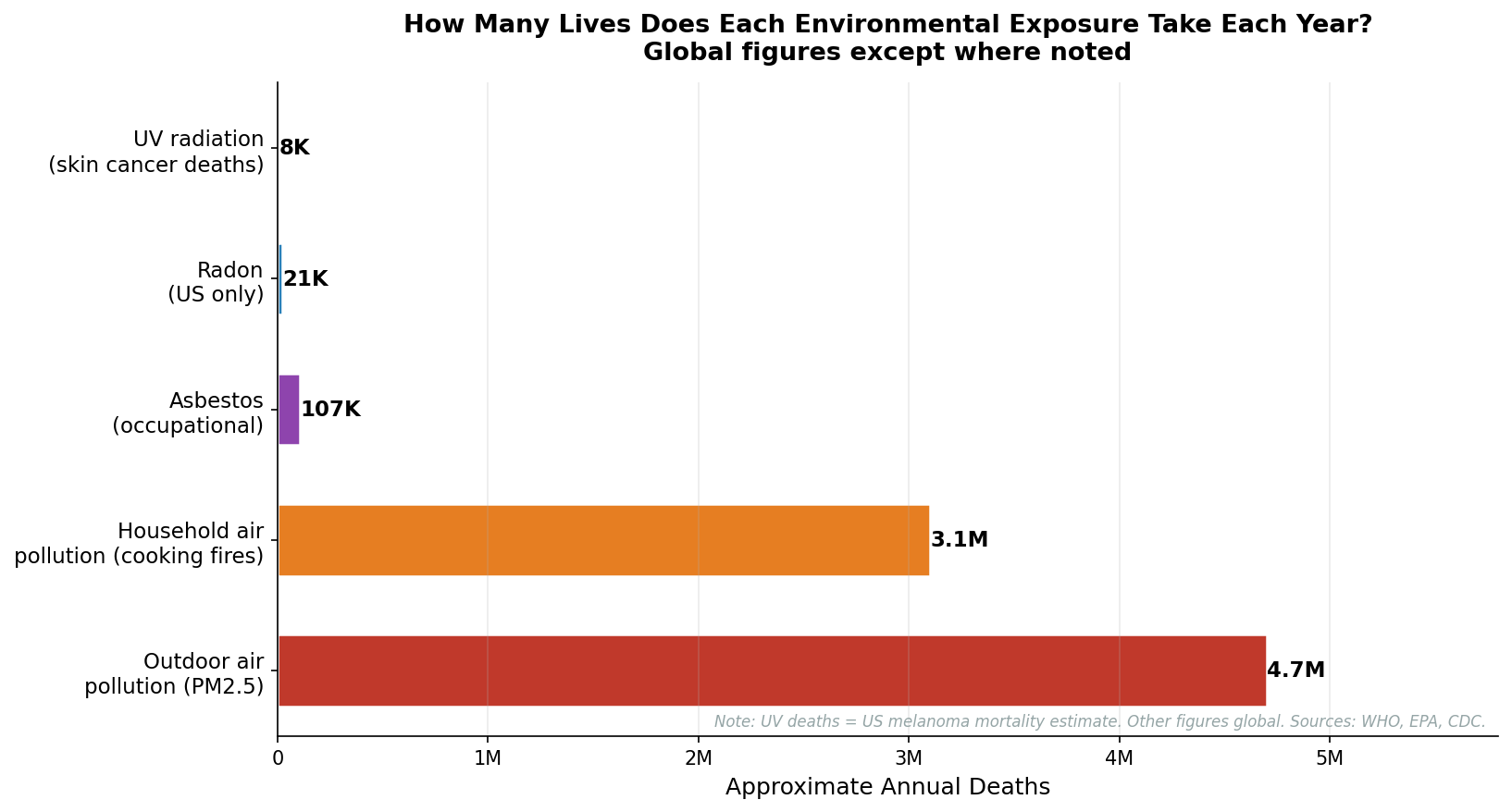 Figure 1: Estimated annual deaths attributable to major environmental exposures, including outdoor air pollution, radon, asbestos, and lead. Data from WHO and EPA.
The Six Exposures Most Likely to Affect You
Lead: No Safe Level, But Trends Are Improving
Lead was once in paint, petrol, and water pipes across the UK and the US. Regulations have dramatically reduced blood lead levels over the past 50 years: in the early 1980s, the average blood lead level in American children aged 1 to 5 was 15.2 micrograms per decilitre (µg/dL). From 2011 to 2016, that figure had fallen to 0.83 µg/dL, a reduction of nearly 95%. That is one of the great public health victories of the modern era.
But the risk has not disappeared. Lead still lurks in:
- Paint in homes built before 1978 (US) or 1992 (UK), particularly where paint is chipping or being disturbed by renovation
- Old water pipes and lead service lines in homes built before 1986
- Contaminated soil, especially near former industrial sites or busy roads
- Certain imported products, ceramics, and jewellery
- Occupational settings, including battery manufacturing, smelting, plumbing, and shooting ranges
There is no known level of lead exposure that is completely safe. The CDC lowered its blood lead reference value from 5 µg/dL to 3.5 µg/dL in October 2021, meaning any child whose blood lead reaches that threshold now qualifies for follow-up action and environmental investigation. Even below this value, studies show measurable effects on IQ and behaviour. For every 10 µg/dL increase in blood lead, children's IQ falls by an average of 4 to 7 points; effects appear at levels well below what was once considered "safe."
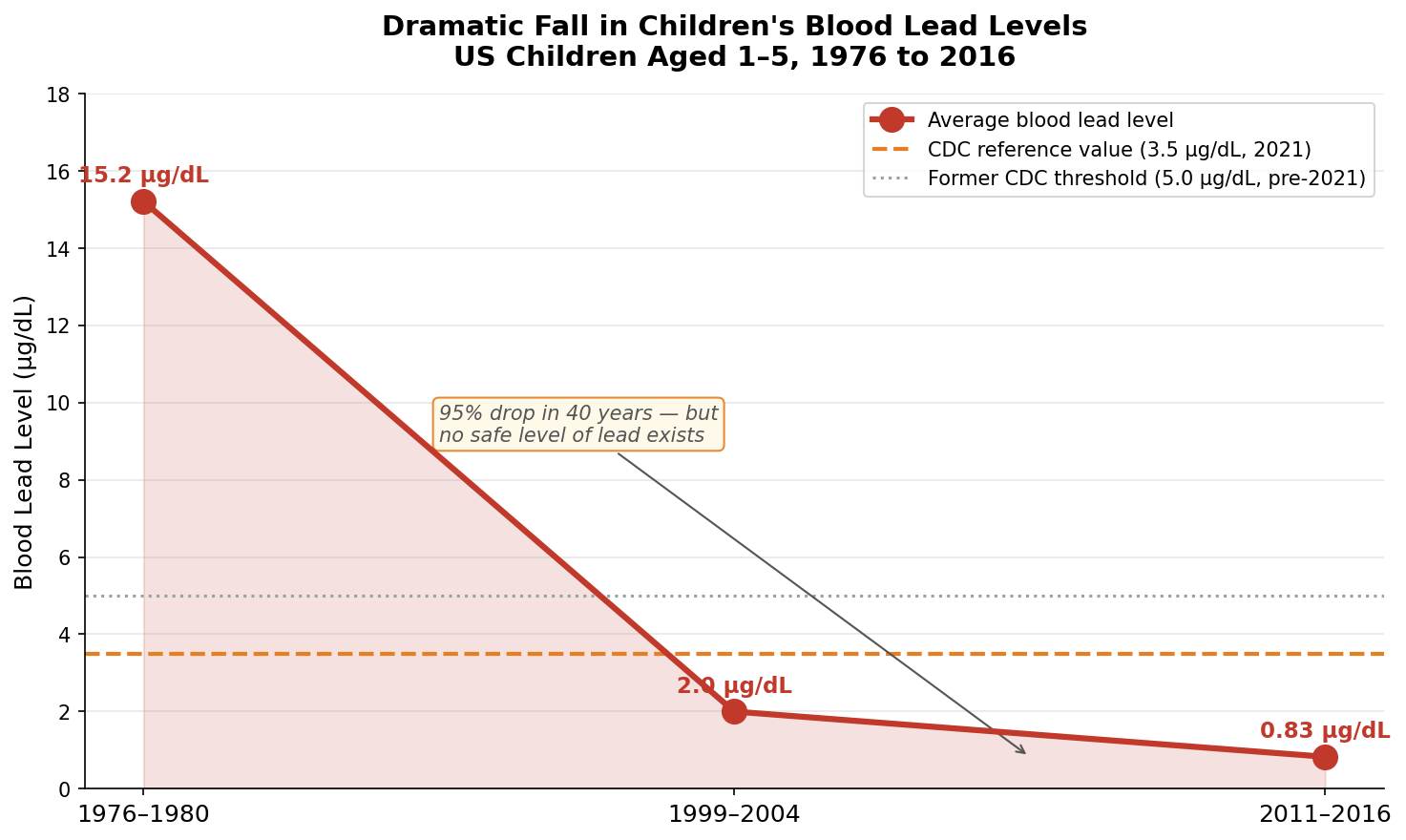 Figure 2: Geometric mean blood lead levels in US children aged 1 to 5 years, 1976 to 2016, showing a dramatic decline following lead removal from petrol and paint. Data from CDC and Environmental Health Perspectives via PubMed.
Who should ask for a blood lead test:
- Children aged 1 to 2 living in pre-1978 homes, particularly with peeling or flaking paint
- Any child or adult with unexplained anaemia, cognitive changes, fatigue, or developmental delay
- Adults who work in construction, renovation, plumbing, battery manufacturing, or at firing ranges
- Pregnant women with older housing or occupational risk
Radon: The Silent Lung Cancer Cause
Radon is a naturally occurring radioactive gas produced when uranium in rock and soil breaks down. It seeps up through foundations, floors, and cracks in walls. Because it is colourless, odourless, and tasteless, it is completely undetectable without a test.
Radon is the second leading cause of lung cancer in the United States after smoking, and the leading cause among non-smokers. About 1 in 15 US homes has radon levels at or above the EPA action threshold. For context: people who smoke and also live in a high-radon home face roughly 10 times greater lung cancer risk than non-smokers in a low-radon home; the risks multiply rather than add.
The EPA action level is 4 picocuries per litre (pCi/L) of air. Test kits are inexpensive, typically $15 to $30 at any hardware store. If your level comes back at or above 4 pCi/L, professional mitigation (usually a sub-slab depressurisation system costing $800 to $2,500) can reduce levels dramatically and meaningfully lower your cancer risk.
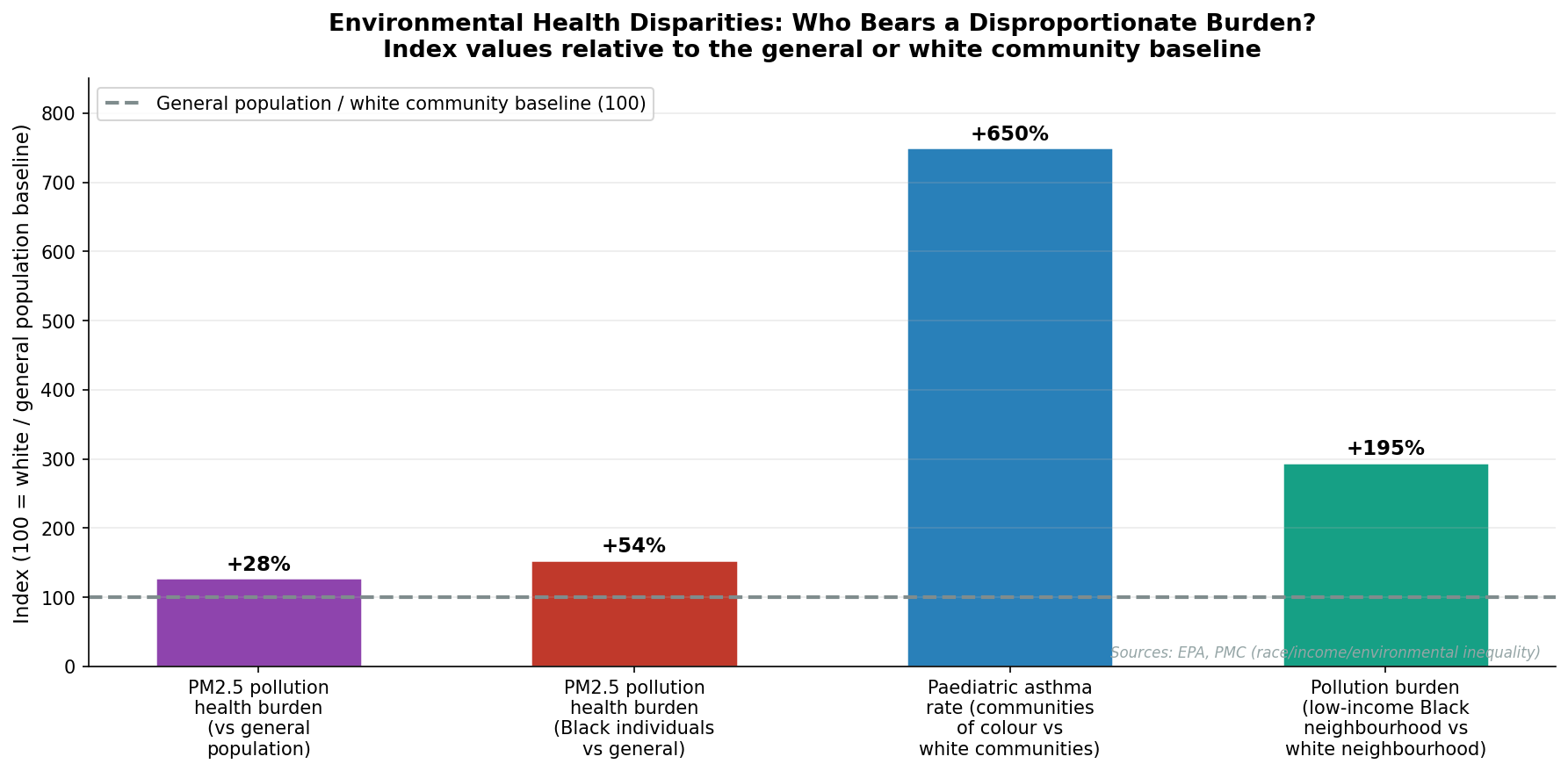 Figure 3: Lifetime lung cancer risk per 1,000 people from radon alone, smoking alone, and the combination of both. Data from EPA radon risk tables.
Who should test their home:
- Everyone living below the third floor of a building, per the US Surgeon General and EPA guidance
- Particularly important for: basement dwellers, homes in high-radon geological areas (northern Appalachian region, parts of the Midwest, and Rocky Mountains), and anyone who smokes or has ever smoked
PFAS: "Forever Chemicals" Now in Most Drinking Water
PFAS (per- and polyfluoroalkyl substances) are a group of industrial chemicals used since the 1950s in non-stick cookware, food packaging, water-resistant clothing, and — critically — firefighting foam (known as AFFF) used at military bases and airports. They are called "forever chemicals" because they do not break down in the environment or in your body. They accumulate over decades.
More than 95% of the US general population has detectable PFAS in their blood. A 2023 USGS study found PFAS in approximately 45% of US drinking water tap samples. PFAS are linked to:
- Reduced effectiveness of vaccines (immune suppression)
- Elevated cholesterol
- Thyroid disease
- Kidney cancer and testicular cancer
- Pregnancy-induced hypertension
- Developmental delays in children
In April 2024, the EPA finalised the first-ever national drinking water standards setting enforceable limits for six PFAS compounds, including PFOA and PFO, S at 4 parts per trillion. This is a landmark shift — but millions remain exposed in the meantime.
The Agency for Toxic Substances and Disease Registry (ATSDR) provides tiered clinical guidance: if your serum PFAS level is 2 ng/mL or above, your clinician should encourage exposure reduction and increased monitoring. At 20 ng/mL or above, clinicians are advised to actively screen for thyroid dysfunction, elevated cholesterol, kidney cancer, and testicular cancer.
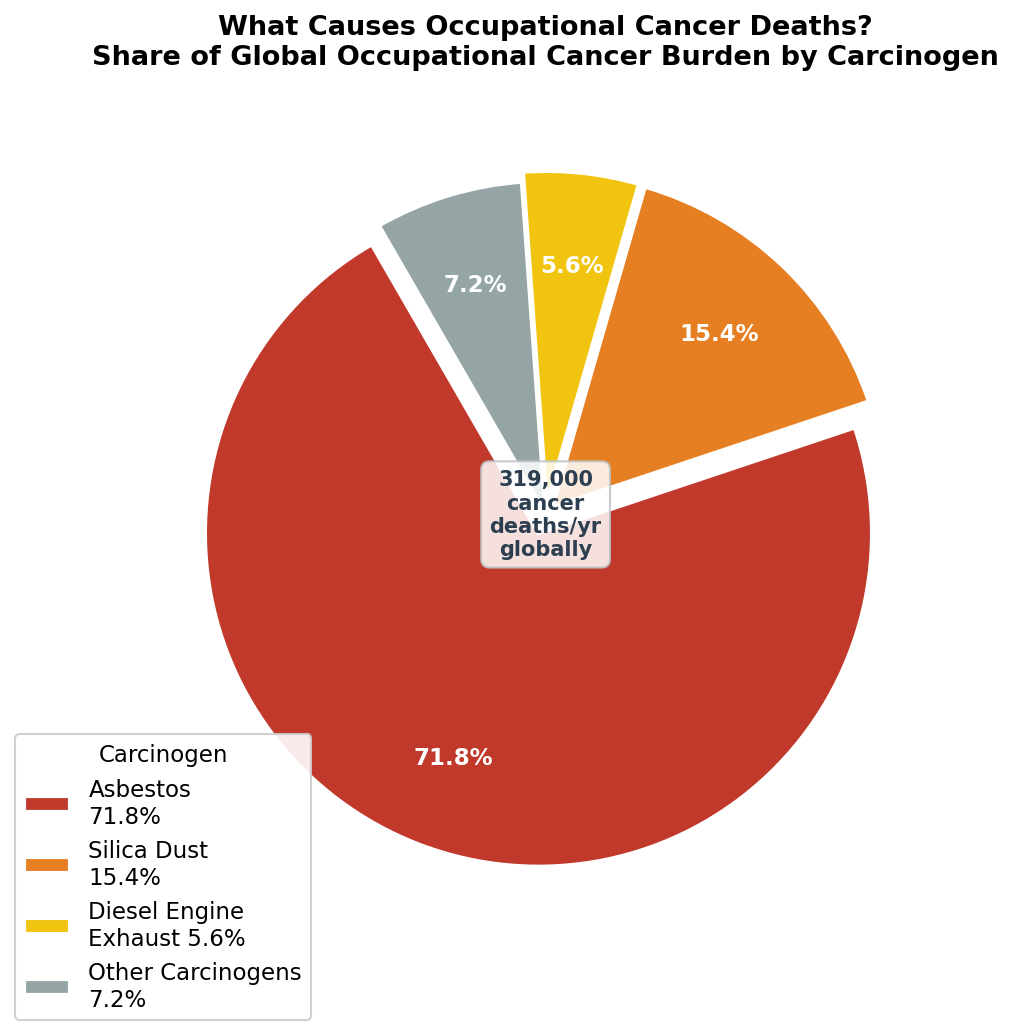 Figure 4: PFAS serum concentration thresholds and corresponding clinical actions recommended by ATSDR, 2024. Data from ATSDR PFAS Clinical Guidance.
Who should talk to their doctor about PFAS:
- People who live or have lived near military air stations, airports, or industrial facilities known to use AFFF
- Those whose drinking water comes from a contaminated public system or a private well near industrial sites
- Workers in fluoropolymer manufacturing, textiles, food packaging, or firefighting
- Anyone with unexplained elevated cholesterol, thyroid problems, or immune dysfunction
Asbestos: A Long Shadow from Past Work
Asbestos is a heat-resistant mineral fibre used extensively in construction, insulation, shipbuilding, and brake manufacturing from roughly the 1940s through the 1980s. Regulations progressively restricted its use, but approximately 30 million older US homes and buildings still contain asbestos in insulation, ceiling tiles, floor tiles, and pipe lagging.
The terrifying thing about asbestos is its latency. The time between first exposure and developing mesothelioma (a rare cancer of the lung lining) is typically 20 to 50 years, sometimes as long as 71 years. Someone who worked a summer job in construction in 1975 may only now be developing cancer related to that exposure. Asbestos accounts for 71.8% of all occupationally-attributable cancer burden, and an estimated 107,000 people die from asbestos-related disease worldwide every year.
There is no safe threshold for asbestos. The type of fibre matters: the more needle-like amphibole fibres (amosite and crocidolite) are far more dangerous than the curly chrysotile fibres, with relative risk ratios of 100:1 and 500:1, respectively, compared to chrysotile.
Screening for asbestos-related disease typically involves spirometry (a breathing test that measures lung capacity), chest X-rays, or high-resolution CT (HRCT) scans. People with significant occupational exposure and a qualifying smoking history may be eligible for annual low-dose CT (LDCT) lung cancer screening, but research shows that standard USPSTF criteria miss many at-risk workers, including firefighters, because smoking history requirements exclude those who never smoked heavily but had decades of carcinogen exposure.
Who should ask about asbestos-related screening:
- Former construction workers, insulation installers, shipyard workers, pipe fitters, boilermakers, or automotive mechanics (brake linings) who worked pre-1980s
- Anyone with a diagnosis of breathlessness, pleural plaques, or unexplained lung scarring who has a history of dusty trade work
- Workers who have done renovations of older buildings without proper protective equipment
Air Pollution: The Exposure Nobody Can Escape
99% of the world's population lives in areas where outdoor air quality exceeds WHO safety guidelines for fine particulate matter (PM2.5, particles smaller than 2.5 micrometres, small enough to penetrate deep into the lungs and enter the bloodstream).
Every 10 µg/m³ increase in PM2.5 exposure is associated with:
- 16% higher mortality from ischaemic heart disease
- 14% higher mortality from stroke
- A meaningful increase in lung cancer risk
Cities, industrial regions, and areas near major roads carry the heaviest pollution burden. And the effects are cumulative: breathing polluted air for years raises the risk of lung cancer, heart disease, stroke, COPD, asthma, and (increasingly) cognitive decline.
Air pollution isn't a condition you "catch." There is no specific blood test for PM2.5 exposure. But if you live in a heavily polluted area and have respiratory symptoms, your doctor can assess lung function with spirometry, evaluate cardiovascular risk more carefully, and discuss whether specialist referral is appropriate.
Who should be especially vigilant:
- People with pre-existing asthma, COPD, or cardiovascular disease in high-pollution areas
- Pregnant women, who face a greater risk of preterm birth and low birth weight
- Children, whose developing lungs are especially vulnerable
- Outdoor workers in high-traffic or industrial areas
PFAS, Benzene, and Other Workplace Chemicals
Beyond the major exposures above, several workplace chemicals carry a significant cancer risk. Benzene, found in petrol fumes, rubber and plastics manufacturing, and cigarette smoke, is linked to acute myeloid leukaemia (AML) at a 3.2-fold increased risk in heavily exposed workers; it also causes measurable blood toxicity even below the legal occupational exposure limit.
Arsenic, cadmium, and mercury round out a group of heavy metals that accumulate in the kidneys, liver, and nervous system. Arsenic is a well-documented multi-site carcinogen (skin, bladder, lung, and kidney cancer); cadmium causes kidney damage and cardiovascular disease; mercury (particularly the form found in contaminated fish) is a potent developmental neurotoxin.
Who Bears the Heaviest Burden: Health Equity Matters
Environmental exposures are not distributed equally. Communities of colour and lower-income communities consistently face higher pollution burdens, and the numbers are stark.
- Black individuals in the US experience a 54% greater health burden from particulate pollution than the general population
- Children in predominantly non-white communities have paediatric asthma rates 7.5 times higher than those in predominantly white communities
- 77% of communities facing both the highest pollution concentrations and the greatest nature loss are communities of colour; 75% have low household incomes
- Average all-Black neighbourhoods carry a pollution burden 2.6 to 3.3 times greater than equivalent all-white neighbourhoods at similar income levels
Historical redlining (the systematic denial of services to residents in certain areas by government and private institutions) directly correlates with today's environmental health disparities. The oldest, least-maintained housing stock tends to be in lower-income areas — meaning higher lead paint exposure. Industrial facilities and highways were disproportionately sited near communities with less political power to resist them, concentrating pollution exposures.
If you or your family live in a community with this history, your baseline risk from environmental exposures may be higher, and asking for screening is all the more justified.
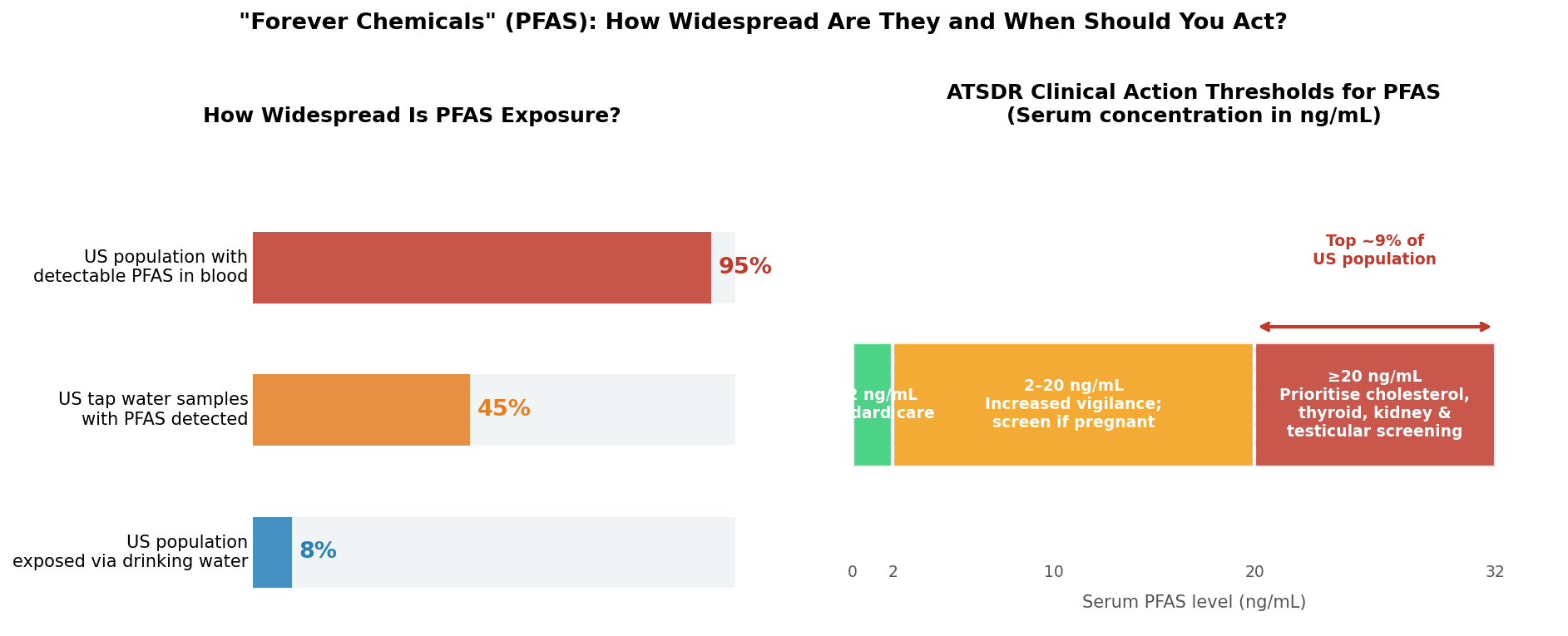 Figure 5: Pollution burden comparisons across racial and income groups in the United States. Data from the EPA and peer-reviewed research via PubMed.
The Hidden Weight of Occupational Exposures
Most people think of environmental exposures as something that happens to communities near factories. In reality, workplaces are a major exposure source for millions of people.
Occupational exposures contribute an estimated 40,000 new cancer cases and 20,000 cancer deaths per year in the United States — roughly 2 to 8% of all cancers. The top occupational carcinogens by burden are asbestos (71.8%), silica dust (15.4%), and diesel engine exhaust (5.6%).
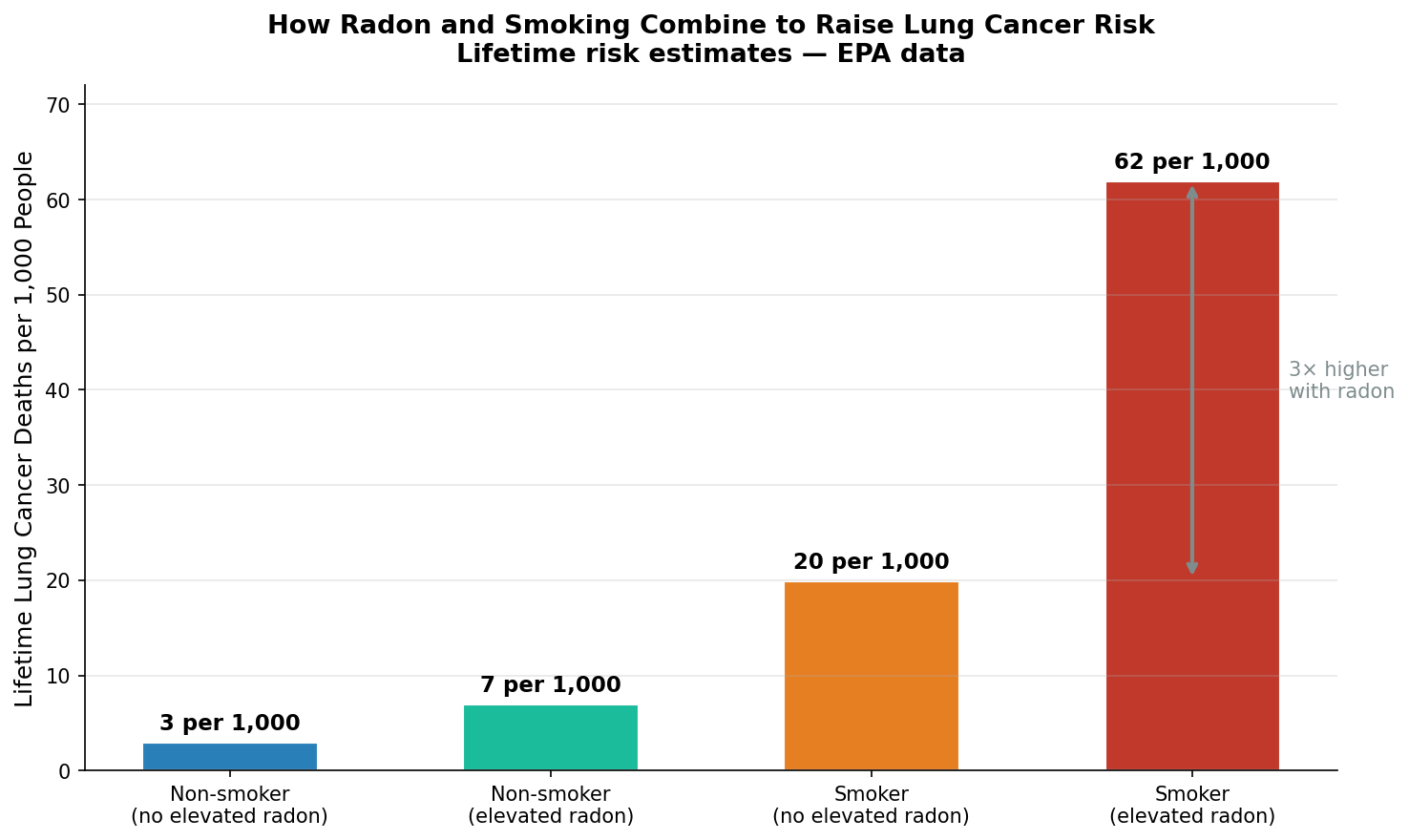 Figure 6: Proportion of the occupational cancer burden attributed to each major occupational carcinogen. Data from a 2021 PubMed global analysis.
Research using data from NHANES (the National Health and Nutrition Examination Survey) shows that blue-collar workers in construction and manufacturing have arsenic levels exceeding acceptable limits in 16 to 58% of individuals. VOC (volatile organic compound) exceedances appear in 1 to 33%.
Workers have rights here: OSHA requires biological monitoring (such as blood lead testing) when workers are regularly exposed to regulated substances above action levels. You have the legal right to access your own biological monitoring results.
When to Bring It Up With Your Doctor
Most GPs and family physicians do not routinely ask about environmental exposures. A 2015 study found that healthcare providers asking about environmental history was still uncommon. That means the responsibility often falls on the patient to raise it.
Bring up environmental exposures with your doctor if any of the following apply:
- You live in, or spent significant time in, a home built before 1978 (US) or 1992 (UK)
- You have never had your home tested for radon
- You work in, or have worked in, construction, agriculture, manufacturing, mining, firefighting, or dental/healthcare settings
- You drink from a private well, or live near a military base, airport, or industrial site
- You or a child has unexplained anaemia, developmental delay, cognitive changes, fatigue, or kidney problems
- You have been diagnosed with elevated cholesterol, thyroid disease, or immune problems without a clear cause
- You are pregnant or planning a pregnancy with any of the above risk factors
- A public health notice or EPA/ATSDR alert has been issued for your area
When you go, share your full history. The ATSDR recommends that clinicians take a three-part exposure history covering: (1) specific substances contacted at work or home; (2) every job ever held, including duration, tasks, and whether protective equipment was used; and (3) your residential history, water sources, and any hobbies involving chemicals. You can prompt this by saying: "I'd like to talk about whether my work or home environment could be affecting my health."
GPs and primary care physicians see an estimated 80% of occupational and environmental illness cases, making your GP the most important first point of contact.
What Screening Actually Looks Like
Screening for environmental exposures is generally straightforward and non-invasive:
- Blood tests measure lead, mercury, cadmium, arsenic, manganese, and PFAS levels
- Urine tests assess metals (particularly arsenic and inorganic mercury) and pesticide metabolites
- Spirometry (a breathing test) evaluates lung function after dust or fibre exposure; it is similar to blowing into a tube
- Chest X-ray or high-resolution CT (HRCT) identifies structural changes from asbestos or silica
- Home radon tests are a self-administered test you can buy for $15 to $30
One above-reference result does not automatically mean you have been harmed. It means the source of exposure warrants investigation, and clinical follow-up is appropriate. Most exposures, caught early and with the source removed, do not lead to lasting damage.
If your GP is uncertain how to proceed, ask for a referral to an occupational medicine physician. In the United States, the Pediatric Environmental Health Specialty Units (PEHSUs) — 10 specialist centres affiliated with the American Academy of Pediatrics and ATSDR — provide free consultations for parents, clinicians, and public health professionals about children's environmental exposures.
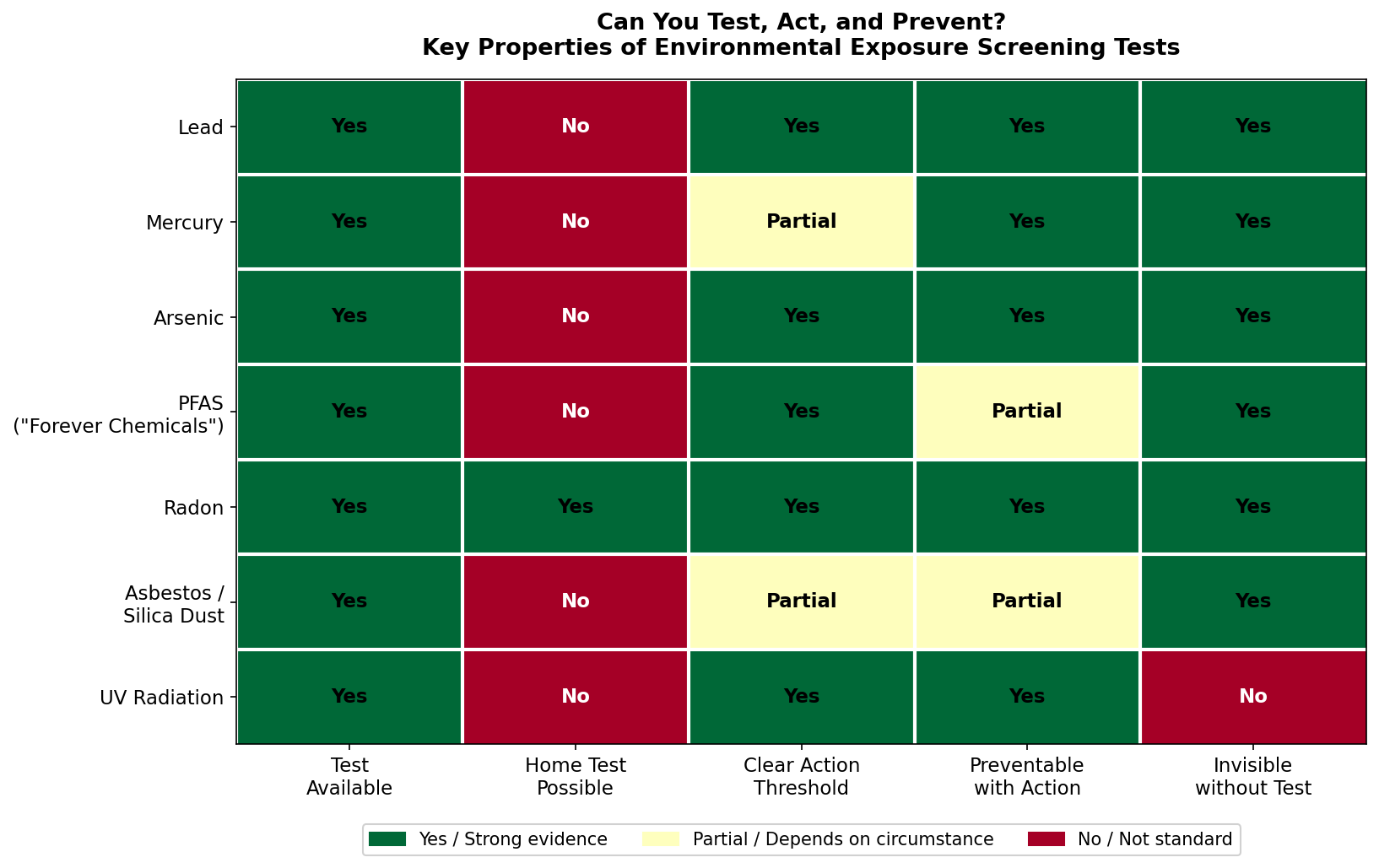 Figure 7: Overview of available screening tests, who should be prioritised, and whether screening is routine or requires a clinical request, by exposure type. Based on CDC, ATSDR, and EPA guidance.
The Practical Checklist: What to Do Now
This week:
- Test your home for radon if you haven't already (purchase a kit online or at a hardware store)
- Check when your home was built; if it predates 1978, assess whether any paint is flaking or being disturbed
- Look up whether your tap water comes from a public system or a private well; check the EPA's Water Quality Report if public
- Look up your postcode or zip code on the EPA's Toxics Release Inventory (TRI) to see what's being emitted near you
At your next doctor's appointment:
- Mention your occupational history, including any past jobs in construction, manufacturing, agriculture, or military service
- Ask whether a blood lead test is appropriate for your children if you live in older housing
- If you live near a military base or a known contamination site, ask about PFAS serum testing
- If you smoke and have worked in a dusty trade for 10 or more years, ask about lung cancer screening with low-dose CT, even if standard age-and-smoking criteria don't fully apply to you
If you have children:
- Universal blood lead screening is recommended for children in high-risk areas aged 1 to 2 years
- Reduce dust in older homes: wet-mop floors rather than dry-sweep, wash children's hands frequently before eating
- ATSDR's PEHSUs can be contacted directly by parents — you do not need a GP referral
Further Reading
Lead Exposure and Blood Lead Screening
- CDC Blood Lead Level Clinical Guidance for Healthcare Providers
- CDC Blood Lead Reference Value Update — October 2021
- Lanphear BP et al. Low-level environmental lead exposure and children's intellectual function. Environmental Health Perspectives. 2005.
Radon and Lung Cancer
- NCI Radon and Cancer Fact Sheet
- EPA: A Citizen's Guide to Radon
- Turner MC et al. Radon and lung cancer in the American Cancer Society cohort. Cancer Epidemiology, Biomarkers and Prevention. 2011.
PFAS (Forever Chemicals)
- ATSDR PFAS Clinical Evaluation and Management (2024)
- EPA PFAS National Primary Drinking Water Regulation (2024)
- Dalsager L et al. Clinical implications of PFAS drinking water regulation. International Journal of Environmental Research and Public Health. 2024.
Asbestos and Occupational Lung Disease
- ATSDR Asbestos Clinical Assessment and Tests
- Boffetta P. Human cancer from environmental pollutants: the epidemiological evidence. Mutation Research. 2006.
- Doll R, Peto J. Quantitative risks of mesothelioma and lung cancer from asbestos exposure. Annals of Occupational Hygiene. 2001.
Air Pollution and Health
- WHO: Health Consequences of Air Pollution (2024)
- NIEHS: Air Pollution and Your Health
- Liu C et al. Ambient particulate air pollution and daily mortality in 652 cities. NEJM. 2019.
Environmental Disparities and Health Equity
- Tessum CW et al. Inequity in the consumption of goods and services adds to racial-ethnic disparities in air pollution exposure. PNAS. 2019.
- ACOG Committee Opinion: Reducing Prenatal Exposure to Toxic Environmental Agents (2021)
When to Ask for Screening: Practitioner Resources
- ATSDR: Taking an Exposure History — Case Study in Environmental Medicine
- CDC National Exposure Report (Biomonitoring of 400+ Chemicals)
- American Academy of Pediatrics — Pediatric Environmental Health Specialty Units (PEHSUs)
References/Helpful Resources
- Centers for Disease Control and Prevention. Blood Lead Reference Value [Internet]. CDC Lead Prevention Programme; 2021 [cited 2026 Jun 4]. Available from: https://www.cdc.gov/lead-prevention/php/news-features/updates-blood-lead-reference-value.html
- United States Environmental Protection Agency. Health Risk of Radon [Internet]. EPA Radon Programme; 2025 [cited 2026 Jun 4]. Available from: https://www.epa.gov/radon/health-risk-radon
- Agency for Toxic Substances and Disease Registry. PFAS Clinical Evaluation and Management [Internet]. ATSDR; 2024 [cited 2026 Jun 4]. Available from: https://www.atsdr.cdc.gov/pfas/hcp/clinical-overview/clinical-evaluation-management.html
- American Academy of Pediatrics. Pediatric Environmental Health Specialty Units (PEHSUs) [Internet]. AAP; [cited 2026 Jun 4]. Available from: https://www.aap.org/en/patient-care/environmental-health/pediatric-environmental-health-specialty-units-pehsus/
- Centers for Disease Control and Prevention. National Report on Human Exposure to Environmental Chemicals [Internet]. CDC National Biomonitoring Programme; [cited 2026 Jun 4]. Available from: https://www.cdc.gov/environmental-exposure-report/about/index.html
- World Health Organization. Health Consequences of Air Pollution on Populations [Internet]. WHO; 2024 [cited 2026 Jun 4]. Available from: https://www.who.int/news/item/25-06-2024-what-are-health-consequences-of-air-pollution-on-populations
- National Institute of Environmental Health Sciences. Air Pollution and Your Health [Internet]. NIEHS; [cited 2026 Jun 4]. Available from: https://www.niehs.nih.gov/health/topics/agents/air-pollution
- American College of Obstetricians and Gynecologists. Reducing Prenatal Exposure to Toxic Environmental Agents. Committee Opinion No. 832. Obstet Gynecol. 2021;138(1):e40–e54. Available from: https://www.acog.org/clinical/clinical-guidance/committee-opinion/articles/2021/07/reducing-prenatal-exposure-to-toxic-environmental-agents
- National Cancer Institute. Radon and Cancer Fact Sheet [Internet]. NCI; [cited 2026 Jun 4]. Available from: https://www.cancer.gov/about-cancer/causes-prevention/risk/substances/radon/radon-fact-sheet
- Agency for Toxic Substances and Disease Registry. Taking an Exposure History: Case Study in Environmental Medicine [Internet]. ATSDR; [cited 2026 Jun 4]. Available from: https://www.atsdr.cdc.gov/environmental-medicine/hcp/csemtakinganexposurehistory/index.html
- Centers for Disease Control and Prevention. Blood Lead Level Clinical Guidance for Healthcare Providers [Internet]. CDC; [cited 2026 Jun 4]. Available from: https://www.cdc.gov/lead-prevention/hcp/clinical-guidance/index.html
- Lanphear BP, Hornung R, Khoury J, Yolton K, Baghurst P, Bellinger DC, et al. Low-level environmental lead exposure and children's intellectual function: an international pooled analysis. Environ Health Perspect. 2005;113(7):894–899.
- Liu C, Chen R, Sera F, Vicedo-Cabrera AM, Guo Y, Tong S, et al. Ambient particulate air pollution and daily mortality in 652 cities. N Engl J Med. 2019;381(8):705–715.
- Doll R, Peto J. Quantitative risks of mesothelioma and lung cancer from asbestos exposure. Ann Occup Hyg. 2001;45(5):361–368.
- Dalsager L, Christensen N, Halekoh U, Timmermann CA, Nielsen F, Kyhl HB, et al. Clinical implications of the new US PFAS drinking water regulation. Int J Environ Res Public Health. 2024;21(11):1411.
- Boffetta P. Human cancer from environmental pollutants: the epidemiological evidence. Mutat Res. 2006;608(2):157–162.
- National Institute of Environmental Health Sciences. Endocrine Disruptors [Internet]. NIEHS; [cited 2026 Jun 4]. Available from: https://www.niehs.nih.gov/health/topics/agents/endocrine
