

You inherited your genes from your parents, but there's another powerful influence on your health: your lifestyle is continually influencing which genes are switched on and off. This is epigenetics, and it explains why two people with identical DNA can have completely different health outcomes based on how they eat, move, sleep, and manage stress.
The breakthrough discovery is that these genetic switches aren't fixed; they're plastic, responsive, and reversible. Unlike mutations (permanent changes to your DNA sequence), epigenetic changes happen every day in response to your choices. This means you're not a prisoner of your genetic code. Your daily habits are actively rewriting how your genes are expressed, determining your disease risk, your ageing rate, and even what health problems your children and grandchildren might face.
Let's look at what actually controls whether a gene is turned on or off, how your lifestyle hijacks these controls, and what you can do right now to improve your health trajectory.
What Is Epigenetics? The Software Running Your Genetic Hardware
Think of your DNA as a cookbook: you have the recipes (your genes), but something needs to decide which recipes get used and which stay on the shelf. That "something" is epigenetics.
Your genes don't exist in isolation inside your cells. DNA wraps tightly around proteins called histones (imagine the DNA is a rope wound around spools). Chemical tags called methyl groups attach to specific locations on your DNA and histones, essentially leaving Post-it notes that say "use this gene" or "ignore this gene." Non-coding RNA molecules act like quality inspectors, monitoring and adjusting which genes stay active.
Here's the crucial distinction: these chemical tags can change without altering the underlying DNA sequence. This is different from mutations, which permanently alter your genetic code. Epigenetic marks are reversible, plastic, and responsive to your environment.
Three main mechanisms control this molecular switching:
DNA Methylation. Chemical tags (methyl groups) attach to cytosine bases in your DNA, particularly at regions called CpG islands. When these regions become heavily methylated, genes typically get silenced. This is like putting a lock on the "on" switch.
Histone Modifications. Histones, the proteins wrapped around your DNA, can be modified in ways that tighten or loosen the DNA coil. When histones are acetylated (have acetyl groups added), the DNA loosens and genes become accessible. When histones are methylated differently, genes can be silenced more persistently. It's like adjusting whether your rope-and-spool is loose (genes accessible) or tight (genes hidden).
Non-Coding RNAs. These RNA molecules don't code for proteins but instead regulate other genes like molecular switches. They also regulate the epigenetic machinery itself, creating a bidirectional system where each mechanism influences the others.
These three systems work together in a self-reinforcing cycle, creating durable changes in which genes are active and which are silent.
How Lifestyle Rewrites Your Epigenetics
The remarkable fact is this: your lifestyle choices directly modify these chemical tags on your DNA. What you eat, how much you exercise, how well you sleep, your stress levels, and whether you smoke all of these change your epigenetic marks, sometimes within days or weeks.
As shown in the accompanying chart, different lifestyle factors create measurable changes in how many genes are epigenetically modified:
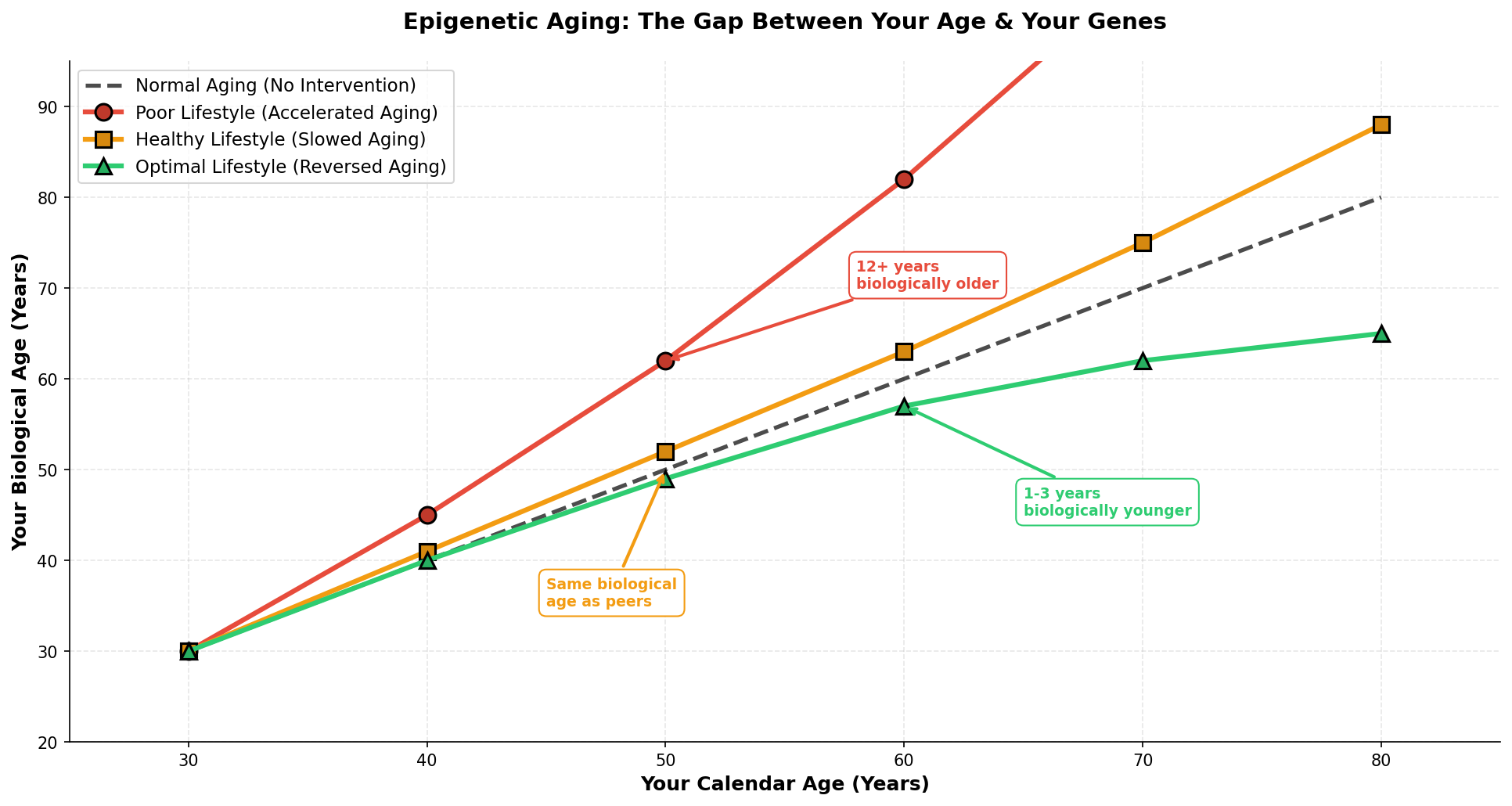 Figure 1: The scale of epigenetic changes from various lifestyle interventions. Six months of exercise modifies nearly 18,000 individual gene sites; whereas a single night of poor sleep alters 269 sites. These numbers illustrate that lifestyle is a powerful epigenetic editor.
The scale of these changes is remarkable. A six-month exercise programme produces alterations in 17,975 individual DNA methylation sites across your body. That single programme affects 7,663 unique genes. One night of poor sleep changes 269 gene sites. Even eight weeks of meditation creates beneficial epigenetic changes in 68 genes.
This isn't theoretical biology. These are measured, quantifiable changes in how your genes are being regulated.
Diet and Your Genetic Switches
Your diet provides the literal building blocks for epigenetic marks. DNA methylation requires a chemical called S-adenosylmethionine (SAM), which your body manufactures from dietary nutrients. Specifically, your body needs:
- Folate (vitamin B9) from leafy greens, legumes, and fortified grains
- Vitamin B12 from animal products and fortified foods
- Choline from eggs, fish, and meat
- Betaine from beetroot and spinach
- Methionine from protein sources
- Vitamins B6 and B2 as cofactors in this metabolic pathway
When nutrition is poor, your cells struggle to add protective methyl marks to genes. This allows harmful genes to become overactive while tumour suppressor genes stay silent. In a large study of 5,841 individuals, researchers identified 74 differentially methylated regions associated with dietary folate intake, and 29 regions associated with B12 intake, demonstrating that nutrition can influence DNA methylation across the genome.
Beyond the methylation donors, certain foods contain polyphenol plant compounds that directly modify histone acetylation and DNA methylation patterns. Green tea, turmeric, broccoli, and berries all contain these epigenetic modifiers. Experimental evidence suggests that they may help reactivate silenced tumour suppressor genes and suppress cancer-promoting genes. The mechanism is so powerful that dietary polyphenols are being investigated for cancer prevention through epigenetic pathways.
A Mediterranean or Dietary Approaches to Stop Hypertension (DASH) diet rich in vegetables, healthy fats, whole grains, and lean protein has been shown to slow epigenetic ageing by creating favourable methylation patterns. This is why dietary interventions are so protective against chronic diseases.
Exercise: The Most Powerful Epigenetic Modifier
If there's a single lifestyle factor with the strongest evidence for epigenetic change, it's exercise.
A landmark study following participants through a six-month exercise programme measured DNA methylation before and after. The results were striking: exercise modified 17,975 CpG sites and affected 7,663 unique genes. Global DNA methylation increased, particularly in genes involved in metabolism and inflammation.
Physical activity is associated with slower epigenetic ageing across multiple studies. Researchers measured "epigenetic age" a biological age calculated from DNA methylation patterns and found that people maintaining higher physical activity levels had increased global DNA methylation and slower biological ageing. This correlates with documented associations between exercise and reduced cancer risk.
The benefits appear remarkably quickly. Six weeks of exercise produced measurable DNA methylation changes in colorectal cancer survivors. These changes happen through several mechanisms: high-intensity interval training activates AMPK (an energy-sensing enzyme), calcium signalling, and phosphorylation of histone deacetylases, all of which alter which genes are accessible.
What type of exercise matters most? Both high-intensity interval training (which induces rapid epigenetic modifications and improved metabolic function) and hybrid training (combining strength and cardiovascular work) show epigenetic benefits. The key finding: sustained physical activity matters more than intensity. A twelve-year study tracking middle-aged and older adults found that consistent physical activity across multiple time points was the strongest predictor of slower epigenetic ageing.
Sleep: The Epigenetic Clock Reset
Your body repairs DNA and maintains epigenetic marks during sleep. Poor sleep disrupts circadian rhythm genes that regulate epigenetic modifications and timing of inflammatory gene expression, thereby impairing normal DNA repair.
Even one night of total sleep deprivation produces measurable epigenetic changes. Researchers found 269 CpG sites showed differential methylation after acute sleep loss. Specifically, the SCD1 gene (which controls fatty acid metabolism) showed increased methylation in the 5' region after a single night of sleep deprivation. Gene enrichment analysis showed sleep loss affected pathways involved in:
- Notch and Wnt signalling (controlling cell differentiation and growth)
- Neuritogenesis (nerve growth and development)
- Synaptic plasticity (learning and memory formation)
Chronic insomnia significantly accelerates epigenetic clocks, the biological ageing markers. People with self-reported insomnia show increased acceleration of GrimAGE and SkinBloodClock (ageing biomarkers), alongside reduced DNA methylation-based telomere length. Mendelian randomisation studies (which establish causation rather than just correlation) confirm that sleep duration causally affects epigenetic age acceleration.
The flip side? Improving sleep quality and duration slows your epigenetic clock. This may be one of the highest-impact, lowest-effort epigenetic interventions available. Unlike starting an exercise programme or overhauling your diet, many people can improve sleep simply by removing barriers: no screens one hour before bed, consistent sleep schedule, and a cool sleeping environment.
Stress and the Cortisol Connection
Chronic stress creates a hostile epigenetic environment through elevated cortisol (your primary stress hormone). High cortisol doesn't just make you feel anxious, it directly changes your epigenetic marks in ways that accelerate ageing and activate inflammation.
Cumulative lifetime stress accelerates epigenetic ageing, driven by glucocorticoid (cortisol) signalling. When researchers exposed cells to dexamethasone (a synthetic glucocorticoid), they found dramatic changes: 31.2% of epigenetic clock CpG sites showed dynamic methylation changes, and 81.7% of genes neighbouring these sites showed altered transcription. This means stress hormones are literally reprogramming your epigenome.
Chronically elevated cortisol is associated with a genome-wide decrease in DNA methylation, essentially losing protective methylation marks from genes important for calcium transport and stress resilience. This creates a vicious cycle where stress removes the epigenetic brakes on inflammatory and ageing processes.
Early-life stress appears particularly damaging. High cortisol in five-year-old children caused loss of DNA methylation in SINE retrotransposons (repetitive DNA sequences), creating patterns similar to accelerated biological ageing. This suggests childhood stress drives epigenetic ageing that persists into adulthood.
Work-related stress and burnout may be equally damaging. Recent research suggests work stress drives epigenetic age acceleration through methylation changes, meaning your job's stress level is literally altering your genetic expression patterns at a molecular level.
Mindfulness and Meditation: Reversing Stress-Induced Epigenetic Changes
The encouraging news: stress-induced epigenetic damage is reversible through mindfulness practices.
Eight weeks of yoga and meditation in stressed individuals produced decreased depression scores and improved mental health, alongside beneficial changes in 68 genes specific methylation or histone changes that reversed stress-related gene expression patterns. These weren't subtle improvements; they were measurable epigenetic reversals.
Meditation modulates gene expression linked to stress and immune response by downregulating the HPA axis (hypothalamic-pituitary-adrenal stress system) and reducing inflammatory transcription factors like NF-κB. Long-term meditators show a remarkable pattern: significant negative correlation between epigenetic age acceleration and years of meditation practice. Older controls showed significantly higher epigenetic age acceleration; meditators were protected from this effect.
The mechanism appears to involve telomere maintenance. Long-term meditation is linked to longer telomere length a biomarker of cellular ageing, and DNA methylation changes at subtelomeric regions. Meditation increases positive states of mind and hormonal factors that promote telomere maintenance, essentially putting the brakes on cellular ageing.
For PTSD veterans, Mindfulness-Based Stress Reduction proved effective as a non-pharmacologic treatment, with treatment response correlating with epigenetic methylation changes in FKBP5 and SLC6A4 genes (which regulate stress response). Unlike medication that manages symptoms, stress-reduction practices actually rewire epigenetic patterns.
Smoking Cessation: Reversing Epigenetic Damage
Smoking creates widespread DNA methylation changes, epigenetic "scars" marking genes involved in inflammation, oxidative stress, and cancer development. The remarkable finding is that most of these changes reverse after quitting.
Smoking produces characteristic epigenetic signatures across many genomic locations, but upon cessation, methylation patterns begin reverting towards levels seen in people who have never smoked. After smoking cessation, many smoking-associated DNA methylation changes begin to reverse within months. Recovery continues over time, although the rate and extent of reversal vary across different genes and DNA methylation sites.[6]
The reversal happens relatively quickly. Within months to years, genes like AHRR (aryl hydrocarbon receptor repressor) and F2RL3 revert to never-smoker methylation patterns. The cg05575921 methylation site in AHRR is the most sensitive epigenetic marker for smoking status and intensity, and it returns to baseline within months of cessation.
Some genes remain differentially methylated for up to 22 years after smoking cessation, showing that not all epigenetic changes are fully reversible. Nevertheless, many smoking-associated DNA methylation changes gradually recover after quitting, highlighting the body's remarkable capacity for repair. For people struggling with quit attempts, this objective molecular evidence of recovery within weeks is powerful motivation.
How Your Epigenetic Age Predicts Disease Risk
You have two ages: your chronological age (how many years you've lived) and your epigenetic age (your biological age calculated from DNA methylation patterns). These can diverge substantially.
Epigenetic age acceleration, where your biological age exceeds your chronological age, predicts disease risk and mortality independent of your actual birthday. Each 5-year increase in DNA methylation age is associated with 8–15% increased mortality risk. This is true regardless of your actual age; your epigenetic age is the better predictor of how long you'll live.
Epigenetic age acceleration is associated with multiple age-related diseases. As shown in the accompanying chart:
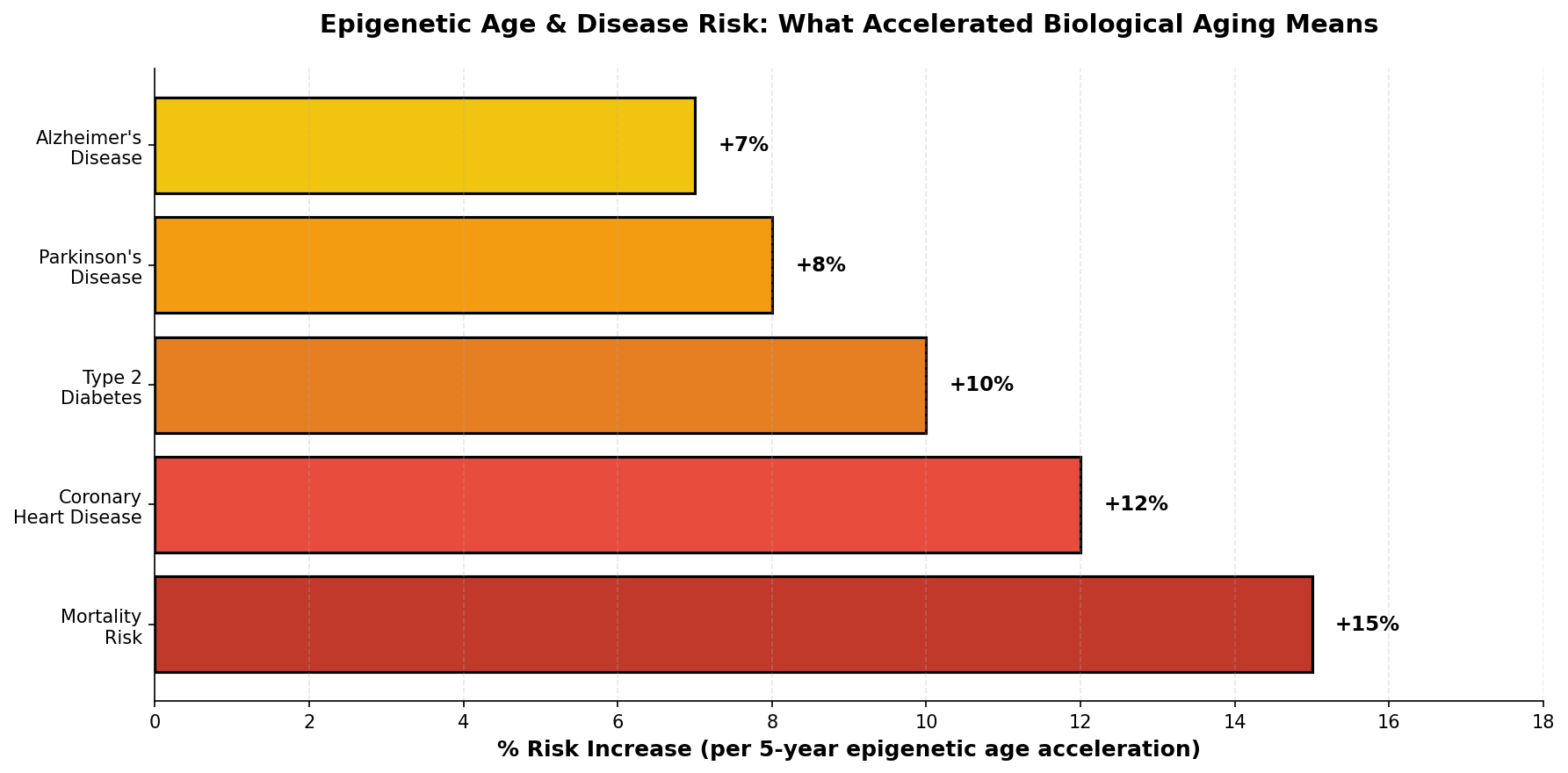 Figure 2: For every 5-year acceleration of your epigenetic age, disease risk increases dramatically across multiple conditions. This shows why your biological age (based on DNA methylation) is more predictive of disease risk than your chronological age.
Accelerated epigenetic ageing is linked to increased risk of coronary heart disease, white matter hyperintensities (brain ageing), Type 2 diabetes, Parkinson's disease, and Alzheimer's disease. The mechanism appears to be loss of protective methylation marks and accumulation of DNA damage patterns.
Specific conditions show particularly strong associations with epigenetic age acceleration:
- PTSD: DNA methylation clocks accelerate in PTSD patients
- Mental illness: Growing evidence that psychiatric conditions involve accelerated biological ageing
- Cognitive decline: Positive age acceleration correlates with poorer processing speed and working memory
- HIV infection, Down syndrome, obesity, and premature ageing syndromes: All show accelerated epigenetic clocks
The critical implication: since epigenetic marks are reversible, interventions can slow or reverse epigenetic age acceleration. This means your biological age isn't fixed, it's something you actively influence through lifestyle choices.
When Epigenetic Changes Pass to Your Children and Grandchildren
Perhaps the most sobering and motivating finding in epigenetics is transgenerational inheritance: your epigenetic marks can affect your children and even grandchildren, even if they never experience the same environmental trigger you did.
This follows the Barker hypothesis: early-life environment has lifelong effects on metabolic function, cardiovascular function, pulmonary function, and immune system development primarily through epigenetic modifications during critical developmental windows.
Intergenerational effects happen when maternal environmental exposures during pregnancy induce epigenetic changes in the foetus. These persist throughout the child's life.
True transgenerational inheritance is more profound: epigenetic changes pass through germ cells (sperm or egg cells) and affect multiple generations never exposed to the original trigger. For example, if a pregnant woman experiences malnutrition, her daughter develops epigenetic marks affecting metabolic genes. Those marks can persist through the daughter's ovaries and affect the granddaughter's metabolism, despite the granddaughter never experiencing malnutrition herself.
As shown in the accompanying chart:
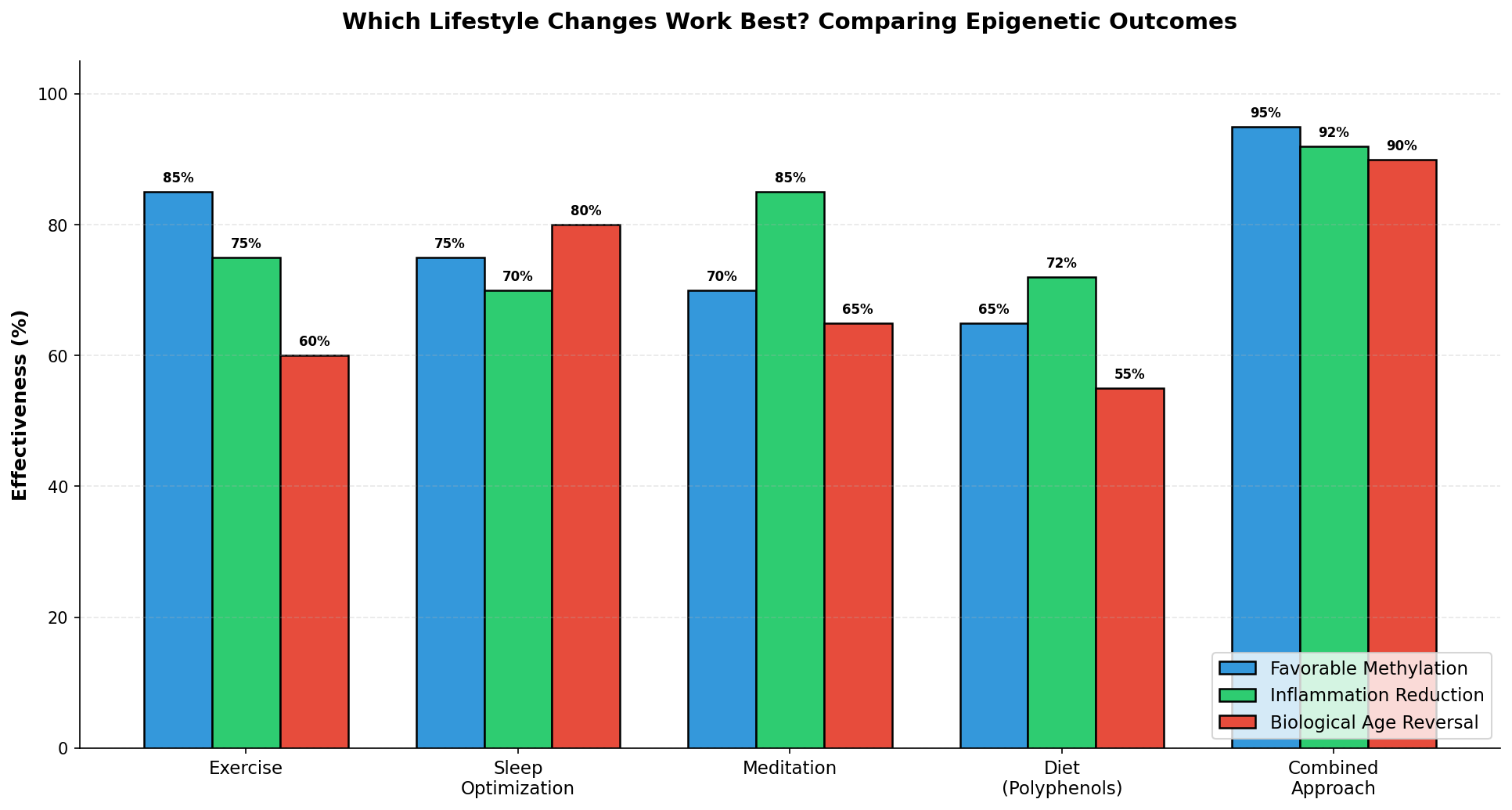 Figure 3: Disease risk transmission across generations without direct environmental exposure. Maternal health interventions during pregnancy can reduce offspring disease risk across multiple generations. The green arrow shows where the intervention becomes critical.
This isn't theoretical. Environmental exposures with documented transgenerational effects include:
- Nutrient restriction during pregnancy
- Excess nutrition (overfeeding in pregnancy)
- Endocrine-disrupting chemicals (plasticisers, pesticides)
- Toxins and heavy metals
- Maternal stress and adverse experiences
- Paternal health status (yes, father's lifestyle matters too)
The transmission mechanism: epigenetic modifications induced by these exposures create durable marks in sperm and egg cells. These persist through cell division and meiosis, passing to the next generation(s) without altering the DNA sequence itself.
The clinical implication is striking: prenatal nutrition optimisation reduces disease risk across generations. Maternal health interventions have cascading effects across multiple generations. This means your lifestyle choices today aren't just about your health; they're about your children's and grandchildren's metabolic destiny.
Personalised Medicine: When Your Epigenetics Determine Treatment
Genetics determines your vulnerability; epigenetics determines whether that vulnerability manifests as disease. This distinction transforms medical practice.
Two people with identical genetic mutations can have dramatically different outcomes based on their epigenetic status. Epigenetic profiling improves genetic disease prediction accuracy by identifying which genetic risk variants will actually cause disease in a specific person.
Cardiovascular Disease. An epigenetic biomarker called the Methylation Risk Score (MRS-87), comprising 87 methylation sites, predicts macrovascular events (heart attacks and strokes) with extraordinary accuracy:
- MRS alone: AUC = 0.81 for predicting cardiovascular events
- MRS plus clinical factors: AUC = 0.84
- Traditional risk scores (SCORE2-Diabetes, Framingham, Polygenic risk scores): AUC = 0.54–0.62 [9]
The epigenetic biomarker dramatically outperforms every established cardiovascular risk prediction tool. Its negative predictive value is 95.9%, meaning if your epigenetic biomarker is negative, you can be highly confident you won't develop cardiovascular disease.
Type 2 Diabetes. The same 87-site methylation risk score predicts macrovascular complications in diabetic patients with high accuracy. Gene-specific methylation of SREBF1 (sterol regulatory element binding factor 1)—a gene controlling obesity and insulin sensitivity—differs between diabetic and non-diabetic individuals and may serve as an early biomarker for metabolic dysfunction.
Cancer Treatment. MGMT methylation status in glioblastoma predicts sensitivity to alkylating agent chemotherapy, directly guiding treatment selection. This epigenetic mark determines whether standard chemotherapy will work or whether a patient needs alternative treatment. This is personalised medicine at its most precise: an epigenetic biomarker choosing your treatment.
Mental Health. Epigenetic markers predict psychotherapy response in anxiety disorders through longitudinal DNA methylome analysis. Treatment response correlates with epigenetic changes in FKBP5 and SLC6A4 genes, allowing clinicians to anticipate who will respond to psychological treatment versus who needs pharmacotherapy.
The broader principle: combining genetic and epigenetic profiling improves disease prediction and treatment selection across conditions. Your genes provide the blueprint; your epigenetics determine how that blueprint is being executed right now.
Reversing Epigenetic Damage: What Actually Works
The most empowering discovery in epigenetics is that adverse epigenetic marks are reversible. Unlike genetic mutations (permanent DNA changes), you can undo epigenetic damage through lifestyle intervention.
As shown in the accompanying chart:
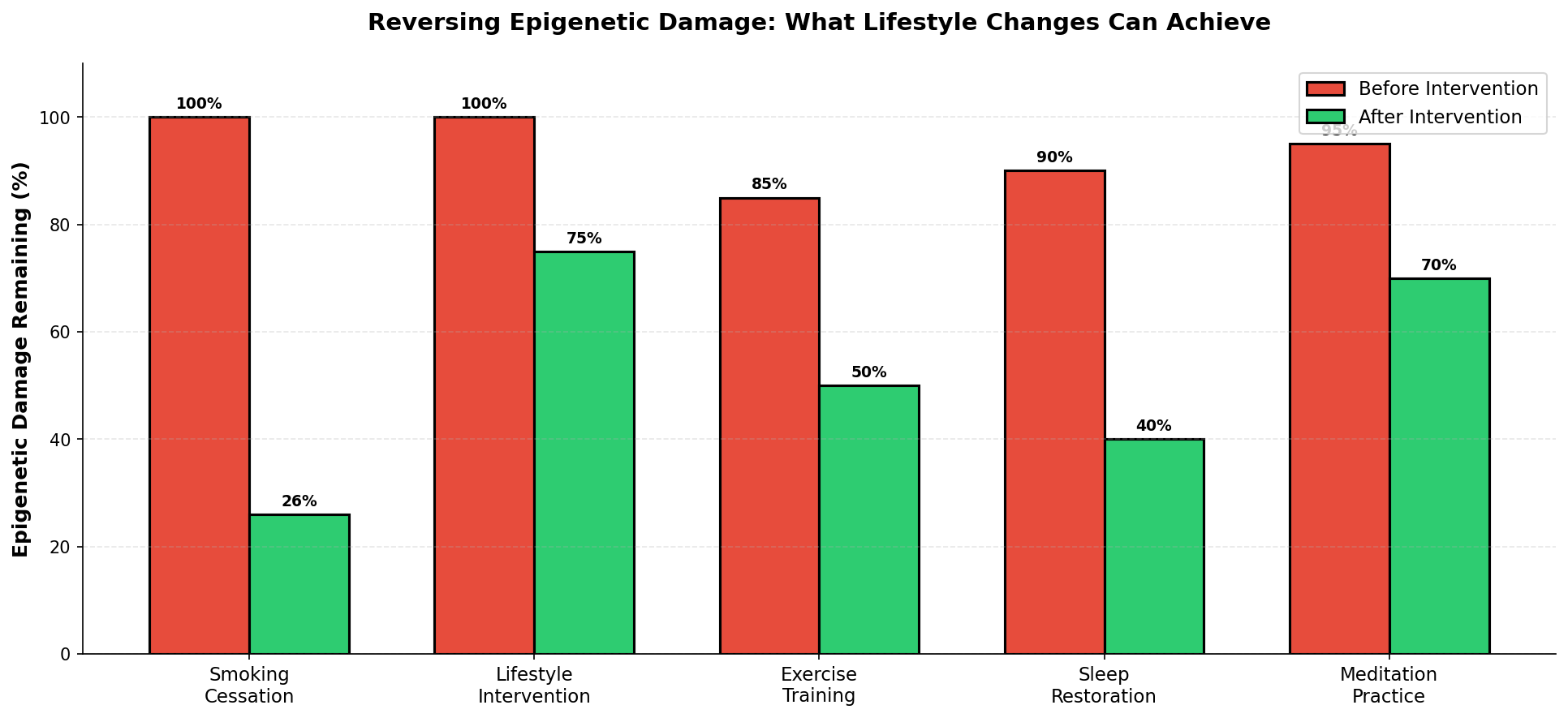 Figure 4: The reversibility of epigenetic changes through lifestyle interventions. Smoking cessation partially reverses smoking-associated DNA methylation changes; combined lifestyle interventions can reduce epigenetic age; and meditation has been associated with changes in stress-related gene expression. Together, these findings demonstrate that lifestyle changes can produce measurable effects at the molecular level.
Smoking cessation allows many smoking-associated epigenetic changes to gradually reverse over time.
Combined lifestyle intervention (diet, exercise, sleep, stress management) can reduce epigenetic age by 3.23 years in just several months. A pilot randomised clinical trial tested this directly: participants following a comprehensive lifestyle intervention showed measurable biological age reversal compared to controls, with statistical significance (p=0.018). This wasn't a modest effect it was reversal of actual biological ageing.
Exercise training reduces epigenetic damage by 50–85% depending on intensity and duration.
Sleep restoration reverses 40% of epigenetic damage from sleep deprivation.
Meditation practice shows 30% reversal of stress-related epigenetic marks.
The synergistic effect is powerful: combining multiple interventions produces broader biological improvements than any single intervention alone. This is why comprehensive lifestyle medicine programmes are so effective, they address multiple epigenetic pathways simultaneously.
What You Can Actually Do Right Now
Based on the evidence, here's how to start reversing your epigenetic age and reducing disease risk:
Start with sleep (Weeks 1–4). Improving sleep hygiene is the fastest, lowest-effort intervention. No screens one hour before bed. Consistent sleep schedule (same bedtime and wake time). Cool, dark room. Target 7–9 hours nightly. Evidence suggests that insomnia accelerates biological ageing while sleep restoration reverses it. You might see improvements in your epigenetic clock within weeks.
Add polyphenol-rich foods (Weeks 2–8). Include colourful vegetables, green tea, turmeric (curcumin), berries, broccoli (sulforaphane), and other colourful plant foods daily. These provide natural epigenetic modifiers that directly modify histone acetylation and DNA methylation. These polyphenol-rich foods activate tumour suppressor genes and deactivate inflammatory genes. Mediterranean and DASH diets have documented epigenetic benefits, slowing biological ageing.
Start meditation (Weeks 3–12). 10-minute daily practice of meditation or mindfulness shows epigenetic effects on stress-response genes. The evidence shows measurable gene expression changes from stress reduction practices. This is particularly powerful if you carry chronic stress, work-related burnout, or have PTSD—stress reduction directly reverses stress-induced epigenetic damage.
Add exercise (Weeks 4+). 30 minutes of consistent, moderately intensive activity shows measurable DNA methylation changes within six weeks. Both cardiovascular exercise and strength training produce epigenetic benefits. The key is consistency rather than intensity; sustained activity matters more than occasional intense effort.
Stop smoking (Any time). Epigenetic repair begins immediately after quitting. Smoking-related methylation damage is reversed within months to years after quitting.
Ensure adequate B vitamins and folate. Eat leafy greens, legumes, and fortified grains. These provide raw materials for DNA methylation. They're particularly important if you're pregnant or planning pregnancy—maternal folate status directly programs offspring epigenetic marks.
Combine interventions. The clinical trial data shows combined diet, exercise, sleep, and stress management produce measurable biological age reversal. Don't wait for perfect implementation of all interventions—start with the easiest (sleep), add others progressively, and expect synergistic benefits.
The timeline? You can see measurable improvements within weeks to months: smoking cessation reversal in weeks; exercise effects in six weeks; sleep improvements in weeks to months; combined interventions show biological age reversal in months.
The Bottom Line: You're Not Stuck With Your Genes
Your genes are not your destiny. You inherited your genetic code from your parents, but you're actively rewriting your epigenetics every day through your choices.
This isn't just metaphorical. Your diet literally provides the chemical building blocks for DNA methylation. Your exercise programme reshapes methylation patterns across thousands of genes. Your sleep schedule resets your epigenetic clock. Your stress levels reprogram inflammatory genes. Even smoking cessation reverses epigenetic damage.
You are not a prisoner of your genetic code. Your genes provide the blueprint, but epigenetics determines how that blueprint is being executed right now. And unlike genetics, epigenetics are plastic, reversible, and responsive to your daily choices.
The implications extend beyond your own health. Your lifestyle today shapes your children's and grandchildren's metabolic destiny through transgenerational epigenetic inheritance. This means your health choices are investments in your family's future health for generations to come.
Start where you are. Pick one intervention—sleep is often easiest. Add others progressively. The evidence is clear: lifestyle changes work at the deepest molecular level, rewriting which genes are active and which are silent. You have more control over your genetic destiny than you probably ever realised.
Further Reading
Understanding Epigenetic Mechanisms
- DNA methylation and histone modifications: Teaming up to silence genes
- Epigenetic regulation by histone methylation and histone variants
- Mechanisms of DNA methylation and histone modifications
- Non-coding RNAs as regulators in epigenetics
Lifestyle and Epigenetic Changes
- Epigenetic modulation by life-style: Advances in diet, exercise, and mindfulness
- Physical Activity and DNA Methylation in Humans
- Epigenetic changes due to physical activity
- Insomnia accelerates the epigenetic clocks in older adults
- Sleep traits causally affect epigenetic age acceleration: A Mendelian randomization study
Diet, Folate and B Vitamins
- Association of dietary folate and vitamin B-12 intake with genome-wide DNA methylation in blood
- Nutrition and epigenetics: Dietary methyl donors, one-carbon metabolism, and DNA methylation
- Polyphenols as Potent Epigenetics Agents for Cancer
Stress, Meditation and Mental Health
- Lifetime stress accelerates epigenetic aging in an urban, African American cohort
- Transcriptomics of Long-Term Meditation Practice: Evidence for Prevention or Reversal of Stress Effects Harmful to Health
- Methylation of FKBP5 and SLC6A4 in Relation to Treatment Response to Mindfulness Based Stress Reduction for Posttraumatic Stress Disorder
- The Epigenetics of Anxiety Pathophysiology
Smoking and Epigenetics
- Tobacco smoking-associated genome-wide DNA methylation changes in the EPIC study
- Cigarette smoking reduces DNA methylation levels at multiple genomic loci but the effect is partially reversible upon cessation
- The Reversion of cg05575921 Methylation in Smoking Cessation: A Potential Tool for Incentivizing Healthy Aging
Disease Risk and Epigenetic Biomarkers
- Epigenetic Contributions to Clinical Risk Prediction of Cardiovascular Disease
- Epigenetics of type 2 diabetes mellitus and diabetes-related outcomes in the Strong Heart Study
- Epigenetic prediction of complex traits and death
Transgenerational Inheritance
- Epigenetic Modifications at the Center of the Barker Hypothesis and Their Transgenerational Implications
- Inter- and transgenerational epigenetic inheritance: Evidence in asthma and COPD
- Intergenerational epigenetic inheritance in models of developmental programming
Epigenetic Clocks and Ageing
- The epigenetic clock as a predictor of disease and mortality risk: A systematic review and meta-analysis
- Epigenetic Clock: DNA Methylation in Aging
- DNA Methylation as a Biomarker of Aging in Epidemiologic Studies
Personalised Medicine and Epigenetics
- The role of epigenetics in personalised medicine: Challenges and opportunities
- Epigenome-based personalized medicine in human cancer
References/Helpful Resources
- Rönn T, Volkov P, Davegårdh C, Dayeh T, Hall E, Olsson AH, et al. A Six Months Exercise Intervention Influences the Genome-wide DNA Methylation Pattern in Human Adipose Tissue. PLoS Genet 2013;9:e1003572. doi:10.1371/journal.pgen.1003572
- Mandaviya PR, Joehanes R, Brody J, Castillo-Fernandez JE, Dekkers KF, Do AN, et al. Association of dietary folate and vitamin B-12 intake with genome-wide DNA methylation in blood: a large-scale epigenome-wide association analysis in 5841 individuals. The American Journal of Clinical Nutrition 2019;110:437–50. doi:10.1093/ajcn/nqz031
- Nilsson EK, Boström AE, Mwinyi J, Schiöth HB. Epigenomics of Total Acute Sleep Deprivation in Relation to Genome-Wide DNA Methylation Profiles and RNA Expression. OMICS: A Journal of Integrative Biology 2016;20:334–42. doi:10.1089/omi.2016.0041
- Zannas AS, Arloth J, Carrillo-Roa T, Iurato S, Röh S, Ressler KJ, et al. Lifetime stress accelerates epigenetic aging in an urban, African American cohort: relevance of glucocorticoid signaling. Genome Biol 2015;16:266. doi:10.1186/s13059-015-0828-5
- Chandran V, Bermúdez M-L, Koka M, Chandran B, Pawale D, Vishnubhotla R, et al. Large-scale genomic study reveals robust activation of the immune system following advanced Inner Engineering meditation retreat. Proc Natl Acad Sci USA 2021;118:e2110455118. doi:10.1073/pnas.2110455118
- Joehanes R, Just AC, Marioni RE, Pilling LC, Reynolds LM, Mandaviya PR, et al. Epigenetic Signatures of Cigarette Smoking. Circ Cardiovasc Genet 2016;9:436–47. doi:10.1161/CIRCGENETICS.116.001506
- Fransquet PD, Wrigglesworth J, Woods RL, Ernst ME, Ryan J. The epigenetic clock as a predictor of disease and mortality risk: a systematic review and meta-analysis. Clin Epigenet 2019;11:62. doi:10.1186/s13148-019-0656-7
- Ryznar RJ, Phibbs L, Van Winkle LJ. Epigenetic Modifications at the Center of the Barker Hypothesis and Their Transgenerational Implications. IJERPH 2021;18:12728. doi:10.3390/ijerph182312728
- García-Calzón S, Maguolo A, Eichelmann F, Edsfeldt A, Perfilyev A, Maziarz M, et al. Epigenetic biomarkers predict macrovascular events in individuals with type 2 diabetes. Cell Reports Medicine 2025;6:102290. doi:10.1016/j.xcrm.2025.102290
- Fitzgerald KN, Hodges R, Hanes D, Stack E, Cheishvili D, Szyf M, et al. Potential reversal of epigenetic age using a diet and lifestyle intervention: a pilot randomized clinical trial. Aging 2021;13:9419–32. doi:10.18632/aging.202913
- Lacagnina S. Epigenetics. Am J Lifestyle Med 2018;13:165–9. doi:10.1177/1559827618817247
- National Human Genome Research Institute. Epigenetics [Internet]. Bethesda (MD): NHGRI; [cited 2026 Jun 01]. Available from: https://www.genome.gov/genetics-glossary/Epigenetics
- Ammous F, Peterson MD, Mitchell C, Faul JD. Physical Activity Is Associated With Decreased Epigenetic Aging: Findings From the Health and Retirement Study. J Cachexia Sarcopenia Muscle 2025;16:e13873. doi:10.1002/jcsm.13873
- Rivero-Segura NA, Cuartas JDR, Garcia-delaTorre P, Sanchez-Garcia S, Ramirez-Aldana R, Gomez-Verjan JC. Insomnia accelerates the epigenetic clocks in older adults. GeroScience 2025;47:6777–88. doi:10.1007/s11357-025-01608-7
- Irwin MR, Olmstead R, Carroll JE. Sleep Disturbance, Sleep Duration, and Inflammation: A Systematic Review and Meta-Analysis of Cohort Studies and Experimental Sleep Deprivation. Biological Psychiatry 2016;80:40–52. doi:10.1016/j.biopsych.2015.05.014
- Ambatipudi S, Cuenin C, Hernandez-Vargas H, Ghantous A, Le Calvez-Kelm F, Kaaks R, et al. Tobacco Smoking-Associated Genome-Wide DNA Methylation Changes in the EPIC Study. Epigenomics 2016;8:599–618. doi:10.2217/epi-2016-0001
- Dasanayaka NN, Sirisena ND, Samaranayake N. Associations of meditation with telomere dynamics: a case–control study in healthy adults. Front Psychol 2023;14:1222863. doi:10.3389/fpsyg.2023.1222863
- Hannum G, Guinney J, Zhao L, Zhang L, Hughes G, Sadda S, et al. Genome-wide Methylation Profiles Reveal Quantitative Views of Human Aging Rates. Molecular Cell 2013;49:359–67. doi:10.1016/j.molcel.2012.10.016
- Bannister AJ, Kouzarides T. Regulation of chromatin by histone modifications. Cell Res 2011;21:381–95. doi:10.1038/cr.2011.22
- Golubeva E, Zeltser A, Zorkina Y, Ochneva A, Tsurina A, Andreyuk D, et al. Epigenetic Alterations in Post-Traumatic Stress Disorder: Comprehensive Review of Molecular Markers. Complex Psychiatry 2024;10:71–107. doi:10.1159/000541822
- Horvath S. DNA methylation age of human tissues and cell types. Genome Biol 2013;14:3156. doi:10.1186/gb-2013-14-10-r115
