

Have you noticed a soft, yellowish patch appearing on your eyelid, usually near the inner corner? You are not imagining it, and you are not alone. These deposits, known as xanthelasma, are small pockets of cholesterol that settle under the delicate skin around the eyes. They do not hurt, they do not affect your vision, and they are not dangerous in themselves. But here is what most people miss: xanthelasma is one of the few conditions your body places, quite literally, right in front of your face as a warning signal about your heart.
The good news is that many of the things that cause xanthelasma to appear (and to keep coming back after treatment) are habits you already have some control over. What you eat, how much you move, whether you smoke, how well you sleep, and how you handle stress all play a role. This article walks you through what the research says, in plain language, so you can decide which small changes are worth making.
Overview: What Xanthelasma Really Is
Xanthelasma (full name xanthelasma palpebrarum) is a soft, painless, yellow-white plaque made mostly of cholesterol. It usually appears on the upper eyelid, near the nose, and it tends to grow slowly over months or years. Around 4.4% of adults develop it at some point, which works out to roughly 1 in 23 people.
It is not evenly distributed across the population. Women are three to four times more likely to develop xanthelasma than men, and most cases appear between the ages of 35 and 55, when cardiovascular risk also begins to rise.
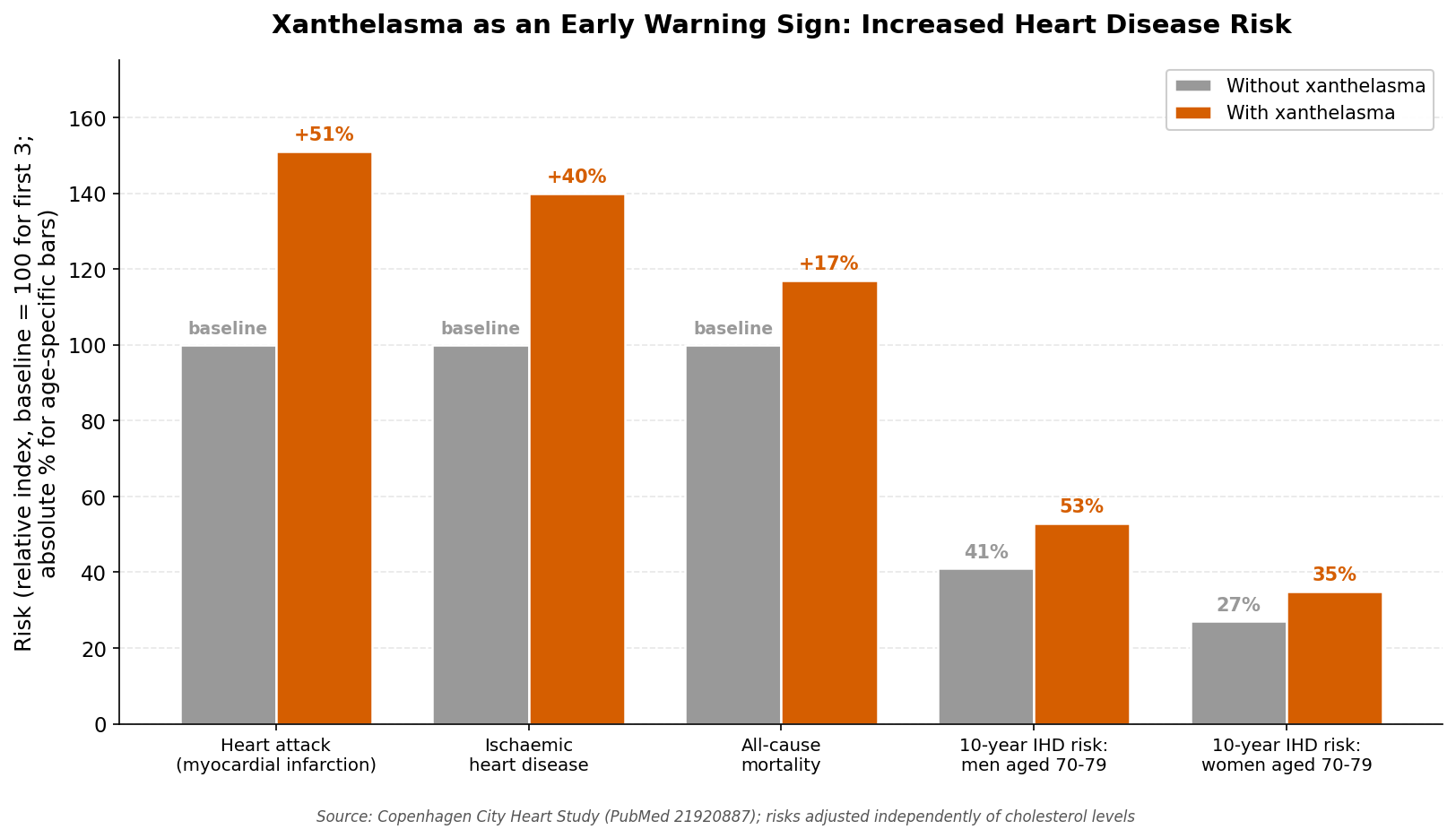 Figure 1: Xanthelasma affects women far more often than men and peaks in mid-life. Data compiled from NCBI StatPearls and PubMed clinical series.
Why does that matter? Because the mid-life window is also the point where lifestyle changes have the biggest payoff for preventing heart attacks and strokes. Xanthelasma often shows up at the very moment you can still do something about the underlying problem.
What Causes Xanthelasma
Xanthelasma forms when specialised immune cells called macrophages soak up cholesterol from the bloodstream and get stuck in the thin skin of the eyelids. Over time, these fat-loaded cells clump together and form the visible yellow plaque. Think of it as a very slow-moving traffic jam of cholesterol beneath the skin.
The most consistent finding across the medical literature is a cholesterol imbalance. In one landmark study, 94% of people with xanthelasma had low HDL ("good") cholesterol, and about 60% had some form of dyslipidaemia (an abnormal blood-fat pattern). Around 38% also had high blood pressure, and roughly 1 in 5 had diabetes.
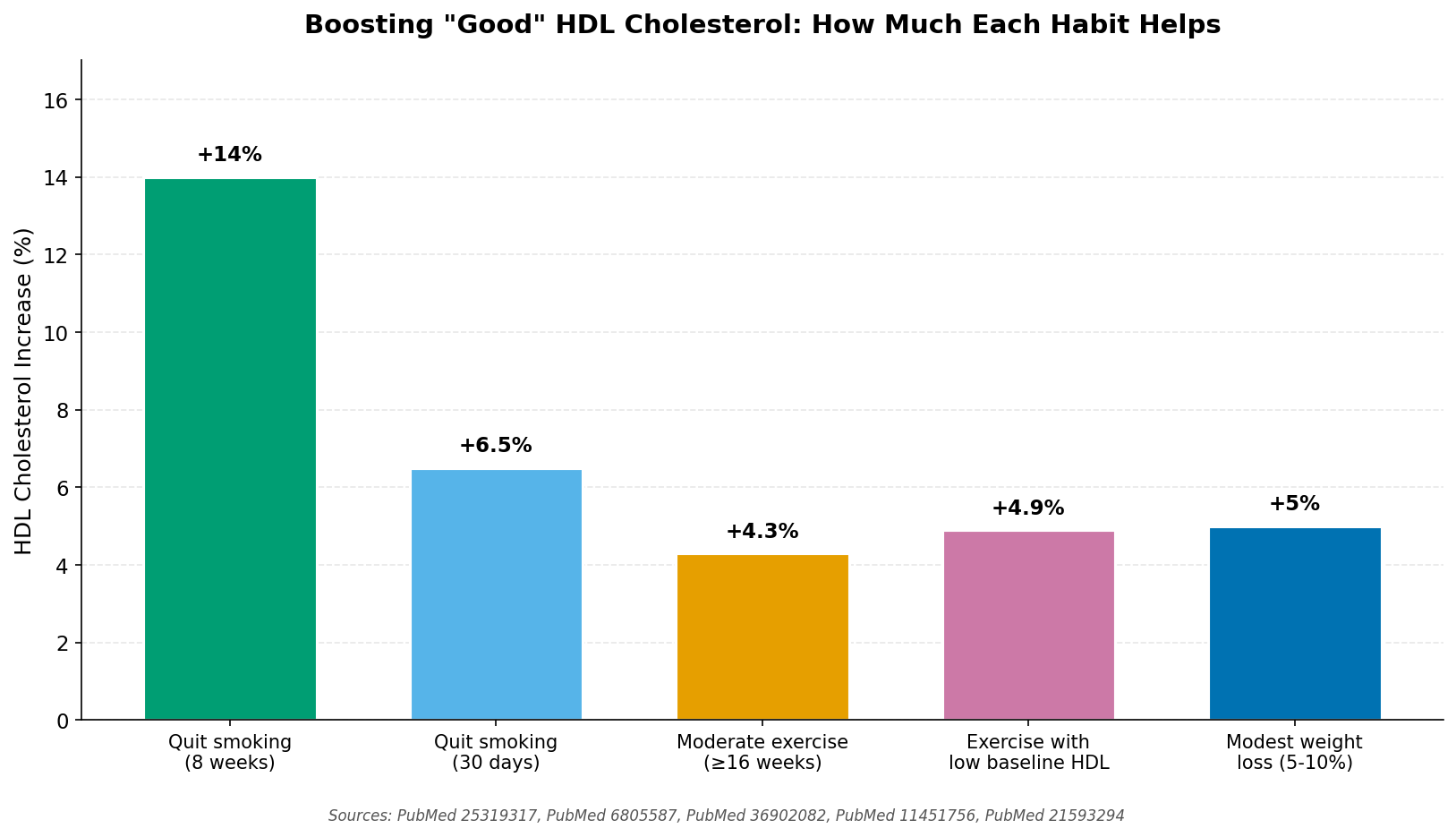 Figure 2: Low HDL cholesterol is present in almost every xanthelasma patient, followed by dyslipidaemia and high blood pressure. Data from PubMed clinical studies and NCBI StatPearls.
HDL is the "clean-up crew" of your bloodstream. It picks up excess cholesterol from tissues (including the eyelids) and delivers it back to the liver for disposal. When HDL is low, that clean-up service slows down, and cholesterol has more time to settle in places it should not, such as the skin around your eyes and the walls of your arteries.
There is also a genetic angle worth knowing about. Some people inherit a condition called familial hypercholesterolaemia, which causes very high cholesterol from a young age. If xanthelasma appears in your 20s or early 30s, doctors will often screen for it.
Why Xanthelasma Is Worth Taking Seriously
The plaque itself is harmless, but what it signals is not. The Copenhagen City Heart Study, which tracked more than 12,000 people for up to 33 years, found that people with xanthelasma had:
- 51% higher risk of heart attack
- 40% higher risk of ischaemic heart disease
- 17% higher overall risk of death
And here is the striking part: these risks held true even when cholesterol readings looked normal on a blood test. In other words, xanthelasma is telling your doctor something that a standard lipid panel might miss.
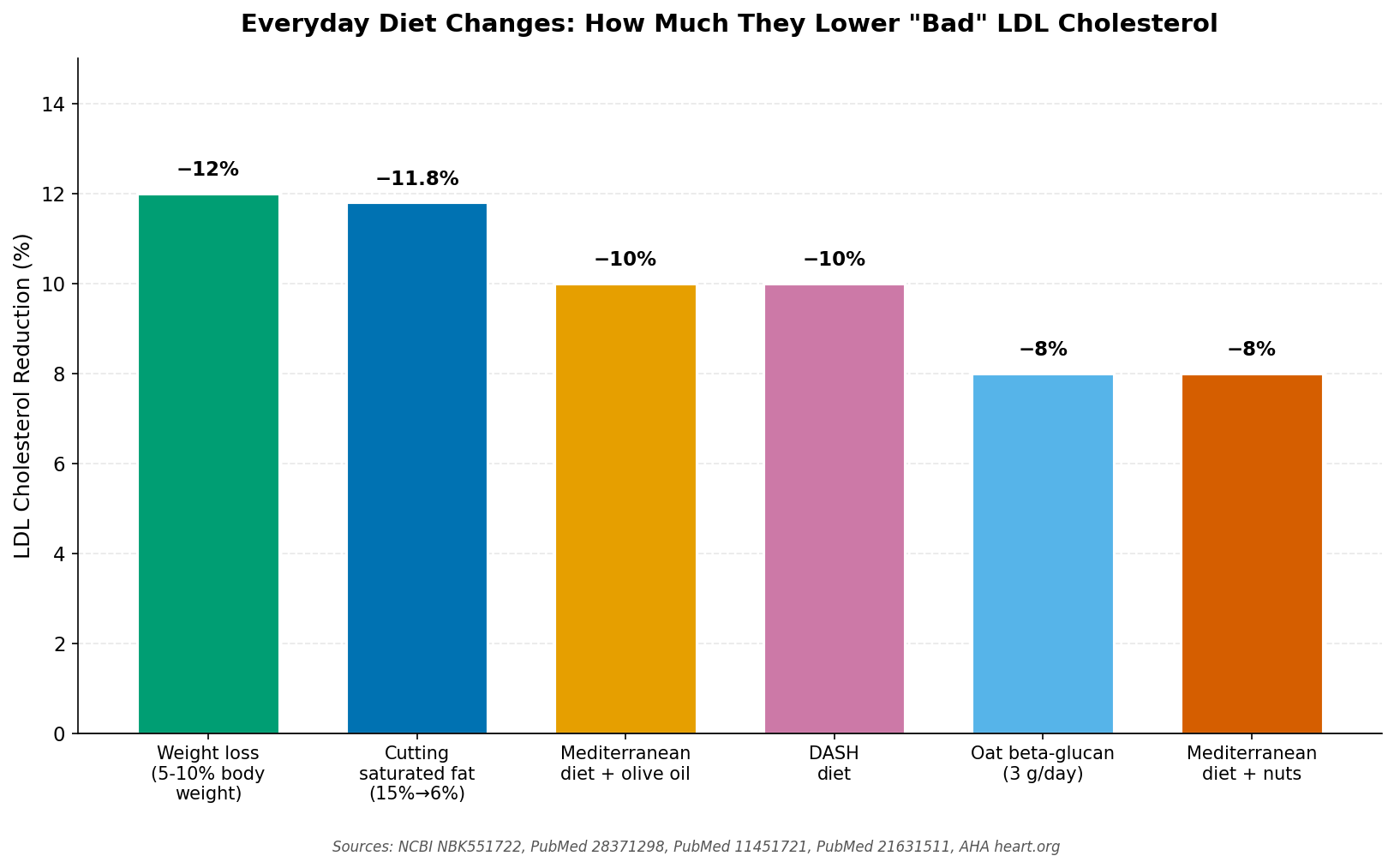 Figure 3: People with xanthelasma face significantly higher risks of heart attack, ischaemic heart disease, and premature death. Data from the Copenhagen City Heart Study.
None of this means xanthelasma is an emergency. It means it is an opportunity, a nudge from your body to look at the bigger picture before something more serious develops.
How Everyday Habits Influence It
This is where the story becomes more encouraging. Almost every major driver of xanthelasma is influenced by daily choices. You do not need a perfect lifestyle to make a difference; even modest, sustained changes shift the underlying biology in a helpful direction.
Diet: The Biggest Lever You Have
What you eat has a direct effect on the LDL ("bad") cholesterol that fuels xanthelasma. Several eating patterns have been tested in large trials, and the results are consistent.
- Cutting saturated fat from 15% to 6% of daily calories lowers LDL by about 11.8%. In practical terms, that means swapping butter, fatty cuts of meat, and full-fat dairy for leaner options
- A Mediterranean diet rich in olive oil, vegetables, whole grains, fish, and nuts lowers LDL by around 10% compared with a low-fat diet
- The DASH eating plan (originally designed to treat hypertension) lowers LDL by about 10 mg/dL and total cholesterol by 14 mg/dL
- Adding 3 grams of oat beta-glucan a day (roughly three servings of porridge or oat-based foods) reduces LDL by 5–10%
- Losing 5–10% of body weight can drop LDL by 5–12% on its own
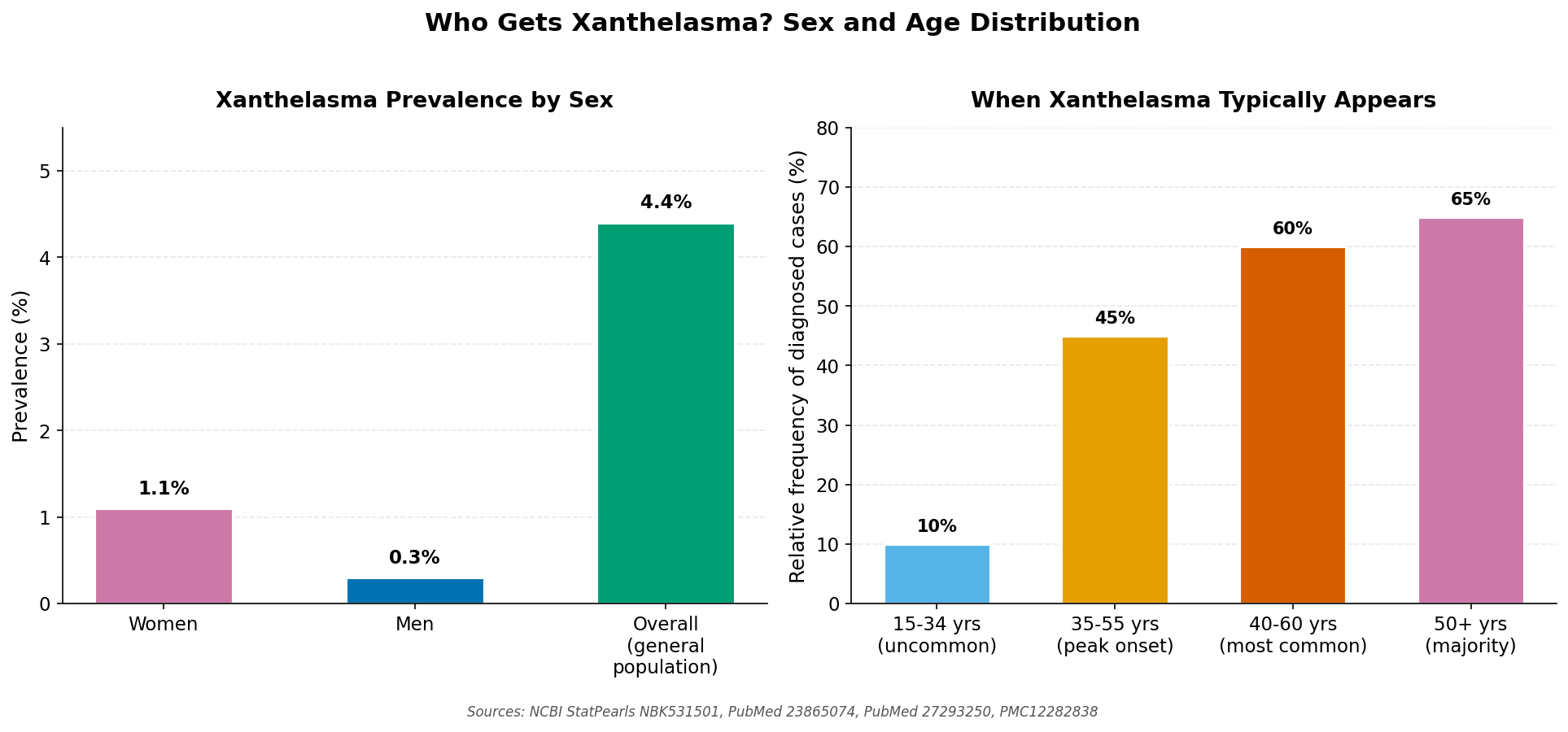 Figure 4: Modest, sustained changes to diet or body weight each lower "bad" cholesterol by 8–12%. Data from NCBI StatPearls, PubMed clinical trials, and the American Heart Association.
Individually, each of these is a small change. Stacked together, they add up to results comparable with low-dose cholesterol medication.
Exercise: Raising Your Clean-Up Crew
Because low HDL is the single most common finding in xanthelasma patients, anything that raises HDL is particularly valuable. Regular physical activity does exactly that.
- 16 weeks of moderate-to-high intensity exercise raises HDL by about 4.3%
- Men with high triglycerides and low HDL see gains of around 4.9%
- The NHS baseline recommendation is 150 minutes of moderate activity (or 75 minutes of vigorous activity) per week, which works out to roughly 30 minutes of brisk walking, five days a week
Exercise also lowers triglycerides, reduces blood pressure, improves insulin sensitivity, and helps with weight loss. For xanthelasma specifically, the HDL boost directly supports the body's ability to clear cholesterol from the eyelid tissue.
Smoking: The Single Biggest Modifiable Risk
Smoking may be the most powerful lifestyle factor of all when it comes to xanthelasma. Nearly 40% of people with xanthelasma are current smokers, well above the general population rate. Smoking damages HDL both in quantity and in function, which means it attacks the exact system your body uses to prevent xanthelasma in the first place.
The reverse is also striking. Quitting smoking produces some of the fastest metabolic wins in medicine:
- HDL rises by approximately 14% within 8 weeks of quitting
- Measurable HDL improvements appear within a single week
- HDL not only rises but works better, transporting more cholesterol out of tissues
- Combining quitting with exercise amplifies the benefit further
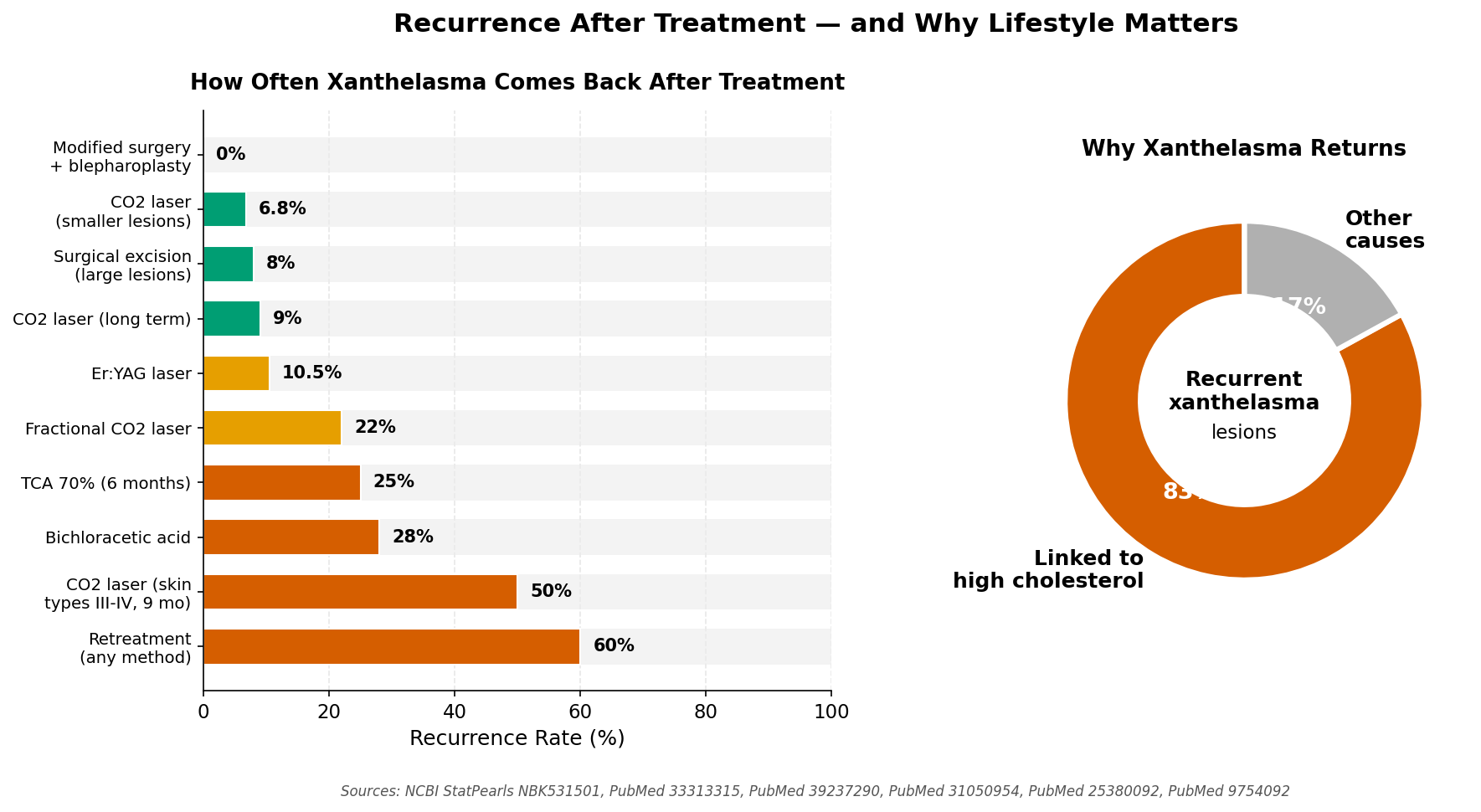 Figure 5: Smoking cessation produces roughly three times the HDL benefit of exercise alone, within just two months. Data from PubMed meta-analyses and clinical studies.
If you smoke and you have xanthelasma, quitting is the single most impactful action you can take, more so than any dietary change or exercise plan.
Alcohol: A Mixed Story
Alcohol is often described as heart-friendly in moderation, but the picture is more complicated for people with xanthelasma. Heavy drinking:
- Raises triglycerides, sometimes dramatically
- Increases the liver's production of large fat-carrying particles
- Downregulates the LDL receptors that clear cholesterol from the blood
- Hits overweight drinkers much harder than lean ones
Moderate drinking can nudge HDL upward, but for someone whose xanthelasma is being driven by fatty liver disease or metabolic syndrome, alcohol usually does more harm than good. For people with xanthelasma, less alcohol is generally the safer choice.
Sleep: The Overlooked Factor
Both short sleep (less than six hours) and long sleep (more than 9 hours) are linked with higher cholesterol, higher blood pressure, and greater cardiovascular risk. Short sleepers specifically show higher total cholesterol and lower HDL.
The mechanism is biological: sleep disturbance interferes with the liver's ability to convert cholesterol into bile acids for disposal. In practical terms, consistent 7–8 hours a night supports the body's built-in cholesterol clearance system, which is exactly what someone with xanthelasma needs.
Stress: A Real, Not Imagined, Factor
Stress is often dismissed as vague or unmeasurable, but the data on cholesterol is quite specific. During periods of acute stress, such as exam season, LDL cholesterol rose by an average of 5.8 mg/dL, tracking closely with cortisol levels. Chronic stress raises cholesterol, encourages fat storage in arteries, and interferes with the HDL-based cholesterol-clearance system that helps protect against xanthelasma.
Managing stress through sleep, movement, breathing exercises, therapy, or simply reducing overload should be considered a legitimate part of a xanthelasma-friendly lifestyle, not a nice-to-have.
Treatment and Prevention
Because xanthelasma is benign, treatment is not medically required. Many people choose to have plaques removed for cosmetic reasons, and several effective options exist.
Available Treatments
- Surgical excision (with or without blepharoplasty): near 100% clearance, low recurrence when done well. Best for deeper or larger lesions. More invasive and more expensive
- CO2 laser: 95–99% clearance for smaller lesions, with recurrence around 7–9%. Good balance of effectiveness and recovery time
- Er:YAG laser: effective for surface lesions, recurrence around 10.5%
- Trichloroacetic acid (TCA) peel: less consistent, around 22–61% clearance depending on concentration, with recurrence up to 25%
- Bichloracetic acid: 85% initial clearing, but 28% need retreatment
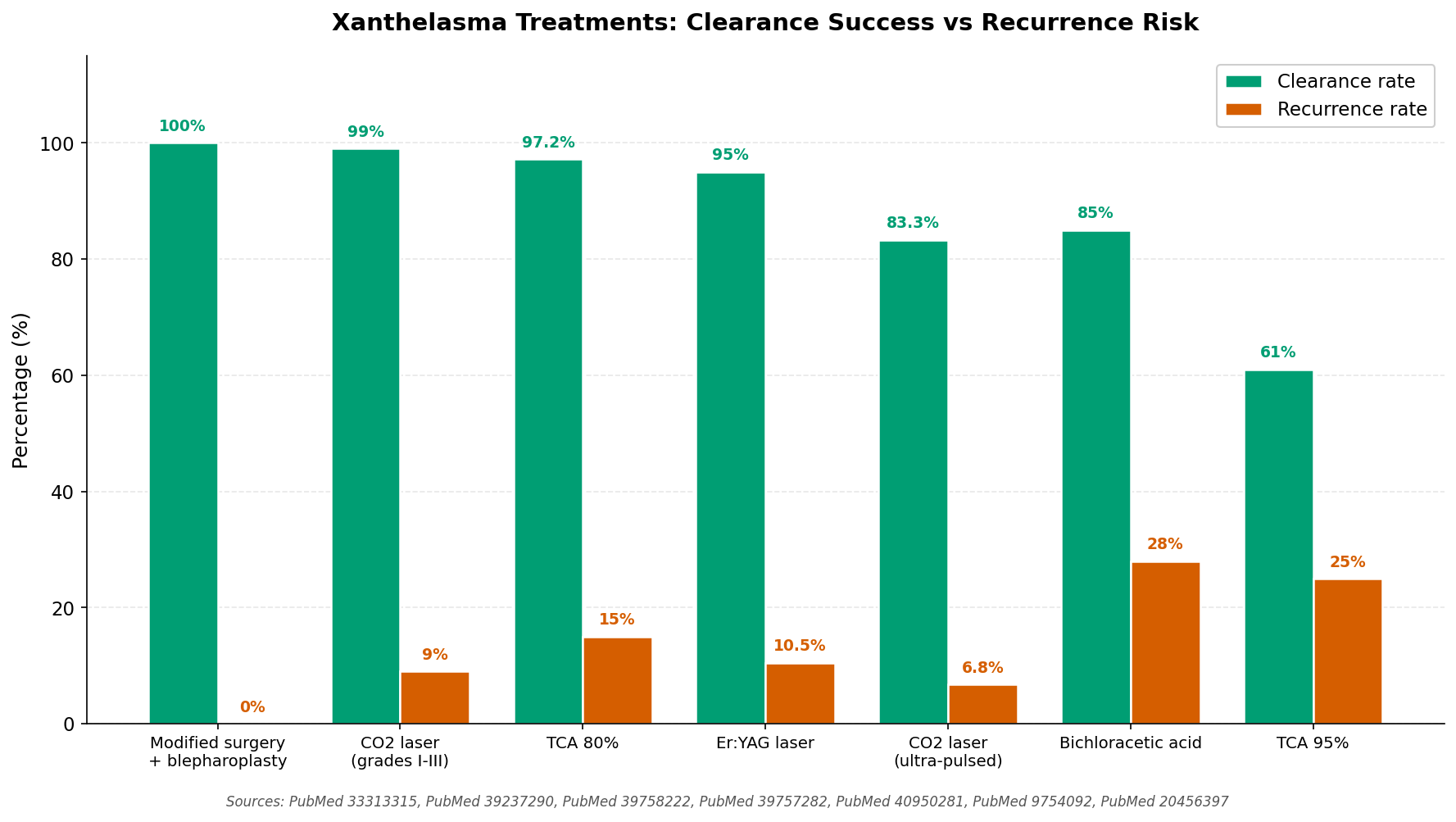 Figure 6: Surgery achieves the highest clearance and lowest recurrence; chemical peels sit at the other end of the spectrum. Data from PubMed clinical trials and NCBI StatPearls.
The right choice depends on how deep the plaque is, your skin type, how much downtime you can accept, and overall cost.
Why Prevention Matters More Than Removal
Here is the point that ties the whole article together: removing a xanthelasma plaque is only half the job. Across studies, recurrence rates range from 0%, following well-performed surgery in carefully selected patients, to more than 50% in some laser and chemical peel groups. Most importantly, 83% of recurrent lesions occurred in people with untreated high cholesterol.
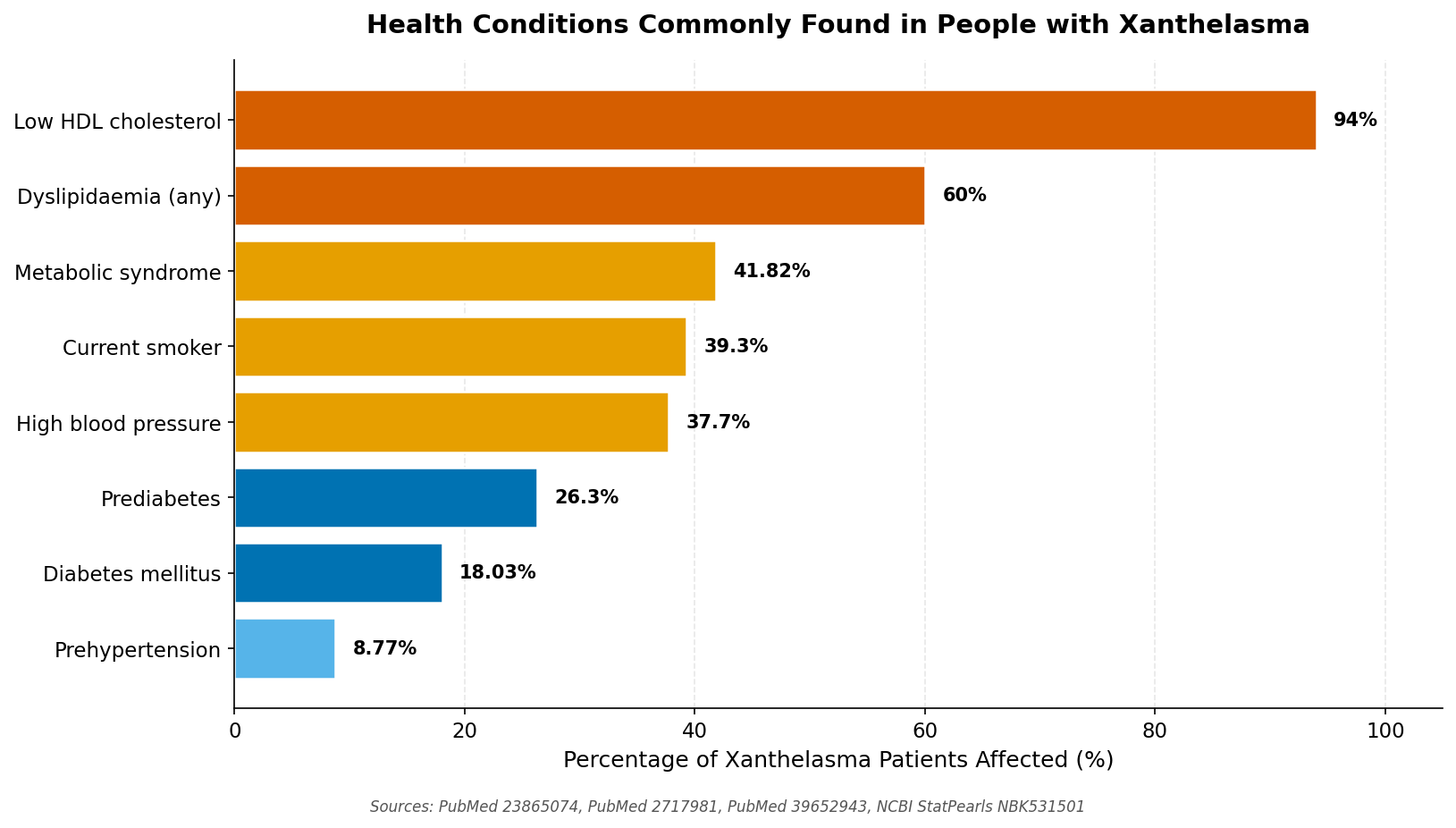 Figure 7: Untreated high cholesterol is the strongest predictor of xanthelasma recurrence after treatment, present in 83% of recurrence cases. Data from NCBI StatPearls and PubMed treatment follow-up studies.
In other words, if you have the plaque removed but do not address the underlying cholesterol imbalance, the odds of recurrence are high. If you address the cholesterol (through diet, exercise, smoking cessation, and weight management) your removal is far more likely to last.
The American Heart Association's recommendations for lowering cholesterol closely mirror the lifestyle changes that help prevent xanthelasma:
- Reduce saturated and trans fat
- Eat more fruits, vegetables, whole grains, nuts, beans, and lean protein
- Maintain a healthy weight
- Exercise regularly
- Avoid tobacco
- Prioritise good sleep
- Add medication, if lifestyle alone is not enough
When to Seek Help
Xanthelasma is not an emergency, but it is worth discussing with a healthcare professional. Consider booking an appointment if:
- You have noticed a yellow patch on your eyelid, even a small one. Any new xanthelasma is a reason for a full lipid panel and a heart-risk conversation
- You are under 35 and developing xanthelasma. Early appearance can signal an inherited cholesterol condition that needs targeted treatment
- You have a family history of early heart attacks, stroke, or high cholesterol
- You already know your cholesterol is high but have not started addressing it
- You want the plaque removed for cosmetic reasons. A dermatologist or oculoplastic surgeon can walk you through the options
- You have other risk factors such as smoking, high blood pressure, diabetes, obesity, or a sedentary lifestyle
At the appointment, expect your doctor to ask for a fasting lipid profile, a liver panel, thyroid function tests, and a blood glucose test. These are standard and inexpensive, and they help paint the fuller picture of what is driving the xanthelasma.
Note that in the UK, the NHS does not usually fund xanthelasma removal for cosmetic reasons, though the underlying cholesterol assessment and management are fully covered. If you want the plaque removed on the NHS, expect reassurance rather than a referral for surgery in most cases.
The Bottom Line
Xanthelasma is best thought of as a visible messenger. The message is not that something is catastrophically wrong; it is that your body's cholesterol-handling system is under strain and could use some help. The habits that reduce xanthelasma — Mediterranean-style eating, regular exercise, not smoking, moderate alcohol, consistent sleep, managed stress — are the same habits that reduce the risk of heart attack, stroke, and premature death. That is not a coincidence.
Even better, none of these changes have to be dramatic. Losing 5–10% of body weight, walking briskly for 30 minutes on most days, cutting back on saturated fat, quitting smoking, and getting 7–8 hours of sleep can, together, shift your cholesterol profile enough to slow xanthelasma formation and dramatically improve your long-term cardiovascular outlook. If you want your plaque removed, do it. But treat the underlying cause too. Otherwise you may find yourself back at the mirror, staring at the same yellow patch, a year or two later.
Further Reading
General Information and Overview
- Cleveland Clinic: Xanthelasma - What It Is, Causes and Treatment
- NCBI StatPearls: Xanthelasma Palpebrarum
- Moorfields Eye Hospital NHS: Eyelid Lumps and Bumps
Cholesterol and Lifestyle Change
- NHS: How to Lower Your Cholesterol
- American Heart Association: Prevention and Treatment of High Cholesterol
- American Heart Association: Saturated Fats
- NHLBI: DASH Eating Plan Health Benefits
Cardiovascular Risk and Xanthelasma
- Copenhagen City Heart Study: Xanthelasmata and Ischaemic Vascular Disease
- Cardiovascular Profile of Xanthelasma Palpebrarum
- Xanthelasma Palpebrarum as Marker of Premature Atherosclerosis
Treatment Options
- CO2 Laser Excision for Large Xanthelasma
- Modified Surgical Method with Blepharoplasty
- Trichloroacetic Acid 80% for Xanthelasma Palpebrarum
- Er:YAG Laser for Xanthelasma Palpebrarum
Diet and Cholesterol Reduction
- Dietary Therapy for LDL Cholesterol Reduction (StatPearls)
- Mediterranean Diet and LDL Atherogenicity
- DASH Trial: Effects on Blood Lipids
- Cholesterol-Lowering Effects of Oat Beta-Glucan
Smoking, Sleep, and Stress
- Smoking Cessation and HDL Functionality
- Smoking Cessation and Lipid Profiles Meta-Analysis
- Short Sleep and Hypercholesterolaemia
- Plasma Lipid Concentrations During Examination Stress
References/Helpful Resources
- Christoffersen M, Frikke-Schmidt R, Schnohr P, Jensen GB, Nordestgaard BG, Tybjaerg-Hansen A. Xanthelasmata, arcus corneae, and ischaemic vascular disease and death in general population: prospective cohort study. BMJ. 2011;343:d5497. Available from: https://pubmed.ncbi.nlm.nih.gov/21920887/ doi: 10.1136/bmj.d5497
- Nair PA, Singhal R. Xanthelasma Palpebrarum: A Brief Review [Internet]. StatPearls, NCBI Bookshelf. [cited 2026 Jul 30]. Available from: https://www.ncbi.nlm.nih.gov/books/NBK531501/
- Dey A, Aggarwal R, Dwivedi S. Cardiovascular profile of xanthelasma palpebrarum. Biomed Res Int. 2013;2013:932863. Available from: https://pubmed.ncbi.nlm.nih.gov/23865074/ doi: 10.1155/2013/932863
- Segal P, Insull W Jr, Chambless LE, Stinnett S, LaRosa JC, Weissfeld L, et al. The association of dyslipoproteinemia with corneal arcus and xanthelasma. The Lipid Research Clinics Program Prevalence Study. Circulation. 1986;73(1 Pt 2):I108-18. Available from: https://pubmed.ncbi.nlm.nih.gov/3940677/
- Bergman R. The pathogenesis and clinical significance of xanthelasma palpebrarum. J Am Acad Dermatol. 1994;30(2 Pt 1):236-42. Available from: https://www.jaad.org/article/S0190-9622(94)70023-0/abstract doi: 10.1016/S0190-9622(94)70023-0
- Bates MC, Warren SG. Xanthelasma: clinical indicator of decreased levels of high-density lipoprotein cholesterol. South Med J. 1989;82(5):570-4. Available from: https://pubmed.ncbi.nlm.nih.gov/2717981/
- Goyal P, Gupta V, Aithal S, Meena D, Dhillon KS. Assessment and Predictors of Metabolic Syndrome in Patients of Xanthelasma Palpebrarum: An Observational Study. Dermatol Pract Concept. 2024;14(4):e2024218. Available from: https://pubmed.ncbi.nlm.nih.gov/39652943/ doi: 10.5826/dpc.1404a218
- Cleveland Clinic. Xanthelasma: What It Is, Causes and Treatment [Internet]. [cited 2026 Jul 30]. Available from: https://my.clevelandclinic.org/health/diseases/23385-xanthelasma
- National Health Service (NHS). High cholesterol - How to lower your cholesterol [Internet]. [cited 2026 Jul 30]. Available from: https://www.nhs.uk/conditions/high-cholesterol/how-to-lower-your-cholesterol/
- American Heart Association. Prevention and Treatment of High Cholesterol (Hyperlipidemia) [Internet]. [cited 2026 Jul 30]. Available from: https://www.heart.org/en/health-topics/cholesterol/prevention-and-treatment-of-high-cholesterol-hyperlipidemia
- American Heart Association. Saturated Fats [Internet]. [cited 2026 Jul 30]. Available from: https://www.heart.org/en/healthy-living/healthy-eating/eat-smart/fats/saturated-fats
- Feingold KR. Dietary Therapy for LDL Cholesterol Reduction [Internet]. StatPearls, NCBI Bookshelf. [cited 2026 Jul 30]. Available from: https://www.ncbi.nlm.nih.gov/books/NBK551722/
- Hernáez Á, Castañer O, Goday A, Ros E, Pintó X, Estruch R, et al. The Mediterranean Diet decreases LDL atherogenicity in high cardiovascular risk individuals: a randomized controlled trial. Mol Nutr Food Res. 2017;61(9). Available from: https://pubmed.ncbi.nlm.nih.gov/28371298/ doi: 10.1002/mnfr.201601015
- Obarzanek E, Sacks FM, Vollmer WM, Bray GA, Miller ER 3rd, Lin PH, et al; DASH Research Group. Effects on blood lipids of a blood pressure-lowering diet: the Dietary Approaches to Stop Hypertension (DASH) Trial. Am J Clin Nutr. 2001;74(1):80-9. Available from: https://pubmed.ncbi.nlm.nih.gov/11451721/ doi: 10.1093/ajcn/74.1.80
- Whitehead A, Beck EJ, Tosh S, Wolever TM. Cholesterol-lowering effects of oat ß-glucan: a meta-analysis of randomized controlled trials. Am J Clin Nutr. 2014;100(6):1413-1421. Available from: https://pubmed.ncbi.nlm.nih.gov/21631511/ doi: 10.1111/j.1753-4887.2011.00401.x
- National Heart, Lung, and Blood Institute. DASH Eating Plan Health Benefits [Internet]. [cited 2026 Jul 30]. Available from: https://www.nhlbi.nih.gov/health/dash/health-benefits
- Takata K, Imaizumi S, Kawachi E, Suematsu Y, Shimizu T, Abe S, et al. Impact of cigarette smoking cessation on high-density lipoprotein functionality. Circ J. 2014;78(12):2955-62. Available from: https://pubmed.ncbi.nlm.nih.gov/25319317/ doi: 10.1253/circj.cj-14-0638
- Maeda K, Noguchi Y, Fukui T. The effects of cessation from cigarette smoking on the lipid and lipoprotein profiles: a meta-analysis. Prev Med. 2003;37(4):283-90. Available from: https://pubmed.ncbi.nlm.nih.gov/14507483/ doi: 10.1016/s0091-7435(03)00110-5
- Ruiz-Ramie JJ, Barber JL, Sarzynski MA. Effects of exercise on HDL functionality. Curr Opin Lipidol. 2019;30(1):16-23. Available from: https://pmc.ncbi.nlm.nih.gov/articles/PMC6492243/ doi: 10.1097/MOL.0000000000000568
- Gangwisch JE, Malaspina D, Babiss LA, Opler MG, Posner K, Shen S, et al. Short sleep duration as a risk factor for hypercholesterolemia: analyses of the National Longitudinal Study of Adolescent Health. Sleep. 2010;33(7):956-61. Available from: https://pubmed.ncbi.nlm.nih.gov/20614855/ doi: 10.1093/sleep/33.7.956
- McCann BS, Benjamin GA, Wilkinson CW, Carter J, Retzlaff BM, Russo J, Knopp RH. Variations in plasma lipid concentration during examination stress. Int J Behav Med. 1996;3(3):251-65. Available from: https://pubmed.ncbi.nlm.nih.gov/16250755/ doi: 10.1207/s15327558ijbm0303_5
- Wang D, Mao Z, Li Z, Gao W, Qu Y, Li X, Jiang Y, Lin X. Carbon dioxide laser excision as a novel treatment for large xanthelasma palpebrarum: long-term efficacy and safety. Br J Ophthalmol. 2025;109(3):427-432. Available from: https://pubmed.ncbi.nlm.nih.gov/39237290/ doi: 10.1136/bjo-2024-325581
- Choi EJ, Oh TM, Han HH. A Modified Surgical Method Combined with Blepharoplasty Design for Treatment of Xanthelasma Palpebrarum. Biomed Res Int. 2020;2020:4803168. Available from: https://pubmed.ncbi.nlm.nih.gov/33313315/ doi: 10.1155/2020/4803168
- Sapra S, Tran JV, Gurm H, Eleuterio M. Treatment of Xanthelasma Palpebrarum Using Trichloroacetic Acid 80. J Clin Aesthet Dermatol. 2024;17(11):17-22. Available from: https://pubmed.ncbi.nlm.nih.gov/39758222/
- Park H, Lee SB, Chung JH, Park SH. Effective treatment of xanthelasma palpebrarum using Er:YAG laser. Lasers Med Sci. 2025;40(1):7. Available from: https://pubmed.ncbi.nlm.nih.gov/39757282/ doi: 10.1007/s10103-024-04273-y
- Moorfields Eye Hospital NHS Foundation Trust. Eyelid lumps and bumps [Internet]. [cited 2026 Jul 30]. Available from: https://www.moorfields.nhs.uk/private/eye-conditions-and-treatments/eyelid-lumps-and-bumps
