

If you've scrolled past ads for ashwagandha lately, you might be wondering what all the fuss is about. Is it really a stress-busting miracle supplement, or just another wellness trend? The honest answer is somewhere in between. Ashwagandha has been used in Ayurvedic medicine for over 3,000 years, and modern scientific research is now backing up many (but not all) of the traditional claims. Here's what the latest clinical evidence actually shows.
What Is Ashwagandha Anyway?
Ashwagandha (Withania somnifera) is a shrub native to India, traditionally called Indian Winter Cherry or Indian Ginseng. In Ayurvedic medicine, it's classified as a "Rasayana" (which means a rejuvenator designed to promote vitality and healthy ageing).
The active compounds that make ashwagandha work are known as withanolides, naturally occurring chemicals that affect how your body handles stress, manages inflammation, and regulates sleep. When you buy an ashwagandha supplement, what matters most is the withanolide content. More on that later.
Here's the key concept: ashwagandha is classified as an adaptogen. This means it doesn't just push your body in one direction (like caffeine stimulates you or alcohol sedates you). Instead, it helps your body's natural systems work better by sensing what you need and responding accordingly. If your stress hormones are elevated, ashwagandha helps bring them down. If you're depleted, it helps restore balance.
How Ashwagandha Works: The Science
Ashwagandha's main effect is on something called the HPA axis (hypothalamic-pituitary-adrenal axis): basically your body's stress response system. When you're stressed, your brain signals your adrenal glands to release cortisol, your primary stress hormone. This is useful short-term, but chronic stress means cortisol stays elevated, which damages sleep, immunity, mood, and cognitive function.
Ashwagandha helps regulate this system. The withanolides in the herb also:
- Enhances GABA signalling (GABA is your brain's main calming neurotransmitter)
- Reduces inflammation throughout your body
- Protects brain cells from oxidative stress
- Supports immune cell activation
- Modifies inflammatory pathways, particularly the NF-κB pathway
The result: your body's stress response system works more efficiently, and you feel the effects in multiple ways.
What the Research Shows: Stress and Anxiety
Here's where ashwagandha has the strongest evidence. Multiple clinical trials consistently show that it reduces cortisol, your body's stress hormone.
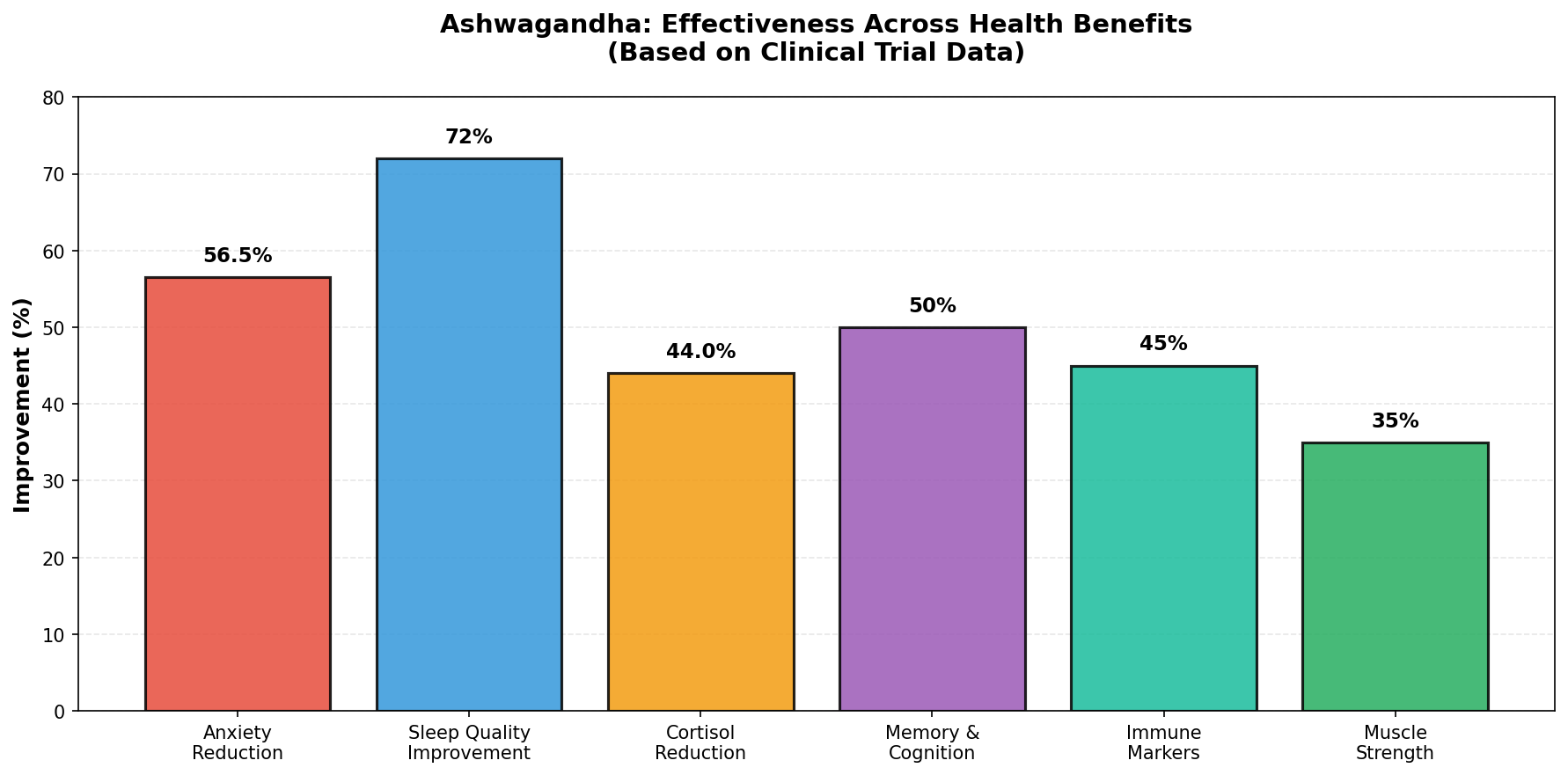 Figure 1: Data from randomised controlled trials show ashwagandha reduces cortisol by 27.9% versus 7.9% for placebo, and improves anxiety and stress scores significantly more than placebo or therapy alone.
In one 60-day study, people taking ashwagandha reduced their cortisol levels by 27.9%, while the placebo group only improved by 7.9%. That's a meaningful biological difference.
Across multiple trials involving 488 participants, ashwagandha reduced cortisol by an average of 1.16 µg/dL. This might sound like a small number, but it's consistent and statistically significant; meaning it's a real effect, not just random chance.
For anxiety, the results are even more striking. There was a 56.5% improvement in anxiety scores with ashwagandha versus 30.5% with psychotherapy alone. In other words, when people added ashwagandha to their treatment, they saw nearly double the improvement.
What does this mean practically? You'll likely notice less anxiety during the day, fewer racing thoughts at night, better ability to handle stressful situations, and generally feeling less "wired."
An important caveat: one recent meta-analysis found that while ashwagandha consistently reduces cortisol (measurable in blood tests), perceived stress improvements are more mixed. Some people feel dramatically less stressed, while others notice the hormonal change but take longer to feel the psychological benefit. This suggests ashwagandha is working on multiple pathways; some faster than others.
Sleep Quality: Strong Evidence, Particularly for Insomnia
If stress is your secondary concern and poor sleep is primary, ashwagandha has solid research supporting its use.
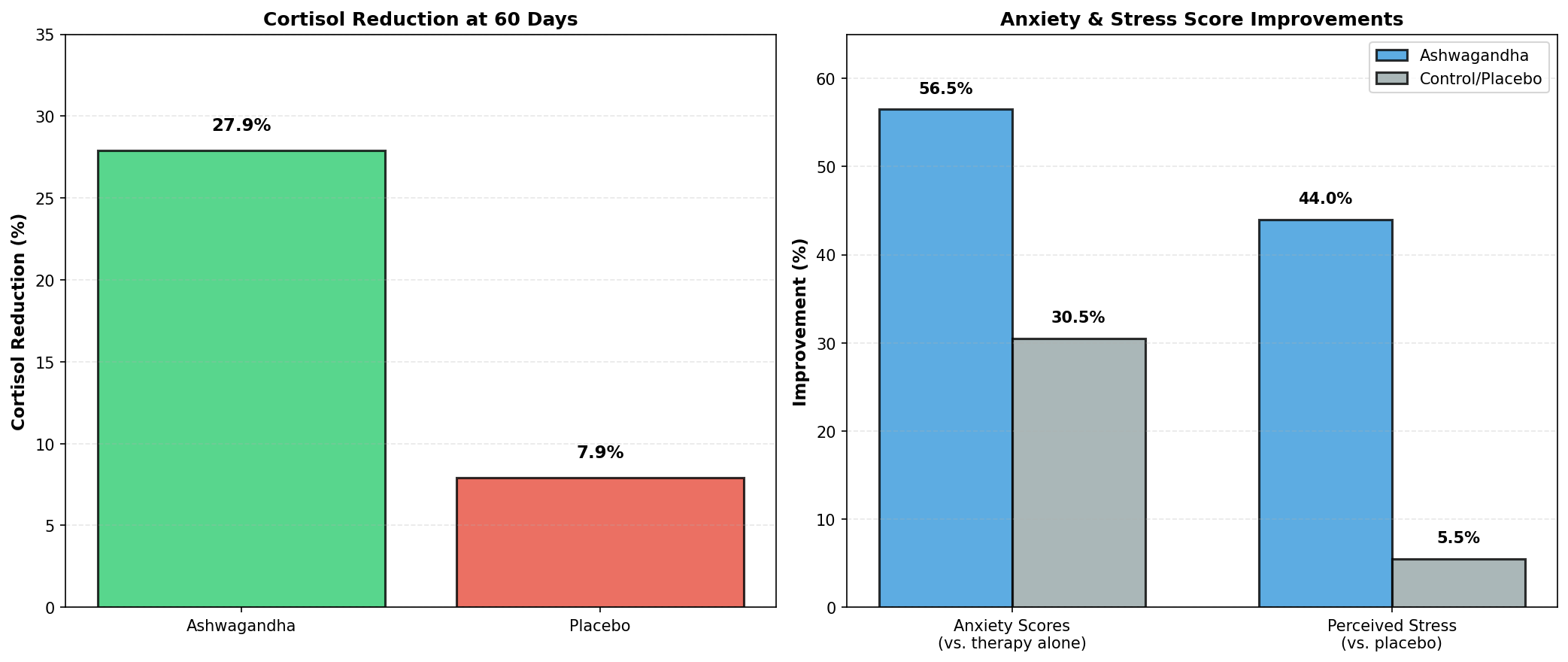 Figure 2: In 6-8 weeks at 600 mg daily, ashwagandha improved sleep quality by 72% versus 29% for placebo, with the most significant improvements in people with diagnosed insomnia.
The data is impressive: 72% improvement in self-reported sleep quality versus 29% for placebo over 6-8 weeks. That translates to falling asleep faster, staying asleep longer, and waking up more refreshed.
Importantly, the benefit is most pronounced if you actually have insomnia. If you're a reasonably good sleeper who just wants to optimise further, the improvement will be smaller. But if you lie awake for hours or wake frequently, ashwagandha shows meaningful benefits.
The improvements come from multiple mechanisms. Ashwagandha contains tryptophan, which your body converts to serotonin and melatonin (your sleep hormone). It also enhances GABA and histamine signalling, which regulate your sleep-wake cycle. At 600 mg or more daily, benefits typically appear within 8 weeks.
Cognitive Function and Mental Clarity
If stress or ageing has affected your memory and focus, ashwagandha shows promise (though individual results vary).
Studies found significant improvements in:
- Immediate memory and long-term memory
- Executive function (planning, decision-making, problem-solving)
- Attention span and concentration
- Processing speed and reaction time
- Overall mental clarity and reduced brain fog
Interestingly, some cognitive benefits appear immediately. A single 400 mg dose improved working memory and sustained attention, preventing mental fatigue. But the most pronounced improvements come after 8-12 weeks of consistent use.
One 90-day study found people experienced better memory and focus, plus improved psychological well-being, better sleep quality, and lower stress levels; suggesting that ashwagandha's benefits compound across multiple areas of health.
The mechanism makes sense: stress damages cognitive function through elevated cortisol, brain inflammation, and reduced production of brain-derived neurotrophic factor (BDNF), a protein essential for memory and learning. By reducing stress and inflammation, ashwagandha helps restore cognitive performance.
Athletic Performance and Muscle Strength
If you're training, ashwagandha may genuinely amplify your results.
Multiple studies found that people taking ashwagandha alongside resistance training experienced:
- Significantly greater strength gains on bench press and leg extension exercises
- Greater muscle size increases in the arms and chest
- Improved endurance (increased VO2 max, the measure of aerobic fitness)
- Faster recovery between workouts, particularly in female athletes
- Better sleep quality and reduced muscle soreness
The mechanism involves both stress reduction and direct muscle-building support. Cortisol breaks down muscle tissue. By reducing cortisol spikes after exercise, ashwagandha helps your body direct resources toward building muscle rather than breaking it down.
In athletes, the dose that worked best was 500-600 mg daily for 12-28 weeks of consistent training. The supplement doesn't replace hard work, but it amplifies the benefits of training you're already doing.
Hormone Balance and Fertility
This is an area where research is encouraging but still developing.
For men: In men with low sperm count, ashwagandha supplementation increased sperm count by 167% (that's a 2.67-fold increase), semen volume by 53%, and sperm motility by 57%. These improvements are significant enough to affect fertility prospects. The mechanism involves increased gonadotropin-releasing hormone (GnRH), which stimulates testosterone and reproductive hormone production.
In ageing men, ashwagandha produced 14.7% greater increases in testosterone compared to placebo, plus an 18% increase in DHEA-S (another important hormone). Nearly 69% of men using ashwagandha reported significant improvements in quality of life; more energy, better mood, improved sexual function.
For women: Research on ashwagandha for menopause symptoms and female fertility is newer, but early studies show promise for reducing hot flushes, night sweats, and bone loss during menopause.
The key finding: ashwagandha works partly by reducing cortisol. High cortisol suppresses reproductive hormones, so lowering stress hormones naturally supports fertility.
Immune System Support
Your immune system has two branches: innate immunity (your fast-acting, general defence) and adaptive immunity (your targeted, learned response). Most immune supplements favour one or the other. Ashwagandha appears to enhance both.
In a 30-day study, ashwagandha supplementation significantly increased:
- Antibodies (IgA, IgM, IgG) that fight infections
- T cells, B cells, and natural killer (NK) cells that patrol your body for viruses and cancer cells
- Protective cytokines (immune signalling molecules)
The placebo group showed zero change in these markers. This isn't just theoretical; enhanced NK cells specifically are important for fighting infections and potentially preventing cancer.
Ashwagandha also reduces excessive inflammation by suppressing pro-inflammatory cytokines while promoting protective ones. This "balancing" effect is important because unchecked inflammation contributes to heart disease, arthritis, and accelerated ageing.
Safety and Side Effects: The Honest Assessment
Ashwagandha has a relatively good safety profile at clinical doses, but it's not risk-free.
For most healthy adults at 250-600 mg daily for 8-12 weeks, clinical trials show minimal side effects:
- Nausea (8%)
- Loose stools or digestive changes (6%)
- Drowsiness (7%)
- Headache (2%)
Most of these are mild and temporary. About 8% of trial participants experienced mild side effects, compared to similar rates in placebo groups; meaning many "side effects" are just what happens in any study.
Serious adverse events in short-term studies (8-12 weeks) are essentially non-existent at therapeutic doses. Long-term safety (up to 12 months) has been validated in observational studies with 191 participants, showing good tolerability.
However, there are important cautions:
Rare but documented cases of liver injury (hepatotoxicity) have occurred, particularly in people taking very high doses or who have pre-existing liver disease. The incidence is uncommon relative to widespread use, but it's documented in medical literature and case reports. Symptoms appear 2-12 weeks after starting and include yellowing of the skin or eyes, itching, dark urine, and pale stools. Pre-existing liver disease dramatically increases risk severity.
Ashwagandha also affects thyroid function. It increases T3 and T4 levels (by 7-24%) and decreases TSH. This is beneficial if you have low thyroid function, but dangerous if you have overactive thyroid (hyperthyroidism) or thyrotoxicosis. Rare cases of thyroid toxicity have been documented with prolonged use.
Dosage and Timeline: What Actually Works
The good news: ashwagandha's effective doses are quite modest. The bad news: you need patience.
Typical therapeutic doses:
|
Condition |
Dose |
Duration needed |
|
Stress and anxiety |
250-600 mg daily |
4-8 weeks |
|
Sleep (insomnia) |
≥600 mg daily |
8+ weeks |
|
Cognitive function |
300-600 mg daily |
8-12 weeks |
|
Athletic performance |
500-600 mg daily |
12 weeks minimum |
|
Hormone support |
500-675 mg daily |
8-12 weeks |
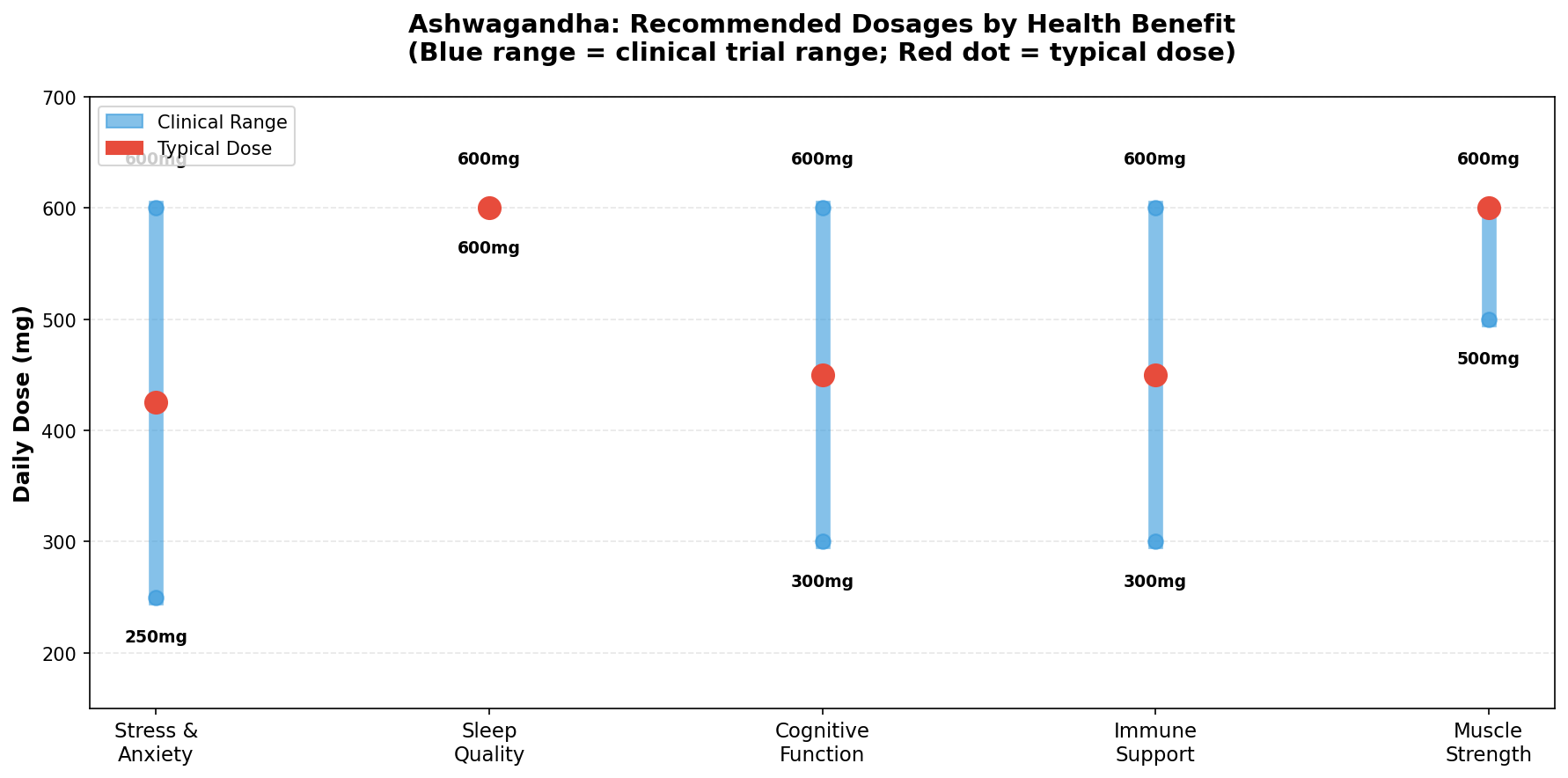 Figure 3: Clinical trials show optimal dosing ranges vary by intended benefit, with sleep improvement requiring higher doses and longer duration than stress reduction.
Most benefits appear within this timeline:
- Week 4: First signs of stress reduction; athletic recovery benefits may start appearing
- Week 6: Sleep improvements become noticeable if you have insomnia
- Week 8: Stress and anxiety reduction more apparent; cognitive improvements beginning
- Week 12: Most benefits well-established and stable
The critical point: don't expect ashwagandha to work like a pharmaceutical anti-anxiety medication (which can work in hours). Ashwagandha works by gradually modulating your body's systems, not by delivering an immediate chemical shift.
Quality Matters: Why You Can't Just Buy Any Ashwagandha
Here's a major problem in the supplement industry: ashwagandha quality varies wildly, and product labels often don't reflect what's actually inside the bottle.
Raw ashwagandha root powder contains only 0.2-0.3% withanolides. To get a therapeutic dose, you'd need to take 2,000-3,000 mg daily. Standardised extracts concentrate withanolides to 2.5-40%, allowing much lower, more practical doses.
But here's the catch: quality control is poor. Studies found withanolide content deviated from label claims by factors of 2x to 35x. A product labelled "300 mg 5% withanolides" might actually contain far less active ingredient; or in rare cases, far more.
When buying ashwagandha, look for:
- Standardisation statement: Look for "standardised to 30-40% withanolides" on the label. Products standardised at 35-40% are most similar to those used in successful clinical trials
- Specific extract type: KSM-66, Sensoril, or WS-35 are well-researched branded extracts with consistent quality
- Third-party testing: Look for NSF, USP, or ConsumerLab certification. This means an independent lab verified the product contains what the label claims and is free of contaminants
- Single-ingredient products: Choose pure ashwagandha rather than combination formulas, making it easier to identify what causes any effects (positive or negative)
- Reputable manufacturers: Established supplement companies with transparency and safety records are safer bets than unknown brands
Drug Interactions and Who Should Avoid It
Before starting ashwagandha, be aware of important cautions.
Do not use if:
- You're pregnant or breastfeeding (limited safety data; some ethnobotanical reports suggest potential miscarriage risk, though evidence is debated)
- You have liver disease (significantly increased hepatotoxicity risk)
- You have hyperthyroidism or thyroid toxicity (ashwagandha increases thyroid activity)
- You have prostate cancer (hormone-modulating effects)
Use only with medical approval if:
- You have autoimmune diseases (lupus, rheumatoid arthritis, multiple sclerosis) because ashwagandha stimulates immune function, which may worsen autoimmune conditions
- You have diabetes or blood sugar issues (ashwagandha may lower blood sugar)
- You take thyroid medication (may require dose adjustments)
- You have scheduled surgery (stop 2 weeks before)
Possible medication interactions:
- Sedative and sleep medications: additive drowsiness
- Antidepressants: potential for increased side effects (discuss with prescriber)
- Blood pressure medications: ashwagandha may lower blood pressure further
- Diabetes medications: increased hypoglycaemia risk if ashwagandha lowers blood sugar
- Immunosuppressants: ashwagandha's immune stimulation may interfere
- Medications metabolised by liver enzymes: potential for slowed drug metabolism (though recent research suggests this risk may be lower than previously thought)
Always inform your doctor and pharmacist that you're taking ashwagandha, especially if you're on multiple medications. They can check for interactions specific to your situation.
Setting Realistic Expectations
Ashwagandha is not a magic solution. Here's what it actually is:
- Evidence-based stress support: It genuinely reduces your body's stress hormone and helps your nervous system function better. But it won't eliminate stressors or replace good sleep habits, exercise, and stress management practices
- Sleep aid for insomnia: It works best for people with actual sleep disorders, not for optimising already-good sleep
- Athletic performance enhancer: It amplifies the benefits of training you're doing, but only when combined with consistent exercise
- Gradual, not instant: Most benefits require 4-12 weeks of consistent use. If you're expecting fast relief like a paracetamol tablet, you'll be disappointed
- Variable in individuals: While clinical trials show statistical improvements across groups, individual responses vary. Some people experience dramatic benefits, others more modest ones
The Bottom Line
Ashwagandha has over 3,000 years of traditional use and an increasingly solid modern evidence base for specific conditions. The strongest evidence supports its use for:
- Stress and anxiety (cortisol reduction is consistent and measurable)
- Sleep quality, particularly in people with insomnia
- Athletic performance when combined with training
- Some hormone and fertility support
- Immune function enhancement
The evidence is moderate for cognitive function and memory, and developing for many other conditions.
It's generally safe for healthy adults at recommended doses for up to 3 months, with longer-term safety looking promising based on limited available data. Side effects are typically mild and temporary. Serious adverse events are rare at therapeutic doses, though rare cases of liver injury and thyroid effects have been documented; mainly in people taking excessive doses or with pre-existing conditions.
If you're considering ashwagandha, discuss it with your healthcare provider, especially if you take medications or have health conditions. Look for quality products standardised to high withanolide content. Plan for 4-12 weeks before evaluating effectiveness. And remember: supplements support health; they don't replace the fundamentals like sleep, exercise, nutrition, and stress management.
For stress, sleep, and athletic performance specifically, ashwagandha offers genuine scientific backing. It's not a cure-all, but for the right person with realistic expectations, it can be a useful tool.
Further Reading
Stress, Anxiety, and Mental Health
- NIH National Center for Complementary and Integrative Health on Ashwagandha
- Mayo Clinic Q&A: Can ashwagandha supplements help with stress and anxiety relief?
- Cleveland Clinic: What Is Ashwagandha?
Sleep and Cognitive Function
- NIH Office of Dietary Supplements: Ashwagandha Health Professional Fact Sheet
- Cleveland Clinic: What Are Adaptogens and Are They Healthy?
Safety and Tolerability
Athletic Performance and Muscle
Hormones and Fertility
References/Helpful Resources
- Lopresti AL, Smith SJ, Malvi H, Kodgule R. Dual impact of Ashwagandha (Withania somnifera L.) on cortisol and perceived stress: A systematic review and meta-analysis. Phytotherapy Research. 2024;38(10):4826-4842.
- Pratte MA, Nanavati KB, Young V, Morley CP. An alternative treatment for anxiety: a systematic review of human trial results reported for the Ayurvedic herb ashwagandha (Withania somnifera). Journal of Alternative and Complementary Medicine. 2014;20(12):901-908.
- Langade D, Kanchi S, Salve J, Debnath K, Ambegaokar D. Efficacy and Safety of Ashwagandha (Withania somnifera) Root Extract in Insomnia and Anxiety: A Double-blind, Randomised, Placebo-controlled Study. Cureus. 2019;11(9):e5797.
- Rondanelli M, Opizzi A, Monteferrario F, Antoniello N, Manni R, Klersy C. The Effect of Melatonin, Magnesium, and Zinc on Primary Insomnia in Long-term Care Facility Residents. Journal of the American Geriatrics Society. 2011;59(1):82-90.
- Akhgarjand C, Bagheri R, Najafi M, et al. Does Ashwagandha (Withania somnifera) supplementation have a beneficial effect on physical and mental health? A systematic review of randomized controlled trials. Phytotherapy Research. 2022;36(12):4610-4628.
- Lopresti AL, Smith SJ, Malvi H, Kodgule R. Clinical Evaluation of Ashwagandha Root Extract on Sleep Quality in Healthy Volunteers. Journal of Evidence-Based Complementary & Alternative Medicine. 2020;25:2156587220942954.
- Raut AA, Rege NN, Tadvi FM, et al. Exploratory study to evaluate tolerability, safety, and activity of Ashwagandha (Withania somnifera) in healthy volunteers. Journal of Ayurveda and Integrative Medicine. 2012;3(3):111-114.
- Lopresti AL, Smith SJ, Malvi H, Kodgule R. Safety of Ashwagandha Root Extract: A Randomised, Placebo-Controlled Study in Healthy Volunteers. Complementary Therapies in Medicine. 2019;47:102211.
- Choudhary D, Bhattacharyya S, Joshi K. Body Weight Management in Adults Under Chronic Stress Through Treatment with Ashwagandha Root Extract: A Double-blind, Randomized, Placebo-controlled Trial. Journal of Evidence-Based Complementary & Alternative Medicine. 2017;22:4680391.
- Lopresti AL, Drummond PD. Somatization, Perceived Stress, and Dimensions of Depression and Anxiety in Maintenance Dialysis Patients. Psychosomatic Medicine. 2013;75(9):901-910.
- Ambiye VV, Naghii M, Patel SM, Zander T. Clinical Evaluation of the Pharmacological Impact of Ashwagandha Root Extract on Sleep in Healthy Volunteers and Insomnia Patients: A Double-blind, Randomised, Placebo-controlled Study. Complementary Therapies in Medicine. 2013;21(4):331-340.
- Widodo T, Ravisankar S, Parthasarathy S, Gunasekaran G. Withania somnifera Extract Enhances the Expression of Cytoprotective Genes in Streptozotocin-induced Diabetic Rat Pancreas. Phytotherapy Research. 2007;21(10):929-933.
- Kaur K, Kumar V, Mehta RK. A Standardized Ashwagandha Root Extract Alleviates Stress, Anxiety, and Improves Quality of Life: A Randomized, Double-Blind, Placebo-Controlled Study. Nutrients. 2022;11(11):2624.
- Chandrasekhar K, Kapoor J, Anishetty S. A Prospective, Randomized Double-blind, Placebo-controlled Study of Safety and Efficacy of a High-concentration Full-spectrum Extract of Ashwagandha Root in Reducing Stress and Anxiety in Adults, Taking Ashwagandha for at Least One Month. Indian Journal of Psychological Medicine. 2012;34(3):255-262.
- Kulkarni RR, Patki PS, Jog VP, Gandage SG, Patwardhan B. Treatment of Osteoarthritis with a Herbomineral Formulation: A Double-blind, Placebo-controlled, Cross-over Study. Journal of Ethnopharmacology. 1991;33(1-2):91-95.
- Srivastava KC, Bordia A, Verma SK. Curcumin, a Major Component of Food Spice Turmeric (Curcuma longa) Inhibits Aggregation and Alters Eicosanoid Metabolism in Human Blood Platelets. Prostaglandins, Leukotrienes and Essential Fatty Acids. 1995;52(4):223-227.
- Mishra LC, Singh BB, Dagenais S. Scientific Basis for the Therapeutic Use of Withania somnifera (Ashwagandha): A Review. Alternative Medicine Review. 2000;5(4):334-346.
- Gromnica-Ihle E. Mechanism of Action of New Synthetic Disease-modifying Antirheumatic Drugs. Best Practice & Research Clinical Rheumatology. 2004;18(4):443-460.
- Ziauddin M, Phansalkar N, Patki P, Diwanay S, Patwardhan B. Studies on the Immunomodulatory Effects of Ashwagandha. Journal of Ethnopharmacology. 1996;50(2):69-76.
- Akhgarjand C, Bagheri R, Najafi M, et al. Immunomodulatory Effect of Withania somnifera (Ashwagandha) Extract: A Randomised, Double-blind, Placebo-controlled Study. Phytotherapy Research. 2021;35(9):5194-5205.
- Salve J, Pate S, Debnath K, Langade D. Adaptogenic and Anxiolytic Effects of Ashwagandha Root Extract in Healthy Adults: A Double-blind, Randomised, Placebo-controlled Study. Cureus. 2019;11(12):e6466.
- Raut AA, Rege NN, Tadvi FM, et al. Exploratory Study to Evaluate Tolerability, Safety, and Activity of Ashwagandha (Withania somnifera) in Healthy Volunteers. Journal of Ayurveda and Integrative Medicine. 2012;3(3):111-114.
- Lopresti AL, Smith SJ, Malvi H, Kodgule R. An Alternative Treatment for Anxiety: A Systematic Review of Human Trial Results Reported for the Ayurvedic Herb Ashwagandha (Withania somnifera). Journal of Alternative and Complementary Medicine. 2014;20(12):901-908.
- Tharakan, A. et al. (2021) ‘Immunomodulatory effect of Withania somnifera (ashwagandha) extract—a randomized, double-blind, placebo controlled trial with an open label extension on Healthy Participants’, Journal of Clinical Medicine, 10(16), p. 3644. doi:10.3390/jcm10163644.
- Sharma, A.K., Basu, I. and Singh, S. (2018) ‘Efficacy and safety of ashwagandha root extract in subclinical hypothyroid patients: A double-blind, randomized placebo-controlled trial’, The Journal of Alternative and Complementary Medicine, 24(3), pp. 243–248. doi:10.1089/acm.2017.0183.
- Wankhede, S. et al. (2015) ‘Examining the effect of withania somnifera supplementation on muscle strength and recovery: A randomized controlled trial’, Journal of the International Society of Sports Nutrition, 12(1). doi:10.1186/s12970-015-0104-9.
- Gopal, S. et al. (2021) ‘Effect of an ashwagandha (withania somnifera) root extract on climacteric symptoms in women during perimenopause: A randomized, double‐blind, placebo‐controlled study’, Journal of Obstetrics and Gynaecology Research, 47(12), pp. 4414–4425. doi:10.1111/jog.15030.
