

Extended Fasting: What the Science Really Shows About Benefits and Risks
You've seen the headlines: "Fasting Reverses Ageing," "The Secret to Effortless Weight Loss," "Cellular Detox That Changes Everything." But if you're considering extended fasting, you deserve the actual science, not the hype. Here's what research from 50+ clinical trials actually reveals about whether extended fasting is worth your time, and crucially, whether it's safe for you.
Why You Should Care About Extended Fasting
Extended fasting (going without food for 24 hours or longer) is increasingly popular for weight loss, metabolic health, and longevity claims. But the scientific picture is more nuanced than either enthusiasts or sceptics typically acknowledge.
The core finding: Extended fasting does trigger real metabolic changes and produces measurable weight loss. But it comes with serious trade-offs that most advocates don't mention. Understanding these trade-offs is essential before you decide whether fasting is right for you.
What Happens to Your Body During Extended Fasting
The Metabolic Switch: How Your Body Burns Fat
When you stop eating, your body goes through a predictable sequence of metabolic changes.1 Here's what actually happens:
Hours 0-12: Your body uses glucose from your most recent meal. Blood sugar levels are relatively stable.
Hours 12-36: Your glycogen stores (stored sugar) begin depleting. Your liver starts converting fat into ketone bodies, which become your alternative fuel source.1 Blood insulin levels drop significantly, which is when your cells start responding better to whatever glucose remains.
Days 2-4: Your body fully shifts to fat-burning, with ketone levels plateauing at 1-2 millimolar (mM): a safe, normal level far below dangerous ketoacidosis.2
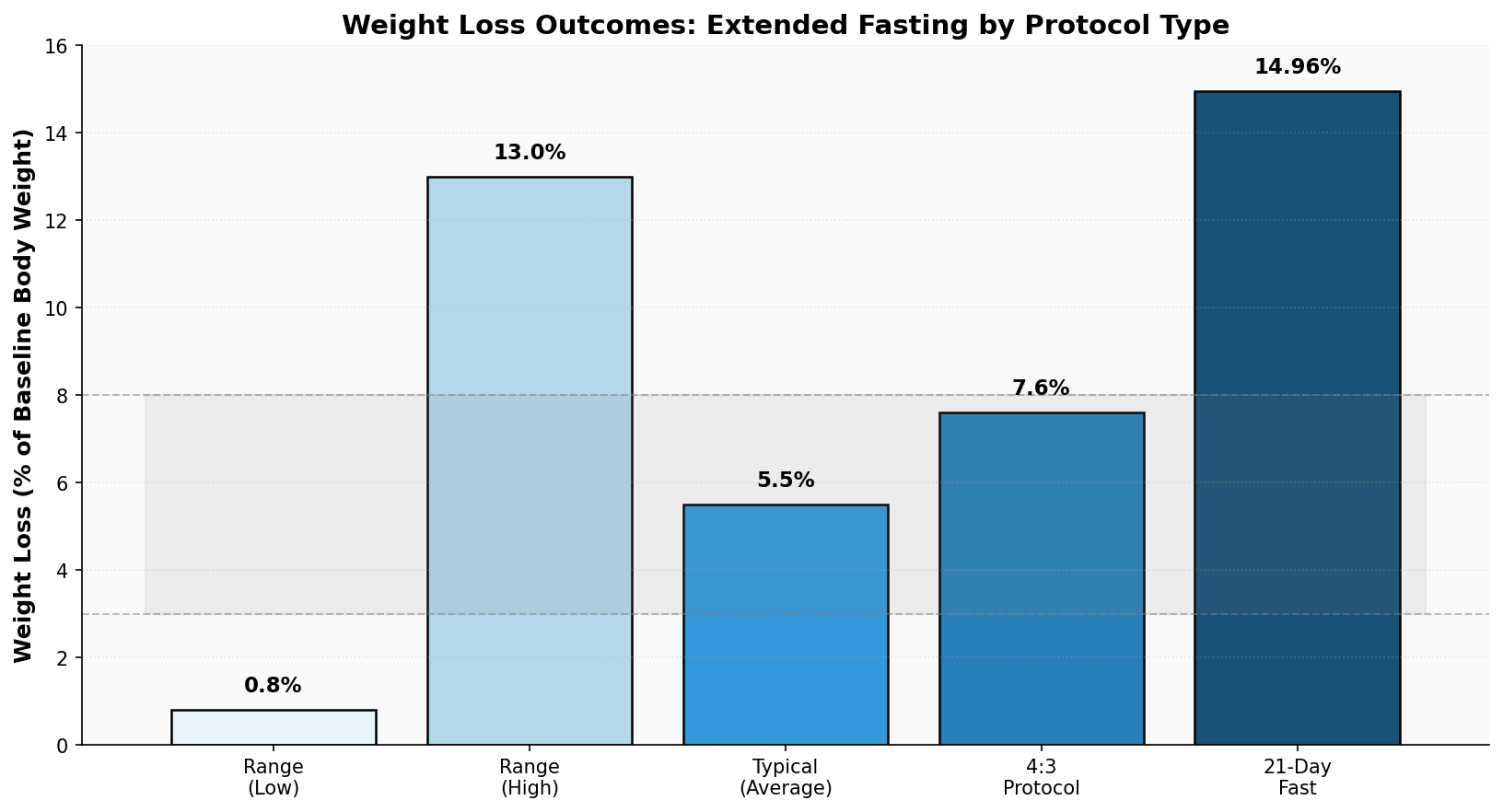 Figure 1: Ketosis doesn't activate immediately. It takes 8-12 hours for early ketone production to begin, and 17-21 hours to reach nutritional ketosis, where your brain efficiently uses ketones for fuel.2
This timeline explains why very short intermittent fasts (under 16 hours) show minimal fat-burning benefits. Your body simply hasn't switched to its fat-burning mode yet.2
Weight Loss: The Numbers and What They Actually Mean
Extended fasting does produce weight loss. Research examining 27 clinical trials found weight loss ranging from 0.8% to 13% of baseline body weight, with most people losing 3-8%.3 For a 200-pound person, that typically translates to 6-16 pounds over 8-12 weeks.
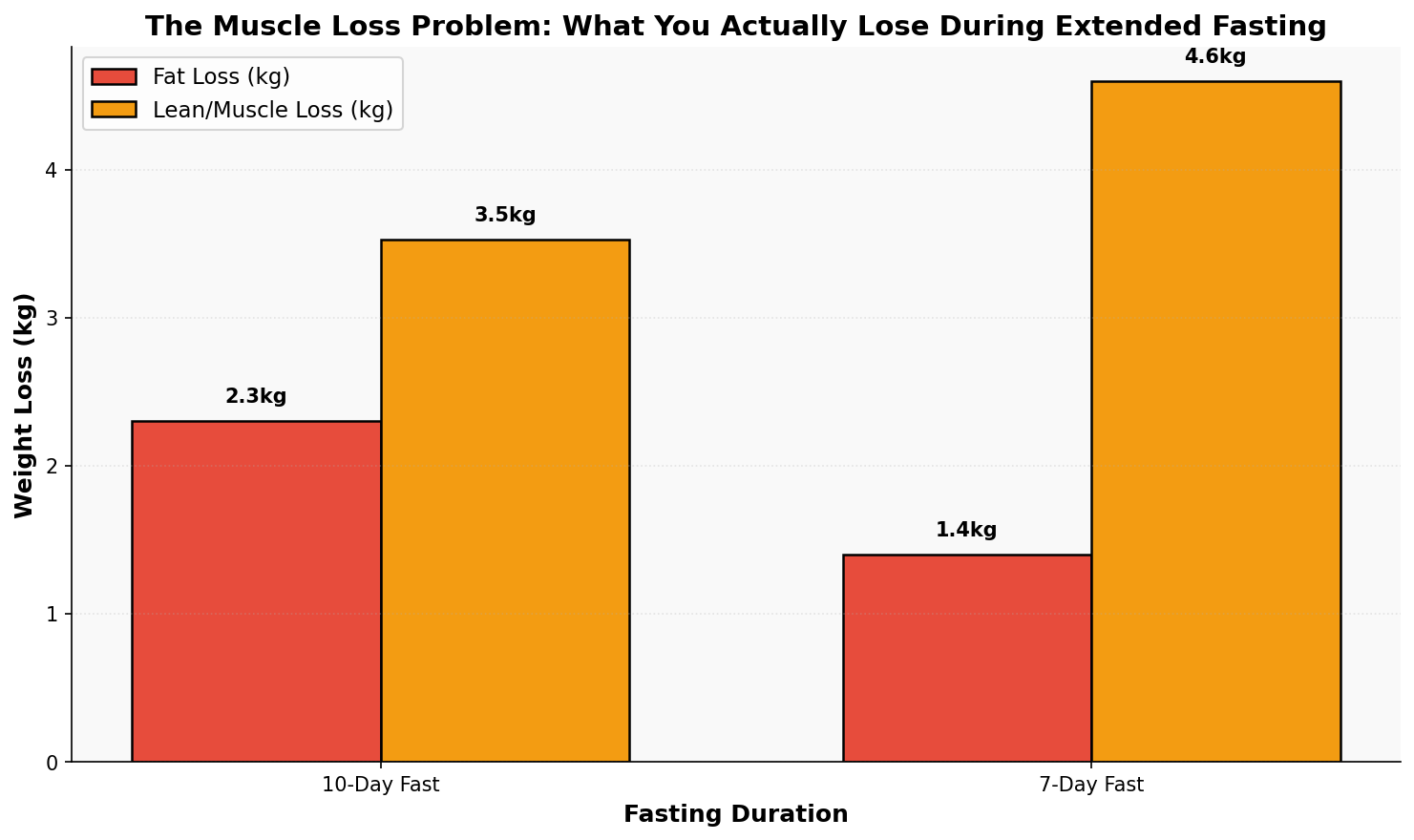 Figure 2: Weight loss varies significantly based on the fasting protocol used. The 4:3 protocol (4 days of normal eating, 3 days restricted) showed slightly better results than traditional calorie restriction.3
But here's what matters more than the headline number: what you're actually losing.
The Muscle Loss Problem (Critical)
This is where extended fasting differs dramatically from other weight-loss methods, and it's the information most fasting advocates overlook. In a 10-day fasting study, participants lost 5.9 kg total weight, but the breakdown was revealing: only 2.3 kg was fat loss.4 The remaining 3.53 kg was lean tissue: muscle, organs, and water.
Put differently: 60% of the weight you lose during extended fasting is not fat. It's muscle and lean tissue you actually need.
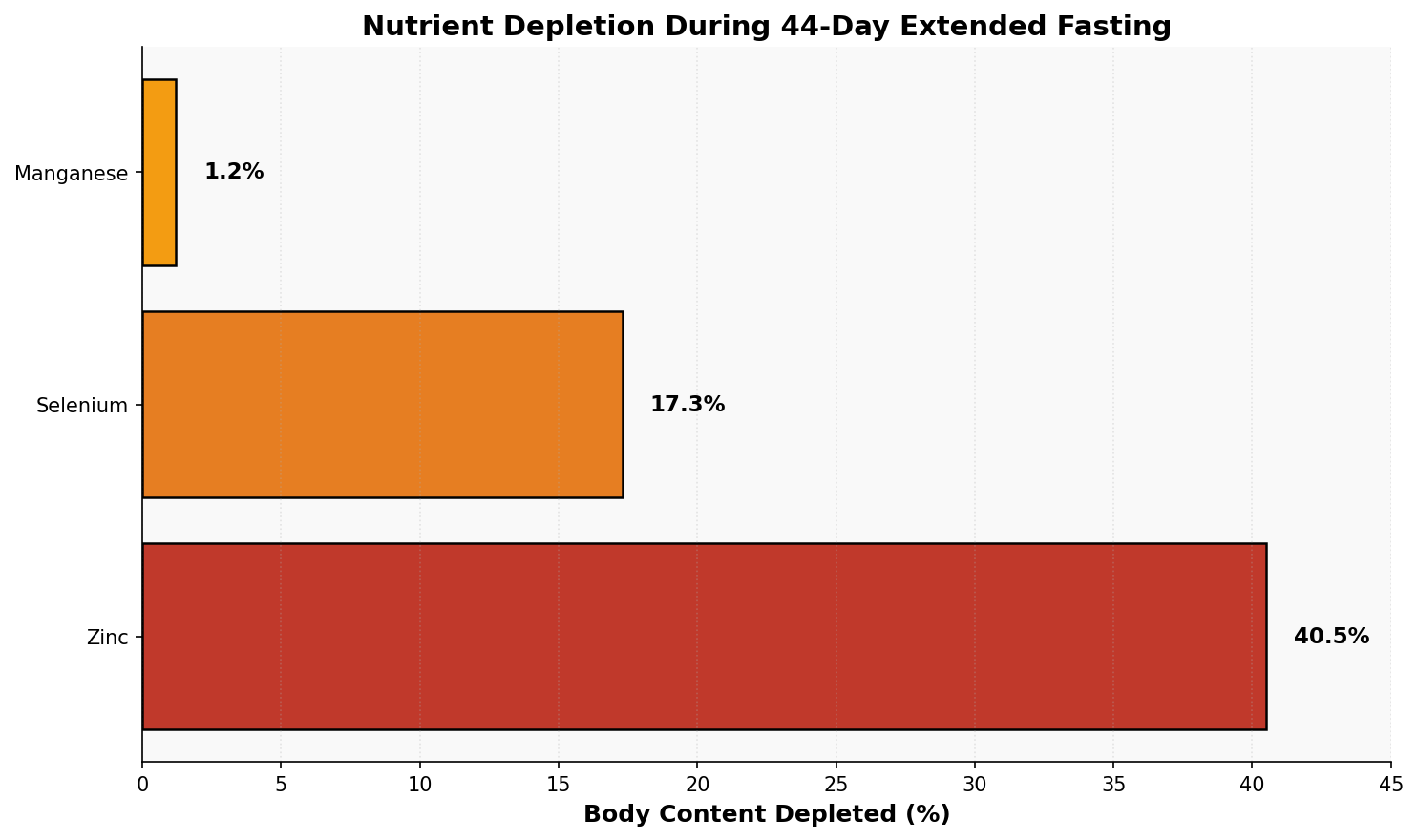 Figure 3: During a 10-day fast, fat loss (2.3 kg) was substantially less than lean tissue loss (3.53 kg). This 60% muscle loss ratio is worse than traditional calorie restriction, which better preserves lean mass.4
If you lose 20 pounds through extended fasting, you might only lose 8 pounds of fat. The remaining 12 pounds are muscle, organ tissue, and fluid. Muscle loss is serious because muscle tissue is metabolically active; losing it slows your resting metabolism and weakens your body.4
There's one bright spot: approximately 72% of the fat you lose actually stays off when you resume eating, and most muscle tissue recovers after refeeding.5 So the weight loss isn't entirely temporary, but the muscle loss during the fast causes real metabolic damage.
Insulin Sensitivity and Metabolic Health: Where Extended Fasting Shines
If you have insulin resistance or prediabetes, extended fasting offers genuine metabolic benefits. This is one of the most well-documented effects in the research.
In one study of men with prediabetes using early time-restricted feeding for just five weeks, researchers observed improved insulin sensitivity and reduced blood pressure; even when calories were matched to the control group.6 This means the benefits aren't simply from eating fewer calories; fasting itself improves how your cells respond to insulin.
For longer-term fasting commitments, the improvements are even more striking. Interventions lasting 12 weeks or longer show 55% greater improvement in insulin sensitivity compared to shorter-term fasting.7 A five-two diet study found HbA1c (3-month average blood sugar) reductions of 1.9%; exceeding some diabetes medications.7
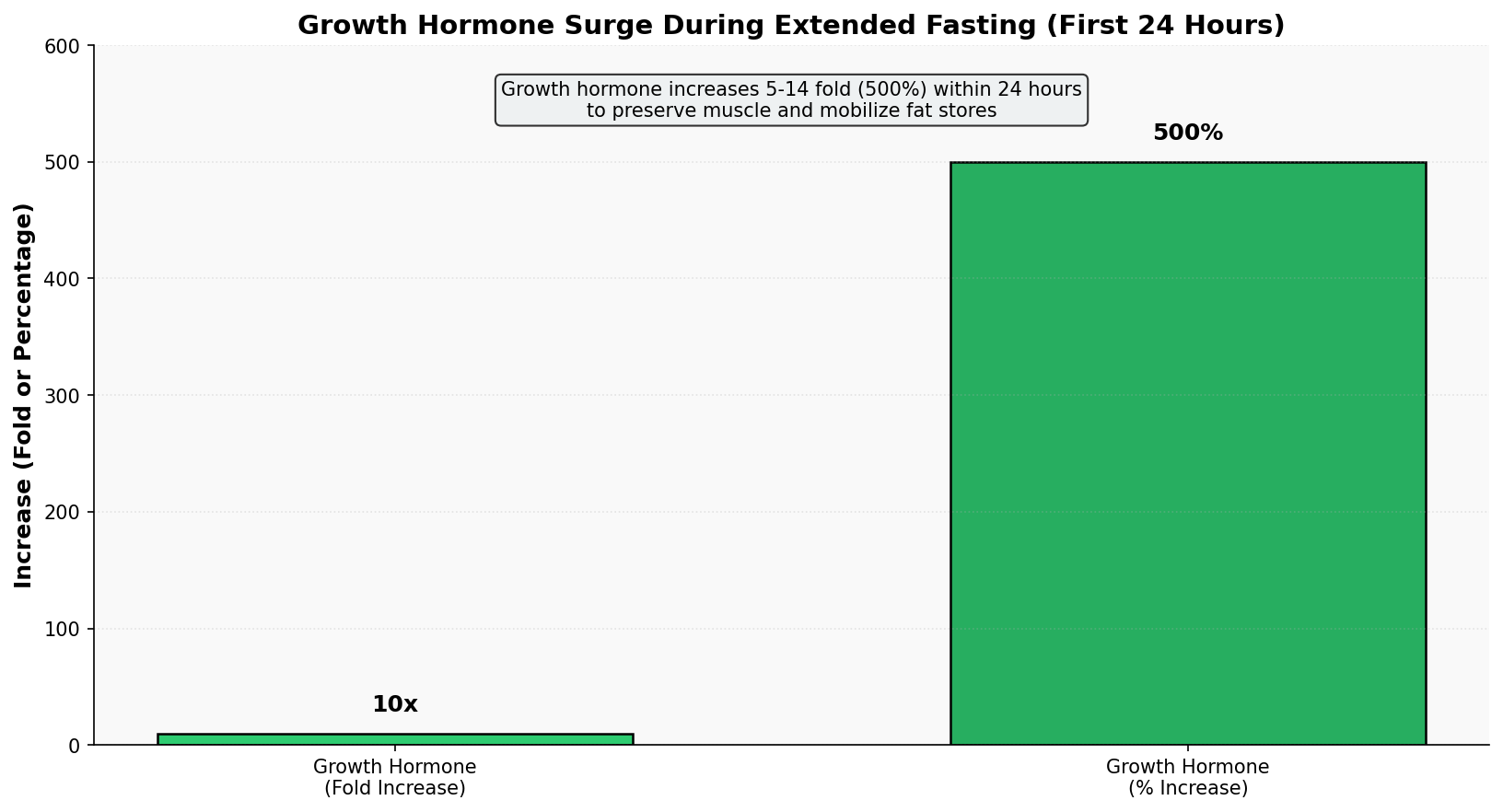 Figure 4: Metabolic benefits accelerate with duration. The improvement in insulin sensitivity is 3.7 times greater with 12+ weeks of fasting compared to shorter-term protocols.7
Critical caveat: These benefits require sustained fasting. Research shows that three to four months after stopping fasting, metabolic improvements disappear if eating patterns return to baseline.8 This is not a "reset" that permanently changes your metabolism: it's a tool you must maintain indefinitely to sustain benefits.
The Hormonal Changes: Growth Hormone, Cortisol, and What They Actually Mean
Extended fasting triggers significant hormonal shifts. Growth hormone increases 5-14 fold within 24 hours of fasting, and cortisol (your stress hormone) rises substantially during extended fasts.9 Fasting advocates cite the growth hormone surge as evidence that muscle is preserved and fat is mobilised.
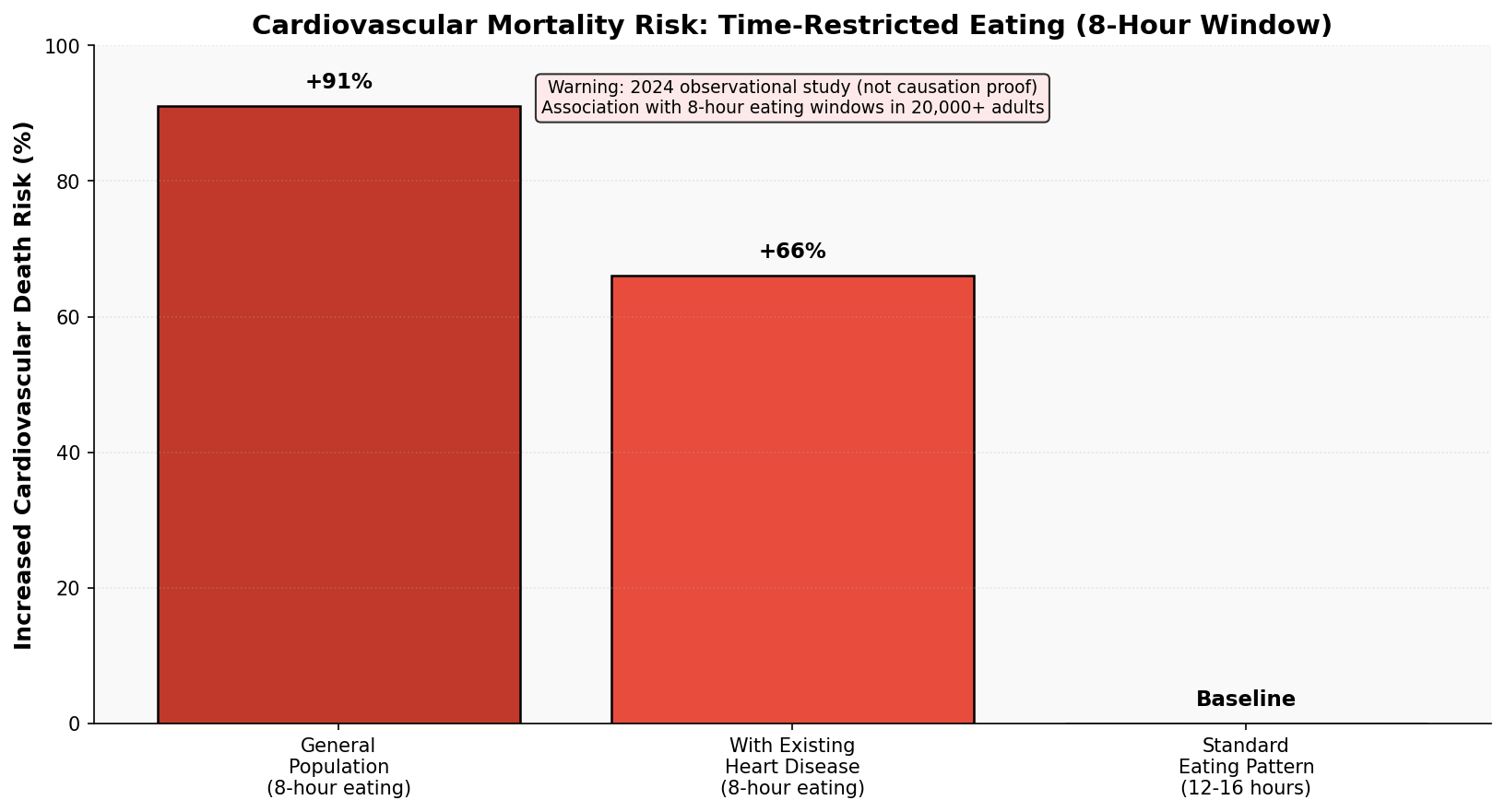 Figure 5: Growth hormone increases dramatically within 24 hours of fasting, rising 5-14 fold or up to 500% in 16-24 hour fasts.9
Here's the problem: Despite this massive growth hormone increase, studies still document significant muscle loss. The growth hormone signal is real, but it's insufficient to prevent lean tissue breakdown during extended fasting.9 This suggests that hormonal signalling alone doesn't protect muscle; other factors matter more.
The cortisol elevation is a normal adaptation to calorie restriction, but it becomes problematic if you combine fasting with chronic stress, poor sleep, or excessive exercise.10 In those scenarios, cortisol remains elevated, disrupting sleep, suppressing immunity, and accelerating muscle breakdown. If your life is already stressful, extended fasting might make things worse, not better.
Autophagy: Cellular Repair and the Reality of "Cellular Cleansing"
Autophagy (literally "self-eating") is your cells' recycling system that removes damaged components and prepares cells for repair. Extended fasting activates this process, which is real, but the hype surrounding it deserves scrutiny.
Autophagy begins within 16-24 hours of fasting and intensifies during days 2-4.11 This is documented and measurable. However, most autophagy research comes from animal studies (mice, yeast cells), not humans. The first human trial examining fasting-mimicking diets showed measurable increases in autophagy flux (the actual recycling activity), but questions remain about whether this translates to major health improvements in people.11
Claims about "cellular cleansing" and "cellular rejuvenation" are oversold relative to current human evidence. Autophagy is genuinely activated, and the process likely provides modest benefits, but we don't yet have strong proof that this translates into measurable health gains or extended lifespan.11
Mental Clarity and Cognitive Function
The mental effects of extended fasting vary dramatically based on your baseline health and age.
For older adults with metabolic issues (prediabetes, insulin resistance), extended intermittent fasting produces genuine cognitive benefits. One 2024 study found approximately 20% greater improvement in executive function and memory in intermittent fasting groups compared to regular dieting, with optimal results appearing after eight weeks.12
If you're young and metabolically healthy, you won't see cognitive enhancement. Short-term fasting (under 24 hours) neither significantly impairs nor enhances mental performance in healthy adults.12 What many people interpret as "mental clarity" during extended fasts is more accurately described as "no energy crashes": a shift from blood sugar spikes and crashes to stable ketone-fuelled energy.
Days 1-3 typically involve an adjustment period with possible fatigue or difficulty concentrating as your body transitions to ketone metabolism. By days 3-4, many people report stable, steady energy: not superhuman focus, but a more consistent baseline.13
Cellular Ageing and Longevity: Promise Meets Reality
One of the most exciting recent findings comes from 2024 human research showing that three cycles of a fasting-mimicking diet (25-day cycles consuming 500-750 calories daily) reduced biological age markers by a median of 2.5 years.14 This is significant, suggesting that fasting's benefits go beyond simple weight loss to potentially slowing cellular ageing processes.
However, this finding requires crucial context. First, it's one human study; more research is needed for confirmation. Second, we have zero human evidence that any fasting protocol extends lifespan. Animal studies in mice show that caloric restriction extends lifespan, with intermittent fasting also extending lifespan, but less so than continuous caloric restriction.15 These animal findings are promising, but extrapolating to humans remains speculative.
National Institute on Ageing researchers conclude: "It's not yet clear whether fasting can reduce disease risk and slow ageing in people. Most of the evidence comes from animal studies, and the human research that exists is limited."15
The Serious Risks: What You Must Know Before Fasting
Extended fasting carries genuine health risks that deserve equal weight with potential benefits. These aren't theoretical concerns; they're documented in clinical research.
Nutrient Depletion
During extended fasting, your body depletes essential minerals and vitamins. In a 44-day fasting study, researchers documented:
- Zinc loss: 40.5% of total body content depleted
- Selenium loss: 17.3% of body content
- Vitamin B1, B6, and K: Rapid depletion with clinical deficiencies documented
- Magnesium, potassium, and calcium: All reduced16
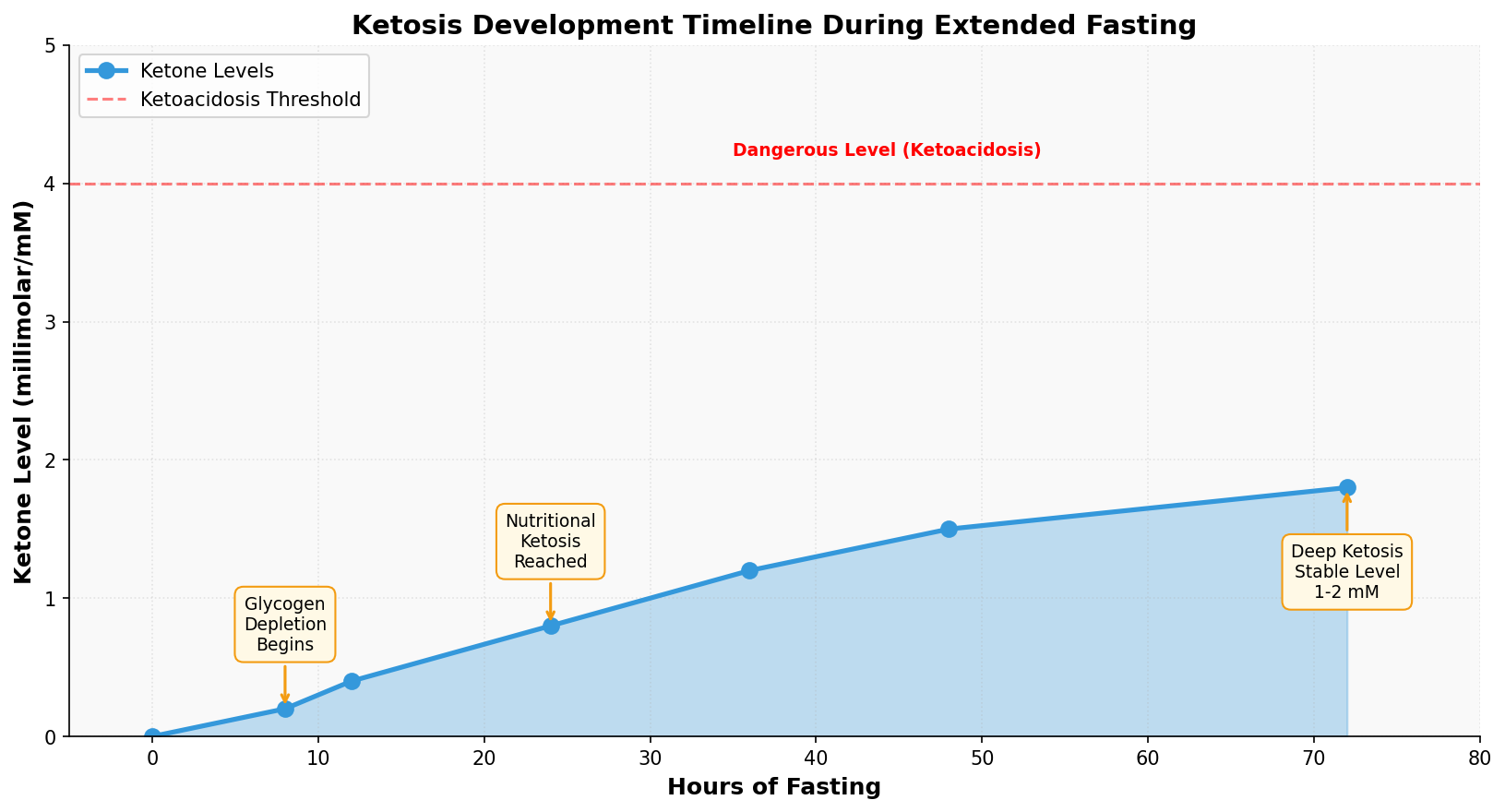 Figure 6: Extended fasting causes aggressive micronutrient losses. Zinc depletion of 40.5% is particularly concerning given zinc's critical roles in immunity, wound healing, and metabolism.16
This isn't minor. Zinc depletion impairs immunity and wound healing. B-vitamin deficiencies can cause nerve damage, fatigue, and memory problems. This is why medical supervision is essential for extended fasts beyond 5-7 days.16
Electrolyte Imbalances: A Potentially Dangerous Problem
During fasting, your kidneys aggressively excrete electrolytes (sodium, potassium, magnesium) even though you're consuming none. These minerals regulate heart rhythm, nerve function, and muscle contraction. Severe electrolyte depletion can cause:
- Dizziness, lightheadedness, weakness, confusion
- Muscle cramps and spasms
- Irregular heartbeat and cardiac arrhythmias
- In severe cases: seizures, coma, sudden death17
Physical activity during fasting dramatically accelerates electrolyte loss and increases risk of serious complications.17 This is why intense exercise during extended fasts is dangerous.
Refeeding Syndrome: A Hidden Danger After Extended Fasts
Refeeding syndrome is a potentially life-threatening condition that develops when food is reintroduced after prolonged fasting, typically within four days of resuming eating.17
Here's how it develops: During fasting, your body becomes severely depleted of phosphate, magnesium, potassium, and other essential minerals. When you resume eating, blood sugar rises and insulin secretion resumes. Your body rapidly consumes these minerals for metabolism and nutrient processing. But these minerals are already depleted; your body cannot meet the demand. The result is critical electrolyte depletion that can cause heart arrhythmias, respiratory distress, neurological damage, and sudden death.17
Refeeding syndrome risk exists for any fast lasting more than 5 days, with risk increasing substantially with duration. This is why medical supervision is strongly recommended for extended fasts.17
Cardiovascular Concerns: Recent Data Raises Questions
A 2024 American Heart Association study examining 20,000+ U.S. adults found that people eating within an 8-hour window had a 91% increased risk of cardiovascular death compared to those eating in 12-16 hour windows.18 For those with pre-existing heart disease, the increased mortality risk was 66%.18
This requires careful interpretation. This is an association study, not a randomised controlled trial, so we cannot conclude that fasting causes the deaths.19 However, the association is striking and conflicts with short-term studies showing cardiovascular improvements (improved cholesterol, blood pressure, glucose control). This contradiction suggests either:
- Long-term cardiovascular effects differ from short-term marker improvements, or
- The association reflects confounding (people at higher baseline cardiovascular risk adopting extreme time-restriction), or
- Different variations of intermittent fasting may produce different outcomes18,19
The cardiovascular safety profile of extended fasting remains uncertain, particularly for extreme time-restriction schedules.
Gallstones and Bone Health
Extended fasting increases gallstone disease risk, with hospitalisation rates increasing with longer overnight fasting periods.20 Gallstones can cause severe pain requiring emergency surgery, often necessitating gallbladder removal. Ironically, gallbladder removal increases osteoporosis and bone fracture risk.20
Short-term intermittent fasting (up to six months) doesn't appear to harm bone health, but long-term or repeated extended fasting carries increased osteoporosis risk through cumulative micronutrient depletion.21
Who Should Absolutely Not Fast
Medical consensus clearly identifies populations for whom extended fasting is contraindicated:
Type 1 Diabetes: Type 1 diabetics face severe hypoglycemia, diabetic ketoacidosis, and death risk during fasting. Medical consensus is unambiguous: Type 1 diabetics should not fast.22
Type 2 Diabetes on Insulin or Medications: Those taking insulin or medications causing hypoglycemia face dangerous blood sugar drops. Medical supervision is essential if fasting is considered.22
Pregnancy: Extended fasting creates electrolyte depletion and dehydration risks to mothers, with potential impacts on fetal nutrient delivery and development. Medical guidance dissuades pregnant women from intermittent fasting.23
Breastfeeding: Fasting can reduce milk production and concentrate toxins in breast milk. Clinical guidance recommends avoiding extended fasting whilst breastfeeding.23
History of Eating Disorders: Fasting can trigger or lead to a relapse into eating disorder behaviours. This population should absolutely avoid fasting.24
Immunocompromised Individuals: People with HIV/AIDS, transplant recipients on immunosuppression, and cancer patients cannot tolerate the immune suppression that fasting causes.25
Serious Chronic Diseases: Heart disease, advanced kidney disease, liver disease, and similar conditions increase the risk of acute complications during fasting.25
Practical Timelines: What You'll Actually Experience
Week 1-2
- Weight loss: 3-7 pounds (mostly water and glycogen, not fat)
- Hunger: Usually decreases after the first 1-2 days as your body adapts
- Energy: Often dips during the transition period; this is temporary
- Mood: Some people experience irritability; others adapt smoothly
Week 3-4
- Weight loss: 2-4 pounds per week (now increasingly fat after initial glycogen depletion)
- Energy: Usually stabilises as ketosis deepens; many report steady energy without afternoon crashes
- Hunger: More manageable as your body adapts
- Mental clarity: Some people experience this; others don't; individual variation is substantial
8-12 Weeks (The Realistic Benefit Window)
- Weight loss: Total of 6-16 pounds (for a 200-pound person). Insulin sensitivity: Measurably improved if you had resistance issues
- Blood work: Better cholesterol, glucose, and inflammation markers
- Metabolism: May slow 8-37% as your body adapts to conserve energy
- Benefits plateau: Maximum improvements typically appear at 12 weeks; extending beyond offers diminishing returns
After Stopping Fasting
- Weight regain: Common unless eating patterns permanently change
- Metabolic benefits: Disappear within 3-4 months of stopping8
- Muscle recovery: Most muscle lost during fasting recovers after refeeding
- Fat loss persistence: Approximately 72% of fat loss remains5
Who Benefits Most from Extended Fasting?
Extended fasting appears most effective for:
- People aged 35-65 who are overweight with metabolic issues
- Those with insulin resistance or prediabetes
- Individuals willing to maintain fasting indefinitely to sustain benefits
- People who naturally prefer eating in restricted windows
- Older adults seeking cognitive improvements related to metabolic health
Fasting may be difficult for:
- Athletes or those with active physical training (bodies need frequent fuel)
- People with diabetes on medications (hypoglycaemia risk)
- Pregnant or breastfeeding women
- Those with eating disorder histories
- Highly stressed individuals with poor sleep (fasting adds metabolic stress)
- People on multiple medications requiring food intake
Important Limitation: Extended Fasting Isn't Metabolically Special
A 2026 analysis of 22 clinical trials with approximately 2,000 adults found that intermittent fasting did not produce significantly more weight loss than standard diet advice or even no structured plan.25 The evidence also suggests that different intermitten fasting approaches do not produce clinically meaningful differences in weight loss outcomes over 6-12months.26
This means fasting works for weight loss primarily because it helps people eat fewer calories overall; not because it's metabolically "special" or "activates hidden fat-burning." The advantage is psychological: if you hate counting calories and prefer not eating for periods, fasting might help you maintain a calorie deficit more easily than daily calorie restriction.
Metabolic Rate Adaptation: The Hidden Problem
Here's where the sustainability of extended fasting breaks down. Your body adapts to prolonged fasting by reducing its metabolic rate by 8-37%, depending on individual factors.27 This metabolic slowdown is your body's natural starvation defence mechanism. It's why extended fasting isn't sustainable long-term: after a few weeks, your metabolism slows down, the calorie deficit shrinks, weight loss plateaus, and benefits disappear 3-4 months after stopping.8
Is Extended Fasting Safe for You? A Balanced Summary
Yes, extended fasting may be appropriate if you:
- Are a healthy adult without serious medical conditions
- Have no medications affecting blood sugar or electrolytes
- Are not pregnant or breastfeeding
- Have no history of eating disorders
- Have no pre-existing heart disease or severe cardiovascular risk
- Understand the muscle loss risk and accept it
- Are willing to commit to at least 12 weeks to maximise metabolic benefits
- Can maintain fasting indefinitely; benefits don't persist after stopping
No, extended fasting is not appropriate if you:
- Have Type 1 or Type 2 diabetes (especially on medications)
- Have pre-existing heart disease or are considering 8-hour eating windows
- Are pregnant or breastfeeding
- Have a history of eating disorders or disordered eating patterns
- Are immunocompromised
- Are severely underweight or malnourished
- Take medications requiring food intake
- Have poorly controlled thyroid disease
- Are experiencing high stress or poor sleep
You should consult your physician before fasting if you:
- Take any medications
- Have any medical conditions
- Are considering fasts longer than 48 hours
- Have a family history of cardiovascular disease
Warnings: Stop Fasting Immediately If You Experience
- Severe dizziness or fainting
- Chest pain or cardiac palpitations
- Severe muscle cramps or weakness
- Confusion or inability to think clearly
- Inability to maintain normal daily function
- Any concerning symptoms during refeeding (confusion, cardiac symptoms, respiratory difficulty)
Final Perspective: Benefits Weighed Against Risks
Extended fasting is a real tool that produces genuine metabolic changes and weight loss in select populations. The science clearly shows real effects: weight loss, improved insulin sensitivity (with 12+ week commitment), reduced inflammatory markers, and cellular autophagy activation.
But the science also clearly shows trade-offs: 60% of weight loss is muscle loss (worse than other dieting methods), significant nutrient depletion occurs, electrolyte imbalances carry serious cardiovascular risk, and refeeding syndrome is potentially life-threatening. Benefits disappear 3-4 months after stopping, meaning fasting must be maintained indefinitely to sustain metabolic improvements.
Extended fasting is not a metabolic reset or longevity hack with proven human benefits. It's a dietary approach with documented short-term metabolic effects that requires sustained adherence and carries real health risks for vulnerable populations.
The best approach is one that fits your life, preferences, and health circumstances. If extended fasting aligns with those factors and you have medical clearance, the research supports it as an effective tool for weight loss and metabolic health improvement. If it doesn't fit your life or you have contraindications, standard calorie restriction produces equivalent results with better muscle preservation and a lower risk profile.
Further Reading
Metabolic Health and Blood Sugar Control
- Intermittent fasting effects on glucose control and Type 2 Diabetes
- Early time-restricted feeding and insulin sensitivity improvements
- Fasting mimicking diets and glucose regulation
Weight Loss and Body Composition
- Systematic review of intermittent fasting weight loss results
- Comparison of intermittent fasting versus calorie restriction
- Muscle loss during extended fasting studies
Safety and Risk Management
- Refeeding syndrome after prolonged fasting
- Cardiovascular effects and mortality associations
- Nutrient depletion during extended fasting
Cellular and Metabolic Mechanisms
- Ketosis development and safety during extended fasting
- Autophagy activation and cellular repair processes
- Growth hormone and hormonal changes during fasting
Cognitive and Ageing Effects
- Intermittent fasting and cognitive function in older adults
- Biological age reversal from fasting cycles
- Lifespan effects in animal models
Contraindications and Special Populations
- Diabetes and fasting safety guidelines
- Pregnancy and breastfeeding considerations
- Eating disorders and fasting risk
References/Helpful Resources
- Endocrine Society. Critical Assessment of Fasting to Promote Metabolic Health and Longevity. Endocr Rev. 2025;46(6):856-890.
- Tan SY, Baldi S, Longo VD. Long-Term Fasting-Induced Ketosis in 1610 Subjects: Metabolic Regulation and Safety. PMC Evol Biol. 2025;15(3):e11206495.
- Intermittent fasting and weight loss: Systematic review. PMC. 2020; Available from: https://pmc.ncbi.nlm.nih.gov/articles/PMC7021351/
- Effects of 10-Day Complete Fasting on Physiological Homeostasis. PMC. 2023;9(6):9503095. doi: 10.1371/journal.pone
- The impact of intermittent fasting on body composition and cardiometabolic outcomes in overweight and obese adults. PMC. 2024;12(10):12309044.
- Early Time-Restricted Feeding Improves Insulin Sensitivity and Cardiometabolic Markers in Men with Prediabetes. PMC. 2018;4(5):5990470.
- The effects of different intermittent fasting regimens in people with type 2 diabetes. Front Nutr. 2024;11:1325894.
- Critical Assessment of Fasting to Promote Metabolic Health and Longevity. Endocr Rev. 2025;46(6):856-890. Available from: https://academic.oup.com/edrv/article/46/6/856/8211151
- Endocrine Adaptations to Prolonged Fasting. Nutrients. 2024;17(24):3949.
- Intermittent Fasting and Hormonal Regulation: Pathways to Improved Metabolic Health. PMC. 2025;12(330278).
- The Beneficial and Adverse Effects of Autophagic Response to Caloric Restriction and Fasting. PMC. 2023;10(509423).
- Effect of time-restricted eating and intermittent fasting on cognitive function in older adults: A systematic review. PubMed. 2024;38774517.
- Energy and Mental Clarity During Extended Fasting: Evidence from Research. Nutrients. 2024;17:2061.
- Fasting-mimicking diet reduces biological age and disease risk. Nat Commun. 2024;15:45260.
- Dietary restriction impacts health and lifespan of genetically diverse mice. Nature. 2024;629:8026-3.
- Micronutrient requirements during fasting. Front Nutr. 2024;11:1363181.
- Refeeding syndrome: Prevention and treatment. PMC. 2008;2440847.
- 8-hour time-restricted eating linked to a 91% higher risk of cardiovascular death. American Heart Association. 2024. Available from: https://newsroom.heart.org/news/8-hour-time-restricted-eating-linked-to-a-91-higher-risk-of-cardiovascular-death
- Lowe DA, Wu N, Rohdin-Bibby L, Moore AH, Kelly N, Liu YE, et al. Effects of Time-Restricted Eating on Weight Loss and Other Metabolic Parameters in Women and Men With Overweight and Obesity. JAMA Internal Medicine [Internet]. 2020 Nov 1 [cited 2026 Apr 11];180(11):1491. Available from: https://jamanetwork.com/journals/jamainternalmedicine/fullarticle/2771095
- Intermittent fasting and gallstone disease risk. PMC. 2003;1405175.
- Intermittent fasting and bone health: Impact of time-restricted eating. PMC. 2023;10(551474).
- 1.Al-Ozairi E, El Samad A, Al Kandari J, Aldibbiat AM. Intermittent Fasting Could Be Safely Achieved in People With Type 1 Diabetes Undergoing Structured Education and Advanced Glucose Monitoring. Frontiers in Endocrinology [Internet]. 2019 Dec 5 [cited 2026 Apr 11];10. Available from: https://www.researchgate.net/publication/337768260_Intermittent_Fasting_Could_Be_Safely_Achieved_in_People_With_Type_1_Diabetes_Undergoing_Structured_Education_and_Advanced_Glucose_Monitoring
- Management of diabetes in pregnancy standards of care. Am Diabetes Assoc. 2024;49(Supplement 1):S321.
- Psychological and psychiatric consequences of prolonged fasting. Nutrients. 2025;18(1):60.
- Clinical management of fasting in immunocompromised populations. MDPI. 2024;11(4):873.
- Garegnani LI, Oltra G, Ivaldi D, Burgos MA, Andrenacci PJ, Rico S, et al. Intermittent fasting for adults with overweight or obesity. Cochrane Database of Systematic Reviews. 2026 Feb 16;2026(2).
- Metabolic rate changes during extended fasting. Nature. 2024;s41598-024-80049-2.
