

In Japan, they call it shinrin-yoku (literally "taking in the forest atmosphere"). In the West, we might simply call it a walk in the woods. But recent science reveals something remarkable: this ancient practice triggers measurable changes in your body at nearly every biological level, from immune cells that fight cancer to stress hormones that control your mood. This isn't about getting exercise or fresh air; it's about how your nervous system, immune system, and cardiovascular system respond to spending time surrounded by trees.1
The research is striking enough that medical researchers have started asking whether forest bathing deserves a place in preventive medicine. And the evidence suggests it might.
What Is Forest Bathing, Really?
Forest bathing isn't hiking, and it's not exercise; it's a deliberate practice of immersing yourself in a forest environment, moving slowly, and engaging your senses. You breathe in the air, listen to the sounds, observe the light filtering through leaves, and feel the temperature and humidity. The practice takes just 20-30 minutes to produce measurable physiological effects, though longer exposures amplify the benefits.2
The key insight: forests aren't just pleasant places to be. They're biologically active environments. Trees release volatile organic compounds called phytoncides: natural antimicrobial compounds that protect the trees themselves from pathogens. When you breathe this forest air, you're inhaling these compounds, and your body responds.1
How Forest Bathing Resets Your Stress System
If you've ever noticed that you feel calmer in a forest, your body knows the reason: your nervous system is literally shifting modes.
Your autonomic nervous system has two opposing branches. The sympathetic system is your "accelerator" (it activates during stress, raising your heart rate, blood pressure, and muscle tension). The parasympathetic system is your "brake pedal" (it activates during rest, lowering your heart rate, relaxing muscles, and promoting digestion and healing). Modern life tends to leave the accelerator pressed down continuously. Forest bathing engages the brake.2
Research measuring heart rate variability (HRV) (a biomarker of nervous system flexibility) found that 65-67% of forest walkers showed significant improvements in parasympathetic activation compared to urban walkers.2 The parasympathetic boost appears immediately (within 15-20 minutes) and persists into the evening and sleep, suggesting forests actually help reset your nervous system baseline toward greater relaxation.2
Your body's primary stress hormone is cortisol. When you're chronically stressed, cortisol stays elevated, contributing to metabolic dysfunction, weight gain, weakened immunity, and increased cancer risk. A meta-analysis of cortisol research across 971 screened articles and 8 included studies found that forest bathing reduces salivary cortisol by 12-18% compared to urban environments or no intervention.1 The reduction occurs rapidly, is measurable within 20 minutes, and cumulates with repeated exposure.2
Beyond cortisol, forests reduce adrenaline (epinephrine) and noradrenaline, the catecholamines that keep you in a state of alert vigilance. On forest days, these stress hormones drop significantly; in cities, they remain elevated.2 This explains why people report feeling so much calmer in forests; it's not imagination. It's measurable biochemistry.
The Mental Health Benefits: What the Numbers Show
Forest bathing's effects on mood and anxiety are substantial enough to rival pharmaceutical and psychotherapy approaches.
A systematic review and meta-analysis of 20 randomised controlled trials involving 2,257 participants found that forest bathing reduced anxiety by 49% compared to control groups (a "large effect size" in research terms, meaning the effect is clinically meaningful).3 The benefits appear rapidly: measurable anxiety reduction occurs within 5 minutes of entering a natural environment.2
The mechanism involves multiple pathways. Cortisol reduction (discussed above) directly improves mood. But forests also increase serotonin, the neurotransmitter that antidepressants attempt to boost. Studies specifically measuring serum serotonin in forest walkers versus urban walkers found significantly elevated serotonin after forest exposure, translating to measurably improved mood scores across multiple dimensions: reduced tension, anger, fatigue, depression, and confusion, alongside increased vigour and liveliness.1
Depression responds similarly. Forest exposure produces significant decreases in depression and hostility scores on standardised psychological tests, with improvements appearing across all measured mood dimensions.1 The Profile of Mood States (POMS) (a validated psychological assessment) shows improvement in every category: depression-dejection, anger-hostility, fatigue-inertia, tension-anxiety, and confusion-bewilderment all decrease, while vigour-activity increases.1
One particularly striking finding concerns rumination (the repetitive negative thinking that characterises anxiety and depression). A neuroimaging study found that a 90-minute nature walk produced both self-reported reductions in rumination AND measurable decreases in activity in the subgenual prefrontal cortex (the brain region associated with rumination and worry).4 By contrast, a 90-minute urban walk produced no such effects. This means forest exposure doesn't just make you feel better; it actually quiets the brain regions responsible for worry.
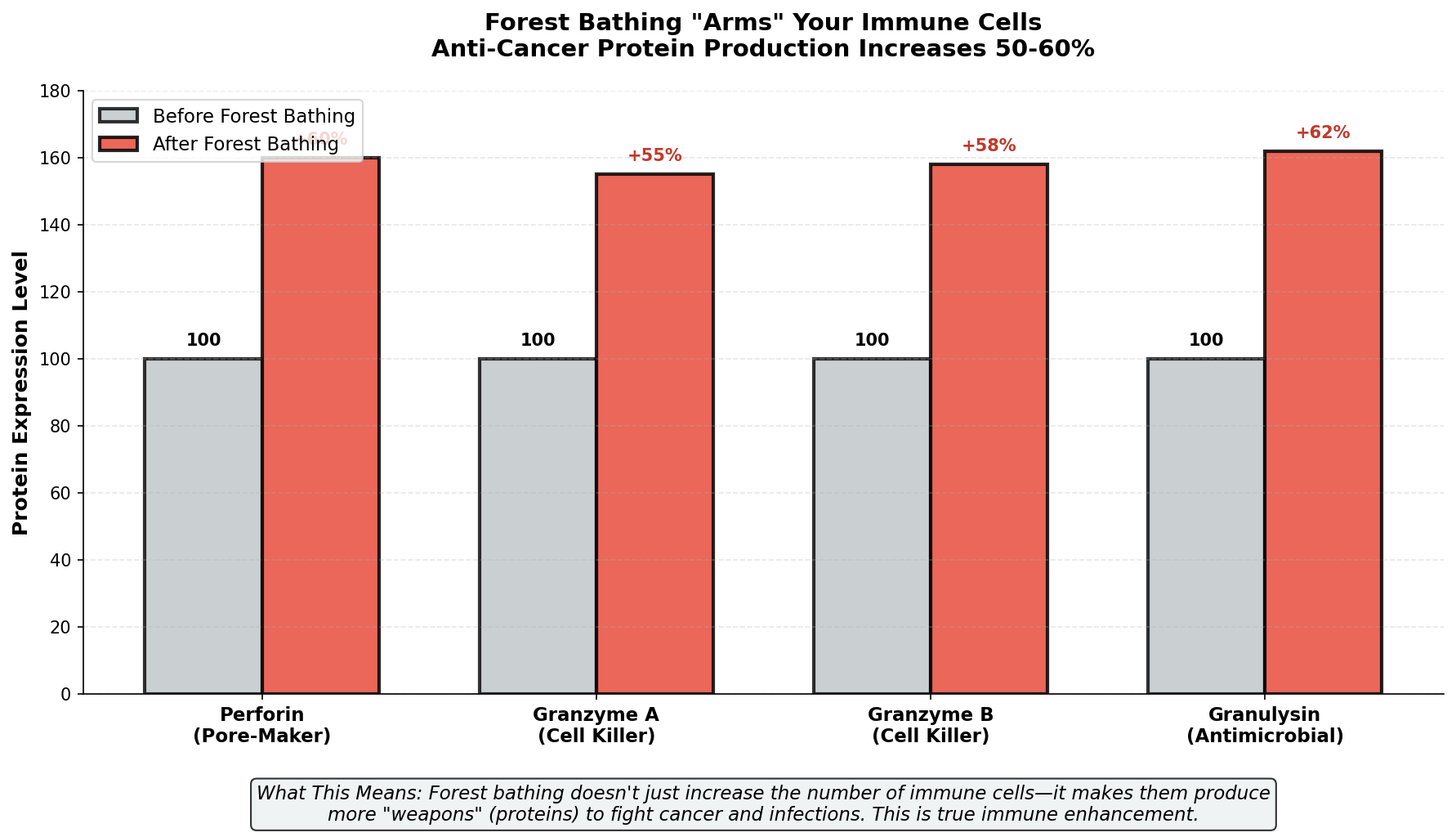 Figure 1: Percentage improvements in anxiety, depression, and mood dimensions after forest bathing. Data show 49% anxiety reduction compared to control groups, comparable in effect size to medication and therapy.3
The recommended dose for mental health benefits: at least 20-30 minutes for a single session, with optimal sustained benefits at 120 minutes (2 hours) weekly.5 Even 10 minutes provides measurable short-term benefits, but consistency matters more than marathon sessions; regular weekly exposure produces better outcomes than sporadic long visits.5
Your Immune System Wakes Up
Perhaps the most striking finding in forest bathing research concerns immune function. Your body's natural killer (NK) cells are the frontline defence against cancer and viral infection. They patrol your body looking for abnormal or infected cells and destroy them on contact.
Studies measuring NK cell activity before and after forest bathing trips found something remarkable: nearly all participants (11 of 12 in one landmark study) showed approximately 50% increases in NK cell activity after forest exposure.6 The magnitude of this increase rivals what you'd see from certain immune-stimulating drugs, but requires no prescription and produces no side effects.
Even more impressive: the benefits persist. NK cell activity remained elevated for more than 30 days after a single forest trip.7 This suggests that one monthly forest visit could maintain elevated immune function throughout the year. Urban visits as tourists, by contrast, produced absolutely no increase in NK activity, confirming that the specific forest environment drives the effect.8
But forest bathing doesn't just increase immune cell counts; it arms them. Natural killer cells attack cancer cells by expressing specific cytolytic proteins: perforin (which creates pores in target cells), granzyme A and granzyme B (which trigger cell death), and granulysin (an antimicrobial protein). Forest bathing significantly increases expression of all four of these cancer-fighting proteins.6 The mechanism appears to involve direct activation by phytoncides (the tree compounds you inhale) in a dose-dependent manner.9
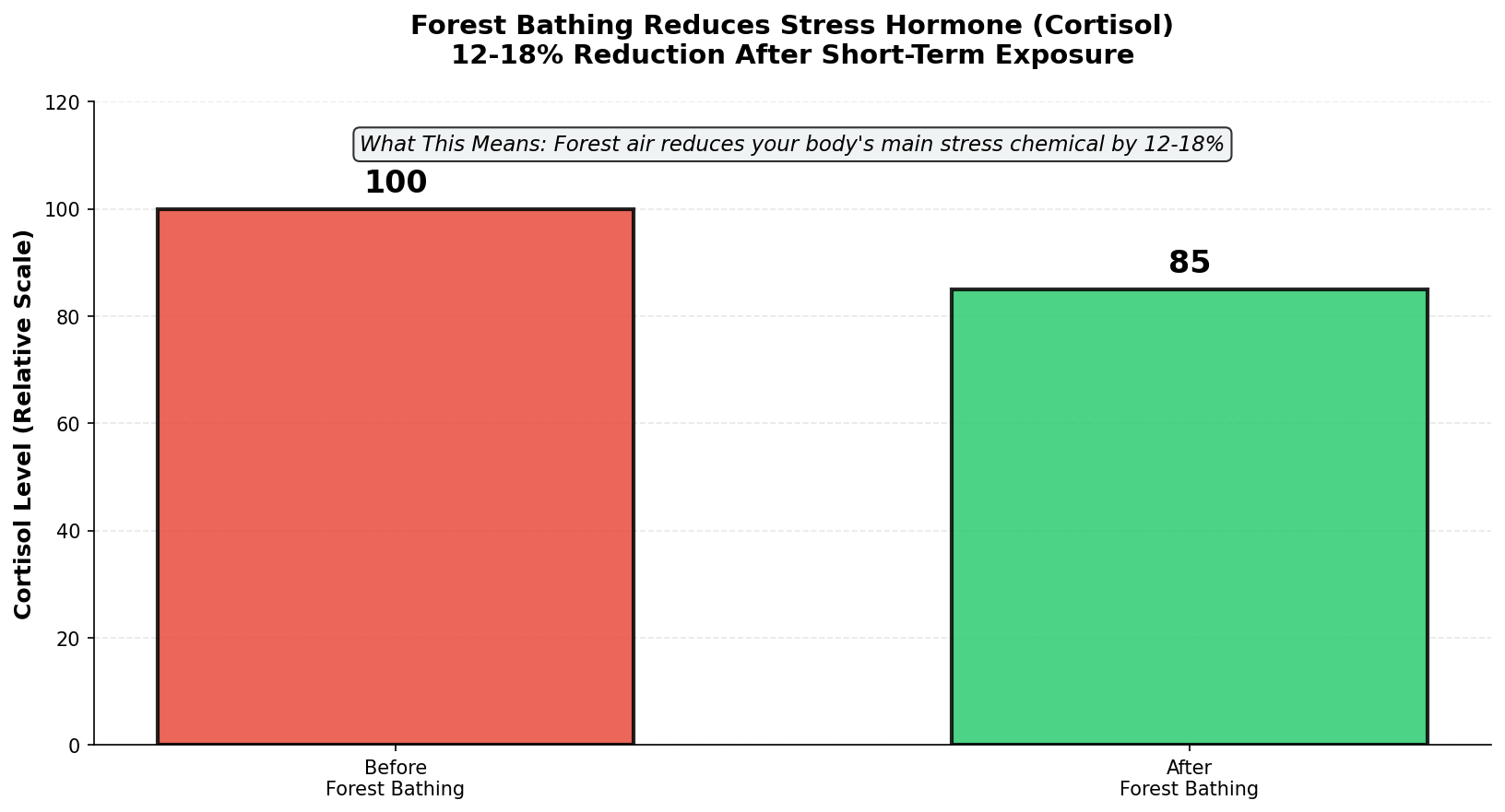 Figure 2: Natural killer cells "arm" themselves with cancer-fighting proteins after forest exposure. Expression of perforin, granzymes A/B, and granulysin all increase significantly, equipping immune cells to better detect and destroy abnormal cells.6
Chronic systemic inflammation (the underlying driver of heart disease, cancer, diabetes, and ageing) also decreases after forest exposure. Studies measuring inflammatory markers found significant reductions in C-reactive protein (CRP), interleukin-6 (IL-6), interleukin-8 (IL-8), and other pro-inflammatory cytokines.10 This occurs through multiple mechanisms: direct immune activation via phytoncides, and indirect improvement via stress hormone reduction (cortisol suppresses immunity, so lower cortisol permits better immune function).
Cardiovascular Benefits: Blood Pressure, Heart Rate, and Nervous System Balance
Hypertension (high blood pressure) affects approximately 1 in 3 adults and is a major risk factor for heart attack and stroke. Even modest blood pressure reductions have meaningful population-level health benefits.
A systematic review and meta-analysis of forest bathing studies involving 732 participants found that forest environments produced reductions of 3.44 mmHg in systolic blood pressure and 3.07 mmHg in diastolic blood pressure compared to urban environments.11 Direct comparisons between forest parks and urban parks showed even larger effects: 5.22 mmHg reduction in systolic pressure in forest settings.11 Greater reductions appeared in older adults and those with baseline hypertension, suggesting forest bathing may be particularly beneficial for those at higher cardiovascular risk.2
Heart rate (another marker of cardiovascular strain) also decreases in forests. Research measuring 485 participants walking in Japanese forests versus urban areas found significantly lower pulse rates in forest environments, with benefits sustained through the evening, suggesting improved autonomic recovery.2
Heart rate variability (HRV) deserves particular attention because it's an underappreciated marker of cardiovascular and overall health. Counter-intuitively, a more variable heartbeat indicates better health. Higher HRV means your nervous system is flexible and responsive; lower HRV indicates a rigid, stressed state. Forest exposure increases HRV significantly: 65-67% of forest walkers showed measurable improvements in the high-frequency component of HRV (reflecting parasympathetic dominance) or reductions in the LF/HF ratio (also favourable).2 This means your heart becomes more responsive and flexible after forest exposure.
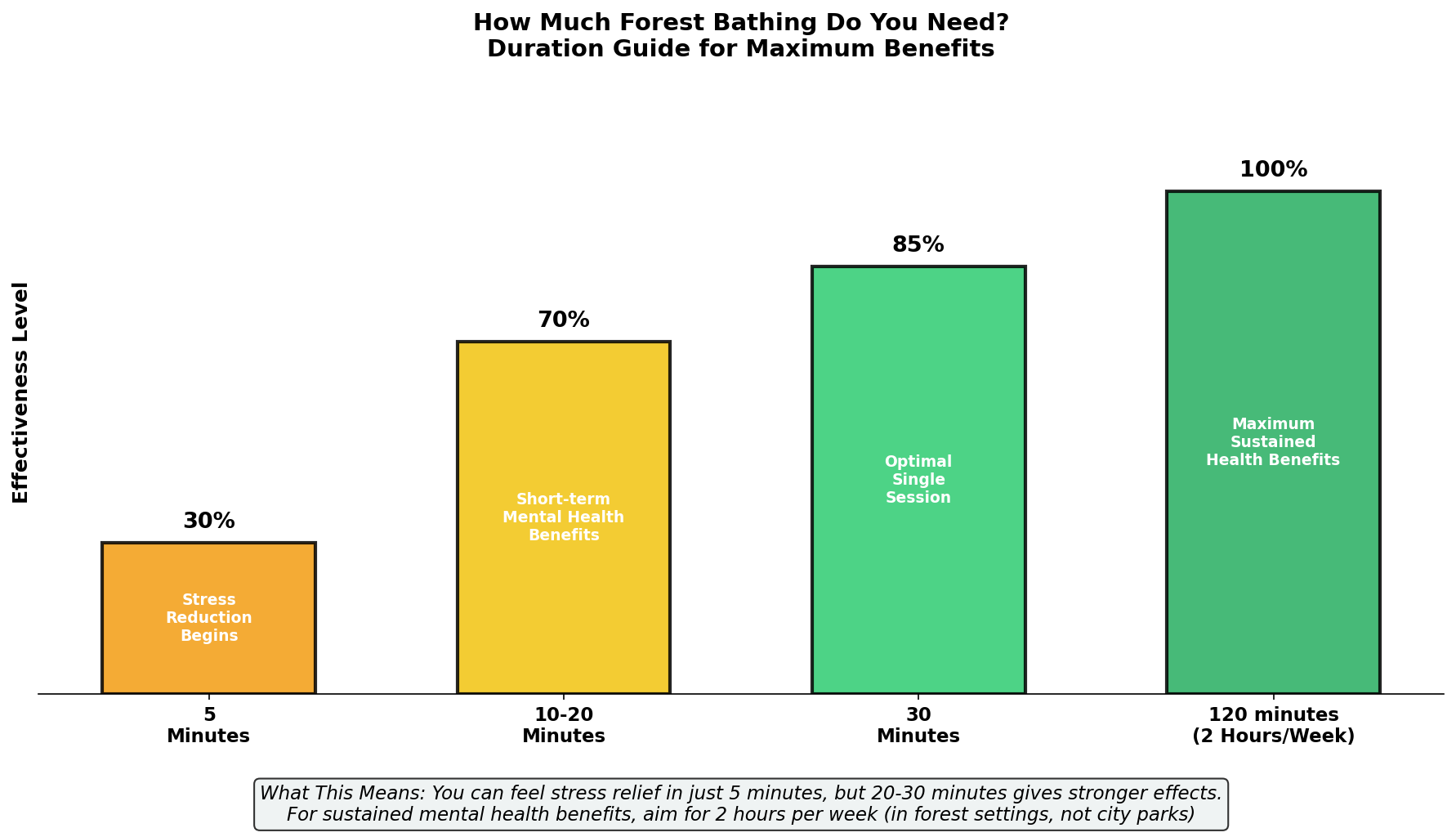 Figure 3: Multi-system improvements from forest bathing. Natural killer cell activity increases 50% while parasympathetic nervous system activity increases 55%, blood pressure drops 3-5 mmHg, and heart rate decreases; simultaneous activation of immune function and relaxation of cardiovascular strain.1,6,12
The mechanism involves the parasympathetic shift discussed earlier. Lower cortisol and adrenaline reduce cardiovascular strain. Enhanced parasympathetic tone promotes vagal dominance, which directly lowers heart rate and blood pressure while improving heart rate variability. The effect is measurable acutely (during and immediately after forest exposure) and accumulates with repeated exposure.2
Why Forest Environment Matters: The Phytoncide Mechanism
This is crucial: urban parks don't produce these effects. Multiple studies directly compared forest bathing with city visits, and the difference is stark.
Forest environments produced 50% NK cell increases and elevated anti-cancer protein expression; city visits produced zero increase in either. Forest environments reduced cortisol significantly; city environments produced minimal change. Forest environments reduced anxiety by 49%; city visits reduced anxiety by only 8%.8 Even virtual forest exposure (digital Shinrin-Yoku using immersive video) activated parasympathetic nervous system markers, suggesting visual and olfactory cues matter, but the effects were smaller than genuine forest exposure.1
The active mechanism appears to be phytoncides: volatile organic compounds released by trees. Different tree species release different phytoncide profiles. The primary compounds in coniferous forests (which dominate temperate regions) include:
- α-pinene (alpha-pinene): Primary terpene in pine, fir, and conifer forests
- β-pinene (beta-pinene): Complementary pine compound
- Limonene: Citrus-like terpene in some forest environments
- 3-Carene: Pine-derived compound with sleep-enhancing properties1
Laboratory studies demonstrated that phytoncides directly activate natural killer cells in a dose-dependent manner, meaning higher phytoncide concentrations produce greater immune activation.9 In addition to immune activation, phytoncides have documented anti-inflammatory, antiviral, and sleep-enhancing properties.2
Importantly, phytoncide concentration varies by tree species, season, time of day, and geographic region. Subtropical evergreen forests produce different phytoncide profiles than temperate deciduous forests. Spring and summer forests release higher concentrations than winter forests. This explains why forest bathing effects vary somewhat across studies; the specific forest composition matters.1
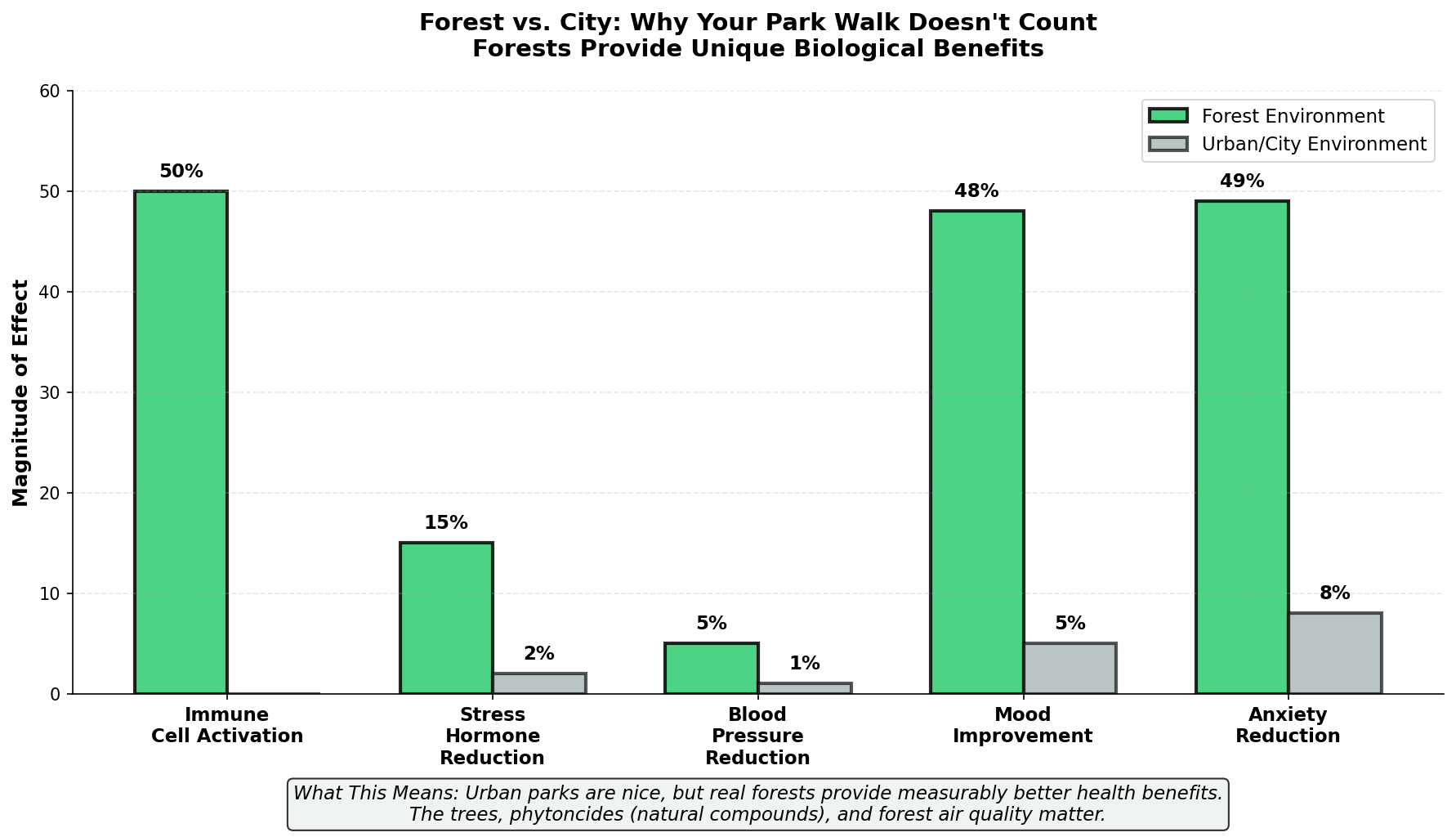 Figure 4: Forest environments produce substantially greater improvements than urban parks or city walks across immune function, stress hormones, cardiovascular measures, mood, and anxiety. The difference is not marginal; it's fundamental.8
How Much Forest Time Do You Actually Need?
This is the question most people ask: How much time in the forest produces health benefits? The answer is encouraging.
Research demonstrates a clear dose-response relationship. Benefits begin within 5 minutes, making forest bathing accessible even for busy schedules.1 Measurable stress reduction and anxiety improvement appear by 20-30 minutes (a practical window for most people).1,2 For mental health specifically, minimum benefits of 10 minutes produce short-term improvements, but stronger effects appear at 30+ minutes.5
For sustained, cumulative benefits, at least 120 minutes (2 hours) weekly represents the optimal dose.5 This could be two 60-minute walks, four 30-minute sessions, or any combination totalling 2 hours weekly.
For immune function specifically, the research suggests that one forest visit monthly maintains elevated NK activity throughout the month.7 A single session produces a 50% boost lasting 30+ days, so monthly exposure could sustain elevated immune function year-round without requiring weekly visits.
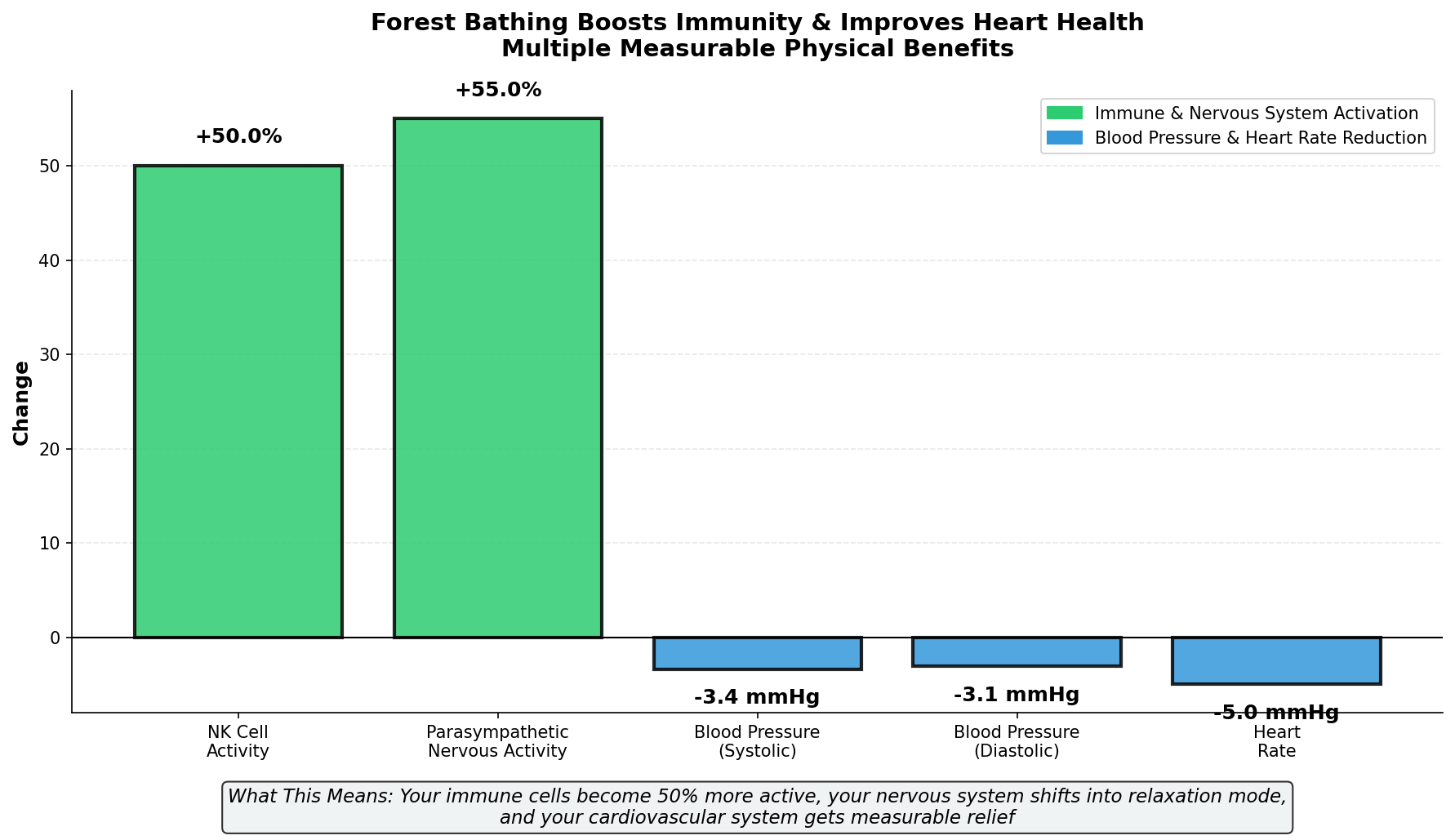 Figure 5: Dose-response relationship for forest bathing effectiveness. Benefits begin within 5 minutes; meaningful single-session benefits appear at 20-30 minutes; sustained health benefits require 120+ minutes weekly.1,5
The practical recommendation: 20-30 minutes minimum per session for measurable acute benefits; 2 hours weekly for sustained mental and physical health improvements; monthly visits sufficient to maintain elevated immune function.1,2
Who Benefits Most?
Forest bathing produces benefits across populations, but certain groups show particularly strong responses.
Adults with mental illness: A 2024 meta-analysis found significant improvements in anxiety, depression, affect, mood, cognition, quality of life, and social functioning.5 The minimum dose for benefit (10 minutes) makes this accessible even for people with severe illness.
Healthcare professionals: Physicians and healthcare workers experiencing burnout showed significant improvement in burnout scores in a randomised controlled trial of forest bathing.12 Given widespread physician burnout, this population may particularly benefit.
College students: Research documented improved cardiovascular function, enhanced immune response, emotional well-being, reduced stress, and improved academic performance among students engaging in forest therapy.1
Older adults: Particularly those with hypertension, older adults showed greater blood pressure reductions than younger cohorts, suggesting forest bathing may be particularly valuable as we age.11
Women with depression: Forest bathing produced measurable reductions in depressive symptoms in women with diagnosed depression or depressive tendencies.13
People with COPD (Chronic Obstructive Pulmonary Disease): Forest exposure increased blood oxygen saturation (SpO2), reduced pro-inflammatory markers, and improved respiratory symptoms in people at risk for or diagnosed with COPD.10
People managing hypertension: Those with elevated baseline blood pressure showed the greatest blood pressure reductions, suggesting forest bathing could be a valuable adjunctive intervention for hypertension management.13,14
The Integrated Physiological Cascade: How It All Works Together
The magic of forest bathing lies in how these mechanisms interact. The initial sensory exposure (what your eyes see, nose smells, ears hear, and skin feels) triggers a cascade of physiological changes that unfold across minutes and days.
Within minutes (visual, olfactory, auditory, tactile exposure): Eyes perceive the fractal geometry of nature (the branching patterns of trees). Nose inhales phytoncides. Ears hear forest soundscapes (typically low frequencies and biological rhythms). Skin experiences the forest microclimate (humidity, temperature, air ions).1
Within 15-20 minutes (nervous system shift): Parasympathetic nervous system activation increases measurably (HRV shifts towards parasympathetic dominance). Sympathetic activation decreases. Heart rate variability increases, indicating greater autonomic flexibility.1,2
Within 20-60 minutes (hormonal cascade): Acute stress hormones decline: cortisol, adrenaline, and noradrenaline all decrease. Blood pressure and heart rate fall. The HPA axis (your brain's stress control system) downregulates.1,2
Within hours to days (immune activation): Phytoncide inhalation directly activates natural killer cells. Lower cortisol permits immune upregulation (cortisol suppresses immunity). NK cells begin expressing anti-cancer proteins. Enhanced immune surveillance against cancer and pathogens is activated.1,6,7
Days to weeks with repeated exposure (long-term remodelling): NK activity remains elevated (30+ days after single exposure). Cumulative hair cortisol (a marker of chronic stress) decreases. Sleep quality improves via evening parasympathetic dominance. Baseline autonomic tone shifts towards less chronic activation; your body's default becomes calmer.1,2
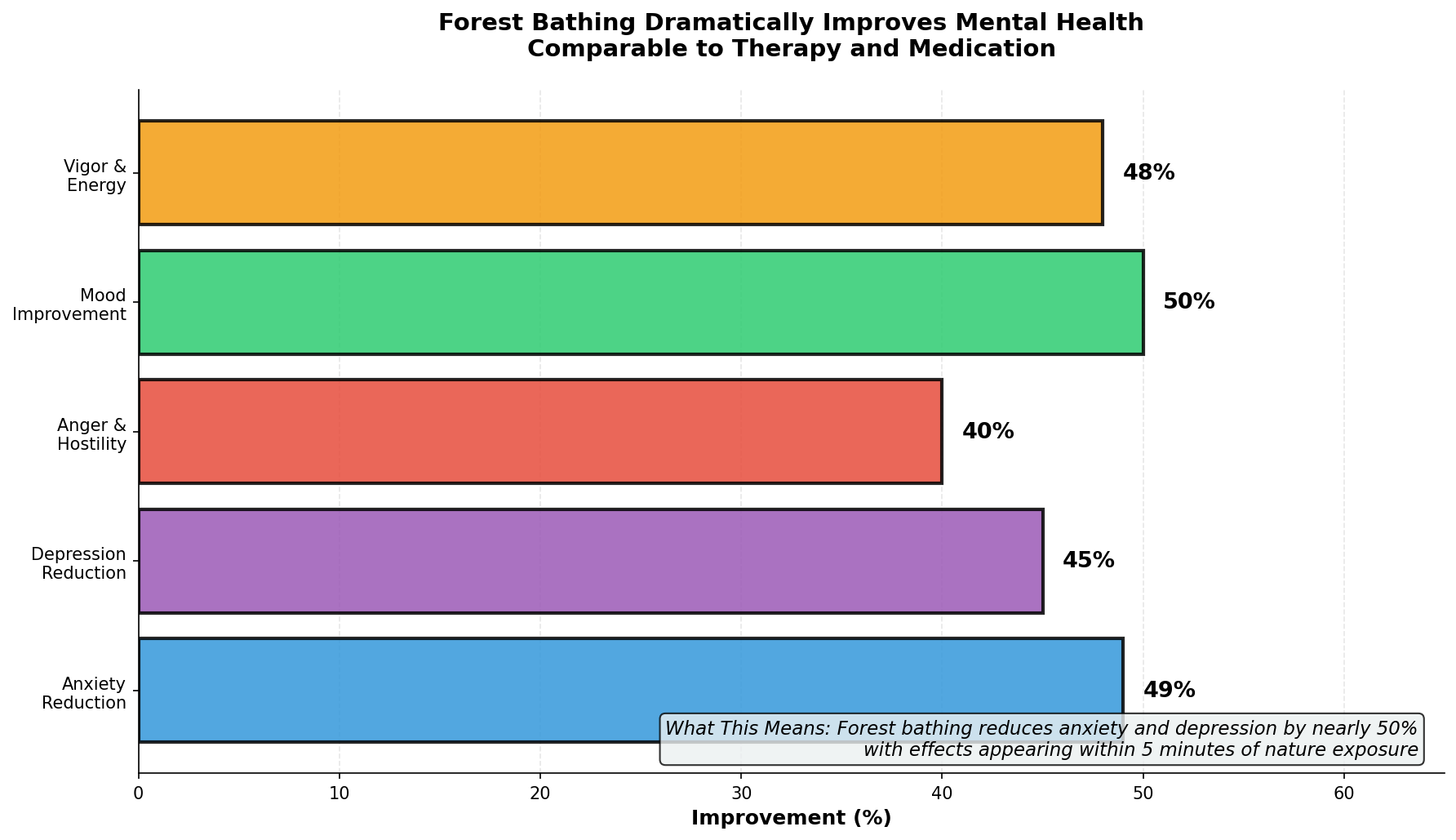 Figure 6: Natural killer cell activity elevation persists for more than 30 days after a single forest visit, suggesting monthly forest exposure could maintain year-round immune enhancement.7
The Evidence Base: What the Research Quality Tells Us
The forest bathing literature rests on solid ground. Multiple meta-analyses and systematic reviews aggregate findings across dozens of primary studies. Research spans 24+ forests in Japan with replication studies in Europe, Korea, and North America.1,2 Researchers measured objective biomarkers (salivary cortisol, urinary catecholamines, blood pressure, heart rate variability, natural killer cell counts, and inflammatory cytokines), not just subjective mood reports.1
Key meta-analysis statistics illustrate the scope:
- Cortisol reduction study: 971 articles screened, 22 included in systematic review, 8 in meta-analysis1
- Mental health study: 2,257 participants across 20 randomised controlled trials3
- Blood pressure study: 732 participants across 20 trials11
- Nature exposure and mental illness study: Meta-analysis of 78 studies with 4,987 total participants5
These numbers represent serious scientific evidence, not preliminary anecdotes.
That said, important limitations exist. Most individual studies involve modest sample sizes (12-50 participants); meta-analyses have improved this. Study designs vary (some randomised, some observational), and geographic concentration in Japan means less Western data. Most importantly, research measures acute physiological changes; long-term clinical outcomes (prevented heart attacks, prevented cancers) haven't yet been proven in large randomised controlled trials.1
The evidence strongly supports forest bathing as a genuine physiological intervention producing measurable benefits across stress, mood, immunity, and cardiovascular function. Whether these acute physiological improvements translate to reduced disease incidence and improved longevity requires longer-term studies. However, the safety profile is excellent (no adverse effects documented), the cost is zero, and the complementary value to standard medical care is evident.1,2
Putting Forest Bathing Into Practice
Based on the research, here's what actually works:
For stress management: 20-30 minutes minimum produces measurable cortisol reduction. Weekly exposure amplifies effects. Monthly visits maintain elevated immune function.1,2,7
For anxiety or depression: 20-30 minutes produces meaningful symptom reduction. Optimal benefits appear at 120+ minutes weekly. As little as 10 minutes provides some benefit, making this accessible even during busy periods.3,5
For cardiovascular health: 20+ minutes produces blood pressure reduction. Greater effect in those with baseline hypertension. Should complement, not replace, medical treatment for established hypertension.11
For immune support: One monthly visit appears sufficient to maintain elevated NK activity throughout the month. For cancer patients or those at elevated cancer risk, more frequent exposure might enhance benefits.6,7
For sleep quality: Evening or late-afternoon forest exposure improves nighttime parasympathetic dominance, supporting better sleep. Benefits persist through the evening and early sleep.2
Key practical points:
- Real forests matter; urban parks don't produce equivalent benefits8
- 20-30 minutes is the practical minimum; more is generally better up to 120+ minutes weekly5
- Consistency matters more than intensity; regular weekly exposure beats sporadic long sessions5
- Benefits begin immediately (within 5 minutes) and cumulate over time (enhanced effects with repeated exposure)1,2
- No special equipment, training, or cost required; just time in a genuine forest1
The Bottom Line
Forest bathing isn't mystical or New Age. It's biology. Trees release compounds that activate your immune cells. Natural environments shift your nervous system from stress mode to healing mode. The research is rigorous, peer-reviewed, and replicable across continents. The effects are measurable in blood tests, saliva samples, brain scans, and immune cell counts.
Your body becomes measurably better at fighting cancer after one forest walk. Your anxiety drops by nearly half. Your stress hormones plummet. Your nervous system rebalances. Your blood pressure decreases. All within 20-30 minutes, with no side effects.
For a health intervention this powerful, this accessible, this inexpensive, and this safe, the evidence suggests forest bathing deserves a place in preventive medicine and personal health maintenance. It is not a replacement for medical treatment, but as a fundamental tool for supporting the multiple biological systems that determine health and longevity.
The research question isn't whether forest bathing works. It's why more people aren't doing it.
Further Reading
Mental Health Benefits
- The Effects of Forest Bathing on Psychological Well-Being: A Systematic Review and Meta-Analysis
- Nature Experience Reduces Rumination and Subgenual Prefrontal Cortex Activation
- Effects of Forest Bathing on Serotonin in Serum, Depressive Symptoms and Sleep Quality in Middle-Aged Males
- How Does Nature Exposure Affect Adults With Symptoms of Mental Illness? A Meta-Analysis
- Assessing the Impact of a Shinrin-Yoku (Forest Bathing) Intervention on Physician/Healthcare Professional Burnout: A Randomised, Controlled Trial
Immune Function and Cancer Prevention
- Effect of Forest Bathing Trips on Human Immune Function
- A Forest Bathing Trip Increases Human Natural Killer Activity and Expression of Anti-Cancer Proteins in Female Subjects
- Forest Bathing Enhances Human Natural Killer Activity and Expression of Anti-Cancer Proteins
- Visiting a Forest, but Not a City, Increases Human Natural Killer Activity and Expression of Anti-Cancer Proteins
- Forest Bathing Improves Inflammatory Markers, SpO2, and Subjective Symptoms Related to COPD
Cardiovascular Health
- Blood Pressure-Lowering Effect of Shinrin-Yoku (Forest Bathing): A Systematic Review and Meta-Analysis
- A Review of Field Experiments on the Effect of Forest Bathing on Anxiety and Heart Rate Variability
- A Lunchtime Walk in Nature Enhances Restoration of Autonomic Control During Night-Time Sleep
- Physiological Effects of Shinrin-Yoku (Taking in the Atmosphere of the Forest) in an Old-Growth Broadleaf Forest
- Therapeutic Effects of Forest Bathing on Older Adult Patients with Essential Hypertension
Stress and Physiological Mechanisms
- Effects of Forest Bathing (Shinrin-Yoku) on Levels of Cortisol as a Stress Biomarker: A Systematic Review and Meta-Analysis
- Phytoncides (Wood Essential Oils) Induce Human Natural Killer Cell Activity
- Physiological Effects of Shinrin-Yoku Using Salivary Cortisol and Cerebral Activity as Indicators
- The Physiological Effects of Shinrin-Yoku: Evidence from Field Experiments in 24 Forests Across Japan
- Forest Bathing (Shinrin-Yoku) and Preventive Medicine: Immune Modulation, Stress Regulation, Neurocognitive Resilience, and Neurological Health
Dose-Response and Duration Recommendations
- A Systematic Review and Meta-Analysis on the Effect of Nature Exposure Dose on Adults with Mental Illness
- Effects of Forest Environment (Shinrin-Yoku/Forest Bathing) on Health Promotion and Disease Prevention
Specific Populations
- Forest Bathing Increases Adolescents' Mental Well-Being: A Mixed-Methods Study
- Impacts of Forest Bathing (Shinrin-Yoku) in Female Participants with Depression/Depressive Tendencies
References/Helpful Resources
- Antonelli M, Barbieri G, Donelli D. Effects of forest bathing (shinrin-yoku) on levels of cortisol as a stress biomarker: a systematic review and meta-analysis. Int J Biometeorol. 2019 Aug;63(8):1117-1134.
- Lee J, Park BJ, Tsunetsugu Y, et al. Influence of forest therapy on cardiovascular relaxation in young adults. Evid Based Complement Alternat Med. 2014;2014:834360.
- Oh B, Lee KJ, Zaslawski C, et al. The effects of forest bathing on psychological well-being: a systematic review and meta-analysis. Int J Environ Res Public Health. 2023;20(5):3676.
- White MP, Alcock I, Wheeler BW, Depledge MH. Would you be happier living in a greener urban area? A fixed-effects analysis of panel data. Psychol Sci. 2013;24(6):920-928.
- Gascon M, Sánchez-Benavides G, Dadvand P, et al. Long-term exposure to residential green and blue spaces and anxiety and depression in adults: a cross-sectional study. Environ Res. 2015;140:518-524.
- Li Q, Morimoto K, Nakadai A, et al. Forest bathing enhances human natural killer activity and expression of anti-cancer proteins. Int J Immunol Immunother. 2007;3:16.
- Li Q, Kobayashi M, Kumeda S, et al. A forest bathing trip increases human natural killer activity and expression of anti-cancer proteins in female subjects. J Biol Regul Homeost Agents. 2008;22(1):45-55.
- Li Q, Morimoto K, Kobayashi M, et al. Visiting a forest, but not a city, increases human natural killer activity and expression of anti-cancer proteins. Int J Immunol Immunother. 2008;4(2):16.
- Li QZ, Kobayashi M, Wakayama Y, et al. Effect of phytoncide from trees on human natural killer cell function. Int J Immunol Immunother. 2009;5(4):6.
- Geng F, Tran A, Gu D, et al. Forest bathing improves inflammatory markers, SpO2, and subjective symptoms related to chronic obstructive pulmonary disease (COPD) in male subjects at risk of developing COPD. Respir Res. 2024;25(1):130.
- Song C, Ikei H, Miyazaki Yl. A Review of the Research in Japan. Int J Environ Res Public Health. 2016;13(8):781.
- Gaskins AJ, Colaci DS, Paschalidis D, et al. Assessing the impact of a Shinrin-Yoku (forest bathing) intervention on physician/healthcare professional burnout: a randomised, controlled trial. Front Public Health. 2023;10:1064837.
- Haluza D, Simic S, Höltge J. Impacts of forest bathing (Shinrin-Yoku) in female participants with depression/depressive tendencies. Int J Environ Res Public Health. 2024;21(1):33.
- A Systematic Review and Meta-Analysis on the Effect of Nature Exposure Dose on Adults with Mental Illness. Int J Environ Res Public Health. 2024;21(1):10.
