

You've just had a routine ultrasound for an unrelated problem, and the report mentions gallstones. Or you've been experiencing occasional sharp pain after eating fatty foods and wonder if your gallbladder is the culprit. Either way, you're probably asking yourself: "Do I need treatment? Is this serious? Should I have surgery?"
The answer, for most people, is reassuring: 80% of people with gallstones never develop symptoms and don't need treatment. Understanding the difference between having gallstones and actually having a problem is the key to avoiding unnecessary worry and unnecessary surgery.
This article explains what your gallbladder does, why gallstones form, what the symptoms actually mean, and when incidental imaging findings require action. By the end, you'll understand not just what doctors are looking for, but what it all means for you.
What Your Gallbladder Actually Does
Your gallbladder is a small, pear-shaped organ about 7–10 cm long (roughly the size of a date) tucked under your liver on the right side of your upper abdomen. Despite its modest size, it plays an important role in digestion.
The gallbladder stores and concentrates bile, a digestive fluid your liver produces continuously. Between meals, bile sits quietly in the gallbladder. But when you eat something fatty, your body releases a hormone called cholecystokinin, which signals your gallbladder to squeeze. This contraction releases concentrated bile into your small intestine, where it emulsifies (breaks apart) dietary fats into smaller droplets that your body can absorb more efficiently.
Without a functioning gallbladder, you can still digest fat, but less efficiently. Bile flows continuously rather than arriving in concentrated amounts when needed, which is why some people who've had their gallbladder removed notice changes in how they digest fatty foods.
Why Gallstones Form and How Common They Really Are
Gallstones form when cholesterol or other bile components harden into deposits. Most gallstones are made of excess cholesterol that accumulates and solidifies inside the gallbladder. The exact mechanisms aren't fully understood, but several factors increase the risk.
Gallstones are surprisingly common. Across the globe, about 6% of the general population has gallstones. In the United States specifically, the story is more dramatic: prevalence has nearly doubled over the past 25 years, rising from 7.4% (1988–1994) to 13.9% (2017–2020).
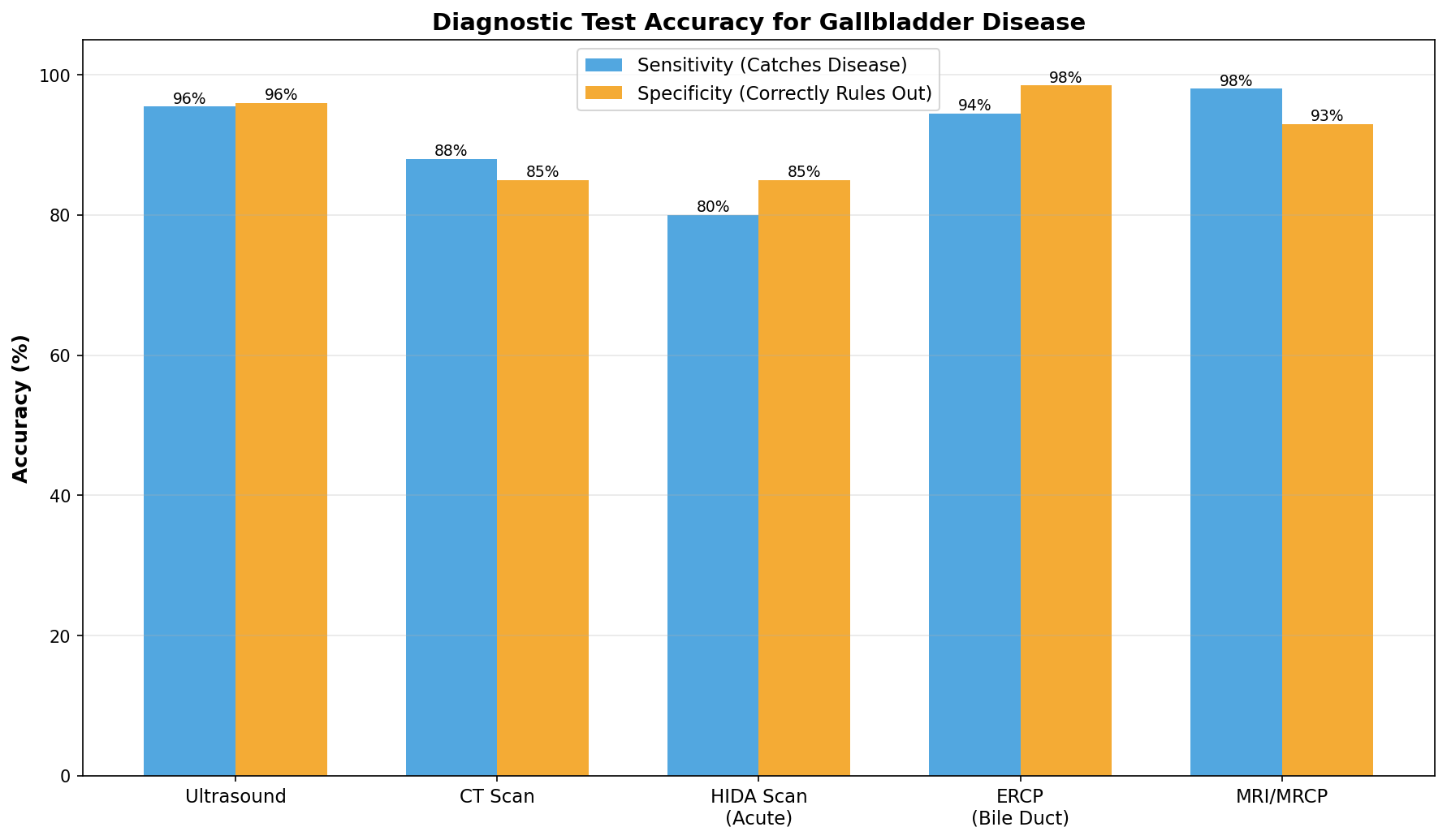 Figure 1: How gallstone prevalence increased in the US population from 1988 to 2020. This rise reflects increasing obesity rates and sedentary lifestyles, which are major risk factors for stone formation.
Gender differences are striking. Women have 2-3 times higher rates of gallstones than men, especially during their reproductive years. This is primarily due to oestrogen's effects on bile chemistry: sex hormones increase the amount of cholesterol your liver secretes into bile, raising the risk of gallstone formation. By age 60–74, about 33% of women have gallstones compared to 25% of men.
In some ethnic groups, prevalence is much higher. American Indian populations, for example, have gallstone prevalence rates of 60-70%, reflecting both genetic and lifestyle factors.
Who's Most at Risk: Beyond the "Four Fs"
The old medical saying describes gallstone risk with "Four Fs": Female, Forty, Fat, and Fertile. While this captures some truth, the full picture is more nuanced.
Some risk factors you can't change: your sex, age, ethnicity, and family history all influence gallstone formation. Your risk increases steadily after age 40, with the steepest rise between ages 40 and 60. If your parents or siblings had gallstones, you're at higher risk due to shared genetics.
But many factors are modifiable, and this is where you have real influence:

Figure 2: Controllable risk factors that substantially increase or decrease gallstone formation risk. Weight management, dietary choices, and physical activity are the most influential modifiable factors.
- Weight management: Obesity significantly increases risk. More concerning is rapid weight loss: very low-calorie diets carry about a 25% risk of gallstone formation. The safest approach is to lose weight gradually, 1–2 pounds per week
- Diet quality: High intake of saturated fat, refined carbohydrates, and sugar increases risk. Protective factors include dietary fibre, whole grains, fruits, vegetables, and unsaturated fats from sources like nuts and vegetable oils
- Physical activity: Regular vigorous exercise is protective, independent of weight loss. Current guidelines recommend 150 minutes per week of moderate-intensity activity
- Other health conditions: Diabetes, metabolic syndrome, cirrhosis, and inflammatory bowel conditions increase risk
The Crucial Distinction: Asymptomatic vs. Symptomatic Stones
This is perhaps the most important concept in understanding gallbladder health: having gallstones is not the same as having gallbladder disease.
More than 80% of people with gallstones remain asymptomatic. Of those without symptoms, only 1-2% develop symptoms each year. Over 20 years, about 20% eventually develop symptoms. The other 80% live out their entire lives without ever knowing they have stones or experiencing any problems.
This dramatically different risk between asymptomatic and symptomatic disease shapes how doctors approach treatment:
- Asymptomatic gallstones: Complication rate is only 0.1-0.3% annually
- Symptomatic gallstones: Complication rate is 1-3% annually
This means prophylactic (preventive) surgery to remove gallstones in asymptomatic people causes more harm than benefit, because the surgery carries greater risks than the stones themselves.
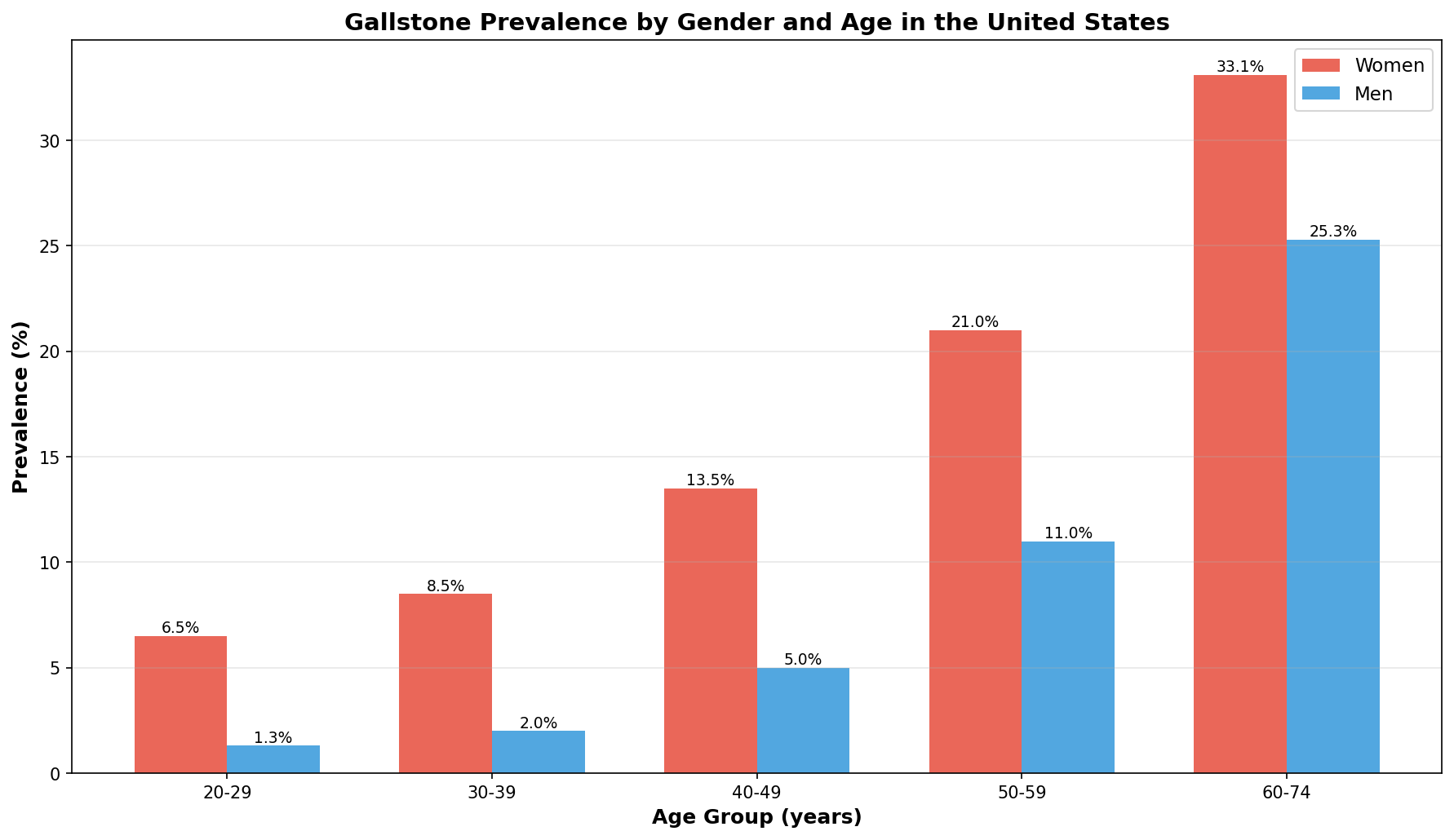 Figure 3: Long-term follow-up data showing that most people with asymptomatic gallstones never develop symptoms. Those who do typically progress slowly over many years.
Recognising Genuine Gallbladder Symptoms
What does a genuine gallbladder attack actually feel like? The pattern is surprisingly consistent and quite distinctive.
The typical attack:
- Location: Sharp pain in the upper right abdomen, just below your rib cage, or sometimes in the centre of your upper abdomen below your breastbone. Pain may radiate to your back or right shoulder blade
- Character: Described variously as sharp and knife-like or as a deep, intense ache. The pain builds steadily over the first 20 minutes, reaches a peak, then gradually subsides
- Duration: Single episodes last 20 minutes to 4 hours, most commonly 1–5 hours. After the acute pain passes, mild aching might continue for about 24 hours
- Timing: Most often triggered 15–20 minutes after eating, particularly after fatty or greasy meals. This eating-related trigger is one of the most reliable diagnostic clues
- Associated symptoms: Nausea is common, sometimes progressing to vomiting. Indigestion after high-fat meals is frequent
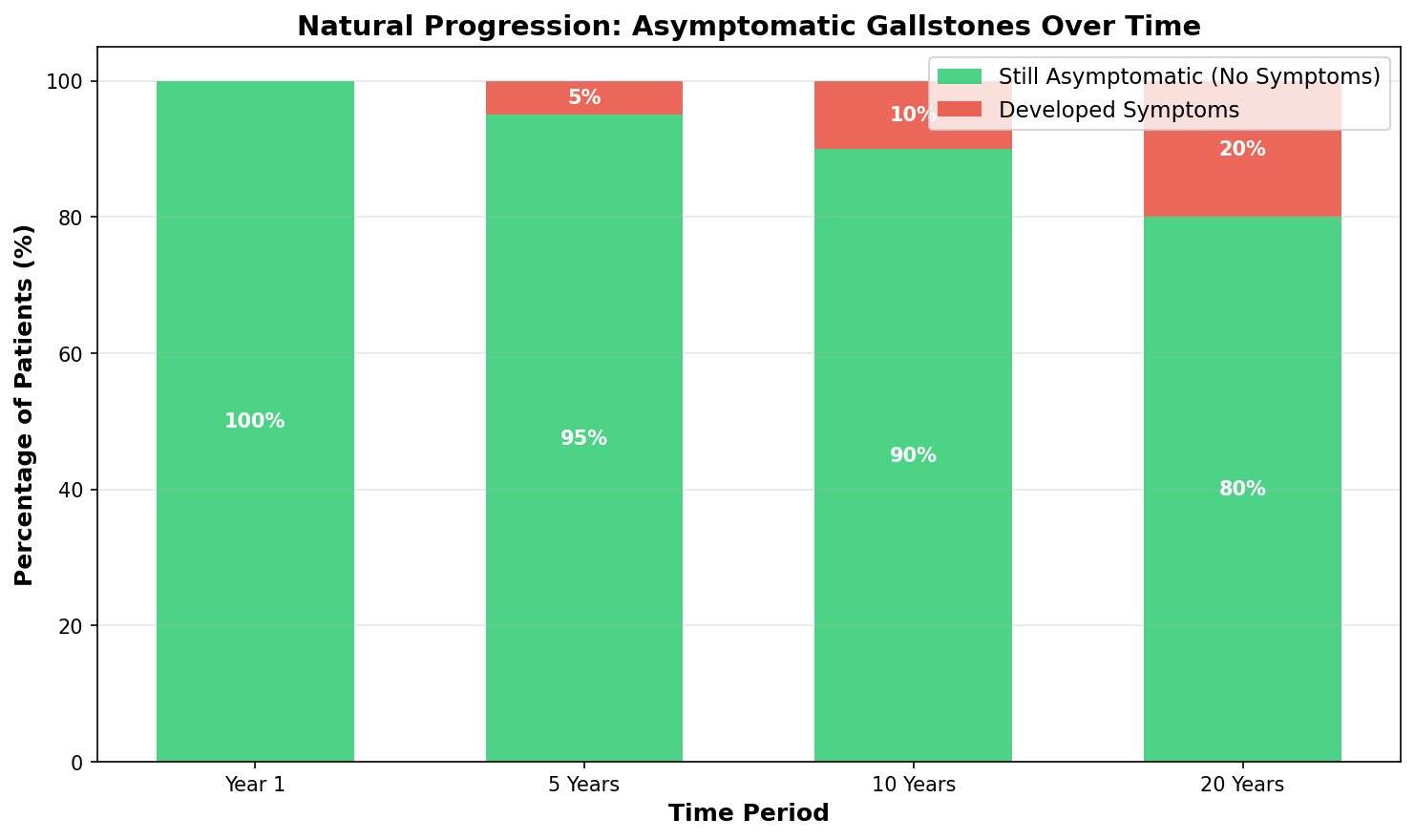 Figure 4: The characteristic timing of gallbladder pain relative to food intake. This pattern makes gallbladder disease one of the most recognisable abdominal conditions.
Why does this happen? When you eat fatty food, your gallbladder contracts to release bile. If gallstones are present, this contraction causes pain as stones move or as the gallbladder tries to expel bile around them. This explains the tight link between fatty meals and symptom onset.
Red Flag Symptoms: When You Need Emergency Care
Not all abdominal pain is typical biliary colic. These symptoms require urgent evaluation:
- Pain lasting longer than 5-8 hours (typical attacks fade within a few hours)
- Fever or chills accompanying pain (suggests infection rather than simple gallstones)
- Yellowing of your skin or whites of eyes (jaundice) indicates bile duct involvement)
- Dark urine or pale stools (signs that bile is not flowing normally into your intestine)
- Pain severe enough that you can't sit still or sleep, unrelieved by over-the-counter medication
- Sudden severe pain with tenderness when the upper right abdomen is touched
These findings suggest acute cholecystitis (gallbladder inflammation), which may require hospital treatment with intravenous fluids and antibiotics. In some cases, a blocked bile duct can progress to cholangitis (bile duct infection), a medical emergency.
Understanding Screening vs. Diagnosis
Here's where confusion often starts: finding something on imaging done for unrelated reasons is fundamentally different from having symptoms that prompt testing.
Most people with incidental gallstone findings were scanned for other reasons: a CT scan for kidney stone evaluation, an ultrasound for liver function assessment, or imaging for abdominal pain that turned out to be unrelated to the gallbladder.
The critical insight from medical research is clear: routine screening for asymptomatic gallstones is not recommended. No major health organisation (NHS, NICE, or American medical societies) recommends checking for gallstones in people without symptoms. This is because finding asymptomatic stones in people who may never develop complications doesn't help them and may lead to unnecessary anxiety or unwarranted surgery.
National guidelines in the UK are explicit: the NHS will not routinely fund surgery for incidental asymptomatic gallstones. Patients with incidental stones should be reassured and require no further investigation unless symptoms develop.
Diagnostic Tests Explained: What They Actually Tell You
If you do have symptoms suggestive of gallbladder disease, your doctor will likely order tests to confirm the diagnosis and assess whether you need treatment. Understanding what these tests measure helps you interpret results.
Ultrasound (First-Line Test)
Ultrasound uses sound waves to create images of your gallbladder and is the most common first test. It's safe, painless, doesn't use radiation, and takes 15-30 minutes. For detecting gallstones, it's highly accurate: sensitivity of 94–97% (catches the disease in 94–97% of people who have it) and specificity of 93–99% (correctly identifies people without disease in 93–99% of cases).
In plain terms, if your ultrasound shows gallstones, they almost certainly exist. Conversely, if ultrasound is negative and your symptoms persist, the false-negative rate is low (about 4%), though very small stones or obesity can occasionally cause misses.
For acute cholecystitis (gallbladder inflammation), ultrasound sensitivity is 88–94%, meaning it reliably detects when your gallbladder is inflamed.
Blood Tests (Liver Function Tests)
Blood work can't diagnose gallstones (you need imaging for that), but it reveals whether your bile ducts are blocked or your liver is stressed. Key findings:
- Elevated liver enzymes (AST, ALT): Suggest liver or biliary damage
- Elevated alkaline phosphatase (ALP): More specific for bile duct problems
- Elevated bilirubin: Suggests bile duct obstruction (bile backing up into the bloodstream)
The pattern of elevation matters. If ALP and bilirubin are elevated out of proportion to other enzymes, this suggests bile duct obstruction. If AST and ALT are disproportionately elevated, this suggests liver damage rather than obstruction.
Advanced Imaging: CT, MRI/MRCP, HIDA Scan, and ERCP
These tests are reserved for complex cases or when ultrasound findings are unclear:
- CT Scan: More powerful than ultrasound for detecting complications like bile duct dilation or gallbladder thickening. Uses radiation; reserved for suspected serious disease
- MRI/MRCP: Non-invasive, no radiation, and excellent for visualising bile ducts. Particularly useful when bile duct stones are suspected. Cost is higher, and the procedure takes longer than an ultrasound
- HIDA Scan: A nuclear medicine test that shows how well your gallbladder functions (not just its structure). Useful when symptoms suggest dysfunction, but the ultrasound is inconclusive
- ERCP (Endoscopic Retrograde Cholangiopancreatography): An invasive procedure where an endoscope is threaded down to the bile duct opening. Used for diagnosis and treatment: stones can be removed during the procedure. It's highly accurate (90–99% sensitivity for bile duct stones) but reserved for confirmed bile duct disease because it carries a small risk of pancreatic inflammation
What Test Accuracy Actually Means
When doctors talk about sensitivity and specificity, it can sound confusing. Here's what these terms mean in practical terms:
Sensitivity = How good a test is at catching disease in people who actually have it. High sensitivity means false negatives (missed diagnoses) are rare. Ultrasound's 94% sensitivity means that if you truly have gallstones, ultrasound will catch them 94% of the time.
Specificity = How good a test is at correctly identifying people without disease. High specificity means false positives (reporting disease when it's not there) are rare. Ultrasound's 93% specificity means that if you don't have gallstones, an ultrasound will correctly say so 93% of the time.
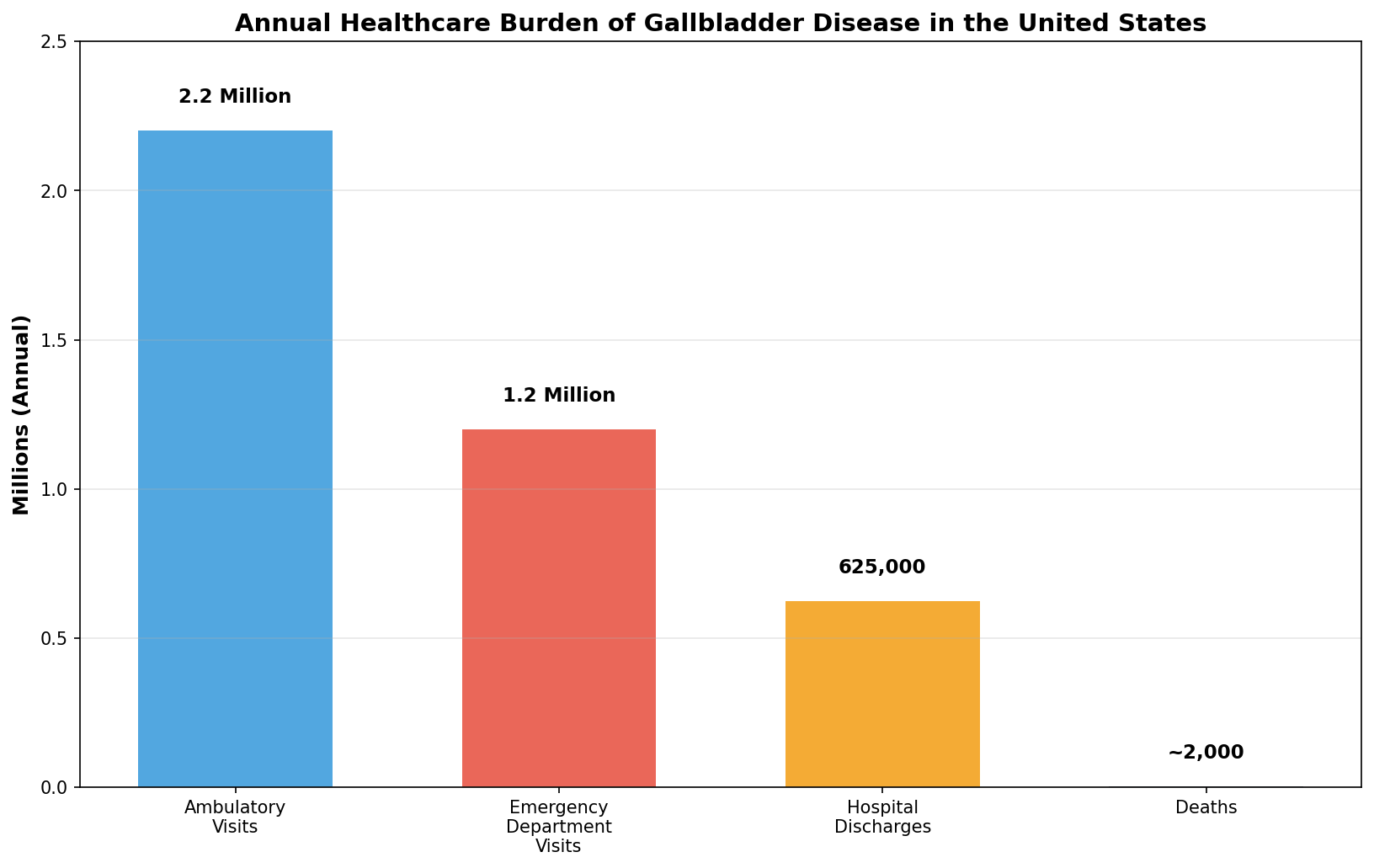 Figure 5: How different diagnostic tests compare in their ability to detect gallbladder disease. Ultrasound and MRI are highly accurate; blood tests cannot diagnose gallstones, but can suggest complications.
Interpreting Your Results: What Different Findings Mean
You had an ultrasound, and it shows gallstones, but you have no symptoms:
This is an asymptomatic incidental finding. According to current clinical guidelines, you don't need treatment. You should be reassured and educated about warning symptoms to watch for (see Red Flags section above). Routine follow-up imaging is not recommended. You can live normally with these stones; most people never develop problems.
You had an ultrasound, and it shows gallstones, AND you have typical symptoms:
Your symptoms are likely related to the stones. Your doctor will discuss treatment options, which may include surgery (cholecystectomy) or, in some cases, watchful waiting with dietary modifications. Cholecystectomy is the definitive treatment for symptomatic gallstone disease.
Your blood tests show elevated liver enzymes, but the ultrasound was normal:
This suggests either: (1) a very recent attack (enzymes elevated temporarily), (2) bile duct involvement despite normal gallbladder appearance, or (3) a different cause of liver enzyme elevation. Further testing (MRI/MRCP) may be needed if symptoms persist.
Ultrasound shows a thickened gallbladder wall:
This can mean inflammation (acute cholecystitis), but it has many benign causes: viral hepatitis, heart failure, or low blood protein. It doesn't automatically mean you need surgery. Correlation with your symptoms and blood tests is essential.
Ultrasound shows gallbladder polyps:
Most polyps are benign. If polyps are larger than 1 cm (10 mm), cholecystectomy is usually recommended due to increased cancer risk. Smaller polyps are typically followed with ultrasound surveillance rather than removed.
When Treatment Actually Makes Sense
The decision to treat gallbladder disease (usually through cholecystectomy, or gallbladder removal) depends on three factors: having confirmed gallstones, having symptoms attributable to those stones, and having symptoms severe enough that you and your doctor agree treatment is warranted.
Cholecystectomy is extremely safe: surgical mortality is only 0.307%, making it one of the safest abdominal operations. Most are done laparoscopically (minimally invasive), with quick recovery times.
The evidence suggests that surgery helps people with symptomatic disease feel better. For people with incidental asymptomatic stones, surgery provides no benefit and carries unnecessary surgical risk.
Annual Healthcare Burden: The Scope of the Problem
The healthcare impact of gallbladder disease is substantial:
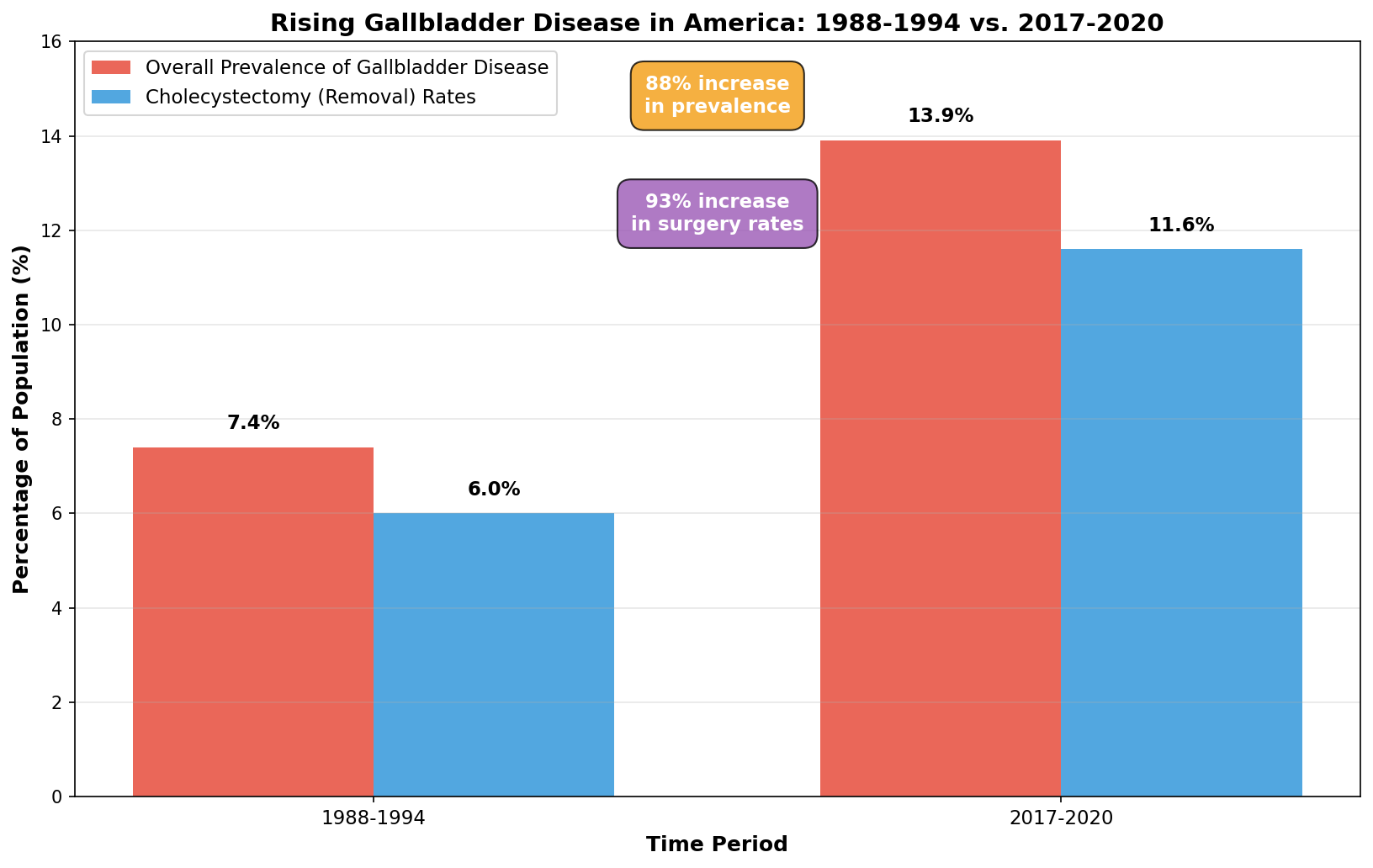 Figure 6: The burden of gallbladder disease in the US healthcare system, showing the high volume of emergency visits and hospital admissions. Over 2,000 deaths annually are attributed to complications of gallstone disease.
- 2.2 million ambulatory care visits annually in the US
- 1.2 million emergency department visits annually
- 625,000 hospital discharges annually
- Over 600,000 cholecystectomies are performed annually
- Approximately 2,000 deaths annually are directly attributed to gallstone complications
Among people with gallstone disease, mortality is significantly higher than in the general population, with 40% increased cardiovascular mortality risk. This suggests that gallstone disease reflects broader metabolic dysfunction (obesity, dyslipidemia, inflammation) rather than being merely a "plumbing problem." For people with symptomatic disease, surgery reduces mortality risk by 40%.
Practical Prevention: What You Can Actually Control
Since most gallstone risk stems from modifiable factors, what steps actually reduce your risk?
- Achieve and maintain a healthy weight through balanced nutrition and regular exercise (150 minutes per week of moderate activity is protective)
- Eat a healthy diet emphasising fibre, whole grains, fruits, vegetables, nuts, and unsaturated fats while limiting saturated fat, refined carbohydrates, and sugar
- Avoid rapid weight loss: if you need to lose weight, aim for gradual loss of 1–2 pounds per week rather than crash dieting
- Manage health conditions like diabetes and metabolic syndrome
- Exercise regularly, even if you're not trying to lose weight: physical activity is protective independent of weight change
These steps won't guarantee you'll never develop gallstones (genetics still matters), but they significantly reduce your risk.
The Bottom Line
Finding gallstones doesn't automatically mean you have a problem. Most people with gallstones never experience symptoms and never need treatment. Incidental findings should trigger reassurance, not anxiety.
If you're experiencing symptoms consistent with gallbladder disease, get evaluated with an ultrasound. If stones are confirmed and your symptoms match the typical pattern, your doctor will discuss whether treatment makes sense. For asymptomatic incidental findings, the evidence is clear: reassurance is the right approach.
The key is distinguishing between having a disease (symptomatic gallbladder disease) and having an anatomical variant (asymptomatic gallstones). This distinction has profound implications for whether treatment is appropriate. Most people with gallstones will never need surgery, never have complications, and never even know they have stones. Understanding this changes how you interpret test results and work with your doctor to make informed decisions.
Further Reading
Understanding Your Gallbladder
- Gallstones: Symptoms & Causes - Mayo Clinic
- Gallbladder Disease - Cleveland Clinic
- Gallstones - NHS
- Gallstones (Cholelithiasis) - NIDDK
Recognising Symptoms
- Biliary Colic: How to Recognise It - Cleveland Clinic
- Gallbladder Pain - Cleveland Clinic
- Acute Cholecystitis - NHS
- Cholecystitis (Gallbladder Inflammation): Symptoms & Treatment - Mayo Clinic
Diagnostic Tests
- Diagnosis of Gallstones - NIDDK
- Liver Function Tests - Cleveland Clinic
- HIDA Scan - Cleveland Clinic
- Gallbladder Imaging - NCBI Bookshelf
Risk Factors and Prevention
- Diet and Gallstones - Harvard Health
- Dietary Advice for Gallbladder Disease - NHS
- Risk Factors for Gallstone Disease - PubMed
Treatment and Management
- Gallstone Disease: Diagnosis and Management - NICE
- Cholecystectomy (Gallbladder Removal Surgery) - Cleveland Clinic
- Gallstones and Polyps - NHS BNSSG ICB
References/Helpful Resources
- National Institute of Diabetes and Digestive and Kidney Diseases [Internet]. [cited 2026 Jun 23]. Gallstones - NIDDK. Available from: https://www.niddk.nih.gov/health-information/digestive-diseases/gallstones
- nhs.uk [Internet]. 2017 [cited 2026 Jun 23]. Gallstones. Available from: https://www.nhs.uk/conditions/gallstones/
- Mayo Clinic. Gallstones: Symptoms & causes [Internet]. [cited 2025 Jan]. Available from: https://www.mayoclinic.org/diseases-conditions/gallstones/symptoms-causes/syc-20354214
- Cleveland Clinic [Internet]. [cited 2026 Jun 23]. Gallbladder Disease: Symptoms, Treatment & What it Is. Available from: https://my.clevelandclinic.org/health/diseases/22976-gallbladder-disease
- Harvard Health Publishing. Did my diet cause my gallstones? [Internet]. [cited 2025 Jan]. Available from: https://www.health.harvard.edu/diseases-and-conditions/did-my-diet-cause-my-gallstones
- National Institute for Health and Care Excellence (NICE). Gallstone disease: diagnosis and management [Internet]. [cited 2025 Jan]. Available from: https://www.nice.org.uk/guidance/cg188/chapter/Recommendations
- Hsing AW, Gao YT, Han TQ, Rashid A, Sakoda LC, Wang BS, et al. Gallstones and the risk of biliary tract cancer: a population-based study in China. Br J Cancer. 2007 Dec 3;97(11):1577–82. doi:10.1038/sj.bjc.6604047 PubMed PMID: 18000509; PubMed Central PMCID: PMC2360257.
- Portincasa P, Di Ciaula A, Vendemiale G, Palmieri V, Moschetta A, Vanberge-Henegouwen GP, et al. Gallbladder motility and cholesterol crystallisation in bile from patients with pigment and cholesterol gallstones. Eur J Clin Invest. 2000 Apr;30(4):317–24. doi:10.1046/j.1365-2362.2000.00639.x PubMed PMID: 10759880.
- Shaffer EA. Epidemiology and risk factors for gallstone disease: has the paradigm changed in the 21st century? Curr Gastroenterol Rep. 2005 May;7(2):132–40. doi:10.1007/s11894-005-0051-8 PubMed PMID: 15802102.
- Leitzmann MF, Willett WC, Rimm EB, Stampfer MJ, Spiegelman D, Colditz GA, et al. A prospective study of coffee consumption and the risk of symptomatic gallstone disease in men. JAMA. 1999 Jun 9;281(22):2106–12. doi:10.1001/jama.281.22.2106 PubMed PMID: 10367821.
- Borch K, Jönsson KA, Zdolsek JM, Halldestam I, Kullman E. Prevalence of gallstone disease in a Swedish population sample. Relations to occupation, childbirth, health status, lifestyle, medications, and blood lipids. Scand J Gastroenterol. 1998 Nov;33(11):1219–25. doi:10.1080/00365529850172601 PubMed PMID: 9867103.
- Park SH, Yee J, Kim SH, Kim YH. Fundamental elements for successful performance of CT colonography (virtual colonoscopy). Korean J Radiol. 2007;8(4):264–75. doi:10.3348/kjr.2007.8.4.264 PubMed PMID: 17673837; PubMed Central PMCID: PMC2627155.
- Kiewiet JJ, Leeuwenburgh MM, Bipat S, Bossuyt PM, Stoker J, Boermeester MA. A systematic review and meta-analysis of the diagnostic performance of imaging in acute cholecystitis. In: Database of Abstracts of Reviews of Effects (DARE): Quality-assessed Reviews [Internet] [Internet]. Centre for Reviews and Dissemination (UK); 2012 [cited 2026 Jun 23]. Available from: https://www.ncbi.nlm.nih.gov/books/NBK114703/ PubMed PMID: 22798223.
- Shea JA, Berlin JA, Escarce JJ, Clarke JR, Kinosian BP, Cabana MD, et al. Revised estimates of diagnostic test sensitivity and specificity in suspected biliary tract disease. Arch Intern Med. 1994 Nov 28;154(22):2573–81. PubMed PMID: 7979854
- Barie PS, Eachempati SR. Acute acalculous cholecystitis. Curr Gastroenterol Rep. 2003 Aug;5(4):302–9. doi:10.1007/s11894-003-0067-x PubMed PMID: 12864960.
