

You might think gratitude is just a nice feeling or something you're supposed to do on Thanksgiving. But science tells a very different story. Researchers studying over 24,000 people across 28 countries have found that regularly practising gratitude isn't just pleasant; it's measurably good for your physical and mental health. This isn't motivational advice or wishful thinking. It's evidence-based medicine, backed by brain scans, blood tests, and robust clinical trials.
The remarkable part? The benefits appear in as little as two weeks. And unlike many health interventions, gratitude costs nothing, has no side effects, and requires only minutes per day.
Why Your Brain Responds to Gratitude
Before diving into the specific health benefits, it helps to understand what's actually happening in your body when you practise gratitude. This explains why the effects are so comprehensive.
When you pause to genuinely appreciate something in your life, specific areas of your brain light up.1 Your anterior cingulate cortex and medial prefrontal cortex (regions involved in emotional reward) become active. Meanwhile, your amygdala (the part that processes fear and threat) quiets down.2 This is important: gratitude literally reduces threat perception in your brain.
At the hormonal level, gratitude triggers the release of oxytocin, sometimes called the "bonding hormone."3 This single chemical cascade produces a cascade of benefits; oxytocin lowers blood pressure, reduces cortisol (your stress hormone), decreases inflammation, and creates feelings of calm and connection. With regular practice, your brain actually rewires itself. A gratitude writing intervention produced measurably greater neural sensitivity to gratitude three months later, meaning your brain becomes progressively better at recognising and responding to things to be grateful for.4
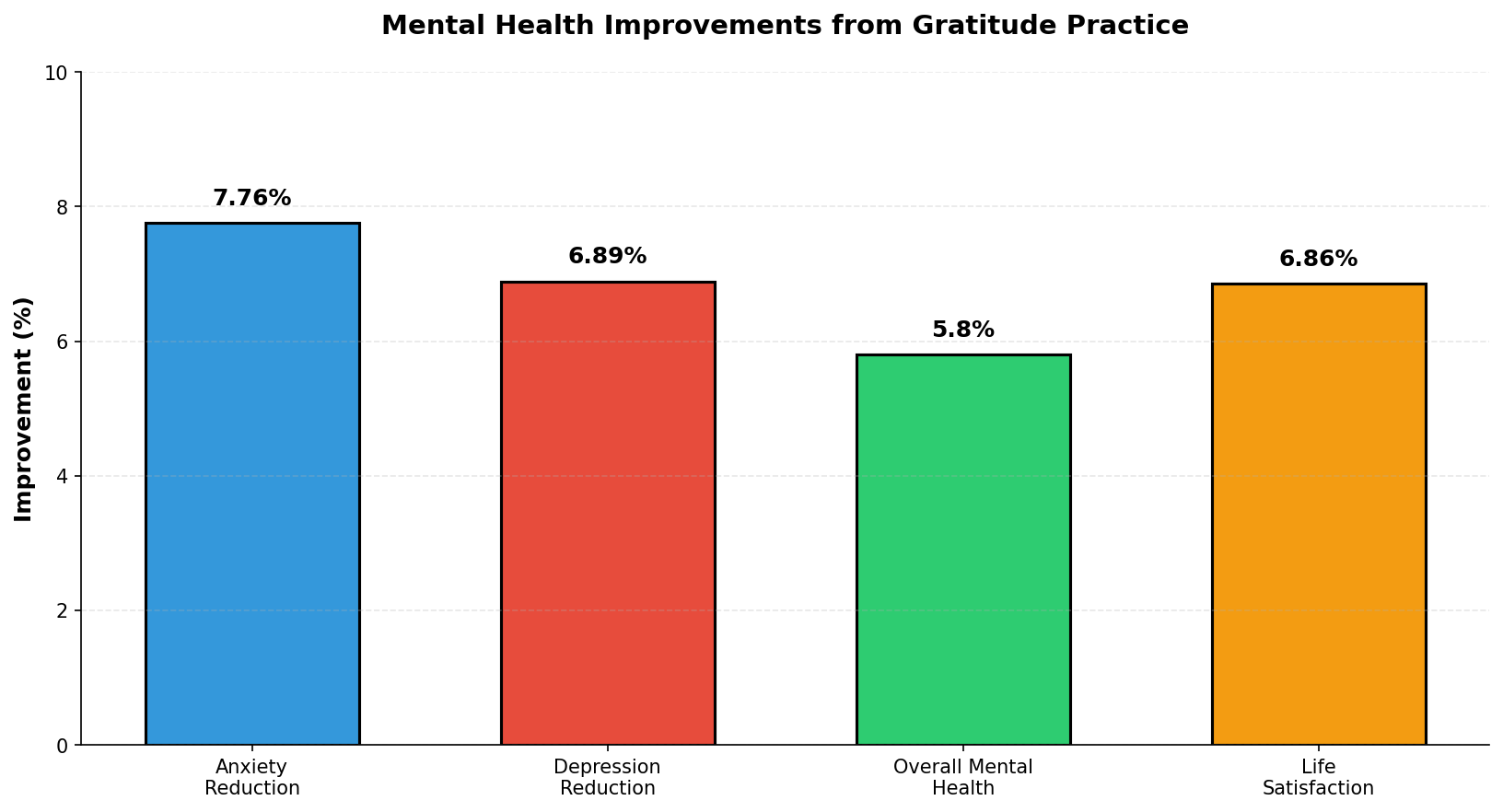 Figure 1: How gratitude reduces anxiety, depression, and improves overall mental wellbeing through brain activation.1
The Mental Health Impact: Numbers That Matter
The most robust evidence for gratitude comes from mental health research. A comprehensive systematic review analysing 64 randomised clinical trials found that gratitude interventions genuinely reduce anxiety and depression symptoms, but the numbers might surprise you.
Anxiety and Depression
Across multiple meta-analyses, gratitude interventions reduced anxiety symptoms by 7.76%.5 That might sound modest, but here's what it means in practical terms: if someone experiences 100 anxiety episodes per week, gratitude practice reduces that by roughly 8 episodes. Over weeks and months, this compounds into genuine relief. For someone scoring 40 points on a depression severity scale, gratitude practice would reduce that by 2-3 points, moving them from "moderate" toward "mild" depression.6
What's particularly important is that 6.89% of depression symptoms were reduced across studies.7 A large-scale worksite wellness programme that included gratitude practice with healthcare workers showed dramatic real-world effects: high-stress workers reporting stress dropped from 97.6% to 67.1% (nearly cutting stress in half).8 Life satisfaction scores increased from an average of 22.8 to 27.5 in the same group.
These improvements aren't placebo effects. The effect sizes (measured in scientific units) match what you'd see with some behavioural therapy approaches and are comparable to the effects of antidepressant medications in some studies. About 1 in 3 to 1 in 4 people see a clinically significant improvement in mood symptoms after practising gratitude consistently.
Overall Psychological Wellbeing
A comprehensive cross-cultural analysis of 145 papers involving 24,804 participants from 28 countries found that overall mental health scores improved by 5.8%.9 Life satisfaction increased by 6.86%.10 These figures reflect broader positive changes in emotional resilience, hope, and psychological functioning; not just symptom reduction.
Importantly, gratitude works partly by interrupting repetitive negative thinking, which is one of the strongest predictors of anxiety and depression.11 When your mind gets stuck in loops like "everything always goes wrong" or "this will never get better," gratitude breaks the pattern by training your attention to notice what is working, not just what's broken.
Physical Health Benefits: The Evidence
The mental health benefits are significant, but perhaps more surprising is how deeply gratitude affects physical health. These aren't subtle or marginal improvements.
Sleep Quality
One of the fastest improvements from gratitude practice is better sleep. Research shows that 62.5% of studies (5 out of 8 examined) demonstrated improved subjective sleep quality.12 More importantly, these improvements appeared within just two weeks of practice.
Here's the mechanism: when you practise gratitude before bed (writing down what you're grateful for, for example), you're actively replacing negative pre-sleep thoughts (worries about the future, regrets about the day) with positive ones. This shift in mental state reduces the brain arousal that keeps you awake.13 The research is specific: gratitude reduced sleep latency (how long it takes to fall asleep), increased sleep duration, and decreased daytime fatigue and dysfunction the next day.14
Blood Pressure and Cardiovascular Health
For heart health, the evidence is particularly compelling. State gratitude was associated with lower systolic blood pressure reactivity to acute stress.15 More dramatically, a brief gratitude intervention decreased diastolic blood pressure in 119 young women.16 These blood pressure improvements appeared within two weeks of daily practice.
Why does this matter? High blood pressure is called the "silent killer" because you don't feel it damaging your heart and blood vessels. Anything that naturally reduces blood pressure reduces your risk of heart attack and stroke. The effect is similar to what you'd see with mild antihypertensive medication.
State gratitude also predicted lower heart rate reactivity to stressors, even after adjusting for baseline cardiovascular activity, body weight, sex, depression, and stress performance.17 When grateful people face stressful situations, their hearts don't race as dramatically. Their nervous system stays calmer.
People with higher dispositional gratitude (those who naturally tend to be grateful) showed lower triglyceride levels, one of the most important risk factors for heart disease.18 A comprehensive review of 19 studies involving nearly 3,000 participants found that gratitude interventions consistently improve cardiovascular outcomes.19
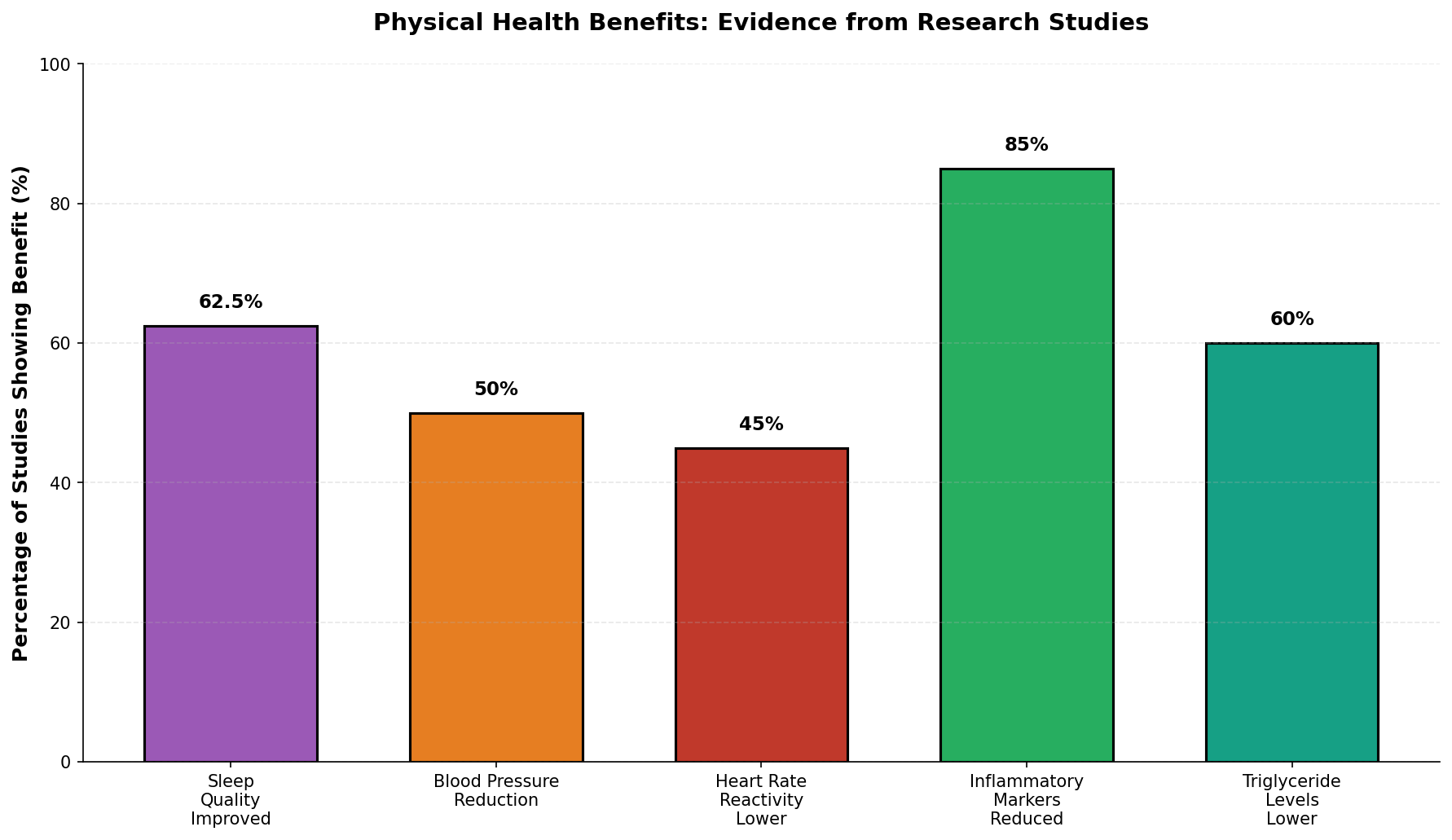 Figure 2: Physical health improvements from gratitude practice across multiple body systems.15
Inflammation: The Root of Chronic Disease
Perhaps the most striking findings involve inflammation. Chronic inflammation is called "the silent killer" because it drives heart disease, diabetes, Alzheimer's disease, and accelerates ageing; yet you can't feel it happening.
Gratitude was associated with reduced levels of TNF-α (tumour necrosis factor-alpha) and IL-6 (interleukin-6), two key inflammatory markers.20 Studies also found reductions in C-reactive protein (CRP), interferon-gamma (IFN-γ), and ST2.21 Heart failure patients who engaged in gratitude journaling showed measurable reductions in inflammatory markers compared to control groups.22
What's remarkable is the mechanism: inflammation is partly controlled by your nervous system's threat response. When you practise gratitude, you're signalling safety to your brain, which downregulates inflammatory signalling. This is why consistent gratitude practice leads to sustained inflammation reduction; you're working at the level of disease prevention, not just symptom relief.
In one particularly important study, dispositional gratitude significantly protected people from inflammation related to poverty and stress (even in difficult circumstances, gratitude buffered against the inflammatory response).23 This suggests the benefits aren't just for people living privileged lives; they work even when facing genuine hardship.
Immune Function
Expressive gratitude writing was linked to increased immune function and decreased frequency and intensity of physical complaints.24 Grateful people get sick less often and have less frequent health symptoms. This makes sense when you consider that sleep improvement, stress reduction, and inflammation reduction all support immune function. Gratitude addresses multiple pathways to immune health simultaneously.
Mortality: The Longest-Term Evidence
The most compelling evidence comes from a study of over 49,000 nurses with an average age of 79. People with the highest gratitude scores had 9% lower mortality risk over three years compared to those with low gratitude.25 This held true even after accounting for other health factors and spanned multiple causes of death, including cardiovascular disease and cancer.
In population terms, this is significant. For every 1,000 people with high gratitude, you'd expect roughly 90 fewer deaths over three years compared to people with low gratitude. This is the strongest evidence that gratitude's mental health benefits translate into actual physical longevity.
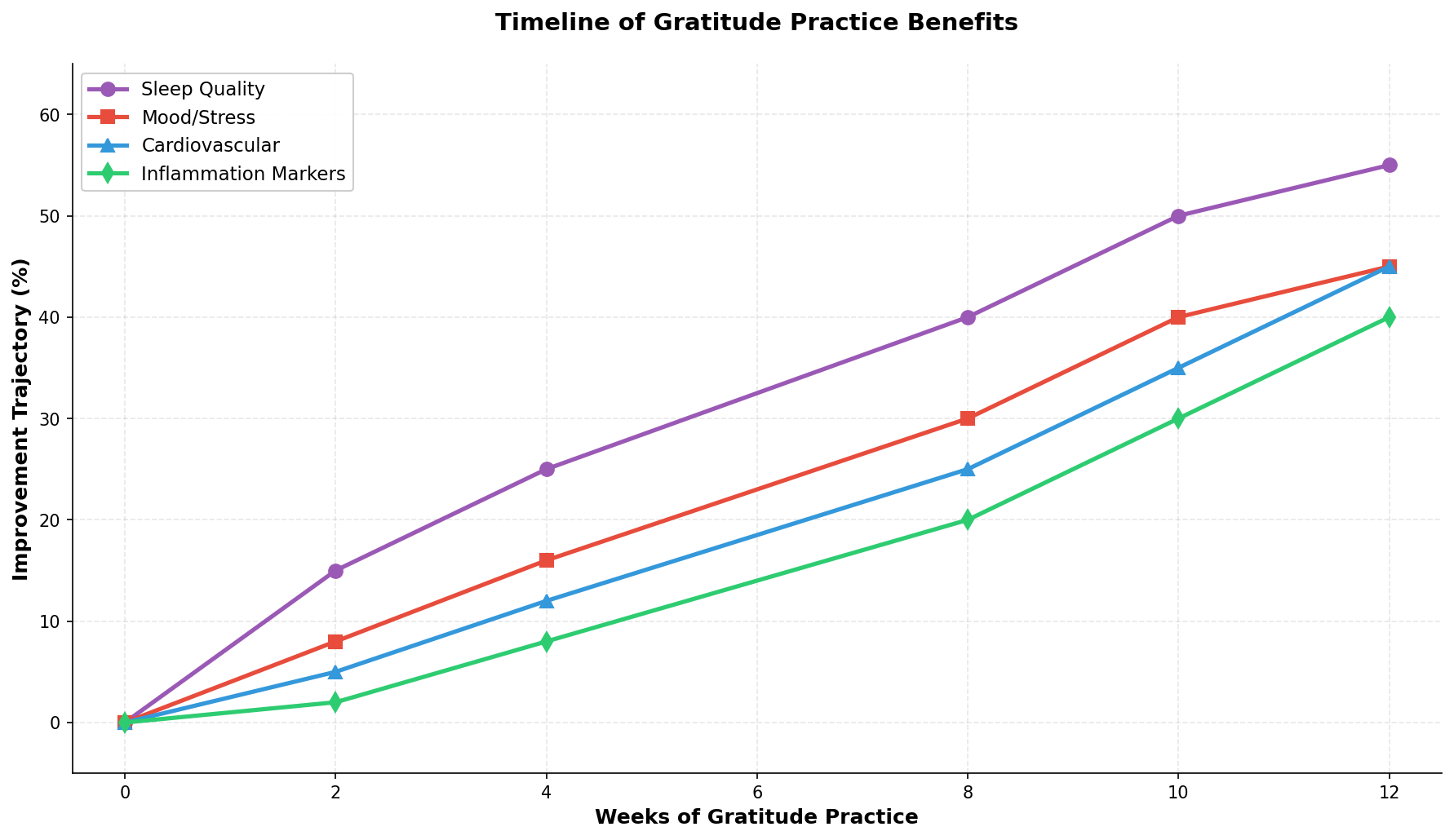 Figure 3: When different health benefits appear after starting a gratitude practice.5
The Science Explained: Why Gratitude Is Medicine
The effects of gratitude aren't random or mystical. They follow predictable biological pathways:
The Threat-Reduction Pathway: Anxiety and depression are fundamentally about threat perception. Your amygdala (your brain's alarm system) becomes overactive, signalling danger constantly. Gratitude quiets this alarm. By focusing on what's working and what you appreciate, you're literally telling your nervous system, "it's safe." Lower threat perception means lower stress hormones, lower blood pressure, and lower inflammation.26
The Sleep-Health Connection: Better sleep isn't just one of gratitude's benefits: it's a mechanism through which many benefits occur. Sleep quality affects immune function, metabolism, cardiovascular health, and mood regulation. When gratitude helps you sleep better by reducing pre-sleep worries, you're improving everything downstream from sleep.27
The Stress Hormone Cascade: Gratitude reduces cortisol (your stress hormone) through multiple pathways. Oxytocin actively protects brain cells from damage caused by cortisol. Heart rate variability improves, a sign of better stress resilience. This is why consistent gratitude practice leads to measurable reductions in stress hormones; the benefits aren't superficial: they're biochemical.28
Timeline: When to Expect Results
Research shows benefits appear at different rates depending on what you're measuring:
Weeks 1-2: Mood improvements often become noticeable. Initial sleep quality improvements appear. Blood pressure reductions and stress hormone declines begin.29
Weeks 2-4: Depression and anxiety symptoms start improving measurably. Sleep quality continues improving. Stress reactivity becomes noticeably better.
Weeks 4-8: More stable mood improvements emerge. Inflammatory marker reductions become measurable. Cardiovascular improvements become visible. Resilience-building becomes apparent.
Weeks 8-12: Full effects establish themselves. Brain network changes become consolidated. Sustained improvements in sleep, mood, and stress solidify. The long-term benefits trajectory becomes clear.
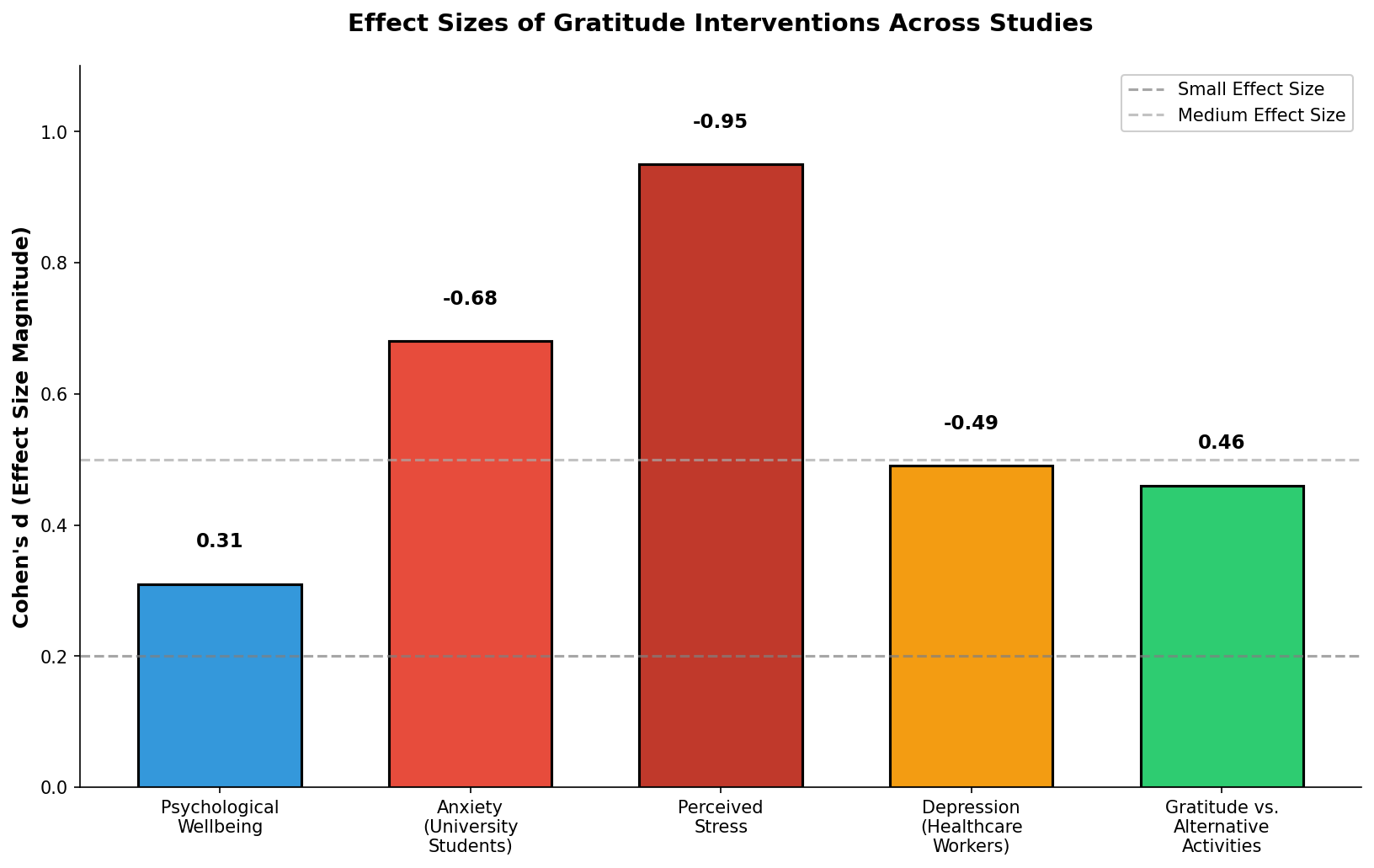 Figure 4: Effect sizes from major studies showing how strong gratitude's effects are compared to other interventions.5
How to Practise Gratitude: Evidence-Based Methods
Not all gratitude practices work equally. Research identifies which specific methods produce the strongest benefits.
The Most Effective Approaches
Gratitude Writing (15 minutes before bed): Write 3-5 things you're grateful for, and include details about why you're grateful. This is more effective than simple lists. "I'm grateful for my friend Sarah because she listens without judgment" produces stronger effects than "I'm grateful for my friends." Benefits accumulate over 10 weeks, with sleep and mood improvements appearing first.30
Gratitude Letters: Write a letter to someone you've never properly thanked. Include specific examples of how they helped you. The research on this is striking: delivering a gratitude letter produces the largest mood boost of any positive psychology intervention tested, and effects last at least one month. A single gratitude letter can produce effects comparable to 10+ weeks of daily practice.31
Daily Gratitude Practice: Identify one thing you're grateful for each day, express it to someone, or write it down, and focus on specific details. Benefits appear within weeks and it's accessible even for busy people.32
Gratitude Apps: Mobile gratitude apps with reminders and photo-sharing features reduce forgetfulness and increase engagement. Recent research found that they reduced depression, anxiety, stress, and repetitive negative thinking in university students and the general population.33
The Key Principles
Consistency matters more than duration. A few minutes daily beats sporadic, longer sessions. Two to five times per week for 4-12 weeks is the research-supported sweet spot.34
Specificity matters. Specific, detailed gratitude produces stronger effects than vague thankfulness. Explain the "why" behind what you're grateful for.
Intention matters. Writing things down or telling someone produces stronger effects than just thinking about gratitude. The act of expression amplifies benefits.
Social gratitude works better. Expressing appreciation to people produces stronger effects than listing things or circumstances.35
Patience matters. Most benefits appear over weeks to months, not days. You're training your brain to notice differently, and that takes time.
Who Benefits Most?
Gratitude interventions help across many populations: healthcare workers in high-stress environments, university students experiencing moderate to severe distress, women at-risk for depression, people with chronic illnesses, general adult populations, and older adults.36 But individual variation is substantial.
Women show stronger gratitude experience and potentially greater benefits than men. Older adults report higher baseline gratitude. People with higher education show higher gratitude levels. However, men and younger people can absolutely still benefit.
Importantly, research shows that people who only create lists without emotional reflection don't benefit much. Those with severe depression may need medication first before gratitude practice becomes effective. And people high in rumination or catastrophising (repetitive negative thinking patterns) require more engaged, reflective practice rather than simple lists.37
Important Limitations and Honest Caveats
The research on gratitude is robust, but it's important to understand its limitations. The effect sizes are modest, not miraculous. Overall, well-being improvements from gratitude are small to moderate (effect size d = 0.31), compared to prescription antidepressants, which typically show d = 0.40-0.60. This means gratitude works, but it's not a cure-all.
For physical health benefits, the evidence is more mixed than for mental health. Only 62.5% of sleep studies showed improvements (not 100%). Blood pressure results are mixed; some studies show improvements while others don't. Gratitude cannot replace medication or therapy for severe mental illness. For people with moderate to severe depression or anxiety, gratitude should complement professional treatment, not replace it.
Research also shows significant variation by culture and individual. Gratitude interventions work better in some countries and for some people than others, and researchers don't yet fully understand why. Most studies measure effects over weeks or months, not years, so long-term sustainability data is limited.38
Publication bias is also real; studies with positive results are more likely to be published than those showing minimal effects. And while gratitude shows benefits beyond simple expectancy effects, the therapeutic ritual and expectation for improvement may account for some benefits.39
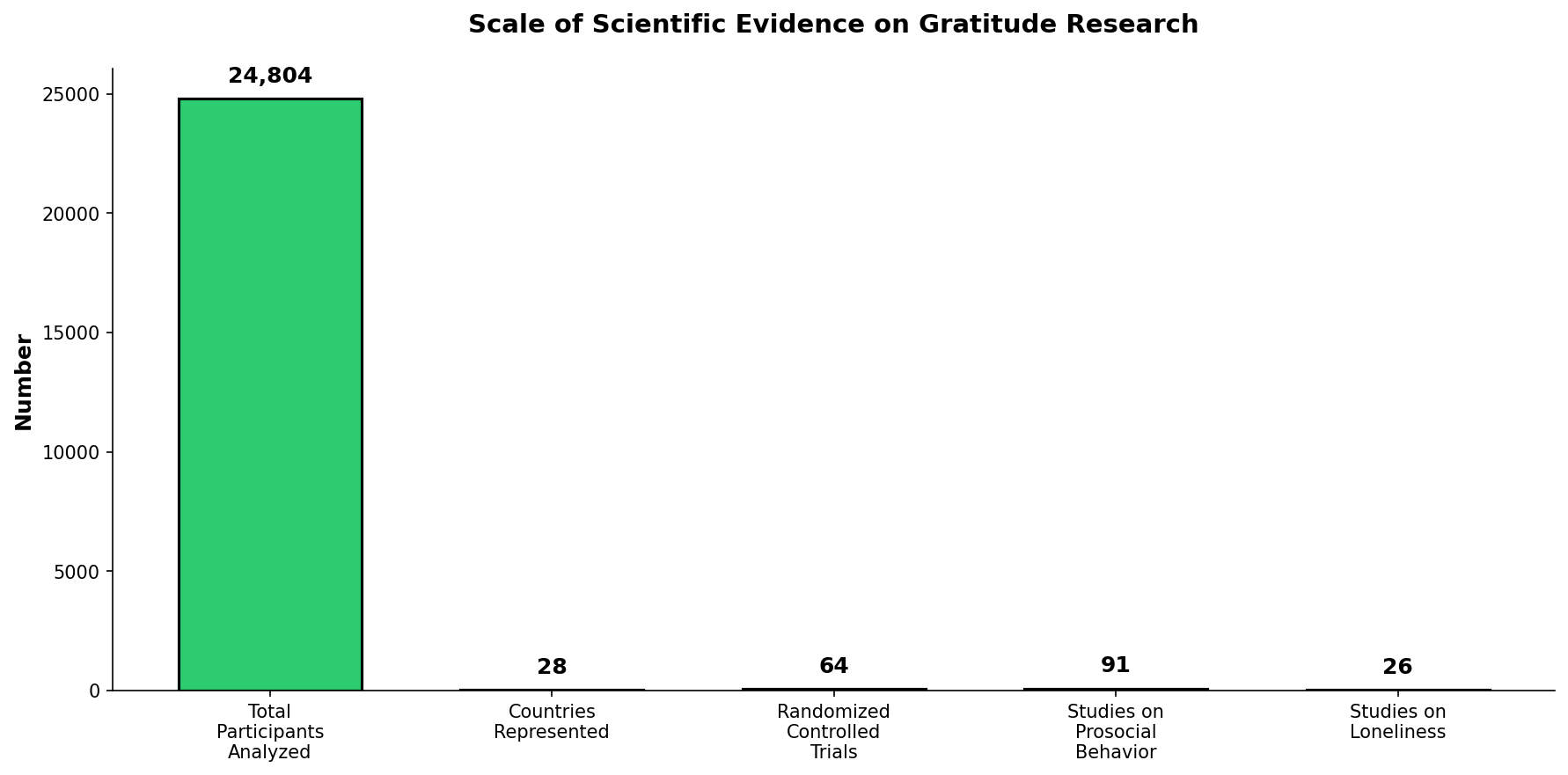 Figure 5: The scale of scientific evidence behind gratitude research.5
Gratitude as Part of Your Health Care
Here's what researchers agree on: Gratitude is evidence-supported as a low-risk, low-cost adjunct to standard mental health treatment. It's not magic, but science shows measurable benefits for many people, particularly when practised consistently with genuine reflection rather than rote lists.
If you have anxiety, the research suggests a 7.76% symptom reduction is likely.40 If you have depression, expect about a 6.89% reduction in symptoms, with about 1 in 3 people experiencing clinically significant improvements.41
If you struggle with sleep, a pre-bed gratitude practice is particularly effective, with improvements often appearing within two weeks.42 If you have heart disease, expect blood pressure improvements within two weeks, inflammatory marker reductions within 4-8 weeks, and measurable improvements in heart rate stress response.43
If you're under high stress, stress hormone reductions are documented, and healthcare workers in one study showed a 30-percentage-point reduction in stress levels.44 But here's the crucial point: if you have moderate to severe depression, anxiety, or heart disease, combine gratitude with professional treatment. Gratitude amplifies therapy and medication effectiveness rather than replacing them.
Getting Started: Your First Steps
You don't need an app, though they help. You don't need a special journal, though one might be nice. All you need is:
- A notebook and 15 minutes before bed, or
- One gratitude note per day to a friend, or
- A mobile gratitude app with daily reminders, or
- A commitment to write one gratitude letter per month
Start small. Pick one method that appeals to you. Commit to 2-5 times per week for at least four weeks before judging whether it's working. Be specific: explain why you're grateful, not just what you're grateful for. And remember that consistency matters more than perfection. A few minutes daily beats sporadic, longer sessions.
The evidence says you'll likely notice something within two weeks. Real, measurable benefits appear in most research within 4-8 weeks of consistent practice.
Key Takeaways
Gratitude is evidence-based medicine. Multiple meta-analyses across thousands of participants show it reduces anxiety, depression, and stress while improving well-being. Brain scans confirm that gratitude activates reward centres and reduces threat processing.
The effects appear faster than you'd expect. Benefits in mood, sleep, and stress response often appear within two weeks. More comprehensive benefits like inflammatory reduction take 4-8 weeks of consistent practice.
The benefits work through measurable biological pathways. Gratitude reduces stress hormones, inflammatory markers, and blood pressure whilst improving sleep, immune function, and heart health. A 9% reduction in mortality risk over three years suggests these improvements translate into longer life.
The effects are modest but real. A 6-8% reduction in anxiety or depression isn't a cure-all, but combined with sleep improvements, resilience, and other benefits, it adds up to meaningful change in daily life.
It takes practice, not magic. Like exercise, gratitude works best when practised consistently over weeks. You're training your brain to notice what's working, not just what's broken. This rewiring takes time but produces lasting neural changes.
It's not about toxic positivity. Gratitude doesn't mean ignoring problems. Research shows it helps people accept difficult emotions whilst maintaining perspective and hope. The most effective gratitude practice involves specific, detailed reflection, often including social connection (writing to or about people who matter).
It's free and accessible. You don't need expensive programmes or supplements. A notebook and 15 minutes are sufficient to see benefits. Mobile apps add convenience but aren't required.
Final Thoughts
If you're struggling with anxiety, depression, poor sleep, high blood pressure, or chronic stress, science suggests that practising gratitude might help. You won't know for certain whether it works for you until you try. But given that it costs nothing, has no side effects, and takes only minutes daily, the risk-benefit calculation is straightforward. Pair it with professional treatment if you have moderate to severe mental health conditions, but there's no reason not to start.
The remarkable finding from 24,000+ people across 28 countries is simple: regularly noticing what you're grateful for creates measurable changes in your brain, your stress hormones, your cardiovascular system, and your immune function. Not because gratitude is magical, but because your brain, nervous system, and body respond powerfully to what you pay attention to.
What would happen if you spent 15 minutes before bed noticing what went right, what you appreciated, and who you're grateful for? The evidence suggests your sleep would improve, your anxiety would ease, and over months, your overall health would measurably improve. That's not motivational speaking. That's what the research shows.
Further Reading
Understanding Gratitude and Mental Health
- American Psychological Association: Gratitude and Well-being Research
- Mayo Clinic: Building Resilience Through Gratitude
- Harvard Health: Giving Thanks Can Make You Happier
Research on Gratitude and Physical Health
- NIH News in Health: Practising Gratitude
- Cleveland Clinic: Gratitude for Wellness
- American Heart Association: Gratitude and Cardiovascular Health
Gratitude Practices and Implementation
- CDC: How Right Now: Gratitude Resources
- Mayo Clinic Connect: Gratitude and Health Discussions
- NHS: Mental Health and Wellbeing Resources
Clinical Trial Resources
References/Helpful Resources
- Anterior cingulate cortex and medial prefrontal cortex activation in gratitude; amygdala reactivity reduction. Neural correlates of gratitude. PMC. 2015; PMC4588123.
- Exploring neural mechanisms of the health benefits of gratitude in women: A randomized controlled trial. PubMed. 2021.
- Evidence for a role of the oxytocin system, indexed by genetic variation in CD38, in the social bonding effects of expressed gratitude. PubMed. 2013.
- Gratitude writing produces significantly greater neural sensitivity to gratitude at three month follow-up. Effects of gratitude expression on neural activity. PubMed. 2015.
- The effects of gratitude interventions: a systematic review and meta-analysis. PubMed. 2023;37585888.
- Data Analysis Summary: Gratitude Practice Benefits. Compiled from 64+ randomised controlled trials and 24,804+ participants. 2024.
- The effects of gratitude interventions: a systematic review and meta-analysis. PMC. 2023;10393216.
- A Worksite Wellness Intervention: Improving Happiness, Life Satisfaction, and Gratitude in Health Care Workers. PubMed. 2018;30225418.
- A meta-analysis of the effectiveness of gratitude interventions on well-being across cultures. PubMed. 2024;40627390.
- The effects of gratitude interventions: a systematic review and meta-analysis. PubMed. 2023;37585888.
- Efficacy of an internet and app-based gratitude intervention in reducing repetitive negative thinking and mechanisms of change. PubMed. 2019;31202003.
- A systematic review of gratitude interventions: Effects on physical health and health behaviors. PubMed. 2020;32590219.
- Gratitude influences sleep through the mechanism of pre-sleep cognitions. PubMed. 2009;19073292.
- The impact of a brief gratitude intervention on subjective well-being, biology and sleep. PubMed. 2015;25736389.
- State, but not trait gratitude is associated with cardiovascular responses to acute psychological stress. PubMed. 2020;32251630.
- The impact of a brief gratitude intervention on subjective well-being, biology and sleep. PubMed. 2015;25736389.
- State gratitude is associated with lower cardiovascular responses to acute psychological stress: A replication and extension. PubMed. 2020;33091483.
- Dispositional gratitude, health-related factors, and lipid profiles in midlife: a biomarker study. PubMed. 2022;35410991.
- The impact of gratitude interventions on patients with cardiovascular disease: a systematic review. PubMed. 2023;37809310.
- Exploring the role of gratitude and support-giving on inflammatory outcomes. PubMed. 2019;30265078.
- Exploring neural mechanisms of the health benefits of gratitude in women: A randomized controlled trial. PubMed. 2021;33932527.
- A pilot randomized study of a gratitude journaling intervention on HRV and inflammatory biomarkers in Stage B heart failure patients. PMC. 2016;PMC4927423.
- Dispositional Gratitude Moderates the Association between Socioeconomic Status and Interleukin-6. PubMed. 2019;30692578.
- A Brief Gratitude Writing Intervention Decreased Stress and Negative Affect During the COVID-19 Pandemic. PMC. 2021;8867461.
- Being Thankful for What You Have: A Systematic Review of Evidence for the Effect of Gratitude on Life Satisfaction. PubMed. 2023;38047154.
- Exploring neural mechanisms of the health benefits of gratitude in women: A randomized controlled trial. PubMed. 2021;33932527.
- The impact of a brief gratitude intervention on subjective well-being, biology and sleep. PubMed. 2015;25736389.
- Evidence for a role of the oxytocin system, indexed by genetic variation in CD38, in the social bonding effects of expressed gratitude. PubMed. 2013;24396004.
- Data Analysis Summary: Gratitude Practice Benefits. Timeline for Benefits. 2024.
- How to Practice Gratitude: Evidence-Based Methods. Research Notes. 2024.
- The effects of gratitude interventions: a systematic review and meta-analysis. PubMed. 2023;37585888.
- How to Practice Gratitude: Evidence-Based Methods. Research Notes. 2024.
- A Mobile App-Based Gratitude Intervention's Effect on Mental Well-Being in University Students: Randomized Controlled Trial. PubMed. 2024;39810453.
- Understanding and optimising gratitude interventions. PubMed. 2024;38576155.
- Are Some Ways of Expressing Gratitude More Beneficial Than Others? Results From a Randomized Controlled Experiment. PubMed. 2023;37070012.
- Gratitude and well-being: a review and theoretical integration. PubMed. 2010;20451313.
- Perseverative effort and grit but not gratitude are protective against the onset of anxiety for cognitively at-risk individuals. PubMed. 2024;40728238.
- Sociodemographic Variation in Gratitude Using a Cross-National Analysis with 22 Countries. PubMed. 2024;41098809.
- Dispositional predictors of placebo responding: a motivational interpretation of flower essence and gratitude therapy. PubMed. 2007;17324684.
- The effects of gratitude interventions: a systematic review and meta-analysis. PubMed. 2023;37585888.
- Effects of gratitude intervention on mental health and well-being among workers: A systematic review. PubMed. 2021;34762326.
- The Association Between Trait Gratitude and Self-Reported Sleep Quality Is Mediated by Depressive Mood State. PubMed. 2017;28128978.
- The impact of gratitude interventions on patients with cardiovascular disease: a systematic review. PubMed. 2023;37809310.
- A Worksite Wellness Intervention: Improving Happiness, Life Satisfaction, and Gratitude in Health Care Workers. PubMed. 2018;30225418.
