

Imagine being born blind, then gradually losing your hearing—the sense you rely on most to connect with the world. That's the reality for some people with Norrie disease, a rare genetic condition in which hearing loss typically develops later rather than alongside congenital blindness (present at birth or developing during the first few months of life). Instead, it sneaks up during the teenage years, catching families off guard. Understanding why this happens and what can be done about it is crucial for anyone affected by this condition.
What Is Norrie Disease and Why Should You Know About Hearing Loss?
Norrie disease is an extremely rare genetic disorder that causes congenital blindness combined with, in some cases, progressive hearing loss. It's caused by mutations in a single gene called the Norrie disease protein (NDP) gene, located on the X chromosome. This gene produces a protein called norrin that plays a vital role in building blood vessels throughout multiple body systems, particularly in the eyes and ears.
Here's what makes Norrie disease different from other causes of blindness: it's not solely about the eyes. The same genetic fault that damages the retina (the light-sensing tissue at the back of the eye) also damages the inner ear, which houses the structures needed for hearing. But the timing is different; blindness strikes immediately, whilst hearing loss creeps in later, often without warning.
Why does this matter? Because hearing is a lifeline for someone born blind. It's how they navigate the world, connect with others, and maintain independence. When hearing loss develops, it transforms a manageable disability into a profound dual sensory challenge that demands specialised care and early intervention.
Who Gets Norrie Disease and Hearing Loss?
Norrie disease is exceptionally rare. While no one knows exactly how many newborns are born with it each year, researchers have documented more than 400 cases worldwide across multiple countries and ethnic groups. This puts it among the rarest genetic conditions.
One striking feature of Norrie disease is how it follows an inheritance pattern called X-linked recessive. To understand this, it helps to know that the X chromosome is one of our sex chromosomes. Males have one X chromosome (inherited from their mother) and one Y chromosome (from their father). Females have two X chromosomes (one from each parent).
Because males have only one X chromosome, they're at far greater risk. If that single X chromosome carries a mutated NDP gene, they will develop Norrie disease. Females, having two X chromosomes, usually stay healthy even if one carries the mutation because the normal copy on their other X chromosome usually compensates for the mutated copy. This means Norrie disease predominantly affects males, whilst females become carriers.
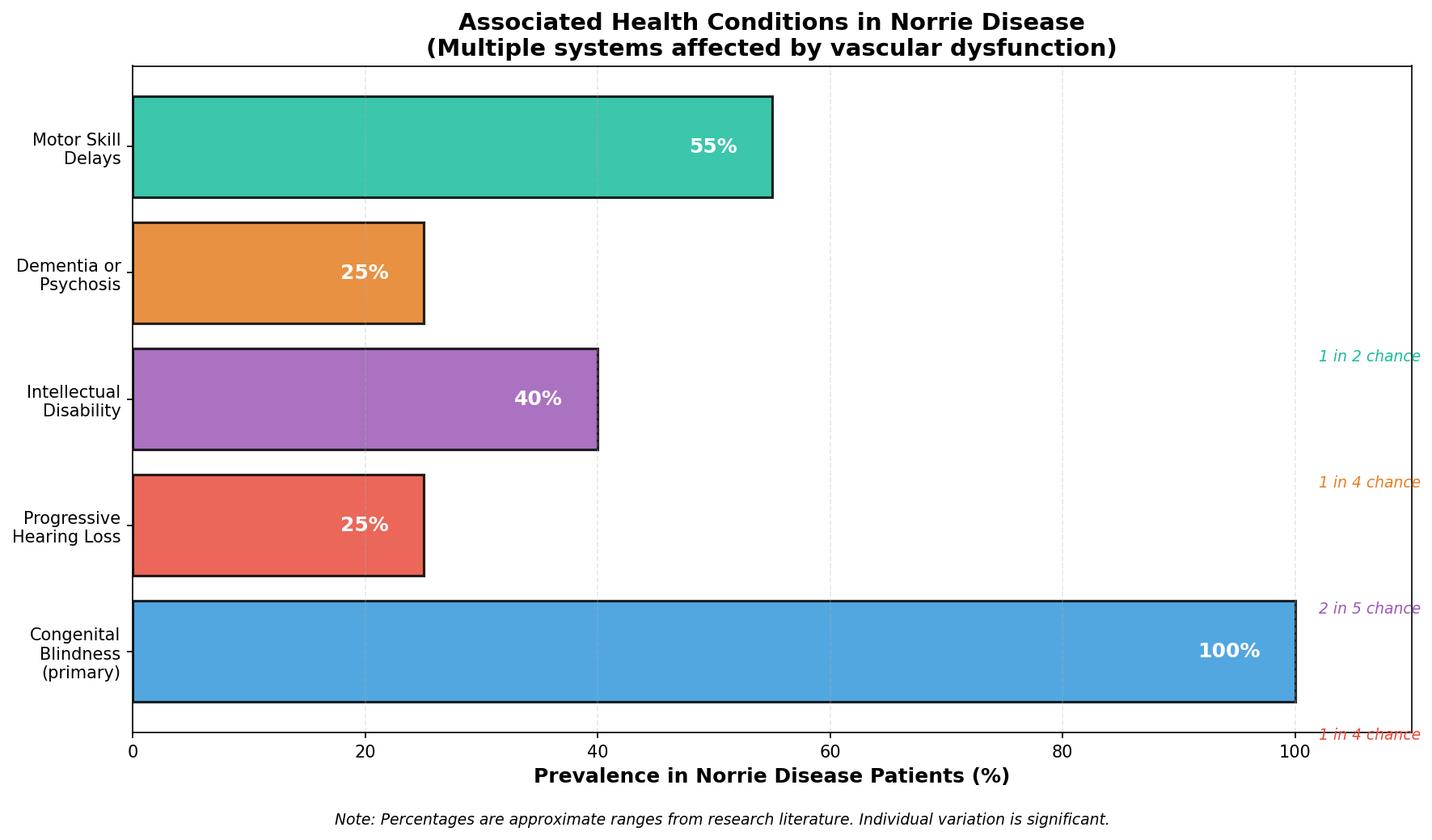 Figure 1: How Norrie disease inheritance works. Males (XY) have a 50% chance of inheriting the mutation from a carrier mother and being affected. Females (XX) can become carriers if they inherit the mutated gene, but are rarely affected unless they inherit two mutated copies.
Who Develops Hearing Loss?
Here's where the numbers become important: approximately 25–50% of people with Norrie disease develop progressive hearing loss. This means roughly 1 in 4 to 1 in 2 affected males will eventually face this complication. The remaining 50–70% maintain normal hearing throughout their lives, though they typically experience other challenges related to the condition.
When Does Hearing Loss Start? The Timing That Surprises Families
One of the most important things families need to understand about Norrie disease is that vision loss and hearing loss are not synchronised events.
Blindness in Norrie disease appears very early. Most infants are born blind or lose their sight within the first three months of life. The condition is defined by early, dramatic vision loss that families immediately recognise and adapt to.
Hearing loss, by contrast, develops much later. The median age of onset is around 12 years old, placing it in early adolescence. But this is just an average. Cases have been reported ranging from as early as age 5 to as late as age 48. This wide age range means families can never assume hearing loss won't develop; they need to remain vigilant throughout childhood and into adulthood.
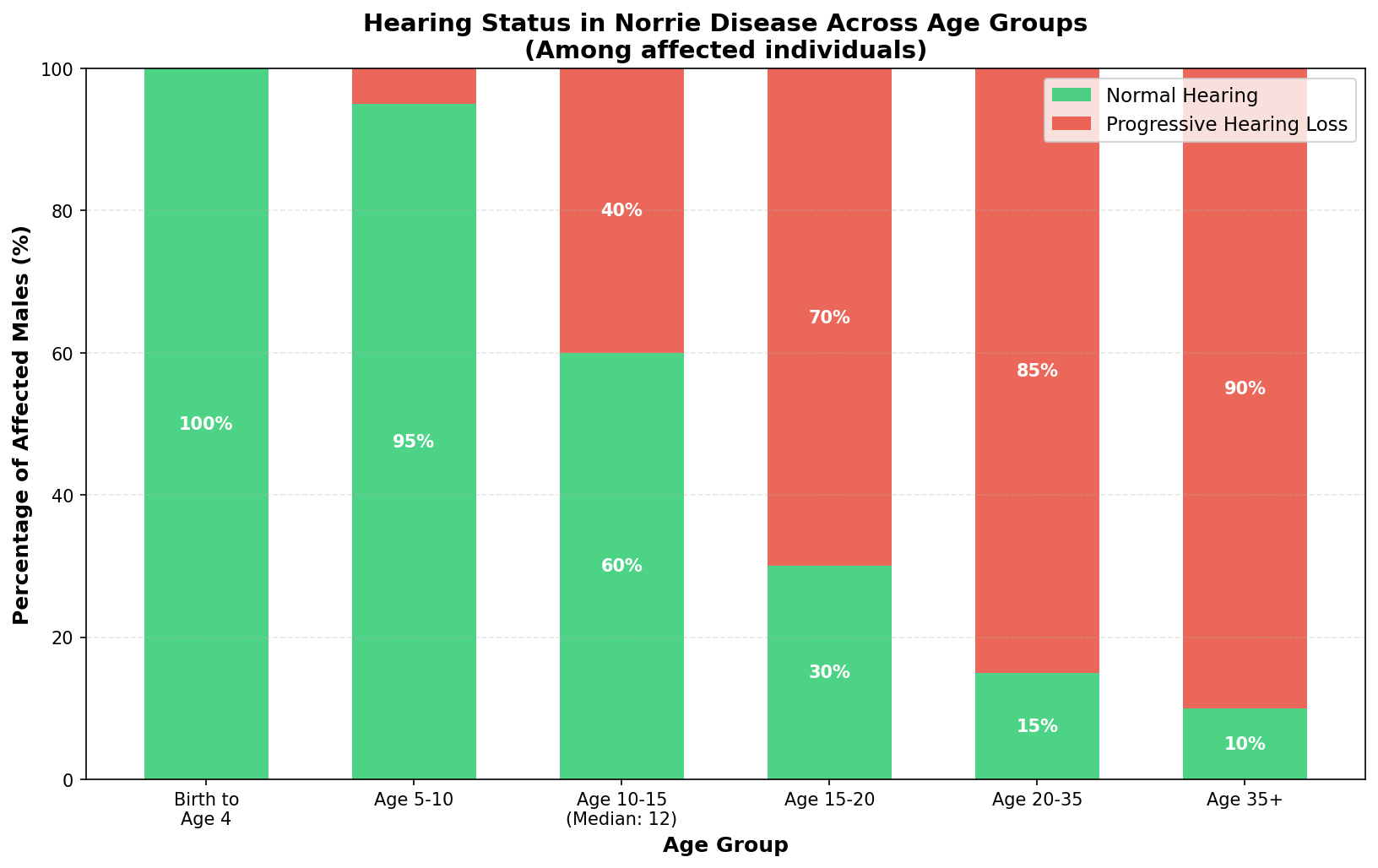 Figure 2: Timeline showing when hearing loss typically begins. Most cases appear between ages 10–20, but early childhood and late adulthood cases are well-documented, emphasising the importance of ongoing monitoring.
The Pattern of Progressive Loss
When hearing loss begins in Norrie disease, it doesn't develop all at once. Instead, it progresses slowly over years in a very particular pattern.
Early on, typically in the teenage years, the hearing loss affects primarily high-pitched sounds. Someone might notice difficulty hearing birds singing, smoke alarms, or high-frequency speech sounds like "s" and "th". Notably, this initial loss is often asymmetric, meaning one ear is worse than the other. Families might miss this subtle change, sometimes mistaking it for inattention or developmental issues rather than recognising it as hearing loss.
Over time, the loss becomes more symmetric (affecting both ears equally) and expands across all frequency ranges. By the late teenage years or early adulthood, the loss can become severe or profound, affecting the ability to hear normal conversation without amplification. This is particularly challenging for someone already navigating life without vision.
The good news? Despite this hearing-threshold loss, many people with Norrie disease retain relatively good speech intelligibility. This means they can often understand words clearly if the volume is sufficient. This is clinically significant because it predicts that hearing aids or cochlear implants can be remarkably effective.
Why Blood Vessels Matter More Than You Might Expect
To understand why hearing loss develops in Norrie disease, we need to look inside the inner ear, where a specialised structure called the cochlea does the actual work of hearing.
The cochlea is essentially a tiny, spiralling tube filled with fluid, lined with sensory hair cells, and supported by an intricate network of blood vessels. These blood vessels aren't just there for nutrition; they play an essential role in creating the electrical environment that allows hair cells to detect sound.
The Endocochlear Potential: Electricity in Your Ear
Here's something remarkable: inside your cochlea, there's an electrical voltage maintained at approximately +80–100 millivolts (mV). This "endocochlear potential" is one of the highest electrical gradients in the entire human body. Without this voltage, hearing is impossible.
Who maintains this electrical environment? A specialised structure called the stria vascularis, which contains the cochlea's main blood vessels and ion-pumping cells. These cells actively transport potassium ions, creating the precise voltage needed for sound detection. The blood vessels deliver the oxygen and nutrients these cells require to do this incredibly demanding job.
In Norrie disease, everything goes wrong because the NDP gene normally produces norrin, a protein that's essential for building stable blood vessels. Without functional norrin, the cochlear blood vessels develop abnormally from the very beginning of fetal development. They're malformed, unstable, and destined to deteriorate.
The Cascade of Damage
Here's how the damage unfolds over time:
First: Cochlear blood vessels become abnormal before a child is even born. Modern MRI imaging can reveal this damage (called "cochlear enhancement") in infants with Norrie disease, even before hearing loss becomes detectable on standard hearing tests.
Second: As these abnormal vessels degenerate over childhood and adolescence, approximately two-thirds of the stria vascularis blood vessels are eventually lost. The cells that pump ions begin to fail because they lack adequate blood supply.
Third: As these ion-pumping cells fail, the endocochlear potential (that critical +80 mV voltage) gradually declines. Without sufficient voltage, the sensory hair cells cannot convert sound vibrations into electrical signals.
Fourth: The combination of poor blood supply and loss of electrical potential causes the sensory hair cells to degenerate. First the outer hair cells (which amplify sound) die, then the inner hair cells (which transmit sound signals to the brain) begin to fail.
The remarkable thing is that the nerve cells (spiral ganglion neurons) remain relatively intact during this process. This preservation of nerve function is why hearing aids and cochlear implants can still work effectively even with profound hearing loss.
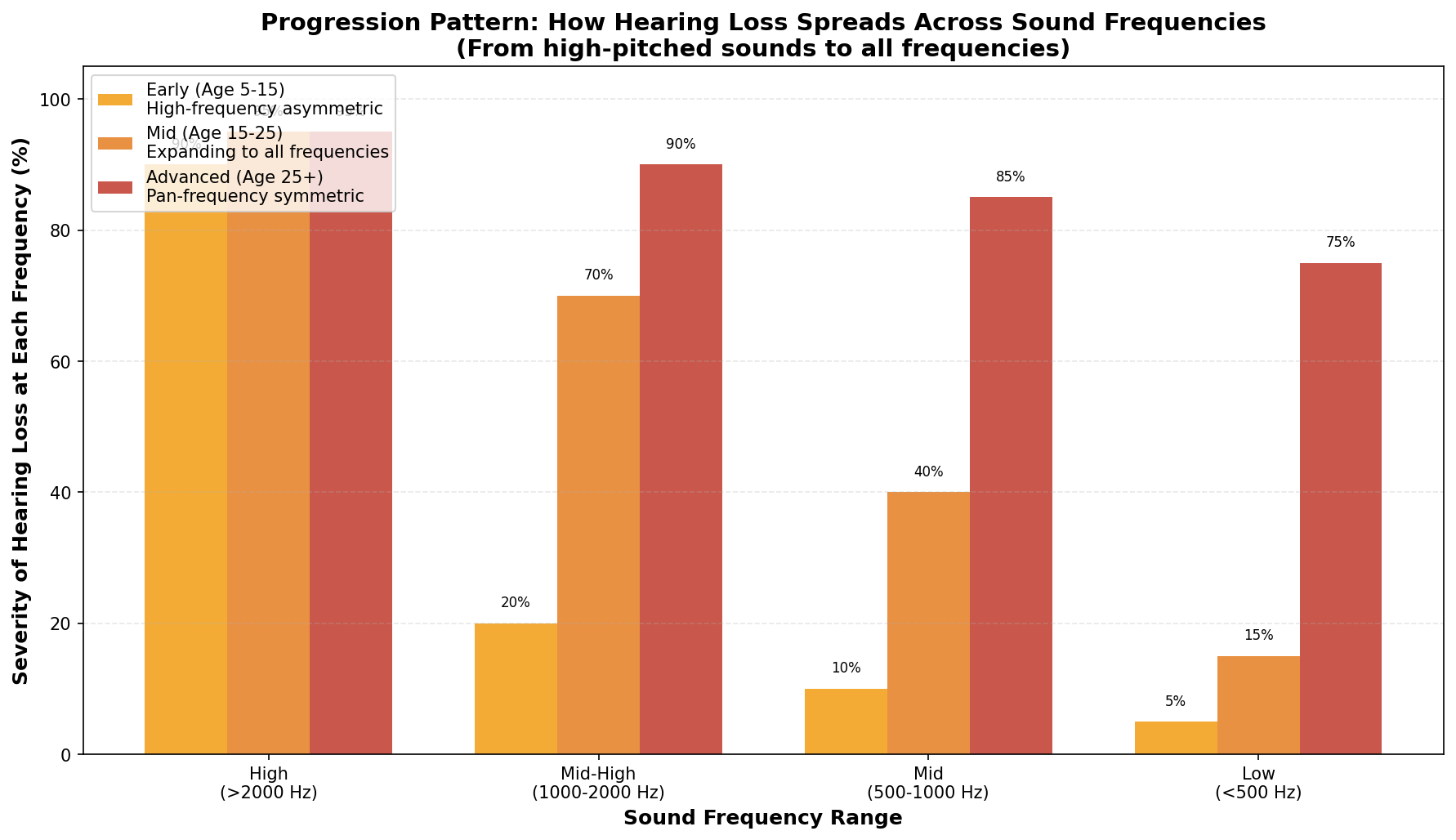 Figure 3: Progressive loss of blood vessels in the stria vascularis. Research shows approximately two-thirds of these critical vessels are lost as the disease progresses, explaining the gradual decline in hearing ability.
The Window of Opportunity
If the blood vessel damage occurs first, before hair cells die, could early intervention prevent the hearing loss entirely?
Recent gene therapy research in animal models suggests that it may be possible. When functional copies of the NDP gene were delivered early (at birth), cochlear vascular pathology was prevented, sensory hair cells were preserved, and normal hearing function was maintained. Even when treatment was given after hearing loss had already begun, cochlear pathology improved. This suggests treatment could potentially work at multiple stages of the disease.
Recognising Hearing Loss: How to Spot It
Because hearing loss develops slowly and often begins with subtle high-frequency loss, it can be easy to miss. Parents and patients should watch for:
- Difficulty hearing high-pitched sounds or alarms
- Trouble understanding speech in noisy environments
- Asking people to repeat themselves more often
- Avoiding conversation or social situations
- Tinnitus (ringing or buzzing in the ears), which commonly accompanies the hearing loss
- Seeming inattentive or "tuning out" conversations
The challenge is that these signs can be subtle and misattributed to other causes. This is why formal audiology testing is essential for anyone diagnosed with Norrie disease, starting as soon as possible after diagnosis and continuing throughout development.
Diagnostic Testing
Modern audiology uses several methods to detect and monitor hearing loss in Norrie disease:
Otoacoustic Emissions (OAEs) measure the function of cochlear hair cells and can detect early changes before standard hearing tests show problems.
Auditory Brainstem Response (ABR) measures how the auditory nerve responds to sound and can be performed even in infants and young children.
Standard Audiometry measures hearing thresholds at different frequencies and is the standard method for monitoring progression over time.
MRI Imaging reveals cochlear enhancement, an early sign of vascular pathology that precedes measurable hearing loss. This means MRI can identify at-risk patients before they've noticed any problems, potentially opening a window for early intervention.
The Types of Hearing Loss: Why Surgery Won't Help
All hearing loss in Norrie disease is classified as sensorineural hearing loss, not conductive hearing loss. This is an important distinction.
Conductive hearing loss occurs when sound cannot travel properly through the outer or middle ear, for instance, because of a perforated eardrum or fluid behind the eardrum. Conductive losses are often surgically fixable.
Sensorineural hearing loss occurs when the problem is in the inner ear structures (the cochlea and hair cells) or the auditory nerve itself. Once hair cells are damaged, they cannot be repaired through surgery. This is the type seen in Norrie disease.
The location of the pathology (the stria vascularis, hair cells, and auditory nerve) means the structures of the middle and outer ear remain perfectly intact. The problem isn't mechanical; it's related to the inner ear's blood supply and electrical environment. This is why management focuses on amplification with hearing aids or direct nerve stimulation with cochlear implants, rather than surgical repair.
Associated Challenges: Norrie Disease Goes Beyond Hearing and Vision
For roughly 30–50% of people with Norrie disease, vision loss and hearing loss are not the only challenges. The NDP gene's role in vascular development means it affects multiple body systems.
Approximately 30–50% of patients experience intellectual disability or developmental delay. About 25% develop dementia or psychiatric conditions like psychosis. Some experience seizures. Others have problems with sleep, unusual vascular development in their limbs, or growth difficulties.
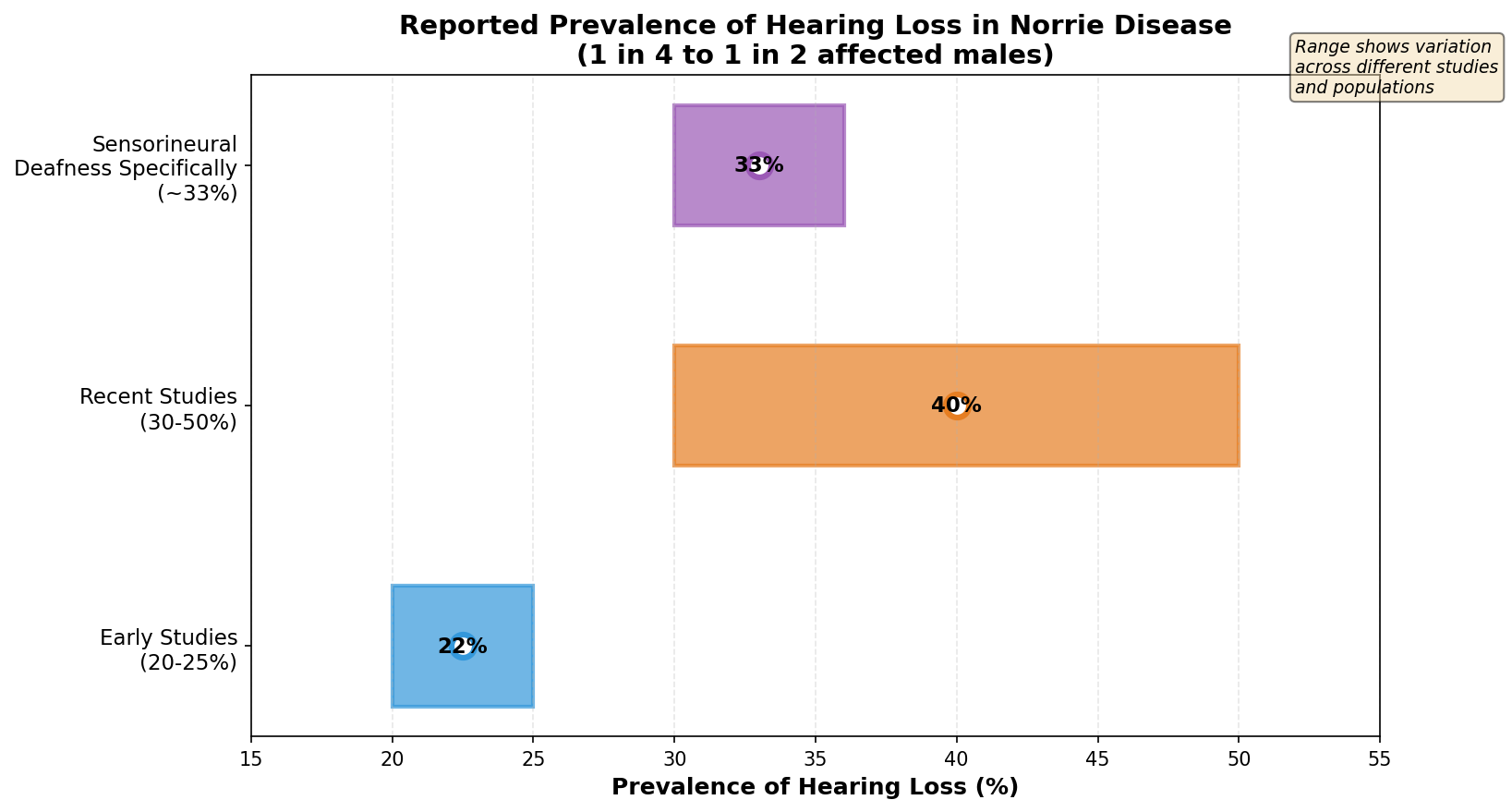 Figure 4: Prevalence of extra-sensory complications in Norrie disease patients. The dotted line at 50% shows the threshold above which conditions are considered common. Cognitive/behavioral and intellectual disability are present in roughly half of patients, requiring comprehensive multidisciplinary care.
This multi-system involvement is why treating Norrie disease requires far more than an ear specialist or eye doctor working alone. A coordinated team approach is essential.
Living with Dual Sensory Loss: Management Strategies That Work
For someone losing both vision and hearing, quality of life depends entirely on the interventions available and how promptly they're implemented. Fortunately, several proven strategies exist.
Hearing Aids: The First Line
Hearing aids are typically the first option recommended. Because speech intelligibility remains relatively preserved in Norrie disease (the nerve system works even if the threshold is elevated), hearing aids can be remarkably effective. People can often hear and understand speech well at amplified volumes, even with severe hearing loss thresholds.
The challenge is that progressive hearing loss means hearing aids may need adjustments and upgrades every few years as thresholds change. Regular audiology follow-up is essential.
Cochlear Implants: For More Severe Loss
When hearing aids no longer provide sufficient benefit, cochlear implants become an option. These devices work by directly stimulating the auditory nerve with electrical signals, bypassing the damaged hair cells.
Case reports document successful outcomes with cochlear implants in people with Norrie disease. The decision to proceed requires careful evaluation, including screening for intellectual disability and psychiatric conditions, as these factors influence whether someone can successfully use and manage the device.
Professional organisations recommend discussing cochlear implants before total deafness occurs, allowing people to make informed decisions whilst they can still access advice through their hearing.
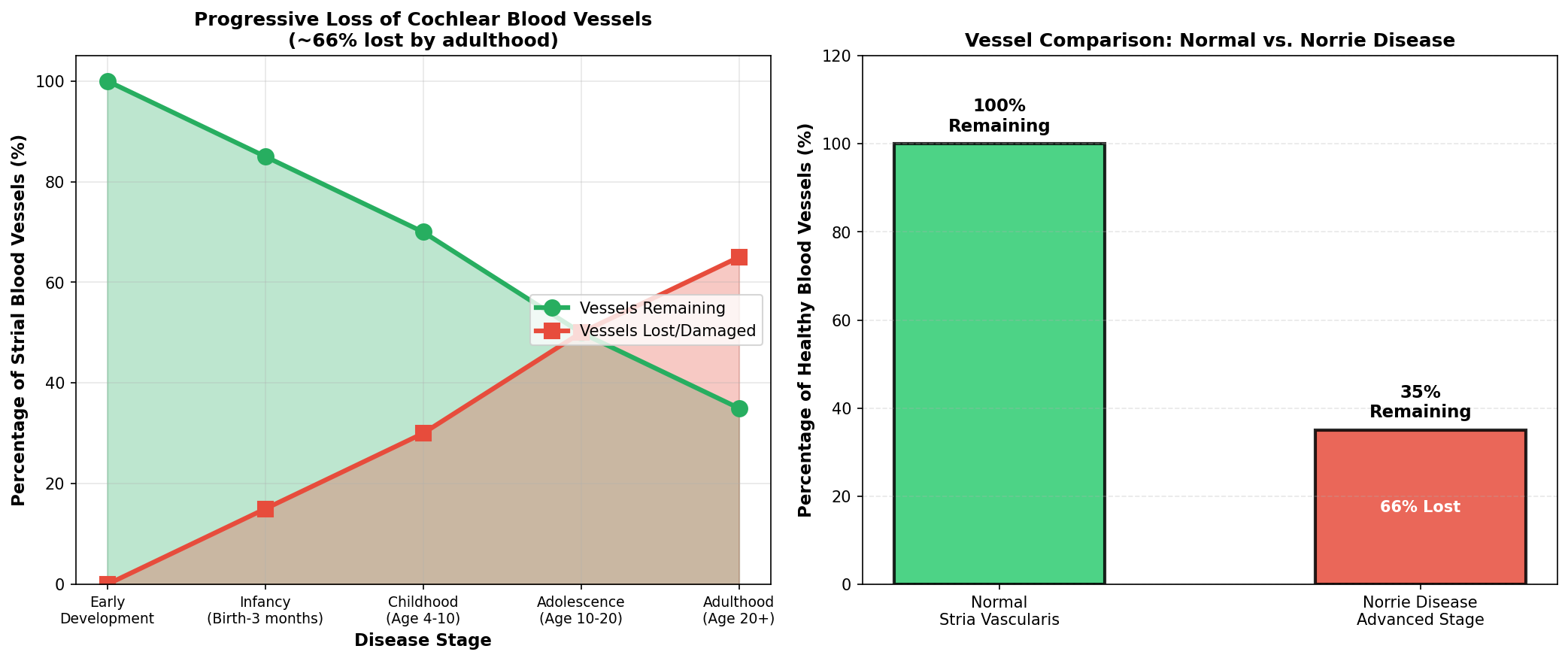 Figure 5: Comparative effectiveness of current management options. Hearing aids show effectiveness for mild-to-moderate loss, whilst cochlear implants extend benefit to severe-to-profound loss. Gene therapy remains experimental but shows promise for prevention or reversal.
Gene Therapy: The Hope on the Horizon
The most exciting development is experimental gene therapy. Researchers have successfully used a harmless virus (AAV9) to deliver a functional NDP gene directly into the inner ears of animal models of Norrie disease.
When delivered at birth (before hearing loss develops), this therapy prevented all cochlear damage, preserved sensory hair cells, and maintained normal hearing. When delivered after hearing loss had already begun, it still improved cochlear pathology, suggesting that even late treatment might help.
Human clinical trials are expected to begin within the coming years. If successful, gene therapy could transform Norrie disease from a progressive, unavoidable condition to one that's preventable or reversible. This represents genuine hope for future patients.
Multidisciplinary Care: The Missing Piece
Beyond devices and therapies, one of the most important developments in Norrie disease care is the recognition that specialised dual-sensory clinics produce better outcomes than traditional single-specialty care. These clinics are dedicated to caring for people who are both blind and deaf or hard of hearing.
These clinics coordinate ophthalmologists, audiologists, ear specialists, neurologists, geneticists, psychologists, and rehabilitation specialists into a single team that addresses all aspects of the person's health simultaneously. Research shows this approach significantly reduces overall disease burden and improves quality of life.
Monitoring Protocol for Families
For any child diagnosed with Norrie disease, here's what ongoing monitoring should include:
- Baseline audiology testing immediately after diagnosis
- Regular hearing tests every 1–2 years throughout childhood and adolescence
- Serial MRI imaging to track cochlear changes
- Assessment for cognitive, psychiatric, or behavioural changes
- Access to dual-sensory clinics when available
Early detection means early intervention, and early intervention changes lives.
Timeline: What to Expect at Different Life Stages
Understanding the expected timeline helps families prepare and know when to seek help.
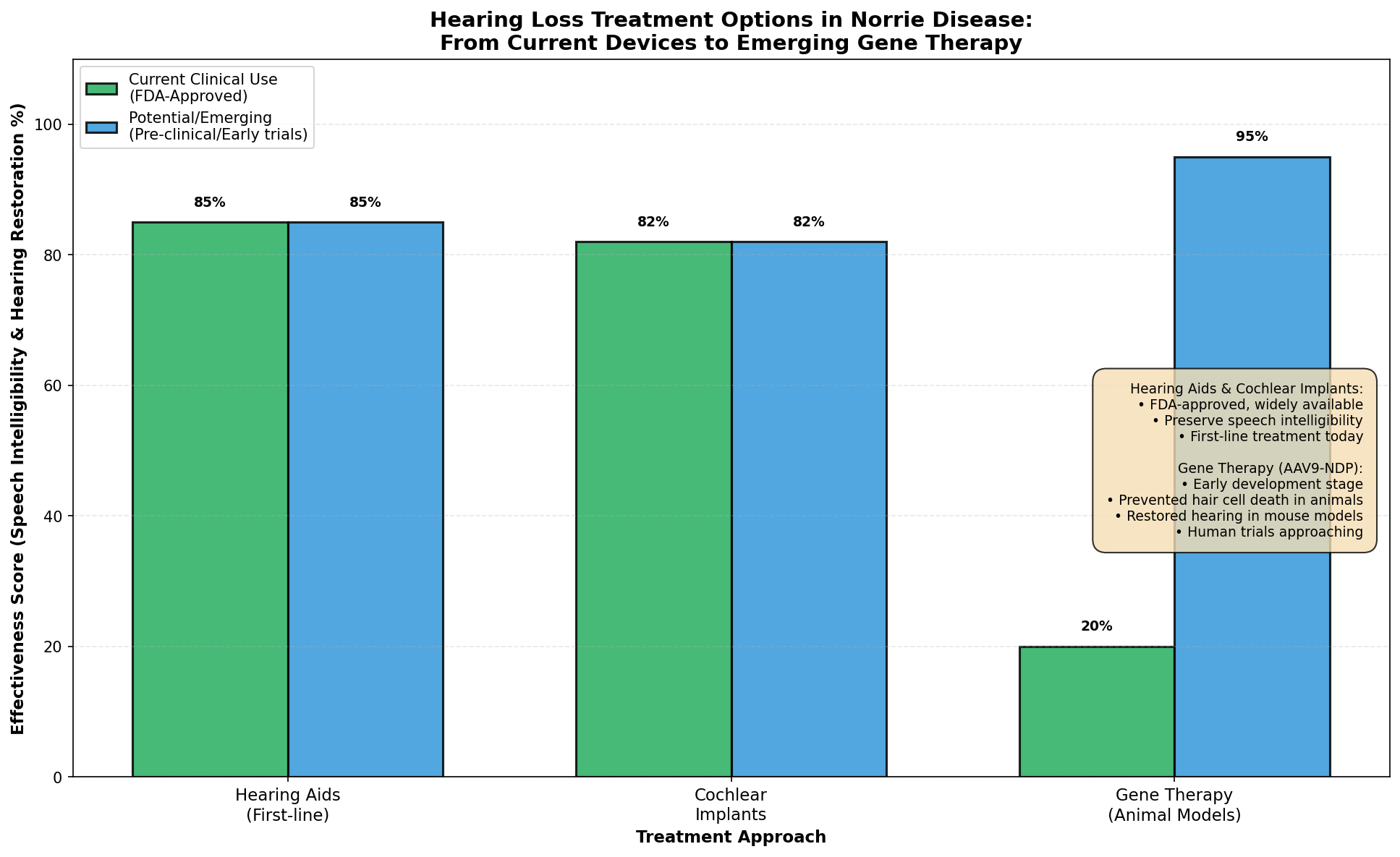 Figure 6: Detailed timeline showing how hearing loss characteristics change across different age groups. High-frequency loss in early adolescence progresses to pan-frequency severe loss by adulthood. The individual variation is significant, with some experiencing no loss and others experiencing rapid progression.
Birth to age 5: Profound vision loss is the dominant feature. Hearing is typically normal at this stage, though cochlear vascular abnormalities are already developing invisibly.
Ages 5–12: The highest-risk period for hearing loss onset, though most commonly it begins around age 12. Subtle high-frequency loss might first be noticed.
Ages 12–20: Progressive expansion of hearing loss from high frequencies to all frequencies. Loss becomes more symmetric. Substantial communication difficulties may emerge, which may require intervention.
Ages 20 and beyond: Stable but severe hearing loss in many patients. Some continue very slow progression; others plateau. Continued hearing aid or cochlear implant benefit is typical.
The variability within these ranges emphasises why ongoing monitoring throughout development is essential. Missing even a few years of crucial adolescence could mean missing the window for early intervention.
Supporting Someone with Norrie Disease and Hearing Loss
For families and caregivers, the diagnosis of hearing loss in someone already managing blindness can feel overwhelming. But support exists:
Genetic counselling helps families understand inheritance, plan for future children, and access current research.
Early intervention services ensure children receive speech-language support and communication strategies before hearing loss becomes severe.
Rehabilitation specialists teach strategies for navigating the world without both sight and sound.
Mental health support addresses the very real emotional impact of progressive dual-sensory loss, particularly important given the psychiatric complications that occur in a subset of patients.
Connection with support organisations and other families offers practical advice and emotional support from people who truly understand the challenges.
The Future: Real Hope Is Emerging
Perhaps the most important message for anyone facing Norrie disease is this: the outlook is genuinely improving.
For decades, Norrie disease was poorly understood, with limited treatment options: manage blindness as best you can, monitor for hearing loss, and try to maintain quality of life. The prognosis was largely one of progressive decline in function.
Today, researchers understand exactly why hearing loss develops and have identified a potential method to prevent or reverse it. Gene therapy in animal models shows consistent, dramatic success. Human clinical trials are on the horizon.
Additionally, advances in cochlear implant technology, hearing aid effectiveness, and dual-sensory care models mean that even individuals with severe-to-profound hearing loss can maintain remarkable quality of life and communication ability.
For families with a child newly diagnosed with Norrie disease, this is a very different situation from the one families faced even five years ago. Early detection through MRI-based screening, rapid access to suitable devices, and potential disease-modifying treatment through gene therapy offer a fundamentally different prognosis.
Further Reading
Understanding Norrie Disease
- Norrie Disease Overview from the National Institute of Health
- Genetic and Rare Diseases Information Center (GARD)
- NDP-Related Retinopathies on GeneReviews
Hearing Loss and Inner Ear Function
- MedlinePlus Guide to Sensorineural Hearing Loss
- Understanding Cochlear Function from Johns Hopkins Medicine
- The Stria Vascularis and Hearing Function
Diagnostic Methods
- Otoacoustic Emissions Testing for Early Detection
- Auditory Brainstem Response: Clinical Applications
- MRI Imaging in Inner Ear Disease
Management and Treatment Options
- Hearing Aids: Selection and Fitting
- Cochlear Implants: What They Are and How They Work
- Gene Therapy for Genetic Hearing Loss
Support and Quality of Life
- Dual Sensory Loss: Living with Vision and Hearing Loss
- Cleveland Clinic: Norrie Disease Patient Guide
- Communication Strategies for Deafblindness
Genetics and Inheritance
References/Helpful Resources
- National Institute of Health. Norrie Disease. MedlinePlus Genetics [Internet]. [cited 2026 Jul 16]. Available from: https://ghr.nlm.nih.gov/condition/norrie-disease
- National Institute of Deafness and Other Communication Disorders. Sensorineural Hearing Loss [Internet]. [cited 2026 Jul 16]. Available from: https://www.nidcd.nih.gov/health/hearing-loss/sensorineural-hearing-loss
- Scruggs BA, Reding MQ, Schimmenti LA. NDP-Related Retinopathies. GeneReviews® [Internet], University of Washington, Seattle; 1999. [updated 2023 Mar 23]. Available from: https://www.ncbi.nlm.nih.gov/sites/books/NBK1331/
- Genetic and Rare Diseases Information Center. Norrie Disease [Internet]. National Institutes of Health; 2024 [cited 2026 Jul 16]. Available from: https://rarediseases.info.nih.gov/diseases/7224/norrie-disease
- Smith SE, Mullen TE, Graham D, Sims KB, Rehm HL. Norrie disease: Extraocular clinical manifestations in 56 patients. American J of Med Genetics Pt A. 2012;158A(8):1909–17. Available from: https://europepmc.org/article/MED/22786811 doi: 10.1002/ajmg.a.35469
- Halpin C, Owen G, Gutiérrez-Espeleta GA, Sims K, Rehm HL. Audiologic Features of Norrie Disease. Ann Otol Rhinol Laryngol. 2005;114(7):533–8. Available from: https://europepmc.org/article/MED/16134349 doi: 10.1177/000348940511400707
- Halpin C, Sims K. Twenty years of audiology in a patient with Norrie disease. International Journal of Pediatric Otorhinolaryngology. 2008;72(11):1705–10. Available from: https://europepmc.org/article/MED/18817988 doi: 10.1016/j.ijporl.2008.08.007
- Sowden JC, Kros CJ, Sirimanna T, Pagarkar W, Oluonye N, Henderson RH. Impact of sight and hearing loss in patients with Norrie disease: advantages of Dual Sensory clinics in patient care. BMJ Paediatr Open. 2020;4(1):e000781. Available from: https://pmc.ncbi.nlm.nih.gov/articles/PMC7670942/ doi: 10.1136/bmjpo-2020-000781
- Bryant D, Pauzuolyte V, Ingham NJ, Patel A, Pagarkar W, Anderson LA, et al. The timing of auditory sensory deficits in Norrie disease has implications for therapeutic intervention. JCI Insight. 2022;7(3):e148586. Available from: https://europepmc.org/article/pmc/8855802 doi: 10.1172/jci.insight.148586
- Pauzuolyte V, Patel A, Wawrzynski JR, Ingham NJ, Leong YC, Karda R, et al. Systemic gene therapy rescues retinal dysfunction and hearing loss in a model of Norrie disease. EMBO Mol Med. 2023;15:EMMM202317393. Available from: https://link.springer.com/article/10.15252/emmm.202317393 doi: 10.15252/emmm.202317393
- Nin F, Hibino H, Doi K, Suzuki T, Hisa Y, Kurachi Y. The endocochlear potential depends on two K+ diffusion potentials and an electrical barrier in the stria vascularis of the inner ear. Proc Natl Acad Sci USA. 2008;105(5):1751–6. Available from: https://pmc.ncbi.nlm.nih.gov/articles/PMC2234216/ doi: 10.1073/pnas.0711463105
- Hibino H, Nin F, Tsuzuki C, Kurachi Y. How is the highly positive endocochlear potential formed? The specific architecture of the stria vascularis and the roles of the ion-transport apparatus. Pflugers Arch - Eur J Physiol. 2010;459:521–33. Available from: https://link.springer.com/article/10.1007/s00424-009-0754-z doi: 10.1007/s00424-009-0754-z
- Wu W-C. Retinal Phenotype–Genotype Correlation of Pediatric Patients Expressing Mutations in the Norrie Disease Gene. Arch Ophthalmol. 2007;125(2):225–30. Available from: https://europepmc.org/article/MED/17296899 doi: 10.1001/archopht.125.2.225
- Dharmaraj SR, Silva ER, Pina AL, Li YY, Yang JM, Carter CR, Loyer MK, El-Hilali HK, Traboulsi EK, Sundin OK, Zhu DK, Koenekoop RK, Maumenee IH. Mutational analysis and clinical correlation in Leber congenital amaurosis. Ophthalmic Genet. 2000;21(3):135–50. Available from: https://pubmed.ncbi.nlm.nih.gov/11035546/
- Silva E, Yang JM, Li Y, Dharmaraj S, Sundin OH, Maumenee IH. A CRX null mutation is associated with both Leber congenital amaurosis and a normal ocular phenotype. Invest Ophthalmol Vis Sci. 2000;41(8):2076–9. Available from: https://pubmed.ncbi.nlm.nih.gov/10892846/
- National Institute on Deafness and Other Communication Disorders. Hearing Aids [Internet]. National Institutes of Health; 2024 [cited 2026 Jul 16]. Available from: https://www.nidcd.nih.gov/health/hearing-aids
- National Institute on Deafness and Other Communication Disorders. Cochlear Implants [Internet]. National Institutes of Health; 2024 [cited 2026 Jul 16]. Available from: https://www.nidcd.nih.gov/health/cochlear-implants
- Cleveland Clinic. Norrie Disease: What It Is, Causes, Symptoms and Treatment [Internet]. [cited 2026 Jul 16]. Available from: https://my.clevelandclinic.org/health/diseases/25143-norrie-disease
