

You step out of a hotel hot tub feeling relaxed, then wake up the next morning with an itchy, spotty rash spreading across your chest and trunk. Sound familiar? You may have encountered one of the most common water-related skin infections: hot tub folliculitis, also called "hot tub rash."
The good news: for most healthy people, it clears up on its own within two weeks and leaves no lasting marks. The less welcome news: it happens far more often than most people realise, and the bacteria responsible are in a surprising number of hot tubs right now. Studies show that 67% of hot tubs and 63% of swimming pools harbour the culprit bacterium at any given time, and roughly 1 in 5 public hot tubs is operating with inadequate disinfectant levels when inspected.
This article explains exactly what hot tub folliculitis is, why it happens, what it looks like, how it is treated, and how to protect yourself without giving up your soak altogether.
What Is Hot Tub Folliculitis?
Hot tub folliculitis is a skin infection of the hair follicles caused by a bacterium called Pseudomonas aeruginosa. Every hair on your body grows from a tiny channel called a follicle: a narrow tunnel in the skin through which the hair shaft emerges. When contaminated water gets into these tunnels, it can trigger inflammation and infection, producing the characteristic spotted, pus-filled rash.
The condition is also known as Pseudomonas folliculitis, hot tub rash, or whirlpool folliculitis. It is not contagious from person to person. You cannot catch it by touching someone who has it; you can only develop it through direct contact with contaminated water.
Pseudomonas aeruginosa is a rod-shaped bacterium that produces a distinctive blue-green pigment. What makes it particularly well-suited to hot tubs is its love of warm, moist environments: it thrives at exactly the temperatures (37-40°C) that hot tubs are set to. It also forms protective structures called biofilms, which are microscopic colonies that cling to the internal surfaces of pipes and jets, shielding the bacteria from the very disinfectants designed to kill them.
In rare cases, especially in people with weakened immune systems, other bacteria such as Klebsiella and Enterobacter species have been implicated, but Pseudomonas aeruginosa is responsible for the overwhelming majority of cases.
Why Hot Tubs Are a Breeding Ground for Bacteria
Understanding why hot tubs are risky requires a brief look at water chemistry. Hot tub water is disinfected with chlorine (or sometimes bromine), which kills bacteria by producing a chemical called hypochlorous acid. But several factors conspire against disinfection in a hot tub setting, in ways that do not apply to an ordinary swimming pool.
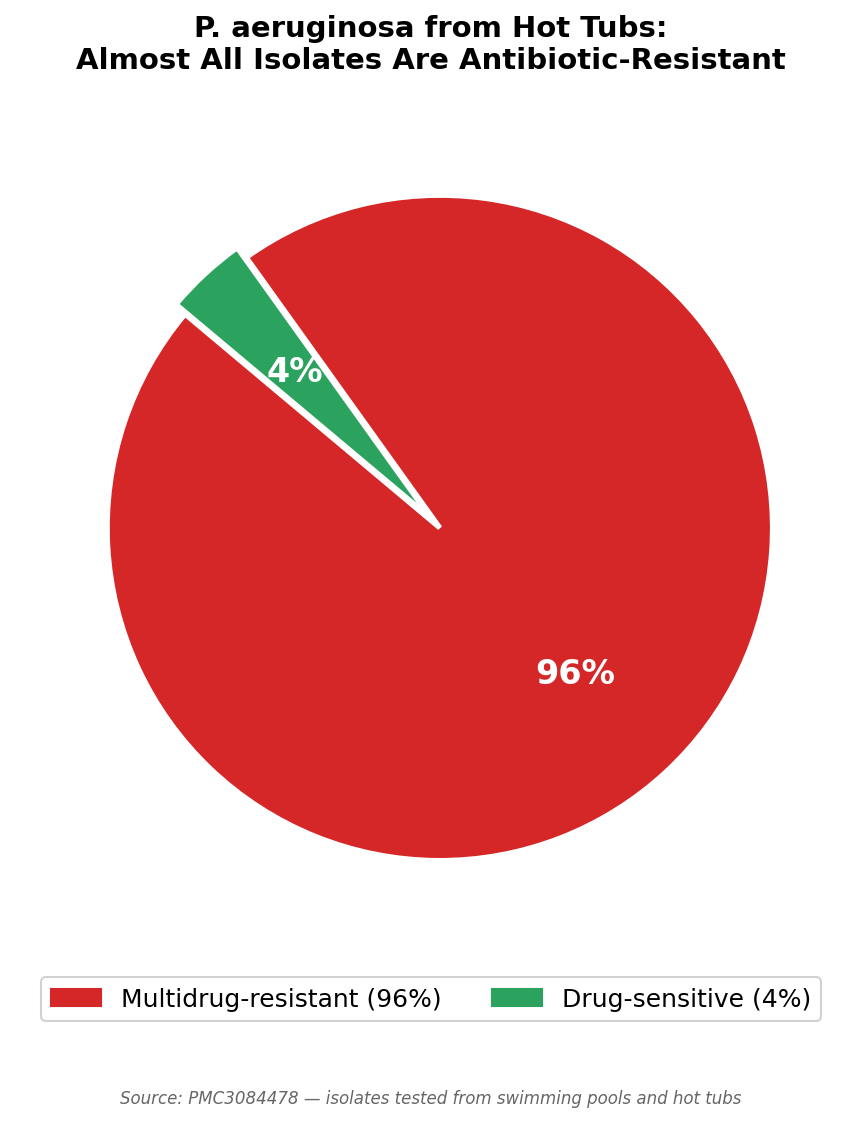 Figure 1: Contamination rates of Pseudomonas aeruginosa in hot tubs versus swimming pools. Despite widespread use of chlorine disinfection, a majority of tested facilities harbour the bacterium at any given time. Data from PubMed/PMC research.
Temperature accelerates everything. At hot tub temperatures of 38-40°C, chlorine breaks down much faster than in a cooler swimming pool. This means the water can go from safe to dangerous within hours of a chemical top-up, especially during heavy use.
Small water volume concentrates problems. A hot tub holds a fraction of the water a swimming pool does. Add six bathers with their skin oils, cosmetics, sweat, and hair, and the organic load (the material that "uses up" chlorine) becomes overwhelming very quickly.
Jets create aerosols and disturb biofilm. The turbulent jets that make hot tubs enjoyable also dislodge bacteria from biofilms on the pipes and jets, releasing them into the water. The same jets create fine aerosols, meaning bacteria can also reach skin surfaces that are barely submerged.
Biofilm provides a fortress. Pseudomonas aeruginosa adheres to internal surfaces and builds biofilm colonies enclosed in a protective polysaccharide (sugar) matrix. Bacteria inside a biofilm require 10 to 1,000 times higher concentrations of disinfectant to kill than free-floating bacteria. When chlorine levels drop, these colonies release bacteria into the water in large numbers.
The pH balance matters enormously. Chlorine's effectiveness depends not just on its concentration but on the water's pH. At a pH above 7.8, the active form of chlorine (hypochlorous acid) converts to a far less potent form that is 70-80 times weaker as a disinfectant. A hot tub can show an apparently acceptable chlorine reading yet be essentially unprotected if the pH has drifted too high.
The CDC recommends a minimum free chlorine level of 3 parts per million (ppm) for hot tubs (double the requirement for swimming pools) and a pH of 7.0 to 7.8. Real-world inspections tell a sobering story: in 2013, CDC inspectors found that 20% of 13,864 public hot tub inspections revealed improper disinfectant concentrations.
What Happens to Your Skin
Normal, dry skin is a robust barrier: Pseudomonas aeruginosa cannot penetrate intact skin under ordinary conditions. Hot tub exposure undermines this barrier in several simultaneous ways.
Maceration is the technical term for what happens to skin after prolonged immersion in warm water: it becomes waterlogged, softens, and its cell-to-cell junctions loosen. This is the same process that makes your fingers wrinkle after a long bath, but on your torso and buttocks the effect creates permeability.
Follicle dilation occurs in warm water: the tiny openings of your hair follicles physically widen. This creates a direct anatomical gateway past the skin surface.
Swimwear occlusion is the crucial final piece. Your wet swimsuit traps contaminated water against your skin, pressing bacteria against the dilated follicle openings for the entire time you are submerged (and for some minutes after). This is why hot tub folliculitis produces a rash that maps to the exact outline of your swimwear: the densest, most affected areas are almost always under the swimsuit, not on your arms or face.
Once inside the follicle, Pseudomonas aeruginosa deploys a repertoire of harmful tools, including Exotoxin A (which damages host cells), elastase (which destroys connective tissue), and alginate (which forms a protective biofilm within the follicle itself). The immune system responds with local inflammation, producing the characteristic red, swollen, and pus-filled lesions.
The risk of infection is not random. Research has identified a dose-response relationship, meaning the more bacteria in the water and the longer your exposure, the greater your chance of developing folliculitis. A 41-minute soak is a typical hot tub session, and that is long enough for significant bacterial inoculation in a poorly maintained tub.
What the Rash Looks Like and When It Appears
The timeline of symptoms is one of the most useful diagnostic clues. Symptoms typically begin 6 hours to 5 days after exposure, with most people noticing the rash within 24-48 hours of leaving the contaminated water.
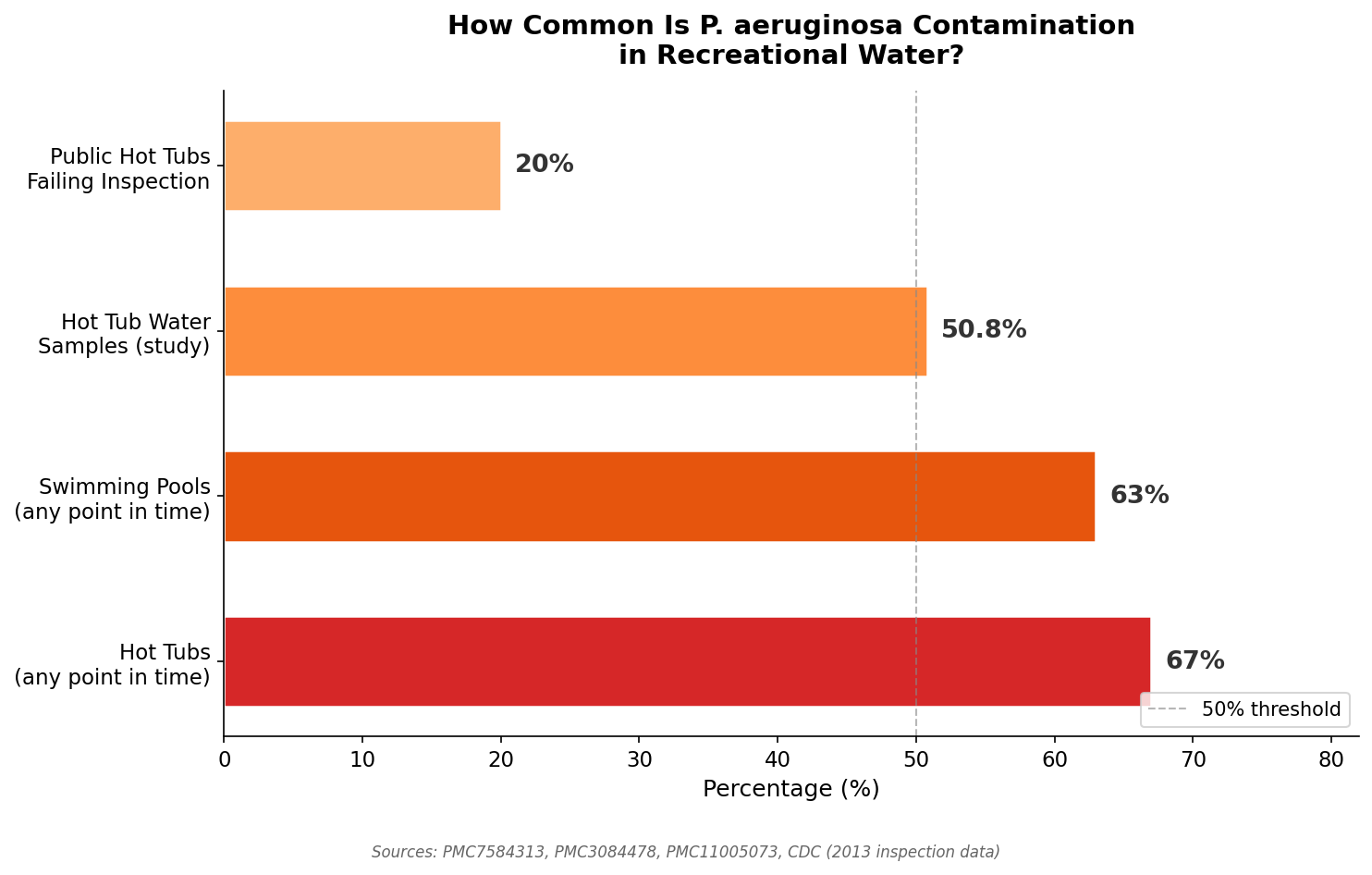 Figure 2: Typical symptom timeline from exposure to resolution. Most people develop symptoms within 48 hours and recover fully within 7-14 days. Data from PubMed/CDC outbreak investigations.
The rash progresses through recognisable stages:
- Flat red patches: The first signs are flat, reddened areas of skin (erythematous macules)
- Raised bumps: These develop into firm, raised spots 2-10 mm across, each centred on a hair follicle
- Pustules: Many spots develop a pus-filled centre with a visible small pore at the surface
- Resolution: Lesions flatten and fade, usually leaving no permanent marks in healthy individuals
Alongside the rash, people typically experience intense itching, sometimes with tenderness or pain at the lesion sites. Some people develop a mild fever, particularly children or those with more extensive infections. Swollen lymph nodes in the armpits and breast tenderness have also been reported in some outbreaks.
A less familiar variant: hot hand-foot syndrome. Children and adolescents may develop a different presentation: painful, tender nodules on the palms of the hands and soles of the feet rather than the typical trunk rash. This is caused by the same bacterium and resolves within 14 days, but it can be alarming for parents who do not associate it with water exposure.
Areas almost never affected include the face and scalp, because most people do not submerge their face in hot tub water.
How Outbreaks Spread
When water quality fails, the results can be dramatic. Attack rates in documented hot tub and whirlpool outbreaks are strikingly high.
 Figure 3: Attack rates (percentage of exposed individuals who developed folliculitis) across documented outbreaks in different recreational water settings. Data from CDC MMWR and PubMed outbreak reports.
In a classic whirlpool outbreak, 72% of 36 users developed folliculitis within 1-5 days. Children in the same outbreak had a 90% attack rate compared to 50% in adults. In a 1980 Tennessee health spa outbreak, 62% of 60 members who swam in the pool developed a papulopustular rash within 8 hours to 5 days. A Utah waterslide outbreak affected 265 of 650 visitors (roughly 41%).
Between 2015 and 2019, the CDC recorded 208 outbreaks of illness associated with treated recreational water across the United States, resulting in at least 3,646 illnesses, 286 hospitalisations, and 13 deaths (from all waterborne pathogens, not solely Pseudomonas). Pseudomonas aeruginosa accounted for 13% of confirmed infectious outbreaks between 2000 and 2014.
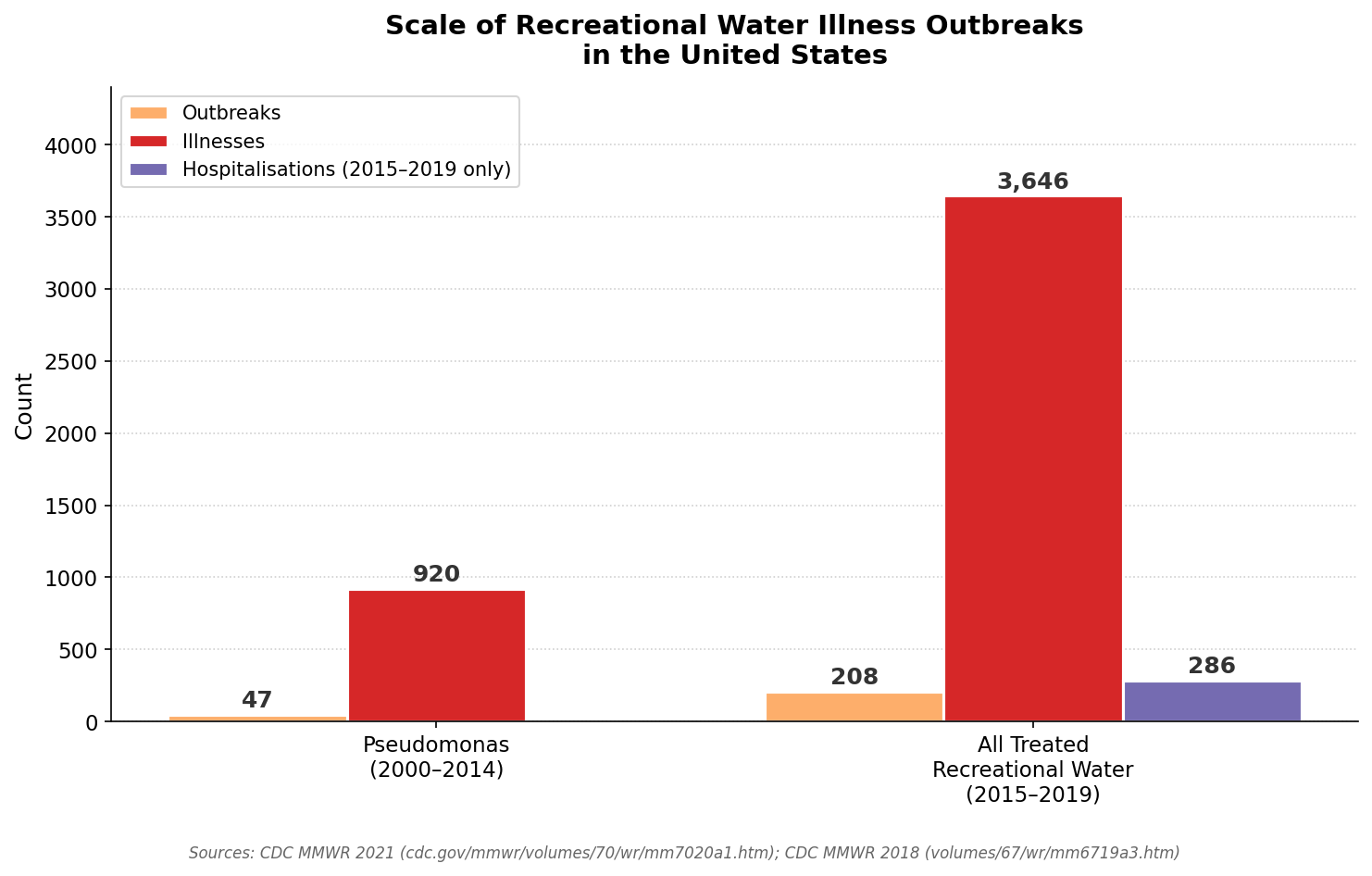 Figure 4: Recreational water illness outbreaks reported to the CDC, 2015-2019. This includes outbreaks from all treated recreational water sources including hot tubs, pools, and water parks. Data from CDC MMWR 2021.
The COVID-19 lockdowns of 2020 produced an unexpected side effect: a surge in hot tub purchases for home use, particularly in the UK. Published case reports described a corresponding rise in Pseudomonas folliculitis presentations from owners who were enthusiastic about their new purchase but unaware of the rigorous maintenance it requires.
Who Is Most at Risk?
Hot tub folliculitis can affect anyone who is exposed to contaminated water. However, certain factors genuinely increase the likelihood and severity of infection.
Higher risk of getting the infection:
- Children (who tend to spend longer submerged and have thinner skin barriers)
- People with existing skin conditions such as eczema, acne, or dermatitis
- People who shave or wax before hot tub use (removing the physical skin barrier)
- Women (studies have documented higher rates in female users, possibly due to swimwear fabric trapping water more extensively)
- Anyone spending longer than average time in the water
Higher risk of a severe outcome:
- People with diabetes (impaired immune function and altered skin flora)
- People who are immunocompromised: cancer patients on chemotherapy, organ transplant recipients taking anti-rejection drugs, people with HIV/AIDS
- People on long-term corticosteroids
- Older adults
 Figure 5: Spectrum of infection severity across different patient vulnerability groups. While hot tub folliculitis is typically mild and self-limiting in healthy individuals, immunocompromised patients face substantially elevated risk of serious complications. Data from PubMed/PMC clinical reviews.
Getting a Diagnosis
In most cases, diagnosis is straightforward. A doctor (your GP or a dermatologist) who hears that you developed a spotty, itchy rash under your swimwear 1-4 days after using a hot tub can make a confident clinical diagnosis without any laboratory tests. The combination of the exposure history and the swimwear-pattern distribution of the rash is practically diagnostic on its own.
When the diagnosis is less clear, or if the rash is not resolving, doctors may:
- Swab a pustule for bacterial culture: This confirms the presence of Pseudomonas aeruginosa and, crucially, tests which antibiotics the strain is sensitive to. This matters because 96% of Pseudomonas aeruginosa isolates from hot tubs and swimming pools have shown multidrug resistance in laboratory studies, meaning the right antibiotic choice is important if treatment is needed
- Examine the skin under dermoscopy: A handheld magnifying device with polarised light can confirm the follicular (follicle-centred) nature of the rash, distinguishing it from allergic reactions or other skin conditions
- Perform a skin biopsy: Rarely needed, this is reserved for unusual or persistent presentations.
Conditions that can look similar include Staphylococcal folliculitis (the most common cause of folliculitis overall), fungal folliculitis, allergic contact dermatitis (a reaction to pool chemicals rather than bacteria), and in unvaccinated individuals, chickenpox.
Always tell your doctor about any recent hot tub, pool, or spa use, even if the exposure was several days before symptoms appeared.
Treatment: What Actually Works
The reassuring headline is that most cases of hot tub folliculitis in healthy adults require no medical treatment at all.
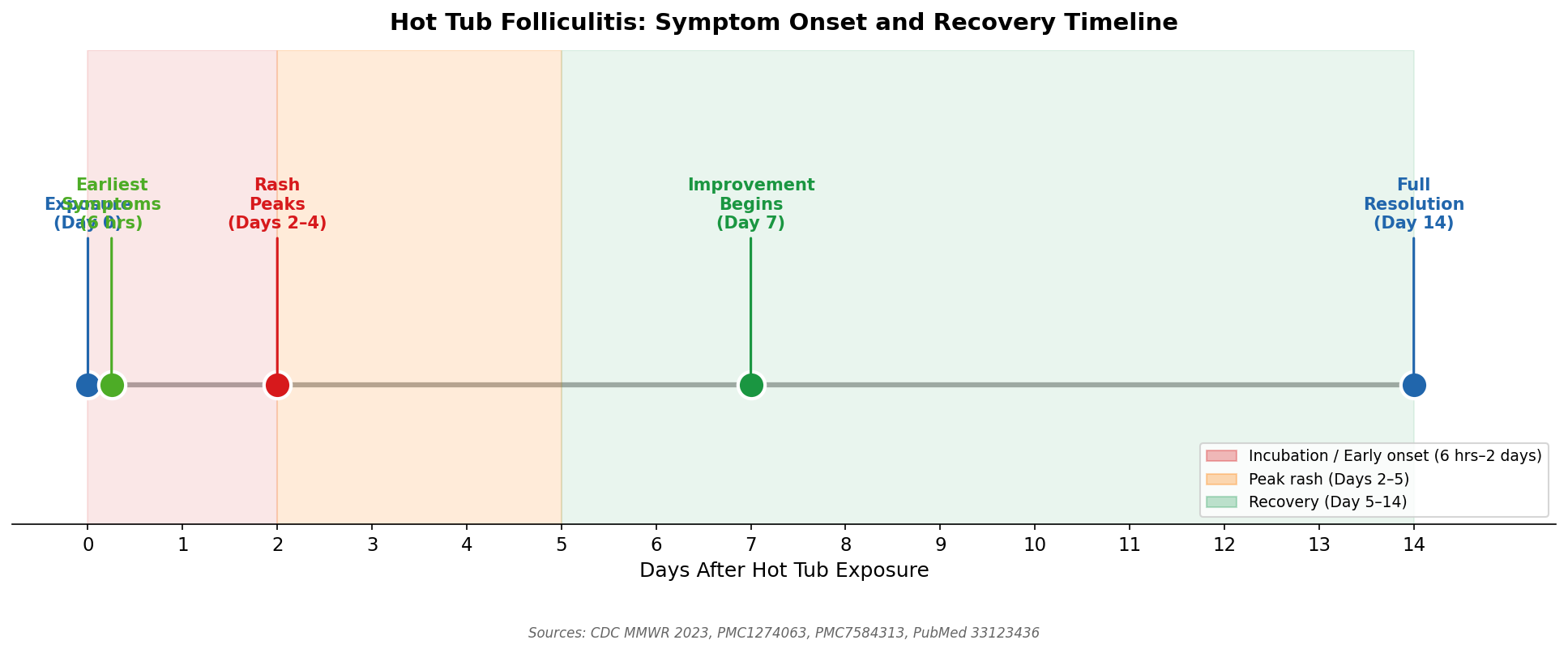 Figure 6: Comparative resolution timelines for different treatment approaches, from no treatment (spontaneous resolution) through home care to oral antibiotics. Data from Mayo Clinic, Cleveland Clinic, and PubMed clinical literature.
The infection is self-limiting: the immune system of a healthy person clears it within 7-14 days. What you can do at home to ease discomfort:
- Apply a warm, moist compress to affected areas three or four times daily (a cloth soaked in a solution of one tablespoon of white vinegar in one pint of water works well for itch relief)
- Use an over-the-counter hydrocortisone cream to reduce itching and inflammation
- Avoid scratching, which can introduce secondary infection
- Change out of contaminated swimwear immediately and wash it thoroughly
One critical warning: Do not apply topical steroid creams (such as betamethasone or mometasone) to what you suspect is bacterial folliculitis. Steroids suppress the local immune response and can cause rapid spread of the infection, making it significantly worse.
When antibiotics are appropriate:
| Situation | Typical Treatment |
|---|---|
| Rash spreading significantly or not improving after 1-2 weeks | Oral ciprofloxacin (first-line for Pseudomonas) |
| Fever, swollen lymph nodes, or breast tenderness alongside the rash | Oral ciprofloxacin; doctor consultation required |
| Severe infection or hospital admission | Intravenous antipseudomonal antibiotics |
| Immunocompromised patient | Prompt medical review; IV antibiotics likely |
Ciprofloxacin is the preferred oral antibiotic because it has good activity against Pseudomonas aeruginosa. In a published crossover study of 25 patients with chronic folliculitis, average remission time with ciprofloxacin was around 6 weeks; for the typical acute case treated promptly, the course is usually 7-14 days.
Seek medical care promptly if you have a fever, if the rash is spreading rapidly despite home care, if you develop ear pain after the same exposure, or if you have diabetes, are on immunosuppressant medication, or are undergoing cancer treatment.
The Antibiotic Resistance Problem
The finding that 96% of Pseudomonas aeruginosa isolates from recreational water environments show multidrug resistance is not just an academic statistic: it has real implications for treatment.
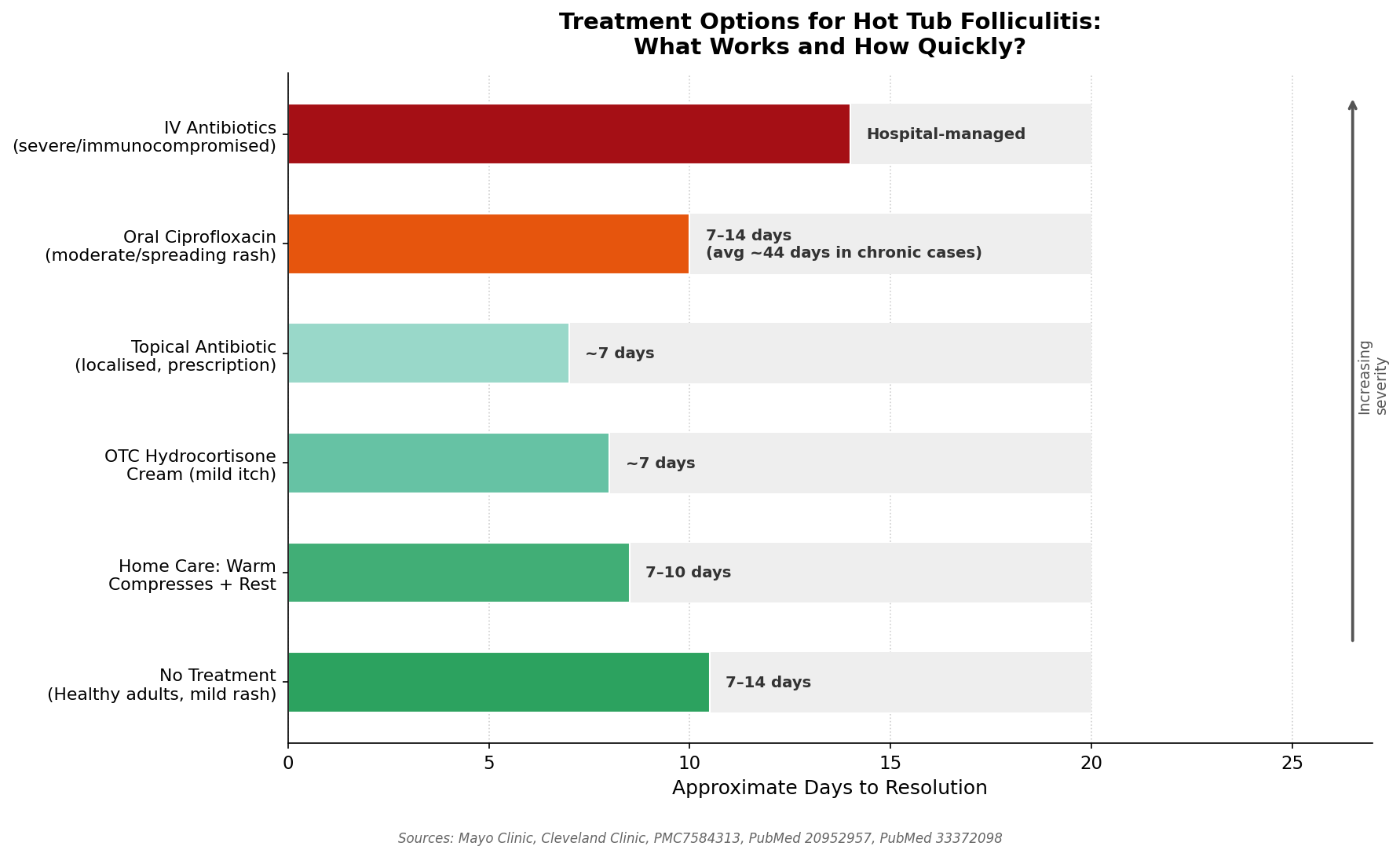 Figure 7: Antibiotic resistance rates in Pseudomonas aeruginosa isolates recovered from hot tubs and swimming pools. The high rates of multidrug resistance underscore why laboratory culture and sensitivity testing matter when antibiotics are required. Data from PubMed/PMC microbiological surveillance studies.
Pseudomonas aeruginosa is intrinsically resistant to many common antibiotics. It also acquires resistance rapidly through genetic mutation and through resistance genes shared between bacteria. This is why, if your doctor is considering antibiotic treatment, they should ideally base the choice on sensitivity testing from a swab culture rather than simply prescribing the most commonly used antibiotic. For most cases that do not need antibiotics, this is not relevant. For severe cases and immunocompromised patients, it is genuinely important.
This also underscores why prevention matters: an infection that can usually be prevented by maintaining water chemistry correctly is one that avoids the antibiotic resistance question altogether.
Potential Complications
For the vast majority of people reading this, hot tub folliculitis is a temporary inconvenience. However, the full spectrum of possible outcomes is worth understanding.
In healthy adults, complications are uncommon but possible:
- Swimmer's ear (otitis externa): Pseudomonas from the same contaminated water can infect the ear canal, causing pain, discharge, and temporary hearing changes
- Mastitis (breast inflammation): documented in some outbreak reports
- Recurrent episodes if the contaminated source is not identified and addressed
In people with diabetes, weakened immune systems, or other vulnerabilities, the same bacterium can cause:
- Malignant otitis externa: An invasive, potentially life-threatening infection of the ear canal and skull base that can progress to bone infection (osteomyelitis), meningitis, and sepsis. This occurs predominantly in diabetic and elderly individuals
- Ecthyma gangrenosum: Deep, gangrenous black skin ulcers caused by systemic spread of Pseudomonas, a medical emergency in immunocompromised patients
- Bacteraemia and sepsis: Bloodstream infection requiring hospital treatment
- Acute prostatitis and urinary sepsis: Documented in at least one case report following contaminated hot tub exposure
The contrast between "self-limiting rash" and "medical emergency" entirely reflects the immune status of the individual affected, not the severity of the initial exposure. This is why knowing your own risk profile matters.
How to Protect Yourself
Prevention is genuinely effective with hot tub folliculitis. The right water chemistry kills Pseudomonas aeruginosa reliably.
Personal steps (CDC-recommended):
- Shower thoroughly with soap immediately after leaving a hot tub or pool: this is the single most effective personal prevention measure
- Remove and wash your swimwear immediately after water exposure
- Avoid entering hot tubs when you have broken skin, open cuts, or have recently shaved or waxed
- If you are immunocompromised or diabetic, consider the risk of shared recreational water facilities carefully
- Before using a public hot tub, observe the water: cloudiness, a strong chemical smell (which paradoxically can indicate inadequate disinfection), or visible debris are warning signs
For hot tub owners:
- Test water at least twice daily; more frequently during heavy use
- Maintain free chlorine at a minimum of 3 ppm (or bromine at 4 ppm as an alternative)
- Keep pH between 7.0 and 7.8
- Perform shock treatment weekly or after heavy use
- Drain and fully replace the water monthly (or more frequently with heavy use)
- Clean and replace filters according to the manufacturer's schedule
These requirements are demanding: a home hot tub is not a set-and-forget appliance. During the lockdown surge in hot tub purchases, many new owners discovered this the hard way. The maintenance burden is worth knowing about before purchase.
At a public facility, you can ask staff when the water was last tested. Many reputable facilities test hourly during peak use. You can also carry a simple pool test strip (available from hardware and leisure shops) to check chlorine and pH yourself.
Patient Experiences: What People Report
People who have experienced hot tub folliculitis consistently describe a similar sequence: initial confusion about the rash, followed by relief once they connect the dots to their water exposure. The rash is often described as "the worst sunburn of my life but not from the sun" because of the intense itching and the visual alarm of seeing pus-filled spots across the torso.
A recurring theme in published case reports and outbreak investigations is that people often delay seeking medical advice because they assume the rash is an allergic reaction to pool chemicals. In some cases this leads to the mistaken use of topical steroid creams, which worsens the infection. Knowing that a spotty, itchy, swimwear-pattern rash appearing 1-4 days after hot tub use is almost certainly folliculitis, and not allergy, helps people make better decisions about when to see a doctor and what to avoid in the meantime.
Another consistent patient experience: the discomfort is disproportionate to the ultimate outcome. The rash looks alarming, particularly when pustules cover a large area of the torso. The reassurance from clinical evidence is that, in an otherwise healthy person, it almost always resolves completely and without scarring within two weeks.
A Word on Shared and Public Facilities
Outbreaks occur disproportionately at hotels, gyms, spas, and other shared facilities where water testing may be inconsistent or poorly documented. Hotel pool and spa maintenance is subject to varying degrees of regulatory oversight. The 2023 Maine hotel pool outbreak, in which 23 people developed ear pain, rash, or swelling of the hands and feet, was traced to inadequate chlorine monitoring: a failure of process rather than equipment.
When choosing shared facilities, look for visible signage about recent water testing, trained staff who can answer questions about maintenance schedules, and water that is clear (not cloudy or greenish). If a facility cannot tell you when they last tested the water, that itself is informative.
Further Reading
Pathophysiology and Microbiology
- Hot Tub-Associated Pseudomonas Folliculitis: Case Report and Review of Host Risk Factors (PubMed Central) - A detailed clinical review covering how the infection develops and which patients are at highest risk
- Hot Tub Folliculitis: A Clinical Syndrome (PubMed Central) - The foundational clinical paper describing the syndrome and its epidemiology
- Folliculitis Overview (StatPearls, NCBI Bookshelf) - Peer-reviewed clinical reference covering all forms of folliculitis including Pseudomonas
Outbreak Data and Public Health
- Outbreaks Associated with Treated Recreational Water, United States, 2015-2019 (CDC MMWR) - CDC surveillance data on waterborne illness outbreaks including hot tub-related cases
- Pseudomonas Infection Outbreak Associated with a Hotel Swimming Pool, Maine, 2023 (CDC MMWR) - A recent, real-world outbreak investigation showing how quickly infections spread with lapses in disinfection
Prevention and Water Safety
- Preventing Hot Tub Rash (CDC Healthy Swimming) - Practical, evidence-based guidance for swimmers and hot tub users
- Home Pool and Hot Tub Water Treatment and Testing (CDC) - Step-by-step guidance for home hot tub owners on maintaining safe water chemistry
Diagnosis and Treatment
- Folliculitis Symptoms and Causes (Mayo Clinic) - Clinician-reviewed patient guide covering the full range of folliculitis types and presentations
- Hot Tub Folliculitis (Cleveland Clinic) - Comprehensive patient-facing clinical reference with treatment guidance
Antibiotic Resistance
- Prevalence and Antimicrobial Resistance of Pseudomonas aeruginosa in Swimming Pools and Hot Tubs (PubMed Central) - Surveillance study of resistance patterns in waterborne Pseudomonas isolates
References/Helpful Resources
- Jacob JS, Tschen J. Hot Tub-Associated Pseudomonas Folliculitis: A Case Report and Review of Host Risk Factors. Cureus. 12(9):e10623. doi:10.7759/cureus.10623 PubMed PMID: 33123436; PubMed Central PMCID: PMC7584313. Available from: https://pmc.ncbi.nlm.nih.gov/articles/PMC7584313/
- Ratnam S, Hogan K, March SB, Butler RW. Whirlpool-associated folliculitis caused by Pseudomonas aeruginosa: report of an outbreak and review. J Clin Microbiol. 1986 Mar;23(3):655–9. doi:10.1128/jcm.23.3.655-659.1986 PubMed PMID: 3082930; PubMed Central PMCID: PMC268719. Available from: https://pmc.ncbi.nlm.nih.gov/articles/PMC268719/
- Zacherle BJ, Silver DS. Hot Tub Folliculitis: A Clinical Syndrome. West J Med. 1982 Sep;137(3):191–4. PubMed PMID: 7147933; PubMed Central PMCID: PMC1274063. Available from: https://pmc.ncbi.nlm.nih.gov/articles/PMC1274063/
- Lutz JK, Lee J. Prevalence and Antimicrobial-Resistance of Pseudomonas aeruginosa in Swimming Pools and Hot Tubs. Int J Environ Res Public Health. 2011 Feb;8(2):554–64. doi:10.3390/ijerph8020554 PubMed PMID: 21556203; PubMed Central PMCID: PMC3084478. Available from: https://pmc.ncbi.nlm.nih.gov/articles/PMC3084478/
- Hlavsa MC, Cikesh BL, Roberts VA, et al. Outbreaks associated with treated recreational water - United States, 2015-2019. MMWR Morb Mortal Wkly Rep. 2021;70(20):733-738. Available from: https://www.cdc.gov/mmwr/volumes/70/wr/mm7020a1.htm
- Centers for Disease Control and Prevention. Pseudomonas infection outbreak associated with a hotel swimming pool - Maine, March 2023. MMWR Morb Mortal Wkly Rep. 2024;73(2):27-30. Available from: https://www.cdc.gov/mmwr/volumes/73/wr/mm7302a2.htm
- Centers for Disease Control and Prevention. Preventing hot tub rash [Internet]. CDC Healthy Swimming. [cited 2026 Jul 13]. Available from: https://www.cdc.gov/healthy-swimming/prevention/preventing-hot-tub-rash.html
- Centers for Disease Control and Prevention. Home pool and hot tub water treatment and testing [Internet]. CDC Healthy Swimming. [cited 2026 Jul 13]. Available from: https://www.cdc.gov/healthy-swimming/about/home-pool-and-hot-tub-water-treatment-and-testing.html
- Centers for Disease Control and Prevention. What you can do to stay healthy in hot tubs [Internet]. CDC Healthy Swimming. [cited 2026 Jul 13]. Available from: https://www.cdc.gov/healthy-swimming/safety/what-you-can-do-to-stay-healthy-in-hot-tubs.html
- Mayo Clinic. Folliculitis - symptoms and causes [Internet]. [cited 2026 Jul 13]. Available from: https://www.mayoclinic.org/diseases-conditions/folliculitis/symptoms-causes/syc-20361634
- Mayo Clinic. Folliculitis - diagnosis and treatment [Internet]. [cited 2026 Jul 13]. Available from: https://www.mayoclinic.org/diseases-conditions/folliculitis/diagnosis-treatment/drc-20361662
- Cleveland Clinic. Hot tub folliculitis [Internet]. [cited 2026 Jul 13]. Available from: https://my.clevelandclinic.org/health/diseases/23358-hot-tub-folliculitis
- Winters RD, Mitchell M. Folliculitis. In: StatPearls [Internet]. Treasure Island (FL): StatPearls Publishing; 2026 [cited 2026 Jul 22]. Available from: http://www.ncbi.nlm.nih.gov/books/NBK547754/ PubMed PMID: 31613534. Available from: https://www.ncbi.nlm.nih.gov/books/NBK547754/
- Osborne E, Bilalian C, Cussans A, Ostlere L. Pseudomonas folliculitis: a complication of the lockdown hot tub boom? Lessons from a patient. Br J Gen Pract. 2021 Jan 1;71(702):43–4. doi:10.3399/bjgp21X714605 PubMed PMID: 33372098; PubMed Central PMCID: PMC7759351. Available from: https://pmc.ncbi.nlm.nih.gov/articles/PMC7759351/
- Sepandj F, Ceri H, Gibb A, Read R, Olson M. Minimum inhibitory concentration (MIC) versus minimum biofilm eliminating concentration (MBEC) in evaluation of antibiotic sensitivity of gram-negative bacilli causing peritonitis. Perit Dial Int. 2004;24(1):65–7. PubMed PMID: 15104338. Available from:https://pubmed.ncbi.nlm.nih.gov/15104338/
- ROSER DJ, VAN DEN AKKER B, BOASE S, HAAS CN, ASHBOLT NJ, RICE SA. Pseudomonas aeruginosa dose response and bathing water infection. Epidemiol Infect. 2014 Mar;142(3):449–62. doi:10.1017/S0950268813002690 PubMed PMID: 24229610; PubMed Central PMCID: PMC9151134. Available from: https://pmc.ncbi.nlm.nih.gov/articles/PMC9151134/
- Ghimire RB, Pokharel K, Shrestha S. Prevalence of Community-Acquired Pyoderma in Dermatological Outpatient Department of a Tertiary Care Hospital. JNMA J Nepal Med Assoc. 2019 Jun;57(217):159–63. doi:10.31729/jnma.4430 PubMed PMID: 31477954; PubMed Central PMCID: PMC8827510. Available from: https://pmc.ncbi.nlm.nih.gov/articles/PMC8827510/
- ROSER DJ, VAN DEN AKKER B, BOASE S, HAAS CN, ASHBOLT NJ, RICE SA. Dose–response algorithms for water-borne Pseudomonas aeruginosa folliculitis. Epidemiol Infect. 2015 May;143(7):1524–37. doi:10.1017/S0950268814002532 PubMed PMID: 25275553; PubMed Central PMCID: PMC9507211. Available from: https://pmc.ncbi.nlm.nih.gov/articles/PMC9507211/
