

You've probably heard that "deep breathing" helps with stress. But what's actually happening inside your body when you breathe slowly? Why does it work? And more importantly, what can you realistically expect?
The answer turns out to be far more interesting than simple relaxation. Your breath is directly connected to a sophisticated nervous system that controls everything from your heart rate to your stress hormones to your immune response. And unlike many health interventions, you can start experiencing measurable nervous system changes within minutes, though lasting benefits develop over weeks of consistent practice.
This article explains the physiology clearly, shows you the actual research numbers, and answers the questions readers really want to know: What's happening in my body? How long before I see results? Which techniques actually work? What does the evidence really show?
The Two Nervous Systems Running Your Body
Think of your nervous system as having two opposing drivers: an accelerator and a brake.
Your sympathetic nervous system is the accelerator. It's your body's emergency response system; it triggers the famous "fight-or-flight" response.1 When activated, your sympathetic system increases your heart rate, sharpens your focus, and prepares your body for action. Without it, you couldn't react to genuine threats.1
Your parasympathetic nervous system is the brake. It activates during calm states and supports your body's maintenance and repair.2 It slows your heart rate, deepens digestion, promotes sleep, and supports your immune system.2
Here's the problem: modern life has increased how much stress we experience.4 Emails, news, deadlines, social media, and general background stress keep the accelerator pressed down throughout the day. This constant sympathetic activation creates sustained high levels of cortisol (your stress hormone), elevated inflammation, poor sleep, and anxiety.3
Your parasympathetic system (the brake) gets barely a chance to work.
This is where breathwork comes in. Different breathing patterns directly activate different parts of your nervous system. By changing how you breathe, you're not managing stress psychologically; you're changing your neurochemistry and physiology.5
The Vagus Nerve: Your Body's Master Control Cable
Imagine a thick communication cable running from your brainstem through your neck, chest, and abdomen. That's your vagus nerve, the longest cranial nerve in your body and the main highway of your parasympathetic nervous system.6
This nerve connects your brain to your heart, lungs, stomach, and intestines. It's a two-way communication system: your brain sends signals down the vagus nerve telling your organs to relax, and your organs send signals back to your brain reporting your internal state.6
Breathing patterns directly stimulate the vagus nerve and increase baroreflex sensitivity.
When you breathe slowly and deeply, the pressure in your chest changes, which also alters your blood pressure. Baroreceptors within the aortic arch and carotid sinus detect these changes and release signals to the brain. Your brain responds by lowering your heart rate, slowing further breathing, and activating the parasympathetic nervous system.7
You may have noticed your heart rate changes with breathing. During inhalation, your heart rate increases slightly (the vagus nerve relaxes temporarily). During exhalation, your heart rate decreases (activating the vagus nerve). This synchronised dance between breathing and heartbeat is a direct measure of vagal tone – how strong your parasympathetic control is – and is known as respiratory sinus arrhythmia (RSA).8
The greater the variation in heart rate (measured as heart rate variability, or HRV), the healthier your parasympathetic control and the better your stress resilience.8
The Chemistry: Why CO₂ Matters More Than Oxygen
Most people assume breathing is about getting more oxygen. This is actually backwards. In normal breathing, oxygen is rarely the main factor. Carbon dioxide (CO₂) levels are the key regulator.9
Your brainstem has chemoreceptors that detect CO₂ levels. When CO₂ rises even slightly, your body responds with larger increases in breathing. When you slow your breathing, CO₂ levels stay more stable.10
Contrast this with rapid breathing (hyperventilation). When you breathe very quickly, you blow off too much CO₂, a condition called hypocapnia. This is why rapid breathing without proper technique can cause dizziness, tingling, and anxiety.11
The practical takeaway: slow, controlled breathing maintains optimal CO₂ levels and signals safety to your brainstem. Rapid breathing lowers CO₂ dangerously and triggers threat responses.10,11
What Happens When You Activate Your Parasympathetic Nervous System
When you practice slow breathing, your body releases acetylcholine (a neurotransmitter released by the vagus nerve).2 Acetylcholine does several important things, including improving memory and focus, and playing a role in anti-inflammatory signalling.12,13
That last point is particularly important. Acetylcholine blocks activation of NF-κB, a master switch for inflammatory genes. When NF-κB is turned off, your immune system reduces the release of inflammatory cytokines such as IL-6 and TNF-α. Your immune system shifts from "attack mode" to "maintain and repair mode."14,15
Research shows inverse relationships between parasympathetic activity and inflammatory markers: IL-6 decreases with increased vagal tone, and C-reactive protein (CRP) and fibrinogen decrease.16 Less chronic inflammation can improve immune responses to infections, lower cardiovascular disease risk, and reduce autoimmune flares.
The Immediate Effects: What Happens in One Session
You don't have to wait weeks to experience changes in your nervous system. A single 5-10 minute session of slow, deep breathing produces measurable physiological changes.5
During and immediately after one breathing session:8
- Your heart rate variability increases (measured via HRV devices)
- Your anxiety decreases
- Your blood pressure may decrease
- You feel calmer
- Your heart rate slows, depending on the technique
These changes happen during the breathing itself, not after you've finished. Your nervous system responds in real time.
However, and this is important, these immediate effects fade relatively quickly if you stop practising. To create lasting changes in your baseline nervous system state (so you're calmer even when not practising), you need consistent practice over weeks.
Building Lasting Change: The Research Timeline
The real power of breathwork comes from consistent practice. Here's what the research shows actually happens over time:
After 1-4 weeks of daily practice (10-20 minutes per session):17,18,19
- Anxiety and stress levels drop measurably
- Sleep quality noticeably improves
- Your resting heart rate decreases
- You experience more emotional calm
- Focus becomes easier
After 4-8 weeks of consistent daily practice:20,21
- Resting heart rate continues to decline
- Blood pressure shows measurable reductions (average 5.62 mmHg systolic, 2.97 mmHg diastolic based on one study
- Sleep quality continues to improve
- HRV improvements become more stable
After 3+ months of regular practice:17,18,22
- Baseline anxiety and stress decrease (this becomes your new normal, not just an acute effect)
- Cortisol levels significantly decrease (this is the major stress hormone that damages memory, suppresses immune function, and increases inflammation)
- Resting heart rate becomes lower
- Vagal tone increases
- Emotional regulation improves
To put the cortisol finding in perspective: 12 weeks of 15-minute slow breathing sessions (at 4 breaths per minute) significantly reduced cortisol in women with systemic sclerosis. The control group, who didn't do the breathing practice, showed no significant change in cortisol.22
The key finding: benefits require ongoing practice. They don't disappear if you miss a day, but they decline if you stop for weeks.
Which Breathing Techniques Actually Work
Not all breathing techniques produce the same effects. Research has identified several evidence-based approaches, each with specific effects on the nervous system.
Slow Breathing (4-6 Breaths Per Minute)
This is the most researched breathing rate, and most foundational breathing studies use it. The mechanism is straightforward: slow breathing maximises parasympathetic activation through the vagal pathways we discussed earlier.17,23
How to do it: Breathe in for 4 counts, breathe out for 4 counts. Or aim for one complete breath (inhale plus exhale) every 10 seconds, which equals 6 breaths per minute.
What happens: Significant parasympathetic activation, increases in vagal tone, and decreases in blood pressure and heart rate.17
This is the foundation technique. If you're starting out, this is where to begin.
Extended Exhalation Breathing (Longer Exhales)
The key mechanism here is that exhalation is the "brake" signal for your nervous system. Longer exhales = stronger parasympathetic signal.24,25
How to do it: Inhale for 4 counts, exhale for 6-8 counts (longer exhale).
What happens: Prolonged expiratory breathing significantly activates parasympathetic function whilst suppressing sympathetic function. This can be particularly effective for anxiety and sleep because the longer exhale creates a stronger calming signal.24,25
Box Breathing (4-4-4-4 Pattern)
This technique creates a rhythmic pattern that "exercises" your vagus nerve through balanced cycles.
How to do it:
- Inhale for 4 counts
- Hold breath for 4 counts
- Exhale for 4 counts
- Hold empty for 4 counts
- Repeat
Why it works: At approximately 5-6 breaths per minute, box breathing hits your body's natural "resonance frequency." This synchronised breathing pattern triggers the cardiovascular baroreflex, your body's natural blood pressure regulation system. The result: blood pressure and heart rate oscillate in a coherent rhythm that's measurably calmer.26,27
What happens: Parasympathetic activation, similar to other slow-breathing techniques, increases HRV and baroreflex sensitivity, leading to reductions in heart rate and blood pressure.27
This technique is particularly useful for acute stress because each cycle takes only 20–24 seconds. Military and emergency personnel are trained in box breathing specifically for this reason – it's portable and effective anywhere.28
The 4-7-8 Breathing Technique
This technique uses a specific ratio designed to increase parasympathetic activation.
How to do it:
- Inhale through your nose for 4 counts
- Hold your breath for 7 counts
- Exhale through your mouth for 8 counts
- Repeat 4 times
The mechanism: The prolonged exhale (8 counts) sends the strongest "relax" signal to your brain. The breath-hold (7 counts) allows carbon dioxide to build slightly in your lungs, which has a calming effect. The overall cycle equals approximately 3 breaths per minute, which is inherently very calming.29
What happens: HRV high-frequency power significantly increases (strong vagal activation), low and very-low frequency HRV components decrease (reduced stress), heart rate and systolic blood pressure both decrease, sleep onset improves, and pain perception decreases.29
This is particularly effective for sleep and deep relaxation. Research shows it helps people fall asleep faster, reduces anxiety in surgical patients, improves pain in patients undergoing knee surgery, and even helps with tinnitus.30,31,32
Resonant Breathing (6 Breaths Per Minute)
Sometimes called "coherent breathing," this technique aims for a specific breathing rate to create optimal synchronisation among breathing, heart rate, and blood pressure.27
How to do it: Breathe at 6 breaths per minute (one complete breath every 10 seconds). This usually means a 5-second inhale and 5-second exhale.
Why it works: 6 breaths per minute is the research-validated optimal rate for triggering maximum heart rate variability and parasympathetic activation. At this rate, your breathing naturally synchronises with your heart's blood pressure regulation system, creating a resonant phenomenon in which breathing, heart rate, and blood pressure oscillations align perfectly. It's like tuning your nervous system to its natural frequency.27
What happens: Increases heart rate variability (HRV), shifts autonomic balance strongly toward parasympathetic dominance, and increases cardiac vagal activity.27
This is the most-researched rate and produces the most consistent nervous-system effects. If you have a heart rate variability monitor or app, this is the rate to optimise around.
Pranayama (Traditional Yoga Breathing)
This encompasses various traditional Indian breathing techniques, including alternate nostril breathing, humming bee breath, and breath retention practices.33
Why it works: Most pranayama techniques involve slow breathing combined with specific patterns. Some techniques may balance left- and right-sided nervous system activity; others emphasise long exhalations that preferentially activate the parasympathetic nervous system; some involve breath retention that builds CO₂ tolerance and nervous system adaptability.34
What happens: Increases in parasympathetic tone, increases in heart rate variability, decreases in sympathetic activity, and improvements in vagal tone. Regular practice shifts autonomic balance toward parasympathetic predominance as the new baseline.34
Research shows that 6 months of consistent yoga breathing practice in adolescents resulted in a sustained shift toward parasympathetic predominance in heart rate variability measures.35 This suggests pranayama creates lasting changes in nervous system function, not just acute effects.
What NOT to Do: Rapid Breathing
Hyperventilation and rapid-only breathing patterns activate the sympathetic (accelerator) nervous system rather than the parasympathetic (brake) nervous system. They lower CO₂ dangerously and can trigger panic symptoms.11
Exceptions exist for advanced techniques (like the Wim Hof Method), which intentionally use rapid breathing to build stress resilience through controlled challenge.36 But these should only be practised under proper instruction and not by people with anxiety, PTSD, or panic disorders.
For most people, seeking calm, slow breathing is what works.
How Different Techniques Compare
The research shows these techniques are effective through similar mechanisms (all activate the parasympathetic system), but they differ in intensity and specific effects.
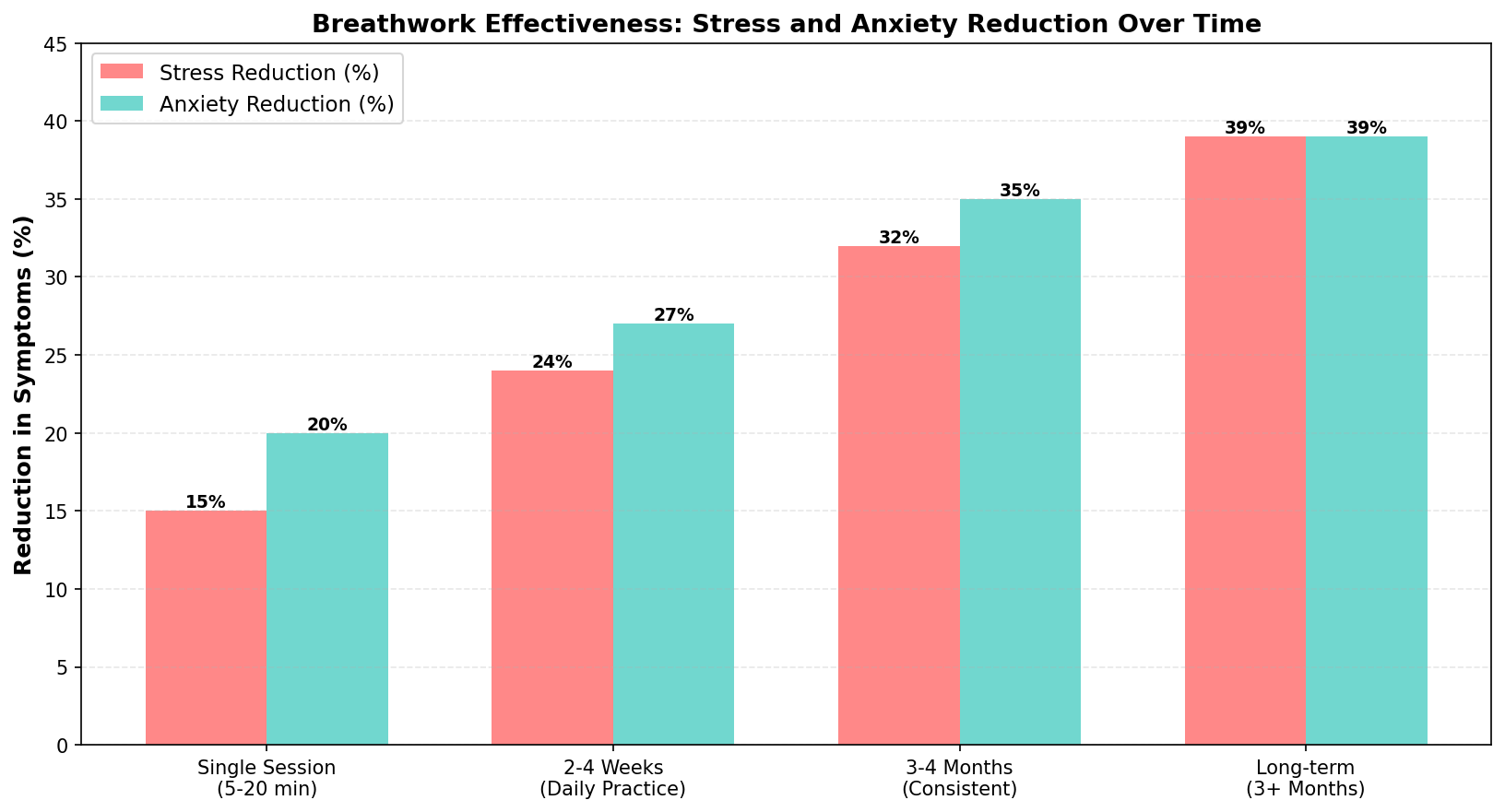 Figure 1: Blood pressure and heart rate improvements vary depending on the technique and individual. Average reductions shown with individual variation ranges.8,20,37,38
A direct comparison study examined box breathing, 4-7-8 breathing, and 6 breaths-per-minute breathing. All three were effective, 6 breaths per minute, resonant breathing is best for optimising heart rate variability.39
The most important factor: choose a technique you'll actually do consistently. The best technique is the one you practice daily, not the theoretically superior one you do occasionally.
The Real Research Numbers: What Can You Actually Achieve?
This is where the rubber meets the road. What does the evidence actually show you can achieve with consistent practice?
Stress and Anxiety Reduction
A meta-analysis of 26 randomised controlled trials shows breathwork significantly reduces stress.17 In the subset of 12 trials that measured stress, the effect size is small to medium (Hedges’ g = -0.35), indicating a meaningful but not dramatic improvement.17
More specifically, in a randomised controlled trial of women with high depressive symptoms:40
- Depressive symptoms: 24% reduction after the intervention
- Anxiety symptoms: 27% reduction after intervention
- Perceived stress: 20% reduction after intervention
At 3-month follow-up (with continued practice), results improved further:40
- Depressive symptoms: 32% reduction
- Anxiety symptoms: 39% reduction
- Perceived stress: 26% reduction
For people diagnosed with anxiety disorders, effect sizes were moderate-to-large. Breathing interventions showed stronger results than inactive controls, suggesting genuine benefits rather than placebo effects.41
Hospital patients about to undergo cardiac surgery showed significant anxiety and depression decreases with deep breathing training, demonstrating that even in high-stress medical contexts, breathing works.42
Blood Pressure and Heart Rate
A meta-analysis of 17+ studies on slow breathing found:20
- Systolic blood pressure decreased by 5.62 mmHg on average (range 4-54 mmHg across studies)
- Diastolic blood pressure decreased by 2.97 mmHg on average (range 3-17 mmHg)
Individual variation is real, as you can see from the ranges. Some people see dramatic improvements (up to 54 mmHg); others see modest gains (4 mmHg). But the pattern is consistent across studies.20
Why does a 5-6 mmHg reduction matter? A 5 mmHg reduction in systolic blood pressure translates to approximately a 10 reduction in cardiovascular disease risk. Whilst not dramatic on paper, it's a non-medication benefit that compounds with exercise, diet, and other lifestyle changes.43
Heart rate reductions are similarly consistent:8,37,38
- Meta-analysis of 6 studies: 1.72 bpm reduction (269 subjects, p < .05)
- Meta-analysis of 15 studies: 2.41 bpm reduction (p < .05)
- In patients with postural orthostatic tachycardia syndrome: 6.27 bpm reduction (during orthostatic challenge)
This might sound small, but consider the practical impact: a 2–7 bpm reduction in resting heart rate translates to 2,880-10,080 fewer heartbeats per day. Over a year, that's substantial cardiac stress your heart doesn't have to handle.
Heart Rate Variability Improvements
Heart rate variability (HRV) is an important marker of nervous system health.44 Higher HRV indicates better stress resilience, better emotional regulation, and lower cardiovascular disease risk.44
Different breathing techniques produce different levels of HRV improvement. Research shows that most breathwork methods can improve HRV.17,24,29,35 Notably, a study that looked at 6 breaths per minute (resonant breathing) and found a 65% improvement in HRV high-frequency power.27
Cortisol Reduction
Cortisol is your body's primary stress hormone. Chronically elevated cortisol impairs memory, suppresses immune function, increases belly fat storage, raises inflammation, and contributes to anxiety and depression.45 Doing breathwork can help improve cortisol levels, leading to better health outcomes.
- 12 weeks of diaphragmatic breathing training (15 minutes per session, 4 breaths per minute) significantly reduced cortisol levels in women with systemic sclerosis
- Salivary cortisol biomarkers improved with a diaphragmatic breathing intervention, as measured by objective parameters
- Combining breathing, mindfulness, and exercise led to better cortisol control than exercise alone in women with Type 2 diabetes
Importantly, breathing exercises alone can reduce cortisol; you don't need other interventions to see benefits.
Why cortisol reduction matters: Chronic elevated cortisol creates a vicious cycle with sleep. Sleep loss can cause a 37–45% elevation in cortisol levels the next evening.48 Poor sleep quality is associated with increased cortisol reactivity to stress, which may exacerbate the body’s physiological response.
Sleep Quality
Clinical evidence shows that diaphragmatic breathing training improved sleep quality in nursing staff during the high-stress COVID-19 outbreak, measured through objective sleep quality assessments.49 The technique has also been shown to significantly improve sleep in people with tinnitus, helping them fall asleep faster.31
Specific Clinical Outcomes
Beyond general stress and cardiovascular effects, research shows breathwork improves specific health conditions:
Anxiety in surgical patients: Cardiac surgery patients showed anxiety scores decreased from 10.35 to 6.97 (a 33% reduction) with deep breathing training.42 This matters because pre-surgical anxiety is directly associated with worse post-operative outcomes.50
Pain management: The 4-7-8 breathing technique effectively reduced pain intensity in patients undergoing total knee arthroplasty.32
PTSD and trauma: Breathing-based meditation decreased PTSD scores significantly in randomised controlled trials of military veterans.51 The Sudarshan Kriya Yoga (SKY) breathing technique was shown to be non-inferior to cognitive processing therapy, which is a gold-standard PTSD treatment.52
Asthma control: The Buteyko breathing method produced a striking result: subjects reduced their daily rescue inhaler dose by 904 micrograms compared to just 57 micrograms in controls (P = 0.002). This is a 16-fold greater reduction in emergency inhaler use.53
The Optimal Protocol: What the Research Actually Recommends
If you want to achieve the benefits the research shows are possible, here's what actually works:
Breathing rate: 4-10 breaths per minute (slower is better). The research-validated "sweet spot" is 5-7 breaths per minute, with 6 breaths per minute (resonant breathing) being most frequently studied.27
Duration per session: 5-20 minutes minimum (shorter sessions have minimal benefit; 15–20 minutes are the common durations)
Frequency: 5-7 days per week (daily is ideal; consistency matters more than intensity)
Duration of commitment:35,54,55,56
- Immediate effects can appear in a single session
- Noticeable improvements within 2-4 weeks of consistent daily practice
- Significant baseline shifts can occur by 8 weeks
- Sustained changes may develop over 3+ months
Additional protocols:
- Include human guidance (whether in-person or recorded instruction)
- Use nasal breathing when possible (enhances vagal activation)
- Combine with active attention to your breathing (mindfully noticing your breathing works better than passive breathing)
- Avoid rapid-only breathing patterns if you have anxiety or panic disorder
The most important finding: consistency matters more than intensity. Daily gentle breathing for 10-15 minutes beats sporadic intense sessions. One study found that extending a breathing session from 5 minutes to 20 minutes increased effectiveness, but the relationship isn't linear; doubling duration doesn't double results.
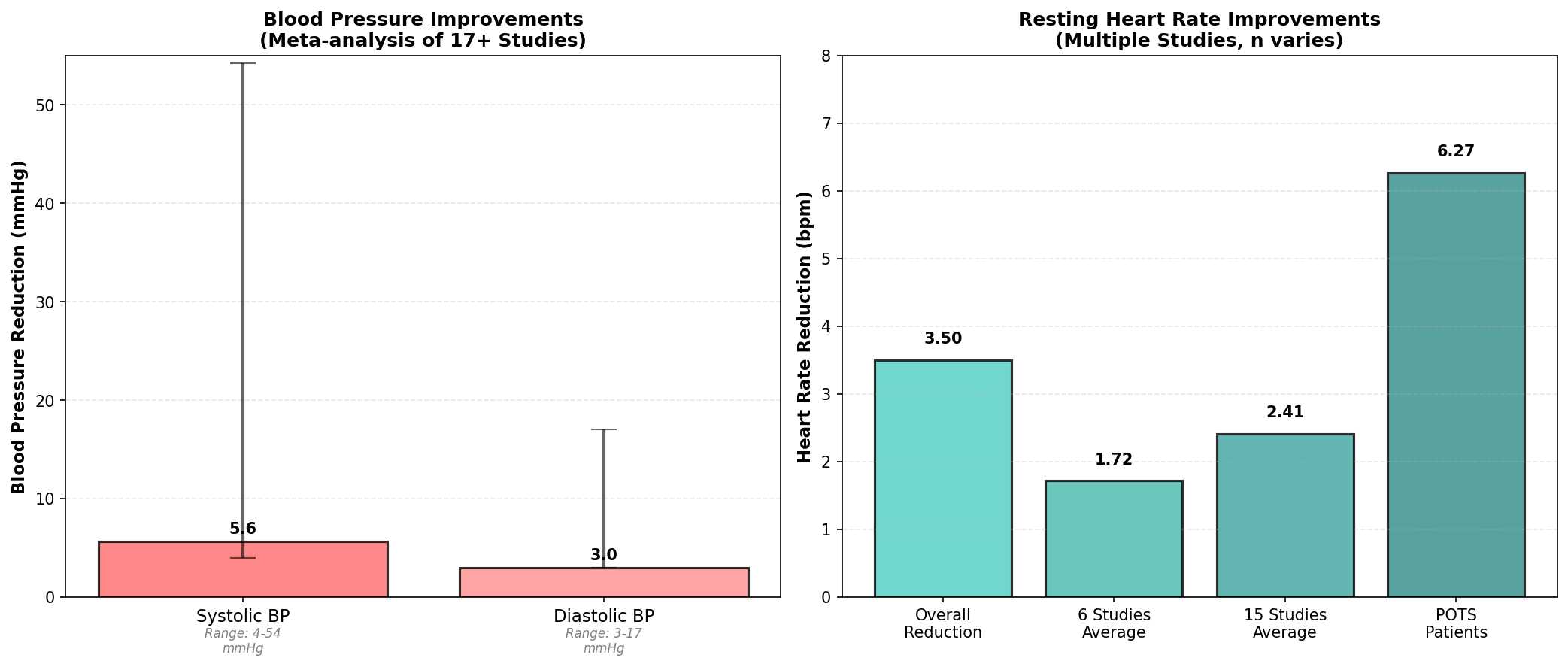 Figure 2: Consistent daily practice produces better results than sporadic practice. Notice the key milestones: acute effects appear immediately, sustained changes emerge at week 4, and baseline nervous system shifts occur by week 8. 27,35,54,55
What the Research Actually Shows vs. Hype
Let’s be direct about the evidence: it's solid but not miraculous.
What IS supported by research:
- Small-to-moderate stress and anxiety reduction (20-30% improvement)
- Measurable blood pressure reduction (5-6 mmHg average, up to 15+ mmHg in some individuals)
- Improved heart rate variability (measurable within weeks)
- Lower cortisol levels with consistent practice
- Better sleep quality
- Improved mood and reduced negative affect
- Reduced pain perception
What IS NOT supported by research:
- Dramatic "life-changing" effects for everyone
- Replacement for medical treatment of serious anxiety or depression
- Single sessions producing lasting change (you need regular practice)
- Works equally well for everyone
- Fast results (benefits typically emerge over 2-4 weeks)
- Can replace medication without medical supervision
The research base is reasonably solid. A systematic review identified 58 published studies meeting rigorous criteria (from 2,904 unique articles screened). Of 72 interventions across these studies, 54 were effective.57 Multiple randomised controlled trials and meta-analyses support the core findings. Individual studies range from small pilots to larger trials with 250+ participants.57
However, important limitations exist:
- Study duration varies from single 20-minute sessions to 9-month interventions, making it hard to know the exact timeframes needed
- Sample sizes vary considerably
- Individual variation is real; some people respond faster than others
- Publication bias means negative or null findings are less visible
At least one large randomised controlled trial found some benefits comparable to placebo effects, suggesting expectation and attention matter.17
The honest assessment: Breathwork likely produces genuine physiological effects (not just a placebo), but effects are typically small to moderate. Best results come from regular, committed practice over weeks. Breathwork works best as part of a broader wellness approach, not as a standalone treatment for serious mental health conditions.
How to Start: Practical Guidance
If you're ready to try breathwork based on the research, here's how to approach it realistically.
Week 1: Foundation
- Choose ONE technique (if you're new, start with slow 4-6 breaths per minute or box breathing)
- Practice for 5-10 minutes daily at the same time
- Notice baseline effects: How do you feel before and after?
- Give it a full week before judging effectiveness
Weeks 2-4: Building Consistency
- Increase duration gradually to 10-15 minutes daily
- Practice at a consistent time (morning or before bed work well)
- Track changes: sleep quality, stress levels, energy, emotional reactivity
- If one technique isn't working, switch—not all techniques work equally for all people
Month 2 onwards: Long-Term Practice
- Maintain 15-20 minutes daily of your chosen technique
- You may combine techniques (e.g., diaphragmatic breathing foundation + 4-7-8 for sleep)
- Effects compound over weeks and months
- Baseline benefits (lower resting heart rate, better stress resilience) become more pronounced
Measuring Your Progress:
- Objective measures: heart rate, blood pressure (measured at the same time daily)
- HRV tracking: apps available, though accuracy varies
- Subjective measures: sleep quality, perceived stress, emotional reactivity, anxiety levels
- For asthma or breathing disorders: peak flow or rescue inhaler use
Important Cautions
Breathing techniques are generally safe, but some populations should use caution:
- Hyperventilation-based methods (like intense Wim Hof breathing): Not recommended without proper training, or for people with uncontrolled high blood pressure, cardiovascular conditions, or during panic attacks (may worsen hyperventilation)
- Breath retention practices: Not safe for people with uncontrolled high blood pressure or certain heart conditions
- Pregnancy: Some techniques should be discussed with your healthcare provider
- Medication interactions: Breathing techniques are non-pharmacological and don't directly interact with medications, but consult your doctor if you're reducing blood pressure or anxiety medications—changes in your baseline nervous system state might affect medication needs
Breathing techniques enhance but do NOT replace medical treatment for serious anxiety, depression, PTSD, or other conditions. Tell your healthcare provider what breathing techniques you're using.
The Bottom Line
The science of breathwork is clear: specific breathing patterns directly affect your nervous system through measurable physiological pathways. The vagus nerve, heart rate variability, CO₂ regulation, and stress hormone release all respond to changes in breathing patterns.
Real improvement is possible:
- 20-39% reduction in anxiety and stress symptoms with consistent practice
- 5-6 mmHg reduction in blood pressure (equivalent to some medications)
- Measurable improvements in heart rate variability within weeks
- Lower cortisol levels after 8 weeks
- Better sleep quality
- Improved emotional regulation even in stressful situations
But it requires consistency. Daily gentle practice for 2-4 weeks before judging effectiveness. The research shows consistency matters more than intensity. Ten minutes of daily slow breathing beats occasional 30-minute sessions.
The techniques are free, require no equipment, can be done anywhere, and are supported by substantial peer-reviewed evidence. The challenge is simply choosing one and doing it regularly.
Your nervous system responds immediately—you'll feel calmer during a single breathing session. But the lasting changes to your baseline state, the improvements to your resting heart rate and blood pressure, the shift in how your body handles stress—those come from weeks of consistent practice.
The physiology is on your side. Your nervous system wants to shift toward the parasympathetic "brake" state. You just need to give it the signal through breathing.
Further Reading/Helpful Resources
Understanding the Nervous System
- Anatomy, Autonomic Nervous System - NCBI StatPearls
- How Your Body Controls Breathing - NHLBI
- Vagus Nerve as Modulator of the Brain-Gut Axis - NIH
Heart Rate Variability and Cardiac Autonomic Function
- Heart Rate Variability and Cardiac Vagal Tone in Psychophysiological Research
- Cardiac Coherence, Self-Regulation, Autonomic Stability, and Psychosocial Well-Being
- HRV Biofeedback and SSP for Cardiovascular and Autonomic Regulation
Breathing Techniques for Stress Reduction
- Diaphragmatic Breathing: Effects on Health
- Effectiveness of Diaphragmatic Breathing for Reducing Stress
- Breathing Practices for Stress and Anxiety Reduction: Implementation Guidelines
Clinical Research on Specific Techniques
- Box Breathing and Resonant Breathing Comparison Studies
- 4-7-8 Breathing for Pain and Sleep
- Pranayama in Adolescents: Meta-Analysis on Stress Reduction
- Buteyko Breathing for Asthma Control
Trauma and PTSD
- Breathing-Based Meditation for PTSD in Military Veterans
- Breathing Meditation vs. Cognitive Processing Therapy for PTSD
Sleep and Cortisol
- Diaphragmatic Breathing Effects on Sleep, Cortisol, and Autonomic Function
- Sleep Quality and Cortisol Regulation
Inflammation and Immune Function
- Parasympathetic Neural Activity and Immune Gene Regulation
- Autonomic Nervous System and Inflammation in Systemic Autoimmune Diseases
References/Helpful Resources
- Alshak MN, Das JM. Neuroanatomy, Sympathetic Nervous System [Internet]. Nih.gov. StatPearls Publishing; 2023 [cited 2026 Apr 17]. Available from: https://www.ncbi.nlm.nih.gov/books/NBK542195/
- Tindle J, Tadi P. Neuroanatomy, Parasympathetic Nervous System [Internet]. PubMed. Treasure Island (FL): StatPearls Publishing; 2022 [cited 2026 Apr 17]. Available from: https://www.ncbi.nlm.nih.gov/books/NBK553141/
- Chu B, Marwaha K, Ayers D, Sanvictores T. Physiology, Stress Reaction [Internet]. PubMed. Treasure Island (FL): StatPearls Publishing; 2024 [cited 2026 Apr 17]. Available from: https://www.ncbi.nlm.nih.gov/books/NBK541120/
- Canaletti E, Lun P, Stutzman LD, Chan M, Cheung F. Rising Tide of Stress: Global Trends and Structural Predictors over 18 Years. Wellbeing, Space and Society [Internet]. 2025 Oct [cited 2026 Apr 17];10:100319. Available from: https://www.sciencedirect.com/science/article/pii/S2666558125000843
- Zaccaro A, Piarulli A, Laurino M, Garbella E, Menicucci D, Neri B, et al. How breath-control can change your life: A systematic review on psycho-physiological correlates of slow breathing. Frontiers in Human Neuroscience [Internet]. 2018 Sep 7 [cited 2026 Apr 17];12(353):1–16. Available from: https://www.frontiersin.org/journals/human-neuroscience/articles/10.3389/fnhum.2018.00353/full
- Kenny BJ, Bordoni B. Neuroanatomy, Cranial Nerve 10 (Vagus Nerve) [Internet]. PubMed. Treasure Island (FL): StatPearls Publishing; 2020 [cited 2026 Apr 17]. Available from: https://www.ncbi.nlm.nih.gov/books/NBK537171/
- Deepak K, Anasuya B, Jaryal A, Narang R. Effect of slow breathing on autonomic tone & baroreflex sensitivity in yoga practitioners. Indian Journal of Medical Research [Internet]. 2020 [cited 2026 Apr 17];152(6):638. Available from: https://pmc.ncbi.nlm.nih.gov/articles/PMC8224157/
- Laborde S, Allen MS, Borges U, Dosseville F, Hosang TJ, Iskra M, et al. Effects of voluntary slow breathing on heart rate and heart rate variability: A systematic review and a meta-analysis. Neuroscience & Biobehavioral Reviews [Internet]. 2022 Jul [cited 2026 Apr 17];138(104711):104711. Available from: https://www.sciencedirect.com/science/article/abs/pii/S0149763422002007
- Patel S, Majmundar SH. Physiology, Carbon Dioxide Retention [Internet]. National Library of Medicine. StatPearls Publishing; 2022 [cited 2026 Apr 17]. Available from: https://www.ncbi.nlm.nih.gov/books/NBK482456/
- Brinkman JE, Sharma S, Toro F. Physiology, respiratory drive [Internet]. National Library of Medicine. StatPearls Publishing; 2023 [cited 2026 Apr 17]. Available from: https://www.ncbi.nlm.nih.gov/books/NBK482414/
- Sharma S, Hashmi MF. Hypocarbia [Internet]. Nih.gov. StatPearls Publishing; 2023 [cited 2026 Apr 17]. Available from: https://www.ncbi.nlm.nih.gov/books/NBK493167
- Sam C, Bordoni B. Physiology, Acetylcholine [Internet]. PubMed. Treasure Island (FL): StatPearls Publishing; 2023 [cited 2026 Apr 17]. Available from: https://www.ncbi.nlm.nih.gov/books/NBK557825/
- Rosas-Ballina M, Tracey KJ. Cholinergic control of inflammation. Journal of Internal Medicine [Internet]. 2009 Jun [cited 2026 Apr 17];265(6):663–79. Available from: https://pmc.ncbi.nlm.nih.gov/articles/PMC4540232
- Báez-Pagán CA, Delgado-Vélez M, Lasalde-Dominicci JA. Activation of the Macrophage α7 Nicotinic Acetylcholine Receptor and Control of Inflammation. Journal of Neuroimmune Pharmacology [Internet]. 2015 Apr 14 [cited 2026 Apr 17];10(3):468–76. Available from: https://pmc.ncbi.nlm.nih.gov/articles/PMC4546521
- Sun P, Zhou K, Wang S, Li P, Chen S, Lin G, et al. Involvement of MAPK/NF-κB Signaling in the Activation of the Cholinergic Anti-Inflammatory Pathway in Experimental Colitis by Chronic Vagus Nerve Stimulation. PLoS ONE [Internet]. 2013 Aug 2 [cited 2026 Apr 17];8(8):e69424. Available from: https://pmc.ncbi.nlm.nih.gov/articles/PMC3732220
- Bentley TGK, D’Andrea-Penna G, Rakic M, Arce N, LaFaille M, Berman R, et al. Breathing practices for stress and anxiety reduction: Conceptual framework of implementation guidelines based on a systematic review of the published literature. Brain Sciences [Internet]. 2023 Nov 21 [cited 2026 Apr 17];13(12):1612. Available from: https://pmc.ncbi.nlm.nih.gov/articles/PMC10741869/
