

If you've ever wondered why your hair seems to have a mind of its own, you're not alone. Some people grow thick beards while others can barely manage a few whiskers. Some experience sudden hair loss after a stressful event, whilst others watch their hair thin with age. Some develop unexpected body hair, whilst others have barely any. These differences aren't random. They're driven by a complex interaction between your hormones, your genes, and your body's response to both.
This article will walk you through exactly how this works, grounded in peer-reviewed medical research. By the end, you'll understand why your hair behaves the way it does, and what you can actually do about it.
Your Hair Isn't Growing on a Fixed Timeline; It's Moving Through Three Phases
Here's something most people don't realise: your hair doesn't grow continuously. Each hair on your head cycles through three distinct phases, and at any given moment, your scalp hair is in different phases depending on the individual follicle.
The anagen phase (active growth) typically lasts 2 to 7 years on your scalp. During this time, your hair grows at a remarkably consistent rate: approximately 1 centimetre per month, or about 15 centimetres (6 inches) per year. This growth rate is fairly universal; whether you're male or female, young or old, your scalp hair grows at roughly the same speed. What varies is how long the growth phase lasts for you, which determines your maximum hair length.
During the catagen phase (transition), which lasts about 2 weeks, your hair follicle shrinks and stops growing. The hair detaches from its blood supply but hasn't fallen out yet.
Finally, the telogen phase (resting) typically lasts 2 to 3 months. During this phase, your hair sits dormant before naturally shedding. This is why losing 50 to 100 hairs per day from your scalp is completely normal; you're simply shedding telogen hairs. It's not a sign of disease or that something's wrong.
The magic of hormones lies in how they manipulate these phases. Certain hormones can extend or shorten them, making hair grow thicker or thinner, persist longer or shed sooner. Understanding this is key to understanding why hormonal changes so dramatically affect your hair.
Testosterone and DHT: The Paradox That Explains Everything
Here's one of the most fascinating paradoxes in human biology: the same hormone that makes your beard grow thick can make the hair on your head fall out. That hormone is dihydrotestosterone, or DHT, which your body produces from testosterone.
DHT works as follows: in your facial hair, chest hair, and underarm hair, DHT tells follicles to grow bigger, thicker, and stronger. But in your scalp, if you're genetically predisposed, DHT does the opposite; it shrinks follicles through a process called miniaturisation. The follicles produce thinner, shorter hairs, and the growth phase shortens dramatically. Eventually, some follicles stop producing visible hair altogether.
The critical point: this isn't about having high testosterone. This is about whether your follicles are sensitive to DHT. Two men with identical testosterone levels can have completely different hair loss patterns based on their genes. Women with female-pattern hair loss often have normal or only slightly elevated testosterone, yet still experience significant scalp thinning because their follicles are sensitive to androgens.
How does this sensitivity work? It comes down to three genetic factors: your androgen receptor genes (which determine how readily your follicles respond to DHT), your 5-alpha-reductase enzyme activity (which determines how much testosterone gets converted to DHT locally in each follicle), and epigenetic programming established before you were born. Different follicles in different locations literally have different genetic instructions for responding to the same hormone.
The Numbers on Pattern Baldness
Pattern baldness is extremely common, and it becomes progressively more likely as you age.
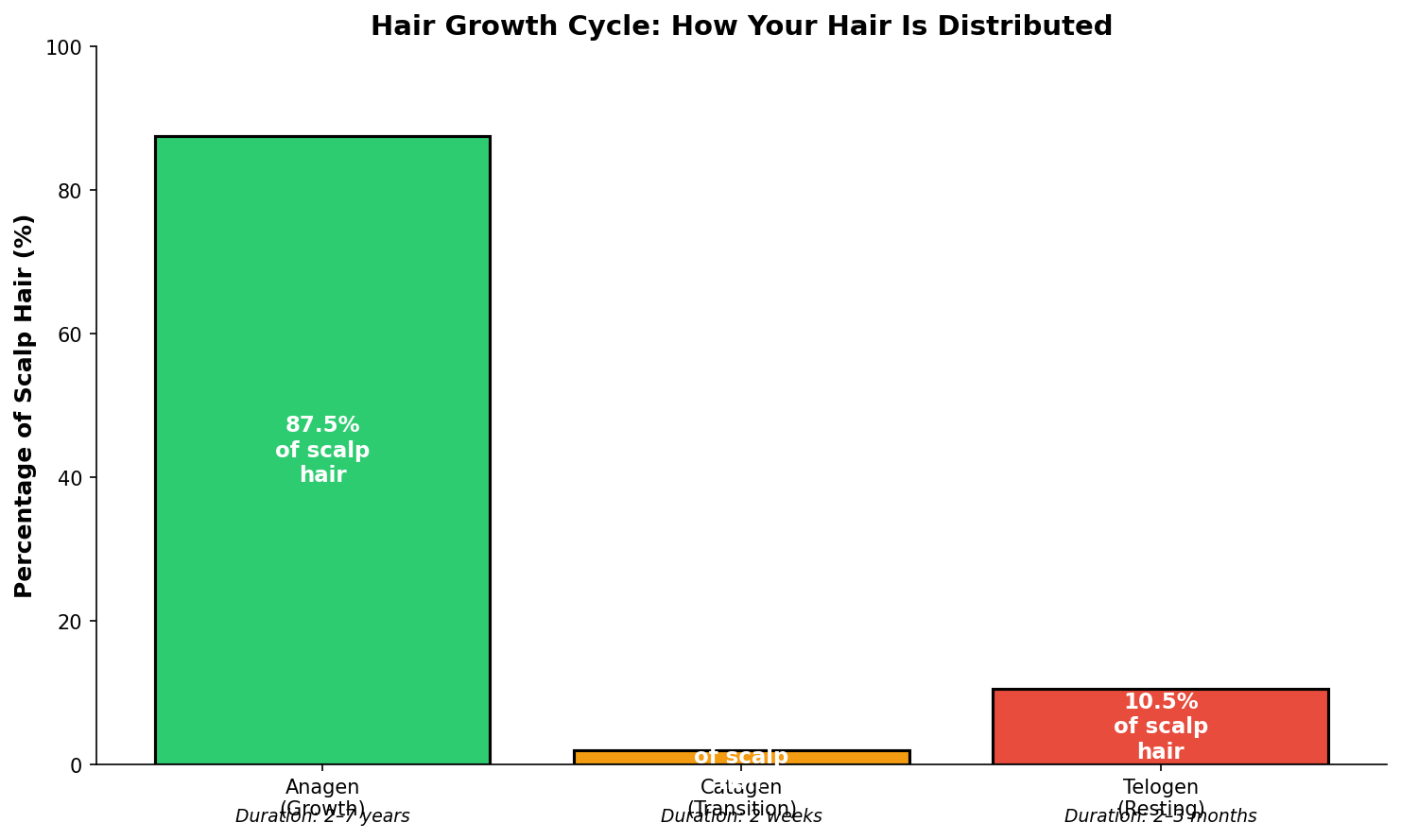 Figure 1: Male pattern hair loss increases dramatically with age, affecting 16% of men in their early 20s, 50% by age 50, and 80% by age 80. Female pattern hair loss is less prevalent but still affects 40% of women by their 50s.
For men, the statistics are stark: 50% of men experience noticeable hair loss by age 50. By age 80, approximately 80% of men have experienced male-pattern baldness. But it starts younger than many realise, with predisposed men in their late teens and early 20s already experiencing some hair loss.
For women, the prevalence is lower overall but still significant. Approximately 12% of women aged 20 to 29 experience noticeable hair loss, rising to 40% by age 50. After menopause, when oestrogen levels drop significantly, the rates climb further. The good news is that female-pattern hair loss often develops more gradually than male-pattern baldness, giving you more time to intervene if you choose.
Oestrogen: Your Scalp's Protective Ally (Until Your Hormones Change)
Whilst DHT shrinks scalp follicles, oestrogen does something quite different. Oestrogen doesn't accelerate hair growth; instead, it extends the anagen (growth) phase and keeps hairs in the growth phase longer before they shed.
Oestrogen works by increasing the ratio of growing hair to resting hair. It essentially tells follicles to stay in the growth phase longer. This explains why pregnancy, when oestrogen levels are extraordinarily high, often results in thicker, fuller hair. Many pregnant women notice their hair looks better than ever during this period.
But here's the problem: after childbirth, oestrogen plummets. This sudden drop triggers a phenomenon called postpartum telogen effluvium, where large numbers of hairs synchronously shift from the growth phase into the resting and shedding phases. The timing is predictable: you'll typically notice increased shedding 2 to 3 months after delivery, which is exactly when oestrogen has finished its initial postpartum decline.
The good news is that this is temporary and reversible. Once your hormones stabilise and your body adjusts to the postpartum state, your follicles re-enter the growth phase naturally, and hair regrows. Most women experience peak shedding around 3 to 6 months postpartum, then gradual improvement over the following year.
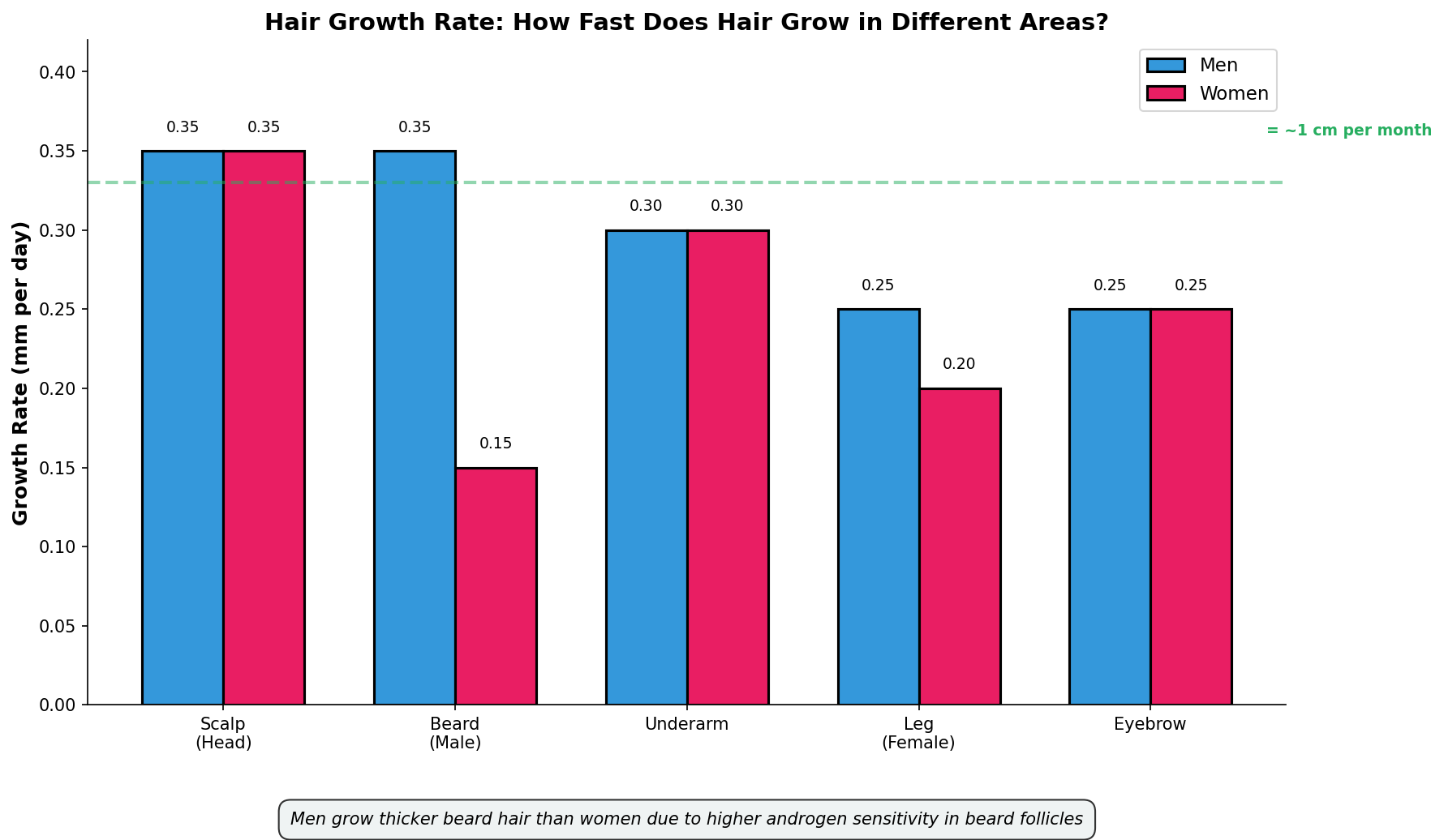
Figure 2: Postpartum hair shedding typically peaks 3 to 4 months after delivery, then gradually improves as follicles naturally return to the growth phase.
Thyroid Hormones: One of the Most Potent Hair Regulators
Thyroid hormones are among the most powerful regulators of hair growth in the human body. Even minor thyroid imbalances can cause significant hair loss, which is why thyroid testing should be one of the first things checked when someone experiences sudden hair shedding.
Thyroid hormones (T3 and T4) work on hair follicles in multiple ways. They extend the anagen (growth) phase, increase cell division in the hair follicle, boost pigmentation (which is why hypothyroidism can make hair look dull and grey-looking), and support mitochondrial function (the energy powerhouses of your cells). Hair follicles express thyroid hormone receptors and are remarkably sensitive to even small changes in thyroid hormone levels.
Low Thyroid Function (Hypothyroidism)
When thyroid hormone levels fall, hair suffers dramatically. Studies show that approximately 33% of patients with hypothyroidism experience noticeable hair loss. The mechanism is straightforward: low thyroid hormones reduce cell division in hair follicles, extend the telogen phase, and increase shedding. The hair often becomes brittle, dry, and dull.
High Thyroid Function (Hyperthyroidism)
Conversely, when thyroid hormone levels become too high, roughly 50% of hyperthyroid patients experience hair loss. The mechanism is different: excess thyroid hormones trigger oxidative stress (cellular damage from free radicals), which damages hair follicles and pushes them prematurely into the telogen phase.
The key point: either too much or too little thyroid hormone damages hair. This is why having your thyroid tested is crucial if you're experiencing unexplained hair loss. Thyroid dysfunction is common, easily treated, and completely reversible. If thyroid disease is the cause of your hair loss, treating it often resolves the problem within months.
Insulin and PCOS: When Metabolic Hormones Drive Hair Changes
Your body's hormonal system isn't compartmentalised. Insulin, the hormone that regulates blood sugar, also affects hair growth. This connection becomes strikingly obvious in polycystic ovary syndrome (PCOS), a condition that affects approximately 1 in 10 women of reproductive age.
PCOS typically involves two problems: insulin resistance (your body doesn't respond properly to insulin) and elevated androgens (male hormones like testosterone). Together, these drive two opposite hair effects: excess facial and body hair (hirsutism), but paradoxically, also scalp hair loss in some women.
The Hirsutism Problem
Hirsutism (excess facial or body hair) affects about 1 in 13 women in the general population, but in women with PCOS, it affects approximately 7 in 10. The mechanism: elevated androgens in PCOS cause fine body hair to transform into thick, dark terminal hair on the face, chest, abdomen, and back.
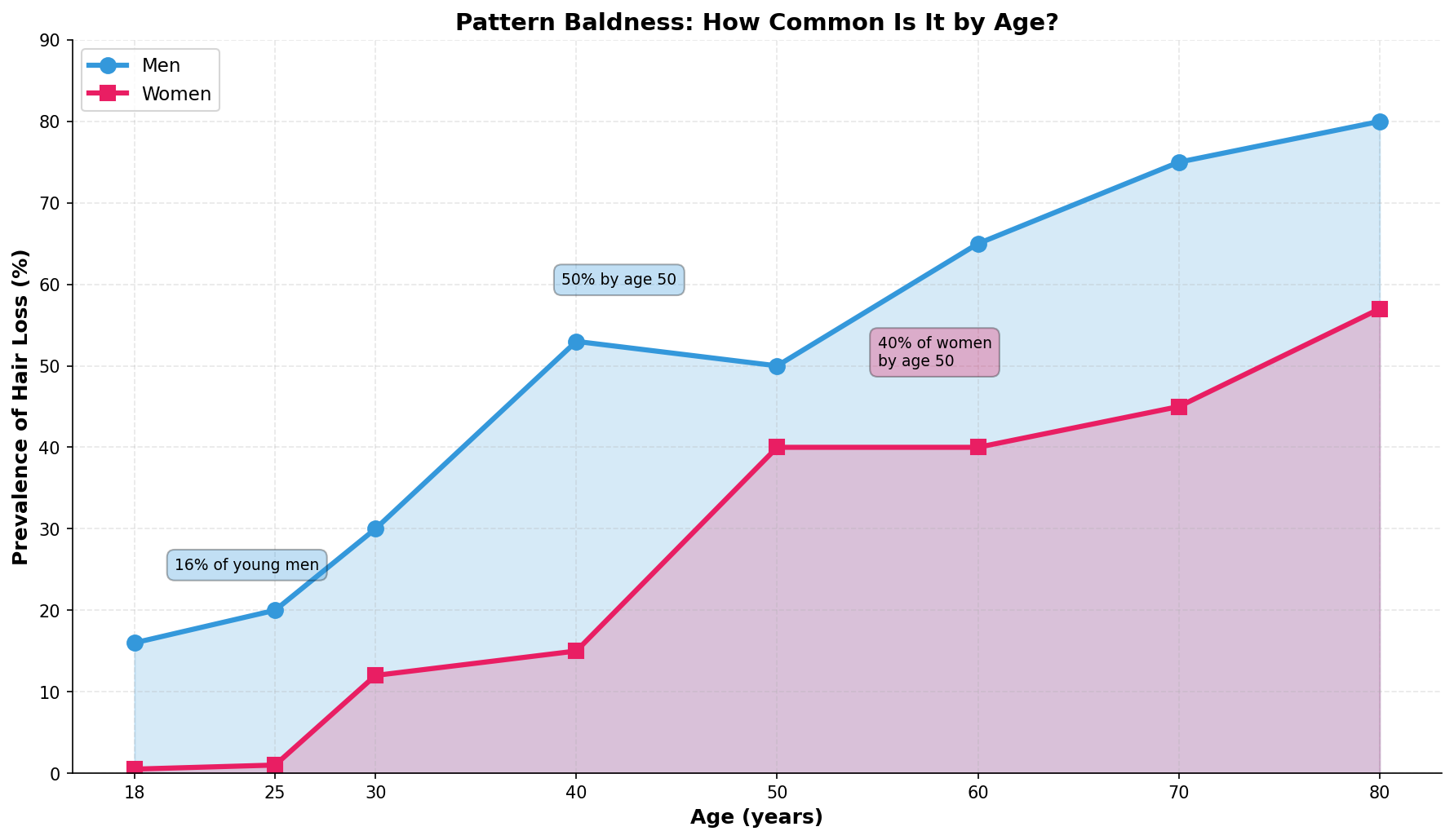 Figure 3: Women with PCOS are roughly 9 times more likely to develop hirsutism than the general population, affecting about 70% of women with PCOS compared to 7.5% of women overall.
What's remarkable is that treatment for PCOS's insulin resistance directly improves hirsutism. Women taking metformin (which improves insulin sensitivity) show a statistically significant reduction in excess body hair compared to placebo. Oral contraceptives, which suppress androgen production, also reduce hirsutism over time. This demonstrates that insulin is a direct regulator of hair growth independent of androgens.
PCOS and Scalp Hair Loss
The same hormonal changes that cause hirsutism can also trigger female-pattern scalp hair loss in women with PCOS. This seems paradoxical; you're growing excess body hair whilst losing scalp hair. But it makes sense given what we know about androgen sensitivity: follicles in different body locations have different genetic programming for androgen response. Some women with PCOS experience both problems simultaneously.
Cortisol and Stress: When Life Events Cause Temporary Hair Loss
Your body's stress response involves a cascade of hormones, including cortisol, ACTH (adrenocorticotropic hormone), and prolactin. These stress hormones directly interfere with hair follicle cycling, pushing hairs prematurely from the growth phase into the telogen (shedding) phase.
This type of stress-triggered hair loss is called telogen effluvium. Importantly, it's temporary and reversible. The mechanism is that high cortisol and other stress hormones activate inflammation, reduce blood flow to hair follicles, and disrupt the normal proteoglycan (structural support) synthesis that hair follicles need.
When Hair Loss Happens After Stress
Here's what's crucial to understand: there's typically a 2 to 3 month lag between a stressful event and noticeable hair shedding. You don't lose hair immediately during stress; instead, the stress pushes follicles into the telogen phase, and then 2 to 3 months later (the normal duration of the telogen phase), those hairs shed. This explains why you might suddenly notice significant hair loss months after you've already felt stressed; the follicles that are now shedding were switched to telogen phases back when you were stressed.
Common triggers of telogen effluvium include:
- Severe emotional stress or trauma
- Major surgery
- Serious illness or high fever
- Rapid weight loss or extreme dieting
- Childbirth (the physical stress plus hormonal changes)
- Long-term medication use
- Nutritional deficiencies
The good news is that telogen effluvium is self-limited and reversible. Hair shedding typically stops 3 to 6 months after the triggering event is resolved. The follicles naturally re-enter the anagen phase, and new hair grows back. No specific treatment is needed other than managing the underlying stressor and ensuring you're well-nourished.
Genetics: Why You're Born With Specific Hair Potential
Here's something that surprises many people: the number of hair follicles you have is determined before you're born. Specifically, your hair follicles develop during the first 4 months of pregnancy, and by the time you're born, you have all the hair follicles you'll ever have. You cannot grow new hair follicles later in life.
This means that if you're born with fewer follicles (determined by genes like MAP2 that control prenatal follicle density), you'll have lower hair density regardless of your hormone levels or treatments. No amount of hormone therapy or topical treatments can create new follicles.
What hormones and treatments can do is activate dormant follicles or extend the growth phase of existing follicles to make them more visible and robust. But they work within the genetic limits you were born with.
Ethnic and Population Differences
Hair characteristics vary meaningfully across populations, though individual variation within populations is substantial:
- Caucasians typically have the highest follicle density overall
- Chinese and East Asian populations have intermediate density, but a thicker individual hair diameter
- African populations tend to have lower follicle density and slower growth rates
- However, within each ethnic group, the range of individual variation is enormous
Age and Hormonal Decline: Why Hair Changes With Time
As you age, multiple hormones that support hair growth naturally decline. Oestrogen levels fall dramatically in women, particularly after menopause. Testosterone declines in both men and women. Growth hormone decreases significantly. IGF-1 (insulin-like growth factor-1) diminishes. These hormonal changes interact with your pre-existing genetic sensitivity to produce visible changes in hair growth, thinning, and density.
In women, menopausal status significantly influences hair parameters, particularly in the frontal scalp region. Hair growth rate decreases, the percentage of hair in the growth phase decreases, and hair diameter often changes. This isn't a sign of disease; it's a predictable consequence of hormonal ageing.
What Actually Works: Treatment Effectiveness
If you're experiencing unwanted hair loss and want to take action, the evidence supports certain treatments, particularly when used in combination.
FDA-Approved Medications
Finasteride (commonly known by the brand names Propecia or Proscar) works by blocking the enzyme (5-alpha-reductase) that converts testosterone to DHT. It's FDA-approved for male pattern baldness and is approximately 50% effective as a standalone treatment. The critical thing to understand is that it only works if your hair loss is driven by DHT sensitivity. If your hair loss is from thyroid disease, stress, or other causes, finasteride won't help.
Minoxidil (commonly known by the brand name Rogaine) is a topical treatment that's FDA-approved for both male and female pattern baldness. It's approximately 40-60% effective. How it works isn't completely understood, but it likely stimulates hair growth and extends the anagen phase.
Combined Therapy: The Most Effective Approach
The most effective treatment is combining finasteride and minoxidil together. Research shows that combination therapy achieves approximately 94% improvement in hair outcomes after one year, compared to 81% for finasteride alone and 59% for minoxidil alone.
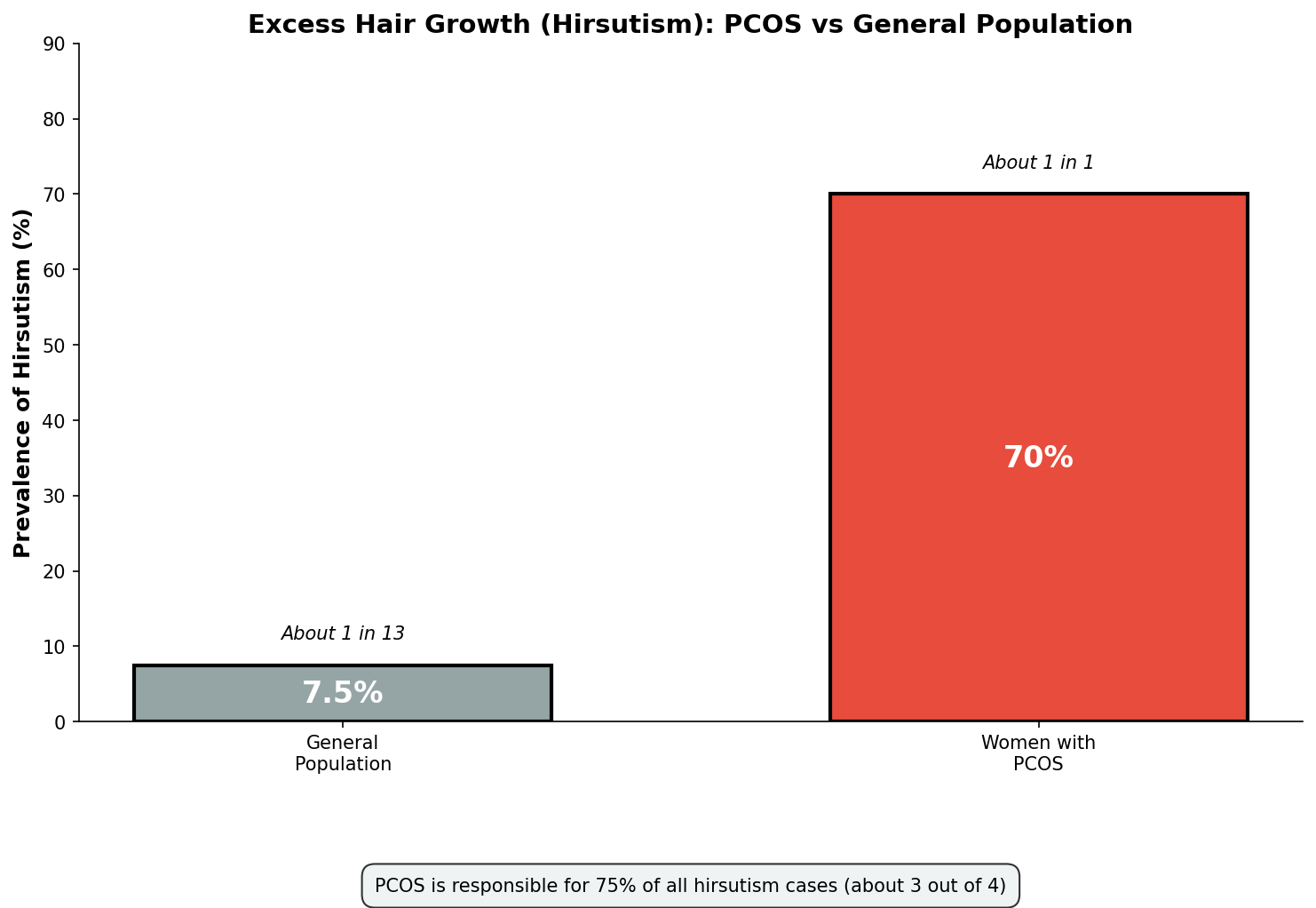 Figure 4: Combination therapy (finasteride plus minoxidil) achieves the highest improvement rates. After one year, 94% of patients on combination therapy showed improvement compared to lower rates for monotherapy.
For women, topical minoxidil is typically the first-line treatment. Oral antiandrogens like spironolactone can be used to block androgen effects. Some women benefit from topical finasteride, particularly if they're postmenopausal.
The Real-World Takeaways
After reviewing all of this research, here are the key insights:
- Hair growth speed is universal: Most people's scalp hair grows at about 1 centimetre per month, regardless of gender or age. What varies is how long the growth phase lasts
- Genetics determines your hair's baseline: The number of follicles you're born with, your follicles' sensitivity to hormones, and your hair density are all determined genetically before birth
- Androgens create opposite effects in different locations: The same hormone that stimulates beard growth can shrink scalp follicles, depending on the genetic programming of those specific follicles
- Hair loss to androgens is genetic, not hormonal: Patterned baldness results from genetic sensitivity to DHT, not from high testosterone or DHT levels themselves
- Thyroid disease is a treatable cause of hair loss: About 33 to 50% of people with thyroid disorders experience hair loss, but it's completely reversible with treatment
- Stress-related hair loss is temporary: Telogen effluvium from stress is self-limited, usually resolving within 6 months of the stressful event
- Postpartum hair loss is normal and reversible: Sudden shedding 2 to 3 months after delivery is predictable and temporary; hair regrows within a year
- Multiple hormones interact to regulate hair: No single hormone controls hair growth; androgens, oestrogen, thyroid hormones, insulin, and cortisol all work together
- Early intervention yields better results: If you're experiencing pattern hair loss and treatment is your choice, evidence supports combined finasteride and minoxidil as the most effective approach
- Your genes set limits; hormones work within them. Treatments and hormone management can activate existing follicles and extend growth phases, but they cannot create new follicles
Further Reading
Hair Growth Mechanics and Hormones
- How Hair Growth Cycles Work - NIH StatPearls
- Androgens and Hair Growth - PubMed Resource
- Thyroid Hormones and Hair Growth - Clinical Overview
- Hair Follicles and Oestrogen Receptors - Research Summary
Pattern Baldness and Genetic Factors
- Male and Female Pattern Hair Loss Epidemiology - NIH Resource
- Genome-Wide Studies on Hair Loss Genetics - PubMed
- Genetic Factors in Hair Characteristics - Nature Communications
Postpartum and Stress-Related Hair Loss
- Telogen Effluvium: Comprehensive Review - PubMed
- Postpartum Hair Loss Explained - Cleveland Clinic
- Stress Hormones and Hair Loss - NIH Resource
Thyroid Disorders and Hair Loss
- Thyroid Dysfunction as Cause of Hair Loss - PubMed Study
- Hypothyroidism and Hair Quality - Clinical Research
PCOS, Hirsutism, and Excess Hair
- PCOS and Hirsutism Overview - Endocrine Society
- Understanding Hirsutism in PCOS - PubMed
- Metformin Treatment for PCOS-Related Hair Growth - Research
Treatment Options and Effectiveness
- Combination Therapy Effectiveness for Hair Loss - PubMed
- Topical Treatments for Female Pattern Hair Loss - Harvard Health
References/Helpful Resources
- Iyengar L, Li J. Male and female pattern hair loss. Aust Prescr [Internet]. 2025 [cited 2026 July 13]; 48(3):93–7. Available from: https://australianprescriber.tg.org.au/articles/male-and-female-pattern-hair-loss.html.
- Asfour L, Cranwell W, Sinclair R. Male Androgenetic Alopecia. In: Feingold KR, Adler RA, Ahmed SF, Anawalt B, Blackman MR, Chrousos G, et al., editors. Endotext [Internet]. South Dartmouth (MA): MDText.com, Inc.; 2000 [cited 2026 July 14]. Available from: http://www.ncbi.nlm.nih.gov/books/NBK278957/.
- Hirose A, Terauchi M, Odai T, Fudono A, Tsurane K, Sekiguchi M, et al. Investigation of exacerbating factors for postpartum hair loss: a questionnaire-based cross-sectional study. International Journal of Women’s Dermatology [Internet]. 2023 [cited 2026 July 14]; 9(2):e084. Available from: https://journals.lww.com/10.1097/JW9.0000000000000084.
- Hussein RS, Atia T, Bin Dayel S. Impact of Thyroid Dysfunction on Hair Disorders. Cureus [Internet]. 2023 [cited 2026 July 13]. Available from: https://www.cureus.com/articles/163656-impact-of-thyroid-dysfunction-on-hair-disorders.
- Zeng L-H, Rana S, Hussain L, Asif M, Mehmood MH, Imran I, et al. Polycystic Ovary Syndrome: A Disorder of Reproductive Age, Its Pathogenesis, and a Discussion on the Emerging Role of Herbal Remedies. Front Pharmacol [Internet]. 2022 [cited 2026 July 13]; 13:874914. Available from: https://www.frontiersin.org/articles/10.3389/fphar.2022.874914/full.
- Spritzer PM, Marchesan LB, Santos BR, Fighera TM. Hirsutism, Normal Androgens and Diagnosis of PCOS. Diagnostics [Internet]. 2022 [cited 2026 July 13]; 12(8):1922. Available from: https://www.mdpi.com/2075-4418/12/8/1922.
- Botchkarev VA. Stress and the Hair Follicle. The American Journal of Pathology [Internet]. 2003 [cited 2026 July 13]; 162(3):709–12. Available from: https://linkinghub.elsevier.com/retrieve/pii/S0002944010638667.
- Jiang Y, Jiang Y, Zhang H, Mei M, Song H, Ma X, et al. A mutation in MAP2 is associated with prenatal hair follicle density. The FASEB Journal [Internet]. 2019 [cited 2026 July 13]; 33(12):14479–90. Available from: https://faseb.onlinelibr ary.wiley.com/doi/10.1096/fj.201901187R.
- Hu R, Xu F, Sheng Y, Qi S, Han Y, Miao Y, et al. Combined treatment with oral finasteride and topical minoxidil in male androgenetic alopecia: a randomized and comparative study in Chinese patients: Efficacy of finasterid & minoxidil in Chinese AGA. Dermatologic Therapy [Internet]. 2015 [cited 2026 July 13]; 28(5):303–8. Available from: https://onlinelibrary.wiley.com/doi/10.1111/dth.12246.
- Rhodes T, Girman CJ, Savin RC, Kaufman KD, Guo S, Lilly FRW, et al. Prevalence of Male Pattern Hair Loss in 18–49 Year Old Men: Dermatologic Surgery [Internet]. 1998 [cited 2026 July 13]; 24(12):1330–2. Available from: http://journals.lww.com/00042728-199812000-00009.
