

If you've ever come across a headline about "werewolf syndrome" and felt curious (or a bit uneasy), you're not alone. The name sounds like something from a horror film, yet it describes a real, rare, and often deeply misunderstood medical condition called hypertrichosis.
This article unpacks how a genuine dermatological disorder ended up with such a folkloric nickname, why the label is inaccurate in almost every way that matters, and what modern medicine actually knows about the people who live with it. Along the way, you'll meet the historical figures who shaped the name, the physicians trying to retire it, and the patients who continue to carry its weight today.
Where the "Werewolf" Label Actually Came From
The idea of humans transforming into werewolves is far older than any modern medical textbook. Ancient Greek and Roman physicians already described a condition they called lycanthropy, meaning a delusional belief that one had become a wolf. During the Byzantine period (AD 330–1453), physicians formally classified this as a form of "melancholic depression or mania." In other words, the vocabulary linking humans to wolves already existed in medical thinking centuries before anyone ever described hypertrichosis.
So when European royal courts began encountering people whose bodies were covered in hair, the language was ready and waiting. Two documented cases of generalised hypertrichosis appear in the 14th and 15th centuries, including an Italian girl brought to Prague in 1355 by the Holy Roman Empress. But the case that truly cemented the connection came in the 1500s.
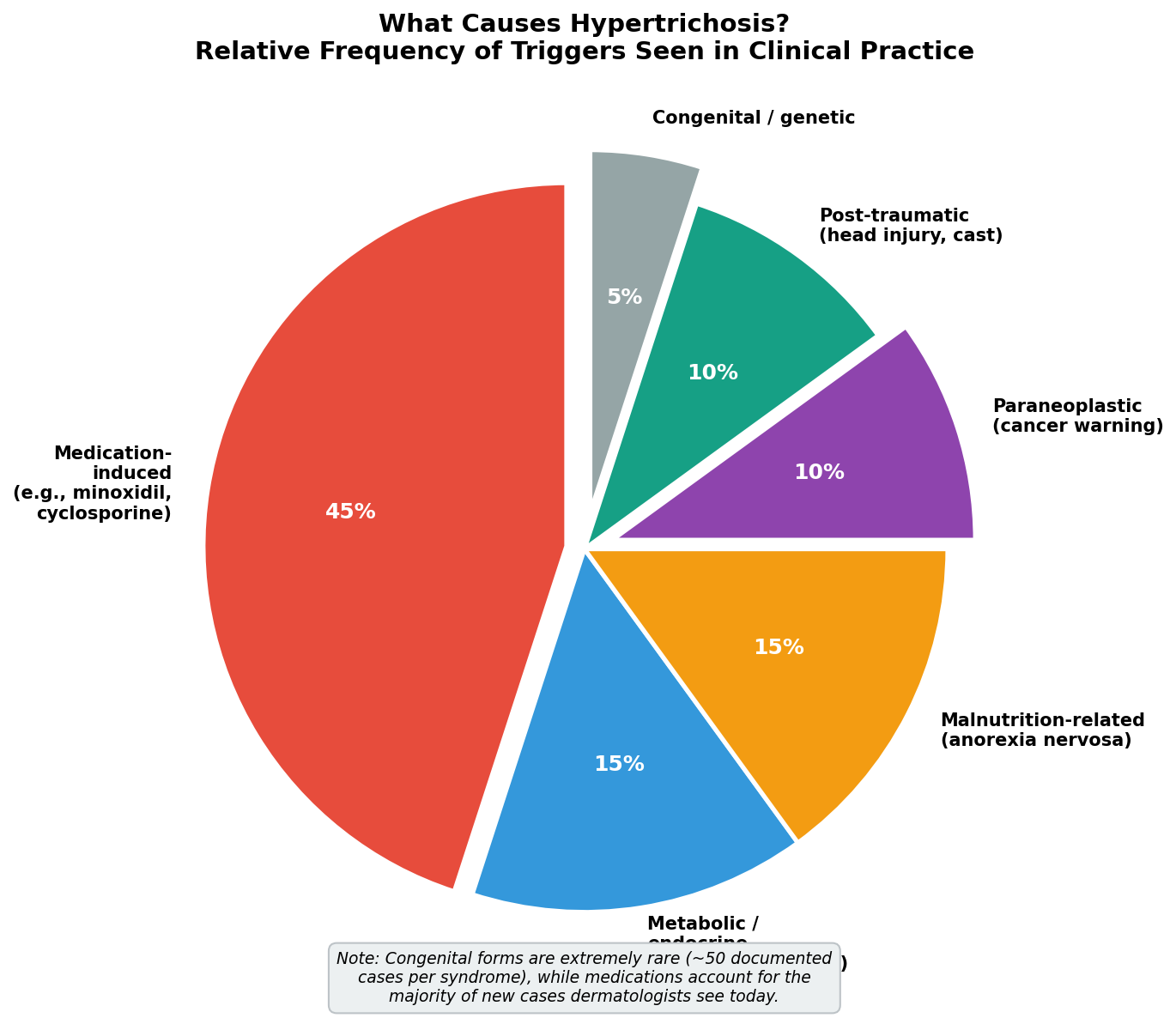 Figure 1: A timeline of hypertrichosis milestones, from the earliest court chronicles in 1355 through modern classification efforts. Data compiled from PubMed and NCBI historical reviews.
Petrus Gonsalvus: The Man Who Became the Template
Petrus Gonsalvus, born around 1537 in Tenerife, is essentially the "index patient" for what would later be called werewolf syndrome. Captured at roughly age 10 and sent to the court of King Henry II of France in 1547, he was studied by two of the most important scientific figures of the Renaissance: Italian naturalist Ulisse Aldrovandi and Swiss physician Felix Platter.
During his lifetime, Gonsalvus was called "the wild gentleman of Tenerife," "the man of the woods," and, most tellingly, "the Canarian werewolf." He lived to approximately 80 years of age, married, and had seven children. Four of those children inherited his condition, giving physicians centuries later the first solid clue that hypertrichosis was heritable rather than supernatural.
Portraits of the Gonsalvus family hung at Ambras Castle near Innsbruck, Austria. Those paintings would eventually inspire a 1993 attempt to rename the condition "Ambras syndrome", an effort that, ironically, still traced back to the same "werewolf" family.
Julia Pastrana: Sideshow Meets Medical Journal
If Gonsalvus made hypertrichosis a royal curiosity, Julia Pastrana (1834—1860) made it a Victorian spectacle. Mexican-born and diagnosed retrospectively with congenital generalised hypertrichosis terminalis with gingival hyperplasia (gum overgrowth), she was exhibited across the United States and Europe between 1855 and 1860. Sideshow posters called her "the bearded lady" and "the nondescript."
Pastrana died in childbirth aged 26, but her story didn't end there. Her embalmed body continued to tour Europe for decades and was only rediscovered in 1990 at the Oslo Forensic Institute. Crucially, her condition was described in the medical press of her day, which meant that the vernacular language of the fairground travelled directly into peer-reviewed journals. That marriage of sensationalism and science is a large part of why the "werewolf" label survived into the 20th century.
Why the Name Stuck
You might expect that modern genetics and dermatology would have quietly retired such an evocative nickname. They haven't, and there are several reasons.
- Recognition: "Werewolf syndrome" is instantly memorable. Try comparing it with congenital hypertrichosis lanuginosa or hypertrichosis universalis congenita
- Historical continuity: Nearly every century since the 1300s has featured a famous case wrapped in wolf or wild-man imagery. The label has never had a chance to fade
- Media reinforcement: Circus posters in the 1800s, Victorian medical curiosities, and modern tabloid headlines all recycle the same framing
- Clinical shorthand: Even today, dermatology papers place "werewolf syndrome" in parentheses next to formal names. Titles like "A rare clinical image of hypertrichosis (Werewolf syndrome)" still appear in peer-reviewed journals as recently as 2023
The name persists because it's useful for searching and remembering, even as clinicians increasingly recognise its harm.
What Hypertrichosis Actually Is
Stripped of folklore, hypertrichosis is simply the growth of hair on any part of the body beyond what's normal for a person's age, sex, and ethnicity, excluding hormone-driven hair growth. That last point matters, because it separates hypertrichosis from a much more common condition called hirsutism (which affects around 10% of women worldwide and is usually driven by conditions like polycystic ovary syndrome).
There are three biological ways this excess hair appears: fine "peach fuzz" converts into thicker terminal hairs, more follicles become active at the same time, or the growth phase of the hair cycle lasts longer than usual.
The Different Faces of Hypertrichosis
Hypertrichosis isn't one disease; it's an umbrella term covering several very different conditions.
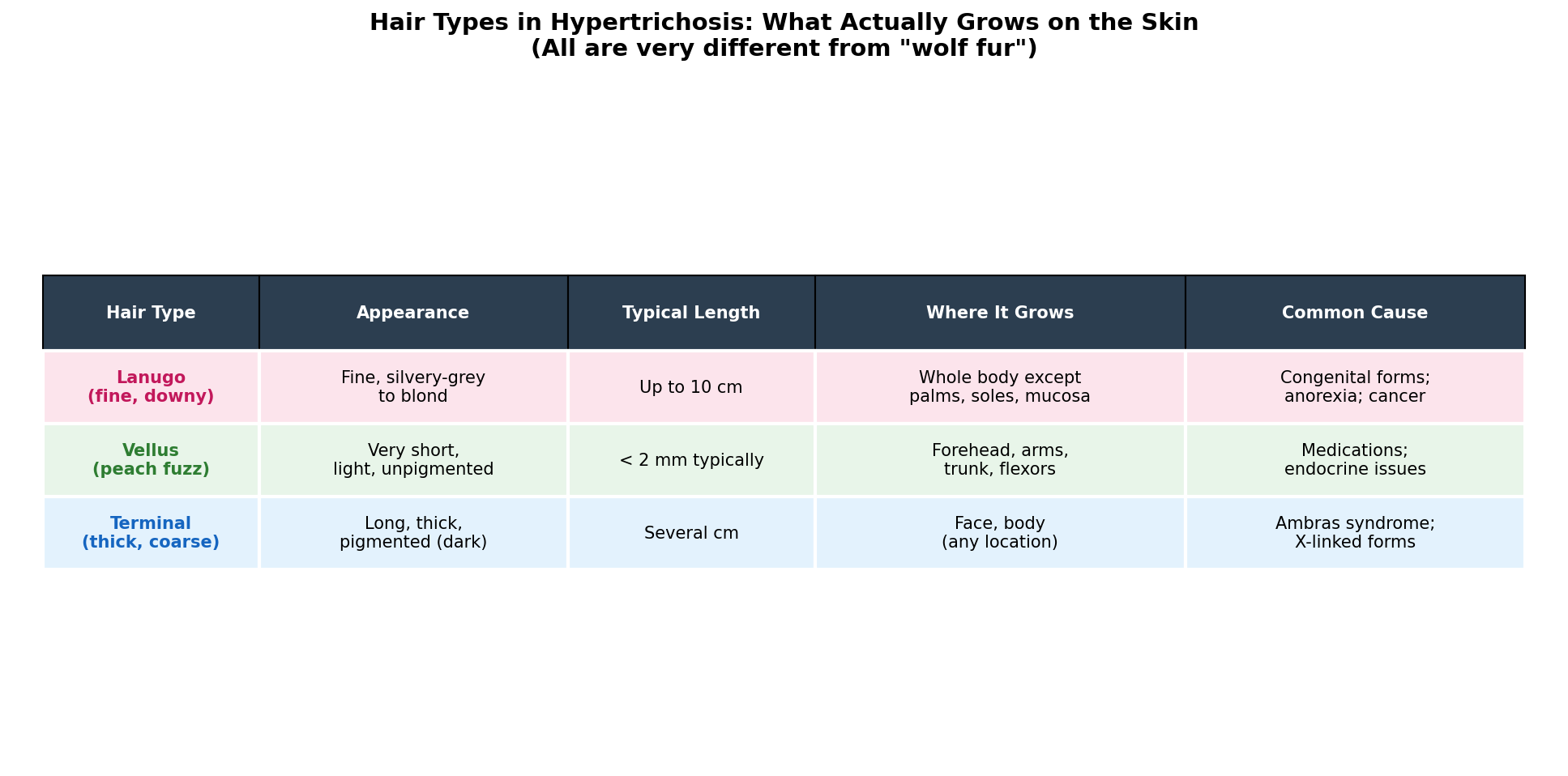 Figure 2: The main categories of hypertrichosis, from rare congenital forms to far more common medication-induced cases. Data from NCBI StatPearls and PubMed.
Congenital forms are present at birth and are extraordinarily rare. Fewer than 50 cases of congenital hypertrichosis lanuginosa have ever been documented, and the same is roughly true for Ambras syndrome. Cataract-hypertrichosis-intellectual disability syndrome affects fewer than 1,000 people in the entire United States.
Acquired forms develop later in life and are far more common. The paraneoplastic version, where fine lanugo hair suddenly appears on the face and body of an adult, can be an early warning sign of hidden cancers such as gastric, uterine, lymphoma, or lung adenocarcinoma. Sudden generalised hair growth in adulthood should never be ignored.
Medication-induced hypertrichosis is by far the most common form. Low-dose oral minoxidil (a drug used for hair loss and blood pressure) causes hypertrichosis in 15.1% of patients, according to a large multicentre study of 1,404 people. At higher doses, that figure climbs to nearly 50%. Other culprits include cyclosporine (used after transplants), phenytoin (an anti-seizure drug), and long-term corticosteroids.
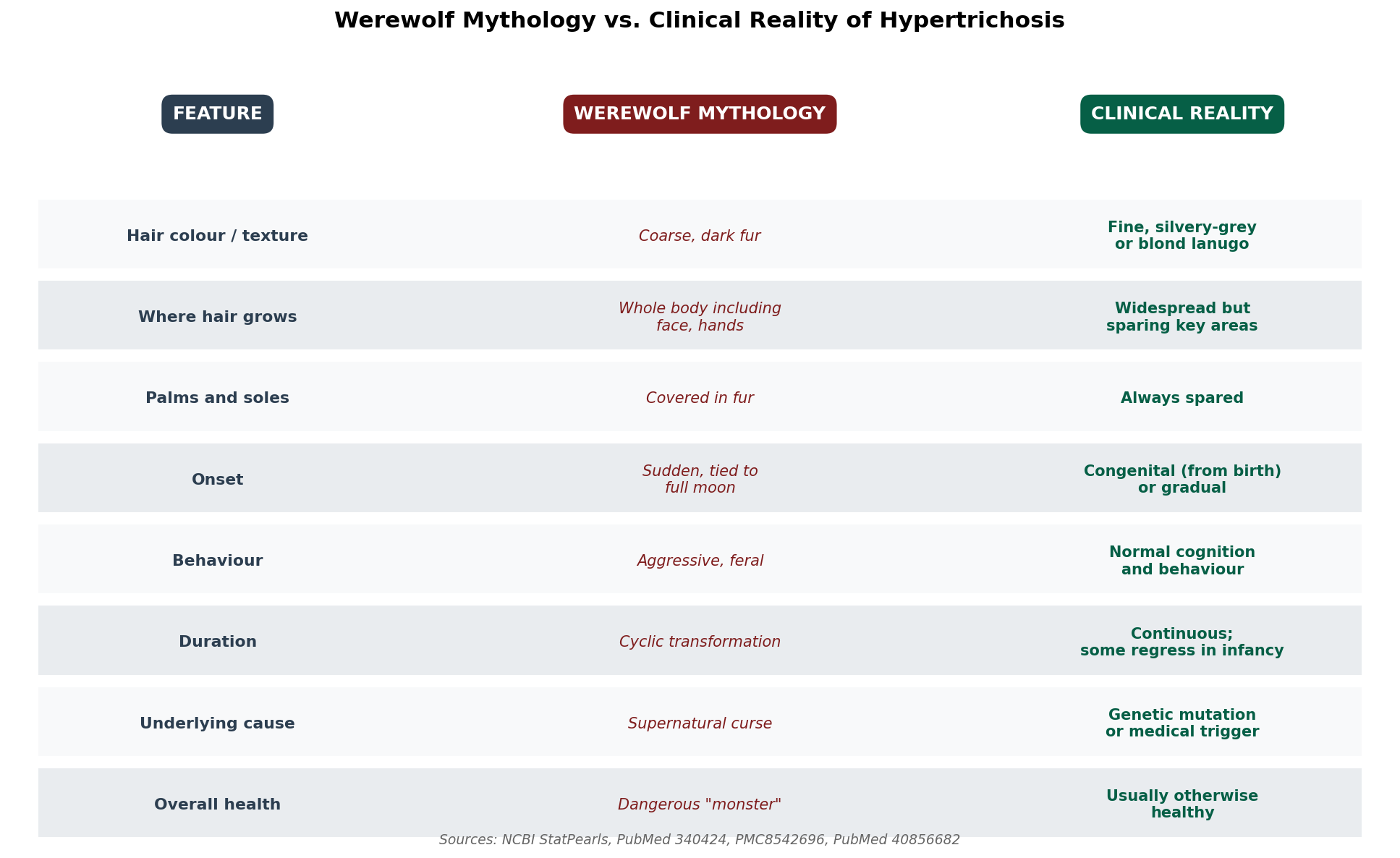 Figure 3: How rare each form of hypertrichosis really is. Medication-induced cases dominate, while congenital forms remain in the double digits worldwide.
Why the "Werewolf" Name Is Genuinely Misleading
Once you know the clinical reality, the werewolf label starts to look not just old-fashioned but actively wrong. Consider how mythology and medicine actually compare.
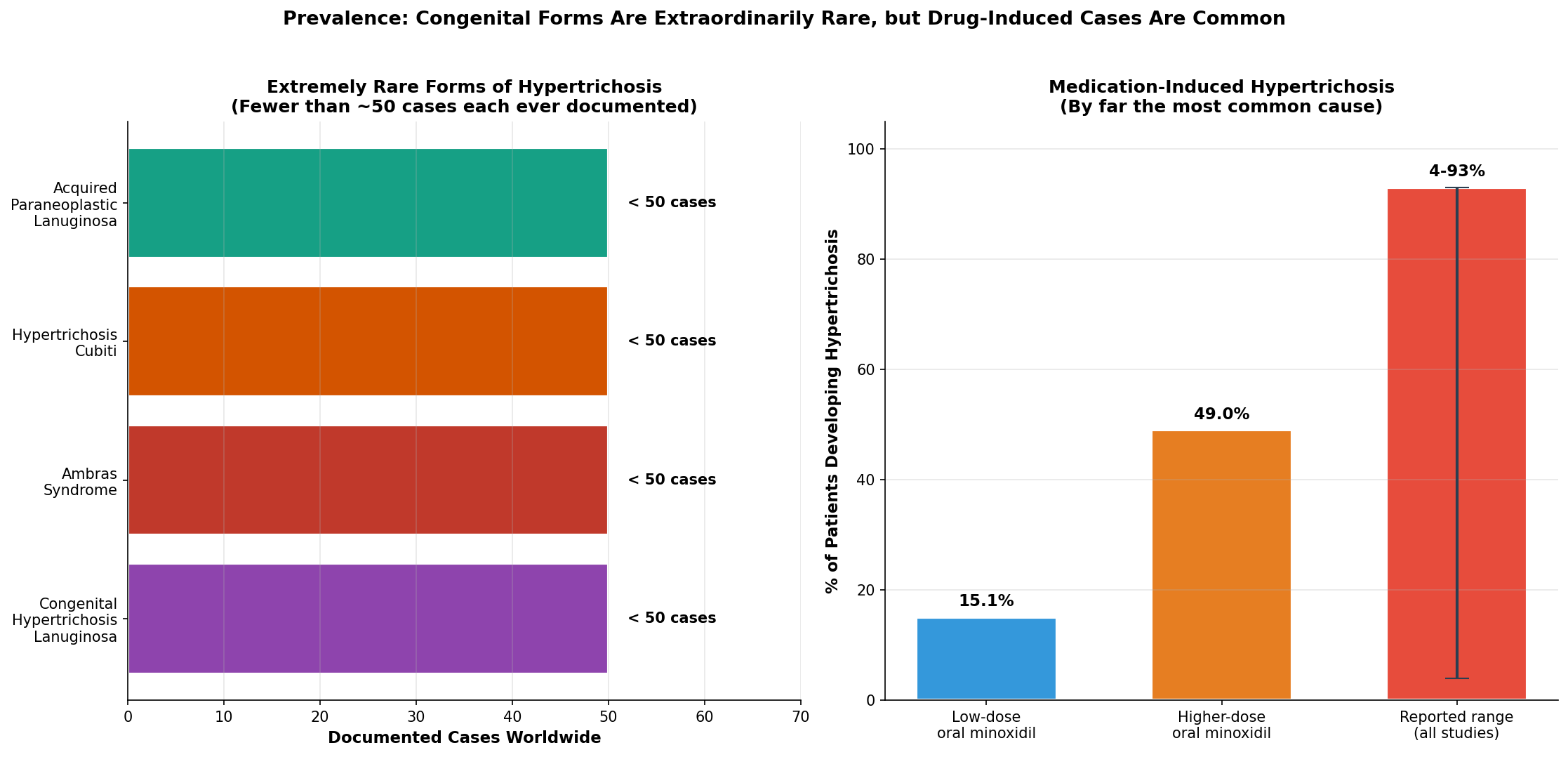 Figure 4: The gap between werewolf folklore and actual hypertrichosis. Data drawn from NCBI StatPearls and PubMed clinical reviews.
The differences are striking. Movie werewolves grow coarse dark fur; people with congenital hypertrichosis lanuginosa develop fine, silver-grey to blond lanugo hair. Werewolf transformations are sudden and moon-linked; hypertrichosis is either present from birth or develops gradually. Werewolves are portrayed as aggressive and feral; people with hypertrichosis have entirely normal cognition and behaviour. Werewolf fur covers the whole body; in hypertrichosis, the palms, soles, and mucous membranes are always spared.
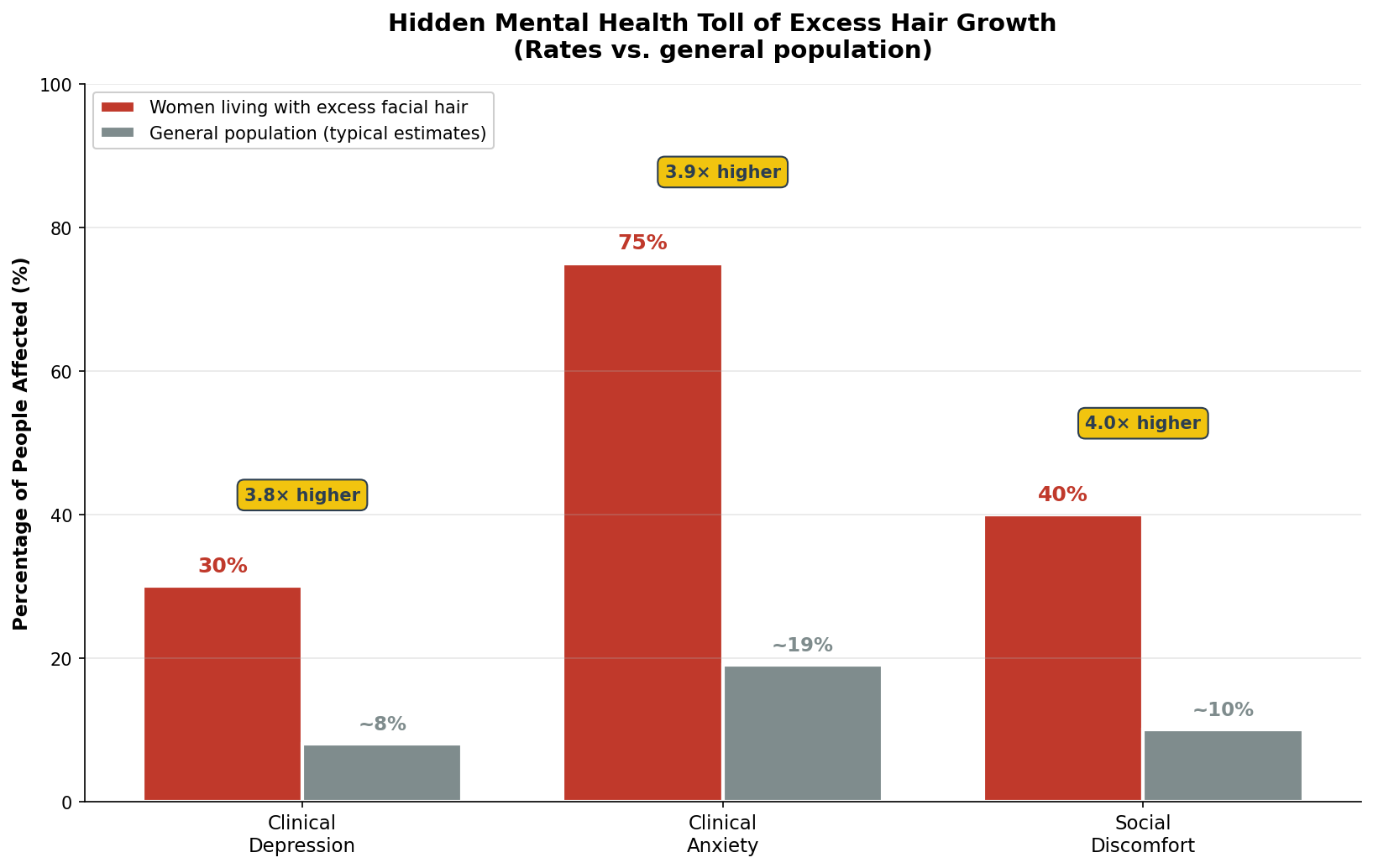 Figure 5: The actual texture, colour and distribution of hair in hypertrichosis, showing how different it is from the coarse animal fur of folklore.
The name also obscures an important clinical point. "Werewolf syndrome" lumps together very different conditions, from a benign genetic quirk to a possible cancer warning sign. That kind of vague labelling can obscure serious diagnoses. By contrast, clinical lycanthropy, the actual delusion of turning into a wolf, is a completely separate psychiatric condition associated with schizophrenia and bipolar disorder. It has nothing to do with hypertrichosis. Mixing the two under one folkloric umbrella has confused doctors and the public for centuries.
Perhaps most importantly, court physicians examining Petrus Gonsalvus in the 1500s determined he was "otherwise healthy". Modern reference guides such as StatPearls confirm that hypertrichosis "usually has limited medical significance" beyond the hair itself. The werewolf framing implies danger where there is none.
The Hidden Cost: Psychological Burden
The name isn't just inaccurate; it carries real emotional weight for patients. Studies of women living with excess facial hair, a condition with similar social stigma, offer insight into the burden.
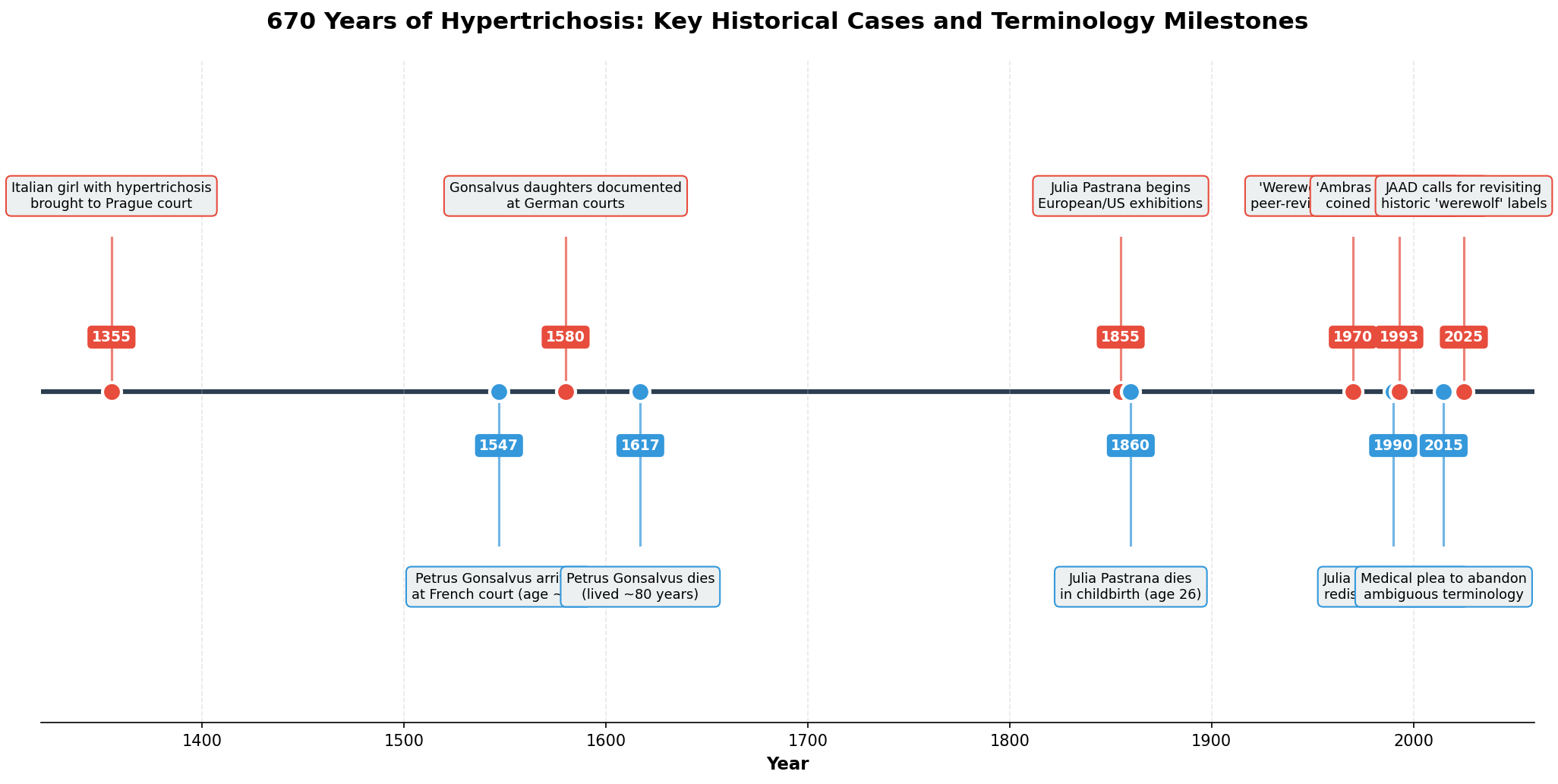 Figure 6: The mental health impact of visible excess hair growth. Data from a study of women with facial hair published in the British Journal of Dermatology (PubMed 16880018).
The numbers are sobering: 30% experienced clinical depression above the diagnostic cut-off, 75% reported clinical levels of anxiety, and 40% felt uncomfortable in social situations. Case reports of children with hypertrichosis consistently document low self-esteem, social withdrawal, and reluctance to talk about the condition. In one published case, researchers explicitly called for interventions to "boost their morals so they could spend their lives like normal human beings".
Stigma also delays care. Rare-disease patients already face substantial diagnostic delays, and sensational names add a shame-based barrier to seeking help. When comparable conditions have been renamed (such as the effort to change PTSD to PTSI, or the renaming of schizophrenia in Japan), studies have shown measurable reductions in stigma and increased willingness to seek treatment.
What Actually Works: Modern Treatment
Here's the encouraging part: hypertrichosis is treatable, and options have improved dramatically in the last few decades. Treatment usually happens on two fronts, addressing the underlying cause and managing the hair itself.
For medication-induced cases, adjusting or stopping the causative drug often resolves the excess hair within several weeks to a few months. For paraneoplastic forms, treating the underlying cancer can cause the hair to regress. For nutritional or endocrine triggers, restoring health typically calms the hair growth.
For long-term cosmetic management, the toolkit has expanded considerably.
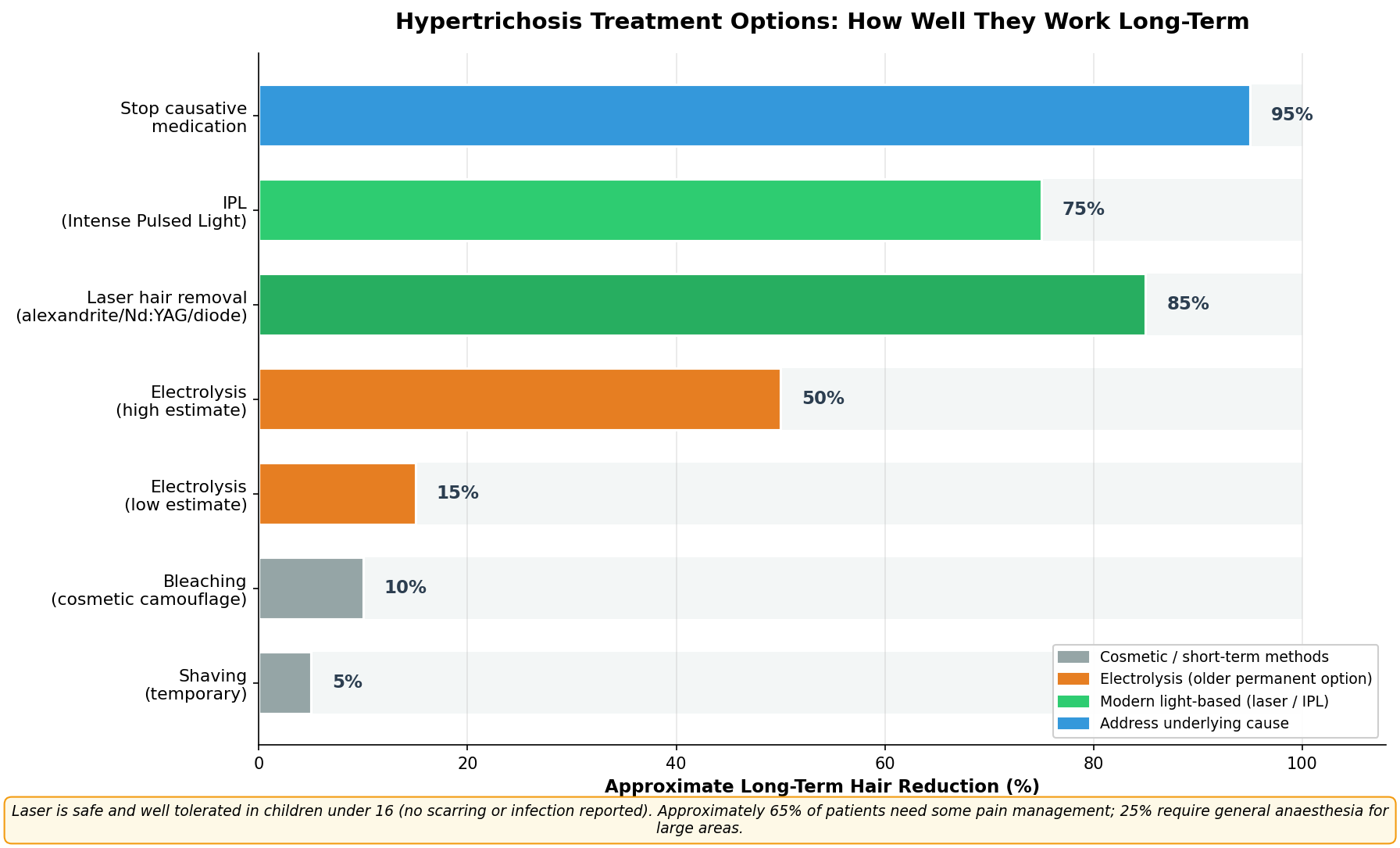 Figure 7: Relative effectiveness of common hair removal treatments. Laser treatments now offer the most durable results and are considered safe for children.
Modern laser hair removal, particularly with long-pulse alexandrite and Nd:YAG devices, has transformed care. Studies have shown no incidences of blistering, infection, dyspigmentation, or scarring in children under 16 when properly administered, though about 65% of paediatric patients needed some pain management and 25% required general anaesthesia for extensive treatment areas. Intense pulsed light (IPL) provides another safe option, and newer topical medications such as eflornithine cream slow hair regrowth pharmacologically.
Older methods like electrolysis (15–50% permanent reduction), shaving, and bleaching remain useful but are gradually being replaced by laser-based approaches for larger treatment areas. As dermatologists put it, "no single method is appropriate for all body locations and patients"; treatment is genuinely individualised now.
Beyond the physical, mental health support is increasingly recognised as essential. Case reports repeatedly emphasise that emotional and psychological care should sit alongside dermatological treatment, not follow it as an afterthought.
The Takeaway
Hypertrichosis is a real, rare, and heterogeneous group of dermatological conditions with well-understood biology, evolving treatments, and a very human history. The "werewolf" nickname is a cultural fossil, useful for grabbing attention but misleading in almost every clinical dimension. It confuses a medical condition with mythology, conflates unrelated disorders, misrepresents what patients actually look like, and reinforces stigma that delays care.
Petrus Gonsalvus was a Renaissance courtier who lived to around 80, raised seven children, and was described by his own physicians as "otherwise healthy." Julia Pastrana was a woman with a specific genetic condition who deserved medical treatment, not exhibition. Every person living with hypertrichosis today deserves the same recognition: a proper diagnosis, evidence-based care, and language that respects them as patients rather than sideshow attractions.
The next time you see "werewolf syndrome" in a headline, remember what it really describes: a medical condition, not mythology.
Further Reading
Understanding the Condition
- Hypertrichosis - Cleveland Clinic patient guide
- Hypertrichosis lanuginosa congenita - NIH GARD
- Ambras type hypertrichosis universalis congenita - NIH GARD
- Acquired hypertrichosis lanuginosa - NIH GARD
Historical Context and Famous Cases
- Petrus Gonsalvus and hypertrichosis (JAAD 2025)
- Julia Pastrana, the nondescript - PubMed
- The fate of people with hypertrichosis throughout history - PubMed
- Lycanthropy and medicine - PubMed
Related Conditions and Distinctions
- Hirsutism - Mayo Clinic
- Hirsutism - Cleveland Clinic
- Clinical lycanthropy: a systematic review - PMC
Treatment and Care
- Causes and management of hypertrichosis - PubMed
- Laser and light therapy for pediatric hair removal - PubMed
- Hypertrichosis and topical corticosteroid use - Cleveland Clinic Journal of Medicine
Psychological Impact and Rare Disease Advocacy
- Women living with facial hair: psychological and behavioural burden - PubMed
- Stigma associated with genetic testing for rare diseases - PMC
- Impact of delayed diagnosis for rare disease patients - PubMed
References/Helpful Resources
- Wendelin DS, Pope DN, Mallory SB. Hypertrichosis [Internet]. StatPearls, NCBI Bookshelf, National Institutes of Health; [cited 2026 Jul 9]. Available from: https://www.ncbi.nlm.nih.gov/books/NBK534854/
- DeStefano GM, Kurban M, Anyane-Yeboa K, Dall'Armi C, Di Paolo G et al. Mutations in the cholesterol transporter gene ABCA5 are associated with excessive hair overgrowth. PLoS Genet. 2014;10(5):e1004333. Available from: https://pmc.ncbi.nlm.nih.gov/articles/PMC4022463/ doi: 10.1371/journal.pgen.1004333
- Chen WC, Ring J, Happle R. Congenital generalized hypertrichosis terminalis: a proposed classification and a plea to avoid the ambiguous term "Ambras syndrome". Eur J Dermatol 2015; 25(3): 223-7. Available from: https://link.springer.com/content/pdf/10.1684/ejd.2015.2529.pdf doi: 10.1684/ejd.2015.2529
- Demas A. Petrus Gonsalvus and hypertrichosis: How dermatologists help uncover the forgotten histories of marginalized individuals. J Am Acad Dermatol. 2026;94(1):385-387. Available from: https://pubmed.ncbi.nlm.nih.gov/40856682/ doi: 10.1016/j.jaad.2025.07.047
- Nowakowski TK, Scholz A. Das Schicksal behaarter Menschen im Wandel der Geschichte [The fate of people with hypertrichosis throughout history]. Hautarzt. 1977;28(11):593-9. German. Available from: https://pubmed.ncbi.nlm.nih.gov/340424/
- Bondeson J, Miles AE. Julia Pastrana, the nondescript: an example of congenital, generalized hypertrichosis terminalis with gingival hyperplasia. Am J Med Genet. 1993;47(2):198-212. Available from: https://pubmed.ncbi.nlm.nih.gov/8213906/ doi: 10.1002/ajmg.1320470213
- Browne J, Messenger S. Victorian spectacle: Julia Pastrana, the bearded and hairy female. Endeavour. 2003;27(4):155-9. Available from: https://pubmed.ncbi.nlm.nih.gov/14652038/ doi: 10.1016/j.endeavour.2003.10.006
- Mendiratta V, Harjai B, Gupta T. Hypertrichosis lanuginosa congenita. Pediatr Dermatol. 2008;25(4):483-4. Available from: https://pubmed.ncbi.nlm.nih.gov/18789097/ doi: 10.1111/j.1525-1470.2008.00716.x
- Alam ST, Rahman MM, Akhter S, Hossain MA, Islam KA. Congenital hypertrichosis (Were Wolf Syndrome): a case report. Mymensingh Med J. 2012;21(3):567-9. Available from: https://pubmed.ncbi.nlm.nih.gov/22828564/
- Joshi T, Kuchewar V. A rare clinical image of hypertrichosis (Werewolf syndrome). Pan Afr Med J. 2022;43:99. Available from: https://pubmed.ncbi.nlm.nih.gov/36660089/ doi: 10.11604/pamj.2022.43.99.37150
- Trüeb RM. Causes and management of hypertrichosis. Am J Clin Dermatol. 2002;3(9):617-27. Available from: https://pubmed.ncbi.nlm.nih.gov/12444804/ doi: 10.2165/00128071-200203090-00004
- Baumeister FA, Egger J, Schildhauer MT, Stengel-Rutkowski S. Ambras syndrome: delineation of a unique hypertrichosis universalis congenita and association with a balanced pericentric inversion (8) (p11.2; q22). Clin Genet. 1993;44(3):121-8. Available from: https://pubmed.ncbi.nlm.nih.gov/8275569/ doi: 10.1111/j.1399-0004.1993.tb03862.x
- Partridge JW. Congenital hypertrichosis lanuginosa: neonatal shaving. Arch Dis Child. 1987;62(6):623-5. Available from: https://pubmed.ncbi.nlm.nih.gov/3619483/ doi: 10.1136/adc.62.6.623
- Vulink AJ, ten Bokkel Huinink D. Acquired hypertrichosis lanuginosa: a rare cutaneous paraneoplastic syndrome. J Clin Oncol. 2007;25(12):1625-6. Available from: https://pubmed.ncbi.nlm.nih.gov/17443005/ doi: 10.1200/JCO.2007.10.6963
- Saad N, Hot A, Ninet J, Claudy A, Faure M. Hypertrichose lanugineuse acquise et adénocarcinome gastrique [Acquired hypertrichosis lanuginosa and gastric adenocarcinoma]. Ann Dermatol Venereol. 2007;134(1):55-8. French. Available from: https://pubmed.ncbi.nlm.nih.gov/17384545/ doi: 10.1016/s0151-9638(07)88991-5
- Lipton MG, Sherr L, Elford J, Rustin MH, Clayton WJ. Women living with facial hair: the psychological and behavioral burden. J Psychosom Res. 2006;61(2):161-8. Available from: https://pubmed.ncbi.nlm.nih.gov/16880018/ doi: 10.1016/j.jpsychores.2006.01.016
- Vañó-Galván S, Pirmez R, Hermosa-Gelbard A, Moreno-Arrones ÓM, Saceda-Corralo D, Rodrigues-Barata R et al. Safety of low-dose oral minoxidil for hair loss: A multicenter study of 1404 patients. J Am Acad Dermatol. 2021;84(6):1644-1651. Available from: https://pubmed.ncbi.nlm.nih.gov/33639244/ doi: 10.1016/j.jaad.2021.02.054
- Jimenez-Cauhe J, Saceda-Corralo D, Rodrigues-Barata R, Hermosa-Gelbard A, Moreno-Arrones OM et al. Characterization and management of hypertrichosis induced by low-dose oral minoxidil in the treatment of hair loss. J Am Acad Dermatol. 2021;84(1):222-223. Available from: https://pubmed.ncbi.nlm.nih.gov/32926970/ doi: 10.1016/j.jaad.2020.08.124
- Chellini PR, Pirmez R, Raso P, Sodré CT. Generalized Hypertrichosis Induced by Topical Minoxidil in an Adult Woman. Int J Trichology. 2015;7(4):182-3. Available from: https://pubmed.ncbi.nlm.nih.gov/26903750/ doi: 10.4103/0974-7753.171587
- Souza KF, Andrade PFBC, Cassia FF, Castro MCR. Cyclosporine-induced childhood generalized hypertrichosis. An Bras Dermatol. 2020;95(3):402-403. Available from: https://www.ncbi.nlm.nih.gov/pmc/articles/PMC7253885/ doi: 10.1016/j.abd.2019.08.027
- Kluger N, Cribier B, Halioua B. La lycanthropie dans la médecine [Lycanthropy and medicine]. Ann Dermatol Venereol. 2015;142(12):793-7. French. Available from: https://pubmed.ncbi.nlm.nih.gov/26631444/ doi: 10.1016/j.annder.2015.10.584
- Poulakou-Rebelakou E, Tsiamis C, Panteleakos LG, Ploumpidis D. Lycanthropy in Byzantine times (AD 330-1453). Hist Psychiatry. 2009;20(80 Pt 4):468-79. Available from: https://pubmed.ncbi.nlm.nih.gov/20481133/ doi: 10.1177/0957154X08338337
- Guessoum SB, Benoit L, Minassian S, Mallet J, Moro MR. Clinical Lycanthropy, Neurobiology, Culture: A Systematic Review. Front Psychiatry. 2021;12:718101. Available from: https://www.ncbi.nlm.nih.gov/pmc/articles/PMC8542696/ doi: 10.3389/fpsyt.2021.718101
- Rajpar SF, Hague JS, Abdullah A, Lanigan SW. Hair removal with the long-pulse alexandrite and long-pulse Nd:YAG lasers is safe and well tolerated in children. Clin Exp Dermatol. 2009;34(6):684-7. Available from: https://pubmed.ncbi.nlm.nih.gov/19175616/ doi: 10.1111/j.1365-2230.2008.03081.x
- Sharon E, Levi A, Lapidoth M, Snast I. Laser and light therapy for pediatric hair removal: a systematic review. Lasers Med Sci. 2023;38(1):156. Available from: https://pubmed.ncbi.nlm.nih.gov/37402025/ doi: 10.1007/s10103-023-03821-2
- Cleveland Clinic. Hypertrichosis [Internet]. Cleveland Clinic; [cited 2026 Jul 9]. Available from: https://my.clevelandclinic.org/health/diseases/hypertrichosis
- Mayo Clinic. Hirsutism: symptoms and causes [Internet]. Mayo Clinic; [cited 2026 Jul 9]. Available from: https://www.mayoclinic.org/diseases-conditions/hirsutism/symptoms-causes/syc-20354935
- National Institutes of Health, Genetic and Rare Diseases Information Center. Hypertrichosis lanuginosa congenita [Internet]. NIH GARD; [cited 2026 Jul 9]. Available from: https://rarediseases.info.nih.gov/diseases/2865/hypertrichosis-lanuginosa-congenita
- National Institutes of Health, Genetic and Rare Diseases Information Center. Ambras type hypertrichosis universalis congenita [Internet]. NIH GARD; [cited 2026 Jul 9]. Available from: https://rarediseases.info.nih.gov/diseases/8206/ambras-type-hypertrichosis-universalis-congenita
- National Institutes of Health, Genetic and Rare Diseases Information Center. X-linked congenital generalized hypertrichosis [Internet]. NIH GARD; [cited 2026 Jul 9]. Available from: https://rarediseases.info.nih.gov/diseases/2863/x-linked-congenital-generalized-hypertrichosis
- Rozenbaum MH, Large S, Bhambri R, Stewart M, Whelan J et al. Impact of Delayed Diagnosis and Misdiagnosis for Patients with Transthyretin Amyloid Cardiomyopathy (ATTR-CM): A Targeted Literature Review. Cardiol Ther. 2021;10(1):141-159. Available from: https://pubmed.ncbi.nlm.nih.gov/33877591/ doi: 10.1007/s40119-021-00219-5
- Baynam G, Gomez R, Jain R. Stigma associated with genetic testing for rare diseases-causes and recommendations. Front Genet. 2024;15:1335768. Available from: https://pmc.ncbi.nlm.nih.gov/articles/PMC11024281/ doi: 10.3389/fgene.2024.1335768
- Lipov E. Survey Reveals That Renaming Post-Traumatic Stress 'Disorder' to 'Injury' Would Reduce Stigma. Cureus. 2023;15(5):e38888. Available from: https://www.ncbi.nlm.nih.gov/pmc/articles/PMC10257468/ doi: 10.7759/cureus.38888
- Chiu YH, Kao MY, Goh KK, Lu CY, Lu ML. Effects of Renaming Schizophrenia on Destigmatization among Medical Students in One Taiwan University. Int J Environ Res Public Health. 2021;18(17):9347. Available from: https://www.ncbi.nlm.nih.gov/pmc/articles/PMC8431284/ doi: 10.3390/ijerph18179347
