

You're looking in the mirror one day and notice something new on your eyelid. A small yellowish bump, barely noticeable at first, appears near the inner corner of your eye. Over the following months, it slowly gets darker and more prominent. Maybe it spreads to your other eye. You start wondering: Is this going to get worse? How fast will it grow? Should I be worried?
Xanthelasma is far more common than most people realise, affecting between 1 in 25 and 1 in 90 people in the general population. Yet unlike many skin conditions, xanthelasma tells a story about what's happening inside your body. This isn't just a cosmetic issue; it's a potential warning sign about your cardiovascular health and cholesterol metabolism.
The growth of xanthelasma happens gradually, sometimes invisibly, over months or years before you even notice it. Understanding this timeline, what drives it, and what you can actually do about it, matters more than you might think. This article answers the questions you're probably asking right now: Why does xanthelasma grow? How fast? What makes it worse? Can it be stopped?
What Is Xanthelasma and Why It Matters
Xanthelasma palpebrarum is the medical name for yellowish cholesterol deposits that accumulate under the thin skin of the eyelids. The deposits are composed mostly of cholesterol (technically cholesteryl ester) and develop when abnormalities in how your body handles lipids, allow cholesterol and other fatty substances to build up in the skin where immune cells called macrophages consume them and create visible yellowish bumps.
Sounds benign enough. But here's what makes this significant: xanthelasma is often a visible marker that something's going wrong with your lipid metabolism. Approximately 60% of people with xanthelasma have abnormal blood lipid levels. Even more importantly, recent research shows that xanthelasma is connected with increased risk of heart disease and stroke, independent of traditional risk factors like blood pressure or weight.
Think of xanthelasma as your body displaying a warning on your face. It's telling you to look deeper.
Who Gets Xanthelasma and When
The numbers tell a clear story about who develops xanthelasma.
Xanthelasma affects between 1.1% and 4.4% of the general population, though many cases go undiagnosed. It's significantly more common in women (1.8 times more likely than men to develop it). Age is the strongest predictor: whilst xanthelasma can technically appear anytime from age 15 onwards, it most commonly shows up between ages 40 and 50, with peak prevalence in people aged 50 to 60.
The gender difference is worth noting. Women get xanthelasma far more often than men, though research hasn't fully explained why. This could reflect actual biological differences in lipid metabolism, differences in how doctors diagnose the condition, or age-related changes in hormones.
The Growth Timeline: What Happens Over Months and Years
Here's what we know from studying patients: xanthelasma grows slowly but persistently.
The Early Stage: Before You Notice Anything
Cholesterol begins accumulating in your eyelid skin months or even years before you see anything. This silent accumulation phase is crucial because it means damage is happening even when you're completely unaware. By the time you notice a small yellowish bump, the process has already been underway for a while.
The Visible Stage: When It First Appears
When xanthelasma becomes noticeable, it typically starts as:
- A small yellowish or white line on your eyelid (usually smaller than 1 cm in diameter)
- Located on the medial side, which is the inner corner near your nose
- Completely soft and asymptomatic; you won't feel pain, itching, or discomfort
- An oval or slightly bumpy appearance
Progressive Growth: What Happens Next
From this initial appearance, xanthelasma typically follows a predictable progression pattern:
- Size increase: The lesion gradually enlarges beyond the initial small bump. In some cases, lesions develop into "giant" xanthelasma covering significant portions of the eyelids
- Coalescence: Multiple separate lesions may merge and combine into larger continuous deposits rather than remaining as separate bumps
- Bilateral spread: What starts on one eye tends to develop on both eyes, usually within months to a few years ( bilateral and symmetrical distribution)
- Progressive involvement: Lesions spread from the upper eyelids downward to involve the lower eyelids, and can extend to the eyebrow area and canthal regions (corners of the eye)
- Tissue invasion: As xanthelasma develops, the deposits don't just sit on the surface; they invade deeper layers of skin, as the eyelid skin is incredibly thin. On average, lesions extend about 1.4 millimetres deep into the skin (a micrometre is one-thousandth of a millimetre). In some cases, deposits penetrate all the way into the muscle layer beneath the skin
Duration: How Long the Process Takes
Clinical studies of patients show xanthelasma lesions can persist for anywhere from less than 12 months to 72 months (6 years) or longer. The wide range reflects how differently xanthelasma progresses from person to person. Some people develop slowly growing lesions that remain relatively stable; others experience rapid progression.
What Really Drives Xanthelasma Growth
The growth of xanthelasma isn't random. Several factors determine how quickly yours will develop and how extensive it becomes.
The Cholesterol Connection
The primary driver of xanthelasma growth is abnormal cholesterol metabolism.
- Mean total cholesterol of 221.51 mg/dL (this is elevated; healthy is under 200 mg/dL)
- High LDL cholesterol (the "bad" cholesterol that causes problems)
- Low HDL cholesterol (the "good" cholesterol that protects you)
- Elevated triglycerides and VLDL (very low-density lipoproteins)
This means your body is depositing cholesterol in your eyelids because your cholesterol levels are out of balance. The imbalance between LDL and HDL drives cholesterol accumulation in the skin.
Underlying Metabolic Problems
Xanthelasma often appears alongside other metabolic issues:
- Hypertension (high blood pressure): Present in 37.7% of xanthelasma patients
- Diabetes or prediabetes: Present in 44.3% of xanthelasma patients combined
- Smoking: Present in 39.3% of patients
- Central obesity: More common in xanthelasma patients than the general population
Each of these conditions makes lipid metabolism worse and accelerates xanthelasma growth.
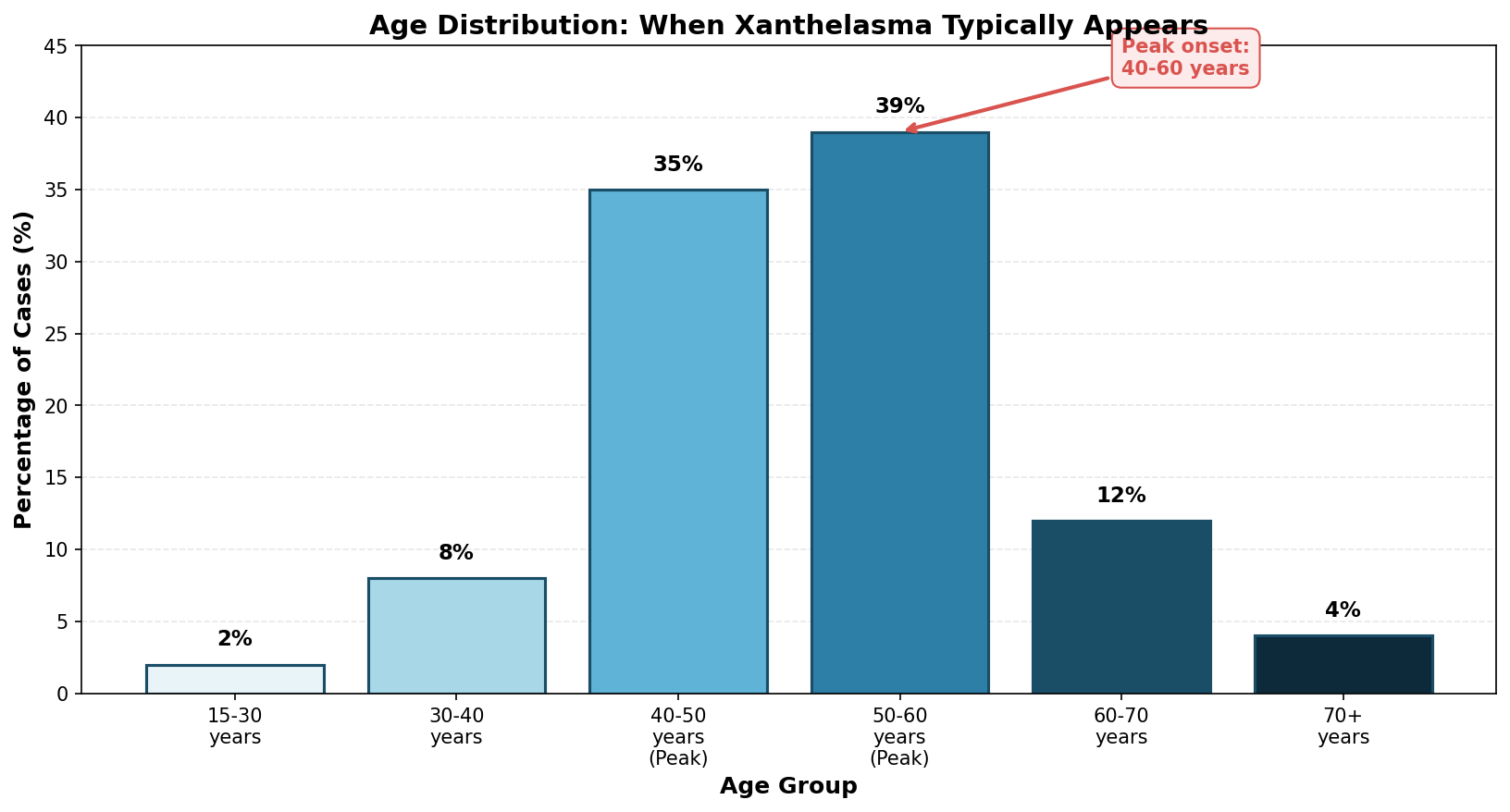 Figure 1: Whilst xanthelasma affects both genders, women are significantly more likely to develop it (1.8 times higher prevalence than men). Gender differences may reflect biological, hormonal, or diagnostic factors.
Your Genes Matter Too
Eight genes have been identified as involved in xanthelasma development. This doesn't necessarily mean you inherited xanthelasma; rather, you may have inherited a tendency to deposit cholesterol in your skin. The most important genetic link is familial hypercholesterolaemia (FH), a condition where people inherit very high LDL cholesterol levels. People with FH are much more likely to develop xanthelasma, sometimes quite early in life.
If you develop xanthelasma before age 40, or if you have a family history of high cholesterol or early heart disease, this genetic component becomes especially important. Young adults and children with xanthelasma should be screened for familial hypercholesterolaemia.
Age Accumulation Effect
Age matters not just as a risk factor but as an accumulation effect. Your body has been exposed to whatever cholesterol levels you've had for decades. By age 40 or 50, if you've had elevated cholesterol all along, that cumulative exposure finally becomes visible as xanthelasma. The lesions you see now may have been developing silently for years.
Measuring Severity: From Mild to Extensive
Doctors grade xanthelasma based on how much of the eyelid area is involved:
- Grade I (Mild): Small, limited involvement; accounts for 83.4% of cases
- Grade II (Moderate): Moderate lesion size and spread; 5.4% of cases
- Grade III (Severe): Extensive involvement; 7.5% of cases
- Grade IV (Very Severe): Extensive bilateral involvement affecting all four eyelids; 3.7% of cases
Most people have mild xanthelasma. However, the severity at any given time doesn't predict future growth. Someone with a small lesion today could develop extensive xanthelasma years later if underlying metabolic factors aren't addressed.
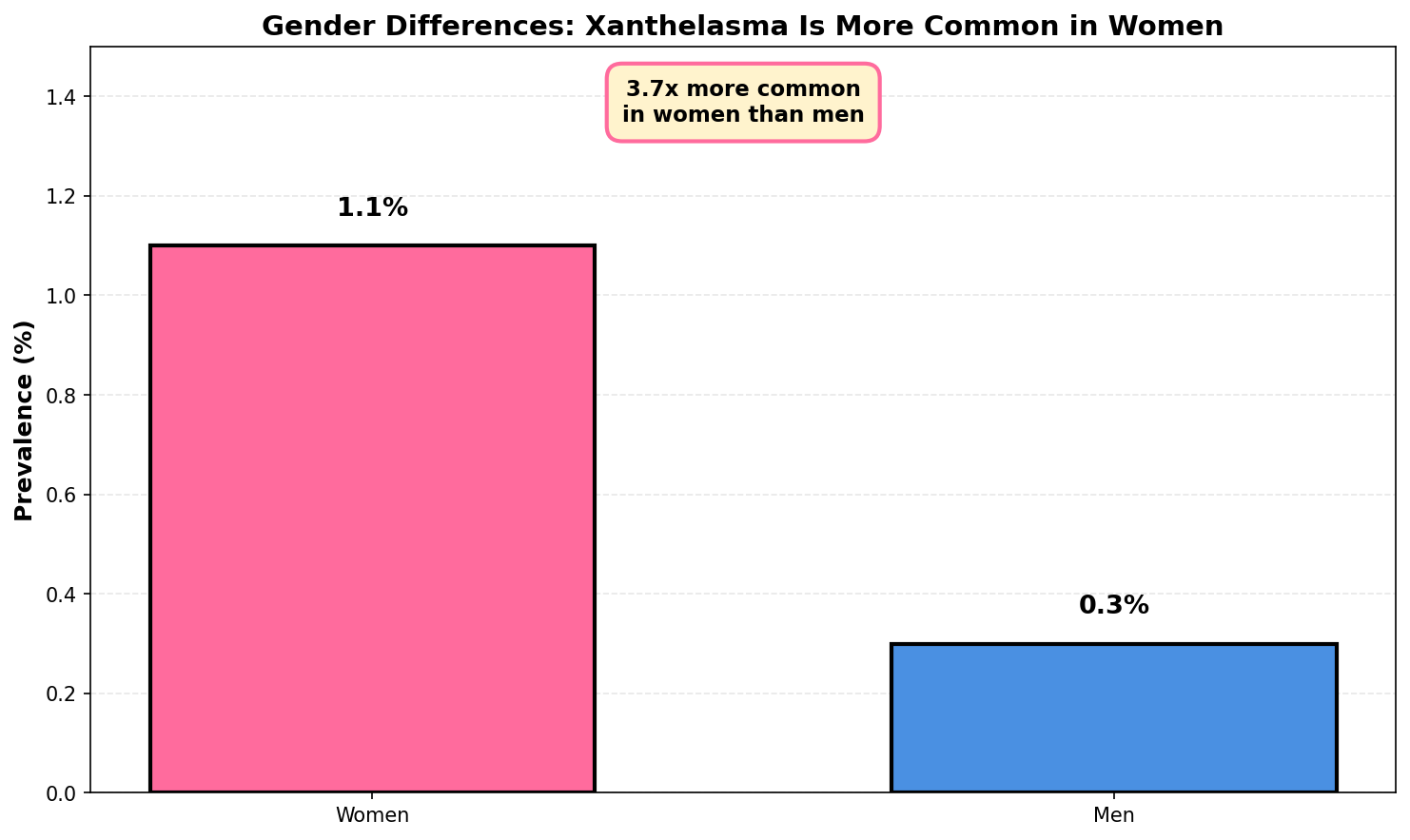 Figure 2: People with xanthelasma often have other metabolic conditions including hypertension, diabetes, and smoking history. These conditions accelerate cholesterol deposition and disease progression.
Why Growth Speed Varies So Much Between People
This is the crucial question: why does one person's xanthelasma grow rapidly over 1 to 2 years while another's barely changes over 5 years?
The answer involves multiple factors working together:
Cholesterol level control: People whose cholesterol is well-controlled with medication, grow xanthelasma more slowly than those whose levels remain elevated.
Genetic load: Some people's genes make them predisposed to deposit cholesterol in their skin despite normal blood cholesterol levels (normolipidemic xanthelasma). These individuals progress differently than those with clear lipid abnormalities.
Inflammatory state: Recent research identified that circulating inflammatory proteins play a role in xanthelasma development. Chronic inflammation accelerates lesion growth.
Overall metabolic health: People with multiple metabolic problems (high blood pressure, diabetes, central obesity) progress faster than those with isolated dyslipidemia.
The Cardiovascular Reality: Why This Matters Beyond Cosmetics
Here's what changed the way doctors think about xanthelasma: it's not just a cosmetic issue.
Research over the past 15 years established that xanthelasma is associated with increased risk of heart disease, stroke, and even death from cardiovascular causes. This association holds true even after accounting for cholesterol levels, blood pressure, weight, and smoking status. Xanthelasma predicts cardiovascular risk independently of traditional risk factors.
People with xanthelasma also show signs of arterial stiffness (measured by cardio-ankle vascular index), suggesting their blood vessels are ageing faster than they should be. Additionally, xanthelasma is associated with a higher risk of developing non-alcoholic fatty liver disease (NAFLD), another marker of metabolic dysfunction.
This is why xanthelasma warrants proper medical evaluation, not just cosmetic treatment.
Treatment Options and How Effective They Are
The good news: xanthelasma can be effectively removed through several methods. The challenging news: the lesions can return if underlying metabolic factors aren't addressed.
Laser Treatments (Most Popular)
Carbon dioxide (CO2) laser is the most commonly used treatment:
- Achieves greater than 99% clearance for mild-to-moderate lesions
- Only 6.8% recurrence rate overall
- Higher recurrence for lesions thicker than 2 mm
- 10 to 15 days healing time
Ultra-picosecond laser shows promise with shorter healing and potentially lower recurrence, though it requires more treatment sessions than CO2.
Er:YAG laser achieves excellent results with 66.8% of patients having excellent cosmetic outcomes and only 10.5% recurrence.
Other laser types (pulsed dye, KTP, Q-switched Nd:YAG) all show moderate-to-excellent clearance rates, with KTP having higher recurrence (43%) requiring annual maintenance therapy.
Chemical Peeling (Simple and Cost-Effective)
Trichloroacetic acid (TCA) 70% and TCA 80% are widely used:
- Average 1.5 applications needed for resolution with TCA 70%
- 94.2% patient satisfaction with TCA 80%
- 25% recurrence rate at 6 months with TCA 70%
- Quick, simple, repeatable procedure with low cost
Bichloroacetic acid achieves 85% initial clearance with 72% of lesions requiring no retreatment over an average 68-month period.
Surgical Excision
For large xanthelasma lesions, surgical removal can be effective:
- More predictable single-session clearance than other methods
- Better cosmetic outcomes compared to some chemical treatments
- May require skin grafting for large defects
The Lipid-Lowering Medication Question
This is important: taking statins or changing your diet will not eliminate xanthelasma that's already formed. These interventions are critical for preventing new lesions and managing your cardiovascular risk, but they cannot remove lesions already present.
However, aggressive lipid-lowering therapy (including prescription medications like PCSK9 inhibitors in severe cases) can lead to some regression of xanthelasma, especially in people with familial hypercholesterolaemia. Case studies document impressive regression and even complete resolution after 6 to 10 years of optimised cholesterol management.
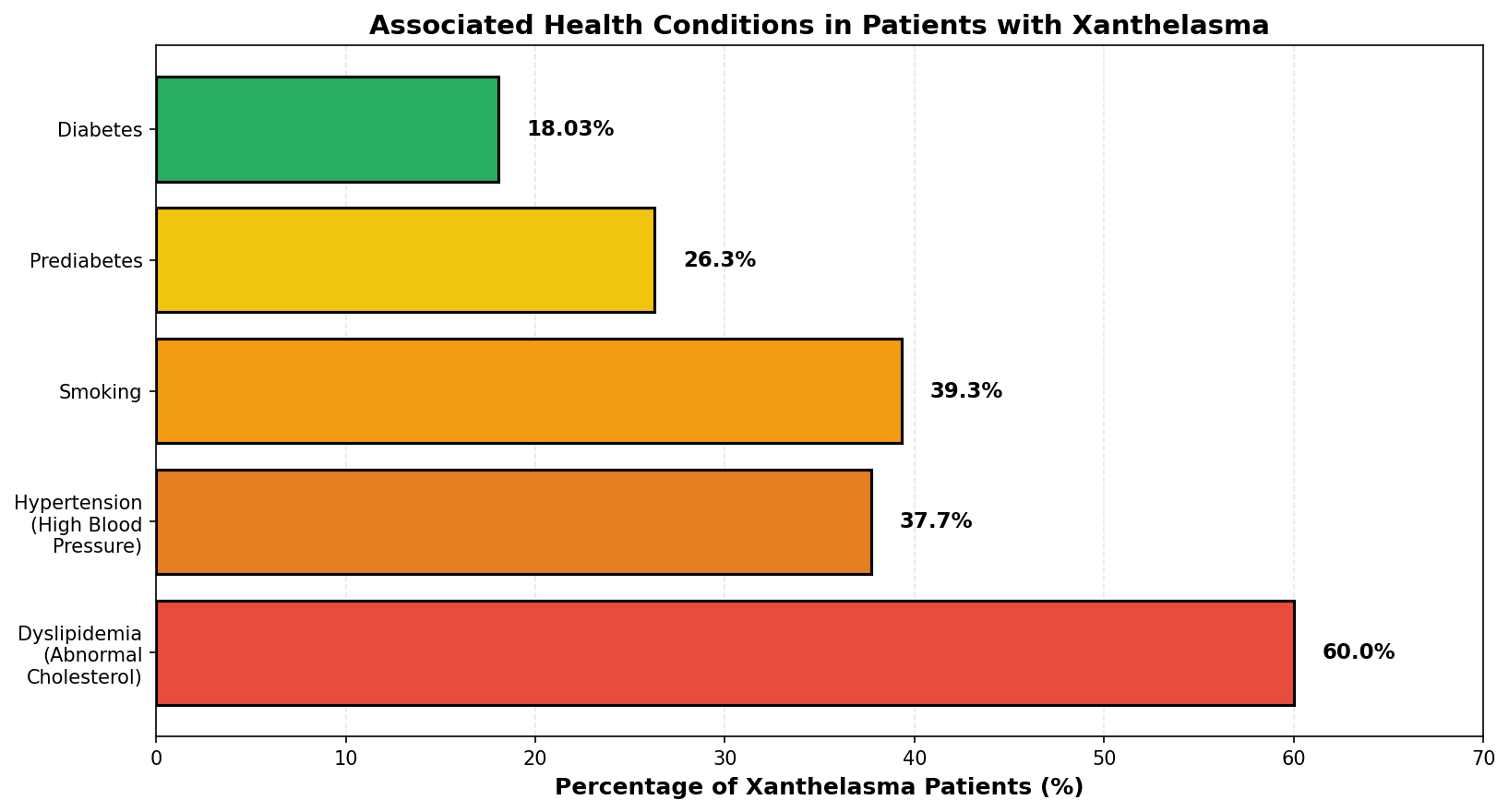 Figure 3: Different treatment modalities show varying effectiveness rates. Laser treatments (particularly CO2) and surgical excision offer >95% clearance, whilst chemical peeling achieves 85-94% effectiveness.
Recurrence: Why Treatment Doesn't Always Mean Permanent Resolution
Understanding recurrence rates helps set realistic expectations. The data shows:
|
Treatment |
Recurrence Rate |
What It Means |
|
CO2 Laser |
6.8% |
Best among laser options |
|
Er:YAG Laser |
10.5% |
Excellent safety with low recurrence |
|
Chemical Peeling (TCA 70%) |
25% at 6 months |
Simple, repeatable if needed |
|
Bichloroacetic Acid |
28% at 68 months |
Long-term durability with some regrowth |
|
Surgical Excision |
Variable |
More permanent if lipids managed |
|
KTP Laser |
43% |
Requires annual maintenance |
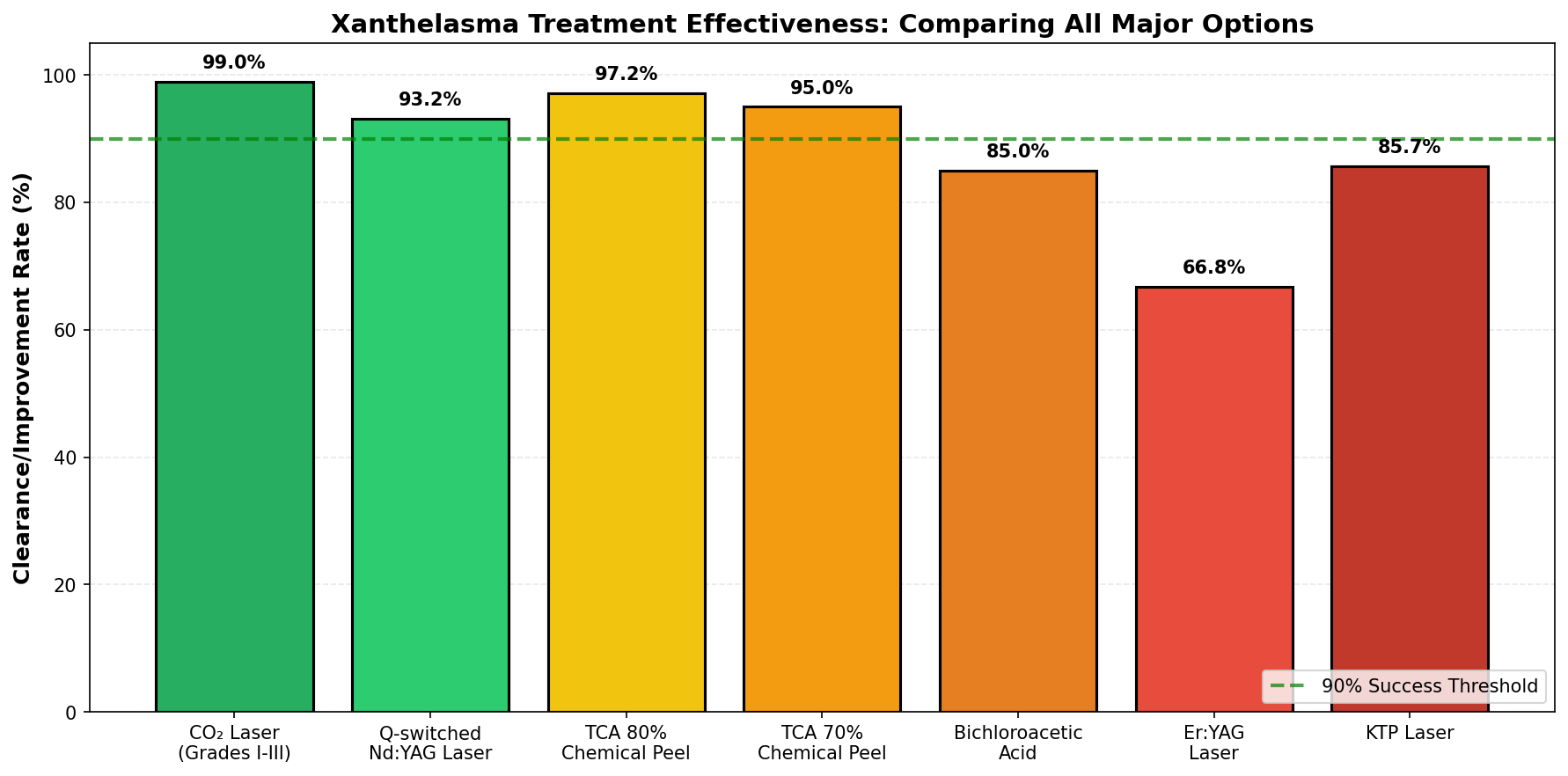 Figure 4: Recurrence rates vary significantly between treatments. CO2 and Er:YAG lasers show the lowest recurrence (6-10%), whilst KTP laser shows higher recurrence requiring regular maintenance.
Higher recurrence risk is associated with:
- All four eyelids being involved
- Underlying untreated high cholesterol
- Multiple previous recurrences
- Lesions thicker than 2 mm
The key insight: treating the xanthelasma lesion itself isn't enough. You must also manage the underlying cholesterol disorder to prevent new lesion formation.
The Progression Pattern: What Typically Happens
Here's what the natural history looks like for most people:
- Silent accumulation phase (months to years): Cholesterol deposits are building up invisibly in your eyelid skin
- Initial recognition (year 1-2): You notice a small yellowish bump on one upper eyelid, usually near the inner corner
- Gradual enlargement (year 2-3): The lesion slowly becomes more prominent and darker yellow, then starts appearing on the other eye
- Progressive involvement (year 3-5): Lesions spread from upper eyelids to lower eyelids, possibly extending to eyebrows and eye corners
- Possible stabilisation or continued growth (year 5+): Some lesions stabilise; others continue enlarging, occasionally merging into larger masses
The total timeline from first noticeable lesion to extensive involvement typically spans 5 to 10 years, though this varies considerably between individuals.
Severity Distribution Across Populations
Understanding how xanthelasma distributes across severity grades helps contextualise your own situation. In a study of nearly 300 patients:
- Over 83% had mild xanthelasma
- Just 5.4% had moderate involvement
- About 8% had severe or very severe xanthelasma
This means if you have xanthelasma, there's a strong probability yours will remain relatively limited in extent. However, this doesn't mean it won't progress; it means most people don't end up with xanthelasma covering all four eyelids.
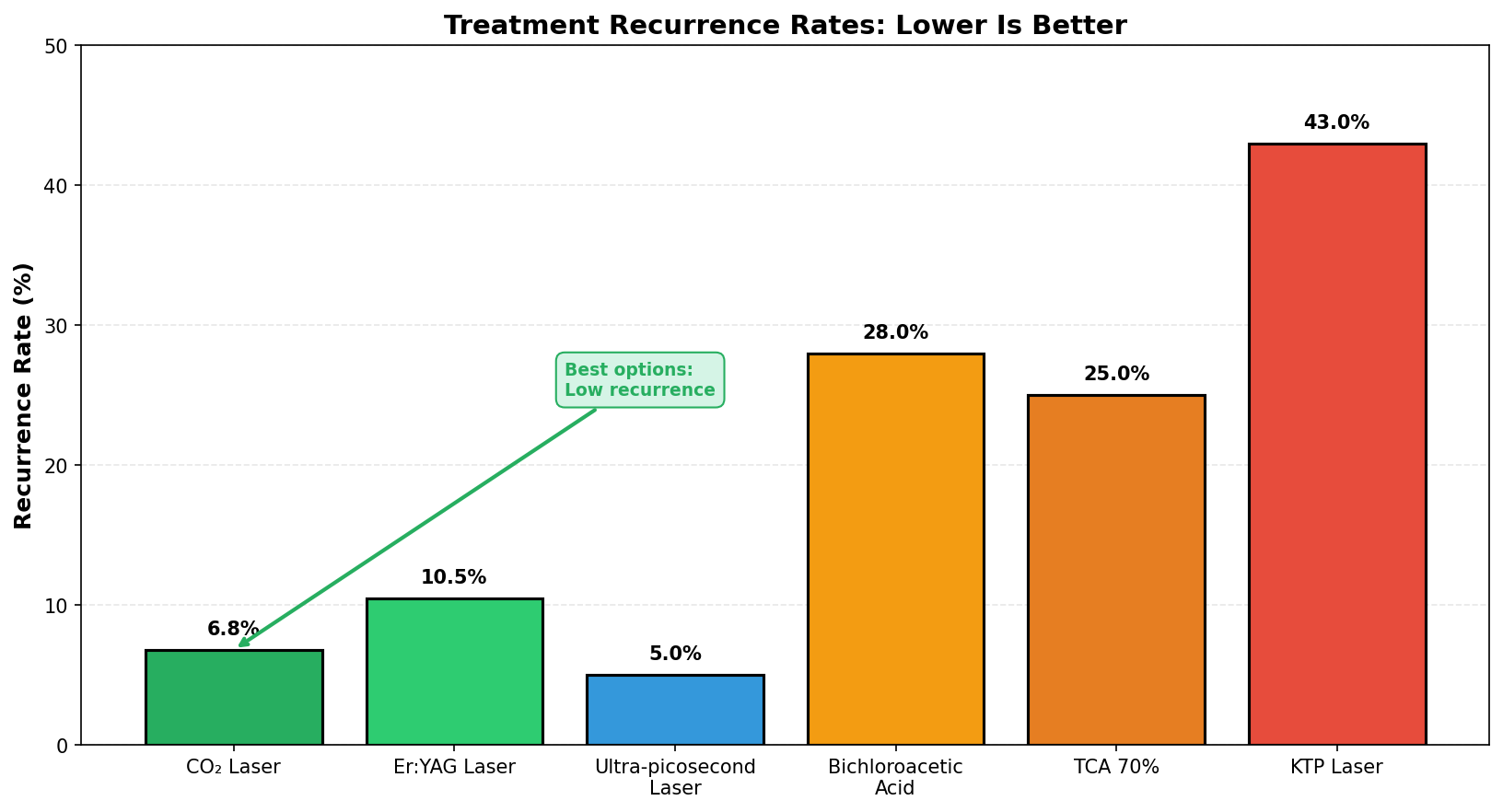 Figure 5: Most people with xanthelasma have mild disease (83.4%), but a significant minority develop moderate-to-severe involvement. Initial severity doesn't predict progression rate.
How Deep Does It Go? Understanding Lesion Depth
Clinically, lesion depth matters because thicker lesions have higher recurrence rates after treatment and require different management approaches.
Xanthelasma deposits penetrate into different skin layers:
- Deeper dermis: About 58% of cases, with average depth of 1.3 mm
- Muscle layer (orbicularis oculi): About 27% of cases, penetrating to average depth of 1.8 mm
In extreme cases, lesions can reach nearly 4.5 mm deep, which explains why some require surgical excision rather than less invasive methods.
When Should You Seek Medical Attention?
You should see a doctor if you notice:
- A new small yellowish bump on your eyelid, especially near the inner corner
- White or yellowish patches appearing in the corners of your eyes
- Gradual enlargement of a previously noticed lesion
- Lesions appearing on both eyes
- Spread to multiple eyelids
Equally important: if you already have xanthelasma, you absolutely should have a lipid profile checked, even if your xanthelasma is small. This means a blood test measuring:
- Total cholesterol
- LDL ("bad") cholesterol
- HDL ("good") cholesterol
- Triglycerides
About 50% of people with xanthelasma have abnormal lipid levels, and 33% have elevated cholesterol. Even those with apparently normal lipid levels should be monitored, as they may develop abnormalities later.
Special Considerations for Young People
If xanthelasma appears before age 40, this warrants evaluation for familial hypercholesterolaemia, especially if there's a family history of early heart disease or high cholesterol. Genetic screening can identify whether you carry mutations predisposing you to severe lipid problems requiring aggressive treatment.
Living with Xanthelasma: Managing Growth and Recurrence
Once you understand that xanthelasma signals lipid metabolism problems, the path forward becomes clearer.
The Two-Part Approach
Effective xanthelasma management requires treating both the lesion and the underlying disease:
Part 1: Remove existing lesions through whichever treatment option makes sense for you (laser, chemical peel, or surgery), guided by your doctor based on lesion size, location, and your preferences.
Part 2: Manage cholesterol through:
- Lipid profile testing and monitoring
- Dietary changes (reduced saturated fat, increased fibre)
- Statin therapy if indicated by your lipid levels
- Treatment of other metabolic conditions (diabetes, hypertension)
- Lifestyle modifications (exercise, smoking cessation, weight management)
This combination approach prevents new lesion formation and gives you the best chance of avoiding recurrence.
What to Expect Long-Term
With appropriate treatment and cholesterol management:
- Your existing lesions will be removed or significantly reduced
- New lesion formation will slow or stop
- Your cardiovascular risk will be better managed
- You'll need periodic monitoring to catch any new lesions early
Without cholesterol management:
- New lesions will likely form
- Existing lesions may recur after treatment
- Your underlying cardiovascular risk remains elevated
The Bottom Line: Why Growth Timeline Matters
Xanthelasma grows slowly and gradually, usually becoming noticeable between ages 40 and 50, with progression from initial small lesion to more extensive involvement typically taking 5 to 10 years. The growth rate varies considerably depending on cholesterol levels, genetic factors, age, and associated metabolic conditions.
The crucial point: xanthelasma is not just a cosmetic issue. It's a visible marker that cholesterol metabolism has gone wrong, and it predicts increased cardiovascular risk. This is precisely why understanding its growth timeline matters. The earlier you recognise it and address the underlying metabolic problems, the better your long-term health outcomes.
If you notice xanthelasma developing, see a doctor promptly. Get your lipids checked. Get treatment for both the lesion and the underlying condition. This two-part approach gives you the best chance of preventing progression, avoiding recurrence, and protecting your heart.
Xanthelasma grows slowly, but the health implications of ignoring it don't wait.
Further Reading
Understanding Xanthelasma and Diagnosis
Cholesterol and Lipid Metabolism
- Understanding Lipid Profiles and Cholesterol Metabolism from MedlinePlus
- Cholesterol Deposits in the Skin from Harvard Health
Treatment Options and Management
- Laser Treatment Options from PubMed Research
- Practical Management Review from PubMed Central
- Chemical Peeling Approaches from PubMed
Cardiovascular Risk and Prognosis
- Cardiovascular Profile of Xanthelasma from PubMed
- Atherosclerosis Risk from Harvard Health
- Genetic Factors in Xanthelasma from PubMed
Metabolic Conditions and Risk Factors
Specialist Resources
- American Heart Association Cardiovascular Health Resources
- Mayo Clinic Cholesterol and Cardiovascular Information
- European Society of Cardiology Guidelines
References/Helpful Resources
- Cleveland Clinic. Xanthelasma [Internet]. [cited 2026 Aug 03]. Available from: https://my.clevelandclinic.org/health/diseases/23385-xanthelasma
- National Center for Biotechnology Information. Xanthelasma Palpebrarum. In: StatPearls [Internet]. Bethesda (MD): National Library of Medicine; 2026. Available from: Xanthelasma Palpebrarum - StatPearls - NCBI Bookshelf
- Mayo Clinic. High Cholesterol [Internet]. Rochester (MN): Mayo Foundation for Medical Education and Research; [cited 2026 Aug 03]. Available from: https://www.mayoclinic.org/diseases-conditions/high-blood-cholesterol/symptoms-causes/syc-20350800
- Harvard Health Publishing. In Your Eyes: Clues to Heart Disease Risk [Internet]. Boston (MA): Harvard Medical School; [cited 2026 Aug 03]. Available from: https://www.health.harvard.edu/heart-health/in-your-eyes-clues-to-heart-disease-risk
- National Center for Biotechnology Information. Serum lipid profile and clinical characteristics of patients with xanthelasma palpebrarum. PubMed [Internet]. 2016 Nov [cited 2026 Aug 03]. Available from: https://pubmed.ncbi.nlm.nih.gov/27579742/
- National Center for Biotechnology Information. Normolipidemic xanthelasma palpebrarum: lipid composition, cholesterol metabolism in monocyte-derived macrophages, and plasma lipid peroxidation. PubMed [Internet]. 1996 [cited 2026 Aug 03]. Available from: https://pubmed.ncbi.nlm.nih.gov/8740261/
- National Center for Biotechnology Information. Association between xanthelasma palpebrarum with cardiovascular risk and dyslipidemia: a case control study. PubMed [Internet]. 2024 [cited 2026 Aug 03]. Available from: https://pubmed.ncbi.nlm.nih.gov/39111668/
- National Center for Biotechnology Information. Genetic insight into putative causes of xanthelasma palpebrarum: a Mendelian randomization study. PubMed Central [Internet]. 2024 [cited 2026 Aug 03]. Available from: https://www.ncbi.nlm.nih.gov/pmc/articles/PMC11004296/
- National Center for Biotechnology Information. Xanthomas: clinical and pathophysiological relations. PubMed [Internet]. 2014 [cited 2026 Aug 03]. Available from: https://pubmed.ncbi.nlm.nih.gov/24781043/
- National Center for Biotechnology Information. Carbon dioxide laser excision as a novel treatment for large xanthelasma palpebrarum: long-term efficacy and safety. PubMed [Internet]. 2024 [cited 2026 Aug 03]. Available from: https://pubmed.ncbi.nlm.nih.gov/39237290/
- National Center for Biotechnology Information. Treatment of eyelid xanthelasma with 70% trichloroacetic acid. PubMed [Internet]. 2009 [cited 2026 Aug 03]. Available from: https://pubmed.ncbi.nlm.nih.gov/19617785/
- National Center for Biotechnology Information. Cardiovascular profile of xanthelasma palpebrarum. PubMed [Internet]. 2013 [cited 2026 Aug 03]. Available from: https://pubmed.ncbi.nlm.nih.gov/23865074/
- National Center for Biotechnology Information. Xanthelasma palpebrarum associated with increased cardio-ankle vascular index in asymptomatic subjects. PubMed [Internet]. 2015 [cited 2026 Aug 03]. Available from: https://pubmed.ncbi.nlm.nih.gov/26975453/
- National Center for Biotechnology Information. Systematic review of laser therapy in xanthelasma palpebrarum. PubMed [Internet]. 2017 [cited 2026 Aug 03]. Available from: https://pubmed.ncbi.nlm.nih.gov/28181222/
- MedlinePlus. Cholesterol [Internet]. Bethesda (MD): National Library of Medicine; [cited 2026 Aug 03]. Available from: https://medlineplus.gov/cholesterol.html
- European Society of Cardiology. Guidelines on Cardiovascular Disease Prevention [Internet]. [cited 2026 Aug 03]. Available from: https://www.escardio.org/Guidelines
