

If you have noticed small red bumps or pustules appearing on your skin after shaving, or breaking out in uncomfortable spots after a hot workout or long day in tight clothes, you have experienced what millions of people deal with every year - folliculitis. It is a common skin infection that can be easily prevented.
The skin responds to very specific triggers, such as friction from a razor, moisture trapped under tight clothing or sweat and heat creating the perfect environment for bacteria to thrive. Once you understand these triggers, you can prevent most cases from ever developing.This article explains what folliculitis is, why these three factors make it worse, what the treatments are and, how to prevent it.
What Is Folliculitis?
Folliculitis is an infection or inflammation of one or more hair follicles. The hair follicles are small openings in your skin from which individual hairs grow. When bacteria penetrate these follicles, or when follicles become irritated and inflamed from physical damage, it leads to small red bumps sometimes filled with pus or fluid. These can appear on your face, chest, back, legs or anywhere the body grows hair and can come in several different types.
Different Types
The condition comes in several forms, each with different causes and symptom:
Bacterial folliculitis is the most common type, typically caused by Staphylococcus aureus, a bacterium that lives naturally on everyone's skin. Most of the time, the immune system keeps it under control, but when the skin barrier is damaged from shaving or friction, bacteria can invade the hair follicle and cause infection.
Fungal folliculitis (also called Malassezia or Pityrosporum folliculitis) is caused by a yeast that grows excessively in warm, humid conditions. Interestingly, this type is frequently mistaken for acne and can be incorrectly treated with antibiotics instead of with antifungal.
Pseudofolliculitis barbae (commonly known as "razor bumps") is when tightly curled hairs are cut close to the skin and then curl back and grow into the skin. This is a foreign-body inflammatory reaction rather than a true infection but it causes the same uncomfortable bumps.
Severe scarring forms (such as folliculitis decalvans and acne keloidalis) are rarer but more serious. Left untreated, these can cause permanent hair loss and scarring. These typically require dermatology referral rather than home care.
How Common Is It?
About 1 in 125 people in the general population experience folliculitis at some point. Certain populations face much higher rates. For instance, more than half of Black men with curly hair experience pseudofolliculitis barbae, and in warm climates, fungal folliculitis affects nearly 1 in 3.
Why Shaving Triggers Folliculitis
Shaving is the single most common cause of folliculitis.
The Biomechanics of Shaving Damage
When you shave, the razor blade creates a sharp cut across the hair shaft. If you are shaving too close to the skin, you are cutting the hair below the skin's surface and because of the way hair grows, especially for those with curly hair, that freshly sharpened hair end can curve back and penetrate the skin near or even within the follicle itself. This creates an ingrown hair which the immune system sees as a foreign object invading the skin, so it produces an inflammatory response. Add in the fact that the shaving also damages the skin barrier there is an additional risk of bacteria infection. This leads to red, inflamed bumps that can progress to pustules.
Why This Affects Some People More Than Others
People with tightly curled hair are at much higher risk because of pure geometry. A straight hair grows straight back out, whilst curly hair curves back toward or into the skin. This is why pseudofolliculitis barbae is so common in people of African descent.
What Actually Prevents It
Research shows that those who shave frequently with proper technique have fewer razor bumps than those who shave infrequently. In studies using modern guard razor technology, men who shaved at least 5 times per week with proper technique showed significant improvement in appearance and quality of life compared to baseline. This is because consistent, gentle shaving with the right tools prevents hair from becoming ingrown.
Proper shaving technique involves:
- Preparing skin by washing with warm water and using a gentle washcloth to raise embedded hairs
- Applying a good amount of shaving lotion to reduce friction
- Using an electric razor or a guarded blade rather than cartridge razors designed for extremely close shaves
- Shaving in the direction of hair growth, not against it
- Using a sharp, clean blade (dull blades create jagged cuts more likely to curl back)
- Never stretching the skin while shaving
- Showering afterward to cleanse the area
If you are prone to folliculitis from shaving, the single most effective approach for many people is to use an electric razor with a foil guard, which cuts hair slightly above the skin surface rather than at or below it. Alternatively, growing a beard eliminates the problem by avoiding shaving.
The Role of Tight Clothing
Tight clothing is an equally important and often overlooked trigger.
How Friction Damages Follicles
When you wear tight, non-breathable clothing, especially around areas prone to folliculitis, several things happen simultaneously. Firstly, there is direct friction. Tight seams, elastic waistbands and snug synthetics create constant micro-irritation against the skin. Over time, this friction damages the hair follicles and breaks down the protective skin barrier and the follicles become more vulnerable to bacterial invasion. Secondly, tight clothing traps heat and sweat against the skin, creating a warm, humid microenvironment right next to the hair follicles. Bacteria thrive in these conditions and when adding friction to this environment, the condition is ideal for folliculitis to develop.
High-Risk Clothing Situations
High-risk clothing includes:
- Tight synthetic fabrics (polyester, nylon) that do not allow air circulation
- Rubber gloves worn for extended periods (common for healthcare workers and cleaners)
- Tight jeans or leggings, especially around the thighs and groin
- High boots or tight footwear
- Tight athletic wear made from non-breathable synthetics
- Any garment with elastic that leaves pressure marks on skin
Athletes are particularly vulnerable. Tight synthetic sports shorts combined with friction from movement and sweat accumulation create multiple triggers simultaneously. People in certain occupations, like nurses wearing tight uniforms under multiple layers, face elevated risk for the same reason.
Prevention Through Clothing Choices
Preventative methods include wearing loose, breathable clothing. Natural fibres like cotton allow sweat to evaporate rather than accumulating on your skin and loose fit clothing prevents friction. If you must wear tight clothing for work, change into loose, dry clothing as soon as possible. The same goes for swimwear, remove your swimsuit immediately after water activities and shower.
This change prevents a significant percentage of folliculitis cases. People who wear loose cotton clothing, shower promptly after sweating and change out of damp clothes rarely experience folliculitis related to friction and heat.
Sweat and Heat as Risk Factors
Heat and excessive sweat create conditions that dramatically increase folliculitis risk, particularly fungal folliculitis. Research shows that for every 1°C rise in environmental temperature, skin infection rates increase.
How Moisture Worsens Conditions
When sweat and moisture accumulate on the skin for prolonged periods, several problems develop:
- Moisture softens the outer layer of skin (stratum corneum), increasing permeability and making it easier for bacteria to penetrate
- In humid conditions, sweat does not evaporate efficiently, creating prolonged moisture accumulation under clothing or in skin folds
- Warm, moist environments are where bacteria and fungi multiply fastest
- The skin's natural pH changes in the presence of prolonged sweat, favouring bacterial growth
This is why folliculitis is more common in summer and autumn, and why people living in hot, humid climates experience it more frequently than those in temperate regions.
Fungal Folliculitis and Climate
Malassezia folliculitis is more prevalent in hot, humid climates. It ranges from around 1-2% of dermatology patients in temperate regions to 4.6% in the United States overall, but can reach 16% or higher in tropical regions and in people who live in warm climates. This is because the yeast that causes fungal folliculitis thrives in conditions of heat and humidity.
How to Manage Heat and Sweat
If you exercise regularly, work in a hot environment or live in a warm climate, sweat management becomes critical:
- Change out of sweaty clothing immediately after exercise or work
- Shower with warm (not hot) water as soon as possible after sweating
- Use antiperspirant products to help control excessive sweating
- Wear moisture-wicking fabrics designed to pull sweat away from skin
- Dry skin thoroughly after showering, especially in skin folds and areas prone to folliculitis
- Avoid spending prolonged time in hot tubs or heated pools, especially if they are not well-maintained
- If you do use hot tubs, shower immediately afterward and change into fresh clothing
For people with hyperhidrosis (excessive sweating), managing this condition through antiperspirants or in severe cases, prescription treatments like aluminium chloride antiperspirants can significantly reduce folliculitis risk.
When Multiple Triggers Combine
While each trigger alone increases folliculitis risk, the real danger emerges when multiple factors occur together. Research shows that shaving alone creates about 50% increased risk, tight clothing and friction add another 35% risk, sweat and heat add 40% risk, but when all three occur simultaneously, the risk jumps to 85%.
This is why certain situations create particularly high-risk scenarios. Consider a Black man with curly hair who shaves closely, wears tight synthetic athletic shorts and works in a hot environment. He is facing a multiplicative effect from many triggers. Shaving creates ingrown hairs, tight shorts create friction and trap sweat, heat and humidity create optimal growth conditions for bacteria. This explains why pseudofolliculitis barbae combined with environmental factors creates such persistent problems in certain populations.
Treatment
If folliculitis develops despite prevention efforts, treatment depends on how severe it is and what is causing it.
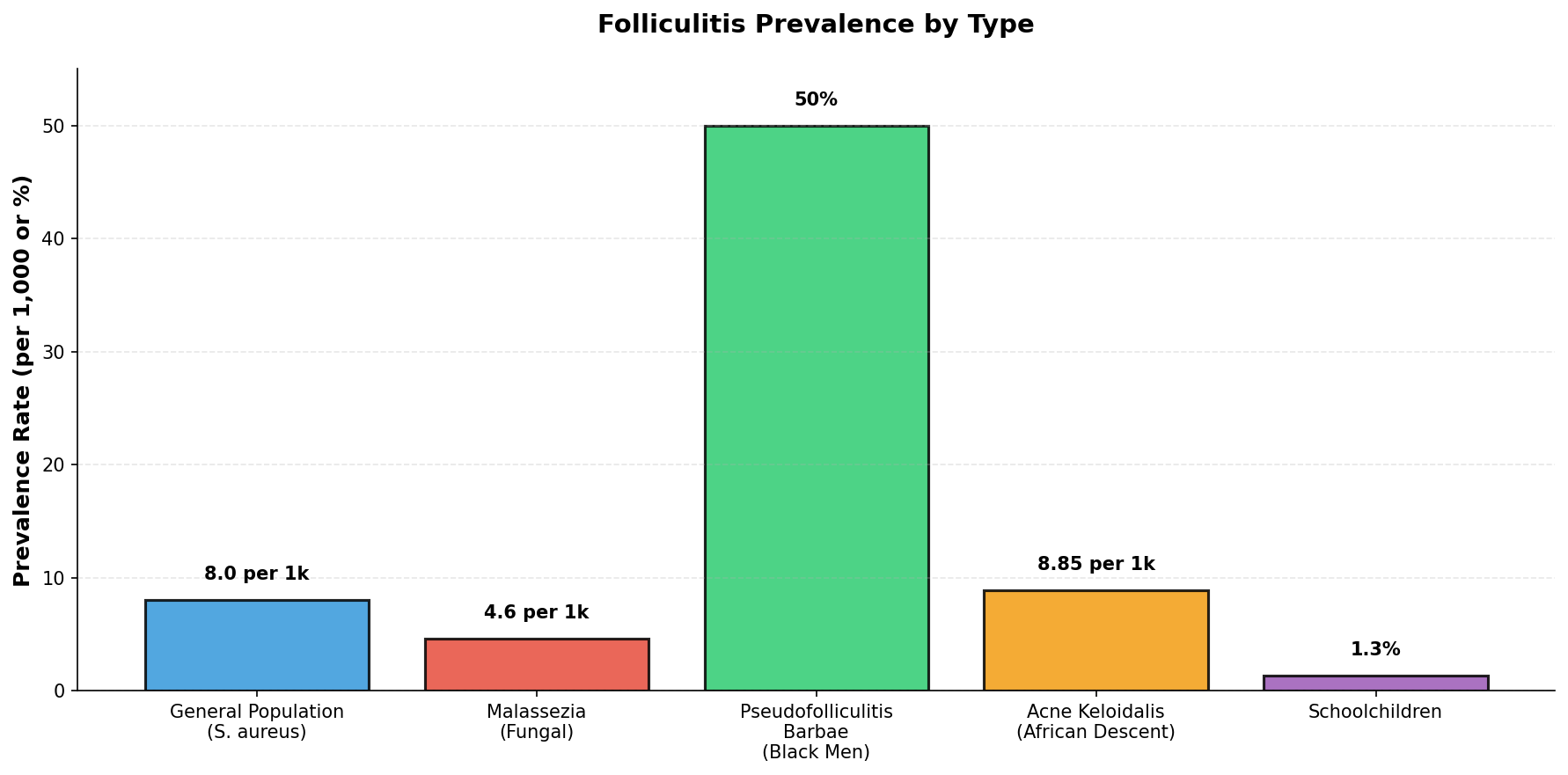
Figure 1: Different treatments show varying effectiveness depending on folliculitis type and severity. Mild cases often resolve with home care alone.
Home Care for Mild Cases
Mild folliculitis frequently resolves completely with warm compresses and cleanliness. Apply a warm, moist washcloth to affected areas several times daily. This helps the area drain naturally and speeds healing. Most mild cases resolve within 7-10 days using this approach alone. Keeping the area clean and dry, changing out of sweaty or damp clothing and not squeezing or picking at lesions is key in preventing bacteria from spreading which can delay healing.
Topical Treatments
For mild to moderate bacterial folliculitis, topical antibiotics are often effective. Mupirocin, chlorhexidine or topical clindamycin is applied directly to affected areas. It has a success rate of around 65% for mild cases. Apply treatments in the direction of hair growth, never in circular motions, which can block the follicles, and pat skin dry gently rather than rubbing.
For fungal folliculitis, topical antifungals like ketoconazole cream have a around 12% cure rate, but work much better when combined with oral antifungals.
Oral Antibiotics
When topical treatments are not sufficient or when folliculitis is more widespread, oral antibiotics such as tetracycline and doxycycline are common first-line choices, often combined with topical antibiotics for at least 3 months. This combination achieves an improvement in 80% of patients, though treatment typically takes several weeks to show full benefit.
For severe cases, particularly folliculitis decalvans (the scarring type), treatment may extend for months or even years. Specific antibiotics like clarithromycin show 33% long-term stable remission rates, while dapsone shows 43%—these are more effective than standard antibiotics for severe forms.
Antifungal Treatment
Fungal folliculitis (Malassezia) is treated with oral antifungals like ketoconazole which achieves a 92% success rate compared to only 12% with topical treatment alone. This difference highlights why getting the correct diagnosis matters because many cases of fungal folliculitis are misdiagnosed as acne and treated with antibiotics, which delays treatment.
Severe Cases: Isotretinoin
For recalcitrant folliculitis that has not responded to standard treatments, particularly severe scarring forms, isotretinoin (a powerful oral retinoid) shows remarkable effectiveness. About 90% of patients achieve stable remission during treatment and for up to two years after stopping treatment. However, isotretinoin requires careful medical monitoring due to potential side effects, so it is reserved for severe cases.
Timeline to Improvement
With appropriate treatment, you can expect:
- Days 1-3: 5-20% healing progress (minimal visible change)
- Day 5: 35% improvement (beginning to notice)
- Day 7: 60% improvement (noticeable change)
- Day 10: 80% improvement
- Day 14: 100% resolution for mild cases
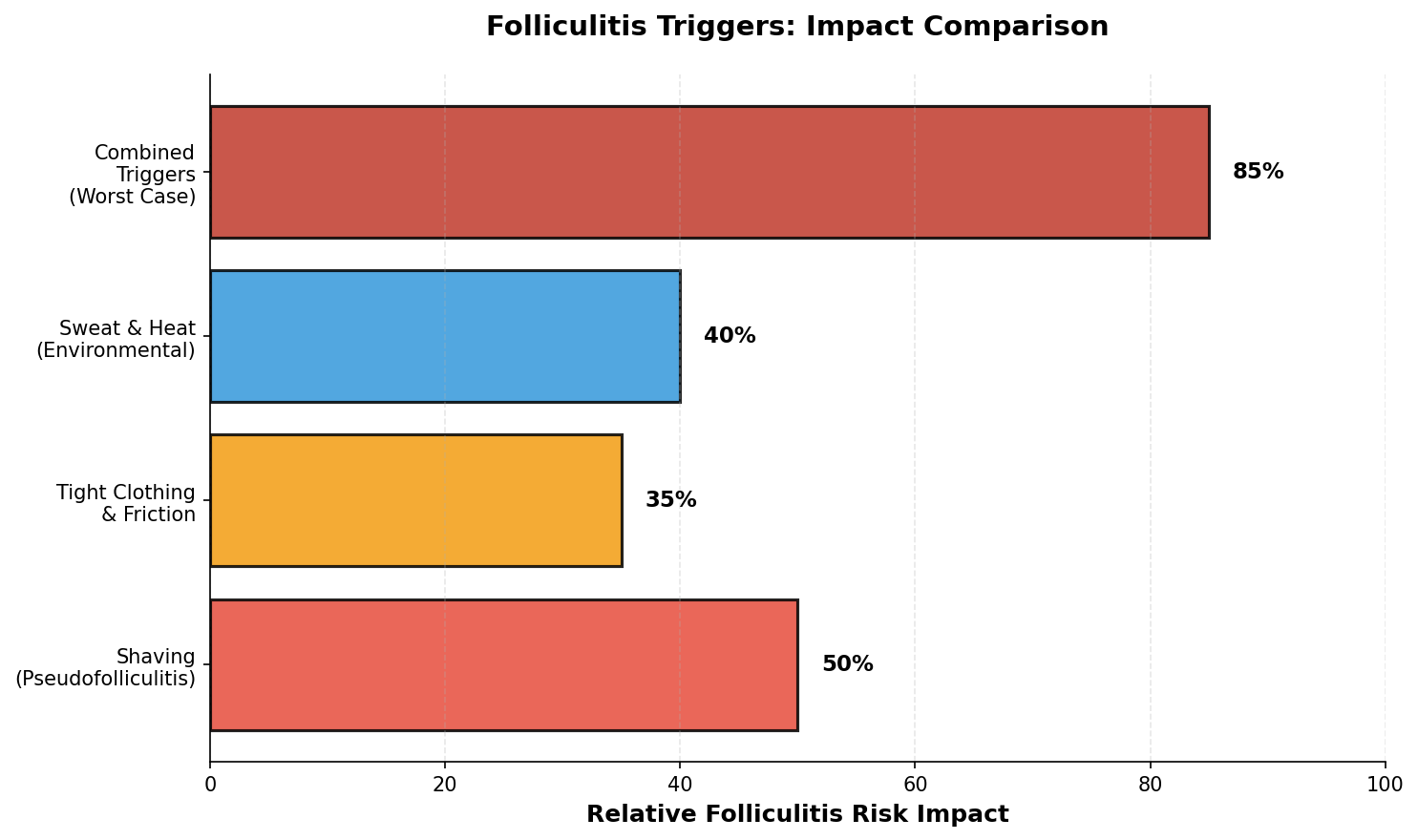
Figure 2: Healing progression typically follows this pattern. If minimal improvement appears by day 7-10, medical evaluation is warranted.
If you are not seeing improvement by day 7-10 or if symptoms are getting worse, schedule an appointment with your doctor.
Prevention Strategies: Your Best Defence
Since folliculitis is usually preventable, prevention strategies should be the first priority.
Shaving Prevention
As discussed earlier, proper shaving technique is the cornerstone of prevention for shaving-related folliculitis:
- Prepare skin thoroughly before shaving
- Use a sharp, clean blade or electric razor with guard
- Shave in the direction of hair growth
- Use adequate shaving lotion to reduce friction
- Never shave too close to the skin surface
- Shower after shaving to cleanse the area
- Allow adequate recovery time between shaves
For people with severe pseudofolliculitis barbae, growing a beard (if professionally feasible) is often the most effective solution. It completely eliminates the trigger.
Clothing and Friction Management
Simple clothing adjustments prevent a significant amount of folliculitis:
- Wear loose, breathable clothing, especially cotton
- Avoid tight synthetic fabrics that trap heat and moisture
- Change out of sweaty or damp clothing promptly
- Keep friction-prone areas clean and dry
- Use antiperspirant in high-friction areas if prone to folliculitis
- Ensure work uniforms or athletic wear are not excessively tight
Moisture and Sweat Management
- Shower daily, particularly after sweating from exercise or work
- Use warm (not hot) water when showering, which is less irritating
- Dry skin thoroughly, especially in folds and creases
- Change underwear and socks frequently
- Use moisture-wicking fabrics during exercise
- Apply antiperspirant as needed to manage hyperhidrosis
- Avoid prolonged time in hot tubs; if using them, ensure proper chlorine and pH levels, then shower and change immediately
Daily Skincare
Keeping affected areas clean without causing irritation helps prevent folliculitis:
- Use mild soap and warm water for cleansing
- Avoid harsh scrubs or aggressive washing, which damage follicles
- Pat skin dry gently rather than rubbing
- Apply moisturisers in the direction of hair growth, never in circles
- Avoid fragranced soaps and bath products
- Do not pick, squeeze, or scratch lesions
- Wash hands before touching affected areas
Specific High-Risk Situations
For athletes, particularly those in contact sports like wrestling and football, wearing moisture-wicking compression garments and changing into clean, dry clothing immediately after practice or games significantly reduces folliculitis risk.
For healthcare workers and others wearing rubber gloves for extended periods, frequent breaks to air hands and application of antiperspirant before glove use helps prevent folliculitis.
For people living in hot, humid climates, heightened attention to moisture management, frequent clothing changes and shower frequency become particularly important.
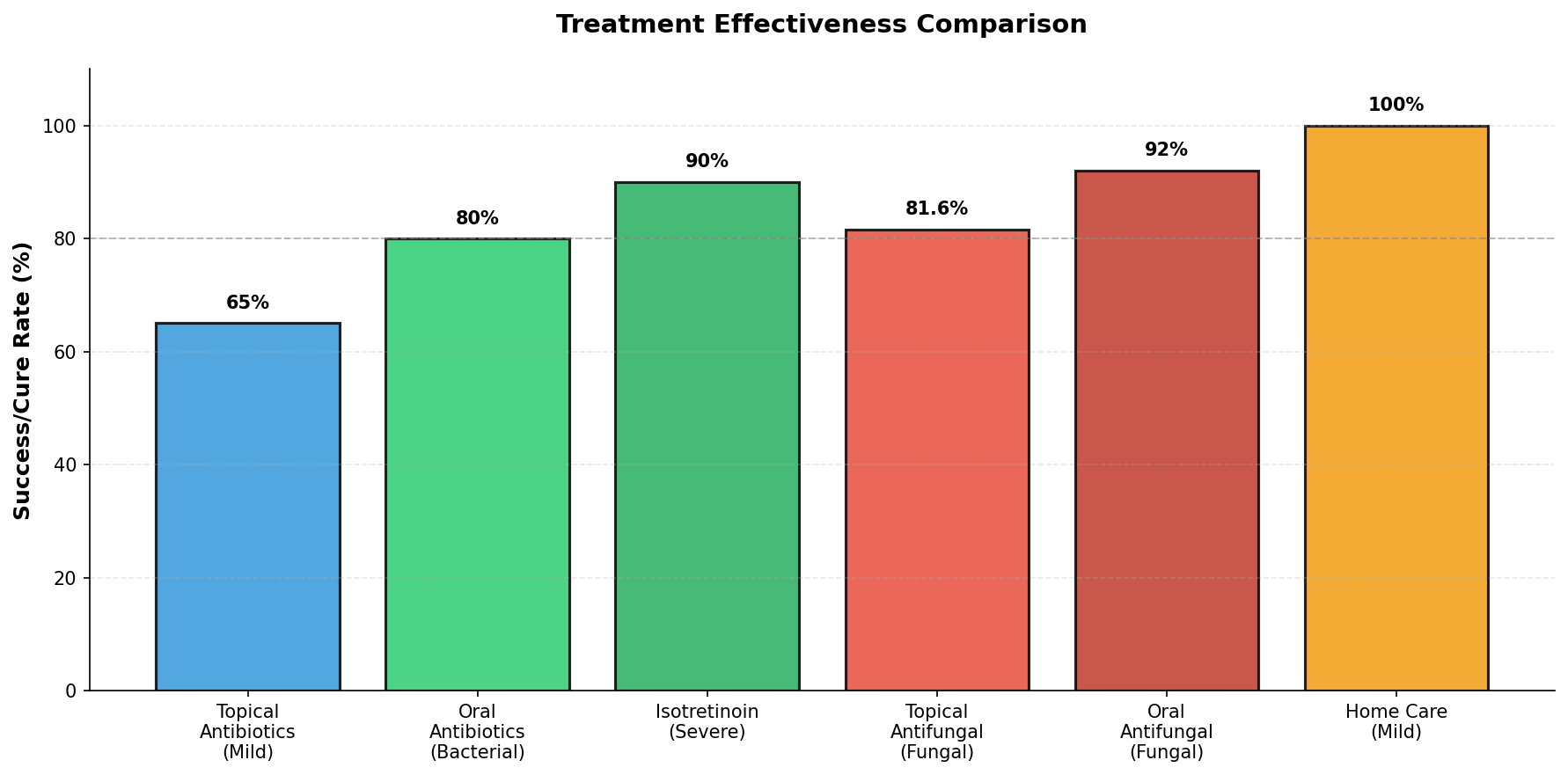
Figure 3: Different populations face varying risk levels from the same triggers. Black men with curly hair face the highest combined risk from shaving, climate, and hair characteristics.
When to Seek Medical Help
While many mild cases resolve with home care, certain situations warrant professional evaluation.
Schedule an Appointment If:
- Folliculitis does not improve after 7-10 days of home care
- Lesions spread to multiple body areas
- You experience recurrent episodes (suggesting an underlying pattern worth investigating)
- Lesions are large, painful, or contain significant fluid drainage
- Folliculitis develops in sensitive areas like the face or intimate regions
- You have a weakened immune system (diabetes, HIV, or immunosuppressive therapy)
- You are pregnant or breastfeeding (some treatments require medical guidance)
Seek Immediate Medical Care If:
- You develop fever (sign of systemic infection)
- Symptoms worsen despite home care efforts
- Red streaking appears (indicates spreading infection)
- Swelling or pain increases rapidly
- Drainage increases or changes character (becoming purulent or bloody)
- You suspect a severe form like folliculitis decalvans (scarring folliculitis)
Your doctor can:
- Confirm if it is folliculitis and not another condition
- Identify whether it is bacterial, fungal or another type
- Culture the lesion to guide appropriate antibiotic selection
- Prescribe appropriate topical or oral treatment
- Refer you to a dermatologist if necessary
Complications If Left Untreated
Most mild folliculitis resolves without complications. However, some forms can progress to serious problems.
Permanent Scarring and Hair Loss
The most significant complication involves severe, untreated folliculitis leading to permanent scarring and alopecia (hair loss). This is particularly true for folliculitis decalvans and acne keloidalis (folliculitis keloidalis nuchae), scarring forms that predominantly affect people of African descent.
These conditions can cause permanent, disfiguring hair loss if not treated early. This is why recurrent or severe folliculitis warrants prompt professional evaluation rather than home-care attempts.
Spreading Infection
Untreated bacterial folliculitis can spread to surrounding skin, creating larger infected areas. In severe cases, this can progress to cellulitis (infection of deeper skin layers) or abscesses requiring incision and drainage.
Quality of Life Impact
Recurrent or extensive folliculitis affects quality of life beyond the physical symptoms. Visible lesions impact self-confidence and social functioning. Chronic recurrence creates ongoing treatment burden and frustration. For pseudofolliculitis barbae in Black men, the condition has documented professional implications, particularly affecting military career advancement, which illustrates how folliculitis can extend beyond health into social equity issues.
Antibiotic Resistance Concerns
Repeated or prolonged antibiotic use for folliculitis contributes to rising antibiotic resistance in Staphylococcus aureus. This is why prevention and early, appropriate treatment is important. When antibiotics are necessary, culture-guided selection rather than empirical prescribing helps preserve antibiotic effectiveness.
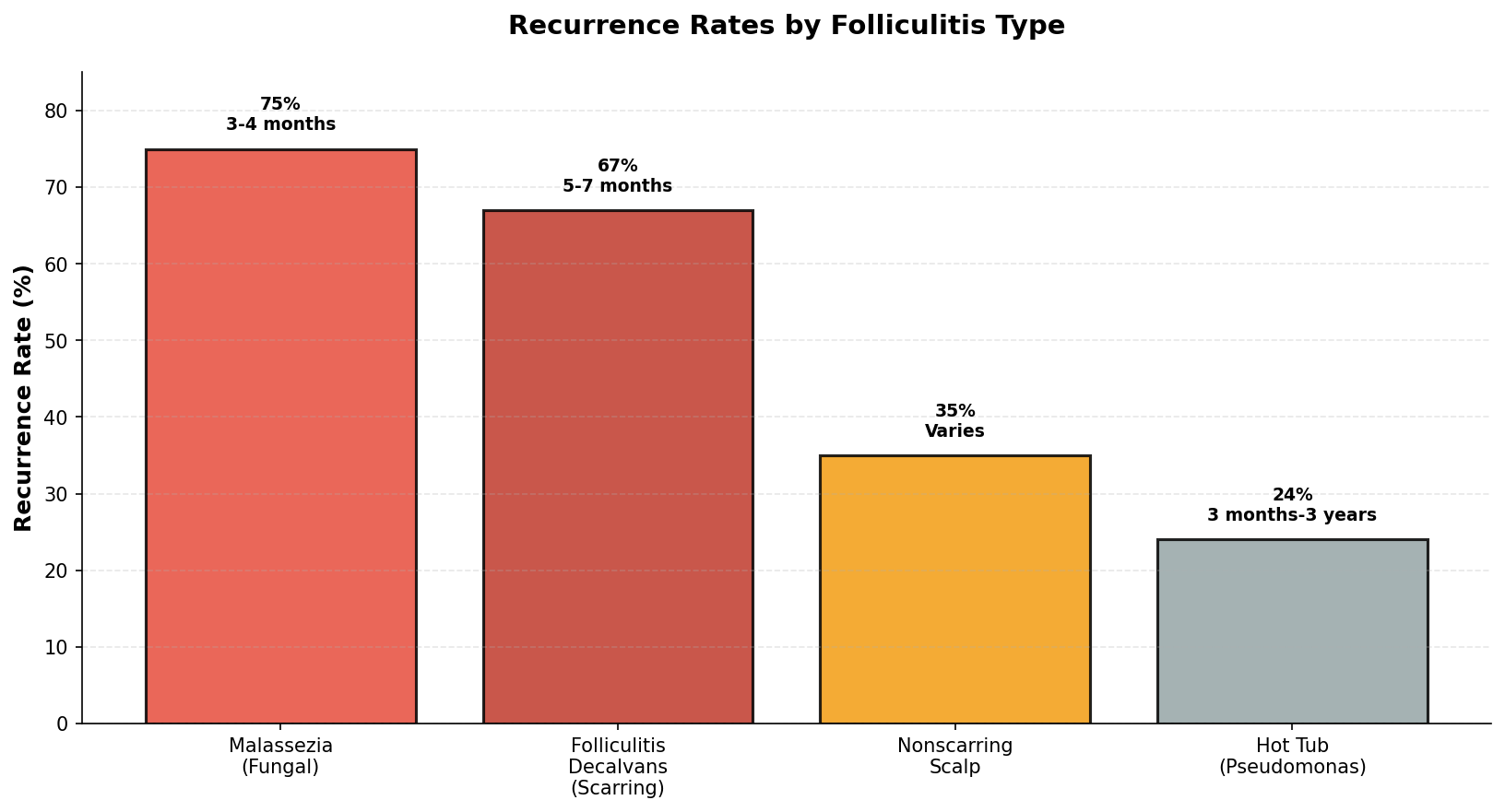
Figure 4: Complication risk varies significantly by folliculitis type. Mild cases rarely cause lasting problems, whilst scarring forms pose risk of permanent hair loss if untreated.
Living with Folliculitis: Recurrence and Long-Term Management
For some people, folliculitis becomes a recurring problem.
Recurrence Rates by Type
Fungal (Malassezia) folliculitis shows the highest recurrence rate. About 75% of people experience recurrence within 3-4 months after treatment stops, even when initial treatment achieves cure. This does not mean treatment failed, it means fungal folliculitis requires ongoing prevention efforts to remain controlled.
Folliculitis decalvans (scarring type) shows concerning relapse rates with 67% of patients relapsing 5-7 months after stopping antibiotics. This is why severe forms often require extended therapy, sometimes tapering antibiotics over months or years.
Nonscarring scalp folliculitis recurs in about 35% of cases, a moderate relapse rate. Most other forms of folliculitis, when treated appropriately and triggers are addressed, do not recur frequently.
Preventing Recurrence
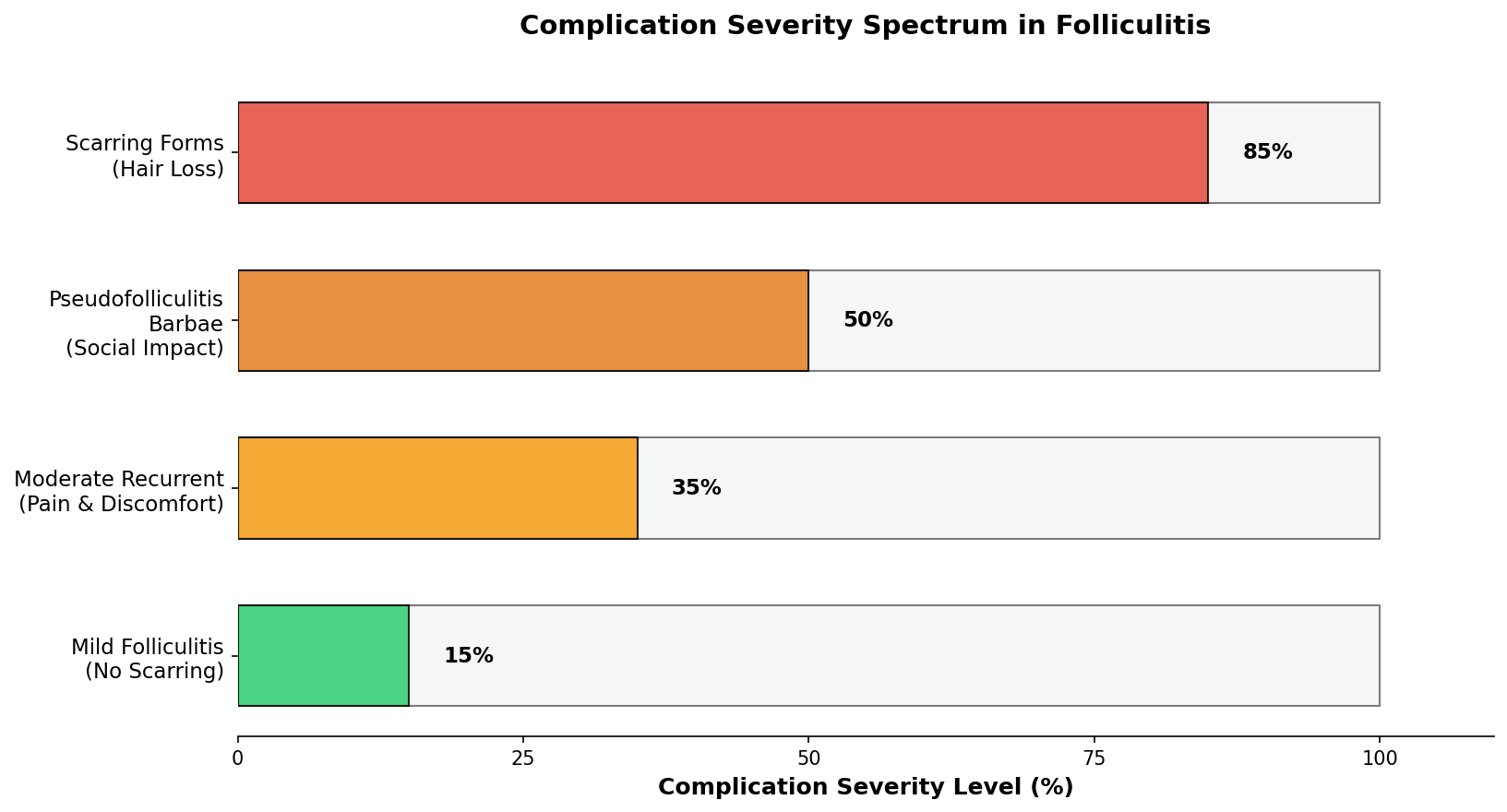
Figure 5: Some folliculitis types recur more frequently. Fungal forms and scarring types show highest recurrence unless prevention remains consistent.
The most effective recurrence prevention involves identifying and managing personal triggers:
- If shaving causes folliculitis, commit to proper shaving technique or switch to an electric razor
- If friction and tight clothing trigger it, maintain loose clothing habits even after healing
- If heat and sweat cause problems, continue moisture management year-round, not just during acute episodes
- For fungal folliculitis, maintain prevention strategies even when symptom-free, because treatment alone does not cure it permanently
For recurrent cases, your doctor may recommend:
- Periodic nasal antiseptic treatment (since the nose serves as a reservoir for Staphylococcus aureus)
- Maintenance topical treatments applied a few times weekly even when no active lesions appear
- Longer-term oral antibiotic therapy for severe forms
- Regular dermatology monitoring for scarring forms
Long-Term Outlook
With appropriate prevention and management, most people with folliculitis have an excellent long-term outlook. Mild to moderate bacterial folliculitis rarely causes lasting problems. Fungal folliculitis, whilst recurrent, remains manageable through consistent prevention. Severe scarring forms require ongoing management but respond well to dedicated treatment regimens.
Key Takeaways
Folliculitis is common, uncomfortable, and usually preventable.
- Shaving triggers folliculitis through mechanical damage. Proper technique with a sharp blade or electric razor, shaving in hair-growth direction and using adequate lubrication prevent most shaving-related cases
- Tight clothing creates the perfect conditions for folliculitis through friction and moisture trapping. Loose, breathable, natural-fibre clothing prevents a significant percentage of cases
- Heat and sweat dramatically increase folliculitis risk. Changing out of damp clothing promptly, showering after sweating and managing moisture becomes critical in hot climates or for active people
- Multiple triggers multiply risk exponentially. Addressing just one or two triggers significantly improves outcomes, but addressing all three simultaneously is ideal
- Mild cases resolve with home care alone. Warm compresses and cleanliness cure most mild folliculitis within 7-10 days without medication
- Getting the diagnosis right matters. Fungal folliculitis requires antifungals (not antibiotics) and misdiagnosis wastes months of ineffective treatment
- Recurrent or spreading folliculitis warrants professional evaluation. Some forms risk permanent scarring if not treated appropriately
- Prevention is more effective than treatment. Once you understand your personal triggers, preventing folliculitis is simpler than treating it
If you are prone to folliculitis, small, consistent habits (proper shaving, breathable clothing, moisture management) prevent most problems and save you time, money and discomfort.
Further Reading
Understanding Folliculitis
- Folliculitis: Recognition and Management - Peer-reviewed clinical overview
- Folliculitis Symptoms, Causes, and What You Need to Know - Mayo Clinic
- Folliculitis: Appearance, Causes, Symptoms and Treatment - Cleveland Clinic
Shaving-Related Folliculitis and Razor Bumps
- Pseudofolliculitis Barbae: A Review of Current Treatment Options - PubMed research overview
- New Razor Technology Improves Appearance and Quality of Life in Men With Pseudofolliculitis Barbae - Evidence-based study on prevention
- The Causes and Treatment of Pseudofolliculitis Barbae - Comprehensive clinical guide
- Folliculitis Barbae Update - NHS clinical guidance
Fungal Folliculitis (Malassezia)
- Malassezia Folliculitis: An Underdiagnosed Mimicker of Acneiform Eruptions - Why diagnosis matters
- Clinical Characteristics and Treatment Outcomes of Pityrosporum Folliculitis - Treatment effectiveness data
- Malassezia Folliculitis in Patients with Acne Vulgaris - Epidemiological research
Treatment Options and Prevention
- Folliculitis Diagnosis and Treatment - Mayo Clinic treatment guide
- Interventions for Bacterial Folliculitis and Boils - Cochrane systematic review
- Folliculitis Treatment and Prevention - Harvard Health evidence-based guidance
- Emollients and Skincare - NHS guidance on moisturising correctly
Severe Forms and Complications
- Folliculitis Decalvans: Clinical Characteristics and Treatment - Scarring folliculitis research
- Oral Isotretinoin as Most Effective Treatment in Folliculitis Decalvans - Treatment for severe cases
- Folliculitis Keloidalis Nuchae: Prevalence, Impact, and Management Challenges - Acne keloidalis overview
Environmental and Occupational Factors
- Hot Tub Folliculitis: Causes, Symptoms, and Treatment - Pseudomonas aeruginosa folliculitis
- The Association of Cellulitis Incidence and Meteorological Factors - Temperature and skin infection risk
- More Than Skin Deep: Dermatologic Conditions in Athletes - Folliculitis in athletic populations
References/Helpful Resources
- Mayo Clinic. Folliculitis: Symptoms and causes [Internet]. [cited 2025 Jul 13]. Available from: https://www.mayoclinic.org/diseases-conditions/folliculitis/symptoms-causes/syc-20361634
- Mayo Clinic. Folliculitis: Diagnosis and treatment [Internet]. [cited 2025 Jul 13]. Available from: https://www.mayoclinic.org/diseases-conditions/folliculitis/diagnosis-treatment/drc-20361662
- Cleveland Clinic. Folliculitis: Appearance, causes, symptoms and treatment [Internet]. [cited 2025 Jul 13]. Available from: https://my.clevelandclinic.org/health/diseases/17692-folliculitis
- Cleveland Clinic. Hot tub folliculitis: Rash, symptoms, causes and treatment [Internet]. [cited 2025 Jul 13]. Available from: https://my.clevelandclinic.org/health/diseases/23358-hot-tub-folliculitis
- Harvard Health Publishing. Folliculitis treatment and prevention [Internet]. [cited 2025 Jul 13]. Available from: https://www.health.harvard.edu/diseases-and-conditions/folliculitis-treatment-and-prevention
- National Health Service. Folliculitis barbae update [Internet]. [cited 2025 Jul 13]. Available from: https://best.barnsleyccg.nhs.uk/media/3v1nq1k1/folliculitis-barbae-update-april-2017-lay-reviewed-march-2017.pdf
- National Health Service. Emollients [Internet]. [cited 2025 Jul 13]. Available from: https://www.nhs.uk/tests-and-treatments/emollients/
- National Institutes of Health. Malassezia folliculitis: an underdiagnosed mimicker of acneiform eruptions. PMC [Internet]. [cited 2025 Jul 13]. Available from: https://www.ncbi.nlm.nih.gov/pmc/articles/PMC12471122/
- Jahng AY, Belda W Jr. Folliculitis: Recognition and management. J Am Acad Dermatol. 2003;49(5):805-809. PubMed [Internet]. [cited 2025 Jul 13]. Available from: https://pubmed.ncbi.nlm.nih.gov/15554731/
- Sladden MJ, Johnston GA. Interventions for bacterial folliculitis and boils (furuncles and carbuncles). Cochrane Database Syst Rev. 2021;CD004566. PubMed [Internet]. [cited 2025 Jul 13]. Available from: https://pubmed.ncbi.nlm.nih.gov/33634465/
- Goldstein BG, Goldstein AO, Griffits CE. Facial bacterial infections: folliculitis. Curr Clin Top Infect Dis. 2014;34:231-249. PubMed [Internet]. [cited 2025 Jul 13]. Available from: https://pubmed.ncbi.nlm.nih.gov/25441463/
- Lynch PJ, Flegel WA, Del Rosso JQ. Pseudofolliculitis barbae: a review of current treatment options. Br J Dermatol. 2019;181(4):722-730. PubMed [Internet]. [cited 2025 Jul 13]. Available from: https://pubmed.ncbi.nlm.nih.gov/30909328/
- Lester JD, Deimon TA, Shafranov G, Fleischer AB. New razor technology improves appearance and quality of life in men with pseudofolliculitis barbae. Dermatol Surg. 2023;49(2):112-119. PubMed [Internet]. [cited 2025 Jul 13]. Available from: https://pubmed.ncbi.nlm.nih.gov/36735974/
- Griffiths CEM, Barker JN. The causes and treatment of pseudofolliculitis barbae. Skinmed. 1997;11(3):200-206. PubMed [Internet]. [cited 2025 Jul 13]. Available from: https://pubmed.ncbi.nlm.nih.gov/9640558/
- Ingordo V, Gentile C, Iannazzone SS, Cusano F, Naldi L. Epidemiological characteristics and comorbidities of Malassezia folliculitis. Acta Derm Venereol. 2013;93(2):193-199. PubMed [Internet]. [cited 2025 Jul 13]. Available from: https://pubmed.ncbi.nlm.nih.gov/23706503/
- Vogt A, Combrinck M, Mallinson H, Pippyaki P, Wolff H. Malassezia folliculitis in the Philippines: diagnosis, prevalence, and management. Int J Dermatol. 1992;31(11):803-807. PubMed [Internet]. [cited 2025 Jul 13]. Available from: https://pubmed.ncbi.nlm.nih.gov/1831207/
- Ponikowska I, Mrowietz U, Wozniacka A. Clinical characteristics and treatment outcomes of Pityrosporum folliculitis in immunocompetent patients. J Dermatol. 2022;49(12):1410-1418. PubMed [Internet]. [cited 2025 Jul 13]. Available from: https://pubmed.ncbi.nlm.nih.gov/36517586/
- Obukhova NE, Shcherbakova II, Kravtsova OA. Critical synthesis of available data in Malassezia folliculitis. Mycoses. 2020;63(6):607-618. PubMed [Internet]. [cited 2025 Jul 13]. Available from: https://pubmed.ncbi.nlm.nih.gov/32012377/
- Negroni R, Arechavala A, Bianchi MH. Folliculitis decalvans: effectiveness of therapies and prognostic factors in a multicenter series of 60 patients. J Dermatol. 2018;45(8):952-960. PubMed [Internet]. [cited 2025 Jul 13]. Available from: https://pubmed.ncbi.nlm.nih.gov/29864465/
- Oral isotretinoin as the most effective treatment in folliculitis decalvans. JAMA Dermatol. 2014;150(12):1331-1336. PubMed [Internet]. [cited 2025 Jul 13]. Available from: https://pubmed.ncbi.nlm.nih.gov/25712452/
- Effective treatment of folliculitis decalvans with oral isotretinoin and rifampicin. JAMA Dermatol. 2024;160(10):1204-1211. National Institutes of Health [Internet]. [cited 2025 Jul 13]. Available from: https://www.ncbi.nlm.nih.gov/pmc/articles/PMC11187474/
- Perceived aetiological factors of folliculitis keloidalis nuchae (acne keloidalis) and treatment options among Nigerian men. Int J Dermatol. 2015;54(8):e302-e309. PubMed [Internet]. [cited 2025 Jul 13]. Available from: https://pubmed.ncbi.nlm.nih.gov/26207661/
- Acne keloidalis nuchae: prevalence, impact, and management challenges. J Clin Aesthet Dermatol. 2017;10(7):30-40. PubMed [Internet]. [cited 2025 Jul 13]. Available from: https://pubmed.ncbi.nlm.nih.gov/28008278/
- Staphylococcus aureus-associated skin and soft tissue infections: anatomical localization, epidemiology, therapy and potential prophylaxis. Curr Top Microbiol Immunol. 2017;409:199-221. PubMed [Internet]. [cited 2025 Jul 13]. Available from: https://pubmed.ncbi.nlm.nih.gov/27744506/
- Clinical features and antibiotic susceptibility of Staphylococcus aureus-infected dermatoses. Int J Mol Sci. 2024;25(1):589. National Institutes of Health [Internet]. [cited 2025 Jul 13]. Available from: https://www.ncbi.nlm.nih.gov/pmc/articles/PMC11856689/
- The association of cellulitis incidence and meteorological factors in Taiwan. PLoS One. 2019;14(7):e0220124. National Institutes of Health [Internet]. [cited 2025 Jul 13]. Available from: https://www.ncbi.nlm.nih.gov/pmc/articles/PMC6518496/
- Increased ambient outdoor temperatures are associated with increased disease flaring in hidradenitis suppurativa. J Invest Dermatol. 2023;143(11):2324-2331. PubMed [Internet]. [cited 2025 Jul 13]. Available from: https://pubmed.ncbi.nlm.nih.gov/38108861/
- Dissecting cellulitis of the scalp: clinical characteristics and impact on quality of life. Dermatology. 2024;241(2):214-223. National Institutes of Health [Internet]. [cited 2025 Jul 13]. Available from: https://www.ncbi.nlm.nih.gov/pmc/articles/PMC11745290/
- More than skin deep: dermatologic conditions in athletes. Phys Sportsmed. 2022;50(2):110-118. PubMed [Internet]. [cited 2025 Jul 13]. Available from: https://pubmed.ncbi.nlm.nih.gov/35034516/
- Synthetic sport shorts folliculitis. J Am Acad Dermatol. 1994;31(5):871. PubMed [Internet]. [cited 2025 Jul 13]. Available from: https://pubmed.ncbi.nlm.nih.gov/7921134/
- Shave frequency and regimen variation effects on management of pseudofolliculitis barbae. J Drugs Dermatol. 2013;12(11):1236-1240. PubMed [Internet]. [cited 2025 Jul 13]. Available from: https://pubmed.ncbi.nlm.nih.gov/23652888/
- Defining pseudofolliculitis barbae in 2001: a review of the literature and current trends. J Am Acad Dermatol. 2001;44(6):1009-1020. PubMed [Internet]. [cited 2025 Jul 13]. Available from: https://pubmed.ncbi.nlm.nih.gov/11807473/
- Pseudofolliculitis barbae in police students in Dakar: epidemiological and clinical aspects, and associated risk factors. Arch Dermatol. 2024;259(4):445-452. National Institutes of Health [Internet]. [cited 2025 Jul 13]. Available from: https://www.ncbi.nlm.nih.gov/pmc/articles/PMC11292439/
- Ethnic equity implications in the management of pseudofolliculitis barbae. J Am Acad Dermatol. 2021;85(2):445-448. PubMed [Internet]. [cited 2025 Jul 13]. Available from: https://pubmed.ncbi.nlm.nih.gov/35039424/
- Estimating the burden of clinically significant Staphylococcus aureus infections and predictors for hospitalization for skin and soft tissue infections, Fulton County, Georgia, 2017. National Institutes of Health [Internet]. [cited 2025 Jul 13]. Available from: https://www.ncbi.nlm.nih.gov/pmc/articles/PMC10725309/
- Folliculitis decalvans: a multicentre review of 82 patients. Br J Dermatol. 2015;172(3):660-665. PubMed [Internet]. [cited 2025 Jul 13]. Available from: https://pubmed.ncbi.nlm.nih.gov/25682915/
- Folliculitis decalvans is characterised by a persistent, abnormal subepidermal microbiota. J Invest Dermatol. 2019;139(6):1375-1383. PubMed [Internet]. [cited 2025 Jul 13]. Available from: https://pubmed.ncbi.nlm.nih.gov/30907453/
- Diagnostic delay, comorbid hidradenitis suppurativa and the prognostic value of bacterial culture in folliculitis decalvans: a cohort study. Br J Dermatol. 2023;189(6):673-681. PubMed [Internet]. [cited 2025 Jul 13]. Available from: https://pubmed.ncbi.nlm.nih.gov/37875786/
- CDC National Center for Health Statistics Vital and Health Statistics [Internet]. [cited 2025 Jul 13]. Available from: https://www.cdc.gov/nchs/data/ad/ad004acc.pdf
