

Most people know that sleep is important for feeling rested and thinking clearly. But did you know that when you skip sleep, your eyes suffer immediately and measurably?1 By the next morning, your tear glands have shut down, your corneas are drying out, and your visual brain is struggling to process what you're seeing. And if the sleep loss continues, something more serious happens; cumulative damage begins to accumulate in your retina, setting the stage for vision-threatening diseases that can take months or years to become noticeable.3
This article explains exactly what happens to your eyes when you don't sleep enough: from the immediate symptoms that annoy you within hours, to the cellular mechanisms that cause long-term damage, to the serious eye diseases that sleep deprivation accelerates. More importantly, it explains what you can do about it.
Why Your Eyes Need Sleep: The Active Restoration You Don't See
Sleep isn't downtime for your eyes. It's when your eyes actively repair, regenerate, and reset themselves for the next day's visual demands.3 During an 8-hour night, your eyes undergo a carefully orchestrated sequence of physiological changes that restore virtually every component of vision.9
Your eyelids close, trapping moisture. Your tear film chemistry changes; tears become less salty and more protective. Your cornea swells by 3.5% to absorb protective moisture. Your ciliary muscles (which control focusing) fully relax for the first time in 16 waking hours. Your retina clears toxic metabolic byproducts. Your visual cortex consolidates what you learned about seeing throughout the day.
When you skip sleep, these restorative processes don't happen. Your tear glands don't regenerate their secretory capacity. Your cornea doesn't absorb protective moisture. Your retinal cells' energy-producing mitochondria remain exhausted.3 Your visual cortex doesn't consolidate learning or clear metabolic waste.
The consequence is predictable: your eyes become progressively more vulnerable to damage, and the damage compounds over time.
Immediate Effects: What Happens Within 24 Hours
Dry Eyes and Blurred Vision
The first symptom most people notice is dry eyes. Within a single night of sleep loss, your tear production decreases significantly, and the tears you do produce become more concentrated (saltier), which paradoxically makes them less protective and more irritating.
Here's the biological mechanism: during sleep, your lacrimal glands (tear glands) shift from producing reflex tears to producing secretory tears, a richer, more protective formulation loaded with proteins and antibodies. Sleep deprivation prevents this shift. By morning, your tear osmolarity (salt concentration) has increased from a protective 297 mOsm/L to a damaging 310+ mOsm/L. This 11% increase in saltiness is critical because salt damages corneal cells.
At the same time, your tear film's stability collapses. Normally, tears remain stable on your eye for 15–35 seconds before evaporating. After sleep deprivation, tear film break-up time drops dramatically to only a few seconds. This means large parts of your cornea are exposed to air, drying out within minutes.
The result: your eyes feel scratchy, gritty, and uncomfortable. Vision becomes blurred because the tear film that should be optically smooth is now irregular and unstable. Reading becomes harder. You squint more.
Difficulty Focusing and Eye Strain
Even before you notice dry eyes, your focusing ability deteriorates. Sleep deprivation impairs accommodation, your eyes' ability to change focus between distant and near objects. This happens because your ciliary muscles (which control lens shape) haven't had rest, so they're fatigued and don't respond smoothly to focusing demands.3 Combined with reduced tear film stability, this creates significant eye strain.
The visual processing areas of your brain also become impaired. Sleep deprivation degrades neural representations in your visual cortex, reducing your brain's visual processing capacity.3 This isn't because your eye can't see; it's because your brain can't process what your eye is seeing efficiently. This is why reading feels exhausting, and your vision seems "fuzzy" even when your eye chart reading might still be acceptable.
Light Sensitivity
Sleep-deprived people often experience heightened sensitivity to light (photophobia). Bright lights feel harsh and uncomfortable. This happens because sleep deprivation increases circadian photosensitivity: your internal body clock becomes hypersensitive to light stimulation. Additionally, sleep loss causes inflammation in your eyes, making them more sensitive to light stimulation. Your pupils also don't respond normally to light after sleep deprivation, so automatic eye protection fails.
Reduced Blinking and Eye Movement Problems
A paradoxical finding emerges after sleep deprivation: blink rate increases, but individual blinks become prolonged and irregular. Simultaneously, the frequency of episodes where your eyelid stays partially or fully closed increases significantly. This irregular blinking pattern leaves your eyes more exposed and vulnerable.3
Your eye movements also deteriorate. The speed and accuracy of rapid eye movements (saccades) slow down. Your ability to smoothly track moving objects (smooth pursuit) becomes impaired.3 This is why drowsy driving is so dangerous; your eyes literally cannot track the road or oncoming vehicles smoothly and quickly.
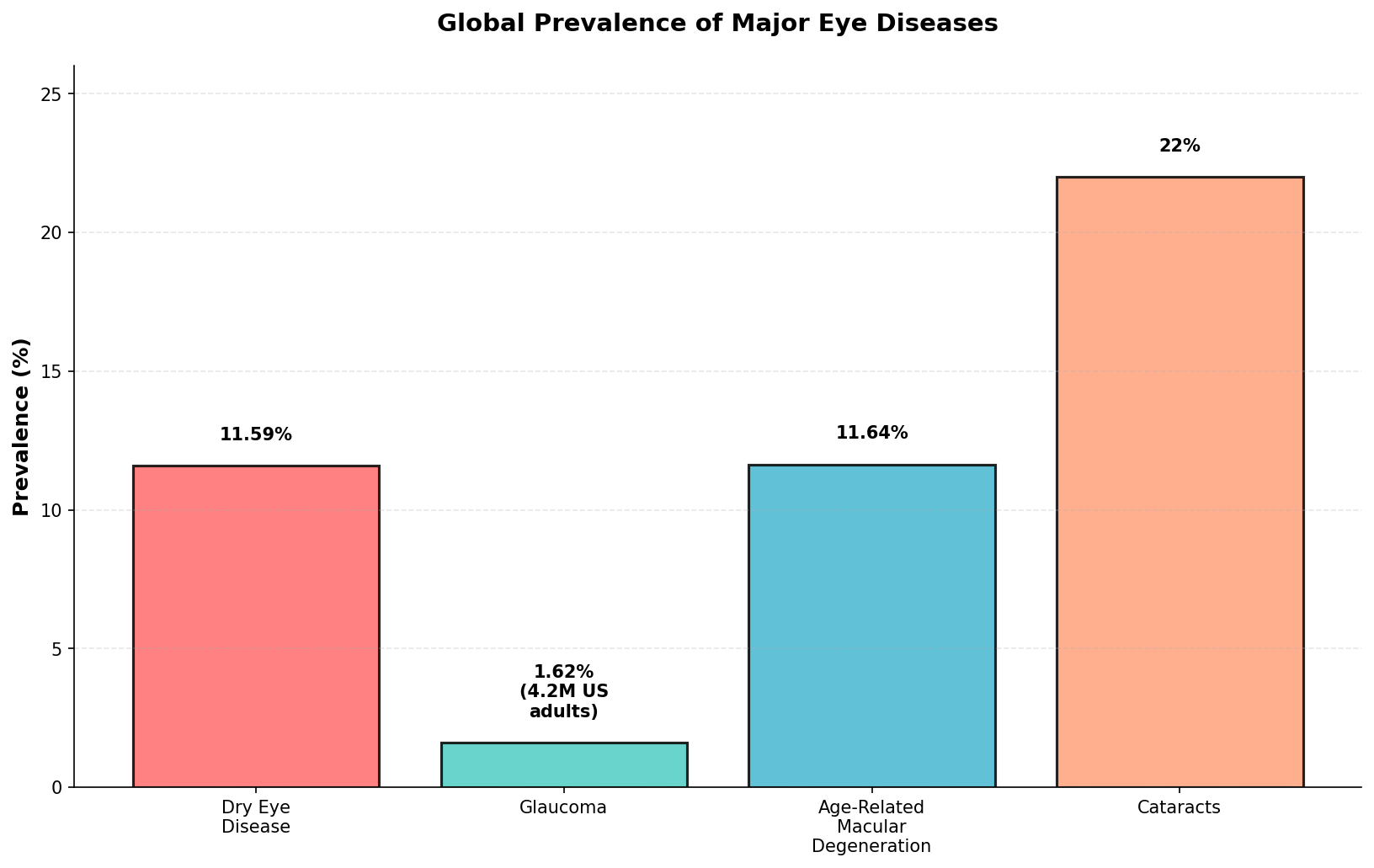 Figure 1: Common immediate symptoms of sleep deprivation appear within 24 hours and worsen progressively through the second and third days of sleep loss.
The Physiological Mechanisms: What's Happening at the Cellular Level
Understanding what's happening inside your eyes helps explain why sleep deprivation's effects are so serious and why recovery takes time.
The Tear Film: Your Eye's Protective Shield
Your tear film is a three-layer barrier that protects and nourishes your cornea. During sleep, dramatic changes occur:
Tear Osmolarity Changes. Awake, your tears are 297 mOsm/L (slightly concentrated). During sleep, osmolarity drops to 264 mOsm/L (less concentrated, more protective). This 11% decrease happens intentionally; your body is making tears LESS salty to prevent corneal damage during 8 hours of eyelid closure.15
Sleep deprivation reverses this process. Without the parasympathetic nervous system shift that occurs during sleep, your tear glands remain in "daytime mode," producing less tear fluid with higher salt concentration. The threshold for hyperosmolar dry eye (a disease state) is osmolarity above 308 mOsm/L.5,15 Sleep-deprived people often cross this threshold, creating a damaging state where tears actively harm the cornea rather than protecting it.
Corneal Hydration. During sleep, your cornea swells by 3.5% as it absorbs protective moisture from your tears. This swelling is healthy and necessary; it's how the cornea repairs itself. Baseline corneal thickness is 552 micrometres; it reaches 572 micrometres during sleep. Upon waking, the cornea gradually dehydrates over the next 4 hours, returning to baseline.3 This explains why eyes feel slightly blurry immediately upon waking (normal corneal swelling) but gradually become clearer.
Sleep deprivation prevents this protective swelling. Your cornea stays dehydrated, preventing the overnight repair process that keeps the corneal surface healthy.
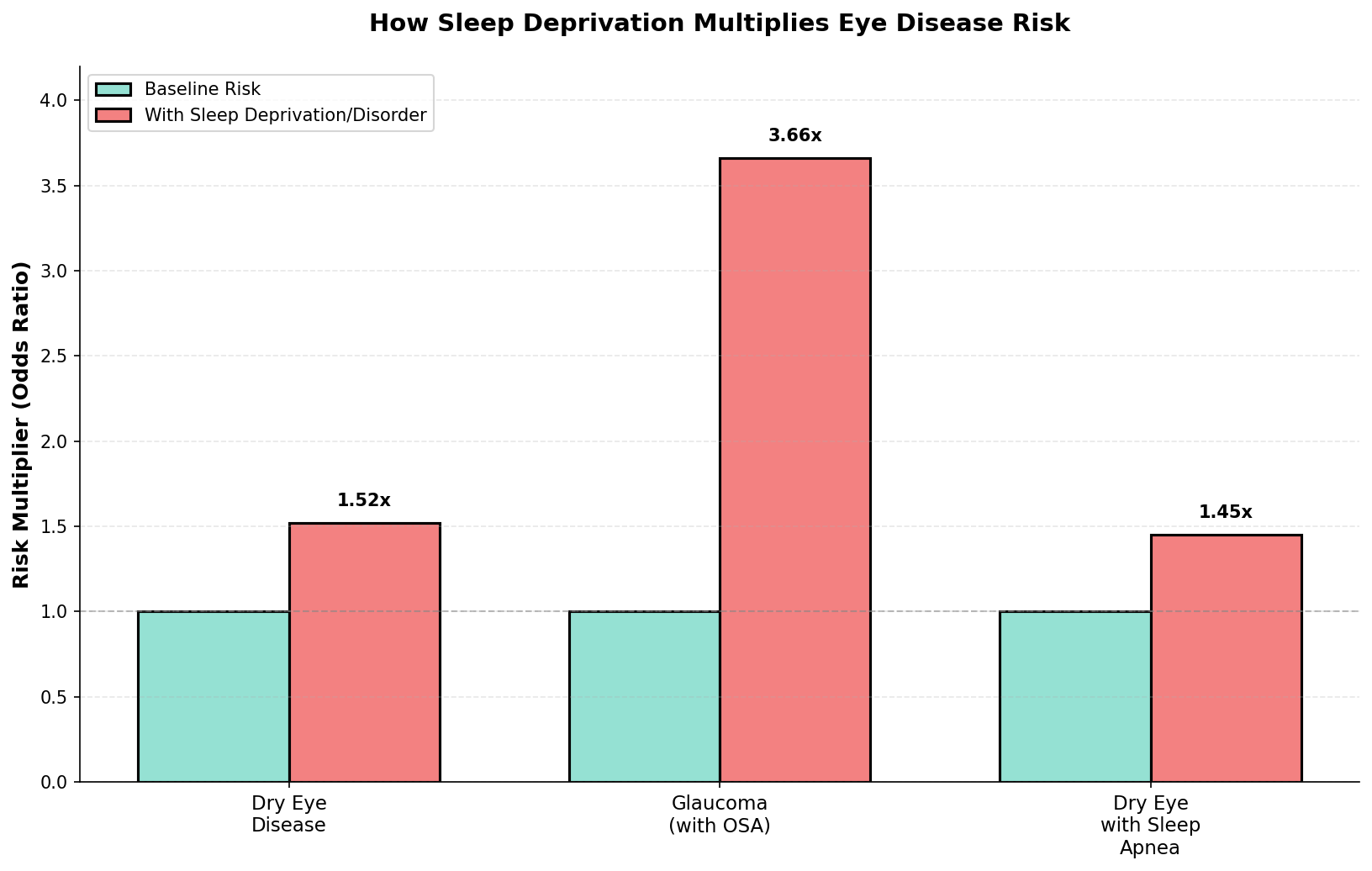 Figure 2: During normal sleep, tear osmolarity decreases by 11%, becoming less salty and more protective. Sleep deprivation reverses this, making tears more concentrated and damaging to the cornea.
Corneal and Retinal Damage: Oxidative Stress
Beyond tear film changes, chronic sleep deprivation causes direct cellular damage to the cornea and retina through oxidative stress: the accumulation of harmful reactive oxygen species (ROS, toxic byproducts of cellular metabolism).3
Sleep normally allows antioxidant systems in your eyes to recover and clear accumulated ROS. Without sleep, ROS accumulate to damaging levels. In the cornea, this disrupts the normal cell structures that protect your eye's surface. In the retina, accumulated ROS damages mitochondria: the "power plants" that provide energy for photoreceptors (light-detecting cells).3
Research shows that 4 months of chronic sleep deprivation causes measurable retinal mitochondrial deterioration, with marked decreases in both daytime and night-vision function. Importantly, some of this damage can be partially reversed with antioxidant supplementation, suggesting that early intervention might prevent permanent vision loss.3
Intraocular Pressure: The Silent Glaucoma Risk
When you lie down to sleep, eye pressure increases naturally: a normal physiological response to horizontal body position. This occurs because lying down changes how blood drains from your eye, increasing intraocular pressure (IOP) by approximately 3.45 mm Hg after 30 minutes and up to 6.41 mm Hg with sustained sleep.8
For people without glaucoma, this is fine. But for people with glaucoma (a disease where the optic nerve, the cable connecting your eye to your brain, is vulnerable to pressure damage), nightly pressure spikes accelerate optic nerve damage.7,8,14 Sleep deprivation elevates baseline IOP even during waking hours, compounding the problem. Additionally, chronic sleep deprivation impairs blood flow to the optic nerve head, making it even more vulnerable to pressure-related damage.
Sleep position matters too. Side-sleeping and back-sleeping cause greater IOP elevation than stomach-sleeping. For glaucoma patients, this can be clinically significant.8
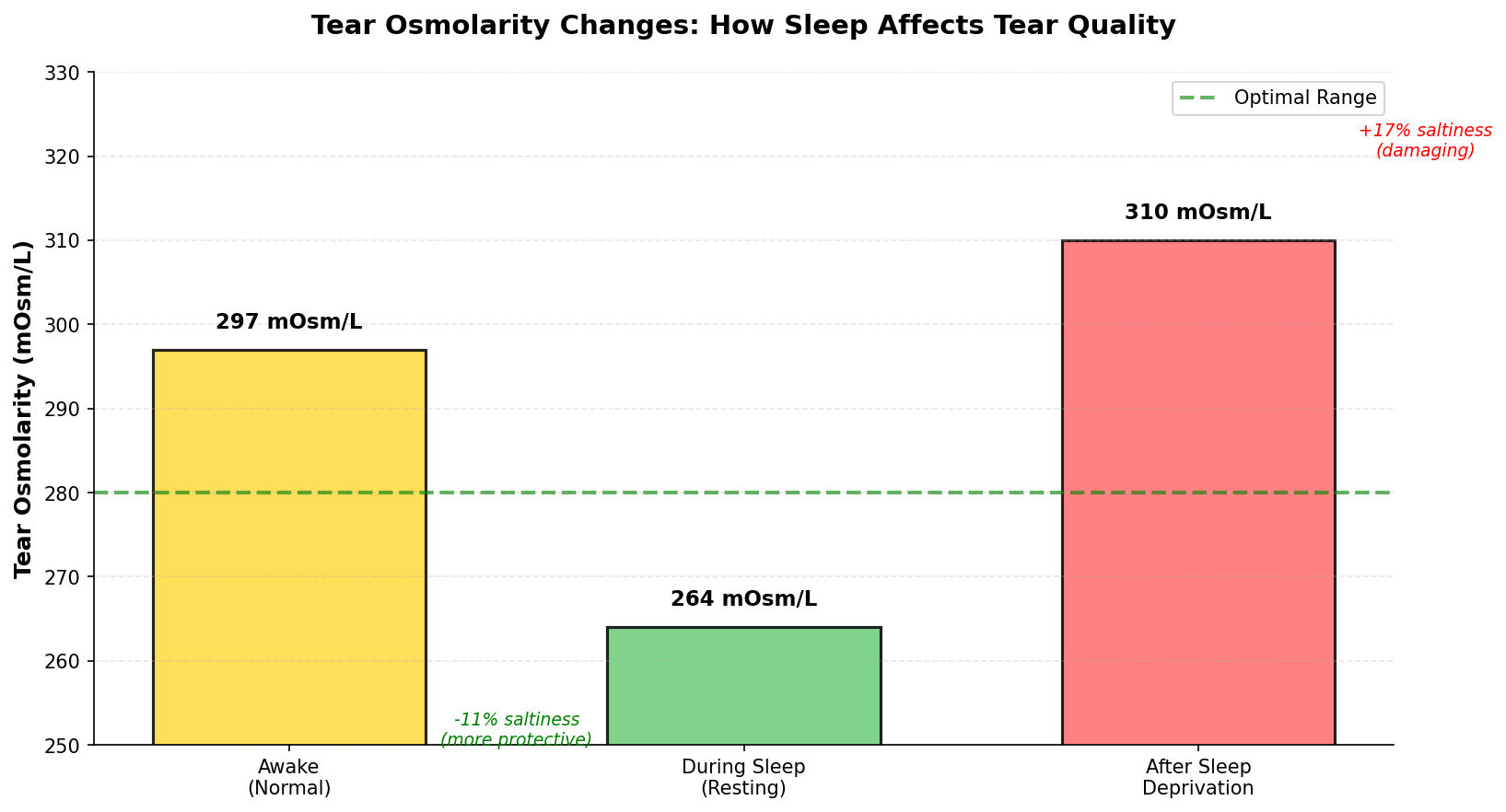 Figure 3: Eye pressure increases during sleep as a normal response to body position changes. For glaucoma patients, these nightly pressure spikes accumulate over time, causing progressive optic nerve damage.
Sleep Architecture: Why Both NREM and REM Sleep Matter
Adults typically cycle through 90-minute sleep cycles throughout the night. Each cycle contains roughly 75–80% NREM sleep (non-rapid eye movement, the "deep" restorative sleep) and 20–25% REM sleep (rapid eye movement, when most dreaming occurs).9,12
NREM Sleep (6–6.5 hours per night) is when your eyes get their physical rest. Your ciliary muscles fully relax. Your tear glands shift to secretory tear production. Your parasympathetic nervous system dominates, allowing tear production, blood flow regulation, and pupil constriction (which reduces light stress).
REM Sleep (1.5–2 hours per night) is when your visual system undergoes active neural restoration. Your visual cortex activates more intensely than during waking vision. Your eyes make rapid, coordinated movements even though you're not seeing anything (eyes are closed). These eye movements help clear toxic metabolic byproducts from your retina. Your visual cortex consolidates learning and optimises neural circuits for vision.3,12
Both are essential. Skip NREM sleep, and your eyes dry out, and your muscles remain stressed. Skip REM sleep, and your visual system cannot learn, adapt, or clear toxic waste. Chronically, this leads to accelerated visual decline.3
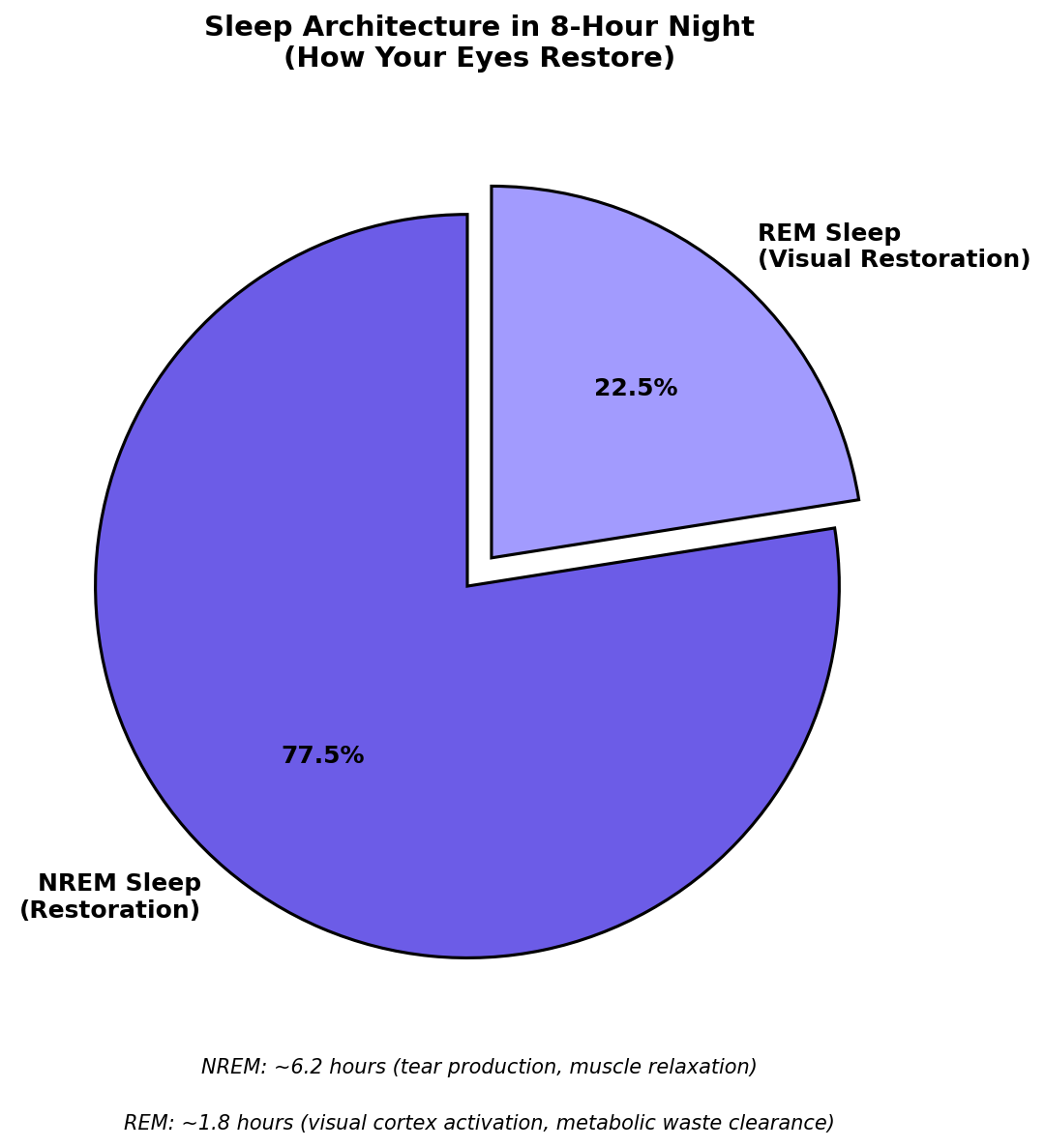
Figure 4: Healthy sleep includes approximately 6 hours of NREM sleep (tear production, muscle rest) and 1.5–2 hours of REM sleep (visual restoration, toxin clearance). Both are essential for eye health.
Corneal Swelling and Why Fresh-Out-of-Bed Vision is Slightly Blurry
During sleep, your cornea swells by 3.5% as it absorbs protective moisture. This is normal and healthy—the cornea is rehydrating. Upon waking, this swelling gradually reverses over the next 4 hours as your cornea dehydrates back to its baseline thickness.
This is why you might experience slight blurriness immediately upon waking (your cornea is still swollen) that gradually improves over the morning (as swelling subsides and reflex tears take over tear film production).
Sleep deprivation prevents this nocturnal swelling, meaning your cornea doesn't get the hydration and healing it needs. Over weeks, this leads to chronic corneal surface damage.
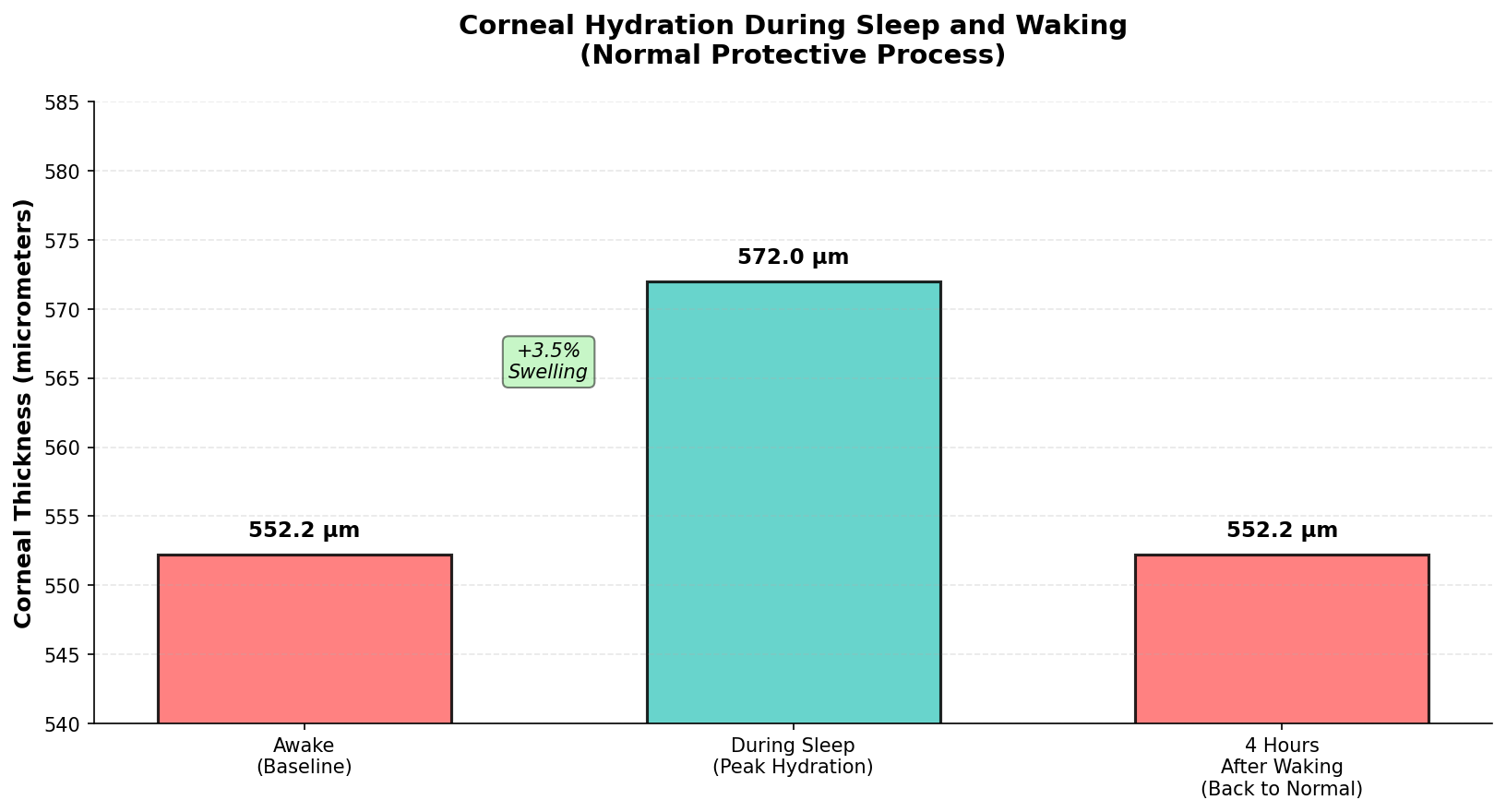 Figure 5: Your cornea swells 3.5% during sleep to absorb protective moisture. This swelling is essential for corneal health. Sleep deprivation prevents this protective process, leading to chronic drying and damage.
The Real Numbers: How Sleep Deprivation Multiplies Disease Risk
The research quantifies exactly how much sleep deprivation increases risk for serious eye diseases. These aren't subtle effects.
Dry Eye Disease. Approximately 11.6% of the global population has symptomatic dry eye disease (roughly 1 in 9 people). Among those with poor sleep quality, the risk increases by 52% (odds ratio 1.52). Among people with sleep apnea, up to 40% have significant dry eye disease. This makes sleep quality one of the strongest modifiable risk factors for dry eye.
Glaucoma. Roughly 1 in 60 Americans has glaucoma,7 but among those with obstructive sleep apnoea (OSA), glaucoma risk increases 3.66 times.3 Think about this: a person with sleep apnoea and glaucoma has triple the pressure spikes and half the healing time compared to someone with normal sleep. This is why sleep apnoea treatment (CPAP, oral appliances, or surgery) is eye-protective, not just heart-protective.
Age-Related Macular Degeneration (AMD). Nearly 1 in 10 people over age 60 already have early-stage AMD.6 Sleep deprivation is associated with elevated AMD risk and accelerated progression, particularly in people with sleep apnoea.3
Cataracts. Over half of Americans develop cataracts by age 75. While the direct sleep-deprivation link to cataracts is less strong than for dry eye or glaucoma, chronic poor sleep contributes to the systemic oxidative stress that accelerates cataract formation.3
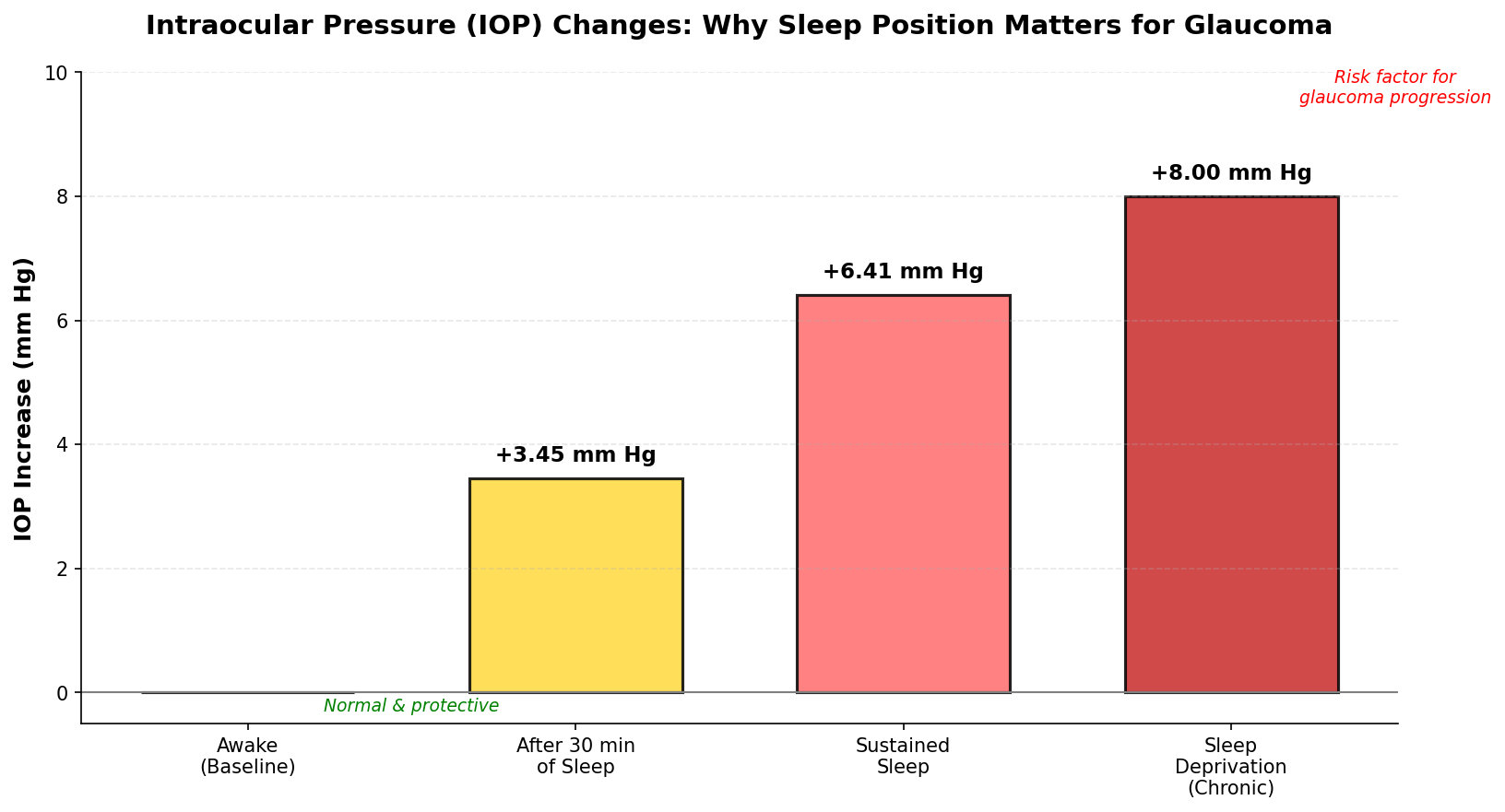 Figure 6: Sleep deprivation multiplies risk for major eye diseases. Sleep apnea increases glaucoma risk 3.66 times; poor sleep increases dry eye risk 1.52 times. These aren't rare exceptions—they're consistent findings across large population studies.
Dry Eye Disease: The Visible Warning Sign
If you develop persistent dry eye, pay attention. Dry eye is often the earliest visible sign that sleep deprivation is damaging your eyes. And importantly, dry eye itself accelerates other eye diseases like glaucoma and AMD.
Dry eye disease develops through several mechanisms triggered by sleep loss:
Reduced tear secretion (your tear glands don't produce enough tears). Increased tear osmolarity (remaining tears are too concentrated). Meibomian gland dysfunction (the oil layer of your tear film breaks down). Elevated reactive oxygen species in the tear film (oxidative damage). Corneal epithelial cell damage (the protective surface cells become malformed).
The progression typically follows this timeline: after one night of poor sleep, dry eye symptoms are noticeable but fully reversible with one or two nights of good sleep. After one week of poor sleep, symptoms persist and may not fully resolve for 3–5 days. After weeks to months of chronic poor sleep, dry eye becomes chronic, corneal damage becomes visible under microscopy, and the meibomian glands begin to atrophy (permanent dysfunction develops).
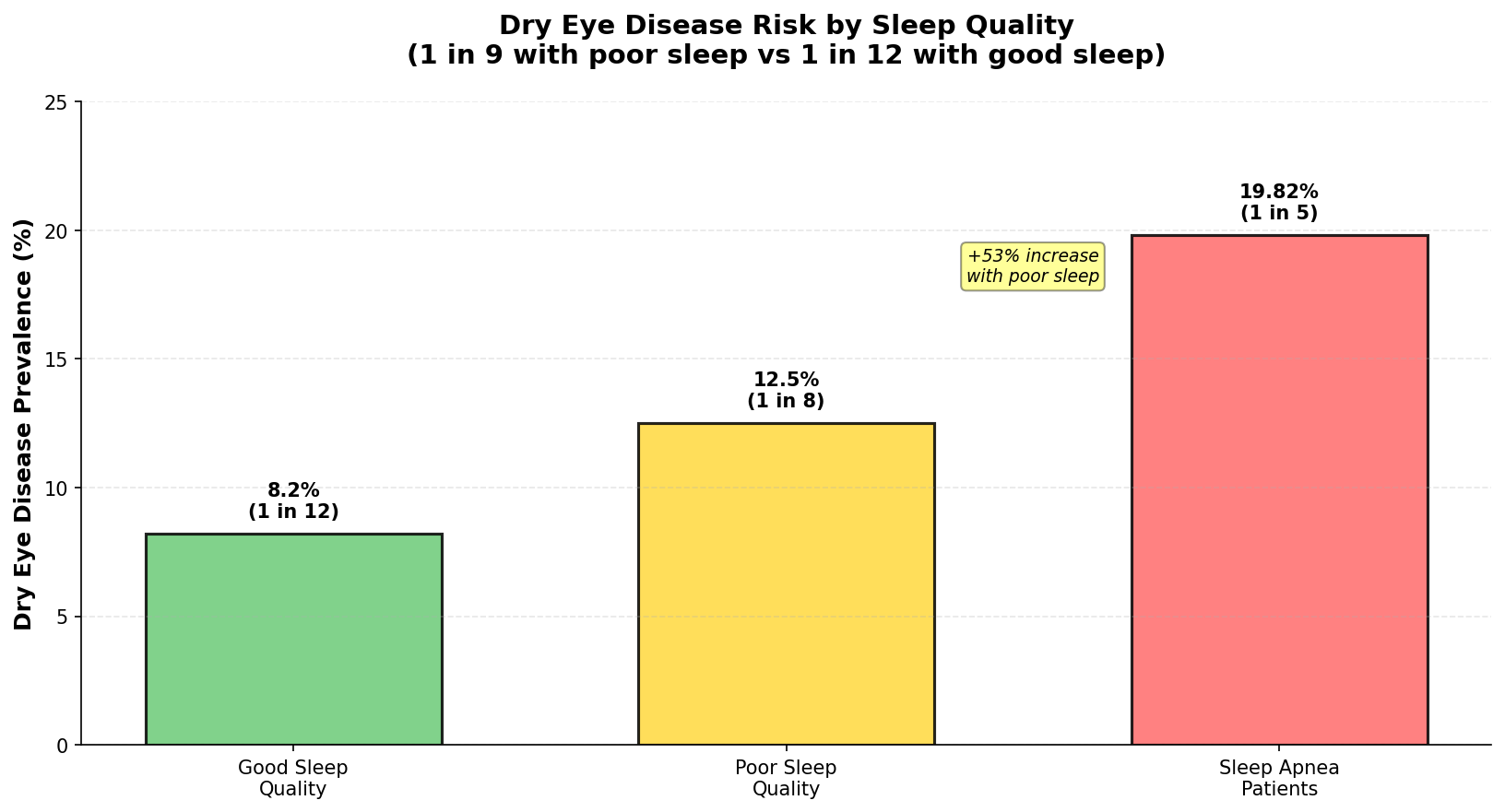 Figure 7: Dry eye disease prevalence increases with declining sleep quality. Good sleep: 8.2%; poor sleep: 12.5%; sleep apnea: 19.82%. This shows a clear dose-response relationship: the worse your sleep, the higher your dry eye risk.
When Sleep Apnea Becomes a Triple Threat
Obstructive sleep apnoea (OSA) deserves special attention because it creates three simultaneous problems for your eyes: disrupted sleep architecture, repeated oxygen drops, and blood pressure spikes.10
People with sleep apnoea don't get adequate NREM sleep (when tear glands restore) or REM sleep (when visual system restoration happens). Simultaneously, apnoea episodes cause oxygen desaturations (oxygen levels drop), triggering sympathetic nervous system activation (fight-or-flight mode), which spikes blood pressure and adrenaline. Each apnoea event damages eye tissues through ischaemia (reduced blood flow) and oxidative stress.
The result is measurable: severe sleep apnoea patients show tear break-up times of only 4.2 seconds (normal is 15+ seconds), meaning tears break apart in one-fifth the normal time. Their tear film quality deteriorates progressively with OSA severity, and dry eye becomes essentially universal in severe OSA patients.
More alarmingly, sleep apnoea accelerates glaucoma (3.66 times higher risk),3 AMD progression, and corneal damage. The good news: treating sleep apnoea (with CPAP, oral appliances, or surgery) is protective for the eyes. This gives glaucoma patients and AMD patients another powerful reason to address sleep apnoea.
How Age Amplifies Sleep Deprivation's Effects
Sleep deprivation's eye effects are age-amplified. A 25-year-old skipping one night of sleep experiences full recovery within 24 hours. A 65-year-old skipping the same night of sleep may experience lingering vision problems for a week. This matters because older adults already have less visual reserve and early-stage age-related eye diseases.
Young adults (18–40): Effects are mostly acute and fully reversible. One night without sleep produces dry eyes and blurred vision; two nights of good sleep restore everything. Tissue repair capacity is excellent.
Middle-aged adults (40–60): Early eye diseases are emerging (presbyopia, early AMD, early cataracts). Sleep deprivation accelerates these. One week of poor sleep produces noticeable, lingering symptoms. Recovery takes 3–5 days instead of one.
Older adults (65+): Already experiencing age-related eye diseases. Sleep deprivation adds critical additional stress. One week of poor sleep produces a significant vision decline. Recovery takes 1–2 weeks. Critically, cumulative damage from years of poor sleep becomes apparent, and progressive vision loss toward vision-threatening stages accelerates.
This is why sleep hygiene becomes increasingly important as you age. Your eyes literally cannot tolerate sleep deprivation the way younger eyes can.
The Timeline of Damage: From Hours to Years
Sleep deprivation's damage follows a predictable progression.
Hours to Days (Acute Sleep Loss)
Within the first 24 hours:
- Tear production decreases significantly
- Tear osmolarity increases (tears become saltier)
- Tear film breaks apart faster
- Blink patterns become irregular
- Visual processing slows3
- Light sensitivity increases
The reassuring news: all of these reverse completely with 1–2 nights of adequate sleep. This is reversible damage.
Weeks to Months (Chronic Poor Sleep)
With sustained poor sleep:
- Dry eye disease develops or worsens
- Persistent corneal epithelial damage appears
- Meibomian gland atrophy begins (some permanent)
- Retinal oxidative damage accumulates3
- Eye pressure remains chronically elevated8
- Early presbyopia acceleration (age-related focusing loss worsens faster than normal)
Some of this is partially reversible with sustained good sleep plus potentially antioxidant support, but recovery is incomplete.
Months to Years (Chronic Sleep Disorders or Deprivation)
With years of poor sleep or untreated sleep disorders:
- Chronic dry eye with potential corneal scarring (vision-threatening)
- Glaucomatous optic nerve damage (irreversible, progressive)
- AMD progression to vision-limiting stages6
- Advanced presbyopia
- Cataract formation and progression
- Measurable retinal photoreceptor dysfunction3
This damage is mostly NOT reversible. Further progression may be preventable with treatment, but lost vision cannot be recovered.
Practical Guidance: What You Should Actually Do
Sleep Recommendations for Eye Health
Aim for 7–8 hours of consistent, good-quality sleep each night. This isn't a luxury; it's a biological necessity for maintaining eye health.
Focus on sleep consistency more than sleep timing. Going to sleep at 11 PM and waking at 7 AM is better than erratically sleeping at different times, because your circadian rhythm (which controls eye physiology) depends on regularity.12
If you work shift work, maximise the sleep you do get. Even if you can't get 8 hours at night, getting 7 hours at whatever time you sleep is dramatically better than getting 5–6 hours.
Protective Measures for Your Eyes
Manage screen time before bed. Blue light from screens delays melatonin production. Stop screen use at least one hour before bedtime to help your circadian rhythm trigger sleep.12
Maintain regular sleep timing. Your eyes depend on circadian rhythms. Irregular sleep times disrupt these, even if total sleep duration is adequate.
Treat sleep apnoea if you have it. Sleep apnoea screening is straightforward (your doctor can arrange it), and treatment is effective. The eye benefits alone might justify treating it.
Blink consciously when using screens or doing detailed work. Sleep deprivation impairs natural blinking, so conscious blinking helps prevent acute dry eye symptoms when you're already sleep-deprived.
Use rewetting drops if you experience dry eyes. If sleep is temporarily unavoidable (medical resident, new parent, emergency), rewetting drops provide temporary relief. Choose preservative-free drops used multiple times daily; they're gentler.2
Watch for dry eye as a warning sign. If you develop persistent dry eye, it's your eyes signalling that sleep deprivation is causing damage. Address sleep quality as a matter of priority.
Discuss sleep position with your eye doctor if you have glaucoma. Since side-sleeping and back-sleeping increase nocturnal IOP more than other positions, this might be worth optimising.8
When to Seek Professional Help
Contact an eye care professional if you experience:
- Persistent dry eye lasting more than one week despite good sleep and rewetting drops
- Recurrent dry eye even with consistent adequate sleep (suggesting a sleep disorder you're unaware of)
- Sudden vision changes or floaters accompanying severe sleep deprivation (vision may recover with sleep, but needs evaluation to rule out other serious causes)
- Light sensitivity so severe that it interferes with daily function
- Difficulty seeing in dim light that persists even after several nights of good sleep (suggests retinal damage)3
See your doctor about sleep quality if you experience:
- Chronic insomnia (difficulty falling or staying asleep)9
- Excessive daytime sleepiness
- Witnessed sleep apnoea episodes (partner notices breathing pauses during sleep)10
- Unrefreshing sleep despite adequate sleep duration
These are treatable conditions that may be damaging your eyes without you realising it.
The Bottom Line: Sleep Deprivation is an Underrecognised Eye Threat
Sleep isn't optional for vision. Your eyes are not passive structures that simply collect light; they are actively dependent on nightly restoration processes.3 Without adequate sleep, tear film breaks down within hours, visual processing deteriorates within a day, and cumulative retinal damage begins within weeks.9
The good news: acute sleep deprivation effects (dry eyes, blurred vision, eye strain, light sensitivity) reverse completely with 1–2 nights of good sleep. Most damage is preventable through straightforward sleep hygiene.
But the warning: if poor sleep continues for weeks or months, cumulative damage develops that may not fully reverse. The older you are, the less your eyes can tolerate chronic sleep deprivation.
This is why prioritising sleep isn't a luxury or wellness trend. For eye health specifically, sleep is medicine. 7–8 hours of consistent, good-quality sleep is one of the most powerful tools you have for protecting your vision and preventing age-related eye diseases.
If you're struggling with sleep, whether it's insomnia, shift work, sleep apnoea, or something else, addressing it benefits not just your energy and mood; it directly protects your vision. Your eyes will thank you.
Further Reading
Understanding Sleep's Role in Eye Health
- How many hours of sleep are enough for good health?
- Sleep disorders and the eye
- Sleep and eye disease: a review
- The eye and sleep
Dry Eye Disease and Sleep
- Dry eyes: symptoms and causes
- Sleep Deprivation Induces Dry Eye Through Inhibition of PPARα Expression in Corneal Epithelium
- Association between poor sleep quality and an increased risk of dry eye disease in patients with obstructive sleep apnoea syndrome
- N-Palmitoylethanolamine Maintains Local Lipid Homeostasis to Relieve Sleep Deprivation-Induced Dry Eye Syndrome
- Relationship between unhealthy sleep status and dry eye symptoms in a Japanese population: The JPHC-NEXT study
Glaucoma and Sleep
- What happens to glaucoma patients during sleep?
- Obstructive sleep apnoea and glaucoma: a systematic review and meta-analysis
- Sleep Disturbance as a Risk Factor for Retinal Neurodegeneration and Subsequent Glaucoma
- Prevalence of Glaucoma Among US Adults in 2022
Age-Related Macular Degeneration and Sleep
- Sleep duration and age-related macular degeneration: a cross-sectional and Mendelian randomisation study
- Association between Obstructive Sleep Apnoea and Age-related Macular Degeneration Development and Progression
- Associations Among Sleep Duration, Sleep Quality, and Age-Related Ocular Diseases: Insights From Longitudinal and Mediation Analyses
Sleep Apnoea and Eye Disease
- Ocular manifestations of obstructive sleep apnoea: a systematic review and meta-analysis
- Associations of sleep apnoea with glaucoma and age-related macular degeneration: an analysis in the United Kingdom Biobank and the Canadian Longitudinal Study on Ageing
- Sleep apnoea and eye diseases: evidence of association and potential pathogenic mechanisms
Retinal Health and Vision
- Chronic Sleep Deprivation Impairs Visual Functions via Oxidative Damage in Mice
- Chronic sleep deprivation impairs retinal circadian transcriptome and visual function
- Differential effects of sleep deprivation on saccadic eye movements
Immediate Visual Symptoms
- Effect of sleep deprivation on saccades and eyelid blinking
- Degradation of neural representations in the higher visual cortex by sleep deprivation
- Increased photosensitivity following short sleep in sleep-deprived patients
Circadian Rhythms and Eye Health
- Circadian rhythms in the eye: the physiological significance of melatonin receptors in ocular tissues
- Influence of Circadian Rhythm in the Eye: Significance of Melatonin in Glaucoma
- Circadian rhythm disruption results in visual dysfunction
References/Helpful Resources
- National Institutes of Health. Sleep Deprivation and Visual Function [Internet]. [cited 2026 May 4]. Available from: https://pubmed.ncbi.nlm.nih.gov/
- Mayo Clinic. Dry Eyes: Symptoms and Causes [Internet]. [cited 2026 May 4]. Available from: https://www.mayoclinic.org/diseases-conditions/dry-eyes/symptoms-causes/syc-20371863
- Lee SSY, Nilagiri VK, Mackey DA. Sleep and eye disease: A review. Clin Exp Ophthalmol. 2022 Apr;50(3):334–44. doi:10.1111/ceo.14071 PubMed PMID: 35263016; PubMed Central PMCID: PMC9544516.
- Tseng SC, Tsubota K. Important concepts for treating ocular surface and tear disorders. Am J Ophthalmol. 1997 Dec;124(6):825–35. doi:10.1016/s0002-9394(14)71700-3 PubMed PMID: 9402829.
- Associate professor, Department of Ophthalmology, Veer Surendra Sai Institute of Medical Science and Research, Burla, Sambalpur, Odisha-768017., Tudu K, Soni S, Senior Resident, Department of Ophthalmology, Veer Surendra Sai Institute of Medical Science and Research, Burla, Sambalpur, Odisha-768017., Pradhan. A, Senior Resident, Department of Ophthalmology, Veer Surendra Sai Institute of Medical Science and Research, Burla, Sambalpur, Odisha-768017. CLINICAL PROFILE AND MANAGEMENT OF DRY EYE DISEASE IN A TERTIARY HEALTH CARE CENTRE IN WESTERN ODISHA. IJAR. 2017 Jul 31;5(7):609–14. doi:10.21474/IJAR01/4759
- National Eye Institute. Age-Related Macular Degeneration [Internet]. [cited 2026 May 4]. Available from: https://www.nei.nih.gov/learn-about-eye-health/eye-conditions-and-diseases/amd
- American Academy of Ophthalmology [Internet]. 2026 [cited 2026 May 4]. Understanding Glaucoma: Symptoms, Causes, Diagnosis, Treatment. Available from: https://www.aao.org/eye-health/diseases/what-is-glaucoma
- Ritch R, Shields MB, Krupin T, editors. The Glaucomas. 2nd ed. St Louis: Mosby; 1996.
- National Institutes of Health. Sleep and Sleep Disorders [Internet]. [cited 2026 May 4]. Available from: https://www.nhlbi.nih.gov/health-topics/sleep
- American Sleep Association. Obstructive Sleep Apnoea [Internet]. [cited 2026 May 4]. Available from: https://www.sleepassociation.org/
- Czeisler CA, Gooley JJ. Sleep and circadian rhythms in humans. Cold Spring Harb Symp Quant Biol. 2007;72:579–97. doi:10.1101/sqb.2007.72.064 PubMed PMID: 18419318.
- Saifi AI, Nagrale P, Ansari KK, Saifi I, Chaurasia S. Advancement in Understanding Glaucoma: A Comprehensive Review. Cureus. 2023 Sep 30. doi:10.7759/cureus. 46254
- Kim BK, Chu MK, Yu SJ, Dell’Agnello G, Hundemer HP, Panni T, et al. Prevalence Rates of Primary Headache Disorders and Evaluation and Treatment Patterns Among Korean Neurologists. J Clin Neurol. 2022 Sep;18(5):571–80. doi:10.3988/jcn.2022.18.5.571 PubMed PMID: 36062775; PubMed Central PMCID: PMC9444561
- 10 steps to general eye health - Moorfields Private [Internet]. [cited 2026 May 4]. Available from: https://www.moorfields.nhs.uk/private/eye-conditions-and-treatments/general-eye-health/10-steps-to-general-eye-health
- Magno MS, Utheim TP, Snieder H, Hammond CJ, Vehof J. The relationship between dry eye and sleep quality. Ocul Surf. 2021 Apr;20:13–9. doi:10.1016/j.jtos.2020.12.009 PubMed PMID: 33421635.
