

How Temperature Affects Sleep Quality: What the Science Actually Shows
You spend about a third of your life sleeping, yet most of us never think about one of the most powerful factors controlling whether that sleep is restorative or frustrating: room temperature. It's not flashy like a new mattress or as obvious as stress, but the evidence is consistent. Temperature is a key factor influencing whether you fall asleep quickly or lie awake for longer.1
Here's what makes this finding so significant: you likely don't need a pharmacy or expensive equipment to improve your sleep. You may just need to lower your thermostat. The research is remarkably consistent, drawn from billions of sleep measurements across 68 countries, laboratory studies tracking 23 million sleep nights, and detailed research on how your body actually works.1,2,3
This article walks through the complete science, the numbers that matter, and what you can actually do about it.
Why Your Body Needs Cool to Sleep Well
Your body is better adapted to initiate sleep in a cooler environment. When you prepare for sleep, something measurable and automatic happens: your core temperature drops. About 2 hours before you normally sleep, this process begins. Your body cools by roughly 1 to 2°C (about 2 to 3°F) during the first hours of sleep, reaching its lowest point around 2 to 4 AM.4
This isn't a malfunction. It's the signal your brain uses to initiate sleep. When melatonin is released in the evening, it doesn't directly cause drowsiness the way many people think. Instead, melatonin triggers your blood vessels to dilate, especially in your hands and feet, allowing heat to escape from your core. This heat loss, measured as the temperature difference between your core and your skin, is among the strongest physiological predictors of sleep onset.4,5
Now consider what happens if your bedroom is warm. Your body has already worked to cool itself. When it tries to cool further through this vasodilation process, there's nowhere for the heat to go. The temperature gradient that signals sleep never widens enough. Your brain doesn't receive the full cooling signal it needs, so you either don't fall asleep or your sleep becomes fragmented and shallow.4
A cool room removes this obstacle. It allows your body's natural thermoregulation to work as it evolved to work.
The Numbers: How Much Sleep You're Actually Losing
The most striking evidence comes from a 2025 study tracking 23 million nights of sleep across 214,445 people in China.1 For every 10°C (18°F) temperature increase above the optimal range, the findings are sobering:
- Total sleep duration decreases by 9.67 minutes per night
- Deep sleep (the most restorative stage) declines by 2.82%
- REM sleep (dream sleep, critical for emotional processing) declines by 2.20%
- Odds of sleep insufficiency increase by 20.1%
Put this in human terms: if your bedroom is 5°C (9°F) warmer than optimal, you may lose several minutes of sleep per night. Over a year, that's nearly 300 hours of lost sleep from a single environmental factor.2
Even more precisely, research shows that for every single degree Fahrenheit above optimal, you lose roughly one minute of sleep and experience a 0.06% drop in sleep efficiency.3 That sounds small until you do the maths: a bedroom that's 10 degrees too warm costs you 10 minutes of sleep per night, accumulating to over 60 hours per year.
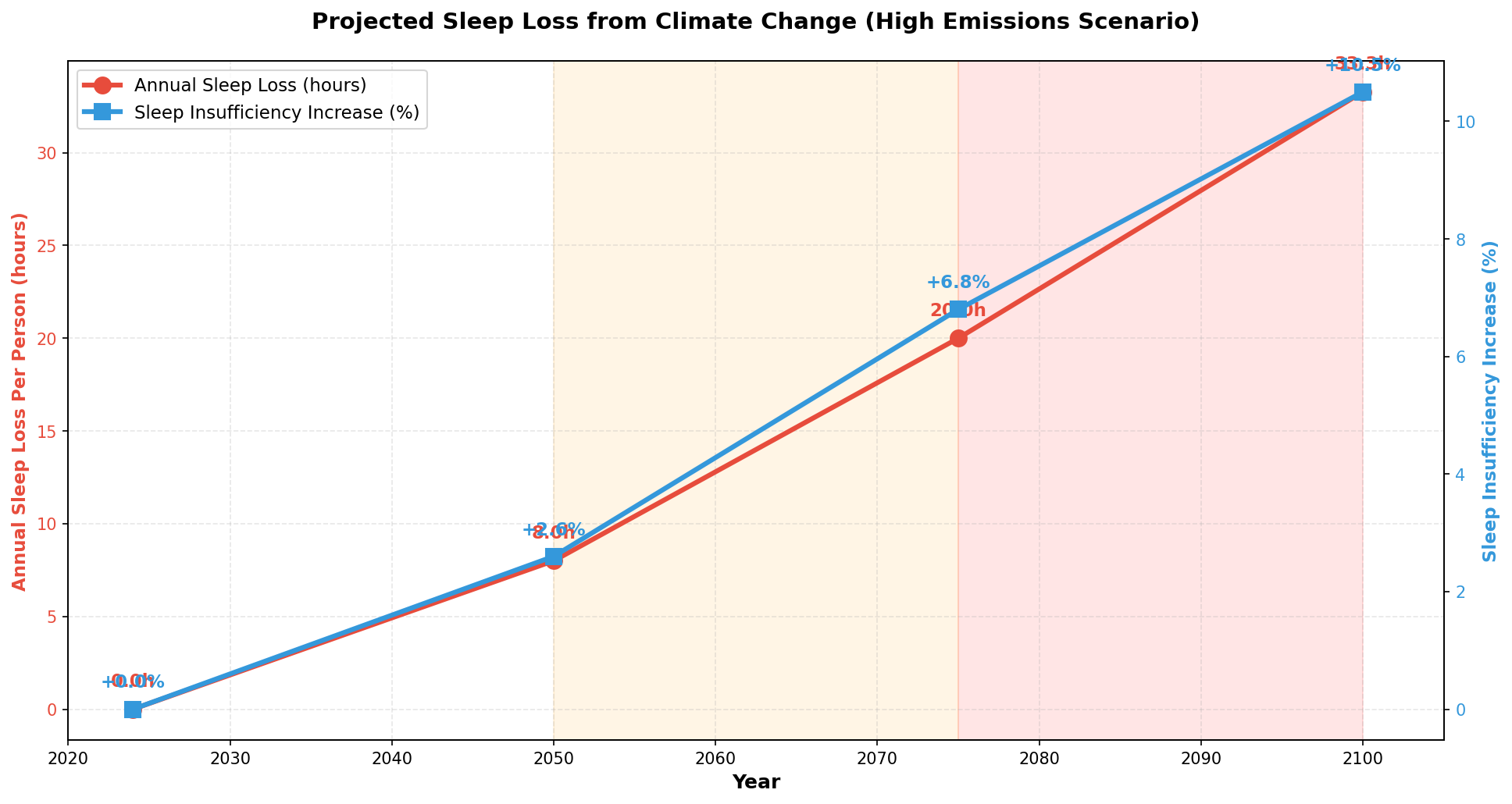 Figure 1: How sleep duration and efficiency decline with each degree of temperature increase above the optimal range.1,3
The real damage becomes apparent when you look at sleep efficiency, not just duration. When the temperature rises from 25°C to 30°C (77°F to 86°F), sleep efficiency drops by 5 to 10%.2,3 Sleep efficiency measures what percentage of the time you're actually in bed you're genuinely sleeping. A 5 to 10% drop might sound modest, but it means losing 25 to 50 minutes of actual restorative sleep per 8-hour night.
Optimal Temperature: What Does the Research Recommend?
The evidence is remarkably consistent. For most adults aged 25 to 65, the optimal bedroom temperature sits between 65 and 68°F (18 to 20°C).1,3,5 Some experts cite a slightly cooler range of 60 to 67°F (15 to 19°C), and all agree that sleep quality begins declining noticeably above 77°F (25°C).2,3
But here's where individual variation matters. A large-scale study tracking 3.75 million nights of sleep across 34,096 people found substantial differences between individuals in their ideal temperature.4 You're not "wrong" if you find you sleep best at 62°F while your partner prefers 70°F. The ranges are starting points, not universal laws.
For older adults, the picture shifts. A comprehensive study following 50 adults over age 65 for a full year, tracking 11,000 nights of sleep, found that older adults sleep most efficiently between 68 and 77°F (20 to 25°C).5 That's 3 to 7 degrees Fahrenheit warmer than the optimal range for younger adults. This reflects a real physiological change: as we age, our ability to regulate temperature during sleep diminishes. What feels comfortably cool to a 30-year-old may feel uncomfortably cold to a 70-year-old.2,5,6
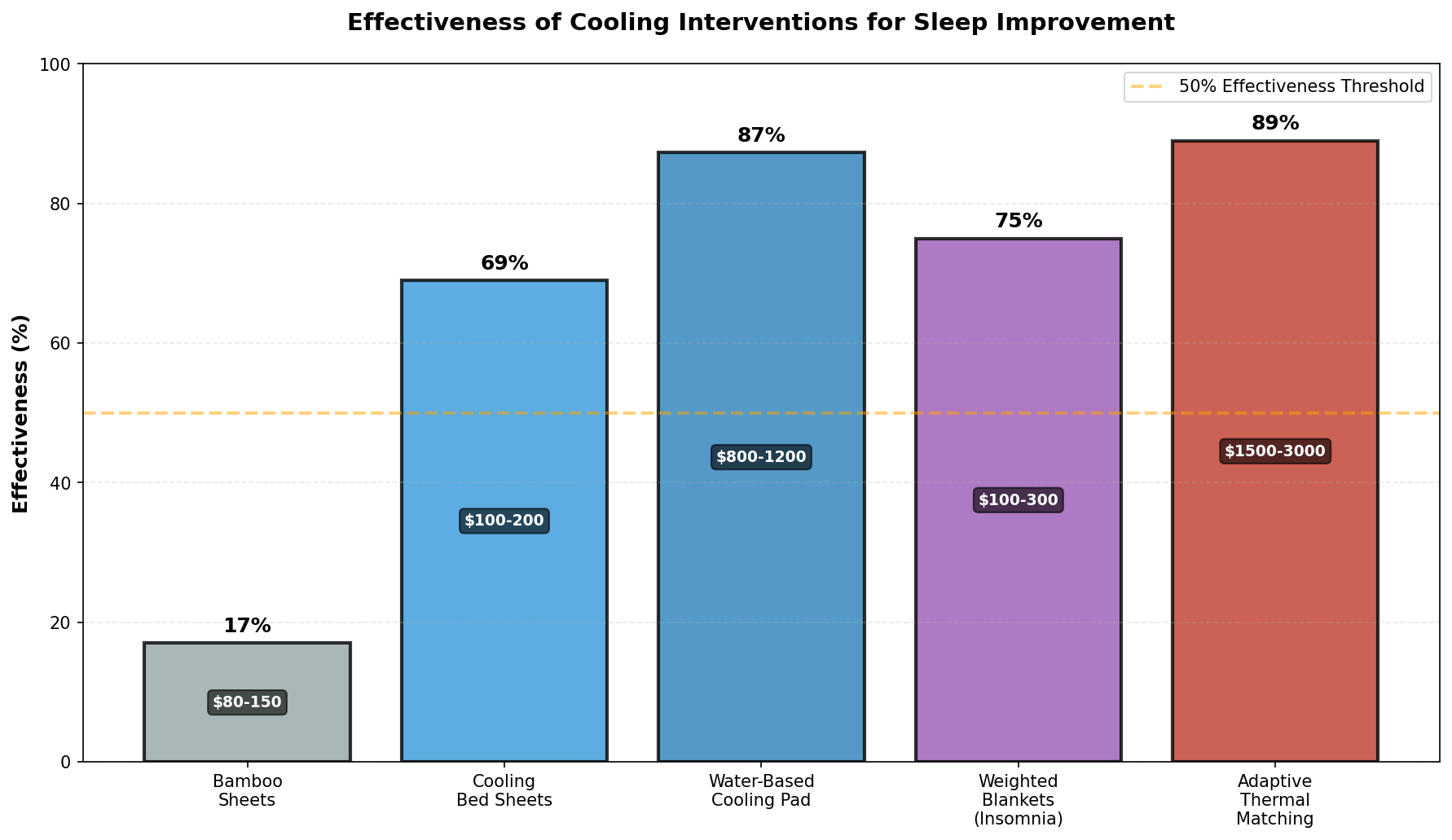 Figure 2: How optimal sleeping temperature changes with age.5
How Temperature Affects Each Stage of Sleep
Your sleep isn't one continuous state. Throughout the night, you cycle through different stages, each with a different temperature vulnerability.
Deep Sleep: Where the Damage Is Worst
During non-REM sleep (the stage containing your deep, restorative sleep), your body maintains active temperature regulation but at a lower set point than when you're awake. Your core temperature continues dropping as you sink deeper into sleep. This is when your body repairs itself, consolidates memories, and strengthens immunity.5
Proper temperature management directly increases deep sleep. Studies using enhanced cooling show increases of 7 to 15 minutes of deep sleep per night.4,6 Over a week, that's 1 to 2 additional hours of the most restorative sleep stage. For people who track their sleep, the most common complaint is "I sleep 8 hours but feel unrefreshed" (often because they're missing deep sleep due to temperature disruption).3,4
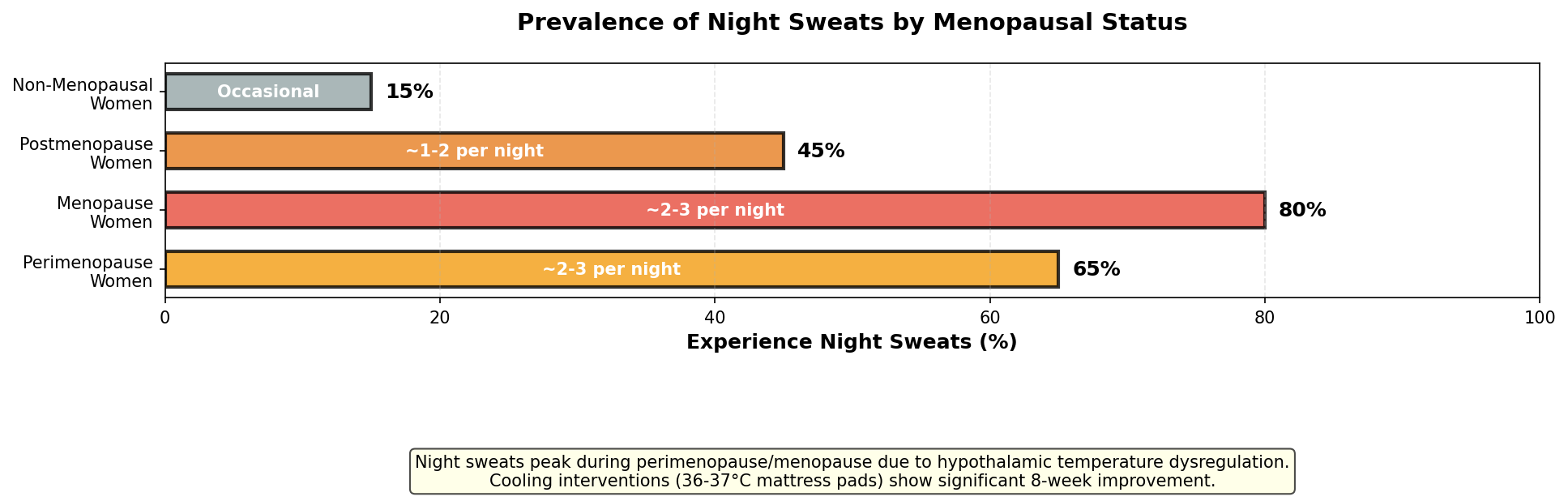 Figure 3: How different sleep stages respond to temperature changes.4,6
REM Sleep: The Vulnerable Stage
REM sleep is when dreams happen, and your brain processes emotions and consolidates memories. Yet during REM sleep, something remarkable and dangerous occurs: your body’s ability to regulate temperature is significantly reduced. This state is called poikilothermia. Your ability to sweat or shiver is significantly reduced.3,4,5
This is why REM sleep is maximised in a narrow thermal window. When your room is too hot during REM, your body either wakes up or your REM sleep becomes fragmented. Research shows REM sleep can decrease by 20 to 30% at temperatures above 75°F (24°C).2,3 Beyond roughly 86°F (30°C), REM sleep deteriorates significantly.3
This explains why you sometimes wake in the middle of a dream in a hot room. Your brain essentially triggered an emergency wake response because thermoregulation was failing, and your body sensed danger.
Who's Most Affected? Population Variations That Matter
Temperature sensitivity isn't uniform across populations. Some groups see far more dramatic sleep impacts from heat than others.
Women and Heat Sensitivity
Women, particularly younger women aged 18 to 29, report the highest rates of heat-related sleep disruption.2,3 There are documented biological reasons. Women's core body temperature runs slightly higher than men's (by about 0.27°C on average), yet their natural temperature decline before sleep happens more slowly.3 This means women start their sleep process with a temperature disadvantage.
Additionally, hormonal fluctuations throughout the menstrual cycle affect temperature sensitivity. Days with higher oestrogen show increased heat sensitivity.3 Women on hormonal contraceptives show particularly blunted temperature rhythms, meaning their bodies' natural cooling signal before sleep is weaker.3
In practical terms, if a couple wants to share a bed comfortably, women typically need a room about 2 to 3°F cooler than men prefer.5,6 This isn't stubbornness or peculiarity; it's physiology.
Menopause and Night Sweats
The most dramatic temperature-related sleep disruption occurs during menopause. Up to 80% of women in perimenopause or menopause experience hot flashes or night sweats.2,6 These aren't minor discomforts. Night sweats can wake someone 5 to 10 times per night, completely obliterating sleep quality.
During menopause, the hypothalamus (your brain's temperature control centre) becomes hypersensitive to even tiny temperature changes. Your body responds with exaggerated heat loss (sudden, intense sweating) to changes that would barely register as warm to a pre-menopausal woman.2,6
What's important to know: this is one of the more manageable causes of sleep disruption with appropriate treatment. Active cooling systems (like temperature-controlled mattress pads) and hormone therapy both show significant improvements.6 Cooling pads set to 36 to 37°C show measurable reduction in night sweats and sleep disturbances over 8 weeks.2
Age-Related Changes After 60
Temperature sensitivity increases dramatically after age 60 and even more after age 70.2,5 For older adults, even a 1°F temperature increase produces 3 times more wakefulness than it does in younger adults.5 This reflects a decline in thermoregulatory efficiency. Older adults don't sweat as efficiently when warm and don't shiver as effectively when cold.5
Critically, older adults often don't recognise when a room is too hot until they're already uncomfortable or waking repeatedly.5 This means older adults may benefit from simply being told to keep their bedroom at 70 to 74°F rather than experimenting to find their temperature preference.
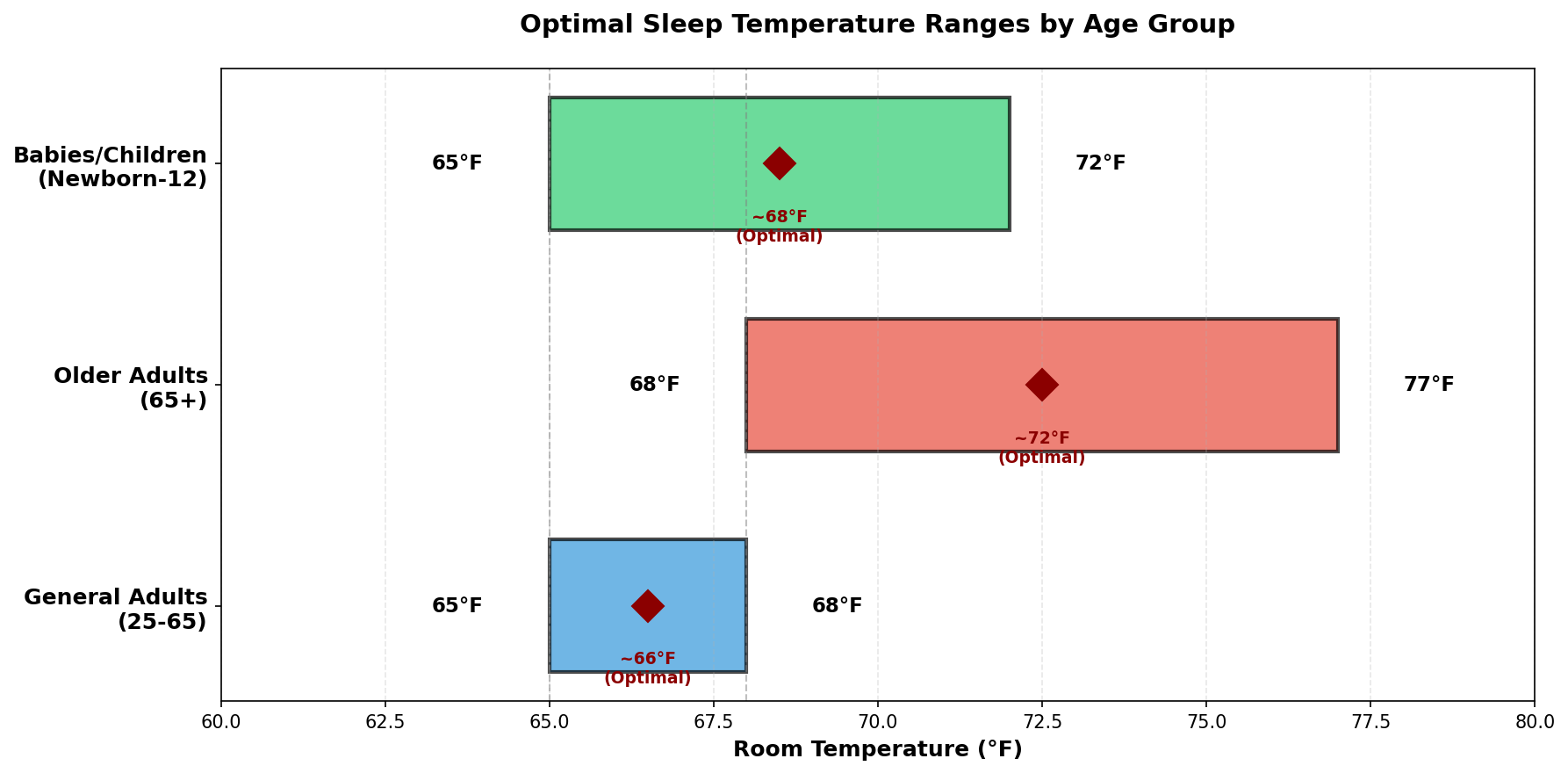 Figure 4: Prevalence of night sweats and temperature sensitivity across menopausal stages.6
How Common Is Temperature-Related Sleep Disruption?
This isn't a niche problem. Research shows 57% of American adults report sleeping too hot at least occasionally, and 14% are always or usually too hot when sleeping.2,3 That means more than half of the people in the UK and the US struggle with overheating during sleep.
Sleeping too hot is also significantly more damaging than sleeping too cold. People who regularly sleep too hot are 17 percentage points more likely to report poor sleep compared to people with normal temperature comfort (46% versus 29%).2 They're also 16 percentage points more likely to report not feeling active or productive the next day (33% versus 17%).2
By contrast, only 36% report sleeping too cold at least occasionally, and the impact on sleep quality is less severe.3 This makes sense physiologically: with proper blankets and clothing, you can compensate for cold, but your ability to compensate for heat during REM sleep is limited.
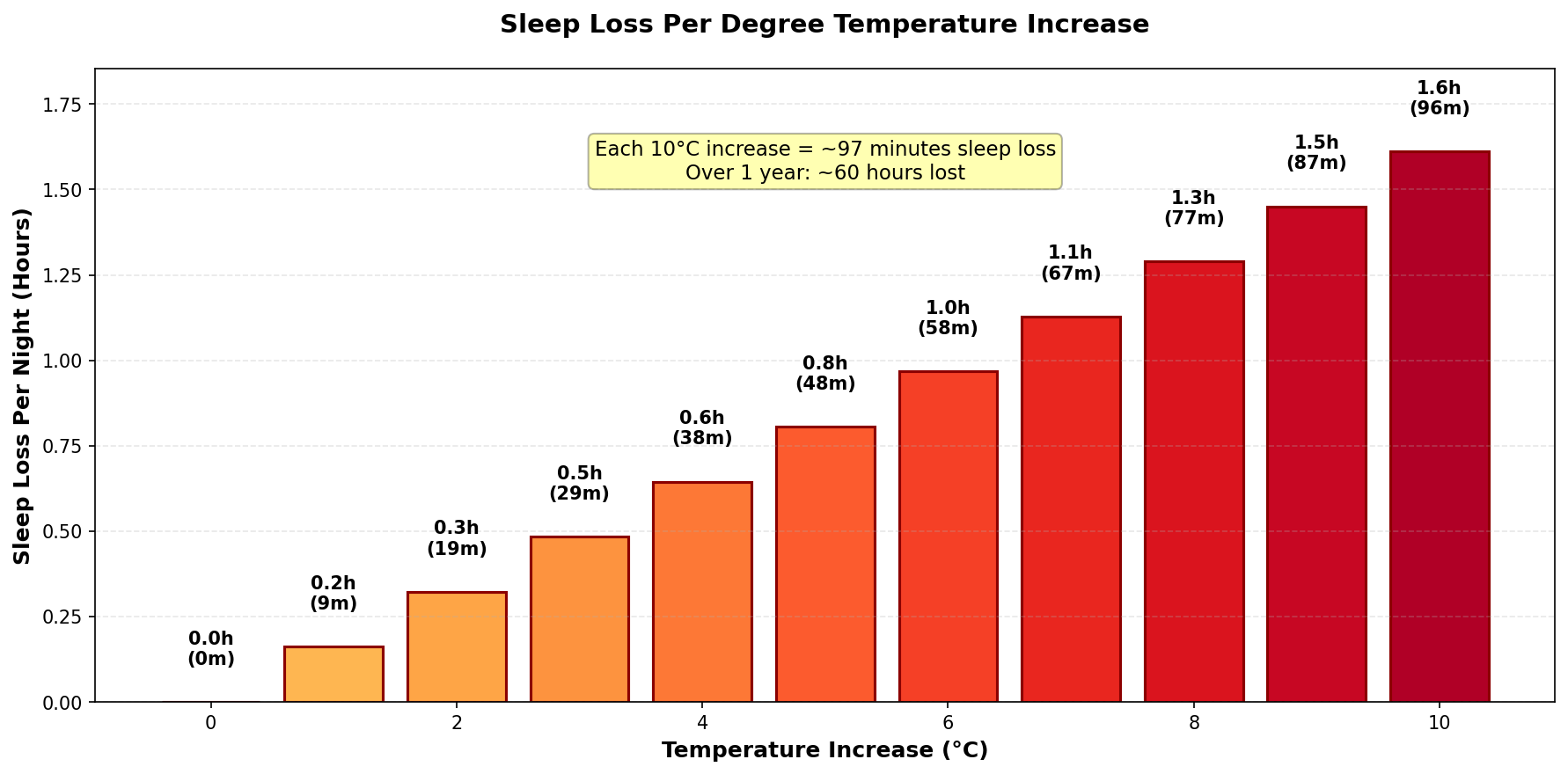 Figure 5: How many people experience sleep temperature problems and the severity of their impact on sleep quality.2,3
Cooling Interventions: What Actually Works and What Doesn't
If you're struggling with temperature-related sleep problems, the good news is that solutions exist at multiple price points. The research shows clear effectiveness data for different approaches.
Simple Changes (£0-50)
Before spending money, try the basics. Lower your thermostat by 3 to 5°F and monitor your sleep for a week. Use fans for air circulation. Open windows during cool hours (typically 11 PM to 6 AM) and close them during hot daytime hours. These changes cost nothing and work for mild temperature problems.
Bedding Materials (£50-200)
Switching to the right sheets produces measurable results. Bamboo and eucalyptus viscose sheets are 17% more efficient at cooling than cotton and 24% better at managing sweat.5 A pilot study on cooling bed sheets found 69% of participants reported improved sleep quality, with the percentage of people troubled by feeling too hot dropping from 82.5% to 39.7%.5
The material difference is real. Wool can absorb 30% of its weight in moisture without feeling damp, bamboo moves moisture away through capillary action faster than cotton, and linen naturally stays cool. Avoid polyester blends, which trap heat and feel clammy when you sweat.5
Active Cooling Systems (£300-3,500)
Water-based cooling mattress pads represent the next tier. These circulate temperature-controlled water beneath you, allowing couples to maintain different temperatures on each side. A study in an overheated 30°C (86°F) bedroom found cooling pads restored sleep to baseline levels, reduced sleep onset latency by 10 minutes, and increased total sleep time significantly.5
More advanced adaptive thermal-regulated mattresses dynamically adjust temperature based on sleep stage, maintaining core temperature at 36 to 36.5°C to maximise deep sleep. These have reported substantial improvements in sleep quality in clinical studies.1,5
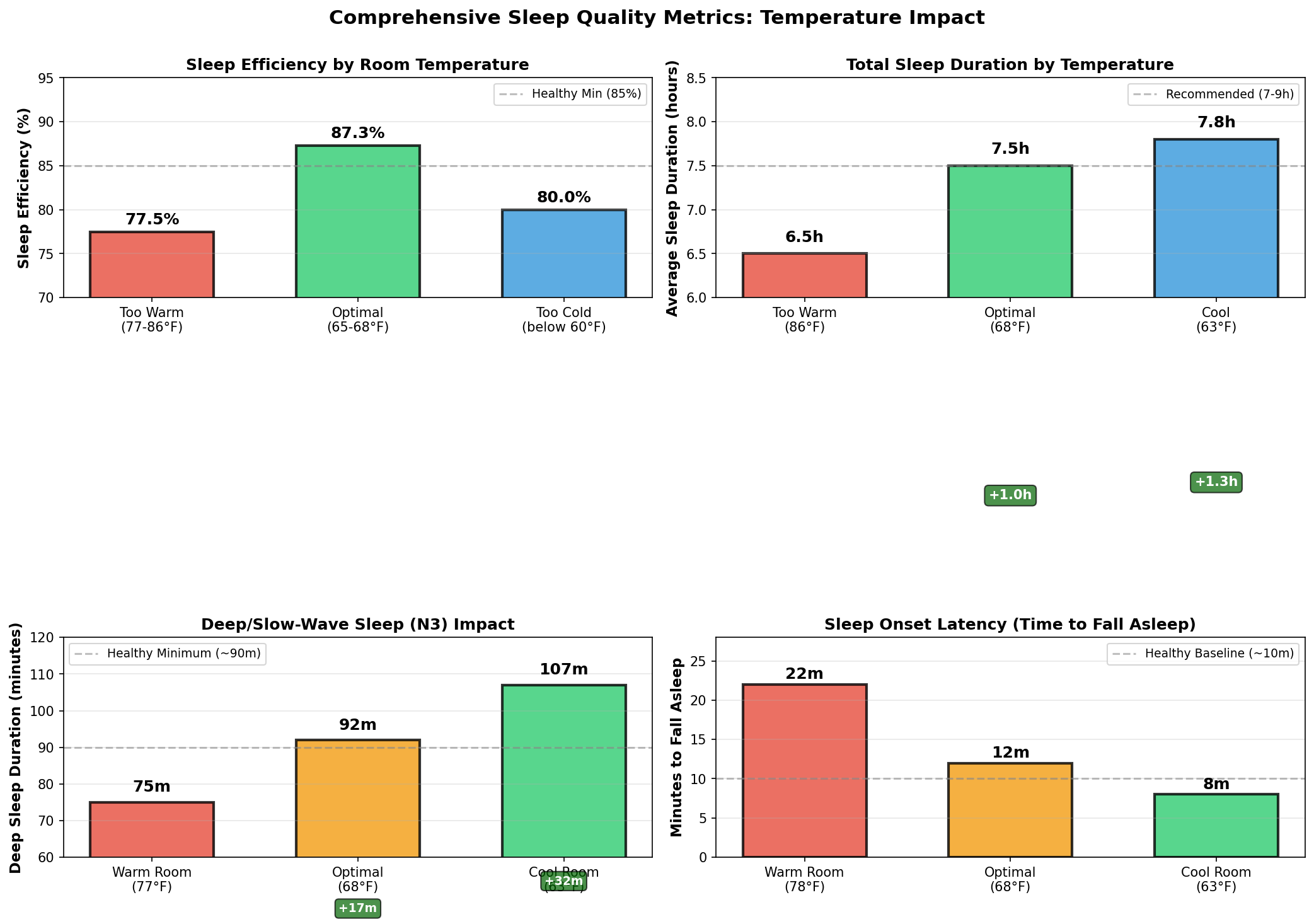 Figure 6: Effectiveness and cost comparison of different cooling solutions.5
Weighted Blankets
Weighted blankets show genuine benefit for adult insomnia, with large effect sizes on the Insomnia Severity Index.5 They reduce nighttime awakenings and lower stress. However, evidence is mixed for children, particularly those with autism, where studies show no improvement in sleep duration or onset latency.5 For hot sleepers, a weighted blanket may actually make the overheating problem worse, so they're not universally applicable.
What the Data Predicts: Temperature, Sleep, and the Future
The scale of temperature's impact on sleep becomes clearer when you look at what climate change projects. Under high emissions scenarios, by 2100, the average person globally could lose 45 minutes of sleep per night purely due to rising temperatures, accumulating to about 33 hours of lost sleep annually.1,2 That's equivalent to losing 12 full nights of sleep every year without any other environmental factors changing.
This isn't a distant hypothetical. Summer heat already produces temperature effects on sleep that are 3 times larger than winter effects.2 During summer months, each 1°F temperature rise costs 15 minutes of sleep, compared to 5 minutes during winter.5 For people in hot climates or during heat waves, temperature already disrupts sleep substantially.
Beyond sleep disruption, heat worsens sleep disorders. Higher temperatures have been associated with up to a 45% increase in the probability of sleep apnea events, according to a 2025 study of over 116,000 users.1 Warming-related increases in sleep apnea are projected to cause 788,198 healthy life years lost and £30 billion in lost workplace productivity annually.1
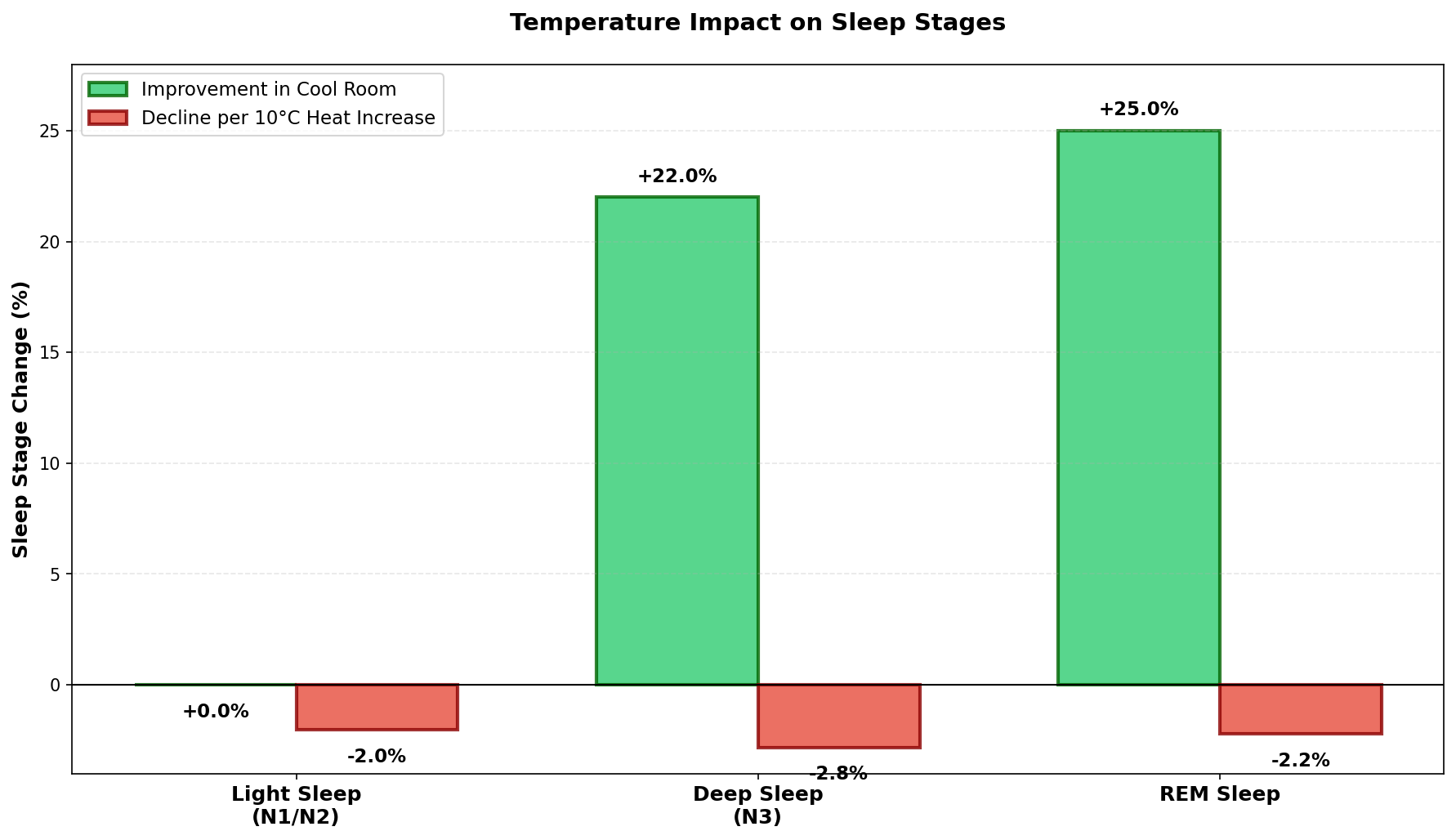 Figure 7: Projected sleep loss due to climate warming. By 2100, global temperature increases could cost humanity roughly 45 minutes of sleep per night.1,2
Temperature and Sleep Disorders
For people with diagnosed sleep disorders, temperature becomes even more critical.
Insomnia and Thermoregulation
People with insomnia have abnormal temperature patterns. Those with sleep-onset insomnia show delayed temperature decline (their cooling process starts too late). Those with sleep-maintenance insomnia have elevated core temperature throughout the night.3,4,5 People with combined insomnia have 24-hour elevation of core temperature, suggesting more severe dysregulation.3
Temperature-based interventions show promise. Frontal cerebral thermal cooling (cooling applied to the forehead) achieved a sleep latency of 13 minutes in insomnia patients versus 30+ minutes untreated, with 89% sleep efficiency compared to 75% untreated.3 Temperature adjustments are typically incorporated as part of Cognitive Behavioural Therapy for Insomnia (CBT-I), which also includes light exposure management and sleep scheduling. About 50 to 75% of insomniacs see clinically significant improvement with this comprehensive approach.3,5
Sleep Apnoea and Heat
The relationship between heat and sleep apnoea is particularly important because it's modifiable. Warmer rooms have been associated with increased apnoea severity; there's a 45% higher probability of sleep apnoea events at high temperatures compared to cool nights.1 This creates a vicious cycle: heat disrupts sleep through apnoea events, which then fragments sleep further.
Practical Steps: What to Do This Week
This is where theory becomes action. Here's how to optimise your sleep temperature without expensive equipment.
Week 1: Measure and Track
Buy a digital thermometer-hygrometer combo (£15-30). Place it 3 to 4 feet off the ground, away from windows. Record bedroom temperature at bedtime, 1 AM, and 6 AM. Note your sleep quality on a 1-10 scale and track: how many times you wake, how long it takes to fall asleep, and morning grogginess.
Humidity matters as much as temperature. Aim for 30 to 50% humidity. Too dry (below 30%) causes respiratory problems and waking from coughing. Too humid (above 60%) promotes dust mites and discomfort.
Week 2: Find Your Temperature
Set your thermostat to 65°F (18°C), the research-backed sweet spot for most adults. If you're over 65, start at 70°F (21°C). Sleep at this temperature for 3 to 5 nights, tracking sleep quality as above.
You're looking for the temperature where you:
- Fall asleep within 15 minutes
- Wake 0 to 1 times per night
- Experience no night sweats
- Feel genuinely refreshed in the morning
Week 3: Fine-Tune
Adjust ±2°F based on your results. Too hot (night sweats, difficulty falling asleep) means lower by 2 to 3 degrees. Too cold (shivering, waking from cold) means raise by 2 to 3 degrees. Most people notice meaningful improvement within 3 to 5 nights.
Seasonal Adjustments
Winter (November to February): Most people sleep slightly longer and more deeply in winter naturally. You might lower your thermostat to 62 to 66°F and use multiple blanket layers for flexibility. Maintain humidity at 30 to 50% (central heating dries air dramatically; use a humidifier if needed).
Summer (June to August): Go 1 to 3°F cooler than your other seasons (60 to 65°F). Run air conditioning at night despite the cost. Close windows and blinds during the day to trap cool air. Switch to lightweight cotton or linen sheets.
Spring and autumn are challenging because outside temperatures fluctuate wildly. Use a programmable thermostat to maintain consistency rather than relying on natural ventilation.
For Couples: Solving the Temperature Conflict
About 50% of couples report temperature conflicts in bed.5,6 Women typically prefer cooler environments than men by 2 to 3°F, and this difference is biological, not negotiable.
Solutions exist at different price points:
- Separate blankets (£0-50): One partner uses a light duvet, the other a heavy duvet. Success rate: 60%
- Dual-zone cooling pads (£300-600): Each side maintains its own temperature. Success rate: 80%
- Smart adjustable beds (£2,000-5,000): Separate zones with individual temperature control. Success rate: 90%
- Separate bedrooms with different temperatures: Solves the problem completely but impacts intimacy
Most couples find success with the first or second option without major investment.
Special Considerations
For Menopausal Women
Your priority should be active cooling over passive cooling. Switch to moisture-wicking sheets and consider a cooling mattress pad set to 36 to 37°C. Allow 8 weeks for full benefit. Hormone therapy can significantly reduce night sweats in appropriately selected patients.
For Older Adults (65+)
Your temperature sensitivity is 3 times greater than that of younger adults. Aim for 70 to 74°F, where research shows optimal sleep quality and stress reduction. Never let your bedroom drop below 50°F; cold exposure can trigger cardiovascular stress without you realising it.
For Hot Sleepers
Prioritise cooling; this produces the greatest sleep benefit. Your strategy hierarchy should be: (1) adjust thermostat 3 to 5°F lower, (2) switch to bamboo sheets, (3) use a cooling mattress topper if needed. Expensive systems rarely add value for normal room temperatures.
For Shift Workers
Temperature rhythm misalignment is a major reason sleeping at "wrong" times feels impossible. Gradually exposing yourself to cooler temperatures around your new sleep time may help reset your circadian rhythm alongside light exposure.
The Bottom Line
Temperature is one of the most accessible, evidence-based factors you can control for sleep quality. The research spans billions of sleep measurements, controlled laboratory studies, and population-level data. The findings are consistent: a cool bedroom (between 65 and 68°F for most adults, 70 to 74°F for older adults) directly improves how quickly you fall asleep, how deeply you sleep, and how rested you feel.
You don't need to redesign your bedroom. You don't need expensive technology. For many people, simply lowering the thermostat by 3 to 5°F and tracking your sleep for a week produces noticeable improvement within days.
If you've been struggling with sleep quality, temperature deserves to be at the top of your optimisation list. It's one of the few factors where the science is crystal clear, the intervention is simple, and the potential benefit is substantial.
Further Reading
Understanding Sleep Science and Temperature
- Psychology Today: The Key Role of Temperature in Sleep Quality
- Sleep Foundation: How Sleep Works and Sleep Stages
- Frontiers in Neuroscience: The Temperature Dependence of Sleep
Temperature Recommendations by Age and Population
- Cleveland Clinic: What Is the Ideal Sleeping Temperature
- Sleep Foundation: Best Temperature for Sleeping Babies
Practical Implementation and Bedding
- WebMD: Can't Sleep? Adjust the Temperature
- Sleep Station UK: Sleep and Temperature
- Healthline: Best Bedding Materials for Sleep Temperature Regulation
Special Conditions
- Cleveland Clinic: Night Sweats and Menopause
- Sleep Foundation: Night Sweats in Women
- American Academy of Sleep Medicine: Cooling as Insomnia Treatment
Cooling Technologies and Effectiveness
- Frontiers in Sleep Research: Cooling Bed Sheets Pilot Study
- Scientific Reports: Enhanced Body Heat Loss During Sleep
- ScienceDirect: Effects of Temperature-Controlled Mattress Systems
Climate, Heat, and Sleep
- Nature Communications: Climate Warming and Sleep Duration
- Nature Communications: Global Warming and Sleep Apnoea
- Science Advances: Temperature and Human Sleep Loss in a Changing Climate
References/Helpful Resources
- Li A, Luo H, Zhu Y, Zhang Z, Liu B, Kan H, et al. Climate warming may undermine sleep duration and quality in repeated-measure study of 23 million records. Nat Commun [Internet]. 2025 [cited 2026 Apr 8];16(1):2609. Available from: https://www.nature.com/articles/s41467-025-57781-y
- Obradovich N, Migliorini R, Mednick SC, Fowler JH. Nighttime temperature and human sleep loss in a changing climate. Sci Adv [Internet]. 2017 [cited 2026 Apr 8];3(5):e1601555. Available from: https://www.science.org/doi/10.1126/sciadv.1601555
- Kim J-W, Heo S, Lee D, Hong J, Yang D, Moon S. Polysomnographic Evidence of Enhanced Sleep Quality with Adaptive Thermal Regulation. Healthcare [Internet]. 2025 [cited 2026 Apr 8];13(19):2521. Available from: https://www.mdpi.com/2227-9032/13/19/2521
- Harding EC, Franks NP, Wisden W. Sleep and thermoregulation. Curr Opin Physiol [Internet]. 2020 [cited 2026 Apr 8];15:7–13. Available from: https://linkinghub.elsevier.com/retrieve/pii/S2468867319301804
- Van Der Werf YD, Altena E, Schoonheim MM, Sanz-Arigita EJ, Vis JC, De Rijke W, et al. Sleep benefits subsequent hippocampal functioning. Nat Neurosci [Internet]. 2009 [cited 2026 Apr 8];12(2):122–3. Available from: https://www.nature.com/articles/nn.2253
- Marcus Institute for Aging Research. Optimal sleep temperature for seniors between 68 to 77 degrees Fahrenheit. 2024 [cited 2026 Apr 8]. Available from: https://www.marcusinstituteforaging.org/news/optimal-sleep-temperature-seniors-between-68-77-degrees-fahrenheit-study-reveals
