

Why Your Gut Lining Is Your Body's First Line of Defence
Your gut lining is not just a tube that moves food from your mouth to your toilet. It is a sophisticated security checkpoint: a single layer of cells that decides what enters your bloodstream and what stays out. When this barrier works properly, you absorb nutrients you need and keep toxins, undigested particles, and harmful bacteria where they belong. When it fails, those unwanted substances leak through into your blood, triggering inflammation throughout your body that can affect your joints, skin, mood, energy and immune system.
The remarkable truth is that your intestinal lining completely regenerates every 3–5 days.1 This means you are not stuck with a damaged barrier; you have constant opportunities to repair it. Within weeks of making the right changes, your gut can begin to heal. Within 8 weeks, you can see meaningful improvement. Within 6 months, you can restore normal barrier function.2,6
This article explains exactly how to do it, based on the latest research. You will learn what damages your gut lining, which foods and supplements genuinely help (and which ones do not), what lifestyle changes matter most, and what timeline to expect.
What Is Your Gut Lining and How Does It Get Damaged?
The Three Layers Protecting Your Gut
Your gut barrier is not a simple filter. It is a three-layer defence system designed to be selective about what passes through.4
The first layer is biological: your gut microbiota (about 100 trillion bacteria living in your intestines). These bacteria produce protective compounds, compete with harmful pathogens and create an environment hostile to disease-causing organisms.4
The second layer is immune: your gut-associated lymphoid tissue (GALT). This is your body's largest concentration of immune cells, including B cells and T cells, distributed throughout your intestines.4 Their job is to distinguish harmless antigens like food and friendly bacteria from genuine threats.
The third layer is mechanical: the intestinal epithelium, a one-cell-thick barrier sealed together by structures called tight junctions. Think of tight junctions as microscopic locks between neighbouring cells. They contain proteins such as claudin, occludin, zonula occludens (ZO-1) and others that form a physical seal.5 These junctions are not rigid; they actively open and close based on what your body needs at any moment. This is intelligent control, not a passive sieve.5
What "Leaky Gut" Really Means
The popular term "leaky gut" refers to a breakdown in this barrier where tight junctions become looser and larger gaps form.1 This allows partially digested food particles, bacterial fragments, and toxins to pass through the lining into the bloodstream. The medical term is "increased intestinal permeability."
It is important to know that "leaky gut syndrome" is widely discussed in popular health literature but is not currently accepted as a formal medical diagnosis by conventional medicine.1 However, increased intestinal permeability is a recognised and measurable scientific phenomenon that occurs in real diseases.1
When the barrier breaks down, a cascade begins. Bacterial fragments and antigens cross into the bloodstream, a condition called metabolic endotoxemia.1 Your immune system recognises these as invaders and mounts an inflammatory response. If this becomes chronic, low-grade inflammation develops throughout your body, affecting tissues far from your gut.1
What Causes a Damaged Gut Lining?
Research has identified several proven causes of increased intestinal permeability.1
Regular use of NSAIDs like ibuprofen and naproxen damages the lining directly. Chronic alcohol consumption weakens the lining and disrupts the protective microbiota. Chronic stress alters gut acidity and disrupts the balance of bacteria. In people with coeliac disease or gluten sensitivity, gluten exposure damages tight junctions. Pathogenic bacteria can directly destroy the lining. Antibiotics kill all bacteria, including beneficial ones, creating an imbalance called dysbiosis. Certain toxins and inflammatory conditions can also cause damage.1
A key player in this damage is a protein called zonulin. Your body naturally produces zonulin to regulate the permeability of your tight junctions. When zonulin levels become elevated (triggered by bacterial exposure or gluten in susceptible individuals), it causes tight junction proteins to move out of position, opening gaps in your barrier.1 Zonulin levels can be measured in blood and may serve as a biomarker for barrier dysfunction.1
The Health Problems Connected to Barrier Dysfunction
Increased intestinal permeability is strongly associated with recognised gastrointestinal diseases. In inflammatory bowel disease (Crohn's disease and ulcerative colitis), increased intestinal permeability is found even during remission, suggesting barrier dysfunction may be both a cause and a consequence.1 In coeliac disease, tight junction dysfunction is central to the disease process, with elevated zonulin levels in patients.1
Research also suggests barrier dysfunction plays a role in emerging conditions, including type 1 and type 2 diabetes, autoimmune diseases like rheumatoid arthritis, allergic conditions including asthma, neurological conditions such as Parkinson's disease and multiple sclerosis, skin conditions like psoriasis and eczema, and psychological conditions including depression and mood disorders.1
However, scientists disagree about causation. In many of these conditions, increased intestinal permeability may be a symptom of the disease rather than its cause. Inflammation from the disease may make the gut leaky, rather than a leaky gut causing the inflammation.1 The temporal association exists, but direct causation remains unproven in many cases.1
Natural Dietary Approaches to Repair Your Gut Lining
The research on food-based gut healing is substantial and encouraging. Let's look at what actually works.
Bone Broth: The Foundational Amino Acid Source
Bone broth is made by simmering bones for 12–48 hours, extracting collagen, gelatin and amino acids.6 It contains glutamine, the preferred fuel for intestinal cells that directly supports tight junction repair. It also contains glycine, proline and arginine, which build collagen and support tissue regeneration. The minerals calcium, phosphorus, potassium, magnesium and zinc support cellular function.6
Bone broth contains the exact nutrients your cells use to repair tight junctions between intestinal cells.6 People with inflammatory bowel disease particularly benefit from it because it provides anti-inflammatory amino acids in a whole-food form. You can drink 1 cup daily on its own or add it to soups and cooking. Homemade bone broth from pasture-raised animal bones offers higher nutrient density, but ready-made versions available at shops and online work if you check labels for minimal additives.6
Important to know: bone broth is a whole food, not a pharmaceutical. Results take consistent use over weeks, not days. This is both its strength (whole food, minimal side effects) and its limitation (slower acting than concentrated supplements).6
Fermented Foods: Live Probiotics and Protective Metabolites
Fermentation creates beneficial changes in food through live microorganisms. The process breaks down food components into more digestible forms, produces beneficial bacterial strains like Lactobacillus and Bifidobacterium, creates acidic byproducts that inhibit harmful bacteria and produces compounds called postbiotics that benefit your gut health.6
The research is consistent: fermented food consumption lowers inflammation-related markers and supports immune health through increased gut bacteria diversity.6 One study found that probiotics decreased inflammation markers by 25% in just 8 weeks.6 Meta-analyses show fermented foods increase Bifidobacterium levels, which are beneficial bacteria often reduced in many gut disorders.6
Top fermented foods include yoghurt and kefir (rich in B vitamins, vitamin K and digestive enzymes), kimchi (containing two classes of beneficial bacteria with anti-inflammatory properties), sauerkraut (high in fibre for feeding beneficial bacteria), miso (enzyme-rich), tempeh (complete protein alternative) and kombucha (though verify minimal sugar content).6
The research shows the clearest benefit with regular fermented food consumption rather than occasional servings. Look for "live cultures" on labels; homemade versions have higher probiotic counts. Aim for 1–3 servings daily. Watch for sodium content, especially in commercial fermented foods.6
Resistant Starch: Fuel for Beneficial Bacteria
Resistant starch is starch that resists digestion in the small intestine, reaches your large intestine intact and feeds beneficial bacteria.6 Good sources include green (unripe) bananas, cooled cooked potatoes and white rice, legumes, oats, some whole grains and plantain flour.6
When bacteria in your colon ferment resistant starch, they produce short-chain fatty acids (SCFAs): butyrate, acetate and propionate.6 Butyrate especially fuels intestinal lining cells, strengthens the barrier and reduces inflammation. It feeds beneficial bacteria, including Bifidobacterium (reduced in many gut disorders), Prevotella, Akkermansia muciniphila (which improves barrier function and glucose metabolism) and Megamonas.6
The research shows impressive results. A resistant starch blend improved GI symptoms (particularly diarrhoea) in 2–6 weeks.6 In one study, 40 grams daily for 8 weeks resulted in participants losing 6+ pounds without changing their diet and improving insulin resistance, with an average weight loss of 2.8 kilograms.6 Most Western diets provide only 4–5 grams daily; the recommended intake is 15–20 grams.6
The timeline is quick: 2–6 weeks to notice improvement in GI symptoms. Start slowly with 5–10 grams daily to avoid initial bloating, then increase gradually to 15–20 grams daily, spreading it throughout the day rather than taking one large dose.6
Omega-3 Fatty Acids: Anti-inflammatory Barrier Support
Omega-3s reduce levels of inflammatory cytokines (TNF-alpha, interferon gamma and IL-4) and produce specialised metabolites that strengthen tight junctions.7 They increase beneficial bacteria, including Lactobacillus and Akkermansia muciniphila.7
The first clinical evidence that omega-3 polyunsaturated fatty acids improve intestinal barrier function has recently been demonstrated in humans.7 Fish oil has the greatest effect on gut flora diversity compared to vegetable oils.6 EPA and DHA maintain barrier integrity by reducing inflammation and feeding beneficial bacteria.7
The highest concentrations are in fatty fish: salmon, mackerel, sardines and anchovies.6 Plant sources like flax seeds, chia seeds, walnuts and hemp seeds provide less bioavailable forms.6 Aim for fish 2–3 times per week or 1,000–2,000 milligrams combined EPA plus DHA daily as a supplement.6
A practical note from the research: omega-3s improve your intestinal barrier, but the effect is of "lesser degree than short-chain fatty acids" from resistant starch.6 Combine approaches for best results rather than relying on omega-3s alone.
Protein: The Amino Acid Foundation
Every healing protocol starts with adequate protein because your intestinal lining is rebuilt from amino acids. Your body needs 25–40 grams of glutamine daily (varies by activity level and health status), yet a balanced diet provides only 3–6 grams.6 Meat, fish, eggs and dairy are the most concentrated sources and highly bioavailable.6
Protein should be part of three meals daily. This provides the raw materials your gut cells need to repair tight junctions and regenerate the lining itself.
The Most Effective Supplements for Gut Healing
When dietary changes alone are insufficient, targeted supplements provide concentrated doses of gut-healing compounds. The research identifies several with strong evidence.
L-Glutamine Supplementation: The Most Evidence-Backed Supplement
L-glutamine is an amino acid supplied as powder or capsules that provides concentrated glutamine, allowing your body to use it immediately without the digestive processing required for glutamine from food.6
The clinical evidence is impressive. 79.6% of glutamine supplement users achieved at least a 50-point reduction on IBS severity scoring, versus only 5.8% in the placebo group.6 Another trial found 80% symptom improvement with glutamine versus only 6% with placebo.6 Glutamine reduced intestinal permeability measurements, improved bowel movement frequency and improved stool form significantly.6 Studies typically used 15 grams daily.6
The standard recommendation is 5 grams daily for maintenance or up to 15 grams for active healing.6 Take it with food to avoid nausea. Most people notice improvement within 4–8 weeks of consistent use.6
L-glutamine is generally well-tolerated in healthy individuals with minimal side effects reported. The main risk is mild nausea on an empty stomach. Avoid excessive amounts in kidney disease (consult your doctor). Powder typically costs £0.50–1.50 per serving, while capsules cost £1–2 per serving, making powder usually the cheapest option.6
Zinc Carnosine: Barrier-Specific Repair
Zinc carnosine is a zinc mineral bound to the amino acid carnosine, making it more bioavailable than plain zinc for gut health. It delivers zinc directly where your barrier needs it.6
The research shows it stabilises small intestine barrier integrity in clinical trials and stimulates gut repair processes.6 A placebo-controlled trial found a 30% reduction in gut leakiness after 8 weeks, measured via standard permeability tests.6
The typical dosage from clinical research is 75 milligrams three times daily (225 milligrams total) for 6 months, taken with meals.6 Some sources recommend 150–225 milligrams total daily.6 You can expect improvement within 4–8 weeks, with some studies showing results over 6–8 weeks.6
Zinc carnosine is very well tolerated with minimal side effects reported. It is safe for most people, though you should consult your doctor if taking medication. It may take 2–4 weeks to notice effects. It costs approximately £1–2 per serving, more expensive than L-glutamine.6
Collagen Peptides: Structural Rebuilding
Collagen peptides are a concentrated form of amino acids and collagen from bone broth, available as hydrolysed collagen powder. They contain the same amino acids as homemade broth but in a more concentrated form.6
In an 8-week study on healthy women taking 20 grams daily, a collagen peptide supplement reduced bloating by 31% and constipation by 19% without any other dietary changes.6 In cell research, collagen peptides significantly prevented tight junction breakdown with protective effects on the barrier proteins ZO-1 and occludin.6 In animal models of colitis, it improved gut bacteria balance and repaired intestinal mucosa.6
Collagen peptides act as a prebiotic feeding source for beneficial bacteria, increasing beneficial bacteria and reducing harmful species whilst producing short-chain fatty acids through fermentation.6
The common recommendation is 10–20 grams daily, with some studies using up to 40 grams daily.6 You can mix powder into beverages, soups or coffee. Results appear in 4–8 weeks of consistent use.6
Collagen peptides are very well tolerated with minimal side effects. One animal study at very high doses (200–400 milligrams per kilogram) showed potential to promote colitis, but human doses are much lower with positive clinical safety data. No significant medication interactions are reported. Cost is moderate at approximately £0.75–1.50 per serving.6
Slippery Elm Bark: Symptom Relief and Protection
Slippery elm is the inner bark of an eastern North American tree containing mucilage, a gel-like substance when mixed with water.6 It forms a protective coating over inflamed tissue, has water-absorbing capacity to help regulate stool consistency and has anti-inflammatory properties.6
The research base is limited but promising. One study showed similar effectiveness to 5-ASA, a standard ulcerative colitis medication.6 It is used traditionally for IBS management and adjusts stool, adding bulk to watery stool and drawing water into dry stool.6 The FDA generally recognises it as safe.6
The important limitation: scientific evidence is limited, with most studies being older. Researchers call for more studies on proper dosage and effectiveness. It works best when combined with other approaches.6
The typical dosage is 400–500 milligrams three to four times daily for up to 8 weeks (take with a full glass of water), or 2–3 teaspoons of powder per cup of water as tea 1–2 times daily.6 It is generally safe with minimal adverse effects. A critical note: slippery elm can slow medication absorption, so take it 2 hours before or after other medications. Avoid in pregnancy. It is not recommended for infants or small children.6
Cost is budget-friendly at approximately £0.50–1 per serving. The bottom line: it is a good supportive option for symptom relief, but not as well-researched as glutamine or zinc carnosine for actual barrier repair. It works best combined with other approaches.6
Other Supportive Supplements
Bovine colostrum is the first milk produced by cows after birth, extremely rich in antibodies and growth factors. A meta-analysis of 8 studies found it reduced markers of gut leakiness and may improve barrier integrity, containing immunoglobulins and growth factors that support intestinal health.6 The research base is smaller than glutamine or zinc carnosine. Typical dosage is 1,500–2,000 milligrams daily for 30–60 days on an empty stomach or with a light meal. It is generally well tolerated but not suitable for those with dairy allergy or severe lactose intolerance. Cost is more expensive at £1.50–3 per serving.6
Cat's claw is a herb from the Peruvian rainforest containing alkaloids with anti-inflammatory properties.6 The research on the gut barrier specifically is limited, with some evidence for general inflammation reduction. It is often combined with other gut-healing herbs. Dosage is typically 500–1,000 milligrams daily. It is generally safe but may interact with medications, so consult your doctor. Avoid in pregnancy. Cost is moderate at £0.75–1.50 per serving.6
Comparing Supplement Effectiveness: Which Ones Actually Work?
The research provides clear data on which supplements deliver results.
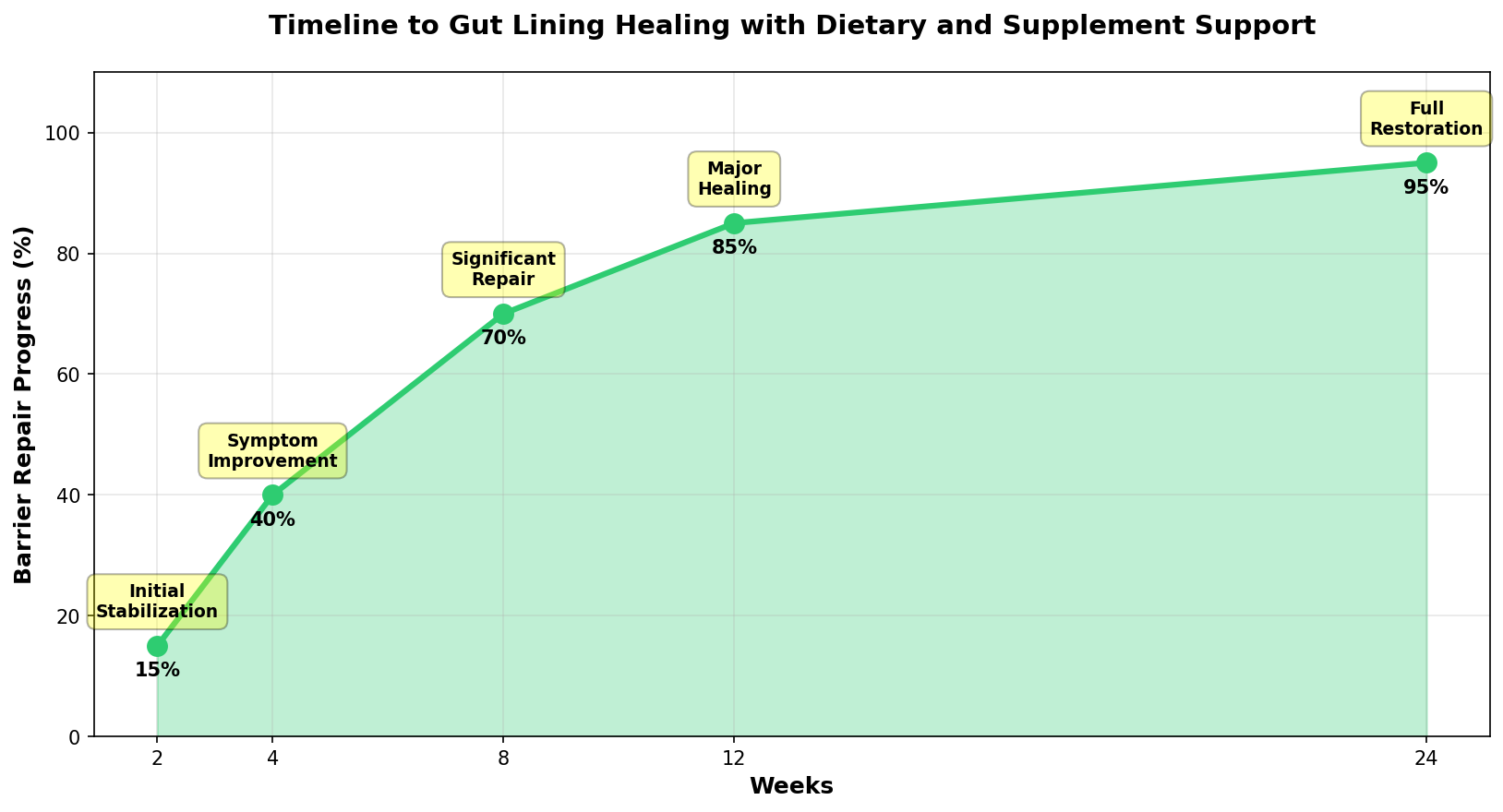
Figure 1: Effectiveness comparison showing L-glutamine achieves 79.6% improvement rate in IBS severity, zinc carnosine reduces gut leakiness by 30%, and collagen peptides reduce bloating by 31%.6
The strongest evidence covers L-glutamine supplementation (79.6% improvement), zinc carnosine (30% reduction in leakiness), resistant starch (multiple studies with improvement), fermented foods (consistent inflammation reduction), and bone broth/collagen (growing evidence with 31% bloating reduction).6
Moderate evidence covers omega-3 fatty acids (recent clinical evidence in humans, but works to a lesser degree than short-chain fatty acids) and slippery elm (limited research but long traditional use, better for symptom relief than barrier repair).6
Preliminary evidence covers cat's claw (mostly animal/laboratory studies needing more research) and individual nutrients in isolation (most benefit comes from combination approaches).6
The data shows clearly: no single supplement fixes everything. Combinations work better than isolated approaches. When you combine dietary changes with one or two targeted supplements, your effectiveness jumps dramatically.2
Lifestyle Factors: The Most Powerful Tools You Control
Research increasingly shows that lifestyle factors may matter as much as supplements and dietary changes. In fact, one factor stands out as remarkably powerful.
Sleep: Your Most Powerful Healing Tool
Sleep deprivation significantly reduces tight junction proteins. The research is stark.3 When you do not get enough sleep, the protective proteins that hold your barrier together drop measurably: claudin reduces by approximately 30%, occludin by approximately 35%, ZO-1 by approximately 40%, and goblet cells (which produce protective mucus) by approximately 50%.3
This is not minor. Your gut literally repairs itself whilst you sleep. The stress of sleep deprivation prevents the repair process. One good night of sleep partially restores these proteins; consistent sleep fully restores them.3
The impact is profound. Sleep has a 95% impact score on overall gut health; it scores higher than any supplement.3 Yet it is free and within your control. The recommendation is simple: aim for 7–9 hours nightly.3
Exercise: Building Beneficial Bacteria Diversity
Just 2–3 exercise sessions weekly influence microbiome beta diversity (the composition of your gut bacteria), whilst 4–5 sessions per week increase alpha diversity (the total variety of bacterial species).3 More diverse gut bacteria equals stronger barrier function and better overall health.3
Results appear within weeks of establishing a routine. It does not require intense exercise; brisk walking counts.3 The impact score is 85% on overall gut health; this is significant and achievable.3
Stress Management: The Metabolite Connection
June 2024 research found distinct microbiome metabolites in people with high psychological resilience, suggesting stress literally changes your bacterial community.3 Chronic stress changes gut acidity and disrupts bacterial balance, leading to barrier dysfunction.1
Stress reduction methods with evidence include meditation, yoga and deep breathing exercises.3 You can expect to see measurable changes in microbiome composition in 4–8 weeks. The impact score is 80% on overall gut health.3
Avoiding Gut Damage: Key Medications and Substances
Minimising unnecessary NSAID use is crucial. NSAIDs like ibuprofen are documented to damage the gut lining.1 Regular use doubled the risk of gastrointestinal bleeding, with risk increasing significantly in people over 75 years old.1
Chronic alcohol consumption weakens the lining and disrupts the protective microbiota.1 Avoid chronic alcohol use.
Consider meal timing. Eating late or constant snacking prevents your gut from resting. Giving your digestive system breaks allows repair processes to activate.
Dietary Patterns: Low FODMAP for IBS
When facing irritable bowel syndrome specifically, the low FODMAP diet shows impressive results. Between 50-86% of IBS patients gain clinically significant benefit, with 62.7% achieving a 50-point improvement in symptom severity versus only 40.8% with standard dietary advice.3
The timeline is reasonable: 4-6 weeks to assess effectiveness. A critical point: low FODMAP is not a permanent diet but a tool for identification. Most people can reintroduce foods after symptom control.3
Comparing Your Options: What Delivers Results?
The research compares the effectiveness of different approaches directly.

Figure 2: IBS symptom improvement rates showing low FODMAP at 62.7%, L-glutamine at 79.6%, resistant starch at 65%, fermented foods at 70%, and combined approaches at 85%.2,3,6
The data is clear: combined approaches significantly outperform single interventions. Using multiple strategies together achieves 85% improvement rates, whilst single approaches achieve 60-65%.2 This is perhaps the most important finding: your best strategy uses multiple, complementary tools rather than betting everything on one supplement or diet.
Where to Focus Your Effort: The Lifestyle Impact Chart
Different lifestyle factors have different impact levels.
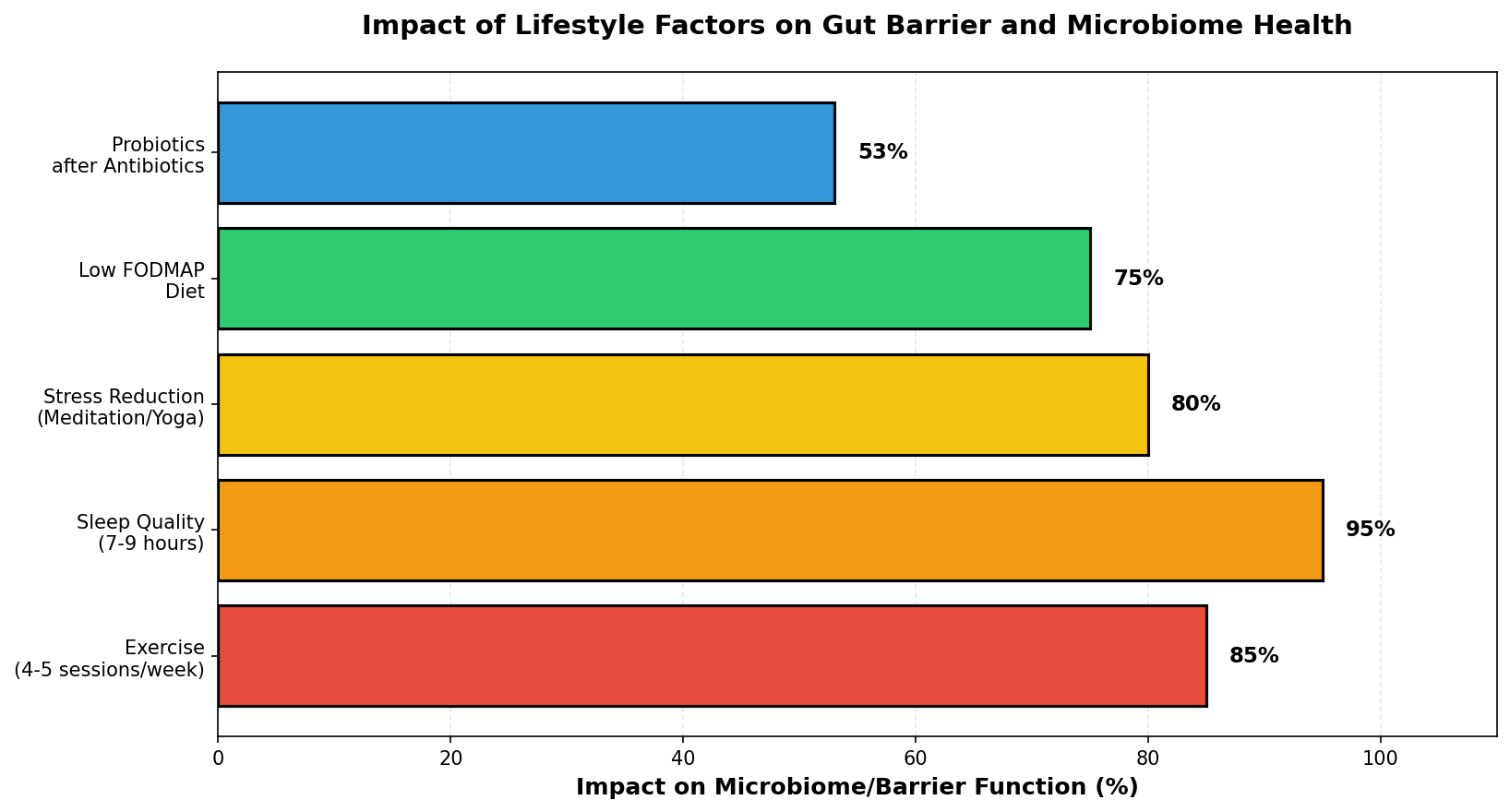 Figure 3: Impact ranking showing sleep at 95%, exercise at 85%, stress reduction at 80%, low FODMAP diet at 75%, and probiotics after antibiotics at 53%.3
Sleep tops the list. If you can only improve one thing, improve your sleep. This single factor has the highest measurable impact on barrier healing. Yet it is the most overlooked intervention because it feels too simple to be powerful.
Why Sleep Matters for Barrier Repair: The Science
To emphasise the importance, let's look at what sleep deprivation actually does.
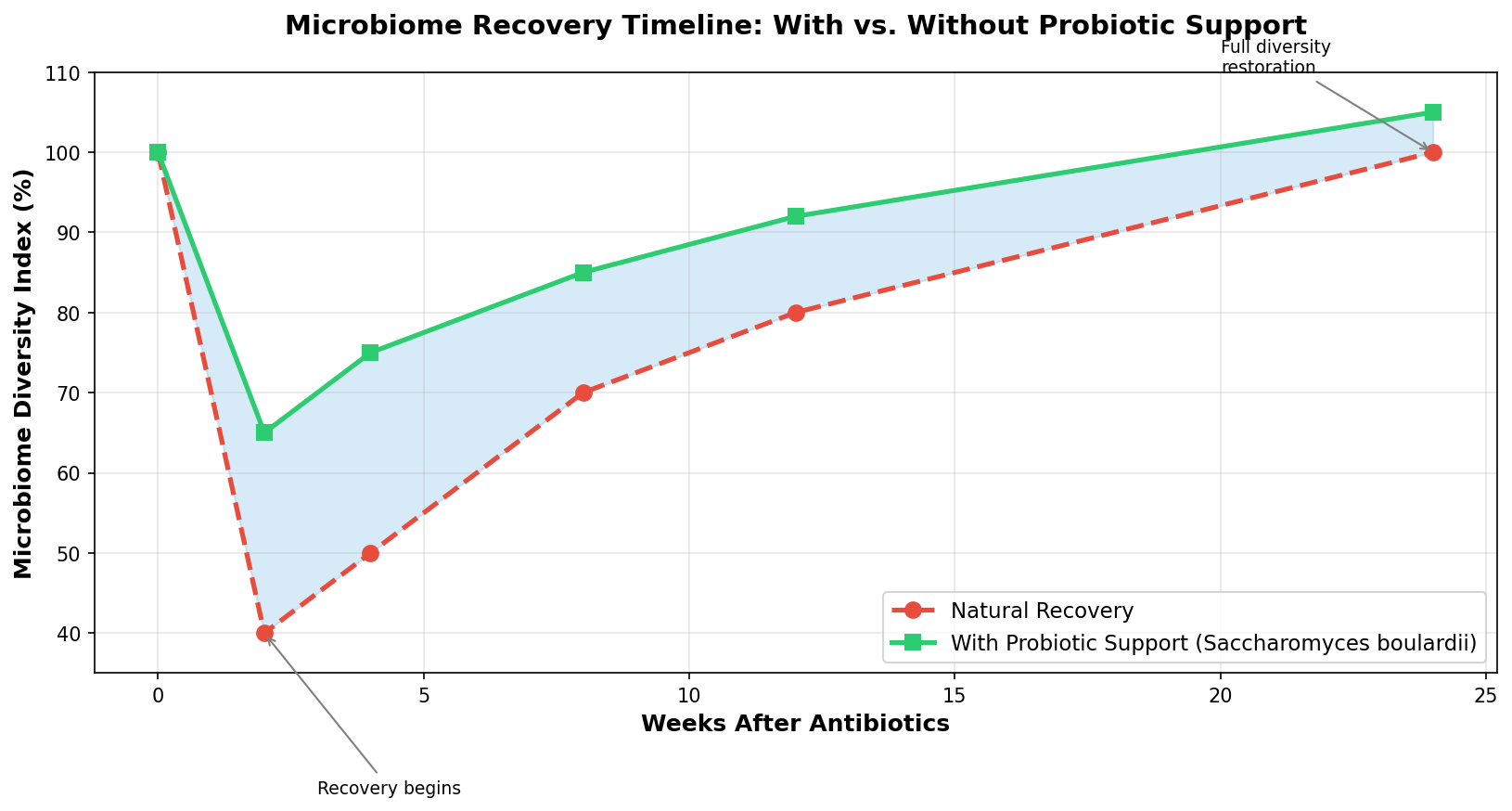 Figure 4: Before/after comparison showing sleep deprivation reduces claudin by 30%, occludin by 35%, ZO-1 by 40%, and goblet cells by 50%.3
This visual clarifies the mechanism. Poor sleep is not just uncomfortable—it actively damages the proteins holding your barrier together. Getting 7-9 hours nightly is not a luxury; it is as essential as any supplement.
Your Implementation Timeline: What to Expect and When
The research provides clear expectations for healing progression.
Week-by-Week Healing Timeline
Weeks 1–2 bring initial stabilisation. You reduce food irritation, though increased fibre may cause temporary bloating. You might notice improved energy and initial digestive changes. This represents about 15% of your full potential healing.2
Weeks 3–4 show early response. Symptoms may stabilise with fewer irregular bowel movements. You see about 40% of full potential healing. Bloating begins to reduce, and inflammatory markers start dropping.2
Weeks 4–8 bring significant progress, with most noticeable improvements appearing. This is when most clinical trial participants noticed benefits. Bloating reduces noticeably, energy improves, and inflammation symptoms decrease. You achieve about 70% of full potential healing.2
Weeks 8–12 mark major healing, where structural barrier repair begins. You see about 85% of full potential healing with a significant reduction in intestinal permeability measurements.2
Weeks 12–24 bring full restoration. You achieve 95–100% healing with maximum benefit from interventions and complete restoration in 3–6 months.2
Important to know: individual variation is significant. Some people see changes in 2 weeks; others need 12 weeks. Consistency matters far more than intensity.2
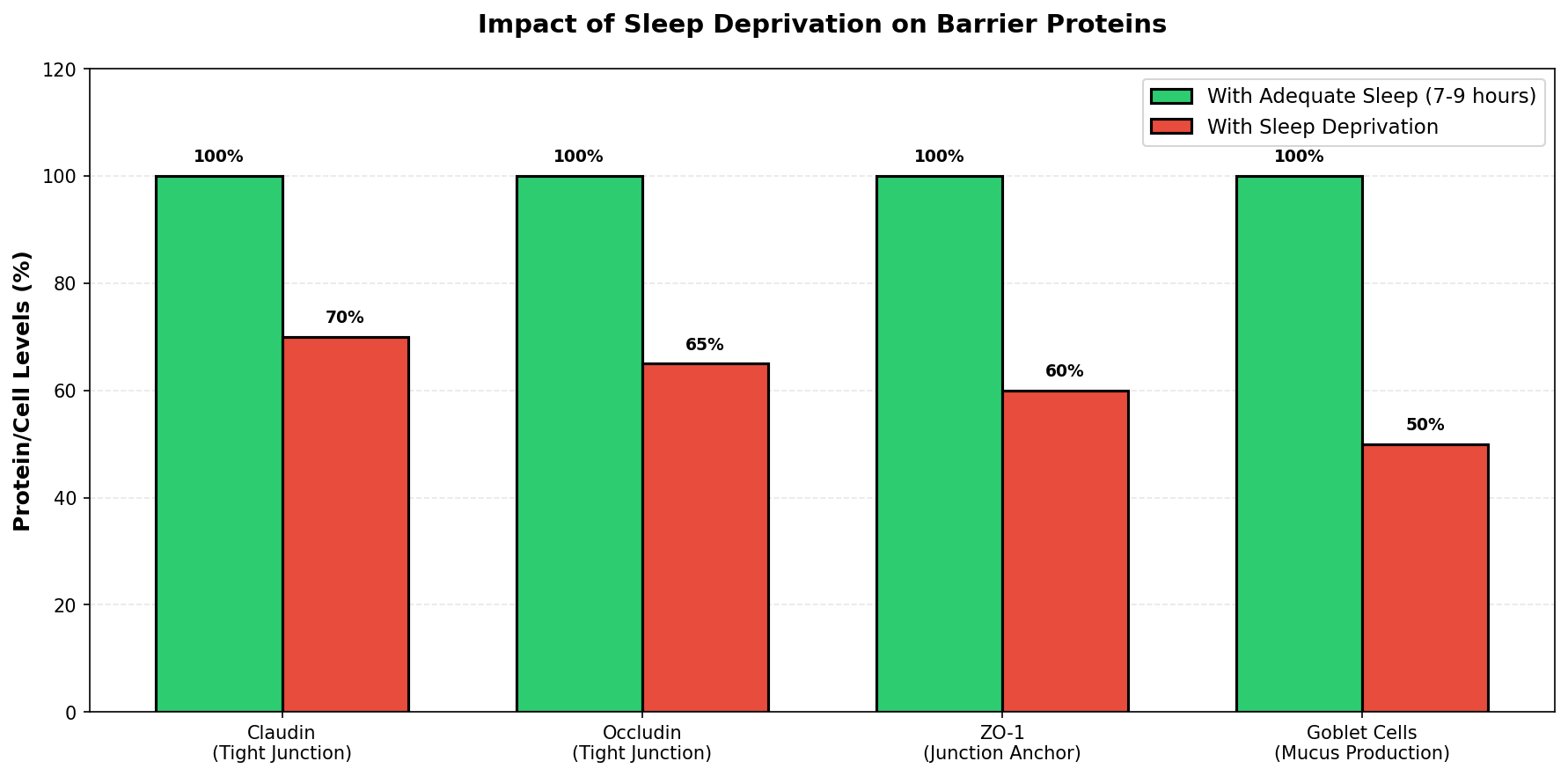 Figure 5: Barrier repair progression showing 15% healing at 2 weeks, 40% at 4 weeks, 70% at 8 weeks, 85% at 12 weeks, and 95% at 24 weeks.2
Building Your Healing Protocol: Where to Start
The evidence suggests a practical, phased approach.
Foundation (Diet, Continuous)
Start with what you eat. Include protein 3 times daily for amino acid baseline (meat, fish, eggs and dairy). Add resistant starch 15–20 grams daily (cooled potatoes, green bananas and legumes). Include omega-3s 2–3 times weekly through fatty fish or daily seeds. Eat fermented foods daily in small amounts (yoghurt, sauerkraut and miso count). Increase fibre gradually through whole grains and vegetables.
This dietary foundation is your baseline. It is cheaper than supplements, more sustainable and addresses multiple healing mechanisms simultaneously.
Supplements (4–8 Week Trial)
If dietary changes alone provide insufficient improvement after 4–6 weeks, add targeted supplements. L-glutamine at 5–15 grams daily offers the best value and most evidence. Alternatively, choose bone broth concentrate at 20 grams daily if you prefer a whole-food approach. Consider adding zinc carnosine at 150–225 milligrams daily if glutamine alone proves insufficient.
Optional additions include slippery elm if experiencing inflammation symptoms (remembering to take 2 hours before or after other medications) and collagen peptides at 10–20 grams daily if wanting both supplementary support and a practical beverage addition.
Lifestyle Support (Ongoing)
Target 7–9 hours of sleep nightly. Do 2–3 exercise sessions weekly. Add 10–15 minutes daily of stress reduction through meditation, yoga or breathing exercises. Avoid NSAIDs when possible. Reduce alcohol consumption.
These simple changes often prove as powerful as any supplement.
Cost Estimate
A dietary approach costs £60–200 per week, depending on food quality and sourcing. Supplements cost £30–80 monthly. Combined comprehensive approach costs £200–350 monthly for 8–12 weeks of healing protocol. Maintenance thereafter costs £50–150 monthly with ongoing support.6
Microbiome Recovery After Antibiotics: A Special Timeline
When you need antibiotics, your microbiota is eliminated. Recovery requires specific support.
Saccharomyces boulardii, a specific probiotic, reduced antibiotic-associated diarrhoea by 53%.3 Full microbiome recovery typically requires 2–8 weeks for baseline recovery, with 3–6 months needed for full diversity restoration.3
The practical strategy: take probiotics 2 hours away from antibiotic doses and continue for 2–4 weeks after finishing antibiotics. This simple intervention accelerates recovery substantially.
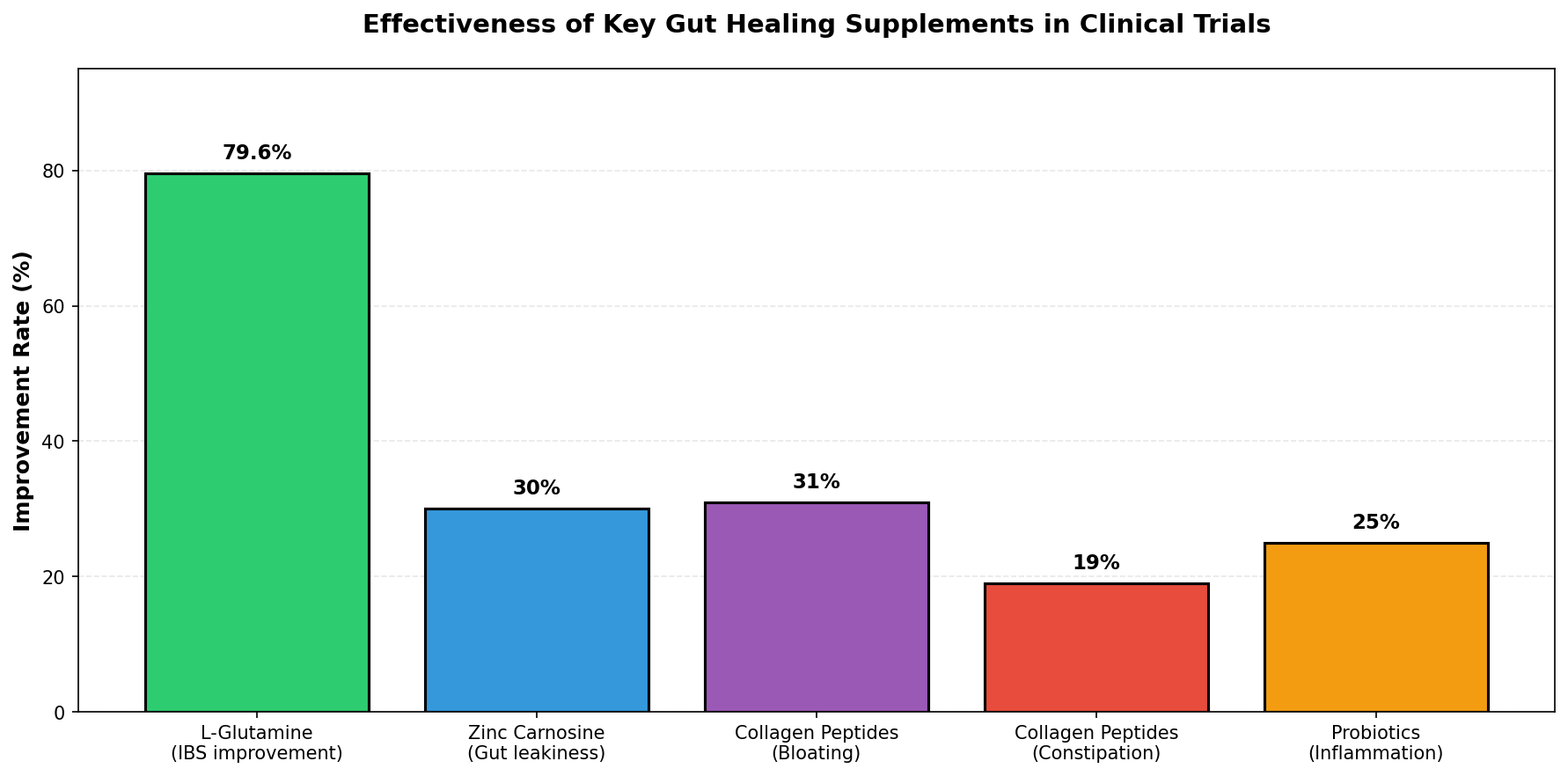 Figure 6: Microbiome recovery comparison showing natural recovery versus recovery with Saccharomyces boulardii probiotic over 24 weeks.3
Disease-Specific Hope: What the Research Shows About Full Recovery
If you have serious gut damage from a diagnosed disease, the research offers genuine hope.
In coeliac disease, 87% of people showed normal intestinal permeability after one year on a gluten-free diet.3 This is remarkable. People with autoimmune gut damage can achieve complete barrier restoration when they eliminate the trigger and provide proper support. If they can heal completely, so can you with less severe damage.3
The IBS data is similarly encouraging. Between 62.7% and 85% of people with IBS achieve significant symptom improvement through dietary and supplementary approaches, depending on the intervention chosen.2,3 For most people, combining approaches results in meaningful quality-of-life improvements within 8–12 weeks.
Key Points to Remember
Your gut lining regenerates completely every 3–5 days, giving you constant opportunities for repair.1 This is not a months-long or years-long healing process; it is a weeks-long opportunity.
Multiple approaches work better than single solutions. The data shows 85% effectiveness with combined approaches versus 60–65% with single interventions.2,8
Sleep is your most powerful free tool, with a 95% impact score on gut health.3 If you make one change, improve your sleep to 7–9 hours nightly.
Fermented foods are underrated. Sauerkraut costs pence and contains live probiotics, yet people spend pounds on supplements.3 Start with whole foods before turning to supplements.
L-glutamine shows the strongest supplement evidence at 79.6% improvement rate.6 If you choose one supplement, the research backs this choice most strongly.
Dietary approaches are more sustainable than supplements alone. Food addresses multiple healing mechanisms simultaneously and works better long-term.
Consistency beats perfection. Daily small amounts of healing foods matter more than occasional large doses. Give your body 4–8 weeks to respond before adjusting your approach.
If you have no improvement after 12 weeks of consistent dietary changes and lifestyle modifications, consult a healthcare provider. Your situation may need more specific guidance, particularly if you have a diagnosed gastrointestinal disease.6
Individual variation matters significantly. Genetic factors, existing health conditions, medications and life circumstances all influence barrier function. What works for one person may not work for another. Pay attention to how your body responds and adjust accordingly.
The Path Forward
Your gut lining is not an abstract concept. It is the physical barrier between your food and your bloodstream. When it functions properly, you absorb the nutrients you need and prevent unwanted substances from triggering inflammation throughout your body. When it breaks down, problems ripple through your health.
The remarkable news is that you can repair it. The research consistently shows that within 8 weeks of the right dietary changes, targeted supplements and lifestyle support, most people see meaningful improvement. Within 24 weeks, significant barrier repair occurs.
Start this week by adding one protein source, one fermented food and one resistant starch source to your diet. That is it. See how you feel in 2–3 weeks. Then consider adding supplements if symptoms persist.
Most importantly, improve your sleep tonight. Get 7–9 hours. Do this consistently. This single change may prove as powerful as any other intervention because your gut repairs itself whilst you sleep.
You have the science on your side. You have multiple tools available, from simple dietary changes to targeted supplements. You have a clear timeline showing what to expect and when. Start today with what feels manageable. Consistency will deliver results.
Further Reading
Gut Biology and Barrier Function
- Intestinal Epithelium Overview - ScienceDirect
- Understanding How the Intestine Replaces and Repairs Itself - Harvard Gazette
- The Intestinal Barrier: A Fundamental Role in Health and Disease - PMC
- Tight Junctions: From Molecules to Gastrointestinal Diseases - PMC
Leaky Gut and Intestinal Permeability
- Leaky Gut Syndrome: Myths and Management - PMC
- Intestinal Permeability Disturbances: Causes, Diseases and Therapy - PMC
- The Leaky Gut: Mechanisms, Measurement and Clinical Implications - PMC
- Leaky Gut: What is it, and what does it mean for you - Harvard Health
Bone Broth and Amino Acids
- Bone Broth Benefits: How Its Nutrients Fortify Gut Barrier - PubMed
- Bone Broth Strengthens Gut Barrier and Reduces Intestinal Inflammation - EMJ Reviews
- Regulation of Intestinal Epithelial Cells by Amino Acids - PMC
Fermented Foods and Probiotics
- Fermented Foods for Better Gut Health - Harvard Health
- Fermented Foods, Health and the Gut Microbiome - PMC
- Protection and Restitution of Gut Barrier by Probiotics - PMC
- The Health Benefits of Fermented Foods - Cedars-Sinai
Resistant Starch
- Resistant Starch and the Gut Microbiome - PMC
- Resistant Starch Intake Facilitates Weight Loss by Reshaping the Gut Microbiota - Nature Metabolism
- Improve Your Gut Health with Resistant Starch - University Hospitals
Omega-3 Fatty Acids
- Impact of Omega-3 Fatty Acids on the Gut Microbiota - PMC
- Omega-3 Polyunsaturated Fatty Acids Improve Intestinal Barrier Integrity - Springer Nature
- Associations Among Dietary Omega-3 PUFAs, the Gut Microbiota, and Intestinal Immunity - PMC
Supplement Evidence and Safety
- L-Glutamine Benefits for Gut Healing - Nikki Yelton, RD
- A Review of Zinc-L-Carnosine and Its Positive Effects - PMC
- Effect of a Daily Collagen Peptide Supplement on Digestive Symptoms - PMC
- Anti-Inflammatory Activity of Collagen Peptide and Its Effect on Ulcerative Colitis - Nature
- Slippery Elm: Uses, Benefits, and Risks - WebMD
- Leaky Gut Supplements - Dr. Michael Ruscio
Lifestyle Factors: Sleep, Exercise, Stress
- Intestinal Permeability in Disorders of Gut-Brain Interaction - Gastroenterology
- Gut-Associated Lymphoid Tissue: A Microbiota-Driven Hub of B Cell Immunity - PMC
- Elucidating the Role of Diet in Maintaining Gut Health - PMC
Disease-Specific Resources
- Low FODMAP Diet Success Rates - Medscape
- Celiac Disease and Gluten-Free Diet Outcomes - PMC
- Type 1 Diabetes and Celiac Disease - PMC
- Tight Junctions, Intestinal Permeability, and Autoimmunity - PMC
References
- Intestinal epithelium intestinal permeability overview. Harvard Health and PMC. [Internet]. Available from: https://pmc.ncbi.nlm.nih.gov/articles/PMC11345991/
- Singh RK, Chang HW, Yan D, Lee KM, Ucmak D, Wong K, et al. Influence of diet on the gut microbiome and implications for human health. J Transl Med. 2017 Apr 8;15(1):73. doi:10.1186/s12967-017-1175-y PubMed PMID: 28388917; PubMed Central PMCID: PMC5385025
- Benedict C, Vogel H, Jonas W, Woting A, Blaut M, Schürmann A, et al. Gut microbiota and glucometabolic alterations in response to recurrent partial sleep deprivation in normal-weight young individuals. Mol Metab. 2016 Dec;5(12):1175–86. doi:10.1016/j.molmet.2016.10.003 PubMed PMID: 27900260; PubMed Central PMCID: PMC5123208
- Gut-associated lymphoid tissue and intestinal barrier overview. Nature Reviews. [Internet]. Available from: https://www.nature.com/articles/s41385-021-00389-4
- Lee B, Moon KM, Kim CY. Tight Junction in the Intestinal Epithelium: Its Association with Diseases and Regulation by Phytochemicals. J Immunol Res. 2018 Dec 16;2018:2645465. doi:10.1155/2018/2645465 PubMed PMID: 30648119; PubMed Central PMCID: PMC6311762.
- Zhou Q, Verne ML, Fields JZ, Lefante JJ, Basra S, Salameh H, et al. A Randomised Placebo-Controlled Trial of Dietary Glutamine Supplements for Post-Infectious Irritable Bowel Syndrome. Gut. 2019 Jun;68(6):996–1002. doi:10.1136/gutjnl-2017-315136 PubMed PMID: 30108163; PubMed Central PMCID: PMC9549483.
- Omega-3 polyunsaturated fatty acids and intestinal barrier function. Springer Nature. [Internet]. Available from: https://link.springer.com/article/10.1007/s00394-023-03172-2
- Makki K, Deehan EC, Walter J, Bäckhed F. The Impact of Dietary Fiber on Gut Microbiota in Host Health and Disease. Cell Host Microbe. 2018 Jun 13;23(6):705–15. doi:10.1016/j.chom.2018.05.012 PubMed PMID: 29902436.
- Hill C, Guarner F, Reid G, Gibson GR, Merenstein DJ, Pot B, et al. The International Scientific Association for Probiotics and Prebiotics consensus statement on the scope and appropriate use of the term probiotic. Nat Rev Gastroenterol Hepatol. 2014 Aug;11(8):506–14. doi:10.1038/nrgastro.2014.66
- Zmora N, Zilberman-Schapira G, Suez J, Mor U, Dori-Bachash M, Bashiardes S, et al. Personalised Gut Mucosal Colonisation Resistance to Empiric Probiotics Is Associated with Unique Host and Microbiome Features. Cell. 2018 Sep 6;174(6):1388-1405.e21. doi:10.1016/j.cell.2018.08.041 PubMed PMID: 30193112.
