

How to Improve Sleep Architecture: What Intelligent Readers Need to Know
Imagine you've slept a full eight hours but wake up feeling completely exhausted. Or worse, you can't understand why a friend who sleeps only six hours seems more rested than you do. The difference isn't about the hours alone. It's about something called sleep architecture: the internal structure and organisation of your sleep. The good news? You can improve it significantly with the right understanding and simple lifestyle changes.
Most people think sleep is just sleep. You close your eyes, your brain turns off, and you wake up eight hours later. In reality, your brain orchestrates an intricate nightly sequence of different sleep stages, each with its own critical purpose. Getting the right balance of these stages is what determines whether you wake up truly rested or still exhausted.1
What Sleep Architecture Actually Is
Think of sleep architecture like the architectural design of a building. Just as a well-designed building has different rooms and floors serving different purposes, your sleep has different stages cycling through a specific pattern each night.1 Instead of being one uniform state, your sleep is divided into distinct types that repeat in cycles lasting about 90 minutes each.2
This is the game-changing insight: quality matters far more than quantity. A 2024 study of 1.1 million people found that five hours of high-quality, uninterrupted sleep could be healthier than eight hours of fragmented, restless sleep.3 This changes everything about how you should think about your own sleep. You don't necessarily need to obsess over hitting exactly eight hours; you need to focus on having solid, continuous sleep with proper stage distribution.
The Two Types of Sleep: Understanding What Your Body Does Each Night
Your sleep alternates between two fundamentally different types, each serving critical functions for your physical and mental health.
NREM Sleep: The Physical Repair Stage (75-80% of Your Sleep)
NREM (Non-Rapid Eye Movement) sleep is when your eyes don't move quickly and your brain activity slows down. This comprises about three-quarters of your total sleep time.1 During NREM sleep, your body does essential maintenance work:
- Tissues repair and muscles recover
- Your immune system strengthens
- Memory consolidates (factual information gets stored)
- Heart rate slows and blood pressure drops
NREM sleep has three stages that work together:
N1 (Light Sleep): This is the brief transition as you fall asleep, lasting only 1-7 minutes on your first sleep cycle. It's easy to wake up during this stage; it's just the body's way of shifting from wakefulness to sleep.2
N2 (Light Sleep): This is your longest sleep stage, accounting for roughly half of your total sleep time. During N2, your body temperature drops, your heart rate slows further, and your brain prepares for deeper sleep. This stage is crucial for learning and memory consolidation.1
N3 (Deep Sleep): This is the most restorative sleep stage. Your brain waves slow dramatically, making it very difficult to wake you up. Deep sleep is when your body does most of its physical repair work. You need 1.5 to 2 hours of deep sleep each night to wake up feeling truly rested.1 As you age, this stage becomes shorter and rarer, which is why older adults often feel less restored even with the same sleep duration.
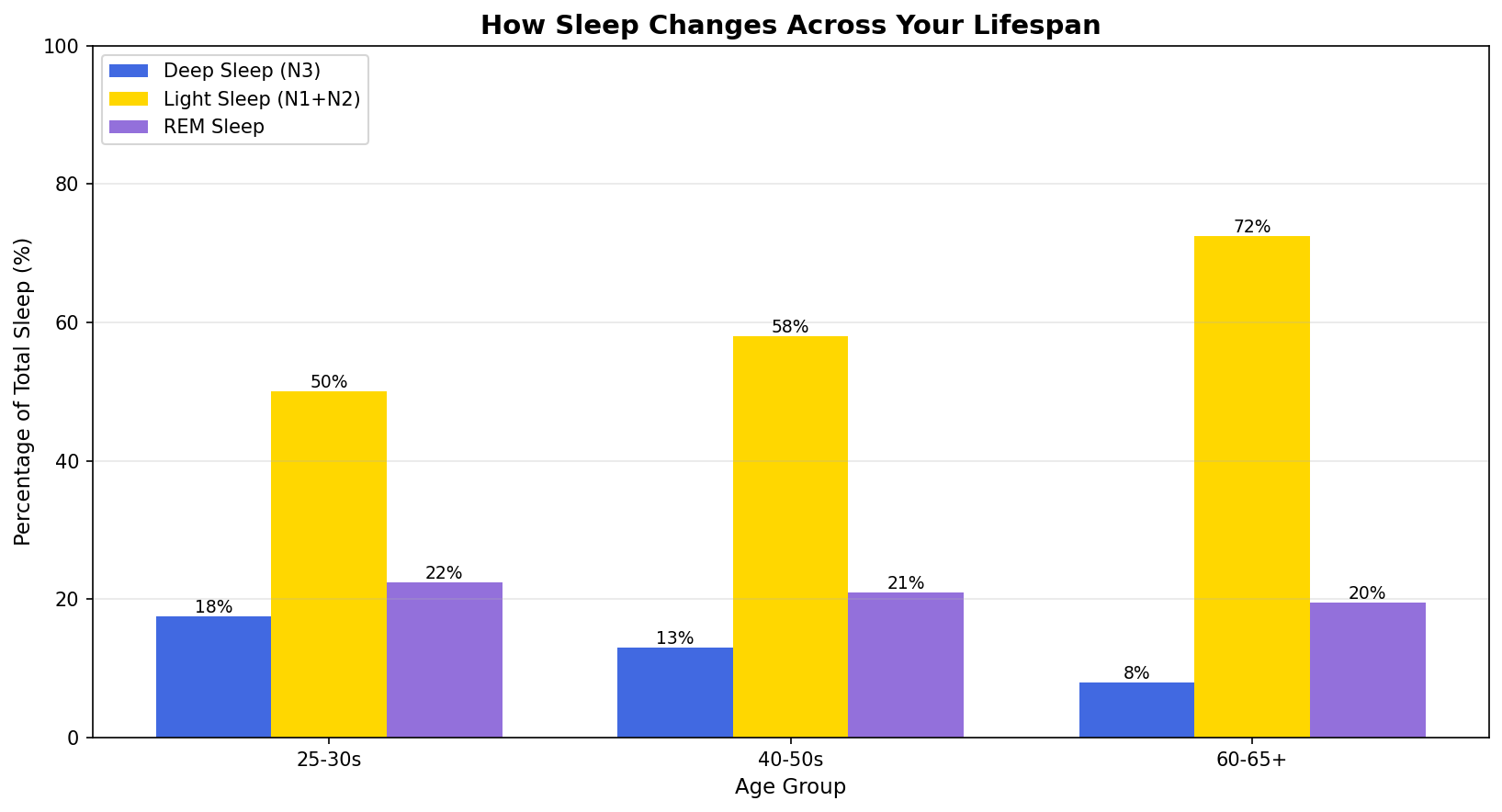 Figure 1: How your sleep time breaks down across the different stages. Notice that N2 (light sleep) dominates, but deep sleep (N3) and REM are both essential for health.1
REM Sleep: The Memory and Emotion Processing Stage (20-25% of Your Sleep)
REM (Rapid Eye Movement) sleep is when your eyes move rapidly beneath your closed eyelids, and your brain becomes nearly as active as it is when you're awake.2 During REM sleep:
- You dream (most vividly)
- Your brain consolidates emotional memories
- Your brain strengthens learning and problem-solving abilities
- Your brain processes emotions and stress
- Your brain prunes unnecessary neural connections to optimise thinking
Here's where it gets critical: for every 1% reduction in REM sleep, your dementia risk increases by 9%.4 This means protecting your REM sleep isn't just about feeling refreshed today; it's about protecting your brain for decades to come.
An important pattern: REM sleep gets longer as the night progresses. Your first REM period might last only 10 minutes, but your last one can extend to 60 minutes or more.2 This is why people who wake up early or get insufficient sleep lose the longest REM periods, where emotional processing happens most intensively.
Why Your Sleep Architecture Changes Throughout the Night
Your sleep isn't identical from hour to hour. Each complete sleep cycle lasts about 90-110 minutes and includes all the stages, but how long you spend in each stage shifts as the night progresses.2
Early in the night (first two cycles): You spend more time in deep sleep (N3). This is when most of your physical recovery happens. REM periods are brief, roughly 10-20 minutes.
Later in the night (cycles 3-6): Deep sleep becomes shorter, and REM sleep dominates. By the last cycles, you can spend 60+ minutes or more in REM sleep. This is when emotional processing and memory consolidation intensify.
This is why sleeping until morning matters. If you wake up early or cut your sleep short, you lose the extended REM periods that happen later in the night. This explains why some people who sleep six hours consistently feel better than those who get eight hours but wake up early every day.
Why Sleep Architecture Matters for Your Health
Poor sleep architecture affects virtually every system in your body. Understanding this should motivate you to take it seriously.
Brain Health and Dementia Risk
One night of insufficient sleep can create a prediabetic state in your body.1 But the brain damage is more insidious. When you don't get enough deep sleep, your brain doesn't consolidate memories properly. When you lose REM sleep, your brain can't process emotions or memories effectively.
The dementia connection is particularly compelling. People who get six hours or fewer of sleep have noticeably impaired cognition, especially memory.1 Even more concerning: sleeping six hours or fewer creates a measurable increase in amyloid-beta, the protein that forms Alzheimer's plaques in the brain.1 This isn't temporary fatigue. This is structural brain damage that accumulates over time.
Sleep deprivation damages the hippocampus, your brain's memory centre, with potential long-term effects on brain health that extend beyond just feeling forgetful the next day.1
Heart Health
Deep sleep is essential for blood pressure regulation. Your deep sleep provides what scientists call "homeostatic recalibration of blood pressure," meaning it resets your cardiovascular system each night. Without this, your risk of high blood pressure increases by 5-20%.1 For perspective, this is a significant effect size comparable to many medications for hypertension.
Type 2 Diabetes Risk
The metabolic effects are stark: poor sleep architecture increases Type 2 diabetes risk by 57%.1 Sleep affects insulin regulation and how your body processes glucose in fundamental ways. One night of poor sleep can trigger insulin resistance that lasts for days.
Mental and Emotional Health
When REM sleep is disrupted, something troubling happens: emotional reactivity increases while stress tolerance drops.1 About 47% of Americans report stress-disrupted sleep, creating a vicious cycle where stress disrupts sleep, which makes stress feel worse.1
Amongst people sleeping the recommended hours, those with the poorest sleep consistency had 47% higher depression risk and 35% higher anxiety risk.5 This shows that even if you're getting enough total hours, irregular sleep patterns can trigger mental health problems.
Overall Health Impact
Research shows that 1 in 3 US adults doesn't get enough rest or quality sleep daily. More than 300 research studies consistently show that poor sleep architecture is associated with worse outcomes for memory, mood, heart health, immune function, and longevity.1
How Sleep Architecture Changes as You Age
Your sleep doesn't stay the same throughout your life. Important changes happen as you get older, but understanding them helps you adapt.
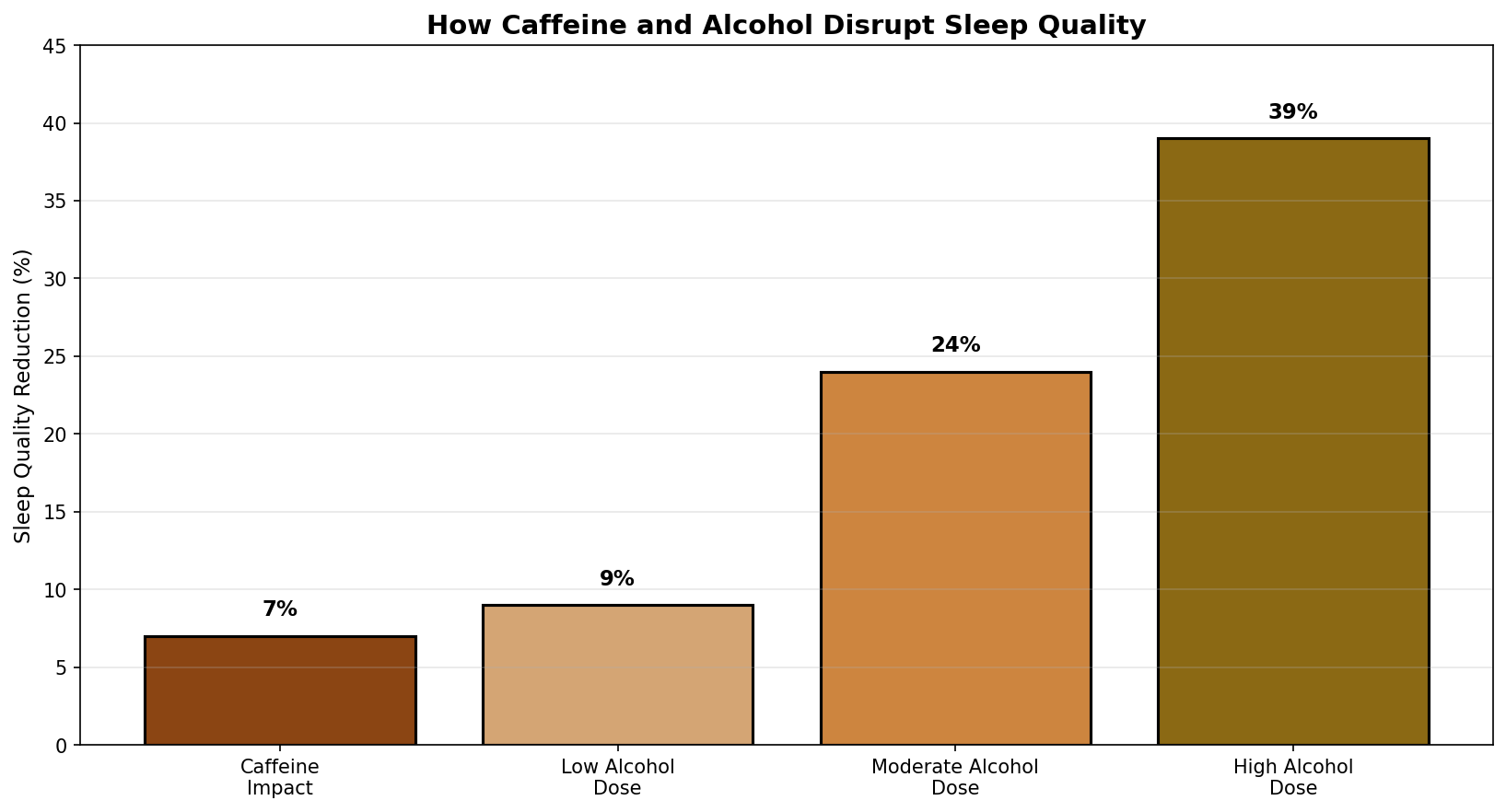 Figure 2: How sleep composition changes from your 20s through your 60s and beyond. Notice the progressive loss of deep sleep and increase in light sleep.6
In your 25-30s: You have robust deep sleep and REM sleep. You probably feel very rested after a good sleep, and your brain is consolidating memories efficiently.
By your 40s-50s: Deep sleep noticeably decreases (roughly 2% per decade until age 60).6 You might start waking during the night. You may feel less rested than you did in your 20s, even with the same hours. Memory might not feel quite as sharp.
By your 60s-65+: Deep sleep continues declining, and light sleep dominates (comprising 70-75% of your total sleep).6 Nighttime awakenings become more frequent. Total sleep duration is shorter, decreasing about 10 minutes per decade.6
The silver lining: Most sleep parameters stabilise after age 60. Even though your sleep changes, the dramatic decline plateaus. The key is being intentional about sleep quality to maintain cognitive function as you age.
What Healthy Sleep Architecture Looks Like
If your sleep architecture is healthy, you should experience:
- Regular, consistent sleep-wake times (even on weekends)
- Spending appropriate time in each sleep stage (25% REM, 15% deep sleep, 50% light sleep)
- Completing 4-6 full sleep cycles per night
- Waking fewer than 2-3 times per night
- Feeling rested and alert during the day
- Stable moods and good emotional regulation
If your sleep architecture is poor, you'll notice:
- Frequent awakenings throughout the night
- Fragmented, interrupted sleep cycles
- More time in light sleep, less in deep and REM sleep
- Feeling tired during the day despite "enough hours"
- Poor memory and concentration
- Mood instability, anxiety, or depression
- Difficulty making decisions
The Evidence-Based Ways to Improve Your Sleep Architecture
Research has identified specific, proven interventions that work. Here's what the science shows actually helps.
1. Maintain a Consistent Sleep Schedule (The Most Powerful Factor)
This might surprise you: consistency may be more important than duration. Adults with stable sleep routines had 39% lower mortality risk during a 7-year follow-up period compared to those with erratic, short sleep.5 People with the most regular sleep-wake patterns had 30% lower risk of all-cause mortality.5
Beyond mortality, consistency affects mental health dramatically. Those with poor sleep regularity scores had 47% higher depression risk and 35% higher anxiety risk, even among people sleeping the recommended hours.5
Why it works: When you maintain regular sleep-wake times, your circadian rhythm (internal biological clock) synchronises properly. This results in more predictable sleep stages, better timing of deep sleep and REM sleep, more consolidated, uninterrupted sleep, and improved hormone regulation (melatonin and cortisol).
How to implement it:
- Set a consistent bedtime and wake time, maintaining these within 30 minutes on all days (weekdays and weekends)
- Stick with it for 2-4 weeks minimum; your body needs time to establish new circadian rhythms
- Keep weekend sleep times within 1-2 hours of weekday times to minimise "social jet lag"
2. Optimise Your Light Exposure
Light is your most powerful circadian rhythm regulator. It directly controls when your body releases melatonin (the sleep hormone) and cortisol (the wake hormone).7
What the research shows:
- Evening light exposure can shift your circadian system 2 hours later per day, delaying sleep onset.7
- Morning light can shift it 1 hour earlier per day, helping you sleep earlier.
- Light exposure behaviours alone predict 72.72% of variations in sleep outcomes.7 This makes light one of the strongest predictors of whether you sleep well.
Only 51% of Americans report exposure to bright light indoors during morning hours, and only 53% report bright light exposure in the afternoon.7 This widespread deficit contributes significantly to poor sleep in the population.
How to implement it:
Morning (first 30-60 minutes after waking):
- Get 15-30 minutes of bright natural light outdoors, or
- Use a bright light therapy box (10,000 lux) if outdoor light is unavailable
- This advances your circadian rhythm, helping you feel alert and setting up an earlier sleep onset
Daytime (afternoon):
- Continue exposure to bright light during afternoon hours
- Maintain well-lit indoor environments (brighter than typical office lighting)
- This reinforces a healthy circadian phase
Evening (2-3 hours before bed):
- Reduce blue light exposure from screens, phones, and bright lights
- Use blue-light blocking glasses if using screens in the evening
- Dim household lights to warm, ambient lighting
- Complete darkness is optimal for sleep
3. Exercise at the Right Time
Regular moderate-intensity aerobic exercise reduces sleep onset latency by 55%; instead of lying awake 30+ minutes, you might fall asleep in 10-15 minutes.8 Exercise also reduces wake time during the night by 30%, increases total sleep time by 18%, and improves sleep efficiency by 13%.8
The optimal parameters: exercise 4 times per week, 20-30 minutes per session, with significant improvements visible within 9-10 weeks.8
Timing matters significantly:
- Morning exercise is strongly recommended. Early morning exercises reduce the odds of insomnia by 53% and reduce the odds of waking more than once per night by 51%8
- Evening exercise doesn't significantly harm sleep for most people, but avoid vigorous exercise within 2-3 hours of bedtime
- Very high exercise volume may actually reduce sleep benefits through overtraining; consistency and moderate intensity trump excessive volume
How to implement it:
- Best timing: Morning (within 3 hours of waking) or early afternoon
- Best intensity: Moderate to vigorous (able to talk but not sing during exercise)
- Frequency: 4+ days per week consistently
- Duration: 20-30 minutes per session is sufficient
4. Manage What You Eat and Drink
Caffeine: This is critical. Caffeine reduces total sleep time by 45 minutes, reduces sleep efficiency by 7%, increases time to fall asleep by 9 minutes, and increases wake time after sleep onset by 12 minutes.9
Caffeine's half-life is 5-7 hours. After seven hours, 50% of caffeine remains in your system. Stop all caffeine by 2:00 PM.9 Coffee at noon has 50% caffeine at 5-7 PM; at 9 PM, you still have 25%. Among 880 students studied, 80.2% consumed caffeine after 6:00 PM, contributing to widespread sleep problems.9
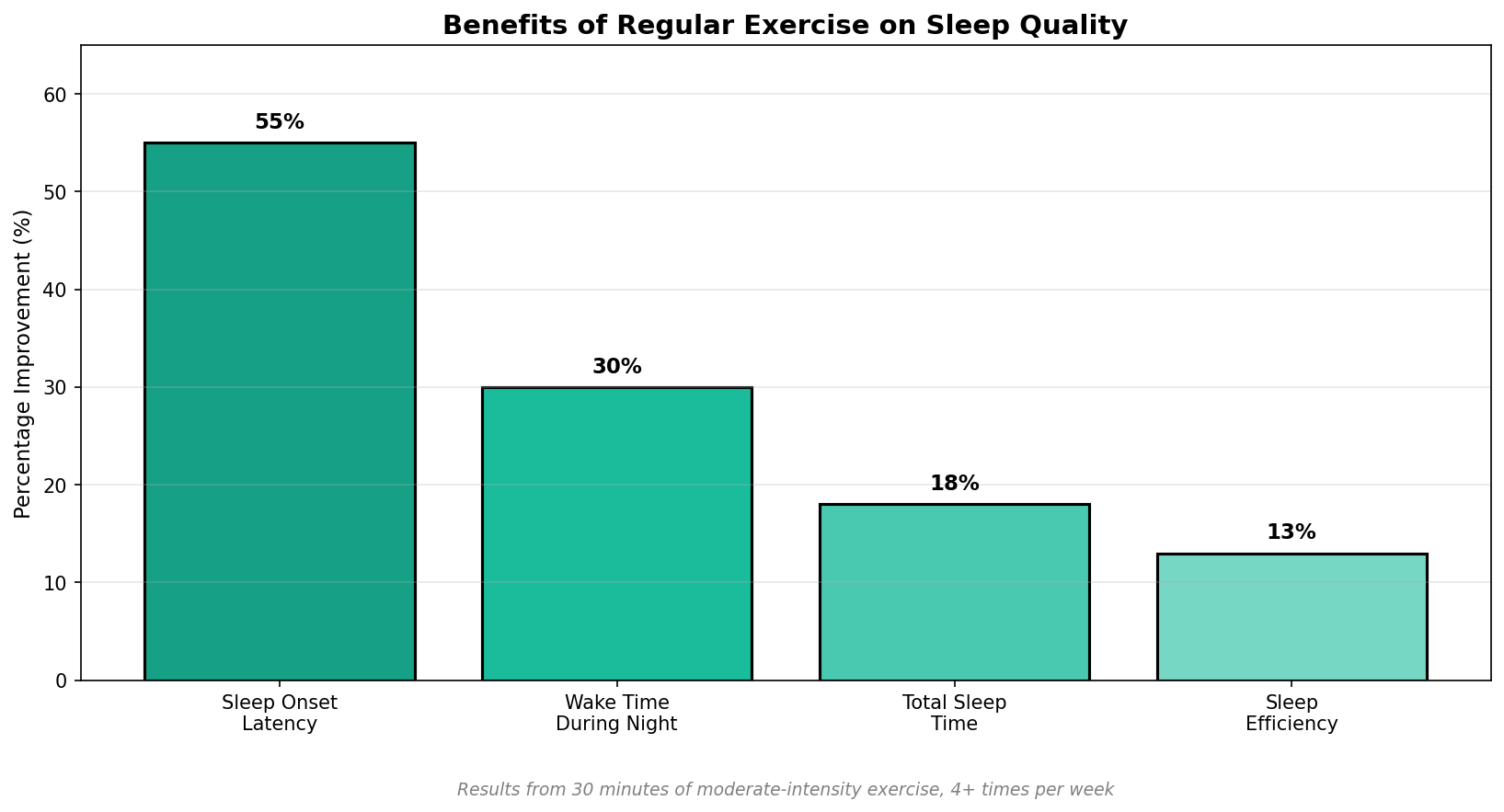 Figure 3: How different substance intakes affect your sleep quality. Even small amounts of caffeine and alcohol have measurable negative effects.9
Alcohol: The dose-dependent damage is significant. Low alcohol reduces sleep quality by 9%, moderate alcohol by 24%, and high alcohol by 39%.9 Alcohol specifically reduces REM sleep and increases sleep fragmentation. Even though alcohol might help you fall asleep faster, it severely disrupts your sleep architecture and leaves you unrested.
Dietary patterns: A healthy diet (vegetables, whole grains, lean proteins, fruits) is associated with better sleep quality, whilst high intake of processed and free-sugar foods is associated with worse sleep features.9
How to implement it:
What to include:
- Complex carbohydrates (whole grains, oatmeal)
- Protein sources (chicken, fish, legumes, yogurt)
- Foods containing tryptophan (turkey, cheese, nuts, seeds), which help produce serotonin and melatonin
- Magnesium-rich foods (leafy greens, almonds, pumpkin seeds, dark chocolate)
- Calcium-rich foods (dairy, fortified plant milk)
What to avoid:
- Caffeine: Stop by 2:00 PM
- Large meals: Finish eating 2-3 hours before bed
- Alcohol: Avoid in the evening and before bed
- High-sugar foods and drinks: Can cause sleep fragmentation and nightmares
- Excessive fluids: Can cause nighttime awakenings for bathroom trips
5. Optimise Your Bedroom Environment
Your bedroom should support sleep architecture. Specific environmental parameters make measurable differences.
Temperature: The optimal range is 20-25°C (68-77°F).10 When the temperature increases from 25°C to 30°C, sleep efficiency drops by 5-10%.10 Your core body temperature naturally drops during sleep to initiate and maintain it; a cool room facilitates this natural process.
Darkness: Complete darkness is optimal for sleep quality and sleep architecture. Darkness suppresses cortisol and maintains melatonin. Blue light should be completely avoided during your sleep opportunity window.10
Noise: All forms of noise should be reduced to below 35 dB. For reference, 35 dB is about the level of quiet conversation in a library. Sleep efficiency in the highest noise exposure is 4.7% lower compared to the lowest exposure.10
Air quality: PM2.5 air pollution reduces sleep efficiency by 3.2%, and high CO2 levels reduce it by 4.0%.10 Proper bedroom ventilation improves sleep quality.
How to implement it:
Temperature:
- Set room temperature to 20-22°C (68-72°F)
- Use breathable bedding and layers to adjust comfort
- Consider a programmable thermostat to cool the room automatically at bedtime
Darkness:
- Use blackout curtains or an eye mask
- Remove all light sources (LED indicators, phone lights)
- Consider room-darkening window shades
Noise:
- Use a white noise machine if environmental noise is unavailable
- Use earplugs if necessary
- Address noise sources (pets, traffic, partner snoring)
Air quality:
- Open the window when the weather permits for fresh air
- Use an air purifier if dealing with outdoor air pollution
- Ensure adequate ventilation to reduce CO2 buildup
6. Manage Stress Through Cognitive Behavioural Therapy and Mindfulness
Cognitive Behavioural Therapy for Insomnia (CBT-I) is up to 80% effective in improving insomnia; about 4 out of 5 people with insomnia show significant improvement.11 The average treatment reduces insomnia symptoms by 50%.11 Remarkably, 90% of people using sleep medications can reduce or stop them when using CBT-I.11
What makes CBT-I particularly powerful is its longevity. Unlike medications, where benefits stop when use stops, CBT-I improvements are sustained. 70-80% of patients maintain improvements at follow-up, with treatment gains often continuing to improve after treatment ends.11
CBT-I combines several techniques: stimulus control (using your bed only for sleep), sleep restriction (limiting time in bed to match actual sleep time), cognitive therapy (challenging unhelpful thoughts about sleep), relaxation training, and sleep hygiene education.12
Mindfulness and meditation also help significantly. Eighteen randomised controlled trials with 4,870 participants found moderate effect sizes (0.38) for digital mindfulness interventions.13 For cancer patients, mindfulness-based interventions showed moderate effects (0.598) on improving sleep quality across 25 studies with 2,263 participants.13
How to implement it:
- Try guided meditation: 10-20 minutes of mindfulness meditation before bed (apps like Calm, Insight Timer, or Headspace)
- Progressive muscle relaxation: Systematically tense and release muscle groups from toes to head
- Consider CBT-I: Seek evidence-based therapy through sleep clinics or online programmes (typically 6-8 sessions)
- Limit worrying: Set aside 15-20 minutes in the afternoon for "worry time" to address concerns outside of bedtime
Timeline: What to Expect
Research shows when improvements typically appear:
Weeks 1-4: Noticeable improvements in sleep quality and daytime sleepiness. Sleep onset latency improves.
Weeks 4-8: More significant reductions in insomnia severity and sleep onset latency. Better consolidation of sleep.
Weeks 8-12: Stabilisation of new sleep patterns and consistent sleep architecture improvements.
Long-term (12+ weeks): Stable, healthy sleep architecture with sustained improvements. Health benefits extend to cardiovascular, metabolic, and mental health improvements.
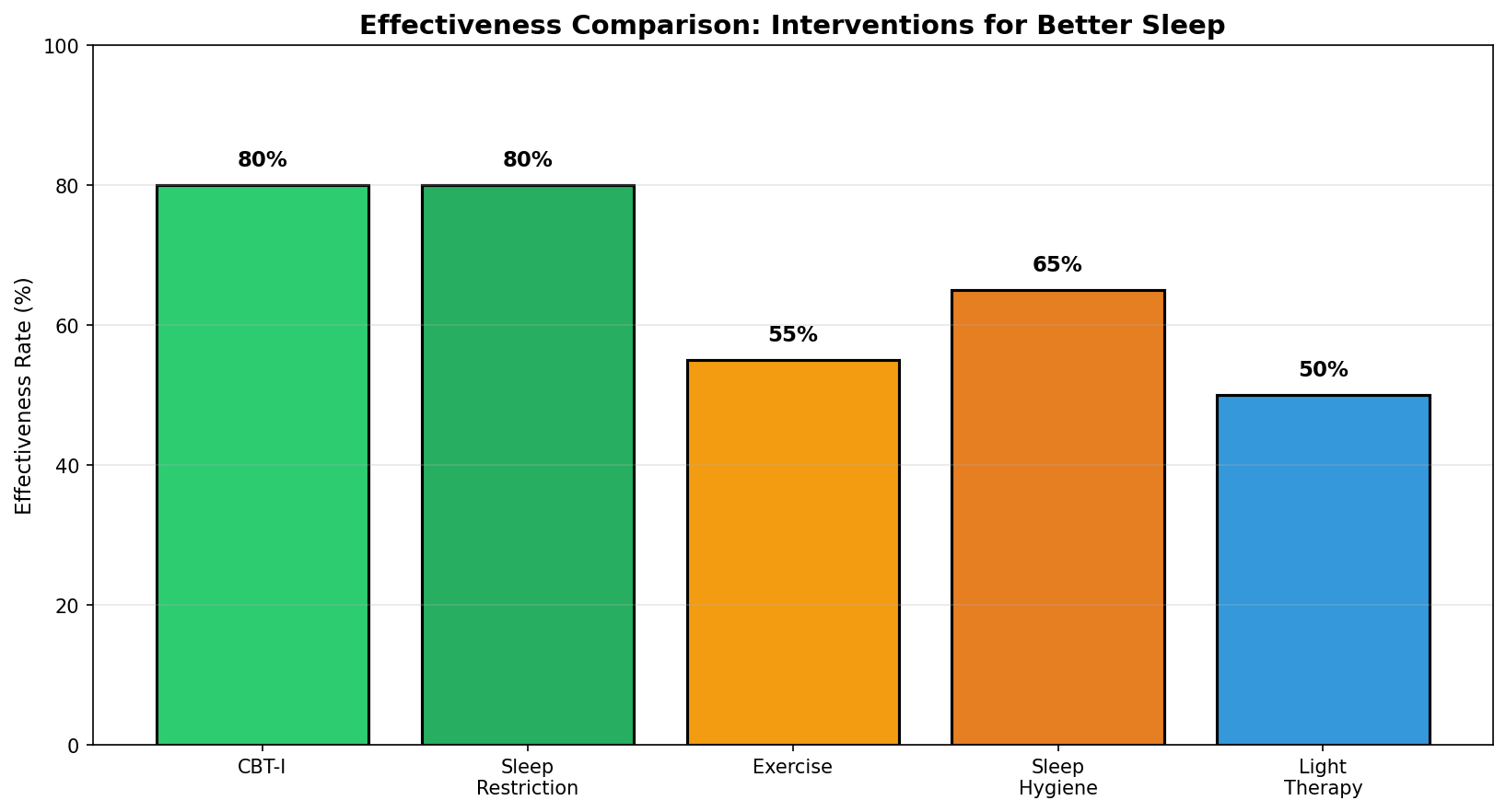 Figure 4: How different interventions compare in effectiveness. CBT-I shows the strongest and most sustained benefits.11
Combined Interventions Work Better Than Single Approaches
When you address sleep from multiple angles simultaneously, the effects are synergistic. Research on multiple lifestyle factors together (sleep timing, exercise, nutrition) shows that modest concurrent improvements in all three behaviours produced meaningful risk reductions.14
For example: 15 minutes additional daily sleep + 1.6 minutes of moderate-to-vigorous exercise + 5-point dietary quality increase = 10% reduction in all-cause mortality risk.14 For comparison, achieving equivalent risk reduction with sleep alone would require 24 additional minutes per day. This demonstrates that combined interventions work better than single interventions.
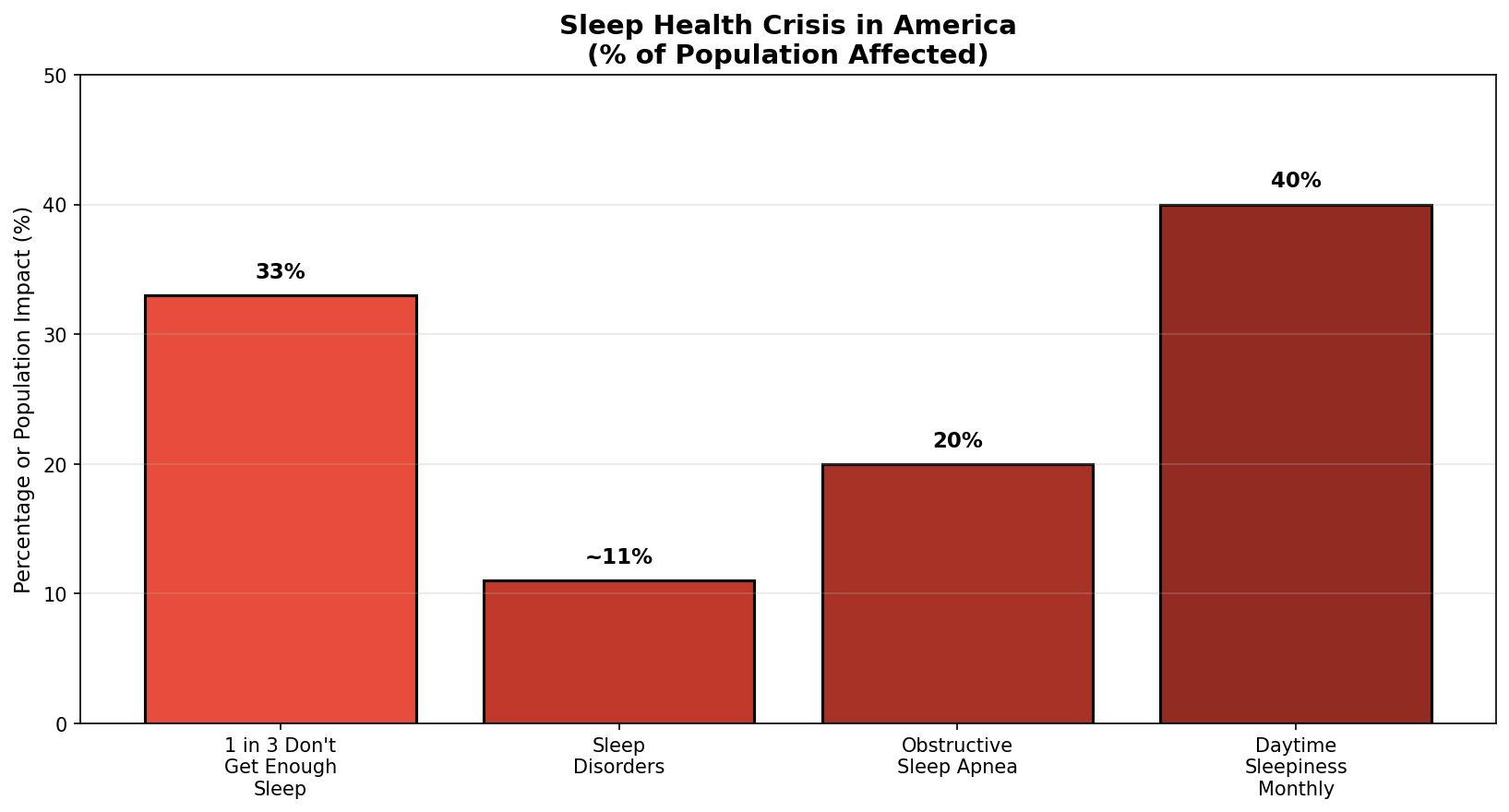 Figure 5: The dramatic difference in mortality risk between consistent and irregular sleep patterns. Regularity is one of the most powerful health factors.5
When to Seek Professional Help
Consider consulting your GP or a sleep specialist if:
- Sleep problems persist after 8-12 weeks of consistent lifestyle changes
- You have severe insomnia affecting your daily functioning
- You suspect an underlying sleep disorder (sleep apnea, restless legs, or narcolepsy)
- You'd benefit from structured CBT-I (seek an evidence-based therapist)
- You're experiencing symptoms like snoring, repeated nighttime awakenings, or daytime fatigue despite apparently adequate sleep
Red flags that warrant prompt attention:
- Insomnia lasting longer than 4 weeks
- Sleep problems interrupting your daytime activities
- Sleepiness interfering with work or daily functioning
- Getting less than 7 hours despite having the opportunity
Your primary care doctor will take a detailed sleep history, review medical conditions affecting sleep, ask about medications and supplements, and rule out sleep apnea or other disorders. If needed, they may recommend a sleep study or refer you to a specialist.
The Bottom Line
Sleep architecture isn't some complex medical concept disconnected from your daily life. It's the reason you might feel exhausted despite sleeping eight hours. It's why your friend who sleeps six hours consistently feels more rested than you. It's why improving how your sleep is organised can change your entire experience of health.
The empowering truth is that you can improve your sleep architecture. You can't change that sleep architecture exists or that it changes with age. But you can:
- Understand what healthy sleep looks like for your age
- Protect sleep quality over sleep quantity
- Recognise when your sleep architecture is disrupted
- Make lifestyle choices that support each sleep stage
- Seek help if you have sleep disorders (remember, 90% of sleep apnea is undiagnosed)
- Realise that maintaining good sleep is one of the most powerful health investments you can make
Research across 300+ studies shows consistent associations between good sleep architecture and better outcomes for memory, mood, heart health, immune function, and longevity.1 The lifestyle changes described here aren't theories; they're evidence-based interventions proven to work.
Start with the consistency intervention this week (keeping the same bedtime), add light management next week, and gradually incorporate other changes. Your brain and body will reward you with better focus, mood, health, and longevity.
Further Reading
Understanding Sleep Architecture and Physiology
- Harvard Health: What is Sleep Architecture
- Cleveland Clinic: Sleep Basics
- Johns Hopkins Medicine: The Science of Sleep
- NIH/National Heart, Lung and Blood Institute: Stages of Sleep
- National Sleep Foundation: Stages of Sleep
Age-Related Sleep Changes
Sleep Quality Versus Quantity
Consistent Sleep Schedules
- Sleep Health Journal: Sleep Timing and Consistency
- Oxford Academic (SLEEP): Sleep Consistency Predicts Mortality
- PubMed: Sleep Timing, Sleep Consistency and Health
Light Exposure and Circadian Rhythm
- NIH/PMC: Effects of Light on Human Circadian Rhythms
- Nature Scientific Reports: Light Exposure Behaviours Predict Sleep
- National Sleep Foundation: Good Light, Bad Light and Better Sleep
Exercise and Sleep
- Frontiers in Psychology: Optimal Exercise Dose for Sleep
- NIH/PMC: Exercise Timing and Sleep Intensity
- Nature: Impact of Exercise on Sleep and Sleep Disorders
Dietary Factors and Sleep
Bedroom Environment
- NIH/PMC: Bedroom Environmental Factors and Sleep
- ScienceDirect: Environmental Parameters for Optimal Sleep
Cognitive Behavioural Therapy for Insomnia
- Frontiers in Public Health: CBT-I in Adolescents and Adults
- NIH/PMC: CBT-I Effective and Underutilised Treatment
- Sleep Foundation: Cognitive Behavioural Therapy for Insomnia
- Mayo Clinic: CBT-I vs Medications
Sleep Restriction Therapy
Mindfulness and Meditation
- Nature NPJ Digital Medicine: Digital Mindfulness Interventions
- ScienceDirect: Mindfulness for Cancer Patients and Sleep
Sleep Medications
- Mayo Clinic: Sleeping Pills Safety and Side Effects
- Cleveland Clinic: Sleep Medication Options and Long-Term Effects
- American Heart Association: Long-Term Melatonin Use and Heart Health
Health Risks of Poor Sleep
- NIH/PMC: Poor Sleep and Cognitive Decline
- Sleep Foundation: Sleep Deprivation and Cognitive Impairment
- CDC: Sleep Facts and Statistics
- Sleep Foundation: Sleep Facts and Statistics 2024
Combined Lifestyle Interventions
- eClinicalMedicine (The Lancet): Minimum Combined Sleep, Physical Activity and Nutrition
- ScienceDirect: Efficacy of Lifestyle Medicine on Sleep Quality
Finding Help
- Healthline: How to Choose a Sleep Specialist
- Duke Health: Do You Need a Sleep Specialist
- Cleveland Clinic: Sleep Specialist Overview
- National Sleep Foundation: When to See a Healthcare Provider
References/Helpful Resources
- Harvard Health. What is Sleep Architecture [Internet]. [cited 2025 Apr 07]. Available from: https://www.health.harvard.edu/sleep/what-is-sleep-architecture
- National Sleep Foundation. Stages of Sleep [Internet]. [cited 2025 Apr 07]. Available from: https://www.sleepfoundation.org/stages-of-sleep
- American Heart Association. Sleep quality may be just as important as quantity [Internet]. [cited 2025 Apr 14]. Available from: https://www.heart.org/en/news/2025/04/14/when-it-comes-to-sleep-quality-may-be-just-as-important-as-quantity
- NIH/PMC. Poor Sleep and Cognitive Decline [Internet]. [cited 2025 Apr 07]. Available from: https://pmc.ncbi.nlm.nih.gov/articles/PMC4323377/
- Sleep Health Journal. Sleep Timing, Sleep Consistency and Health [Internet]. [cited 2025 Apr 07]. Available from: https://www.sleephealthjournal.org/article/S2352-7218(23)00166-3/fulltext
- NIH/PMC. Sleep in Normal Ageing [Internet]. [cited 2025 Apr 07]. Available from: https://pmc.ncbi.nlm.nih.gov/articles/PMC5841578/
- NIH/PMC. Effects of Light on Human Circadian Rhythms [Internet]. [cited 2025 Apr 07]. Available from: https://pmc.ncbi.nlm.nih.gov/articles/PMC6751071/
- Frontiers in Psychology. Optimal Exercise Dose and Type for Sleep Improvement [Internet]. [cited 2025 Apr 07]. Available from: https://www.frontiersin.org/journals/psychology/articles/10.3389/fpsyg.2024.1466277/full
- NIH/PMC. Subjective Sleep Quality, Caffeine and Dieting [Internet]. [cited 2025 Apr 07]. Available from: https://pmc.ncbi.nlm.nih.gov/articles/PMC10521926/
- NIH/PMC. Associations of Bedroom Environmental Factors with Sleep Quality [Internet]. [cited 2025 Apr 07]. Available from: https://pmc.ncbi.nlm.nih.gov/articles/PMC10293115/
- Frontiers in Public Health. CBT for Insomnia in Adolescents and Adults [Internet]. [cited 2025 Apr 07]. Available from: https://www.frontiersin.org/journals/public-health/articles/10.3389/fpubh.2024.1413694/full
- NIH/PMC. Cognitive Behavioral Therapy for Insomnia [Internet]. [cited 2025 Apr 07]. Available from: https://pmc.ncbi.nlm.nih.gov/articles/PMC6796223/
- Nature NPJ Digital Medicine. Digital Mindfulness-Based Interventions on Sleep Quality [Internet]. [cited 2025 Apr 07]. Available from: https://www.nature.com/articles/s41746-025-02120-0
- The Lancet eClinicalMedicine. Sleep, Physical Activity and Nutrition Goals [Internet]. [cited 2025 Apr 07]. Available from: https://www.thelancet.com/journals/eclinm/article/PIIS2589-5370(25)00676-5/fulltext
