

How to Read Food Labels: A Complete Guide for Informed Eating
You have probably stood in a supermarket aisle, package in hand, squinting at the Nutrition Facts label and wondering: "Is this actually good for me?" You are not alone. Most of us want to make healthy choices, but food labels have become deliberately confusing; a maze of percentages, ingredient names you cannot pronounce, and marketing claims designed to mislead.
Here is the truth: reading food labels effectively is one of the single most important skills you can develop for your health. People who understand their nutrition labels eat 6.6% fewer calories, 10.6% less fat, and consume significantly more vegetables.1 But the problem is not lack of trying. 83% of UK and US consumers read food labels before purchasing, yet only 20% can accurately calculate how a single food affects their daily nutrient intake.2
The gap between reading and understanding is where the real problem lies. This guide will close that gap.
Why Food Labels Matter (And Why The Industry Does Not Want You Understanding Them)
Your body does not care about convenience or taste preference. It needs specific amounts of nutrients every single day: not too much sodium (which raises blood pressure), not too much added sugar (which drives weight gain and diabetes), and enough fibre (which prevents heart disease, stroke, and cancer).3
Here is where it gets serious: Americans consume 48% more sodium than recommended, 40% more added sugar than recommended, and get only 30–45% of the fibre they actually need.4 These are not marginal differences. They directly cause the diseases killing us.
The food industry knows this. That is why nearly $14 billion is spent annually on marketing food products, while public nutrition education remains chronically underfunded.5 The industry wants you confused, overwhelmed, and making purchase decisions based on marketing claims rather than actual nutritional content.
Your job is to stop playing their game.
Understanding the Nutrition Facts Label: What Each Number Really Means
The Nutrition Facts label on the back of every packaged food in the UK and US follows a standardised format. But standardised does not mean simple. Let us break down what you are actually looking at, starting with the single most important number.
Step 1: Check the Serving Size (This Is Crucial)
Before you read anything else on the label, look at the serving size at the very top. Every single number on the label is based on that one serving.
Here is where manufacturers play tricks. The serving size is not a recommendation. It is the amount a "typical person" supposedly eats at one time. But what is typical? A serving of cereal might be listed as 30 grams, but you probably pour 60 grams into your bowl. Multiply every nutrient on that label by two and suddenly it is a different product.
This is the single most common mistake people make when reading labels. You must compare your actual eating amount to the label's serving size. If you eat twice the serving, double all the numbers.6
Calories: Your Body's Daily Energy Budget
Calories measure the energy your body gets from food. Too many calories, over time, means weight gain and increased disease risk. Too few means fatigue and nutrient deficiencies.
Your daily calorie needs depend on your age, sex, activity level, and metabolism:
- Women (sedentary): 1,600-2,000 calories per day
- Women (moderately active): 2,000-2,200 calories per day
- Men (sedentary): 2,200-2,600 calories per day
- Men (moderately active): 2,400-2,800 calories per day
The label uses 2,000 calories as a standard reference, but your personal needs might be quite different.7 Do not obsess over hitting an exact number. Think of calories as your daily budget: you do not want to significantly overspend, but small daily variations are normal.
The Three Macronutrients: Your Food's Main Components
Every food contains three main nutrients that your body uses for energy and function. Understanding how they work helps you make better choices.
Carbohydrates break down into glucose, which feeds your brain and muscles. Your brain alone uses about 120 grams of glucose daily just to function.8
The problem is not carbohydrates themselves. The problem is refined carbohydrates and added sugars, which cause rapid blood sugar spikes and lead to type 2 diabetes, weight gain, and energy crashes.
What you should look for: carbohydrates high in fibre (whole grains, vegetables, fruits) and low in added sugars. Check the ingredient list; the first ingredient should be a whole grain (like "whole wheat"), not a refined grain like "wheat flour" or "white flour."
Aim for 45–65% of your daily calories from carbohydrates.7
Protein builds and repairs muscles, creates immune-protective antibodies, makes enzymes, produces hormones, and balances pH levels. It also helps you feel full longer, which prevents overeating.8
Without adequate protein, your body cannot repair muscles after exercise, fight infections effectively, or maintain healthy skin and hair. This becomes especially important as you age, since muscle naturally declines without adequate protein intake.
Most people get enough protein by accident. Aim for 10–35% of your daily calories from protein, or roughly 0.8 grams per kilogram of body weight daily.7 For a 70kg person, that is about 56 grams per day minimum.
Choose lean proteins: fish, poultry, beans, lentils, low-fat dairy products.
Fat stores energy in your body and helps you absorb fat-soluble vitamins (A, D, E, K). It also makes food taste good and keeps you satisfied after meals. But not all fats are created equal.
Unsaturated fats (olive oil, avocados, nuts, fish) support heart health and should be your primary fat source. Saturated fats (butter, fatty meats, full-fat dairy) raise bad cholesterol and increase heart disease risk. Trans fats (often listed as "partially hydrogenated oil") are the worst and directly damage your heart.
The numbers to remember:
- Total fat: Aim for 20–35% of daily calories
- Saturated fat: Less than 6% of daily calories (less than 13 grams on a 2,000-calorie diet)
- Trans fat: As close to zero as possible (less than 2 grams per day)
Here is something that might surprise you: replacing saturated fats with unsaturated fats reduces cardiovascular disease risk by approximately 30%, roughly equivalent to statin medications.7 Food choices can be as powerful as pharmaceuticals.
The "Limit These" Nutrients: Your Key Health Protectors
This is where most food-related disease starts: three nutrients Americans consume far too much of.
Sodium is the component of salt that raises blood pressure. High blood pressure is the leading cause of heart disease and stroke in the UK and US.
Look at these numbers:
- Recommendation: Less than 2,300 mg per day (about 1 teaspoon of salt)
- American Heart Association optimal goal: No more than 1,500 mg per day
- Actual average consumption: 3,400+ mg per day
Americans consume nearly 1.5 times the recommended amount of sodium daily.3 The alarming part? Over 70% of that sodium comes from packaged, prepared and restaurant foods, not from the salt shaker at home.3
Even seemingly healthy foods contain shocking amounts of sodium. A single can of soup might contain 800+ mg (35% of your daily limit). Two slices of bread might contain 400 mg. Cereal, canned vegetables, processed meats; they are all loaded.
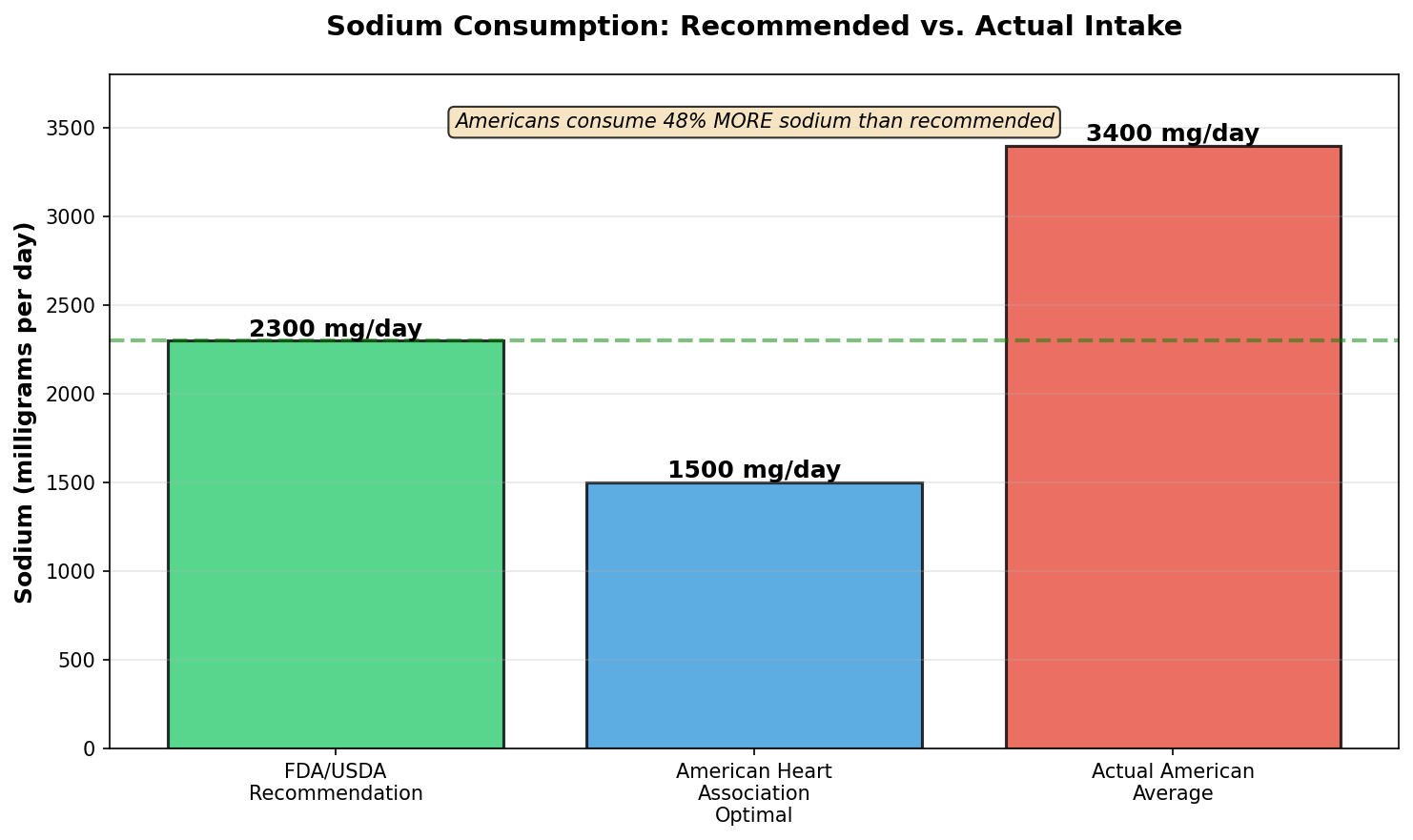 Figure 1: Americans consume nearly 50% more sodium than recommended.3
How to use the label: Look for 5% Daily Value or less per serving to identify low-sodium foods. Compare similar products and choose the lower-sodium option. Make it a priority when you have high blood pressure, diabetes or heart disease.
Added sugars are the sugars and syrups manufacturers add during processing; not the natural sugars in fruit or milk. They provide calories without any nutritional value (no vitamins, minerals or fibre). This makes them "empty calories" that make it nearly impossible to meet your nutrient needs while staying within your calorie limit.
The numbers are shocking:
- Recommendation: Less than 10% of daily calories (50 grams or 12 teaspoons per day)
- American Heart Association stricter recommendation: Less than 5% (25 grams or 6 teaspoons for women)
- Actual average consumption: 22 teaspoons per day
Americans consume 67% more added sugar than recommended (women) and 53% more (men).3
One 330ml can of cola contains 39 grams of added sugar. That's 77% of the entire daily recommended limit for women in a single beverage.4 Think about that: one drink uses up most of your sugar allowance, leaving room for nothing else.
The sneaky part? Over 60 different names for added sugar exist on ingredient lists: brown sugar, corn syrup, high-fructose corn syrup, dextrose, fructose, fruit juice concentrate, cane juice, molasses, agave nectar.6 Manufacturers sometimes use multiple types of sugar to avoid listing any single sugar as the first ingredient; intentionally obscuring just how much sugar the product contains.
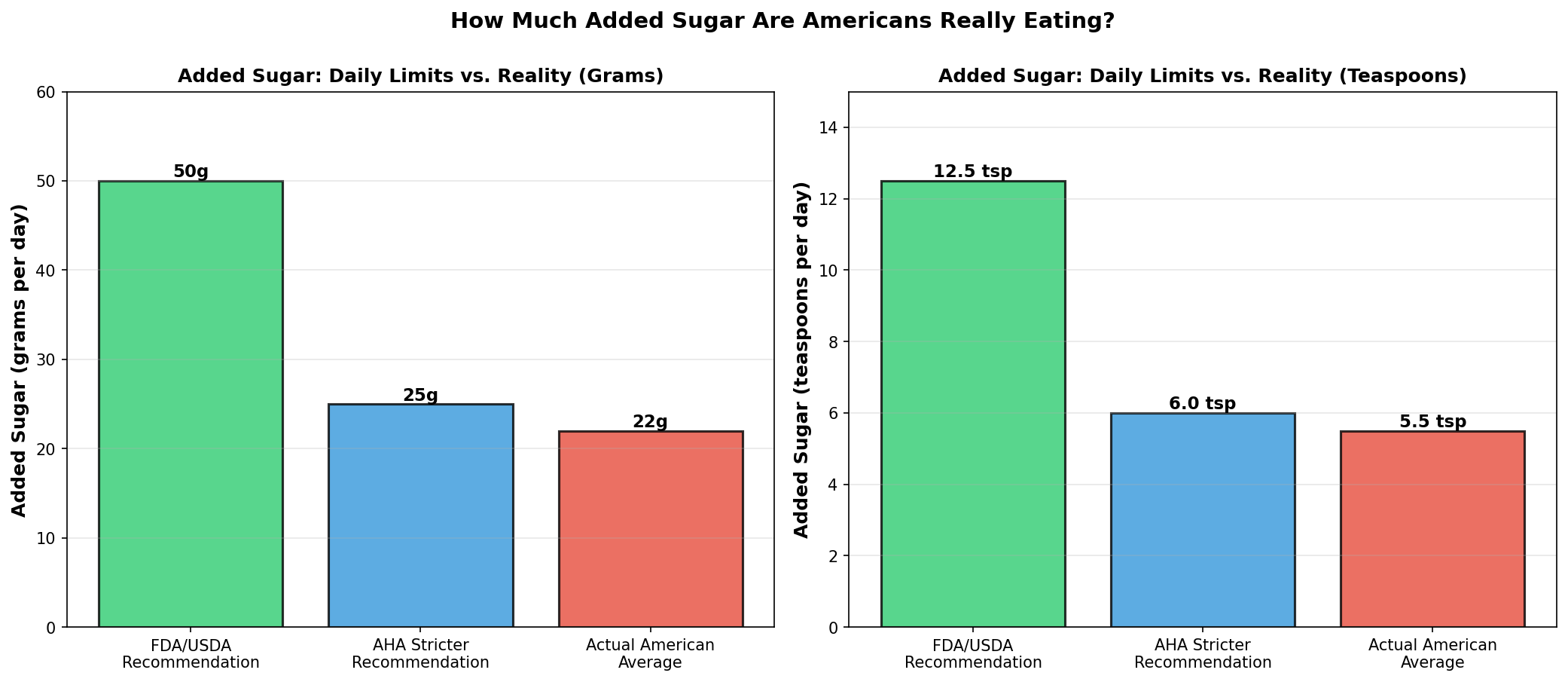 Figure 2: Added sugar consumption far exceeds recommendations for both women and men.3,4
How to use the label: Look specifically for "Added Sugars", not just "Total Sugars". Remember that 4 grams of sugar equals 1 teaspoon. Check the ingredient list and hunt for those 60+ alternative sugar names. If sugar (in any form) appears as the first or second ingredient, put the product back.
Saturated fat raises LDL (bad) cholesterol, which narrows arteries and increases heart disease and stroke risk. Americans consume about 30% more saturated fat than recommended.4
Keep saturated fat to less than 13 grams daily (on a 2,000-calorie diet). When you see a product with high saturated fat, ask yourself: is this something I want to eat every day, or is it an occasional treat?
The "Get More" Nutrients: Your Disease Prevention Arsenal
These are the nutrients that protect your health, yet most of us do not get enough.
Dietary fibre is the indigestible part of plant foods that passes through your system largely unchanged. It is found in vegetables, fruits, whole grains, beans and legumes.
Here is why fibre matters so much: people who eat the most fibre reduce their risk of dying from heart disease, stroke, type 2 diabetes, and colon cancer by 16-24% compared to people who eat very little fibre.8 For every additional 8 grams of daily fibre consumed, disease risk falls another 5-27%.8
This is one of the most powerful nutritional interventions available; more powerful than most medications.
Yet here's the crisis: 94% of American and UK adults fail to meet adequate fibre intake.3 We consume about 17 grams per day when we should be getting 25-38 grams.
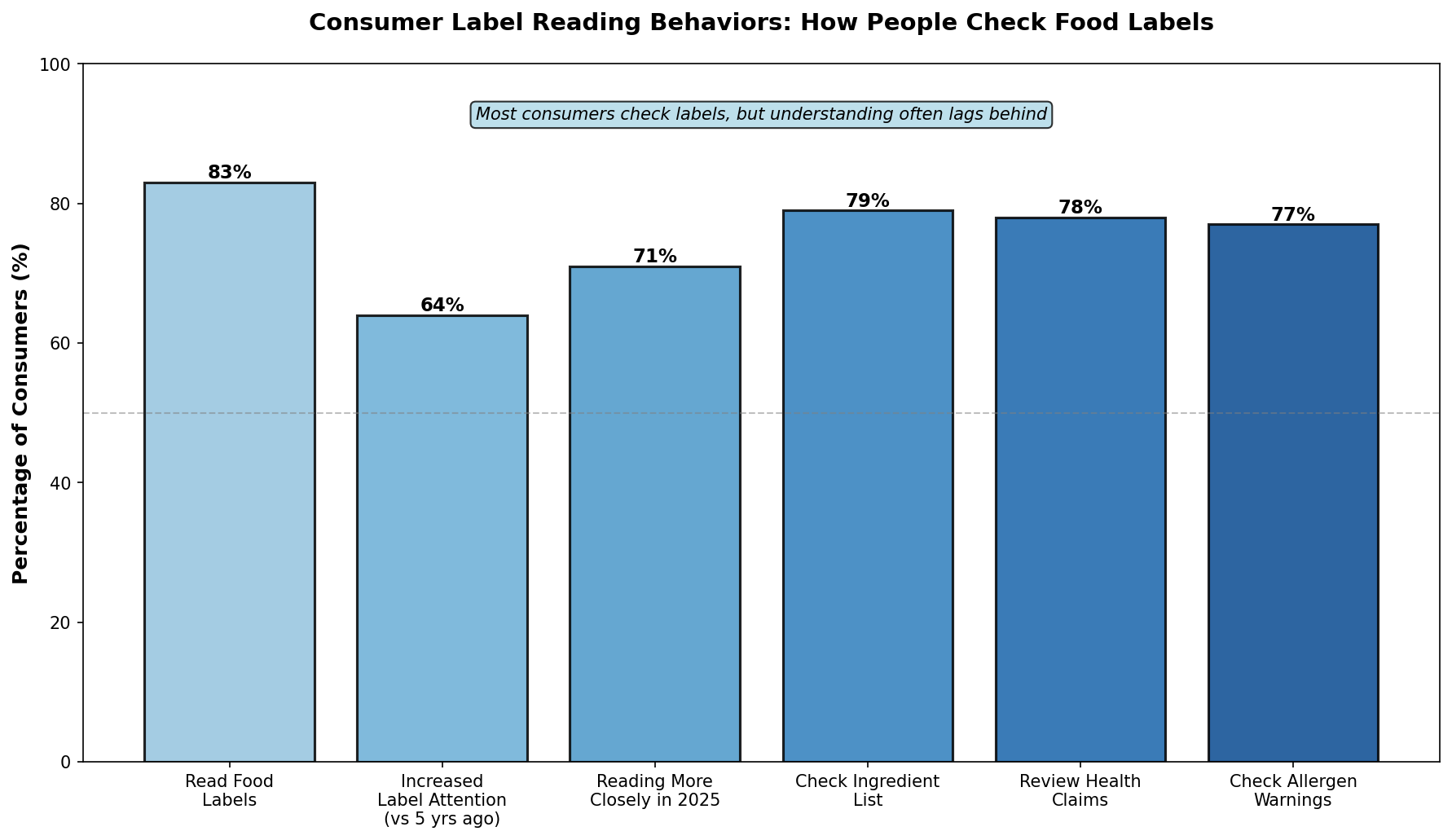 Figure 3: 94% of adults fail to meet daily fibre recommendations, creating widespread disease risk.8
How to use the label: Look for fibre content on the nutrition panel. Aim for at least 3 grams per serving for breads and cereals, and 5+ grams for other foods. Check the ingredient list for whole grains as the first ingredient. Increase fibre gradually and drink plenty of water to avoid digestive discomfort.
Several micronutrients deserve attention on the label because deficiencies are common.
Vitamin D: About 40% of people have insufficient levels, yet vitamin D is essential for calcium absorption (critical for bone health) and immune function.7 Look for it in fatty fish, egg yolks, fortified milk and cereals. Adults need 600–800 IU daily.
Calcium: Essential for bone strength, especially important for women after menopause when calcium absorption decreases. Look for 1,000–1,200 mg daily. Sources include dairy products, leafy greens, fortified plant-based milk and canned fish with bones.
Iron: Carries oxygen through your bloodstream and supports energy production. Premenopausal women need 18 mg daily; men and postmenopausal women need 8 mg daily. Sources include lean red meat (best absorbed form), poultry, fish, beans and fortified cereals. Eating iron-rich foods with vitamin C (orange juice, tomatoes, peppers) improves absorption.
Potassium: Maintains fluid balance and helps control blood pressure. Most people do not get enough, which increases blood pressure and heart disease risk. Aim for 2,600 mg (women) or 3,400 mg (men) daily. Sources include bananas, potatoes, spinach, beans, avocados and sweet potatoes.
Understanding % Daily Value (%DV): Your Quick Decision Tool
The %DV is the single most useful tool on the nutrition label, yet most people do not understand it.
%DV shows how much a nutrient in one serving contributes to the recommended daily total. It is based on a 2,000-calorie diet, which might not be your personal needs, but it provides a useful reference point.
Here is the simple rule:
- 5% DV or less = LOW in that nutrient (this is good for sodium, saturated fat, added sugars; nutrients you want to limit)
- 20% DV or more = HIGH in that nutrient (this is good for fibre, vitamins, minerals; nutrients you want to get more of)
Use this as your quick decision tool. If a product has 25% DV for sodium, it is considered high in sodium and might not be the best choice if you are managing blood pressure. If it has 20% DV for fibre, it is a good choice.6
The Ingredient List: Reading Between the Marketing Claims
The ingredient list, located near the Nutrition Facts label, tells a different story than the nutritional numbers. It shows you what is actually in the product.
Ingredients are listed by weight, with the heaviest ingredient first. This is important because manufacturers know most people will only glance at the first few ingredients.
The First Three Ingredients Rule
Examine the first three ingredients carefully; they make up the majority of the product.6
If you are buying bread, whole grains should appear as the first ingredient, not refined flour. If you are buying cereal, look for whole grains, not sugar or refined corn. If you are buying yoghurt, milk should be first, not sugar or corn syrup.
Red flags:
- Ingredient lists longer than 2–3 lines likely indicate a highly processed product with multiple additives
- Partially hydrogenated oil or hydrogenated oil means trans fats (avoid completely)
- Multiple types of sugar listed separately (manufacturer's trick to avoid putting sugar as the first ingredient)
- Artificial sweeteners: sucralose, saccharin, aspartame, acesulfame (consider limiting these)
- MSG hidden as: yeast extract, hydrolysed vegetable protein, glutamic acid, soy protein isolate
The Sugar Names to Hunt For
Because there are over 60 names for added sugar, you must actively search the ingredient list. Common disguises include:
- Brown sugar, cane sugar, cane juice
- Corn syrup and high-fructose corn syrup
- Dextrose and fructose
- Fruit juice concentrate
- Honey, maple syrup, agave nectar
- Molasses
If you see more than two types of sugar in the ingredient list (especially appearing early), the product is sugar-focused. Consider alternatives.
Comparing Products: The Side-by-Side Strategy
When you find two similar products you are considering, comparing them properly requires specific steps.
Rule 1: Make Sure Serving Sizes Match
This is absolutely critical and most people skip it. If one product's serving is 30 grams and another's is 40 grams, you cannot compare them directly. Compare %Daily Values instead, or mentally adjust the numbers to the same serving size.
Rule 2: Use %DV for Quick Comparisons
Rather than trying to compare raw numbers (which is confusing), use %DV. For sodium, saturated fat and added sugars, choose the product with the lower %DV. For fibre and essential nutrients, choose the higher %DV.
Example: comparing two breakfast cereals.
- Product A: 25% DV sodium, 15% DV added sugars, 8% DV fibre
- Product B: 5% DV sodium, 8% DV added sugars, 25% DV fibre
Product B is the clearer winner: much lower sodium and sugar, much higher fibre.
Rule 3: Focus on Your Priorities
Depending on your health, you will prioritise different nutrients:
- For weight management: Compare calories and fibre (higher fibre = more satiety, fewer calories)
- For high blood pressure: Compare sodium content (aim for lowest)
- For diabetes management: Compare added sugars and carbohydrate quality (aim for whole grains, high fibre)
- For heart health: Compare saturated fat and sodium (aim for lowest)
Make this easier by focusing on just 2-3 key nutrients per shopping trip, rather than trying to optimise everything at once.
Decoding Health Claims: What Marketing Says vs. What It Actually Means
This is where the food industry exploits consumers most effectively. Marketing claims on the front of packages are designed to attract buyers, not reflect true nutritional value. 78% of consumers would pay more for "all-natural" products, even though "natural" has no legal definition and appears on sugary sweets and processed junk food.5
Understanding which claims are regulated (and therefore trustworthy) versus marketing hype is essential.
Regulated Claims (Actually Meaningful)
These claims have specific FDA definitions and are legally enforced.
Low-Fat
- Definition: 3 grams or less of total fat per serving
- Reality check: Low-fat products often compensate with added sugar for taste. A low-fat yoghurt might contain 20+ grams of added sugar
- Lesson: Do not assume "low-fat" means healthy. Check the sugar content
Sugar-Free
- Definition: Less than 0.5 grams of sugar per serving
- Reality check: Can still contain sugar alcohols (like sorbitol or xylitol) or artificial sweeteners. May be equally caloric as regular versions
- Lesson: Sugar-free does not mean calorie-free or better for weight management
Gluten-Free
- Definition: Contains less than 20 parts per million of gluten
- Reality check: Does not mean healthy, low-calorie or nutritious. Many gluten-free products are high in sugar and fat to improve taste
- Lesson: Gluten-free is only important if you have coeliac disease or gluten sensitivity
Healthy
- New definition: Must contain food from at least one food group (fruit, vegetables, grains, dairy, protein) and meet limits for added sugars, saturated fat and sodium
- Reality check: This definition was recently updated and many older products still on shelves do not meet the new standard
- Lesson: Only products making the "healthy" claim can have been updated, so read the label either way
Unregulated Claims (Marketing Hype)
These claims have little or no official definition. Manufacturers use them because consumers reward them with premium pricing.
Natural or All-Natural
- FDA definition: Nothing artificial or synthetic is included, but NO STANDARD DEFINITION exists
- What it does not address: Animal welfare, pesticide use, nutritional content, processing methods
- Real-world impact: "Natural" appears on sugary drinks, sweets, processed foods and crisps
- The statistics: 78% of consumers pay more for "all-natural" products; 56% willing to pay 10–30% more5
Here is the worst part: when "100% All Natural" appears on a product, parents are 4 times more likely to think it has no added sugar, even when it's loaded with sugar.5 This is not consumer ignorance. It is intentionally misleading marketing that exploits reasonable consumer assumptions.
Bottom line: "Natural" is a meaningless marketing term. Ignore it completely and check the actual nutrition label.
Superfood
- Origin: Invented in the 1990s for marketing purposes (not a scientific category)
- Scientific status: Not an official medical or nutritional category
- Problem: Many studies use concentrated extracts or dosages 10–100x normal consumption
- Reality: Foods like acai berries, goji berries, kale, turmeric and coconut oil are nutritious but not medical treatments and do not justify premium prices
- Lesson: There is no such thing as a superfood. Regular whole foods work just fine
Organic
- Regulation: USDA regulated (highly reliable, unlike "natural")
- Definition: 95%+ organic ingredients; no synthetic pesticides, fertilisers, bioengineering or radiation
- Verification: USDA accreditation, routine inspections, periodic residue testing
- 2024 update: New "Strengthening Organic Enforcement" rules increased inspection frequency
- The important caveat: Organic does not mean more nutritious. Organic processed foods can be as unhealthy as conventional versions (high sugar, salt, fat)
- Lesson: Organic is trustworthy for what it claims (pesticide absence), but do not assume organic = healthy
Certification Reliability: Which Logos Actually Matter
Some food certifications are highly trustworthy because they involve third-party verification. Others are essentially meaningless.
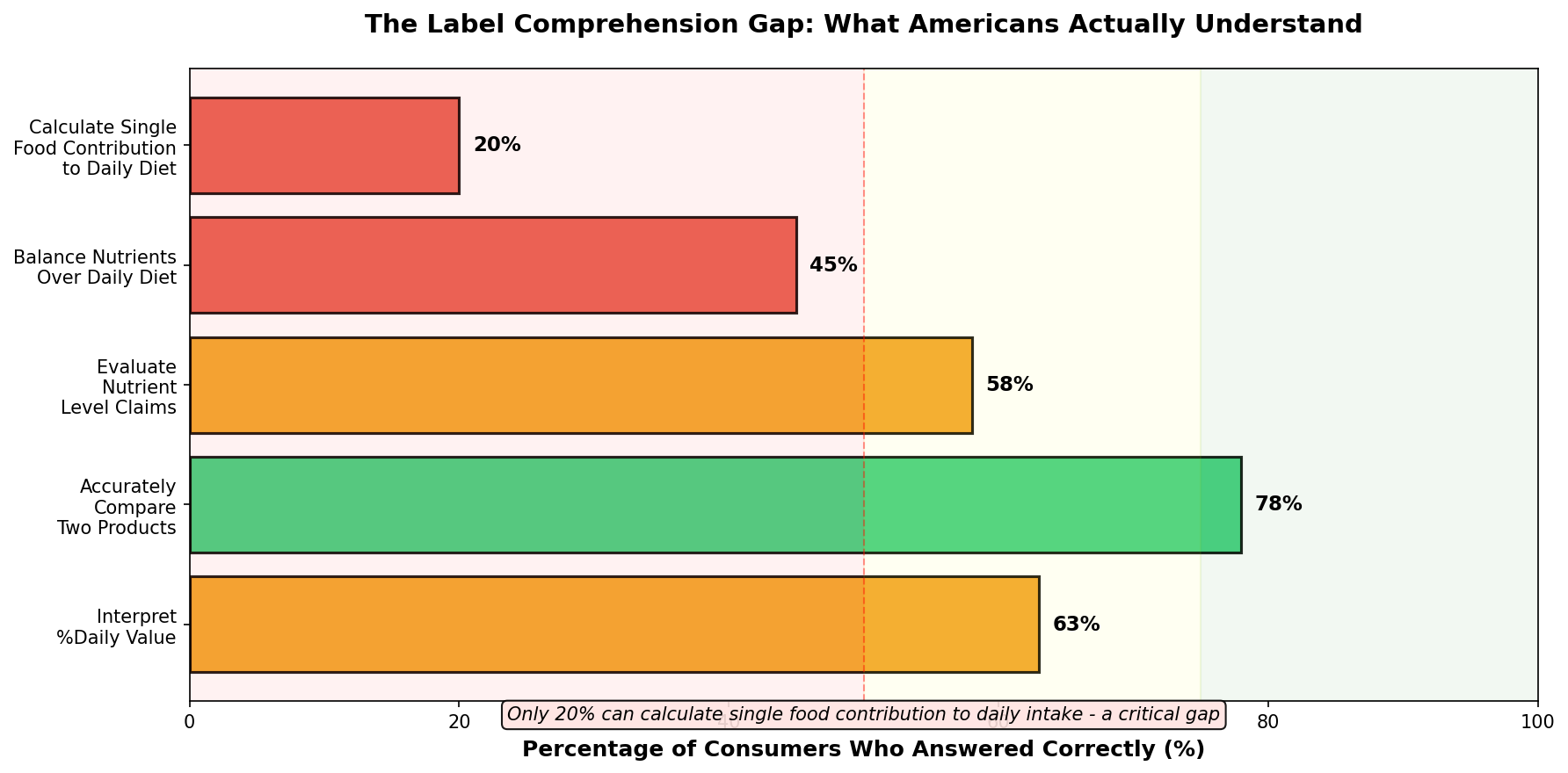 Figure 4: Not all food certifications are equally reliable. Trust regulated certifications over marketing claims.5,6
Highly Reliable (Trust These):
- USDA Organic (95% reliability): Rigorous verification, routine inspections, periodic testing. Only limitation: organic processed foods can still be high in sugar/salt/fat
- Non-GMO Project Verified (92% reliability): Frequent testing of ingredients, less than 0.9% GMO organisms allowed. (Unverified "non-GMO" claims are not reliable.)
- Gluten-Free (95% reliability): FDA regulated, less than 20 ppm gluten. Just remember it does not mean healthy
- Fair Trade Certified (70% reliability): Verified by Fair Trade USA, focuses on environmental and social impact. 30% consumer recognition
Untrustworthy (Avoid These):
- "Natural" — No standard definition, loosely regulated
- "Superfood" — No regulation, marketing term with no scientific basis
- "Cage-Free" — Minimal welfare improvement, no specific space requirements
- "Grass-Fed" — May still receive grain finish, minimal health difference
- "Pasture-Raised" — No specific regulatory definition, varies widely
The Trust Crisis: Why Consumer Confidence Is Collapsing
Food industry trust has been declining sharply. Only 55% of UK and US consumers are "very or somewhat confident" in food safety (down from 70% in 2023).5 Only 11% are "very confident" (down from 24% in 2022).5
This trust crisis is justified.
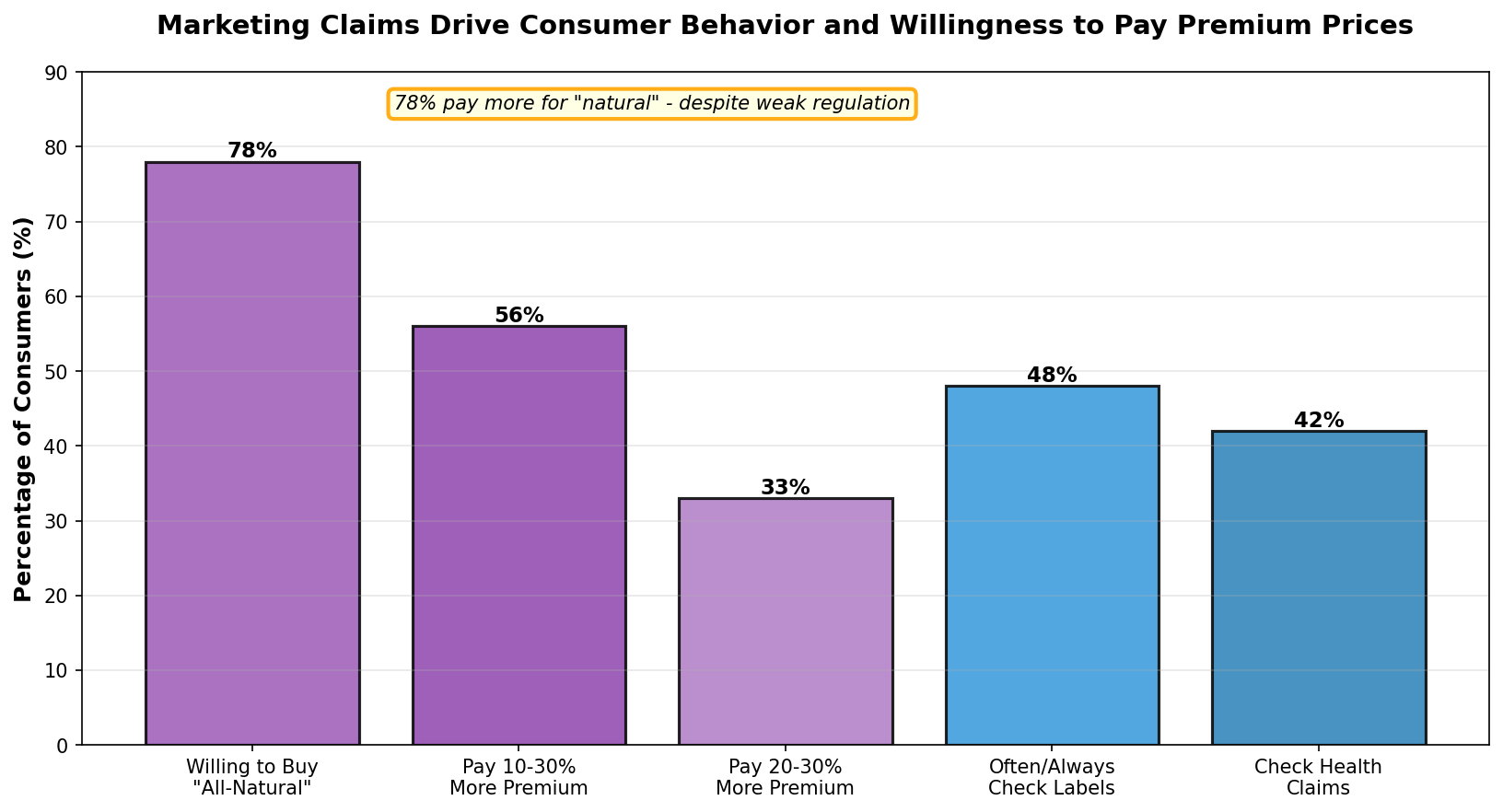 Figure 5: Consumer confidence in food safety has dropped significantly in just three years.5
Research shows that 61.7% of food products use deceptive labels, nearly 50% of new products include unverified sustainability claims, and 80% of products making environmental claims provide zero substantiation.5
The European Commission found that 53.3% of environmental claims were "vague, misleading or unfounded."5 Manufacturers know most consumers will not fact-check their claims.
Your protection: Focus on whole foods with no labels: fresh fruits, vegetables, beans, grains and nuts. When you must buy packaged foods, ignore all front-of-package claims and read only the back panel. Trust regulated certifications (USDA Organic, Non-GMO Project Verified) and ignore marketing language (natural, superfood, premium).
Practical Strategies: How to Read Labels Efficiently When Grocery Shopping
You probably have about 10 seconds per aisle when shopping, and perhaps 30 seconds maximum per product if you are being thorough. You cannot read every label word-for-word and stay within a reasonable shopping time.
Here is how to be strategic.
The 30-Second Label Read
If you have time for only a brief look:
- Check serving size at the top. Mentally adjust if it does not match what you will eat
- Use the 5/20 rule on %DV: aim for 5% or less for sodium, saturated fat and added sugar; 20% or more for fibre and nutrients
- Ignore the front entirely. No health claims matter; only the back panel
That is it. You have done enough to make a reasonable decision.
The 2-Minute Label Compare
When deciding between two similar products:
- Verify serving sizes match. If not, adjust mentally or use %DV instead
- Compare %DV for key nutrients based on your health priorities.
- Check ingredient list for the first three ingredients and watch for sugar disguises
- Choose the clearer winner. If one product is significantly better in your priority nutrients, pick it. If they are similar, pick the cheaper one or the one you actually enjoy
Pre-Shopping Strategy (Most Efficient)
The best way to save time is to research before you shop:
- Make a list organised by nutrition criteria. For example: "lowest-sodium bread," "highest-fibre cereal," "lowest-sugar yoghurt”
- Use free online tools like MyFitnessPal, NutritionValue.org or MyFoodData to compare up to 15–20 products simultaneously before shopping
- Compare similar products by category at home, then just buy the winners in the store
This eliminates the need to read labels in-store and dramatically speeds up shopping.
Making Smart Dietary Trade-Offs
Remember: no food is perfect. You do not need to optimise every nutrient with every meal.
If you eat a high-sodium food at lunch, choose a low-sodium food at dinner. If you exceed added sugars at breakfast, reduce them at lunch. If you are short on fibre by mid-afternoon, choose a high-fibre snack.
This flexibility is what makes healthy eating sustainable. You are aiming for daily and weekly balance, not perfection with every meal.
What Actually Happens When You Learn to Read Labels
If label reading seems like a lot of work, here is why it matters:
People who understand nutrition labels eat 6.6% fewer calories and 10.6% less fat.1 Over a year, this compounds into significant weight loss and cardiovascular improvement.
Educational interventions improve label comprehension by 21–45% and the improvements stick around months later.1 This shows label reading is a learnable skill, not an innate talent.
Participants who learned label reading increased vegetable consumption by 1.3 servings daily and fruit consumption by 0.6 servings daily.1 That is meaningful disease prevention.
People eating adequate fibre reduce their risk of dying from heart disease, stroke, type 2 diabetes and colon cancer by 16–24%.8 This is one of the most powerful interventions in health.
The point: your effort matters. Understanding food labels is one of the most direct ways you can take control of your health.
Your Action Plan: Starting Today
You do not need to become a nutrition expert overnight. Start with these three changes:
This week:
- Change one product: Find one food you eat regularly. Read the label. Compare it to an alternative. Choose the one with lower sodium, lower added sugar or higher fibre. That is your new regular choice
- Hunt for hidden sugar: Look at three foods you eat this week and check the "added sugars" line on the label. You will probably be surprised
- Ignore all front claims: Next time you shop, do not read a single front-of-package claim. Look only at the back label
Next month:
- Make the 5/20 rule automatic: When comparing products, use %DV as your decision tool. 5% DV or less for the bad stuff; 20% DV or more for the good stuff
- Read ingredient lists: Check the first three ingredients on your regular foods. Are they whole foods or processed ingredients?
- Boost fibre deliberately: Choose one bread, cereal or snack with 3+ grams of fibre per serving
This quarter:
- Focus on sodium: If you have high blood pressure (or family history), start reading sodium content and aim for products with 5% DV or less
- Trust regulated certifications: When buying organic or non-GMO products, verify they have proper certification logos. Ignore "natural" and "superfood" claims entirely
- Build awareness: Track how many products you encounter with misleading claims. You will start noticing the pattern
The Bottom Line
Food labels are a tool, not a punishment. They are your access to real information about what you are eating. The food industry has made labels deliberately confusing because they know that informed consumers make different choices.
By learning to read labels effectively, you are taking back control. You are no longer relying on marketing claims or assuming that packaging design reflects nutritional quality. You are making decisions based on actual evidence.
Start small. Pick one product this week. Read the label. Compare it to an alternative. Choose the healthier option. That is how this works.
Your future self (the one with more energy, better blood pressure and lower disease risk) will thank you.
Further Reading
Label Reading Fundamentals
- FDA: How to Understand and Use the Nutrition Facts Label
- NHS: How to Read Food Labels
- CDC: Nutrition Facts Label and Your Health
- American Heart Association: Understanding Food Nutrition Labels
Sodium and Health
- FDA: Sodium in Your Diet
- CDC: About Sodium and Health
- American Heart Association: How Much Sodium Should I Eat Per Day
- Mayo Clinic: Sodium—How to Tame Your Salt Habit
Added Sugars and Nutrition
- FDA: Added Sugars on the Nutrition Facts Label
- CDC: Get the Facts on Added Sugars
- Johns Hopkins Medicine: Finding the Hidden Sugar in Foods
Dietary Fibre Benefits
- Mayo Clinic: Dietary Fibre—Essential for a Healthy Diet
- Harvard School of Public Health: The Nutrition Source—Fibre
- Dietary Guidelines for Americans 2020-2025
Understanding Food Claims
- FDA: Label Claims for Food and Dietary Supplements
- FDA: Use of the "Healthy" Claim on Food Labeling
- USDA: Labelling Organic Products
Certifications and Reliability
Consumer Behaviour and Marketing
- NSF: Americans Demand Greater Clarity in Food Labelling
- EWG: How to Speed-Read a Nutrition Label in Three Steps
- Healthline: How to Read Food Labels Without Being Tricked
Nutrition Education and Support
- American Diabetes Association: Making Sense of Food Labels
- National Institute on Aging: How To Read Food and Beverage Labels
- Brown University Health: Five Tips for Understanding Food Labels and Macronutrients
Research and Data
- PubMed Central: Meta-analysis of Food Labeling Effects on Consumer Diet Behaviours
- PubMed Central: Effect of Educational Interventions on Understanding and Use of Nutrition Labels
- CDC: US Consumers' Understanding of Nutrition Labels
References/Helpful Resources
- Métrier S, Payet C, Chaltiel D, et al. Meta-analysis of food labeling effects on consumer diet behaviors. Nutrients. 2020;12(1):2-15.
- CDC, NSF, Purdue University Consumer Label Studies. Assessment of consumer label reading comprehension. 2017-2025.
- US Food and Drug Administration. Sodium in Your Diet. FDA Nutrition Education Materials; 2024.
- US Centers for Disease Control and Prevention. Get the Facts on Added Sugars. CDC Nutrition Research Data; 2023-2024.
- NSF International. Americans Demand Greater Clarity in Food Labeling. NSF Consumer Survey; 2025.
- US Food and Drug Administration. How to Understand and Use the Nutrition Facts Label. FDA.gov; 2024.
- National Institutes of Health, Office of Dietary Supplements. Dietary Reference Intakes: Calcium, Iron, Phosphorus, Magnesium, Zinc, and Copper. NIH Publication; 2024.
- Harvard School of Public Health. The Nutrition Source: Fiber and Health. Nutrition Research; 2023.
