

Folliculitis is a common skin condition that affects roughly 8 in every 1,000 people in the general population that presents as a cluster of small, itchy red bumps that can be tender to the touch or be filled with pus. It can look very similar to acne, however it is an entirely different condition with its own form of treatment.
This guide will help you recognise folliculitis, understand why it happens and know when to seek professional help.
What Is Folliculitis?
The skin is covered with tiny hair follicles. Folliculitis occurs when these hair follicles become inflamed or infected, caused by bacteria, fungi, viruses or sometimes even the body's own immune response to irritation, without any infectious organism involved at all. It can occur both superficially in the upper part of the hair follicle or deep and extends into the hair follicle, which is why it often feels painful or itchy.
Causes of Folliculitis
Folliculitis can be caused by different factors is the same, and understanding the type you might have matters because different types need different treatments.
Bacterial Folliculitis
Staphylococcus aureus is the bacteria responsible for most cases of bacterial folliculitis. It naturally lives on the skin, but can enter the hair follicle through cuts, abrasions or damaged hair follicles. It accounts for approximately 19.1% of all staph-related skin infections. It presents as small red bumps with white or yellow centres that feel itchy and tender, are typically less than 5 mm in diameter and they often appear in clusters.
Fungal Folliculitis
Fungal folliculitis, particularly the type caused by Malassezia, a family of yeast that is part of the natural skin flora, is frequently mistaken for acne and treated inappropriately with antibiotics. The bumps look uniform in size and appearance, are clustered together, typically appear on the chest, back, shoulders and face and are often intensely itchy. This type is more common in adolescents and young adults, particularly in hot and humid climates. It responds extremely well to antifungal treatment, with 79.6% of patients experiencing complete recovery with proper medication.
Water-Related Folliculitis
Pseudomonas aeruginosa is a bacteria that thrives in warm water that is not properly chlorinated such as hot tubs, heated pools and water slides that can infect the hair follicles. Approximately 67% of hot tubs and 63% of swimming pools contain this bacteria at any given time. An itchy rash with red bumps can develop a few days after exposure and typically appears on areas covered by a swimsuit, the trunk or the legs. The bumps are often more uniformly distributed than typical bacterial folliculitis.
Rare Types
Some types of folliculitis do not involve any infectious organism at all. Eosinophilic pustular folliculitis (also called Ofuji disease) is where your body's immune system creates an inflammatory response in follicles and does not involve bacteria or fungi. It is found in immunosuppressed patients, e.g. HIV-positive individuals or patients on certain medications. While rare in Caucasian populations, it is more commonly seen in Asian populations.

Figure 1: Distribution of folliculitis cases by type. Bacterial folliculitis (Staphylococcus aureus) remains the most common cause, followed by fungal types (Malassezia) and other less common types.
Risk Factors
Certain factors increase the likelihood of developing folliculitis. Understanding these risk factors can allow for preventive measures to be taken.
Gender
Males are substantially more likely to develop folliculitis than females. The prevalence is approximately 3 times higher in men compared to women, though the specific reasons vary by type. For example, fungal folliculitis is common in men due to increased sebaceous gland activity. Furthermore, another form of folliculitis is pseudofolliculitis barbae also known as the razor bumps. It affects over 80% of African American men who have curly or coily hair, where shaving creates a sharp hair edge that can curl back into the skin, triggering inflammation.

Figure 2: Gender distribution in folliculitis cases shows significantly higher prevalence in males across most types. This difference reflects both biological factors (sebaceous gland activity, shaving practices) and occupational/behavioural risk factors.
Environmental
Several environmental factors increase the risk of folliculitis:
- Moisture and occlusion - tight clothing (high boots, tight trousers), rubber gloves worn for extended periods or consistently humid environments create warm, moist conditions where bacteria and fungi thrive
- Water exposure - hot tubs, poorly maintained pools and water slides introduce Pseudomonas bacteria directly into the skin
- Poor skin barrier - cuts, abrasions, or damaged follicles (from scratching, waxing, or over-aggressive grooming) provide entry points for bacteria
- Immunosuppression - HIV (particularly with CD4 counts below 250), immunosuppressive medications or conditions that weaken immunity increase risk of more severe infections
- Certain medications - long-term antibiotic use which disrupts the skin's natural bacteria flora, increases risk of gram-negative folliculitis as resistant bacteria overgrows
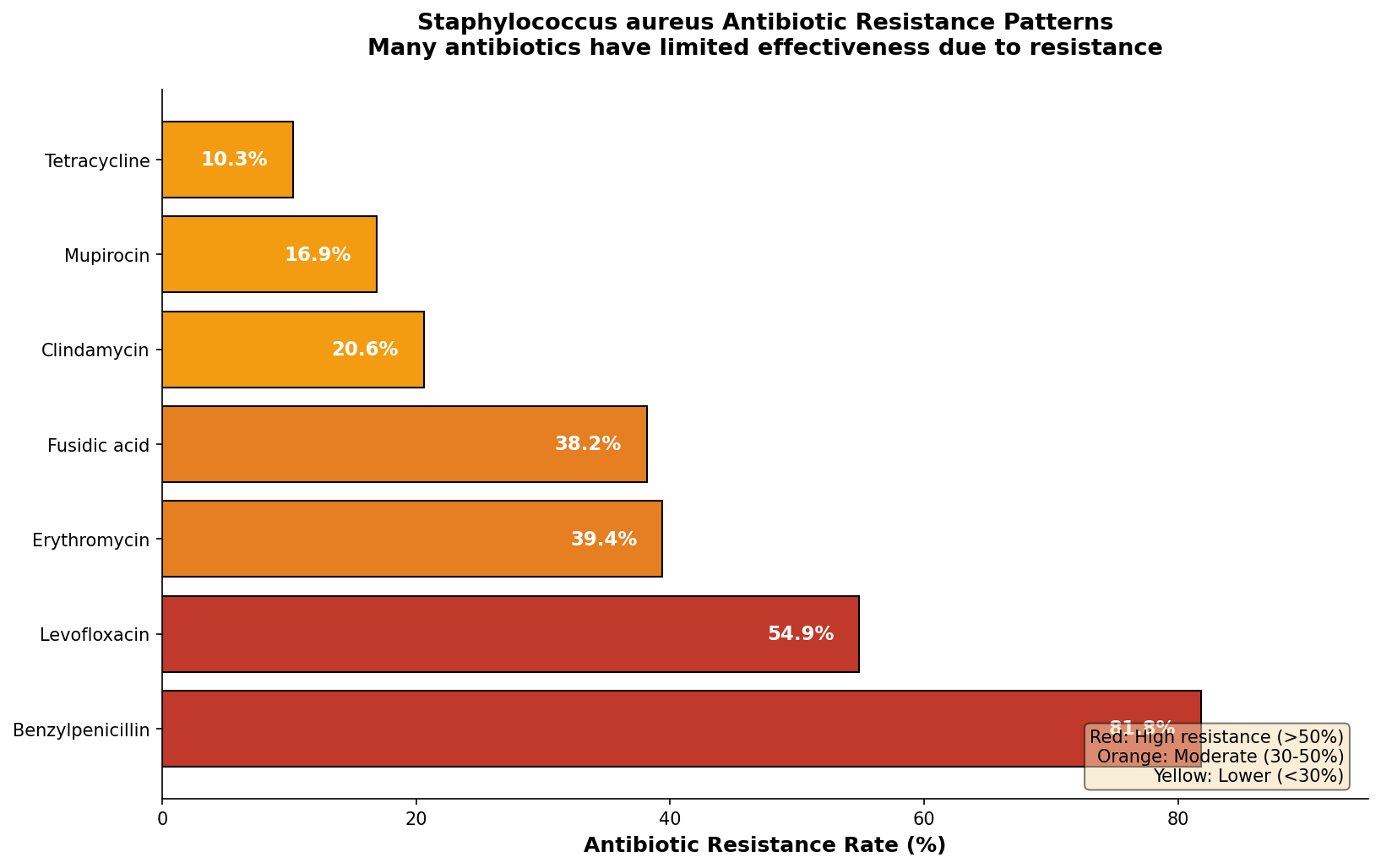
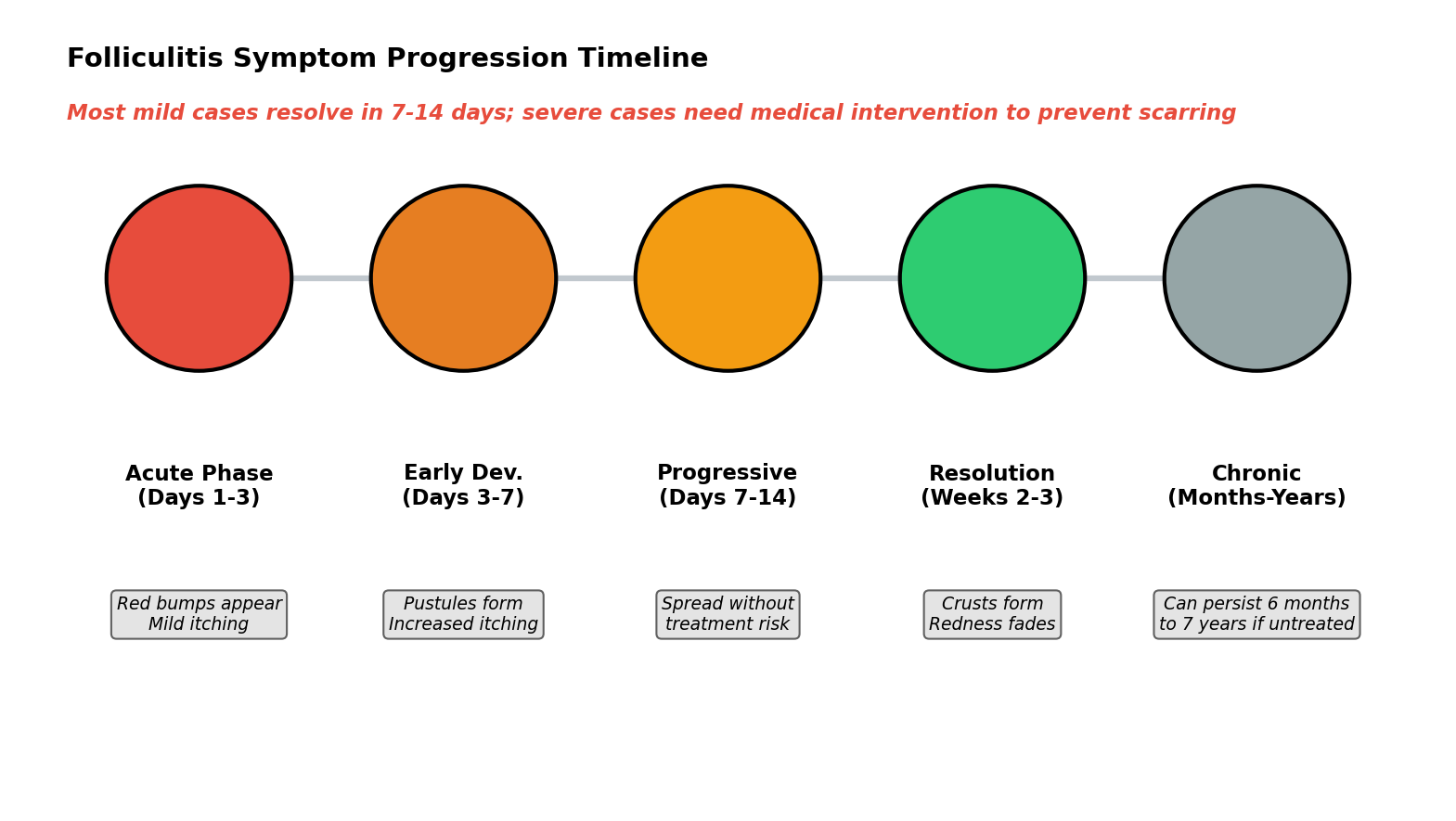
Figure 3: Major risk factors for developing folliculitis include moisture and occlusion from tight clothing and friction in hot climates, exposure to bacteria in pools and hot tubs as well as shaving.
Symptoms
The initial symptoms are small red bumps that resemble pimples, but there are several characteristics that distinguish folliculitis from acne.
The Visual Signs
- Red bumps (papules) - small raised areas, typically less than 5 mm in diameter, with reddened skin
- Pus-filled bumps (pustules) - white or yellowish centres indicating pus formation
- Clusters - folliculitis often appears in groups of bumps rather than isolated spots
- Scaly skin or crusts - as pustules heal, they may form scabs and scaly patches
- Uniform appearance - particularly in fungal types, bumps tend to look similar in size and shape, different from the varied appearance of typical acne
How It Feels
- Itching - ranges from mild to intense and can be severe enough to disrupt sleep
- Tenderness - the affected area feels painful or uncomfortable to touch
- Clothing irritation - symptoms worsen when clothes rub against the bumps
- Warmth - the affected skin may feel slightly warm or hot
Systemic Symptoms in Severe Cases
If folliculitis progresses or becomes severe, you might experience:
- Fever or feeling generally unwell
- Swollen lymph nodes
- Spreading beyond the original site
These symptoms suggest the infection is moving deeper or spreading, which requires professional medical attention.
Where Folliculitis Tends to Appear
Folliculitis can develop on any hair-bearing area of your body, but certain types show preference for specific locations.
Most Common Sites
- Face and neck - common for bacterial folliculitis, especially after shaving or waxing
- Underarms and groin - areas subject to sweating, occlusion and friction
- Legs and thighs - particularly after hair removal and is covered by tight clothing
- Back and chest - especially prone to fungal types (Malassezia folliculitis)
- Scalp - affected by various types, including fungal and mechanical types
- Buttocks - areas subject to rubbing and friction, often covered by tight clothing
Type-Specific Locations
Different types show preference for different areas:
- Malassezia (fungal) - chest, back, shoulders and upper body
- Bacterial - face, neck, legs and underarms, areas subject to friction
- Hot tub folliculitis - any body part exposed to contaminated water
- Pseudofolliculitis barbae (razor bumps) - face and neck, particularly after shaving
- Folliculitis decalvans - scalp primarily, though can extend to other areas
Severity: From Mild to Serious
The severity ranges from mild cases that resolve in days to serious infections that require professional treatment.
Mild Folliculitis
- Surface-level bumps that appear superficial
- Limited to a small area
- Minimal pain or itching
- Usually heals within 3-7 days with basic self-care (warm towels, antibacterial cleansers)
- No scarring after healing
Moderate Folliculitis
- Bumps spread across multiple areas
- Moderate to intense itching that may disturb sleep
- The skin feels warm or slightly tender
- Without treatment, may progress to more severe infection
- Usually requires topical or oral antibiotics
Severe Folliculitis
- Deep infection involving the entire hair follicle and surrounding tissue
- Large clusters of pustules or nodules
- Intense pain and severe itching
- May include systemic symptoms (fever, swollen lymph nodes)
- Risk of progression to boils (furuncles) or larger infections (carbuncles)
- Can cause permanent hair loss and scarring
- May require minor procedures to drain large boils
The Severity Spectrum Over Time

Figure 4: Distribution of folliculitis cases by severity level. While most cases start mild or moderate, early recognition and treatment prevent progression to severe disease.
Understanding how severe the symptoms are can help determine when to seek medical professional help.
How Folliculitis Develops
Days 1-3: The Acute Phase
Red bumps appear, inflammation develops and itching or tenderness begins. At this stage, the condition is usually surface-level and most responsive to early intervention.
Days 3-7: Early Development
Bumps may fill with pus, creating visible pustules. Itching intensifies and the area becomes warmer or more tender. Mild folliculitis may begin resolving on its own during this window, particularly with proper care.
Days 7-14: The Progressive Phase
Without treatment, bumps may spread to adjacent areas. Pustules may merge together into larger lesions and itching typically peaks during this phase. There is an increased risk of progression into boils.
Days 14-21: Resolution Phase
Pustules begin to dry and form crusts. The crusts gradually shed, revealing new skin, redness fades and itching subsides.
Beyond 21 Days: Chronic Risk
If untreated or if the condition recurs, folliculitis can persist for months to years. In chronic leg folliculitis, severe itching is associated with 86% of cases, often preceding the appearance of new lesions.

Figure 5: Expected progression of folliculitis symptoms over time. Early intervention during days 3-7 typically prevents progression to severe disease.
This timeline shows how catching folliculitis early can prevent progression to more serious complications.
When to Seek Medical Help
Not every case of folliculitis requires a doctor's visit, but certain situations require professional evaluation.
Seek medical attention if:
- Folliculitis does not improve after 7-10 days of self-care
- Bumps are spreading rapidly or covering larger areas
- You develop systemic symptoms (fever, swollen lymph nodes, feeling unwell)
- You have moderate or severe itching disrupting sleep
- The area shows signs of progression toward larger boils
- You are immunocompromised (HIV-positive, on immunosuppressive medications)
- Folliculitis keeps recurring in the same locations
- You are uncertain whether you have folliculitis or another condition
Seek urgent medical attention if:
- You develop signs of spreading infection (rapidly worsening redness, warmth, swelling)
- You have significant fever
- Boils develop or areas become increasingly painful
- You notice lymph node swelling or other systemic symptoms
A clinical examination to diagnose folliculitis can allow for the appropriate treatment.
How Doctors Diagnose Folliculitis
The diagnosis process is straightforward, combining visual examination with clinical testing.
Visual Examination
The doctor will examine the affected area, noting the appearance, size and distribution of bumps. The location on your body provides clues about the type.
Microscopic Examination (Cytology)
A simple, rapid and inexpensive first-line test. Cells from the pustules or follicles are examined under a microscope to identify the cause. This test often provides a definitive diagnosis.
Culture Testing
If more information is needed, particularly to determine which antibiotics would be effective, a culture test can identify the specific organism and its susceptibility to various treatments.
Dermoscopy
Using a specialised magnifying device, the doctor can identify characteristic patterns. For example, in folliculitis decalvans (a scarring type), dermoscopy shows distinctive follicular tufts (multiple hairs emerging from one follicle).
Other Tests
Wood's lamp examination can identify certain fungal types through their fluorescence. Potassium hydroxide (KOH) preparation of skin scrapings reveals fungal elements. A biopsy is rarely needed for complex cases.
Prevention Strategies: Taking Action Before It Starts
THe different types of folliculitis require different prevention approaches.
General Prevention for All Types
- Keep skin clean - regular washing with mild soap and water
- Avoid tight clothing - particularly in areas prone to sweating or friction
- Manage moisture - change out of sweaty clothes promptly, dry areas thoroughly
- Do not share razors or towels - this prevents transmission of bacteria
- Maintain proper hygiene after hair removal - clean skin immediately after shaving, waxing or epilating
- Avoid picking or scratching - do not open pustules as this can spread the infection
Preventing Shaving-Related Folliculitis (Pseudofolliculitis Barbae)
- Use proper shaving technique - shave in the direction of hair growth not against it
- Use sharp razors - dull ones increase irritation
- Apply pre-shave oil and post-shave moisturiser
- Consider alternative hair removal methods if you have curly hair
- Allow several days between shaves when possible
Preventing Hot Tub Rash
- Use properly maintained hot tubs and pools - chlorine and pH should be checked regularly
- Shower immediately after using hot tubs or pools
- Wear dry clothing promptly after water exposure
- Avoid hot tubs if you have cuts or abrasions
Preventing Fungal Folliculitis
- Keep skin dry, particularly in areas prone to sweating
- Avoid tight, occlusive clothing
- Maintain good hygiene in warm, humid environments
- If you are taking antibiotics, discuss concerns about folliculitis risk with the doctor
Treatment Overview
Treatment depends on the type and severity of your folliculitis.
Mild Cases
Most mild cases improve with basic self-care such as warm compresses several times a day, gentle cleansing with antibacterial soap, loose clothing and keeping the area dry.
Moderate Cases
Topical antibiotics (like mupirocin) or antifungals are typically prescribed. Some cases benefit from oral antibiotics or antifungals if topical treatment does not work.
Severe Cases
Oral antibiotics or antifungals may be necessary. In some cases, particularly with large boils, the doctor might perform a minor drainage procedure. Treatment duration typically extends 2-4 weeks depending on severity and type.
Antibiotic Resistance
One critical concern with bacterial folliculitis is antibiotic resistance. Staphylococcus aureus has developed significant resistance to many commonly used antibiotics.

Figure 6: Antibiotic resistance rates in Staphylococcus aureus folliculitis isolates. Benzylpenicillin shows the highest resistance at 81.8%, while mupirocin and tetracycline show lower resistance rates. This resistance pattern influences treatment selection.
The correct diagnosis of the type of folliculitis (bacterial or fungal) is essential in receiving the correct form of treatment. However, due to antibiotic resistance the doctors might choose specific antibiotics rather than broad-spectrum antibiotics.
Fungal Folliculitis and Treatment Response
Fungal folliculitis can be treated with an antifungal medication called itraconazole. It achieves complete recovery in 79.6% of cases using a standard 2-week course at 200mg daily.

Figure 7: Treatment success rates for fungal folliculitis (Malassezia) using antifungal therapy. The high recovery rate emphasizes the importance of proper diagnosis for fungal types.
This high success rate highlights why getting an accurate diagnosis is so important. The right treatment could clear your skin quickly.
The Bottom Line
Folliculitis is extremely common and usually straightforward to manage once you know what you are dealing with. The key to avoiding complications is recognising the signs early, knowing when to seek professional help and understanding that different types require different treatments.
The most important insight is to not assume it is acne. If antibiotic acne treatments are not working, you might have fungal folliculitis, which requires antifungal treatment instead. Getting the right diagnosis is essential in getting the right treatment and resolving the problem quickly rather than watching it persist or worsen.
If you notice folliculitis symptoms, particularly if they are spreading or severe, do not wait. A quick visit to your doctor can confirm what you are dealing with and get you started on appropriate treatment. Most cases of folliculitis are entirely preventable with proper hygiene, clothing choices and shaving technique and completely treatable once they develop.
Further Reading
Understanding Folliculitis Types
- Folliculitis Overview - Cleveland Clinic
- Fungal Acne: Malassezia Folliculitis - Cleveland Clinic
- Hot Tub Folliculitis: Rash, Symptoms, Causes and Treatment - Cleveland Clinic
- Pityrosporum (Malassezia) Folliculitis - Cleveland Clinic
Symptoms and Recognition
- Folliculitis Symptoms and Causes - Mayo Clinic
- Folliculitis Decalvans: Causes, Symptoms and Treatment - Cleveland Clinic
Diagnosis and Treatment
- Folliculitis Diagnosis and Treatment - Mayo Clinic
- Folliculitis Treatment and Prevention - Harvard Health
Research and Clinical Information
- Folliculitis: StatPearls - NIH
- Malassezia Folliculitis: Pathogenesis and Diagnostic Challenges - NCBI
- Recognition and Management of Folliculitis - PubMed
References/Helpful Resources
- Mayo Clinic. Folliculitis: Symptoms and causes [Internet]. [cited 2025 July 13]. Available from: https://www.mayoclinic.org/diseases-conditions/folliculitis/symptoms-causes/syc-20361634
- Cleveland Clinic. Folliculitis: Appearance, causes, symptoms and treatment [Internet]. [cited 2025 July 13]. Available from: https://my.clevelandclinic.org/health/diseases/17692-folliculitis
- Cleveland Clinic. Hot tub folliculitis: Rash, symptoms, causes and treatment [Internet]. [cited 2025 July 13]. Available from: https://my.clevelandclinic.org/health/diseases/23358-hot-tub-folliculitis
- Cleveland Clinic. Fungal acne: Malassezia folliculitis, Pityrosporum folliculitis [Internet]. [cited 2025 July 13]. Available from: https://my.clevelandclinic.org/health/diseases/24341-fungal-acne
- Cleveland Clinic. Pityrosporum (Malassezia) folliculitis: Causes and treatment [Internet]. [cited 2025 July 13]. Available from: https://my.clevelandclinic.org/health/diseases/22833-pityrosporum-folliculitis
- Cleveland Clinic. Folliculitis decalvans: Causes, symptoms and treatment [Internet]. [cited 2025 July 13]. Available from: https://my.clevelandclinic.org/health/diseases/22784-folliculitis-decalvans
- Mayo Clinic. Folliculitis: Diagnosis and treatment [Internet]. [cited 2025 July 13]. Available from: https://www.mayoclinic.org/diseases-conditions/folliculitis/diagnosis-treatment/drc-20361662
- Harvard Health Publishing. Folliculitis: Treatment and prevention [Internet]. [cited 2025 July 13]. Available from: https://www.health.harvard.edu/diseases-and-conditions/folliculitis-treatment-and-prevention
- National Institutes of Health. Folliculitis [Internet]. StatPearls. [cited 2025 July 13]. Available from: https://www.ncbi.nlm.nih.gov/books/NBK547754/
- Kim JG, Chung WH, Park EJ, et al. Malassezia folliculitis: Pathogenesis and diagnostic challenges. NCBI PubMed Central [Internet]. [cited 2025 July 13]. Available from: https://www.ncbi.nlm.nih.gov/pmc/articles/PMC11633069/
- Rassner G. Folliculitis: Recognition and management. PubMed [Internet]. [cited 2025 July 13]. Available from: https://pubmed.ncbi.nlm.nih.gov/15554731/
- Centers for Disease Control and Prevention. Preventing hot tub rash [Internet]. [cited 2025 July 13]. Available from: https://www.cdc.gov/healthy-swimming/prevention/preventing-hot-tub-rash.html
- National Institutes of Health. Vital and Health Statistics: Skin and Subcutaneous Tissue Diseases [Internet]. NCHS Data Archive. [cited 2025 July 13]. Available from: https://www.cdc.gov/nchs/data/ad/ad004acc.pdf
- Johns Hopkins Medicine. Bacterial skin infections [Internet]. [cited 2025 July 13]. Available from: https://www.hopkinsmedicine.org/
- PubMed. Clinical features and antibiotic susceptibility of Staphylococcus aureus-infected dermatoses [Internet]. [cited 2025 July 13]. Available from: https://pubmed.ncbi.nlm.nih.gov/40004615/
