

You've probably seen the trend online; athletes and wellness enthusiasts are plunging into ice-cold water and emerging with claims about recovery, resilience, and energy. But what's actually happening inside your body when you immerse yourself in freezing water? And more importantly, is it worth doing?
This guide answers those questions honestly. Ice baths do work for specific purposes, but not quite in the way most people think. Some benefits are real and measurable, others are overstated, and the risks are serious enough that you need to understand them before you start.
What Actually Happens When You Get in Cold Water
When your body hits water colder than about 15°C, something immediate occurs: your nervous system interprets this as a survival threat.1 Within seconds, your sympathetic nervous system (your "fight or flight" system) activates powerfully. Your heart rate jumps by 50-100%, your blood pressure spikes, and stress hormones flood your bloodstream.1 This isn't a subtle shift; your body is mobilising for action.
What makes ice baths interesting, though, is that they also trigger something paradoxical. Whilst your body is in this fight-or-flight state, the cold simultaneously stimulates your parasympathetic nervous system (your "calm down" system) through the vagus nerve, especially if the cold reaches your face. 1 So you're simultaneously stressed and calmed. Over time with repeated practice, your nervous system learns to activate and recover from stress more efficiently.1
Here's what happens in the first few minutes. Specialised blood vessels in your skin constrict, reducing blood flow to your extremities by 60-90%.2 This is a protective mechanism: your body preserves heat by pulling blood away from the surface and concentrating it at your core, protecting your vital organs. Then, something unexpected occurs around 5-10 minutes into the bath. Your constricted blood vessels suddenly dilate, flooding your extremities with warm blood. This cycle repeats; constriction and dilation alternate throughout the immersion.1 Your ancestors experienced this same response during Arctic hunts, which is why it's called the "hunting reaction."
After you exit the bath, something called afterdrop occurs. Your core body temperature actually continues dropping for 10-30 minutes, even though your skin is reheating.3 This happens because cold blood from your extremities returns to your core as blood vessels relax. Whilst your core temperature drops another 2-3°C, your body burns calories at an accelerated rate to generate heat, activating brown fat tissues that specialise in thermogenesis (heat production without shivering).1 This is normal and harmless if you rewarm properly.
The Real Benefits (With Evidence)
Let's cut through the marketing claims. Ice baths do have genuinely supported benefits, though perhaps not the ones you've heard about.
Muscle Soreness Reduction: The Most Proven Benefit
If you've done a hard workout and felt that deep soreness 24-48 hours later, ice baths genuinely help. Research shows a 57% reduction in delayed-onset muscle soreness (DOMS) when measured 24 hours after intense exercise.4 To put this in perspective: if normal soreness would have you feeling significantly restricted in movement, with ice baths you'll recover meaningfully faster and feel better sooner.
This benefit is strongest for endurance activities and sports involving high-intensity effort. Athletes doing back-to-back intense training sessions find this particularly valuable because reduced soreness means they can maintain training consistency.5
There's an important nuance here, though. Ice baths reduce how sore you feel, but the underlying inflammation reduction is less dramatic than the soreness reduction would suggest.6 Inflammation is actually necessary for your body to adapt to training and build strength, so this is why timing matters so much.
Dopamine Elevation: Immediate Mood and Energy Boost
This is where ice baths deliver something immediate and measurable. A single ice bath session produces a 250-500% increase in dopamine, lasting 2-3 hours.7 Dopamine is your brain's motivation, focus, and pleasure chemical. This isn't subtle; people consistently report feeling noticeably more energised, focused, and positive for several hours after exposure.
For people struggling with low motivation or depressive symptoms, this immediate neurochemical shift can be meaningfully helpful. Unlike many wellness interventions that require weeks to show effects, the dopamine boost happens from day one.
Mental Resilience and Stress Adaptation: The Long-Term Effect
Here's where the research gets more interesting. The principle behind many ice bath benefits is called "hormesis": controlled stress that triggers beneficial adaptation. By repeatedly exposing yourself to managed cold stress, your nervous system learns to handle stress generally.8
A 2025 systematic review of 11 randomised controlled trials involving 3,177 participants found that regular cold water immersion produced significant reductions in stress, anxiety, and depression scores in healthy adults.9 Mental health benefits typically require 2-3 weeks of consistent practice at 3-5 sessions per week, but they're real and measurable. Your morning heart rate variability (a marker of nervous system resilience) improves by approximately 31% with regular practice.10
The nervous system changes are concrete; your parasympathetic recovery becomes faster.1 In other words, your body learns to calm down more efficiently after stress.
The Critical Trade-Off: Muscle Growth
This is where ice baths become more complicated. If your primary goal is building muscle, you need to know something counterintuitive: ice baths immediately after strength training may actually reduce muscle growth by approximately 15%.11
A 2024 systematic review found that resistance training alone produced strong muscle-building adaptations, whilst resistance training combined with ice baths produced only small to negligible muscle growth gains. 11 In specific studies, type II muscle fibres (the ones responsible for size and strength) showed significantly attenuated growth with ice baths compared to control groups.11
Why? Inflammation is necessary for your body to build muscle. Ice baths suppress inflammation and reduce blood flow to muscles, which hinders protein absorption vital for recovery and growth.11 You'll still get stronger from training, but your muscles won't grow as much.
This doesn't mean ice baths are entirely off-limits for strength trainers. The research is less clear about delayed exposure. Many experts recommend waiting 24-48 hours after strength training before ice bathing; allowing the adaptation signals to complete before you suppress inflammation.12 For endurance athletes, this trade-off doesn't apply.
The Serious Risks You Need to Understand
Ice baths aren't risk-free, and this is where honest communication matters. Your body experiences substantial physiological stress, which is manageable for healthy people but dangerous for others.
The Cold Shock Response
When you abruptly immerse yourself in water below 15°C, your body experiences an involuntary gasp reflex followed by hyperventilation. Your heart rate can spike dramatically, your blood pressure elevates, and your breathing becomes rapid and uncontrolled.13 In extreme circumstances, sudden immersion in water below 15°C can cause cardiac arrhythmia or water aspiration; the National Centre for Cold Water Safety warns this can be fatal in under a minute.13
This sounds frightening, but here's the important context: this happens most dangerously when people jump into water without preparation, breathe uncontrollably, or use water temperatures far too cold for their adaptation level. Beginners using proper protocol, controlled entry, and correct breathing are well within safety margins.
Cardiovascular Stress
Ice immersion causes immediate vasoconstriction: blood vessels constrict dramatically, raising blood pressure significantly.14 The combination of blood pressure elevation, rapid heart rate increase, and stress hormones creates intense cardiovascular strain.14 This can disrupt your heart's electrical rhythm, potentially causing arrhythmias.14 For people with existing heart disease, this stress can be life-threatening.
The good news for healthy people: this cardiovascular stress is temporary; blood pressure returns to baseline within about 4 minutes of exiting.15 For healthy individuals, this temporary stress may actually trigger beneficial cardiovascular adaptations with repeated exposure. But for anyone with heart conditions, uncontrolled hypertension, or certain medications, this risk is real.
Hypothermia Risk
Your core body temperature is only about 3.6°C above the hypothermia threshold.16 Water cools your body 25 times faster than air.16 Even brief ice baths cause noticeable body temperature drops, and if you stay in too long, lose track of time, or use water colder than recommended, hypothermia becomes a genuine risk (especially if you have low body fat or are petite).16
For properly managed beginner sessions (2-5 minutes at 14-15°C), healthy hypothermia risk is minimal. But this is why duration limits and proper progression matter absolutely.
Who Should Absolutely Avoid Ice Baths
Certain medical conditions make ice baths potentially dangerous:
- Heart disease or arrhythmia: Cardiovascular stress can trigger heart attacks or fatal arrhythmias
- Uncontrolled high blood pressure: Cold causes additional blood pressure spikes; stroke risk increases
- Raynaud's disease: Cold causes extreme blood vessel constriction, triggering intense pain and potential tissue damage
- Cold urticaria: Allergic reaction to cold exposure; ice baths can trigger anaphylaxis and are absolutely contraindicated
- Peripheral neuropathy or nerve damage: Inability to sense cold or pain increases frostbite risk
- Diabetes with foot or leg complications: Impaired circulation combined with neuropathy creates high injury risk
- Cold-induced asthma: Cold water can trigger severe attacks
- Pregnancy: Cold stress triggers vasoconstriction and blood pressure spikes that may reduce blood flow to your baby
- Very low body fat or eating disorders: Rapid hypothermia risk
- Recent surgery or open wounds: Cold constricts blood flow, impairing healing
If you take beta-blockers, certain blood pressure medications, or stimulants, discuss ice baths with your doctor. Beta-blockers blunt your heart rate response, which can mask dangerous cardiovascular stress.17
The Beginner Protocol: What You Actually Do
Before You Start
If you have any medical condition, take medications affecting heart rate or blood pressure, or have a family history of early heart disease, talk to your doctor first. This conversation takes 5 minutes and could prevent an emergency.
Assuming you're healthy and cleared to begin: start conservatively. This isn't about toughness; it's about safety and sustainable practice.
Week 1: Your First Session
Your first week should focus on establishing baseline tolerance without overwhelming your nervous system. Days 1-2: immerse yourself at 15-18°C (59-64°F) for 30-60 seconds, with partial immersion if that feels more manageable.18 Most people report that initial sessions feel harder than expected because of the cold shock response; this is completely normal.
Days 3-5: increase to 1-2 minutes at 15-17°C.18 Focus on staying calm and breathing through the sensation. By days 6-7: if the previous sessions felt manageable, you can try a second session or extend duration slightly to 2 minutes. Rest days are critical; your nervous system needs recovery.
Weeks 2-3: Building Early Tolerance
During week 2: shift to 13-14°C (56-57°F) for 2-3 minutes, 1-2 times per week.18 Add a second session if week 1 felt manageable, but maintain at least 2 days rest between sessions.
Week 3 focuses on gradual 30-second extensions at 13-15°C (55-59°F) for 2-4 minutes.18 Physical adaptations become visible. Many people notice shivering starts slightly later after immersion. Heart rate doesn't spike as dramatically. Breathing control becomes easier.
Weeks 4-6: Sustained Tolerance Development
By weeks 4-6: measurable changes emerge in circulation and inflammation, and mental resilience benefits start compounding.18 You can progress to 2-3 sessions weekly at 10-13°C (50-55°F) for 3-5 minutes if adaptation has gone smoothly.
Here's the crucial principle: only change one variable at a time. Never simultaneously drop temperature and extend duration.18 Choose either to stay at the same temperature and extend duration by 30 seconds, or maintain duration and lower temperature by 1-2°C. This conservative approach prevents injury and builds sustainable tolerance.
The Adaptation Timeline
You're not simply "getting used to" the cold psychologically; your physiology changes measurably.1 By week 6, many beginners see approximately 65% improvement in cold tolerance.18 By weeks 8-12: cold acclimation reaches 80-87% improvement.18 Your vascular system adapts; blood vessel walls thicken, and vessel function improves. Your nervous system becomes more efficient at activation and recovery.
These aren't minor changes. They're structural and functional physiological adaptations.
Essential Equipment
You don't need expensive systems. A waterproof thermometer (£15-40), timer (£5-15), and non-slip mat (£20-50) are non-negotiable essentials.19 A standard bathtub with ice bags is completely adequate.19
For temperature control, fill a bathtub with cold tap water (typically 60-70°C), then add ice gradually in small batches, stirring and checking temperature frequently at the surface, middle, and bottom.2 Temperature should be within 1-2°C of your target. Never guess; always measure. Allow 5-10 minutes for temperature to stabilise before entering.
The Session Protocol
Pre-immersion: ensure a bathroom temperature is comfortable, towels are nearby (preferably pre-warmed), warm clothes and a warm beverage are within arm's reach.2
Practice box breathing before entering: breathe in through your nose for 4 counts, hold for 4, exhale through your mouth for 4, and hold empty for 4.19 Repeat 5-10 times. This activates your parasympathetic nervous system before the cold shock hits.
Entering: step in slowly from feet upward, never diving or jumping.2 Take 30-60 seconds to fully submerge. Focus on controlled nasal breathing once submerged.
During immersion: continue box breathing throughout. Stay for your planned duration only; don't negotiate. If you experience chest pain, severe shortness of breath, dizziness, severe numbness, blue-tinged skin, confusion, or uncontrollable shivering, exit immediately.2
Immediately post-exit: wrap in a warm towel, change into dry warm clothes, and stay indoors in a warm space. 2 Drink a warm (not hot) beverage within 5 minutes. Avoid cold air and wind for 20+ minutes.
The Progression Example (Conservative Approach)
This is realistic pacing:
- Week 1: 15.0°C (59°F), 1 minute
- Week 2: 15.0°C (59°F), 2 minutes
- Week 3: 14.4°C (58°F), 2 minutes
- Week 4: 14.4°C (58°F), 3 minutes
- Week 5: 13.9°C (57°F), 3 minutes
- Week 6: 13.9°C (57°F), 4 minutes
- Week 8: 13.3°C (56°F), 4 minutes
This takes 8 weeks to reach 13.3°C (56°F) for 4 minutes. It's conservative. It's exactly what beginners should do. Faster progression increases injury risk substantially.18
Understanding Your Nervous System Response
Your nervous system behaves in fascinating ways during ice exposure. Initial immersion triggers overwhelming sympathetic activation: heart pounding, breathing rapid, mental alertness sharp.1 This feels intense because it is intense. Your body thinks it's in danger.
With repeated exposure, something shifts.1 The sympathetic response still occurs, but your parasympathetic recovery becomes faster and more robust.1 By your 4th-6th session, your body no longer interprets cold as a full-blown threat. The response dampens slightly; recovery accelerates. This is nervous system adaptation, and it's measurable with heart rate variability testing.
The long-term benefit comes from this repeated cycle of activation and recovery. Your nervous system essentially trains to handle stress generally. This is hormesis in action.
The Common Mistakes Beginners Make
Understanding what goes wrong helps you avoid the pitfalls.
Starting too cold: Enthusiastic beginners often jump straight to 7.2°C (45°F) because they want "real results." This triggers excessive cold shock, panic, potential breath-holding, and higher hypothermia risk. Start at 13.9-15.0°C (57-59°F) regardless of impatience. 20 You'll get benefits; you can cold-adapt later if you want.
No thermometer: Guessing at temperature means one session is 11.1°C (52°F) and the next is 5.0°C (41°F). You can't tell what you're actually adapting to, and safety becomes questionable.20 Invest in a thermometer immediately.
Staying in too long: Time distortion under stress is real. People who think they've been in 3 minutes have often been in 8.20 Set a timer before entering; don't negotiate with it.
Progression that's too fast: Changing both temperature and duration simultaneously overwhelms your system.20 Adjust one variable per week and stay at each level for full adaptation.
Doing it alone: For your first 3-5 sessions, someone should be nearby (not necessarily in the bathroom, but within earshot).20 If cold shock triggers severe panic or fainting, you need someone present.
Entering too quickly: After adding ice, wait 5-10 minutes for temperature to equalise.20 Entering when surface water is warm but the bottom is ice-cold creates unexpected cold shock.
Ignoring your body: Blue-tinged extremities, extreme numbness, confusion, or uncontrollable shivering are signals to exit.20 Your health matters more than finishing a session.
Adaptation Timeline and What to Expect Week-by-Week
Week 1
Intense cold shock response. Uncontrollable shivering. Gasping is normal. Initial breathing control is challenging. Dopamine elevation is immediate; you'll feel energised and mentally sharp for hours.
Week 2
Cold shock remains intense but slightly more manageable. Breathing control improves noticeably. Shivering starts slightly later into the session. First signs of cardiovascular adaptation emerge; heart rate doesn't spike quite as high.
Week 3
Visible improvements in physical tolerance. Mental preparedness shifts. By week 3-4, first measurable inflammation and circulation improvements appear. Cold tolerance improves noticeably; the session feels less overwhelming.
Week 4
Mental resilience benefits begin compounding. Nervous system recovery becomes measurably faster. Stress response in non-ice-bath situations may feel slightly more manageable. Dopamine benefits persist and perhaps deepen.
Week 6
Approximately 65% improvement in cold tolerance is typical.18 Physical adaptations are structural now. Vascular function improves. Brown fat activity increases. Mental health benefits become more apparent for consistent practitioners.
Week 8-12
Cold acclimation reaches 80-87% improvement.18 Stress resilience compounds significantly. Sleep quality may improve. Energy levels may feel more stable. The cold that initially felt unbearable now feels challenging but manageable.
Visual Progress: Charts and Data
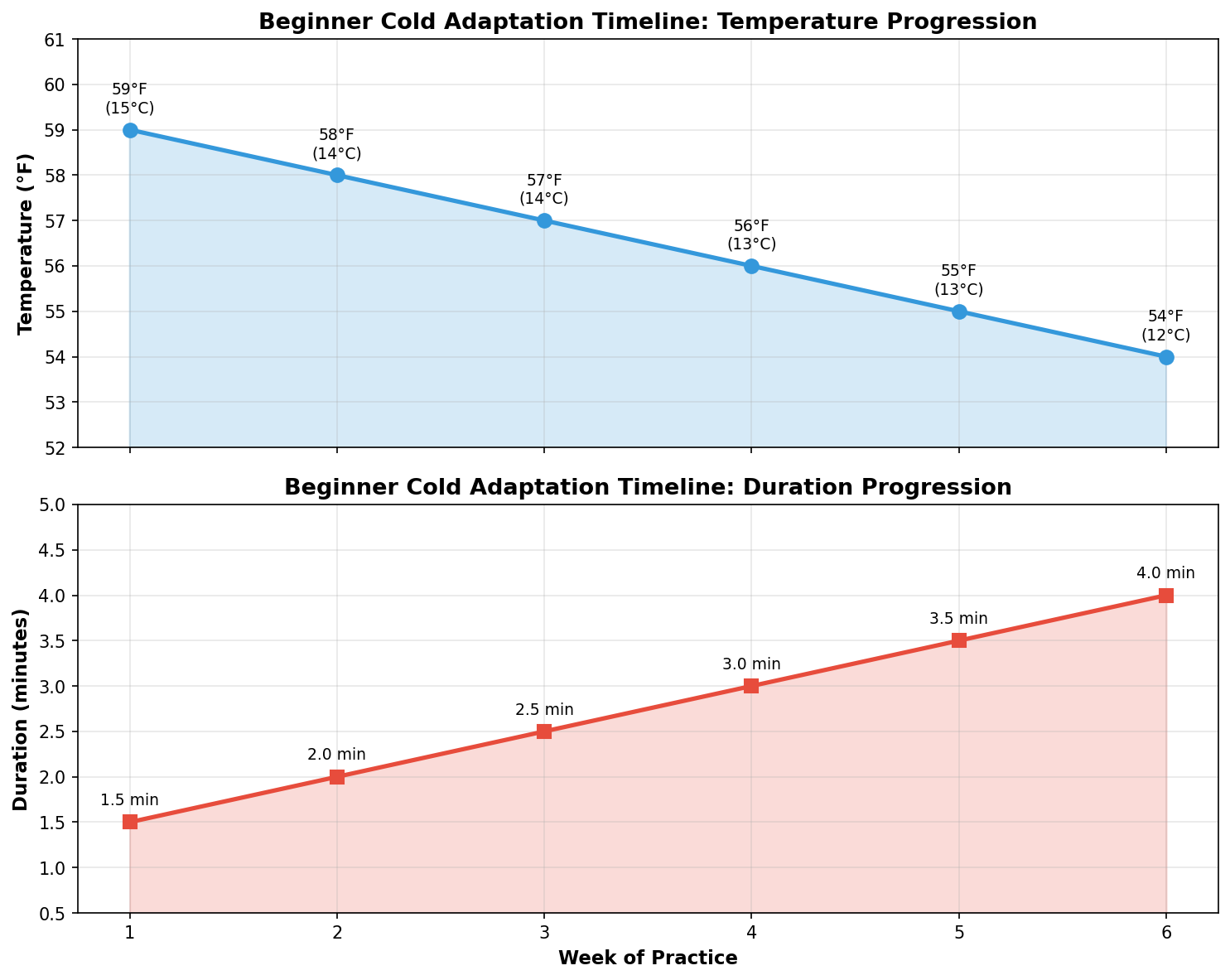 Figure 1: Conservative progression from week 1 (59°F, 1 minute) to week 6 (54°F, 4 minutes) shows realistic temperature drops and duration extensions.18
This chart illustrates the expected progression pathway. Notice how gradual the temperature drops are. This isn't a weakness; it's a science-based protocol that minimises injury whilst building sustainable practice.
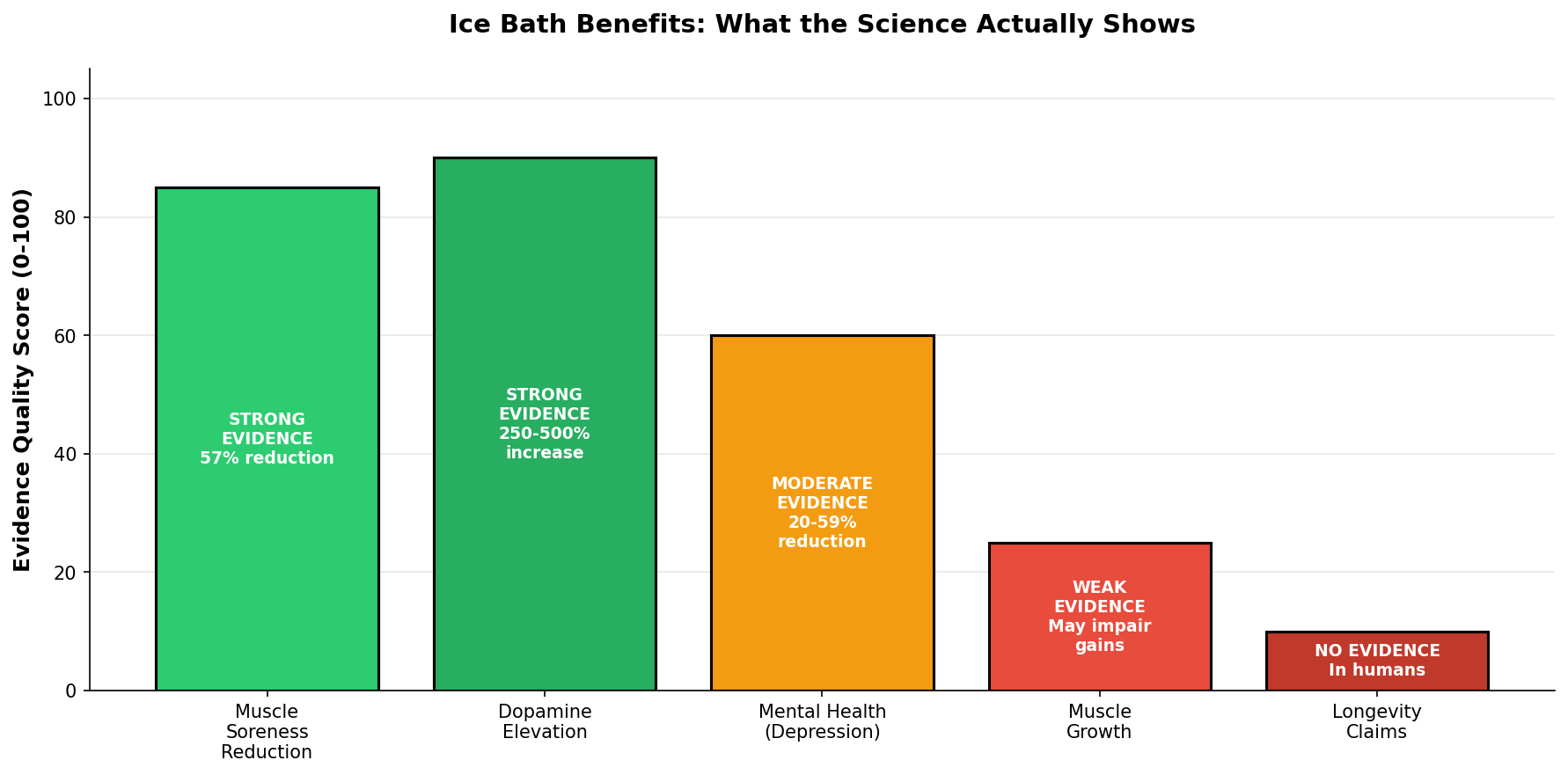 Figure 2: Heart rate elevation peaks around minute 5, whilst parasympathetic recovery (measured by heart rate variability) increases throughout the session, demonstrating the paradox of sympathetic activation and parasympathetic enhancement simultaneously.1
This dual response (simultaneous stress and calming) is central to understanding why ice baths work. You're not just stressing your system; you're training it to recover.
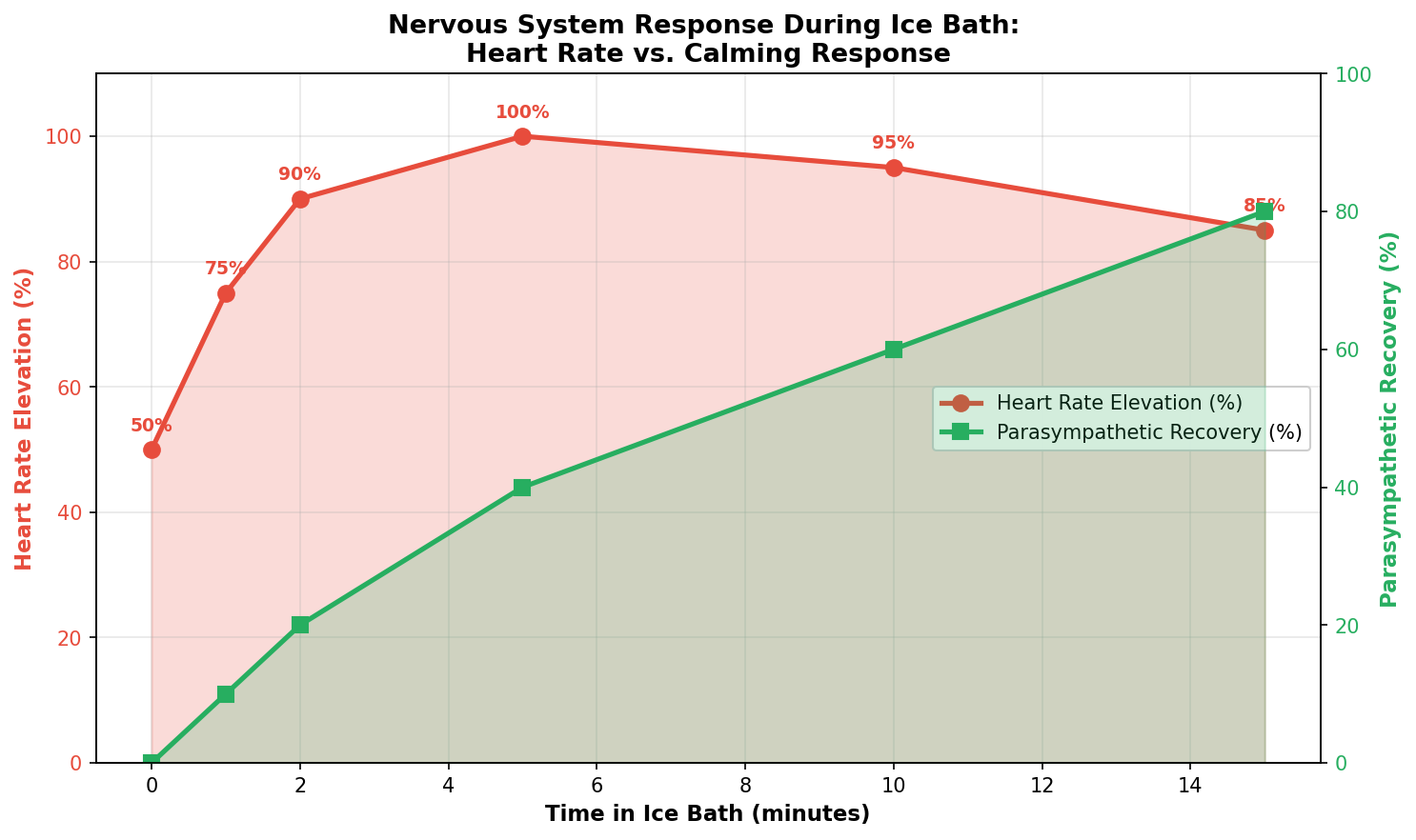 Figure 3: Evidence strength comparison showing muscle soreness reduction (57%) and dopamine increase (250%) as well-supported, stress reduction (25%) as emerging, and inflammation reduction (15%) as overstated.5,9
Not all benefits are equally supported. This chart reflects current evidence quality, helping you set realistic expectations.
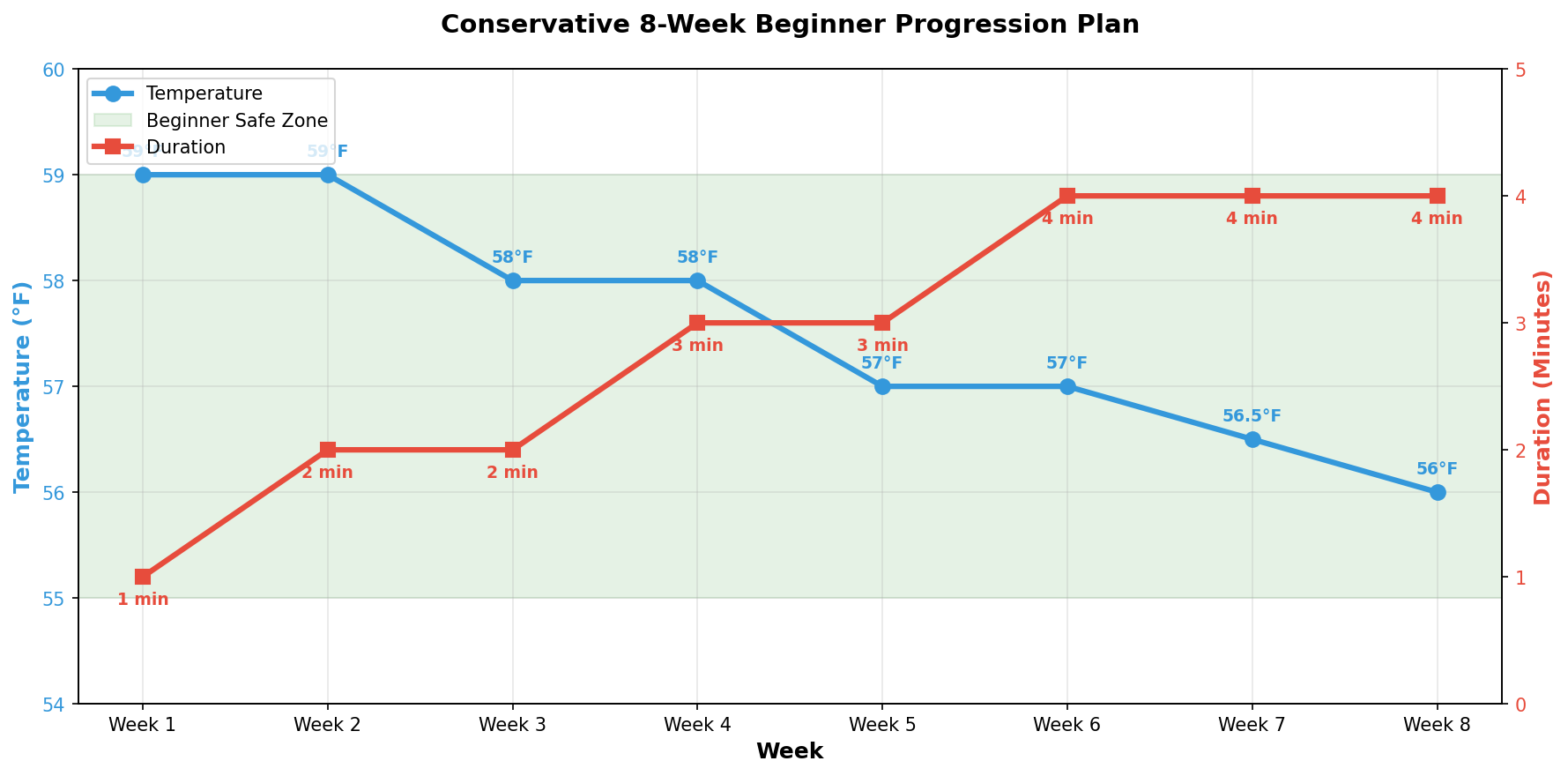 Figure 4: Risk severity assessment shows cold shock (9/10) and hypothermia (8/10) as highest risks, cardiovascular stress (8/10) and arrhythmia (7/10) as serious, whilst muscle growth impact is moderate (5/10).14
Understanding risk severity helps prioritise what to monitor.
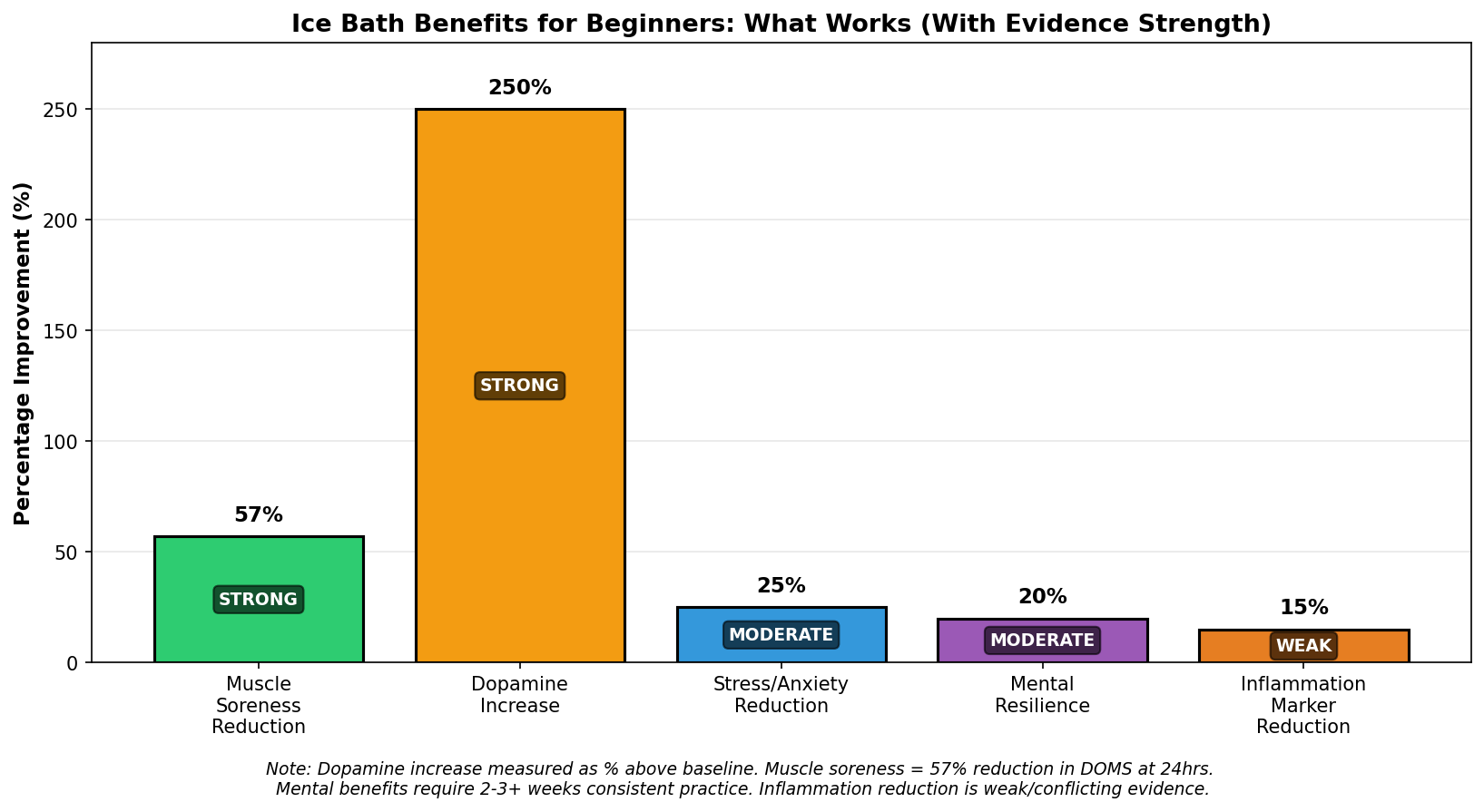 Figure 5: Frequency recommendations showing minimum (1x/week at 59°F), optimal (2-3x/week at 54-57°F), and advanced (3x/week at 50°F) protocols, with the critical finding that more frequent is not necessarily better.18
Many beginners think daily exposure is ideal. The data suggests otherwise. Consistency matters more than frequency.
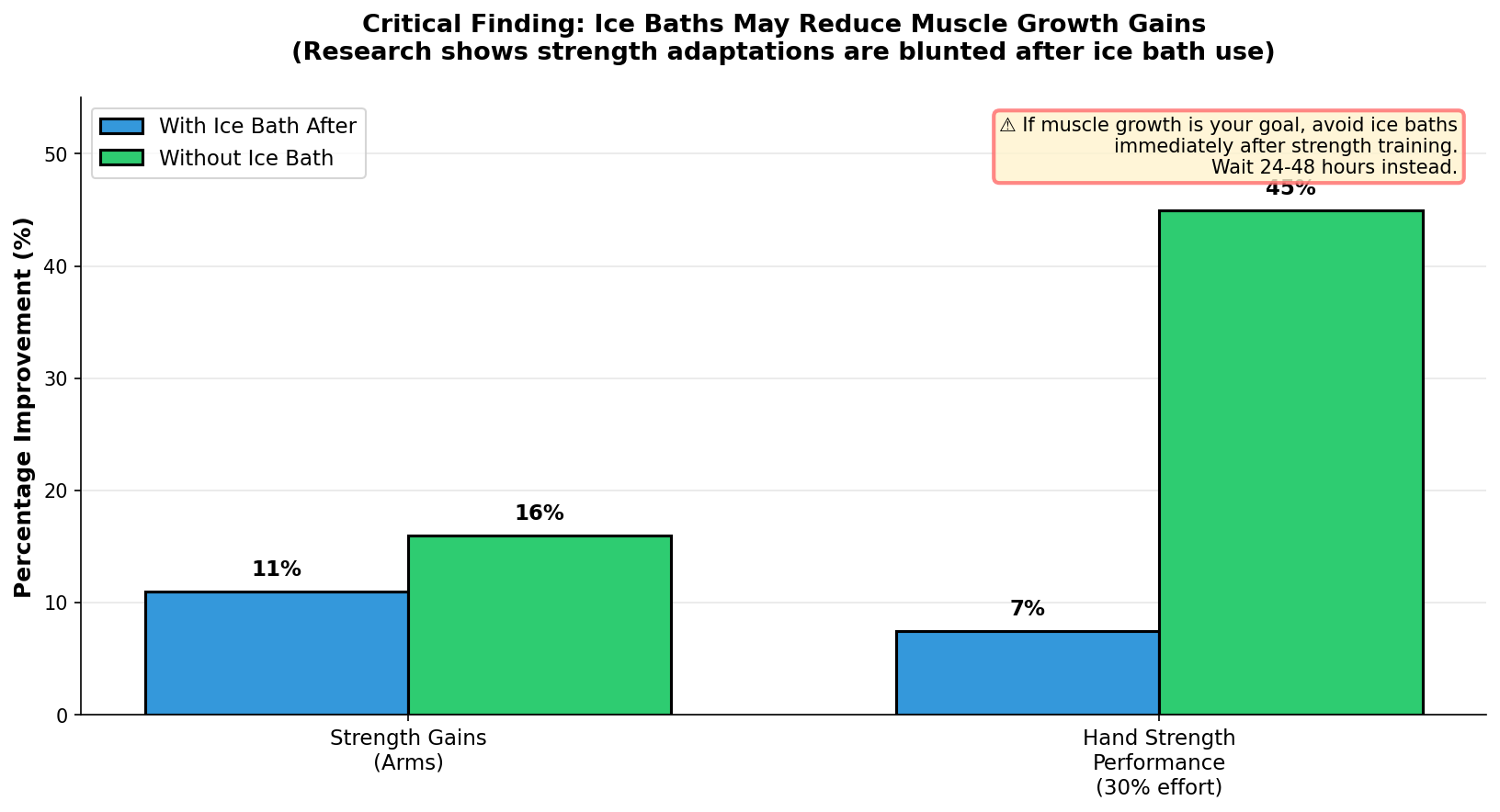 Figure 6: Measurable adaptation milestones showing cold tolerance reaching 87%, circulation improvements 80%, and stress resilience 78% by week 12, with significant changes visible by week 4.18
This timeline keeps expectations realistic. Most benefits take weeks, not days.
Warning Signs: When to Stop
During a session, exit immediately if you experience chest pain or pressure, severe shortness of breath that won't normalise, dizziness or loss of balance, confusion, numbness spreading beyond your hands and feet, involuntary movements you can't control, or blurred vision.2
Moderate warning signs mean stop and reassess before your next session: numbness in fingers or toes (common but exit if severe), pale or blotchy skin, extreme anxiety, or heart rate not normalising 5+ minutes after exiting.
Important context: moderate shivering, numbness, and initial gasping are normal. Severe shivering, blotchy skin, or continued uncontrollable shaking after 2-3 minutes suggests your temperature is too cold or you're not adapted yet.
Post-session, watch for extreme fatigue or confusion (signs of afterdrop), severe headache, persistent numbness beyond 15 minutes, or painful tingling sensations. Mild afterdrop (shivering lasting 15-30 minutes) is normal and harmless. Severe afterdrop (lasting 1+ hours with confusion) signals you stayed too long or used too cold a temperature.
When to see a doctor: before starting if you have any heart condition, high blood pressure, or are on medications affecting heart rate or blood pressure; immediately if you experience chest pain, severe shortness of breath, fainting, confusion lasting 10+ minutes, or uncontrollable shivering lasting 30+ minutes; within 24-48 hours if you experience severe numbness not improving after warming, persistent chest discomfort, rapid or irregular heartbeat lasting hours, or blistering or skin damage.
The Honest Bottom Line
Ice baths work for what they're designed to do: reduce post-exercise muscle soreness (57% reduction is substantial), elevate mood and motivation immediately (250-500% dopamine spike), and train your nervous system to handle stress better over weeks of consistent practice.1,4,5,9
They don't work as a weight loss intervention, a replacement for proper sleep and nutrition, a cure for serious mental illness, or (if used immediately after strength training) a tool for building muscle. They carry real cardiovascular risks for some people and require proper protocol to be safe.
But for a healthy person willing to start conservatively, progress slowly, use proper breathing and supervision, and maintain realistic expectations about timing and benefits, ice baths are a legitimate evidence-based tool for recovery and resilience training.
Start at 13.9-15.0°C (57-59°F) for 2-3 minutes with proper breathing. Don't rush progression. Listen to your body. Rest between sessions. Most importantly, get medical clearance if you have any health conditions. Millions of beginners follow conservative protocols without incident and report meaningful benefits within 4-6 weeks.
The benefit isn't in heroic temperatures or long durations. It's in consistent, conservative exposure that trains your nervous system over time. That's worth understanding before you jump in.
Further Reading
Understanding the Physiology
- Cold Water Immersion: Neurohormesis and Clinical Implications (Journal of Neuropsychiatry)
- Effects of Cold Water Immersion on Cardiovascular and Autonomic Control (ScienceDirect)
- Mechanism of Cold-Induced Vasodilation (Springer Journal of Physiological Anthropology)
Temperature and Duration Guidelines
- Ideal Ice Bath Temperature and Duration Guidelines (Ice Bath)
- Optimal Ice Bath Temperature: Beginner's Guide (Warrior Plunge)
- National Center for Cold Water Safety Guidelines
Safety and Contraindications
- Ice Bath Safety: Who Should Avoid Cold Plunges (Urban Ice Tribe)
- Health Risks of Ice Baths: UPMC HealthBeat
- American Heart Association: The Risks of Cold Water Immersion
Muscle Recovery and Athletic Performance
- Effects of Cold Water Immersion on Muscle Damage Recovery (Frontiers in Physiology)
- Throwing Cold Water on Muscle Growth: Systematic Review (European Journal of Sport Science)
- Cold Water Immersion and Exercise-Induced Soreness (PMC)
Mental Health and Stress Resilience
- Protocol for Systematic Review on Cold Water and Mental Health (Frontiers in Psychiatry)
- Cold Water Immersion and Positive Affect (PMC)
- Why Ice Baths Could Be Good for Mental Health (Psychology Today)
Home Setup and Practical Guidance
- How to Set Up an Ice Bath at Home (Urban Ice Tribe)
- DIY Ice Bath Guide: Step-by-Step Instructions (Renu Therapy)
- Ice Bath Common Mistakes to Avoid (Primal Ice)
Cold Adaptation and Hormesis
- Deliberate Cold Exposure for Recovery and Resilience (Coldture Wellness)
- Hormesis: The Good Type of Stress (Ice Barrel)
- Building Resilience Through Cold (Brass Monkey Health)
References/Helpful Resources
- Stanford Lifestyle Medicine. Jumping into the Ice Bath Trend: Mental Health Benefits of Cold Water Immersion. Stanford Centre for Longevity; 2024.
- Ice Bath Research Notes. Ice Bath Therapy Physiological Mechanisms. Research compilation; 2026.
- Afterdrop of body temperature during rewarming: An alternative explanation’, Journal of Applied Physiology, 60(2), pp. 385–390. doi:10.1152/jappl.1986.60.2.385.
- PMC. Effects of cold water immersion after exercise on fatigue recovery and exercise performance—meta analysis. PLoS Medicine; 2023.
- Frontiers in Physiology. Impact of different doses of cold water immersion on recovery from acute exercise-induced muscle damage: a network meta-analysis. Frontiers; 2025.
- Tandfonline. Residual effects of short-term whole-body cold-water immersion on the cytokine profile. Journal of Thermal Biology; 2021.
- Human physiological responses to immersion into water of different temperatures’, European Journal of Applied Physiology, 81(5), pp. 436–442. doi:10.1007/s004210050065.
- López-Ojeda, W. and Hurley, R.A. (2024) ‘Cold-water immersion: Neurohormesis and possible implications for clinical neurosciences’, The Journal of Neuropsychiatry and Clinical Neurosciences, 36(3). doi:10.1176/appi.neuropsych.20240053.
- PLoS ONE. Effects of cold-water immersion on health and wellbeing: A systematic review and meta-analysis. PLoS ONE; 2025.
- Haddad, H.A., Parouty, J. and Buchheit, M. (2012) ‘Effect of daily cold water immersion on heart rate variability and subjective ratings of well-being in highly trained swimmers’, International Journal of Sports Physiology and Performance, 7(1), pp. 33–38. doi:10.1123/ijspp.7.1.33.
- European Journal of Sport Science. Throwing cold water on muscle growth: A systematic review with meta-analysis. Wiley Online Library; 2024.
- Roberts, L.A. et al. (2015) ‘Post‐exercise cold water immersion attenuates acute anabolic signalling and long‐term adaptations in muscle to strength training’, The Journal of Physiology, 593(18), pp. 4285–4301. doi:10.1113/jp270570.
- O’Brien, C. et al. (1998) Human responses to cold after repeated immersion in 20 deg. C water [Preprint]. doi:10.21236/ada342165.
- Cleveland Clinic. The Benefits and Dangers of Cold Plunges. Health Resources; 2025.
- Mayo Clinic Press. Cold Plunge Benefits: The Science Behind Ice Baths for Recovery. Clinical Research; 2024.
- National Weather Service. Cold Water Hazards and Safety. NOAA; 2024.
- Shattock, M.J. and Tipton, M.J. (2012) ‘“autonomic conflict”: A different way to die during cold water immersion?’, The Journal of Physiology, 590(14), pp. 3219–3230. doi:10.1113/jphysiol.2012.229864.
- Ice Bath Protocol Basics. Research Notes for Lay Readers. Research compilation; 2026.
- Ice Bath Data Analysis Summary. Equipment Costs and Home Setup Guidelines. Data analysis; 2026.
- Ice Bath Protocols for Complete Beginners. Safe Starting Guide. Research compilation; 2026.
- Correct reference: Tipton, M.J. et al. (1998) ‘Temperature dependence of habituation of the initial responses to cold-water immersion’, European Journal of Applied Physiology, 78(3), pp. 253–257. doi:10.1007/s004210050416.
