

When Your Body's Clean-Up Crew Turns Against You
Imagine the immune system as a clean-up crew. White blood cells called histiocytes are meant to clear away debris, fight infection, and keep tissues healthy. In histiocytosis, that crew goes rogue. The cells multiply abnormally and pump out a flood of inflammatory chemicals called cytokines, damaging the very organs they were designed to protect.
Histiocytosis is rare, but it has been moving from the medical "mystery file" into the spotlight. Since researchers discovered in 2010 that a single faulty gene drives most cases, treatment has transformed. Some patients now feel better within a week of starting a targeted pill, where decades ago they faced years of chemotherapy with uncertain outcomes.
This article walks through what histiocytosis actually is, why the inflammatory chemistry matters so much, how doctors diagnose and treat it today, and where research is heading next.
What Histiocytosis Actually Is
Histiocytosis is not one disease but a family of rare disorders. They share one feature: too many histiocytes accumulating in tissue, releasing inflammatory signals. The 2016 Histiocyte Society classification organises them into five groups, but four types matter most for general readers:
- Langerhans Cell Histiocytosis (LCH): The most common form. Affects mainly children but also adults
- Erdheim-Chester Disease (ECD): Extremely rare; usually affects adults aged 50 to 70
- Haemophagocytic Lymphohistiocytosis (HLH): A life-threatening "cytokine storm" syndrome
- Rosai-Dorfman Disease (RDD): Causes massive but often painless lymph node swelling
These diseases sit in an unusual middle ground: part inflammation, part cancer. A genetic mutation drives uncontrolled cell growth (the cancer-like part), and those mutated cells flood the body with inflammatory chemicals (the immune-disease part). That dual nature explains why both chemotherapy and anti-inflammatory drugs can help.
How Rare Is It?
In England, childhood LCH affects about 4.46 children per million each year, or roughly 1 in 225,000. Adult LCH is about four times rarer. Erdheim-Chester is even rarer: roughly 1 case per 2 million people, with only about 1,500 cases ever reported worldwide.
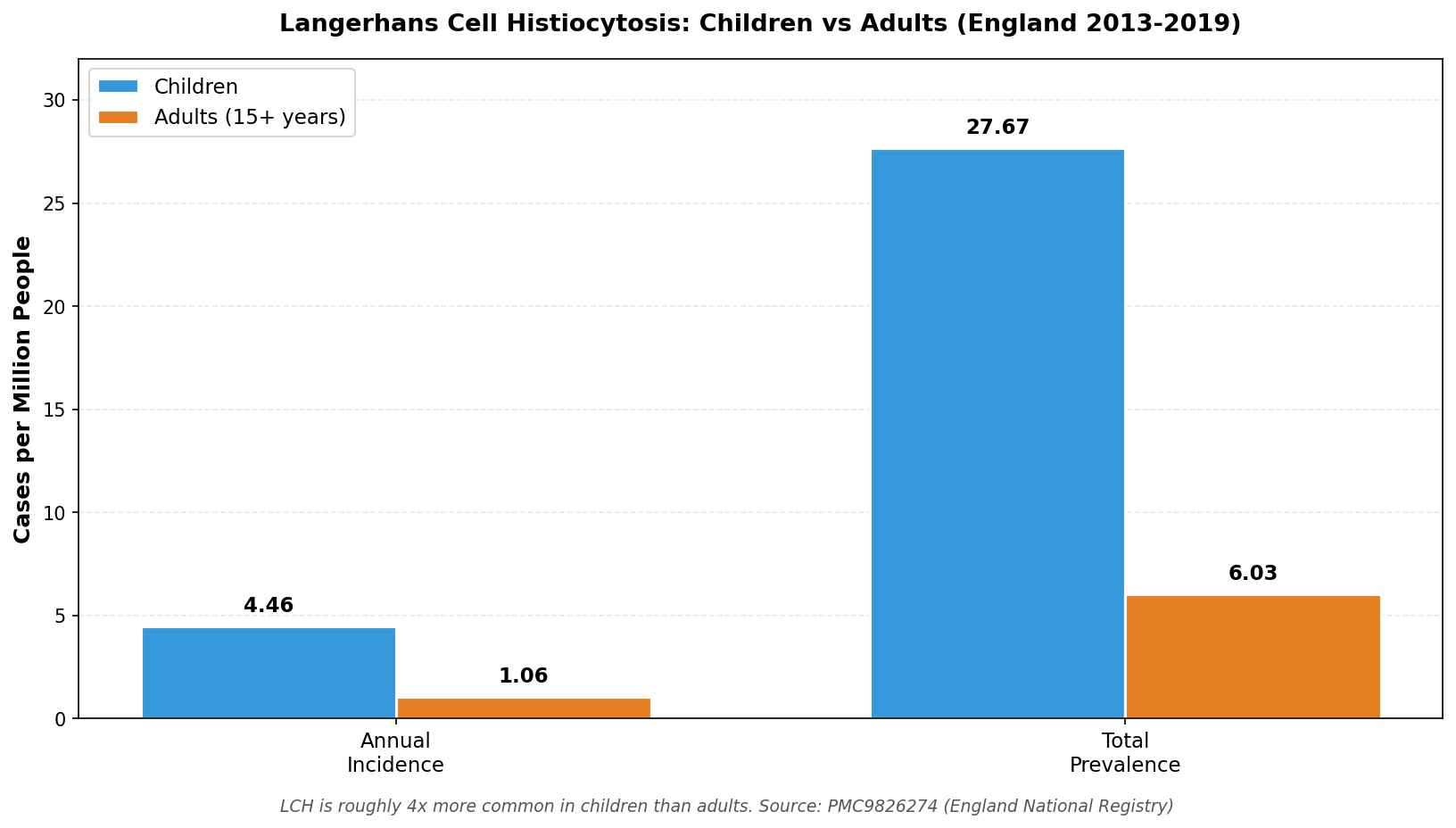 Figure 1: LCH is roughly four times more common in children than adults; childhood prevalence reaches 27.67 per million. Data from the England National Registry (2013-2019).
Because these diseases are so uncommon, many patients face long diagnostic delays. Most family doctors will go their entire career without seeing a case.
Why Inflammatory Mediators Matter
Here is the central insight that has reshaped histiocytosis medicine: the cytokines are not just a side effect of the disease; they are a major cause of the damage. The abnormal cells themselves form lesions, but it is the chemical messengers they release that drive fever, bone destruction, organ failure, and the rest of the patient's suffering.
Think of it this way. If histiocytes are like firefighters that turned into arsonists, cytokines are the gasoline they keep throwing on the flames.
The "Stuck Accelerator" Mutation
In about half of LCH and ECD cases, a single DNA typo called BRAF V600E permanently switches on a cellular pathway called MAPK (short for mitogen-activated protein kinase). Picture a car's accelerator pedal jammed to the floor. The cells can never slow down: they multiply and pump out inflammatory chemicals nonstop.
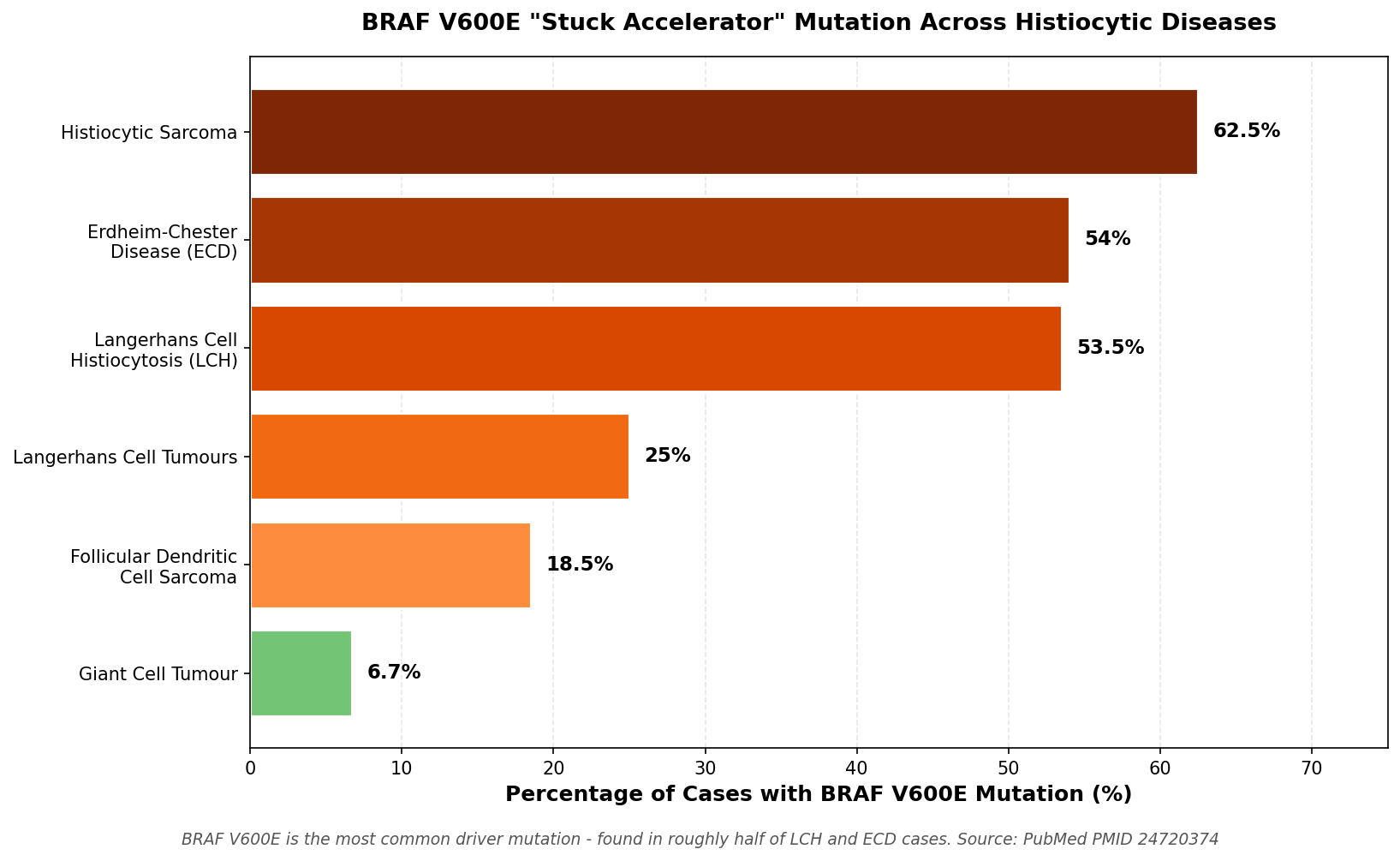 Figure 2: The BRAF V600E mutation appears in roughly half of LCH and ECD cases, and in over 60% of histiocytic sarcoma. Data from PubMed-indexed pathology studies.
In patients without the BRAF mutation, a related mutation in a gene called MAP2K1 usually drives the same overactive pathway. The clinical bottom line: nearly every patient has a "stuck accelerator" that can potentially be targeted with medication.
The Key Inflammatory Chemicals
Once the MAPK pathway is jammed on, mutated cells release a cocktail of inflammatory mediators. Some of the most important include:
- Tumour Necrosis Factor-alpha (TNF-α): Found in 100% of LCH tissue samples in early studies. Drives fever, tissue damage, and recruits more immune cells to the area
- Interleukin-6 (IL-6): Causes systemic inflammation, fever, and the "acute phase response" that makes patients feel ill. Central to bone remodelling in Erdheim-Chester disease
- Interleukin-1 (IL-1α and IL-1β): An "IL-1 activation loop" is thought to keep LCH lesions self-perpetuating
- Interferon-gamma (IFN-γ): The dominant cytokine in HLH; suppresses normal blood-cell production and causes the low blood counts that make HLH so dangerous
- RANKL: Activates bone-eating cells (osteoclasts) and explains the bone destruction seen in many patients
- Chemokines (CXCL10, CCL2, CCL4, CXCL8): Act like inflammatory dog-whistles, recruiting more immune cells to amplify the damage
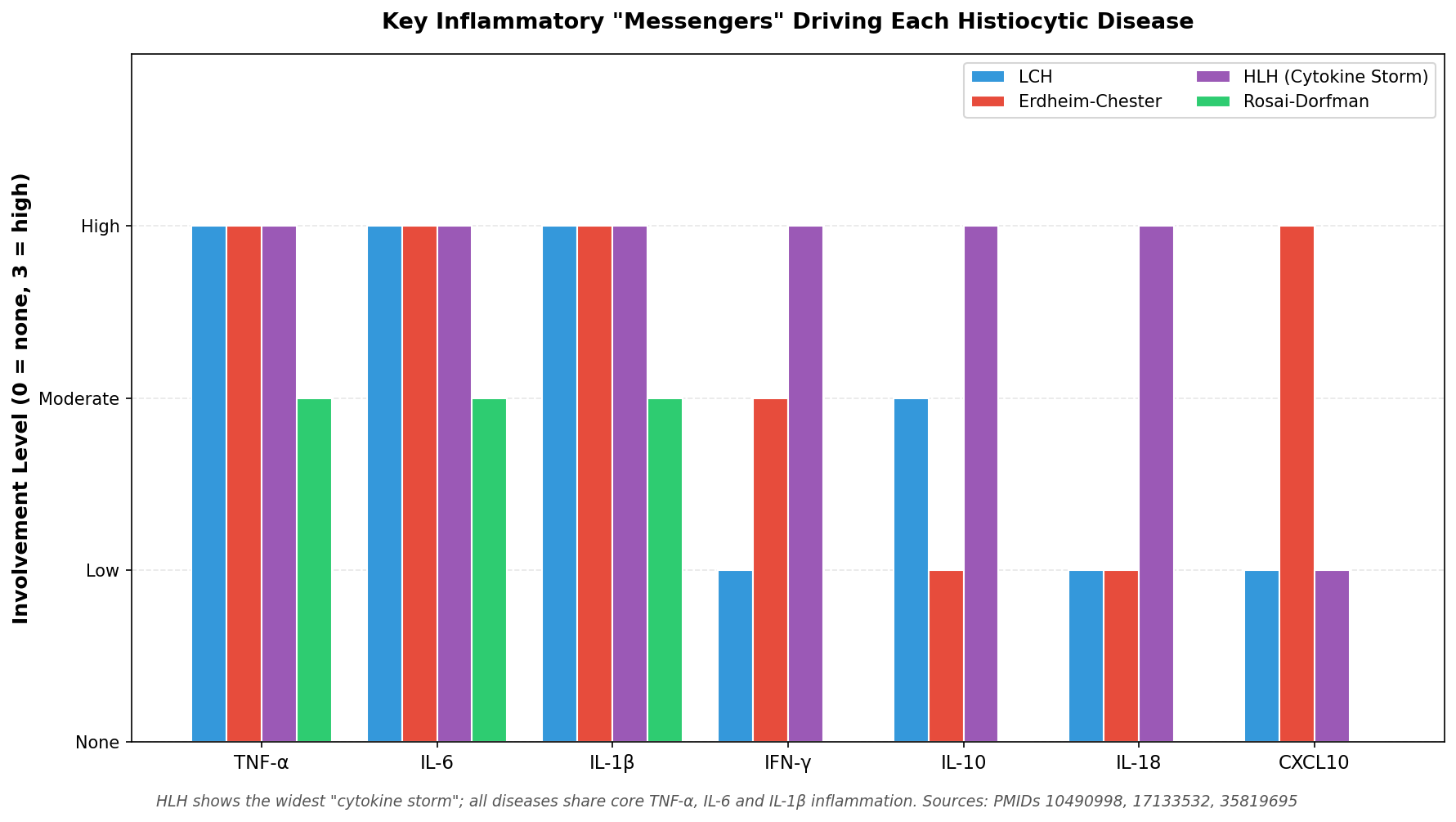 Figure 3: HLH shows the broadest and most intense "cytokine storm". TNF-α, IL-6 and IL-1β are central to all four major disease types. Data from PubMed-indexed cytokine analyses.
Disease Progression: Step by Step
Researchers now have a coherent picture of how histiocytosis progresses:
- The genetic trigger. A somatic mutation (usually BRAF V600E) occurs in an early immune cell
- Cell behaviour changes. In Erdheim-Chester disease, mutated cells enter a state called oncogene-induced senescence: they stop dividing normally but begin pouring out massive amounts of inflammatory chemicals
- The cytokine cascade. TNF-α, IL-1β, IL-6 and chemokines recruit more macrophages, T cells (including pro-inflammatory Th17 cells) and eosinophils
- Tissue damage. Bones erode via RANKL-driven osteoclast activation, liver and spleen swell, bone marrow fails to produce healthy blood, and pituitary infiltration causes hormone problems
- A self-feeding loop. Patients produce more TNF-α in response to IL-6, creating a positive feedback cycle that drives progressive disease
What Patients Actually Experience
Symptoms depend heavily on which organs are involved, which is why histiocytosis can mimic so many other conditions and is so often missed.
Langerhans Cell Histiocytosis (LCH)
Most adults with LCH have bone disease (80%), often presenting as persistent bone pain or swelling, especially in the skull, long bones or spine. Skin lesions affect about a third of adults: scaly papules, vesicles or nodules that can look like severe seborrhoeic dermatitis. About a quarter develop pituitary involvement, with diabetes insipidus (extreme thirst and excessive urination) appearing in up to 30% of cases. LCH is actually the most common cause of an isolated thickened pituitary stalk on MRI.
Lung disease is particularly tied to smoking in adults. The good news: quitting smoking alone can produce complete remission in pulmonary LCH, with 10-year survival above 90% for those who stop.
About 10 to 25% of patients develop nervous-system involvement, sometimes years after the initial diagnosis. This can produce gait problems, tremor or cognitive decline.
Erdheim-Chester Disease (ECD)
ECD typically strikes adults in their 50s to 70s. Almost every patient (96%) has bone involvement, especially long-bone pain in the legs. Many develop yellow fatty deposits around the eyes (xanthelasma), bulging eyes (exophthalmos), interstitial lung disease, or cardiovascular complications such as pericardial fluid (24% of patients) and an inflamed "coated aorta". On a CT scan, ECD often produces a characteristic "hairy kidneys" appearance from fibrous tissue building up around the kidneys.
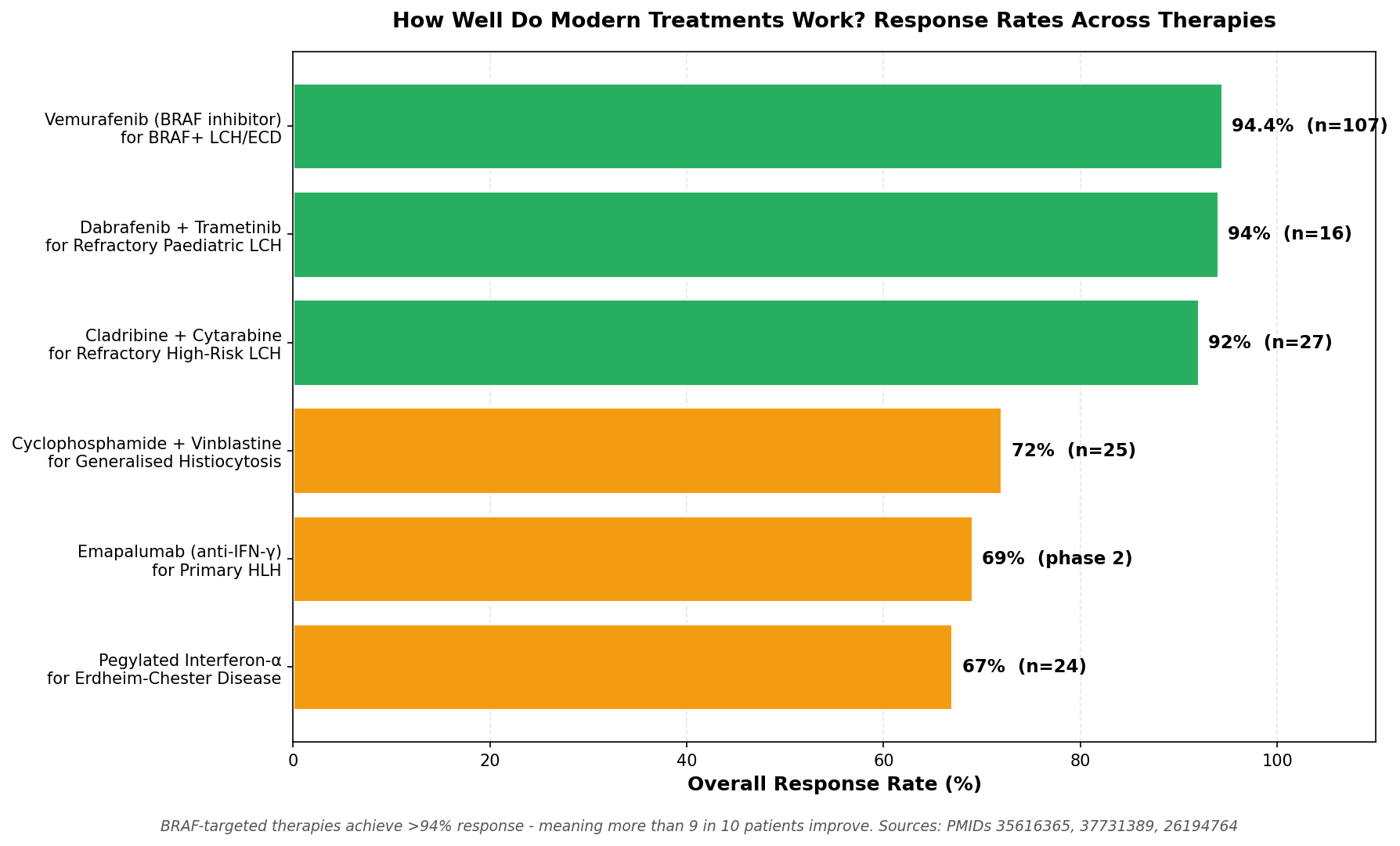 Figure 4: Bones are universally affected in ECD (96%) and dominant in adult LCH (80%). ECD uniquely shows high cardiovascular involvement. Data from PubMed-indexed clinical reviews.
Haemophagocytic Lymphohistiocytosis (HLH)
HLH is the medical emergency of the histiocytosis family. Patients develop persistent high fever, a massively enlarged spleen, very low blood counts in multiple cell lines, sky-high ferritin levels (often above 10,000 ng/mL), and signs of liver dysfunction. It can be primary (genetic) or secondary (triggered by infections like Epstein-Barr virus, malignancy or autoimmune flare-ups). Without urgent treatment, it can be fatal.
The "cytokine storm" in HLH is dramatic: IL-1β, IL-6, IL-18, IFN-γ and TNF-α all surge at once. Macrophages literally start eating other blood cells, a phenomenon called haemophagocytosis.
Rosai-Dorfman Disease (RDD)
RDD usually presents as painless but massive swelling of the neck lymph nodes, often accompanied by fever, night sweats and weight loss. About 43% of patients have disease in places other than lymph nodes (skin, bone, brain, kidney). Compared with LCH and ECD, RDD tends to be more indolent, but extranodal or central nervous system involvement can be serious.
How Doctors Diagnose and Predict Outcomes
Diagnosis usually starts with a biopsy of an affected lesion. Pathologists examine the cells under the microscope and run molecular testing for BRAF V600E and other MAPK mutations. Blood tests, imaging (CT, MRI, PET scans) and bone marrow examinations help map how widely the disease has spread.
For HLH specifically, doctors look for five out of eight criteria: fever, splenomegaly, cytopenias in at least two cell lines, high triglycerides or low fibrinogen, ferritin ≥500 ng/mL, elevated soluble IL-2 receptor, decreased NK-cell activity, or visible haemophagocytosis on biopsy.
Why Prognosis Varies So Much
The single biggest predictor of outcome is which organs are involved.
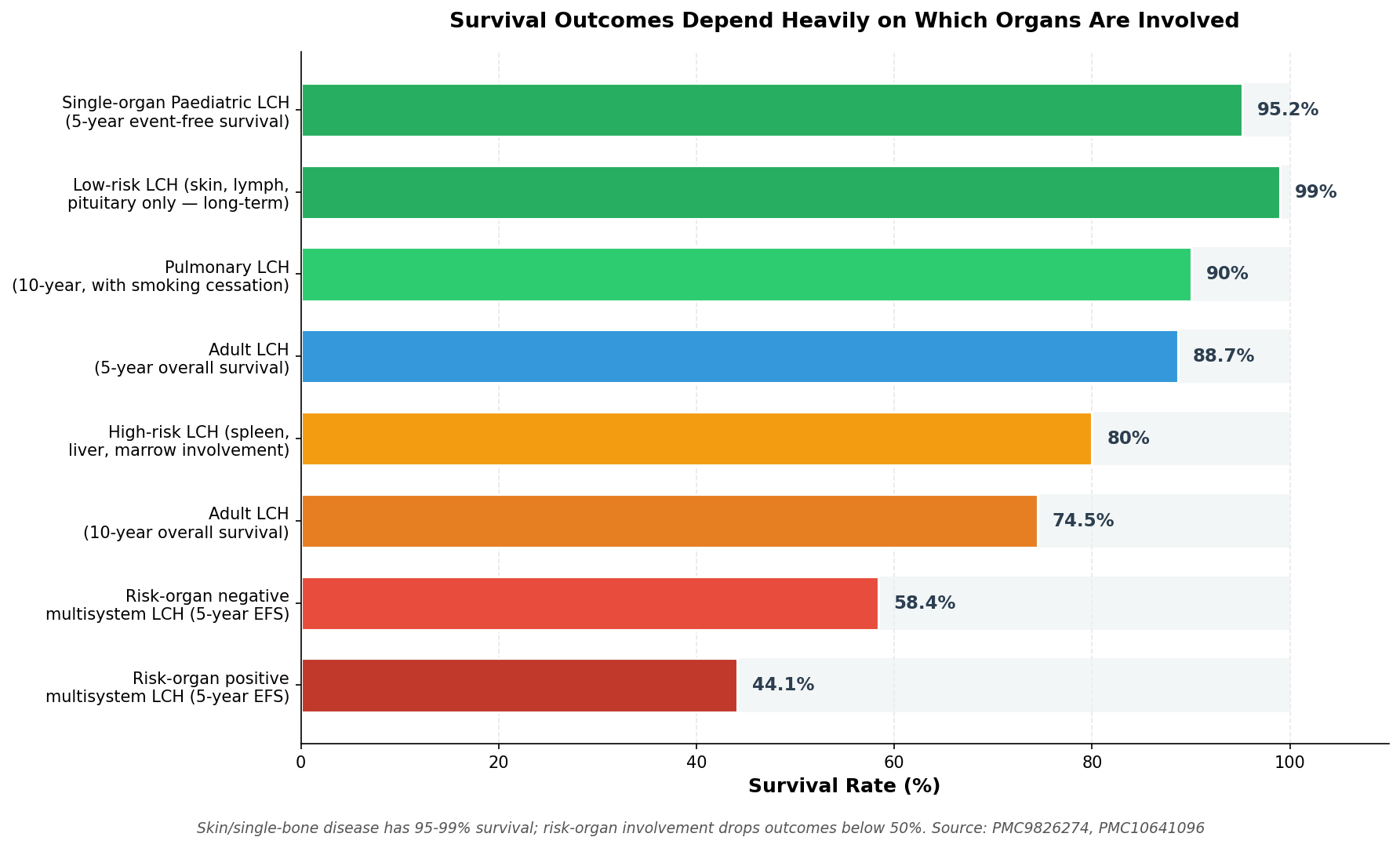 Figure 5: Five-year and long-term survival rates range from 99% in low-risk LCH to 44.1% in risk-organ-positive multisystem disease. Data from PubMed-indexed cohort studies and the England National Registry.
In the LCH world, the liver, spleen and bone marrow are designated "risk organs". When they are affected:
- Single-system childhood LCH has 95.2% 5-year event-free survival
- Low-risk LCH (skin, lymph nodes, pituitary only) has up to 99% long-term survival
- Risk-organ-positive multisystem LCH drops to 44.1% 5-year event-free survival
- The hazard ratio for overall survival with risk-organ involvement is 10.8, meaning roughly an 11-fold higher death risk
Adult LCH has a 5-year overall survival of 88.7% and 10-year survival of 74.5%, with most patients living productively for many years after diagnosis. Adults face an elevated risk of second cancers, so long-term monitoring is essential.
Researchers are also developing prognostic blood biomarkers using cytokines like IL-6 and IL-10, the Th1/Th2 ratio, and inflammation indices derived from routine blood counts. These can stratify patients into low, intermediate and high-risk groups with very different expected courses.
How Treatment Has Been Transformed
Before 2010, doctors had little idea what drove most histiocytosis cases, so they relied on broad chemotherapy with mixed results. The discovery of BRAF V600E changed everything.
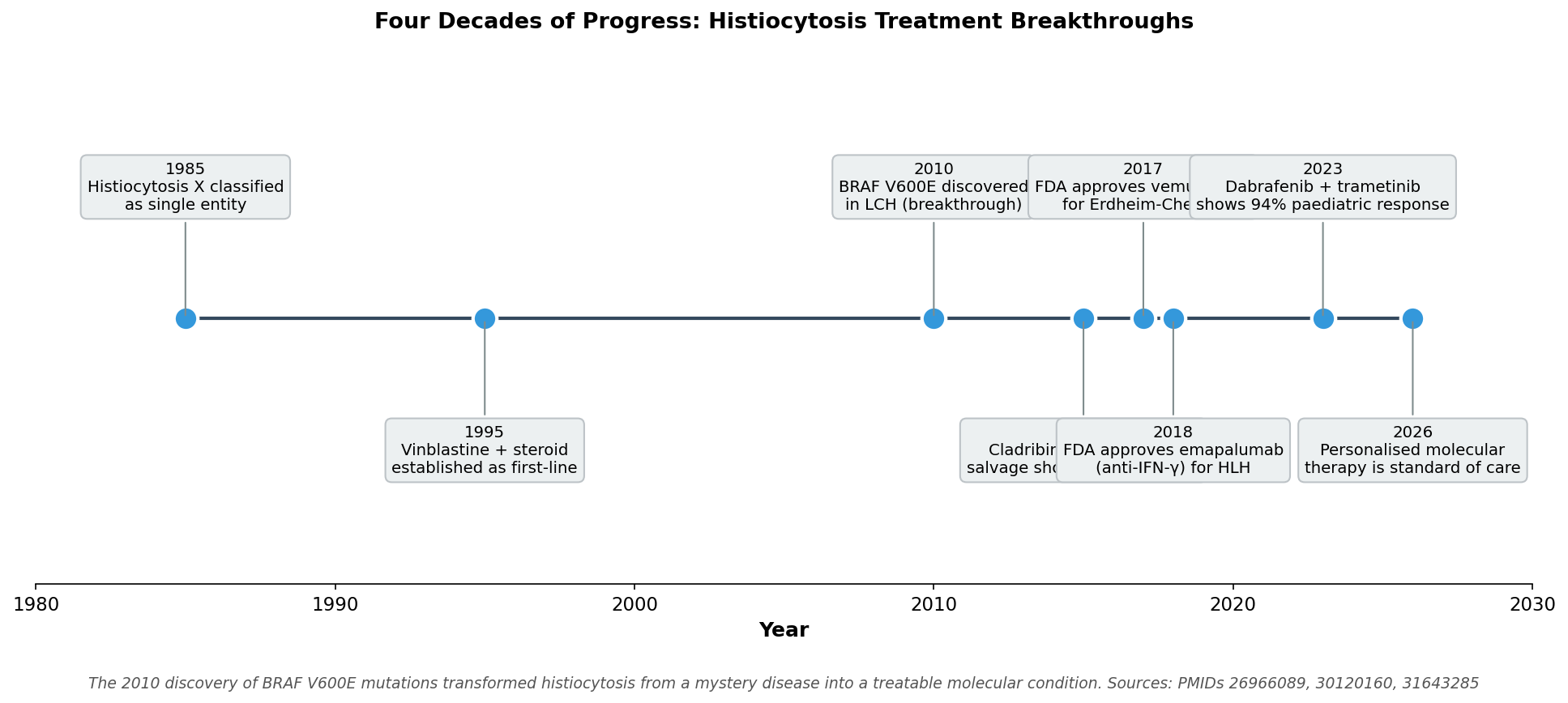 Figure 6: Key milestones in histiocytosis treatment from 1985 to 2026. The 2010 discovery of BRAF V600E was the turning point. Data from PubMed-indexed reviews and FDA approval records.
Classical Chemotherapy: Still the Backbone
For many patients, treatment still starts with traditional chemotherapy:
- Vinblastine plus prednisone (a steroid) remains the standard first-line therapy for adult LCH and is effective except in cases with significant lung disease
- Cladribine plus cytarabine is a powerful salvage regimen for refractory, high-risk LCH, with a 92% overall response rate in a 27-patient phase 2 study. The trade-off is roughly 15% treatment-related mortality at high doses
Targeted Therapy: The Game Changer
If a patient's disease carries the BRAF V600E mutation, oral targeted pills can be remarkably effective:
- Vemurafenib (a BRAF inhibitor) produced a 94.4% overall response rate in a pooled analysis of 107 patients, with the median time to first noticeable improvement being just one week. The U.S. FDA approved it for Erdheim-Chester disease in November 2017, making it the first ever approved therapy for ECD
- Dabrafenib combined with trametinib (a MEK inhibitor) produced sustained responses in 15 of 16 (94%) children with chemotherapy-refractory LCH over a median of 4.3 years
- MEK inhibitors like trametinib and cobimetinib work for patients whose disease is driven by MAP2K1 or other non-BRAF MAPK mutations, expanding targeted therapy to nearly all patients
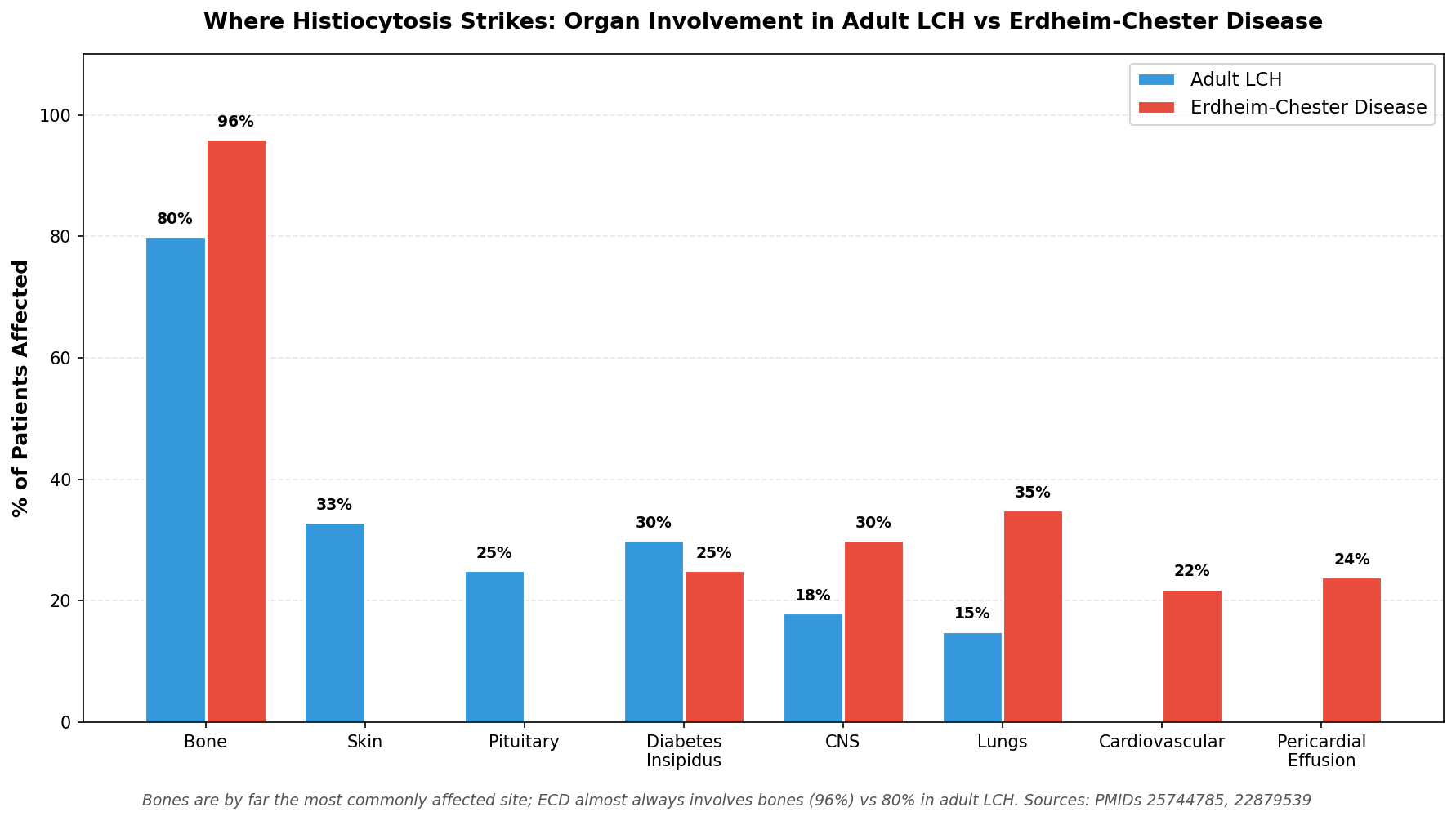 Figure 7: BRAF-targeted therapies achieve 94%+ response rates, the highest in histiocytosis treatment history. Data from PubMed-indexed clinical trials and case series.
There is a catch: about 77% of patients relapse if they stop their targeted pill. Most need to take the medication indefinitely. Researchers are actively testing whether combining targeted drugs with chemotherapy might produce a true cure so patients can eventually stop treatment.
Cytokine-Blocking Drugs
Some of the newest treatments target the inflammatory chemicals directly:
- Emapalumab is a monoclonal antibody that neutralises interferon-gamma, the central cytokine in HLH. The FDA approved it in November 2018 for patients with primary HLH whose disease has not responded to standard therapy. About 69% of patients respond, and most can then proceed to potentially curative stem cell transplantation
- Ruxolitinib, an oral JAK1/2 inhibitor, simultaneously dampens the signalling of multiple inflammatory cytokines. It has shown promise in secondary HLH as a less toxic alternative to chemotherapy
- Tocilizumab, an IL-6 receptor blocker, has been used in multisystem Erdheim-Chester disease
Other Important Options
- Pegylated interferon-alpha remains a valuable treatment for Erdheim-Chester disease, with 67% of patients benefiting in a 24-patient study. It is an independent predictor of better survival, especially when the central nervous system is not involved
- Sirolimus (an mTOR inhibitor) has produced complete remissions in refractory Rosai-Dorfman disease, even after multiple prior treatments failed
- Smoking cessation alone can produce complete remission in adult pulmonary LCH; for that subset of patients, no drug is more important than quitting tobacco
Current Research and Future Directions
The field is moving quickly. Several research themes are likely to shape care over the next decade:
Combination therapy for a cure. Most patients on BRAF inhibitors need to keep taking them indefinitely. Trials are now testing whether combining BRAF inhibitors with traditional chemotherapy can eradicate the abnormal cell clone, potentially curing the disease.
New blood biomarkers. Neurofilament light protein in cerebrospinal fluid is emerging as a marker for the neurodegenerative form of LCH. Routine blood-based inflammation indices and cytokine panels are increasingly used to predict relapse and guide therapy intensity.
Better understanding of "trained immunity". Research suggests that in Erdheim-Chester disease, monocytes and macrophages become hyper-responsive to stimuli, a form of maladaptive immune memory. Understanding this could open entirely new treatment avenues.
Expanding access. Many of the newest targeted drugs remain expensive and unavailable in some regions. Health systems and patient advocacy organisations are working to ensure that targeted therapy is offered routinely after molecular testing, regardless of where a patient lives.
Long-term effects. As more patients live for decades after diagnosis, attention is shifting to managing secondary cancers, late-onset neurodegeneration, fertility, and quality of life. Survivorship clinics for histiocytosis are slowly becoming more available.
The Bigger Picture
For families navigating a new diagnosis, the headlines are mostly encouraging. Most childhood LCH limited to a single organ is curable. Adult LCH usually allows many years of good-quality life. Erdheim-Chester disease, once a slow-motion catastrophe, now has FDA-approved targeted therapy. And HLH, the most dangerous form, has gained its first precision-targeted drug.
Three things are worth holding onto:
- Get molecular testing. A biopsy that includes BRAF and MAPK mutation analysis is essential for modern care. The result determines whether targeted therapy is an option
- Understand your risk category. Single-organ disease behaves very differently from risk-organ-positive multisystem disease. Ask your specialist where you sit on the risk spectrum
- Plan for the long term. Targeted drugs often need to be continued indefinitely, and late effects such as neurodegeneration or secondary cancers can appear years after the initial diagnosis. A specialist centre and long-term follow-up matter
A condition that was once labelled "histiocytosis X" because no one knew what caused it now has a coherent biological explanation, a defined molecular driver, multiple effective treatments, and an active research community pushing towards an outright cure. That is a remarkable transformation in a single generation.
Further Reading
Understanding the Disease
- Langerhans Cell Histiocytosis Treatment (PDQ) - Patient Version
- Langerhans Cell Histiocytosis - StatPearls
- Hemophagocytic Lymphohistiocytosis - StatPearls
- Revised classification of histiocytoses (Histiocyte Society, 2016)
Molecular Drivers and the BRAF Mutation
- BRAF V600E mutations in histiocytic and dendritic neoplasms
- MAP2K1 mutations in BRAF-negative LCH
- MAPK/ERK signal pathway alterations in LCH
- Comprehensive molecular survey of histiocytosis mutations
Cytokines and Inflammation
- Inflammatory cytokines IL-1, IL-6 and TNF in LCH
- Erdheim-Chester disease cytokine and chemokine network
- Trained immunity in Erdheim-Chester disease
- Increased TNF-alpha production in response to IL-6
Treatment Options
- Vemurafenib in BRAF V600E histiocytosis: systematic review and meta-analysis
- Dabrafenib and trametinib in refractory paediatric LCH
- Cladribine and cytarabine in refractory risk-organ-positive LCH
- Emapalumab approval and use in primary HLH
- Ruxolitinib for the cytokine storm of HLH
- Pegylated interferon-alpha in Erdheim-Chester disease
Prognosis and Survival
- National LCH registry data from England (2013-2019)
- Long-term outcomes in adult LCH
- Risk model in paediatric LCH using BRAF, MAP2K1 and blood counts
Patient Resources
- Cleveland Clinic - Langerhans Cell Histiocytosis Treatment
- Great Ormond Street Hospital - LCH information
- UCLH Rare Blood Disease Services - Histiocytic Disorders Care
References/Helpful Resources
- Goyal G, Heaney ML, Collin M, et al. Erdheim-Chester disease: consensus recommendations for evaluation, diagnosis, and treatment in the molecular era. Blood. 2020;135(22):1929-1945. Available from: https://pubmed.ncbi.nlm.nih.gov/
- Emile JF, Abla O, Fraitag S, et al. Revised classification of histiocytoses and neoplasms of the macrophage-dendritic cell lineages. Blood. 2016;127(22):2672-2681. Available from: https://pubmed.ncbi.nlm.nih.gov/26966089/
- de Margerie-Mellon C, Gerin M, Pacanowski J, et al. Presence of cytokines in Langerhans cell histiocytosis. Histopathology. 1997;30(2):150-156. Available from: https://pubmed.ncbi.nlm.nih.gov/9014861/
- Egeler RM, Favara BE, van Meurs M, Laman JD, Claassen E. Differential in situ cytokine profiles of Langerhans-like cells and T cells in Langerhans cell histiocytosis. Blood. 1999;94(12):4195-4201. Available from: https://pubmed.ncbi.nlm.nih.gov/10490998/
- Stoecker MM, Wang E. Histiocytic/dendritic cell neoplasms with the BRAF V600E mutation. Histopathology. 2014;65(2):261-272. Available from: https://pubmed.ncbi.nlm.nih.gov/24720374/
- Chakraborty R, Hampton OA, Shen X, et al. Mutually exclusive recurrent somatic mutations in MAP2K1 and BRAF support a central role for ERK activation in LCH pathogenesis. Blood. 2014;124(19):3007-3015. Available from: https://pubmed.ncbi.nlm.nih.gov/24982505/
- Gulati N, Allen CE. Langerhans cell histiocytosis: version 2021. Hematol Oncol. 2021;39 Suppl 1:15-23. Available from: https://pubmed.ncbi.nlm.nih.gov/
- Stoppacciaro A, Ferrarini M, Salmaggi C, et al. Immunohistochemical evidence of a cytokine and chemokine network in three patients with Erdheim-Chester disease. Arthritis Rheum. 2006;54(12):4018-4022. Available from: https://pubmed.ncbi.nlm.nih.gov/17133532/
- Cavalli G, Biavasco R, Borgiani B, Dagna L. Oncogene-induced senescence as a new mechanism of disease: the paradigm of Erdheim-Chester disease. Front Immunol. 2014;5:281. Available from: https://pubmed.ncbi.nlm.nih.gov/24982657/
- Diamond EL, Subbiah V, Lockhart AC, et al. Vemurafenib for BRAF V600-mutant Erdheim-Chester disease and Langerhans cell histiocytosis: analysis of data from the histology-independent, phase 2, open-label VE-BASKET study. JAMA Oncol. 2018;4(3):384-388. Available from: https://pubmed.ncbi.nlm.nih.gov/30120160/
- Donadieu J, Larabi IA, Tardieu M, et al. Vemurafenib for refractory multisystem Langerhans cell histiocytosis in children: an international observational study. J Clin Oncol. 2019;37(31):2857-2865. Available from: https://pubmed.ncbi.nlm.nih.gov/31513482/
- Eckstein OS, Visser J, Rodriguez-Galindo C, Allen CE. Clinical responses and persistent BRAF V600E+ blood cells in children with LCH treated with MAPK pathway inhibition. Blood. 2019;133(15):1691-1694. Available from: https://pubmed.ncbi.nlm.nih.gov/
- Donadieu J, Bernard F, van Noesel M, et al. Cladribine and cytarabine in refractory multisystem Langerhans cell histiocytosis: results of an international phase 2 study. Blood. 2015;126(12):1415-1423. Available from: https://pubmed.ncbi.nlm.nih.gov/26194764/
- Vassallo R, Harari S, Tazi A. Current understanding and management of pulmonary Langerhans cell histiocytosis. Thorax. 2017;72(10):937-945. Available from: https://pubmed.ncbi.nlm.nih.gov/37410483/
- Yousem SA. Pulmonary Langerhans cell histiocytosis update. Respir Med. 2020;172:106120. Available from: https://pubmed.ncbi.nlm.nih.gov/32279297/
- Locatelli F, Jordan MB, Allen C, et al. Emapalumab in children with primary hemophagocytic lymphohistiocytosis. N Engl J Med. 2020;382(19):1811-1822. Available from: https://pubmed.ncbi.nlm.nih.gov/31643285/
- Al-Salama ZT. Emapalumab: first global approval. Drugs. 2019;79(1):99-103. Available from: https://pubmed.ncbi.nlm.nih.gov/
- Wang J, Wang Y, Wu L, et al. Ruxolitinib for refractory/relapsed hemophagocytic lymphohistiocytosis. Haematologica. 2020;105(5):e210-e212. Available from: https://pubmed.ncbi.nlm.nih.gov/33664745/
- Arnaud L, Hervier B, Néel A, et al. CNS involvement and treatment with interferon-alpha are independent prognostic factors in Erdheim-Chester disease: a multicenter survival analysis of 53 patients. Blood. 2011;117(10):2778-2782. Available from: https://pubmed.ncbi.nlm.nih.gov/21239701/
- Hervier B, Arnaud L, Charlotte F, et al. Treatment of Erdheim-Chester disease with long-term high-dose interferon-alpha. Semin Arthritis Rheum. 2012;41(6):907-913. Available from: https://pubmed.ncbi.nlm.nih.gov/22300602/
- Goyal G, Tazi A, Go RS, et al. International expert consensus recommendations for the diagnosis and treatment of Langerhans cell histiocytosis in adults. Blood. 2022;139(17):2601-2621. Available from: https://pubmed.ncbi.nlm.nih.gov/35869015/
- Allen CE, Ladisch S, McClain KL. How I treat Langerhans cell histiocytosis. Blood. 2015;126(1):26-35. Available from: https://www.ncbi.nlm.nih.gov/pmc/articles/PMC6272080/
- Salotti JA, Nanduri V, Pearce MS, et al. Incidence and clinical features of Langerhans cell histiocytosis in the UK and Ireland. Arch Dis Child. 2009;94(5):376-380. Available from: https://www.ncbi.nlm.nih.gov/pmc/articles/PMC9826274/
- Cao XX, Duan MH, Zhao AL, et al. Treatment outcomes and prognostic factors of patients with adult Langerhans cell histiocytosis. Am J Hematol. 2023;98(11):1721-1730. Available from: https://www.ncbi.nlm.nih.gov/pmc/articles/PMC10641096/
- National Cancer Institute. Langerhans Cell Histiocytosis Treatment (PDQ) - Health Professional Version [Internet]. Bethesda (MD): NCI; [cited 2026 Jun 30]. Available from: https://www.cancer.gov/types/langerhans/hp/langerhans-treatment-pdq
- National Cancer Institute. Langerhans Cell Histiocytosis Treatment (PDQ) - Patient Version [Internet]. Bethesda (MD): NCI; [cited 2026 Jun 30]. Available from: https://www.cancer.gov/types/langerhans/patient/langerhans-treatment-pdq
- Konkol S, Rai M. Lymphohistiocytosis [Internet]. In: StatPearls. Treasure Island (FL): StatPearls Publishing; [cited 2026 Jun 30]. Available from: https://www.ncbi.nlm.nih.gov/books/NBK557776/
- Khan AN, Khan SA, Al-Mufarrej F, Cogbill TH. Langerhans Cell Histiocytosis [Internet]. In: StatPearls. Treasure Island (FL): StatPearls Publishing; [cited 2026 Jun 30]. Available from: https://www.ncbi.nlm.nih.gov/books/NBK430885/
- Cleveland Clinic. Langerhans Cell Histiocytosis [Internet]. [cited 2026 Jun 30]. Available from: https://my.clevelandclinic.org/health/diseases/
- Great Ormond Street Hospital. Langerhans Cell Histiocytosis [Internet]. London: GOSH NHS Foundation Trust; [cited 2026 Jun 30]. Available from: https://www.gosh.nhs.uk/
- University College London Hospitals. Rare Blood Disease Services - Histiocytic Disorders Care [Internet]. London: UCLH NHS Foundation Trust; [cited 2026 Jun 30]. Available from: https://www.uclh.nhs.uk/
