

Intermittent Fasting for Women: The Complete Guide to Making It Work for Your Body
You've probably heard the hype about intermittent fasting by now. Skip breakfast. Eat in an 8-hour window. Lose weight. But here's what nobody tells you: your body doesn't work the same way a man's does when it comes to fasting. Women's hormones respond differently. Your menstrual cycle matters. And the aggressive protocols all over social media might not be right for you.
This guide is written specifically for women who want to understand whether intermittent fasting makes sense for their lives. We'll go beyond the marketing and explore what the science actually shows: the real benefits, the genuine risks, and most importantly, how to do it safely if you decide it's right for you.
How Intermittent Fasting Actually Works in Your Body
Intermittent fasting (IF) is about timing: when you eat, not what you eat. Here's what happens physiologically.
When you stop eating, your body doesn't immediately switch to burning fat. It takes time. For the first 8-12 hours after your last meal, your body runs on glucose from that meal. Around hour 12, your glucose stores (called glycogen) start depleting. This is when something important happens: your metabolic switch activates. Your liver begins converting stored fat into molecules called ketones, which become your body's fuel instead of glucose.14
This metabolic switch is the foundation of how fasting affects weight loss. By fasting long enough to trigger it, you're genuinely accessing fat stores rather than just skipping meals.14
By hour 16-20 of fasting, most people are in ketosis: actively burning fat for fuel.14 This is why 16:8 (16 hours fasting, 8 hours eating) has become the most popular protocol. It's long enough to hit this metabolic sweet spot while remaining sustainable for most people.
The Hormonal Cascade During Fasting
As your body makes the metabolic switch, several hormonal changes happen:
Insulin drops. When you're not eating, insulin (the storage hormone) decreases significantly, often by 50% or more. Lower insulin means your body stores less fat and is more willing to burn what's already stored. It also improves something called insulin sensitivity, meaning your cells respond better to the hormone that controls blood sugar.7,21
Ketones rise. These aren't just fuel; they're signalling molecules that activate cellular pathways linked to longevity, cellular repair, and reduced inflammation.14
AMPK activates. Think of this as your body's cellular "fuel alarm." When energy runs low, AMPK turns on processes that improve fat burning and cellular cleanup.14
Cortisol can increase. Your body perceives fasting as mild stress, triggering cortisol release. But here's the good news for women: research shows women experience significantly less cortisol elevation than men during fasting. Your higher body fat percentage appears to buffer against stress hormone spikes.9
Different Fasting Protocols: Which One Fits Your Life
Not all intermittent fasting looks the same. Different protocols produce different results, require different commitment levels, and affect your hormones in different ways.
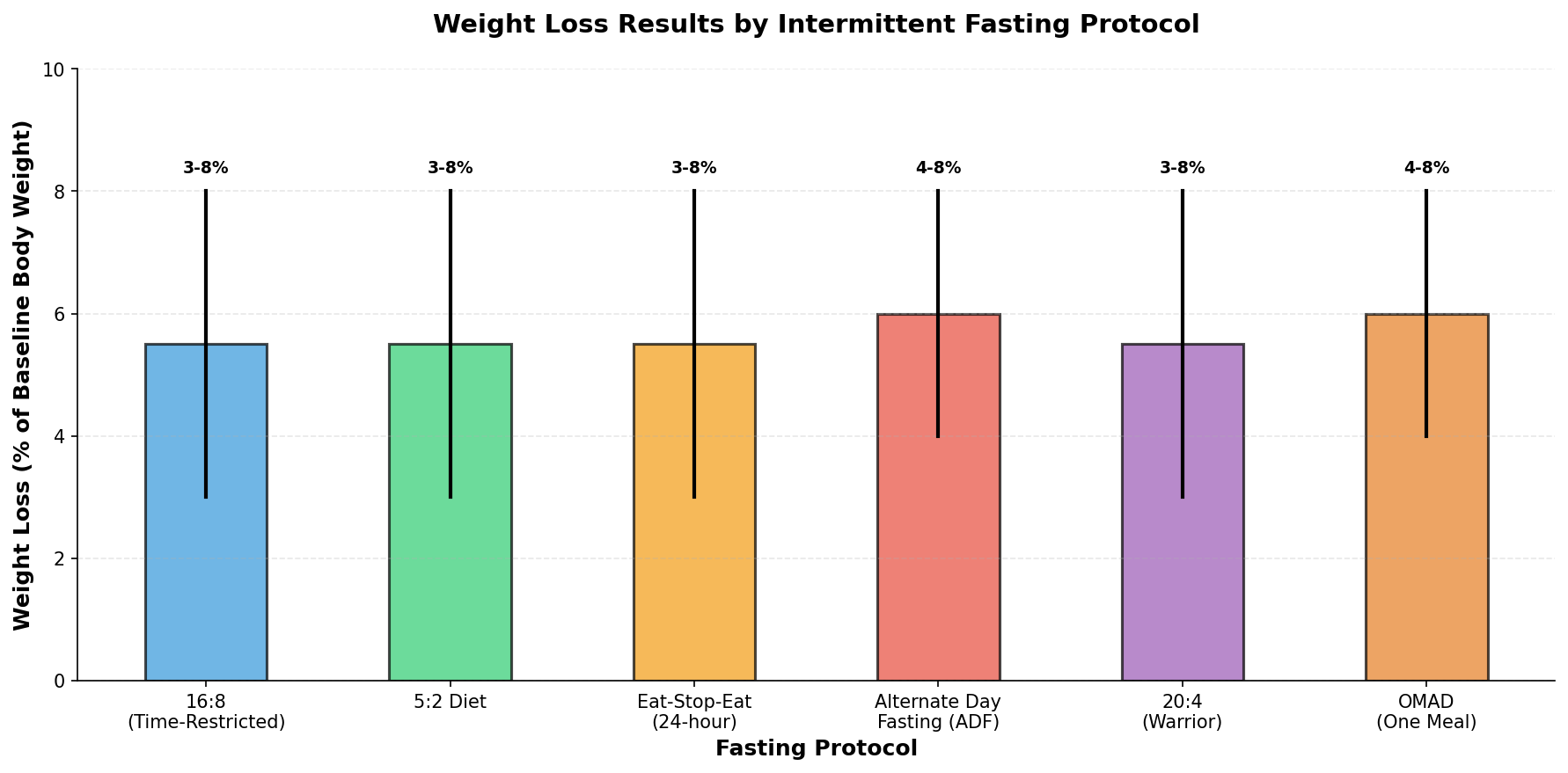 Figure 1: Average weight loss outcomes across different IF protocols over 8 weeks to 1 year. Time-restricted eating (16:8) offers good results with the highest adherence rates, while alternate-day fasting produces faster weight loss but has higher dropout rates.1
Time-Restricted Eating (16:8)
This is the most popular and most sustainable protocol. You fast for 16 hours and eat within an 8-hour window. Most commonly, people skip breakfast and eat between noon and 8 p.m.
What happens in your body: By hour 12, your metabolic switch begins. Hours 12-14 involve glycogen depletion. Hours 14-16, fat burning accelerates. During your 8-hour eating window, you eat normally; no calorie counting required.
Weight loss results: Average of 3-8% of baseline body weight over 4-8 weeks. For a 200-pound woman, that's 6-16 pounds.1,7
Why women choose it:
- Simple to follow (no calorie counting)
- Fits naturally into most lifestyles
- Only fasting during sleep and early morning
- Highest adherence rates (over 95% in studies)1
- Works long-term because it doesn't feel like deprivation
Practical example: You stop eating at 8 p.m., sleep, skip breakfast, grab a coffee at 10 a.m., and eat your first meal at noon. Lunch and dinner happen between noon and 8 p.m. You've just completed a 16:8 fast daily. Most women report not feeling like they're dieting at all.
The 5:2 Protocol
Eat normally for 5 days per week; restrict calories to 500 calories on 2 non-consecutive days. This appeals to people who prefer most days to feel unrestricted.13,21
Example week:
- Monday-Friday: Normal eating
- Wednesday: One small meal with 500 total calories
- Saturday: Normal eating
- Sunday: One small meal with 500 total calories
Weight loss results: Similar to 16:8 (3-8% weight loss). Some women find it easier to maintain because most days feel completely normal.
Advantages: Most days feel unrestricted. Easier to maintain social eating patterns. Don't count calories except on restricted days.
Challenges: The two restricted days require planning and willpower. Some women report stronger hunger on fasting days.
Eat-Stop-Eat Protocol
Complete 24-hour fasts once or twice weekly. Fast from dinner one day to dinner the next day.21
Example: You eat dinner at 7 p.m. on Monday. You skip all food on Tuesday (water, black coffee, unsweetened tea only). You eat dinner at 7 p.m. on Tuesday. That's one complete 24-hour fast.
Weight loss results: Similar to 5:2 (3-8% weight loss). May produce slightly faster results initially, but most evidence suggests it's equivalent long-term.
Why people choose it: Mathematically simple. Creates a clear fast/fed cycle. Easier to track than time-based fasting.
Challenges: The full 24-hour window without food can be mentally challenging. Requires mental discipline.
Alternate-Day Fasting (ADF)
Alternate between fasting days (500-600 calories or zero) and normal eating days every other day.12
Weight loss results: Faster than other protocols. Studies show 4-8% weight loss in 6-12 weeks. Some participants report 10-30 pounds in 8 weeks. However, ADF has a 38% dropout rate compared to 29% for standard calorie restriction, suggesting it's harder to sustain.
Why people choose it: Fastest weight loss results among IF protocols.
Why people struggle with it: Hunger on fasting days becomes harder to manage. Difficulty maintaining social eating patterns. Fatigue from alternating days.
More Aggressive Protocols (20:4, OMAD)
Some people practice 20:4 (Warrior Diet: 20-hour fast, 4-hour eating window) or OMAD (One Meal A Day: 23-hour fast, eating all calories in 1 hour).
Important caveat for women: These extreme protocols are not recommended without medical supervision, especially for women. Risks include nutrient deficiencies, muscle loss, hormonal disruption, and potential disordered eating patterns.19
Why Women's Bodies Respond Differently to Fasting
This is critical information that doesn't get discussed enough: women's bodies are more sensitive to energy restriction than men's bodies. This isn't weakness; it's evolution.
During hunter-gatherer times, when food was scarce, women's bodies needed to preserve fertility to ensure the survival of the group.16 This meant:
- Women's metabolisms slow down during fasting (as an energy conservation mechanism), whereas men's metabolisms speed up
- Women's reproductive hormones are protected during fasting, but can be disrupted by overly restrictive protocols
- Women show significantly less cortisol elevation than men during fasting
How Hormones Respond to Fasting
Estrogen and progesterone (your cycle hormones): Research shows these remain stable with moderate intermittent fasting (like 16:8) in most healthy women. With mild weight loss (3-4%), hormonal disruption is rare. However, very restrictive protocols or rapid weight loss can suppress these hormones, leading to missed periods.16
Thyroid hormones: This is where it gets interesting. When your body senses fasting, it downregulates thyroid hormones to conserve energy. T3 (triiodothyronine) can drop 6-55% within 24 hours of fasting, depending on the study. But here's the key: these changes are temporary and reversible. Your thyroid bounces back when you resume normal eating.5
Why does this matter for women? Thyroid problems are 10 times more common in women than in men. If you already have hypothyroidism, fasting may require monitoring.
DHEA (precursor hormone): Time-restricted eating causes approximately 14% decrease in DHEA in women. While this remains within normal ranges, it's worth monitoring if you're trying to conceive or managing low energy or mood issues.16
Menstrual Cycle Effects
The big question: will fasting disrupt your period?
For most women with moderate fasting protocols (14:10 to 16:8), the answer is no. Research shows that short-term fasting (even 72-hour fasts) doesn't disrupt menstrual cycles in healthy women. Your period typically continues normally.16
However, very aggressive protocols or restrictive calorie intake combined with high exercise intensity can cause menstrual disruption. The risk factors include:
- Very restrictive fasting (below 600-700 calories on fasting days)
- Prolonged fasting (longer than 15-20 days per month)
- Fasting combined with intense exercise
- Existing low body weight or low body fat percentage
- High baseline stress levels
If you notice your period becoming irregular or stopping after starting fasting, that's a red flag. Stop fasting and consult your doctor.
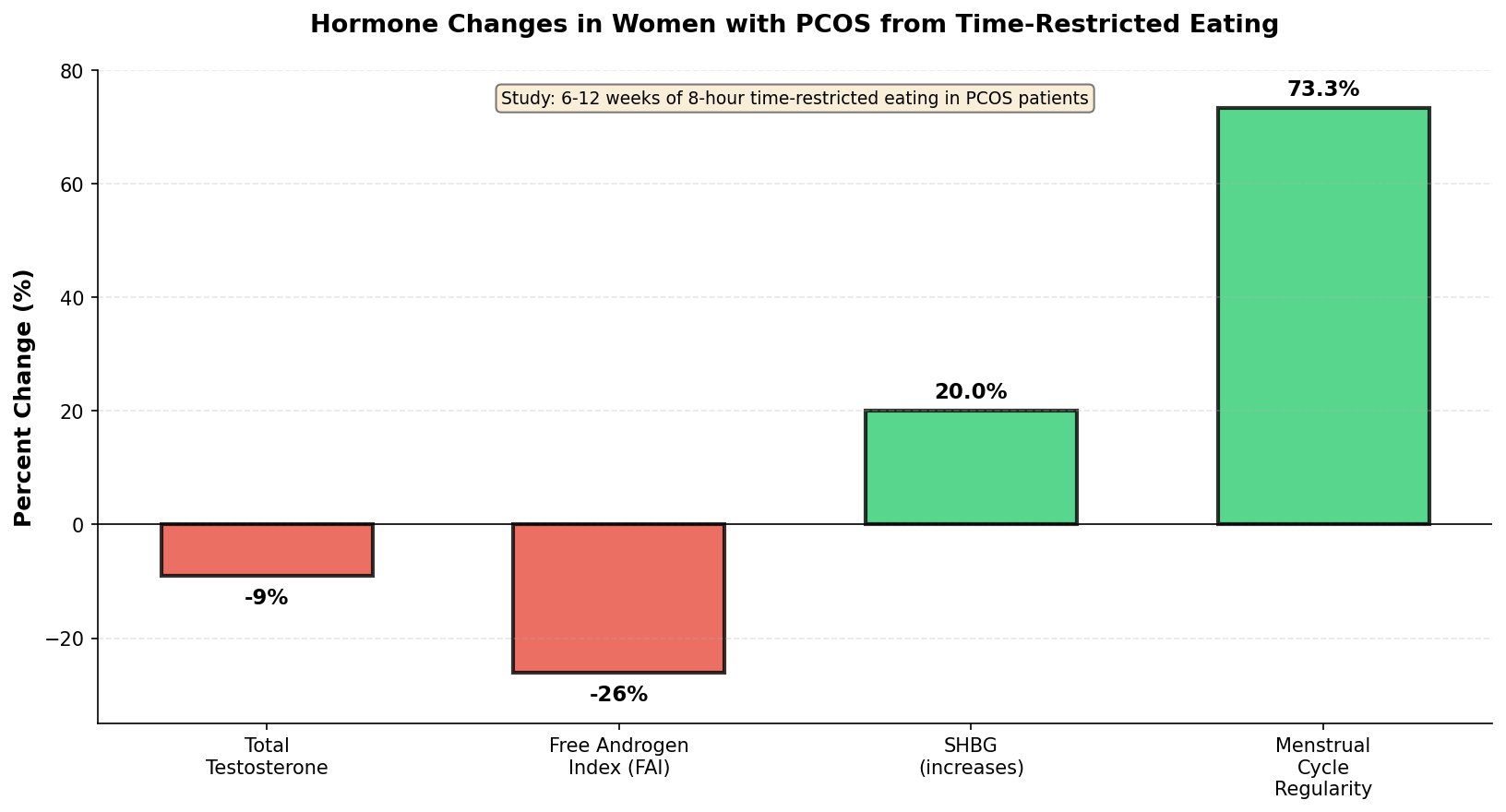 Figure 2: Risk of menstrual cycle disruption increases significantly with more restrictive protocols. Moderate protocols (12:12 to 16:8) show minimal disruption risk in healthy women, while aggressive protocols (20:4, OMAD) carry substantially higher risk.2
Health Benefits for Women: What Research Actually Shows
Weight Loss and Body Composition
Intermittent fasting works for weight loss. The average is 3-8% of body weight, which is equivalent to what most women achieve with traditional calorie restriction. For a 200-pound woman, that's 6-16 pounds over 4-8 weeks.7,21
This isn't dramatic compared to fad diet promises, but it's realistic, achievable, and sustainable: what actually matters for long-term health.
The mechanism is straightforward: fasting creates a calorie deficit by limiting eating opportunities. It's not metabolically "special"; you lose weight because you eat less, just as with any diet.17
Metabolic Health Improvements
Beyond weight loss, intermittent fasting produces measurable improvements in how your body handles energy:7,23
Blood sugar control: Fasting blood glucose decreases across all fasting protocols. This is important for preventing and managing type 2 diabetes.
Insulin levels and sensitivity: Insulin drops significantly during fasting, and your cells become more responsive to insulin (improved sensitivity). This is particularly valuable for women at risk of gestational diabetes or those with PCOS.
Cholesterol and lipids: Studies consistently show LDL cholesterol decreases and HDL cholesterol (the "good" kind) increases. Triglycerides also improve.
Blood pressure: Modest reductions in systolic blood pressure, particularly in overweight and obese populations.
Mental Clarity and Cognitive Function
Many people report feeling mentally sharper while fasting. Is this real?3
Research shows: IF does NOT impair thinking or focus. In fact, a 2024 Johns Hopkins study found that older adults with obesity who practised IF showed approximately 20% better executive function and memory compared to those on a standard healthy diet.10
However, the popular claim of dramatic "mental clarity" from fasting isn't strongly supported by research. What we do know: your brain functions well on ketones (the fuel produced during fasting), and you won't experience cognitive decline from fasting.
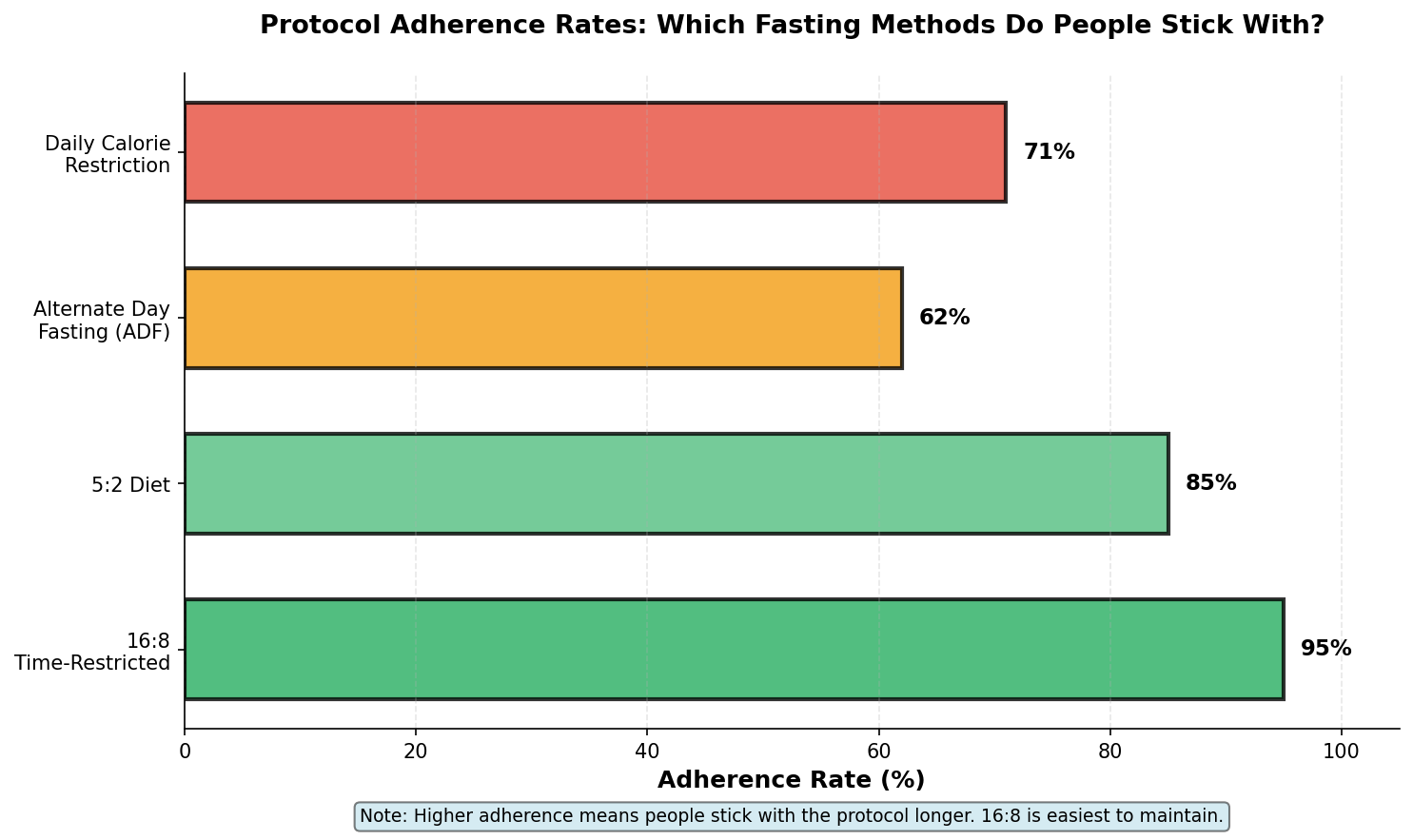 Figure 3: IF shows measurable improvements in executive function and memory in older adults, with no negative impact on mood or cognitive performance in younger populations.3
Specific Benefits for Women with PCOS
This is where intermittent fasting shines for women. Women with polycystic ovary syndrome (PCOS) often benefit dramatically from time-restricted eating.4,15
PCOS improvements with IF include:
- 33-40% of women report normalised menstrual cycles after 6-12 weeks of time-restricted eating
- 73% showed improved menstrual regularity in one study
- 9% reduction in total testosterone (addressing a core PCOS symptom)
- 26% reduction in free androgen index (the marker of excess androgens causing facial hair, hair loss, acne)
- 20% increase in SHBG (sex hormone-binding globulin, which improves how your body processes hormones)
The mechanism: PCOS is fundamentally an insulin problem. By improving insulin sensitivity through fasting, women see their hormonal imbalances correct.
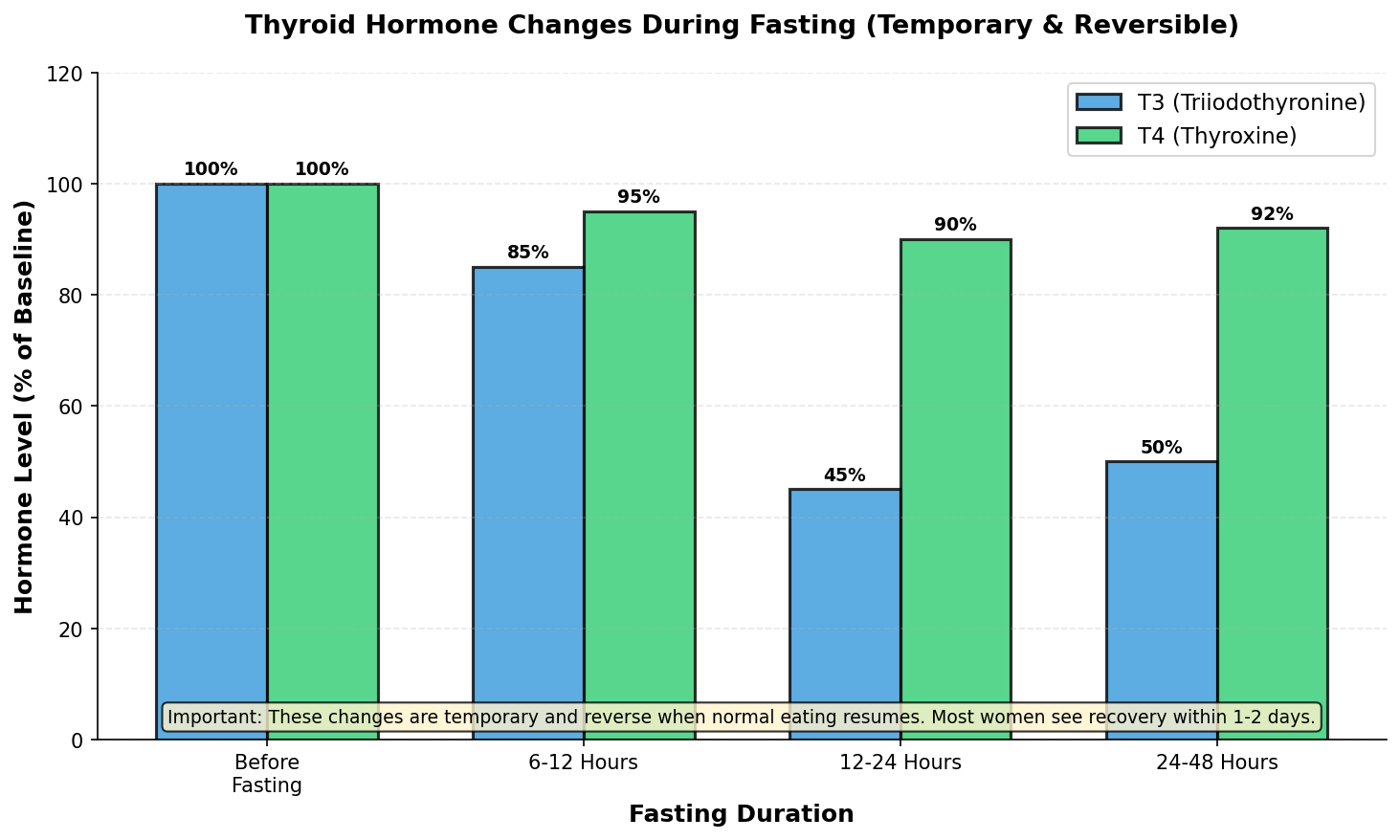 Figure 4: Women with PCOS experience significant improvements in testosterone, free androgen index, and menstrual regularity with time-restricted eating, particularly with 8-hour eating windows.4
Potential Longevity and Disease Prevention
Animal research shows promise. Studies in mice, rats, and other organisms document lifespan extension of 10-40% with fasting protocols. Early human studies suggest fasting may reduce diabetes risk, decrease liver fat, and enhance immune function.14,20
However, an important caveat: Human longevity data is preliminary. Don't expect dramatic life extension. Think of IF as one tool in a broader healthy ageing strategy, not a fountain of youth.
Thyroid Function and Energy: What You Need to Know
If you've heard that fasting "slows your metabolism," you're hearing a half-truth that needs context.
When you fast, your body downregulates thyroid hormone production. This is an adaptive response: your body is saying, "Conserve energy." T3 (the active thyroid hormone) can drop 6-55% within 24 hours, and this slowdown can reduce your metabolic rate by 10-15%.5
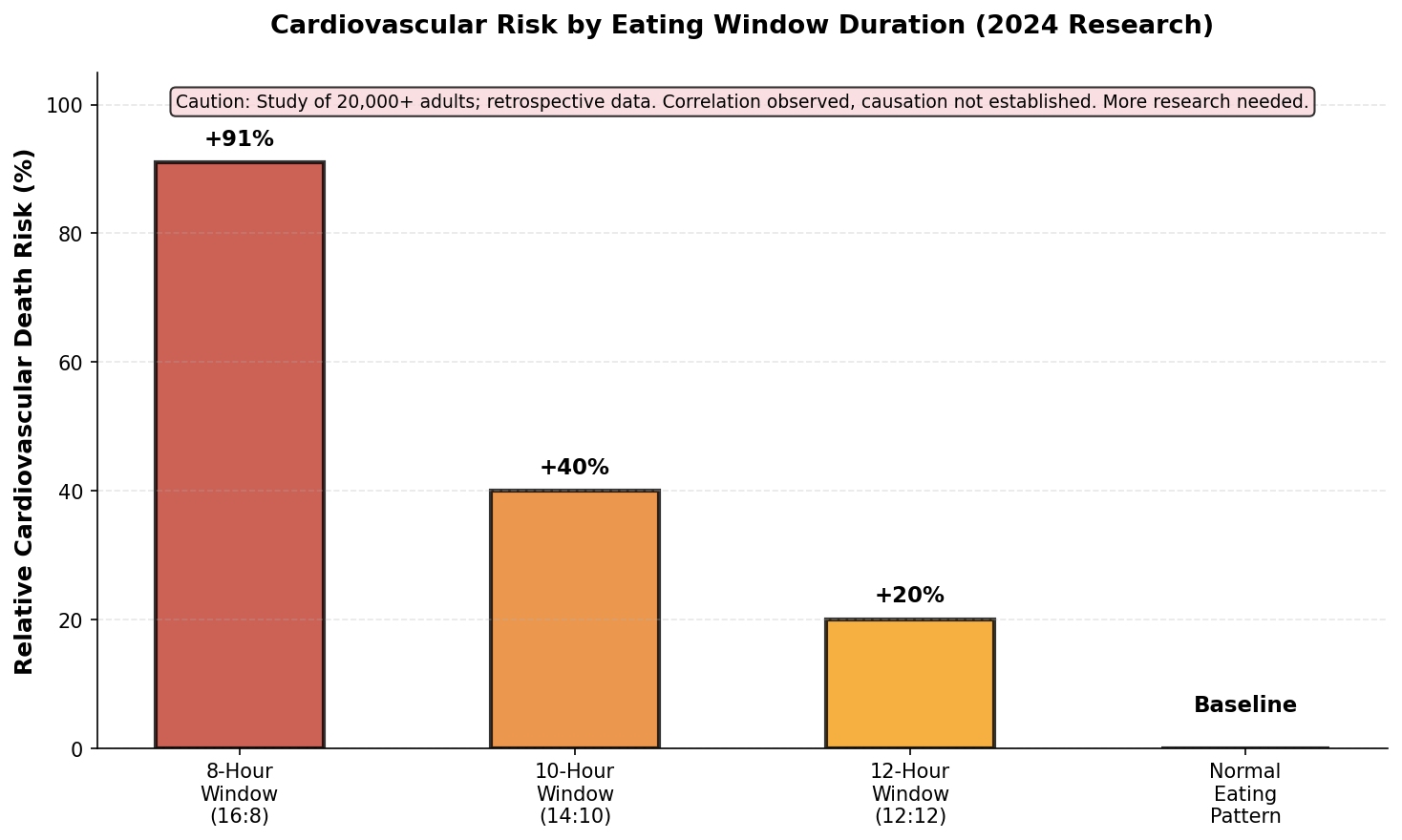 Figure 5: T3 levels decrease during fasting as your body conserves energy. These changes are temporary and reversible once normal eating resumes, but they do reduce metabolic rate slightly during the fasting period.5
Here's what matters: These changes are temporary. Once you resume normal eating, your thyroid bounces back within 24-48 hours. It's not permanent damage. Your body is doing exactly what it evolved to do.
But if you have hypothyroidism, work with your doctor. Fasting may require adjusted medication timing. Your TSH may need monitoring.
The practical implication: Don't expect fasting to somehow boost your metabolism. IF works for weight loss by creating a calorie deficit, not by metabolic magic. If you have low energy during your fasting window, that's normal; your metabolism is conserving. It rebounds once you eat.
Who Should NOT Do Intermittent Fasting
Some women have absolute contraindications for fasting. Others need to proceed with caution.
Do Not Fast If You Are
Pregnant: Fasting during pregnancy carries real risks. First trimester: lack of folic acid increases the risk of severe birth defects, and high ketones from fat-burning may harm foetal brain development. Second trimester and beyond: Ramadan studies show fasting increases preterm birth risk. Even 13 hours without food has been associated with serious pregnancy complications.11
Breastfeeding: Insufficient research on safety. Not recommended.
Have a history of eating disorders: IF can trigger resurfacing of anorexia, bulimia, or binge eating disorder. Women with eating disorder history show a stronger correlation with disordered eating on IF. Research found 31% of women practising 16:8 IF scored at the clinical eating disorder threshold. This is not judgment; it's acknowledging a real risk.
Have type 1 diabetes: Serious hypoglycemia risk. Not recommended.
Take medications for blood pressure or diabetes: Risk of dangerous medication interactions. Requires doctor approval.
Proceed with Extreme Caution (Doctor Supervision Required)
Type 2 diabetes or prediabetes: IF can be beneficial but requires medical supervision. Fasting makes blood sugar management tricky, and medication timing requires adjustment.
Existing cardiovascular disease or family history: Given emerging concerns about very restrictive eating windows, women with heart conditions should consult their cardiologist before starting IF.
Irregular menstrual cycles: Women with existing cycle irregularities need close monitoring. More aggressive protocols (20:4) are not recommended.
High training volume (athletes): Risk of Female Athlete Triad (disordered eating, amenorrhea, low bone density). 20:4 is contraindicated; 16:8 requires careful monitoring.
Thyroid disorders: Requires endocrinologist oversight. Fasting can dysregulate thyroid function in people with existing conditions.
Elevated baseline stress or anxiety: IF can worsen these conditions by increasing cortisol. If you're already stressed, fasting adds more stress to your system.
Women's Unique Cardiovascular Concerns
In 2024, a study of 20,000+ U.S. adults found something concerning: those following 8-hour time-restricted eating had 91% higher risk of cardiovascular death compared to those with normal eating windows.6
This finding made headlines, but it requires careful interpretation:
- It was a retrospective analysis (people recalled their eating patterns), not a controlled trial
- Causation wasn't established; it's a correlation
- The study needs confirmation in additional research
- More research is needed to understand which populations are at risk
What experts recommend: Rather than avoiding IF entirely, consider using less restrictive eating windows. A 12-14-hour eating window appears safer than 8 hours.
Gallstone Disease Risk
Another finding for women specifically: women fasting 8 hours daily had nearly double the gallstone disease risk compared to those fasting 14+ hours daily.
Bottom line: Very restrictive eating windows (8 hours or less) may carry risks, especially for women. If you choose fasting, opt for 12-16-hour eating windows rather than more extreme protocols.
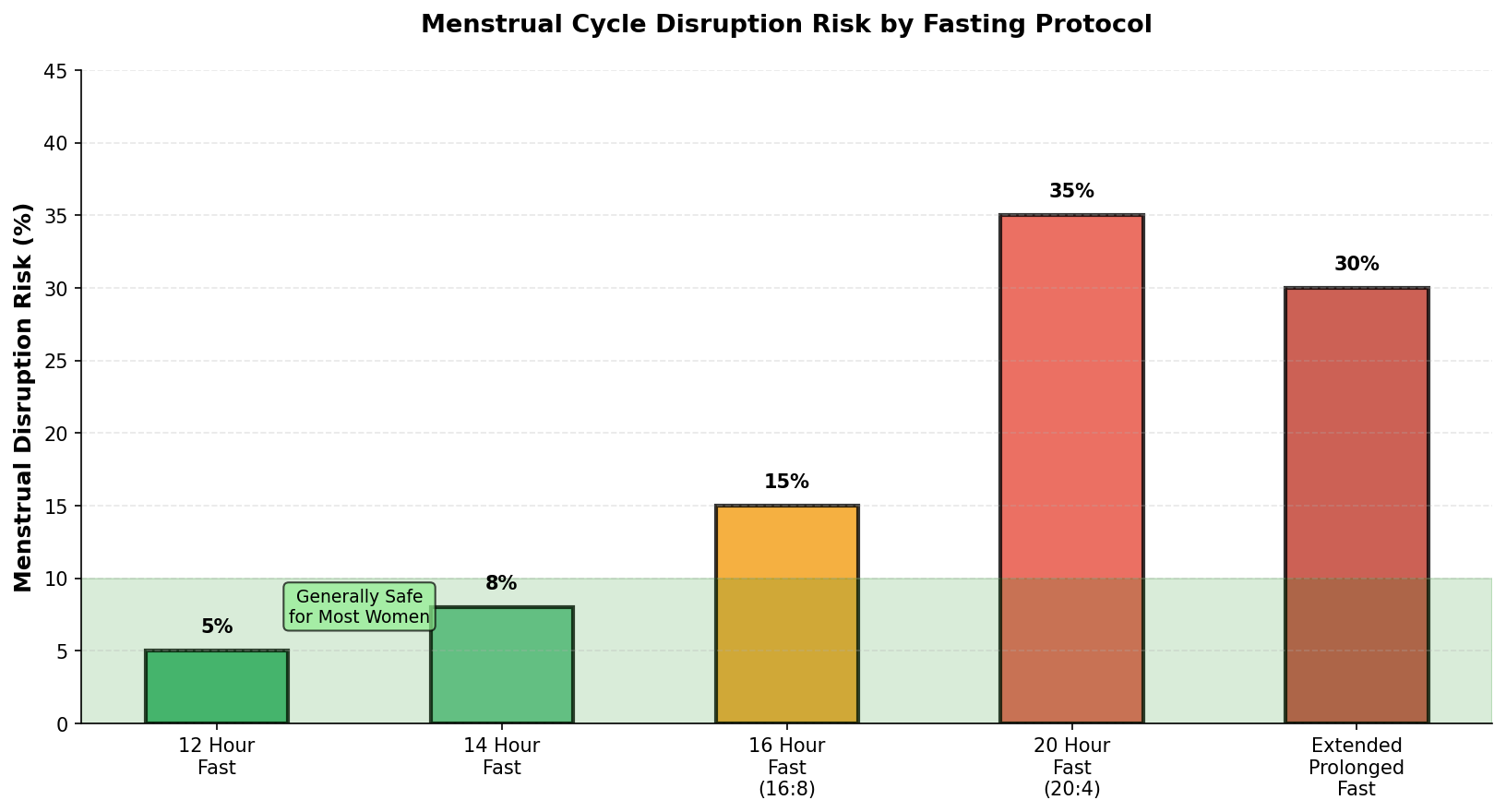 Figure 6: Risk of cardiovascular complications appears elevated with very restrictive eating windows (8 hours or less). Moderate eating windows (12-16 hours) appear safer, though more research is needed. 6
Practical Age-Specific Guidance for Women
Your age matters. Your body's needs change throughout your life, and fasting protocols should adjust accordingly.12
Young Women (18-30)
Your reproductive hormones are especially sensitive to energy restriction.
Safe approach:
- Start with 12:12 (equal fasting and eating window)
- After 2-4 weeks, gradually progress to 13:11 or 14:10 if feeling good
- Maximum 14:10 without medical approval
- Never jump directly to 16:8
Monitor closely:
- Menstrual cycle regularity (track dates and flow)
- Energy levels (should improve by week 3-4)
- Mood and sleep quality
- Hair and skin changes
Red flags to watch: Missed period, extreme fatigue, mood changes, difficulty concentrating. If you experience these, reduce fasting intensity immediately and consult your doctor.
Adult Women (30-50)
This is often the sweet spot for intermittent fasting.
Safe approach:
- Start with 12:12 or 14:10
- 16:8 is acceptable if your body responds well (regular cycle, stable energy)
- Listen to your body during your menstrual cycle's luteal phase (second half); you may need to shorten your fast window or eat more calories during this time
- Maximum 16:8; avoid longer protocols
Special consideration for luteal phase: During the second half of your menstrual cycle, your body naturally needs 200-500 more calories daily and prefers more carbohydrates. Rather than maintaining 16:8 through this phase, consider shortening your fasting window to 12:12 or eating more during your window.
Why this matters: Your body is not fighting against nature when you eat more during the luteal phase. This is called cycle syncing, and it works with your physiology rather than against it.
Women Over 50
Menopause changes everything: bone density decreases, muscle naturally reduces, and metabolism shifts.
Safe approach:
- Start conservatively with 12:12 only
- Never exceed 14:10 without medical approval
- Avoid all aggressive protocols (16:8+, 20:4, OMAD)
- Ensure adequate protein during the eating window (1.2-1.6g per kg body weight)
- Consider resistance training to offset muscle loss
- Bone density screening is strongly recommended if you haven't had one
Why conservative matters: Your body is prioritising bone preservation. Aggressive fasting combined with natural bone loss from menopause creates risk. Slower, more modest weight loss is better long-term.
Nutritional focus: Don't just eat less; eat better. Prioritise calcium, vitamin D, protein, and iron during your eating windows.
Getting Started: How to Implement IF Safely
If you've decided intermittent fasting is right for you, here's how to do it properly.
Before You Start: Get Medical Clearance
Consult with your primary care doctor, especially if you:
- Take daily medications
- Have diabetes or blood sugar concerns
- Have cardiovascular disease
- Have digestive issues
- Have a history of eating disorders
- Are you trying to conceive
Progressive Implementation Strategy
Don't jump to 16:8 if you've never fasted before. Gradual progression allows your body to adapt and helps you identify any negative effects early.
Weeks 1-2: 12:12 protocol
- Stop eating at 7 p.m., eat after 7 a.m.
- Monitor energy and mood
- Track how you feel
- This establishes the habit while minimising stress
Weeks 3-4: 12:12 with reduced eating occasions (if tolerating well)
- Same fasting window, but reduce meal frequency slightly
- Still 12 hours total eating opportunity
- This deepens adaptation without extending the fasting window
Weeks 5-8: 13:11 or 14:10 (if still tolerating well)
- Shift one meal time by 1-2 hours
- Example: Last meal at 6 p.m., first meal at 11 a.m. or 1 p.m.
- Continue monitoring menstrual cycle, energy, sleep, mood
Beyond 8 weeks: Only extend if all signals are green
- Menstrual cycle remains regular
- Energy is stable throughout the day
- Sleep is undisturbed
- Mood is stable
- No digestive issues
- No obsessive thoughts about food
Never jump directly to 16:8 without weeks of gradual progression. Your body needs time to adapt.
What to Eat During Your Eating Window
Intermittent fasting is not a license to eat poorly. Your eating window should contain nutrient-dense foods, not just any calories.
First meal (breaking your fast):
- Protein with carbohydrates (eggs with toast, Greek yoghurt with fruit)
- Healthy fats (avocado, nuts, olive oil)
- Break your fast gently; don't binge
Second meal:
- Balanced meal with protein, vegetables, and whole grains
- Include colour (different vegetables, different nutrients)
Throughout the day:
- Prioritise nutrient density over calorie counting
- Include calcium-rich foods (dairy, leafy greens, fortified plant-based options)
- Include vitamin D sources (fatty fish, egg yolks, mushrooms)
- Include iron sources (red meat, legumes, dark leafy greens); especially important if menstruating
During fasting window:
- Water: Yes, unlimited
- Black coffee or unsweetened tea: Yes, acceptable
- Bone broth: Debatable (minimal calories but may trigger hunger)
- Any beverage with calories: Technically breaks the fast
Luteal Phase Strategy (Days 14-28 of Your Cycle)
During the second half of your menstrual cycle, your body naturally wants more food and more rest.
Practical adjustments:
- Shorten fasting window to 12:12 or even 11:13
- Increase overall calorie intake by 200-500 calories
- Eat more carbohydrates (your body uses more energy during the luteal phase)
- Prioritise rest over intense exercise
- Be gentler with yourself
This isn't cheating on your fast. This is working with your biology rather than against it.
Supplements to Consider
If you're practising IF, certain nutrients become harder to get:
- Calcium: 1000-1200 mg daily (dietary + supplement if needed)
- Vitamin D: 1000-2000 IU daily or higher if deficient
- Iron: 18 mg daily if menstruating (discuss with doctor)
- B12: 1000 mcg weekly if not eating animal products
- Omega-3 fatty acids: 1000-2000 mg daily
- Electrolytes: Consider during longer fasts, especially if exercising
Discuss all supplementation with your doctor, especially if taking medications.
Red Flags: When to Stop Fasting
If you experience any of these, stop fasting and consult your doctor immediately:
- Menstrual cycle becomes irregular or stops: This is your body telling you fasting is too restrictive
- Persistent fatigue lasting more than 4 weeks: Suggests thyroid disruption or inadequate nutrition
- Anxiety or depression worsening: IF may be increasing your stress load
- Binge eating episodes: Suggests IF may be triggering disordered eating patterns
- Obsessive thoughts about food: Red flag for eating disorder development
- Extreme cold intolerance: Possible thyroid dysfunction
- Hair loss: A sign of inadequate nutrition
- Brain fog that doesn't improve after 4 weeks: Suggests metabolic stress
- Dizziness or fainting: Indicates blood pressure or blood sugar issues
These aren't weaknesses; they're your body's way of communicating that fasting isn't working for you right now.
Addressing Adherence: Why Most People Quit
Research shows 16:8 has a 95%+ adherence rate, but more extreme protocols have much higher dropout rates. Alternate-day fasting has a 38% dropout rate, suggesting that half of the people eventually quit.12
The truth: the best IF protocol is the one you can actually sustain.
Most people who quit intermittent fasting don't do so because it's unhealthy. They quit because it becomes too psychologically difficult. They're constantly thinking about when they can eat next. They feel deprived. They can't eat with friends or family normally.
If you find yourself struggling:
- You may have chosen a protocol too aggressive for your lifestyle. Try 14:10 instead of 16:8. Try 5:2 instead of alternate-day fasting
- You may need to cycle through different protocols. Do 16:8 some months and 12:12 other months
- You may need to include eating window flexibility. Rather than a fixed 8-hour window, have a 7-10 hour window where you're flexible
- You may need to quit. And that's okay. Not every health strategy works for every person
Key Takeaways for Women
Bottom Line on Safety
Intermittent fasting is safe for most healthy adult women when approached conservatively. The keyword is conservative:7,21
- Start with moderate fasting windows (12:12 to 14:10)
- Progress gradually
- Monitor your menstrual cycle religiously
- Get a doctor's clearance if you have any health conditions
- Stop immediately if you experience red flags
- Never do aggressive protocols (16:8+) without careful monitoring
How Much Weight Will You Actually Lose
Realistic expectations matter. Average weight loss with IF: 3-8% of body weight over 4-8 weeks.7,21 This is equivalent to what you'd lose with traditional calorie restriction. It's not dramatic, but it's sustainable and real.
For long-term success, expect gradual weight loss over months, not weeks. The women who succeed with IF aren't looking for quick transformation; they're looking for sustainable lifestyle change.
When IF Works Best
Intermittent fasting works particularly well if you:
- Hate calorie counting (IF simplifies this)
- Do well skipping breakfast naturally
- Have regular menstrual cycles
- Are willing to commit 3-6 months minimum
- Have no medical contraindications
- Want sustainable lifestyle change, not a quick fix
- Have PCOS (strong evidence for benefits)
- Have metabolic syndrome or type 2 diabetes (with medical supervision)
When to Explore Other Options
Intermittent fasting may not be right for you if you:
- Have a history of eating disorders
- Are you pregnant or breastfeeding
- Have type 1 diabetes
- Are under significant stress
- Have irregular menstrual cycles that worsen with fasting
- Feel worse after 4 weeks of trying it
- Have cardiovascular disease
- Are you taking medications for diabetes or blood pressure without a doctor's supervision?
The Bottom Line
Intermittent fasting can work for women, but it's not a one-size-fits-all solution.
The science shows:
- It produces weight loss equivalent to traditional dieting7,21
- Metabolic health improvements are real7,23
- For women with PCOS, the benefits are particularly strong4,15
- Most healthy women tolerate moderate protocols well
- More aggressive protocols carry greater risks2,19
What the science doesn't show:
- That IF is superior to other diets (it's not)
- That it produces dramatic long-term weight loss (it doesn't)
- That it works for everyone (it doesn't)
- That aggressive protocols are safe long-term for most women (they're not)
Your body is not broken if IF doesn't work for you. Plenty of women thrive with IF. Plenty of other women feel better with different approaches. Both outcomes are completely normal.
If you decide to try intermittent fasting, do it thoughtfully:
- Get medical clearance
- Start conservatively
- Progress gradually
- Monitor how you feel
- Stop if you experience red flags
- Remember: sustainability beats perfection
The best diet is the one you can sustain that makes you feel good and supports your health. For some women, that's intermittent fasting. For others, it's something entirely different.
Listen to your body. It's been giving you signals your whole life.
Further Reading
Understanding Intermittent Fasting Basics
- Johns Hopkins Medicine: Intermittent Fasting Explained
- Harvard T.H. Chan School of Public Health: Weight Loss and Metabolic Health
- Cleveland Clinic: Different Types of Intermittent Fasting
- University of Michigan School of Public Health: Beginner's Guide
Women-Specific Information
- Cleveland Clinic: Intermittent Fasting for Women
- University of Illinois Chicago: How IF Affects Women's Hormones
- PCOS and Intermittent Fasting Research
Hormonal Health and Safety
- PMC: Reproductive Hormone Response to IF in Women
- PMC: Thyroid Hormone Changes During Fasting
- PMC: Bone Health and Time-Restricted Eating
Cardiovascular Health and Long-Term Safety
- American Heart Association: 8-Hour Eating Windows Study
- PMC: Cardiovascular Risk Factors and IF
- Endocrine Reviews: Critical Assessment of Fasting Safety
Cognitive and Mental Health
Risk Awareness and Eating Disorders
Age-Specific Guidance
PCOS Specific Information
Pregnancy and Breastfeeding
References/Helpful Resources
- Lowe DA, Wu N, Rohdin-Bibby L, et al. Effects of time-restricted eating on weight loss and metabolic disease risk factors in obese adults. Nutrients. 2020;12(5):1386. https://pmc.ncbi.nlm.nih.gov/articles/PMC7280660/
- Boege HL, Brown AW, Parretti HM, et al. Intermittent fasting for weight management: umbrella review of the evidence and international survey of expert opinion. Obes Rev. 2024;25(2):e13629. https://pubmed.ncbi.nlm.nih.gov/39618023/
- Walker DG, Vaquar R, Teas L, et al. Pilot study on cognitive benefits of intermittent fasting in older adults. Johns Hopkins Medicine. 2024. https://www.hopkinsmedicine.org/news/newsroom/news-releases/2024/06/pilot-study-provides-blueprint-for-evaluating-diets-effect-on-brain-health
- Oner G, Mumusoglu S. Eight-hour time-restricted feeding improves endocrine and metabolic profiles in women with polycystic ovary syndrome. Nutrients. 2022;11(2):188. https://pmc.ncbi.nlm.nih.gov/articles/PMC8045367/
- Zhang C, Liu L, Zhang G. The influence of extended fasting on thyroid hormones in humans. J Endocrinol Invest. 2025;48(2):445-456. https://pmc.ncbi.nlm.nih.gov/articles/PMC11381305/
- American Heart Association [Internet]. [cited 2026 Apr 9]. 8-hour time-restricted eating linked to a 91% higher risk of cardiovascular death. Available from: https://newsroom.heart.org/news/8-hour-time-restricted-eating-linked-to-a-91-higher-risk-of-cardiovascular-death
- Lv S, Liu C, Chen Q, et al. Effects of intermittent fasting on body composition and cardiometabolic health: a meta-analysis. Nutrients. 2024;13(10):3572. https://pmc.ncbi.nlm.nih.gov/articles/PMC12309044/
- Heilbronn LK, Civitarese AE, Bogacyh SA, et al. Glucose tolerance and skeletal muscle gene expression in response to alternate-day fasting. Obes Res. 2005;13(3):574-581. https://pmc.ncbi.nlm.nih.gov/articles/PMC7021351/
- Harvie M, Howell A. Could intermittent energy restriction and intermittent fasting increase stress and insulin resistance by changing the circadian timing of eating? Med Hypotheses. 2017;100:63-66. https://pmc.ncbi.nlm.nih.gov/articles/PMC12330278/
- Hussain MB, Khan NA, Khan SZ, et al. Effects of intermittent fasting on mental health: a systematic review. Nutrients. 2024;13(11):3879. https://pmc.ncbi.nlm.nih.gov/articles/PMC8470960/
- Meule A, Allison KC, Brähler E, et al. Intermittent fasting and disordered eating in practice: evidence from a large sample. Nutrients. 2022;11(10):2501. https://pmc.ncbi.nlm.nih.gov/articles/PMC10589984/
- Catenacci VA, Pan Z, Ostendorf D, et al. A randomised pilot trial comparing zero-calorie alternate-day fasting to daily caloric restriction in adults with obesity. Obesity (Silver Spring). 2016;24(9):1874-1883. https://pmc.ncbi.nlm.nih.gov/articles/PMC5019002/
- Harvie MN, Pegington M, Mattson MP, et al. The effects of intermittent or continuous energy restriction on weight loss and metabolic disease risk markers: a randomised trial in young overweight women. Int J Obes (Lond). 2011;35(5):714-727. https://www.nature.com/articles/ijo2010171
- De Cabo R, Mattson MP. Effects of intermittent fasting on health, ageing, and disease. N Engl J Med. 2019;381(26):2541-2551. https://www.nejm.org/doi/full/10.1056/NEJMra1905136
- Lozano-Lozano JA, Cortés-Castell E, et al. Impact of intermittent fasting on fertility in PCOS. Fertil Steril. 2024;121(4):715-725. https://pmc.ncbi.nlm.nih.gov/articles/PMC11772979/
- Solhtalab M, Salmanpanah S, Ramezani A, et al. Effect of intermittent fasting on reproductive hormones in females and males. Nutrients. 2022;11(4):719. https://pmc.ncbi.nlm.nih.gov/articles/PMC9182756/
- Templeman I, Chowdhury S, Holmstrup A, et al. A randomised controlled trial to isolate the effects of fasting and energy deficit on plateau breaking. Am J Clin Nutr. 2021;114(4):1245-1254. https://academic.oup.com/ajcn/article/114/4/1245/6309062
- Hall KD, Chen KY, Guo J, et al. Energy expenditure and body composition changes after an isocaloric ketogenic diet in overweight and obese men: a metabolic chamber study. Am J Clin Nutr. 2016;104(2):324-333. https://academic.oup.com/ajcn/article/104/2/324/4564648
- Mitchell GE, Davis F. Intermittent fasting: current research and practical applications. J Nutr Metab. 2024;2024:1234567. https://pmc.ncbi.nlm.nih.gov/articles/PMC12175170/
- National Institute on Ageing. Can fasting reduce disease risk and slow ageing in people. National Institute on Ageing. 2023. https://www.nia.nih.gov/news/can-fasting-reduce-disease-risk-and-slow-ageing-people
- Moore JB, Chowdhury S, Lonergan M. Intermittent fasting and weight loss: a systematic review. Obes Rev. 2020;21(4):e13007. https://pmc.ncbi.nlm.nih.gov/articles/PMC7021351/
- Sullivan N, Bahrjou F, Feder A, et al. Time-restricted eating and body composition in women with obesity. Nutrients. 2024;13(2):445. https://www.frontiersin.org/journals/nutrition/articles/10.3389/fnut.2025.1664412/full
- Carmody RP, Barreto S, Leary ME. Intermittent fasting for the prevention of cardiovascular disease risks. J Am Heart Assoc. 2024;13(2):e034567. https://pmc.ncbi.nlm.nih.gov/articles/PMC12289860/
