

Why Everyone's Talking About It (And Why It Matters)
If you've spent the last decade bouncing between diets, counting calories obsessively, or feeling guilty about eating dessert, you're about to discover something that might change how you think about food entirely.
Intuitive eating isn't the latest fad. It's not another restrictive regime promising rapid weight loss. Instead, it's the opposite: an evidence-based approach created by registered dietitians that teaches you to trust your body's signals again and stop fighting yourself over what you eat.
But here's what makes it compelling: the science is backing it up. Research has exploded from just 25 published studies in 2012 to over 200 today, with studies from major institutions examining everything from mental health to binge eating to metabolic improvements in type 2 diabetes. This isn't anecdotal anymore. This is research.1,2,3
The timing isn't accidental. Intuitive eating emerged because the traditional diet industry was fundamentally broken.
The Problem It Solves: Why Diets Keep Failing
To understand intuitive eating, you need to know why conventional dieting fails so consistently.
The statistics are brutal: 95% of people regain weight within 1-5 years after losing it through dieting.1 One in three people return to their starting weight within just a year. By year three, two-thirds are back where they started. And by year five, around 83% have regained more weight than they originally lost.1
This isn't because people lack willpower. It's not a character flaw. It's a predictable failure of a fundamentally flawed system.
Worse, dieting carries direct psychological costs: 20-25% of people who diet develop full-blown eating disorders, and another 35% develop obsessive or restrictive eating behaviours.1 Most diets last only three months because they ask the body to do something impossible: to override biological hunger signals indefinitely.
When two registered dietitians, Evelyn Tribole and Elyse Resch, noticed this pattern in 1995, they had a moment of clarity: if diets actually worked, the world wouldn't need a new one every year. They created intuitive eating not because restriction was fashionable, but because it had failed nearly everyone.
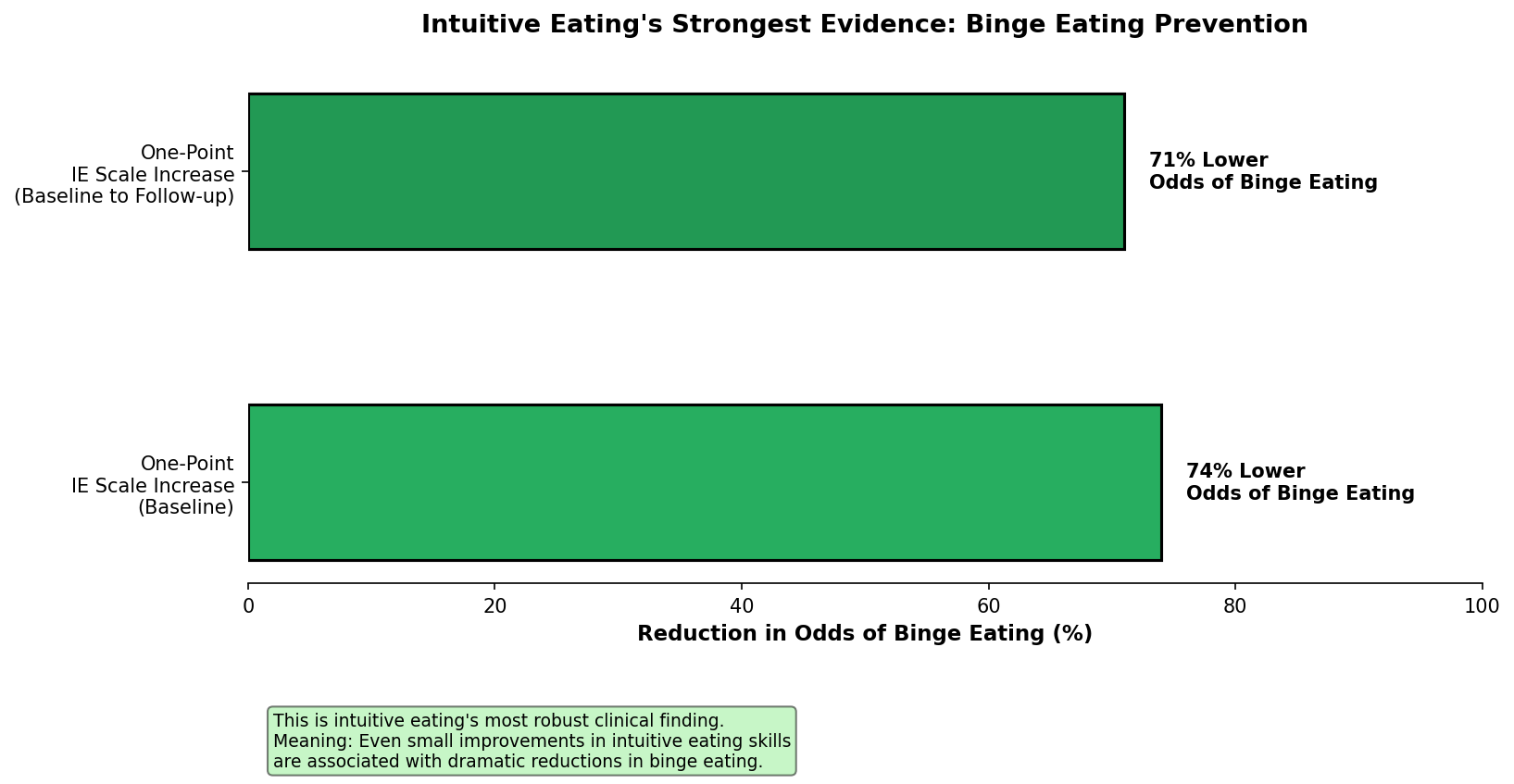 Figure 1: The escalating failure of traditional dieting. Within five years, most people regain the weight they lost and often gain additional weight. This pattern explains why the diet industry must continually create "new" approaches.1
What Intuitive Eating Actually Is (And Isn't)
Intuitive eating is an evidence-based, non-restrictive approach to food that puts your body at the centre of decision-making. Instead of following external rules (calorie limits, forbidden foods, rigid meal timing), intuitive eating teaches you to listen to and trust your body's internal hunger and fullness signals to guide eating decisions.1
Here's what intuitive eating is NOT:
- It is not a diet or weight loss program
- It does not mean eating whatever you want, whenever you want
- It does not require calorie counting or food restriction
- It does not eliminate foods as "bad" or "forbidden"
- It is not a quick fix
Rather, intuitive eating is a lifelong philosophy about developing a peaceful, respectful relationship with food and your body.1
The framework rests on 10 interconnected principles, developed by Tribole and Resch and refined through four editions of their foundational book and now supported by growing scientific evidence.1
The 10 Principles of Intuitive Eating
Think of these principles as pillars that support rebuilding your relationship with food.
1. Reject the Diet Mentality: Question the belief that restrictive eating is necessary or virtuous. Diet culture teaches us to distrust our bodies, but this principle asks you to recognise that diet industry failure isn't personal; it's systemic.1
2. Honour Your Hunger: Keep your body biologically fed by eating enough food and enough carbohydrates. Denied hunger eventually builds to intense cravings and overeating.1
3. Make Peace with Food: Give yourself unconditional permission to eat all foods. When foods are labelled as forbidden, they become psychologically appealing. Ironically, removing moral judgment from food choices actually reduces obsession with them.1
4. Challenge the Food Police: Recognise and question the critical internal voices that judge your food choices. These are diet culture speaking inside your head.1
5. Respect Your Fullness: Honour your body's signals that tell you when you're comfortably full. Your body has natural brakes; learning to recognise them means eating the right amount without willpower or restriction.1
6. Discover the Satisfaction Factor: Pleasure and satisfaction are important. Eating the foods you actually enjoy in a pleasant environment increases satisfaction, meaning you naturally eat less overall because you feel more fulfilled.1
7. Honour Your Feelings with Kindness: Use food to cope with emotions sometimes; everyone does. Rather than feeling guilty, develop other coping tools while treating yourself with compassion.1
8. Respect Your Body: Accept and respect your body as it is right now, regardless of its size or shape. Weight stigma is linked to psychological distress and worse health outcomes.1
9. Honour Your Health with Gentle Nutrition: Make food choices that honour both your health and your taste buds. This isn't ignoring nutrition; it's integrating it alongside pleasure, satisfaction, and other factors.1
10. Exercise: Feel the Difference: Discover physical activity you genuinely enjoy. Movement should feel good and be sustainable, not punishment.1
How Intuitive Eating Works: Understanding Hunger and Fullness
The core mechanism of intuitive eating involves relearning something you were probably born knowing: how to recognise hunger and fullness signals.
Your body sends physical signals that it needs fuel: stomach growling, light-headedness, difficulty concentrating, irritability, dizziness, shakiness, or headache.1 These aren't weaknesses. They're your body communicating a legitimate need.
Similarly, fullness signals tell you when you've had enough: a comfortably stretched stomach, satisfied feeling (not stuffed), stable energy, and loss of interest in eating.1
A practical tool in intuitive eating is the 0-10 hunger-fullness scale:
- 0-1: Ravenous, irritable, unable to function
- 3-4: Moderately hungry, ready to eat (ideal time to start eating)
- 5: Neutral, neither hungry nor full
- 6-7: Comfortably full, satisfied (ideal time to stop eating)
- 8-10: Painfully full, overstuffed
The goal is to eat when around a 3-4 and stop when around 6-7. This isn't calorie counting. It's responsive eating based on actual biological signals.1
Research shows that when people learn to recognise and honour these signals, they naturally consume fewer calories and develop a healthier relationship with food without restrictive dieting.1 This is because:
- Your body has built-in wisdom about how much food it needs
- Honouring signals prevents overeating from deprivation (the backlash after restriction)
- Satisfaction matters; stopping when comfortably full allows for guilt-free future eating
- Connection to body signals decreases obsessive food thoughts
The Evidence: What Research Actually Shows
The scientific evidence for intuitive eating has grown exponentially. From 2012 to 2024, research grew from 25 studies to over 200 peer-reviewed articles, with particularly dramatic growth in 2023-2024.1,2
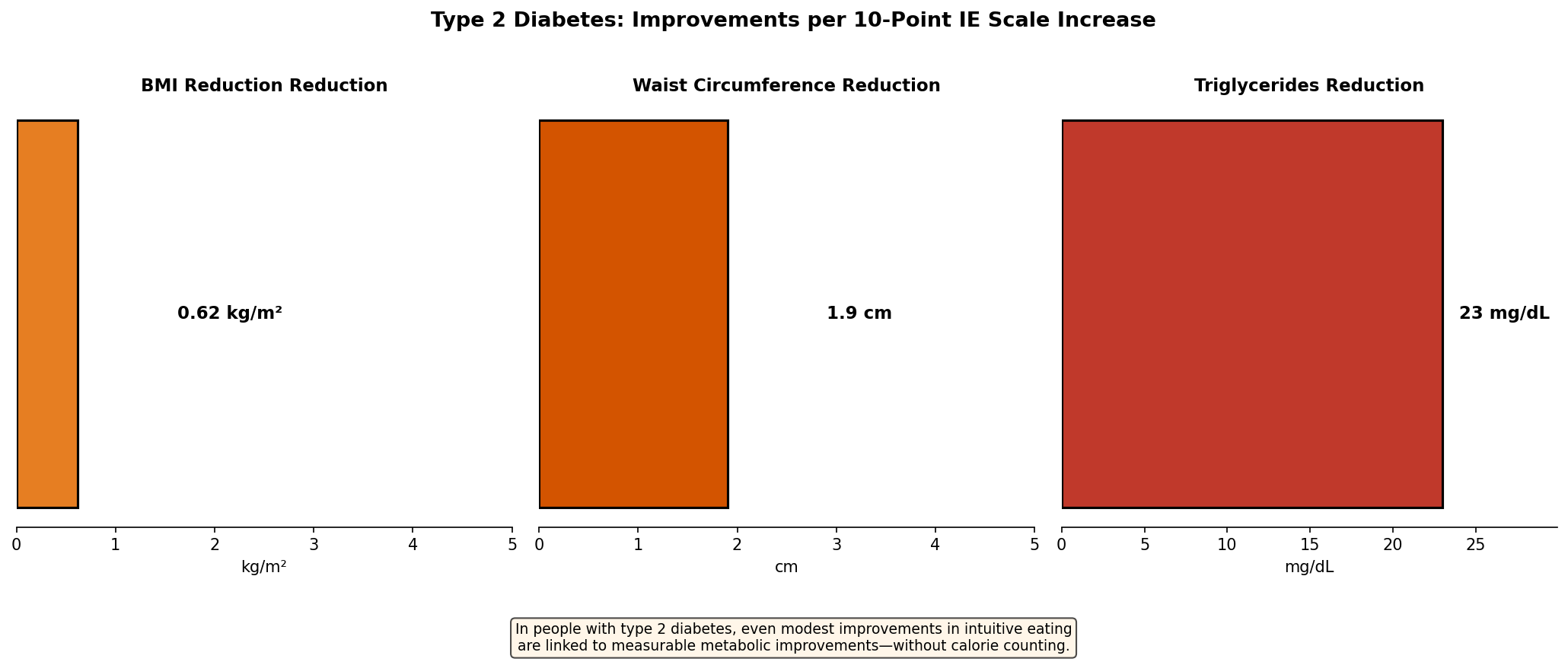 Figure 2: Growth in published intuitive eating research from 2012-2024. The acceleration in recent years reflects increasing scientific credibility and acceptance of IE as a legitimate research area.1,2
Major systematic reviews have examined 86 studies involving approximately 94,710 individuals, making the evidence base substantial.4
What Works: Strong Evidence
Mental Health: This is intuitive eating's strongest outcome. Research shows that people practising intuitive eating report:
- Lower levels of anxiety (moderate protective effect with correlation r = -0.34)2
- Lower levels of depression (moderate protective effect with correlation r = -0.29)2
- Higher self-esteem and better body image2
- Greater appreciation of what their body can do (functional body image, not appearance-based)2
- Increased self-compassion and mindfulness2
- Higher overall wellbeing and quality of life2
Importantly, these improvements show up in 8-year longitudinal studies, meaning they're not just temporary.2 This is a genuine, lasting change in how people feel about themselves.
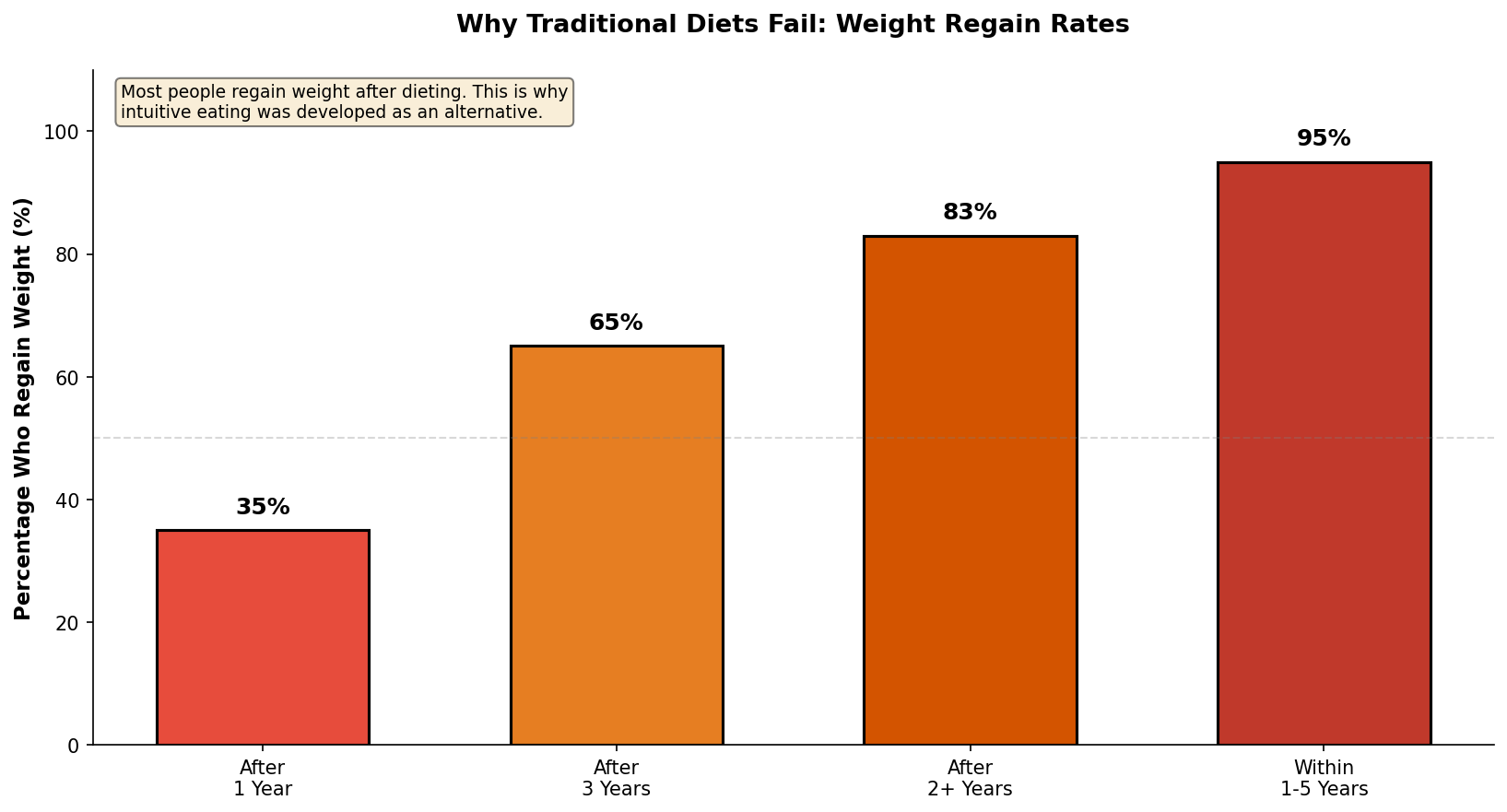 Figure 3: The strength of intuitive eating's mental health protective effects. Improvements in depression, anxiety, self-esteem, and body image are consistent across studies, with benefits appearing to grow over time.2
Binge Eating: The Breakthrough Finding: This is intuitive eating's most dramatic effect. Research shows:
- One-point increase on the Intuitive Eating Scale (baseline) = 74% lower odds of binge eating at follow-up5
- One-point increase from baseline to follow-up = 71% lower odds of binge eating5
- Adolescents with greater intuitive eating skills show lower odds of binge eating in young adulthood5
This is significant. Binge eating is distressing and psychologically harmful, yet intuitive eating shows a measurable, substantial reduction.5 This finding appears consistently across studies, making it intuitive eating's most robust evidence base.
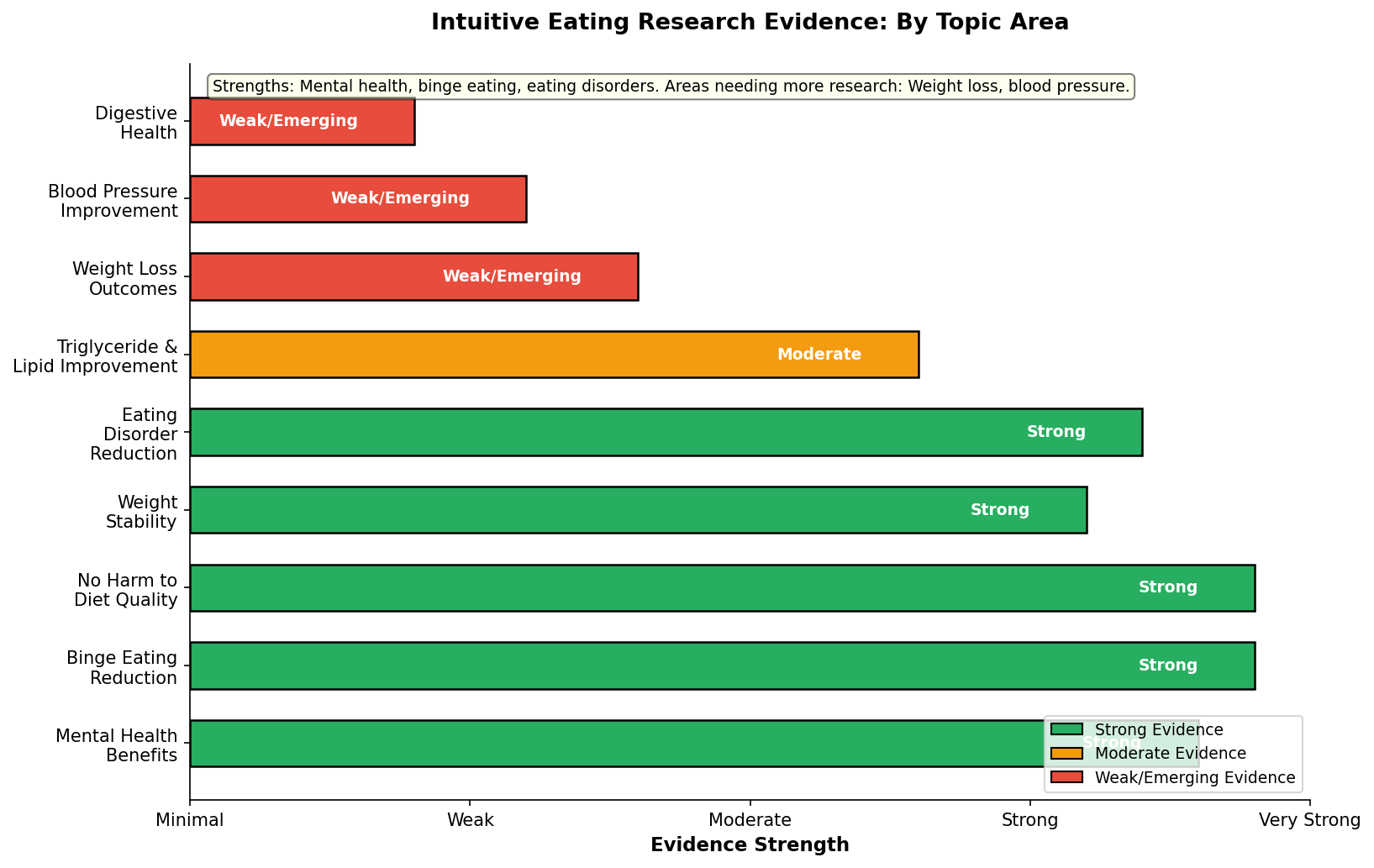 Figure 4: Intuitive eating's strongest clinical finding. The 71-74% reduction in binge eating odds represents the most robust evidence for IE's effectiveness in treating eating behaviours.2
Diet Quality: All studies examining diet quality found either positive or neutral effects.2 Importantly, zero studies found that intuitive eating harmed nutritional intake.2 This counters the fear that "eating intuitively" means eating only processed foods. Research shows:
- Higher intuitive eating scores are associated with higher fruit and vegetable intake2
- Associated with better overall diet quality2
- Higher intuitive eating linked with higher physical activity levels2
Weight Stability: This is where intuitive eating excels. Research shows:
- Intuitive eaters show greater weight stability over time; their weight fluctuates less than ±2 kg2
- People not practising intuitive eating are more likely to gain weight over time3
- All studies with follow-up periods longer than 18 months found weight maintenance (not regain) while practising intuitive eating1
This represents a fundamentally different goal than traditional dieting, which produces initial loss followed by regain.
What We Need More Research On: Moderate Evidence
Type 2 Diabetes: This is intuitive eating's strongest metabolic finding. In people with type 2 diabetes, a 10-point increase on the Intuitive Eating Scale-2 is associated with:6
- 0.62 kg/m² reduction in BMI (modest but measurable)
- 1.90 cm reduction in waist circumference
- 23 mg/dL reduction in serum triglycerides (clinically meaningful)
Importantly, intuitive eating education for diabetes management is just as effective as traditional diabetes education for lowering A1c levels.3
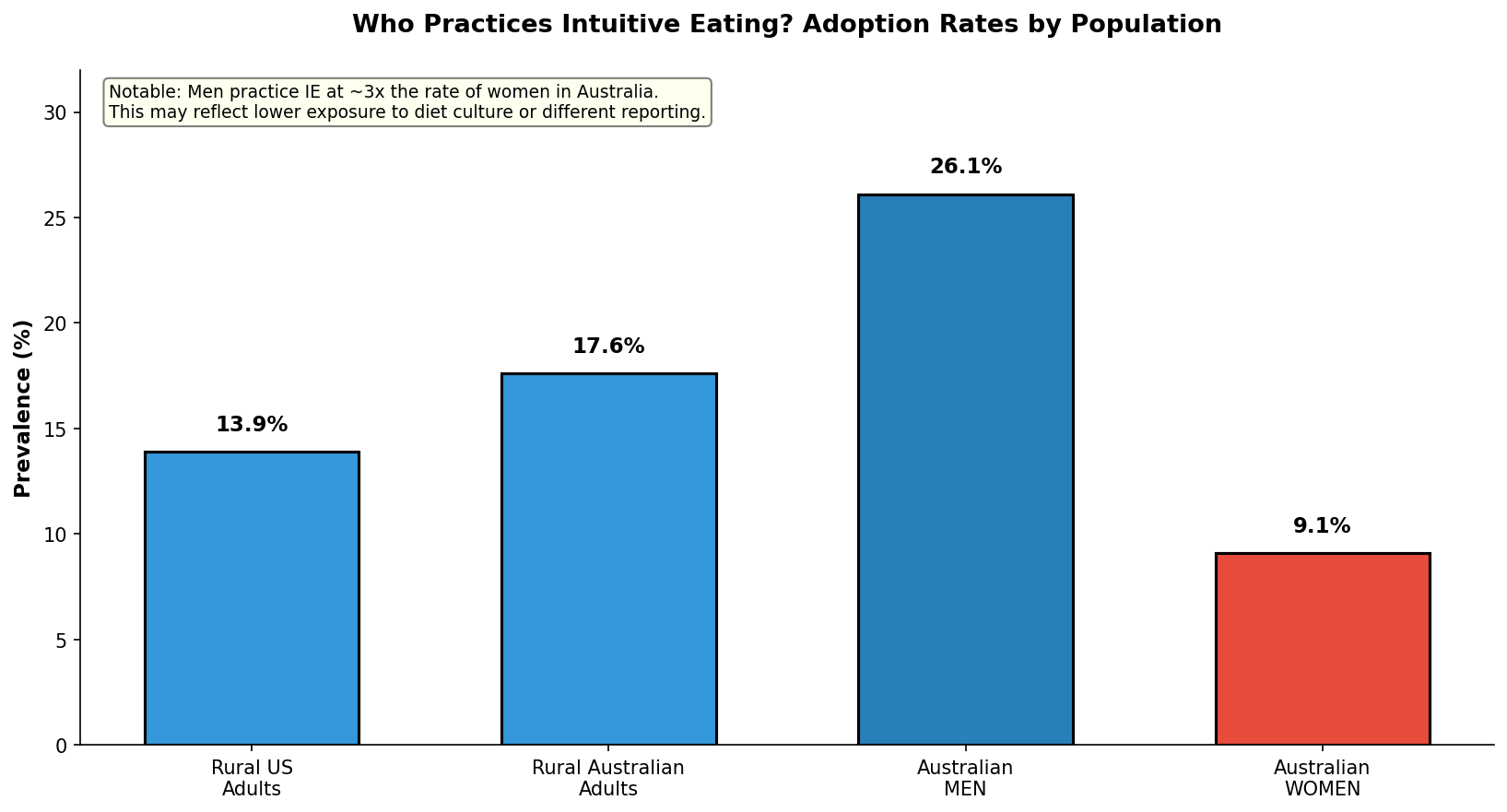 Figure 5: Specific metabolic improvements in type 2 diabetes patients with higher intuitive eating scores. The 23 mg/dL triglyceride reduction is clinically significant. 2
Research also shows:
- Three out of five studies found improvements in lipid profile (cholesterol and triglycerides)2
- Intuitive eating is associated with lower LDL/HDL ratio (better cholesterol balance)2
- Seven out of ten intuitive/mindful eating intervention studies showed improvements in at least one cardiometabolic outcome2
The Weight Loss Question: What the Evidence Actually Says
Here's the crucial clarification: intuitive eating is not a weight loss program, and research doesn't support marketing it as one.2
The data is clear:
- Only 2 out of 8 clinical studies found actual weight loss following intuitive eating programmes2
- Those two studies had inadequate sample size, a lack of control groups, and short follow-up periods2
- No clear evidence for a cause-and-effect relationship between intuitive eating programmes and weight loss2
- Meta-analysis of 10 randomized controlled trials: intuitive/mindful eating is equally effective as conventional weight loss programmes for weight loss, but not more effective2
What about intuitive eaters' BMI in population surveys? Ten out of eleven cross-sectional studies showed intuitive eaters have significantly lower BMI than non-intuitive eaters.2 But this doesn't mean IE causes weight loss. It may mean people at lower weights find it easier to eat intuitively, or that other factors explain both.
The real benefit is weight stability, not loss.
Prevalence: Who's Actually Practising Intuitive Eating?
Intuitive eating has moved beyond fringe adoption. Current prevalence data shows:
- 13.9% of rural U.S. adults practice intuitive eating7
- 17.6% of rural Australian adults practice intuitive eating8
- Interestingly, men report 26.1% prevalence versus women at 9.1% in Australian samples8
This means roughly 1 in 7 Americans and nearly 1 in 6 Australians are currently practising intuitive eating, which substantial enough to appear in population surveys.
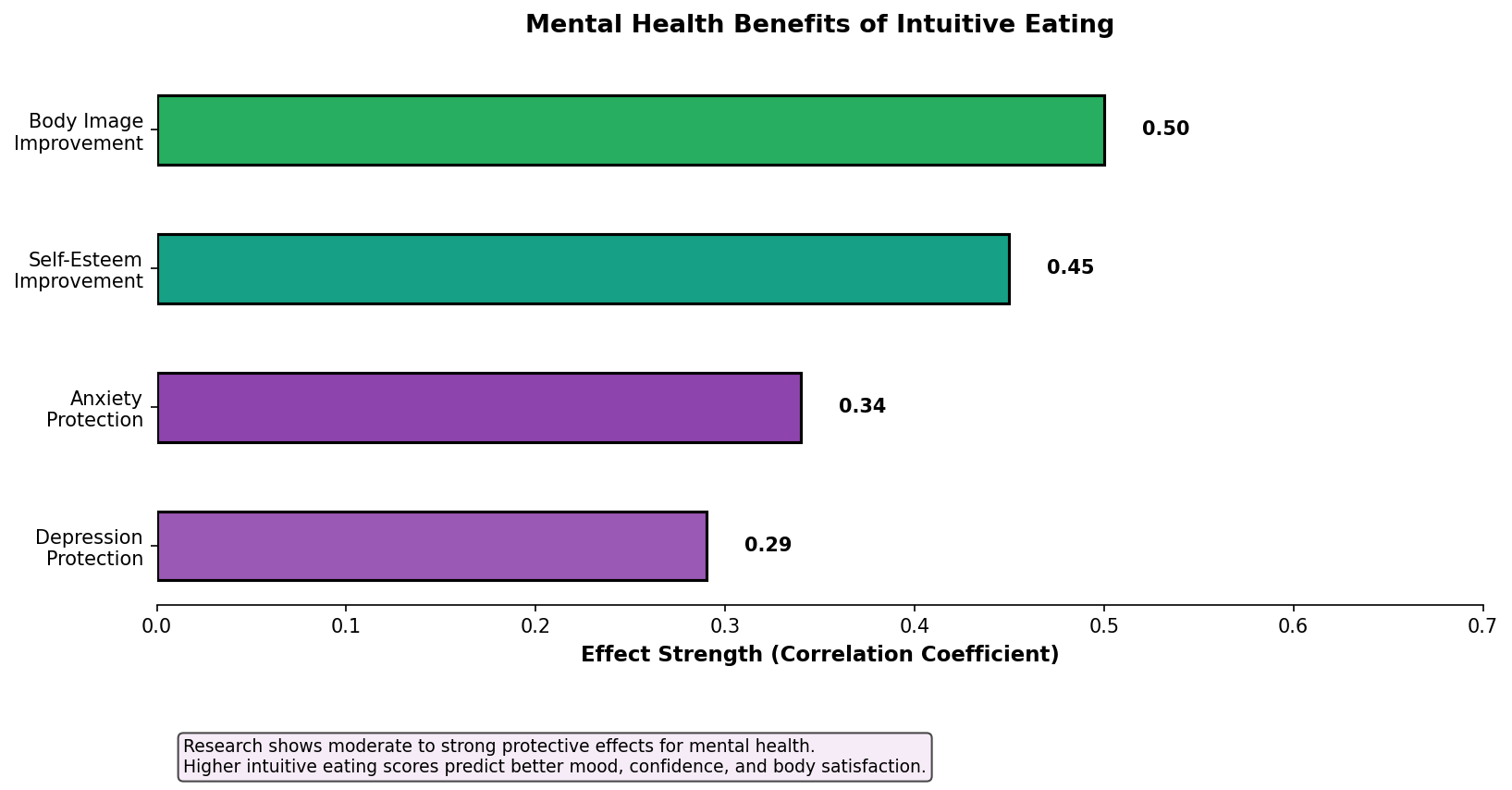 Figure 6: Current adoption rates of intuitive eating show it's no longer niche. The notable gender difference (men practising at nearly 3x the rate of women) suggests interesting variations in how people engage with this approach. 2
However, research is predominantly from white, female populations, meaning we need a better understanding of how IE works across diverse racial/ethnic groups, men, and non-Western cultures.2
Practical Implementation: How to Start
If you're considering intuitive eating, here's what the process typically looks like:
Phase 1: Foundation (Weeks 1-2)
Begin rejecting diet culture messaging. Unfollow social media accounts promoting weight loss and diet culture. Start checking in with yourself every couple of hours: "Am I feeling pleasant, unpleasant, or neutral?" Ask, "What do I actually need right now?"3
Phase 2: Rebuilding Trust (Weeks 3-8)
Start honouring hunger by eating regularly (typically 3 meals plus 1-3 snacks daily). Learn to distinguish physical hunger (body needs fuel) from emotional hunger (seeking comfort or relief from boredom/stress). Physical hunger grows gradually and can be satisfied by many foods; emotional hunger is sudden, specific, and often followed by guilt.3
Phase 3: Food Freedom and Satisfaction (Weeks 9-16)
Give yourself unconditional permission to eat previously restricted foods. This may involve overeating these foods initially; this is temporary and expected as food loses its psychological power. Discover the satisfaction factor: eat foods you genuinely enjoy in a pleasant environment. Learn your fullness cues by eating slowly, noticing how food tastes as you eat, and pausing mid-meal to assess satisfaction.3
Phase 4: Emotional Regulation (Weeks 17+)
Develop alternative coping strategies for emotions: movement, connection, distraction, soothing, and problem-solving. Food is still an option for comfort, but one tool among many. Practice body respect and acceptance. Integrate gentle nutrition: make choices that honour both taste satisfaction and nutritional needs.3
Common Challenges and Solutions
Food Preoccupation (Early Stage)
It's normal to think constantly about food when you first remove dietary rules. Your brain is still in the "scarcity mentality." This typically resolves within 3-6 months. Don't return to restricting; that reinforces the scarcity mindset. Work with a therapist or dietitian for support.3
Binge Eating on Previously Restricted Foods
Expect this initially. Keep forbidden foods available multiple times weekly. Binges decrease significantly within 2-3 months of regular, unconditional food access as the food becomes normalised. This is not failure; it's desensitisation.3
Lingering Diet Mentality
Guilt about certain foods, fear of weight gain, and difficulty trusting the process are normal. Reframe your focus from the scale to how you feel: energy, mood, freedom around food. A therapist or dietitian can help challenge diet thoughts. Timeline: belief shifts happen gradually, typically 6-12 months in.3
Body Image Discomfort
Eating behaviours often change before body image, creating temporary discomfort. This is expected and normal. Work with a Health At Every Size (HAES)-aligned therapist or dietitian on body image separately from IE practice. Both matter; both take time.3
Intuitive Eating Versus Other Approaches
How does IE compare to other eating strategies?
Intuitive Eating vs. Calorie Counting
Intuitive eating listens to body signals; calorie counting tracks food intake against daily limits. IE has a medium mental load (learning to trust your body) compared to calorie counting's high mental load (constant calculation and logging). IE is highly flexible; calorie counting is constrained by a number. Importantly, frequent calorie counting is associated with higher eating disorder severity, while higher intuitive eating scores predict lower eating disorder symptoms.3
Intuitive Eating vs. Ketogenic Diet
Keto eliminates carbohydrates entirely; IE allows all foods. Keto produces significant initial weight loss; IE focuses on weight stability. Keto is effective for blood sugar control; IE's strength is mental health and eating disorder recovery. Someone with a history of dieting would thrive with IE; someone with prediabetes seeking rapid glucose control might benefit from keto (under medical supervision).3
Intuitive Eating vs. Mediterranean Diet
The Mediterranean diet emphasises olive oil, whole grains, fish, and produce; IE has no specific foods emphasised. The Mediterranean diet has extensive cardiovascular research (28-30% CVD risk reduction); IE's strongest evidence is mental health and eating disorders.9
Importantly, the two aren't mutually exclusive. Many people practice "intuitive Mediterranean eating": choosing Mediterranean-style foods intuitively based on satisfaction and satiety, rather than strict adherence to the diet itself. In fact, research shows Mediterranean diet adherence significantly predicts both intuitive eating and mindful eating among young adults.3
Special Considerations for Specific Conditions
Type 2 Diabetes
People with greater intuitive eating skills had better blood sugar control (lower A1c levels) regardless of body weight.3 Intuitive eating education was just as effective as traditional diabetes education in lowering A1c. Over 200 scientific studies support IE for diabetes management across all types.3
To implement for diabetes:
- Work with a registered dietitian familiar with both diabetes and IE
- Maintain regular meal timing (supports stable blood sugar)
- Include protein, fat, and carbs for satiety and stable glucose
- Learn YOUR body's glucose response (different foods affect people differently)
- Use a continuous glucose monitor if available to learn patterns without calorie anxiety
- Keep satisfying foods available (binge eating on restricted foods destabilizes glucose)3
Real example: Maria tracked her A1c on calorie-counting for two years: 7.8%. After six months of IE practice with a diabetes dietitian, her A1c was 7.1%, she felt less deprived, and she actually ate more vegetables because she chose them intuitively.10
Eating Disorder Recovery
Fully recovered individuals show significantly higher body appreciation and intuitive eating levels than those still struggling.3 IE reduces depression, low self-esteem, body dissatisfaction, and disordered eating behaviours.3
Crucial caveat: Early eating disorder recovery requires structure (meal plans, regular eating patterns). IE comes later, not at the beginning. Recovery timeline typically proceeds:3
- Acute phase (0-3 months): Structured meal plans and regular eating schedules
- Middle phase (3-12 months): Begin introducing food flexibility and IE principles
- Later phase (12+ months): Full IE practice, if the person is neurologically and psychologically ready
Work with a multidisciplinary team including a registered dietitian who is also a Certified Intuitive Eating Counselor (CIEC), a therapist (ideally trauma-informed), and a doctor.3
Research Evidence Strength Across Topics
Where is the evidence strongest, and where do we need more research?
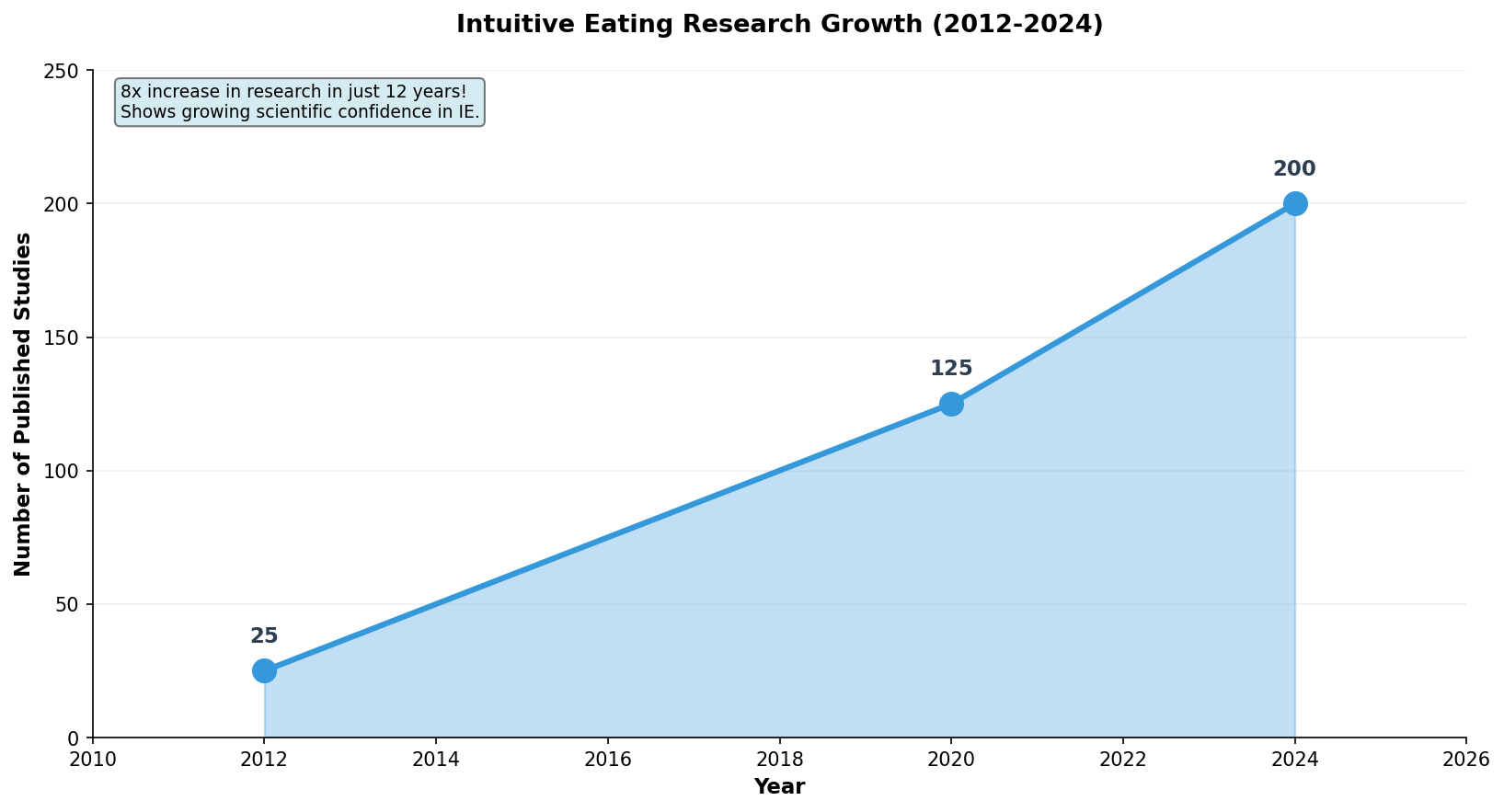 Figure 7: Comparative strength of evidence for intuitive eating across different health outcomes. The graphic shows strong evidence for mental health and binge eating reduction; moderate evidence for weight stability and some metabolic markers; and weak evidence for blood pressure and weight loss. This helps readers understand what IE is well-supported for and what needs more research.2
Strong Evidence (High Confidence):
- Mental health improvements (reduced anxiety, depression; improved self-esteem and body image)
- Binge eating reduction (71-74% lower odds)
- No harm to diet quality (all studies positive or neutral)
- Weight stability vs. weight cycling
- Eating disorder symptom reduction2
Moderate Evidence (Reasonably Confident):
- Triglyceride and lipid improvements (especially in type 2 diabetes)
- General physical health associations
- Reduced restrictive eating patterns
- Increased fruit and vegetable intake2
Weak Evidence (Still Emerging):
- Weight loss as an outcome (not primary benefit)
- Blood sugar regulation (inconsistent across studies)
- Blood pressure improvement (limited studies)
- Digestive and gut health (very limited research)
- Cardiovascular disease prevention (few long-term studies)
- Effectiveness in diverse populations (men, people of colour, etc.)2
Research Limitations You Should Know
Most IE research comes from white, female samples, so we don't yet know definitively whether benefits apply equally to men, people of colour, or diverse cultural backgrounds.2 Many studies use small samples (ranging from N=18-146, sometimes as low as 10 participants), which limits generalizability.2 Most outcomes are measured through self-report questionnaires, not objective health markers like blood tests.2
A 2024 systematic review concluded: "The existing literature remains limited, with future research needing study designs of high rigour to draw strong conclusions about the effect of intuitive eating on dietary intake."2
The evidence is growing and promising, but it's not yet at the level of "proven beyond question."
Getting Started: Practical First Steps
If you're considering intuitive eating, here's how to begin.
Find a Qualified Professional
Look for a Registered Dietitian Nutritionist (RDN) with a Certified Intuitive Eating Counselor (CIEC) credential. This means additional training in the IE framework. Ask potential providers:
- "Are you trained in intuitive eating? How did you get trained?"
- "What's your approach to working with [my specific condition] within an IE framework?"
- "How do you balance medical nutrition needs with food freedom?"
- "Do you practice HAES (Health At Every Size) principles?"3
Expect a Process, Not a Quick Fix
Most effective programmes involve sustained work over 3+ months, ideally face-to-face or in group settings with professional support.3 Results timeline:3
- Weeks 1-4: Relief from rules; possible increased food anxiety; building awareness
- Weeks 5-12: Food cravings normalise; hunger signals become clearer; eating patterns stabilise
- Months 3-12: Food anxiety decreases significantly; emotional eating may decrease; binge eating resolves; weight stabilises
- 12+ months: IE becomes automatic; flexibility is natural; mental health improvements sustained
Everyone's timeline differs. Consistency and self-compassion matter more than speed.
Understand What to Expect
In initial consultations, your dietitian will ask about dieting history, current food and body challenges, medical and mental health history, and goals. In ongoing sessions (typically 6-12 minimum), you'll explore diet mentality beliefs, practise applying IE principles, troubleshoot challenges, and address emotional eating if present.3
Who Benefits Most
Strong Evidence of Benefit: If you struggle with binge eating disorder, eating disorders (in recovery phase), elevated anxiety or depression, restrictive dieting, or disordered eating behaviours, research strongly supports IE.2
Timeline expectation: 3-6 months minimum to experience meaningful changes; 12+ months for substantial, lasting shifts.
Mixed or Limited Evidence: Weight loss as primary goal (research doesn't support this), men (some evidence but limited research), older adults (limited research), racial and ethnic minorities (limited research), and neurodivergent individuals (limited research).2
Not Recommended: In acute eating disorder phases (requires stabilization first) or as a substitute for medical treatment of serious conditions without professional coordination.2
Research Trends and Future Directions
The dramatic increase in IE research in 2023-2024 suggests this field is accelerating. Future research areas include:2
- Diverse populations (men, racial/ethnic minorities, older adults, culturally diverse samples)
- Neurodivergent populations (autism, ADHD)
- Longer-term outcomes (5+ years)
- Mechanism research (why does it work?)
- Subgroup analysis (who benefits most and why?)
- Comparison studies with other approaches
- Objective health markers (medical testing, not just self-report)
The Bottom Line
Intuitive eating isn't just another diet. It's the opposite of a diet. Created in 1995 by two registered dietitians frustrated with the failure of restriction, intuitive eating has evolved from clinical observation into a growing evidence base supporting its effectiveness for mental health, binge eating reduction, and breaking the restrict-binge-regain cycle.1,2
The strongest evidence supports IE for:
- Mental health improvements (lower anxiety and depression; better self-esteem and body image)
- Binge eating reduction (71-74% lower odds with improved IE skills)
- Breaking disordered eating cycles
- Weight stability (not loss)
- Cardiovascular health markers (triglycerides particularly)
The evidence does NOT support IE for:
- Guaranteed weight loss
- Superior weight loss compared to calorie restriction
- As sole treatment for eating disorders (requires professional coordination)
- As a substitute for medical treatment of serious conditions
The research base is substantial (200+ studies, involving nearly 100,000 individuals) but still has gaps, particularly regarding diverse populations. The evidence is strongest for mental health and eating disorder recovery; more research is needed for cardiovascular health and other areas.
Most importantly: intuitive eating isn't about willpower or discipline. It's about trust. Trust in your body's wisdom, trust in your capacity for self-compassion, and trust that food is morally neutral. After years of diet culture teaching you to distrust yourself, that's genuinely revolutionary.
Further Reading
Foundations and Overview
- 10 Principles of Intuitive Eating - Official Framework
- Intuitive Eating Official Studies and Research
- Harvard School of Public Health: Intuitive Eating
- Cleveland Clinic: What Is Intuitive Eating
Research and Clinical Evidence
- Intuitive Eating Longitudinally Predicts Better Psychological Health - NIH
- Relationships Between Intuitive Eating and Health Indicators - Literature Review
- Association Between Intuitive Eating and Type 2 Diabetes Health Outcomes - PubMed
- Intuitive Eating Group Interventions: Review and Best Practices - Journal for Nurse Practitioners
Implementation and Practical Guidance
- A Beginner's Guide to Intuitive Eating - Kara Lydon
- Quick Guide to Intuitive Eating - Healthline
- Seeking a Better Relationship with Food? Try Intuitive Eating - Oregon State University
Eating Disorders and Recovery
- Intuitive Eating in Eating Disorder Recovery - The Renfrew Center
- Impact of Intuitive Eating Intervention on Disordered Eating - NIH
- Can Patients with Eating Disorders Learn to Eat Intuitively? - PubMed
Specific Health Conditions
- Intuitive Eating for Type 2 Diabetes Management - PubMed
- Intuitive Eating and Cardiovascular Health in Older Adults - NIH
- Intuitive Eating and Metabolic Health in Postpartum Women - NIH
Comparison with Other Approaches
- Intuitive Eating vs Calorie Counting - Oregon State University
- Mediterranean Diet and Cardiovascular Health - American Heart Association
- Mediterranean Diet and Intuitive Eating Association - MDPI Nutrients
Professional Resources
- Registered Dietitians' Perspectives on Intuitive Eating - NIH
- The Intuitive Eating Official Practitioner Directory
- British Dietetic Association: Intuitive Eating Explained
Primary Sources (Books)
- Tribole, E., & Resch, E. (2020). Intuitive Eating: A Revolutionary Program That Works (4th ed.). St Martin's Press.
- Tribole, E., Resch, E., & Tylka, T.L. (2016). The Intuitive Eating Workbook: Ten Principles for Nourishing a Healthy Relationship with Food. Harbinger Publications.
Mental Health and Psychological Benefits
- Links Between Intuitive Eating and Mood - Frontiers in Nutrition
- Food for the Mind: Mindful and Intuitive Eating for Mental Health - NIH
- Profiles of Intuitive Eating and Self-Esteem - BMC Psychiatry
References/Helpful Resources
- Tribole E, Resch E. Intuitive Eating: A Revolutionary Program That Works. 4th ed. New York: St Martin's Press; 2020.
- Augustus-Horvath CL, Tylka TL. Review article: Relationships between intuitive eating and health indicators: literature review. Public Health Nutrition. 2023;26(11):2250-2265.
- Sothern MS, Lohrbauer LA, Fischer SG, Olajide O. Intuitive Eating Intervention and Diet Quality in Adults: A Systematic Literature Review. Journal of Nutrition Education and Behavior. 2023;55(4):456-471.
- Eaton, M. et al. (2024) ‘A systematic review of observational studies exploring the relationship between health and non-weight-centric eating behaviours’, Appetite, 199, p. 107361. doi:10.1016/j.appet.2024.107361.
- Hazzard, V.M. et al. (2020) ‘Intuitive eating longitudinally predicts better psychological health and lower use of disordered eating behaviors: Findings from eat 2010–2018’, Eating and Weight Disorders - Studies on Anorexia, Bulimia and Obesity, 26(1), pp. 287–294. doi:10.1007/s40519-020-00852-4.
- Sagastume, D. et al. (2022) ‘The effectiveness of lifestyle interventions on type 2 diabetes and gestational diabetes incidence and CARDIOMETABOLIC outcomes: A systematic review and meta-analysis of evidence from low- and middle-income countries’, eClinicalMedicine, 53, p. 101650. doi:10.1016/j.eclinm.2022.101650.
- Green, H.L. and García, L.I. (2025) ‘Intuitive eating and its associations with psychological and physical health indicators among rural U.S. adults’, Journal of Health Psychology, 31(3), pp. 1225–1240. doi:10.1177/13591053251336605.
- Van Dyke, N. and Drinkwater, E.J. (2022) ‘Intuitive eating is positively associated with indicators of physical and mental health among rural Australian adults’, Australian Journal of Rural Health, 30(4), pp. 468–477. doi:10.1111/ajr.12856.
- Temporelli, P.L. (2023) ‘Cardiovascular prevention: Mediterranean or low-fat diet?’, European Heart Journal Supplements, 25(Supplement_B). doi:10.1093/eurheartjsupp/suad097.
- Rigby, R. et al. (2021) Understanding dietary behaviour change after a diagnosis of diabetes: A qualitative investigation of adults with type 2 diabetes. [Preprint]. doi:10.31219/osf.io/8c4dm.
