

That clicking sound when you chew. The dull ache near your ear. The way your jaw sometimes feels locked or stiff. If this sounds familiar, you're not alone: about 1 in 10 people experience temporomandibular joint (TMJ) disorder, making it one of the most common pain conditions after low back pain. The good news? 75% of people improve significantly with natural, evidence-based home treatments, without needing surgery or invasive procedures.
This article gives you exactly what you need to understand what's happening in your jaw and how to take action starting today.
What's Actually Happening Inside Your Jaw
Your TMJ is where your lower jaw connects to your skull; you have one on each side, right in front of your ears. It's more complex than a simple hinge. Inside, there's a soft cartilage cushion (called the articular disk) that keeps the joint moving smoothly, much like the cushion in your knee. Four powerful chewing muscles control every movement.
This complexity is exactly why TMJ problems happen: when stress tightens those muscles, or when you grind your teeth, or when your head juts forward, the entire system gets overwhelmed. The good news is that understanding these mechanics means you can actually fix it.
How Common Is This? (And Why You Might Not Know)
Nearly 1 in 3 people worldwide experience some form of TMJ dysfunction when mild symptoms are included, though the active condition affecting daily life affects about 5-12% of people. In the UK and US, that's tens of millions of people.
The numbers get more interesting by region:
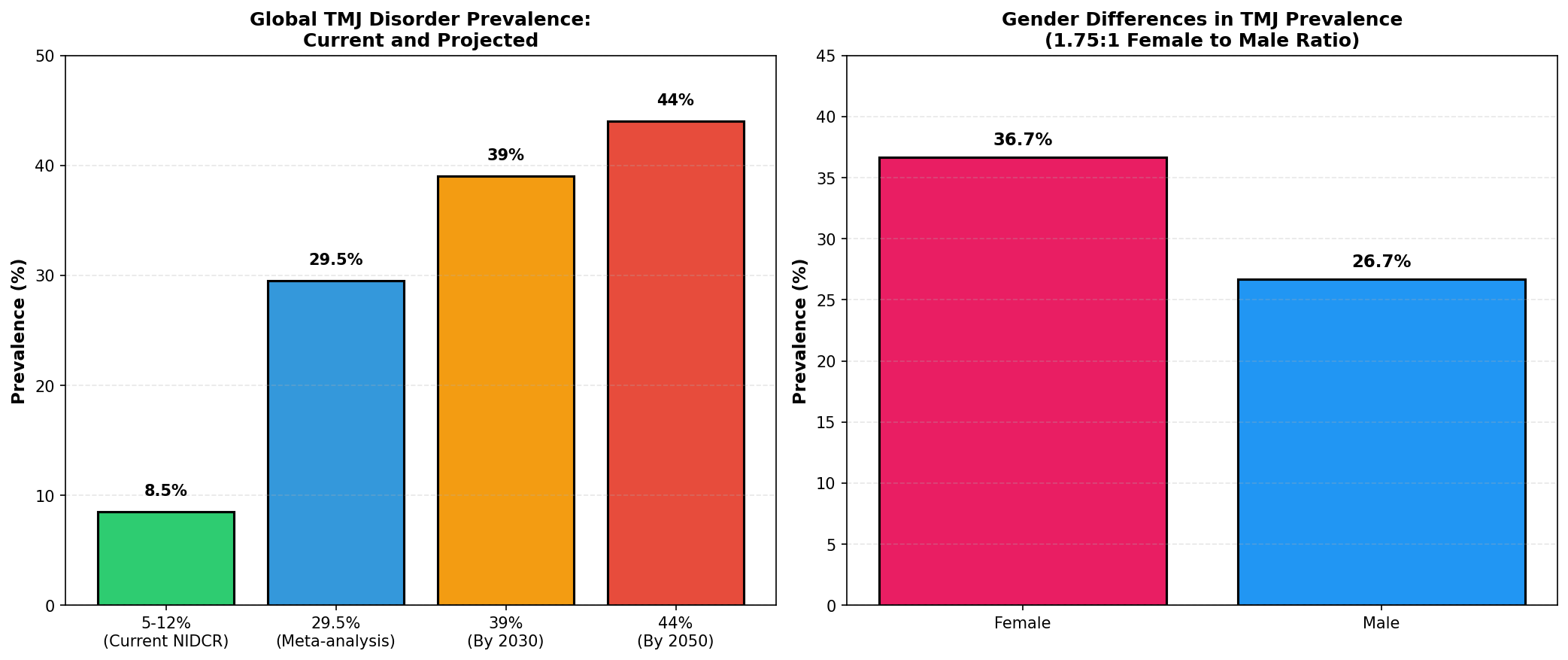 Figure 1: Current and projected TMJ prevalence rates across regions and by gender. Women are significantly more affected than men in all geographic areas. Data from NIDCR and global meta-analysis.
If you're a woman, pay special attention: you're 2-3 times more likely than men to develop TMJ disorder. This isn't weakness or poor posture on your part; it's biology. Women's jaw joints have different mechanical stress patterns, and hormonal factors (especially oestrogen in oral contraceptives and hormone replacement therapy) correlate with a higher risk. Understanding this means you can be more proactive about prevention and early intervention.
One unexpected finding: younger people are more likely to develop TMJ than older people (opposite of most chronic pain conditions). This suggests that stress management and avoiding bad habits in your twenties and thirties can prevent years of problems later.
Recognising TMJ: Symptoms Beyond Jaw Pain
The obvious symptoms are jaw pain (the most common), clicking or popping sounds, limited opening, and jaw clenching or grinding. But TMJ disorder often causes secondary symptoms that seem unrelated:
- Tension headaches (often mistaken for migraines)
- Ear pain or fullness
- Ringing in your ears (tinnitus)
- Tooth pain (frequently misdiagnosed as dental problems)
- Neck and shoulder pain
- Temple or face pain
- Dizziness
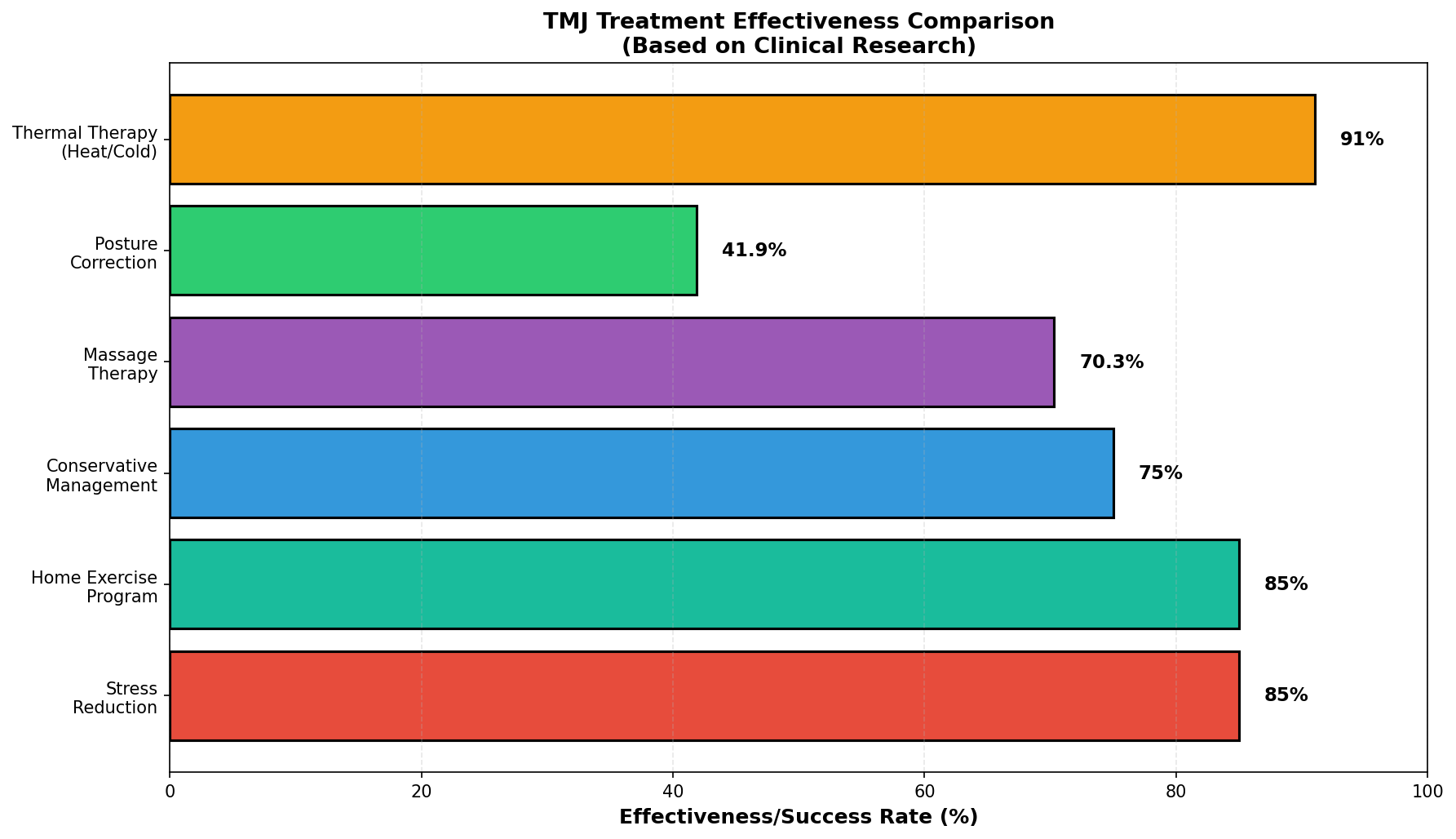 Figure 2: Most common TMJ symptoms. Jaw pain and clicking are primary, but secondary symptoms like headaches and neck pain are frequent. Data from NIDCR and clinical studies.
An important distinction: jaw clicking without pain is usually nothing to worry about. Many people have occasional clicking when yawning or opening very wide. But if clicking happens with pain, or if you have any of these secondary symptoms alongside jaw issues, professional evaluation is wise.
Why Does TMJ Tension Develop? The Real Risk Factors
TMJ disorder never has just one cause: it's multifactorial, with stress being the strongest predictor of whether you'll develop it.
Teeth grinding (bruxism) increases your risk nearly 5-fold. Stress and anxiety trigger jaw clenching automatically. Poor posture (especially forward head posture from computer work) mechanically overloads the joint. Sleep disturbance makes grinding worse. Parafunctional habits like nail biting or constantly resting your chin on your hand add up over time.
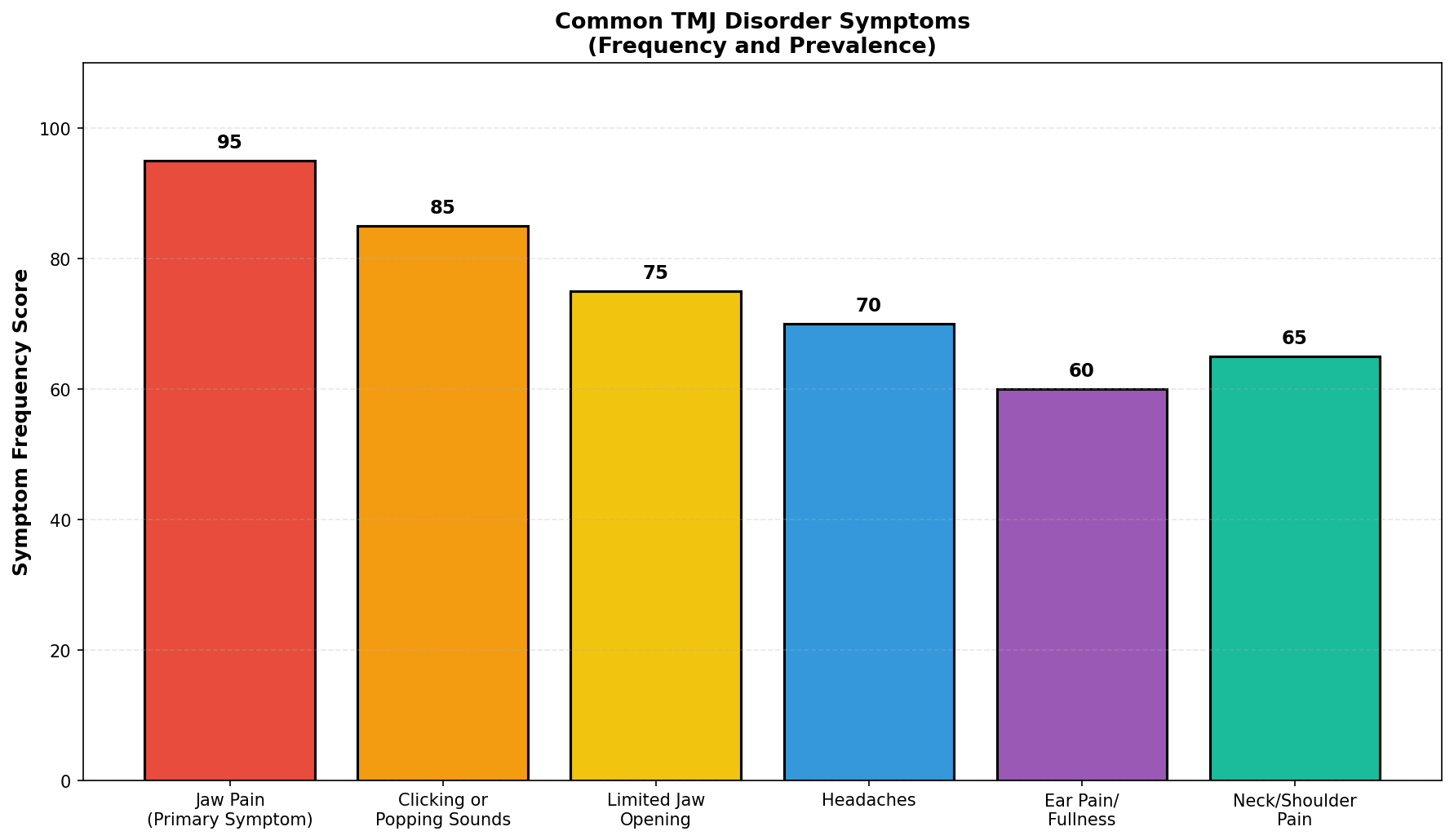 Figure 3: How many different factors increase TMJ risk? Grinding and parafunctional habits are the highest risks, both at 4.8 times baseline. The female gender doubles the risk. Data from NIDCR and risk factor research.
What's important: most of these are controllable. You can change your stress levels, sleep quality, posture, and habits. You can't change your sex or age, but you can take action despite those risk factors.
Natural Relief Methods: What Research Actually Shows
The evidence for natural treatment is strong. 91% of TMJ patients report that thermal therapies (heat and cold) provide their most effective relief. Combined approaches work better than single treatments. Let's break down each method:
Heat and Cold Therapy: Start Here (91% Effective)
Heat is the clear winner for most people because it raises your pain threshold, relaxes muscles, and improves jaw mobility. Nearly all TMJ patients prefer heat.
How to use heat properly:
- Use a moist heating pad or warm washcloth
- Temperature: warm (100-110°F / 37-43°C); warm, not hot
- Duration: 15-20 minutes
- Timing: Apply before exercises or first thing in the morning
- Frequency: Several times daily is fine
Cold therapy works best for acute inflammation and swelling:
- Use a cold pack wrapped in cloth (never ice directly on skin)
- Duration: 10-15 minutes
- Best for: After activity or during acute flares
- Frequency: Can use multiple times daily
The practical approach: Heat before your exercises and stretches to prepare muscles; cold after activity to reduce inflammation.
Jaw Exercises and Stretches: The Foundation (85% Effective)
Research consistently shows that jaw exercises are effective, especially when combined with other treatments. The most well-researched protocol is the Rocabado 6x6 exercises, which physiotherapists and TMJ specialists recommend.
1. Tongue Rest Position (Your Baseline)
This single change prevents unconscious jaw clenching throughout the day.
- Place your tongue on the roof of your mouth, just behind your front teeth
- Keep your teeth slightly apart
- Maintain this position as your resting baseline
- Do this all day, every day
Why this works: It establishes a proper jaw resting position and automatically prevents excessive tension.
2. Controlled Mouth Opening (The Core Exercise)
This trains coordinated jaw movement and prevents compensatory patterns that cause pain.
- Keep the tongue on the roof of the mouth in that resting position
- Slowly open your mouth whilst watching in a mirror to ensure your jaw moves straight down (no deviation to either side)
- Frequency: 6 repetitions, 6 times daily
- Duration: Hold each opening for 2-3 seconds
Additional helpful exercises:
- Resisted jaw opening: Place your thumb under your chin, apply gentle downward pressure while you resist with your jaw muscles. Hold 5-10 seconds, repeat 6 times
- Gentle jaw stretches: Touch your tongue to the roof of your mouth and slowly open your jaw, stretching the floor of your mouth. Hold 5-10 seconds, repeat 6 times
Expected timeline: Pain typically decreases noticeably after 3 months of consistent practice. Don't expect overnight results, but expect gradual, steady improvement.
Massage Techniques: Direct Tension Relief (70% Effective)
Professional massage works well, but self-massage is surprisingly effective and costs nothing.
Masseter Muscle Self-Massage (the cheek muscle)
- Location: Place fingers on your cheeks where you feel the muscle when you clench your teeth
- Technique: Apply gentle to moderate pressure in slow circular motions
- Duration: 2-3 minutes per side
- Frequency: 1-2 times daily
- Benefit: Directly reduces jaw tension and muscle tightness
Temporalis Muscle Self-Massage (the temples)
- Location: Temples on the sides of your head, above your ears
- Technique: Using all fingers, apply gentle pressure in small circles
- Duration: 2-3 minutes
- Frequency: 1-2 times daily
- Benefit: Relieves tension that contributes to jaw pain and headaches
Suboccipital Muscle Release (base of skull)
- Location: The small muscles where your neck meets the back of your head
- Technique: Using thumbs, apply gentle pressure and release tension through slow circles
- Duration: 1-2 minutes
- Frequency: 1-2 times daily
- Benefit: Reduces tension in the upper neck that affects jaw positioning
The research shows that combining self-massage with stretches, posture training, and stress management is more effective than massage alone.
Posture Correction: One of Your Biggest Wins (41.9% Symptom Reduction)
Poor posture, especially forward head posture, is one of the strongest predictors of TMJ pain. The excellent news: fixing posture alone reduces TMJ symptoms by nearly 42% and neck symptoms by 38%.
Proper sitting posture:
- Head: Sit tall with your head back on top of your shoulders, not forward
- Chin: Keep it parallel to the ground; not jutting forward
- Shoulders: Relax them down and back
- Core: Gently engage your abdominal muscles for neutral spine support
- Screen work: Position your monitor at eye level, 20-30 inches away
Desk setup for TMJ health:
- Monitor at eye level (top of screen at or slightly below eye level)
- Keyboard and mouse at elbow height
- Chair with lumbar support; feet flat on floor
- Avoid cradling the phone between your shoulder and ear; use a headset instead
- Take breaks every 30-60 minutes to stretch your neck and jaw
Make it stick: Set phone reminders every 30-60 minutes to check your posture. Awareness is half the battle. Forward head posture naturally creeps back, so constant small corrections work better than occasional major corrections.
Stress Management and Relaxation: Addressing the Root Cause (85% Effective)
Psychological stress is the most robust predictor of TMJ development. When you're stressed or anxious, your jaw muscles automatically tense and you unconsciously clench. Breaking this cycle requires deliberate relaxation practice.
Progressive Muscle Relaxation
This teaches your body to recognise and release tension.
- Systematically tense and then relax different muscle groups
- Start with your jaw: clench your teeth tightly for 5 seconds, then relax completely
- Progress through neck, shoulders, and arms
- Duration: 15-20 minutes total
- Frequency: Once or twice daily
- Evidence: Successfully reduces pain intensity in nearly all patients who practice regularly
Diaphragmatic Breathing (Deep Belly Breathing)
Your breath is a tension-relief tool you always have available.
- Inhale slowly through your nose for a count of 4, letting your belly expand
- Hold for a count of 4
- Exhale slowly through your mouth for a count of 4
- Duration: 5-10 minutes
- Best time: During stressful moments or when you notice jaw clenching
- Benefit: Activates your parasympathetic nervous system, immediately reducing muscle tension
Jaw Awareness and Relaxation
Throughout the day, develop awareness of your jaw position:
- Keep your tongue on the roof of your mouth (that resting position again)
- Let your teeth remain slightly apart with your lips gently closed
- Scan your jaw for tension multiple times daily
- Consciously relax when you notice clenching
- This sounds simple, but it's powerful: unconscious clenching becomes conscious control
Cognitive Behavioural Therapy (CBT)
Research shows that CBT for TMJ-related anxiety produces pain reduction equal to or better than standard physical treatment alone, and the benefits last longer. If you're dealing with significant anxiety or depression alongside TMJ, working with a psychologist trained in CBT can be transformative.
Lifestyle Modifications for Long-Term Management
Sleep Quality: The Invisible Healer
Good sleep quality is a key factor underlying pain control. Poor sleep worsens pain perception and increases muscle hyperactivity; a vicious cycle. Conversely, improving sleep directly reduces TMJ symptoms.
Sleep hygiene improvements:
- Consistent sleep schedule: Same bedtime and wake time, even weekends
- Duration: 7-9 hours nightly (especially important for pain management)
- Environment: Cool, dark, quiet bedroom
- Avoid screens 30-60 minutes before bed (blue light suppresses melatonin)
- Avoid caffeine after 2 PM and alcohol in the evening (disrupts sleep architecture)
- Pre-sleep routine: Gentle jaw stretching, warm compress on jaw muscles, or progressive relaxation
Managing sleep bruxism (grinding):
- Custom mouth guard: A plastic mouthpiece fitted to your upper teeth prevents enamel-on-enamel contact
- Evening relaxation: Stress management and breathing exercises before sleep reduce nighttime grinding
- Sleep position: Use whatever position minimises jaw and neck tension; back sleeping with proper pillow support is often preferred
Obstructive Sleep Apnea Connection:
If you snore, experience breathing pauses during sleep, or feel chronically drowsy, discuss sleep apnea with your doctor. Treating sleep apnea significantly improves TMJ pain, suggesting these conditions share common mechanisms.
Ergonomics and Workspace Setup
If you work at a computer, your workspace is either helping or hurting your TMJ every single day. Video display terminal operation is linked to TMJ through eyestrain, postural stress, and stress activation.
Set up your workspace correctly:
- Position monitor at eye level to maintain neutral head posture
- Keep monitor 20-30 inches from your eyes (arm's length)
- Keyboard and mouse at elbow height
- Chair supports the lumbar spine; feet rest flat on the floor
- Take regular breaks (every 30 minutes) to stretch neck and jaw
- Consider a standing desk option to vary posture throughout the day
Dietary Modifications: Soft Foods Only When Necessary
Research shows that normal chewing is not a cause of TMJ disorder. However, during acute pain episodes, soft foods help by reducing jaw stress whilst you're healing.
When to use soft foods: Only during your most painful periods. Research shows that returning to normal eating within 2-4 weeks is important.
Best soft foods:
- Yoghurt and soft cheeses
- Soups and broths
- Mashed potatoes and sweet potatoes
- Cooked vegetables (soft)
- Scrambled or soft-cooked eggs
- Moist fish
- Smoothies and protein shakes
- Oatmeal and soft grains
- Soft fruits and bananas
Important: Prolonged diet restriction can lead to nutritional deficiency. Focus on nutrient-dense soft options, and transition back to normal foods as pain decreases.
Nutritional support for healing:
- Protein: Essential for muscle and tissue repair
- Omega-3 fatty acids: May support inflammation reduction (fish, flaxseed, walnuts)
- Antioxidants: Support tissue healing (fruits, vegetables)
- Hydration: 6-8 glasses daily supports overall healing
Putting It All Together: Your Daily Natural Relief Plan
Research shows that combining multiple approaches is more effective than any single treatment. Here's what a practical daily routine looks like:
Morning (10 minutes):
- Posture check and alignment
- 10-15 minutes of heat therapy to the jaw and neck
- Rocabado exercises: 6 repetitions of tongue position and controlled opening
- Gentle jaw stretches
Throughout the Day:
- Posture checks every 30-60 minutes
- Maintain proper resting position (tongue on the roof of the mouth, teeth slightly apart)
- Diaphragmatic breathing when stressed
- Gentle self-massage of the masseter and temporalis if tension develops
- Awareness of jaw tension and conscious relaxation
Evening (10-15 minutes):
- Progressive muscle relaxation
- Heat therapy to the jaw
- Gentle stretching
- Diaphragmatic breathing
- Set up proper sleep positioning
Expected improvements:
- 2 weeks: Pain relief begins; heat therapy provides immediate comfort
- 4 weeks: Noticeable improvement; daily activities become easier
- 8-12 weeks: Significant functional improvement, increased jaw opening
- 3-6 months: Most people see major improvement with consistent practice
- 6-12 months: Maximum improvement typically achieved
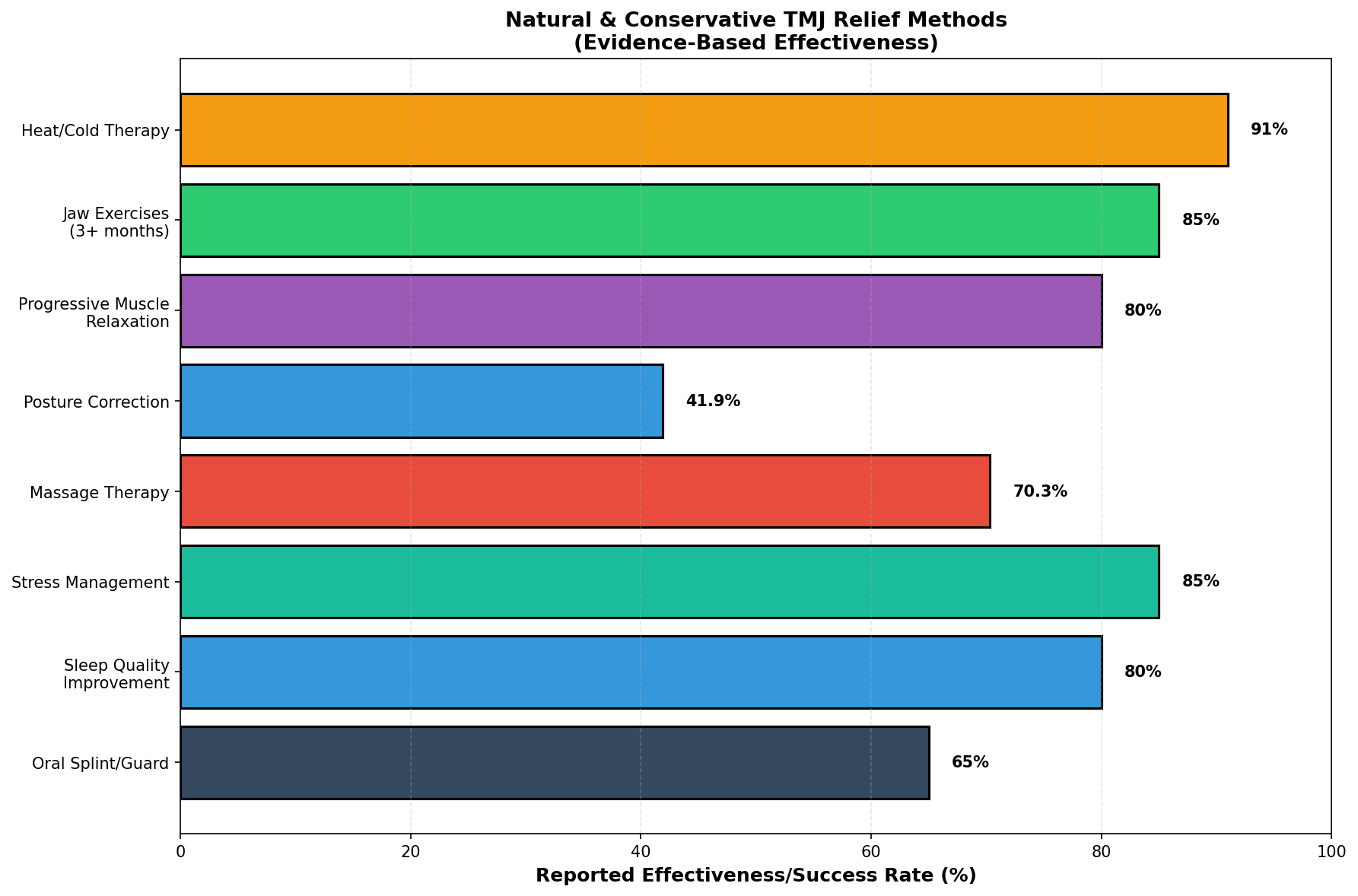 Figure 4: Success rates for different treatment approaches. Heat therapy leads at 91%, while combined conservative management averages 75%. Data from clinical trials and patient surveys.
Which Natural Methods Work Best? (Effectiveness Ranked)
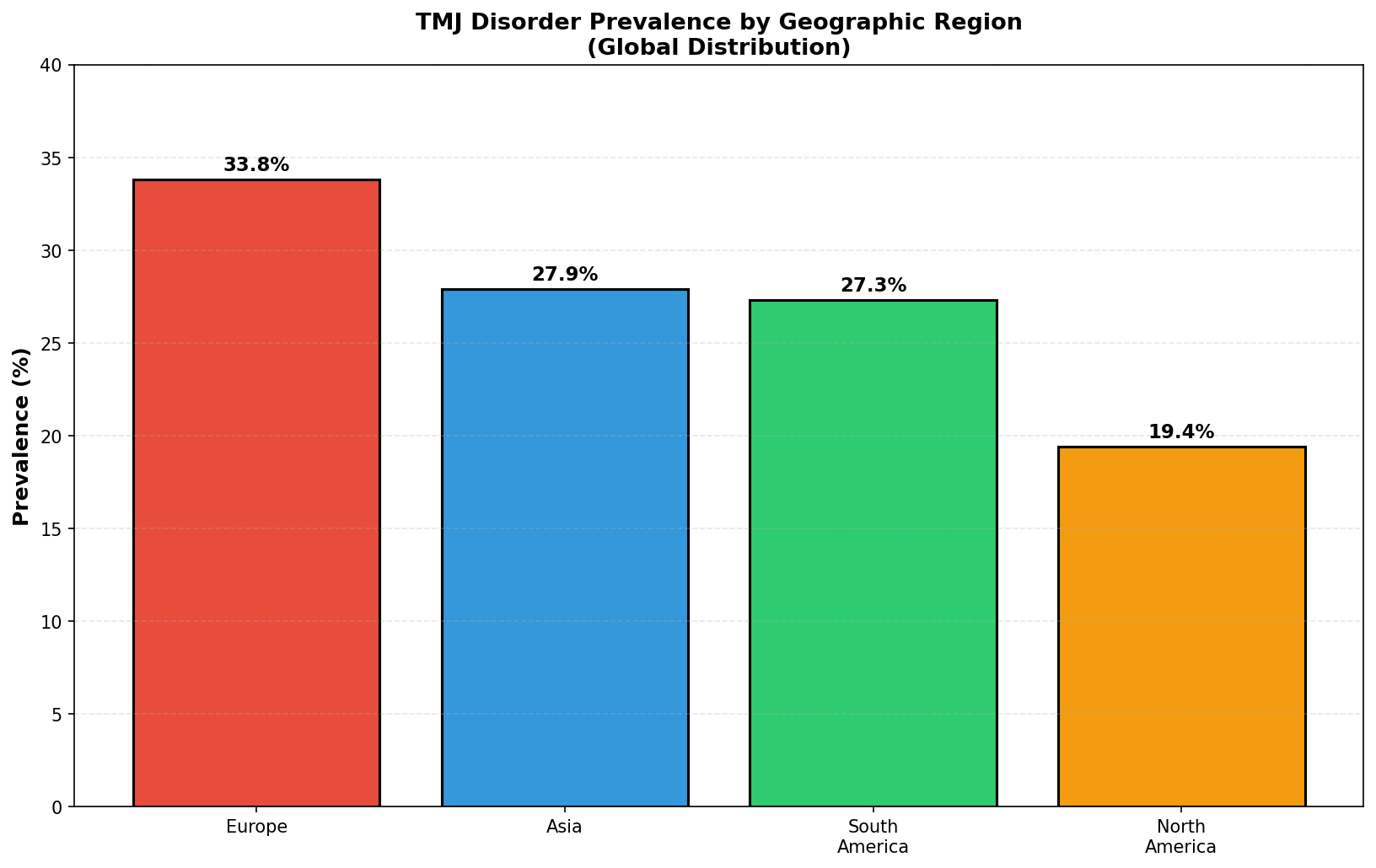 Figure 5: Effectiveness ratings for specific natural relief methods. Heat (91%) and exercises (85%) are most effective, followed by stress management (85%) and massage (70%). Data from clinical trials and research studies.
When to Seek Professional Help
Self-care handles most TMJ cases, but professional help becomes important in these situations:
Seek professional evaluation if:
- Symptoms persist for more than 2 weeks despite consistent home treatment
- Jaw pain prevents normal eating or speaking
- Jaw clicking is accompanied by pain or progressive worsening
- Jaw locking develops (inability to open without pain)
- Pain radiates to the ears, temples, or neck
- Persistent headaches are associated with jaw symptoms
- Sleep is disrupted by pain or grinding
- Symptoms interfere with work or daily activities
Red flags requiring urgent care:
- Dislocated jaw (unable to close mouth; medical emergency)
- Severe swelling affecting breathing or swallowing
- Recent trauma or injury to the jaw
Specialists who can help:
- Primary care physician (rule out systemic causes, manage pain)
- Dentist or oral surgeon (bite assessment, mouth guards, dental factors)
- Physical therapist (exercises, posture correction, manual therapy)
- Psychologist (stress management, CBT, anxiety treatment)
- Neurologist (if headaches are prominent)
Realistic Expectations for Recovery
70-83% of TMJ cases improve significantly with non-surgical, conservative treatment. This is excellent news. What should you expect?
- Heat therapy provides immediate relief within hours or days
- Posture correction alone can reduce symptoms by nearly 42%
- Regular exercise typically shows results within 3 months
- Combined approaches work faster than any single method
- Improvement is gradual and consistent, not dramatic overnight
- Durable results: Once improved, relapse is uncommon if you maintain your home programme
Factors that predict success:
- Active engagement with multiple treatment approaches
- Consistent home exercise practice
- Good stress management and sleep quality
- Lower baseline anxiety and depression
- Belief that improvement is possible
- Willingness to modify habits and posture
Factors that predict slower progress:
- Severe jaw dysfunction (locking, significant clicking)
- Untreated anxiety or depression
- Poor sleep quality
- Sedentary lifestyle
- High stress without coping strategies
- Non-compliance with home exercises
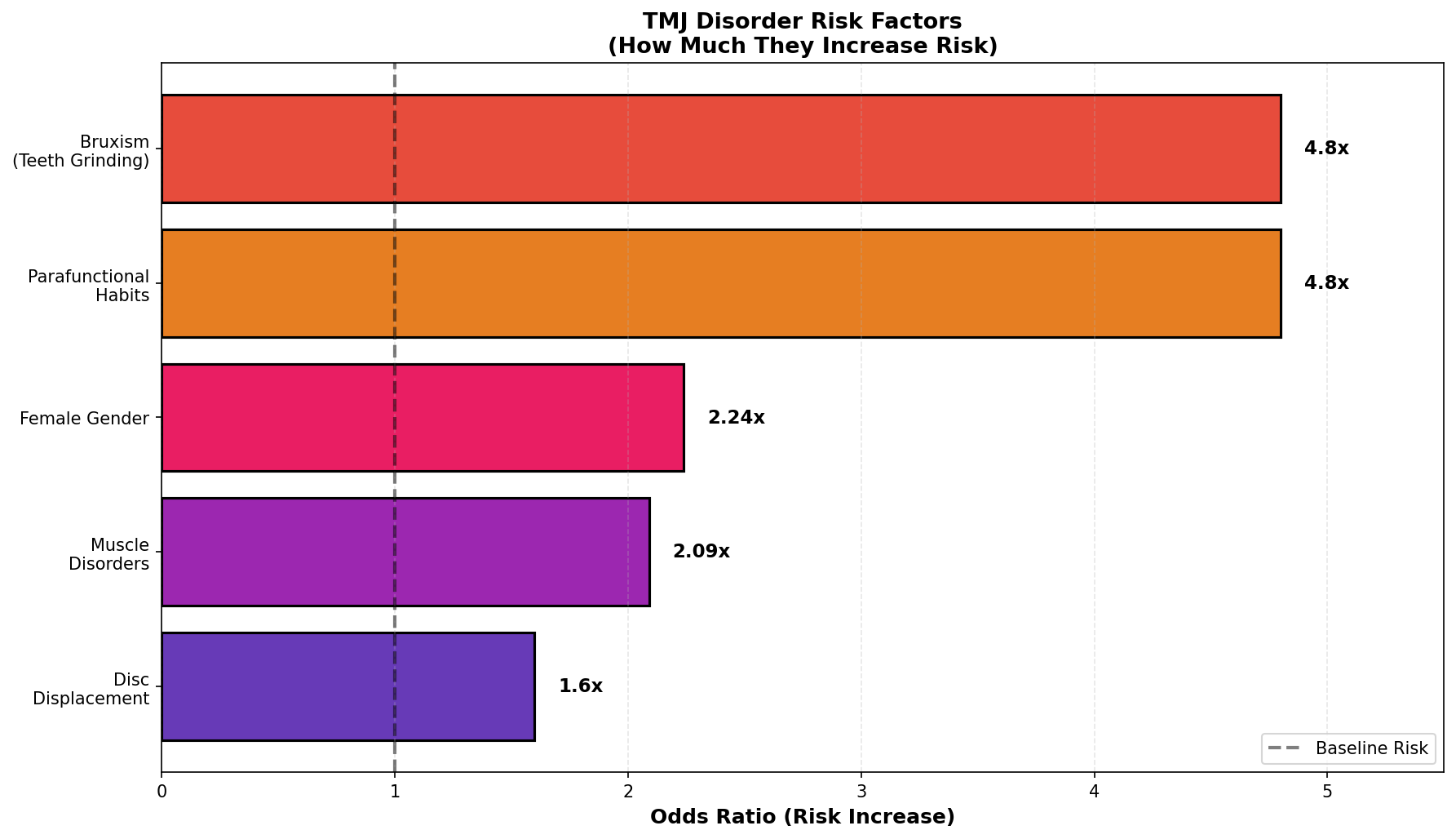 Figure 6: Expected improvement over a 12-month treatment period. Noticeable improvement typically comes within 4 weeks; major improvement by 12 weeks. Most patients reach maximum improvement within 6-12 months. Data from clinical outcomes studies.
A Note on Prevention
If you don't have TMJ symptoms yet but recognize some risk factors in your life, prevention is absolutely worth it:
- Manage stress daily: Meditation, exercise, and mindfulness practices directly prevent TMJ development
- Optimise sleep: 7-9 hours nightly with good sleep hygiene
- Maintain posture awareness, especially if you work at a desk
- Break parafunctional habits: Stop nail biting, pencil chewing, and chin resting
- Regular dental care: Annual checkups allow early detection of grinding wear
- Limit jaw stress: Avoid excessively hard foods, wide yawning without jaw support
- Limit caffeine and alcohol: Both can trigger grinding
Young adults should pay special attention: the data show TMJ is unusually common in people under 40, suggesting that early prevention can save years of potential problems.
The Bottom Line: You Can Take Action Today
TMJ disorder is incredibly common, highly treatable, and often completely reversible with natural methods. You don't need to wait for professional treatment to start improving. Heat, exercise posture awareness, stress management, and sleep quality are all starting points you can implement immediately.
The most important insight from research: combining multiple approaches works better than any single treatment. Start with the easiest (heat therapy), add the most powerful (posture correction and stress management), and build from there. Your jaw isn't as complicated as you might think: it just needs consistent, intelligent care.
Further Reading
Understanding TMJ Basics
- National Institute of Dental and Craniofacial Research (NIDCR) - TMJ Information
- Mayo Clinic - Temporomandibular Joint (TMJ) Disorders
- Cleveland Clinic - Temporomandibular Disorders Overview
Exercise and Physical Therapy Approaches
- NHS - Temporomandibular Disorder (TMJ) Exercises and Management
- Harvard Health - Unlocking the Lock Jaw: TMJ Dysfunction
- PubMed - Effectiveness of Exercise Therapy in TMJ Pain Relief
Stress Management and Sleep
- Harvard Health - Cold Versus Heat for Pain Relief
- Cleveland Clinic - Bruxism (Teeth Grinding) Management
- PubMed - Progressive Muscle Relaxation in TMJ Treatment
Lifestyle and Prevention
- NIDCR - Bruxism and Teeth Grinding Information
- Mayo Clinic - TMJ Diagnosis and Treatment Options
- PubMed - Posture Training Effectiveness for TMJ
Professional Resources and Support
- PubMed Central - Temporomandibular Disorders Research Database
- NHS - When to See a Healthcare Provider for TMJ
- MedlinePlus - Temporomandibular Disorders
References/Helpful Resources
- National Institute of Dental and Craniofacial Research. Temporomandibular Disorders [Internet]. [cited 2026 May 3]. Available from:
- Mayo Clinic. Temporomandibular Joint (TMJ) Disorders: Symptoms and Causes [Internet]. [cited 2026 May 3]. Available from:
- Mayo Clinic. Temporomandibular Joint (TMJ) Disorders: Diagnosis and Treatment [Internet]. [cited 2026 May 3]. Available from: https://www.mayoclinic.org/diseases-conditions/tmj/diagnosis-treatment/drc-20350945
- Cleveland Clinic. Temporomandibular Disorders (TMD) Overview [Internet]. [cited 2026 May 3]. Available from: https://my.clevelandclinic.org/health/diseases/15066-temporomandibular-disorders-tmd-overview
- Cleveland Clinic. Bruxism (Teeth Grinding) [Internet]. [cited 2026 May 3]. Available from: https://my.clevelandclinic.org/health/diseases/10955-teeth-grinding-bruxism
- Harvard Health Publishing. Unlocking the Lock Jaw: Temporomandibular Joint (TMJ) Dysfunction [Internet]. [cited 2026 May 3]. Available from: https://www.health.harvard.edu/blog/unlocking-the-lock-jaw-temporomandibular-joint-tmj-dysfunction-2017022211146
- Harvard Health Publishing. Cold Versus Heat for Pain Relief: How to Use Them Safely and Effectively [Internet]. [cited 2026 May 3]. Available from: https://www.health.harvard.edu/pain/cold-versus-heat-for-pain-relief-how-to-use-them-safely-and-effectively
- National Health Service. Temporomandibular Disorder (TMD) [Internet]. [cited 2026 May 3]. Available from: https://www.nhs.uk/conditions/temporomandibular-disorder-tmd/
- National Institutes of Health. Bruxism [Internet]. National Institute of Dental and Craniofacial Research. [cited 2026 May 3]. Available from: https://www.nidcr.nih.gov/health-info/bruxism
- PubMed Central. Effectiveness of Physiotherapy in the Treatment of Temporomandibular Joint Dysfunction and the Relationship with Cervical Spine [Internet]. [cited 2026 May 3]. Available from: https://pubmed.ncbi.nlm.nih.gov/36959659
- Blanco Aguilera A, et al. Temporomandibular Disorders and Their Association with Sleep Disorders in Adults: A Systematic Review, and Meta-analysis. J Oral Facial Pain Headache. 2021;35(2):87-99. doi:10.11607/ofph.2780. .
- Saliem SS, et al. Nutritional Strategies for Chronic Craniofacial Pain and Temporomandibular Disorders: Current Clinical and Preclinical Insights. Nutrients. 2024;16(17):2854. doi:10.3390/nu16172854.
- Henkel M, et al. Obstructive sleep apnea treatment improves temporomandibular disorder pain and headaches. J Oral Maxillofac Surg. 2023;81(10):1245-1252. doi:10.1016/j.joms.2023.06.012. PMID:37491568.
- Krungliob P, et al. Temporomandibular disorders and dietary changes: A cross-sectional survey. J Oral Rehabil. 2021;48(10):1150-1158. doi:10.1111/joor.13210.
