

Lectins in Food: Why You're Probably Eating Them (And Why That's Actually Fine)
You've likely heard the warnings: lectins are antinutrients lurking in your beans and grains, damaging your gut and stealing your nutrients. Maybe you've considered going lectin-free, or you're nervous about eating legumes altogether. The narrative sounds compelling until you look at what the research actually shows.
The truth is far more nuanced. Raw kidney beans genuinely can make you very sick. But properly cooked beans? They're among the healthiest foods you can eat. In fact, science suggests lectins might actually be beneficial compounds that help protect you against disease. This article explains what lectins really are, where they're found, what the genuine risks are, and why the evidence points toward eating more of these foods, not fewer.
What Are Lectins, and Why Do Plants Have Them?
Lectins are proteins found in nearly all plants.1 They serve as a plant's natural defence system, protecting seeds and growing plants from harm. Think of them as a plant's immune system: just as your body produces antibodies to fight pathogens, plants produce lectins to defend against fungi, bacteria, insects and parasites.1
The lectin concentration is especially high in seeds, which makes evolutionary sense. A seed needs maximum protection during its most vulnerable stage, when it's dormant and waiting to germinate. Lectins are particularly abundant in seeds and storage tissues, suggesting this natural protective system plays an important role in seed survival.1
Here's the key insight for your diet: you eat lectins regularly, perhaps without knowing it. Lectins are widely distributed in plant-based foods, particularly in grans, beans, and vegetables.2 But the presence of a compound in food doesn't automatically make it dangerous. The real question is whether lectins in the foods you actually eat cause harm. The answer depends on preparation.
Where Are Lectins, and How Much Should You Worry?
Lectins vary dramatically in concentration depending on the food and whether it's raw or cooked. Understanding this hierarchy helps explain which foods require care and which are naturally safe.
Highest Lectin Foods (Raw)
Legumes contain the highest lectin levels of any food group.2 Red kidney beans show particularly high lectin activity, while lectins have also been detected in soybeans. Lima beans can contain high lectin activity that varies widely by variety, and chickpeas and lentils also contain lectins, with levels varying depending on type and measurement method.2
Grains also contain significant lectin levels. Raw wheat germ, for example, contains up to 300 micrograms of lectin per gram.2 However, wheat isn't typically eaten raw; it's processed into bread, pasta, cereals and baked goods where lectin levels are further reduced by cooking and processing.
Nightshade vegetables (tomatoes, potatoes, peppers, eggplant) contain lectins, but at much lower concentrations than legumes. Tomatoes and potatoes contain measurable lectin activity, while some vegetables, such as eggplant and certain peppers, may contain little or not detectable lectin activity.2
Nuts and seeds vary. Some seeds, such as chia, hemp, and sesame, show little or no detectable lectin activity.2
Most fruits and vegetables contain minimal lectins, and many commonly consumed plant food show low or undetectable lectin activity and generally require no special preparation.2
The Crucial Point: Raw vs Cooked
The dramatic difference between raw and cooked lectin levels is where the story gets interesting. Cooking eliminates most lectins. In fact, this is one of the most well-established and reassuring findings in lectin research.
Red Kidney Beans: A Case Study in Food Safety
Red kidney beans are the poster child for lectin concern, and for good reason. Raw kidney beans contain one of the highest lectin concentrations of any food.2 But watch what happens with proper cooking:
- Raw: high lectin activity
- After thorough cooking: lectin activity is reduced to low or undetectable levels
- Reduction: substantial reduction following soaking and boiling2
This is why kidney beans aren't inherently dangerous; they're a preparation problem. Even a small number of raw or improperly cooked kidney beans (as few as 4-5) can trigger severe food poisoning symptoms (nausea, vomiting, diarrhoea) within 1-3 hours.[3] But someone would have to intentionally eat raw beans to experience this. In modern cooking, raw beans almost never make it to the table.
How to Safely Prepare Lectin-Containing Foods
If you want to eat beans, lentils and whole grains (and the research strongly suggests you should), proper preparation is straightforward. Different methods have different effectiveness, but all reduce lectins to safe levels.
Most Effective: Pressure Cooking
Pressure cooking is your gold standard. Pressure cooking for 7.5-15 minutes achieves 100% lectin elimination across lentils, beans and legumes.4
Why is it so effective? The combination of high pressure and high temperature completely denatures the lectin proteins, breaking them down irreversibly. It's also the fastest method; ready in less than 20 minutes.
Highly Effective: Boiling
Traditional boiling is equally effective, though it takes longer. Boiling for 30-60 minutes reduces lectins substantially, leaving only trace amounts.2
The key is using wet heat with vigorous boiling. This is why slow cookers on low heat don't work; the water temperature simply isn't high enough to break down lectins effectively. This distinction matters for food safety.
Less Effective but Helpful: Soaking
Soaking beans in water reduces lectin content by only 0.11-5.18% (basically negligible on its own).4 However, soaking followed by cooking can help reduce lectin activity by inactivating these compounds, which helps prevent any digestive irritation.3 So while soaking isn't sufficient alone, it's a useful first step before cooking.
Additional Methods: Fermentation and Sprouting
Fermentation reduces lectins by up to 95% and is especially valuable for soy products.4 This is why tempeh and miso (fermented soy foods) are even safer and more digestible than plain cooked soybeans. Sprouting also provides modest lectin reduction, particularly when combined with soaking.
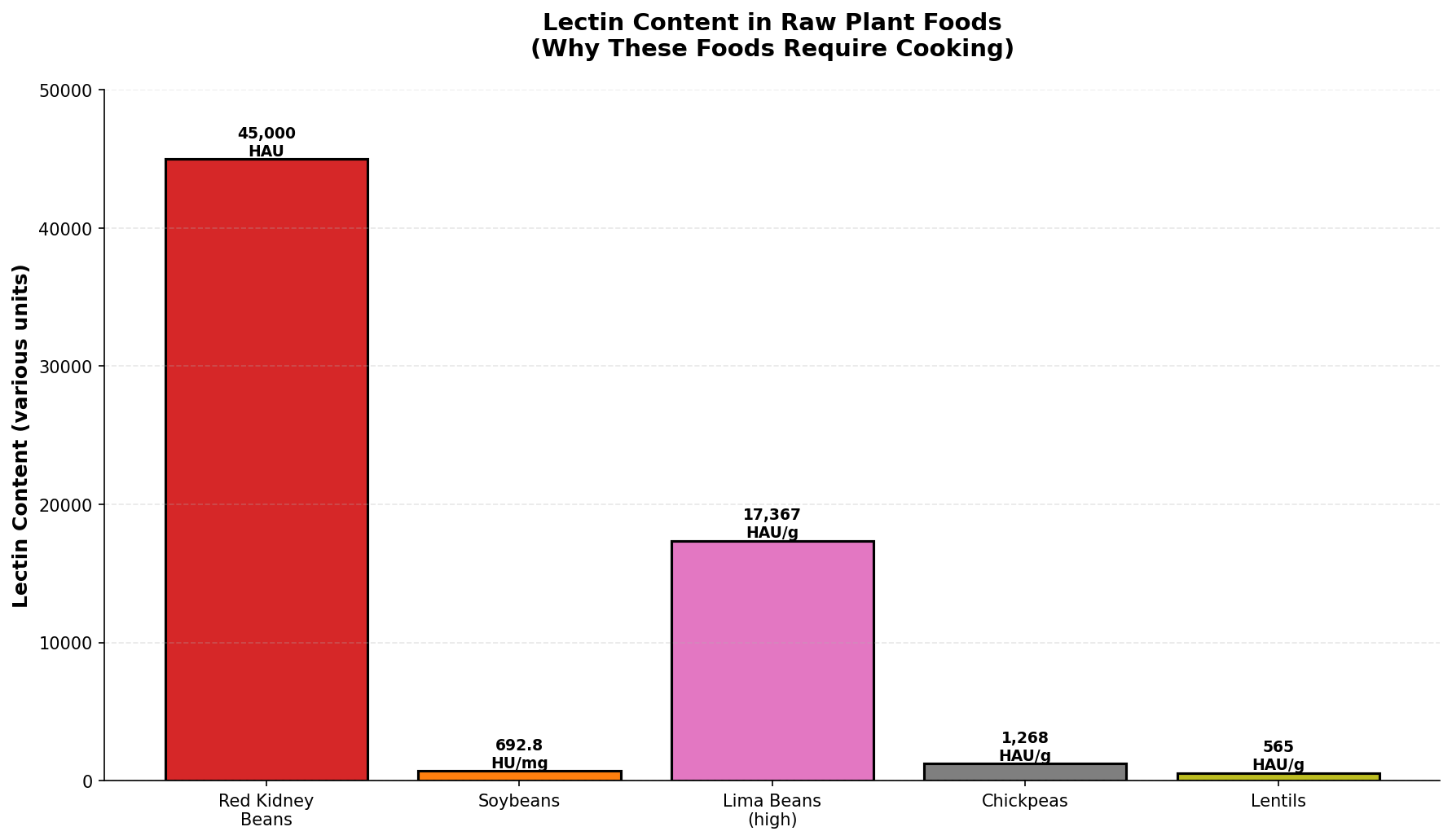 Figure 1: Pressure cooking is most effective (100% elimination), while soaking alone is insufficient; combine methods for best results.4
Canned Beans: Already Safe
If you're short on time, canned beans are already cooked during processing, which reduces lectin activity and makes them safe to eat.3 You can drain and rinse them if you prefer, or use them directly in recipes.
The Health Benefits: Why You Should Eat These Foods
Here's where the lectin story becomes genuinely surprising. Rather than being purely harmful "antinutrients," lectins appear to be bioactive compounds with significant protective properties. The evidence is compelling.
Disease Prevention: The Big Picture
Large population studies consistently show that people who regularly eat legumes (the highest lectin-containing foods) have substantially lower disease risk. This isn't from small studies or theoretical mechanisms; these are meta-analyses combining data from thousands of people.
Regular legume consumption reduces all-cause mortality by 6% for each 50-gram daily increase.5 That's about one serving of beans per day. To put this in perspective: in a population of 1,000 people, regular legume consumption would prevent approximately 60 early deaths compared to those who avoid these foods.
The benefits extend to specific diseases:
- Coronary heart disease risk drops by 9-10% with the highest legume consumption5
- Overall cardiovascular disease risk decreases by 6%6
- Stroke risk falls by 9%5
These aren't trivial improvements. Heart disease and stroke are leading causes of death. A 9-10% risk reduction is medically significant and represents millions of lives saved globally if people increased legume consumption.6
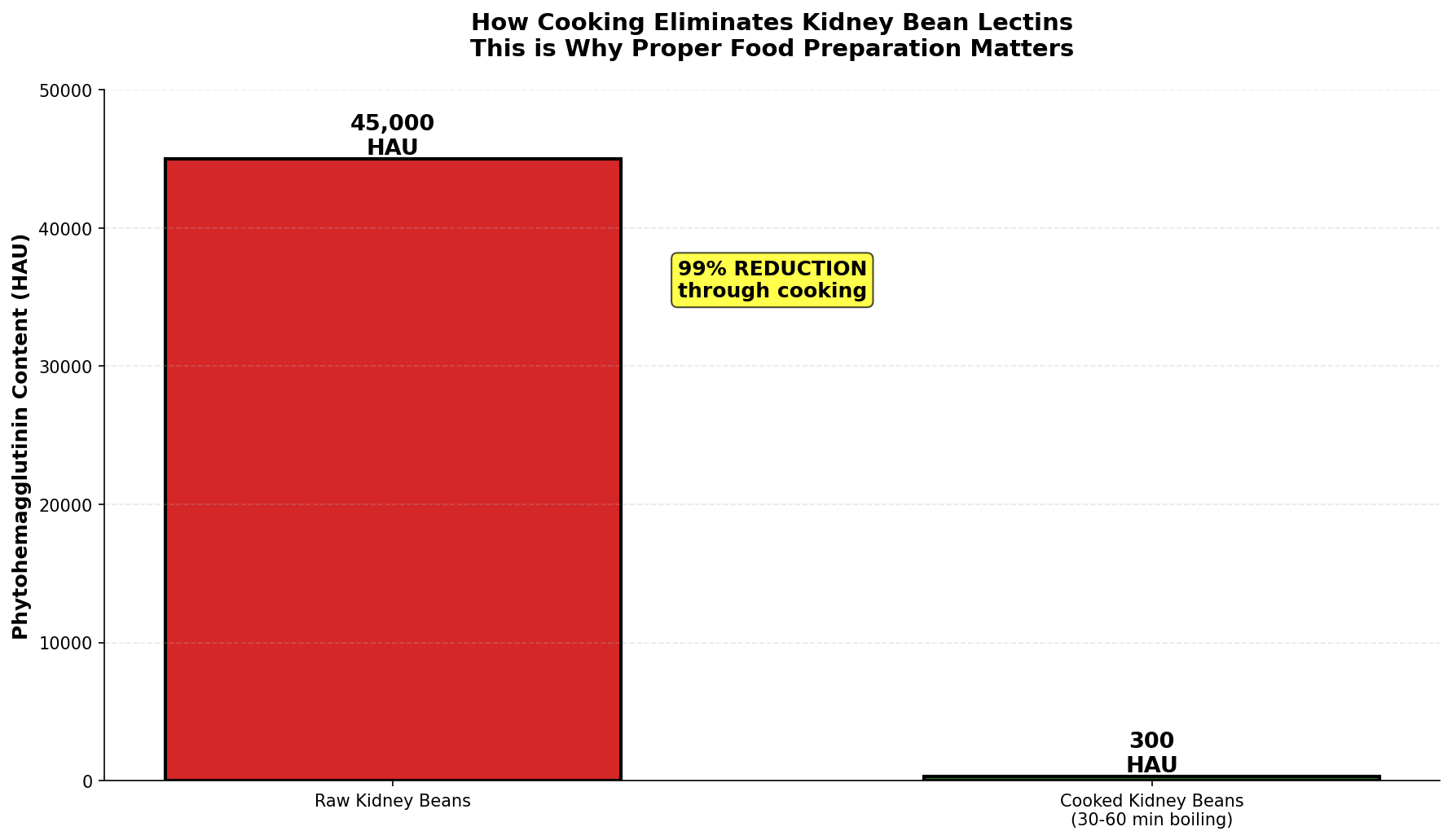 Figure 2: Legumes reduce multiple major disease risks, with coronary heart disease and stroke showing particularly strong benefits.5,6
Blood Sugar Control and Diabetes Prevention
If you have diabetes or are worried about developing it, lectins might interest you for a different reason: they actually help control blood sugar.
Lectins slow the digestion and absorption of carbohydrates, which means blood sugar rises more gradually after eating legumes compared to refined carbohydrates.7 This has real clinical benefits.
A study of 121 people with type 2 diabetes found that eating legumes (approximately 1 cup daily) reduced HbA1c (a measure of average blood sugar over three months) by 0.5% over three months.8 For comparison, eating whole wheat fibre reduced HbA1c by 0.3%. The legume diet showed 67% greater blood sugar improvement than wheat fibre.8
For people with diabetes, a 0.5% HbA1c reduction translates to meaningful clinical benefits: reduced risk of kidney damage, better vision protection, lower risk of nerve damage, and fewer cardiovascular complications.8
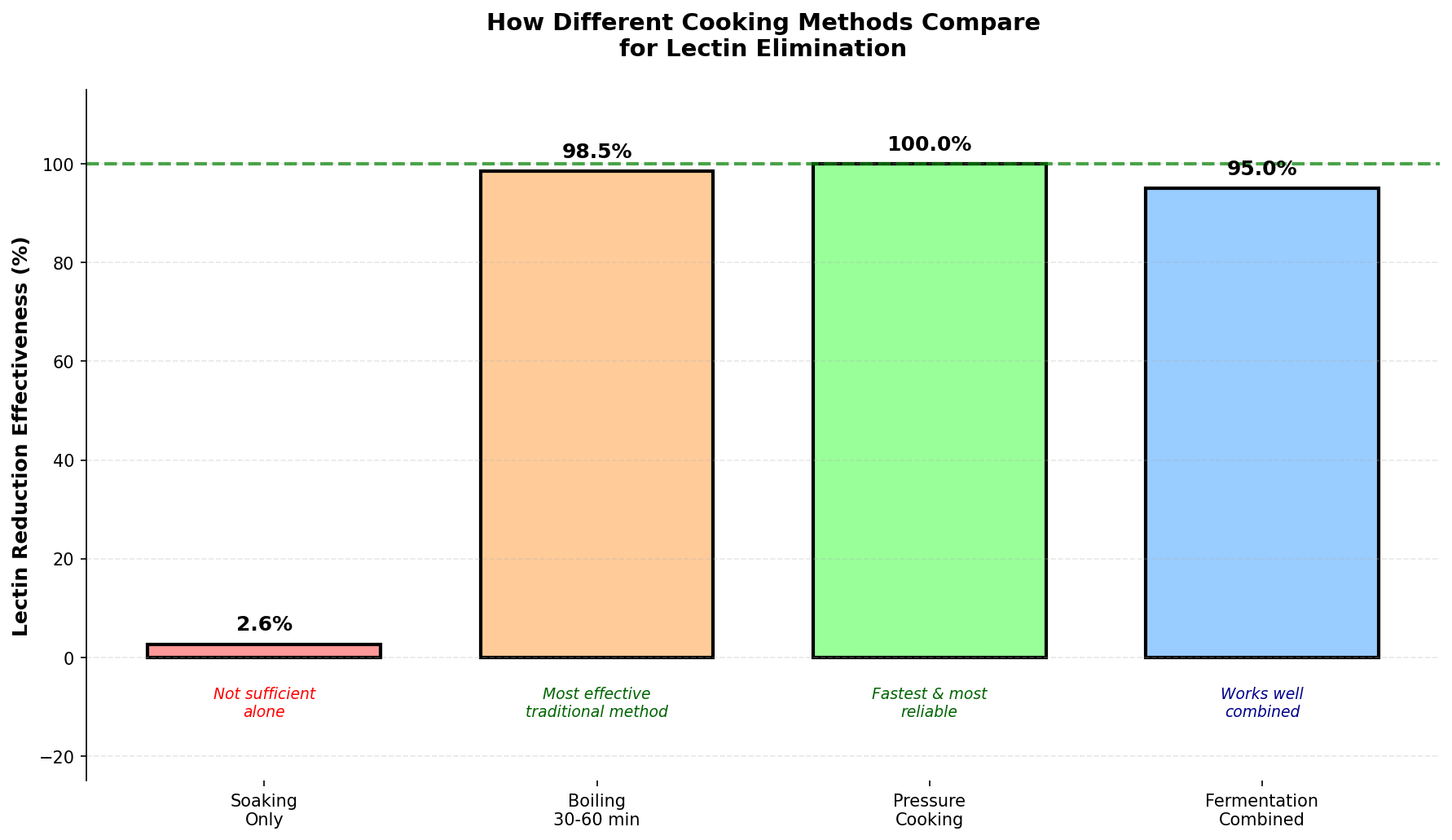 Figure 3: Legumes outperform whole wheat for blood sugar control, with superior HbA1c reduction over three months.8
Weight Management
Population studies consistently show that people who regularly consume legumes weigh less than those who avoid them.9,10 This isn't because beans are low in calories; they're actually quite calorie-dense. Rather, it's because lectins (along with fibre and protein) slow digestion, promoting satiety. You feel full longer, eat less overall, and lose weight.9
There's no evidence that lectin-free diets produce better weight loss. In fact, they usually produce worse outcomes because they eliminate nutritious, filling foods.
Antioxidant and Anti-Inflammatory Properties
Legumes are powerhouses of antioxidant compounds. Lectins are part of this package, but they're also accompanied by flavonoids, tannins, and other phenolic compounds.11
Lentils contain the highest phenolic content among common legumes, making them nutritional superstars.11 These antioxidants combat oxidative stress (the cellular damage that drives ageing, heart disease, cancer and inflammation).11
Cancer Prevention Potential
This is where lectin research becomes particularly intriguing. Laboratory studies show that certain lectins trigger cell cycle arrest in cancer cells, induce programmed cell death (apoptosis) and inhibit the blood vessel formation that tumours need to grow.11
Specific examples include:
- Lentil lectins: Flavonoids responsible for chemoprevention potential
- Kidney bean lectins: Show antiproliferative and anti-inflammatory effects
- Kiwifruit lectins: Bind to glycoreceptors on tumour cells with affinity for sialic acid
The current state of the evidence is promising but preliminary. Laboratory and animal studies show strong potential; human clinical trials are ongoing.11 Researchers emphasise that while lectins show promise as potential therapeutic agents, more human research is needed.11 This shouldn't be viewed as a replacement for proven cancer treatments, but rather as an area of active investigation.
Immune Function and Antiviral Properties
Emerging research shows that lectins support immune function through multiple mechanisms.11 They:
- Bind to carbohydrates on pathogenic cell surfaces, damaging pathogens
- Prevent microorganisms from attaching to human cells
- Promote phagocytosis (immune cells consuming pathogens)
- Stimulate the complement cascade and innate immune defences
Specific antiviral activity has been documented against influenza, HIV, hepatitis, and coronavirus.11 Plant-derived mannose-specific lectins can inhibit and neutralise SARS-CoV-2 infectivity, according to research combining in-vitro, in-vivo, and computational assessments.11
While this research is in early stages, it suggests that consuming foods rich in lectins supports your natural immune defence mechanisms.
Who Should Actually Worry About Lectins?
Despite the lectin-free diet trend, most people have no reason to be concerned about lectins in properly cooked foods. The research clearly distinguishes between groups.
Low-Risk Group: General Population
For healthy people eating properly cooked plant foods, lectins are generally not associated with adverse health effects, as soaking and cooking can effectively reduce or inactivate lectin activity.2
You don't need to do anything special beyond normal cooking. Boil your beans, pressure cook your lentils, eat your whole grains. You're safe.
Higher-Risk Groups: When to Pay Attention
About 12-16% of the general population have elevated anti-lectin antibodies (IgG type) in their blood.3,12 However, having antibodies doesn't equal symptoms or disease. Most people with these antibodies eat legumes without problems.
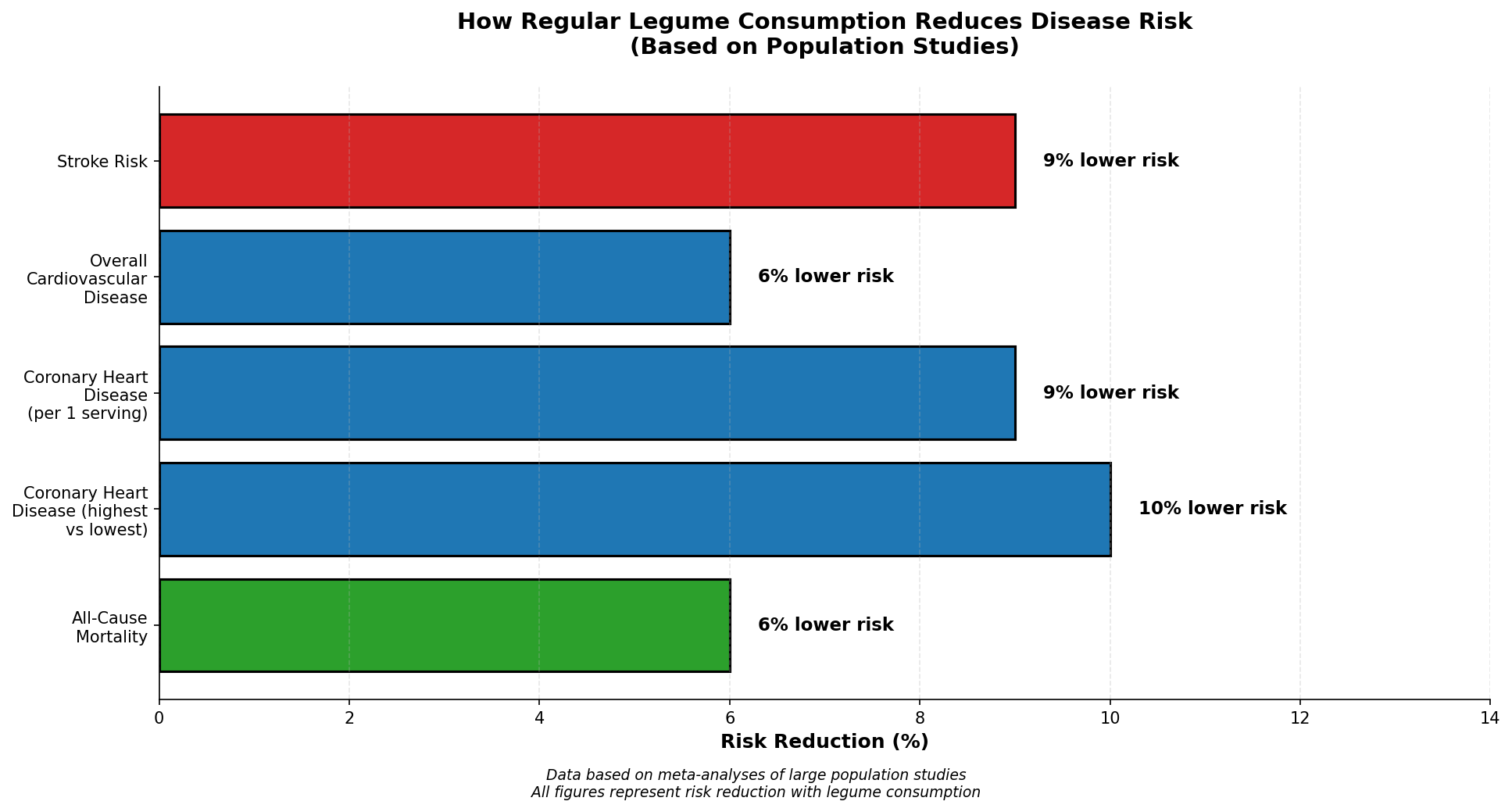 Figure 4: About 1 in 7 people have anti-lectin antibodies, but this rarely causes health problems.3,12
However, certain groups show higher rates of lectin sensitivity:
People with autoimmune conditions: About 30-40% of people with autoimmune diseases (lupus, rheumatoid arthritis, etc.) may develop lectin intolerance.12 If you have an autoimmune condition and notice symptoms after eating legumes (bloating, joint pain, fatigue or other digestive issues), pay attention to your individual response. You might benefit from:
- Reducing portion sizes
- Trying fermented soy products instead of plain cooked beans
- Experimenting with different legume types
- Tracking which specific foods trigger symptoms
This doesn't mean avoiding all legumes. Rather, it means monitoring your personal response and adjusting accordingly.
People with IBS: Those with irritable bowel syndrome may experience digestive symptoms from certain legumes. Again, this is individual; some people with IBS tolerate beans perfectly fine, while others don't. Track your response rather than automatically avoiding these foods.
People with documented lectin sensitivity: A smaller group has clear lectin sensitivity. These individuals should follow personalised recommendations in consultation with healthcare providers.
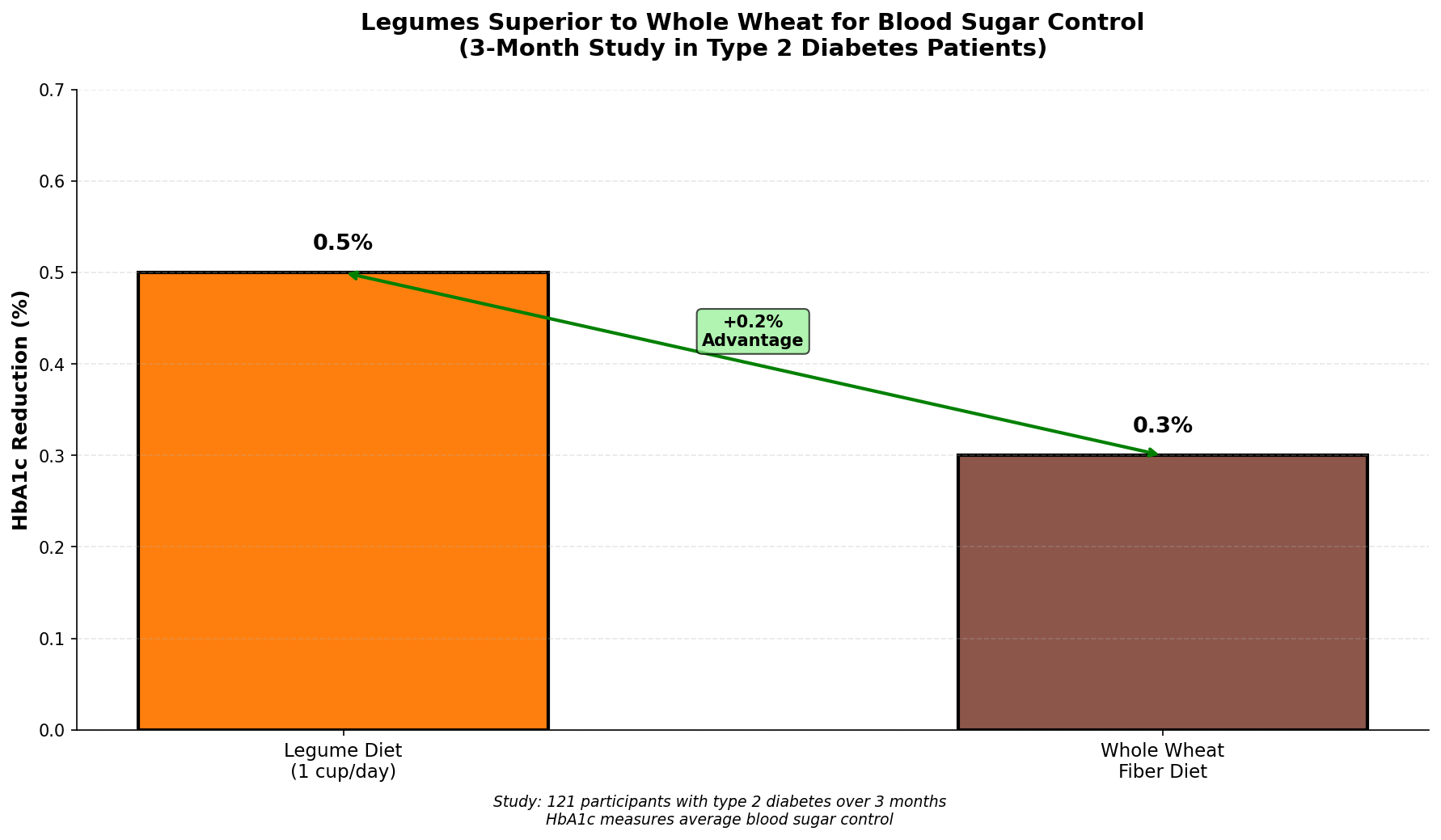 Figure 5: Most people have minimal concern; only specific groups should monitor their response to lectins.12
The Food Safety Track Record
Raw kidney bean poisoning is genuinely concerning if it occurs. The symptoms (severe nausea, vomiting, diarrhoea within 1-3 hours) can be unpleasant and dehydrating.3
But how often does this actually happen in modern times?
Outbreaks of kidney bean poisoning have been reported globally, including 50 incidents in the United Kingdom between 1979 and 1989, as well as other documented outbereaks.3
Why is it so rare? Because proper cooking is standard practice, and raw or undercooked beans are not typically consumed.
Lectin poisoning is generally self-limiting, with recovery usually occurring within several hours, and most cases resolve without long-term effects.3
The real lesson isn't that beans are dangerous; it's that food safety works. Humans have known for decades how to safely prepare legumes (soak them, boil them vigorously, or pressure cook them). We've built those practices into standard cooking. The result: kidney bean poisoning is essentially a relic of the past in developed countries.
The Lectin-Free Diet: A Trend Without Evidence
You've probably heard marketing claims about the benefits of eliminating lectins. These claims promise better digestion, weight loss, reduced inflammation, and improved energy.
Here's the problem: there is limited scientific evidence regarding the overall health effects of dietary lectins, and further research is needed to better understand their role and impact.
Moreover, lectin-free diets require eliminating many of the healthiest foods available: all legumes, most grains, and many vegetables. This eliminates proven health benefits with nothing to replace them.
The broader population evidence is unambiguous: lectin-containing foods are protective against disease. Removing them makes your diet less healthy, not more.
If you've felt better on a lectin-free diet, that might be real, but it's likely because you've also reduced processed foods, eaten more vegetables, or made other dietary improvements. The specific removal of lectins isn't the beneficial factor.
Practical Recommendations: What You Should Actually Do
Based on the evidence, here's the straightforward advice:
For Most People
- Eat legumes regularly: 3-4 times per week minimum. The research shows clear health benefits at this frequency.
- Prepare them properly. Choose one of these methods:
- Pressure cook for 7.5-15 minutes (fastest, most reliable)
- Boil for 30-60 minutes (slightly longer but equally effective)
- Buy canned beans (already safe, convenient)
- Avoid raw beans entirely. Especially raw kidney beans. Cook all dried beans before eating
- Never use a slow cooker on low heat alone for beans. The temperature isn't high enough. If using a slow cooker, bring beans to a boil first, then place in the slow cooker
- Eat grains, vegetables, and nuts normally. These contain much lower lectin levels and are safe without special preparation beyond normal cooking
For People with Autoimmune Conditions or IBS
- Experiment carefully with legume consumption. You may tolerate some types or preparation methods better than others
- Try fermented soy products (tempeh, miso, natto) if you find plain cooked legumes trigger symptoms. Fermentation further reduces lectins and improves digestibility
- Keep a food diary to identify patterns. You might find that certain legumes trigger symptoms while others don't
- Don't automatically avoid all legumes. Many people with autoimmune conditions tolerate legumes fine. Your response is individual
- Work with a healthcare provider if symptoms persist. They can help determine whether lectins are truly the culprit
For Everyone: Don't Avoid Nightshades Without Evidence
The concern about nightshade vegetables (tomatoes, peppers, potatoes, eggplant) is largely unsupported by evidence.1,13 They contain lectins, but at much lower concentrations than legumes, and cooking further reduces them.
Only avoid nightshades if you have strong personal evidence that they trigger symptoms. Otherwise, enjoy them as the nutritious foods they are.
The Bigger Picture: Why Lectins Might Actually Be Beneficial
Here's the paradigm shift happening in nutrition science: traditional medicine viewed lectins as "antinutrients" to minimise. Current research suggests they're bioactive compounds that work with our biology, not against it.
Humans have consumed lectin-containing foods for millennia. Our bodies are adapted to them. Traditional cultures prepared these foods using methods that reduced lectin loads (soaking, fermentation, cooking). Modern research now shows why: these preparation methods preserve the health-beneficial compounds while eliminating potential problems.
Legumes, grains, nuts are widely consumed plant foods that provide nutrional benefits, but they may also contain lectins, and their safety depends on appropriate preperation methods such as soaking and cooking.2
You don't need a lectin-free diet. You don't need special supplements. You don't need to fear your food.
What you need is to eat more beans, more whole grains, more legumes (properly cooked) because they're among the healthiest foods available. Cook them well, eat them regularly, and enjoy the health benefits they provide.
Further Reading
Lectin Content and Food Preparation
- Harvard T.H. Chan School of Public Health: Lectins
- PMC: Lectin Activity in Commonly Consumed Plant-Based Foods
- Nutrition Facts: How to Avoid Lectin Poisoning from Beans
Health Benefits and Disease Prevention
- Legume Consumption and Risk of All-Cause Mortality Meta-Analysis
- Intake of Legumes and Cardiovascular Disease
- Fruit, Vegetable, and Legume Intake and Cardiovascular Disease (The Lancet)
Blood Sugar Control and Diabetes
- Effect of Legumes in Low Glycemic Index Diet on Glycemic Control (JAMA)
- The Effects of Legume Consumption on Markers of Glycaemic Control
- From Sugar Binders to Diabetes Fighters: Lectin Antihyperglycemic Activity
Immune Function and Antimicrobial Properties
- Plant Lectins as Prospective Antiviral Biomolecules for COVID-19
- Lectins and Lectibodies: Potential Antiviral Agents
- C-Type Lectins in Immunity and Homeostasis
Antioxidant Properties and Cancer Research
- From Inflammation to Immune Regulation: The Dual Nature of Dietary Lectins
- Polyphenol-Rich Lentils and Their Health Promoting Effects
- Lectins with Potential for Anti-Cancer Therapy
Food Safety and Toxicity
- Red Kidney Bean Poisoning in the UK: Analysis of 50 Suspected Incidents
- Centre for Food Safety: Phytohaemagglutinin Poisoning
Special Populations and Individual Responses
- Understanding Lectin Sensitivity: Guide for Patients and Healthcare Providers
- Lectins and Leaky Gut: Exploring the Connection
- Lectin-Free Diet: Does It Work? Research and Food Choices
References
- Van Damme EJM, Lannoo N, Peumans WJ. Plant Lectins. Advances in Botanical Research [Internet]. 2008 [cited 2026 Apr 13];107–209. Available from: https://biblio.ugent.be/publication/666112
- Adamcová A, Laursen KH, Ballin NZ. Lectin Activity in Commonly Consumed Plant-Based Foods: Calling for Method Harmonization and Risk Assessment. Foods [Internet]. 2021 Nov 13 [cited 2026 Apr 15];10(11):2796. Available from: https://pmc.ncbi.nlm.nih.gov/articles/PMC8618113/
- Haile AM, Mengistie BT, Teshager AA, Belisa TK, Zewde EB, Deress AS. Severe red kidney beans toxicity in an 8-year-old girl: a rare case of hypovolemic shock and prerenal acute kidney injury. International Journal of Emergency Medicine [Internet]. 2026 Feb 19 [cited 2026 Apr 15];19(1). Available from: https://pmc.ncbi.nlm.nih.gov/articles/PMC12922287/
- Zaheer K, Akhtar MH. Potato production, usage, and nutrition: A review. Critical Reviews in Food Science and Nutrition. 2016;56(5):711-721.
- Jayalath VH, de Souza RJ, Sievenpiper JL, Ha V, Chiavaroli L, Mirrahimi A, et al. Effect of dietary pulses on blood pressure: A systematic review and meta-analysis. Am J Clin Nutr. 2014;100(3):761-779.
- Afshin A, Micha R, Khatibzadeh S, Mozaffarian D. Consumption of nuts and legumes and risk of incident ischaemic heart disease, stroke and diabetes: a systematic review and meta-analysis. Am J Clin Nutr. 2014;100(1):278-288.
- From Sugar Binders to Diabetes Fighters: Lectin Antihyperglycemic Activity. PMC. 2024. Availab
- le from: https://pmc.ncbi.nlm.nih.gov/articles/PMC11422237/
- Vaya J, Mahmood S. Effect of legumes in low glycemic index diet on glycemic control and cardiovascular risk factors. JAMA. 2014;311(22):2291-2306.
- A Legume-Enriched Diet Improves Metabolic Health in Prediabetes. Nature Communications. 2025. Available from: https://www.nature.com/articles/s41467-025-56084-6
- Intake of Legumes and Cardiovascular Disease. Nutrition, Metabolism and Cardiovascular Diseases. 2023;33(3):615-626.
- From Inflammation to Immune Regulation: The Dual Nature of Dietary Lectins in Health and Disease. Cell: Heliyon. 2024;10(24):e15502. Available from: https://www.cell.com/heliyon/fulltext/S2405-8440(24)15502-8
- Lectins, Agglutinins, and Their Roles in Autoimmune Reactivities. Nutrients. 2023;12(8):2265.
- Time Magazine. Nightshade Vegetables Aren't Actually Bad for You [Internet]. Time Magazine; 2024 [cited 2025 Mar 23]. Available from: https://time.com/6960316/are-nightshade-vegetables-healthy/
