

Why This Article Exists
If you're experiencing unexplained bloating, persistent headaches, mysterious fatigue, or digestive symptoms that seem to appear after eating certain foods, this article is written specifically for you. Histamine intolerance is a real condition that affects between 1 and 3 per cent of the global population (possibly higher in undiagnosed cases), yet many people struggle for years without understanding what's happening to their bodies.1 This guide will give you everything you need to recognise the condition, get diagnosed properly, and manage it effectively through diet and lifestyle changes.
What Histamine Intolerance Actually Is
Histamine intolerance happens when your body can't break down histamine from food efficiently. Think of it this way: histamine is a natural chemical produced by your body and found in many foods. Your digestive system has an enzyme called diamine oxidase (DAO) that acts like a cleanup crew, breaking down excess histamine so it doesn't accumulate to problematic levels.2
When your DAO enzyme isn't functioning properly (whether because of genetics, medications, gut damage, or hormonal factors), histamine builds up. Once it reaches your personal threshold, it triggers symptoms that feel like allergies but actually aren't allergies at all. This is why histamine intolerance is sometimes called a "pseudoallergy."2
The critical thing to understand: histamine intolerance is not a food allergy, and it's not in your head. It's a measurable metabolic problem.1
Who Gets It and Why (The Science Matters)
This is More Common Than You Think
About 1-3 per cent of the global population experiences histamine intolerance, which translates to roughly one person in every 33-100 people.1 To put this in perspective: food allergies affect about 1-2 per cent of people, but general food intolerance affects 20 per cent. Histamine intolerance sits between these two categories, making it meaningful but not exceptionally rare.
The Striking Gender Difference
Here's something important: 80 per cent of diagnosed cases occur in women, and the typical age of onset is around 40 years old. This isn't because women are "more prone to food sensitivities." Rather, it's because of how hormones interact with histamine.
The Oestrogen-Histamine Connection
Oestrogen creates a unique vulnerability. Here's how the hormonal system works:
- Oestrogen triggers mast cells (immune cells that store histamine) to release more histamine
- Oestrogen actually reduces DAO enzyme production, lowering your ability to break down histamine
- Histamine then feeds back to stimulate more oestrogen production
- Result: a vicious cycle where high oestrogen drives both more histamine release and less DAO activity
Progesterone, which dominates the second half of your menstrual cycle, works the opposite way; it stabilises mast cells and increases DAO production.2 This explains why many women notice symptoms worsen around ovulation and the week before their period, when oestrogen peaks again. It also explains why histamine intolerance often emerges or worsens during perimenopause, pregnancy, or with hormonal contraceptive use.
Men can absolutely develop histamine intolerance, but their symptoms may be milder because they lack the hormonal amplification women experience.
Why Some People Are Genetically Susceptible
Your genes play a major role. About 79 per cent of people with histamine intolerance symptoms carry at least one of four genetic variants associated with reduced DAO activity.2 Scientists have identified over 50 different genetic variations that can reduce DAO function, which explains why people have different tolerance levels for histamine.
However, and this is crucial, having these genes doesn't guarantee you'll develop symptoms. Genetics loads the gun; environmental and hormonal triggers pull the trigger.
Other Risk Factors That Push You Over the Edge
Several additional factors can reduce your DAO capacity:
- Medications: About 20 per cent of the European population takes medications that decrease DAO enzyme activity.2 These include SSRIs and SNRIs (antidepressants), beta-blockers (blood pressure medications), certain antihistamines, and NSAIDs like ibuprofen
- Gut damage: Inflammatory bowel disease, celiac disease, SIBO (Small Intestinal Bacterial Overgrowth), and leaky gut all reduce DAO production because DAO is made in your intestinal lining
- Dysbiosis: Imbalanced gut bacteria can produce histamine directly while also reducing your body's ability to make DAO
- Chronic stress: Stress triggers mast cells to release histamine and reduces DAO activity
- Vitamin and mineral deficiencies: Your body needs vitamin B6, copper, and zinc to manufacture DAO. Without these, enzyme production fails even if you have the genes to make it
Many people don't develop histamine intolerance from a single cause. Instead, multiple factors accumulate. You might have genetic susceptibility for years, remain fine, then start taking a blood pressure medication that further reduces DAO; suddenly symptoms appear. This explains why people sometimes develop histamine intolerance "suddenly" while eating the same foods they've tolerated for years.2
What Histamine Intolerance Actually Feels Like
Symptoms vary widely between individuals, but they follow recognisable patterns. Research shows that symptoms typically appear between 30 minutes and a few hours after eating high-histamine foods, progressing through predictable phases.
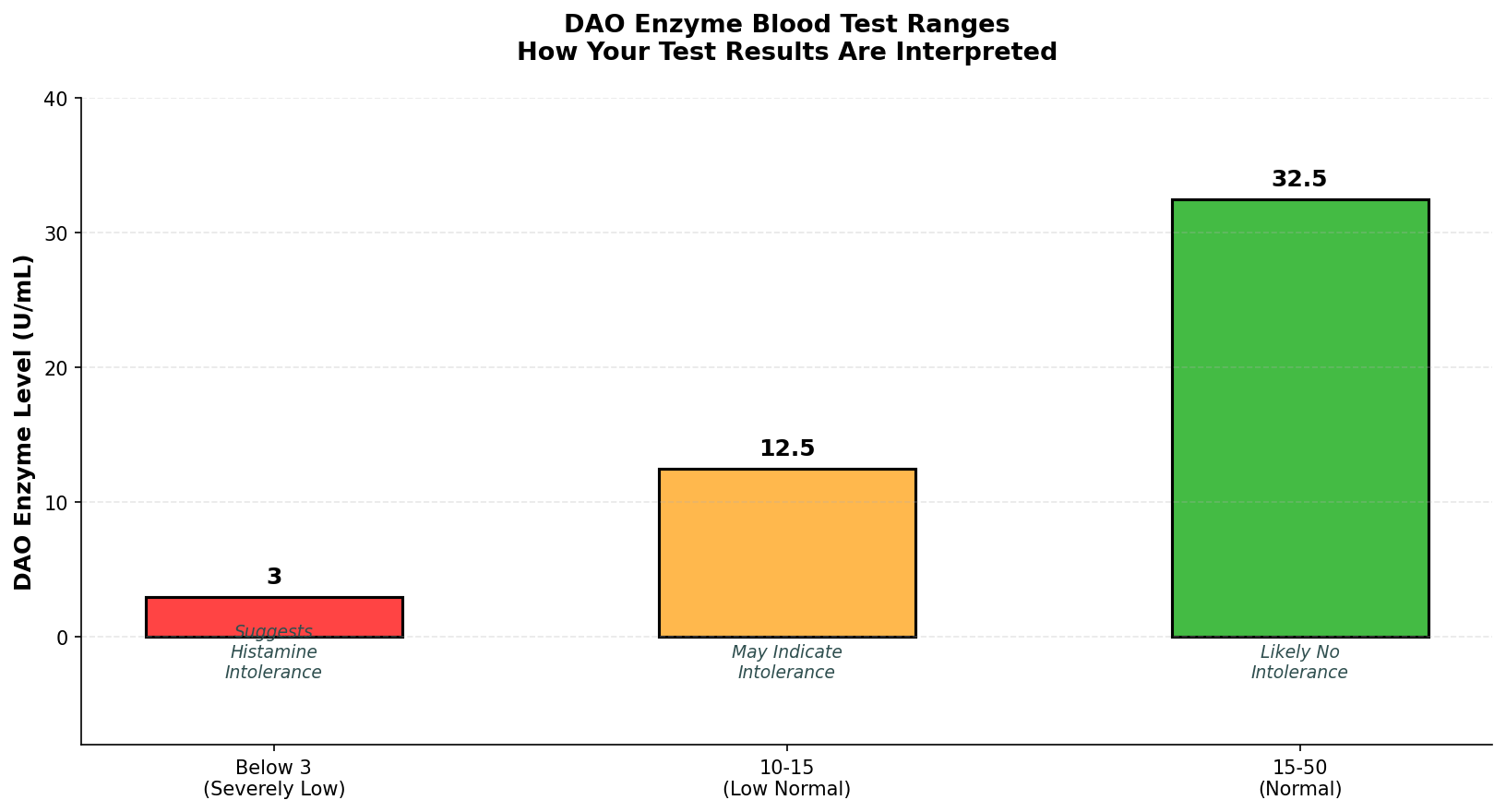 Figure 1: How histamine intolerance symptoms develop over time after consuming high-histamine foods, with different symptom types emerging at different stages.
The Most Common Symptoms
Digestive symptoms lead the list:
- Bloating is by far the most common symptom, reported by 94 per cent of diagnosed patients; it's also rated as the most severe
- Abdominal pain or cramping (68 per cent)
- Feeling excessively full after eating (73 per cent)
- Diarrhoea (71 per cent)
- Constipation (55 per cent)
If you experience persistent bloating that others around you don't seem to have, histamine intolerance deserves investigation.
Neurological symptoms are equally common:
- Headaches or migraines (91 per cent)
- Extreme fatigue, especially after meals (83 per cent)
- Brain fog and difficulty concentrating
- Sleep disruption
- Anxiety or nervousness
Respiratory symptoms affect nearly everyone:
- Nasal congestion, runny nose, or sneezing (95 per cent)
- These often get mistaken for allergies
Skin symptoms appear in many cases:
- Itching without a rash (48 per cent)
- Flushing or facial redness
- Hives or raised welts
- Eczema flare-ups
Cardiovascular symptoms, though less common, do occur:
- Heart palpitations or irregular heartbeat
- Fluctuations in blood pressure
- Feeling lightheaded or weak
Why Symptoms Vary So Much Between People
Individual variation is enormous, which makes diagnosis challenging. Not everyone reacts the same way or to the same foods. This happens because:
- Genetic differences affect how much DAO you produce
- Your microbiome composition influences histamine metabolism
- Stress levels increase mast cell activation and reduce DAO activity
- Hormone fluctuations (especially in women) change your tolerance on any given day
- Accumulated histamine load matters more than individual foods; symptoms may not appear until total daily histamine exceeds your personal threshold
- Medications you're taking affect enzyme function
- Gut health influences both histamine production and breakdown
This means the same food might trigger symptoms on a high-stress day but not on a calm day. You might tolerate 50 grams of spinach alone but experience symptoms when spinach is combined with tomato and strawberries on the same day.
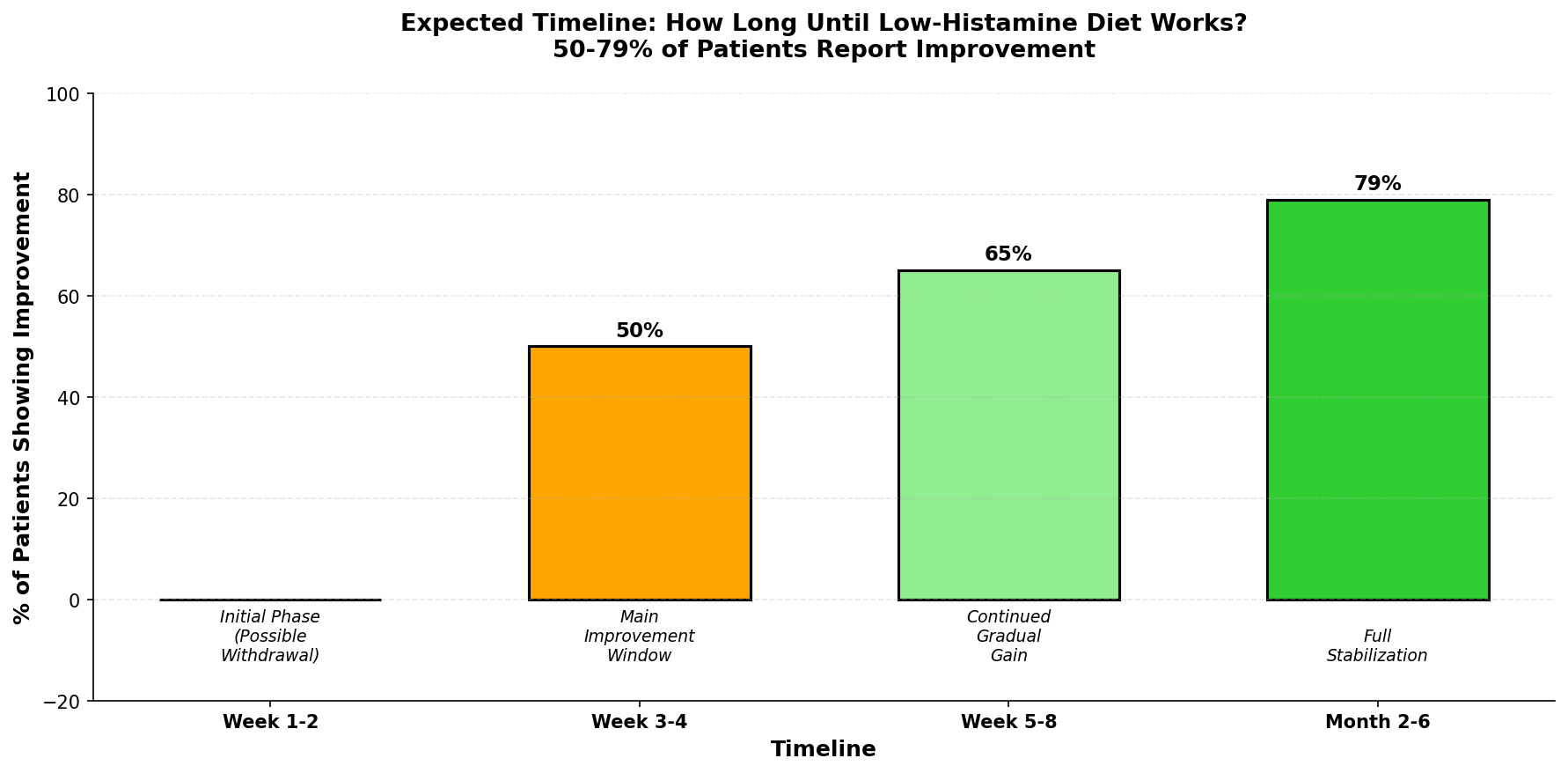 Figure 2: Frequency of symptoms reported in histamine intolerance patients, showing bloating and respiratory symptoms as nearly universal experiences.
Diagnosis: Getting Clarity About What's Actually Happening
This is where things become complicated. There is no single perfect test for histamine intolerance, which is why so many people struggle for years without a diagnosis.1
The DAO Blood Test: Helpful But Imperfect
The serum DAO test measures diamine oxidase levels in your blood, with these interpretations:
- Below 3 U/mL: Severely low DAO activity, strongly suggesting histamine intolerance
- 10-15 U/mL: Low-normal range, may indicate intolerance when combined with symptoms
- 15-50 U/mL: Normal DAO activity range
The problem: Low DAO alone doesn't definitively diagnose histamine intolerance, and some people with clear histamine intolerance symptoms have normal DAO levels.3 Your body might be producing DAO, but that enzyme might be working inefficiently due to medication interactions or nutritional deficiencies. Conversely, you could have low DAO and no symptoms.
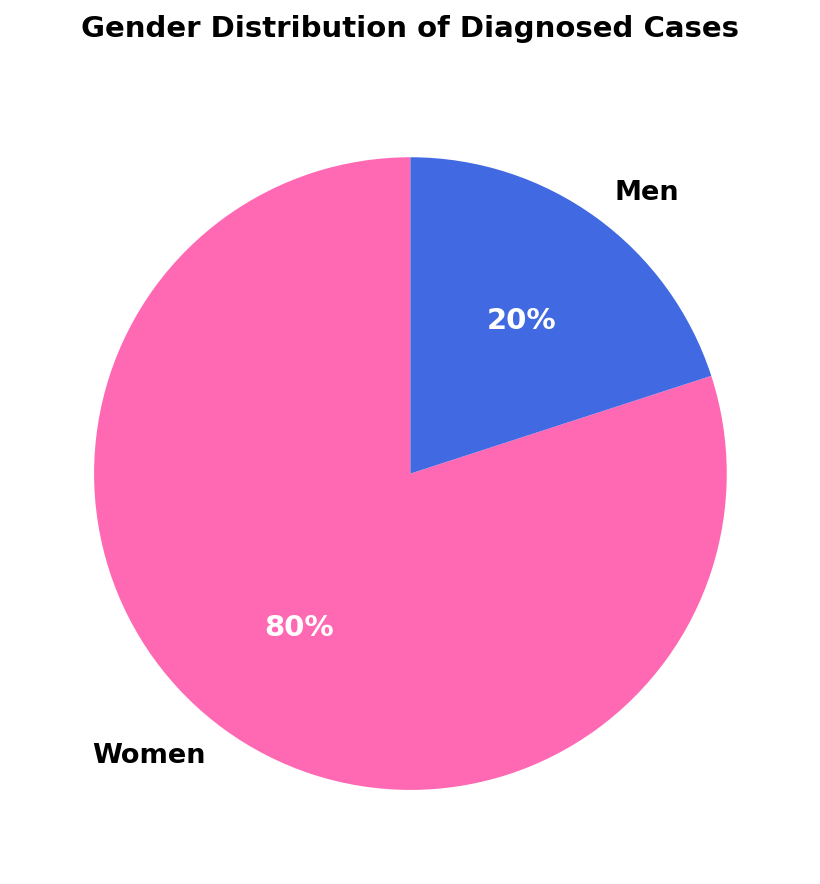 Figure 3: DAO enzyme blood test interpretation ranges, showing how to understand test results if you've been tested.3
The Gold Standard: The Elimination Diet
Currently, the most reliable diagnostic approach is the elimination diet trial; it's practical and it actually works:
- Eliminate all high-histamine foods for 2-4 weeks
- Keep detailed notes of what you eat and your symptoms
- Monitor whether symptoms improve (they typically do within 24-72 hours if histamine is your problem)
- After improvement, gradually reintroduce high-histamine foods one at a time
- Document which foods trigger symptoms
If symptoms improve dramatically during elimination and clearly return during reintroduction, this clinical pattern strongly suggests histamine intolerance.1 This method has limitations (placebo effect, confirmation bias), but it provides practical, actionable information about your body's response.
When Should You See a Doctor?
Definitely seek professional evaluation if:
- You experience persistent symptoms after eating that could be histamine-related
- Symptoms are interfering with your quality of life (affecting work, social activities, sleep, or energy)
- You have unexplained symptom patterns affecting multiple body systems
- You take medications known to inhibit DAO (discuss with your doctor whether this could be contributing)
- You have concurrent medical conditions like IBS, SIBO, or other gut disorders
- Symptoms worsen despite dietary changes
- You're experiencing signs of nutritional deficiency (extreme fatigue, hair loss, pale skin, shortness of breath)
Seek emergency care if you experience:
- Difficulty breathing or severe wheezing
- Severe abdominal pain (might indicate other GI conditions)
- Chest pain with dizziness
- Anaphylaxis-like symptoms (to rule out true allergies)
A good healthcare provider will take a detailed history of when your symptoms appear relative to meals, which foods seem to trigger reactions, whether symptoms follow a menstrual cycle pattern (if applicable), and what other medications or conditions you have.
The Foods That Trigger Problems
Why Certain Foods Are High in Histamine
Histamine accumulates in foods through several mechanisms:
- Fermentation: Bacteria naturally produce histamine during fermentation. The longer foods ferment, the higher histamine rises. Sauerkraut, for example, contains 0-229 mg histamine per kilogram4
- Ageing: As proteins break down over time, histamine forms
- Storage and processing: Histamine increases when food is stored, cured, or smoked
- Freshness: A fresh tomato contains far less histamine than one that's been sitting in your refrigerator for a week
This is why the golden rule of histamine intolerance is: fresh foods are your best friends.
Complete List of High-Histamine Foods to Avoid
Proteins to eliminate:
- All processed and cured meats: cold cuts, prosciutto, salami, pepperoni, aged sausages, cured bacon, ham, hot dogs
- Smoked or canned fish: tuna, mackerel, herring, sardines, anchovy
- All shellfish and certain fresh fish (if not consumed immediately)
Dairy products:
- All aged cheeses: cheddar, parmesan, blue cheese, brie, camembert
- Fermented dairy: yoghurt (even unsweetened), sour cream, kefir
Fermented and processed foods (major trigger category):
- Soy sauce, teriyaki, miso, fish sauce, black bean paste
- Sauerkraut, kimchi, pickled vegetables, olives
- All alcoholic beverages, especially red wine and beer
- Vinegar and all vinegar-based condiments (tomato sauce, ketchup, mustard)
- Kombucha and other fermented beverages
- Yeast extract and nutritional yeast
Vegetables:
- Tomatoes (fresh and processed; processed versions are worse)
- Spinach
- Eggplant
- Avocado
- Mushrooms
Fruits:
- Citrus fruits: lemon, lime, orange, grapefruit
- Bananas, strawberries, raspberries
- Papaya, pineapple, kiwi
- Overripe or aged fruits of any kind
Other problematic foods:
- Chocolate
- Nuts in large quantities
- Soy products
- Reheated meals (reheating increases histamine)
The Practical Food Rule
Fresh foods always contain less histamine than aged, fermented, processed, or stored foods. Buy fresh items only what you'll use within 1-2 days. Cook them immediately or freeze them at once. Use refrigerated leftovers within 24 hours, then discard.
Low-Histamine Safe Foods: What You Actually CAN Eat
The good news: there are plenty of delicious, nutritious foods you can enjoy.
Fresh Proteins (Eat These Freely)
- Fresh chicken, turkey, beef, lamb, pork
- Eggs
- Fresh fish (only if truly fresh or flash-frozen within 30 minutes)
- Fresh bone broth (made fresh and used within 24 hours)
Vegetables Low in Histamine
- Bell peppers (red, green, yellow)
- Carrots, cucumber, zucchini
- Broccoli, cauliflower, Brussels sprouts
- Cabbage, lettuce, peas, green beans
- Asparagus, artichoke
- Onions, garlic
- Fresh herbs (parsley, basil, cilantro)
Fresh Fruits That Are Safe
- Apples, blueberries, pears, peaches
- Plums, mangoes, watermelon
- Pomegranate, coconut, cherries
Dairy Alternatives
- Fresh milk
- Fresh mozzarella, cottage cheese, ricotta cheese
- Unsweetened almond milk, coconut milk, rice milk, oat milk
Grains and Starches
- White and brown rice
- Fresh potatoes and sweet potatoes
- Rice cakes
- Tapioca
- Gluten-free bread (without vinegar)
- Fresh oats
Fats and Oils
- Olive oil, coconut oil, butter, ghee, avocado oil
Beverages
- Filtered water
- Fresh herbal tea (chamomile, peppermint, ginger; freshly brewed)
- Coconut water
- Fresh vegetable juices
Understanding Symptom Development Timeline
Research shows that when you consume high-histamine foods, symptoms don't all appear at once. They emerge in phases:
Phase 1 (0-30 minutes): Respiratory and skin symptoms appear first
- Runny nose, sneezing, facial flushing
Phase 2 (30-60 minutes): Gastrointestinal symptoms peak
- Bloating, abdominal cramping, nausea
Phase 3 (60-120+ minutes): Neurological symptoms develop
- Headaches, brain fog, intense fatigue
Average symptom onset is about 1.1 hours after eating high-histamine foods, though the range extends from 30 minutes to several hours. Understanding this timeline helps you connect symptoms to meals, especially when reactions are delayed.
Getting Started: The Elimination Diet Protocol
Phase 1: Strict Elimination (Weeks 1-4)
Remove all high-histamine foods listed above for a minimum of 2-4 weeks (3 weeks is recommended). During this time:
- Keep a detailed food and symptom diary, noting:
- What you ate and when
- All symptoms and when they appeared
- Your stress level (1-10 scale)
- Your menstrual cycle phase (if applicable)
- Sleep quality
- Expect relief to begin within 24-72 hours if histamine is your problem
- By week 3-4, you should have clear data on whether this diet helps
Research shows that 50-79 per cent of patients improve on a low-histamine diet, meaning you have at least a 50-50 chance of significant improvement.4
Expected Timeline for Results
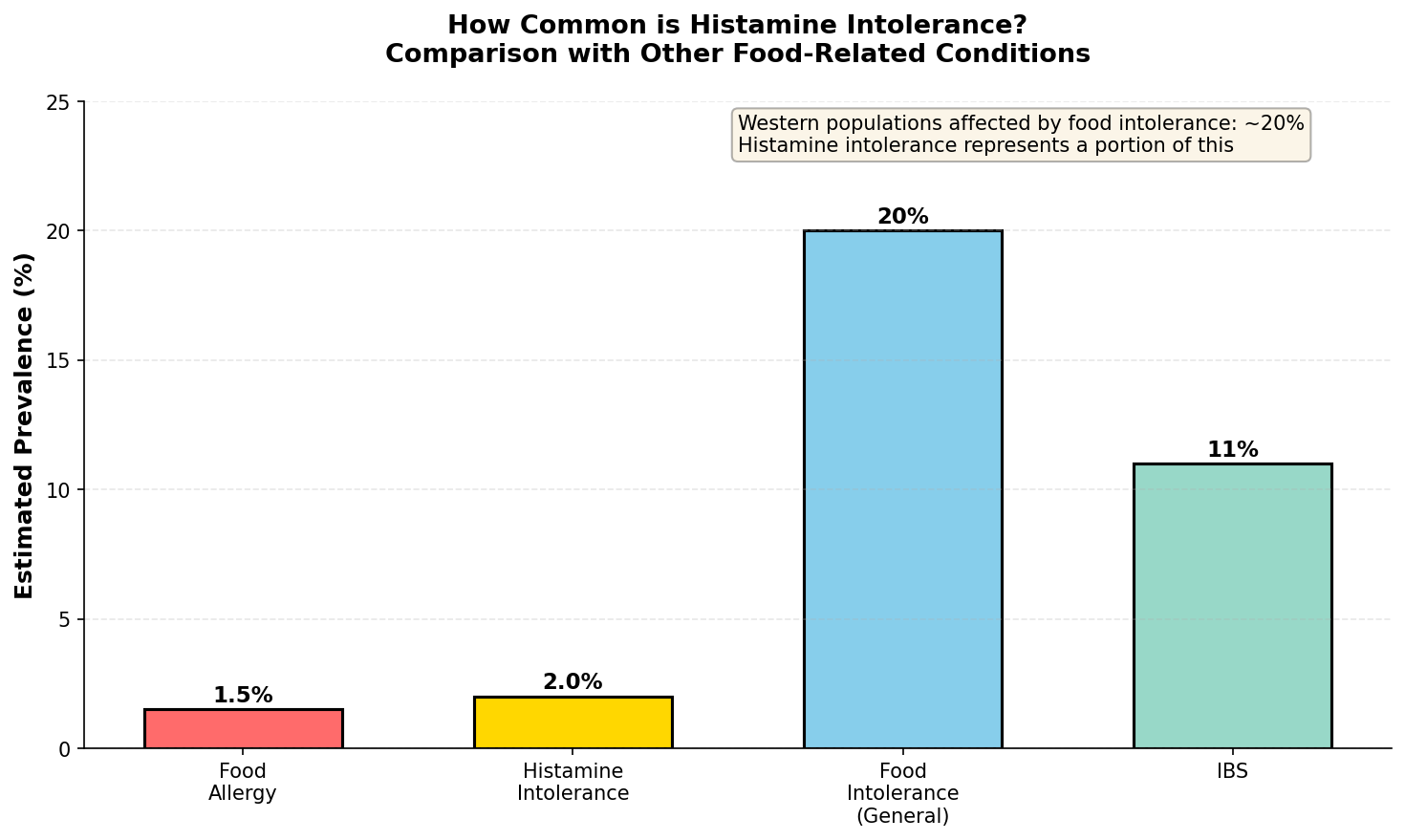 Figure 4: Expected improvement timeline when starting a low-histamine diet, showing that most people see meaningful results by week 3-4. 4
- Days 1-3: Some people notice rapid improvement; others experience temporary worsening as the body clears accumulated histamine
- Weeks 1-4: Most people who will respond see noticeable improvement by week 3-4
- Weeks 4-12: Continued gradual improvement; secondary symptoms may emerge as primary issues resolve
- Months 2-6: Full stabilisation of your body's histamine response
Critical timeline insight: By the end of week 4, you'll know whether this diet helps you. If after 4 weeks of strict compliance you're not seeing clear improvement, consult a healthcare provider; you may have a different condition or need additional medical evaluation. If you ARE improving, expect continued gradual progress through 6 months.
Phase 2: Reintroduction (Starting Week 5)
After experiencing improvement, gradually introduce one food group at a time:
- Try the food for 3-5 days in a row
- If no symptoms develop, it's likely tolerated
- Wait 3-5 days before introducing the next food
- If symptoms return, eliminate that food again for at least 3 months
Suggested reintroduction sequence (start with lower-risk foods):
- Fresh citrus (small amounts)
- Strawberries
- Fresh tomato
- Aged cheese (small amount)
- Fermented foods (sauerkraut, kimchi)
- Wine or beer (if relevant)
- Processed meats
- Chocolate
- Nuts (small amounts)
- Other trigger foods
Keep detailed notes during reintroduction. Reactions can be delayed up to 24 hours after eating, making the cause-and-effect relationship harder to spot without careful documentation.
Phase 3: Long-Term Management (Month 4+)
After identifying your trigger foods:
- Avoid confirmed triggers for at least 3 months
- After 3 months, try reintroducing foods that caused mild reactions
- Build your sustainable diet around tolerated foods
- Remember: your personal trigger list is uniquely yours; others may tolerate foods you cannot
Why Stress and Hormones Affect Your Tolerance
Your histamine tolerance isn't fixed. It fluctuates based on your stress level, hormonal status, and accumulated histamine load from all sources combined.
High-stress days: Stress increases mast cell activation and reduces DAO activity. The same foods that cause no symptoms on calm days may trigger severe symptoms on high-stress days. Your tolerance is literally lower under stress.
Hormonal fluctuations (especially for women): If you track a menstrual cycle, you might notice symptoms worsen during specific phases:
- Around ovulation (when oestrogen peaks)
- The week before menstruation (when oestrogen rises again)
Many women need stricter diet compliance or additional supplements during these phases. This isn't failure; it's normal biological variation.
Implication: Adjust your diet strictness according to your stress and hormonal cycle. On high-stress weeks or during high-oestrogen phases of your menstrual cycle, maintain strict elimination. During lower-stress, lower-oestrogen phases, you may tolerate more flexibility.
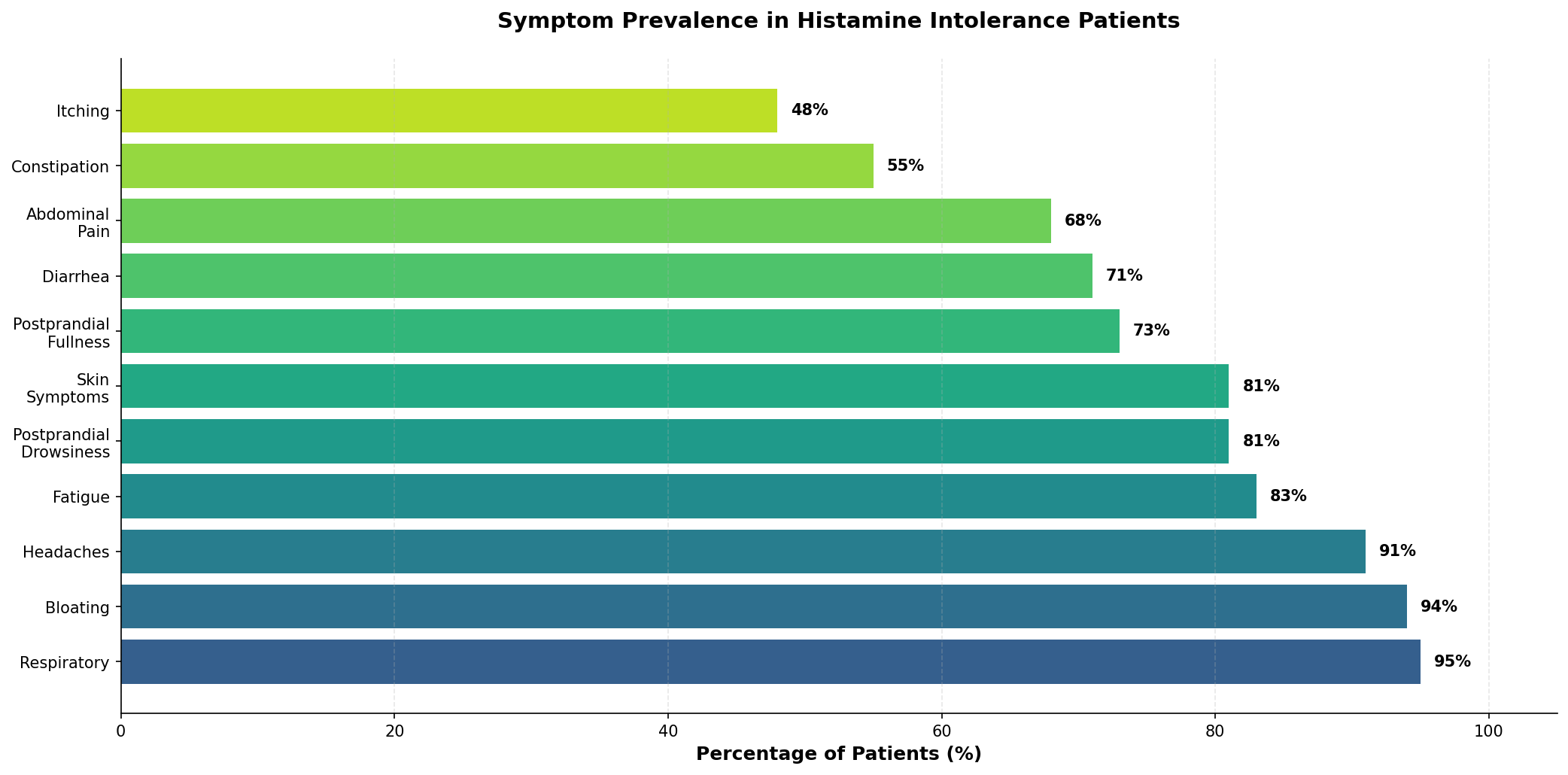 Figure 5: How common histamine intolerance is compared to other food-related conditions, showing it sits between food allergies and general food intolerance.1
Supplement Guidance: What Actually Helps
Supplements are supporting tools, not replacements for dietary management. Start simple, then add only what you genuinely need.
DAO Enzyme Supplements: The Direct Approach
DAO supplements contain the enzyme that breaks down histamine in your digestive tract. They work by temporarily replacing what your body isn't making.
What research shows: Limited but promising evidence indicates DAO supplements reduce migraine attack duration by approximately 90 minutes, with mixed results for other histamine intolerance symptoms.5 Some people see improvement in digestive symptoms; others see no benefit.
Critical timing requirement: DAO supplements must be in your digestive tract WHEN food arrives. Take them immediately before or with high-histamine meals. Taking DAO hours before meals won't work; the enzyme breaks down in your digestive tract and doesn't stay active for long.
Realistic expectations: DAO supplements cost £30-60 per month and should not be viewed as a substitute for dietary changes. They're worth a 4-week trial if you're already following a strict low-histamine diet and want occasional flexibility for higher-histamine meals.
Quercetin: Stabilising Mast Cells
Quercetin is a plant flavonoid with strong antioxidant properties that stabilises mast cells, reducing histamine release.
The catch: Only about 1 per cent of quercetin is actually absorbed by your body. If you take 1,000 mg, roughly 10 mg reaches your bloodstream.2 This doesn't make it useless, but it explains why results are modest.
Dosage: 500-1,000 mg daily
Best used as: Part of a comprehensive approach (diet + supplements + other interventions), not as a standalone treatment. Combining quercetin with a low-histamine diet produces better outcomes than either alone.
Timeline: Give it 4-8 weeks before evaluating effectiveness.
Building Blocks for DAO Production
Your body needs specific nutrients to manufacture DAO enzyme. If you're deficient in these, supplementation helps your body produce more of its own DAO:
Vitamin B6 (Pyridoxine)
- Role: Essential cofactor for DAO synthesis
- Symptoms of deficiency: Numbness, mood changes, fatigue, weak immunity
- Low-histamine sources: Fresh meat, fresh potatoes, chickpeas
- Supplementation: 25-50 mg daily if deficient (get tested first)
Copper
- Role: Built into the DAO enzyme structure
- Symptoms of deficiency: Weak immunity, joint problems, anaemia
- Low-histamine sources: Extremely limited (most copper foods are high-histamine)
- Supplementation: 1-2 mg daily IF tested deficient (MUST test first; copper excess is toxic)
Zinc
- Role: Required for DAO enzyme production and function
- Symptoms of deficiency: Hair loss, weak immunity, slow wound healing, diarrhoea
- Low-histamine sources: Fresh meat, fresh poultry (though less than aged versions)
- Supplementation: 15-30 mg daily if deficient (get tested first; excess interferes with other minerals)
Vitamin C
- Role: Supports DAO function and enhances nutrient absorption
- Low-histamine sources: Fresh peppers, parsley, broccoli
- Supplementation: 500-1,000 mg daily if intake is limited
Important safety note: Get blood work BEFORE supplementing minerals like copper and zinc. Excess amounts can be harmful. Work with a healthcare provider.
Omega-3 Supplementation: Working Around Food Limitations
Omega-3 fatty acids are anti-inflammatory and essential for health, but the primary food sources (fatty fish) are high-histamine due to storage and processing. You essentially need to supplement.
Options:
- Fish oil supplements (made from fresh fish, 1,000-2,000 mg EPA/DHA daily)
- Algae-based omega-3 (no fish smell, slightly less bioavailable)
Probiotics: Supporting Gut Bacteria
Healthy gut bacteria support DAO production and intestinal barrier function. The challenge: traditional probiotics come from fermented foods, which are high-histamine.
Solution: Non-fermented probiotic supplements
When to consider: If you have documented dysbiosis (gut bacteria imbalance), recent antibiotic use, IBS, or other digestive conditions, and you're willing to commit to 3-4 months of consistent supplementation.
Vitamin D: Regulating Immune Function
Vitamin D regulates immune function and mast cell activity. Low-histamine food sources are limited, so supplementation is often needed.
Why test first: Get a blood test for 25-hydroxy vitamin D before supplementing. Optimal levels are typically 30-100 ng/mL. Too much vitamin D can be problematic.
Dosage: Based on test results, typically 2,000-4,000 IU daily if deficient. Take with food containing fat for better absorption.
Managing Nutrition on a Low-Histamine Diet
When eliminating high-histamine foods, you lose access to many nutrient-dense options. Monitor these nutrients closely:
|
Nutrient |
Risk Level |
Best Low-Histamine Sources |
Potential Red Flags |
|
Iron |
HIGH |
Fresh meat, egg yolks, fresh poultry |
Fatigue, pale skin, shortness of breath |
|
Calcium |
HIGH |
Fresh milk, fresh mozzarella, fortified non-dairy milk |
Muscle cramps, bone aches |
|
Vitamin D |
MODERATE-HIGH |
Egg yolks, sunshine, supplement |
Bone pain, extreme fatigue |
|
Zinc |
MODERATE-HIGH |
Fresh meat, fresh poultry |
Hair loss, weak immunity |
|
Omega-3 |
MODERATE-HIGH |
Fresh fish (risky), supplement |
Dry skin, joint pain |
|
B Vitamins |
MODERATE |
Fresh meat, fresh potatoes |
Numbness, fatigue, mood issues |
Practical strategies:
- Eat fresh meat at most meals for iron, B vitamins, and zinc
- Focus on variety of fresh vegetables (aim for 10+ servings daily) for micronutrients
- Consume fresh dairy or fortified alternative at each meal
- Request blood work to check iron (ferritin, serum iron, TIBC), calcium, magnesium, zinc, vitamin D, and B12
Building Your Personal Food Tolerance List
Your specific trigger foods may differ significantly from others because of genetic differences, microbiome composition, stress levels, hormonal status, and medications you take.
Food diary system:
- Record every food and drink consumed
- Note exact time of consumption
- Record all symptoms and symptom timing
- Include stress level (1-10 scale)
- Include menstrual cycle phase (if applicable)
- Note sleep quality
After 2-3 weeks, look for patterns. Do symptoms appear consistently after specific foods? Note that reactions may be delayed 1-2 hours or even until the next day. Also recognise that symptoms may result from cumulative histamine load, not individual foods; you might tolerate spinach alone but experience symptoms when combining spinach with tomato and strawberries on the same day.
Practical Meal Planning
Shopping Strategy
- Buy only what you'll use in 1-2 days
- Shop the perimeter of the grocery store (fresh foods)
- Avoid middle aisles (processed foods)
- Check labels for vinegar, ferments, and preservatives
- Buy proteins the day you'll cook or freeze them
Sample Day of Eating
- Breakfast: Fresh eggs, white toast with butter, fresh blueberries
- Lunch: Fresh grilled chicken breast, roasted carrots, white rice
- Dinner: Fresh ground beef, steamed broccoli, baked sweet potato
- Snacks: Sliced apple, filtered water, fresh mango
Batch Cooking Strategy
- Cook fresh proteins in single portions on cooking day
- Freeze individual portions immediately after cooling
- Thaw only what you need, 24 hours before use
- Never refreeze thawed portions
- Discard refrigerated leftovers after 24 hours
When to Seek Professional Help
Work with a healthcare provider if:
- You're not improving after 3-4 weeks of strict diet compliance
- You develop signs of nutritional deficiency
- You experience new severe symptoms during the elimination phase
- You need testing for nutrient deficiencies
- You're taking medications that inhibit DAO
- You have complex medical conditions
- You're pregnant or nursing
Best provider types:
- Registered Dietitian Nutritionist specialising in food intolerance
- Functional medicine practitioner with histamine intolerance experience
- Gastroenterologist familiar with food-based conditions
The Bottom Line: Your Action Plan
Weeks 1-2: Foundation Building
- Clean out your pantry of high-histamine items
- Create a shopping list of safe foods
- Plan 7 days of simple meals
- Start a food and symptom diary
- Begin elimination diet with safe foods only
- Note baseline symptoms
Weeks 3-4: Monitoring and Adjustment
- Continue elimination diet
- Review food diary for patterns
- Adjust meals based on nutritional concerns
- Monitor energy level and supplement as needed
- Note any symptom improvement
Week 5+: Reintroduction Phase
- If symptoms improved in weeks 1-4, begin reintroduction
- Introduce one food group every 3-5 days
- Record reactions carefully
- Expand diet based on what you tolerate
- Plan long-term sustainable diet
Ongoing Management
- Keep your safe foods list readily available
- Continue food diary if new symptoms emerge
- Review nutrition status quarterly
- Adjust supplements based on how you're feeling
- Consider periodic blood work for nutrient levels
- Plan for stress and hormonal variations (you may need stricter diet during high-stress periods)
Important Note
Histamine intolerance is somewhat controversial in mainstream medicine. The American Academy of Allergy, Asthma & Immunology doesn't formally recognise it as an official diagnosis. However, growing research supports that reduced DAO function can cause real, measurable health problems.1 If a healthcare provider dismisses your symptoms, seek a second opinion from someone familiar with this condition. Your symptoms are real, and they deserve to be taken seriously.
Further Reading
Understanding Histamine Intolerance
- Histamine Intolerance: Symptoms, Diagnosis, and Beyond - PMC/NCBI
- What Is Histamine Intolerance? - Cleveland Clinic
- Histamine Intolerance: The Current State of the Art - PMC/NCBI
- UPMC HealthBeat: What Is Histamine Intolerance?
Dietary Management and Food Lists
- Foods High in Histamine & Why You Should Avoid Them - WebMD
- Low Histamine Diet - Johns Hopkins Medicine
- Evidence for Dietary Management of Histamine Intolerance - MDPI
- Low Histamine Diet Food Lists - The EDS Clinic
Diagnosis and Testing
- Evaluation of Serum Diamine Oxidase as a Diagnostic Test - PMC/NCBI
- DAO Enzyme Activity Testing - Nature/European Journal of Clinical Nutrition
- Spectrum and Diagnostic Stages of Histamine Intolerance - MDPI
Supplements and Treatment Options
- What to Know About Diamine Oxidase (DAO) for Histamine Intolerance - WebMD
- Diamine Oxidase Supplementation for Histamine Intolerance - PMC/NCBI
- Quercetin for Mast Cell Activation - The EDS Clinic
- DAO Function and Nutrient Support - Dr. Hagmeyer
Hormonal Connections and Special Populations
- The Histamine-Oestrogen Connection - Dr. Becky Campbell
- Oestrogen and Histamine: The Curious Link - Lara Briden
- Oestrogen and Histamine - Dr. Brighten
Related Conditions and Overlapping Concerns
- Histamine Intolerance and IBS - Monash FODMAP
- The Connection Between SIBO and Histamine Intolerance - Nourish
- Dysbiosis in Histamine Intolerance Patients - PMC/NCBI
- Mast Cell Activation Syndrome - PMC/NCBI
Timeline and Practical Implementation
- How Long Until Histamine Levels Drop? - Fact vs Fitness
- The Low Histamine Diet: Does It Work? - Amy Burkhart MD
- The Connection Between Histamine Intolerance and IBS - Amy Burkhart MD
References
- PMC/NCBI. Histamine Intolerance: Symptoms, Diagnosis, and Beyond. Available from: https://pmc.ncbi.nlm.nih.gov/articles/PMC11054089/
- PMC/NCBI. Spectrum, Time Course, Stages, and a Proposal for the Diagnosis of Histamine Intolerance in General Practice. MDPI. 2025;14(2):311.
- PMC/NCBI. Evaluation of Serum Diamine Oxidase as a Diagnostic Test for Histamine Intolerance. Available from: https://pmc.ncbi.nlm.nih.gov/articles/PMC10574399/
- MDPI. Evidence for Dietary Management of Histamine Intolerance. Int J Mol Sci. 2024;26(18):9198. https://www.mdpi.com/1422-0067/26/18/9198
- PMC/NCBI. Diamine oxidase supplementation improves symptoms in patients with histamine intolerance. Available from: https://pmc.ncbi.nlm.nih.gov/articles/PMC6859183/
