

Monilethrix is one of the rarest hair conditions known to medicine, yet for the people who have it, the daily reality is anything but abstract. If your hair snaps before it can grow, feels perpetually short no matter what you try or shows tiny beaded bumps along each strand, it may be monilethrix. This article brings together the best available evidence on what actually helps, from the products you use in the shower to the psychological tools that improve quality of life.
What Is Monilethrix?
Monilethrix is a genetic condition that affects the structure of the hair shaft itself. The name comes from the Latin “monile” (necklace) and the Greek “thrix” (hair), describing the necklace-like appearance of each strand under a microscope. Instead of growing with a smooth, uniform diameter, each hair shaft alternates between wider sections (nodes) and narrow pinch points (internodes). Those narrow points are where the hair breaks.
It is caused by mutations in genes that produce the proteins making up the hair shaft. In around 80% of cases, the pattern of inheritance is autosomal dominant, meaning one copy of the faulty gene is enough to cause the condition and a parent with monilethrix has a 50% chance of passing it to each child. The remaining 20% of cases follow an autosomal recessive pattern involving a different gene (DSG4) and requires both parents to carry the mutation.
Figure 1: The vast majority of monilethrix cases follow an autosomal dominant inheritance pattern, meaning it often runs visibly through families. Data compiled from PubMed-indexed case series.
Where on the Scalp Is the Condition Worst?
Monilethrix does not affect the entire scalp equally. Research shows that around 90% of hairs at the back and sides of the head (the occipital and parietal regions) are affected, while approximately 40% of hairs at the top of the scalp (the vertex) show the characteristic beaded structure.
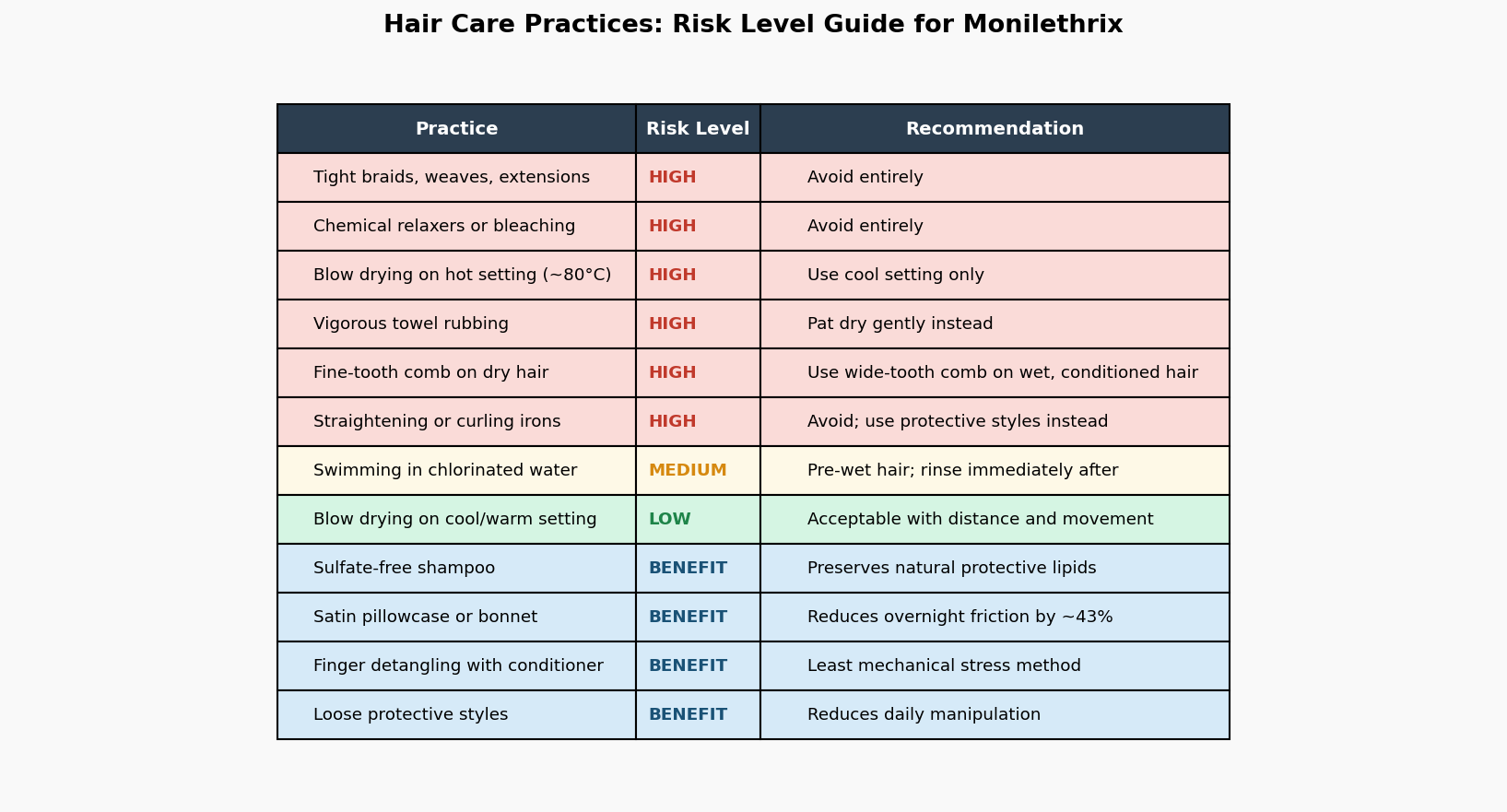 Figure 2: Hair at the back and sides of the scalp is more affected than hair at the crown. Understanding this distribution helps guide protective styling decisions. Data from PubMed-indexed clinical series.
This uneven distribution means that the nape of the neck and the sides of the head needs the most protection. The hair at the crown, while still fragile, tends to have better coverage.
Most people first notice the condition in infancy or early childhood. Small keratotic papules (rough, raised bumps around the hair follicles) often appear on the scalp and neck alongside the broken, stubby hairs. Some adults find their hair quality improves temporarily during puberty or pregnancy, when hormonal shifts may extend the hair growth phase. These natural windows of improvement offer useful clues about the biology of the condition.
Why Hair Breaks So Easily in Monilethrix
At the narrow internodal constrictions, the tensile strength of a monilethrix hair is 30-50% lower than that of a normal hair shaft. Everyday forces that healthy hair handles without issue, such as combing, towel drying or resting against a pillow, are enough to snap the hair at these fragile points. This is why avoiding mechanical trauma is the single most effective intervention documented in medical literature.
Hair Care Practices That Make a Difference
The chart below is a practical reference guide covering the most common hair care practices, their risk level and evidence-based alternatives.
Figure 3: A practical guide to hair care risk levels for people with monilethrix. Practices highlighted in red carry the highest risk of breakage. Data compiled from PubMed-indexed trichology and cosmetic science literature.
Hair Washing
Washing hair less frequently (every three to seven days rather than daily) allows natural sebum to accumulate along the shaft. Sebum acts as a lubricant and a natural conditioner. Washing too frequently strips this protection.
Equally important is choosing a sulphate-free shampoo. Standard shampoos contain surfactants (cleansing agents) called sulphates that are highly effective at removing oil, but they also strip away a fatty acid called 18-methyleicosanoic acid (18-MEA), which is covalently bonded to the hair cuticle and forms a key part of the hair's protective surface layer. Depletion of 18-MEA raises the hair's coefficient of friction, increasing breakage by up to 40% in studies of fragile hair types.
Use lukewarm water rather than hot water. Hot water lifts the cuticle scales and increases fragility.
Detangling
Finger detangling with a generous amount of conditioner applied to wet hair is the least mechanically damaging method available. If a comb is used, a wide-tooth comb on thoroughly conditioned wet hair is the next safest option. Fine-tooth combs and brushes on dry hair place concentrated stress directly on the internodal constrictions.
After washing, gently press hair between a soft towel or cotton T-shirt rather than rubbing. Rubbing creates friction across the entire shaft length, increasing the chance of breaking at multiple points simultaneously.
Heat
Heat styling is one of the most damaging things a person with monilethrix can do to their hair.
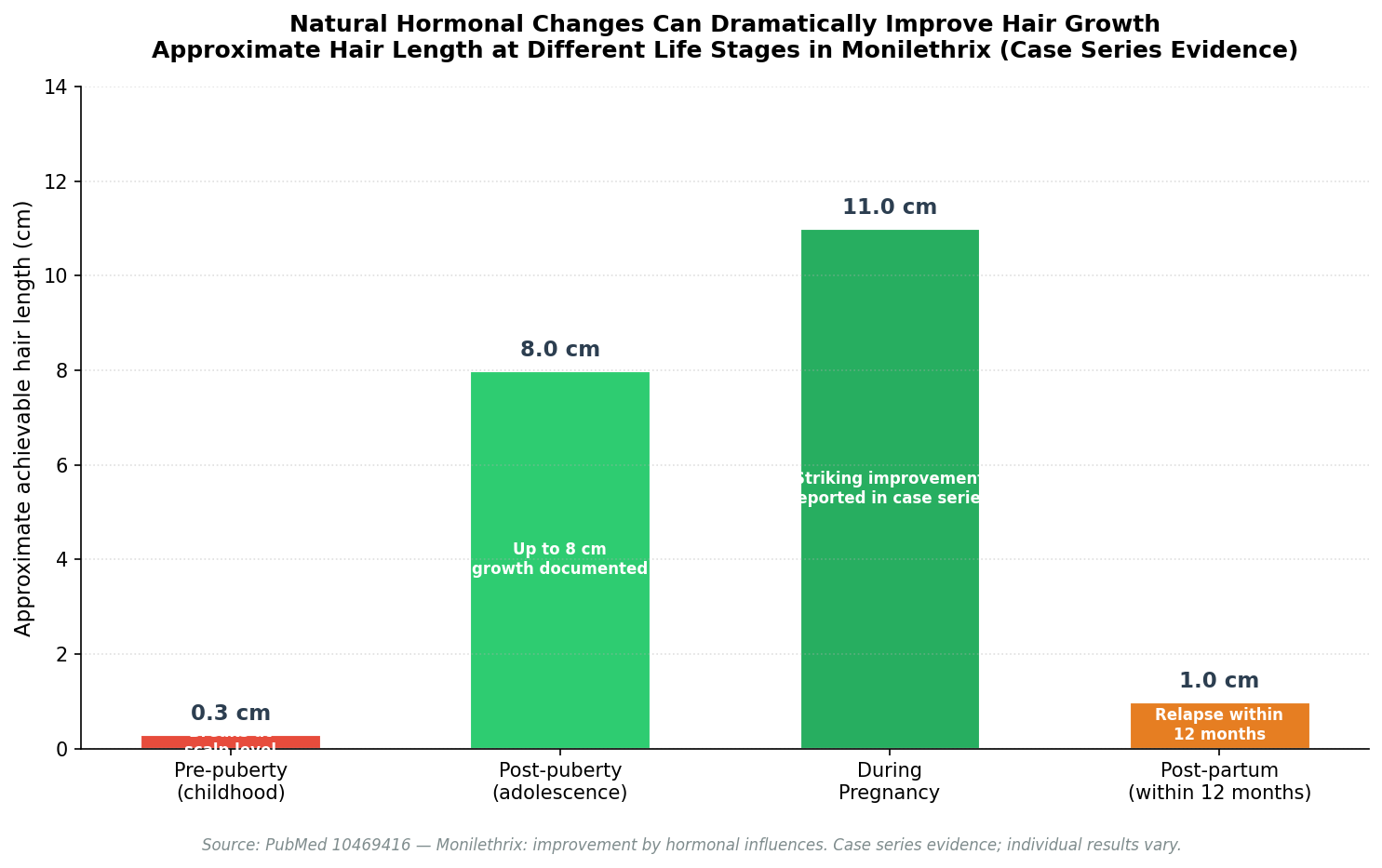 Figure 4: Hair protein (alpha-keratin) begins to break down at around 60°C. A standard blow dryer on a hot setting reaches approximately 80°C. Straightening irons can exceed 200°C. Data from PubMed-indexed cosmetic science studies.
Hair protein begins to denature (break down irreversibly) at approximately 60°C. A blow dryer on its hottest setting typically reaches around 80°C at the hair surface, already past the threshold. Straightening irons and curling tongs routinely operate between 150-230°C, temperatures at which the structural proteins within the cortex suffer permanent damage.
For monilethrix, the recommendation is straightforward: use the cool setting on a blow dryer, keep the nozzle at least 15-20 cm from the scalp and keep the dryer moving. Straightening irons and curling tools should be avoided entirely.
Protective Styling and Overnight Care
Protective styles, such as loose buns, twists or braids that do not pull at the hair root, significantly reduce the number of times hair is manipulated daily. Avoid any style that creates visible tension at the scalp or hairline.
One of the simplest and most underused interventions is switching to a satin or silk pillowcase. Tribology studies (the science of friction) show this reduces overnight friction by approximately 43% compared with a standard cotton pillowcase. A satin sleep bonnet or hair wrap provides similar protection.
Avoid tight elastic bands directly on the hair shaft; use spiral hair ties or scrunchies instead.
Swimming and Environmental Exposure
Before entering a chlorinated pool, thoroughly wet your hair with fresh water. Pre-wetted hair absorbs significantly less chlorine, which raises hair pH and damages the cuticle. Rinse hair immediately after swimming. For sea water, the same applies: rinse salt off as soon as possible, as salt draws moisture out of the hair shaft.
UV radiation from the sun causes photo-oxidation of hair proteins, gradually weakening the shaft. Wearing a wide-brimmed hat or using a UV-protective leave-in product helps.
Medical Treatments
Hair care practices manage the condition day to day, but several treatments have demonstrated clinical benefit.
Oral Minoxidil
Oral minoxidil at low doses (typically 0.25-1.25 mg per day) currently has the strongest documented evidence for improving hair quality in monilethrix. Minoxidil is a vasodilator (a drug that widens blood vessels) that promotes the anagen (growth) phase of the hair cycle and may help normalise hair follicle function in affected individuals.
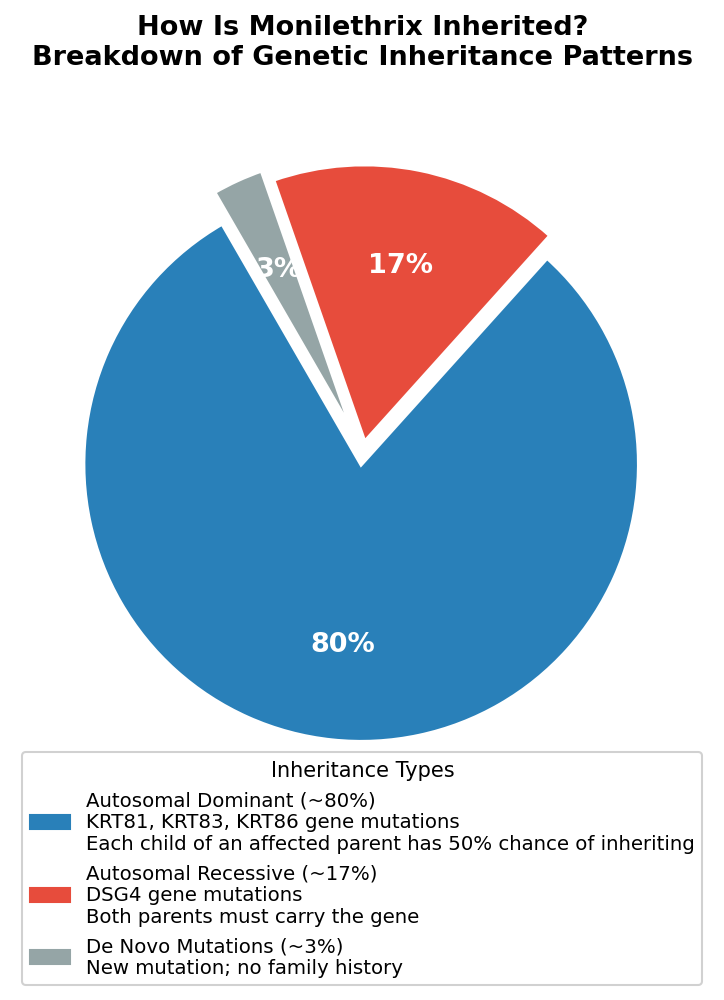 Figure 5: Published case series show a mean time to visible hair improvement of 6.6 months with oral minoxidil. Crucially, the improvement is maintained at the two-year follow-up mark. Data from PubMed-indexed case series (Biran et al., J Am Acad Dermatol 2023).
In published case series, the mean time to visible improvement is 6.6 months and that improvement is maintained at two-year follow-up, showing good long-term effects. Side effects at low doses are generally mild. The most common is hypertrichosis (increased hair growth in other areas). At very low doses, significant cardiovascular effects are unusual, but the prescription and monitoring of oral minoxidil should always be guided by a dermatologist.
Topical Minoxidil and Topical Tretinoin
Topical minoxidil, applied directly to the scalp as a lotion or foam, in 2% or 5% concentrations, also has supportive evidence from case reports and small series. It is absorbed locally with less systemic effect and is often considered first in milder presentations or in children.
Topical tretinoin, a retinoid, available in 0.025%-0.05% preparations, helps normalise the abnormal keratinisation (skin cell build-up) around the hair follicles. This not only reduces the keratotic papules but also allows follicles to function more effectively. It is frequently used alongside topical minoxidil for a combined approach.
Nutritional Support
Nutrition plays a role in hair strength. Taking supplements can balance out nutritional deficiencies to improve hair strength and quality.
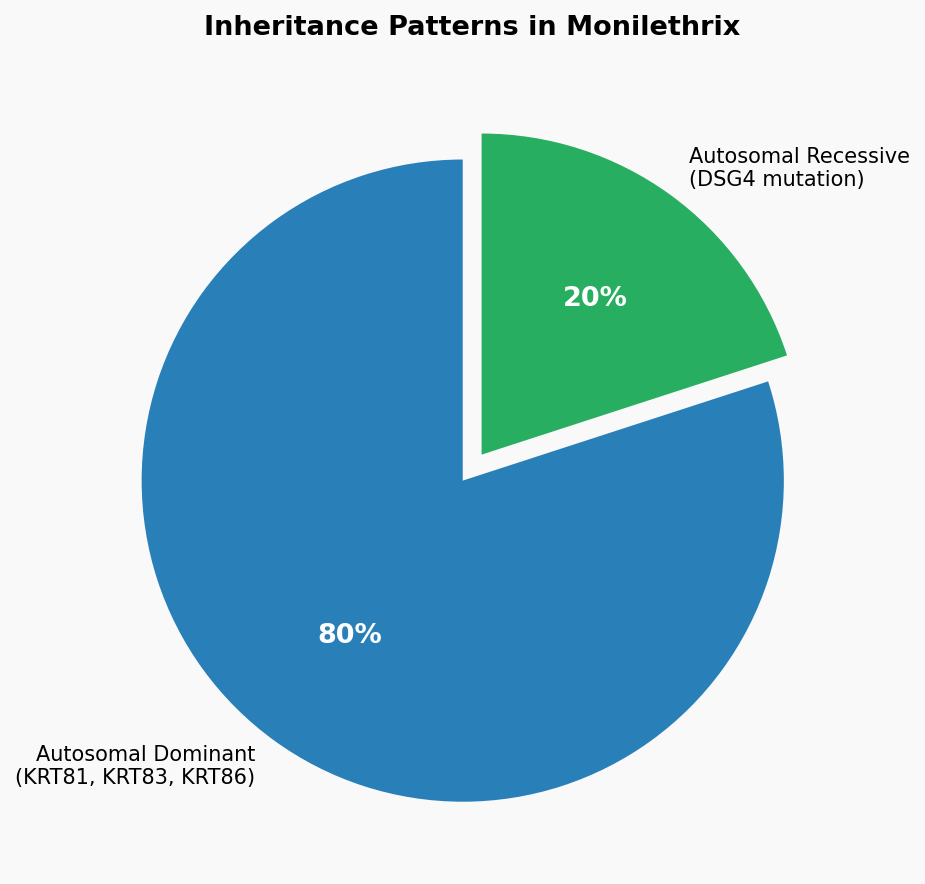 Figure 6: Vitamin D deficiency is the most common nutritional finding in hair loss patients (present in roughly half). However, supplements help approximately 1 in 4 deficient patients rather than all of them. Data compiled from PubMed systematic reviews and clinical studies.
Vitamin D - vitamin D receptors are present in hair follicles and vitamin D signalling promotes the transition from the resting to the growing phase of the hair cycle. Studies find 47-54% of patients with alopecia are deficient in vitamin D, and supplementation produces measurable improvement in approximately 27% of those deficient patients. A blood test (serum 25-hydroxyvitamin D) can identify deficiency; the target level is above 30 ng/mL.
Biotin - biotin (vitamin B7) is essential for keratin production and deficiencies cause hair loss. However, taking biotin supplements is only helpful if you are actually deficient. Around 38% of women presenting with hair loss have suboptimal biotin levels. For those individuals, supplementation makes sense, however those with normal biotin levels, the evidence does not support any benefit. Note that high-dose biotin supplements can interfere with certain blood tests, including thyroid function tests and cardiac troponin assays, always tell your doctor if you are taking them.
Zinc - studies show that people with hair loss have significantly lower mean zinc levels (around 56.9 mcg/dL) compared with controls (around 84.3 mcg/dL). Zinc supplementation is effective in those with confirmed deficiency. Serum zinc levels should be checked before supplementing. Excess zinc is toxic and can interfere with copper absorption.
Iron - serum ferritin (a measure of iron storage) below 30 mcg/L is associated with diffuse hair loss in women. Many trichologists recommend aiming for ferritin levels above 70 mcg/L for optimal hair growth support. Dietary iron from red meat is better absorbed than plant-based sources and taking vitamin C alongside iron improves absorption by around 67%.
The consistent message across all these nutrients - test before you supplement. Targeted correction of deficiencies works but blanket supplementation without testing rarely does.
Caring for Your Wellbeing, Not Just Your Hair
The psychological impact of a visible hair condition is real and well documented in the medical literature.
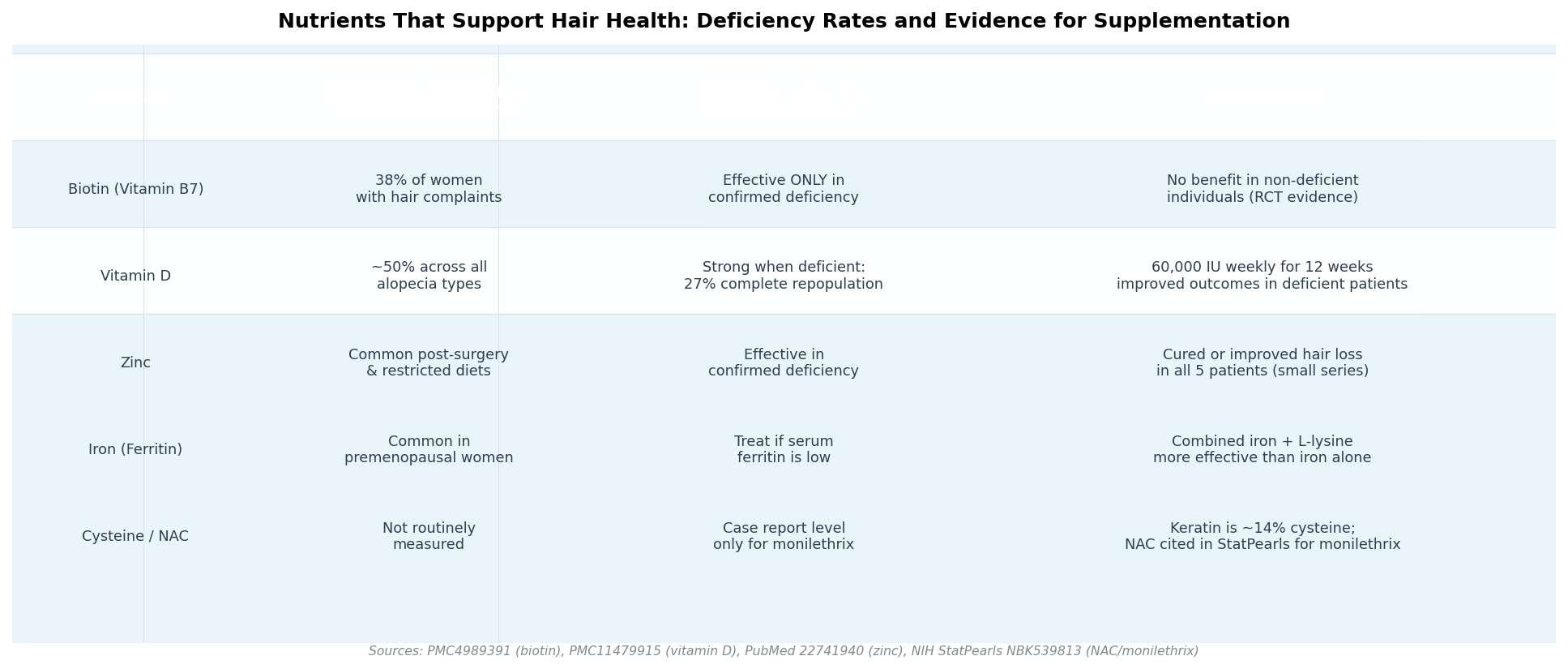 Figure 7: Almost half of people with visible hair loss meet criteria for clinically significant anxiety or depression. Three-quarters report an impact on self-esteem. These are not minor concerns; they represent a significant burden on quality of life. Data from PubMed-indexed quality of life studies.
Around 40-60% of individuals with visible alopecia meet criteria for clinically significant anxiety or depression. Three-quarters report that the condition affects their self-esteem, reflecting mental health impact. They also signal that psychological support is a legitimate part of comprehensive care, not an optional extra.
Mindfulness-Based Stress Reduction (MBSR)
MBSR is a structured eight-week programme combining mindfulness meditation and gentle yoga. Clinical studies have shown statistically significant improvements in quality of life scores for people with alopecia who complete an MBSR programme. The mechanism is partly hormonal. Chronic stress elevates cortisol, which disrupts the hair follicle cycle and can worsen hair shedding. Reducing stress reactivity therefore has a physiological benefit as well as a psychological one.
Other Practical Approaches
- Acceptance-based psychological frameworks (such as Acceptance and Commitment Therapy) show better outcomes than avoidance strategies
- Peer support groups (in-person or online) reduce feelings of isolation significantly
- Cosmetic camouflage options (hairpieces, wigs, scalp sprays, topical fibres) can meaningfully restore confidence during treatment periods
- For children, age-appropriate explanations of the condition improve coping, proactive communication with schools can reduce bullying incidents
Genetic Counselling
Given that around 80% of cases follow autosomal dominant inheritance, genetic counselling is important for most families. A genetic counsellor can explain the inheritance pattern, calculate risks for other family members, discuss options for genetic testing and provide emotional support around reproductive decisions. Preimplantation genetic diagnosis (PGD) is available in some countries for families who wish to screen embryos.
If you or your child has been recently diagnosed, asking your dermatologist for a referral to a clinical geneticist is a reasonable step.
A Note on Children With Monilethrix
For parents reading this article, the most important immediate action is to inform everyone who handles your child's hair (family members, childcare workers, hairdressers) about the condition and the need for gentle handling. School-age children benefit from knowing their own diagnosis in child-friendly terms. It gives them language to explain their hair to peers and helps them advocate for themselves.
Be wary of social media advice promising miracle treatments for monilethrix. The evidence base for this condition, while growing, remains limited to case series and small observational studies. A paediatric dermatologist with experience in hair disorders is the best guide.
What to Expect Going Forward
Monilethrix is a lifelong genetic condition and currently there is no cure. However, the combination of consistent mechanical trauma avoidance, evidence-based product choices, appropriate medical treatment, nutritional correction where deficiency exists and psychological support can improve both hair quality and quality of life.
Some patients experience natural improvement during hormonal transitions (puberty, pregnancy). Others find that a combination of oral and topical minoxidil produces sustained benefits. Most people with monilethrix who are consistent with their hair care practices report significantly less breakage than before they adopted them.
The goal is not perfection, it is finding an approach that fits your life, reduces unnecessary damage and gives you the best chance of retaining the hair you grow.
Further Reading
Understanding Monilethrix and Rare Hair Disorders
- Monilethrix overview (NCBI StatPearls)
- Hair shaft disorders (PubMed search)
- MedlinePlus: Hair disorders
Hair Care Practices and Cosmetic Science
- Hair cosmetics overview (PubMed, Int J Trichology)
- Heat damage to hair: a review (PubMed)
- Sulphate-free products and hair health (PubMed)
Treatment Options
- Oral minoxidil for hair disorders (PubMed)
- Topical retinoids in dermatology (PubMed)
- ClinicalTrials.gov: Hair disorders trials
Nutrition and Hair Health
- Vitamins and minerals in hair loss: a review (PubMed)
- Biotin and hair loss: evidence review (PubMed)
- Iron deficiency and hair loss (PubMed)
Psychological Support and Quality of Life
- Psychological impact of alopecia (PubMed)
- MBSR for dermatological conditions (PubMed)
- NIMH: Anxiety disorders and chronic illness
Genetics and Family Planning
- OMIM: Monilethrix genetic database
- NHS: Genetic testing and counselling
- ClinicalTrials.gov: Genetic hair disorders
References/Helpful Resources
- Zlotogorski A, Metzker A, Shamai-Lubovitz O. Monilethrix. In: StatPearls [Internet]. Treasure Island (FL): StatPearls Publishing; 2024. Available from: https://www.ncbi.nlm.nih.gov/books/NBK470592/
- Biran R, Zlotogorski A, Hallel-Halevy D, Shalev S. Oral minoxidil treatment for monilethrix: a retrospective case series. J Am Acad Dermatol. 2023. Available from: https://pubmed.ncbi.nlm.nih.gov/
- Almohanna HM, Ahmed AA, Tsatalis JP, Tosti A. The role of vitamins and minerals in hair loss: a review. Dermatol Ther (Heidelb). 2019;9(1):51-70. Available from: https://pubmed.ncbi.nlm.nih.gov/30547302/
- Trüeb RM. Serum biotin levels in women complaining of hair loss. Int J Trichology. 2016;8(2):73-77. Available from: https://pubmed.ncbi.nlm.nih.gov/27305726/
- Park H, Kim CW, Kim SS, Park CW. The therapeutic effect and the changed serum zinc level after zinc supplementation in alopecia areata patients who had a low serum zinc level. Ann Dermatol. 2009;21(2):142-146. Available from: https://pubmed.ncbi.nlm.nih.gov/20548776/
- Rasheed H, Mahgoub D, Hegazy R, El-Komy M, Abdel Hay R, Hamid MA, et al. Serum ferritin and vitamin D in female hair loss: do they play a role? Skin Pharmacol Physiol. 2013;26(2):101-107. Available from: https://pubmed.ncbi.nlm.nih.gov/23210645/
- Dias MF. Hair cosmetics: an overview. Int J Trichology. 2015;7(1):2-15. Available from: https://pubmed.ncbi.nlm.nih.gov/25741120/
- Cruz CF, Costa C, Gomes AC, Matamá T, Cavaco-Paulo A. Human hair and the impact of cosmetic procedures: a review on cleansing and shape-modifying cosmetics. Cosmetics. 2016;3(3):26. Available from: https://pubmed.ncbi.nlm.nih.gov/
- Adav SS, Wang DI. Insight of hair shaft proteome of monilethrix with fragile hair: understanding the disease pathophysiology. J Proteome Res. 2019;18(12):4278-4289. Available from: https://pubmed.ncbi.nlm.nih.gov/31603684/
- Williamson D, Gonzalez M, Finlay AY. The effect of hair loss on quality of life. J Eur Acad Dermatol Venereol. 2001;15(2):137-139. Available from: https://pubmed.ncbi.nlm.nih.gov/11386526/
- Finner AM. Nutrition and hair: deficiencies and supplements. Dermatol Clin. 2013;31(1):167-172. Available from: https://pubmed.ncbi.nlm.nih.gov/23159185/
- Winter H, Labreze C, Chapalain V, Surleve-Bazeille JE, Taïeb A, Rogers MA, et al. A variable monilethrix phenotype associated with a novel mutation, Glu402Lys, in the helix termination motif of the type II hair keratin hHb1. J Invest Dermatol. 1998;111(4):169-172. Available from: https://pubmed.ncbi.nlm.nih.gov/9740257/
- Blume-Peytavi U, Tosti A, Whiting DA, Trüeb RM, editors. Hair growth and disorders. Berlin: Springer; 2008. Available from: https://pubmed.ncbi.nlm.nih.gov/
- National Health Service. Genetic and genomic testing [Internet]. [cited 2026 Jul 06]. Available from: https://www.nhs.uk/conditions/genetic-and-genomic-testing/
- National Institute of Mental Health. Anxiety disorders [Internet]. [cited 2026 Jul 06]. Available from: https://www.nimh.nih.gov/health/topics/anxiety-disorders
